
Formic acid drives lignin valorization: Multiple pathways to value-added products
-
GRAPHICAL ABSTRACT
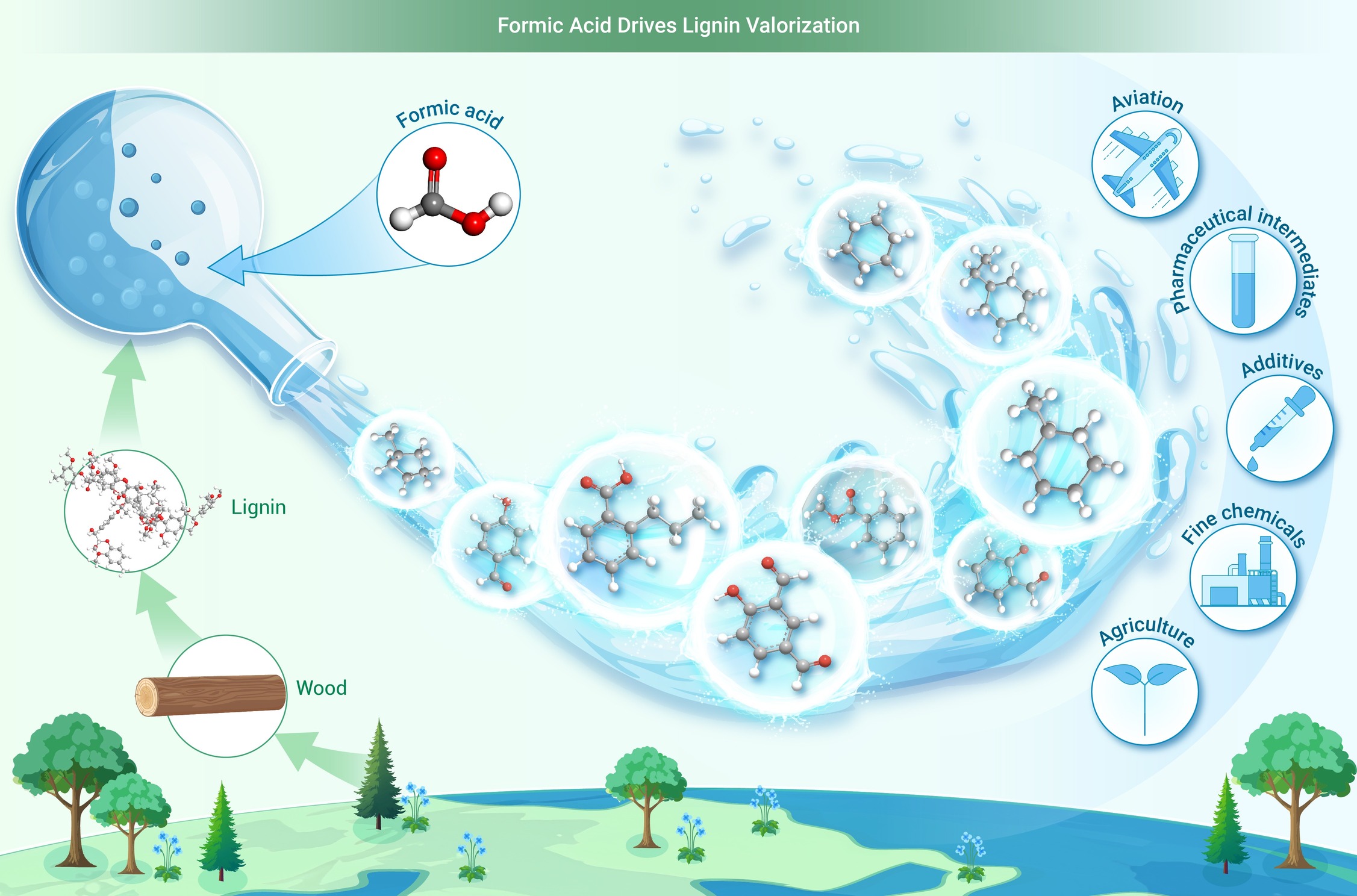
 DownLoad:
Full size image
DownLoad:
Full size image
-
PUBLIC SUMMARY
-
Strategic integration of formic acid and lignin for sustainable resource utilization.
Formic acid as a versatile H or C-containing donor molecule for lignin valorization pathways.
Future perspectives in formic acid-mediated lignin transformation technologies.
-
-
ABSTRACT
Lignin represents an abundant, sustainable carbon resource for green chemicals in nature, yet its rigid polymeric structure makes it difficult to be fully utilized. Formic acid (FA) demonstrates significant potential in lignin valorization, enabling fully renewable processing strategies. This review summarizes the multifaceted roles of FA in lignin applications, including its effectiveness in lignocellulosic biomass fractionation, lignin depolymerization, and value-added transformation of lignin derivatives. The intrinsic mechanism underlying FA's function as both H- and C-containing donor is explored, alongside its potential in lignin derivative reprocessing. Through this review, we identify critical factors that require attention in future research and provide strategic insights for advancing the sustainable utilization of these renewable carbon resources.-
Keywords:
- formic acid /
- lignin /
- value-added products
-

-
REFERENCES
[1] Sun Z., Fridrich B., Santi A., et al. (2018). Bright side of lignin depolymerization: Toward new platform chemicals. Chem. Rev. 118:614−678. DOI:10.1021/acs.chemrev.7b00588 [2] Huber G., Iborra S. and Corma A. (2006). Synthesis of transportation fuels from biomass: chemistry, catalysts, and engineering. Chem. Rev. 106:4044−4098. DOI:10.1021/cr068360d [3] Sricharoenchaikul V., Frederick W. and Agrawal P. (2003). Carbon distribution in char residue from gasification of kraft black liquor. Biomass Bioenerg. 25:209−220. DOI:10.1016/s0961-9534(02)00193-9 [4] Lee K., Jing Y., Wang Y., et al. (2022). A unified view on catalytic conversion of biomass and waste plastics. Nat. Rev. Chem. 6:635−652. DOI:10.1038/s41570-022-00411-8 [5] Khan R., Lau C., Guan J., et al. (2022). Recent advances of lignin valorization techniques toward sustainable aromatics and potential benchmarks to fossil refinery products. Bioresour. Technol. 346:126419. DOI:10.1016/j.biortech.2021.126419 [6] Xu C., Xu G. and Chen C. (2024). Sustainable biomass utilization powered by multiplex CRISPR editing. Innov. Mater. 2:100055. DOI:10.59717/j.xinn-mater.2024.100055 [7] Shuai L. and Song B. (2024). Biomass valorization assisted by protection strategies. Innov. Mater. 2:100046. DOI:10.59717/j.xinn-mater.2024.100046 [8] Berlin A. and Balakshin M. (2014). Chapter 18 - industrial lignins: Analysis, properties, and applications. Bioenergy research: Advances and applications. pp:315-336. DOI:10.1016/B978-0-444-59561-4.00018-8 [9] Dusselier M., Mascal M. and Sels B. (2014). Top chemical opportunities from carbohydrate biomass: a chemist's view of the Biorefinery. Top. Curr. Chem. 353:1−40. DOI:10.1007/128_2014_544 [10] Jiang M., Cao Y., Liu C., et al. (2024). Tracing fossil-based plastics, chemicals and fertilizers production in China. Nat. Commun. 15:3854. DOI:10.1038/s41467-024-47930-0 [11] Hidajat M., Riaz A. and Kim J. (2018). A two-step approach for producing oxygen-free aromatics from lignin using formic acid as a hydrogen source. Chem. Eng. J. 348:799−810. DOI:10.1016/j.cej.2018.05.036 [12] Hage R., Brosse N., Sannigrahi P. and Ragauskas A. (2010). Effects of process severity on the chemical structure of miscanthus ethanol organosolv lignin. Polymer Degrad. Stabil. 95:997−1003. DOI:10.1016/j.polymdegradstab.2010.03.012 [13] Erickson E., Bleem A., Kuatsjah E., et al. (2022). Critical enzyme reactions in aromatic catabolism for microbial lignin conversion. Nat. Catal. 5:86−98. DOI:10.1038/s41929-022-00747-w [14] Mahmood N., Yuan Z., Schmidt J. et al. (2016). Depolymerization of lignins and their applications for the preparation of polyols and rigid polyurethane foams: A review. Renew. Sust. Energ. Rev. 60:317−329. DOI:10.1016/j.rser.2016.01.037 [15] Feldman D. (2003). Wood—chemistry, ultrastructure, reactions. J. Polym. Sci., Polym. Let. Ed. 23:601. DOI:10.1002/pol.1985.130231112 [16] Ragauskas A., Beckham G., Biddy M., et al. (2014). Lignin valorization: improving lignin processing in the biorefinery. Science 344:1246843. DOI:10.1126/science.1246843 [17] Tejado A., Pena C., Labidi J., et al. (2007). Physico-chemical characterization of lignins from different sources for use in phenol-formaldehyde resin synthesis. Bioresour. Technol. 98:1655−1663. DOI:10.1016/j.biortech.2006.05.042 [18] Vanholme R., Demedts B., Morreel K., et al. (2010). Lignin biosynthesis and structure. Plant Physiol. 153:895−905. DOI:10.1104/pp.110.155119 [19] Zhai S., Jiang S., Liu C., et al. (2022). Liquid sunshine: formic acid. J. Phys. Chem. Lett. 13:8586−8600. DOI:10.1021/acs.jpclett.2c02149 [20] Liu M., Xu Y., Meng Y., et al. (2022). Heterogeneous catalysis for carbon dioxide mediated hydrogen storage technology based on formic acid. Adv. Energy Mater. 12:2200817. DOI:10.1002/aenm.202200817 [21] Ghoreishi S., Barth T. and Derribsa H. (2019). Formic acid assisted liquefaction of lignin in water and ethanol, investigated for a 0.025 and a 5 L batch reactor: comparison of yields and compositions of the products. Biomass Bioenerg 124:1-12. DOI:10.1016/j.biombioe.2019.03.004 [22] Dutta I., Chatterjee S., Cheng H., et al. (2022). Formic acid to power towards low-carbon economy. Adv. Energy Mater. 12:202103799. DOI:10.1002/aenm.202103799 [23] Du D., Lan R., Humphreys J. and Tao S. (2017). Progress in inorganic cathode catalysts for electrochemical conversion of carbon dioxide into formate or formic acid. J. Appl. Electrochem. 47:661−678. DOI:10.1007/s10800-017-1078-x [24] Alvarez A., Bansode A., Urakawa A., et al. (2017). Challenges in the greener production of formates/formic acid, methanol, and DME by heterogeneously catalyzed CO2 hydrogenation processes. Chem. Rev. 117:9804−9838. DOI:10.1021/acs.chemrev.6b00816 [25] Kang D., Byun J. and Han J. (2021). Evaluating the environmental impacts of formic acid production from CO2: catalytic hydrogenationvs. electrocatalytic reduction. Green Chem. 23:9470−9478. DOI:10.1039/d1gc02997e [26] Valentini F., Kozell V., Petrucci C., et al. (2019). Formic acid, a biomass-derived source of energy and hydrogen for biomass upgrading. Energ. Environ. Sci. 12:2646−2664. DOI:10.1039/c9ee01747j [27] Liu F., Dong X., Zhao X., et al. (2021). Life cycle assessment of organosolv biorefinery designs with the complete use of biomass. Energ. Convers. Manage. 246:114653. DOI:10.1016/j.enconman.2021.114653 [28] Sanchez C. (2009). Lignocellulosic residues: biodegradation and bioconversion by fungi. Biotechnol. Adv. 27:185−194. DOI:10.1016/j.biotechadv.2008.11.001 [29] Zhu J. and Zhuang X. (2012). Conceptual net energy output for biofuel production from lignocellulosic biomass through biorefining. Prog. Energy Combust. Sci. 38:583−598. DOI:10.1016/j.pecs.2012.03.007 [30] Upton B. and Kasko A. (2016). Strategies for the conversion of lignin to high-value polymeric materials: review and perspective. Chem. Rev. 116:2275−2306. DOI:10.1021/acs.chemrev.5b00345 [31] Yue F., Lu F., Sun R., et al. (2012). Synthesis and characterization of new 5-linked pinoresinol lignin models. Chemistry 18:16402−16410. DOI:10.1002/chem.201201506 [32] Nishimura H., Kamiya A., Nagata T., et al. (2018). Direct evidence for alpha ether linkage between lignin and carbohydrates in wood cell walls. Sci. Rep. 8:6538. DOI:10.1038/s41598-018-24328-9 [33] Kang X., Kirui A., Dickwella Widanage M, et al. (2019). Lignin-polysaccharide interactions in plant secondary cell walls revealed by solid-state NMR. Nat. Commun. 10:347. DOI:10.1038/s41467-018-08252-0 [34] Feng S., Cheng S., Yuan Z., et al. (2013). Valorization of bark for chemicals and materials: A review. Renew. Sus. Energ. Rev. 26:560−578. DOI:10.1016/j.rser.2013.06.024 [35] Islam M., Wang H., Rehman S., et al. (2020). Sustainability metrics of pretreatment processes in a waste derived lignocellulosic biomass biorefinery. Bioresour. Technol. 298:122558. DOI:10.1016/j.biortech.2019.122558 [36] Chakar F. and Ragauskas A. (2004). Review of current and future softwood kraft lignin process chemistry. Ind. Crop. Prod. 20:131−141. DOI:10.1016/j.indcrop.2004.04.016 [37] Zhu J., Pan X., Wang G., et al. (2009). Sulfite pretreatment (SPORL) for robust enzymatic saccharification of spruce and red pine. Bioresour. Technol. 100:2411−2418. DOI:10.1016/j.biortech.2008.10.057 [38] Mboowa D. (2021). A review of the traditional pulping methods and the recent improvements in the pulping processes. Biomass Convers. Bior. 14:1−12. DOI:10.1007/s13399-020-01243-6 [39] Dong C., Meng X., Yeung C, et al. (2019). Diol pretreatment to fractionate a reactive lignin in lignocellulosic biomass biorefineries. Green Chem. 21:2788−2800. DOI:10.1039/c9gc00596j [40] Chen L., Dou J., Ma Q., et al. (2017). Rapid and near-complete dissolution of wood lignin at </=80 degrees C by a recyclable acid hydrotrope. Sci. Adv. 3:e1701735. DOI:10.1126/sciadv.1701735 [41] Cai C., Hirth K., Gleisner R., et al. (2020). Maleic acid as a dicarboxylic acid hydrotrope for sustainable fractionation of wood at atmospheric pressure and ≤100 °C: mode and utility of lignin esterification. Green Chem. 22(5):1605−1617. DOI:10.1039/c9gc04267a [42] Bajpai P. (2023). Environmentally Benign Pulping. Sharma S. (ed) SpringerBriefs in Molecular Science (Springer Cham), pp:1-98. DOI:10.1007/978-3-031-23693-8. [43] Rabelo S., Nakasu P., Scopel E., et al. (2023). Organosolv pretreatment for biorefineries: Current status, perspectives, and challenges. Bioresour. Technol. 369:128331. DOI:10.1016/j.biortech.2022.128331 [44] Zhao X., Li S., Wu R., et al. (2017). Organosolv fractionating pre-treatment of lignocellulosic biomass for efficient enzymatic saccharification: chemistry, kinetics, and substrate structures. Biofuel. Bioprod. Bior. 11:567−590. DOI:10.1002/bbb.1768 [45] Tofani G., Jasiukaitytė-Grojzdek E., Grilc M., et al. (2024). Organosolv biorefinery: resource-based process optimisation, pilot technology scale-up and economics. Green Chem. 26(1):186−201. DOI:10.1039/d3gc03274d [46] Li M., Yang S. and Sun R. (2016). Recent advances in alcohol and organic acid fractionation of lignocellulosic biomass. Bioresour. Technol. 200:971−980. DOI:10.1016/j.biortech.2015.10.004 [47] Lv Y., Zhang Y. and Xu Y. (2024). Understanding and technological approach of acid hydrolysis processing for lignocellulose biorefinery: panorama and perspectives. Biomass Bioenerg. 183:107133. DOI:10.1016/j.biombioe.2024.107133 [48] Liu H., Sun J., Leu S., et al. (2016). Toward a fundamental understanding of cellulase-lignin interactions in the whole slurry enzymatic saccharification process. Biofuel. Bioprod. Bior. 10:648−663. DOI:10.1002/bbb.1670 [49] Wang X., Meng Q., Gao L., et al. (2018). Recent progress in hydrogen production from formic acid decomposition. Int. J. Hydrogen Energ. 43:7055−7071. DOI:10.1016/j.ijhydene.2018.02.146 [50] Qiao H., Wang Y., Ma Z., et al. (2023). In-depth investigation of formic acid pretreatment for various biomasses: Chemical properties, structural features, and enzymatic hydrolysis. Bioresour. Technol. 374:128747. DOI:10.1016/j.biortech.2023.128747 [51] Chen C, Li M., Wu Y, et al. (2014). Integration of ambient formic acid process and alkaline hydrogen peroxide post-treatment of furfural residue to enhance enzymatic hydrolysis. Ind. Eng. Chem. Res. 53:12935−12942. DOI:10.1021/ie502303s [52] Schuerch C. (2002). The solvent properties of liquids and their relation to the solubility, swelling, isolation and fractionation of lignin. J. Am. Chem. Soc. 74:5061−5067. DOI:10.1021/ja01140a020 [53] Qiao H., Han M., Ouyang S., et al. (2022). An integrated lignocellulose biorefinery process: two-step sequential treatment with formic acid for efficiently producing ethanol and furfural from corn cobs. Renew. Energ. 191:775−784. DOI:10.1016/j.renene.2022.04.027 [54] Ma Q., Wang L., Zhai H., et al. (2021). Lignin dissolution model in formic acid-acetic acid-water systems based on lignin chemical structure. Int. J. Biol. Macromol. 182:51−58. DOI:10.1016/j.ijbiomac.2021.03.179 [55] Melro E., Filipe A., Valente A., et al. (2020). Levulinic acid: a novel sustainable solvent for lignin dissolution. Int. J. Biol. Macromol. 164:3454−3461. DOI:10.1016/j.ijbiomac.2020.08.128 [56] Rashid T., Kait C., Regupathi I., et al. (2016). Dissolution of kraft lignin using protic ionic liquids and characterization. Ind. Crops. Prod. 84:284−293. DOI:10.1016/j.indcrop.2016.02.017 [57] Tan Y., Ngoh G. and Chua A. (2019). Effect of functional groups in acid constituent of deep eutectic solvent for extraction of reactive lignin. Bioresour. Technol. 281:359−366. DOI:10.1016/j.biortech.2019.02.010 [58] Rashid T., Sher F., Rasheed T., et al. (2021). Evaluation of current and future solvents for selective lignin dissolution–A review. J. Mol. Liq. 321. DOI:10.1016/j.molliq.2020.114577. [59] Suriyachai N., Champreda V., Kraikul N., et al. (2018). Fractionation of lignocellulosic biopolymers from sugarcane bagasse using formic acid-catalyzed organosolv process. 3 Biotech 8:221. DOI:10.1007/s13205-018-1244-9. [60] Zhao X. and Liu D. (2012). Fractionating pretreatment of sugarcane bagasse by aqueous formic acid with direct recycle of spent liquor to increase cellulose digestibility--the formiline process. Bioresour. Technol. 117:25-32. DOI:10.1016/j.biortech.2012.04.062. [61] Chotirotsukon C., Raita M., Yamada M., et al. (2020). Sequential fractionation of sugarcane bagasse using liquid hot water and formic acid-catalyzed glycerol-based organosolv with solvent recycling. BioEnergy Res. 14:135−152. DOI:10.1007/s12155-020-10181-0 [62] Guo Y., Xu L., Shen F., et al. (2022). Insights into lignocellulosic waste fractionation for lignin nanospheres fabrication using acidic/alkaline deep eutectic solvents. Chemosphere 286:131798. DOI:10.1016/j.chemosphere.2021.131798 [63] Lynam J., Kumar, N. and Wong, M. (2017). Deep eutectic solvents' ability to solubilize lignin, cellulose, and hemicellulose; thermal stability; and density. Bioresour. Technol. 238:684−689. DOI:10.1016/j.biortech.2017.04.079 [64] Kumar N., Gautam R., Stallings J., et al. (2020). Secondary agriculture residues pretreatment using deep eutectic solvents. Waste Biomass Valori. 12:2259−2269. DOI:10.1007/s12649-020-01176-1 [65] Wang Q., Xiao S., Shi S., et al. (2019). Microwave-assisted formic acid extraction for high-purity cellulose production. Cellulose 26:5913−5924. DOI:10.1007/s10570-019-02516-8 [66] Xie X., Li C., Fan D., et al. (2022). Highly efficient fractionation of cornstalk into noncondensed lignin, xylose, and cellulose in formic acid. J. Agric. Food. Chem. 70:15430−15438. DOI:10.1021/acs.jafc.2c06736 [67] Zhao Y., Shakeel U., Rehman M., et al. (2020). Lignin-carbohydrate complexes (LCCs) and its role in biorefinery. J. Clean. Prod. 253. DOI:10.1016/j.jclepro.2020.120076. [68] Zhang Y., Hou Q., Xu W., et al. (2017). Revealing the structure of bamboo lignin obtained by formic acid delignification at different pressure levels. Ind. Crops Prod. 108:864−871. DOI:10.1016/j.indcrop.2017.08.065 [69] Shao Z., Fu Y., Wang P., et al. (2020). Modification of the aspen lignin structure during integrated fractionation process of autohydrolysis and formic acid delignification. Int. J. Biol. Macromol. 165:1727−1737. DOI:10.1016/j.ijbiomac.2020.10.026 [70] Villaverde J., Li J., Ek M., et al. (2009). Native lignin structure of Miscanthus x giganteus and its changes during acetic and formic acid fractionation. J. Agric. Food Chem. 57:6262−6270. DOI:10.1021/jf900483t [71] Ma Q., Li Z., Guo L., et al. (2021). Formation of high carbohydrate and acylation condensed lignin from formic acid-acetic acid-H2O biorefinery of corn stalk rind. Ind. Crops Prod. 161:. DOI:10.1016/j.indcrop.2020.113165. [72] Dussan K., Girisuta B., Lopes M., et al. (2015). Conversion of hemicellulose sugars catalyzed by formic acid: Kinetics of the dehydration of D-xylose, L-arabinose, and D-glucose. ChemSusChem 8:1411−1428. DOI:10.1002/cssc.201403328 [73] Dapia S., Santos V. and Parajo J. (2003). Carboxymethylcellulose from totally chlorine-free-bleached milox pulps. Bioresour. Technol. 89:289−296. DOI:10.1016/s0960-8524(03)00066-x [74] Delmas G., Benjelloun-Mlayah B., Bigot Y., et al. (2011). Functionality of wheat straw lignin extracted in organic acid media. J. Appl. Polym. Sci. 121:491−501. DOI:10.1002/app.33592 [75] Mattonai M., Messina G., Nardella F., et al. (2022). New parameters to model microwave-assisted deep eutectic solvent extraction of lignin using analytical pyrolysis–GC/MS. ACS Sustain. Chem. Eng. 10:15660−15669. DOI:10.1021/acssuschemeng.2c03461 [76] Delmas M. (2008). Vegetal refining and agrochemistry. Chem. Eng. Technol. 31:792−797. DOI:10.1002/ceat.200800052 [77] Wu Z., Zhao X., Zhang J., et al. (2019). Ethanol/1,4-dioxane/formic acid as synergistic solvents for the conversion of lignin into high-value added phenolic monomers. Bioresour. Technol. 278:187−194. DOI:10.1016/j.biortech.2019.01.082 [78] Shuai L., Amiri M., Questell-Santiago Y., et al. (2016). Formaldehyde stabilization facilitates lignin monomer production during biomass depolymerization. Science 354:329−333. DOI:10.1126/science.aaf7810 [79] Dussan K., Girisuta B., Haverty D., et al. (2014). The effect of hydrogen peroxide concentration and solid loading on the fractionation of biomass in formic acid. Carbohydr. Polym. 111:374−384. DOI:10.1016/j.carbpol.2014.04.039 [80] Wigley T., Yip A. and Pang S. (2015). The use of demineralisation and torrefaction to improve the properties of biomass intended as a feedstock for fast pyrolysis. J. Anal. Appl. Pyrol. 113:296−306. DOI:10.1016/j.jaap.2015.02.007 [81] Lan X., Fu S., Song J., et al. (2024). Structural changes of hemicellulose during pulping process and its interaction with nanocellulose. Int. J. Biol. Macromol. 255:127772. DOI:10.1016/j.ijbiomac.2023.127772 [82] Ouyang J., He W., Li Q., et al. (2022). Separation of lignocellulose and preparation of xylose from miscanthus lutarioriparius with a formic acid method. Appl. Sci. 12:1432. DOI:10.3390/app12031432 [83] Jin C., Yang M., E S., et al. (2020). Corn stover valorization by one-step formic acid fractionation and formylation for 5-hydroxymethylfurfural and high guaiacyl lignin production. Bioresour. Technol. 299:122586. DOI:10.1016/j.biortech.2019.122586 [84] Yu S., Chen L., Xie Y., et al. (2025). Lignin/polysaccharide composite: a nature-made match toward multifunctional bio-based materials. Prog. Mater. Sci. 148:101383. DOI:10.1016/j.pmatsci.2024.101383 [85] Cho M., Karaaslan M., Wang H., et al. (2018). Greener transformation of lignin into ultralight multifunctional materials. J. Mater. Chem. A 6:20973−20981. DOI:10.1039/c8ta07802e [86] Zhang B., Qiang G., Barta K., et al. (2024). Bio–based polymers from lignin. Innov. Mater. 2:100062. DOI:10.59717/j.xinn-mater.2024.100062 [87] Chen L., Bi T., Lizundia E., et al. (2024). Biomass waste-assisted micro(nano)plastics capture, utilization, and storage for sustainable water remediation. The Innovation 5:100655. DOI:10.1016/j.xinn.2024.100655 [88] Yu S., Zhou Y., Gan M., et al. (2023). Lignocellulose-based optical biofilter with high near-infrared transmittance via lignin capturing-fusing approach. Research 6:0250. DOI:10.34133/research.0250 [89] Liu J., Moreno A., Chang J., et al. (2022). Fully biobased photothermal films and coatings for indoor ultraviolet radiation and heat management. ACS Appl. Mater. Interfaces 14:12693−12702. DOI:10.1021/acsami.2c00718 [90] Wang X., Wang S., Liu W., et al. (2019). Facile fabrication of cellulose composite films with excellent UV resistance and antibacterial activity. Carbohydr. Polym. 225:115213. DOI:10.1016/j.carbpol.2019.115213 [91] Zhang W., Yin J., Wang C., et al. (2021). Lignin derived porous carbons: Synthesis methods and supercapacitor applications. Small Methods 5:e2100896. DOI:10.1002/smtd.202100896 [92] Duan X., Wang X., Chen J., et al. (2022). Structural properties and antioxidation activities of lignins isolated from sequential two-step formosolv fractionation. RSC Adv. 12:24242−24251. DOI:10.1039/d2ra02085h [93] Duan X., Wang X., Huang A., et al. (2022). Effect of two-step formosolv fractionation on the structural properties and antioxidant activity of lignin. Molecules 27:2905. DOI:10.3390/molecules27092905 [94] Stival Bittencourt P., Martins Fernandes D., Fernandes Silva M., et al. (2010). Lignin modified by formic acid on the PA6 films: evaluation on the morphology and degradation by UV radiation. Waste Biomass Valori. 1:323−328. DOI:10.1007/s12649-010-9035-5 [95] Muranaka Y., Nakagawa H., Hasegawa I., et al. (2017). Lignin-based resin production from lignocellulosic biomass combining acidic saccharification and acetone-water treatment. Chem. Eng. J. 308:754−759. DOI:10.1016/j.cej.2016.09.117 [96] Saulnier B., Siahkamari M., Singh S., et al. (2023). Effect of dilute acid pretreatment and lignin extraction conditions on lignin properties and suitability as a phenol replacement in phenol-formaldehyde wood adhesives. J. Agric. Food Chem. 71:592−602. DOI:10.1021/acs.jafc.2c07299 [97] Batista K., Padilha R., Castro T., et al. (2018). High-temperature, low-temperature and weathering aging performance of lignin modified asphalt binders. Ind. Crops Prod. 111:107−116. DOI:10.1016/j.indcrop.2017.10.010 [98] Cai M., Peng C. and Cheng C. (2023). Study on the rheological properties of formic acid lignin modified asphalt. Buildings 13:655. DOI:10.3390/buildings13030655 [99] Patil V., Adhikari S., Cross P., et al. (2020). Progress in the solvent depolymerization of lignin. Renew. Sust. Energ. Rev. 133:110359. DOI:10.1016/j.rser.2020.110359 [100] Chio C., Sain M. and Qin W. (2019). Lignin utilization: A review of lignin depolymerization from various aspects. Renew. Sust. Energy Rev. 107:232−249. DOI:10.1016/j.rser.2019.03.008 [101] Oregui-Bengoechea M., Gandarias I., Arias P.L., et al. (2017). Unraveling the role of formic acid and the type of solvent in the catalytic conversion of lignin: A holistic approach. ChemSusChem 10:754−766. DOI:10.1002/cssc.201601410 [102] Sims J., Ould Hamou C., Réocreux R., et al. (2018). Adsorption and decomposition of formic acid on cobalt(0001). J. Phys. Chem. C 122:20279−20288. DOI:10.1021/acs.jpcc.8b04751 [103] Yuan J., Li H., Xiao L., et al. (2022). Valorization of lignin into phenolic compounds via fast pyrolysis: impact of lignin structure. Fuel 319:123758. DOI:10.1016/j.fuel.2022.123758 [104] Li Q., Dong Y., Hammond K., et al. (2021). Revealing the role of hydrogen bonding interactions and supramolecular complexes in lignin dissolution by deep eutectic solvents. J. Mol. Liq. 344:117779. DOI:10.1016/j.molliq.2021.117779 [105] Lu X., Wang D., Guo H., et al. (2022). Insights into depolymerization pathways and mechanism of alkali lignin over a Ni1.2–ZrO2/WO3/γ-Al2O3 catalyst. Chin. J. Chem. Eng. 48:191-201. DOI:10.1016/j.cjche.2021.07.018. [106] Chen J., Lu X., Wang D., et al. (2023). Effective depolymerization of alkali lignin using an attapulgite-Ce0.75Zr0.25O2(ATP-CZO)-supported cobalt catalyst in ethanol/isopropanol media. Chin. J. Chem. Eng. 57:50-62. DOI:10.1016/j.cjche.2022.08.018. [107] Hong S., Shen X., Xue Z., et al. (2020). Structure–function relationships of deep eutectic solvents for lignin extraction and chemical transformation. Green Chem. 22:7219−7232. DOI:10.1039/d0gc02439b [108] Zhang Y., Ren H., Li B., et al. (2023). Mechanistic insights into the lignin dissolution behavior in amino acid based deep eutectic solvents. Int. J. Biol. Macromol. 242:124829. DOI:10.1016/j.ijbiomac.2023.124829 [109] Liu Q., Zhao X., Yu D., et al. (2019). Novel deep eutectic solvents with different functional groups towards highly efficient dissolution of lignin. Green Chem. 21:5291−5297. DOI:10.1039/c9gc02306b [110] Muley P., Mobley J., Tong X., et al. (2019). Rapid microwave-assisted biomass delignification and lignin depolymerization in deep eutectic solvents. Energ. Convers. Manage. 196:1080−1088. DOI:10.1016/j.enconman.2019.06.070 [111] Mankar A., Modak A. and Pant K. (2021). Recent advances in the valorization of lignin: a key focus on pretreatment, characterization, and catalytic depolymerization strategies for future biorefineries. Adv. Sustain. Syst. 6:2100299. DOI:10.1002/adsu.202100299 [112] Zhu R., Mao C., Gao F., et al. (2024). Catalytic cleavage of the C-O bonds in lignin and lignin model compounds by metal triflate catalysts. ChemSusChem 17:e202301743. DOI:10.1002/cssc.202301743 [113] Sudarsanam P., Duolikun T., Babu P., et al. (2019). Recent developments in selective catalytic conversion of lignin into aromatics and their derivatives. Biomass Convers. Biorefin. 10:873−883. DOI:10.1007/s13399-019-00530-1 [114] Park J., Riaz A., Verma D., et al. (2019). Fractionation of lignocellulosic biomass over core-shell Ni@Al2O3 catalysts with formic acid as a cocatalyst and hydrogen source. ChemSusChem 12:1743−1762. DOI:10.1002/cssc.201802847 [115] Xu R., Deng W., Jiang W., et al. (2020). Progress in biological utilization of formic acid. Chin. J. Biotechnol. 36:1031−1040. DOI:10.13345/j.cjb.190420 [116] Shorey R. and Mekonnen T. (2022). Sustainable paper coating with enhanced barrier properties based on esterified lignin and PBAT blend. Int. J. Biol. Macromol. 209:472−484. DOI:10.1016/j.ijbiomac.2022.04.037 [117] Fang Q., Jiang Z., Guo K., et al. (2020). Low temperature catalytic conversion of oligomers derived from lignin in pubescens on Pd/NbOPO4. Appl. Catal. B: Environ. 263:118325. DOI:10.1016/j.apcatb.2019.118325 [118] Rahimi A., Ulbrich A., Coon J., et al. (2014). Formic-acid-induced depolymerization of oxidized lignin to aromatics. Nature 515:249−252. DOI:10.1038/nature13867 [119] Li G., Garcia-Borras M., Furst M., et al. (2018). Overriding traditional electronic effects in biocatalytic Baeyer-Villiger reactions by directed evolution. J. Am. Chem. Soc. 140:10464−10472. DOI:10.1021/jacs.8b04742 [120] Wang Y., Wang Q., He J., et al. (2017). Highly effective C–C bond cleavage of lignin model compounds. Green Chem. 19:3135−3141. DOI:10.1039/c7gc00844a [121] Li X. and Zhang Y. (2020). Metal catalyst-free oxidative C-C bond cleavage of a lignin model compound by H2O2 in formic acid. ChemSusChem 13:1740−1745. DOI:10.1002/cssc.201903180 [122] Fernández-Rodríguez J., Erdocia X., Sánchez C., et al. (2017). Lignin depolymerization for phenolic monomers production by sustainable processes. J. Energy Chem. 26:622−631. DOI:10.1016/j.jechem.2017.02.007 [123] Dou Z. and Wang M. (2024). Catalytic production of benign bisphenols from lignin via pre-arylation method. Innov. Mater. 2:100100. DOI:10.59717/j.xinn-mater.2024.100100 [124] Hu Z., Luo L., Shang C., et al. (2024). Free energy pathway exploration of catalytic formic acid decomposition on Pt-group metals in aqueous surroundings. ACS Catal. 14:7684−7695. DOI:10.1021/acscatal.4c00959 [125] Vardon D., Sherbacow B., Guan K., et al. (2022). Realizing “net-zero-carbon” sustainable aviation fuel. Joule 6:16−21. DOI:10.1016/j.joule.2021.12.013 [126] Verma D., Chun H., Karanwal N., et al. (2024). Critical interplay between ruthenium oxide and water for the catalytic conversion of lignin to sustainable aviation fuel. Chem. Eng. J. 490:151420.A review DOI:10.1016/j.cej.2024.151420 [127] Su-ungkavatin P., Tiruta-Barna L. and Hamelin L. (2023). Biofuels, electrofuels, electric or hydrogen. : A review of current and emerging sustainable aviation systems. Prog. Energy Combust. Sci. 96:101073. DOI:10.1016/j.pecs.2023.101073 [128] Liu J., Wei J., Feng X., et al. (2023). Ni/HZSM-5 catalysts for hydrodeoxygenation of polycarbonate plastic wastes into cycloalkanes for sustainable aviation fuels. Appl. Catal. B: Environ. 338:123050. DOI:10.1016/j.apcatb.2023.123050 [129] Watanasiri S., Paulechka E., Iisa K., et al. (2023). Prediction of sustainable aviation fuel properties for liquid hydrocarbons from hydrotreating biomass catalytic fast pyrolysis derived organic intermediates. Sustain. Energ. Fuels 7:2413−2427. DOI:10.1039/d3se00058c [130] Undavalli V., Gbadamosi Olatunde O., Boylu R., et al. (2023). Recent advancements in sustainable aviation fuels. Prog. Aerosp. Sci. 136:100876. DOI:10.1016/j.paerosci.2022.100876 [131] Stone M., Webber M., Mounfield W., et al. (2022). Continuous hydrodeoxygenation of lignin to jet-range aromatic hydrocarbons. Joule 6:2324−2337. DOI:10.1016/j.joule.2022.08.005 [132] Diao X., Ji N., Li X., et al. (2022). Fabricating high temperature stable Mo-Co9S8/Al2O3 catalyst for selective hydrodeoxygenation of lignin to arenes. Appl. Catal. B Environ. 305:121067. DOI:10.1016/j.apcatb.2022.121067 [133] Dong L., Lin L., Han X., et al. (2019). Breaking the limit of lignin monomer production via cleavage of interunit carbon–carbon linkages. Chem 5:1521−1536. DOI:10.1016/j.chempr.2019.03.007 [134] Zhang X., Jiang Y., Li W., et al. (2024). Production of liquid fuels via catalytic transfer hydrogenation promoting lignin depolymerization on modified Y zeolite: formic acid as a continuous hydrogen source. Energ. Convers. Manage. 302:118144. DOI:10.1016/j.enconman.2024.118144 [135] Kristianto I., Limarta S., Lee H., et al. (2017). Effective depolymerization of concentrated acid hydrolysis lignin using a carbon-supported ruthenium catalyst in ethanol/formic acid media. Bioresour. Technol. 234:424−431. DOI:10.1016/j.biortech.2017.03.070 [136] Huang S., Mahmood N., Tymchyshyn M., et al. (2014). Reductive de-polymerization of kraft lignin for chemicals and fuels using formic acid as an in-situ hydrogen source. Bioresour. Technol. 171:95−102. DOI:10.1016/j.biortech.2014.08.045 [137] Ouyang X., Huang X., Zhu Y., et al. (2015). Ethanol-enhanced liquefaction of lignin with formic acid as an in situ hydrogen donor. Energ. Fuel. 29:5835−5840. DOI:10.1021/acs.energyfuels.5b01127 [138] Matsagar B., Wang Z., Sakdaronnarong C., et al. (2019). Effect of solvent, role of formic acid and Rh/C catalyst for the efficient liquefaction of lignin. ChemCatChem 11:4604−4616. DOI:10.1002/cctc.201901010 [139] Toledano A., Serrano L., Labidi J., et al. (2012). Heterogeneously catalysed mild hydrogenolytic depolymerisation of lignin under microwave irradiation with hydrogen-donating solvents. ChemCatChem 5:977−985. DOI:10.1002/cctc.201200616 [140] Lu X., Guo H., Chen J., et al. (2022). Selective catalytic transfer hydrogenation of lignin to alkyl guaiacols over NiMo/Al-MCM-41. ChemSusChem 15:e202200099. DOI:10.1002/cssc.202200099 [141] Sun Z., Bottari G., Afanasenko A., et al. (2018). Complete lignocellulose conversion with integrated catalyst recycling yielding valuable aromatics and fuels. Nat. Catal. 1:82−92. DOI:10.1038/s41929-017-0007-z [142] Zhou H., Song K., Guo Y., et al. (2023). Selective production of 4-propylphenol from lignin oil without exogenous hydrogen over a RuNi/NiAl2O4 catalyst. ACS Sustain. Chem. Eng. 11:15052−15059. DOI:10.1021/acssuschemeng.3c03982 [143] Wen H., Liu Y., Liu S., et al. (2024). Heterogeneous catalysis in production and utilization of formic acid for renewable energy. Small 20:e2305405. DOI:10.1002/smll.202305405 [144] Kwon S., Lin T. and Iglesia E. (2020). Formic acid dehydration rates and elementary steps on lewis acid–base site pairs at anatase and rutile TiO2 surfaces. J. Phys. Chem. C 124:20161−20174. DOI:10.1021/acs.jpcc.0c05721 [145] Orrison C., Meeder J., Zhang B., et al. (2021). Efficient redox-neutral photocatalytic formate to carbon monoxide conversion enabled by long-range hot electron transfer from Mn-doped quantum dots. J. Am. Chem. Soc. 143:10292−10300. DOI:10.1021/jacs.1c03844 [146] Gattermann L. and Koch J. (2006). Eine synthese aromatischer aldehyde. Ber. Dtsch. Chem. Ges. 30:1622−1624. DOI:10.1002/cber.18970300288 [147] Halleraker H., Ghoreishi S. and Barth T. (2020). Investigating reaction pathways for formic acid and lignin at HTL conditions using 13C-labeled formic acid and 13C NMR. Results Chem. 2:100019. DOI:10.1016/j.rechem.2019.100019 [148] Shin M., Seo J., Baek Y., et al. (2020). Novel and efficient synthesis of phenethyl formate via enzymatic esterification of formic acid. Biomolecules 10:70. DOI:10.3390/biom10010070 [149] Yu Q., Zhang A., Wang W., et al. (2018). Deep eutectic solvents from hemicellulose-derived acids for the cellulosic ethanol refining of Akebia' herbal residues. Bioresour. Technol. 247:705−710. DOI:10.1016/j.biortech.2017.09.159 -
ABOUT THIS ARTICLE
Cite this article:
Zhang Y., Zhou Y., Patria R. D., et al. (2025). Formic acid drives lignin valorization: Multiple pathways to value-added products. The Innovation Materials 3:100139. https://doi.org/10.59717/j.xinn-mater.2025.100139
Welcome!
To request copyright permission to republish or share portions of our works, please visit Copyright Clearance Center's (CCC) Marketplace website at marketplace.copyright.com.
Export File
Citation
Zhang Y., Zhou Y., Patria R. D., et al. (2025). Formic acid drives lignin valorization: Multiple pathways to value-added products. The Innovation Materials 3:100139. https://doi.org/10.59717/j.xinn-mater.2025.100139

Format
Content
-
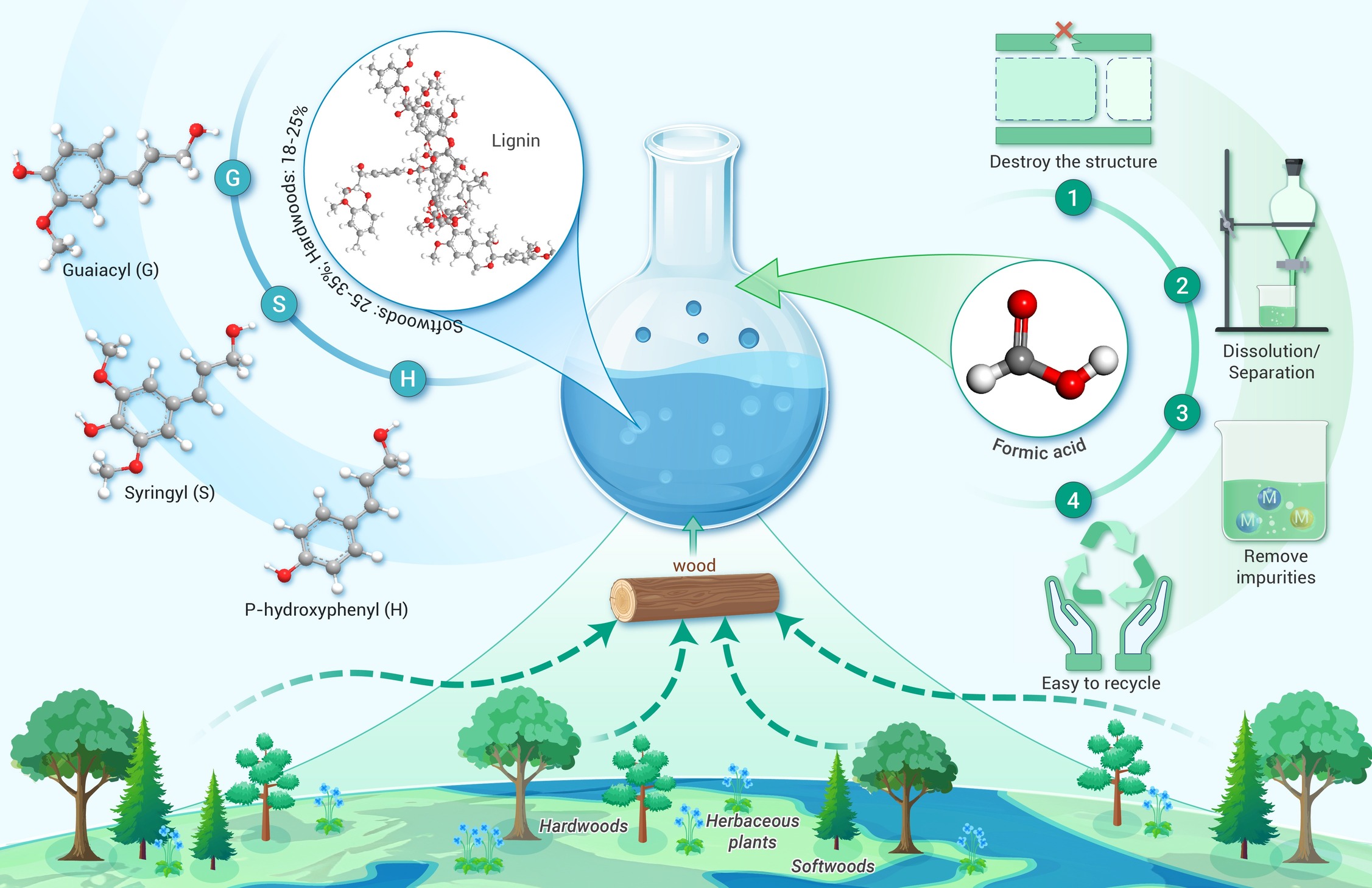
Figure 1.
Schematic diagram of lignin composition and FA for crude lignin extraction.
-
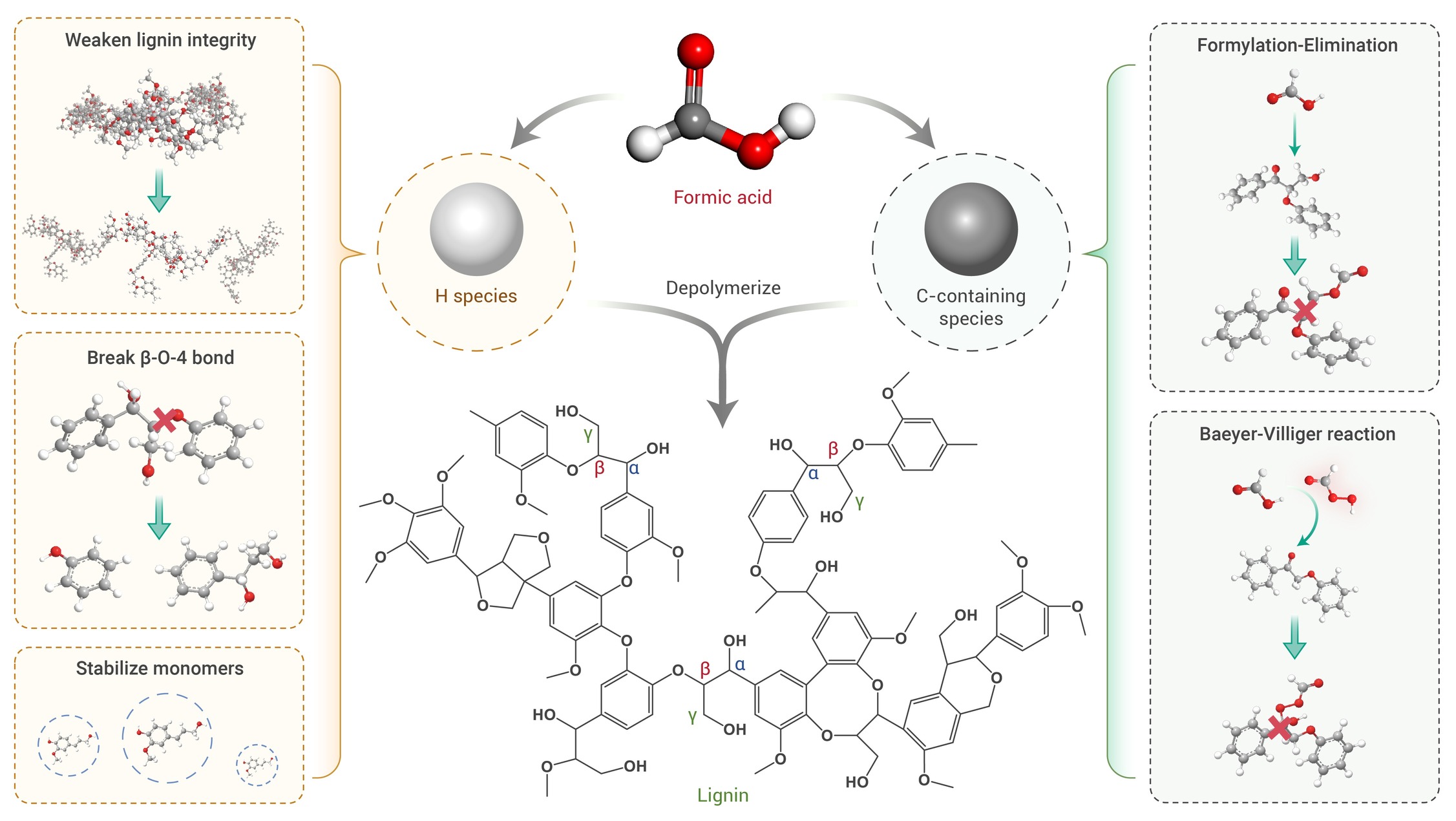
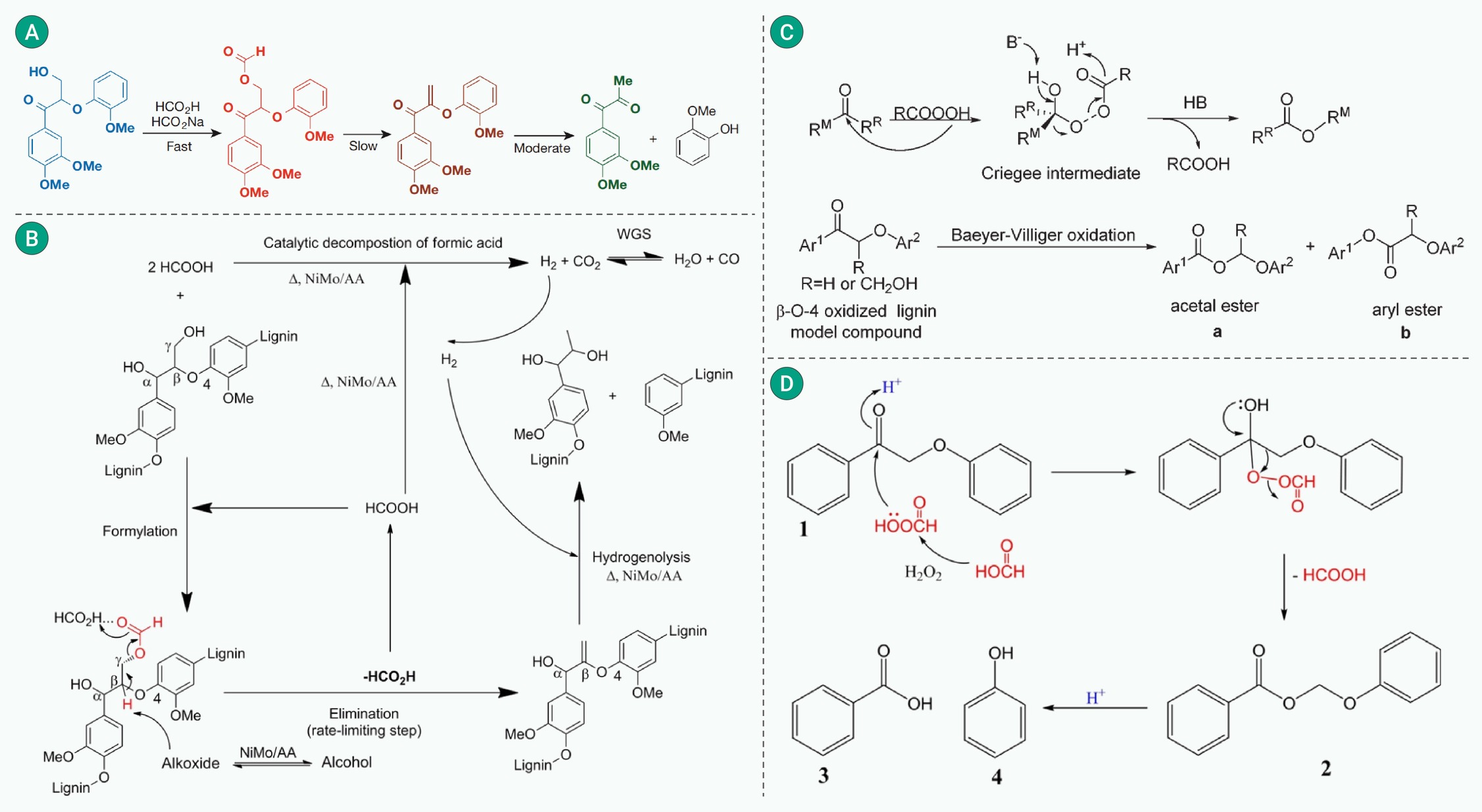
Figure 2.
Schematic diagram of FA as H or C donor involved in lignin depolymerization reaction process.
-
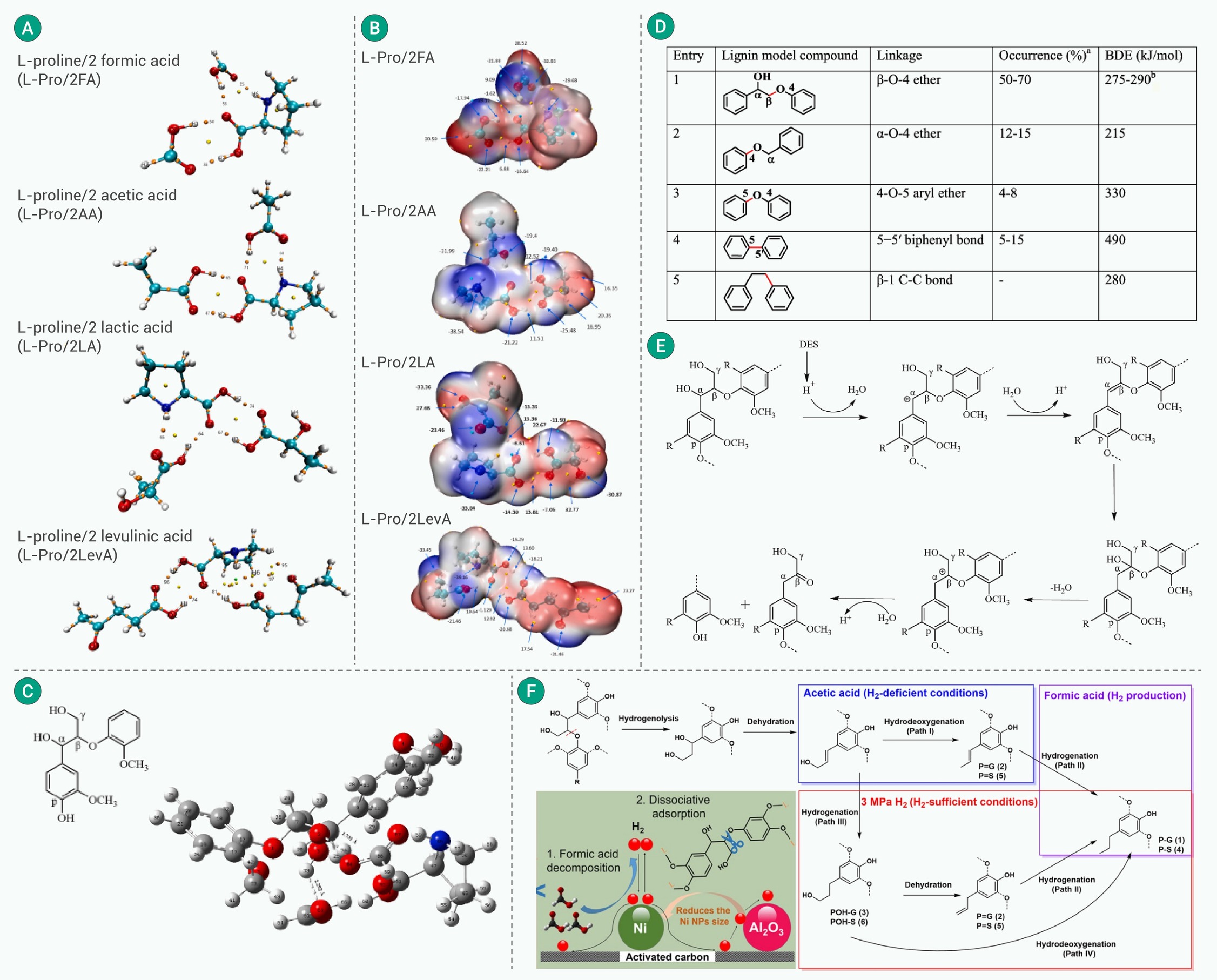
Figure 3.
FA-derived H species for lignin depolymerization
-
Figure 4.
FA-derived C-containing species for lignin depolymerization
-
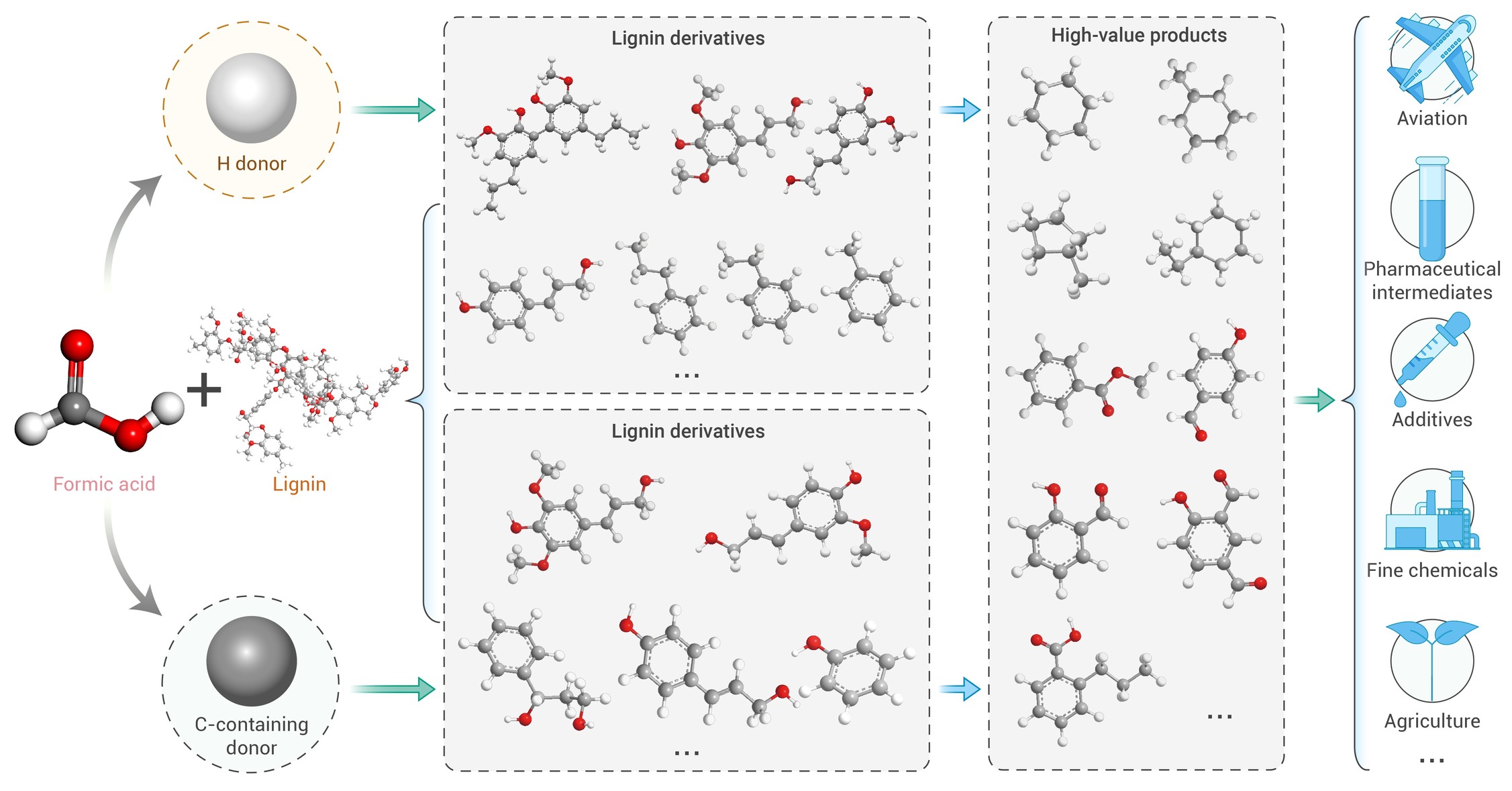
Figure 5.
FA as an H or C donor adds value to lignin depolymerization derivatives for further applications in a wide variety of fields.
-
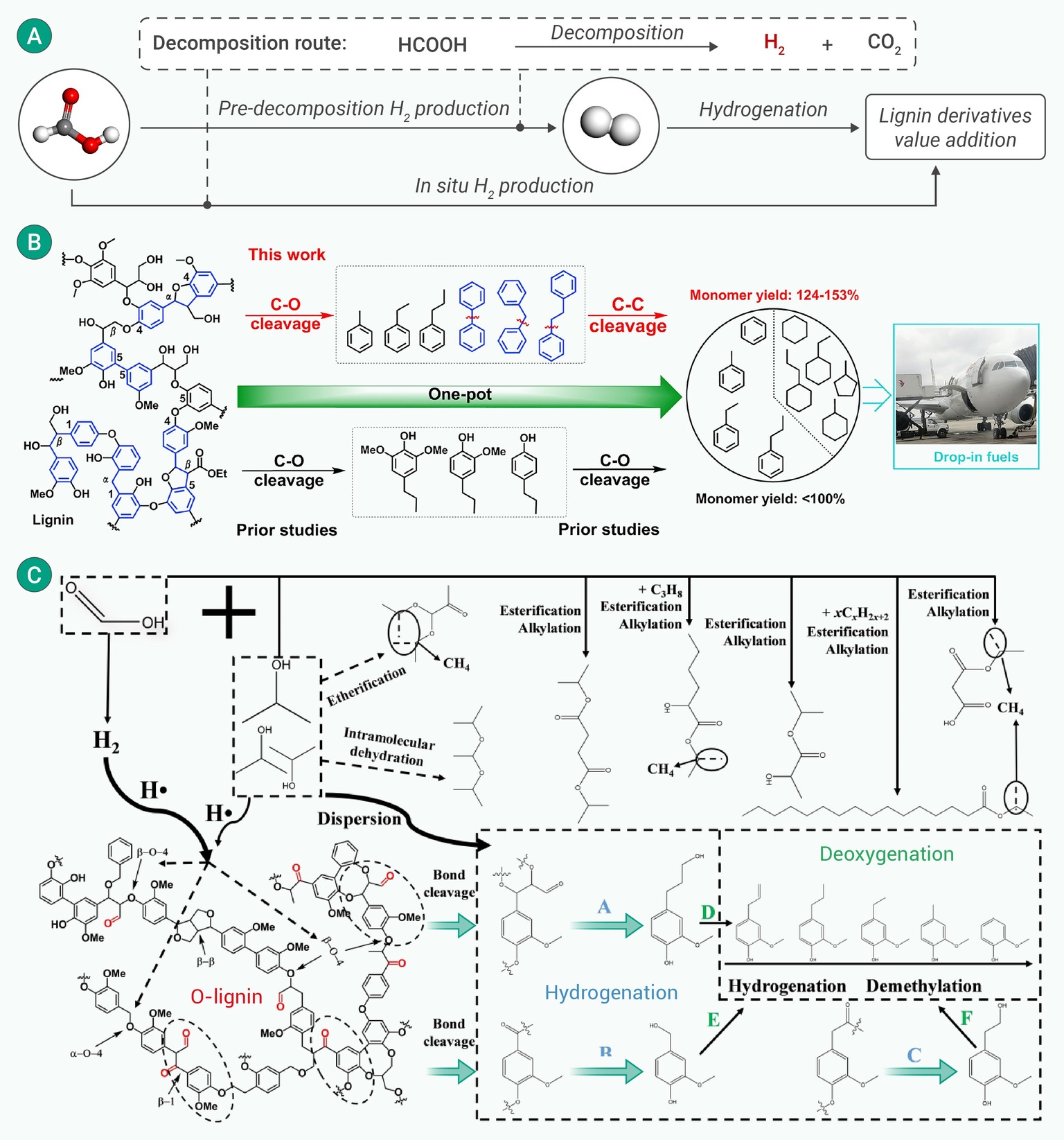
Figure 6.
FA as a H donor for value addition of lignin derivatives
-
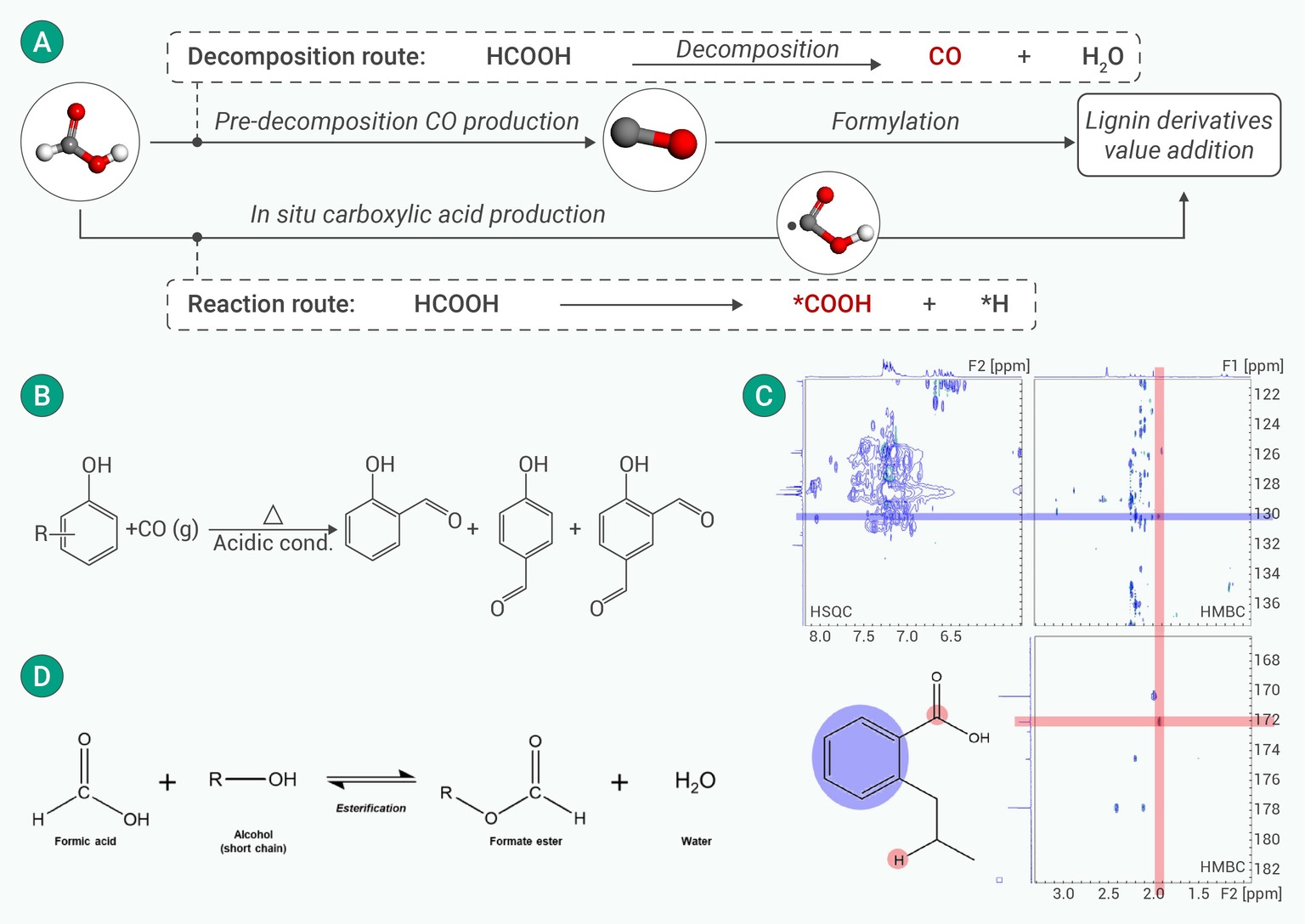
Figure 7.
FA as a C-containing donor for value addition of lignin derivatives
