
Tackling climate and industrial challenges: Sustainable porous carbon materials for CO2 mitigation and applications
-
GRAPHICAL ABSTRACT
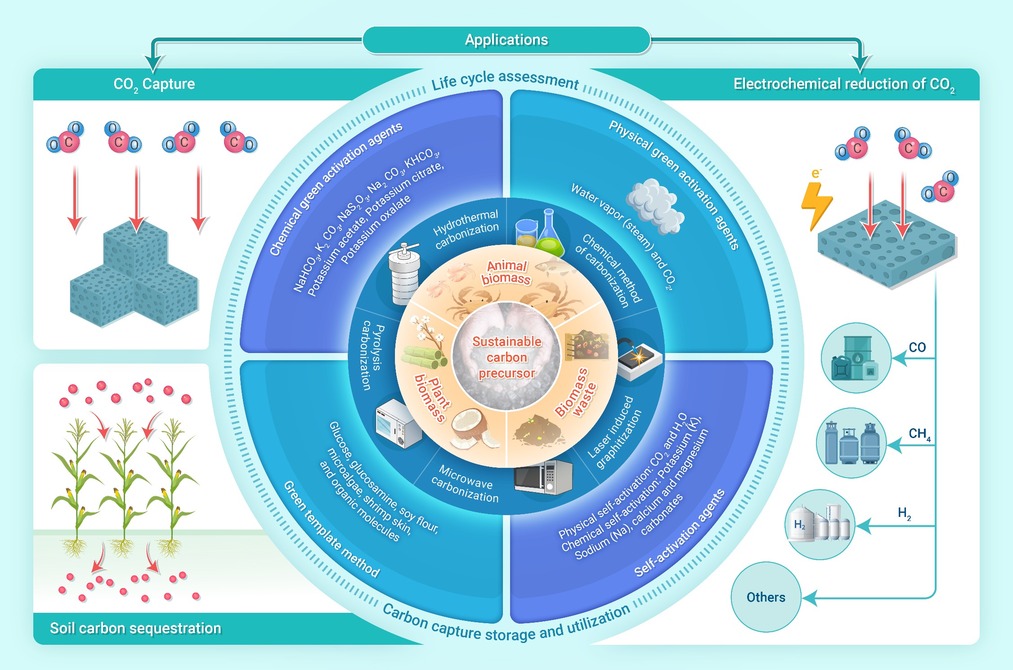
 DownLoad:
Full size image
DownLoad:
Full size image
-
PUBLIC SUMMARY
-
Sustainable porous carbon materials (PCMs) from renewable precursors with low carbon emissions.
Energy-efficient carbonization and green activation lower environmental impacts and costs.
Life cycle assessment guides eco-friendly PCM design for CO2 capture, conversion, and utilization.
-
-
ABSTRACT
The escalating climate crisis necessitates a shift towards sustainable practices in synthesizing and utilizing porous carbon materials (PCMs), which are vital for CO2 capture and utilization. However, traditional PCMs synthesis often involves fossil fuel-derived precursors, energy-intensive processes, and hazardous agents, raising environmental concerns. This review focuses on sustainable PCMs strategies with low carbon emissions, emphasizing renewable precursors like biomass and waste biochar as alternatives to fossil fuels. It also explores energy-efficient carbonization techniques and green activation methods, highlighting pathways to environmentally benign PCMs synthesis. A dedicated life cycle assessment section offers a comprehensive view of the environmental impact from inception to disposal. The review also examines the applications of PCMs in carbon capture and storage, addressing challenges and future prospects. This critical analysis serves as a roadmap for researchers and practitioners aiming to develop low-carbon-emission materials and advance PCMs synthesis in line with environmental sustainability. -

-
REFERENCES
[1] Roy P., Mohanty A. K. and Misra M. (2023). Prospects of carbon capture, utilization and storage for mitigating climate change. Environ. Sci. Adv. 2:409−423. DOI:10.1039/d2va00236a [2] Marescaux A., Thieu V. and Garnier J. (2018). Carbon dioxide, methane and nitrous oxide emissions from the human-impacted Seine watershed in France. Sci. Total Environ. 643:247−259. DOI:10.1016/j.scitotenv.2018.06.151 [3] Vicente R Barros. C. B. F., David Jon Dokken., et al. (2014). Climate change 2014: Impacts, adaptation and vulnerability (Cambridge University Press). DOI:10.1017/cbo9781107415386 [4] Dutcher B., Fan M. and Russell A. G. (2015). Amine-based CO2 capture technology development from the beginning of 2013 -A review. ACS Appl. Mater. Interfaces 7:2137−2148. DOI:10.1021/am507465f [5] Gao X., Yang S., Hu L., et al. (2022). Carbonaceous materials as adsorbents for CO2 capture: synthesis and modification. Carbon Capture Sci. Technol. 3:100039. DOI:10.1016/j.ccst.2022.100039 [6] Patel H. A., Byun J. and Yavuz C. T. (2017). Carbon dioxide capture adsorbents: chemistry and methods. ChemSusChem 10:1303−1317. DOI:10.1002/cssc.201601545 [7] Fu D. and Davis M. E. (2022). Carbon dioxide capture with zeotype materials. Chem. Soc. Rev. 51:9340-9370. DOI:10.1039/d2cs00508e [8] Sun Z., Liao Y., Zhao S., et al. (2022). Research progress in metal–organic frameworks (MOFs) in CO2 capture from post-combustion coal-fired flue gas: characteristics, preparation, modification and applications. J. Mater. Chem. A 10:5174−5211. DOI:10.1039/d1ta07856a [9] Zeng Y., Zou R. and Zhao Y. (2016). Covalent organic frameworks for CO2 capture. Adv. Mater. 28:2855−2873. DOI:10.1002/adma.201505004 [10] Song K. S., Fritz P. W. and Coskun A. (2022). Porous organic polymers for CO2 capture, separation and conversion. Chem. Soc. Rev. 51:9831−9852. DOI:10.1039/d2cs00727d [11] Usman M., Ghanem A. S., Niaz Ali Shah S., et al. (2022). A review on SAPO-34 zeolite materials for CO2 capture and conversion. Chem. Rec. 22:e202200039. DOI:10.1002/tcr.202200039 [12] Delgado-Marín J. J., Izan D. P., Molina-Sabio M., et al. (2022). New generation of MOF-monoliths based on metal foams. Molecules 27:1968. DOI:10.3390/molecules27061968 [13] Jalilov A. S., Li Y. L., Kittrell C., et al. (2017). Increased CO2 selectivity of asphalt-derived porous carbon through introduction of water into pore space. Nat. Energy 2:932−938. DOI:10.1038/s41560-017-0030-y [14] Park J., Kretzschmar A., Selmert V., et al. (2021). Structural study of polyacrylonitrile-based carbon nanofibers for understanding gas adsorption. ACS Appl. Mater. Interfaces 13:46665−46670. DOI:10.1021/acsami.1c13541 [15] Ali N., Babar A. A., Wang X. F., et al. (2023). Hollow, porous, and flexible Co3O4 doped carbon nanofibers for efficient CO2 capture. Adv. Eng. Mater. 25: DOI:10.1002/adem.202201335 [16] Shao J. W., Wang Y. Y., Che M. Y., et al. (2025). Sustainable CO2 capture: N,S-codoped porous carbons derived from petroleum coke with high selectivity and stability. Molecules 30:426. DOI:10.3390/molecules30020426 [17] Shah S. N. A., Gul E., Nath N. C. D., et al. (2023). Biomass-derived N-doped carbon for electrochemical supercapacitors. Biomass-based supercapacitors: Design, fabrication and sustainability (John Wiley & Sons, Inc). DOI:10.1002/9781119866435.ch17 [18] Gao F. L., Zhang J. B., Ren M. Y., et al. (2020). Preparation and characterization of porous carbons by pyrolysis-CO2 gasification of Pine Sawdust. Chem. Lett. 49:652−655. DOI:10.1246/cl.200087 [19] Wang Z. J., Liu C., Ouyang J., et al. (2025). Porous carbon materials derived from rice husk pyrolysis with NaCl/ Na2CO3 binary molten salt for CO2 capture. Ind. Crops Prod. 227:120808. DOI:10.1016/j.indcrop.2025.120808 [20] He H., Zhang R., Zhang P., et al. (2023). Functional carbon from nature: Biomass-derived carbon materials and the recent progress of their applications. Adv. Sci. 10:2205557. DOI:10.1002/advs.202205557 [21] Zhao Y., Cui H. M., Xu J. G., et al. (2025). Synthesis of biomimetic N-doped porous carbons from gelatin using salt template coupled with chemical activation strategy for CO2 capture. Chem. Eng. J. 505:159241. DOI:10.1016/j.cej.2025.159241 [22] Yang W., Chen H., Han X., et al. (2020). Preparation of magnetic Co-Fe modified porous carbon from agricultural wastes by microwave and steam activation for mercury removal. J. Hazard. Mater. 381:120981. DOI:10.1016/j.jhazmat.2019.120981 [23] Jin C., Sun J., Chen Y. N., et al. (2021). Sawdust wastes-derived porous carbons for CO2 adsorption. Part 1. Optimization preparation via orthogonal experiment. Sep. Purif. Technol.276: 119270,DOI:10.1016/j.seppur.2021.119270 [24] Yuan X. Z., Wang J. Y., Deng S., et al. (2022). Recent advancements in sustainable upcycling of solid waste into porous carbons for carbon dioxide capture. Renew. Sustain. Energy Rev. 162:112413. DOI:10.1016/j.rser.2022.112413 [25] Wang W., Wang Z., Jiang L., et al. (2023). Construction of hierarchically porous carbon from plastic waste for CO2 capture and separation. Mater. Today Sustain. 21:100280. DOI:10.1016/j.mtsust.2022.100280 [26] Ayele M., Limeneh D. Y., Tesfaye T., et al. (2021). A review on utilization routes of the leather industry biomass. Adv. Mater. Sci. Eng. 2021:1−15. DOI:10.1155/2021/1503524 [27] Wang Z., Shen D., Wu C., et al. (2018). State-of-the-art on the production and application of carbon nanomaterials from biomass. Green Chem. 20:5031−5057. DOI:10.1039/c8gc01748d [28] Sharma H. B., Sarmah A. K. and Dubey B. (2020). Hydrothermal carbonization of renewable waste biomass for solid biofuel production: A discussion on process mechanism, the influence of process parameters, environmental performance and fuel properties of hydrochar. Renew. Sustain. Energy Rev. 123:109761. DOI:10.1016/j.rser.2020.109761 [29] Wu D. W., Yang Y. J., Liu J., et al. (2020). Plasma-modified N/O-doped porous carbon for CO2 Capture: An experimental and theoretical study. Energy & Fuels 34:6077−6084. DOI:10.1021/acs.energyfuels.0c00415 [30] Huang F., Li D. W., Wang L., et al. (2021). Rational introduction of nitridizing agent to hydrothermal carbonization for enhancing CO2 capture performance of tobacco stalk-based porous carbons. J. Anal. Appl. Pyrolysis 157:105047. DOI:10.1016/j.jaap.2021.105047 [31] Quan C., Zhou Y., Wang J., et al. (2023). Biomass-based carbon materials for CO2 capture: A review. J. CO2 Util. 68:102373. DOI:10.1016/j.jcou.2022.102373 [32] Le T. S. D., Park S., An J., et al. (2019). Ultrafast laser pulses enable one-step graphene patterning on woods and leaves for green electronics. Adv. Funct. Mater. 29:1902771. DOI:10.1002/adfm.201902771 [33] Lin J., Peng Z. W., Liu Y. Y., et al. (2014). Laser-induced porous graphene films from commercial polymers. Nat. Commun. 5:5714. DOI:10.1038/ncomms6714 [34] Shukla N., Sahoo D. and Remya N. (2019). Biochar from microwave pyrolysis of rice husk for tertiary wastewater treatment and soil nourishment. J. Clean. Prod. 235:1073−1079. DOI:10.1016/j.jclepro.2019.07.042 [35] Zgrzebnicki M., Nair V., Mitra S., et al. (2022). N-doped activated carbon derived from furfuryl alcohol–development of porosity, properties, and adsorption of carbon dioxide and ethene. Chem. Eng. J. 427:131709. DOI:10.1016/j.cej.2021.131709 [36] Zhang W., Cheng R.-r., Bi H.-h., et al. (2021). A review of porous carbons produced by template methods for supercapacitor applications. New Carbon Mater. 36:69−81. DOI:10.1016/j.carbon.2021.02.010 [37] Heidarinejad Z., Dehghani M. H., Heidari M., et al. (2020). Methods for preparation and activation of activated carbon: A review. Environ. Chem. Lett. 18:393−415. DOI:10.1007/s10311-019-00955-0 [38] Liao M., Kelley S. and Yao Y. (2019). Generating energy and greenhouse gas inventory data of activated carbon production using machine learning and kinetic based process simulation. ACS Sustain. Chem. Eng. 8:1252−1261. DOI:10.1021/acssuschemeng.9b06522 [39] Jha G., Soren S. and Mehta K. D. (2020). Life cycle assessment of sintering process for carbon footprint and cost reduction: A comparative study for coke and biomass-derived sintering process. J. Clean. Prod. 259:120889. DOI:10.1016/j.jclepro.2020.120889 [40] Sam D. K., Sam E. K., Durairaj A., et al. (2020). Synthesis of biomass-based carbon aerogels in energy and sustainability. Carbohydr. Res. 491:107986. DOI:10.1016/j.carres.2020.107986 [41] Zhang G., Liu X., Wang L., et al. (2022). Recent advances of biomass derived carbon-based materials for efficient electrochemical energy devices. J. Mater. Chem. A 10:9277−9307. DOI:10.1039/d2ta01442d [42] Querejeta N., Gil M. V., Rubiera F., et al. (2023). Prospects of low-temperature solid sorbents in industrial CO2 capture: A focus on biomass residues as precursor material. Greenh. Gases Sci. Technol. 13:245−284. DOI:10.1002/ghg.2210 [43] Morgan J. L., Strumillo J. and Zimmer J. (2013). Crystallographic snapshot of cellulose synthesis and membrane translocation. Nature 493:181−186. DOI:10.1038/nature11744 [44] Li J., Zhang S., Li H., et al. (2018). Cellulase pretreatment for enhancing cold caustic extraction-based separation of hemicelluloses and cellulose from cellulosic fibers. Bioresour. Technol. 251:1−6. DOI:10.1016/j.biortech.2017.12.026 [45] Falco C., Marco-Lozar J. P., Salinas-Torres D., et al. (2013). Tailoring the porosity of chemically activated hydrothermal carbons: Influence of the precursor and hydrothermal carbonization temperature. Carbon 62:346−355. DOI:10.1016/j.carbon.2013.06.017 [46] Fan M., Li C., Shao Y., et al. (2022). Pyrolysis of cellulose: Correlation of hydrophilicity with evolution of functionality of biochar. Sci. Total Environ. 825:153959. DOI:10.2139/ssrn.3967428 [47] Gao T., Xu C., Li R., et al. (2019). Biomass-derived carbon paper to sandwich magnetite anode for long-life Li-ion battery. ACS Nano 13:11901−11911. DOI:10.1021/acsnano.9b05978.s001 [48] Wang D.-C., Yu H.-Y., Qi D., et al. (2021). Confined chemical transitions for direct extraction of conductive cellulose nanofibers with graphitized carbon shell at low temperature and pressure. J. Am. Chem. Soc 143:11620−11630. DOI:10.1021/jacs.1c04710.s001 [49] Lai H., Zhuo H., Hu Y., et al. (2021). Anisotropic carbon aerogel from cellulose nanofibers featuring highly effective compression stress transfer and pressure sensing. ACS Sustainable Chem. Eng. 9:9761−9769. DOI:10.1021/acssuschemeng.1c02051 [50] Vazhayal L., Wilson P. and Prabhakaran K. (2020). Waste to wealth: Lightweight, mechanically strong and conductive carbon aerogels from waste tissue paper for electromagnetic shielding and CO2 adsorption. Chem. Eng. J. 381:122628. DOI:10.1016/j.cej.2019.122628 [51] Cheng J., Cheng X., Wang Z., et al. (2023). Multifunctional carbon aerogels from typha orientalis for applications in adsorption: Hydrogen storage, CO2 capture and VOCs removal. Energy 263:125984. DOI:10.1016/j.energy.2022.125984 [52] Sun H., Yang B. and Li A. (2019). Biomass derived porous carbon for efficient capture of carbon dioxide, organic contaminants and volatile iodine with exceptionally high uptake. Chem. Eng. J. 372:65−73. DOI:10.1016/j.cej.2019.04.061 [53] Junli R., Xinwen P., Linxin Z., et al. (2012). Novel hydrophobic hemicelluloses: Synthesis and characteristic. Carbohy. Poly. 89:152−157. DOI:10.1016/j.carbpol.2012.02.064 [54] Scheller H. V. and Ulvskov P. (2010). Annu. Rev. Plant Biol. 61:263−289. DOI:10.1146/annurev-arplant-042809-112315 [55] Werner K., Pommer L. and Broström M. (2014). Thermal decomposition of hemicelluloses. J. Anal. Appl. Pyrolysis 110:130−137. DOI:10.1016/j.jaap.2014.08.013 [56] Liu K.-X., Li H.-Q., Zhang J., et al. (2016). The effect of non-structural components and lignin on hemicellulose extraction. Bioresour. Technol. 214:755−760. DOI:10.1016/j.biortech.2016.05.036 [57] Wang Y., Yang R., Li M., et al. (2015). Hydrothermal preparation of highly porous carbon spheres from hemp (Cannabis sativa L.) stem hemicellulose for use in energy-related applications. Ind. Crops Prod. 65:216−226. DOI:10.1016/j.indcrop.2014.12.008 [58] Lin H., Liu Y., Chang Z., et al. (2020). A new method of synthesizing hemicellulose-derived porous activated carbon for high-performance supercapacitors. Micropor. Mesopor. Mater. 292:109707. DOI:10.1016/j.micromeso.2019.109707 [59] Lee D.-W., Jin M.-H., Park J.-H., et al. (2018). Flexible synthetic strategies for lignin-derived hierarchically porous carbon materials. ACS Sustainable Chem. Eng. 6:10454−10462. DOI:10.1021/acssuschemeng.8b01811 [60] Puziy A. M., Poddubnaya O. I. and Sevastyanova O. (2018). Carbon materials from technical lignins: Recent advances. Lignin Chem. 11:95−128. DOI:10.1007/s41061-018-0210-7 [61] Yue X., Suopajärvi T., Mankinen O., et al. (2020). Comparison of lignin fractions isolated from wheat straw using alkaline and acidic deep eutectic solvents. J. Agric. Food Chem. 68:15074−15084. DOI:10.1021/acs.jafc.0c04981 [62] Yu O. and Kim K. H. (2020). Lignin to materials: A focused review on recent novel lignin applications. Appl. Sci. 10:4626. DOI:doi.org/10.3390/app10134626. DOI:10.3390/app10134626 [63] Sani S., Liu X., Stevens L., et al. (2023). Amine functionalized lignin-based mesoporous cellular carbons for CO2 capture. Fuel 351:128886. DOI:10.1016/j.fuel.2023.128886 [64] Zhao B., Borghei M., Zou T., et al. (2021). Lignin-based porous supraparticles for carbon capture. ACS Nano 15:6774−6786. DOI:10.1021/acsnano.0c10307 [65] Zhang B., Song J., Yang G., et al. (2014). Large-scale production of high-quality graphene using glucose and ferric chloride. Chem. Sci. 5:4656−4660. DOI:10.1039/C4SC01950D [66] Chen Z., Ren W., Gao L., et al. (2011). Three-dimensional flexible and conductive interconnected graphene networks grown by chemical vapour deposition. Nat. Mater. 10:424−428. DOI:10.1038/nmat3001 [67] Mahyari M., Shaabani A., Behbahani M., et al. (2014). Thiol-functionalized fructose-derived nanoporous carbon as a support for gold nanoparticles and its application for aerobic oxidation of alcohols in water. Appl. Organomet. Chem. 28:576−583. DOI:10.1002/aoc.3159 [68] Heckel J. C., Farhan F. F. and Chumanov G. (2008). The effect of fructose derived carbon shells on the plasmon resonance and stability of silver nanoparticles. Colloid Polym. Sci. 286:1545−1552. DOI:10.1007/s00396-008-1929-4 [69] Kurniawan D., Sharma N., Rahardja M. R., et al. (2022). Plasma nanoengineering of bioresource-derived graphene quantum dots as ultrasensitive environmental nanoprobes. ACS Appl. Mater. Interfaces 14:52289−52300. DOI:10.1021/acsami.2c15251.s001 [70] Varma R. S. (2019). Biomass-derived renewable carbonaceous materials for sustainable chemical and environmental applications. ACS Sustainable Chem. Eng. 7:6458−6470. DOI:10.1021/acssuschemeng.8b06550 [71] Samar M. M., El-Kalyoubi M., Khalaf M., et al. (2013). Physicochemical, functional, antioxidant and antibacterial properties of chitosan extracted from shrimp wastes by microwave technique. Ann. Agric. Sci. 58:33−41. DOI:10.1016/j.aoas.2013.01.006 [72] Yusof N. L. B. M., Lim L. Y. and Khor E. (2001). Preparation and characterization of chitin beads as a wound dressing precursor. J. Biomed. Mater. Res. 54:59−68. DOI:3.0.CO;2-U">10.1002/1097-4636(200101)54:1<59::AID-JBM7>3.0.CO;2-U [73] Wu H., Williams G. R., Wu J., et al. (2018). Regenerated chitin fibers reinforced with bacterial cellulose nanocrystals as suture biomaterials. Carbohydr. Polym. 180:304−313. DOI:10.1016/j.carbpol.2017.10.022 [74] Xu W.-L., Chen H.-J., Wang Y.-C., et al. (2022). Chitin-derived fibrous carbon microspheres as support of polyamine for remarkable CO2 capture. Green Chem. Eng. 3:267−279. DOI:10.1016/j.gce.2022.01.006 [75] Dassanayake R. S., Gunathilake C., Abidi N., et al. (2018). Activated carbon derived from chitin aerogels: preparation and CO2 adsorption. Cellulose 25:1911−1920. DOI:10.1007/s10570-018-1660-3 [76] Pakizeh M., Moradi A. and Ghassemi T. (2021). Chemical extraction and modification of chitin and chitosan from shrimp shells. Eur. Polym. J. 159:110709. DOI:10.1016/j.eurpolymj.2021.110709 [77] Kumari S., Annamareddy S. H. K., Abanti S., et al. (2017). Physicochemical properties and characterization of chitosan synthesized from fish scales, crab and shrimp shells. Int. J. Biol. Macromol. 104:1697−1705. DOI:10.1016/j.ijbiomac.2017.04.119 [78] Yang Q., Teng D., Qu J., et al. (2021). Solvent-free synthesis of N-doped porous carbons from chitosan for an efficient CO2 capture. Ind. Eng. Chem. Res. 60:13023−13030. DOI:10.1021/acs.iecr.1c02351 [79] Li J., Bao A., Chen J., et al. (2022). A green route to CO2 adsorption on biomass chitosan derived nitrogen-doped micropore-dominated carbon nanosheets by different activatorsJ. Environ. Chem. Eng. 10:107021. DOI:10.1016/j.jece.2021.107021 [80] Rehman A. and Park S.-J. (2020). From chitosan to urea-modified carbons: Tailoring the ultra-microporosity for enhanced CO2 adsorption. Carbon 159:625−637. DOI:10.1016/j.carbon.2019.12.068 [81] Wang P., Zhang G., Chen W., et al. (2020). Molten salt template synthesis of hierarchical porous nitrogen-containing activated carbon derived from chitosan for CO2 capture. ACS Omega 5:23460−23467. DOI:10.1021/acsomega.0c03497 [82] Kamran U. and Park S.-J. (2020). Tuning ratios of KOH and NaOH on acetic acid-mediated chitosan-based porous carbons for improving their textural features and CO2 uptakes. J. CO2 Util. 40:101212. DOI:10.1016/j.jcou.2020.101212 [83] Kaza S., Yao L., Bhada-Tata P., et al. (2018). What a waste 2.0: A global snapshot of solid waste management to 2050 (World Bank Publications). DOI:10.1596/978-1-4648-1329-0_ch6 [84] EPA (2021). Basic Information about Landfill Gas -Methane Emissions from Landfills (Environmental Protection Agency). https://www.epa.gov/lmop/basic-information-about-landfill-gas# [85] Yadav I. C. and Devi N. L. (2019). Biomass burning, regional air quality, and climate changeEncycl. Environ. Health 2:386−391. DOI:10.1016/B978-0-12-409548-9.11022-X [86] Seo J. Y., Tokmurzin D., Lee D., et al. (2022). Production of biochar from crop residues and its application for biofuel production processes-An overview. Bioresour. Technol. 361:127740. DOI:10.1016/j.biortech.2022.127740 [87] Bolan N., Hoang S. A., Beiyuan J., et al. (2022). Multifunctional applications of biochar beyond carbon storage. Int. Mater. Rev. 67:150−200. DOI:10.1080/09506608.2021.1922047 [88] Jia M., Wang F., Jin X., et al. (2016). Metal ion–oxytetracycline interactions on maize straw biochar pyrolyzed at different temperatures. Chem. Eng. J. 304:934−940. DOI:10.1016/j.cej.2016.05.064 [89] Liu Z., Xu Z., Xu L., et al. (2022). Modified biochar: synthesis and mechanism for removal of environmental heavy metals. Carbon Res. 1:8. DOI:10.1007/s44246-022-00007-3 [90] Chen W., Meng J., Han X., et al. (2019). Past, present, and future of biochar. Biochar 1:75−87. DOI:10.1007/s42773-019-00008-3 [91] Lehmann J. (2007). A handful of carbon. Nature 447:143−144. DOI:10.1038/447143a [92] Wang J. and Wang S. (2019). Preparation, modification and environmental application of biochar: A review. J. Clean. Prod. 227:1002−1022. DOI:10.1016/j.jclepro.2019.04.282 [93] Paramasivan B. (2022). Microwave assisted carbonization and activation of biochar for energy-environment nexus: A review. Chemosphere 286:131631. DOI:10.1016/j.chemosphere.2021.131631 [94] Soni B. and Karmee S. K. (2020). Towards a continuous pilot scale pyrolysis based biorefinery for production of biooil and biochar from sawdust. Fuel 271:117570. DOI:10.1016/j.fuel.2020.117570 [95] Martín-Lara M., Piñar A., Ligero A., et al. (2021). Characterization and use of char produced from pyrolysis of post-consumer mixed plastic waste. Water 13:1188. DOI:10.3390/w13091188 [96] Singh E., Kumar A., Mishra R., et al. (2021). Pyrolysis of waste biomass and plastics for production of biochar and its use for removal of heavy metals from aqueous solution. Bioresour. Technol. 320:124278. DOI:10.1016/j.biortech.2020.124278 [97] Oh S.-Y. and Seo T.-C. (2019). Upgrading biochar via co-pyrolyzation of agricultural biomass and polyethylene terephthalate wastes. RSC Adv. 9:28284−28290. DOI:10.1039/c9ra05518e [98] Ghodake G. S., Shinde S. K., Kadam A. A., et al. (2021). Review on biomass feedstocks, pyrolysis mechanism and physicochemical properties of biochar: State-of-the-art framework to speed up vision of circular bioeconomy. J. Clean. Prod. 297:126645. DOI:10.1016/j.jclepro.2021.126645 [99] Dissanayake P. D., You S., Igalavithana A. D., et al. (2020). Biochar-based adsorbents for carbon dioxide capture: A critical review. Renew. Sustain. Energy Rev. 119:109582. DOI:10.1016/j.rser.2019.109582 [100] Siedt M., Schäffer A., Smith K. E., et al. (2021). Comparing straw, compost, and biochar regarding their suitability as agricultural soil amendments to affect soil structure, nutrient leaching, microbial communities, and the fate of pesticides. Sci. Total Environ. 751:141607. DOI:10.1016/j.scitotenv.2020.141607 [101] Shaheen S. M., Niazi N. K., Hassan N. E., et al. (2019). Wood-based biochar for the removal of potentially toxic elements in water and wastewater: a critical reviewInt. Mater. Rev. 64:216−247. DOI:10.1080/09506608.2018.1473096 [102] Liu G., Sheng H., Fu Y., et al. (2019). Extracellular polymeric substances (EPS) modulate adsorption isotherms between biochar and 2, 2′, 4, 4′-tetrabromodiphenyl ether. Chemosphere 214:176−183. DOI:10.1016/j.chemosphere.2018.09.081 [103] Jia M., Wang F., Bian Y., et al. (2018). Sorption of sulfamethazine to biochars as affected by dissolved organic matters of different origin. Bioresour. Technol. 248:36−43. DOI:10.1016/j.biortech.2017.08.082 [104] Ye L., Camps-Arbestain M., Shen Q., et al. (2020). Biochar effects on crop yields with and without fertilizer: A meta-analysis of field studies using separate controls. Soil Use Manage. 36:2−18. DOI:10.1111/sum.12546 [105] Bruun E. W., Petersen C. T., Hansen E., et al. (2014). Biochar amendment to coarse sandy subsoil improves root growth and increases water retention. Soil Use Manage. 30:109−118. DOI:10.1111/sum.12102 [106] Hossain M. Z., Bahar M. M., Sarkar B., et al. (2020). Biochar and its importance on nutrient dynamics in soil and plant. Biochar 2:379−420. DOI:10.1007/s42773-020-00065-z [107] Woolf D., Amonette J. E., Street-Perrott F. A., et al. (2010). Sustainable biochar to mitigate global climate change. Nat. Commun. 1:56. DOI:10.1038/ncomms1053 [108] Usman M., Chen H., Chen K., et al. (2019). Characterization and utilization of aqueous products from hydrothermal conversion of biomass for bio-oil and hydro-char production: a review. Green Chem. 21:1553−1572. DOI:doi.org/10.1039/c8gc03957g. DOI:10.1039/C8GC03957G [109] Yuan T., Cheng Y., Zhang Z., et al. (2019). Comparative study on hydrothermal treatment as pre-and post-treatment of anaerobic digestion of primary sludge: Focus on energy balance, resources transformation and sludge dewaterability. Appl. Energy 239:171−180. DOI:10.1016/j.apenergy.2019.01.206 [110] González-Arias J., Sánchez M. E., Cara-Jiménez J., et al. (2022). Hydrothermal carbonization of biomass and waste: A review. Environ. Chem. Lett. 20:1−11. DOI:10.1007/s12649-020-01255-3 [111] Sevilla M. and Fuertes A. B. (2009). Chemical and structural properties of carbonaceous products obtained by hydrothermal carbonization of saccharides. Chem–Eur. J. 15:4195−4203. DOI:10.1002/chem.200802097 [112] Han S., Chi M., Xu X., et al. (2025). From Cellulose to Highly Aromatic Hydrochar: Catalytic Carbonization and Catalytic Aromatization Mechanism of Lanthanide (III) Ions. Catalysts 15:245. DOI:10.3390/catal15030245 [113] Reza M. T., Andert J., Wirth B., et al. (2014). Hydrothermal carbonization of biomass for energy and crop production. Appl. Bioenergy 1:11−29. DOI:10.2478/apbi-2014-0001 [114] Titirici M.-M., Thomas A. and Antonietti M. (2007). Back in the black: hydrothermal carbonization of plant material as an efficient chemical process to treat the CO2 problem. New J. Chem. 31:787−789. DOI:10.1039/b616045j [115] Shen Y. (2020). A review on hydrothermal carbonization of biomass and plastic wastes to energy products. Biomass Bioenergy 134:105479. DOI:10.1016/j.biombioe.2020.105479 [116] Wang T., Zhai Y., Zhu Y., et al. (2018). A review of the hydrothermal carbonization of biomass waste for hydrochar formation: Process conditions, fundamentals, and physicochemical properties. Renew. Sustain. Energy Rev. 90:223−247. DOI:10.1016/j.rser.2018.03.071 [117] Yuan X., Dissanayake P. D., Gao B., et al. (2021). Review on upgrading organic waste to value-added carbon materials for energy and environmental applications. J. Environ. Manage. 296:113128. DOI:10.1016/j.jenvman.2021.113128 [118] Le H. S., Chen W.-H., Ahmed S. F., et al. (2022). Hydrothermal carbonization of food waste as sustainable energy conversion path. Bioresour. Technol. 363:127958. DOI:10.1016/j.biortech.2022.127958 [119] Su H., Zhou X., Zheng R., et al. (2021). Hydrothermal carbonization of food waste after oil extraction pre-treatment: Study on hydrochar fuel characteristics, combustion behavior, and removal behavior of sodium and potassium. Sci. Total Environ. 754:142192. DOI:10.1016/j.scitotenv.2020.142192 [120] Chen T., Ye T., Zhu J., et al. (2021). Small-sized biomass-derived hydrothermal carbon with enriched oxygen groups quickens benzene hydroxylation to phenol with dioxygen. Appl. Catal. A Gen. 626:118356. DOI:10.1016/j.apcata.2021.118356 [121] Ma R., Fakudze S., Shang Q., et al. (2021). Catalytic hydrothermal carbonization of pomelo peel for enhanced combustibility of coal/hydrochar blends and reduced CO2 emission. Fuel 304. DOI:10.1016/j.fuel.2021.121422 [122] Singh G., Lakhi K. S., Sil S., et al. (2019). Biomass derived porous carbon for CO2 capture. Carbon 148:164−186. DOI:10.1016/j.carbon.2019.03.050 [123] Kim S., Lee Y., Lin K.-Y. A., et al. (2020). The valorization of food waste via pyrolysis. J. Clean. Prod. 259:120816. DOI:10.1016/j.jclepro.2020.120816 [124] Lee X. J., Ong H. C., Gan Y. Y., et al. (2020). State of art review on conventional and advanced pyrolysis of macroalgae and microalgae for biochar, bio-oil and bio-syngas production. Energy Convers. Manage. 210:112707. DOI:10.1016/j.enconman.2020.112707 [125] Zhang X., Yang X., Yuan X., et al. (2022). Effect of pyrolysis temperature on composition, carbon fraction and abiotic stability of straw biochars: Correlation and quantitative analysis. Carbon Res. 1:17. DOI:10.1007/s44246-022-00017-1 [126] Bhat V. S., Supriya S. and Hegde G. (2019). Biomass derived carbon materials for electrochemical sensors. J. Electrochem. Soc. 167:037526. DOI:10.1149/2.0262003JES [127] Liu Y., Zhang Y., Zhang Y.-q., et al. (2021). Investigation on the structural feature and gasification reactivity of bio-char derived from energy crop. Fuel 289:119904. DOI:10.1016/j.fuel.2020.119904 [128] Yuan T., He W., Yin G., et al. (2020). Comparison of bio-chars formation derived from fast and slow pyrolysis of walnut shell. Fuel 261:116450. DOI:10.1016/j.fuel.2019.116450 [129] Pariyar P., Kumari K., Jain M. K., et al. (2020). Evaluation of change in biochar properties derived from different feedstock and pyrolysis temperature for environmental and agricultural application. Sci. Total Environ. 713:136433. DOI:10.1016/j.scitotenv.2019.136433 [130] Yang P., Guo W., Yu Z., et al. (2023). Modified network kinetic model for coal pyrolysis with high-value products and low carbon emissions. Appl. Energy 351:121763. DOI:10.1016/j.apenergy.2023.121763 [131] Yogalakshmi K., Sivashanmugam P., Kavitha S., et al. (2022). Lignocellulosic biomass-based pyrolysis: A comprehensive review. Chemosphere 286:131824. DOI:10.1016/j.chemosphere.2021.131824 [132] Yu S., Wang L., Li Q., et al. (2022). Sustainable carbon materials from the pyrolysis of lignocellulosic biomass. Mater. Today Sustain. 19:100209. DOI:10.1016/j.mtsust.2022.100209 [133] Niu M., Yao Y., Shi Y., et al. (2019). Multifunctional green sensor prepared by direct laser writing of modified wood component. Ind. Eng. Chem. Res. 58:10364−10372. DOI:10.1021/acs.iecr.9b00850 [134] Chyan Y., Ye R., Li Y., et al. (2018). Laser-induced graphene by multiple lasing: Toward electronics on cloth, paper, and food. ACS Nano 12:2176−2183. DOI:10.1021/acsnano.7b08539 [135] Vashisth A., Kowalik M., Gerringer J. C., et al. (2020). ReaxFF simulations of laser-induced graphene (LIG) formation for multifunctional polymer nanocomposites. ACS Appl. Nano Mater. 3:1881−1890. DOI:10.1021/acsanm.9b02524 [136] Wang H., Zhao Z., Liu P., et al. (2022). Laser-induced graphene based flexible electronic devices. Biosensors 12:55. DOI:10.3390/bios12020055 [137] Duy L. X., Peng Z., Li Y., et al. (2018). Laser-induced graphene fibers. Carbon 126:472−479. DOI:10.1016/j.carbon.2017.10.036 [138] Wang N., Bo X. and Zhou M. (2021). Laser conversion of biomass into porous carbon composite under ambient condition for pH-Universal electrochemical hydrogen evolution reaction. J. Colloid Interface Sci. 604:885−893. DOI:10.1016/j.jcis.2021.07.057 [139] Ramirez-Rico J., Gutierrez-Pardo A., Martinez-Fernandez J., et al. (2016). Thermal conductivity of Fe graphitized wood derived carbon. Mater. Des. 99:528−534. DOI:10.1016/j.matdes.2016.03.070 [140] Johnson M. T. and Faber K. T. (2011). Catalytic graphitization of three-dimensional wood-derived porous scaffolds. J. Mater. Res. 26:18−25. DOI:10.1557/jmr.2010.88 [141] Arpia A. A., Chen W.-H., Lam S. S., et al. (2021). Sustainable biofuel and bioenergy production from biomass waste residues using microwave-assisted heating: A comprehensive review. Chem. Eng. J. 403:126233. DOI:10.1016/j.cej.2020.126233 [142] Zulkornain M. F., Shamsuddin A. H., Normanbhay S., et al. (2021). Microwave-assisted hydrothermal carbonization for solid biofuel application: A brief review. Carbon Capture Sci. Technol. 1:100014. DOI:10.1016/j.ccst.2021.100014 [143] Orbecido A., Lawas K. I., Doliente S., et al. (2019). Parametric study of corn cob biochar (CCBc) yield via microwave pyrolysis. MATEC Web Conf. 268:04005. DOI:10.1051/matecconf/201926804005 [144] Dai L., Wang Y., Liu Y., et al. (2020). Microwave-assisted pyrolysis of formic acid pretreated bamboo sawdust for bio-oil production. Environ Res 182:108988. DOI:10.1016/j.envres.2019.108988 [145] Kostas E. T., Williams O. S. A., Duran-Jimenez G., et al. (2019). Microwave pyrolysis of Laminaria digitata to produce unique seaweed-derived bio-oils. Biomass Bioenergy 125:41−49. DOI:10.1016/j.biombioe.2019.04.006 [146] Lin J., Ma R., Luo J., et al. (2020). Microwave pyrolysis of food waste for high-quality syngas production: Positive effects of a CO2 reaction atmosphere and insights into the intrinsic reaction mechanisms. Energy Convers. Manage. 206:112490. DOI:10.1016/j.enconman.2020.112490 [147] Lan G., Yang J., Ye R. P., et al. (2021). Sustainable Carbon Materials toward Emerging Applications. Small Methods 5:e2001250. DOI:10.1002/smtd.202001250 [148] Isahak W. N. R. W., Hisham M. W. M. and Yarmo M. A. (2013). Highly porous carbon materials from biomass by chemical and carbonization method: A comparison study. J. Chem. 2013:620346. DOI:10.1155/2013/620346 [149] Kesavan G. and Chen S.-M. (2020). Carbon-modified kaolin clay using sugar dehydration technique for the electrochemical detection of quercetin. J. Mater. Sci.: Mater. Electron. 31:21670−21681. DOI:10.1007/s10854-020-04680-1 [150] Shan X., Xiong M., Sheng Y., et al. (2020). Concentrated Acid-Induced Dehydration of Fallen Leaves for Efficient, Sustainable, and Self-Cleaning Solar Steam Generation. Adv. Energy Sustain. Res. 1:2000034. DOI:10.1002/aesr.202000034 [151] Wang C., Wu D., Wang H., et al. (2018). A green and scalable route to yield porous carbon sheets from biomass for supercapacitors with high capacity. J. Mater. Chem. A 6:1244−1254. DOI:10.1039/c7ta07579k [152] Béguin F., Presser V., Balducci A., et al. (2014). Carbons and electrolytes for advanced supercapacitors. Adv. Mater. 26:2219−2251. DOI:10.1002/adma.201304137 [153] Sevilla M., Díez N. and Fuertes A. B. (2021). More sustainable chemical activation strategies for the production of porous carbons. ChemSusChem 14:94−117. DOI:10.1002/cssc.202001838 [154] Huang F.-C., Lee C.-K., Han Y.-L., et al. (2014). Preparation of activated carbon using micro-nano carbon spheres through chemical activation. J. Taiwan Inst. Chem. Eng. 45:2805−2812. DOI:10.1016/j.jtice.2014.08.004 [155] McKee D. W. (1983). Mechanisms of the alkali metal catalysed gasification of carbon. Fuel 62:170−175. DOI:10.1016/0016-2361(83)90192-8 [156] Hayashi J. i., Horikawa T., Takeda I., et al. (2002). Preparing activated carbon from various nutshells by chemical activation with K2CO3. Carbon 40:2381−2386. DOI:10.1016/s0008-6223(02)00118-5 [157] Sevilla M. and Fuertes A. B. (2016). A green approach to high-performance supercapacitor electrodes: The chemical activation of hydrochar with potassium bicarbonate. ChemSusChem 9:1880−1888. DOI:10.1002/cssc.201600426 [158] Díez N., Ferrero G. A., Fuertes A. B., et al. (2019). Sustainable salt template-assisted chemical activation for the production of porous carbons with enhanced power handling ability in supercapacitors. Batteries Supercaps 2:701−711. DOI:10.1002/batt.201900037 [159] Ioannidou O. and Zabaniotou A. (2007). Agricultural residues as precursors for activated carbon production—A review. Renew. Sustain. Energy Rev. 11:1966−2005. DOI:10.1016/j.rser.2006.03.013 [160] Heo Y.-J. and Park S.-J. (2015). A role of steam activation on CO2 capture and separation of narrow microporous carbons produced from cellulose fibers. Energy 91:142−150. DOI:10.1016/j.energy.2015.08.033 [161] Igalavithana A. D., Choi S. W., Shang J., et al. (2020). Carbon dioxide capture in biochar produced from pine sawdust and paper mill sludge: Effect of porous structure and surface chemistry. Sci. Total Environ. 739:139845. DOI:10.1016/j.scitotenv.2020.139845 [162] Lee J. H., Sim S. J., Kang J. H., et al. (2021). Isotherm and thermodynamic modelling of malachite green on CO2-activated carbon fibers. Chem. Phys. Lett. 780:138962. DOI:10.1016/j.cplett.2021.138962 [163] Kozyatnyk I., Oesterle P., Wurzer C., et al. (2021). Removal of contaminants of emerging concern from multicomponent systems using carbon dioxide activated biochar from lignocellulosic feedstocks. Bioresour. Technol. 340:125561. DOI:10.1016/j.biortech.2021.125561 [164] Hong S.-M., Yoon H. J., Choi Y., et al. (2020). Solving two environmental problems simultaneously: Scalable production of carbon microsheets from structured packing peanuts with tailored microporosity for efficient CO2 capture. Chem. Eng. J. 379:122219. DOI:10.1016/j.cej.2019.122219 [165] Sevilla M., Ferrero G. A. and Fuertes A. B. (2017). One-pot synthesis of biomass-based hierarchical porous carbons with a large porosity development. Chem. Mater. 29:6900−6907. DOI:10.1021/acs.chemmater.7b02218 [166] Li X., Guan B. Y., Gao S., et al. (2019). A general dual-templating approach to biomass-derived hierarchically porous heteroatom-doped carbon materials for enhanced electrocatalytic oxygen reduction. Energy Environ. Sci. 12:648−655. DOI:10.1039/c8ee02779j [167] Chen C., Wang H., Han C., et al. (2017). Asymmetric flasklike hollow carbonaceous nanoparticles fabricated by the synergistic interaction between soft template and biomass. J. Am. Chem. Soc. 139:2657−2663. DOI:10.1021/jacs.6b10841 [168] Nelson K. M., Mahurin S. M., Mayes R. T., et al. (2016). Preparation and CO2 adsorption properties of soft-templated mesoporous carbons derived from chestnut tannin precursors. Microporous Mesoporous Mater. 222:94−103. DOI:10.1016/j.micromeso.2015.09.050 [169] Yang B., Zhang D., He J., et al. (2020). Simple and green fabrication of a biomass-derived N and O self-doped hierarchical porous carbon via a self-activation route for supercapacitor application. Carbon Lett. 30:709−719. DOI:10.1007/s42823-020-00143-z [170] Smith L. M., Shi S. Q., Shi J., et al. (2020). Effect of wood species on the pore volume and surface area of activated carbon derived from the self-activation process. Wood Fiber Sci. 52:191−207. DOI:10.22382/wfs-2020-017 [171] Zhang Y., Liu S., Zheng X., et al. (2017). Biomass organs control the porosity of their pyrolyzed carbon. Adv. Funct. Mater. 27:1604687. DOI:10.1002/adfm.201604687 [172] Kleszyk P., Ratajczak P., Skowron P., et al. (2015). Carbons with narrow pore size distribution prepared by simultaneous carbonization and self-activation of tobacco stems and their application to supercapacitors. Carbon 81:148−157. DOI:10.1016/j.carbon.2014.09.043 [173] Bommier C., Xu R., Wang W., et al. (2015). Self-activation of cellulose: A new preparation methodology for activated carbon electrodes in electrochemical capacitors. Nano Energy 13:709−717. DOI:10.1016/j.nanoen.2015.03.022 [174] Xia C. and Shi S. Q. (2016). Self-activation for activated carbon from biomass: theory and parameters. Green Chem. 18:2063−2071. DOI:10.1039/c5gc02152a [175] Inagaki M., Nishikawa T., Sakuratani K., et al. (2004). Carbonization of kenaf to prepare highly-microporous carbons. Carbon 4:890−893. DOI:10.1016/j.carbon.2004.01.055 [176] Raymundo-Piñero E., Cadek M. and Béguin F. (2009). Tuning carbon materials for supercapacitors by direct pyrolysis of seaweeds. Adv. Funct. Mater. 19:1032−1039. DOI:10.1002/adfm.200801057 [177] He J., Zhang D., Han M., et al. (2019). One-step large-scale fabrication of nitrogen doped microporous carbon by self-activation of biomass for supercapacitors application. J. Energy Storage 21:94−104. DOI:10.1016/j.est.2018.11.015 [178] Liang C., Li Z. and Dai S. (2008). Mesoporous carbon materials: synthesis and modification. Angew. Chem. Int. Ed. 47:3696−3717. DOI:10.3390/catal13010002 [179] Liang H.-W., Wei W., Wu Z.-S., et al. (2013). Mesoporous metal–nitrogen-doped carbon electrocatalysts for highly efficient oxygen reduction reaction. J. Am. Chem. Soc. 135:16002−16005. DOI:10.1021/ja407552k [180] Schmidt-Winkel P., Lukens W. W., Zhao D., et al. (1999). Mesocellular siliceous foams with uniformly sized cells and windows. J. Am. Chem. Soc. 121:254−255. DOI:10.1021/ja983218i [181] Kyotani T., Nagai T., Inoue S., et al. (1997). Formation of new type of porous carbon by carbonization in zeolite nanochannels. Chem. Mater. 9:609−615. DOI:10.1021/cm960430h [182] Kyotani T., Ma Z. and Tomita A. (2003). Template synthesis of novel porous carbons using various types of zeolites. Carbon 41:1451−1459. DOI:10.1016/s0008-6223(03)00090-3 [183] Xie K., Qin X., Wang X., et al. (2012). Carbon nanocages as supercapacitor electrode materials. Adv. Mater. 24:347−352. DOI:10.1002/adma.201103872 [184] Zhu C., Takata M., Aoki Y., et al. (2018). Nitrogen-doped porous carbon as-mediated by a facile solution combustion synthesis for supercapacitor and oxygen reduction electrocatalyst. Chem. Eng. J. 350:278−289. DOI:10.1016/j.cej.2018.06.001 [185] Liang Y., Schwab M. G., Zhi L., et al. (2010). Direct access to metal or metal oxide nanocrystals integrated with one-dimensional nanoporous carbons for electrochemical energy storage. J. Am. Chem. Soc. 132:15030−15037. DOI:10.1021/ja106612d [186] Fang Y., Lv Y., Che R., et al. (2013). Two-dimensional mesoporous carbon nanosheets and their derived graphene nanosheets: synthesis and efficient lithium ion storage. J. Am. Chem. Soc. 135:1524−1530. DOI:10.1021/ja310849c [187] Schacht S., Huo Q., Voigt-Martin I., et al. (1996). Oil-water interface templating of mesoporous macroscale structures. Science 273:768−771. DOI:10.1126/science.273.5276.768 [188] Liu H., Jia M., Yue S., et al. (2017). Creative utilization of natural nanocomposites: nitrogen-rich mesoporous carbon for a high-performance sodium ion battery. J. Mater. Chem. A 5:9572−9579. DOI:10.1039/c7ta01891f [189] Long X., Li Z., Gao G., et al. (2020). Graphitic phosphorus coordinated single Fe atoms for hydrogenative transformations. Nat. Commun. 11:4074. DOI:10.1038/s41467-020-17903-0 [190] Liang G., Zhu L., Xu J., et al. (2013). Investigations of poly (pyrrole)-coated cotton fabrics prepared in blends of anionic and cationic surfactants as flexible electrode. Electrochim. Acta 103:9−14. DOI:10.1016/j.electacta.2013.04.065 [191] Qiu Y., Hou M., Gao J., et al. (2019). One-step synthesis of monodispersed mesoporous carbon nanospheres for high-performance flexible quasi-solid-state micro-supercapacitors. Small 15:1903836. DOI:10.1002/smll.201903836 [192] Lin J., Yao L., Li Z., et al. (2019). Hybrid hollow spheres of carbon@ CoxNi1− xMoO4 as advanced electrodes for high-performance asymmetric supercapacitors. Nanoscale 11:3281−3291. DOI:10.1039/c8nr09497g [193] Li H., Zhao Y., Liu S., et al. (2020). Hierarchical porous carbon monolith derived from lignin for high areal capacitance supercapacitors. Micropor. Mesopor. Mater. 297:109960. DOI:10.1016/j.micromeso.2019.109960 [194] Zhou M. Y., Lin Y. Q., Xia H. Y., et al. (2020). A molecular foaming and activation strategy to porous N-doped carbon foams for supercapacitors and CO2 Capture. Nano-Micro Lett. 12:58. DOI:10.1007/s40820-020-0389-3 [195] Lee K. K., Church T. L. and Hedin N. (2018). RNA as a precursor to N-doped activated carbon. ACS Appl. Energy Mater. 1:3815−3825. DOI:10.1021/acsaem.8b00589 [196] Fujiki J. and Yogo K. (2016). The increased CO2 adsorption performance of chitosan-derived activated carbons with nitrogen-doping. Chem. Commun. 52:186−189. DOI:10.1039/c5cc06934c [197] Islam M. A., Bao H. Y., Saha B. B., et al. (2024). Improved CO2 capture capacity of waste sawmill dust derived activated carbon employing novel high-pressure CO2 activation. Therm. Sci. Eng. Prog. 56:103075. DOI:10.1016/j.tsep.2024.103075 [198] Gao Q., Feng Z., He Y., et al. (2023). Pyrolysis self-activation: An environmentally friendly method to transform biowaste into activated carbon for arsenic removal. Bioresour. Technol. 368:128353. DOI:10.1016/j.biortech.2022.128353 [199] Zhao X. B., He T., Wang S. N., et al. (2025). N-doped activated carbon for enhanced CO2 sorption through self-activation. Biomass Convers. Biorefin. 15:21437−21454. DOI:10.1007/s13399-025-06732-0 [200] Jia H., Du T., Fang X., et al. (2021). Synthesis of template-free ZSM-5 from rice husk ash at low temperatures and its CO2 adsorption performance. ACS Omega 6:3961−3972. DOI:10.1021/acsomega.0c05842 [201] Jin Z. H., Jiang X., Dai Z. D., et al. (2020). Continuous synthesis of nanodroplet-templated, N-doped microporous carbon spheres in microfluidic system for CO2 capture. ACS Appl. Mater. Interfaces 12:52571−52580. DOI:10.1021/acsami.0c14044 [202] Klunk M. A., Das M., Dasgupta S., et al. (2021). Synthesis of ZSM-5 zeolite from metakaolin and rice husk ash to CO2 adsorption. ECS J. Solid State Sci. Technol. 10:013001. DOI:10.1149/2162-8777/abdb18 [203] Toprak A. and Kopac T. (2017). Carbon dioxide adsorption using high surface area activated carbons from local coals modified by KOH, NaOH and ZnCl2 agents. Int. J. Chem. React. Eng. 15:20160042. DOI:10.1515/ijcre-2016-0042 [204] Adibfar M., Kaghazchi T., Asasian N., et al. (2014). Conversion of poly(Ethylene Terephthalate) waste into activated carbon: Chemical activation and characterization. Chem. Eng. Technol. 37:979−986. DOI:10.1002/ceat.201200719 [205] Zhang C., Ji Y., Li C. C., et al. (2023). The application of biochar for CO2 capture: Influence of biochar preparation and CO2 capture reactors. Ind. Eng. Chem. Res. 62:16945−17368. DOI:10.1021/acs.iecr.3c00445 [206] Wang G. B., Leus K., Zhao S. N., et al. (2018). Newly designed covalent triazine framework based on novel N-heteroaromatic building blocks for efficient CO2 and H2 capture and storage. ACS Appl. Mater. Interfaces 10:1244−1249. DOI:10.1021/acsami.7b16239 [207] Sing G., Ramadass K., Lee J. M., et al. (2019). Convenient design of porous and heteroatom self-doped carbons for CO2 capture. Micropor. Mesopor. Mater. 287:1−8. DOI:10.1016/j.micromeso.2019.05.042 [208] Zhang W., Li W. and Li S. (2023). Self-template activated carbons for aqueous supercapacitors. Sustain. Mater. Technol. 36:e00582. DOI:10.1016/j.susmat.2023.e00582 [209] Lin R., Li A., Lu L., et al. (2015). Preparation of bulk sodium carboxymethyl cellulose aerogels with tunable morphology. Carbohydr. Polym. 118:126−132. DOI:10.1016/j.carbpol.2014.10.075 [210] Li W., Zhang F., Dou Y. Q., et al. (2011). A self-template strategy for the synthesis of mesoporous carbon nanofibers as advanced supercapacitor electrodes. Adv. Energy Mater. 1:382−386. DOI:10.1002/aenm.201000096 [211] Abioye A. M. and Ani F. N. (2015). Recent development in the production of activated carbon electrodes from agricultural waste biomass for supercapacitors: A review. Renew. Sustain. Energy Rev. 52:1282−1293. DOI:10.1016/j.rser.2015.07.129 [212] Zhang W., Liu Y., Lu G., et al. (2015). Mesoporous metal–organic frameworks with size-, shape-, and space-distribution-controlled pore structure. Adv. Mater. 27:2923−2929. DOI:10.1002/adma.201405752 [213] Ye R., James D. K. and Tour J. M. (2018). Laser-induced graphene. Acc. Chem. Res. 51:1609−1620. DOI:10.1021/acs.accounts.8b00084 [214] Huang Y.-F., Chiueh P.-T. and Lo S.-L. (2016). A review on microwave pyrolysis of lignocellulosic biomass. Sustain. Environ. Res. 26:103−109. DOI:10.1016/j.serj.2016.04.012 [215] Vilen A., Laurell P. and Vahala R. (2022). Comparative life cycle assessment of activated carbon production from various raw materials. J. Environ. Manage 324:116356. DOI:10.1016/j.jenvman.2022.116356 [216] Azadi E. and Dinari M. (2023). Green synthesis, characterization, and properties of carbon aerogels. In Green Carbon Materials for Environmental Analysis: Emerging Research and Future Opportunities (ACS Publications) 1441:1−23. DOI:10.1021/bk-2023-1441.ch001 [217] Reza M. S., Yun C. S., Afroze S., et al. (2020). Preparation of activated carbon from biomass and its’ applications in water and gas purification, a review. Arab J. Basic Appl. Sci. 27:208−238. DOI:10.1080/25765299.2020.1766799 [218] Yahya M. A., Al-Qodah Z. and Ngah C. Z. (2015). Agricultural bio-waste materials as potential sustainable precursors used for activated carbon production: A review. Renew. Sustain. Energy Rev. 46:218−235. DOI:10.1016/j.rser.2015.02.051 [219] Joseph B., Kaetzl K., Hensgen F., et al. (2020). Sustainability assessment of activated carbon from residual biomass used for micropollutant removal at a full-scale wastewater treatment plantEnviron. Res. Lett. 15:064023. DOI:10.1088/1748-9326/ab8330 [220] Kim M. H., Jeong I. T., Park S. B., et al. (2019). Analysis of environmental impact of activated carbon production from wood waste. Environ. Eng. Res. 24:117−126. DOI:10.4491/eer.2018.104 [221] Zhu X., Labianca C., He M., et al. (2022). Life-cycle assessment of pyrolysis processes for sustainable production of biochar from agro-residues. Bioresour. Technol. 360:127601. DOI:10.1016/j.biortech.2022.127601 [222] Cao B., Jiang D., Zheng Y., et al. (2022). Evaluation of biochar-derived carbocatalysts for pyrolytic conversion of sawdust: Life cycle assessment towards monophenol production. Fuel 330:125476. DOI:10.1016/j.fuel.2022.125476 [223] Arena N., Lee J. and Clift R. (2016). Life Cycle Assessment of activated carbon production from coconut shells. J. Clean. Prod. 125:68−77. DOI:10.1016/j.jclepro.2016.03.073 [224] Cossutta M., Vretenar V., Centeno T. A., et al. (2020). A comparative life cycle assessment of graphene and activated carbon in a supercapacitor application. J. Clean. Prod. 242:118468. DOI:10.1016/j.jclepro.2019.118468 [225] Allangawi A., Alzaimoor E. F. H., Shanaah H. H., et al. (2023). Carbon capture materials in post-combustion: Adsorption and absorption-based processes. C 9:17. DOI:10.3390/c9010017 [226] Al-Mamoori A., Krishnamurthy A., Rownaghi A. A., et al. (2017). Carbon capture and utilization update. Energy Technol. 5:834−849. DOI:10.1002/ente.201600747 [227] Fu L., Ren Z., Si W., et al. (2022). Research progress on CO2 capture and utilization technology. J. CO2 Util. 66: 102260. DOI:10.1016/j.jcou.2022.102260 [228] Godin J., Liu W., Ren S., et al. (2021). Advances in recovery and utilization of carbon dioxide: A brief review. J. Environ. Chem. Eng. 9. 103723. DOI:10.1016/j.jece.2021.105644 [229] Zhiqiang Z., ZHANG H. and Chang J. (2021). Review on global CCUS technology and application. Mod. Chem. Ind. 41:5−10. DOI:10.46855/energy-proceedings-10540 [230] Rashidi N. A. and Yusup S. (2016). An overview of activated carbons utilization for the post-combustion carbon dioxide capture. J. CO2 Util. 13:1-16. DOI:10.1016/j.jcou.2015.11.002 [231] Serafin J., Ouzzine M., Cruz O. F., Jr., et al. (2021). Conversion of fruit waste-derived biomass to highly microporous activated carbon for enhanced CO2 capture. Waste Manag. 136:273−282. DOI:10.1016/j.wasman.2021.10.025 [232] Wang F., Harindintwali J. D., Yuan Z., et al. (2021). Technologies and perspectives for achieving carbon neutrality. The Innovation 2:100180. DOI:10.1016/j.xinn.2021.100180 [233] Sevilla M. and Fuertes A. B. (2011). Sustainable porous carbons with a superior performance for CO2 capture. Energy Environ. Sci. 4:1765−1771. DOI:10.1039/c0ee00784f [234] Sevilla M., Parra J. B. and Fuertes A. B. (2013). Assessment of the role of micropore size and N-doping in CO2 capture by porous carbons. ACS Appl. Mater. Interfaces 5:6360−6368. DOI:10.1021/am401423b [235] Singh G., Lakhi K. S., Kim I. Y., et al. (2017). Highly efficient method for the synthesis of activated mesoporous biocarbons with extremely high surface area for high-pressure CO2 adsorption. ACS Appl. Mater. Interfaces 9:29782−29793. DOI:10.1021/acsami.7b08797.s001 [236] Singh G., Kim I. Y., Lakhi K. S., et al. (2017). Heteroatom functionalized activated porous biocarbons and their excellent performance for CO2 capture at high pressure. J. Mater. Chem. A 5:21196−21204. DOI:10.1039/c7ta07186h [237] Singh G., Kim I. Y., Lakhi K. S., et al. (2017). Single step synthesis of activated bio-carbons with a high surface area and their excellent CO2 adsorption capacity. Carbon 116:448−455. DOI:10.1016/j.carbon.2017.02.015 [238] Serafin J., Dziejarski B., Junior O. F. C., et al. (2023). Design of highly microporous activated carbons based on walnut shell biomass for H2 and CO2 storage. Carbon 201:633−647. DOI:10.1016/j.carbon.2022.09.013 [239] Vazhayal L., Wilson P. and Prabhakaran K. (2022). Utilization of waste aquatic weeds for the sustainable production of nitrogen doped nanoporous carbon for CO2 capture. Mater. Today Proc. 52:2315−2321. DOI:10.1016/j.matpr.2021.11.343 [240] Wang X., Hui W., Hu A., et al. (2021). A synthesis of porous activated carbon materials derived from vitamin B9 base for CO2 capture and conversion. Mater. Today Chem. 20:100468. DOI:10.1016/j.mtchem.2021.100468 [241] Song C., Ye W., Liu Y., et al. (2020). Facile preparation of porous carbon derived from industrial biomass waste as an efficient CO2 adsorbent. ACS Omega 5:28255−28263. DOI:10.1021/acsomega.0c04165 [242] Ma X., Chen R., Zhou K., et al. (2020). Activated porous carbon with an ultrahigh surface area derived from waste biomass for acetone adsorption, CO2 capture, and light hydrocarbon separation. ACS Sustain. Chem. Eng. 8:11721−11728. DOI:10.1021/acssuschemeng.0c03725.s001 [243] Balou S., Babak S. E. and Priye A. (2020). Synergistic effect of nitrogen doping and ultra-microporosity on the performance of biomass and microalgae-derived activated carbons for CO2 capture. ACS Appl. Mater. Interfaces 12:42711−42722. DOI:10.1021/acsami.0c10218 [244] Singh G., Bahadur R., Lee J. M., et al. (2021). Nanoporous activated biocarbons with high surface areas from alligator weed and their excellent performance for CO2 capture at both low and high pressures. Chem. Eng. J. 406:126787. DOI:10.1016/j.cej.2020.126787 [245] Ismail I. S., Singh G., Smith P., et al. (2020). Oxygen functionalized porous activated biocarbons with high surface area derived from grape marc for enhanced capture of CO2 at elevated-pressure. Carbon 160:113−124. DOI:10.1016/j.carbon.2020.01.008 [246] Talapaneni S. N., Lee J. H., Je S. H., et al. (2017). Chemical blowing approach for ultramicroporous carbon nitride frameworks and their applications in gas and energy storage. Adv. Funct. Mater. 27:1604658. DOI:10.1002/adfm.201604658 [247] Vargas D. P., Giraldo L. and Moreno-Piraján J. (2012). CO2 adsorption on granular and monolith carbonaceous materials. J. Anal. Appl. Pyrolysis 96:146−152. DOI:10.1016/j.jaap.2012.03.016 [248] Zhang X., Elsayed I., Nayanathara R. O., et al. (2022). Biobased hierarchically porous carbon featuring micron-sized honeycomb architecture for CO2 capture and water remediation. J. Environ. Chem. Eng. 10:107460. DOI:10.1016/j.jece.2022.107460 [249] Zhang Z., Cano Z. P., Luo D., et al. (2019). Rational design of tailored porous carbon-based materials for CO2 capture. J. Mater. Chem. A 7:20985−21003. DOI:10.1039/c9ta07297g [250] Li Y., Liu N., Zhang T., et al. (2020). Highly microporous nitrogen-doped carbons from anthracite for effective CO2 capture and CO2/CH4 separation. Energy 211:118561. DOI:10.1016/j.energy.2020.118561 [251] Chen J., Yang J., Hu G., et al. (2016). Enhanced CO2 capture capacity of nitrogen-doped biomass-derived porous carbons. ACS Sustainable Chem. Eng. 4:1439−1445. DOI:10.1021/acssuschemeng.5b01425 [252] Chen T., Deng S., Wang B., et al. (2015). CO2 adsorption on crab shell derived activated carbons: contribution of micropores and nitrogen-containing groups. RSC Adv. 5:48323−48330. DOI:10.1039/c5ra04937g [253] Maliutina K., Tahmasebi A. and Yu J. (2018). Pressurized entrained-flow pyrolysis of microalgae: enhanced production of hydrogen and nitrogen-containing compounds. Bioresour. Technol. 256:160−169. DOI:10.1016/j.biortech.2018.02.016 [254] Seema H., Kemp K. C., Le N. H., et al. (2014). Highly selective CO2 capture by S-doped microporous carbon materials. Carbon 66:320−326. DOI:10.1016/j.carbon.2013.09.006 [255] Guo X., Zhang G., Wu C., et al. (2021). A cost-effective synthesis of heteroatom-doped porous carbon by sulfur-containing waste liquid treatment: As a promising adsorbent for CO2 capture. J. Environ. Chem. Eng. 9:105165. DOI:10.1016/j.jece.2021.105165 [256] Zhang X., Wu J., Yang H., et al. (2016). Preparation of nitrogen-doped microporous modified biochar by high temperature CO2–NH3 treatment for CO2 adsorption: effects of temperature. RSC Adv. 6:98157−98166. DOI:10.1039/c6ra23748g [257] Zhang X., Zhang S., Yang H., et al. (2014). Nitrogen enriched biochar modified by high temperature CO2–ammonia treatment: characterization and adsorption of CO2. Chem. Eng. J. 257:20−27. DOI:10.1016/j.cej.2014.07.024 [258] Liu S., Yang H., Su X., et al. (2019). Rational design of carbon-based metal-free catalysts for electrochemical carbon dioxide reduction: a review. J. Energy Chem. 36:95−105. DOI:10.1016/j.jechem.2019.06.013 [259] Liu X. and Dai L. (2016). Carbon-based metal-free catalysts. Nat. Rev. Mater. 1:1−12. DOI:10.1016/c2020-0-03378-5 [260] Daiyan R., Tan X., Chen R., et al. (2018). Electroreduction of CO2 to CO on a mesoporous carbon catalyst with progressively removed nitrogen moieties. ACS Energy Lett. 3:2292−2298. DOI:10.1021/acsenergylett.8b01409 [261] Zhang S., Zhang X., Zhang S., et al. (2023). Biomass-derived functional carbon material for CO2 adsorption and electrochemical CO2 reduction reaction. Carbon Capture Sci. Technol. 9:100135. DOI:10.1016/j.ccst.2023.100135 [262] Zhang S., Zhang X., Zhang J., et al. (2023). Three-dimension in-situ nitrogen doping porous cellulosic biomass-based carbon aerogel for electrocatalytic CO2 reduction. Fuel Process. Technol. 242:107612. DOI:10.1016/j.fuproc.2022.107612 [263] Hu X., Liu W. J., Ma L. L., et al. (2023). Sustainable conversion of harmful algae Biomass into a CO2 reduction electrocatalyst for two-fold carbon utilization. Environ. Sci. Technol. 57:1157−1166. DOI:10.1021/acs.est.2c07145 [264] Yao P., Qiu Y., Zhang T., et al. (2019). N-doped nanoporous carbon from biomass as a highly efficient electrocatalyst for the CO2 reduction reaction. ACS Sustain. Chem. Eng. 7:5249−5255. DOI:10.1021/acssuschemeng.8b06160 [265] Li F., Xue M., Knowles G. P., et al. (2017). Porous nitrogen–doped carbon derived from biomass for electrocatalytic reduction of CO2 to CO. Electrochim. Acta 245:561−568. DOI:10.1016/j.electacta.2017.05.174 [266] Hao X., An X., Patil A. M., et al. (2021). Biomass-derived N-doped carbon for efficient electrocatalytic CO2 reduction to CO and Zn-CO2 batteries. ACS Appl. Mater. Interfaces 13:3738−3747. DOI:10.1021/acsami.0c13440 [267] Chen C., Sun X., Yan X., et al. (2020). Boosting CO2 electroreduction on N, P-co-doped carbon aerogels. Angew. Chem. 132:11216−11222. DOI:10.1002/ange.202004226 [268] Li S. and Tasnady D. (2023). Biochar for soil carbon sequestration: Current knowledge, mechanisms, and future perspectives. C 9:67. DOI:10.3390/c9030067 [269] Li S. and Chan C. Y. (2022). Will Biochar Suppress or Stimulate Greenhouse Gas Emissions in Agricultural Fields. Unveiling the Dice Game through Data Syntheses. Soil Syst. 6:73. DOI:10.3390/soilsystems6040073 [270] Vetter S. H., Abdalla M., Kuhnert M., et al. (2022). Soil carbon sequestration and biochar. Greenh. Gas Remove. Technol. 31:194. DOI:10.1039/9781839165245-00194 [271] Weng Z., Van Zwieten L., Tavakkoli E., et al. (2022). Microspectroscopic visualization of how biochar lifts the soil organic carbon ceiling. Nat. Commun. 13:5177. DOI:10.1038/s41467-022-32819-7 [272] Weng Z. H., Liu X., Eldridge S., et al. (2020). Priming of soil organic carbon induced by sugarcane residues and its biochar control the source of nitrogen for plant uptake: a dual 13C and 15N isotope three-source-partitioning study. Soil Biol. Biochem. 146:107792. DOI:10.1016/j.soilbio.2020.107792 [273] Deng B., Yuan X., Siemann E., et al. (2021). Feedstock particle size and pyrolysis temperature regulate effects of biochar on soil nitrous oxide and carbon dioxide emissions. Waste Manag. 120:33−40. DOI:10.1016/j.wasman.2020.11.015 [274] Singh N. and Kookana R. S. (2009). Organo-mineral interactions mask the true sorption potential of biochars in soils. J. Environ. Sci. Health B 44:214−219. DOI:10.1080/03601230902728112 [275] Zhu Y., Yi B., Hu H., et al. (2020). The relationship of structure and organic matter adsorption characteristics by magnetic cattle manure biochar prepared at different pyrolysis temperatures. J. Environ. Chem. Eng. 8:104112. DOI:10.1016/j.jece.2020.104112 [276] Ma S., Wang X., Wang S., et al. (2022). Effects of temperature on physicochemical properties of rice straw biochar and its passivation ability to Cu2+ in soil. J. Soils Sediments 22:1418−1430. DOI:10.1007/s11368-022-03144-9 [277] Madiba O. F., Solaiman Z. M., Carson J. K., et al. (2016). Biochar increases availability and uptake of phosphorus to wheat under leaching conditions. Biol. Fertil. Soils 52:439−446. DOI:10.1007/s00374-016-1099-3 [278] Lorenz K. and Lal R. (2014). Biochar application to soil for climate change mitigation by soil organic carbon sequestration. J. Plant Nutr. Soil Sci. 177:651−670. DOI:10.1002/jpln.201400058 [279] Wang L., O’Connor D., Rinklebe J. r., et al. (2020). Biochar aging: Mechanisms, physicochemical changes, assessment, and implications for field applications. Environ. Sci. Technol. 54:14797−14814. DOI:10.1021/acs.est.0c04033 -
ABOUT THIS ARTICLE
Cite this article:
Zada I., Shen H., Li Y., et al. (2025). Tackling climate and industrial challenges: Sustainable porous carbon materials for CO2 mitigation and applications. The Innovation Materials 3:100165. https://doi.org/10.59717/j.xinn-mater.2025.100165
Welcome!
To request copyright permission to republish or share portions of our works, please visit Copyright Clearance Center's (CCC) Marketplace website at marketplace.copyright.com.
Export File
Citation
Zada I., Shen H., Li Y., et al. (2025). Tackling climate and industrial challenges: Sustainable porous carbon materials for CO2 mitigation and applications. The Innovation Materials 3:100165. https://doi.org/10.59717/j.xinn-mater.2025.100165

Format
Content


-
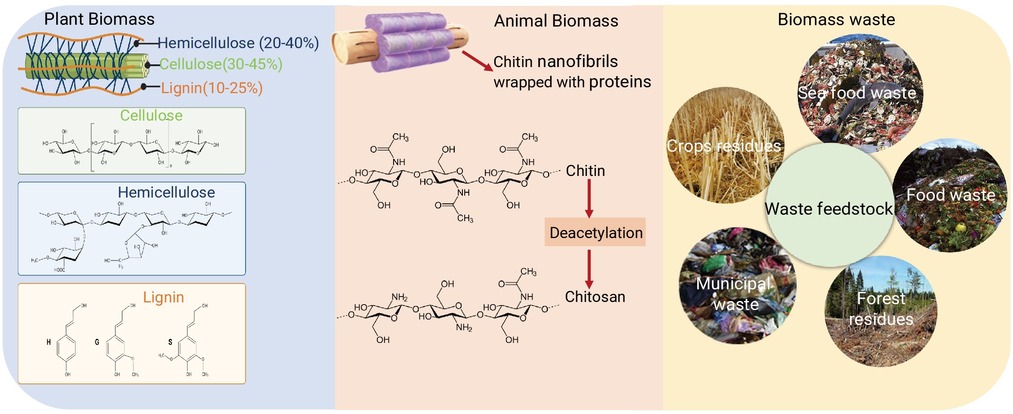
Figure 1.
Summary of the typical primary categories of sustainable biomass sources, including plant biomass, animal biomass, and biomass waste as renewable feedstocks with a low carbon footprint.
-
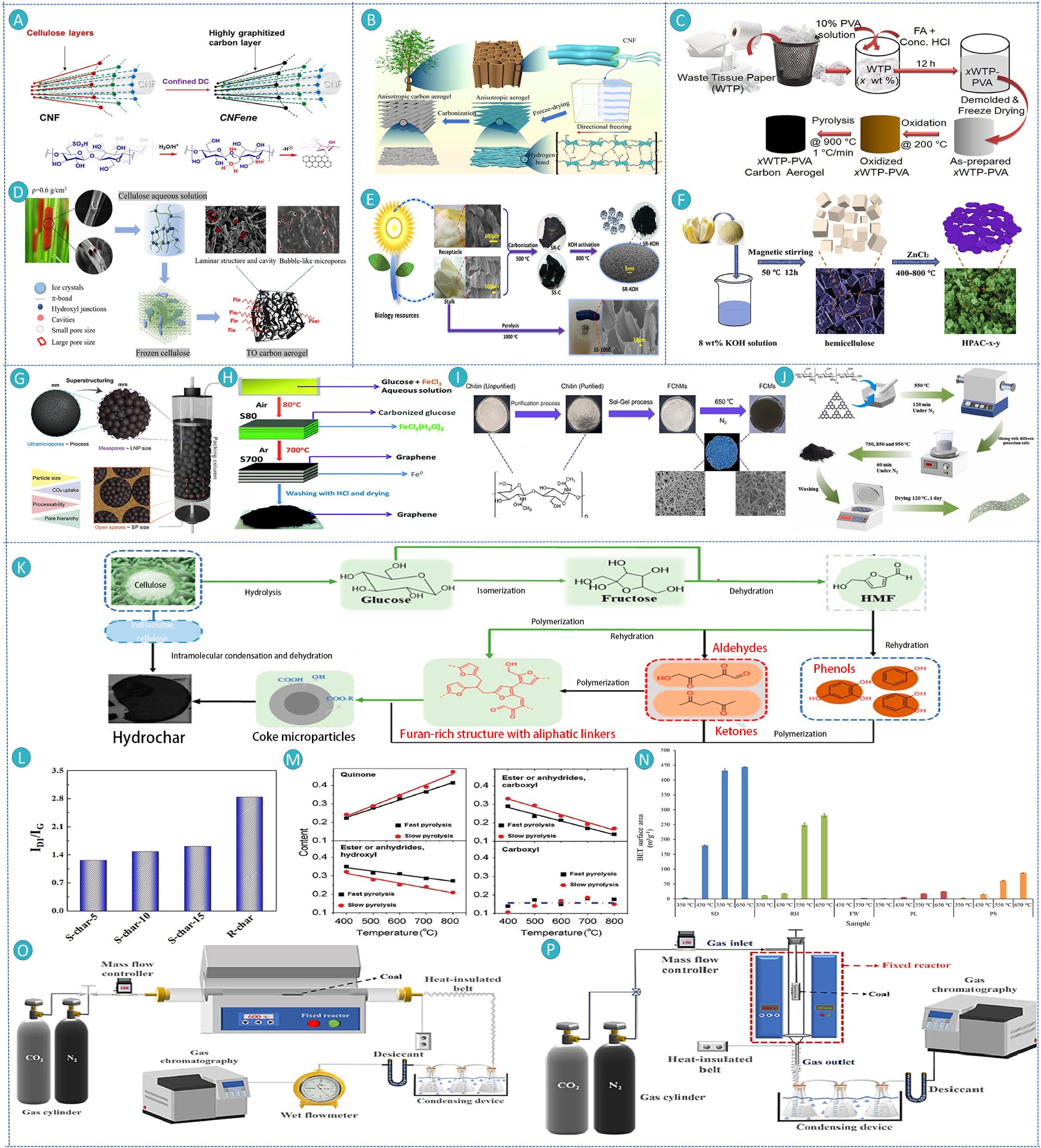
Figure 2.
Energy efficient carbonization of biomass for sustainable PCMs
-
Figure 3.
LIG and microwave-assisted pyrolysis of biomass for sustainable PCMs
-
Figure 4.
Sustainable modification of PCMs using green activation agents and templates
-
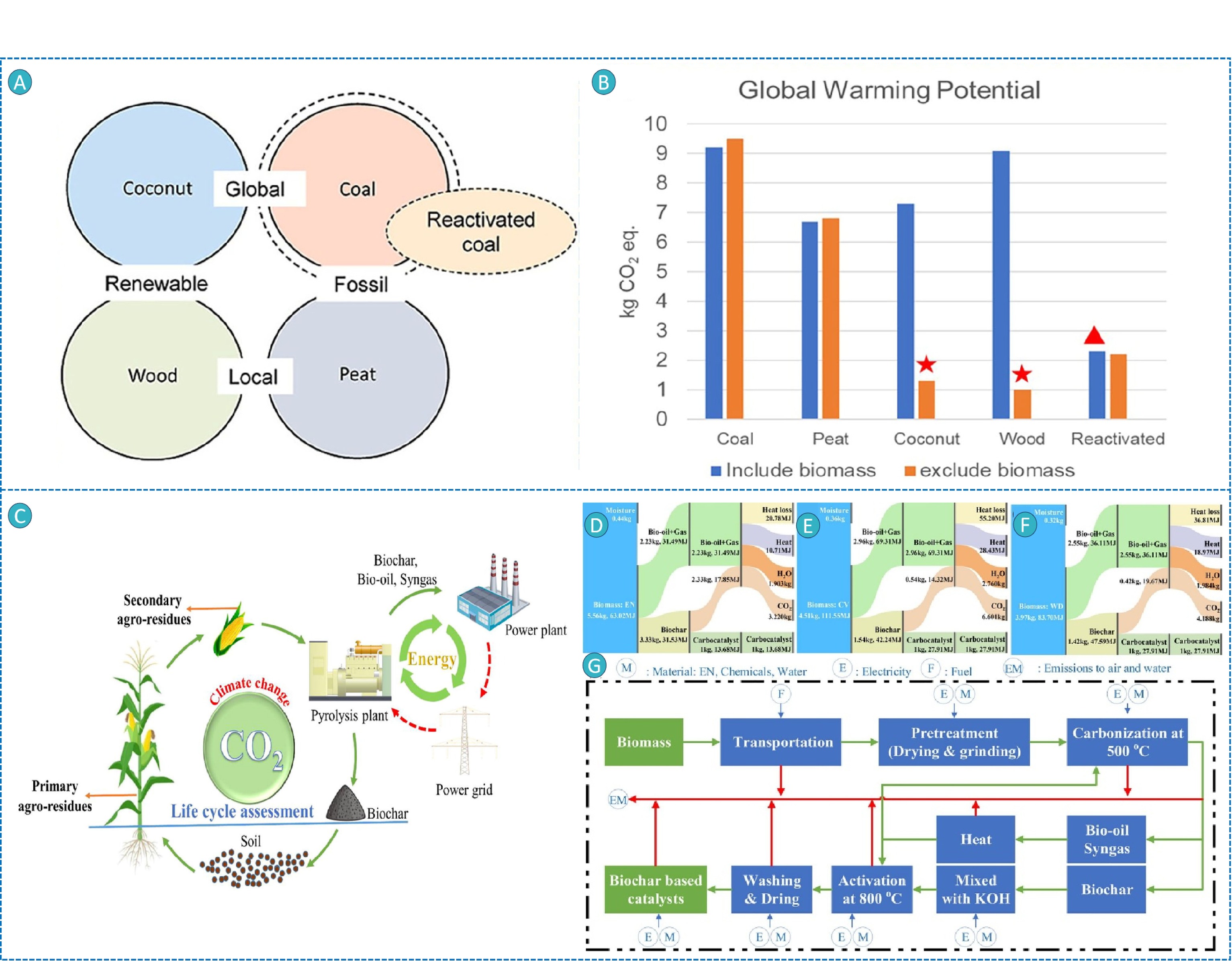
Figure 5.
LCA of biomass-derived carbons for sustainable production and carbon neutrality
-
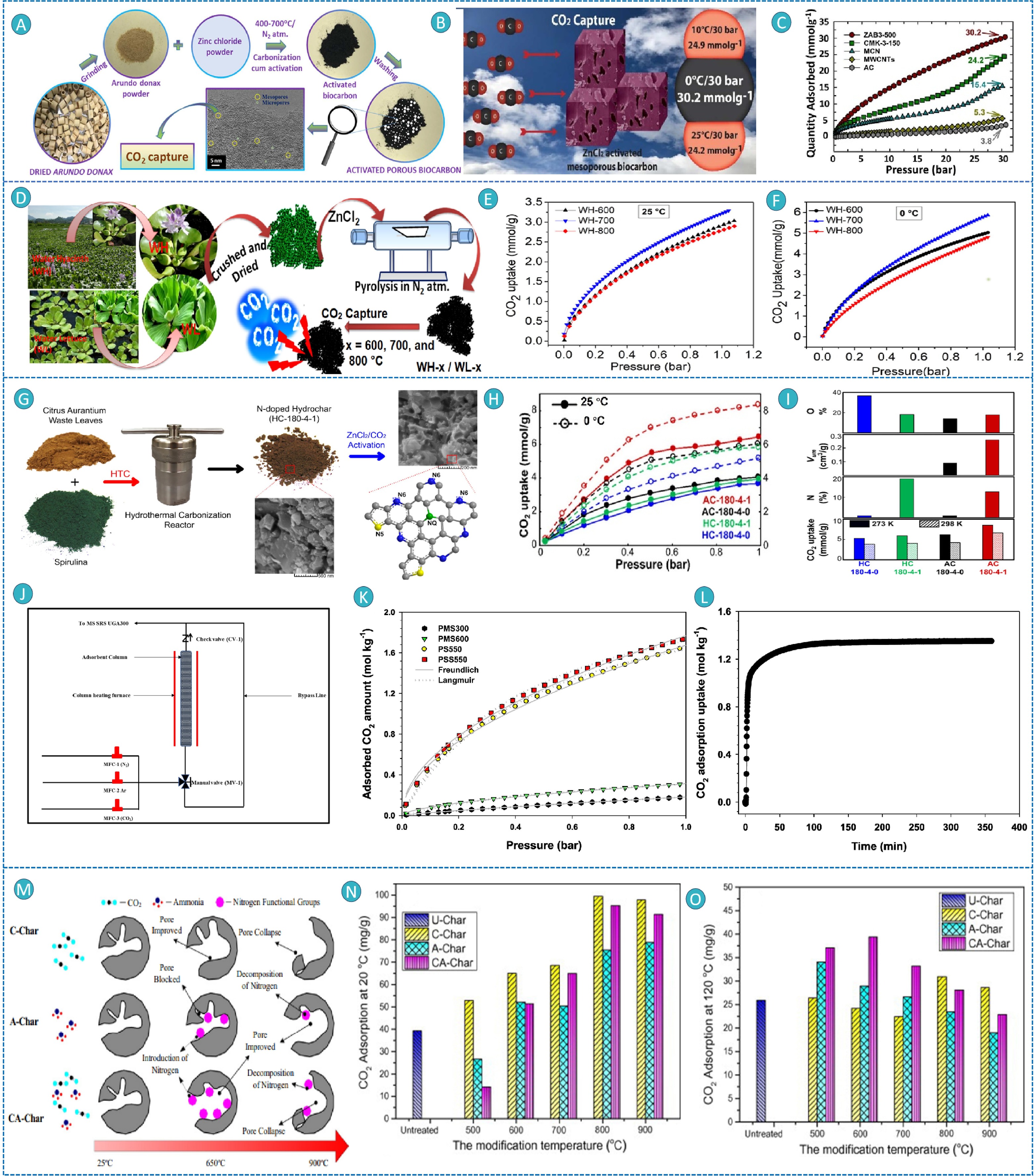
Figure 6.
PCMs for enhanced CO2 adsorption and capture
-
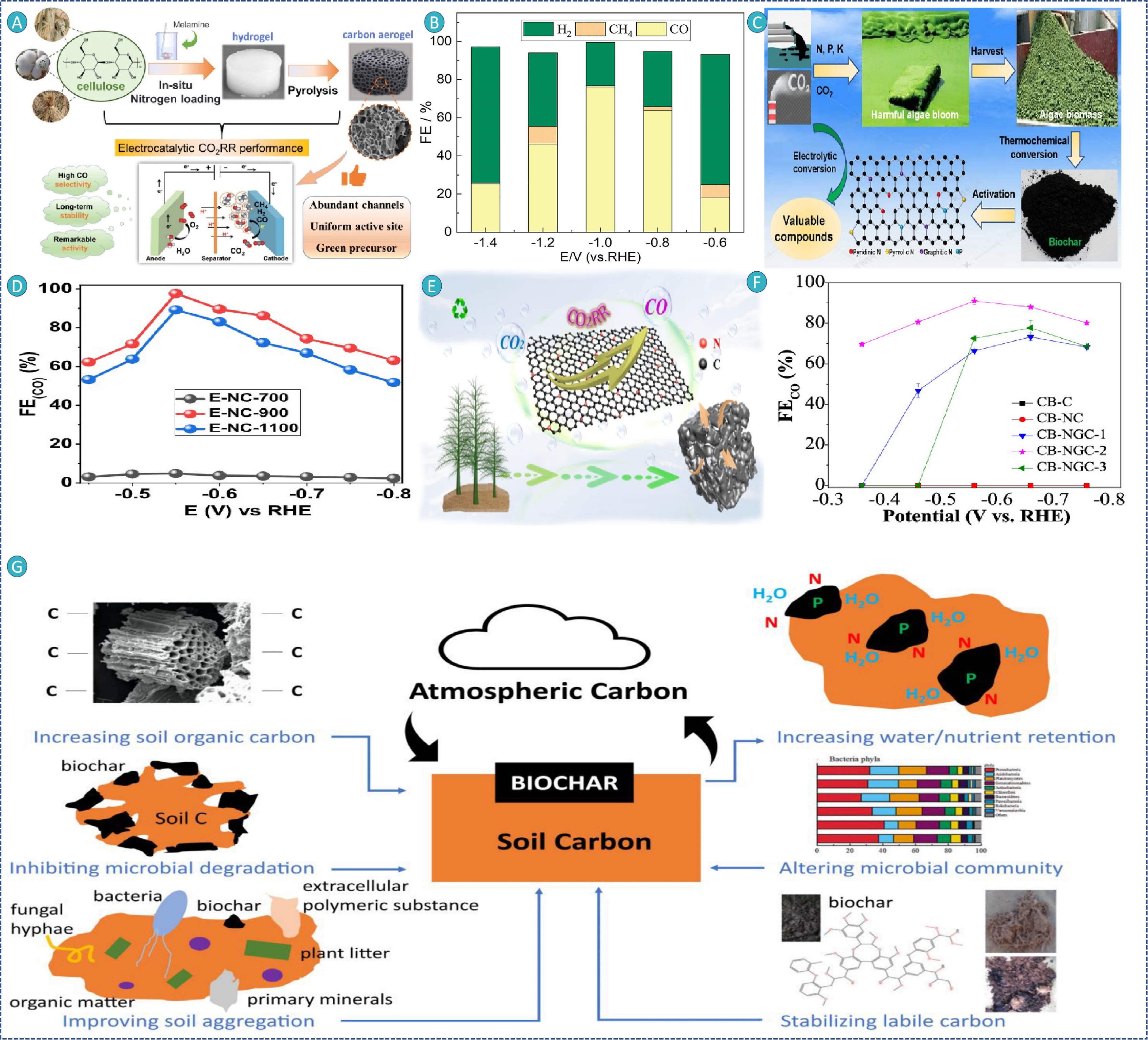
Figure 7.
PCMs for electrochemical CO2 reduction and sequestration
