
Supramolecular self-assembly of natural herb extracts: From molecular interactions to functional biomaterials
-
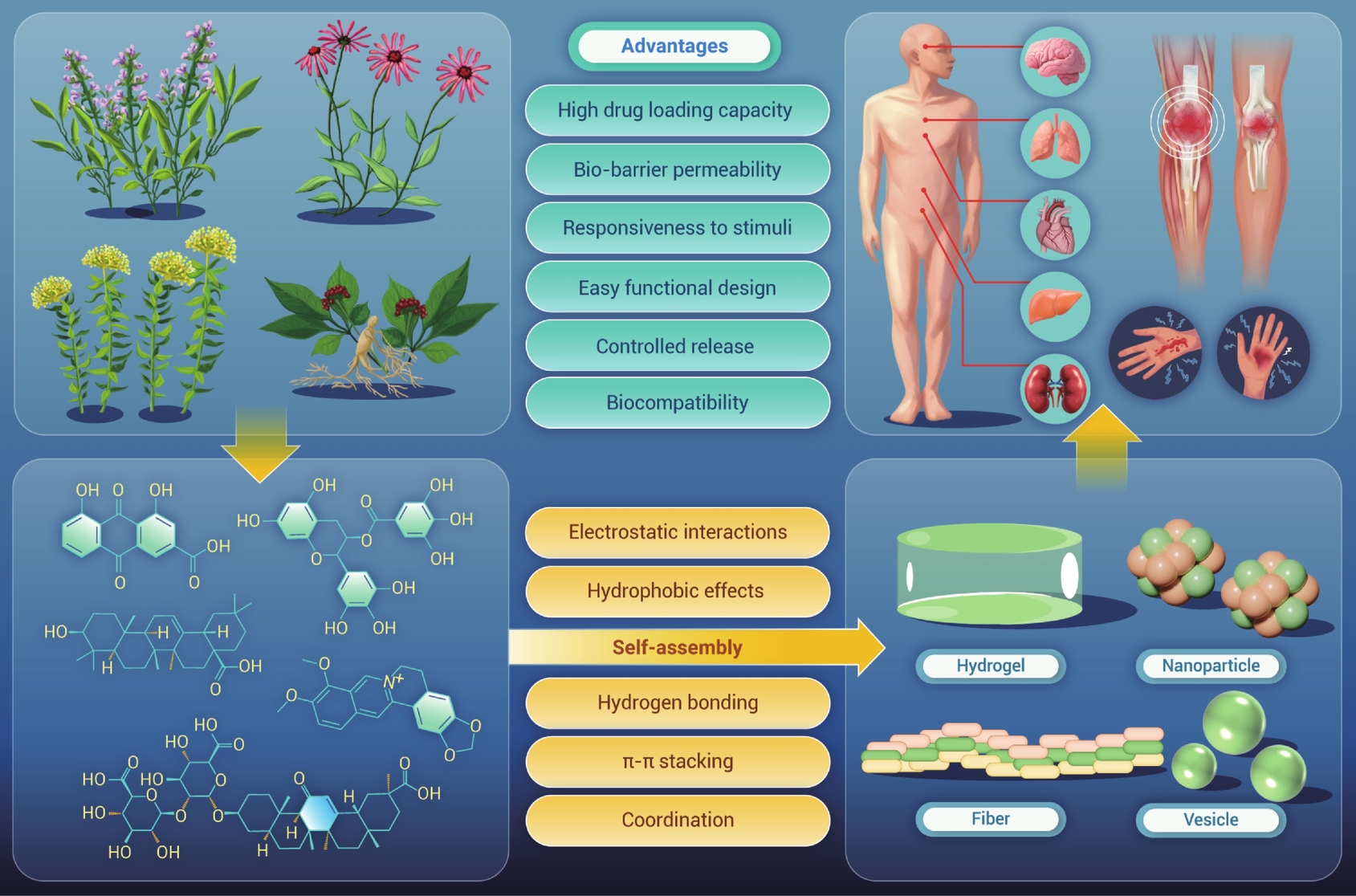
GRAPHICAL ABSTRACT
 DownLoad:
Full size image
DownLoad:
Full size image
-
PUBLIC SUMMARY
-
The types of natural herb extracts and their self-assembly driving forces were reviewed.
The relationship between the structure of natural herb extracts and self-assembled products was discussed.
The development directions in the natural herb extracts self-assembly were analyzed.
-
-
ABSTRACT
In recent years, supramolecular self-assembly has garnered increasing attention as a versatile strategy for materials design, offering novel opportunities in the development of functional biomaterials. Among these, natural herb extracts (NHEs) have emerged as promising building blocks due to their intrinsic ability to self-assemble through diverse noncovalent interactions. Compared with conventional polymer-based medical materials, NHE-derived assemblies possess distinctive advantages, including high drug-loading capacity, controlled-release behavior, permeability across biological barriers, and excellent biocompatibility. Notably, NHE self-assembled systems have demonstrated broad therapeutic potential, ranging from wound healing to cancer treatment. This review summarizes recent progress in the field of NHE-based supramolecular self-assembly. We first introduce the fundamental concepts of supramolecular self-assembly, highlighting the advantages and driving forces underlying NHE-derived assemblies. The major types of NHE molecules, their dominant interactions, and the resulting supramolecular architectures, particularly nanoparticles and hydrogels, are systematically reviewed, with emphasis on structure-function relationships and biomedical applications. In addition, advances in integrating NHE self-assembly with emerging technologies such as microneedles, photodynamic therapy, and photothermal therapy are discussed. Finally, we outline the current challenges and future research directions, aiming to provide insights into the rational design and translational potential of NHE-based supramolecular assemblies in biomedicine. -

-
REFERENCES
[1] Lehn J. M. (2002). Toward self-organization and complex matter. Science 295:2400−2403. DOI:10.1126/science.1071063 [2] Aida T., Meijer E. W. and Stupp S. I. (2012). Functional supramolecular polymers. Science 335:813−817. DOI. DOI:10.1126/science.1205962 [3] Chen G. and Jiang M. (2011). Cyclodextrin-based inclusion complexation bridging supramolecular chemistry and macromolecular self-assembly. Chem. Soc. Rev. 40:2254−2266. DOI:10.1039/C0CS00153H [4] Zhang S. (2003). Fabrication of novel biomaterials through molecular self-assembly. Nat. Biotechnol. 21:1171−1178. DOI:10.1038/nbt874 [5] Whitesides G. M. and Grzybowski B. (2002). Self-assembly at all scales. Science 295:2418−2421. DOI:10.1126/science.1070821 [6] Beuerle F. (2016). Unexplored territory for self-assembly. Nature 540:529−530. DOI:10.1038/540529a [7] Cheetham A. G., Zhang P., Lin Y., et al. (2013). Supramolecular nanostructures formed by anticancer drug assembly. J. Am. Chem. Soc. 135:2907−2910. DOI:10.1021/ja3115983 [8] Wang H., Wei J., Yang C., et al. (2012). The inhibition of tumor growth and metastasis by self-assembled nanofibers of taxol. Biomaterials 33:5848−5853. DOI:10.1016/j.biomaterials.2012.04.047 [9] Guo X., Luo W., Wu L., et al. (2024). Natural products from herbal medicine self-assemble into advanced bioactive materials. Adv. Sci. 11:e2403388. DOI:10.1002/advs.202403388 [10] Hu Y., Miao Y., Zhang Y., et al. (2024). Co-assembled binary polyphenol natural products for the prevention and treatment of radiation-induced skin injury. ACS Nano 18:27557−27569. DOI:10.1021/acsnano.4c08508 [11] Cui J., Wang X., Li J., et al. (2023). Immune exosomes loading self-assembled nanomicelles traverse the blood–brain barrier for chemo-immunotherapy against glioblastoma. ACS Nano 17:1464−1484. DOI:10.1021/acsnano.2c10219 [12] Sun X., Jia P., Zhang H., et al. (2022). Green regenerative hydrogel wound dressing functionalized by natural drug-food homologous small molecule self-assembled nanospheres. Adv. Funct. Mater. 32:2106572. DOI:10.1002/adfm.202106572 [13] Lei C., Wen J., Sun Y., et al. (2025). Self-assembled herbal hydrogel for rectal administration therapy in ulcerative colitis. Chem. Eng. J. 503. DOI:10.1016/j.cej.2024.158477. [14] Wu Y., Yang Z., Li X., et al. (2023). A self-assembled hydrogel dressing as multi-target therapeutics to promote wound healing. Chem. Eng. J. 477:147145. DOI:10.1016/j.cej.2023.147145 [15] Li T., Wang P., Guo W., et al. (2019). Natural berberine-based Chinese herb medicine assembled nanostructures with modified antibacterial application. ACS Nano 13:6770−6781. DOI:10.1021/acsnano.9b01346 [16] Hao M., Wei S., Su S., et al. (2024). A multifunctional hydrogel fabricated by direct self-assembly of natural herbal small molecule mangiferin for treating diabetic wounds. ACS Appl. Mater. Interfaces 16:24221−24234. DOI:10.1021/acsami.4c01265 [17] Liang P., Bi T., Zhou Y., et al. (2023). Insights into the mechanism of supramolecular self-assembly in the astragalus membranaceus–angelica sinensis codecoction. ACS Appl. Mater. Interfaces 15:47939−47954. DOI:10.1021/acsami.3c09494 [18] Chang Z., Chen D., Peng J., et al. (2024). Bone-targeted supramolecular nanoagonist assembled by accurate ratiometric herbal-derived therapeutics for osteoporosis reversal. Nano Lett. 24:5154−5164. DOI:10.1021/acs.nanolett.4c00029 [19] Huang X., Liu X., Lin X., et al. (2022). Thermodynamics driving phytochemical self-assembly morphological change and efficacy enhancement originated from single and co-decoction of traditional chinese medicine. J. Nanobiotechnol. 20:527. DOI:10.1186/s12951-022-01734-w [20] Zhu Y., Deng X., Wu Y., et al. (2025). Formation mechanism of herpetrione self-assembled nanoparticles based on pH-driven method. Chin. Chem. Lett. 36:109733. DOI:10.1016/j.cclet.2024.109733 [21] Pal J., Sharma M., Tiwari A., et al. (2024). Oxidative coupling and self-assembly of polyphenols for the development of novel biomaterials. ACS Omega 9:19741−19755. DOI:10.1021/acsomega.3c08528 [22] Wong S., Zhao J., Cao C., et al. (2019). Just add sugar for carbohydrate induced self-assembly of curcumin. Nat. Commun. 10:582. DOI:10.1038/s41467-019-08402-y [23] Huang H., Gong W., Wang X., et al. (2022). Self-assembly of naturally small molecules into supramolecular fibrillar networks for wound healing. Adv. Healthcare Mater. 11:2102476. DOI:10.1002/adhm.202102476 [24] Sun W., Chen Y., Wang L., et al. (2023). Gram-scale preparation of quercetin supramolecular nanoribbons for intestinal inflammatory diseases by oral administration. Biomaterials 295:122039. DOI:10.1016/j.biomaterials.2023.122039 [25] Qi J., Wang Y., Chen H., et al. (2025). Advancing the identification of bioactive molecules and the construction of a synergistic drug delivery system in combating lung injury. Adv. Sci. 12:2407802. DOI:10.1002/advs.202407802 [26] Lu J., Zhao H., Wang Z., et al. (2024). Glucose epimerization-modulated phytochemicals constructing carrier-free hydrogel for regulation of macrophage phenotype to promote wound healing. Adv. Funct. Mater. 34:2314089. DOI:10.1002/adfm.202314089 [27] Li Q., Yuan L., Gao S., et al. (2024). Self-assembled nanodrug delivery systems for anti-cancer drugs from traditional Chinese medicine. Biomater. Sci. 12:1662−1692. DOI:10.1039/D3BM01451G [28] Fu S., Yi X., Li Y., et al. (2024). Berberine and chlorogenic acid-assembled nanoparticles for highly efficient inhibition of multidrug-resistant staphylococcus aureus. J. Hazard. Mater. 473:134680. DOI:10.1016/j.jhazmat.2024.134680 [29] Huang X., Wang P., Li T., et al. (2020). Self-assemblies based on traditional medicine berberine and cinnamic acid for adhesion-induced inhibition multidrug-resistant staphylococcus aureus. ACS Appl. Mater. Interfaces 12:227−237. DOI:10.1021/acsami.9b17722 [30] Chen S., Chen Z., Wang Y., et al. (2022). Targeted delivery of Chinese herb pair-based berberine/tannin acid self-assemblies for the treatment of ulcerative colitis. J. Adv. Res. 40:263−276. DOI:10.1016/j.jare.2021.11.017 [31] Gao S., Zheng H., Xu S., et al. (2023). Novel natural carrier-free self-assembled nanoparticles for treatment of ulcerative colitis by balancing immune microenvironment and intestinal barrier. Adv. Healthcare Mater. 12:2301826. DOI:10.1002/adhm.202301826 [32] Wang P., Guo W., Huang G., et al. (2021). Berberine-based heterogeneous linear supramolecules neutralized the acute nephrotoxicity of aristolochic acid by the self-assembly strategy. ACS Appl. Mater. Interfaces 13:32729−32742. DOI:10.1021/acsami.1c06968 [33] Ma M., Xing P., Xu S., et al. (2014). Reversible pH-responsive helical nanoribbons formed using camptothecin. RSC Adv. 4:42372−42375. DOI:10.1039/C4RA08225G [34] Qin S., Peng M., Rong L., et al. (2015). Self-defensive nano-assemblies from camptothecin-based antitumor drugs. Regener. Biomater. 2:159−166. DOI:10.1093/rb/rbv011 [35] Xiao H., Guo Y., Liu H., et al. (2020). Structure-based design of charge-conversional drug self-delivery systems for better targeted cancer therapy. Biomaterials 232:119701. DOI:10.1016/j.biomaterials.2019.119701 [36] Liao Y., Li Z., Zhou Q., et al. (2021). Saponin surfactants used in drug delivery systems: A new application for natural medicine components. Int. J. Pharm. 603:120709. DOI:10.1016/j.ijpharm.2021.120709 [37] Du L., Li S., Jiang Q., et al. (2021). Interfacial interaction of small molecular emulsifiers tea saponin and monoglyceride: Relationship to the formation and stabilization of emulsion gels. Food Hydrocoll 117:106737. DOI:10.1016/j.foodhyd.2021.106737 [38] Cai J., Wu J., Yu X., et al. (2024). Interfacial assembly and rheology of multi-responsive glycyrrhizic acid at liquid interfaces. Soft Matter 20:1173−1185. DOI:10.1039/D3SM00973D [39] Tucker I. M., Burley A., Petkova R. E., et al. (2021). Adsorption and self-assembly properties of the plant based biosurfactant, glycyrrhizic acid. J. Colloid Interface Sci. 598:444−454. DOI:10.1016/j.jcis.2021.03.101 [40] Tucker I. M., Burley A., Petkova R. E., et al. (2021). Self-assembly in saponin mixtures: Escin/tea, tea/glycyrrhizic acid, and escin/glycyrrhizic acid mixtures. Colloids Surf. Physicochem. Eng. Aspects 629:127420. DOI:10.1016/j.colsurfa.2021.127420 [41] Zhao X., Liu M., Ma Z., et al. (2024). Constructing a hydrogel based on self-assembly properties of glycyrrhizic acid: A drug delivery system with digestive tract responsive. Colloids Surf. Physicochem. Eng. Aspects 697:134497. DOI:10.1016/j.colsurfa.2024.134497 [42] Liu X., Cheng X., Sun Y., et al. (2023). Peptide/glycyrrhizic acid supramolecular polymer: An emerging medical adhesive for dural sealing and repairing. Biomaterials 301:122239. DOI:10.1016/j.biomaterials.2023.122239 [43] Luo W., Yang Z., Zheng J., et al. (2024). Small molecule hydrogels loading small molecule drugs from Chinese medicine for the enhanced treatment of traumatic brain injury. ACS Nano 18:28894−28909. DOI:10.1021/acsnano.4c09097 [44] Li T., Zheng J., Xia M., et al. (2025). In situ sprayed self-gelling powder self-assembled by a pure molecular drug from herbal extract for rapid hemostasis and neuroprotection in traumatic brain injury. Adv. Funct. Mater. 35:2419613. DOI:10.1002/adfm.202419613 [45] Chen Y., Si L., Zhang J., et al. (2021). Uncovering the antitumor effects and mechanisms of shikonin against colon cancer on comprehensive analysis. Phytomedicine 82:153460. DOI:10.1016/j.phymed.2021.153460 [46] Parvez M. K., Al-Dosari M. S., Alam P., et al. (2019). The anti-hepatitis B virus therapeutic potential of anthraquinones derived from aloe vera. Phytother. Res. 33:2960−2970. DOI:10.1002/ptr.6471 [47] Yu Z., Cao L., Shen Y., et al. (2025). Inducing cuproptosis with copper ion-loaded aloe emodin self-assembled nanoparticles for enhanced tumor photodynamic immunotherapy. Adv. Healthcare Mater. 14:2404612. DOI:10.1002/adhm.202404612 [48] Folliero V., Dell’Annunziata F., Roscetto E., et al. (2022). Rhein: A novel antibacterial compound against streptococcus mutans infection. Microbiol. Res. 261:127062. DOI:10.1016/j.micres.2022.127062 [49] Lu W., Zhu H., Wu J., et al. (2022). Rhein attenuates angiotensin ii-induced cardiac remodeling by modulating AMPK–FGF23 signaling. J. Transl. Med. 20:305. DOI:10.1186/s12967-022-03482-9 [50] Zheng J., Fan R., Wu H., et al. (2019). Directed self-assembly of herbal small molecules into sustained release hydrogels for treating neural inflammation. Nat. Commun. 10:1604. DOI:10.1038/s41467-019-09601-3 [51] Liao X., Song X., Li J., et al. (2022). An injectable co-assembled hydrogel blocks reactive oxygen species and inflammation cycle resisting myocardial ischemia-reperfusion injury. Acta Biomater. 149:82−95. DOI:10.1016/j.actbio.2022.06.039 [52] Hou Y., Zou L., Li Q., et al. (2022). Supramolecular assemblies based on natural small molecules: Union would be effective. Mater. Today Bio 15:100327. DOI:10.1016/j.mtbio.2022.100327 [53] Bag B. G. and Dash S. S. (2011). First self-assembly study of betulinic acid, a renewable nano-sized, 6-6-6-6-5 pentacyclic monohydroxy triterpenic acid. Nanoscale 3:4564−4566. DOI:10.1039/C1NR10886G [54] Dash S. K., Chattopadhyay S., Dash S. S., et al. (2015). Self assembled nano fibers of betulinic acid: A selective inducer for ROS/tnf-alpha pathway mediated leukemic cell death. Bioorg. Chem. 63:85−100. DOI:10.1016/j.bioorg.2015.09.006 [55] Li Y., Wang Y., Gao L., et al. (2022). Betulinic acid self-assembled nanoparticles for effective treatment of glioblastoma. J. Nanobiotechnol. 20:39. DOI:10.1186/s12951-022-01238-7 [56] Zhou Y., Wang H., Zhu X., et al. (2024). Improving anti-oxidant stress treatment of subarachnoid hemorrhage through self-assembled nanoparticles of oleanolic acid. Drug Deliv. 31:2388735. DOI:10.1080/10717544.2024.2388735 [57] Luo Q., Yao L., Li L., et al. (2023). Inherent capability of self-assembling nanostructures in specific proteasome activation for cancer cell pyroptosis. Small 19:2205531. DOI:10.1002/smll.202205531 [58] Ghorai S. and Bag B. G. (2021). Garland, flower, and petals via a hierarchical self-assembly of ursane-type triterpenoid uvaol. ACS Omega 6:20560−20568. DOI:10.1021/acsomega.1c02630 [59] Ou K., Xu X., Guan S., et al. (2020). Nanodrug carrier based on poly(ursolic acid) with self-anticancer activity against colorectal cancer. Adv. Funct. Mater. 30:1907857. DOI:10.1002/adfm.201907857 [60] Shen J., Chen L., Lv X., et al. (2024). Emerging co-assembled and sustained released natural medicinal nanoparticles for multitarget therapy of choroidal neovascularization. Adv. Mater. 36:2314095. DOI:10.1002/adma.202314095 [61] Ramakrishnan M., van Teijlingen A., Tuttle T., et al. (2023). Integrating computation, experiment, and machine learning in the design of peptide‐based supramolecular materials and systems. Angew. Chem. Int. Ed. 62:e202218067. DOI:10.1002/anie.202218067 [62] Mallik B. B., Stanislaw J., Alawathurage T. M., et al. (2023). De novo design of polyhedral protein assemblies: Before and after the AI revolution. ChemBioChem 24:e202300117. DOI:10.1002/cbic.202300117 [63] Solomonov A., Kozell A. and Shimanovich U. (2024). Designing multifunctional biomaterials via protein self‐assembly. Angew. Chem. Int. Ed. 63:e202318365. DOI:10.1002/anie.202318365 [64] Yang Z., Yorke S. K., Knowles T. P. J., et al. Learning the rules of peptide self-assembly through data mining with large language models. Sci. Adv. 11:eadv1971. DOI:10.1126/sciadv.adv1971 [65] Li C., Ma L., Xue Z., et al. (2025). Pushing the frontiers: Artificial intelligence (AI)‐guided programmable concepts in binary self‐assembly of colloidal nanoparticles. Adv. Sci. 12:2501000. DOI:10.1002/advs.202501000 [66] Wang J., Liu Z., Zhao S., et al. (2023). Deep learning empowers the discovery of self-assembling peptides with over 10 trillion sequences. Adv. Sci. 10:2301544. DOI:10.1002/advs.202301544 [67] Zhang C., Yuan Y., Xia Q., et al. (2025). Machine learning-driven prediction, preparation, and evaluation of functional nanomedicines via drug–drug self-assembly. Adv. Sci. 12:2415902. DOI:10.1002/advs.202415902 [68] Shan Y., Zhang Z., Zhou H., et al. (2025). Deep learning-driven co-assembly of naturally sourced compound nanoparticles for potentiated cancer immunotherapy. Adv. Funct. Mater.:e19567. DOI:10.1002/adfm.202519567 [69] Peng M., Peng Q., Li W., et al. (2025). Atomic insights into self-assembly of zingibroside R1 and its therapeutic action against fungal diseases. Adv. Mater. 37:2503283. DOI:10.1002/adma.202503283 [70] Bag B. G., Das S., Hasan S. N., et al. (2017). Nanoarchitectures by hierarchical self-assembly of ursolic acid: Entrapment and release of fluorophores including anticancer drug doxorubicin. RSC Adv. 7:18136−18143. DOI:10.1039/C7RA02123B [71] Zhao Q., Li Y., Sun Q., et al. (2025). Self-assembled genistein nanoparticles suppress the epithelial-mesenchymal transition in glioblastoma by targeting MMP9. Mater. Today Bio 31:101606. DOI:10.1016/j.mtbio.2025.101606 [72] Zhao X., Zhang H., Gao Y., et al. (2020). A simple injectable moldable hydrogel assembled from natural glycyrrhizic acid with inherent antibacterial activity. ACS Appl. Bio Mater. 3:648−653. DOI:10.1021/acsabm.9b01007 [73] Li Z., Zheng Y., Shi H., et al. (2021). Convenient tuning of the elasticity of self-assembled nano-sized triterpenoids to regulate their biological activities. ACS Appl. Mater. Interfaces 13:44065−44078. DOI:10.1021/acsami.1c12418 [74] Yang S., Luo W., Song X., et al. (2024). A self-gelling powder directly co-assembled by natural small molecules for traumatic brain injury. Adv. Funct. Mater. 34:2401485. DOI:10.1002/adfm.202401485 [75] Chang C., Zheng Y., Lu C., et al. (2025). Synergistic treatment of respiratory syncytial virus induced pneumonia by multifunctional baicalin-resveratrol self-assembled nanomedicine. Chem. Eng. J. 519:165054. DOI:10.1016/j.cej.2025.165054 [76] Gong H., Yu X., Zhang A., et al. (2024). A novel supramolecule combining the pharmacological benefits of berberin and catechin for the prevention and treatment of cervical cancer. Colloids Surf. Physicochem. Eng. Aspects 698:134555. DOI:10.1016/j.colsurfa.2024.134555 [77] Qian W., Zhang B., Gao M., et al. (2025). Supramolecular prodrug inspiried by the rhizoma coptidis-fructus mume herbal pair alleviated inflammatory diseases by inhibiting pyroptosis. J. Pharm. Anal. 15:101056. DOI:10.1016/j.jpha.2024.101056 [78] He W., Wang X., Gong W., et al. (2023). Construction of an antibacterial hydrogel based on diammonium glycyrrhizinate and gallic acid for bacterial- infected wound healing. Colloids Surf. B. Biointerfaces 222:112975. DOI:10.1016/j.colsurfb.2022.112975 [79] Zhang B., Jiang J., Wu P., et al. (2021). A smart dual-drug nanosystem based on co-assembly of plant and food-derived natural products for synergistic hcc immunotherapy. Acta Pharm. Sin. B 11:246−257. DOI:10.1016/j.apsb.2020.07.026 [80] Zong L., Dai Y., Xu J., et al. (2025). Luteolin and glycyrrhetinic exert cooperative effect on liver cancer by selfassembling into carrier-free nanostructures. Chin. Chem. Lett. 36:111325. DOI:10.1016/j.cclet.2025.111325 [81] Jiang H., Lu Q., Huang X., et al. (2025). Sinomenine-glycyrrhizic acid self-assembly enhanced the anti-inflammatory effect of sinomenine in the treatment of rheumatoid arthritis. J. Controlled Release 382:113718. DOI:10.1016/j.jconrel.2025.113718 [82] Wu X., Zang R., Qiu Y., et al. (2024). Self-assembly of rhein and matrine nanoparticles for enhanced wound healing. Molecules 29:3326. DOI:10.3390/molecules29143326 [83] Shen R., Chen Y., Li X., et al. (2023). Carrier-free Chinese herbal small molecules self-assembly with 3D-porous crystal framework as a synergistic anti-AD agent. Int. J. Pharm. 630:122458. DOI:10.1016/j.ijpharm.2022.122458 [84] Geng H., Zhong Q., Li J., et al. (2022). Metal ion-directed functional metal–phenolic materials. Chem. Rev. 122:11432−11473. DOI:10.1021/acs.chemrev.1c01042 [85] Shang L., Yang T., Yang C., et al. (2021). Metal ions-mediated self-assembly of nanomedicine for combinational therapy against triple-negative breast cancer. Chem. Eng. J. 425:131420. DOI:10.1016/j.cej.2021.131420 [86] Zhang W., Zhao S., Guan Q., et al. (2024). Enhancing chronic wound healing through engineering Mg2+-coordinated asiatic acid/bacterial cellulose hybrid hydrogels. ACS Appl. Mater. Interfaces 16:8238−8249. DOI:10.1021/acsami.3c14690 [87] Huang Y., Chen Y., Lu Z., et al. (2023). Facile synthesis of self-targeted Zn2+-gallic acid nanoflowers for specific adhesion and elimination of gram-positive bacteria. Small 19:2302578. DOI:10.1002/smll.202302578 [88] Zhang Q., Yu B., Long J., et al. (2025). An ultrasmall self-assembled gallic-acid-based natural multifunctional defense networks for therapeutic application in calcium oxalate nephropathies. Small 21:2500270. DOI:10.1002/smll.202500270 [89] Zhang B., Qin Y., Yang L., et al. (2022). A polyphenol-network-mediated coating modulates inflammation and vascular healing on vascular stents. ACS Nano 16:6585−6597. DOI:10.1021/acsnano.2c00642 [90] Li K., Xiao G., Richardson J. J., et al. (2019). Targeted therapy against metastatic melanoma based on self-assembled metal-phenolic nanocomplexes comprised of green tea catechin. Adv. Sci. 6:1801688. DOI:10.1002/advs.201801688 [91] Zhu G., Xie Y., Wang J., et al. (2024). Multifunctional copper-phenolic nanopills achieve comprehensive polyamines depletion to provoke enhanced pyroptosis and cuproptosis for cancer immunotherapy. Adv. Mater. 36:2409066. DOI:10.1002/adma.202409066 [92] Zhou L., Chen J., Li R., et al. (2021). Metal-polyphenol-network coated prussian blue nanoparticles for synergistic ferroptosis and apoptosis via triggered GPX4 inhibition and concurrent in situ bleomycin toxification. Small 17:2103919. DOI:10.1002/smll.202103919 [93] Liang X., Ding L., Ma J., et al. (2024). Enhanced mechanical strength and sustained drug release in carrier-free silver-coordinated anthraquinone natural antibacterial anti-inflammatory hydrogel for infectious wound healing. Adv. Healthcare Mater. 13:2400841. DOI:10.1002/adhm.202400841 [94] Fu W., Guo M., Zhou X., et al. (2024). Injectable hydrogel mucosal vaccine elicits protective immunity against respiratory viruses. ACS Nano 18:11200−11216. DOI:10.1021/acsnano.4c00155 [95] Lu C., Chang C., Zheng Y., et al. (2024). Supramolecular self-assembled hydrogel for antiviral therapy through glycyrrhizic acid-enhanced Zinc absorption and intracellular accumulation. ACS Appl. Mater. Interfaces 16:60027−60044. DOI:10.1021/acsami.4c15042 [96] Qian Y., Zheng Y., Jin J., et al. (2022). Immunoregulation in diabetic wound repair with a photoenhanced glycyrrhizic acid hydrogel scaffold. Adv. Mater. 34:2200521. DOI:10.1002/adma.202200521 [97] Zhang C., Cai E., Qi X., et al. (2024). Immunomodulatory gallium/glycyrrhizic acid hydrogels for treating multidrug-resistant pseudomonas aeruginosa-infected pressure ulcers. Chem. Eng. J. 487:150756. DOI:10.1016/j.cej.2024.150756 [98] Pi W., Wu L., Lu J., et al. (2023). A metal ions-mediated natural small molecules carrier-free injectable hydrogel achieving laser-mediated photo-fenton-like anticancer therapy by synergy apoptosis/cuproptosis/anti-inflammation. Bioact. Mater. 29:98−115. DOI:10.1016/j.bioactmat.2023.06.018 [99] Chen B., Zhang H., Qiu J., et al. (2022). Mechanical force induced self-assembly of Chinese herbal hydrogel with synergistic effects of antibacterial activity and immune regulation for wound healing. Small 18:2201766. DOI:10.1002/smll.202201766 [100] Li Q., Zhang S., Du R., et al. (2023). Injectable self-healing adhesive natural glycyrrhizic acid bioactive hydrogel for bacteria-infected wound healing. ACS Appl. Mater. Interfaces 15:17562−17576. DOI:10.1021/acsami.2c23231 [101] Yang D., Zhao W., Zhang S., et al. (2024). Dual self-assembly of puerarin and silk fibroin into supramolecular nanofibrillar hydrogel for infected wound treatment. Adv. Healthcare Mater. 13:2400071. DOI:10.1002/adhm.202400071 [102] Lin Y., Yu Q., Dong R., et al. (2025). Herbal dual-network hydrogel: A programmed release for enhanced scarless wound healing. Chem. Eng. J. 516:164163. DOI:10.1016/j.cej.2025.164163 [103] Su X., Wu L., Hu M., et al. (2017). Glycyrrhizic acid: A promising carrier material for anticancer therapy. Biomed. Pharmacother. 95:670−678. DOI:10.1016/j.biopha.2017.08.123 [104] Feng W., Shi W., Liu S., et al. (2022). Fe(III)-shikonin supramolecular nanomedicine for combined therapy of tumor via ferroptosis and necroptosis. Adv. Healthcare Mater. 11:2101926. DOI:10.1002/adhm.202101926 [105] Wang Y., Wu Y., Li K., et al. (2019). Ultralong circulating lollipop-like nanoparticles assembled with gossypol, doxorubicin, and polydopamine via π–π stacking for synergistic tumor therapy. Adv. Funct. Mater. 29:1805582. DOI:10.1002/adfm.201805582 [106] Xiang J., Meng Y., Zhao M., et al. (2025). Super-self-assembly extraction from natural herbs. Nano Res. 18:94907094. DOI:10.26599/NR.2025.94907094 [107] Lin X., Huang X., Tian X., et al. (2022). Natural small-molecule-based carrier-free self-assembly library originated from traditional Chinese herbal medicine. ACS Omega 7:43510−43521. DOI:10.1021/acsomega.2c04098 [108] Wang Z., Li W., Lu J., et al. (2023). Revealing the active ingredients of the traditional Chinese medicine decoction by the supramolecular strategies and multitechnologies. J. Ethnopharmacol. 300:115704. DOI:10.1016/j.jep.2022.115704 [109] Zou J., Le J., Zhang B., et al. (2021). Accelerating transdermal delivery of insulin by ginsenoside nanoparticles with unique permeability. Int. J. Pharm. 605:120784. DOI:10.1016/j.ijpharm.2021.120784 [110] Li C., Gou X. and and Gao H. (2021). Doxorubicin nanomedicine based on ginsenoside Rg1 with alleviated cardiotoxicity and enhanced antitumor activity. Nanomedicine 16:2587−2604. DOI:10.2217/nnm-2021-0329 [111] Liang X., Gao C., Cui L., et al. (2017). Self-assembly of an amphiphilic janus camptothecin–floxuridine conjugate into liposome-like nanocapsules for more efficacious combination chemotherapy in cancer. Adv. Mater. 29:1703135. DOI:10.1002/adma.201703135 [112] Wang Z., Liu J., Chen Q., et al. (2025). Bioactive glycyrrhizic acid ionic liquid self-assembled nanomicelles for enhanced transdermal delivery of anti-photoaging signal peptides. Adv. Sci. 12:2412581. DOI:10.1002/advs.202412581 [113] Huang H., Chen L., Hou Y., et al. (2023). Self-assembly of chlorogenic acid into hydrogel for accelerating wound healing. Colloids Surf. B. Biointerfaces 228:113440. DOI:10.1016/j.colsurfb.2023.113440 [114] Tian X., Wang P., Li T., et al. (2020). Self-assembled natural phytochemicals for synergistically antibacterial application from the enlightenment of traditional Chinese medicine combination. Acta Pharm. Sin. B 10:1784−1795. DOI:10.1016/j.apsb.2019.12.014 [115] Zheng J., Song X., Yang Z., et al. (2023). Self-assembling glycyrrhizic acid micellar hydrogels as encapsulant carriers for delivery of curcumin. Colloids Surf. Physicochem. Eng. Aspects 658:130680. DOI:10.1016/j.colsurfa.2022.130680 [116] Li Q., Yu X., Zhang S., et al. (2023). All-natural, robust, and pH-responsive glycyrrhizic acid-based double network hydrogels for controlled nutrient release. ACS Appl. Mater. Interfaces 15:43633−43647. DOI:10.1021/acsami.3c10407 [117] Ji H., Wang W., Li X., et al. (2022). Natural small molecules enabled efficient immunotherapy through supramolecular self-assembly in p53-mutated colorectal cancer. ACS Appl. Mater. Interfaces 14:2464−2477. DOI:10.1021/acsami.1c16737 [118] Chen K., Zhu X., Sun R., et al. (2024). Oleanolic acid derivative self-assembled aggregates based on heparin and chitosan for breast cancer therapy. Int. J. Biol. Macromol. 277:134431. DOI:10.1016/j.ijbiomac.2024.134431 [119] Pang P., Liu W., Ma S., et al. (2025). Self-assembling natural flavonoid nanomedicines for alveolar macrophage reprogramming by restoring mitochondrial function in acute lung injury therapy. Chem. Eng. J. 506:160171. DOI:10.1016/j.cej.2025.160171 [120] Ping Y., Li Y., Lü S., et al. (2020). A study of nanometre aggregates formation mechanism and antipyretic effect in Bai-Hu-Tang, an ancient Chinese herbal decoction. Biomed. Pharmacother. 124:109826. DOI:10.1016/j.biopha.2020.109826 [121] Xia L., Yang Q., Fu K., et al. (2025). Unveiling the renoprotective mechanisms of self-assembled herbal nanoparticles from scutellaria barbata and scleromitrion diffusum in acute kidney injury: A nano-TCM approach. Acta Pharm. Sin. B 15:4265−4284. DOI:10.1016/j.apsb.2025.05.024 [122] Yao Y., Xu Z., Ding H., et al. (2025). Carrier-free nanoparticles—new strategy of improving druggability of natural products. J. Nanobiotechnol. 23:108. DOI:10.1186/s12951-025-03146-y [123] Kim J., Li S., Zhang S., et al. (2022). Plant-derived exosome-like nanoparticles and their therapeutic activities. Asian J. Pharm. Sci. 17:53−69. DOI:10.1016/j.ajps.2021.05.006 [124] Gao C., Chen Y., Wen X., et al. (2025). Plant-derived exosome-like nanoparticles in tissue repair and regeneration. J. Mater. Chem. B. 13:2254−2271. DOI:10.1039/D4TB02394C [125] Ishida T., Kawada K., Jobu K., et al. (2023). Exosome-like nanoparticles derived from allium tuberosum prevent neuroinflammation in microglia-like cells. J. Pharm. Pharmacol. 75:1322−1331. DOI:10.1093/jpp/rgad062 [126] Yan G., Xiao Q., Zhao J., et al. (2024). Brucea javanica derived exosome-like nanovesicles deliver mirnas for cancer therapy. J. Controlled Release 367:425−440. DOI:10.1016/j.jconrel.2024.01.060 [127] Fu J., Liu Z., Feng Z., et al. (2025). Platycodon grandiflorum exosome-like nanoparticles: The material basis of fresh platycodon grandiflorum optimality and its mechanism in regulating acute lung injury. J. Nanobiotechnol. 23:270. DOI:10.1186/s12951-025-03331-z [128] Cai D., Yang Y., Lu J., et al. (2022). Injectable carrier-free hydrogel dressing with anti-multidrug-resistant staphylococcus aureus and anti-inflammatory capabilities for accelerated wound healing. ACS Appl. Mater. Interfaces 14:43035−43049. DOI:10.1021/acsami.2c15463 [129] Wang Z., Lu J., Yuan Z., et al. (2023). Natural carrier-free binary small molecule self-assembled hydrogel synergize antibacterial effects and promote wound healing by inhibiting virulence factors and alleviating the inflammatory response. Small 19:2205528. DOI:10.1002/smll.202205528 [130] Wu H., Wang T., Liang Y., et al. (2024). Self-assembled and dynamic bond crosslinked herb-polysaccharide hydrogel with anti-inflammation and pro-angiogenesis effects for burn wound healing. Colloids Surf. B. Biointerfaces 233:113639. DOI:10.1016/j.colsurfb.2023.113639 [131] Hu Z., Zhao K., Chen X., et al. (2023). A berberine-loaded bletilla striata polysaccharide hydrogel as a new medical dressing for diabetic wound healing. Int. J. Mol. Sci. 24:16286. DOI:10.3390/ijms242216286 [132] Zeng Q., Liang T., Liu M., et al. (2025). Co-assembled cryptotanshinone derivative and glycyrrhizic acid carrier-free hydrogel: A synergistic approach to acne treatment. Nano Lett. 25:8814−8824. DOI:10.1021/acs.nanolett.4c05420 [133] Hu X., Tian S., Wang J., et al. (2025). Supramolecular nanofibers of natural asiaticoside for self-supporting gelation and enhanced transdermal delivery. Front. Bioeng. Biotechnol. 13:1589865. DOI:10.3389/fbioe.2025.1589865 [134] Feng Y., Zhang X., Hao Y., et al. (2020). Simulation study of the pH sensitive directed self-assembly of rheins for sustained drug release hydrogel. Colloids Surf. B. Biointerfaces 195:111260. DOI:10.1016/j.colsurfb.2020.111260 [135] Zhong D., Jin K., Wang R., et al. (2024). Microalgae-based hydrogel for inflammatory bowel disease and its associated anxiety and depression. Adv. Mater. 36:2312275. DOI:10.1002/adma.202312275 [136] Liang F., Zheng Y., Zhao C., et al. (2025). Microalgae-derived extracellular vesicles synergize with herbal hydrogel for energy homeostasis in osteoarthritis treatment. ACS Nano 19:8040−8057. DOI:10.1021/acsnano.4c16085 [137] Jia X., Yuan Z., Yang Y., et al. (2022). Multi-functional self-assembly nanoparticles originating from small molecule natural product for oral insulin delivery through modulating tight junctions. J. Nanobiotechnol. 20:116. DOI:10.1186/s12951-022-01260-9 [138] Zhao W., Zhang X., Zhang R., et al. (2020). Self-assembled herbal medicine encapsulated by an oxidation-sensitive supramolecular hydrogel for chronic wound treatment. ACS Appl. Mater. Interfaces 12:56898−56907. DOI:10.1021/acsami.0c19492 [139] Ding W., Shao X., Ding S., et al. (2024). Natural herb wormwood-based microneedle array for wound healing. Drug Deliv. Transl. Re. 14:2461−2473. DOI:10.1007/s13346-024-01520-1 [140] Ryall C., Chen S., Duarah S., et al. (2022). Chitosan-based microneedle arrays for dermal delivery of centella asiatica. Int. J. Pharm. 627:122221. DOI:10.1016/j.ijpharm.2022.122221 [141] Liu X., Guo C., Yang W., et al. (2024). Composite microneedles loaded with astragalus membranaceus polysaccharide nanoparticles promote wound healing by curbing the ROS/nf-κb pathway to regulate macrophage polarization. Carbohydr. Polym. 345:122574. DOI:10.1016/j.carbpol.2024.122574 [142] Chi J., Sun L., Cai L., et al. (2021). Chinese herb microneedle patch for wound healing. Bioact. Mater. 6:3507−3514. DOI:10.1016/j.bioactmat.2021.03.023 [143] Deng D., Chen R., Lin S., et al. (2025). Fire cupping inspired negative-pressure microneedle syringes loaded with herb berberine-based nano composite for psoriasis therapy. Biomaterials Advances 173:214259. DOI:10.1016/j.bioadv.2025.214259 [144] Li S., Chen Q., Zhang Y., et al. (2024). Hyaluronic acid dissolving microneedle patch-assisted acupoint transdermal delivery of triptolide for effective rheumatoid arthritis treatment. Sci. Rep. 14:25256. DOI:10.1038/s41598-024-76341-w [145] Tao S., Song Y., Ding S., et al. (2023). Dendrobium officinale polysaccharide-based carrier to enhance photodynamic immunotherapy. Carbohydr. Polym. 317:121089. DOI:10.1016/j.carbpol.2023.121089 [146] Liu Z., Tang X., Huang C., et al. (2022). 808 nm nir-triggered camellia sapogein/curcumin-based antibacterial upconversion nanoparticles for synergistic photodynamic-chemical combined therapy. Inorganic Chemistry Frontiers 9:1836−1846. DOI:10.1039/D1QI01569A [147] Li Q., Liu Y., Liu S., et al. (2025). All-natural aggregation-induced emission-active glycyrrhizic acid hydrogels for drug-resistant bacteria-infected wound healing. Chem. Eng. J. 512:162677. DOI:10.1016/j.cej.2025.162677 [148] Su L., Zhu Y., Li X., et al. (2025). Topical adhesive spatio-temporal nanosystem co-delivering chlorin e6 and HMGB1 inhibitor glycyrrhizic acid for in situ psoriasis chemo-phototherapy. Acta Pharm. Sin. B 15:1126−1142. DOI:10.1016/j.apsb.2024.12.020 [149] Duan D., Li Y., Pan Y., et al. (2025). Photosensitizer and chemotherapy drug-based self-assembled nanoparticles for ferroptosis-mediated therapy of triple negative breast cancer. ACS Appl. Nano Mater. 8:11590−11603. DOI:10.1021/acsanm.5c01747 [150] Duan Y., Xu P., Ge P., et al. (2023). Nir-responsive carrier-free nanoparticles based on berberine hydrochloride and indocyanine green for synergistic antibacterial therapy and promoting infected wound healing. Regener. Biomater. 10:rbad076. DOI:10.1093/rb/rbad076 [151] Liu Y., Zhao L., Shen G., et al. (2020). Coordination self-assembly of natural flavonoids into robust nanoparticles for enhanced in vitro chemo and photothermal cancer therapy. Colloids Surf. Physicochem. Eng. Aspects 598:124805. DOI:10.1016/j.colsurfa.2020.124805 [152] Liu S., Sun K., Li M., et al. (2025). Quadruple synergistic amplification of ferroptosis for precision glioblastoma therapy: A luteolin-coordinated ferric ion nanoplatform. J. Nanobiotechnol. 23:605. DOI:10.1186/s12951-025-03688-1 [153] Deng X., Shao Z. and Zhao Y. (2021). Development of porphyrin and titanium dioxide sonosensitizers for sonodynamic cancer therapy. Biomater. Transl 2:72−85. DOI:10.3877/cma.j.issn.2096-112X.2021.01.009 [154] Zheng Y., Li Z., Yang Y., et al. (2021). A nanosensitizer self-assembled from oleanolic acid and chlorin e6 for synergistic chemo/sono-photodynamic cancer therapy. Phytomedicine 93:153788. DOI:10.1016/j.phymed.2021.153788 [155] Mo W., Liang Z., Zhang B., et al. (2025). A targeted antiferromagnetic nanoprobe for ultra-sensitive magnetic resonance imaging detection of sub-millimeter esophageal tumors. BMEMat 3:e70040. DOI:10.1002/bmm2.70040 [156] Ma H., Yu G., Cheng J., et al. (2023). Design of an injectable magnetic hydrogel based on the tumor microenvironment for multimodal synergistic cancer therapy. Biomacromolecules 24:868−885. DOI:10.1021/acs.biomac.2c01300 [157] Sang M., Han L., Luo R., et al. (2020). Cd44 targeted redox-triggered self-assembly with magnetic enhanced epr effects for effective amplification of gambogic acid to treat triple-negative breast cancer. Biomater. Sci. 8:212−223. DOI:10.1039/C9BM01171D [158] Wang S., Li L. and Shi L. (2019). Identification of a key candidate gene‑phenotype network mediated by glycyrrhizic acid using pharmacogenomic analysis. Mol. Med. Rep. 20. DOI:10.3892/mmr.2019.10494. [159] Yuan X., Long L., Wang M., et al. (2025). Rhein alleviates cisplatin-induced acute kidney injury via downregulation of nox4-cox2/pgfs signaling pathway. Drug Des. Dev. Ther. 19:4641−4664. DOI:10.2147/dddt.S515409 [160] Yan S., Hu L., Hao X., et al. (2022). Chemoproteomics reveals berberine directly binds to PKM2 to inhibit the progression of colorectal cancer. iScience 25:104773. DOI:10.1016/j.isci.2022.104773 -
ABOUT THIS ARTICLE
Cite this article:
Wang S. and Wang R. (2026). Supramolecular self-assembly of natural herb extracts: From molecular interactions to functional biomaterials. The Innovation Materials 4:100206. https://doi.org/10.59717/j.xinn-mater.2026.100206
Welcome!
To request copyright permission to republish or share portions of our works, please visit Copyright Clearance Center's (CCC) Marketplace website at marketplace.copyright.com.
Export File
Citation
Wang S. and Wang R. (2026). Supramolecular self-assembly of natural herb extracts: From molecular interactions to functional biomaterials. The Innovation Materials 4:100206. https://doi.org/10.59717/j.xinn-mater.2026.100206

Format
Content
-
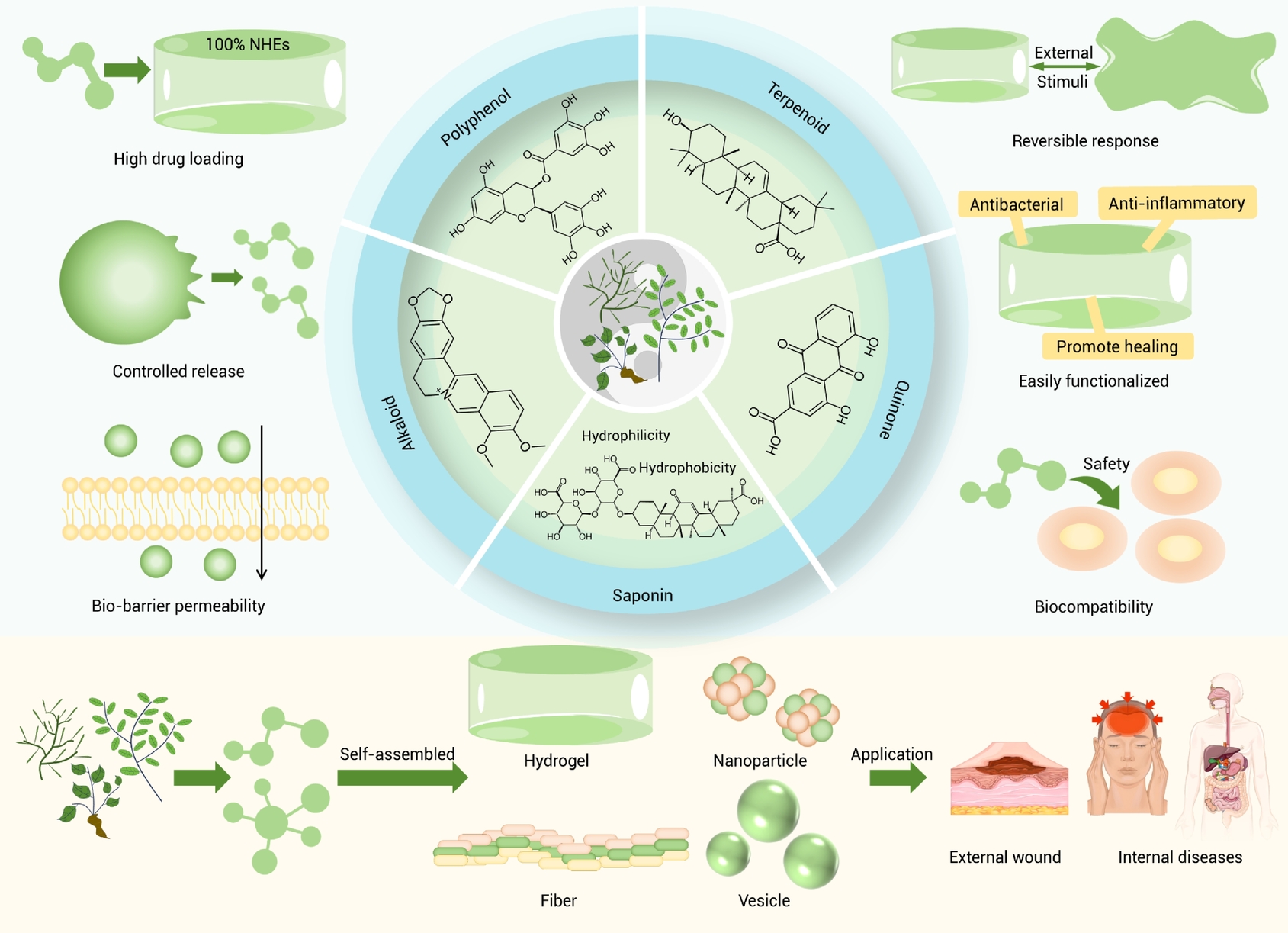
Figure 1.
A schematic illustration of the self-assembly of NHEs, depicting the molecular structure of five representative extracts, the advantages of their self-assembled products, as well as their preparation strategies and biomedical applications
-
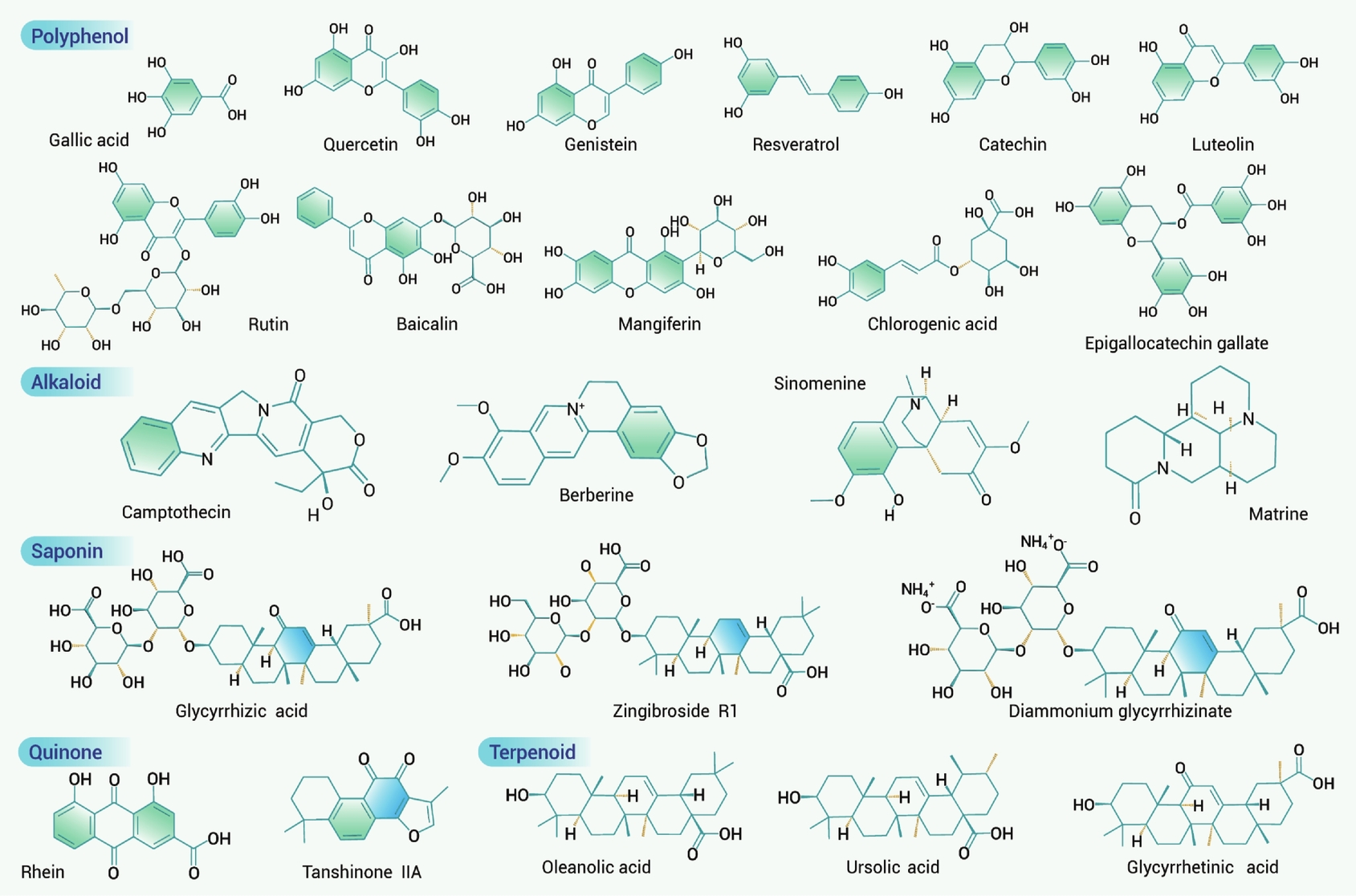
Figure 2.
Molecular structure of NHEs, including polyphenols, alkaloids, saponins, quinones, and terpenoids.
-
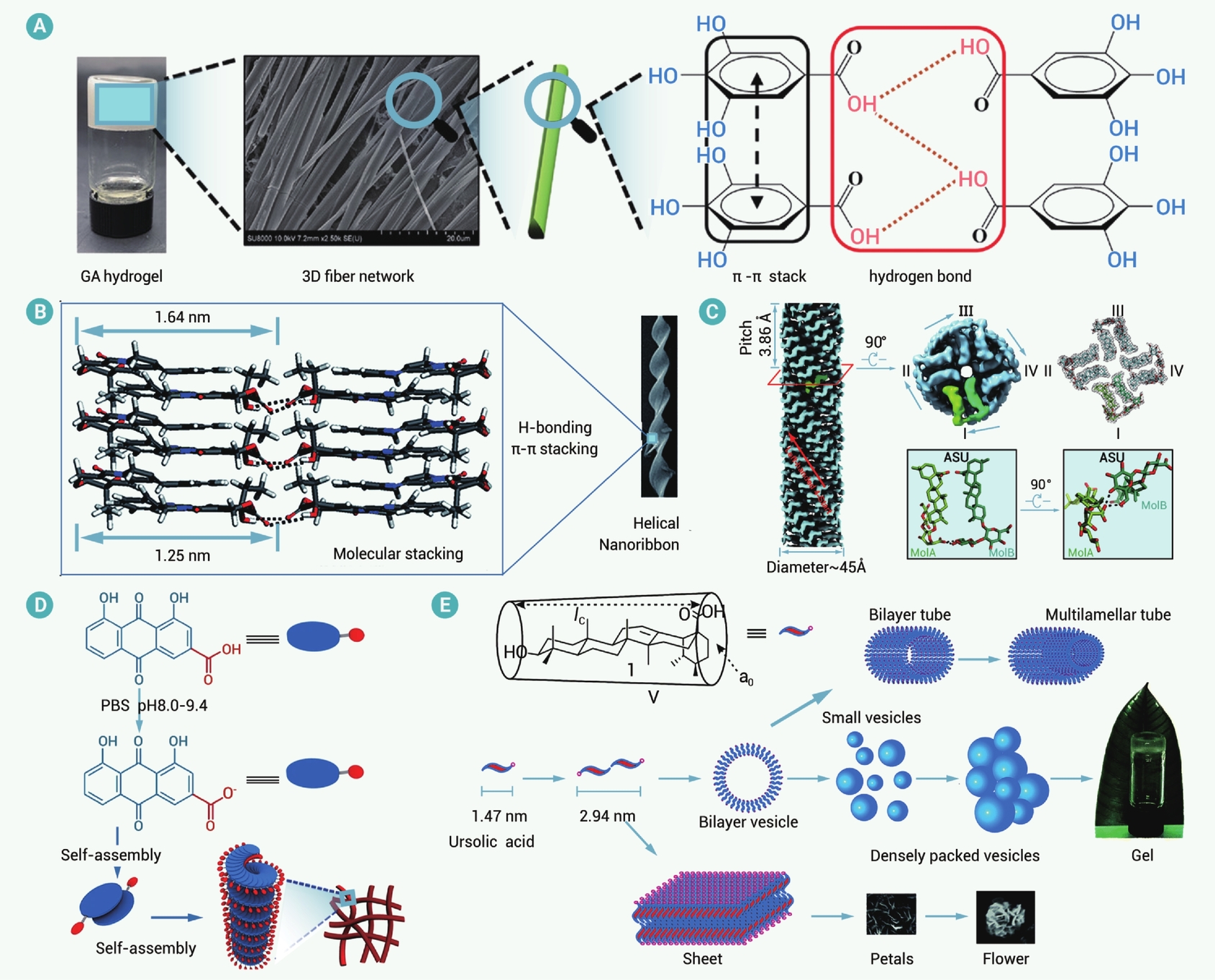
Figure 3.
Typical self-assembly patterns of five representative NHE molecules
-
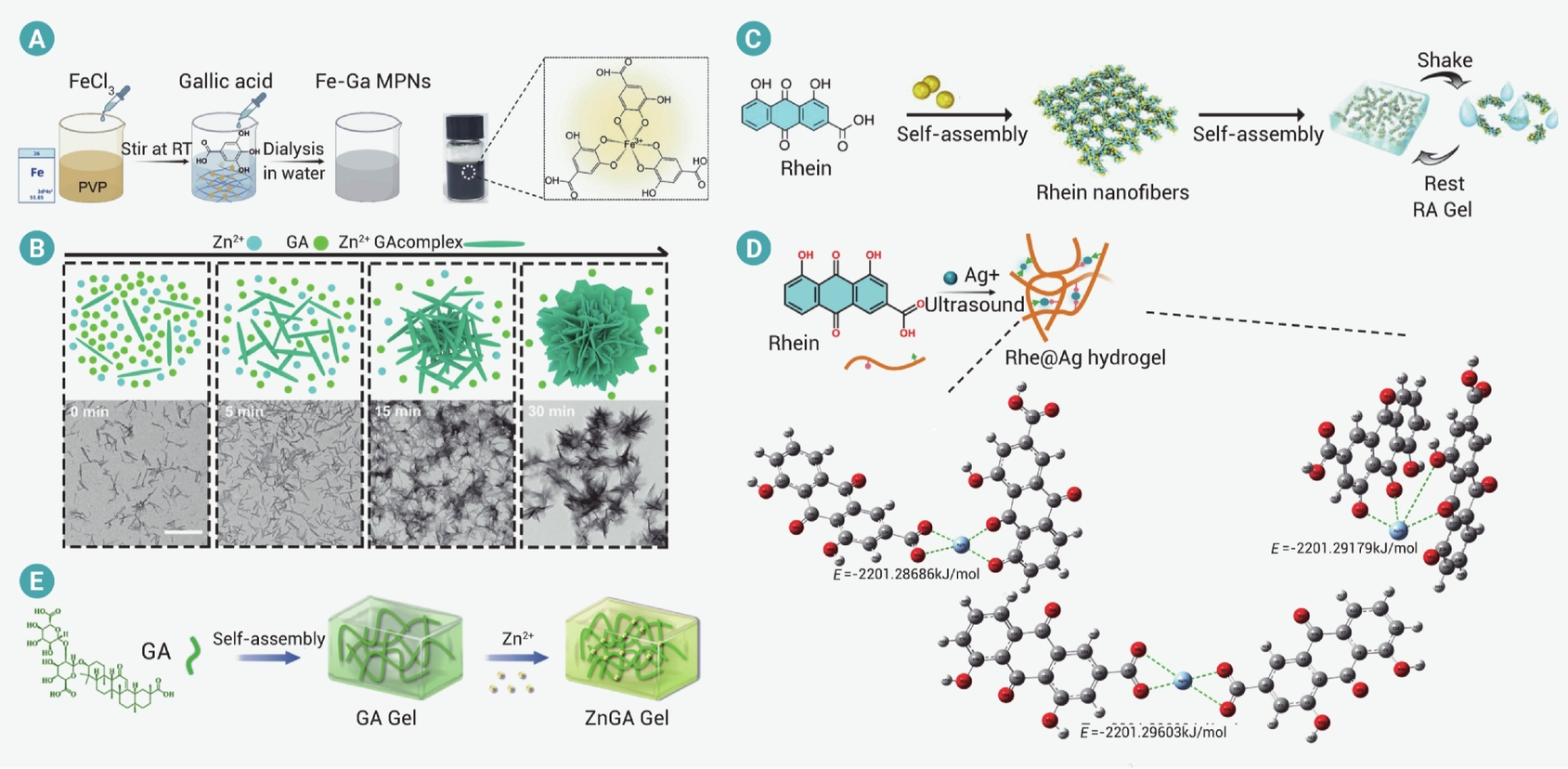
Figure 4.
Schematic illustration of coordination-driven self-assembly patterns between various NHEs and metal ions
-
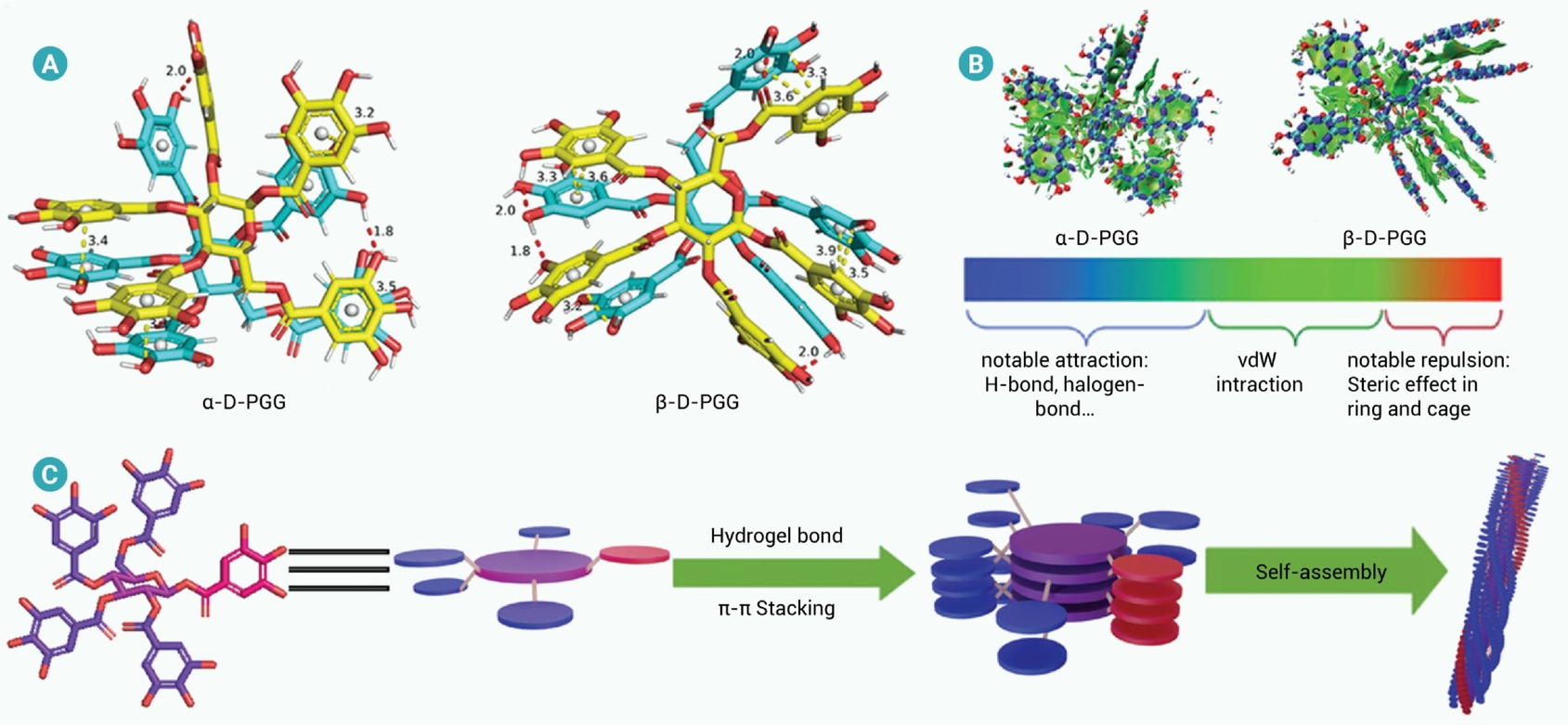
Figure 5.
Self-assembly mechanisms of α-D-PGG and β-D-PGG
-
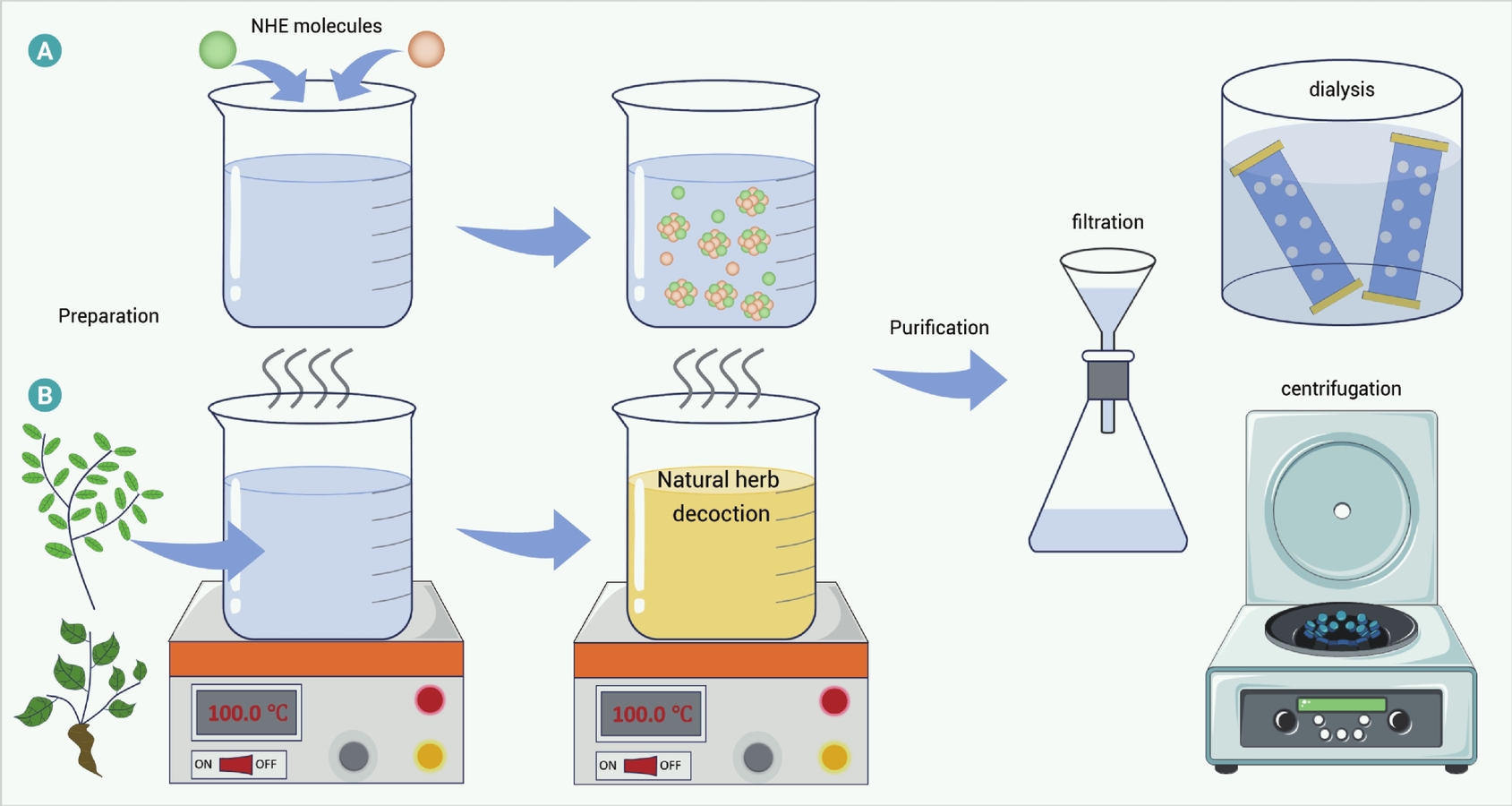
Figure 6.
Schematic illustration of nanoparticle preparation method
-
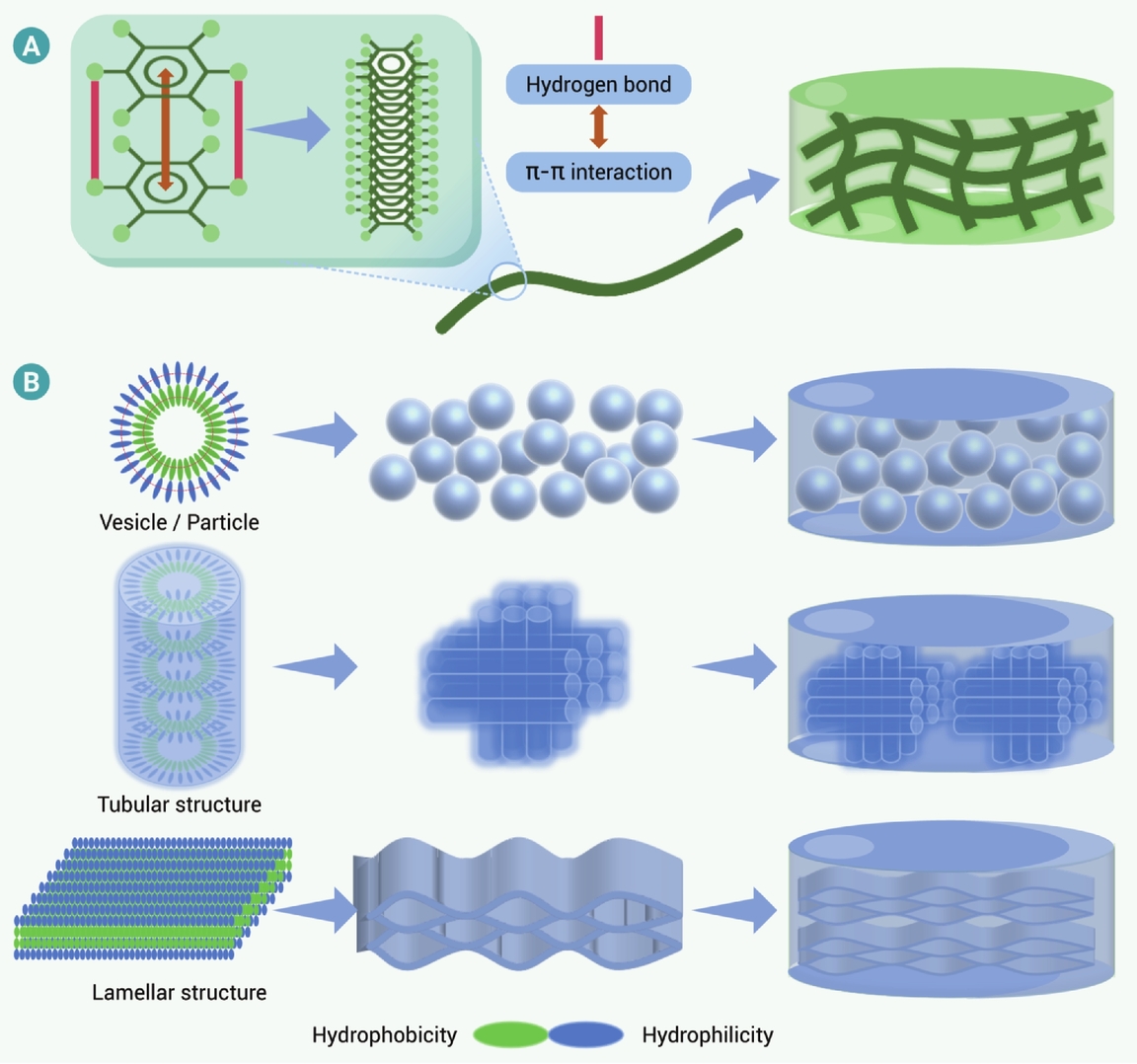
Figure 7.
Molecular self-assembly modes of NHE-based hydrogels driven by different interactions.
-
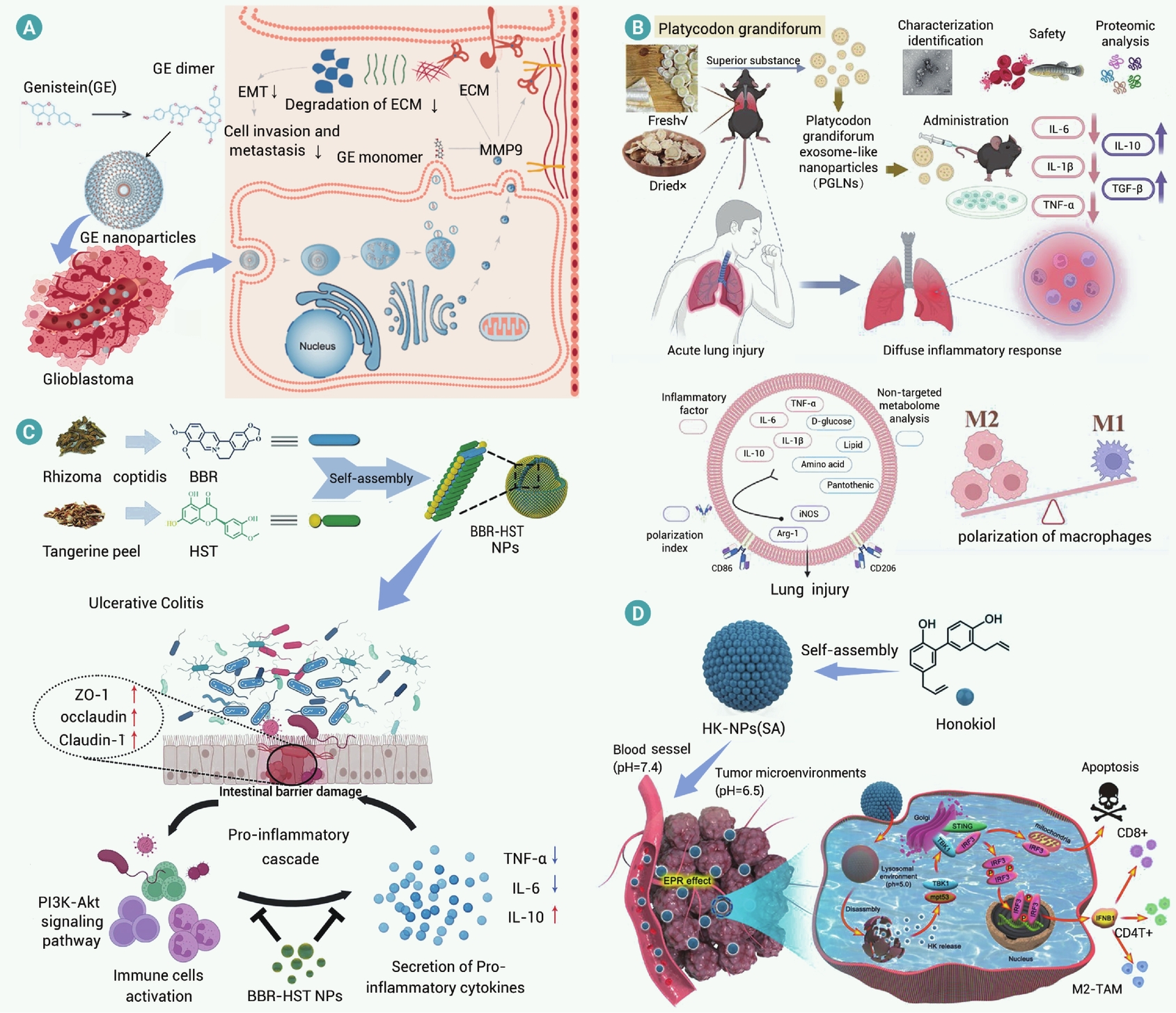
Figure 8.
Applications of self-assembled nanoparticles derived from NHEs in disease treatment
-
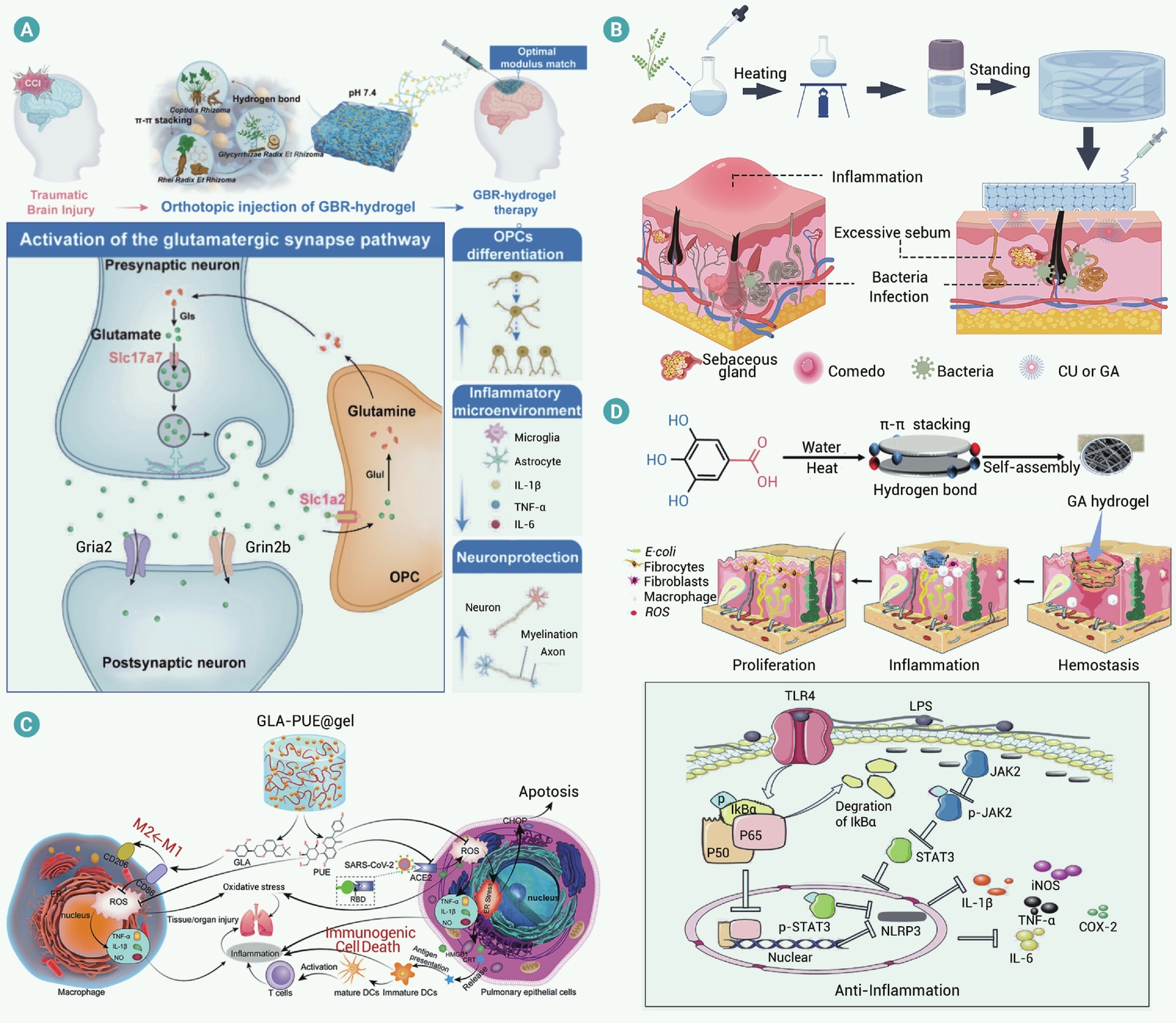
Figure 9.
Applications of self-assembled hydrogels derived from NHEs in disease treatment
-
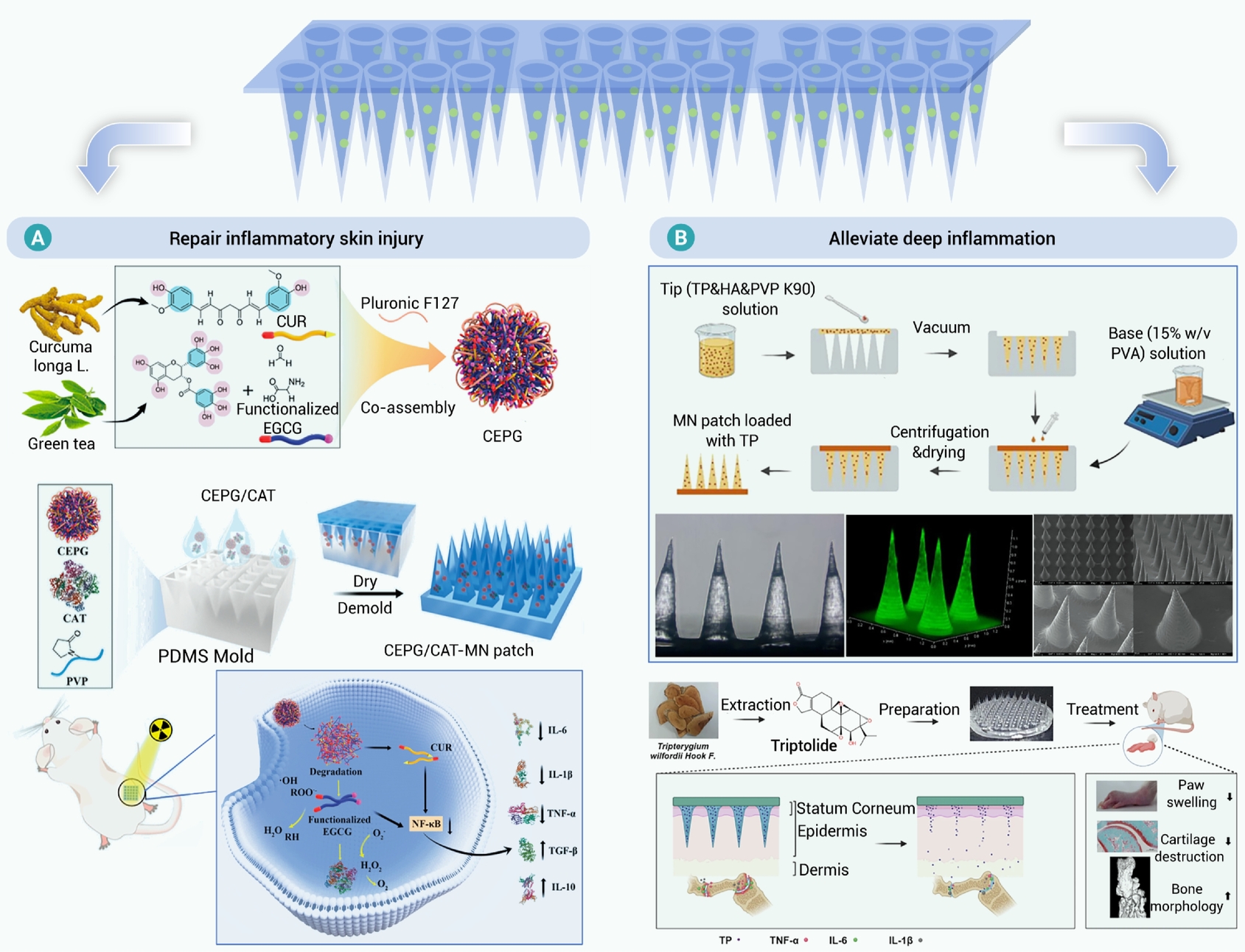
Figure 10.
Application of NHE-based self-assembled products in combination with microneedle technology
-
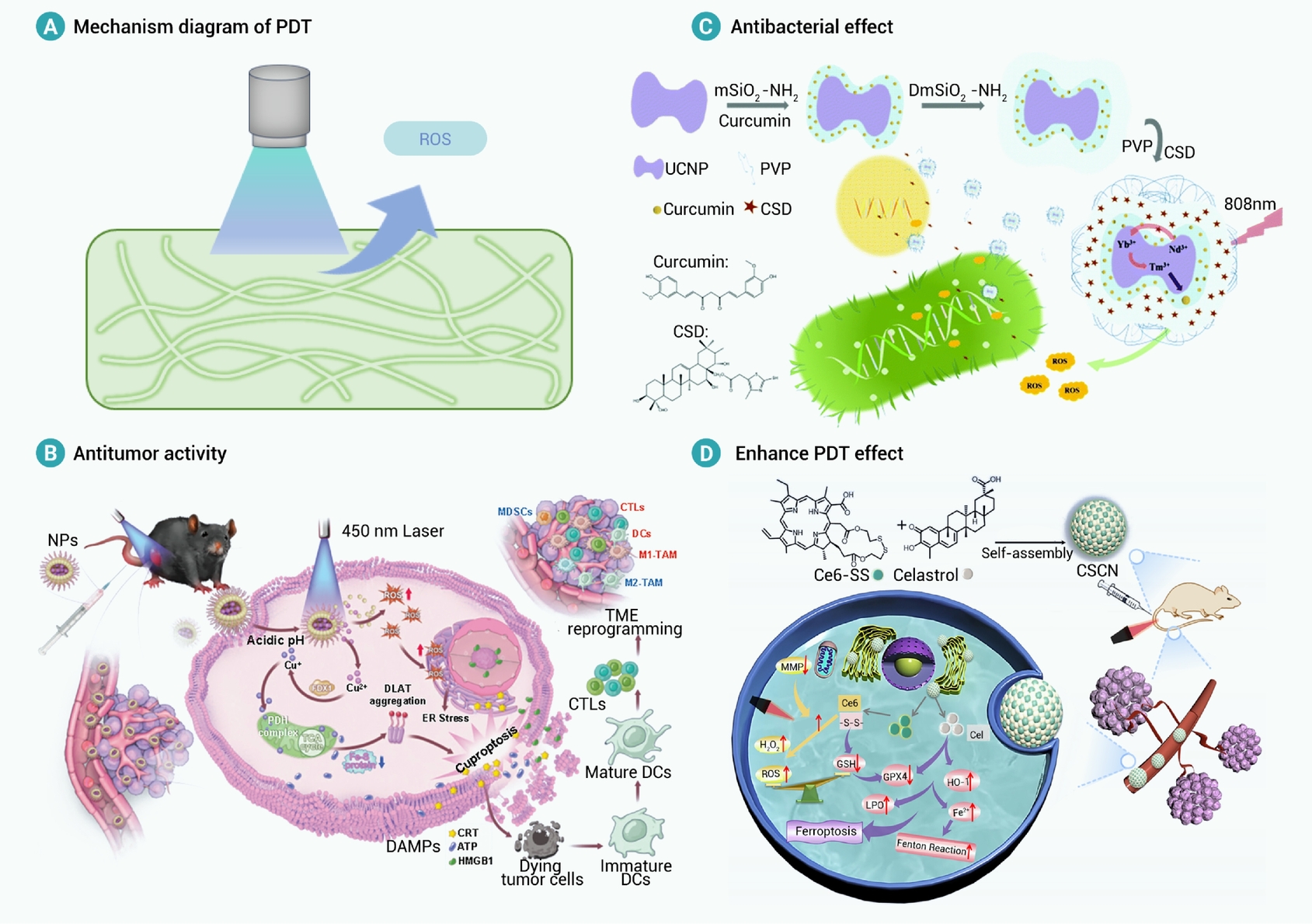
Figure 11.
Application of NHE-based self-assembled products in combination with photodynamic therapy
