
Exposure to airborne PM2.5 chemical exposome increases heart rate of middle- and old-aged populations
-
GRAPHICAL ABSTRACT
 DownLoad:
Full size image
DownLoad:
Full size image
-
PUBLIC SUMMARY
-
Mixed effects and key components of airborne PM2.5 chemical exposome are identified and quantified.
Airborne PM2.5 chemical exposome can increase heart rate of middle- and old-aged populations.
Several key industrial chemicals drive the overall effect of airborne PM2.5 chemical exposome.
The cardiovascular hazards of airborne PM2.5 chemical exposome are highlighted.
-
-
ABSTRACT
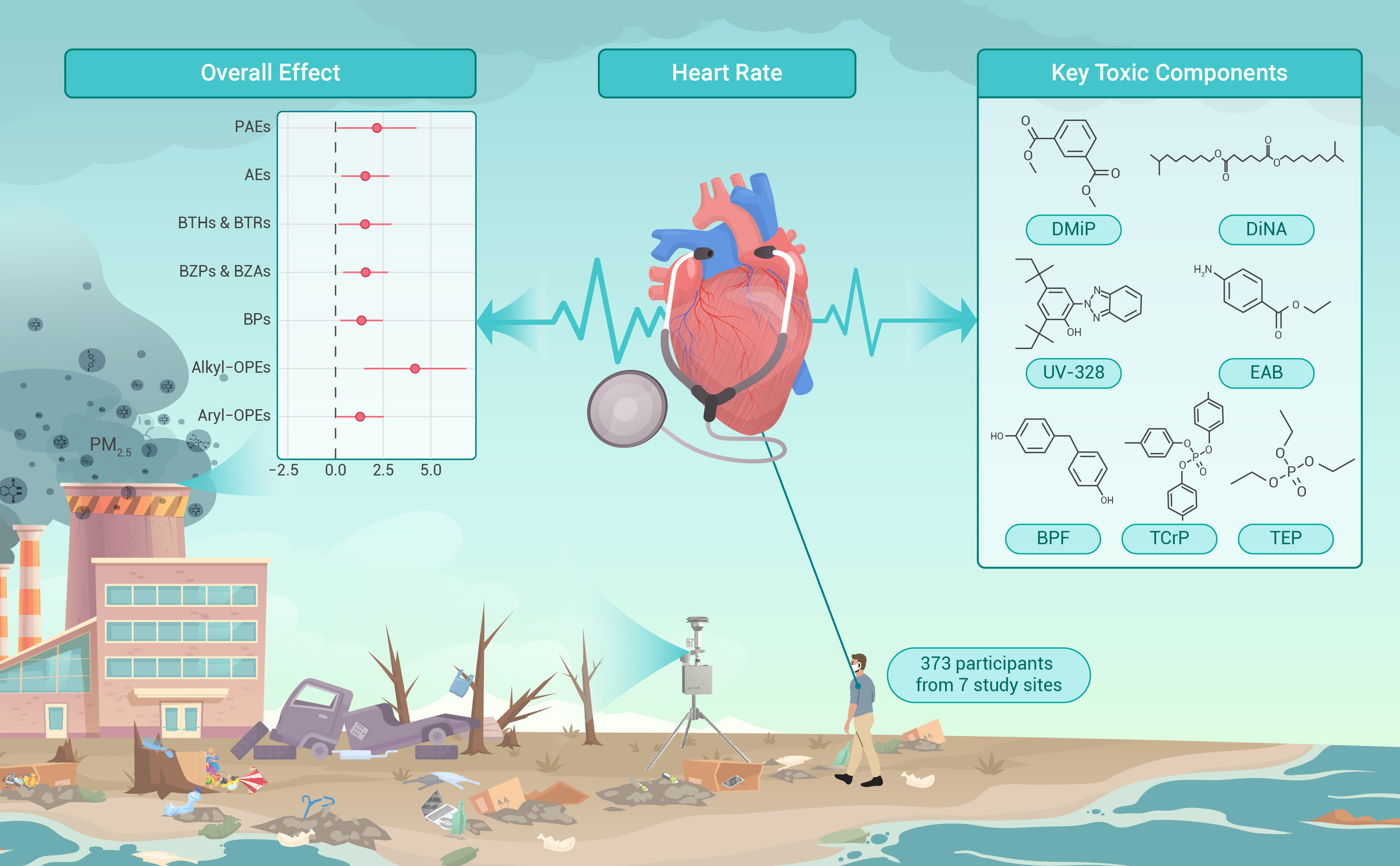
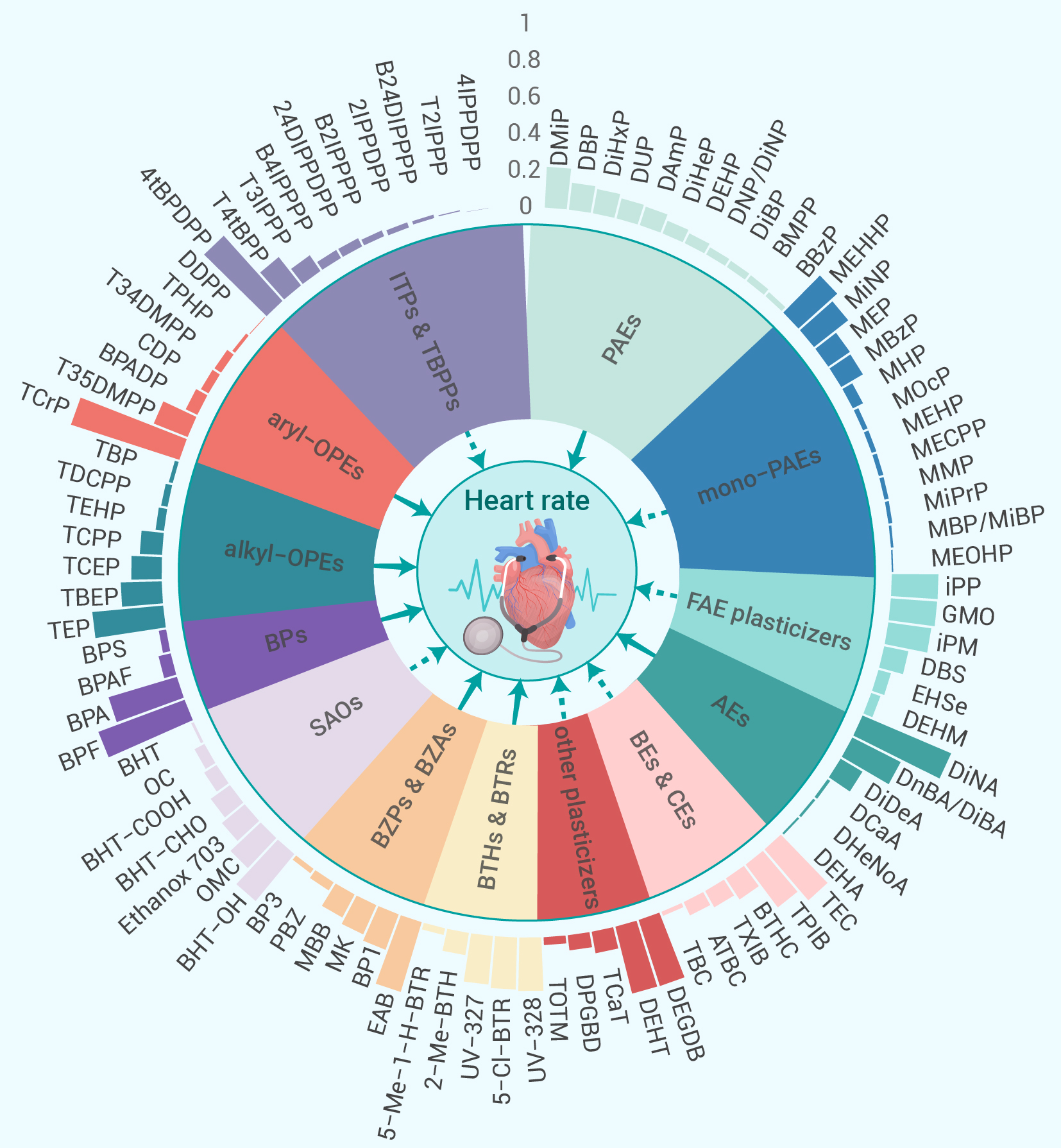
Previous studies have rarely focused on the effects of industrial chemicals on heart rate. There is also a lack of epidemiological investigations to elucidate the mixture effects of complex components of fine particulate matter (PM2.5) on cardiovascular health and identify the key toxic components. Here, a population health-oriented methodology is established to quantify mixed effects of airborne PM2.5 chemical exposome and identify key components. This methodology was applied to a cross-sectional study to elucidate the mixture effect of industrial chemical components of PM2.5 on the heart rate of middle- and old-aged populations (including 373 people from seven Chinese cities) and further identify key chemical components for the effect. Exposure to seven groups of industrial chemicals, including phthalate esters (PAEs), adipate esters (AEs), benzothiazoles and benzotriazoles (BTHs & BTRs), benzophenones and benzoates (BZPs & BZAs), bisphenols (BPs), alkyl organophosphate esters (alkyl-OPEs) and aryl organophosphate esters (aryl-OPEs), was observed to significantly increase the heart rate of study participants. Seven chemicals, including dimethyl isophthalate (DMiP), di-iso-nonyl adipate (DiNA), 2-(2H-benzotriazol-2-yl)-4,6-di-tert-pentylphenol (UV-328), ethyl-4-aminobenzoate (EAB), bisphenol F (BPF), triethyl phosphate (TEP) and tricresyl phosphate (TCrP), were identified as the key components driving the adverse effect on heart rate. Our study highlights the cardiovascular hazards of airborne PM2.5 chemical exposome. -

-
REFERENCES
[1] Lind, L., Araujo, J.A., Barchowsky, A., et al. (2021). Key characteristics of cardiovascular toxicants. Environ. Health Perspect. 129: 95001. DOI: 10.1289/EHP9321. [2] Kowalska, M., and Kocot, K. (2016). Short-term exposure to ambient fine particulate matter (PM2.5 and PM10) and the risk of heart rhythm abnormalities and stroke. Postepy Hig. Med. Dosw. (Online). 70 :1017-1025. DOI: 10.5604/17322693.1220389. [3] Feng, B., Song, X., Dan, M., et al. (2019). High level of source-specific particulate matter air pollution associated with cardiac arrhythmias. Sci. Total Environ. 657: 1285−1293. DOI: 10.1016/j.scitotenv.2018.12.178. [4] Lee, M.S., Eum, K.D., Fang, S.C., et al. (2014). Oxidative stress and systemic inflammation as modifiers of cardiac autonomic responses to particulate air pollution. Int. J. Cardiol. 176: 166−170. DOI: 10.1016/j.ijcard.2014.07.012. [5] Wu, S., Deng, F., Niu, J., et al. (2011). Exposures to PM2.5 components and heart rate variability in taxi drivers around the Beijing 2008 Olympic Games. Sci. Total Environ. 409 :2478-2785. DOI: 10.1016/j.scitotenv.2011.03.034. [6] Riediker, M. (2007). Cardiovascular effects of fine particulate matter components in highway patrol officers. Inhal. Toxicol. 19 Suppl 1 :99-105. DOI: 10.1080/08958370701495238. [7] Cakmak, S., Dales, R., Kauri, L.M., et al. (2014). Metal composition of fine particulate air pollution and acute changes in cardiorespiratory physiology. Environ. Pollut. 189: 208−214. DOI: 10.1016/j.envpol.2014.03.004. [8] Chuang, K.J., Chan, C.C., Su, T.C., et al. (2007). Associations between particulate sulfate and organic carbon exposures and heart rate variability in patients with or at risk for cardiovascular diseases. J. Occup. Environ. Med. 49: 610−617. DOI: 10.1097/JOM.0b013e318058205b. [9] Liu, X., Zeng, X., Dong, G., et al. (2021). Plastic additives in ambient fine particulate matter in the pearl river delta, China: High-throughput characterization and health implications. Environ. Sci. Technol. 55: 4474−4482. DOI: 10.1021/acs.est.0c08578. [10] Zhang, W., Wang, P., Zhu, Y., et al. (2020). Occurrence and human exposure assessment of organophosphate esters in atmospheric PM2.5 in the Beijing-Tianjin-Hebei region, China. Ecotoxicol. Environ. Saf. 206 : 111399. DOI: 10.1016/j.ecoenv.2020.111399. [11] Zhang, W., Wang, P., Zhu, Y., et al. (2019). Brominated flame retardants in atmospheric fine particles in the Beijing-Tianjin-Hebei region, China: Spatial and temporal distribution and human exposure assessment. Ecotoxicol. Environ. Saf. 171: 181−189. DOI: 10.1016/j.ecoenv.2018.12.080. [12] Liang, C.S., Duan, F.K., He, K.B., et al. (2016). Review on recent progress in observations, source identifications and countermeasures of PM2.5. Environ. Int. 86 : 150-170. DOI: 10.1016/j.envint.2015.10.016. [13] Jiang, X., Han, Y., Qiu, X., et al. (2021). Organic components of personal PM2.5 exposure associated with inflammation: evidence from an untargeted exposomic approach. Environ. Sci. Technol. 55 : 10589-10596. DOI: 10.1021/acs.est.1c02023. [14] Wei, Y., Han, I.K., Shao, M., et al. (2009). PM2.5 constituents and oxidative DNA damage in humans. Environ. Sci. Technol. 43 : 4757-4762. DOI: 10.1021/es803337c. [15] Chen, Q., Luo, X.S., Chen, Y., et al. (2019). Seasonally varied cytotoxicity of organic components in PM2.5 from urban and industrial areas of a Chinese megacity. Chemosphere 230 : 424-431. DOI: 10.1016/j.chemosphere.2019.04.226. [16] Vermeulen, R., Schymanski, E.L., Barabasi, A.L., et al. (2020). The exposome and health: Where chemistry meets biology. Science 367: 392−396. DOI: 10.1126/science.aay3164. [17] Caporale, N., Leemans, M., Birgersson, L., et al. (2022). From cohorts to molecules: Adverse impacts of endocrine disrupting mixtures. Science 375: eabe8244. DOI: 10.1126/science.abe8244. [18] Li, T., Chen, R., Zhang, Y., et al. (2020). Cohort profile: Sub-clinical outcomes of polluted air in China (SCOPA-China cohort). Environ. Int. 134: 105221. DOI: 10.1016/j.envint.2019.105221. [19] Curtin, P., Kellogg, J., Cech, N., et al. (2019). A random subset implementation of weighted quantile sum (WQSRS) regression for analysis of high-dimensional mixtures. Commun. Stat. Simul. Comput. 50: 1119−1134. DOI: 10.1080/03610918.2019.1577971. [20] Wheeler, D.C., Rustom, S., Carli, M., et al. (2021). Assessment of grouped weighted quantile sum regression for modeling chemical mixtures and cancer risk. Int. J. Environ. Res. Public Health 18 : 504. DOI: 10.3390/ijerph18020504. [21] Liu, X., Wang, Y., Fang, J., et al. (2023). Plastic additive components of PM2.5 increase corrected QT interval: Screening for exposure markers based on airborne exposome. PNAS Nexus 2 : pgad397. DOI: 10.1093/pnasnexus/pgad397. [22] Zhu, X., Yin, T., Yue, X., et al. (2021). Association of urinary phthalate metabolites with cardiovascular disease among the general adult population. Environ. Res. 202: 111764. DOI: 10.1016/j.envres.2021.111764. [23] Montazeri, P., Fossati, S., Warembourg, C., et al. (2022). Prenatal exposure to phthalates and phenols and preclinical vascular health during early adolescence. Int. J. Hyg. Environ. Health 240: 113909. DOI: 10.1016/j.ijheh.2021.113909. [24] Yan, S., Chen, Y., Dong, M., et al. (2011). Bisphenol A and 17beta-estradiol promote arrhythmia in the female heart via alteration of calcium handling. PLoS One 6: e25455. DOI: 10.1371/journal.pone.0025455. [25] Gao, X., Liang, Q., Chen, Y., et al. (2013). Molecular mechanisms underlying the rapid arrhythmogenic action of bisphenol A in female rat hearts. Endocrinology 154: 4607−4617. DOI: 10.1210/en.2013-1737. [26] Gao, X., Ma, J., Chen, Y., et al. (2015). Rapid responses and mechanism of action for low-dose bisphenol S on ex vivo rat hearts and isolated myocytes: Evidence of female-specific proarrhythmic effects. Environ. Health Perspect. 123: 571−578. DOI: 10.1289/ehp.1408679. [27] Jaimes, R., 3rd, McCullough, D., Siegel, B., et al. (2019). Plasticizer interaction with the heart: Chemicals used in plastic medical devices can interfere with cardiac electrophysiology. Circ. Arrhythm. Electrophysiol. 12: e007294. DOI: 10.1161/CIRCEP.119.007294. [28] Hondeghem, L.M., Carlsson, L., and Duker, G. (2001). Instability and triangulation of the action potential predict serious proarrhythmia, but action potential duration prolongation is antiarrhythmic. Circulation 103: 2004−2013. DOI: 10.1161/01.CIR.103.15.2004. [29] Maceira, A., Borrull, F., and Marce, R.M. (2019). Occurrence of plastic additives in outdoor air particulate matters from two industrial parks of Tarragona, Spain: Human inhalation intake risk assessment. J. Hazard. Mater. 373: 649−659. DOI: 10.1016/j.jhazmat.2019.04.014. [30] Ji, X., Li, N., Ma, M., et al. (2020). Tricresyl phosphate isomers exert estrogenic effects via G protein-coupled estrogen receptor-mediated pathways. Environ. Pollut. 264: 114747. DOI: 10.1016/j.envpol.2020.114747. [31] Aryan, L., Younessi, D., Zargari, M., et al. (2020). The role of estrogen receptors in cardiovascular disease. Int. J. Mol. Sci. 21 : 4314. DOI: 10.3390/ijms21124314. [32] Iorga, A., Cunningham, C.M., Moazeni, S., et al. (2017). The protective role of estrogen and estrogen receptors in cardiovascular disease and the controversial use of estrogen therapy. Biol. Sex Differ. 8: 33. DOI: 10.1186/s13293-017-0152-8. [33] Li, Y., Li, D., Chen, J., et al. (2020). Presence of organophosphate esters in plasma of patients with hypertension in Hubei Province, China. Environ. Sci. Pollut. Res. Int. 27: 24059−24069. DOI: 10.1007/s11356-020-08563-0. [34] Gotthardt, A., Bury, D., Kling, H.W., et al. (2021). Quantitative investigation of the urinary excretion of three specific monoester metabolites of the plasticizer diisononyl adipate (DINA). EXCLI J. 20: 412−425. DOI: 10.17179/excli2021-3360. -
ABOUT THIS ARTICLE
Cite this article:
Sun Y., Wang M., Wang Y., et al., (2023). Exposure to airborne PM2.5 chemical exposome increases heart rate of middle- and old-aged populations. The Innovation Medicine 1(3), 100042. https://doi.org/10.59717/j.xinn-med.2023.100042
Welcome!
To request copyright permission to republish or share portions of our works, please visit Copyright Clearance Center's (CCC) Marketplace website at marketplace.copyright.com.
Article Metrics
Relative Articles
Cited by
Export File
Citation
Sun Y., Wang M., Wang Y., et al., (2023). Exposure to airborne PM2.5 chemical exposome increases heart rate of middle- and old-aged populations. The Innovation Medicine 1(3), 100042. https://doi.org/10.59717/j.xinn-med.2023.100042

Format
Content
-
Figure 1.
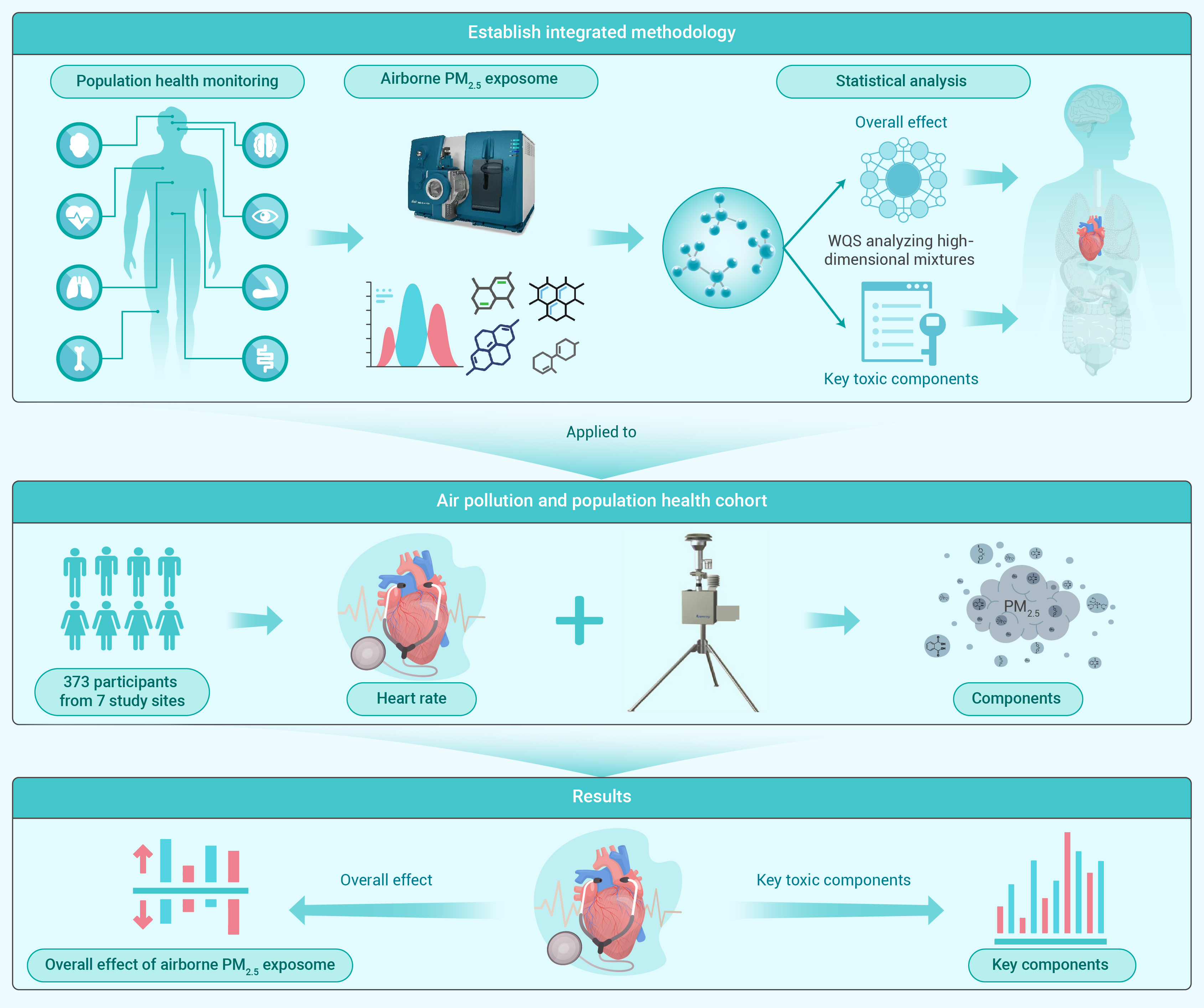
Schematic description of a health effect-oriented methodology to quantify mixed effects of airborne PM2.5 chemical exposome and identify key components.
-
Figure 2.
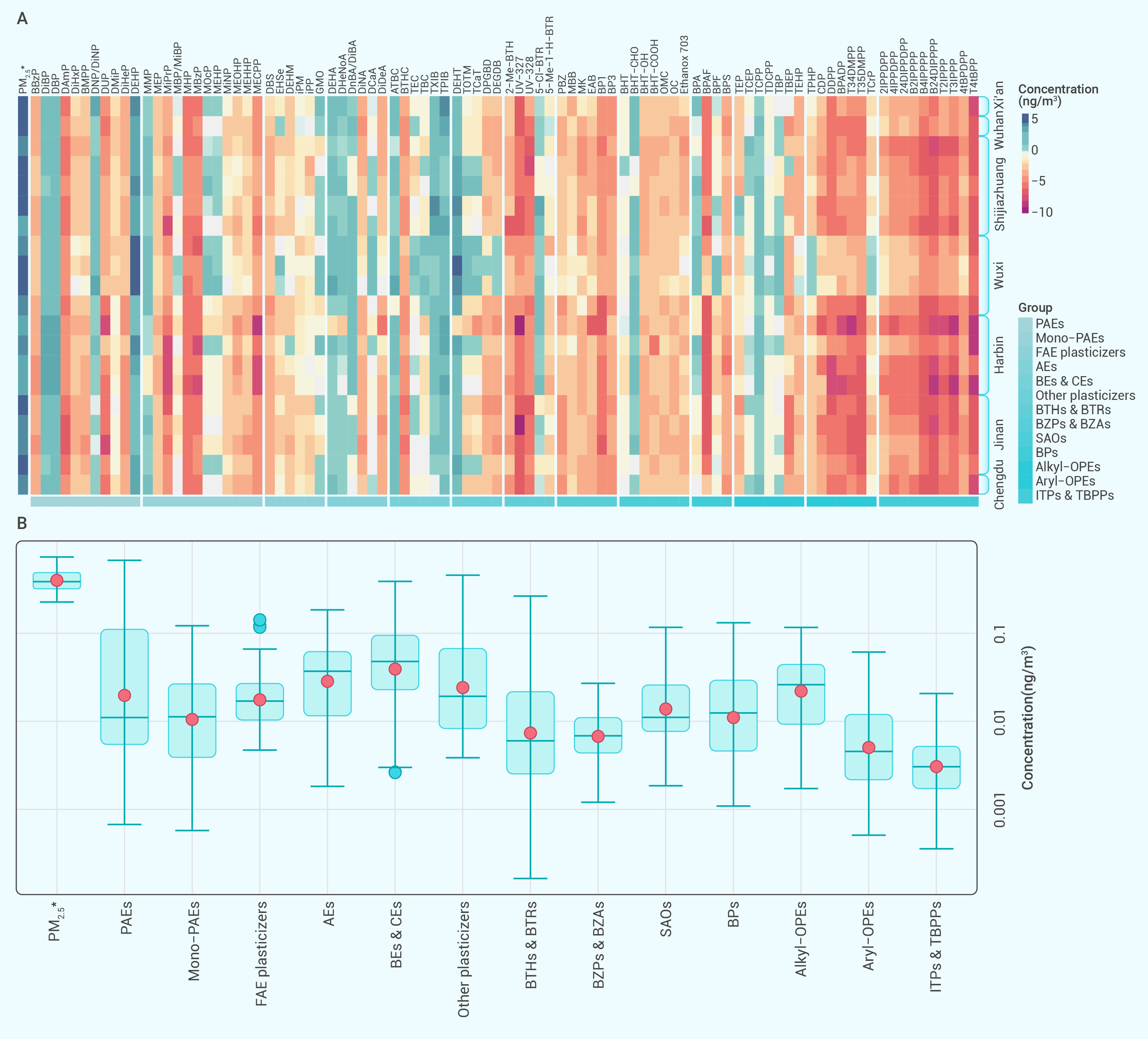
The concentration of chemical components in PM2.5
-
Figure 3.
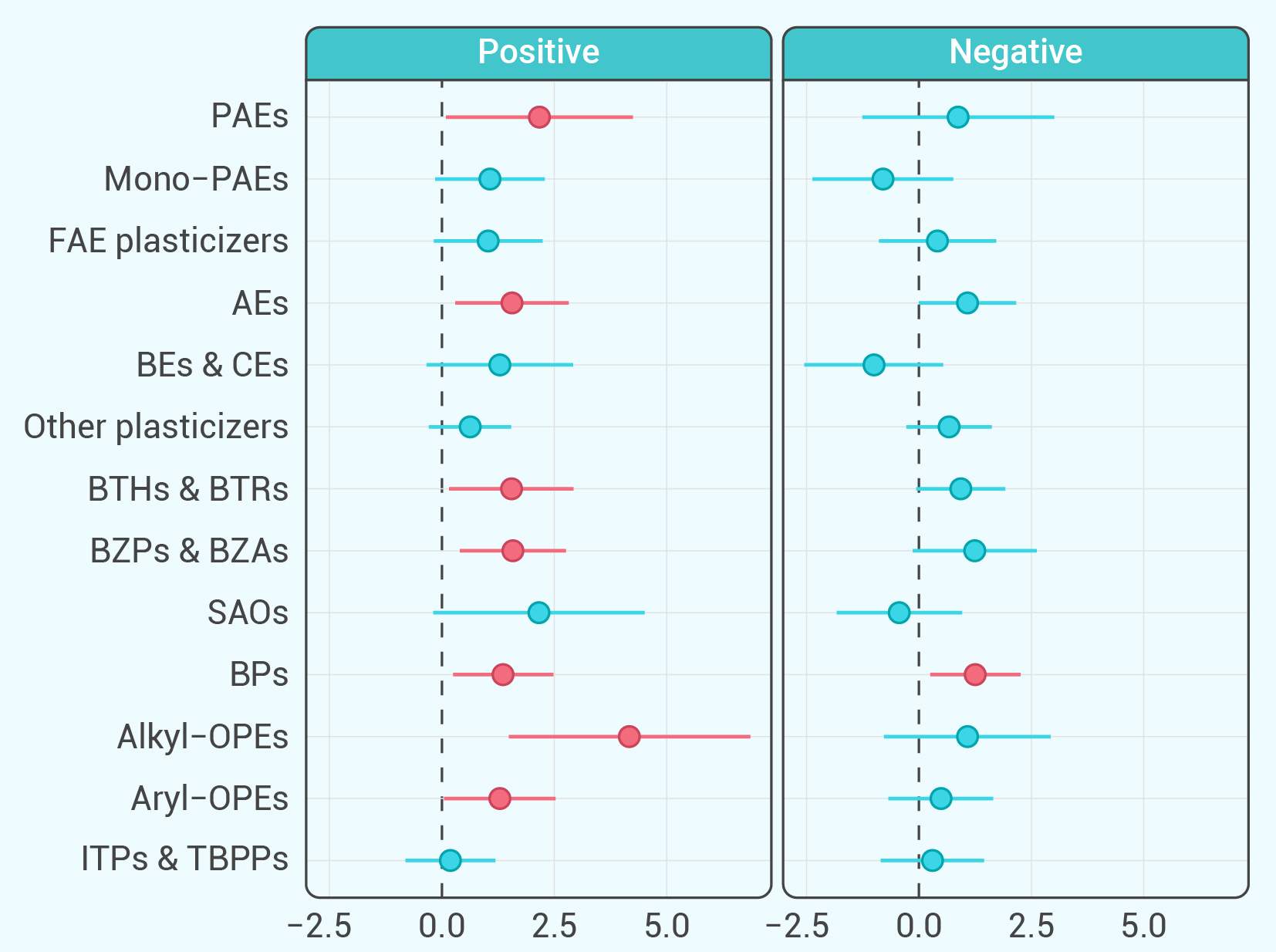
Association between the 13 groups of chemical components in PM2.5 and heart rate
-
Figure 4.
The weight for associations between 13 groups of chemical components in PM2.5 and heart rate in the positive direction of weighted quantile sum (WQS)
