
Igniting cold tumors of intrahepatic cholangiocarcinoma: An insight into immune evasion and tumor immune microenvironment
-
GRAPHICAL ABSTRACT

 DownLoad:
Full size image
DownLoad:
Full size image
-
PUBLIC SUMMARY
-
Most intrahepatic cholangiocarcinomas (ICCs) present as cold tumors.
Immune evasion contributes to the cold phenotype of ICCs.
Cold ICCs are associated with an immunosuppressive tumor immune microenvironment.
Igniting cold ICCs can potentiate the efficacy of immunotherapy.
-
-
ABSTRACT
Intrahepatic cholangiocarcinoma (ICC) is a rare hepatobiliary cancer that originates from the epithelium of the intrahepatic bile duct. The various treatments for ICC, such as chemotherapy, radiotherapy, and locoregional therapy, confer only modest improvements in survival rates. Immunotherapy, although revolutionary in cancer treatment, has found limited application in the treatment of ICCs due to the “cold” nature of these tumors, which is marked by scant T-cell infiltration. This characteristic makes immune checkpoint inhibitors (ICIs) unsuitable for the majority of ICC patients. Therefore, comprehensively understanding the mechanisms underlying these “cold” tumors is crucial for harnessing the potential of immunotherapy for treating ICC patients. This paper explores immune evasion mechanisms and the complex tumor immune microenvironment of ICC. This study provides a comprehensive overview of therapeutic strategies aimed at activating cold tumors and enhancing their immunogenicity. Furthermore, potential and promising targets for cancer vaccines and adoptive cellular therapy in the context of ICC are discussed. This endeavor strives to reveal new pathways for innovative immunotherapy strategies, with a focus on overcoming the key challenge of triggering an effective immune response in ICC patients. -

-
REFERENCES
[1] Valle, J.W., Kelley, R.K., Nervi, B., et al. (2021). Biliary tract cancer. Lancet 397: 428−444. DOI: 10.1016/s0140-6736(21)00153-7. [2] Job, S., Rapoud, D., Dos Santos, A., et al. (2020). Identification of Four Immune Subtypes Characterized by Distinct Composition and Functions of Tumor Microenvironment in Intrahepatic Cholangiocarcinoma. Hepatology 72: 965−981. DOI: 10.1002/hep.31092. [3] Bridgewater, J., Galle, P.R., Khan, S.A., et al. (2014). Guidelines for the diagnosis and management of intrahepatic cholangiocarcinoma. J Hepatol 60: 1268−1289. DOI: 10.1016/j.jhep.2014.01.021. [4] Mazzaferro, V., Gorgen, A., Roayaie, S., et al. (2020). Liver resection and transplantation for intrahepatic cholangiocarcinoma. J Hepatol 72: 364−377. DOI: 10.1016/j.jhep.2019.11.020. [5] Zhang, N., Piao, M., and Zhao, H. (2024). Highlights in 2023 ESMO congress biliary tract cancer session. The Innovation Medicine 2 : 100047. DOI: 10.59717/j.xinn-med.2024.100047. [6] Du, X., Lu, X., and Cao, X. (2023). Gantt chart for updated OS and PFS after cancer targeted therapy. The Innovation Medicine 1: 100008. DOI: 10.59717/j.xinn-med.2023.100008. [7] Oh, D.-Y., He, A.R., Qin, S., et al. (2022). A phase 3 randomized, double-blind, placebo-controlled study of durvalumab in combination with gemcitabine plus cisplatin (GemCis) in patients (pts) with advanced biliary tract cancer (BTC): TOPAZ-1. Journal of Clinical Oncology 40: 378−378. DOI: 10.1200/JCO.2022.40.4_suppl.378. [8] Carlino, M.S., Larkin, J., and Long, G.V. (2021). Immune checkpoint inhibitors in melanoma. Lancet 398: 1002−1014. DOI: 10.1016/s0140-6736(21)01206-x. [9] Reck, M., Remon, J., and Hellmann, M.D. (2022). First-Line Immunotherapy for Non-Small-Cell Lung Cancer. J Clin Oncol 40: 586−597. DOI: 10.1200/jco.21.01497. [10] Fan, A., Wang, B., Wang, X., et al. (2021). Immunotherapy in colorectal cancer: current achievements and future perspective. Int J Biol Sci 17: 3837−3849. DOI: 10.7150/ijbs.64077. [11] Hegde, P.S., and Chen, D.S. (2020). Top 10 Challenges in Cancer Immunotherapy. Immunity 52: 17−35. DOI: 10.1016/j.immuni.2019.12.011. [12] Liu, Y.T., and Sun, Z.J. (2021). Turning cold tumors into hot tumors by improving T-cell infiltration. Theranostics 11: 5365−5386. DOI: 10.7150/thno.58390. [13] Fu, T., Dai, L.J., Wu, S.Y., et al. (2021). Spatial architecture of the immune microenvironment orchestrates tumor immunity and therapeutic response. J Hematol Oncol 14: 98. DOI: 10.1186/s13045-021-01103-4. [14] Wang, H. (2023). Highlights from AACR 2023 Annual Meeting. The Innovation Medicine 1: 100003. DOI: 10.59717/j.xinn-med.2023.100003. [15] Kong, Y., Yu, J., Ge, S., et al. (2023). Novel insight into RNA modifications in tumor immunity: Promising targets to prevent tumor immune escape. The Innovation 4 : 100452 DOI: 10.1016/j.xinn.2023.100452. [16] Binnewies, M., Roberts, E.W., Kersten, K., et al. (2018). Understanding the tumor immune microenvironment (TIME) for effective therapy. Nat Med 24: 541−550. DOI: 10.1038/s41591-018-0014-x. [17] Zhang, J., Huang, D., Saw, P.E., et al. (2022). Turning cold tumors hot: from molecular mechanisms to clinical applications. Trends Immunol 43: 523−545. DOI: 10.1016/j.it.2022.04.010. [18] Gerard, C.L., Delyon, J., Wicky, A., et al. (2021). Turning tumors from cold to inflamed to improve immunotherapy response. Cancer Treat Rev 101: 102227. DOI: 10.1016/j.ctrv.2021.102227. [19] Lin, J., Dai, Y., Sang, C., et al. (2022). Multimodule characterization of immune subgroups in intrahepatic cholangiocarcinoma reveals distinct therapeutic vulnerabilities. J Immunother Cancer 10 : e004892.DOI: 10.1136/jitc-2022-004892. [20] Ruffolo, L.I., Jackson, K.M., Kuhlers, P.C., et al. (2022). GM-CSF drives myelopoiesis, recruitment and polarisation of tumour-associated macrophages in cholangiocarcinoma and systemic blockade facilitates antitumour immunity. Gut 71: 1386−1398. DOI: 10.1136/gutjnl-2021-324109. [21] Shimizu, Y., Demetris, A.J., Gollin, S.M., et al. (1992). Two new human cholangiocarcinoma cell lines and their cytogenetics and responses to growth factors, hormones, cytokines or immunologic effector cells. Int J Cancer 52: 252−260. DOI: 10.1002/ijc.2910520217. [22] Sabbatino, F., Villani, V., Yearley, J.H., et al. (2016). PD-L1 and HLA Class I Antigen Expression and Clinical Course of the Disease in Intrahepatic Cholangiocarcinoma. Clin Cancer Res 22: 470−478. DOI: 10.1158/1078-0432.Ccr-15-0715. [23] Asahi, Y., Hatanaka, K.C., Hatanaka, Y., et al. (2020). Prognostic impact of CD8+ T cell distribution and its association with the HLA class I expression in intrahepatic cholangiocarcinoma. Surg Today 50: 931−940. DOI: 10.1007/s00595-020-01967-y. [24] Jhunjhunwala, S., Hammer, C., and Delamarre, L. (2021). Antigen presentation in cancer: insights into tumour immunogenicity and immune evasion. Nat Rev Cancer 21: 298−312. DOI: 10.1038/s41568-021-00339-z. [25] Montesion, M., Murugesan, K., Jin, D.X., et al. (2021). Somatic HLA Class I Loss Is a Widespread Mechanism of Immune Evasion Which Refines the Use of Tumor Mutational Burden as a Biomarker of Checkpoint Inhibitor Response. Cancer Discov 11: 282−292. DOI: 10.1158/2159-8290.Cd-20-0672. [26] Lin, Y., Peng, L., Dong, L., et al. (2022). Geospatial Immune Heterogeneity Reflects the Diverse Tumor-Immune Interactions in Intrahepatic Cholangiocarcinoma. Cancer Discov 12: 2350−2371. DOI: 10.1158/2159-8290.Cd-21-1640. [27] Logtenberg, M.E.W., Scheeren, F.A., and Schumacher, T.N. (2020). The CD47-SIRPα Immune Checkpoint. Immunity 52: 742−752. DOI: 10.1016/j.immuni.2020.04.011. [28] Jiang, Z., Sun, H., Yu, J., et al. (2021). Targeting CD47 for cancer immunotherapy. J Hematol Oncol 14: 180. DOI: 10.1186/s13045-021-01197-w. [29] Yang, H., Yan, M., Li, W., et al. (2022). SIRPα and PD1 expression on tumor-associated macrophage predict prognosis of intrahepatic cholangiocarcinoma. J Transl Med 20: 140. DOI: 10.1186/s12967-022-03342-6. [30] Vaeteewoottacharn, K., Kariya, R., Pothipan, P., et al. (2019). Attenuation of CD47-SIRPα Signal in Cholangiocarcinoma Potentiates Tumor-Associated Macrophage-Mediated Phagocytosis and Suppresses Intrahepatic Metastasis. Transl Oncol 12: 217−225. DOI: 10.1016/j.tranon.2018.10.007. [31] Saxena, M., van der Burg, S.H., Melief, C.J.M., et al. (2021). Therapeutic cancer vaccines. Nat Rev Cancer 21: 360−378. DOI: 10.1038/s41568-021-00346-0. [32] Xing, Y., and Hogquist, K.A. (2012). T-cell tolerance: central and peripheral. Cold Spring Harb Perspect Biol 4 : a006957. DOI: 10.1101/cshperspect.a006957. [33] Lang, F., Schrörs, B., Löwer, M., et al. (2022). Identification of neoantigens for individualized therapeutic cancer vaccines. Nat Rev Drug Discov 21: 261−282. DOI: 10.1038/s41573-021-00387-y. [34] Sangro, B., Sarobe, P., Hervás-Stubbs, S., et al. (2021). Advances in immunotherapy for hepatocellular carcinoma. Nat Rev Gastroenterol Hepatol 18: 525−543. DOI: 10.1038/s41575-021-00438-0. [35] Zhang, R., Li, Q., Fu, J., et al. (2021). Comprehensive analysis of genomic mutation signature and tumor mutation burden for prognosis of intrahepatic cholangiocarcinoma. BMC Cancer 21: 112. DOI: 10.1186/s12885-021-07788-7. [36] Chan, T.A., Yarchoan, M., Jaffee, E., et al. (2019). Development of tumor mutation burden as an immunotherapy biomarker: utility for the oncology clinic. Ann Oncol 30: 44−56. DOI: 10.1093/annonc/mdy495. [37] Zheng, M. (2023). Self-limited cancer progression with increasing tumor mutations. The Innovation Medicine 1: 100039. DOI: 10.59717/j.xinn-med.2023.100039. [38] McGrail, D.J., Pilié, P.G., Rashid, N.U., et al. (2021). High tumor mutation burden fails to predict immune checkpoint blockade response across all cancer types. Ann Oncol 32: 661−672. DOI: 10.1016/j.annonc.2021.02.006. [39] Huang, Y., Kim, B.Y.S., Chan, C.K., et al. (2018). Improving immune-vascular crosstalk for cancer immunotherapy. Nat Rev Immunol 18: 195−203. DOI: 10.1038/nri.2017.145. [40] Chen, D.S., and Mellman, I. (2013). Oncology meets immunology: the cancer-immunity cycle. Immunity 39: 1−10. DOI: 10.1016/j.immuni.2013.07.012. [41] Dangaj, D., Bruand, M., Grimm, A.J., et al. (2019). Cooperation between Constitutive and Inducible Chemokines Enables T Cell Engraftment and Immune Attack in Solid Tumors. Cancer Cell 35: 885−900.e810. DOI: 10.1016/j.ccell.2019.05.004. [42] Zhao, M., Quan, Y., Zeng, J., et al. (2021). Cullin3 deficiency shapes tumor microenvironment and promotes cholangiocarcinoma in liver-specific Smad4/Pten mutant mice. Int J Biol Sci 17: 4176−4191. DOI: 10.7150/ijbs.67379. [43] Fukuda, Y., Asaoka, T., Eguchi, H., et al. (2020). Endogenous CXCL9 affects prognosis by regulating tumor-infiltrating natural killer cells in intrahepatic cholangiocarcinoma. Cancer Sci 111: 323−333. DOI: 10.1111/cas.14267. [44] Aoki, S., Inoue, K., Klein, S., et al. (2022). Placental growth factor promotes tumour desmoplasia and treatment resistance in intrahepatic cholangiocarcinoma. Gut 71: 185−193. DOI: 10.1136/gutjnl-2020-322493. [45] Carpino, G., Cardinale, V., Di Giamberardino, A., et al. (2021). Thrombospondin 1 and 2 along with PEDF inhibit angiogenesis and promote lymphangiogenesis in intrahepatic cholangiocarcinoma. J Hepatol 75: 1377−1386. DOI: 10.1016/j.jhep.2021.07.016. [46] Muller, W.A. (2011). Mechanisms of leukocyte transendothelial migration. Annu Rev Pathol 6: 323−344. DOI: 10.1146/annurev-pathol-011110-130224. [47] Wu, N.Z., Klitzman, B., Dodge, R., et al. (1992). Diminished leukocyte-endothelium interaction in tumor microvessels. Cancer Res 52: 4265−4268. [48] Mariathasan, S., Turley, S.J., Nickles, D., et al. (2018). TGFβ attenuates tumour response to PD-L1 blockade by contributing to exclusion of T cells. Nature 554: 544−548. DOI: 10.1038/nature25501. [49] Yang, X., Lin, Y., Shi, Y., et al. (2016). FAP Promotes Immunosuppression by Cancer-Associated Fibroblasts in the Tumor Microenvironment via STAT3-CCL2 Signaling. Cancer Res 76: 4124−4135. DOI: 10.1158/0008-5472.Can-15-2973. [50] Manzanares, M., Usui, A., Campbell, D.J., et al. (2017). Transforming Growth Factors α and β Are Essential for Modeling Cholangiocarcinoma Desmoplasia and Progression in a Three-Dimensional Organotypic Culture Model. Am J Pathol 187: 1068−1092. DOI: 10.1016/j.ajpath.2017.01.013. [51] Sirica, A.E., and Gores, G.J. (2014). Desmoplastic stroma and cholangiocarcinoma: clinical implications and therapeutic targeting. Hepatology 59: 2397−2402. DOI: 10.1002/hep.26762. [52] Carpino, G., Overi, D., Melandro, F., et al. (2019). Matrisome analysis of intrahepatic cholangiocarcinoma unveils a peculiar cancer-associated extracellular matrix structure. Clin Proteomics 16: 37. DOI: 10.1186/s12014-019-9257-x. [53] Galon, J., and Bruni, D. (2019). Approaches to treat immune hot, altered and cold tumours with combination immunotherapies. Nat Rev Drug Discov 18: 197−218. DOI: 10.1038/s41573-018-0007-y. [54] Sirica, A.E., Almenara, J.A., and Li, C. (2014). Periostin in intrahepatic cholangiocarcinoma: pathobiological insights and clinical implications. Exp Mol Pathol 97: 515−524. DOI: 10.1016/j.yexmp.2014.10.007. [55] Sirica, A.E. (2011). The role of cancer-associated myofibroblasts in intrahepatic cholangiocarcinoma. Nat Rev Gastroenterol Hepatol 9: 44−54. DOI: 10.1038/nrgastro.2011.222. [56] Streilein, J.W. (1995). Unraveling immune privilege. Science 270: 1158−1159. DOI: 10.1126/science.270.5239.1158. [57] Joyce, J.A., and Fearon, D.T. (2015). T cell exclusion, immune privilege, and the tumor microenvironment. Science 348: 74−80. DOI: 10.1126/science.aaa6204. [58] Shimonishi, T., Isse, K., Shibata, F., et al. (2000). Up-regulation of fas ligand at early stages and down-regulation of Fas at progressed stages of intrahepatic cholangiocarcinoma reflect evasion from immune surveillance. Hepatology 32 (4 Pt 1):761-769. DOI: 10.1053/jhep.2000.18192. [59] Que, F.G., Phan, V.A., Phan, V.H., et al. (1999). Cholangiocarcinomas express Fas ligand and disable the Fas receptor. Hepatology 30: 1398−1404. DOI: 10.1002/hep.510300618. [60] Pan, G., Ahn, E.Y., Chen, Y., et al. (2007). Reciprocal co-expression of Fas and Fas ligand in human cholangiocarcinoma. Int J Oncol 31: 843−850. DOI: 10.3892/ijo.31.4.843. [61] Fu, Y., Liu, S., Zeng, S., et al. (2019). From bench to bed: the tumor immune microenvironment and current immunotherapeutic strategies for hepatocellular carcinoma. J Exp Clin Cancer Res 38: 396. DOI: 10.1186/s13046-019-1396-4. [62] Ocana, A., Nieto-Jiménez, C., Pandiella, A., et al. (2017). Neutrophils in cancer: prognostic role and therapeutic strategies. Mol Cancer 16: 137. DOI: 10.1186/s12943-017-0707-7. [63] Yuan, H., Lin, Z., Liu, Y., et al. (2020). Intrahepatic cholangiocarcinoma induced M2-polarized tumor-associated macrophages facilitate tumor growth and invasiveness. Cancer Cell Int 20: 586. DOI: 10.1186/s12935-020-01687-w. [64] Jarman, E.J., Horcas-Lopez, M., Waddell, S.H., et al. (2022). DKK1 drives immune suppressive phenotypes in intrahepatic cholangiocarcinoma and can be targeted with anti-DKK1 therapeutic DKN-01. Liver Int. 43(1): 208-220. DOI: 10.1111/liv.15383. [65] Raggi, C., Correnti, M., Sica, A., et al. (2017). Cholangiocarcinoma stem-like subset shapes tumor-initiating niche by educating associated macrophages. J Hepatol 66: 102−115. DOI: 10.1016/j.jhep.2016.08.012. [66] Yang, T., Deng, Z., Xu, L., et al. (2022). Macrophages-aPKC(ɩ)-CCL5 Feedback Loop Modulates the Progression and Chemoresistance in Cholangiocarcinoma. J Exp Clin Cancer Res 41: 23. DOI: 10.1186/s13046-021-02235-8. [67] Hasita, H., Komohara, Y., Okabe, H., et al. (2010). Significance of alternatively activated macrophages in patients with intrahepatic cholangiocarcinoma. Cancer Sci 101: 1913−1919. DOI: 10.1111/j.1349-7006.2010.01614.x. [68] Tu, J., Wu, F., Chen, L., et al. (2020). Long Non-Coding RNA PCAT6 Induces M2 Polarization of Macrophages in Cholangiocarcinoma via Modulating miR-326 and RhoA-ROCK Signaling Pathway. Front Oncol 10: 605877. DOI: 10.3389/fonc.2020.605877. [69] Lu, C., Rong, D., Zhang, B., et al. (2019). Current perspectives on the immunosuppressive tumor microenvironment in hepatocellular carcinoma: challenges and opportunities. Mol Cancer 18: 130. DOI: 10.1186/s12943-019-1047-6. [70] Zhang, Q., Ma, C., Duan, Y., et al. (2021). Gut Microbiome Directs Hepatocytes to Recruit MDSCs and Promote Cholangiocarcinoma. Cancer Discov 11: 1248−1267. DOI: 10.1158/2159-8290.Cd-20-0304. [71] Takacs, G.P., Kreiger, C.J., Luo, D., et al. (2022). Glioma-derived CCL2 and CCL7 mediate migration of immune suppressive CCR2(+)/CX3CR1(+) M-MDSCs into the tumor microenvironment in a redundant manner. Front Immunol 13: 993444. DOI: 10.3389/fimmu.2022.993444. [72] Chun, E., Lavoie, S., Michaud, M., et al. (2015). CCL2 Promotes Colorectal Carcinogenesis by Enhancing Polymorphonuclear Myeloid-Derived Suppressor Cell Population and Function. Cell Rep 12: 244−257. DOI: 10.1016/j.celrep.2015.06.024. [73] Cheng, R., Billet, S., Liu, C., et al. (2020). Periodontal inflammation recruits distant metastatic breast cancer cells by increasing myeloid-derived suppressor cells. Oncogene 39: 1543−1556. DOI: 10.1038/s41388-019-1084-z. [74] Lin, Y., Li, B., Yang, X., et al. (2019). Fibroblastic FAP promotes intrahepatic cholangiocarcinoma growth via MDSCs recruitment. Neoplasia 21: 1133−1142. DOI: 10.1016/j.neo.2019.10.005. [75] Jaillon, S., Ponzetta, A., Di Mitri, D., et al. (2020). Neutrophil diversity and plasticity in tumour progression and therapy. Nat Rev Cancer 20: 485−503. DOI: 10.1038/s41568-020-0281-y. [76] Zhou, S.L., Dai, Z., Zhou, Z.J., et al. (2014). CXCL5 contributes to tumor metastasis and recurrence of intrahepatic cholangiocarcinoma by recruiting infiltrative intratumoral neutrophils. Carcinogenesis 35: 597−605. DOI: 10.1093/carcin/bgt397. [77] Affo, S., Nair, A., Brundu, F., et al. (2021). Promotion of cholangiocarcinoma growth by diverse cancer-associated fibroblast subpopulations. Cancer Cell 39: 866−882. DOI: 10.1016/j.ccell.2021.03.012. [78] Cadamuro, M., Nardo, G., Indraccolo, S., et al. (2013). Platelet-derived growth factor-D and Rho GTPases regulate recruitment of cancer-associated fibroblasts in cholangiocarcinoma. Hepatology 58: 1042−1053. DOI: 10.1002/hep.26384. [79] Yang, R., Wang, D., Han, S., et al. (2022). MiR-206 suppresses the deterioration of intrahepatic cholangiocarcinoma and promotes sensitivity to chemotherapy by inhibiting interactions with stromal CAFs. Int J Biol Sci 18: 43−64. DOI: 10.7150/ijbs.62602. [80] Tomlinson, J.L., Valle, J.W., and Ilyas, S.I. (2023). Immunobiology of Cholangiocarcinoma. J Hepatol 79 : 867-875. DOI: 10.1016/j.jhep.2023.05.010. [81] Loilome, W., Bungkanjana, P., Techasen, A., et al. (2014). Activated macrophages promote Wnt/β-catenin signaling in cholangiocarcinoma cells. Tumour Biol 35: 5357−5367. DOI: 10.1007/s13277-014-1698-2. [82] Thanee, M., Loilome, W., Techasen, A., et al. (2015). Quantitative changes in tumor-associated M2 macrophages characterize cholangiocarcinoma and their association with metastasis. Asian Pac J Cancer Prev 16: 3043−3050. DOI: 10.7314/apjcp.2015.16.7.3043. [83] Zhou, Z., Wang, P., Sun, R., et al. (2021). Tumor-associated neutrophils and macrophages interaction contributes to intrahepatic cholangiocarcinoma progression by activating STAT3. J Immunother Cancer 9 . DOI: 10.1136/jitc-2020-001946. [84] Qian, Y., Yao, W., Yang, T., et al. (2017). aPKC-ι/P-Sp1/Snail signaling induces epithelial-mesenchymal transition and immunosuppression in cholangiocarcinoma. Hepatology 66: 1165−1182. DOI: 10.1002/hep.29296. [85] Ohira, S., Itatsu, K., Sasaki, M., et al. (2006). Local balance of transforming growth factor-beta1 secreted from cholangiocarcinoma cells and stromal-derived factor-1 secreted from stromal fibroblasts is a factor involved in invasion of cholangiocarcinoma. Pathol Int 56: 381−389. DOI: 10.1111/j.1440-1827.2006.01982.x. [86] Heits, N., Heinze, T., Bernsmeier, A., et al. (2016). Influence of mTOR-inhibitors and mycophenolic acid on human cholangiocellular carcinoma and cancer associated fibroblasts. BMC Cancer 16: 322. DOI: 10.1186/s12885-016-2360-8. [87] Ohira, S., Sasaki, M., Harada, K., et al. (2006). Possible regulation of migration of intrahepatic cholangiocarcinoma cells by interaction of CXCR4 expressed in carcinoma cells with tumor necrosis factor-alpha and stromal-derived factor-1 released in stroma. Am J Pathol 168: 1155−1168. DOI: 10.2353/ajpath.2006.050204. [88] Utispan, K., Thuwajit, P., Abiko, Y., et al. (2010). Gene expression profiling of cholangiocarcinoma-derived fibroblast reveals alterations related to tumor progression and indicates periostin as a poor prognostic marker. Mol Cancer 9: 13. DOI: 10.1186/1476-4598-9-13. [89] Wang, T., Xu, C., Zhang, Z., et al. (2022). Cellular heterogeneity and transcriptomic profiles during intrahepatic cholangiocarcinoma initiation and progression. Hepatology 76: 1302−1317. DOI: 10.1002/hep.32483. [90] Qin, X., Lu, M., Li, G., et al. (2021). Downregulation of tumor-derived exosomal miR-34c induces cancer-associated fibroblast activation to promote cholangiocarcinoma progress. Cancer Cell Int 21: 373. DOI: 10.1186/s12935-020-01726-6. [91] Zhang, M., Yang, H., Wan, L., et al. (2020). Single-cell transcriptomic architecture and intercellular crosstalk of human intrahepatic cholangiocarcinoma. J Hepatol 73: 1118−1130. DOI: 10.1016/j.jhep.2020.05.039. [92] Loeuillard, E., Yang, J., Buckarma, E., et al. (2020). Targeting tumor-associated macrophages and granulocytic myeloid-derived suppressor cells augments PD-1 blockade in cholangiocarcinoma. J Clin Invest 130: 5380−5396. DOI: 10.1172/jci137110. [93] Xia, T., Li, K., Niu, N., et al. (2022). Immune cell atlas of cholangiocarcinomas reveals distinct tumor microenvironments and associated prognoses. J Hematol Oncol 15: 37. DOI: 10.1186/s13045-022-01253-z. [94] Ma, C., Peng, C., Lu, X., et al. (2015). Downregulation of FOXP3 inhibits invasion and immune escape in cholangiocarcinoma. Biochem Biophys Res Commun 458: 234−239. DOI: 10.1016/j.bbrc.2015.01.067. [95] Ghidini, M., Cascione, L., Carotenuto, P., et al. (2017). Characterisation of the immune-related transcriptome in resected biliary tract cancers. Eur J Cancer 86: 158−165. DOI: 10.1016/j.ejca.2017.09.005. [96] Alvisi, G., Termanini, A., Soldani, C., et al. (2022). Multimodal single-cell profiling of intrahepatic cholangiocarcinoma defines hyperactivated Tregs as a potential therapeutic target. J Hepatol 77: 1359−1372. DOI: 10.1016/j.jhep.2022.05.043. [97] Gu, S.S., Zhang, W., Wang, X., et al. (2021). Therapeutically Increasing MHC-I Expression Potentiates Immune Checkpoint Blockade. Cancer Discov 11: 1524−1541. DOI: 10.1158/2159-8290.Cd-20-0812. [98] Wabitsch, S., Tandon, M., Ruf, B., et al. (2021). Anti-PD-1 in Combination With Trametinib Suppresses Tumor Growth and Improves Survival of Intrahepatic Cholangiocarcinoma in Mice. Cell Mol Gastroenterol Hepatol 12: 1166−1178. DOI: 10.1016/j.jcmgh.2021.05.011. [99] Sawasdee, N., Thepmalee, C., Sujjitjoon, J., et al. (2020). Gemcitabine enhances cytotoxic activity of effector T-lymphocytes against chemo-resistant cholangiocarcinoma cells. Int Immunopharmacol 78: 106006. DOI: 10.1016/j.intimp.2019.106006. [100] Koido, S., Kan, S., Yoshida, K., et al. (2014). Immunogenic modulation of cholangiocarcinoma cells by chemoimmunotherapy. Anticancer Res 34: 6353−6361. DOI. [101] Cooley, S., Parham, P., and Miller, J.S. (2018). Strategies to activate NK cells to prevent relapse and induce remission following hematopoietic stem cell transplantation. Blood 131: 1053−1062. DOI: 10.1182/blood-2017-08-752170. [102] Seliger, B., Abken, H., and Ferrone, S. (2003). HLA-G and MIC expression in tumors and their role in anti-tumor immunity. Trends Immunol 24: 82−87. DOI: 10.1016/s1471-4906(02)00039-x. [103] Oliviero, B., Varchetta, S., Mele, D., et al. (2022). MICA/B-targeted antibody promotes NK cell-driven tumor immunity in patients with intrahepatic cholangiocarcinoma. Oncoimmunology 11: 2035919. DOI: 10.1080/2162402x.2022.2035919. [104] Diggs, L.P., Ruf, B., Ma, C., et al. (2021). CD40-mediated immune cell activation enhances response to anti-PD-1 in murine intrahepatic cholangiocarcinoma. J Hepatol 74: 1145−1154. DOI: 10.1016/j.jhep.2020.11.037. [105] Morse, M.A., Gwin, W.R., 3rd, and Mitchell, D.A. (2021). Vaccine Therapies for Cancer: Then and Now. Target Oncol 16: 121−152. DOI: 10.1007/s11523-020-00788-w. [106] Liu, J., Fu, M., Wang, M., et al. (2022). Cancer vaccines as promising immuno-therapeutics: platforms and current progress. J Hematol Oncol 15: 28. DOI: 10.1186/s13045-022-01247-x. [107] Noda, T., Shimoda, M., Ortiz, V., et al. (2012). Immunization with aspartate-β-hydroxylase-loaded dendritic cells produces antitumor effects in a rat model of intrahepatic cholangiocarcinoma. Hepatology 55: 86−97. DOI: 10.1002/hep.24629. [108] Aruga, A., Takeshita, N., Kotera, Y., et al. (2013). Long-term Vaccination with Multiple Peptides Derived from Cancer-Testis Antigens Can Maintain a Specific T-cell Response and Achieve Disease Stability in Advanced Biliary Tract Cancer. Clin Cancer Res 19: 2224−2231. DOI: 10.1158/1078-0432.Ccr-12-3592. [109] Lepisto, A.J., Moser, A.J., Zeh, H., et al. (2008). A phase I/II study of a MUC1 peptide pulsed autologous dendritic cell vaccine as adjuvant therapy in patients with resected pancreatic and biliary tumors. Cancer Ther 6: 955−964.PMCID: PMC2614325. [110] Higuchi, R., Yamamoto, M., Hatori, T., et al. (2006). Intrahepatic cholangiocarcinoma with lymph node metastasis successfully treated by immunotherapy with CD3-activated T cells and dendritic cells after surgery: report of a case. Surg Today 36: 559−562. DOI: 10.1007/s00595-006-3201-1. [111] Shimizu, K., Kotera, Y., Aruga, A., et al. (2012). Clinical utilization of postoperative dendritic cell vaccine plus activated T-cell transfer in patients with intrahepatic cholangiocarcinoma. J Hepatobiliary Pancreat Sci 19: 171−178. DOI: 10.1007/s00534-011-0437-y. [112] Hu, Z., Ott, P.A., and Wu, C.J. (2018). Towards personalized, tumour-specific, therapeutic vaccines for cancer. Nat Rev Immunol 18: 168−182. DOI: 10.1038/nri.2017.131. [113] Löffler, M.W., Chandran, P.A., Laske, K., et al. (2016). Personalized peptide vaccine-induced immune response associated with long-term survival of a metastatic cholangiocarcinoma patient. J Hepatol 65: 849−855. DOI: 10.1016/j.jhep.2016.06.027. [114] Rimal, R., Desai, P., Daware, R., et al. (2022). Cancer-associated fibroblasts: Origin, function, imaging, and therapeutic targeting. Adv Drug Deliv Rev 189: 114504. DOI: 10.1016/j.addr.2022.114504. [115] Pickup, M.W., Mouw, J.K., and Weaver, V.M. (2014). The extracellular matrix modulates the hallmarks of cancer. EMBO Rep 15: 1243−1253. DOI: 10.15252/embr.201439246. [116] Nicolás-Boluda, A., Vaquero, J., Laurent, G., et al. (2020). Photothermal Depletion of Cancer-Associated Fibroblasts Normalizes Tumor Stiffness in Desmoplastic Cholangiocarcinoma. ACS Nano 14: 5738−5753. DOI: 10.1021/acsnano.0c00417. [117] Li, L., Piontek, K., Ishida, M., et al. (2017). Extracellular vesicles carry microRNA-195 to intrahepatic cholangiocarcinoma and improve survival in a rat model. Hepatology 65: 501−514. DOI: 10.1002/hep.28735. [118] Vaquero, J., Lobe, C., Tahraoui, S., et al. (2018). The IGF2/IR/IGF1R Pathway in Tumor Cells and Myofibroblasts Mediates Resistance to EGFR Inhibition in Cholangiocarcinoma. Clin Cancer Res 24: 4282−4296. DOI: 10.1158/1078-0432.Ccr-17-3725. [119] Waldman, A.D., Fritz, J.M., and Lenardo, M.J. (2020). A guide to cancer immunotherapy: from T cell basic science to clinical practice. Nat Rev Immunol 20: 651−668. DOI: 10.1038/s41577-020-0306-5. [120] Wang, Z., and Cao, Y.J. (2020). Adoptive Cell Therapy Targeting Neoantigens: A Frontier for Cancer Research. Front Immunol 11: 176. DOI: 10.3389/fimmu.2020.00176. [121] Sangsuwannukul, T., Supimon, K., Sujjitjoon, J., et al. (2020). Anti-tumour effect of the fourth-generation chimeric antigen receptor T cells targeting CD133 against cholangiocarcinoma cells. Int Immunopharmacol 89 :107069. DOI: 10.1016/j.intimp.2020.107069. [122] Supimon, K., Sangsuwannukul, T., Sujjitjoon, J., et al. (2021). Anti-mucin 1 chimeric antigen receptor T cells for adoptive T cell therapy of cholangiocarcinoma. Sci Rep 11: 6276. DOI: 10.1038/s41598-021-85747-9. [123] Phanthaphol, N., Somboonpatarakun, C., Suwanchiwasiri, K., et al. (2021). Chimeric Antigen Receptor T Cells Targeting Integrin αvβ6 Expressed on Cholangiocarcinoma Cells. Front Oncol 11: 657868. DOI: 10.3389/fonc.2021.657868. [124] Panya, A., Thepmalee, C., Sawasdee, N., et al. (2018). Cytotoxic activity of effector T cells against cholangiocarcinoma is enhanced by self-differentiated monocyte-derived dendritic cells. Cancer Immunol Immunother 67: 1579−1588. DOI: 10.1007/s00262-018-2212-2. [125] Alnaggar, M., Xu, Y., Li, J., et al. (2019). Allogenic Vγ9Vδ2 T cell as new potential immunotherapy drug for solid tumor: a case study for cholangiocarcinoma. J Immunother Cancer 7: 36. DOI: 10.1186/s40425-019-0501-8. [126] Zhang, T., Chen, J., Niu, L., et al. (2022). Clinical Safety and Efficacy of Locoregional Therapy Combined with Adoptive Transfer of Allogeneic γδ T Cells for Advanced Hepatocellular Carcinoma and Intrahepatic Cholangiocarcinoma. J Vasc Interv Radiol 33: 19−27. DOI: 10.1016/j.jvir.2021.09.012. [127] Tran, E., Turcotte, S., Gros, A., et al. (2014). Cancer immunotherapy based on mutation-specific CD4+ T cells in a patient with epithelial cancer. Science 344: 641−645. DOI: 10.1126/science.1251102. [128] Kangsamaksin, T., Chaithongyot, S., Wootthichairangsan, C., et al. (2017). Lupeol and stigmasterol suppress tumor angiogenesis and inhibit cholangiocarcinoma growth in mice via downregulation of tumor necrosis factor-α. PLoS One 12: e0189628. DOI: 10.1371/journal.pone.0189628. [129] Deng, S.K., Jin, Y., Jin, Y., et al. (2022). SPARC induces M2 polarization of macrophages to promote proliferation, migration, and angiogenesis of cholangiocarcinoma cells. Neoplasma 69 : 1101. DOI: 10.4149/neo_2022_220324N333. [130] Vaquero, J., Judée, F., Vallette, M., et al. (2020). Cold-Atmospheric Plasma Induces Tumor Cell Death in Preclinical In Vivo and In Vitro Models of Human Cholangiocarcinoma. Cancers (Basel) 12 (5):1280. DOI: 10.3390/cancers12051280. [131] Chang, P.M., Cheng, C.T., Wu, R.C., et al. (2018). Nab-paclitaxel is effective against intrahepatic cholangiocarcinoma via disruption of desmoplastic stroma. Oncol Lett 16: 566−572. DOI: 10.3892/ol.2018.8690. [132] Utsunomiya, T., Inoue, H., Tanaka, F., et al. (2004). Expression of cancer-testis antigen (CTA) genes in intrahepatic cholangiocarcinoma. Ann Surg Oncol 11: 934−940. DOI: 10.1245/aso.2004.01.029. [133] Gao, T., Cen, Q., and Lei, H. (2020). A review on development of MUC1-based cancer vaccine. Biomed Pharmacother 132: 110888. DOI: 10.1016/j.biopha.2020.110888. [134] Hossain, M.K., and Wall, K.A. (2016). Immunological Evaluation of Recent MUC1 Glycopeptide Cancer Vaccines. Vaccines (Basel) 4 :25. DOI: 10.3390/vaccines4030025. [135] Matsuda, A., Kuno, A., Kawamoto, T., et al. (2010). Wisteria floribunda agglutinin-positive mucin 1 is a sensitive biliary marker for human cholangiocarcinoma. Hepatology 52: 174−182. DOI: 10.1002/hep.23654. [136] Sirica, A.E. (2005). Cholangiocarcinoma: molecular targeting strategies for chemoprevention and therapy. Hepatology 41: 5−15. DOI: 10.1002/hep.20537. [137] Park, S.Y., Roh, S.J., Kim, Y.N., et al. (2009). Expression of MUC1, MUC2, MUC5AC and MUC6 in cholangiocarcinoma: prognostic impact. Oncol Rep 22: 649−657. DOI: 10.3892/or_00000485. [138] Matsumura, N., Yamamoto, M., Aruga, A., et al. (2002). Correlation between expression of MUC1 core protein and outcome after surgery in mass-forming intrahepatic cholangiocarcinoma. Cancer 94: 1770−1776. DOI: 10.1002/cncr.10398. [139] Mall, A.S., Tyler, M.G., Ho, S.B., et al. (2010). The expression of MUC mucin in cholangiocarcinoma. Pathol Res Pract 206: 805−809. DOI: 10.1016/j.prp.2010.08.004. [140] Yuan, S.F., Li, K.Z., Wang, L., et al. (2005). Expression of MUC1 and its significance in hepatocellular and cholangiocarcinoma tissue. World J Gastroenterol 11: 4661−4666. DOI: 10.3748/wjg.v11.i30.4661. [141] Miao, L., Zhang, Y., and Huang, L. (2021). mRNA vaccine for cancer immunotherapy. Mol Cancer 20: 41. DOI: 10.1186/s12943-021-01335-5. [142] Pardi, N., Hogan, M.J., Porter, F.W., et al. (2018). mRNA vaccines - a new era in vaccinology. Nat Rev Drug Discov 17: 261−279. DOI: 10.1038/nrd.2017.243. [143] Rojas, L.A., Sethna, Z., Soares, K.C., et al. (2023). Personalized RNA neoantigen vaccines stimulate T cells in pancreatic cancer. Nature 618: 144−150. DOI: 10.1038/s41586-023-06063-y. [144] Huang, X., Tang, T., Zhang, G., et al. (2021). Identification of tumor antigens and immune subtypes of cholangiocarcinoma for mRNA vaccine development. Mol Cancer 20: 50. DOI: 10.1186/s12943-021-01342-6. [145] Kida, A., Mizukoshi, E., Tamai, T., et al. (2018). Immune responses against tumour-associated antigen-derived cytotoxic T lymphocyte epitopes in cholangiocarcinoma patients. Liver Int 38: 2040−2050. DOI: 10.1111/liv.13885. [146] Shimizu, Y., Suzuki, T., Yoshikawa, T., et al. (2019). Next-Generation Cancer Immunotherapy Targeting Glypican-3. Front Oncol 9: 248. DOI: 10.3389/fonc.2019.00248. [147] Guo, M., Zhang, H., Zheng, J., et al. (2020). Glypican-3: A New Target for Diagnosis and Treatment of Hepatocellular Carcinoma. J Cancer 11: 2008−2021. DOI: 10.7150/jca.39972. [148] Qiang, Z., Zhang, H., Jin, S., et al. (2021). The prognostic value of arginase-1 and glypican-3 expression levels in patients after surgical intrahepatic cholangiocarcinoma resection. World J Surg Oncol 19: 316. DOI: 10.1186/s12957-021-02426-9. [149] Rizzo, A., and Brandi, G. (2021). Neoadjuvant therapy for cholangiocarcinoma: A comprehensive literature review. Cancer Treat Res Commun 27: 100354. DOI: 10.1016/j.ctarc.2021.100354. [150] Rizzo, A., and Brandi, G. (2021). First-line Chemotherapy in Advanced Biliary Tract Cancer Ten Years After the ABC-02 Trial: "And Yet It Moves!". Cancer Treat Res Commun 27: 100335. DOI: 10.1016/j.ctarc.2021.100335. [151] Santoni, M., Rizzo, A., Kucharz, J., et al. (2023). Complete remissions following immunotherapy or immuno-oncology combinations in cancer patients: the MOUSEION-03 meta-analysis. Cancer Immunol Immunother 72: 1365−1379. DOI: 10.1007/s00262-022-03349-4. [152] Santoni, M., Rizzo, A., Mollica, V., et al. (2022). The impact of gender on The efficacy of immune checkpoint inhibitors in cancer patients: The MOUSEION-01 study. Crit Rev Oncol Hematol 170: 103596. DOI: 10.1016/j.critrevonc.2022.103596. [153] Wong, A.H.-H. (2023). Pushing the boundary of cancer diagnostics through microfluidic technologies. The Innovation Medicine 1: 100005. DOI: 10.59717/j.xinn-med.2023.100005. [154] Xiang, X., Liu, Z., Zhang, C., et al. (2021). IDH Mutation Subgroup Status Associates with Intratumor Heterogeneity and the Tumor Microenvironment in Intrahepatic Cholangiocarcinoma. Adv Sci (Weinh) 8: e2101230. DOI: 10.1002/advs.202101230. -
ABOUT THIS ARTICLE
Cite this article:
Zhou X., Zhang B., Hu J., et al., (2024). Igniting cold tumors of intrahepatic cholangiocarcinoma: An insight into immune evasion and tumor immune microenvironment. The Innovation Medicine 2(1): 100052. https://doi.org/10.59717/j.xinn-med.2024.100052
Welcome!
To request copyright permission to republish or share portions of our works, please visit Copyright Clearance Center's (CCC) Marketplace website at marketplace.copyright.com.
Supplementary Information
-
download_supplementary
Supplemental_tables
Article Metrics
Relative Articles
Cited by
Export File
Citation
Zhou X., Zhang B., Hu J., et al., (2024). Igniting cold tumors of intrahepatic cholangiocarcinoma: An insight into immune evasion and tumor immune microenvironment. The Innovation Medicine 2(1): 100052. https://doi.org/10.59717/j.xinn-med.2024.100052

Format
Content


-
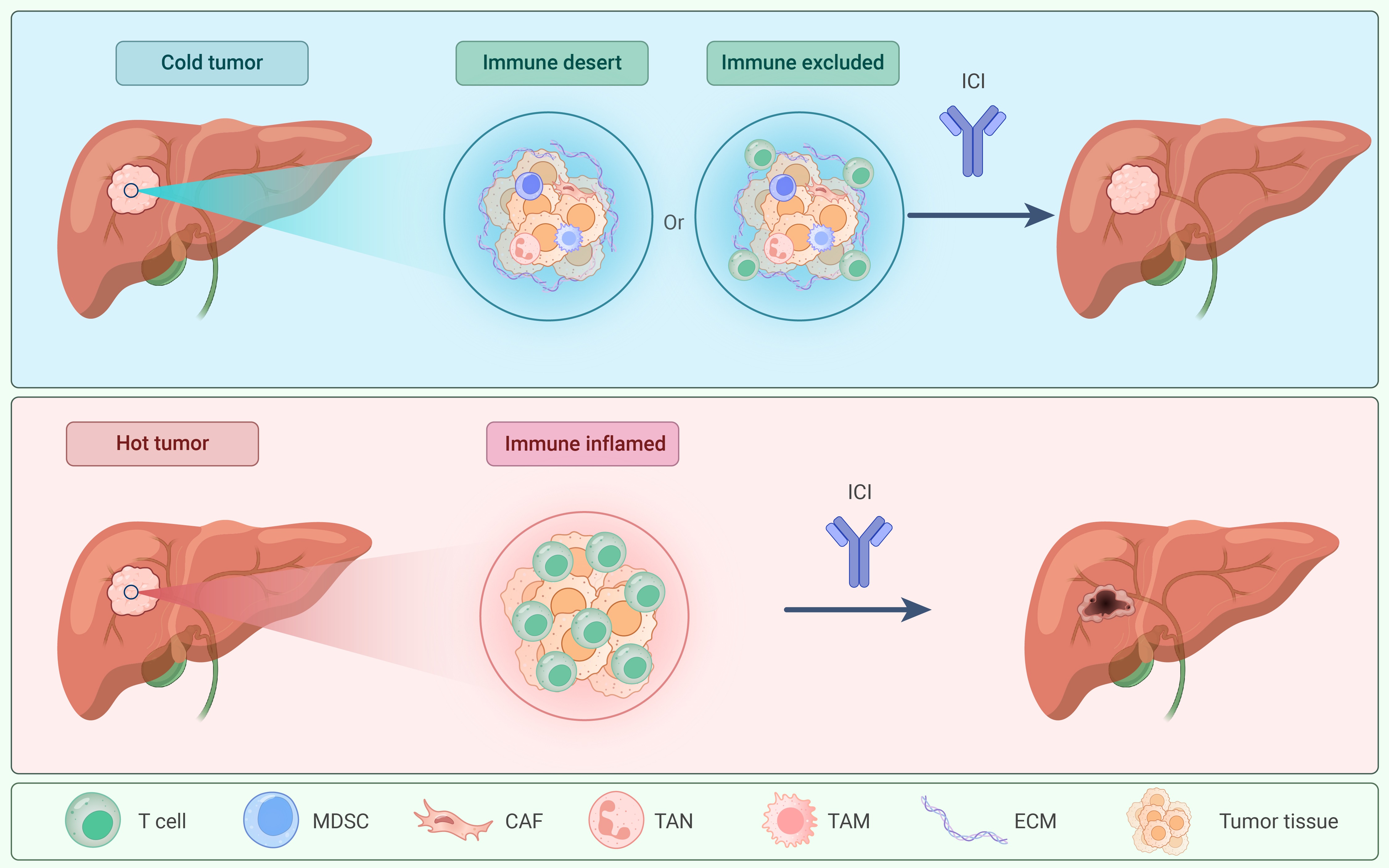
Figure 1.
Characteristics of the three immunophenotypes of ICC
-
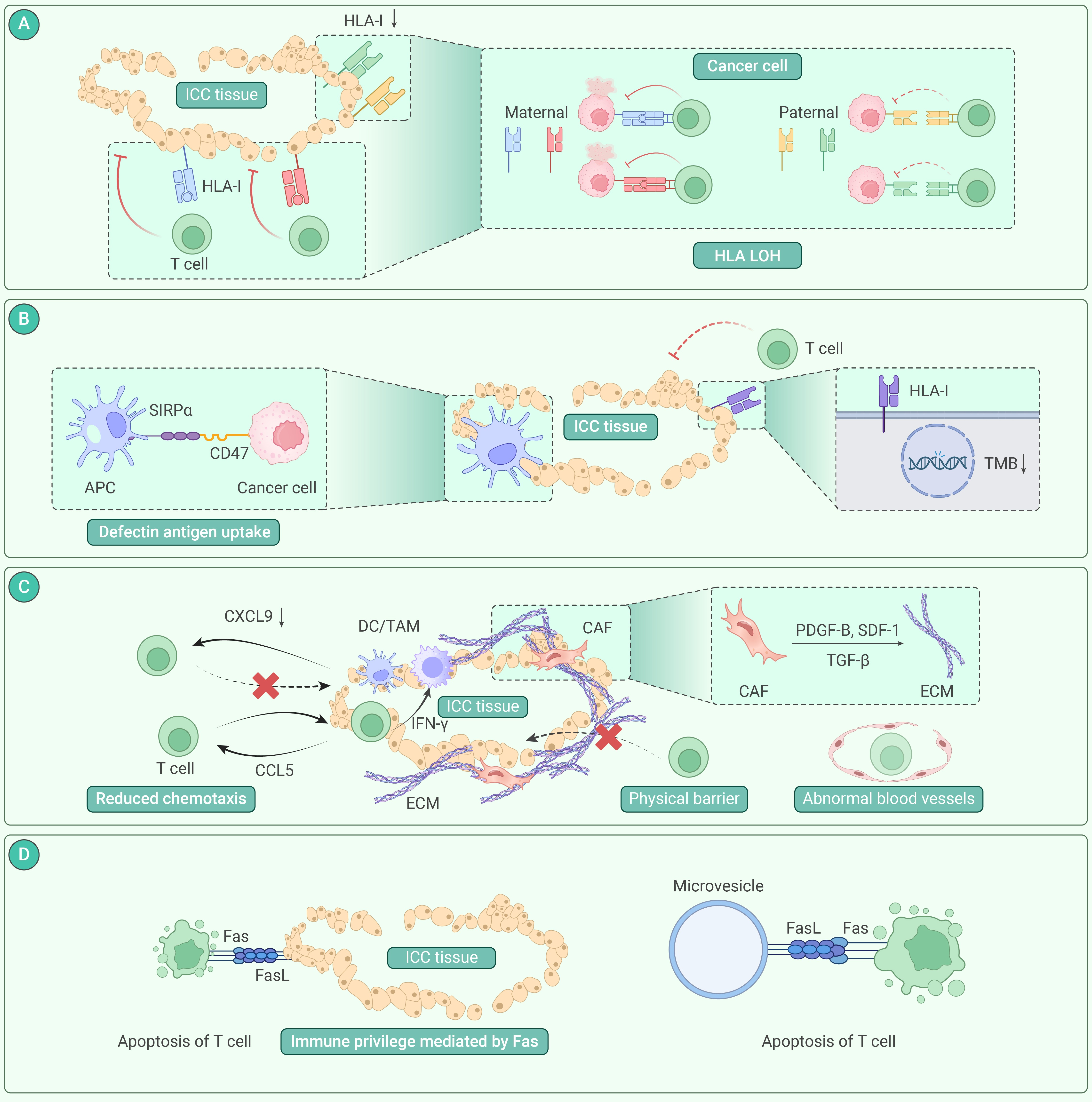
Figure 2.
Mechanisms of immune evasion in cold ICCs
-
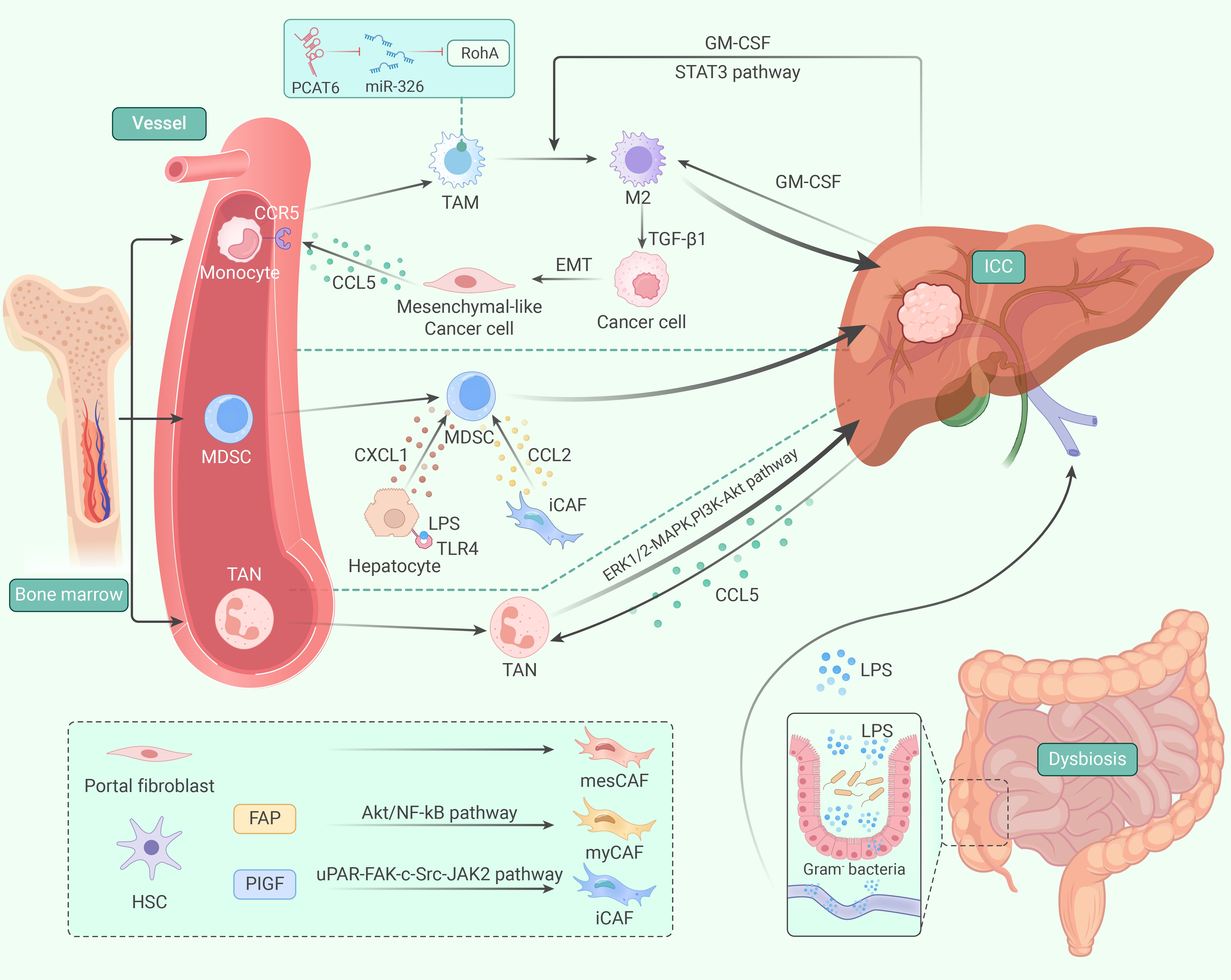
Figure 3.
Origin, recruitment and phenotypic alteration of cellular components in ICC
-
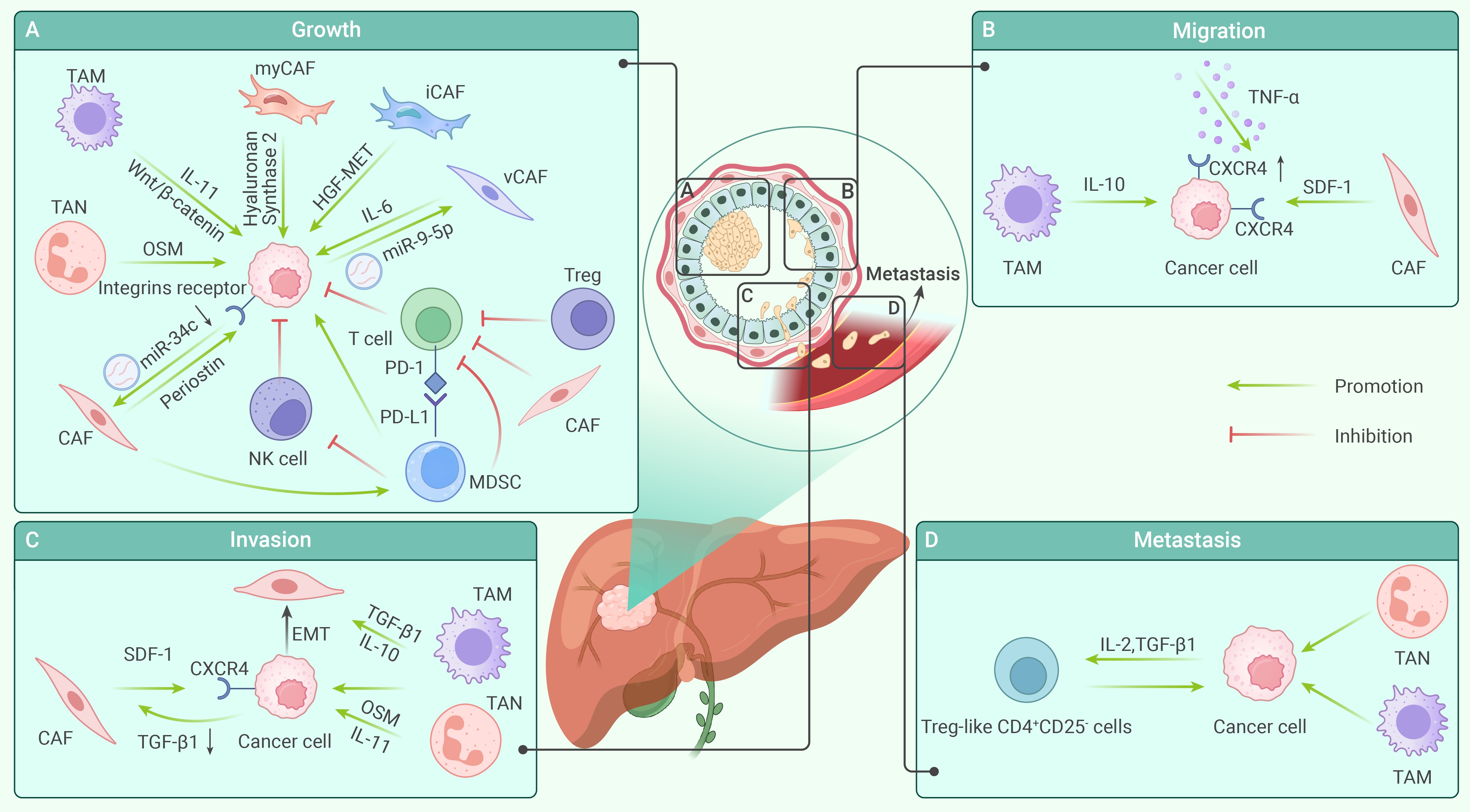
Figure 4.
Tumor immune microenvironment of ICC
-
Figure 5.
Summary of the therapeutic strategies used to treat cold ICCs.
-
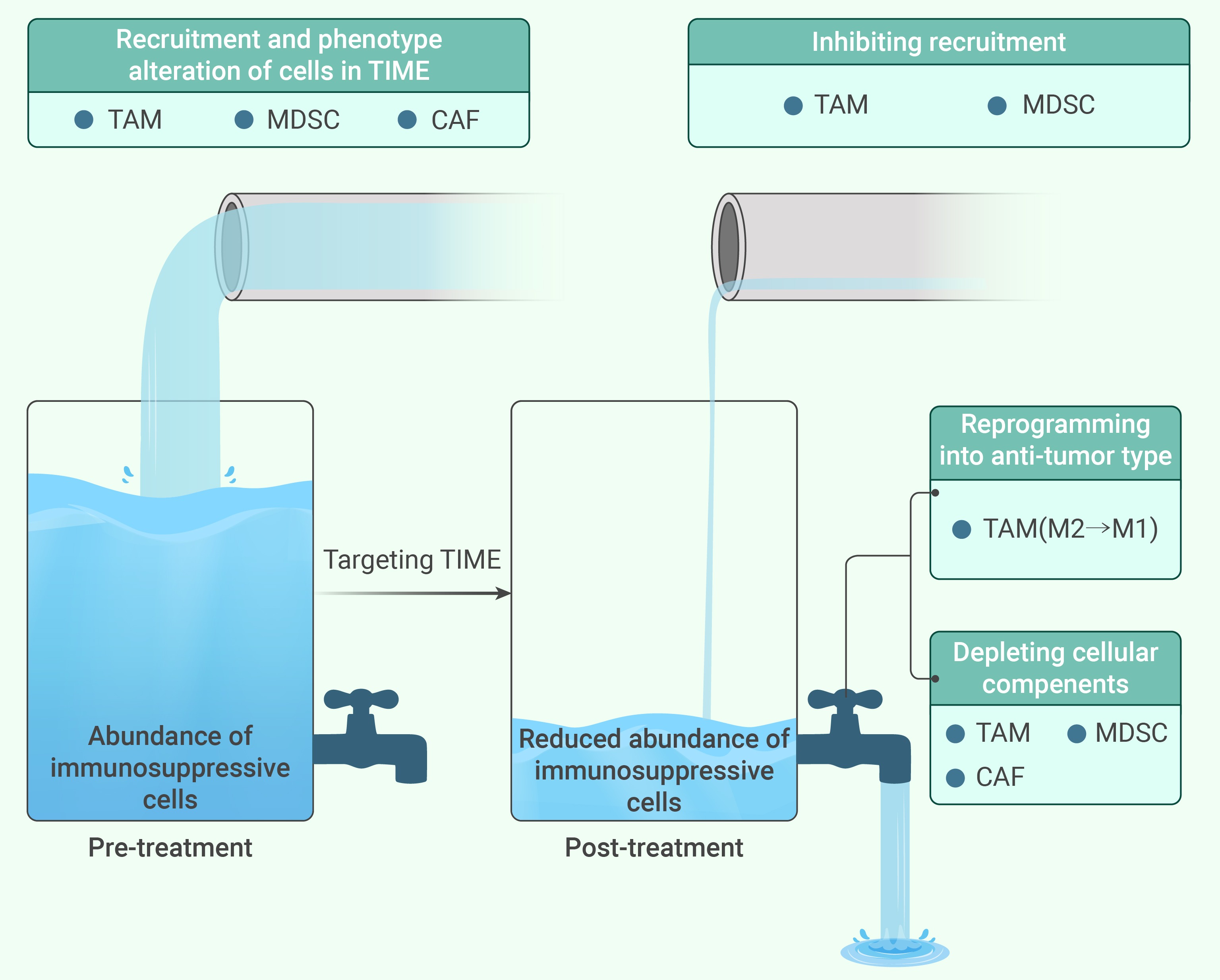
Figure 6.
Therapeutic strategies targeting cellular components
-
Figure 7.
Potential targets and biomarkers of novel immunotherapies for ICC
