
Intestinal microecology dysbiosis in inflammatory bowel disease: Pathogenesis and therapeutic strategies
-
GRAPHICAL ABSTRACT

 DownLoad:
Full size image
DownLoad:
Full size image
-
PUBLIC SUMMARY
-
Intestinal microecology dysbiosis promotes the occurrence and progression of inflammatory bowel disease (IBD).
Microecology dysbiosis induces intestinal epithelial destruction, chronic inflammation, and metabolic disorders.
Microbial therapy is a promising emerging strategy for the treatment of IBD.
Intestinal organoids have advantages in IBD and microecology research.
-
-
ABSTRACT
Inflammatory bowel disease (IBD) is an autoimmune disease characterized by non-infectious, chronic, and recurrent inflammation in the intestine, with unclear pathogenesis and increasing incidence. Currently, immunosuppressive drugs are commonly used in the clinical treatment of IBD to alleviate intestinal inflammation, but their effectiveness is not ideal. Therefore, it is crucial to investigate the pathogenesis of IBD and develop new therapeutic strategies. As a significant component of the intestinal barrier, the microbiota is closely related to metabolism, barrier protection, and immune regulation. With advances in research technology, the pivotal role of intestinal microecology dysbiosis in the progression of IBD has gained attention in recent years. Microbial therapies, including microecological modulators, fecal microbiota transplantation, and phage therapy have also become research hotspots in IBD treatment, showing promising applications. However, the complex relationship between intestinal microecology and IBD remains unclear, and clinical trials investigating microbial therapies face limitations. To inspire further research, this review thoroughly summarizes the physiological structure and function of intestinal microecology, as well as the characteristics and pathogenesis of microecology dysbiosis in IBD patients. We also analyze the research status of microbial therapies for IBD and the application of organoid models in preclinical studies. -

-
REFERENCES
[1] Sairenji, T., Collins, K.L., and Evans, D.V. (2017). An update on inflammatory bowel disease. Prim. Care. 44: 673−692. DOI: 10.1016/j.pop.2017.07.010. [2] GBD 2017 Inflammatory Bowel Disease Collaborators. (2019). The global, regional, and national burden of inflammatory bowel disease in 195 countries and territories, 1990-2017: A systematic analysis for the Global Burden of Disease Study 2017. Lancet Gastroenterol. Hepatol. 5: 17−30. DOI: 10.1016/S2468-1253(19)30333-4. [3] Borowitz, S.M. (2022). The epidemiology of inflammatory bowel disease: Clues to pathogenesis. Front. Pediatr. 10: 1103713. DOI: 10.3389/fped.2022.1103713. [4] Torres, J., Bonovas, S., Doherty, G., et al. (2020). ECCO guidelines on therapeutics in Crohn’s disease: Medical treatment. J. Crohns Colitis 14: 4−22. DOI: 10.1093/ecco-jcc/jjz180. [5] Raine, T., Bonovas, S., Burisch, J., et al. (2022). ECCO guidelines on therapeutics in ulcerative colitis: Medical treatment. J. Crohns Colitis 16: 2−17. DOI: 10.1093/ecco-jcc/jjab178. [6] Raine, T. and Danese, S. (2022). Breaking through the therapeutic ceiling: What will it take. Gastroenterology 162: 1507−1511. DOI: 10.1053/j.gastro.2021.09.078. [7] Kayama, H., Okumura, R., and Takeda, K. (2020). Interaction between the microbiota, epithelia, and immune cells in the intestine. Annu. Rev. Immunol. 38: 23−48. DOI: 10.1146/annurev-immunol-070119-115104. [8] Kostic, A.D., Xavier, R.J., and Gevers, D. (2014). The microbiome in inflammatory bowel diseases: Current status and the future ahead. Gastroenterology 146: 1489−1499. DOI: 10.1053/j.gastro.2014.02.009. [9] Zhu, M., Song, Y., Xu, Y., et al. (2023). Manipulating microbiota in inflammatory bowel disease treatment: Clinical and natural product interventions explored. Int. J. Mol. Sci. 24: 11004. DOI: 10.3390/ijms241311004. [10] Lopetuso, L.R., Deleu, S., Godny, L., et al. (2023). The first international Rome consensus conference on gut microbiota and faecal microbiota transplantation in inflammatory bowel disease. Gut 72: 1642−1650. DOI: 10.1136/gutjnl-2023-329948. [11] Sartor, R.B. and Wu, G.D. (2017). Roles for intestinal bacteria, viruses, and fungi in pathogenesis of inflammatory bowel diseases and therapeutic approaches. Gastroenterology 152: 327. DOI: 10.1053/j.gastro.2016.10.012. [12] Yuan, S., Wang, K.-S., Meng, H., et al. (2023). The gut microbes in inflammatory bowel disease: Future novel target option for pharmacotherapy. Biomed. Pharmacother. 165: 114893. DOI: 10.1016/j.biopha.2023.114893. [13] Kennedy, M.S. and Chang, E.B. (2020). The microbiome: composition and locations. Prog. Mol. Biol. Transl. Sci. 176: 1−42. DOI: 10.1016/bs.pmbts.2020.08.013. [14] Martinez-Guryn, K., Leone, V., and Chang, E.B. (2019). Regional diversity of the gastrointestinal microbiome. Cell Host Microbe 26: 314−324. DOI: 10.1016/j.chom.2019.08.011. [15] Wlodarska, M., Kostic, A.D., and Xavier, R.J. (2015). An integrative view of microbiome-host interactions in inflammatory bowel diseases. Cell Host Microbe 17: 577−591. DOI: 10.1016/j.chom.2015.04.008. [16] Sonnenberg, G.F., Monticelli, L.A., Alenghat, T., et al. (2012). Innate lymphoid cells promote anatomical containment of lymphoid-resident commensal bacteria. Science 336: 1321−1325. DOI: 10.1126/Science1222551. [17] Bevins, C.L. and Salzman, N.H. (2011). Paneth cells, antimicrobial peptides and maintenance of intestinal homeostasis. Nat. Rev. Microbiol. 9: 356−368. DOI: 10.1038/nrmicro2546. [18] Johansson, M.E.V., Phillipson, M., Petersson, J., et al. (2008). The inner of the two Muc2 mucin-dependent mucus layers in colon is devoid of bacteria. Proc. Natl. Acad. Sci. U.S.A. 105: 15064−15069. DOI: 10.1073/pnas.0803124105. [19] Juge, N. (2022). Relationship between mucosa-associated gut microbiota and human diseases. Biochem. Soc. Trans. 50: 1225−1236. DOI: 10.1042/BST20201201. [20] Underhill, D.M. and Iliev, I.D. (2014). The mycobiota: Interactions between commensal fungi and the host immune system. Nat. Rev. Immunol. 14: 405−416. DOI: 10.1038/nri3684. [21] Ungaro, F., Massimino, L., Furfaro, F., et al. (2018). Metagenomic analysis of intestinal mucosa revealed a specific eukaryotic gut virome signature in early-diagnosed inflammatory bowel disease. Gut Microbes. 10: 149−158. DOI: 10.1080/19490976.2018.1511664. [22] Caballero-Flores, G., Pickard, J.M., and Núñez, G. (2023). Microbiota-mediated colonization resistance: Mechanisms and regulation. Nat. Rev. Microbiol. 21: 347−360. DOI: 10.1038/s41579-022-00833-7. [23] Heilbronner, S., Krismer, B., Brötz-Oesterhelt, H., et al. (2021). The microbiome-shaping roles of bacteriocins. Nat. Rev. Microbiol. 19: 726−739. DOI: 10.1038/s41579-021-00569-w. [24] Schamberger, G.P. and Diez-Gonzalez, F. (2002). Selection of recently isolated colicinogenic Escherichia coli strains inhibitory to Escherichia coli O157:H7. J. Food Prot. 65: 1381−1387. DOI: 10.4315/0362-028x-65.9.1381. [25] Lawley, T.D. and Walker, A.W. (2013). Intestinal colonization resistance. Immunology 138: 1−11. DOI: 10.1111/j.1365-2567.2012.03616.x. [26] Hammami, R., Fernandez, B., Lacroix, C., et al. (2013). Anti-infective properties of bacteriocins: an update. Cell Mol. Life Sci. 70: 2947−2967. DOI: 10.1007/s00018-012-1202-3. [27] Coyne, M.J. and Comstock, L.E. (2019). Type VI secretion systems and the gut microbiota. Microbiol. Spectr. 7 : DOI: 10.1128/microbiolspec.PSIB-0009-2018. [28] Basler, M. (2015). Type VI secretion system: Secretion by a contractile nanomachine. Philos. Trans. R. Soc. Lond. B. Biol. Sci. 370: 20150021. DOI: 10.1098/rstb.2015.0021. [29] Lin, J., Xu, L., Yang, J., et al. (2021). Beyond dueling: Roles of the type VI secretion system in microbiome modulation, pathogenesis and stress resistance. Stress. Biol. 1: 11. DOI: 10.1007/s44154-021-00008-z. [30] Goodrich, J.K., Davenport, E.R., Waters, J.L., et al. (2016). Cross-species comparisons of host genetic associations with the microbiome. Science 352: 532−535. DOI: 10.1126/Scienceaad9379. [31] Petnicki-Ocwieja, T., Hrncir, T., Liu, Y.-J., et al. (2009). Nod2 is required for the regulation of commensal microbiota in the intestine. Proc. Natl. Acad. Sci. U.S.A. 106: 15813−15818. DOI: 10.1073/pnas.0907722106. [32] Couturier-Maillard, A., Secher, T., Rehman, A., et al. (2013). NOD2-mediated dysbiosis predisposes mice to transmissible colitis and colorectal cancer. J. Clin. Invest. 123: 700−711. DOI: 10.1172/JCI62236. [33] Lavoie, S., Conway, K.L., Lassen, K.G., et al. The Crohn’s disease polymorphism, ATG16L1 T300A, alters the gut microbiota and enhances the local Th1/Th17 response. eLife 8 : e39982. DOI: 10.7554/eLife.39982. [34] Iliev, I.D., Funari, V.A., Taylor, K.D., et al. (2012). Interactions between commensal fungi and the C-type lectin receptor Dectin-1 influence colitis. Science 336: 1314−1317. DOI: 10.1126/Science1221789. [35] Lamas, B., Richard, M.L., Leducq, V., et al. (2016). CARD9 impacts colitis by altering gut microbiota metabolism of tryptophan into aryl hydrocarbon receptor ligands. Nat. Med. 22: 598−605. DOI: 10.1038/nm.4102. [36] Li, D., Achkar, J.-P., Haritunians, T., et al. (2016). A pleiotropic missense variant in SLC39A8 is associated with Crohn’s disease and human gut microbiome composition. Gastroenterology 151: 724−732. DOI: 10.1053/j.gastro.2016.06.051. [37] Muegge, B.D., Kuczynski, J., Knights, D., et al. (2011). Diet drives convergence in gut microbiome functions across mammalian phylogeny and within humans. Science 332: 970−974. DOI: 10.1126/Science1198719. [38] Statovci, D., Aguilera, M., MacSharry, J., et al. (2017). The impact of western diet and nutrients on the microbiota and immune response at mucosal interfaces. Front. Immunol. 8: 838. DOI: 10.3389/fimmu.2017.00838. [39] Macfarlane, S. (2014). Antibiotic treatments and microbes in the Gut Environ. Microbiol. 16: 919−924. DOI: 10.1111/1462-2920.12399. [40] Shaw, S.Y., Blanchard, J.F., and Bernstein, C.N. (2011). Association between the use of antibiotics and new diagnoses of Crohn’s disease and ulcerative colitis. Am. J. Gastroenterol. 106: 2133. DOI: 10.1038/ajg.2011.304. [41] Hajj Hussein, I., Dosh, L., Al Qassab, M., et al. (2023). Highlights on two decades with microbiota and inflammatory bowel disease from etiology to therapy. Transpl. Immunol. 78: 101835. DOI: 10.1016/j.trim.2023.101835. [42] Zhang, Y., Si, X., Yang, L., et al. (2022). Association between intestinal microbiota and inflammatory bowel disease. Animal. Model. Exp. Med. 5: 311−322. DOI: 10.1002/ame2.12255. [43] Upadhyay, K.G., Desai, D.C., Ashavaid, T.F., et al. (2023). Microbiome and metabolome in inflammatory bowel disease. J. Gastroenterol. Hepatol. 38: 34−43. DOI: 10.1111/jgh.16043. [44] Lam, S., Zuo, T., Ho, M., et al. (2019). Review article: Fungal alterations in inflammatory bowel diseases. Aliment. Pharmacol. Ther. 50: 1159−1171. DOI: 10.1111/apt.15523. [45] Clooney, A.G., Sutton, T.D.S., Shkoporov, A.N., et al. (2019). Whole-virome analysis sheds light on viral dark matter in inflammatory bowel disease. Cell Host Microbe 26: 764−778.e5. DOI: 10.1016/j.chom.2019.10.009. [46] Manrique, P., Bolduc, B., Walk, S.T., et al. (2016). Healthy human gut phageome. Proc. Natl. Acad. Sci. U.S.A 113: 10400−10405. DOI: 10.1073/pnas.1601060113. [47] Pascal, V., Pozuelo, M., Borruel, N., et al. (2017). A microbial signature for Crohn’s disease. Gut 66: 813−822. DOI: 10.1136/gutjnl-2016-313235. [48] Schäffler, H., Herlemann, D.P.R., Alberts, C., et al. (2016). Mucosa-attached bacterial community in Crohn’s disease coheres with the clinical disease activity index. Environ. Microbiol. Rep. 8: 614−621. DOI: 10.1111/1758-2229.12411. [49] Varela, E., Manichanh, C., Gallart, M., et al. (2013). Colonisation by Faecalibacterium prausnitzii and maintenance of clinical remission in patients with ulcerative colitis. Aliment. Pharmacol. Ther. 38: 151−161. DOI: 10.1111/apt.12365. [50] Hirano, A., Umeno, J., Okamoto, Y., et al. (2018). Comparison of the microbial community structure between inflamed and non-inflamed sites in patients with ulcerative colitis. J. Gastroenterol. Hepatol. DOI: 10.1111/jgh.14129. [51] Li, Q., Wang, C., Tang, C., et al. (2014). Dysbiosis of gut fungal microbiota is associated with mucosal inflammation in Crohn’s disease. J. Clin. Gastroenterol. 48: 513−523. DOI: 10.1097/MCG.0000000000000035. [52] Garcia, M.A., Nelson, W.J., and Chavez, N. (2018). Cell-Cell junctions organize structural and signaling networks. Cold Spring Harb. Perspect. Biol. 10: a029181. DOI: 10.1101/cshperspect.a029181. [53] Paradis, T., Bègue, H., Basmaciyan, L., et al. (2021). Tight junctions as a key for pathogens invasion in intestinal epithelial cells. Int. J. Mol. Sci. 22: 2506. DOI: 10.3390/ijms22052506. [54] Tapia, R., Kralicek, S.E., and Hecht, G.A. (2020). Enteropathogenic Escherichia coli (EPEC) recruitment of par polarity protein atypical PKCζ to pedestals and cell-cell contacts precedes disruption of tight junctions in intestinal epithelial cells. Int. J. Mol. Sci. 21: 527. DOI: 10.3390/ijms21020527. [55] Peng, J., Li, H., Olaolu, O.A., et al. (2023). Natural products: A dependable source of therapeutic alternatives for inflammatory bowel disease through regulation of tight junctions. Molecules 28: 6293. DOI: 10.3390/molecules28176293. [56] Png, C.W., Lindén, S.K., Gilshenan, K.S., et al. (2010). Mucolytic bacteria with increased prevalence in IBD mucosa augment in vitro utilization of mucin by other bacteria. Am. J. Gastroenterol. 105: 2420−2428. DOI: 10.1038/ajg.2010.281. [57] Matamouros, S. and Miller, S.I. (2015). S. Typhimurium strategies to resist killing by cationic antimicrobial peptides. Biochim. Biophys. Acta. 1848: 3021−3025. DOI: 10.1016/j.bbamem.2015.01.013. [58] LaRock, C.N. and Nizet, V. (2015). Cationic antimicrobial peptide resistance mechanisms of streptococcal pathogens. Biochim. Biophys. Acta. 1848: 3047−3054. DOI: 10.1016/j.bbamem.2015.02.010. [59] Joo, H.-S. and Otto, M. (2015). Mechanisms of resistance to antimicrobial peptides in staphylococci. Biochim. Biophys. Acta. 1848: 3055−3061. DOI: 10.1016/j.bbamem.2015.02.009. [60] van der Post, S., Jabbar, K.S., Birchenough, G., et al. (2019). Structural weakening of the colonic mucus barrier is an early event in ulcerative colitis pathogenesis. Gut 68: 2142−2151. DOI: 10.1136/gutjnl-2018-317571. [61] Barbara, G., Barbaro, M.R., Fuschi, D., et al. (2021). Inflammatory and microbiota-related regulation of the intestinal epithelial barrier. Front. Nutr. 8: 718356. DOI: 10.3389/fnut.2021.718356. [62] Mennigen, R., Nolte, K., Rijcken, E., et al. (2009). Probiotic mixture VSL#3 protects the epithelial barrier by maintaining tight junction protein expression and preventing apoptosis in a murine model of colitis. Am. J. Physiol. Gastrointest. Liver Physiol. 296: G1140−1149. DOI: 10.1152/ajpgi.90534.2008. [63] Caballero-Franco, C., Keller, K., De Simone, C., et al. (2007). The VSL#3 probiotic formula induces mucin gene expression and secretion in colonic epithelial cells. Am. J. Physiol. Gastrointest. Liver Physiol. 292: G315−322. DOI: 10.1152/ajpgi.00265.2006. [64] Kumar, M., Kissoon-Singh, V., Coria, A.L., et al. (2017). Probiotic mixture VSL#3 reduces colonic inflammation and improves intestinal barrier function in Muc2 mucin-deficient mice. Am. J. Physiol. Gastrointest. Liver Physiol. 312: G34−G45. DOI: 10.1152/ajpgi.00298.2016. [65] Khan, I., Bai, Y., Zha, L., et al. (2021). Mechanism of the gut microbiota colonization resistance and enteric pathogen infection. Front. Cell Infect. Microbiol. 11: 716299. DOI: 10.3389/fcimb.2021.716299. [66] Wan, T., Wang, Y., He, K., et al. (2023). Microbial sensing in the intestine. Protein Cell 14: 824−860. DOI: 10.1093/procel/pwad028. [67] Leifer, C.A. and Medvedev, A.E. (2016). Molecular mechanisms of regulation of Toll-like receptor signaling. J. Leukoc. Biol. 100: 927. DOI: 10.1189/jlb.2MR0316-117RR. [68] Iyer, K., Erkert, L., and Becker, C. (2023). Know your neighbors: microbial recognition at the intestinal barrier and its implications for gut homeostasis and inflammatory bowel disease. Front. Cell Dev. Biol. 11: 1228283. DOI: 10.3389/fCell2023.1228283. [69] Burgueño, J.F. and Abreu, M.T. (2020). Epithelial Toll-like receptors and their role in gut homeostasis and disease. Nat. Rev. Gastroenterol. Hepatol. 17: 263−278. DOI: 10.1038/s41575-019-0261-4. [70] Kordjazy, N., Haj-Mirzaian, A., Haj-Mirzaian, A., et al. (2018). Role of toll-like receptors in inflammatory bowel disease. Pharmacol. Res. 129: 204−215. DOI: 10.1016/j.phrs.2017.11.017. [71] Shao, B.-Z., Xu, Z.-Q., Han, B.-Z., et al. (2015). NLRP3 inflammasome and its inhibitors: A review. Front. Pharmacol. 6: 262. DOI: 10.3389/fphar. [72] Melmed, G., Thomas, L.S., Lee, N., et al. (2003). Human intestinal epithelial cells are broadly unresponsive to Toll-like receptor 2-dependent bacterial ligands: Implications for host-microbial interactions in the gut. J. Immunol. 170: 1406−1415. DOI: 10.4049/jimmunol.170.3.1406. [73] Abreu, M.T., Vora, P., Faure, E., et al. (2001). Decreased expression of Toll-like receptor-4 and MD-2 correlates with intestinal epithelial cell protection against dysregulated proinflammatory gene expression in response to bacterial lipopolysaccharide. J. Immunol. 167: 1609−1616. DOI: 10.4049/jimmunol.167.3.1609. [74] Smythies, L.E., Sellers, M., Clements, R.H., et al. (2005). Human intestinal macrophages display profound inflammatory anergy despite avid phagocytic and bacteriocidal activity. J. Clin. Invest. 115: 66−75. DOI: 10.1172/JCI19229. [75] Gewirtz, A.T., Navas, T.A., Lyons, S., et al. (2001). Cutting edge: Bacterial flagellin activates basolaterally expressed TLR5 to induce epithelial proinflammatory gene expression. J. Immunol. 167: 1882−1885. DOI: 10.4049/jimmunol.167.4.1882. [76] Fukata, M. and Arditi, M. (2013). The role of pattern recognition receptors in intestinal inflammation. Mucosal. Immunol. 6: 451−463. DOI: 10.1038/mi.2013.13. [77] Griffin, M.E., Hespen, C.W., Wang, Y., et al. (2019). Translation of peptidoglycan metabolites into immunotherapeutics. Clin. Transl. Immunology 8: e1095. DOI: 10.1002/cti2.1095. [78] Zhou, F., Zhang, G.D., Tan, Y., et al. (2023). NOD-like receptors mediate homeostatic intestinal epithelial barrier function: Promising therapeutic targets for inflammatory bowel disease. Therap. Adv. Gastroenterol. 16 : 17562848231176889. DOI: 10.1177/17562848231176889. [79] Broz, P. and Dixit, V.M. (2016). Inflammasomes: Mechanism of assembly, regulation and signalling. Nat. Rev. Immunol. 16: 407−420. DOI: 10.1038/nri.2016.58. [80] Eastaff-Leung, N., Mabarrack, N., Barbour, A., et al. (2010). Foxp3+ regulatory T cells, Th17 effector cells, and cytokine environment in inflammatory bowel disease. J. Clin. Immunol. 30: 80−89. DOI: 10.1007/s10875-009-9345-1. [81] Tye, H., Yu, C.-H., Simms, L.A., et al. (2018). NLRP1 restricts butyrate producing commensals to exacerbate inflammatory bowel disease. Nat. Commun. 9: 3728. DOI: 10.1038/s41467-018-06125-0. [82] Tang, J., Lin, G., Langdon, W.Y., et al. (2018). Regulation of C-type lectin receptor-mediated antifungal immunity. Front. Immunol. 9: 123. DOI: 10.3389/fimmu.2018.00123. [83] Speakman, E.A., Dambuza, I.M., Salazar, F., et al. (2020). T cell antifungal immunity and the role of C-type lectin receptors. Trends. Immunol. 41: 61−76. DOI: 10.1016/j.it.2019.11.007. [84] Goyal, S., Castrillón-Betancur, J.C., Klaile, E., et al. (2018). The interaction of human pathogenic fungi with C-type lectin receptors. Front. Immunol. 9: 1261. DOI: 10.3389/fimmu.2018.01261. [85] Thoresen, D., Wang, W., Galls, D., et al. (2021). The molecular mechanism of RIG-I activation and signaling. Immunol. Rev. 304: 154−168. DOI: 10.1111/imr.13022. [86] Ivashkiv, L.B. and Donlin, L.T. (2014). Regulation of type I interferon responses. Nat. Rev. Immunol. 14: 36−49. DOI: 10.1038/nri3581. [87] Chen, Y., Cui, W., Li, X., et al. (2021). Interaction between commensal bacteria, immune response and the intestinal barrier in inflammatory bowel disease. Front. Immunol. 12: 761981. DOI: 10.3389/fimmu.2021.761981. [88] Shang, L., Fukata, M., Thirunarayanan, N., et al. (2008). Toll-like receptor signaling in small intestinal epithelium promotes B-cell recruitment and IgA production in lamina propria. Gastroenterology 135: 529−538. DOI: 10.1053/j.gastro.2008.04.020. [89] Bamias, G., Kitsou, K., and Rivera-Nieves, J. (2023). The underappreciated role of secretory IgA in IBD. Inflamm. Bowel Dis. 29: 1327−1341. DOI: 10.1093/ibd/izad024. [90] Rey, J., Garin, N., Spertini, F., et al. (2004). Targeting of secretory IgA to Peyer’s patch dendritic and T cells after transport by intestinal M cells. J. Immunol. 172: 3026−3033. DOI: 10.4049/jimmunol.172.5.3026. [91] Kadaoui, K.A. and Corthésy, B. (2007). Secretory IgA mediates bacterial translocation to dendritic cells in mouse Peyer’s patches with restriction to mucosal compartment. J. Immunol. 179: 7751−7757. DOI: 10.4049/jimmunol.179.11.7751. [92] Chang, J.T. (2020). Pathophysiology of inflammatory bowel diseases. N. Engl. J. Med. 383: 2652−2664. DOI: 10.1056/NEJMra2002697. [93] Ng, S.C., Benjamin, J.L., McCarthy, N.E., et al. (2011). Relationship between human intestinal dendritic cells, gut microbiota, and disease activity in Crohn’s disease. Inflamm. Bowel Dis. 17: 2027−2037. DOI: 10.1002/ibd.21590. [94] Hart, A.L., Al-Hassi, H.O., Rigby, R.J., et al. (2005). Characteristics of intestinal dendritic cells in inflammatory bowel diseases. Gastroenterology 129: 50−65. DOI: 10.1053/j.gastro.2005.05.013. [95] Pérez-Jeldres, T., Tyler, C.J., Boyer, J.D., et al. (2019). Cell trafficking interference in inflammatory bowel disease: Therapeutic interventions based on basic pathogenesis concepts. Inflamm. Bowel Dis. 25: 270−282. DOI: 10.1093/ibd/izy269. [96] Lu, Q., Yang, M., Liang, Y., et al. (2022). Immunology of inflammatory bowel disease: Molecular mechanisms and therapeutics. J. Inflamm. Res. 15: 1825−1844. DOI: 10.2147/JIR.S353038. [97] Raphael, I., Nalawade, S., Eagar, T.N., et al. (2015). T cell subsets and their signature cytokines in autoimmune and inflammatory diseases. Cytokine 74: 5−17. DOI: 10.1016/j.cyto.2014.09.011. [98] Bamias, G. and Cominelli, F. (2015). Role of Th2 immunity in intestinal inflammation. Curr. Opin. Gastroenterol. 31: 471−476. DOI: 10.1097/MOG.0000000000000212. [99] Noviello, D., Mager, R., Roda, G., et al. (2021). The IL23-IL17 immune axis in the treatment of ulcerative colitis: successes, defeats, and ongoing challenges. Front. Immunol. 12: 611256. DOI: 10.3389/fimmu.2021.611256. [100] Schmitt, H., Neurath, M.F., and Atreya, R. (2021). Role of the IL23/IL17 pathway in Crohn’s disease. Front. Immunol. 12: 622934. DOI: 10.3389/fimmu.2021.622934. [101] Chassaing, B., Ley, R.E., and Gewirtz, A.T. (2014). Intestinal epithelial cell toll-like receptor 5 regulates the intestinal microbiota to prevent low-grade inflammation and metabolic syndrome in mice. Gastroenterology 147: 1363−1377.e17. DOI: 10.1053/j.gastro.2014.08.033. [102] Strober, W., Asano, N., Fuss, I., et al. (2014). Cellular and molecular mechanisms underlying NOD2 risk-associated polymorphisms in Crohn’s disease. Immunol. Rev. 260: 249−260. DOI: 10.1111/imr.12193. [103] Wang, T., Pan, D., Zhou, Z., et al. (2016). Dectin-3 deficiency promotes colitis development due to impaired antifungal innate immune responses in the gut. PLoS Pathog. 12: e1005662. DOI: 10.1371/journal.ppat.1005662. [104] Guzior, D.V. and Quinn, R.A. (2021). Review: Microbial transformations of human bile acids. Microbiome 9: 140. DOI: 10.1186/s40168-021-01101-1. [105] Long, S.L., Gahan, C.G.M., and Joyce, S.A. (2017). Interactions between gut bacteria and bile in health and disease. Mol. Aspects Med. 56: 54−65. DOI: 10.1016/j.mam.2017.06.002. [106] Cheung, K.C.P., Ma, J., Loiola, R.A., et al. (2023). Bile acid-activated receptors in innate and adaptive immunity: Targeted drugs and biological agents. Eur. J. Immunol. 53: 2250299. DOI: 10.1002/eji.202250299. [107] Vavassori, P., Mencarelli, A., Renga, B., et al. (2009). The bile acid receptor FXR is a modulator of intestinal innate immunity. J. Immunol. 183: 6251−6261. DOI: 10.4049/jimmunol.0803978. [108] Biagioli, M., Carino, A., Cipriani, S., et al. (2017). The bile acid receptor GPBAR1 regulates the M1/M2 phenotype of intestinal macrophages and activation of GPBAR1 rescues mice from murine colitis. J. Immunol. 199: 718−733. DOI: 10.4049/jimmunol.1700183. [109] Ichikawa, R., Takayama, T., Yoneno, K., et al. (2012). Bile acids induce monocyte differentiation toward interleukin-12 hypo-producing dendritic cells via a TGR5-dependent pathway. Immunology 136: 153−162. DOI: 10.1111/j.1365-2567.2012.03554.x. [110] Campbell, C., McKenney, P.T., Konstantinovsky, D., et al. (2020). Bacterial metabolism of bile acids promotes peripheral Treg cell generation. Nature 581: 475−479. DOI: 10.1038/s41586-020-2193-0. [111] Gadaleta, R.M., van Erpecum, K.J., Oldenburg, B., et al. (2011). Farnesoid X receptor activation inhibits inflammation and preserves the intestinal barrier in inflammatory bowel disease. Gut 60: 463−472. DOI: 10.1136/Gut2010.212159. [112] Zhai, Z., Niu, K.-M., Liu, Y., et al. (2021). The gut microbiota-bile acids-TGR5 axis mediates eucommia ulmoides leaf extract alleviation of injury to colonic epithelium integrity. Front. Microbiol. 12: 727681. DOI: 10.3389/fmicb.2021.727681. [113] Chen, M.L., Takeda, K., and Sundrud, M.S. (2019). Emerging roles of bile acids in mucosal immunity and inflammation. Mucosal Immunol. 12: 851−861. DOI: 10.1038/s41385-019-0162-4. [114] Thanissery, R., Winston, J.A., and Theriot, C.M. (2017). Inhibition of spore germination, growth, and toxin activity of clinically relevant C. difficile strains by gut microbiota derived secondary bile acids. Anaerobe 45: 86−100. DOI: 10.1016/j.anaerobe.2017.03.004. [115] Sangurima, L., Malik, M.M., Ganatra, N., et al. Clostridioides difficile infection in inflammatory bowel disease patients: A systematic review of risk factors and approach in management. Cureus 15 : e43134. DOI: 10.7759/cureus.43134. [116] Li, X., Zhang, Z.-H., Zabed, H.M., et al. (2021). An insight into the roles of dietary tryptophan and its metabolites in intestinal inflammation and inflammatory bowel disease. Mol. Nutr. Food Res. 65: e2000461. DOI: 10.1002/mnfr.202000461. [117] Shimada, Y., Kinoshita, M., Harada, K., et al. (2013). Commensal bacteria-dependent indole production enhances epithelial barrier function in the colon. PLoS One 8: e80604. DOI: 10.1371/journal.pone.0080604. [118] Alexeev E.E., Lanis J.M., Kao D.J., et al. (2018). Microbiota-derived indole metabolites promote human and murine intestinal homeostasis through regulation of interleukin-10 receptor. Am. J. Pathol. 188: 1183−1194. DOI: 10.1016/j.ajpath.2018.01.011. [119] Lamas, B., Natividad, J.M., and Sokol, H. (2018). Aryl hydrocarbon receptor and intestinal immunity. Mucosal Immunol. 11: 1024−1038. DOI: 10.1038/s41385-018-0019-2. [120] Zeng, B., Shi, S., Ashworth, G., et al. (2019). ILC3 function as a double-edged sword in inflammatory bowel diseases. Cell Death Dis. 10: 315. DOI: 10.1038/s41419-019-1540-2. [121] Paik, D., Yao, L., Zhang, Y., et al. (2022). Human gut bacteria produce TH17-modulating bile acid metabolites. Nature 603: 907−912. DOI: 10.1038/s41586-022-04480-z. [122] Withers, D.R., Hepworth, M.R., Wang, X., et al. (2016). Transient inhibition of ROR-γt therapeutically limits intestinal inflammation by reducing TH17 cells and preserving ILC3. Nat. Med. 22: 319−323. DOI: 10.1038/nm.4046. [123] Abron, J.D., Singh, N.P., Mishra, M.K., et al. (2018). An endogenous aryl hydrocarbon receptor ligand, ITE, induces regulatory T cells and ameliorates experimental colitis. Am. J. Physiol. Gastrointest. Liver Physiol. 315: G220−G230. DOI: 10.1152/ajpgi.00413.2017. [124] Scott, S.A., Fu, J., and Chang, P.V. (2020). Microbial tryptophan metabolites regulate gut barrier function via the aryl hydrocarbon receptor. Proc. Natl. Acad. Sci. U.S.A 117: 19376−19387. DOI: 10.1073/pnas.2000047117. [125] Hu, Y., Chen, Z., Xu, C., et al. (2022). Disturbances of the gut microbiota and microbiota-derived metabolites in inflammatory bowel disease. Nutrients 14: 5140. DOI: 10.3390/nu14235140. [126] Natividad, J.M., Agus, A., Planchais, J., et al. (2018). Impaired aryl hydrocarbon receptor ligand production by the gut microbiota is a key factor in metabolic syndrome. Cell Metab. 28: 737−749.e4. DOI: 10.1016/j.cmet.2018.07.001. [127] Rowland, I., Gibson, G., Heinken, A., et al. (2018). Gut microbiota functions: Metabolism of nutrients and other food components. Eur. J. Nutr. 57: 1−24. DOI: 10.1007/s00394-017-1445-8. [128] Parada Venegas, D., De la Fuente, M.K., Landskron, G., et al. (2019). Short chain fatty acids (SCFAs)-mediated gut epithelial and immune regulation and its relevance for inflammatory bowel diseases. Front. Immunol. 10: 277. DOI: 10.3389/fimmu.2019.00277. [129] Park, B.-O., Kang, J.S., Paudel, S., et al. (2022). Novel GPR43 agonists exert an anti-inflammatory effect in a colitis model. Biomol. Ther. (Seoul) 30: 48−54. DOI: 10.4062/biomolther.2021.078. [130] Gonçalves, P., Araújo, J.R., and Di Santo, J.P. (2018). A cross-talk between microbiota-derived short-chain fatty acids and the host mucosal immune system regulates intestinal homeostasis and inflammatory bowel disease. Inflamm. Bowel Dis. 24: 558−572. DOI: 10.1093/ibd/izx029. [131] Zou, F., Qiu, Y., Huang, Y., et al. (2021). Effects of short-chain fatty acids in inhibiting HDAC and activating p38 MAPK are critical for promoting B10 cell generation and function. Cell Death Dis. 12: 1−17. DOI: 10.1038/s41419-021-03880-9. [132] Zhang, Z., Zhang, H., Chen, T., et al. (2022). Regulatory role of short-chain fatty acids in inflammatory bowel disease. Cell Commun. Signal 20: 64. DOI: 10.1186/s12964-022-00869-5. [133] Saleri, R., Borghetti, P., Ravanetti, F., et al. (2022). Effects of different short-chain fatty acids (SCFA) on gene expression of proteins involved in barrier function in IPEC-J2. Porcine Health Manag. 8: 21. DOI: 10.1186/s40813-022-00264-z. [134] Gantois, I., Ducatelle, R., Pasmans, F., et al. (2006). Butyrate specifically down-regulates salmonella pathogenicity island 1 gene expression. Appl. Environ. Microbiol. 72: 946−949. DOI: 10.1128/AEM.72.1.946-949.2006. [135] Takahashi, K., Nishida, A., Fujimoto, T., et al. (2016). Reduced abundance of butyrate-producing bacteria species in the fecal microbial community in Crohn’s disease. Digestion 93: 59−65. DOI: 10.1159/000441768. [136] Machiels, K., Joossens, M., Sabino, J., et al. (2014). A decrease of the butyrate-producing species Roseburia hominis and Faecalibacterium prausnitzii defines dysbiosis in patients with ulcerative colitis. Gut 63: 1275−1283. DOI: 10.1136/gutjnl-2013-304833. [137] Wu, Z., Huang, S., Li, T., et al. (2021). Gut microbiota from green tea polyphenol-dosed mice improves intestinal epithelial homeostasis and ameliorates experimental colitis. Microbiome 9: 184. DOI: 10.1186/s40168-021-01115-9. [138] Elhag, D.A., Kumar, M., Saadaoui, M., et al. (2022). Inflammatory bowel disease treatments and predictive biomarkers of therapeutic response. Int. J. Mol. Sci. 23: 6966. DOI: 10.3390/ijms23136966. [139] Liu, J., Di, B., and Xu, L. (2023). Recent advances in the treatment of IBD: Targets, mechanisms and related therapies. Cytokine Growth F. R. 71-72: 1−12. DOI: 10.1016/j.cytogfr.2023.07.001. [140] Rubin, D.T., Ananthakrishnan, A.N., Siegel, C.A., et al. (2019). ACG clinical guideline: Ulcerative colitis in adults. Am. J. Gastroenterol. 114: 384−413. DOI: 10.14309/ajg.0000000000000152. [141] Lichtenstein, G.R., Loftus, E.V., Isaacs, K.L., et al. (2018). ACG Clinical guideline: Management of Crohn’s disease in adults. Am. J. Gastroenterol. 113: 481−517. DOI: 10.1038/ajg.2018.27. [142] Imbrizi, M., Magro, F., and Coy, C.S.R. (2023). Pharmacological therapy in inflammatory bowel diseases: A narrative review of the past 90 years. Pharmaceuticals (Basel) 16: 1272. DOI: 10.3390/ph16091272. [143] Baumgart, D.C. and Le Berre, C. (2021). Newer biologic and small-molecule therapies for inflammatory bowel disease. N. Engl. J. Med. 385: 1302−1315. DOI: 10.1056/NEJMra1907607. [144] Salas, A., Hernandez-Rocha, C., Duijvestein, M., et al. (2020). JAK-STAT pathway targeting for the treatment of inflammatory bowel disease. Nat. Rev. Gastroenterol. Hepatol. 17: 323−337. DOI: 10.1038/s41575-020-0273-0. [145] Feng, Z., Kang, G., Wang, J., et al. (2023). Breaking through the therapeutic ceiling of inflammatory bowel disease: Dual-targeted therapies. Biomed. Pharmacother. 158: 114174. DOI: 10.1016/j.biopha.2022.114174. [146] Kotla, N.G. and Rochev, Y. (2023). IBD disease-modifying therapies: Insights from emerging therapeutics. Trends Mol. Med. 29: 241−253. DOI: 10.1016/j.molmed.2023.01.001. [147] O’Toole, P.W., Marchesi, J.R., and Hill, C. (2017). Next-generation probiotics: the spectrum from probiotics to live biotherapeutics. Nat. Microbiol. 2: 17057. DOI: 10.1038/nmicrobiol.2017.57. [148] Harbord, M., Eliakim, R., Bettenworth, D., et al. (2017). Third european evidence-based consensus on diagnosis and management of ulcerative colitis. part 2: Current management. J. Crohns Colitis 11 : 769-784. DOI: 10.1093/ecco-jcc/jjx009. [149] Zhang, X.-F., Guan, X.-X., Tang, Y.-J., et al. (2021). Clinical effects and gut microbiota changes of using probiotics, prebiotics or synbiotics in inflammatory bowel disease: A systematic review and meta-analysis. Eur. J. Nutr. 60: 2855−2875. DOI: 10.1007/s00394-021-02503-5. [150] Cheng, F.-S., Pan, D., Chang, B., et al. (2020). Probiotic mixture VSL#3: An overview of basic and clinical studies in chronic diseases. World J. Clin. Cases 8: 1361−1384. DOI: 10.12998/wjcc.v8.i8.1361. [151] Guslandi, M., Mezzi, G., Sorghi, M., et al. (2000). Saccharomyces boulardii in maintenance treatment of Crohn’s disease. Dig. Dis. Sci. 45: 1462−1464. DOI: 10.1023/a:1005588911207. [152] Gibson, G.R., Hutkins, R., Sanders, M.E., et al. (2017). Expert consensus document: The international scientific association for probiotics and prebiotics (ISAPP) consensus statement on the definition and scope of prebiotics. Nat. Rev. Gastroenterol. Hepatol. 14: 491−502. DOI: 10.1038/nrgastro.2017.75. [153] Wongkrasant, P., Pongkorpsakol, P., Ariyadamrongkwan, J., et al. (2020). A prebiotic fructo-oligosaccharide promotes tight junction assembly in intestinal epithelial cells via an AMPK-dependent pathway. Biomed. Pharmacother. 129: 110415. DOI: 10.1016/j.biopha.2020.110415. [154] Liao, M., Zhang, Y., Qiu, Y., et al. (2021). Fructooligosaccharide supplementation alleviated the pathological immune response and prevented the impairment of intestinal barrier in DSS-induced acute colitis mice. Food Funct. 12: 9844−9854. DOI: 10.1039/d1fo01147b. [155] Joossens, M., De Preter, V., Ballet, V., et al. (2012). Effect of oligofructose-enriched inulin (OF-IN) on bacterial composition and disease activity of patients with Crohn’s disease: results from a double-blinded randomised controlled trial. Gut 61: 958. DOI: 10.1136/gutjnl-2011-300413. [156] Casellas, F., Borruel, N., Torrejón, A., et al. (2007). Oral oligofructose-enriched inulin supplementation in acute ulcerative colitis is well tolerated and associated with lowered faecal calprotectin. Aliment Pharmacol. Ther. 25: 1061−1067. DOI: 10.1111/j.1365-2036.2007.03288.x. [157] Park, H.-R., Eom, D.H., Kim, J.H., et al. (2021). Composition analysis and oral administered effects on dextran sulfate sodium-induced colitis of galactooligosaccharides bioconverted by Bacillus circulans. Carbohydr. Polym. 270: 118389. DOI: 10.1016/j.carbpol.2021.118389. [158] Lê, A., Mantel, M., Marchix, J., et al. (2022). Inflammatory bowel disease therapeutic strategies by modulation of the microbiota: how and when to introduce pre-, pro-, syn-, or postbiotics. Am. J. Physiol. Gastrointest. Liver Physiol. 323: G523−G553. DOI: 10.1152/ajpgi.00002.2022. [159] Li, H.-Y., Zhou, D.-D., Gan, R.-Y., et al. (2021). Effects and mechanisms of probiotics, prebiotics, synbiotics, and postbiotics on metabolic diseases targeting gut microbiota: A narrative review. Nutrients 13: 3211. DOI: 10.3390/nu13093211. [160] Haifer, C., Kelly, C.R., Paramsothy, S., et al. (2020). Australian consensus statements for the regulation, production and use of faecal microbiota transplantation in clinical practice. Gut 69: 801−810. DOI: 10.1136/gutjnl-2019-320260. [161] Moayyedi, P., Surette, M.G., Kim, P.T., et al. (2015). Fecal microbiota transplantation induces remission in patients with active ulcerative colitis in a randomized controlled trial. Gastroenterology 149: 102−109.e6. DOI: 10.1053/j.gastro.2015.04.001. [162] Feng, J., Chen, Y., Liu, Y., et al. (2023). Efficacy and safety of fecal microbiota transplantation in the treatment of ulcerative colitis: A systematic review and meta-analysis. Sci. Rep. 13: 14494. DOI: 10.1038/s41598-023-41182-6. [163] Fang, H., Fu, L., Li, X., et al. (2021). Long-term efficacy and safety of monotherapy with a single fresh fecal microbiota transplant for recurrent active ulcerative colitis: a prospective randomized pilot study. Microb. Cell Fact. 20: 18. DOI: 10.1186/s12934-021-01513-6. [164] Lahtinen, P., Jalanka, J., Mattila, E., et al. (2023). Fecal microbiota transplantation for the maintenance of remission in patients with ulcerative colitis: A randomized controlled trial. World J. Gastroenterol. 29: 2666−2678. DOI: 10.3748/wjg.v29.i17.2666. [165] Fehily, S.R., Basnayake, C., Wright, E.K., et al. (2021). Fecal microbiota transplantation therapy in Crohn’s disease: Systematic review. J. Gastroenterol. Hepatol. 36: 2672−2686. DOI: 10.1111/jgh.15598. [166] Zhou, S., Cui, Y., Zhang, Y., et al. (2023). Fecal microbiota transplantation for induction of remission in Crohn’s disease: A systematic review and meta-analysis. Int. J. Colorectal Dis. 38: 62. DOI: 10.1007/s00384-023-04354-4. [167] Cheng, F., Huang, Z., Wei, W., et al. (2021). Fecal microbiota transplantation for Crohn’s disease: A systematic review and meta-analysis. Tech. Coloproctol. 25: 495−504. DOI: 10.1007/s10151-020-02395-3. [168] Cui, B., Li, P., Xu, L., et al. (2016). Step-up fecal microbiota transplantation (FMT) strategy. Gut Microbes 7: 323−328. DOI: 10.1080/19490976.2016.1151608. [169] Zhang, X., Ishikawa, D., Ohkusa, T., et al. (2022). Hot topics on fecal microbiota transplantation for the treatment of inflammatory bowel disease. Front. Med. (Lausanne) 9: 1068567. DOI: 10.3389/fmed.2022.1068567. [170] Long, C., Yu, Y., Cui, B., et al. (2018). A novel quick transendoscopic enteral tubing in mid-gut: technique and training with video. BMC Gastroenterol. 18: 37. DOI: 10.1186/s12876-018-0766-2. [171] Peng, Z., Xiang, J., He, Z., et al. (2016). Colonic transendoscopic enteral tubing: A novel way of transplanting fecal microbiota. Endosc. Int. Open 04: E610−E613. DOI: 10.1055/s-0042-105205. [172] Zhang, T., Long, C., Cui, B., et al. (2020). Colonic transendoscopic tube-delivered enteral therapy (with video): A prospective study. BMC Gastroenterol. 20: 135. DOI: 10.1186/s12876-020-01285-0. [173] Adler, E., Tabaa, A., Kassam, Z., et al. (2019). Capsule-delivered fecal microbiota transplant is safe and well tolerated in patients with ulcerative colitis. Dig. Dis. Sci. 64: 2452−2454. DOI: 10.1007/s10620-019-05596-5. [174] Haifer, C., Paramsothy, S., Kaakoush, N.O., et al. (2022). Lyophilised oral faecal microbiota transplantation for ulcerative colitis (LOTUS): A randomised, double-blind, placebo-controlled trial. Lancet Gastroenterol. Hepatol. 7: 141−151. DOI: 10.1016/S2468-1253(21)00400-3. [175] Boicean, A., Birlutiu, V., Ichim, C., et al. (2023). Fecal Microbiota Transplantation in Inflammatory Bowel Disease. Biomedicines 11: 1016. DOI: 10.3390/biomedicines11041016. [176] Ianiro, G., Punčochář, M., Karcher, N., et al. (2022). Variability of strain engraftment and predictability of microbiome composition after fecal microbiota transplantation across different diseases. Nat. Med. 28: 1913−1923. DOI: 10.1038/s41591-022-01964-3. [177] Kedia, S., Virmani, S., K Vuyyuru, S., et al. (2022). Faecal microbiota transplantation with anti-inflammatory diet (FMT-AID) followed by anti-inflammatory diet alone is effective in inducing and maintaining remission over 1 year in mild to moderate ulcerative colitis: a randomised controlled trial. Gut 71: 2401−2413. DOI: 10.1136/gutjnl-2022-327811. [178] Ishikawa, D., Sasaki, T., Osada, T., et al. (2017). Changes in intestinal microbiota following combination therapy with fecal microbial transplantation and antibiotics for ulcerative colitis. Inflamm. Bowel Dis. 23: 116−125. DOI: 10.1097/MIB.0000000000000975. [179] Dini-Andreote F. and Custer G.F. (2023). Ecological principles of fecal microbiota transplantation. Trends Microbiol. 31: 776−779. DOI: 10.1016/j.tim.2023.05.009. [180] Galtier, M., De Sordi, L., Sivignon, A., et al. (2017). Bacteriophages targeting adherent invasive escherichia coli strains as a promising new treatment for crohn’s disease. J. Crohns Colitis 11: 840−847. DOI: 10.1093/ecco-jcc/jjw224. [181] Febvre, H.P., Rao, S., Gindin, M., et al. (2019). PHAGE study: Effects of supplemental bacteriophage intake on inflammation and gut microbiota in healthy adults. Nutrients 11: 666. DOI: 10.3390/nu11030666. [182] Bertocchi, A. and Powrie, F. (2022). A viral cocktail calms gut inflammation. Nature 612: 220−221. DOI: 10.1038/d41586-022-03703-7. [183] Li, Y., Li, X., Duan, H., et al. (2024). Advances and optimization strategies in bacteriophage therapy for treating inflammatory bowel disease. Front. Immunol. 15: 1398652. DOI: 10.3389/fimmu.2024.1398652. [184] Luong, T., Salabarria, A.-C., and Roach, D.R. (2020). Phage therapy in the resistance era: Where do we stand and where are we going. Clin. Ther. 42: 1659−1680. DOI: 10.1016/j.clinthera.2020.07.014. [185] Gogokhia, L., Buhrke, K., Bell, R., et al. (2019). Expansion of bacteriophages is linked to aggravated intestinal inflammation and colitis. Cell Host Microbe 25: 285−299.e8. DOI: 10.1016/j.chom.2019.01.008. [186] Norman, J.M., Handley, S.A., Baldridge, M.T., et al. (2015). Disease-specific alterations in the enteric virome in inflammatory bowel disease. Cell 160: 447−460. DOI: 10.1016/j.Cell2015.01.002. [187] Nieva, C., Pryor, J., Williams, G.M., et al. (2023). The impact of dietary interventions on the microbiota in inflammatory bowel disease: A systematic review. J. Crohns Colitis jjad204. DOI: 10.1093/ecco-jcc/jjad204. [188] Sorbara, M.T. and Pamer, E.G. (2022). Microbiome-based therapeutics. Nat. Rev. Microbiol. 20: 365−380. DOI: 10.1038/s41579-021-00667-9. [189] Okahara, K., Ishikawa, D., Nomura, K., et al. (2020). Matching between donors and ulcerative colitis patients is important for long-term maintenance after fecal microbiota transplantation. J. Clin. Med. 9: 1650. DOI: 10.3390/jcm9061650. [190] Vermeire, S., Joossens, M., Verbeke, K., et al. (2016). Donor species richness determines faecal microbiota transplantation success in inflammatory bowel disease. J. Crohns Colitis 10: 387−394. DOI: 10.1093/ecco-jcc/jjv203. [191] Paramsothy, S., Kamm, M.A., Kaakoush, N.O., et al. (2017). Multidonor intensive faecal microbiota transplantation for active ulcerative colitis: A randomised placebo-controlled trial. Lancet 389: 1218−1228. DOI: 10.1016/S0140-6736(17)30182-4. [192] Paramsothy, S., Nielsen, S., Kamm, M.A., et al. (2019). Specific bacteria and metabolites associated with response to fecal microbiota transplantation in patients with ulcerative colitis. Gastroenterology 156: 1440−1454.e2. DOI: 10.1053/j.gastro.2018.12.001. [193] Fuentes, S., Rossen, N.G., van der Spek, M.J., et al. (2017). Microbial shifts and signatures of long-term remission in ulcerative colitis after faecal microbiota transplantation. ISME J. 11: 1877−1889. DOI: 10.1038/ismej.2017.44. [194] Maronek, M., Link, R., Ambro, L., et al. (2020). Phages and their role in gastrointestinal disease: Focus on inflammatory bowel disease. Cells 9: 1013. DOI: 10.3390/cells9041013. [195] McCallin, S., Alam Sarker, S., Barretto, C., et al. (2013). Safety analysis of a Russian phage cocktail: From MetaGenomic analysis to oral application in healthy human subjects. Virology 443: 187−196. DOI: 10.1016/j.virol.2013.05.022. [196] El Haddad, L., Harb, C.P., Gebara, M.A., et al. (2019). A systematic and critical review of bacteriophage therapy against multidrug-resistant ESKAPE organisms in humans. Clin. Infect Dis. 69: 167−178. DOI: 10.1093/cid/ciy947. [197] Federici, S., Kredo-Russo, S., Valdés-Mas, R., et al. (2022). Targeted suppression of human IBD-associated gut microbiota commensals by phage consortia for treatment of intestinal inflammation. Cell 185: 2879−2898.e24. DOI: 10.1016/j.Cell2022.07.003. [198] Baydi, Z., Limami, Y., Khalki, L., et al. (2021). An update of research animal models of inflammatory bowel disease. Sci. World J. 2021: 7479540. DOI: 10.1155/2021/7479540. [199] Nguyen, T.L.A., Vieira-Silva, S., Liston, A., et al. (2015). How informative is the mouse for human gut microbiota research. Dis. Model Mech. 8: 1−16. DOI: 10.1242/dmm.017400. [200] Walter, J., Armet, A.M., Finlay, B.B., et al. (2020). Establishing or exaggerating causality for the gut microbiome: Lessons from human microbiota-associated rodents. Cell 180: 221−232. DOI: 10.1016/j.Cell2019.12.025. [201] Sato, T., Vries, R.G., Snippert, H.J., et al. (2009). Single Lgr5 stem cells build crypt-villus structures in vitro without a mesenchymal niche. Nature 459: 262−265. DOI: 10.1038/nature07935. [202] Spence, J.R., Mayhew, C.N., Rankin, S.A., et al. (2011). Directed differentiation of human pluripotent stem cells into intestinal tissue in vitro. Nature 470: 105−109. DOI: 10.1038/nature09691. [203] Lancaster, M.A. and Knoblich, J.A. (2014). Organogenesis in a dish: Modeling development and disease using organoid technologies. Science 345: 1247125. DOI: 10.1126/Science1247125. [204] Basak, O., Beumer, J., Wiebrands, K., et al. (2017). Induced quiescence of Lgr5+ stem cells in intestinal organoids enables differentiation of hormone-producing enteroendocrine cells. Cell Stem Cell 20: 177−190.e4. DOI: 10.1016/j.stem.2016.11.001. [205] Karakasheva, T.A., Zhou, Y., Xie, H.M., et al. (2023). Patient-derived colonoids from disease-spared tissue retain inflammatory bowel disease-specific transcriptomic signatures. Gastro. Hep. Adv. 2: 830−842. DOI: 10.1016/j.gastha.2023.05.003. [206] Noben, M., Verstockt, B., de Bruyn, M., et al. (2017). Epithelial organoid cultures from patients with ulcerative colitis and Crohn’s disease: A truly long-term model to study the molecular basis for inflammatory bowel disease. Gut 66: 2193−2195. DOI: 10.1136/gutjnl-2016-313667. [207] Arnauts, K., Verstockt, B., Ramalho, A.S., et al. (2020). Ex vivo mimicking of inflammation in organoids derived from patients with ulcerative colitis. Gastroenterology 159: 1564−1567. DOI: 10.1053/j.gastro.2020.05.064. [208] Han, X., Mslati, M.A., Davies, E., et al. (2021). Creating a more perfect union: Modeling intestinal bacteria-epithelial interactions using organoids. Cell Mol. Gastroenterol. Hepatol. 12: 769−782. DOI: 10.1016/j.jcmgh.2021.04.010. [209] Puschhof, J., Pleguezuelos-Manzano, C., Martinez-Silgado, A., et al. (2021). Intestinal organoid cocultures with microbes. Nat. Protoc. 16: 4633−4649. DOI: 10.1038/s41596-021-00589-z. [210] Williamson, I.A., Arnold, J.W., Samsa, L.A., et al. (2018). A high-throughput organoid microinjection platform to study gastrointestinal microbiota and luminal physiology. Cell Mol. Gastroenterol. Hepatol. 6: 301−319. DOI: 10.1016/j.jcmgh.2018.05.004. [211] Co, J.Y., Margalef-Català, M., Li, X., et al. (2019). Controlling epithelial polarity: A human enteroid model for host-pathogen interactions. Cell Rep. 26: 2509−2520.e4. DOI: 10.1016/j.celrep.2019.01.108. [212] Y, W., M, D., Db, G., et al. (2017). Self-renewing monolayer of primary colonic or rectal epithelial cells. Cell Mol. Gastroenterol. Hepatol. 4 : DOI: 10.1016/j.jcmgh.2017.02.011. [213] VanDussen, K.L., Marinshaw, J.M., Shaikh, N., et al. (2015). Development of an enhanced human gastrointestinal epithelial culture system to facilitate patient-based assays. Gut 64: 911. DOI: 10.1136/gutjnl-2013-306651. [214] Fofanova, T.Y., Stewart, C.J., Auchtung, J.M., et al. (2019). A novel human enteroid-anaerobe co-culture system to study microbial-host interaction under physiological hypoxia. 555755. Preprint at https://doi.org/10.1101/555755 (2019). [215] Sasaki, N., Miyamoto, K., Maslowski, K.M., et al. (2020). Development of a scalable coculture system for gut anaerobes and human colon epithelium. Gastroenterology 159: 388−390.e5. DOI: 10.1053/j.gastro.2020.03.021. [216] Puschhof, J., Pleguezuelos-Manzano, C., and Clevers, H. (2021). Organoids and organs-on-chips: Insights into human gut-microbe interactions. Cell Host Microbe 29: 867−878. DOI: 10.1016/j.chom.2021.04.002. [217] Bozzetti, V. and Senger, S. (2022). Organoids technologies for the study of intestinal microbiota-host interactions. Trends Mol. Med. 28: 290−303. DOI: 10.1016/j.molmed.2022.02.001. [218] Kim, H.J., Huh, D., Hamilton, G., et al. (2012). Human gut-on-a-chip inhabited by microbial flora that experiences intestinal peristalsis-like motions and flow. Lab. Chip. 12: 2165−2174. DOI: 10.1039/c2lc40074j. [219] Kim, H.J. and Ingber, D.E. (2013). Gut-on-a-Chip microenvironment induces human intestinal cells to undergo villus differentiation. Integr. Biol. (Camb) 5: 1130−1140. DOI: 10.1039/c3ib40126j. [220] Sontheimer-Phelps, A., Chou, D.B., Tovaglieri, A., et al. (2020). Human Colon-on-a-Chip enables continuous in vitro analysis of colon mucus layer accumulation and physiology. Cell Mol. Gastroenterol. Hepatol. 9: 507−526. DOI: 10.1016/j.jcmgh.2019.11.008. [221] Engevik, M.A., Danhof, H.A., Chang-Graham, A.L., et al. (2020). Human intestinal enteroids as a model of Clostridioides difficile-induced enteritis. Am. J. Physiol. Gastrointest. Liver Physiol. 318: G870−G888. DOI: 10.1152/ajpgi.00045.2020. [222] In, J., Foulke-Abel, J., Zachos, N.C., et al. (2016). Enterohemorrhagic Escherichia coli reduce mucus and intermicrovillar bridges in human stem cell-derived colonoids. Cell Mol. Gastroenterol. Hepatol. 2: 48−62.e3. DOI: 10.1016/j.jcmgh.2015.10.001. [223] Giri, R., Hoedt, E.C., Khushi, S., et al. (2022). Secreted NF-κB suppressive microbial metabolites modulate gut inflammation. Cell Rep. 39: 110646. DOI: 10.1016/j.celrep.2022.110646. [224] Hou, Q., Ye, L., Liu, H., et al. (2018). Lactobacillus accelerates ISCs regeneration to protect the integrity of intestinal mucosa through activation of STAT3 signaling pathway induced by LPLs secretion of IL-22. Cell Death Differ. 25: 1657−1670. DOI: 10.1038/s41418-018-0070-2. [225] Sun, L., Rollins, D., Qi, Y., et al. (2020). TNFα regulates intestinal organoids from mice with both defined and conventional microbiota. Int. J. Biol. Macromol. 164: 548−556. DOI: 10.1016/j.ijbiomac.2020.07.176. [226] Sorrentino, G., Perino, A., Yildiz, E., et al. (2020). Bile acids signal via TGR5 to activate intestinal stem cells and epithelial regeneration. Gastroenterology 159: 956−968.e8. DOI: 10.1053/j.gastro.2020.05.067. [227] Deleu, S., Arnauts, K., Deprez, L., et al. (2023). High acetate concentration protects intestinal barrier and exerts anti-inflammatory effects in organoid-derived epithelial monolayer cultures from patients with ulcerative colitis. Int. J. Mol. Sci. 24: 768. DOI: 10.3390/ijms24010768. [228] Jurickova, I., Bonkowski, E., Angerman, E., et al. (2022). Eicosatetraynoic acid and butyrate regulate human intestinal organoid mitochondrial and extracellular matrix pathways implicated in Crohn’s disease strictures. Inflamm. Bowel Dis. 28: 988−1003. DOI: 10.1093/ibd/izac037. [229] Xu, P., Elizalde, M., Masclee, A., et al. (2021). Corticosteroid enhances epithelial barrier function in intestinal organoids derived from patients with Crohn’s disease. J. Mol. Med. (Berl) 99: 805−815. DOI: 10.1007/s00109-021-02045-7. [230] Grabinger, T., Bode, K.J., Demgenski, J., et al. (2017). Inhibitor of apoptosis protein-1 regulates tumor necrosis factor-mediated destruction of intestinal epithelial cells. Gastroenterology 152: 867−879. DOI: 10.1053/j.gastro.2016.11.019. [231] Pedersen, J., LaCasse, E.C., Seidelin, J.B., et al. (2014). Inhibitors of apoptosis (IAPs) regulate intestinal immunity and inflammatory bowel disease (IBD) inflammation. Trends Mol. Med. 20: 652−665. DOI: 10.1016/j.molmed.2014.09.006. [232] Ferrer-Picón, E., Dotti, I., Corraliza, A.M., et al. (2020). Intestinal inflammation modulates the epithelial response to butyrate in patients with inflammatory bowel disease. Inflamm. Bowel Dis. 26: 43−55. DOI: 10.1093/ibd/izz119. [233] Dotti, I. and Salas, A. (2018). Potential use of human stem cell-derived intestinal organoids to study inflammatory bowel diseases. Inflamm. Bowel Dis. 24: 2501−2509. DOI: 10.1093/ibd/izy275. [234] Middendorp, S., Schneeberger, K., Wiegerinck, C.L., et al. (2014). Adult stem cells in the small intestine are intrinsically programmed with their location-specific function. Stem Cells 32: 1083−1091. DOI: 10.1002/stem.1655. [235] Howell, K.J., Kraiczy, J., Nayak, K.M., et al. (2018). DNA methylation and transcription patterns in intestinal epithelial cells from pediatric patients with inflammatory bowel diseases differentiate disease subtypes and associate with outcome. Gastroenterology 154: 585−598. DOI: 10.1053/j.gastro.2017.10.007. [236] Edgar, R.D., Perrone, F., Foster, A.R., et al. (2022). Culture-associated DNA methylation changes impact on cellular function of human intestinal organoids. Cell Mol. Gastroenterol. Hepatol. 14: 1295−1310. DOI: 10.1016/j.jcmgh.2022.08.008. [237] Inciuraite, R., Steponaitiene, R., Raudze, O., et al. (2024). Prolonged culturing of colonic epithelial organoids derived from healthy individuals and ulcerative colitis patients results in the decrease of LINE-1 methylation level. Sci. Rep. 14: 4456. DOI: 10.1038/s41598-024-55076-8. [238] Lucafò, M., Muzzo, A., Marcuzzi, M., et al. (2022). Patient-derived organoids for therapy personalization in inflammatory bowel diseases. World J. Gastroenterol. 28: 2636−2653. DOI: 10.3748/wjg.v28.i24.2636. [239] Takahashi, T. (2019). Organoids for drug discovery and personalized medicine. Annu. Rev. Pharmacol. Toxicol. 59: 447−462. DOI: 10.1146/annurev-pharmtox-010818-021108. [240] Tian, C., Yang, M., Xu, H., et al. (2023). Stem cell-derived intestinal organoids: A novel modality for IBD. Cell Death Discov. 9: 255. DOI: 10.1038/s41420-023-01556-1. [241] Yui, S., Nakamura, T., Sato, T., et al. (2012). Functional engraftment of colon epithelium expanded in vitro from a single adult Lgr5+ stem cell. Nat. Med. 18: 618−623. DOI: 10.1038/nm.2695. [242] Watanabe, S., Kobayashi, S., Ogasawara, N., et al. (2022). Transplantation of intestinal organoids into a mouse model of colitis. Nat. Protoc. 17: 649−671. DOI: 10.1038/s41596-021-00658-3. [243] Jandhyala, S.M., Talukdar, R., Subramanyam, C., et al. (2015). Role of the normal gut microbiota. World J. Gastroenterol. 21: 8787−8803. DOI: 10.3748/wjg.v21.i29.8787. [244] Cantarel, B.L., Lombard, V., and Henrissat, B. (2012). Complex carbohydrate utilization by the healthy human microbiome. PLoS One 7: e28742. DOI: 10.1371/journal.pone.0028742. [245] Majsnerowska, M., Noens, E.E.E., and Lolkema, J.S. (2018). Arginine and citrulline catabolic pathways encoded by the arc gene cluster of lactobacillus brevis ATCC 367. J. Bacteriol. 200: e00182−18. DOI: 10.1128/JB.00182-18. [246] Costliow, Z.A. and Degnan, P.H. (2017). Thiamine acquisition strategies impact metabolism and competition in the gut microbe bacteroides thetaiotaomicron. mSystems 2: e00116−17. DOI: 10.1128/mSystems.00116-17. [247] Levit, R., Savoy de Giori, G., de Moreno de LeBlanc, A., et al. (2021). Recent update on lactic acid bacteria producing riboflavin and folates: Application for food fortification and treatment of intestinal inflammation. J. Appl. Microbiol. 130: 1412−1424. DOI: 10.1111/jam.14854. [248] Louis, P. and Flint, H.J. (2009). Diversity, metabolism and microbial ecology of butyrate-producing bacteria from the human large intestine. FEMS Microbiol. Lett. 294: 1−8. DOI: 10.1111/j.1574-6968.2009.01514.x. [249] Zheng, L., Kelly, C.J., Battista, K.D., et al. (2017). Microbial-derived butyrate promotes epithelial barrier function through IL-10 receptor-dependent repression of claudin-2. J. Immunol. 199: 2976−2984. DOI: 10.4049/jimmunol.1700105. [250] Reunanen, J., Kainulainen, V., Huuskonen, L., et al. (2015). Akkermansia muciniphila adheres to enterocytes and strengthens the integrity of the epithelial cell layer. Appl. Environ. Microbiol. 81: 3655−3662. DOI: 10.1128/AEM.04050-14. [251] Lutgendorff, F., Akkermans, L.M.A., and Söderholm, J.D. (2008). The role of microbiota and probiotics in stress-induced gastro-intestinal damage. Curr. Mol. Med. 8: 282−298. DOI: 10.2174/156652408784533779. [252] Al-Sadi, R., Dharmaprakash, V., Nighot, P., et al. (2021). Bifidobacterium bifidum enhances the intestinal epithelial tight junction barrier and protects against intestinal inflammation by targeting the Toll-like receptor-2 pathway in an NF-κB-independent manner. Int. J. Mol. Sci. 22: 8070. DOI: 10.3390/ijms22158070. [253] Wrzosek, L., Miquel, S., Noordine, M.-L., et al. (2013). Bacteroides thetaiotaomicron and Faecalibacterium prausnitzii influence the production of mucus glycans and the development of goblet cells in the colonic epithelium of a gnotobiotic model rodent. BMC Biol. 11: 61. DOI: 10.1186/1741-7007-11-61. [254] Qi, H., Li, Y., Yun, H., et al. (2019). Lactobacillus maintains healthy gut mucosa by producing L-Ornithine. Commun. Biol. 2: 171. DOI: 10.1038/s42003-019-0424-4. [255] Atarashi, K., Tanoue, T., Shima, T., et al. (2011). Induction of colonic regulatory T cells by indigenous Clostridium species. Science 331: 337−341. DOI: 10.1126/Science1198469. [256] Telesford, K.M., Yan, W., Ochoa-Reparaz, J., et al. (2015). A commensal symbiotic factor derived from Bacteroides fragilis promotes human CD39(+)Foxp3(+) T cells and Treg function. Gut Microbes 6: 234−242. DOI: 10.1080/19490976.2015.1056973. [257] Tang, C., Kamiya, T., Liu, Y., et al. (2015). Inhibition of dectin-1 signaling ameliorates colitis by inducing lactobacillus-mediated regulatory T cell expansion in the intestine. Cell Host Microbe 18: 183−197. DOI: 10.1016/j.chom.2015.07.003. [258] Thomas, C.M., Hong, T., van Pijkeren, J.P., et al. (2012). Histamine derived from probiotic Lactobacillus reuteri suppresses TNF via modulation of PKA and ERK signaling. PLoS One 7: e31951. DOI: 10.1371/journal.pone.0031951. [259] Garcia-Bonete, M.J., Rajan, A., Suriano, F., et al. (2023). The underrated gut microbiota helminths, bacteriophages, fungi, and archaea. Life (Basel) 13: 1765. DOI: 10.3390/life13081765. [260] Kelesidis, T. and Pothoulakis, C. (2012). Efficacy and safety of the probiotic Saccharomyces boulardii for the prevention and therapy of gastrointestinal disorders. Therap. Adv. Gastroenterol. 5: 111−125. DOI: 10.1177/1756283X11428502. [261] Walujkar, S.A., Dhotre, D.P., Marathe, N.P., et al. (2014). Characterization of bacterial community shift in human ulcerative colitis patients revealed by illumina based 16S rRNA gene amplicon sequencing. Gut Pathog. 6: 22. DOI: 10.1186/1757-4749-6-22. [262] Andoh, A. and Nishida, A. (2023). Alteration of the gut microbiome in inflammatory bowel disease. Digestion 104: 16−23. DOI: 10.1159/000525925. [263] Caparrós, E., Wiest, R., Scharl, M., et al. (2021). Dysbiotic microbiota interactions in Crohn’s disease. Gut Microbes 13 : 1949096. DOI: 10.1080/19490976.2021.1949096. [264] Glassner, K.L., Abraham, B.P., and Quigley, E.M.M. (2020). The microbiome and inflammatory bowel disease. J. Allergy Clin. Immun. 145: 16−27. DOI: 10.1016/j.jaci.2019.11.003. [265] Qiu, X., Ma, J., Jiao, C., et al. (2017). Alterations in the mucosa-associated fungal microbiota in patients with ulcerative colitis. Oncotarget 8: 107577−107588. DOI: 10.18632/oncotarget.22534. [266] Liguori, G., Lamas, B., Richard, M.L., et al. (2016). Fungal dysbiosis in mucosa-associated microbiota of Crohn’s disease patients. J. Crohns Colitis 10: 296−305. DOI: 10.1093/ecco-jcc/jjv209. [267] Jain, U., Ver Heul, A.M., Xiong, S., et al. (2021). Debaryomyces is enriched in Crohn’s disease intestinal tissue and impairs healing in mice. Science 371: 1154−1159. DOI: 10.1126/Scienceabd0919. [268] Sokol, H., Leducq, V., Aschard, H., et al. (2017). Fungal microbiota dysbiosis in IBD. Gut 66: 1039−1048. DOI: 10.1136/gutjnl-2015-310746. [269] Zuo, T., Lu, X.-J., Zhang, Y., et al. (2019). Gut mucosal virome alterations in ulcerative colitis. Gut 68: 1169−1179. DOI: 10.1136/gutjnl-2018-318131. [270] Wang, W., Jovel, J., Halloran, B., et al. (2015). Metagenomic analysis of microbiome in colon tissue from subjects with inflammatory bowel diseases reveals interplay of viruses and bacteria. Inflamm. Bowel Dis. 21: 1419−1427. DOI: 10.1097/MIB.0000000000000344. [271] Tamaki, H., Nakase, H., Inoue, S., et al. (2016). Efficacy of probiotic treatment with Bifidobacterium longum 536 for induction of remission in active ulcerative colitis: A randomized, double-blinded, placebo-controlled multicenter trial. Dig. Endosc. 28: 67−74. DOI: 10.1111/den.12553. [272] Sood, A., Midha, V., Makharia, G.K., et al. (2009). The probiotic preparation, VSL#3 induces remission in patients with mild-to-moderately active ulcerative colitis. Clin. Gastroenterol. Hepatol. 7: 1202−1209,1209.e1. DOI: 10.1016/j.cgh.2009.07.016. [273] Miele, E., Pascarella, F., Giannetti, E., et al. (2009). Effect of a probiotic preparation (VSL#3) on induction and maintenance of remission in children with ulcerative colitis. Am. J. Gastroenterol. 104: 437−443. DOI: 10.1038/ajg.2008.118. [274] Bjarnason, I., Sission, G., and Hayee, B. (2019). A randomised, double-blind, placebo-controlled trial of a multi-strain probiotic in patients with asymptomatic ulcerative colitis and Crohn’s disease. Inflammopharmacology 27: 465−473. DOI: 10.1007/s10787-019-00595-4. [275] Agraib, L.M., Yamani, M.I., Tayyem, R., et al. (2022). Probiotic supplementation induces remission and changes in the immunoglobulins and inflammatory response in active ulcerative colitis patients: A pilot, randomized, double-blind, placebo-controlled study. Clin. Nutr. ESPEN 51: 83−91. DOI: 10.1016/j.clnesp.2022.08.020. [276] Ballini, A., Santacroce, L., Cantore, S., et al. (2019). Probiotics efficacy on oxidative stress values in inflammatory bowel disease: A randomized double-blinded placebo-controlled pilot study. Endocr. Metab. Immune Disord. Drug Targets 19: 373−381. DOI: 10.2174/1871530319666181221150352. [277] Vernero, M., Blasio, F.D., Ribaldone, D.G., et al. (2020). The usefulness of microencapsulated sodium butyrate Add-On therapy in maintaining remission in patients with ulcerative colitis: A prospective observational study. J. Clin. Med. 9 : DOI: 10.3390/jcm9123941. [278] Lindsay, J.O., Whelan, K., Stagg, A.J., et al. (2006). Clinical, microbiological, and immunological effects of fructo-oligosaccharide in patients with Crohn’s disease. Gut 55: 348−355. DOI: 10.1136/Gut2005.074971. [279] Altun, H.K., Yıldız, E.A., and Akın, M. (2019). Effects of synbiotic therapy in mild-to-moderately active ulcerative colitis: A randomized placebo-controlled study. Turk. J. Gastroenterol. 30: 313−320. DOI: 10.5152/tjg.2019.18356. [280] Furrie, E., Macfarlane, S., Kennedy, A., et al. (2005). Synbiotic therapy (Bifidobacterium longum/Synergy 1) initiates resolution of inflammation in patients with active ulcerative colitis: A randomised controlled pilot trial. Gut 54: 242−249. DOI: 10.1136/Gut2004.044834. [281] Amiriani, T., Rajabli, N., Faghani, M., et al. (2020). Effect of Lactocare® synbiotic on disease severity in ulcerative colitis: A randomized placebo-controlled double-blind clinical trial. Middle East J. Dig. Dis. 12: 27−33. DOI: 10.15171/mejdd.2020.160. -
ABOUT THIS ARTICLE
Cite this article:
Yin Y., Feng W., Chen X., et al., (2024). Intestinal microecology dysbiosis in inflammatory bowel disease: Pathogenesis and therapeutic strategies. The Innovation Medicine 2(4): 100092. https://doi.org/10.59717/j.xinn-med.2024.100092
Welcome!
To request copyright permission to republish or share portions of our works, please visit Copyright Clearance Center's (CCC) Marketplace website at marketplace.copyright.com.

Export File
Citation
Yin Y., Feng W., Chen X., et al., (2024). Intestinal microecology dysbiosis in inflammatory bowel disease: Pathogenesis and therapeutic strategies. The Innovation Medicine 2(4): 100092. https://doi.org/10.59717/j.xinn-med.2024.100092

Format
Content



-
Figure 1.
Intestinal structure and distribution of bacteria.
-
Figure 2.
Mechanism by which receptors recognize microbiota.
-
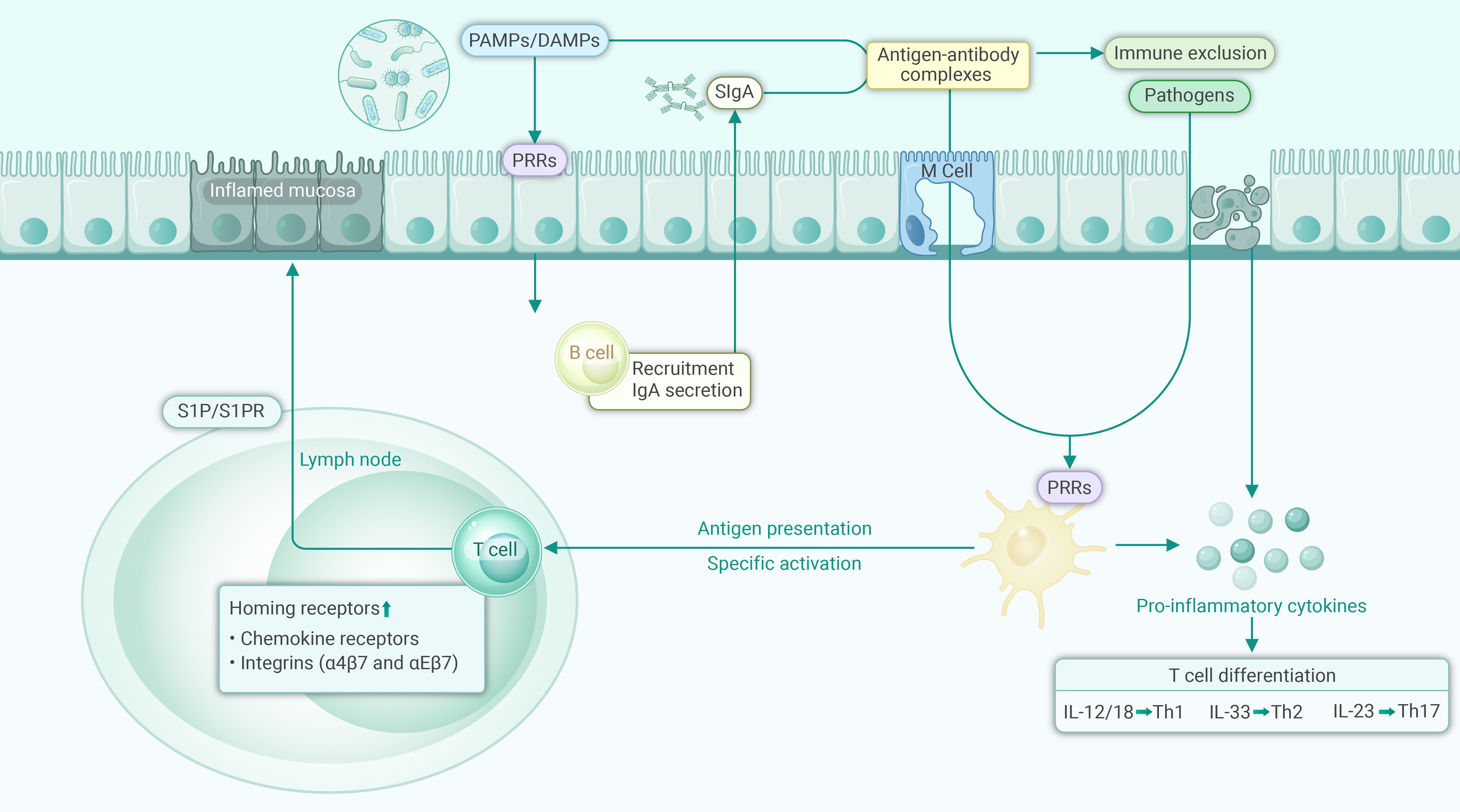
Figure 3.
Immune response triggered by intestinal microecology dysbiosis.
-
Figure 4.
Microbiota-mediated metabolism regulates intestinal homeostasis.
-
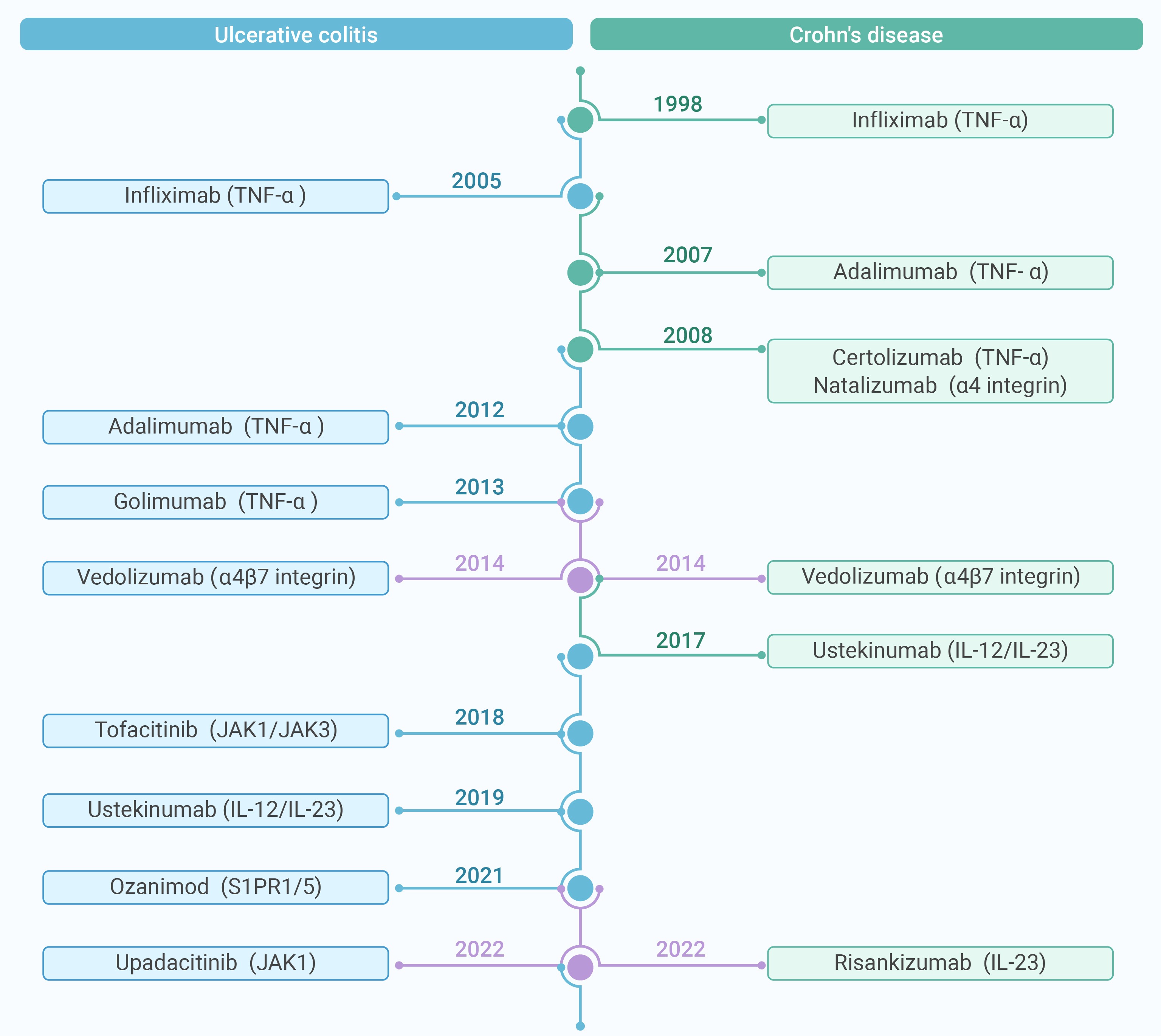
Figure 5.
Biologics and novel small molecule drugs for IBD.
-
Figure 6.
Process and adverse events of FMT for IBD.
