
Optimization of combined chemoradiotherapy and immunotherapy for locally advanced esophageal cancer
-
GRAPHICAL ABSTRACT
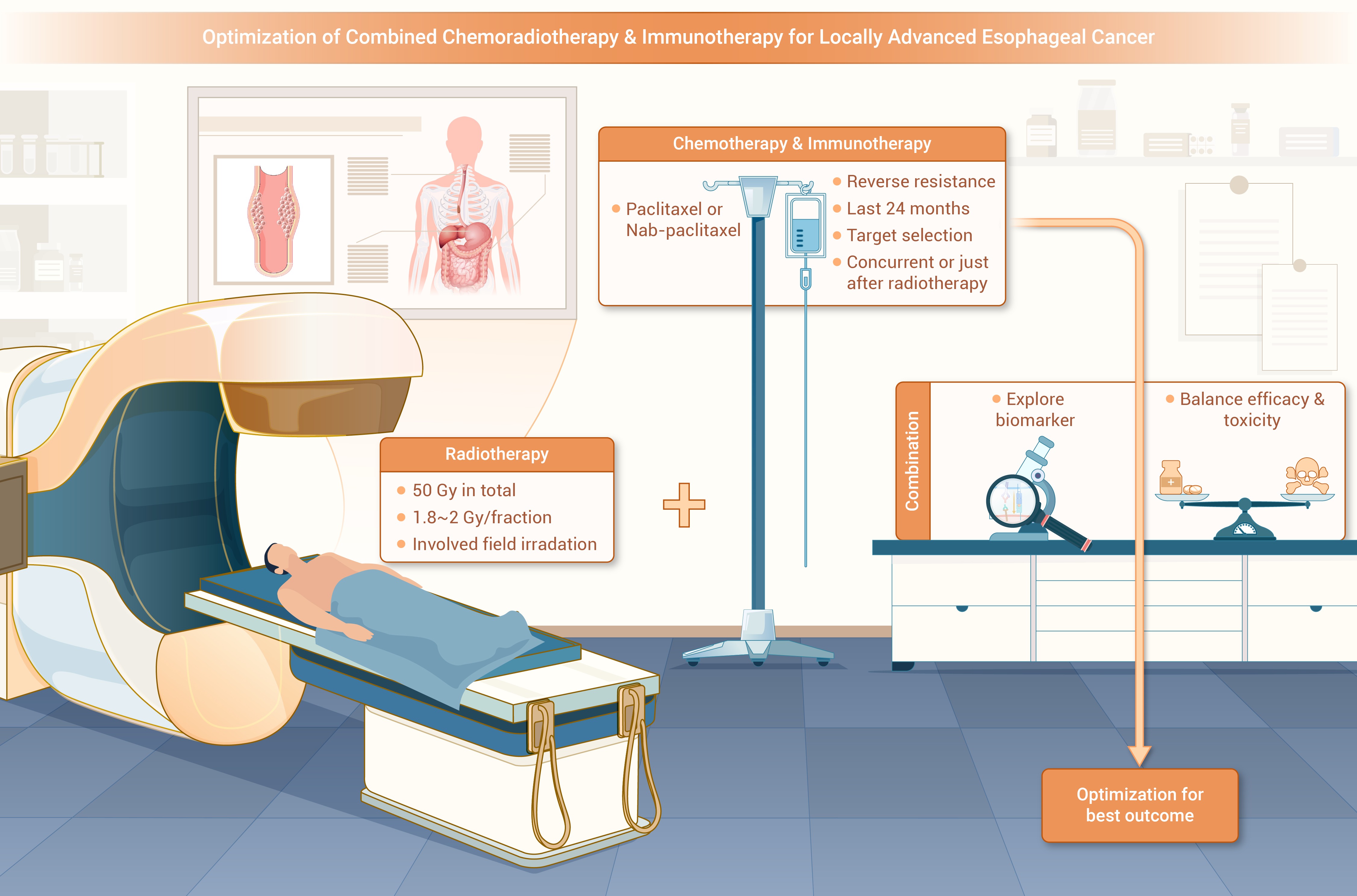
 DownLoad:
Full size image
DownLoad:
Full size image
-
PUBLIC SUMMARY
-
Chemoradiotherapy is the standard treatment for locally advanced esophageal cancer with unsatisfactory efficacy.
Combination of immunotherapy and radiotherapy has been demonstrated to elicit synergistic antitumor effects.
Optimization of chemoradiotherapy combined with immunotherapy can result in better survival benefits.
-
-
ABSTRACT
Concurrent chemoradiotherapy is the standard treatment for inoperable locally advanced esophageal cancer. However, the treatment efficacy remains unsatisfactory. The advancements in immunotherapy have greatly impacted the treatment strategies for multiple malignancies, including esophageal cancer. Several phase I/II clinical studies have shown better survival in patients who underwent immunotherapy combined with radiotherapy or chemoradiotherapy for locally advanced unresectable esophageal cancer. Phase III studies are ongoing. There is no recommended optimal combination regimen for immunotherapy combined with chemoradiotherapy. Here, we optimized the treatment regimen of immunotherapy combined with chemoradiotherapy in ten aspects in locally advanced unresectable esophageal cancer patients according to recent studies of immunotherapy and chemoradiotherapy in esophageal cancer, aiming to provide valuable clues for designing combinations of immunotherapy and chemoradiotherapy in patients with esophageal cancer. -

-
REFERENCES
[1] Morgan, E., Soerjomataram, I., Rumgay, H., et al. (2022). The global landscape of esophageal squamous cell carcinoma and esophageal adenocarcinoma incidence and mortality in 2020 and projections to 2040: New estimates from globocan 2020. Gastroenterology 163: 649−658.e642. DOI: 10.1053/j.gastro.2022.05.054. [2] Han, B., Zheng, R., Zeng, H., et al. (2024). Cancer incidence and mortality in China, 2022. J. Natl. Cancer Cent. DOI: 10.1016/j.jncc.2024.01.006. [3] Lin, Y., Totsuka, Y., He, Y., et al. (2013). Epidemiology of esophageal cancer in Japan and China. J. Epidemiol. 23: 233−242. DOI: 10.2188/jea.je20120162. [4] Ajani, J.A., D'Amico, T.A., Bentrem, D.J., et al. (2023). Esophageal and esophagogastric junction cancers, version 2.2023, nccn clinical practice guidelines in oncology. J. Natl. Compr. Canc. Netw. 21 :393-422. DOI: 10.6004/jnccn.2023.0019. [5] Collaborators, G.B.D.O.C. (2020). The global, regional, and national burden of oesophageal cancer and its attributable risk factors in 195 countries and territories, 1990-2017: A systematic analysis for the global burden of disease study 2017. Lancet Gastroenterol. Hepatol. 5: 582−597. DOI: 10.1016/S2468-1253(20)30007-8. [6] Cooper, J.S., Guo, M.D., Herskovic, A., et al. (1999). Chemoradiotherapy of locally advanced esophageal cancer: Long-term follow-up of a prospective randomized trial (rtog 85-01). Radiation therapy oncology group. JAMA 281: 1623−1627. DOI: 10.1001/jama.281.17.1623. [7] Shinoda, M., Ando, N., Kato, K., et al. (2015). Randomized study of low-dose versus standard-dose chemoradiotherapy for unresectable esophageal squamous cell carcinoma (jcog0303). Cancer Sci. 106: 407−412. DOI: 10.1111/cas.12622. [8] Ishida, K. (2004). Phase ii study of cisplatin and 5-fluorouracil with concurrent radiotherapy in advanced squamous cell carcinoma of the esophagus: A Japan Esophageal Oncology Group (JEOG)/Japan Clinical Oncology Group trial (JCOG9516). Jpn. J. Clin. Oncol. 34: 615−619. DOI: 10.1093/jjco/hyh107. [9] Minsky, B.D., Pajak, T.F., Ginsberg, R.J., et al. (2002). Int 0123 (radiation therapy oncology group 94-05) phase iii trial of combined-modality therapy for esophageal cancer: High-dose versus standard-dose radiation therapy. J. Clin. Oncol. 20: 1167−1174. DOI: 10.1200/jco.2002.20.5.1167. [10] Crosby, T., Hurt, C.N., Falk, S., et al. (2013). Chemoradiotherapy with or without cetuximab in patients with oesophageal cancer (scope1): A multicentre, phase 2/3 randomised trial. Lancet Oncol. 14: 627−637. DOI: 10.1016/s1470-2045(13)70136-0. [11] Conroy, T., Galais, M.-P., Raoul, J.-L., et al. (2014). Definitive chemoradiotherapy with folfox versus fluorouracil and cisplatin in patients with oesophageal cancer (prodige5/accord17): Final results of a randomised, phase 2/3 trial. Lancet Oncol. 15: 305−314. DOI: 10.1016/s1470-2045(14)70028-2. [12] Chen, Y., Ye, J., Zhu, Z., et al. (2019). Comparing paclitaxel plus fluorouracil versus cisplatin plus fluorouracil in chemoradiotherapy for locally advanced esophageal squamous cell cancer: A randomized, multicenter, phase iii clinical trial. J. Clin. Oncol. 37: 1695−1703. DOI: 10.1200/jco.18.02122. [13] Sato, H., Niimi, A., Yasuhara, T., et al. (2017). DNA double-strand break repair pathway regulates pd-l1 expression in cancer cells. Nat. Commun. 8 . DOI: 10.1038/s41467-017-01883-9. [14] Wang, Y., Liu, Z.-G., Yuan, H., et al. (2019). The reciprocity between radiotherapy and cancer immunotherapy. Clin. Cancer Res. 25: 1709−1717. DOI: 10.1158/1078-0432.Ccr-18-2581. [15] Meng, X., Feng, R., Yang, L., et al. (2019). The role of radiation oncology in immuno-oncology. Oncologist 24: S42−S52. DOI: 10.1634/theoncologist.2019-IO-S1-s04. [16] Wang, Y., Deng, W., Li, N., et al. (2018). Combining immunotherapy and radiotherapy for cancer treatment: Current challenges and future directions. Front. Pharmacol. 9 . DOI: 10.3389/fphar.2018.00185. [17] Ngwa, W., Irabor, O.C., Schoenfeld, J.D., et al. (2018). Using immunotherapy to boost the abscopal effect. Nat. Rev. Cancer 18: 313−322. DOI: 10.1038/nrc.2018.6. [18] Zhang, W., Yan, C., Gao, X., et al. (2021). Safety and feasibility of radiotherapy plus camrelizumab for locally advanced esophageal squamous cell carcinoma. Oncologist 26: e1110−e1124. DOI: 10.1002/onco.13797. [19] Zhang, W., Yan, C., Zhang, T., et al. (2021). Addition of camrelizumab to docetaxel, cisplatin, and radiation therapy in patients with locally advanced esophageal squamous cell carcinoma: A phase 1b study. Oncoimmunology 10: 1971418. DOI: 10.1080/2162402X.2021.1971418. [20] Jing, Z., Du, D., Zhang, N., et al. (2018). Combination of radiation therapy and anti-pd-1 antibody shr-1210 in treating patients with esophageal squamous cell cancer. Int. J. Radiat. Oncol. Biol. Phys. 102 . DOI: 10.1016/j.ijrobp.2018.07.520. [21] Zhu, Y., Wen, J., Li, Q., et al. (2023). Toripalimab combined with definitive chemoradiotherapy in locally advanced oesophageal squamous cell carcinoma (ec-crt-001): A single-arm, phase 2 trial. Lancet Oncol. 24: 371−382. DOI: 10.1016/S1470-2045(23)00060-8. [22] Wang, J., Cheng, Y., Wu, Y., et al. (2022). 1262tip efficacy and safety of consolidative camrelizumab following definitive concurrent chemoradiotherapy in patients with locally advanced esophageal squamous cell cancer. Ann. Oncol. 33 . DOI: 10.1016/j.annonc.2022.07.1880. [23] Park, S., Oh, D., Choi, Y.L., et al. (2022). Durvalumab and tremelimumab with definitive chemoradiotherapy for locally advanced esophageal squamous cell carcinoma. Cancer 128: 2148−2158. DOI: 10.1002/cncr.34176. [24] Professional Committee of Radiation Oncology, China Anti-Cancer Association, Branch of Radiation Oncology, et al. (2024). Expert consensus on radiotherapy combined with immunotherapy for esophageal cancer (2024 edition). Radiation Medicine and Protection 5 :59-67. DOI: 10.1016/j.radmp.2024.02.003. [25] Deng, L., Liang, H., Xu, M., et al. (2014). Sting-dependent cytosolic DNA sensing promotes radiation-induced type i interferon-dependent antitumor immunity in immunogenic tumors. Immunity 41: 843−852. DOI: 10.1016/j.immuni.2014.10.019. [26] Zhai, D., An, D., Wan, C., et al. (2022). Radiotherapy: Brightness and darkness in the era of immunotherapy. Transl. Oncol. 19 : 101366. DOI: 10.1016/j.tranon.2022.101366. [27] Galluzzi, L., Aryankalayil, M.J., Coleman, C.N., et al. (2023). Emerging evidence for adapting radiotherapy to immunotherapy. Nat. Rev. Clin. Oncol. 20: 543−557. DOI: 10.1038/s41571-023-00782-x. [28] de Vos-Geelen, J., Geurts, S.M.E., Nieuwenhuijzen, G.A.P., et al. (2021). Patterns of recurrence following definitive chemoradiation for patients with proximal esophageal cancer. Eur. J. Surg. Oncol. 47: 2016−2022. DOI: 10.1016/j.ejso.2021.02.001. [29] Han, W., Li, C., Deng, W., et al. (2022). Radiation dose-effect relation in patients with esophageal squamous cell carcinoma: A national cancer center data and literature-based analysis. J. Oncol. 2022: 2438270. DOI: 10.1155/2022/2438270. [30] Lin, F.C., Chang, W.L., Chiang, N.J., et al. (2020). Radiation dose escalation can improve local disease control and survival among esophageal cancer patients with large primary tumor volume receiving definitive chemoradiotherapy. PLoS One 15: e0237114. DOI: 10.1371/journal.pone.0237114. [31] Xu, Y., Dong, B., Zhu, W., et al. (2022). A phase iii multicenter randomized clinical trial of 60 gy versus 50 gy radiation dose in concurrent chemoradiotherapy for inoperable esophageal squamous cell carcinoma. Clin. Cancer Res. 28: 1792−1799. DOI: 10.1158/1078-0432.Ccr-21-3843. [32] Crehange, G., M'Vondo, C., Bertaut, A., et al. (2021). Exclusive chemoradiotherapy with or without radiation dose escalation in esophageal cancer: Multicenter phase 2/3 randomized trial concorde (prodige-26). Int. J. Radiat. Oncol. Biol. Phys. 111: S5. DOI: 10.1016/j.ijrobp.2021.07.045. [33] Hulshof, M.C.C.M., Geijsen, E.D., Rozema, T., et al. (2021). Randomized study on dose escalation in definitive chemoradiation for patients with locally advanced esophageal cancer (artdeco study). J. Clin. Oncol. 39: 2816−2824. DOI: 10.1200/jco.20.03697. [34] You, J., Zhu, S., Li, J., et al. (2023). High-dose versus standard-dose intensity-modulated radiotherapy with concurrent paclitaxel plus carboplatin for patients with thoracic esophageal squamous cell carcinoma: A randomized, multicenter, open-label, phase 3 superiority trial. Int. J. Radiat. Oncol. Biol. Phys. 115: 1129−1137. DOI: 10.1016/j.ijrobp.2022.11.006. [35] Wang, X., Bai, H., Li, R., et al. (2023). High versus standard radiation dose of definitive concurrent chemoradiotherapy for esophageal cancer: A systematic review and meta-analysis of randomized clinical trials. Radiother. Oncol. 180: 109463. DOI: 10.1016/j.radonc.2023.109463. [36] Wang, Y., Deng, W., Li, N., et al. (2018). Combining immunotherapy and radiotherapy for cancer treatment: Current challenges and future directions. Front. Pharmacol. 9: 185. DOI: 10.3389/fphar.2018.00185. [37] Jiang, W., Chan, C.K., Weissman, I.L., et al. (2016). Immune priming of the tumor microenvironment by radiation. Trends Cancer 2: 638−645. DOI: 10.1016/j.trecan.2016.09.007. [38] Marciscano, A.E., Haimovitz-Friedman, A., Lee, P., et al. (2021). Immunomodulatory effects of stereotactic body radiation therapy: Preclinical insights and clinical opportunities. Int. J. Radiat. Oncol. Biol. Phys. 110: 35−52. DOI: 10.1016/j.ijrobp.2019.02.046. [39] Zhou, P., Chen, D., Zhu, B., et al. (2020). Stereotactic body radiotherapy is effective in modifying the tumor genome and tumor immune microenvironment in non-small cell lung cancer or lung metastatic carcinoma. Front. Immunol. 11: 594212. DOI: 10.3389/fimmu.2020.594212. [40] Miljanic, M., Montalvo, S., Aliru, M., et al. (2022). The evolving interplay of sbrt and the immune system, along with future directions in the field. Cancers (Basel) 14 . DOI: 10.3390/cancers14184530. [41] Herrera, F.G., Bourhis, J., and Coukos, G. (2016). Radiotherapy combination opportunities leveraging immunity for the next oncology practice. CA Cancer J. Clin. 67: 65−85. DOI: 10.3322/caac.21358. [42] Sharabi, A.B., Nirschl, C.J., Kochel, C.M., et al. (2015). Stereotactic radiation therapy augments antigen-specific pd-1-mediated antitumor immune responses via cross-presentation of tumor antigen. Cancer Immunol. Res. 3: 345−355. DOI: 10.1158/2326-6066.Cir-14-0196. [43] Herrera, F.G., Romero, P., and Coukos, G. (2022). Lighting up the tumor fire with low-dose irradiation. Trends Immunol. 43: 173−179. DOI: 10.1016/j.it.2022.01.006. [44] Herrera, F.G., Ronet, C., Ochoa de Olza, M., et al. (2022). Low-dose radiotherapy reverses tumor immune desertification and resistance to immunotherapy. Cancer Discov. 12: 108−133. DOI: 10.1158/2159-8290.Cd-21-0003. [45] Yin, L., Xue, J., Li, R., et al. (2020). Effect of low-dose radiation therapy on abscopal responses to hypofractionated radiation therapy and anti-pd1 in mice and patients with non-small cell lung cancer. Int. J. Radiat. Oncol. Biol. Phys. 108: 212−224. DOI: 10.1016/j.ijrobp.2020.05.002. [46] Klug, F., Prakash, H., Huber, P.E., et al. (2013). Low-dose irradiation programs macrophage differentiation to an inos+/m1 phenotype that orchestrates effective t cell immunotherapy. Cancer Cell 24: 589−602. DOI: 10.1016/j.ccr.2013.09.014. [47] Patel, R.R., He, K., Barsoumian, H.B., et al. (2021). High-dose irradiation in combination with non-ablative low-dose radiation to treat metastatic disease after progression on immunotherapy: Results of a phase ii trial. Radiother. Oncol. 162: 60−67. DOI: 10.1016/j.radonc.2021.06.037. [48] Ólafsdóttir, H.S., Klevebro, F., Ndegwa, N., et al. (2021). Short-course compared to long-course palliative radiotherapy for oesophageal cancer: A single centre observational cohort study. Radiat. Oncol. 16: 153. DOI: 10.1186/s13014-021-01880-9. [49] Nuyttens, J.J., Moiseenko, V., McLaughlin, M., et al. (2016). Esophageal dose tolerance in patients treated with stereotactic body radiation therapy. Semin. Radiat. Oncol. 26: 120−128. DOI: 10.1016/j.semradonc.2015.11.006. [50] Li, C., Ni, W., Wang, X., et al. (2019). A phase i/ii radiation dose escalation trial using simultaneous integrated boost technique with elective nodal irradiation and concurrent chemotherapy for unresectable esophageal cancer. Radiat. Oncol. 14: 48. DOI: 10.1186/s13014-019-1249-5. [51] Liu, Q., Chen, J., Lin, Y., et al. (2024). Systemic therapy with or without local intervention for oligometastatic oesophageal squamous cell carcinoma (eso-shanghai 13): An open-label, randomised, phase 2 trial. Lancet Gastroenterol. Hepatol. 9: 45−55. DOI: 10.1016/S2468-1253(23)00316-3. [52] Shiraishi, Y., Fang, P., Xu, C., et al. (2018). Severe lymphopenia during neoadjuvant chemoradiation for esophageal cancer: A propensity matched analysis of the relative risk of proton versus photon-based radiation therapy. Radiother. Oncol. 128: 154−160. DOI: 10.1016/j.radonc.2017.11.028. [53] Crompton, N.E., and Ozsahin, M. (1997). A versatile and rapid assay of radiosensitivity of peripheral blood leukocytes based on DNA and surface-marker assessment of cytotoxicity. Radiat. Res. 147: 55−60. DOI. [54] Nakamura, N., Kusunoki, Y., and Akiyama, M. (1990). Radiosensitivity of cd4 or cd8 positive human t-lymphocytes by an in vitro colony formation assay. Radiat. Res. 123: 224−227. DOI. [55] Reddy, A.V., Hill, C.S., Sehgal, S., et al. (2022). Post-radiation neutrophil-to-lymphocyte ratio is a prognostic marker in patients with localized pancreatic adenocarcinoma treated with anti-pd-1 antibody and stereotactic body radiation therapy. Radiat. Oncol. J. 40: 111−119. DOI: 10.3857/roj.2021.01060. [56] Punjabi, A., Barrett, E., Cheng, A., et al. (2021). Neutrophil-lymphocyte ratio and absolute lymphocyte count as prognostic markers in patients treated with curative-intent radiotherapy for non-small cell lung cancer. Clin. Oncol. (R Coll Radiol) 33: e331−e338. DOI: 10.1016/j.clon.2021.03.019. [57] Davuluri, R., Jiang, W., Fang, P., et al. (2017). Lymphocyte nadir and esophageal cancer survival outcomes after chemoradiation therapy. Int. J. Radiat. Oncol. Biol. Phys. 99: 128−135. DOI: 10.1016/j.ijrobp.2017.05.037. [58] Cheng, X., Chen, B., Wang, S., et al. (2023). Association between lymphopenia and survival outcomes in esophageal carcinoma patients receiving combined immunotherapy and chemoradiotherapy. Oncologist 28: e606−e616. DOI: 10.1093/oncolo/oyad094. [59] Wang, X., Wang, P., Zhao, Z., et al. (2020). A review of radiation-induced lymphopenia in patients with esophageal cancer: An immunological perspective for radiotherapy. Ther. Adv. Med. Oncol. 12 . DOI: 10.1177/1758835920926822. [60] Mohan, R., Liu, A.Y., Brown, P.D., et al. (2021). Proton therapy reduces the likelihood of high-grade radiation-induced lymphopenia in glioblastoma patients: Phase ii randomized study of protons vs photons. Neuro Oncol. 23: 284−294. DOI: 10.1093/neuonc/noaa182. [61] Ling, T.C., Slater, J.M., Nookala, P., et al. (2014). Analysis of intensity-modulated radiation therapy (imrt), proton and 3d conformal radiotherapy (3d-crt) for reducing perioperative cardiopulmonary complications in esophageal cancer patients. Cancers (Basel) 6: 2356−2368. DOI: 10.3390/cancers6042356. [62] Shiraishi, Y., Xu, C., Yang, J., et al. (2017). Dosimetric comparison to the heart and cardiac substructure in a large cohort of esophageal cancer patients treated with proton beam therapy or intensity-modulated radiation therapy. Radiother. Oncol. 125: 48−54. DOI: 10.1016/j.radonc.2017.07.034. [63] Wang, X., Hobbs, B., Gandhi, S.J., et al. (2021). Current status and application of proton therapy for esophageal cancer. Radiother. Oncol. 164: 27−36. DOI: 10.1016/j.radonc.2021.09.004. [64] Xi, M., Xu, C., Liao, Z., et al. (2017). Comparative outcomes after definitive chemoradiotherapy using proton beam therapy versus intensity modulated radiation therapy for esophageal cancer: A retrospective, single-institutional analysis. Int. J. Radiat. Oncol. Biol. Phys. 99: 667−676. DOI: 10.1016/j.ijrobp.2017.06.2450. [65] Lin, S.H., Hobbs, B.P., Verma, V., et al. (2020). Randomized phase iib trial of proton beam therapy versus intensity-modulated radiation therapy for locally advanced esophageal cancer. J. Clin. Oncol. 38: 1569−1579. DOI: 10.1200/jco.19.02503. [66] Huang, Q., Wu, X., Wang, Z., et al. (2022). The primordial differentiation of tumor-specific memory cd8(+) t cells as bona fide responders to pd-1/pd-l1 blockade in draining lymph nodes. Cell 185: 4049−4066.e4025. DOI: 10.1016/j.cell.2022.09.020. [67] Fransen, M.F., Schoonderwoerd, M., Knopf, P., et al. (2018). Tumor-draining lymph nodes are pivotal in pd-1/pd-l1 checkpoint therapy. JCI Insight 3 : e124507. DOI: 10.1172/jci.insight.124507. [68] Rahim, M.K., Okholm, T.L.H., Jones, K.B., et al. (2023). Dynamic cd8(+) t cell responses to cancer immunotherapy in human regional lymph nodes are disrupted in metastatic lymph nodes. Cell 186: 1127−1143.e1118. DOI: 10.1016/j.cell.2023.02.021. [69] Liu, Z., Yu, Z., Chen, D., et al. (2022). Pivotal roles of tumor-draining lymph nodes in the abscopal effects from combined immunotherapy and radiotherapy. Cancer Commun. 42: 971−986. DOI: 10.1002/cac2.12348. [70] Marciscano, A.E., Ghasemzadeh, A., Nirschl, T.R., et al. (2018). Elective nodal irradiation attenuates the combinatorial efficacy of stereotactic radiation therapy and immunotherapy. Clin. Cancer Res. 24: 5058−5071. DOI: 10.1158/1078-0432.CCR-17-3427. [71] Deng, H., Zhou, J., Chen, H., et al. (2023). Impact of lymphadenectomy extent on immunotherapy efficacy in post-resectional recurred non-small cell lung cancer: A multi-institutional retrospective cohort study. Int. J. Surg. DOI: 10.1097/js9.0000000000000774. [72] Darragh, L.B., Gadwa, J., Pham, T.T., et al. (2022). Elective nodal irradiation mitigates local and systemic immunity generated by combination radiation and immunotherapy in head and neck tumors. Nat. Commun. 13 . DOI: 10.1038/s41467-022-34676-w. [73] Nestle, U., Schimek-Jasch, T., Kremp, S., et al. (2020). Imaging-based target volume reduction in chemoradiotherapy for locally advanced non-small-cell lung cancer (pet-plan): A multicentre, open-label, randomised, controlled trial. Lancet Oncol. 21: 581−592. DOI: 10.1016/s1470-2045(20)30013-9. [74] Zhu, H., Rivin Del Campo, E., Ye, J., et al. (2021). Involved-field irradiation in definitive chemoradiotherapy for locoregional esophageal squamous cell carcinoma: Results from the eso-shanghai 1 trial. Int. J. Radiat. Oncol. Biol. Phys. 110: 1396−1406. DOI: 10.1016/j.ijrobp.2021.02.053. [75] Lyu, J., Yisikandaer, A., Li, T., et al. (2020). Comparison between the effects of elective nodal irradiation and involved-field irradiation on long-term survival in thoracic esophageal squamous cell carcinoma patients: A prospective, multicenter, randomized, controlled study in china. Cancer Med. 9: 7460−7468. DOI: 10.1002/cam4.3409. [76] Zhang, J., Li, M., Zhang, K., et al. (2022). Concurrent chemoradiation of different doses (50.4 gy vs. 59.4 gy) and different target field (eni vs. Ifi) for locally advanced esophageal squamous cell carcinoma: Results from a randomized, multicenter phase ⅲ clinical trial. Int. J. Radiat. Oncol. Biol. Phys. 114 :S15. DOI: 10.1016/j.ijrobp.2022.07.357. [77] Wang, J., Wu, Y., Zhang, W., et al. (2023). Elective nodal irradiation versus involved-field irradiation for stage ii–iv cervical esophageal squamous cell carcinoma patients undergoing definitive concurrent chemoradiotherapy: A retrospective propensity study with 8-year survival outcomes. Radiat. Oncol. 18 . DOI: 10.1186/s13014-023-02332-2. [78] Ai, D., Ye, J., Wei, S., et al. (2022). Comparison of 3 paclitaxel-based chemoradiotherapy regimens for patients with locally advanced esophageal squamous cell cancer: A randomized clinical trial. JAMA Netw. Open 5: e220120−e220120. DOI: 10.1001/jamanetworkopen.2022.0120. [79] Sun, J.M., Shen, L., Shah, M.A., et al. (2021). Pembrolizumab plus chemotherapy versus chemotherapy alone for first-line treatment of advanced oesophageal cancer (keynote-590): A randomised, placebo-controlled, phase 3 study. Lancet 398: 759−771. DOI: 10.1016/s0140-6736(21)01234-4. [80] Li, Z., Sun, Y., Ye, F., et al. (2021). First-line pembrolizumab plus chemotherapy versus chemotherapy in patients with advanced esophageal cancer: Chinese subgroup analysis of keynote-590. J. Clin. Oncol. 39: 4049−4049. DOI: 10.1200/JCO.2021.39.15_suppl.4049. [81] Doki, Y., Ajani, J.A., Kato, K., et al. (2022). Nivolumab combination therapy in advanced esophageal squamous-cell carcinoma. N. Engl. J. Med. 386: 449−462. DOI: 10.1056/NEJMoa2111380. [82] Xu, J., Kato, K., Raymond, E., et al. (2023). Tislelizumab plus chemotherapy versus placebo plus chemotherapy as first-line treatment for advanced or metastatic oesophageal squamous cell carcinoma (rationale-306): A global, randomised, placebo-controlled, phase 3 study. Lancet Oncol. 24: 483−495. DOI: 10.1016/s1470-2045(23)00108-0. [83] Lu, Z., Wang, J., Shu, Y., et al. (2022). Sintilimab versus placebo in combination with chemotherapy as first line treatment for locally advanced or metastatic oesophageal squamous cell carcinoma (orient-15): Multicentre, randomised, double blind, phase 3 trial. BMJ 377: e068714. DOI: 10.1136/bmj-2021-068714. [84] Li, C., Zhao, S., Zheng, Y., et al. (2021). Preoperative pembrolizumab combined with chemoradiotherapy for oesophageal squamous cell carcinoma (palace-1). Eur. J. Cancer 144: 232−241. DOI: 10.1016/j.ejca.2020.11.039. [85] Wang, Z.X., Cui, C., Yao, J., et al. (2022). Toripalimab plus chemotherapy in treatment-naïve, advanced esophageal squamous cell carcinoma (jupiter-06): A multi-center phase 3 trial. Cancer Cell 40: 277−288.e273. DOI: 10.1016/j.ccell.2022.02.007. [86] Zhang, L., Dermawan, K., Jin, M., et al. (2008). Differential impairment of regulatory t cells rather than effector t cells by paclitaxel-based chemotherapy. Clin. Immunol. 129: 219−229. DOI: 10.1016/j.clim.2008.07.013. [87] Yu, D.L., Lou, Z.P., Ma, F.Y., et al. (2022). The interactions of paclitaxel with tumour microenvironment. Int. Immunopharmacol. 105: 108555. DOI: 10.1016/j.intimp.2022.108555. [88] Liu, N., Zheng, Y., Zhu, Y., et al. (2011). Selective impairment of cd4+cd25+foxp3+ regulatory t cells by paclitaxel is explained by bcl-2/bax mediated apoptosis. Int. Immunopharmacol. 11: 212−219. DOI: 10.1016/j.intimp.2010.11.021. [89] Desai, N., Trieu, V., Yao, Z., et al. (2006). Increased antitumor activity, intratumor paclitaxel concentrations, and endothelial cell transport of cremophor-free, albumin-bound paclitaxel, abi-007, compared with cremophor-based paclitaxel. Clin. Cancer Res. 12: 1317−1324. DOI: 10.1158/1078-0432.CCR-05-1634. [90] Cullis, J., Siolas, D., Avanzi, A., et al. (2017). Macropinocytosis of nab-paclitaxel drives macrophage activation in pancreatic cancer. Cancer Immunol. Res. 5: 182−190. DOI: 10.1158/2326-6066.Cir-16-0125. [91] Li, Y., Qin, J., Xue, L., et al. (2024). Chemotherapy plus camrelizumab versus chemotherapy alone as neoadjuvant treatment for resectable esophageal squamous cell carcinoma (escort-neo): A multi-center, randomized phase iii trial. J. Clin. Oncol. 42: LBA244−LBA244. DOI: 10.1200/JCO.2024.42.3_suppl.LBA244. [92] Wang, D., Zhang, W., Qian, D., et al. (2018). Efficacy and safety of weekly nab-paclitaxel plus cisplatin with concurrent intensity-modulated radiotherapy in patients with inoperable, locally advanced esophageal cancer: A pilot trial. Onco. Targets Ther. 11: 6333−6338. DOI: 10.2147/ott.S168275. [93] Loong, H.H., Chan, A.C., and Wong, A.C. (2016). Evolving evidence of the efficacy and safety of nab-paclitaxel in the treatment of cancers with squamous histologies. J. Cancer 7: 268−275. DOI: 10.7150/jca.12986. [94] Mathew, A.A., Zakkariya, Z.T., Ashokan, A., et al. (2023). 5-fu mediated depletion of myeloid suppressor cells enhances t-cell infiltration and anti-tumor response in immunotherapy-resistant lung tumor. Int. Immunopharmacol. 120: 110129. DOI: 10.1016/j.intimp.2023.110129. [95] He, Q., Li, J., Yin, W., et al. (2011). Low-dose paclitaxel enhances the anti-tumor efficacy of gm-csf surface-modified whole-tumor-cell vaccine in mouse model of prostate cancer. Cancer Immunol. Immunother. 60: 715−730. DOI: 10.1007/s00262-011-0988-4. [96] He, X., Du, Y., Wang, Z., et al. (2020). Upfront dose-reduced chemotherapy synergizes with immunotherapy to optimize chemoimmunotherapy in squamous cell lung carcinoma. J. Immunother. Cancer 8 : e000807. DOI: 10.1136/jitc-2020-000807. [97] Pfirschke, C., Engblom, C., Rickelt, S., et al. (2016). Immunogenic chemotherapy sensitizes tumors to checkpoint blockade therapy. Immunity 44: 343−354. DOI: 10.1016/j.immuni.2015.11.024. [98] Schmid, P., Salgado, R., Park, Y.H., et al. (2020). Pembrolizumab plus chemotherapy as neoadjuvant treatment of high-risk, early-stage triple-negative breast cancer: Results from the phase 1b open-label, multicohort keynote-173 study. Ann. Oncol. 31: 569−581. DOI: 10.1016/j.annonc.2020.01.072. [99] Song, W., Shen, L., Wang, Y., et al. (2018). Synergistic and low adverse effect cancer immunotherapy by immunogenic chemotherapy and locally expressed pd-l1 trap. Nat. Commun. 9: 2237. DOI: 10.1038/s41467-018-04605-x. [100] Petrasch, S., Welt, A., Reinacher, A., et al. (1998). Chemotherapy with cisplatin and paclitaxel in patients with locally advanced, recurrent or metastatic oesophageal cancer. Br. J. Cancer 78: 511−514. DOI: 10.1038/bjc.1998.524. [101] Zhang, X., Shen, L., Li, J., et al. (2008). A phase ii trial of paclitaxel and cisplatin in patients with advanced squamous-cell carcinoma of the esophagus. Am. J. Clin. Oncol. 31: 29−33. DOI: 10.1097/COC.0b013e3181131ca9. [102] Sun, S., Yu, H., Wang, H., et al. (2019). Phase ii study of s-1 plus cisplatin as first-line therapy in patients with metastatic esophageal carcinoma. Oncol. Res. Treat. 42: 115−122. DOI: 10.1159/000495700. [103] Kato, K., Cho, B.C., Takahashi, M., et al. (2019). Nivolumab versus chemotherapy in patients with advanced oesophageal squamous cell carcinoma refractory or intolerant to previous chemotherapy (attraction-3): A multicentre, randomised, open-label, phase 3 trial. Lancet Oncol. 20: 1506−1517. DOI: 10.1016/s1470-2045(19)30626-6. [104] Huang, J., Xu, J., Chen, Y., et al. (2020). Camrelizumab versus investigator's choice of chemotherapy as second-line therapy for advanced or metastatic oesophageal squamous cell carcinoma (escort): A multicentre, randomised, open-label, phase 3 study. Lancet Oncol. 21: 832−842. DOI: 10.1016/s1470-2045(20)30110-8. [105] Shah, M.A., Kojima, T., Hochhauser, D., et al. (2019). Efficacy and safety of pembrolizumab for heavily pretreated patients with advanced, metastatic adenocarcinoma or squamous cell carcinoma of the esophagus: The phase 2 keynote-180 study. JAMA Oncol. 5: 546−550. DOI: 10.1001/jamaoncol.2018.5441. [106] Kojima, T., Shah, M.A., Muro, K., et al. (2020). Randomized phase iii keynote-181 study of pembrolizumab versus chemotherapy in advanced esophageal cancer. J. Clin. Oncol. 38: 4138−4148. DOI: 10.1200/jco.20.01888. [107] Shen, L., Kato, K., Kim, S.B., et al. (2022). Tislelizumab versus chemotherapy as second-line treatment for advanced or metastatic esophageal squamous cell carcinoma (rationale-302): A randomized phase iii study. J. Clin. Oncol. 40: 3065−3076. DOI: 10.1200/jco.21.01926. [108] Veen, L., Hulshof, M.C.C.M., Jimenez, C.R., et al. (2021). Tgf-β and pd-l1 inhibition combined with definitive chemoradiotherapy in esophageal squamous cell carcinoma: A phase ii clinical trial (nct04595149). J. Clin. Oncol. 39: TPS4154−TPS4154. DOI: 10.1200/JCO.2021.39.15_suppl.TPS4154. [109] Goodman, K.A., Xu, R.-h., Chau, I., et al. (2022). Skyscraper-07: A phase iii, randomized, double-blind, placebo-controlled study of atezolizumab with or without tiragolumab in patients with unresectable escc who have not progressed following definitive concurrent chemoradiotherapy. J. Clin. Oncol. 40: TPS374−TPS374. DOI: 10.1200/JCO.2022.40.4_suppl.TPS374. [110] Ni, K., Lan, G., Song, Y., et al. (2020). Biomimetic nanoscale metal–organic framework harnesses hypoxia for effective cancer radiotherapy and immunotherapy. Chem. Sci. 11: 7641−7653. DOI: 10.1039/D0SC01949F. [111] Zhou, X., Meng, Z., She, J., et al. (2020). Near-infrared light-responsive nitric oxide delivery platform for enhanced radioimmunotherapy. Nanomicro Lett. 12: 100. DOI: 10.1007/s40820-020-00431-3. [112] Wei, J., Montalvo-Ortiz, W., Yu, L., et al. (2021). Sequence of αpd-1 relative to local tumor irradiation determines the induction of abscopal antitumor immune responses. Sci. Immunol. 6 . DOI: 10.1126/sciimmunol.abg0117. [113] Ban, Y., Markowitz, G.J., Zou, Y., et al. (2021). Radiation-activated secretory proteins of scgb1a1(+) club cells increase the efficacy of immune checkpoint blockade in lung cancer. Nat. Cancer 2: 919−931. DOI: 10.1038/s43018-021-00245-1. [114] Dovedi, S.J., Adlard, A.L., Lipowska-Bhalla, G., et al. (2014). Acquired resistance to fractionated radiotherapy can be overcome by concurrent pd-l1 blockade. Cancer Res. 74: 5458−5468. DOI: 10.1158/0008-5472.Can-14-1258. [115] Deng, L., Liang, H., Burnette, B., et al. (2014). Irradiation and anti-pd-l1 treatment synergistically promote antitumor immunity in mice. J. Clin. Invest. 124: 687−695. DOI: 10.1172/jci67313. [116] Dovedi, S.J., Cheadle, E.J., Popple, A.L., et al. (2017). Fractionated radiation therapy stimulates antitumor immunity mediated by both resident and infiltrating polyclonal t-cell populations when combined with pd-1 blockade. Clin. Cancer Res. 23: 5514−5526. DOI: 10.1158/1078-0432.Ccr-16-1673. [117] Zhang, X., and Niedermann, G. (2018). Abscopal effects with hypofractionated schedules extending into the effector phase of the tumor-specific t-cell response. Int. J. Radiat. Oncol. Biol. Phys. 101: 63−73. DOI: 10.1016/j.ijrobp.2018.01.094. [118] Girard, N., Christoph, D.C.C., Garassino, M.C., et al. (2022). Real-world overall survival (os) with durvalumab (d) after chemoradiotherapy (crt) in patients (pts) with unresectable stage iii non-small-cell lung cancer (nsclc): Interim analysis from the pacific-r study. 2022 ESMO IO, Abstract #58O. 9 : 103464. DOI: 10.1016/j.esmoop.2024.103464 [119] Faivre-Finn, C., Snee, M., Ashcroft, L., et al. (2017). Concurrent once-daily versus twice-daily chemoradiotherapy in patients with limited-stage small-cell lung cancer (convert): An open-label, phase 3, randomised, superiority trial. Lancet Oncol. 18: 1116−1125. DOI: 10.1016/s1470-2045(17)30318-2. [120] Bradley, J.D., Hu, C., Komaki, R.R., et al. (2020). Long-term results of nrg oncology rtog 0617: Standard- versus high-dose chemoradiotherapy with or without cetuximab for unresectable stage iii non–small-cell lung cancer. J. Clin. Oncol. 38: 706−714. DOI: 10.1200/jco.19.01162. [121] Suntharalingam, M., Winter, K., Ilson, D., et al. (2017). Effect of the addition of cetuximab to paclitaxel, cisplatin, and radiation therapy for patients with esophageal cancer. JAMA Oncol. 3 . DOI: 10.1001/jamaoncol.2017.1598. [122] Bando, H., Kumagai, S., Kotani, D., et al. (2022). 1211p a multicenter phase ii study of atezolizumab monotherapy following definitive chemoradiotherapy for unresectable locally advanced esophageal squamous cell carcinoma (epoc1802). Ann. Oncol. 33: S1102−S1103. DOI: 10.1016/j.annonc.2022.07.1329. [123] Peng, F., Lian, H.M., Niu, S.Q., et al. (2022). Induction anti-pd-1 immunotherapy plus chemotherapy followed by definitive chemoradiation therapy in locally advanced esophageal squamous cell carcinoma: A real-world retrospective study. Int. J. Radiat. Oncol. Biol. Phys. 114: e165. DOI: 10.1016/j.ijrobp.2022.07.1041. [124] Lou, F., Sima, C.S., Adusumilli, P.S., et al. (2013). Esophageal cancer recurrence patterns and implications for surveillance. J. Thorac. Oncol. 8: 1558−1562. DOI: 10.1097/01.JTO.0000437420.38972.fb. [125] Sugiyama, M., Morita, M., Yoshida, R., et al. (2012). Patterns and time of recurrence after complete resection of esophageal cancer. Surg. Today 42: 752−758. DOI: 10.1007/s00595-012-0133-9. [126] Reck, M., Rodríguez-Abreu, D., Robinson, A.G., et al. (2021). Five-year outcomes with pembrolizumab versus chemotherapy for metastatic non-small-cell lung cancer with pd-l1 tumor proportion score ≥ 50. J. Clin. Oncol. 39: 2339−2349. DOI: 10.1200/jco.21.00174. [127] Herbst, R.S., Garon, E.B., Kim, D.W., et al. (2020). Long-term outcomes and retreatment among patients with previously treated, programmed death-ligand 1‒positive, advanced non‒small-cell lung cancer in the keynote-010 study. J. Clin. Oncol. 38: 1580−1590. DOI: 10.1200/jco.19.02446. [128] Sun, L., Bleiberg, B., Hwang, W.T., et al. (2023). Association between duration of immunotherapy and overall survival in advanced non-small cell lung cancer. JAMA Oncol. 9: 1075−1082. DOI: 10.1001/jamaoncol.2023.1891. [129] Johnson, D.B., Nebhan, C.A., Moslehi, J.J., and Balko, J.M. (2022). Immune-checkpoint inhibitors: Long-term implications of toxicity. Nat. Rev. Clin. Oncol. 19: 254−267. DOI: 10.1038/s41571-022-00600-w. [130] Anscher, M.S., Arora, S., Weinstock, C., et al. (2022). Association of radiation therapy with risk of adverse events in patients receiving immunotherapy: A pooled analysis of trials in the us food and drug administration database. JAMA Oncol. 8: 232−240. DOI: 10.1001/jamaoncol.2021.6439. [131] Wu, J., Deng, R., Ni, T., et al. (2022). Efficacy and safety of radiotherapy/chemoradiotherapy combined with immune checkpoint inhibitors for locally advanced stages of esophageal cancer: A systematic review and meta-analysis. Front. Oncol. 12: 887525. DOI: 10.3389/fonc.2022.887525. [132] van den Ende, T., de Clercq, N.C., van Berge Henegouwen, M.I., et al. (2021). Neoadjuvant chemoradiotherapy combined with atezolizumab for resectable esophageal adenocarcinoma: A single-arm phase ii feasibility trial (perfect). Clin. Cancer Res. 27: 3351−3359. DOI: 10.1158/1078-0432.Ccr-20-4443. [133] Kelly, R.J., Ajani, J.A., Kuzdzal, J., et al. (2021). Adjuvant nivolumab in resected esophageal or gastroesophageal junction cancer. N. Engl. J. Med. 384: 1191−1203. DOI: 10.1056/NEJMoa2032125. [134] Mamdani, H., Schneider, B., Perkins, S.M., et al. (2021). A phase ii trial of adjuvant durvalumab following trimodality therapy for locally advanced esophageal and gastroesophageal junction adenocarcinoma: A big ten cancer research consortium study. Front. Oncol. 11: 736620. DOI: 10.3389/fonc.2021.736620. [135] Shamji, F.M., and Inculet, R. (2018). Management of malignant tracheoesophageal fistula. Thorac. Surg. Clin. 28: 393−402. DOI: 10.1016/j.thorsurg.2018.04.007. [136] Tsushima, T., Mizusawa, J., Sudo, K., et al. (2016). Risk factors for esophageal fistula associated with chemoradiotherapy for locally advanced unresectable esophageal cancer: A supplementary analysis of jcog0303. Medicine (Baltimore) 95: e3699. DOI: 10.1097/md.0000000000003699. [137] Han, D., Zhang, J., Zhao, J., et al. (2020). Platelet-to-lymphocyte ratio is an independent predictor of chemoradiotherapy-related esophageal fistula in esophageal cancer patients. Ann. Transl. Med. 8: 1163−1163. DOI: 10.21037/atm-20-4053. [138] Wu, R., Geng, L., Zhao, Z., et al. (2020). Clinical application of oral meglumine diatrizoate esophagogram in screening for esophageal fistula during radiotherapy or chemoradiotherapy for esophageal cancer. Front. Oncol. 10: 562147. DOI: 10.3389/fonc.2020.562147. [139] Zhu, B., Chen, X., Ma, J., and Yan, L. (2017). Diagnosis and treatment of esophagus respiratory fistulas after esophageal resection. J. Mod. Oncol. 25: 1078−1080. DOI. [140] Hu, B., Jia, F., Zhou, H., et al. (2020). Risk factors associated with esophageal fistula after radiotherapy for esophageal squamous cell carcinoma. J. Cancer 11: 3693−3700. DOI: 10.7150/jca.39033. [141] Wang, X., Hu, B., Chen, J., et al. (2022). Risk factors of esophageal fistula induced by re-radiotherapy for recurrent esophageal cancer with local primary site. BMC Cancer 22: 207. DOI: 10.1186/s12885-022-09319-4. [142] Wang, D., Pang, Q., Zhang, W., et al. (2016). An analysis of risk factors for esophageal fistula and fatal bleeding after intensity-modulated radiotherapy for esophageal cancer. Chin. J. Radiat. Oncol. 25: 1182−1186. DOI: 10.3760/cma.j.issn.1004-4221.2016.11.008. [143] Hu, B., Huang, W., and Li, B. (2020). High risk factors associated with esophageal fistula after re-radiotherapy for esophageal cancer. Chinese Journal of Cancer Prevention and Treatment 27: 6. DOI. [144] Bledsoe, T.J., Nath, S.K., and Decker, R.H. (2017). Radiation pneumonitis. Clin. Chest Med. 38: 201−208. DOI: 10.1016/j.ccm.2016.12.004. [145] Zhai, X., Zhang, J., Tian, Y., et al. (2020). The mechanism and risk factors for immune checkpoint inhibitor pneumonitis in non-small cell lung cancer patients. Cancer Biol. Med. 17: 599−611. DOI: 10.20892/j.issn.2095-3941.2020.0102. [146] Ibis, B., Aliazis, K., Cao, C., et al. (2023). Immune-related adverse effects of checkpoint immunotherapy and implications for the treatment of patients with cancer and autoimmune diseases. Front. Immunol. 14: 1197364. DOI: 10.3389/fimmu.2023.1197364. [147] Azhar, M., Abrencillo, R., Gandhi, S., et al. (2023). Immunotherapy-related pneumonitis and the synergic impact of thoracic radiation and preexisting interstitial lung disease. Curr. Opin. Pulm. Med. 29: 248−255. DOI: 10.1097/mcp.0000000000000975. [148] Sakamoto, K., Fukihara, J., Morise, M., and Hashimoto, N. (2020). Clinical burden of immune checkpoint inhibitor-induced pneumonitis. Respir. Investig. 58: 305−319. DOI: 10.1016/j.resinv.2020.05.008. [149] Teng, F., Li, M., and Yu, J. (2020). Radiation recall pneumonitis induced by pd-1/pd-l1 blockades: Mechanisms and therapeutic implications. BMC Med. 18: 275. DOI: 10.1186/s12916-020-01718-3. [150] Jabbour, S.K., Lee, K.H., Frost, N., et al. (2021). Pembrolizumab plus concurrent chemoradiation therapy in patients with unresectable, locally advanced, stage iii non-small cell lung cancer: The phase 2 keynote-799 nonrandomized trial. JAMA Oncol. 7: 1−9. DOI: 10.1001/jamaoncol.2021.2301. [151] Pillai, R.N., Behera, M., Owonikoko, T.K., et al. (2018). Comparison of the toxicity profile of pd-1 versus pd-l1 inhibitors in non-small cell lung cancer: A systematic analysis of the literature. Cancer 124: 271−277. DOI: 10.1002/cncr.31043. [152] Gu, Y., Zhang, H., Liu, Z., et al. (2020). Different patterns of treatment-related adverse events of programmed cell death-1 and its ligand-1 inhibitors in different cancer types: A meta-analysis and systemic review of clinical trials. Asia Pac. J. Clin. Oncol. 16: e160−e178. DOI: 10.1111/ajco.13385. [153] Li, B., Jiang, C., Pang, L., et al. (2021). Toxicity profile of combining pd-1/pd-l1 inhibitors and thoracic radiotherapy in non-small cell lung cancer: A systematic review. Front. Immunol. 12: 627197. DOI: 10.3389/fimmu.2021.627197. [154] Saito, G., Oya, Y., Taniguchi, Y., et al. (2020). Real-world survey of pneumonitis/radiation pneumonitis among patients with locally advanced non-small cell lung cancer treated with chemoradiotherapy after durvalumab approval: A multicenter retrospective cohort study (hope-005/crimson). J. Clin. Oncol. 38: 9039−9039. DOI: 10.1200/JCO.2020.38.15_suppl.9039. [155] Holder, A.M., Dedeilia, A., Sierra-Davidson, K., et al. (2024). Defining clinically useful biomarkers of immune checkpoint inhibitors in solid tumours. Nat. Rev. Cancer 24: 498−512. DOI: 10.1038/s41568-024-00705-7. [156] Lu, Y., Wang, W., and Wang, F. (2023). Clinical benefits of pd-1 inhibitors in specific subgroups of patients with advanced esophageal squamous cell carcinoma: A systematic review and meta-analysis of phase 3 randomized clinical trials. Front. Immunol. 14: 1171671. DOI: 10.3389/fimmu.2023.1171671. [157] Yoon, H.H., Jin, Z., Kour, O., et al. (2022). Association of pd-l1 expression and other variables with benefit from immune checkpoint inhibition in advanced gastroesophageal cancer: Systematic review and meta-analysis of 17 phase 3 randomized clinical trials. JAMA Oncol. 8: 1456−1465. DOI: 10.1001/jamaoncol.2022.3707. [158] Shitara, K., Ajani, J.A., Moehler, M., et al. (2022). Nivolumab plus chemotherapy or ipilimumab in gastro-oesophageal cancer. Nature 603: 942−948. DOI: 10.1038/s41586-022-04508-4. [159] Song, Y., Zhang, B., Xin, D., et al. (2023). First-line serplulimab or placebo plus chemotherapy in pd-l1-positive esophageal squamous cell carcinoma: A randomized, double-blind phase 3 trial. Nat. Med. 29: 473−482. DOI: 10.1038/s41591-022-02179-2. [160] Zhao, P., Li, L., Jiang, X., and Li, Q. (2019). Mismatch repair deficiency/microsatellite instability-high as a predictor for anti-pd-1/pd-l1 immunotherapy efficacy. J. Hematol. Oncol. 12: 54. DOI: 10.1186/s13045-019-0738-1. [161] Zhu, M., Jin, Z., and Hubbard, J.M. (2021). Management of non-colorectal digestive cancers with microsatellite instability. Cancers 13: 651. DOI: 10.3390/cancers13040651. [162] Salem, M.E., Puccini, A., Xiu, J., et al. (2018). Comparative molecular analyses of esophageal squamous cell carcinoma, esophageal adenocarcinoma, and gastric adenocarcinoma. Oncologist 23: 1319−1327. DOI: 10.1634/theoncologist.2018-0143. [163] Salem, M.E., Puccini, A., Grothey, A., et al. (2018). Landscape of tumor mutation load, mismatch repair deficiency, and pd-l1 expression in a large patient cohort of gastrointestinal cancers. Mol. Cancer Res. 16: 805−812. DOI: 10.1158/1541-7786.Mcr-17-0735. [164] Chen, B., Liu, S., Zhu, Y., et al. (2024). Predictive role of ctdna in esophageal squamous cell carcinoma receiving definitive chemoradiotherapy combined with toripalimab. Nat. Commun. 15 . DOI: 10.1038/s41467-024-46307-7. [165] Liu, Z., Zhao, Y., Kong, P., et al. (2023). Integrated multi-omics profiling yields a clinically relevant molecular classification for esophageal squamous cell carcinoma. Cancer Cell 41: 181−195.e189. DOI: 10.1016/j.ccell.2022.12.004. [166] Chen, Y.-X., Wang, Z.-X., Jin, Y., et al. (2023). An immunogenic and oncogenic feature-based classification for chemotherapy plus pd-1 blockade in advanced esophageal squamous cell carcinoma. Cancer Cell 41: 919−932.e915. DOI: 10.1016/j.ccell.2023.03.016. [167] Yu, X., Li, W., Xia, Z., et al. (2017). Targeting mcl-1 sensitizes human esophageal squamous cell carcinoma cells to cisplatin-induced apoptosis. BMC Cancer 17: 449. DOI: 10.1186/s12885-017-3442-y. [168] Ochoa de Olza, M., Navarro Rodrigo, B., Zimmermann, S., et al. (2020). Turning up the heat on non-immunoreactive tumours: Opportunities for clinical development. Lancet Oncol. 21: e419−e430. DOI: 10.1016/s1470-2045(20)30234-5. [169] Ma, X., Guo, Z., Wei, X., et al. (2021). Spatial distribution and predictive significance of dendritic cells and macrophages in esophageal cancer treated with combined chemoradiotherapy and pd-1 blockade. Front. Immunol. 12: 786429. DOI: 10.3389/fimmu.2021.786429. [170] Yan, C., Huang, H., Zheng, Z., et al. (2023). Spatial distribution of tumor-infiltrating t cells indicated immune response status under chemoradiotherapy plus pd-1 blockade in esophageal cancer. Front. Immunol. 14: 1138054. DOI: 10.3389/fimmu.2023.1138054. [171] Yan, C., Ma, X., Guo, Z., et al. (2022). Time-spatial analysis of t cell receptor repertoire in esophageal squamous cell carcinoma patients treated with combined radiotherapy and pd-1 blockade. Oncoimmunology 11: 2025668. DOI: 10.1080/2162402x.2022.2025668. [172] Sakuma, M., Mimura, K., Nakajima, S., et al. (2023). A potential biomarker of dynamic change in peripheral cd45ra(-)cd27(+)cd127(+) central memory t cells for anti-pd-1 therapy in patients with esophageal squamous cell carcinoma. Cancers (Basel) 15 . DOI: 10.3390/cancers15143641. [173] Yin, J., Wang, L., Shi, Y., et al. (2014). Il-15 receptor alpha rs2228059 a>c polymorphism was associated with a decreased risk of esophageal cancer in a chinese population. Mol. Biol. Rep. 41: 1951−1957. DOI: 10.1007/s11033-014-3042-8. [174] Zhang, Y.F., and Zhao, A.D. (2016). Common polymorphisms in il-27 genes may contribute to risk of various human diseases in asian populations: A meta-analysis. Med. Sci. Monit. 22: 766−775. DOI: 10.12659/msm.895558. [175] Yoshida, H., and Hunter, C.A. (2015). The immunobiology of interleukin-27. Annu. Rev. Immunol. 33: 417−443. DOI: 10.1146/annurev-immunol-032414-112134. [176] Ma, S., Caligiuri, M.A., and Yu, J. (2022). Harnessing il-15 signaling to potentiate nk cell-mediated cancer immunotherapy. Trends Immunol. 43: 833−847. DOI: 10.1016/j.it.2022.08.004. [177] Sharma, P., Hu-Lieskovan, S., Wargo, J.A., et al. (2017). Primary, adaptive, and acquired resistance to cancer immunotherapy. Cell 168: 707−723. DOI: 10.1016/j.cell.2017.01.017. [178] Mestrallet, G., Brown, M., Bozkus, C.C., et al. (2023). Immune escape and resistance to immunotherapy in mismatch repair deficient tumors. Front. Immunol. 14: 1210164. DOI: 10.3389/fimmu.2023.1210164. [179] Krykbaeva, I., Bridges, K., Damsky, W., et al. (2023). Combinatorial immunotherapy with agonistic cd40 activates dendritic cells to express il12 and overcomes pd-1 resistance. Cancer Immunol. Res. 11: 1332−1350. DOI: 10.1158/2326-6066.Cir-22-0699. [180] Kalbasi, A., and Ribas, A. (2020). Tumour-intrinsic resistance to immune checkpoint blockade. Nat. Rev. Immunol. 20: 25−39. DOI: 10.1038/s41577-019-0218-4. [181] Meng, X., Wu, T., Hong, Y., et al. (2022). Camrelizumab plus apatinib as second-line treatment for advanced oesophageal squamous cell carcinoma (cap 02): A single-arm, open-label, phase 2 trial. Lancet Gastroenterol. Hepatol. 7: 245−253. DOI: 10.1016/s2468-1253(21)00378-2. [182] Bai, L.Y., Chiu, C.F., Kadowaki, S., et al. (2022). 1209p a phase ii study of regorafenib in combination with nivolumab in patients with recurrent or metastatic solid tumors: Results of the escc cohort. Ann. Oncol. 33: S1101−S1102. DOI: 10.1016/j.annonc.2022.07.1327. [183] Zhang, B., Qi, L., Wang, X., et al. (2020). Phase ii clinical trial using camrelizumab combined with apatinib and chemotherapy as the first-line treatment of advanced esophageal squamous cell carcinoma. Cancer Commun. 40: 711−720. DOI: 10.1002/cac2.12119. [184] Gopalakrishnan, V., Spencer, C.N., Nezi, L., et al. (2018). Gut microbiome modulates response to anti–pd-1 immunotherapy in melanoma patients. Science 359: 97−103. DOI: 10.1126/science.aan4236. [185] Peng, Z., Cheng, S., Kou, Y., et al. (2020). The gut microbiome is associated with clinical response to anti–pd-1/pd-l1 immunotherapy in gastrointestinal cancer. Cancer Immunol. Res. 8: 1251−1261. DOI: 10.1158/2326-6066.Cir-19-1014. [186] Meric-Bernstam, F., Larkin, J., Tabernero, J., et al. (2021). Enhancing anti-tumour efficacy with immunotherapy combinations. Lancet 397: 1010−1022. DOI: 10.1016/s0140-6736(20)32598-8. [187] Upadhaya, S., Neftelinov, S.T., Hodge, J., et al. (2022). Challenges and opportunities in the pd1/pdl1 inhibitor clinical trial landscape. Nat. Rev. Drug Discov. 21: 482−483. DOI: 10.1038/d41573-022-00030-4. -
ABOUT THIS ARTICLE
Cite this article:
Zhang K., Nie Z., Wang J., et al., (2024). Optimization of combined chemoradiotherapy and immunotherapy for locally advanced esophageal cancer. The Innovation Medicine 2(4): 100095. https://doi.org/10.59717/j.xinn-med.2024.100095
Welcome!
To request copyright permission to republish or share portions of our works, please visit Copyright Clearance Center's (CCC) Marketplace website at marketplace.copyright.com.
Export File
Citation
Zhang K., Nie Z., Wang J., et al., (2024). Optimization of combined chemoradiotherapy and immunotherapy for locally advanced esophageal cancer. The Innovation Medicine 2(4): 100095. https://doi.org/10.59717/j.xinn-med.2024.100095

Format
Content
-
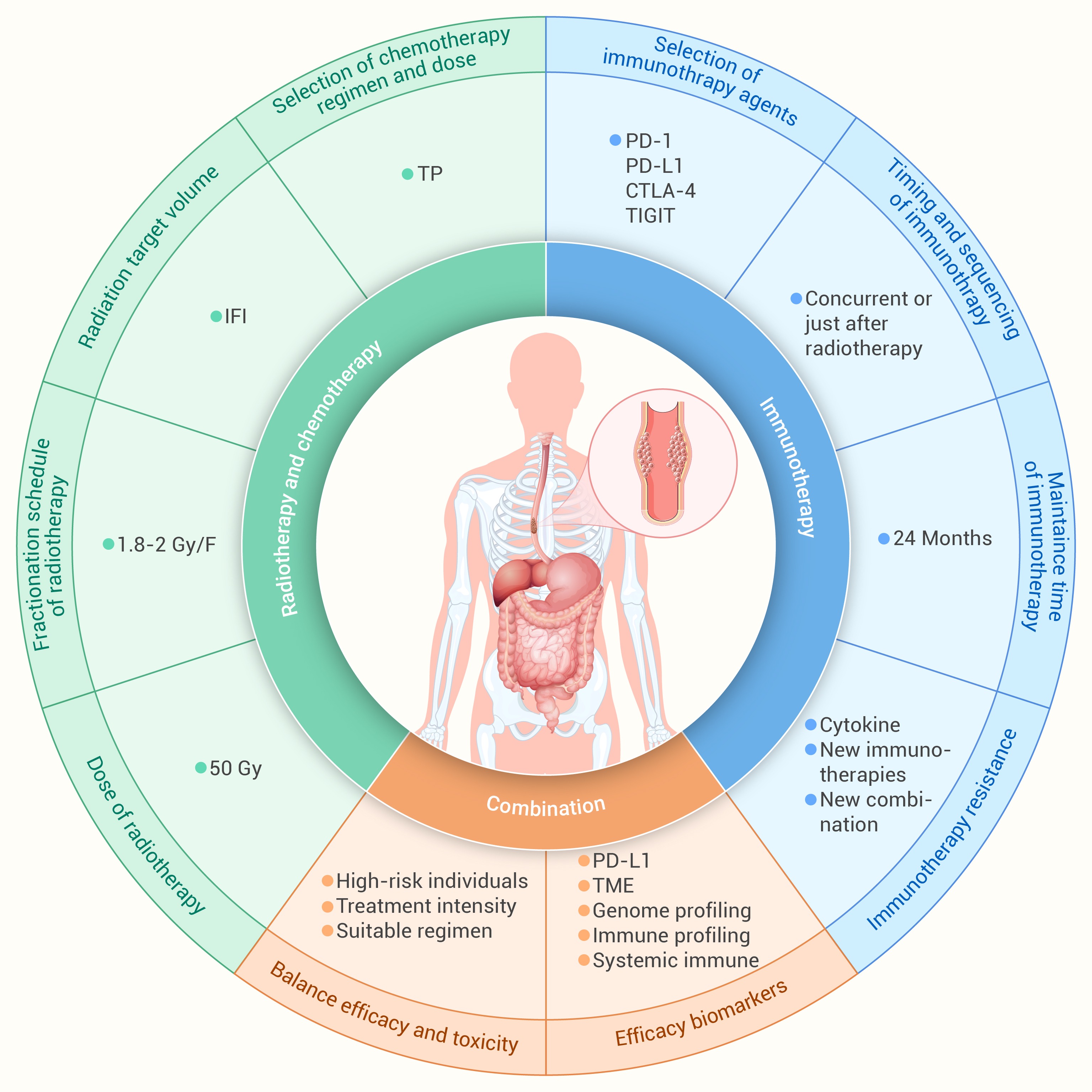
Figure 1.
Optimal therapeutic regimens for locally advanced unresectable esophageal cancer
-
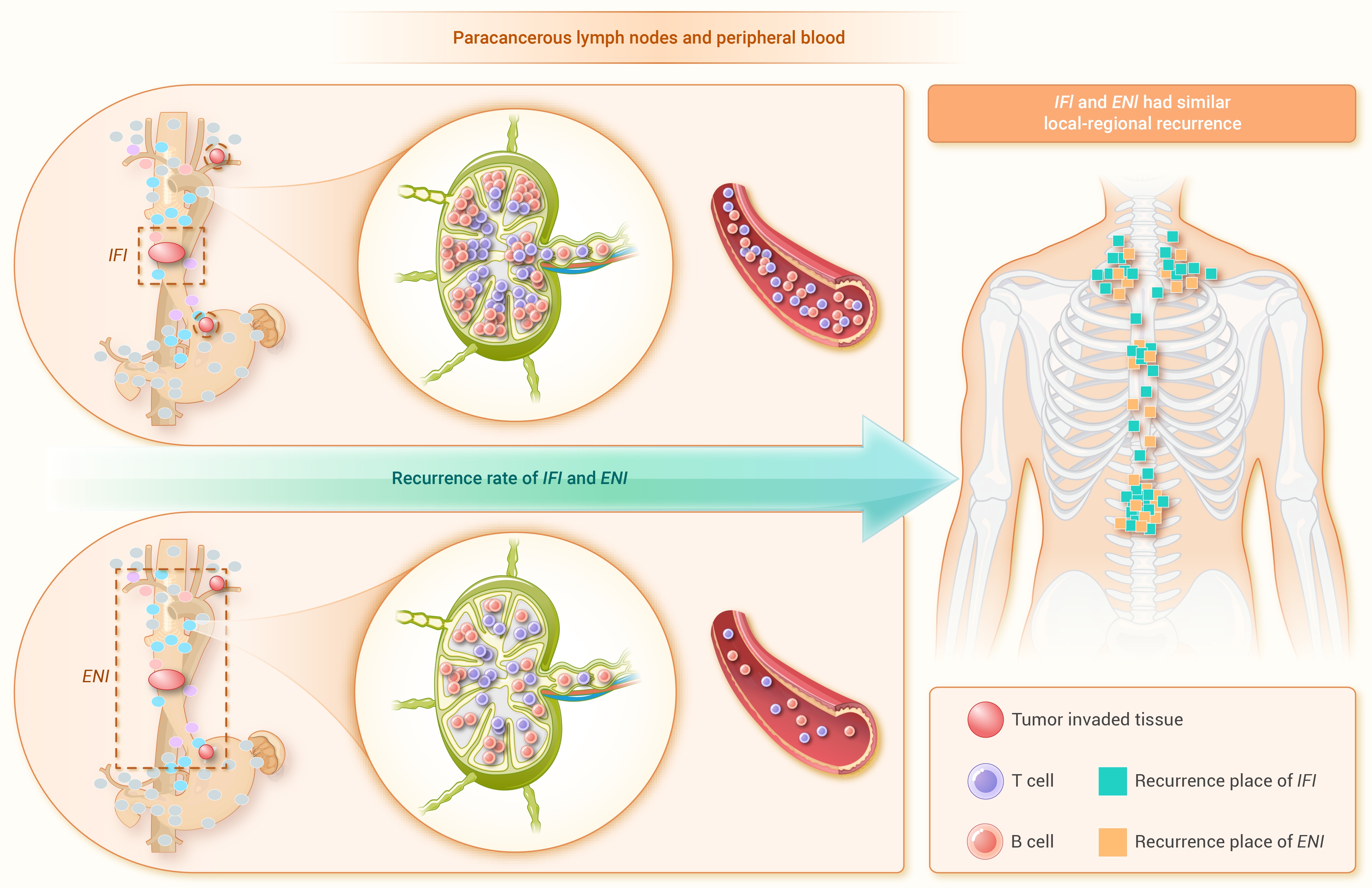
Figure 2.
Involved field irradiation (IFI) may be a better choice
-
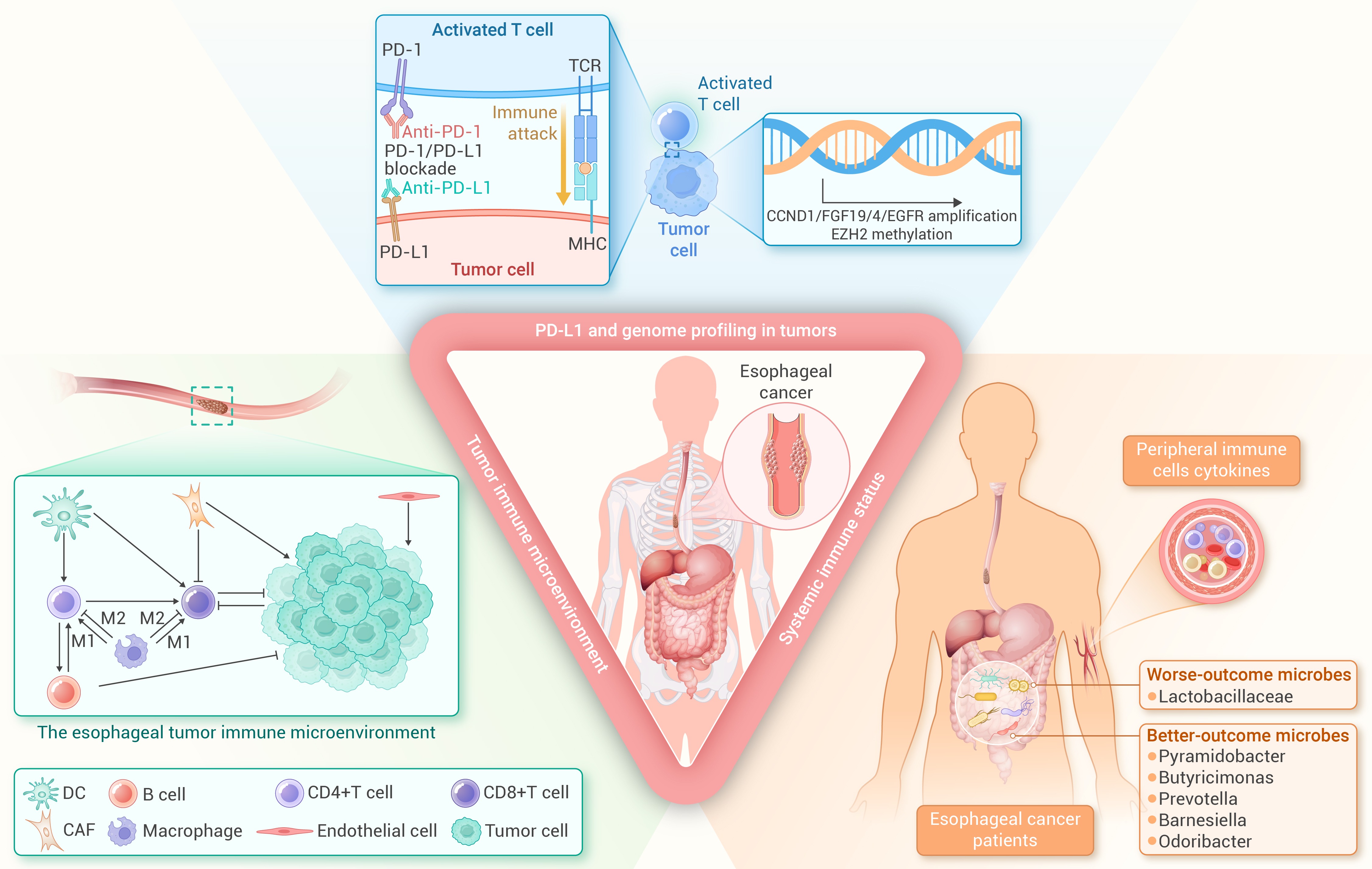
Figure 3.
Selection of suitable patients
