
Association between incidence of hypomagnesemia and better prognosis of NSCLC: A case on the immortal time bias
-
GRAPHICAL ABSTRACT
 DownLoad:
Full size image
DownLoad:
Full size image
-
PUBLIC SUMMARY
-
Immortal time bias (ITB) was pervasive and detrimental in clinical follow-up studies.
Due to ITB risk, spurious negative associations between hypomagnesemia and cancer prognosis were reported.
Greater attention should be given to ITB in study design and analysis, with emphasis on time zero.
To address ITB, appropriate approaches should align with study population, research objective, and estimand.
The development and adoption of guidelines for controlling ITB are strongly advocated.
-
-
ABSTRACT
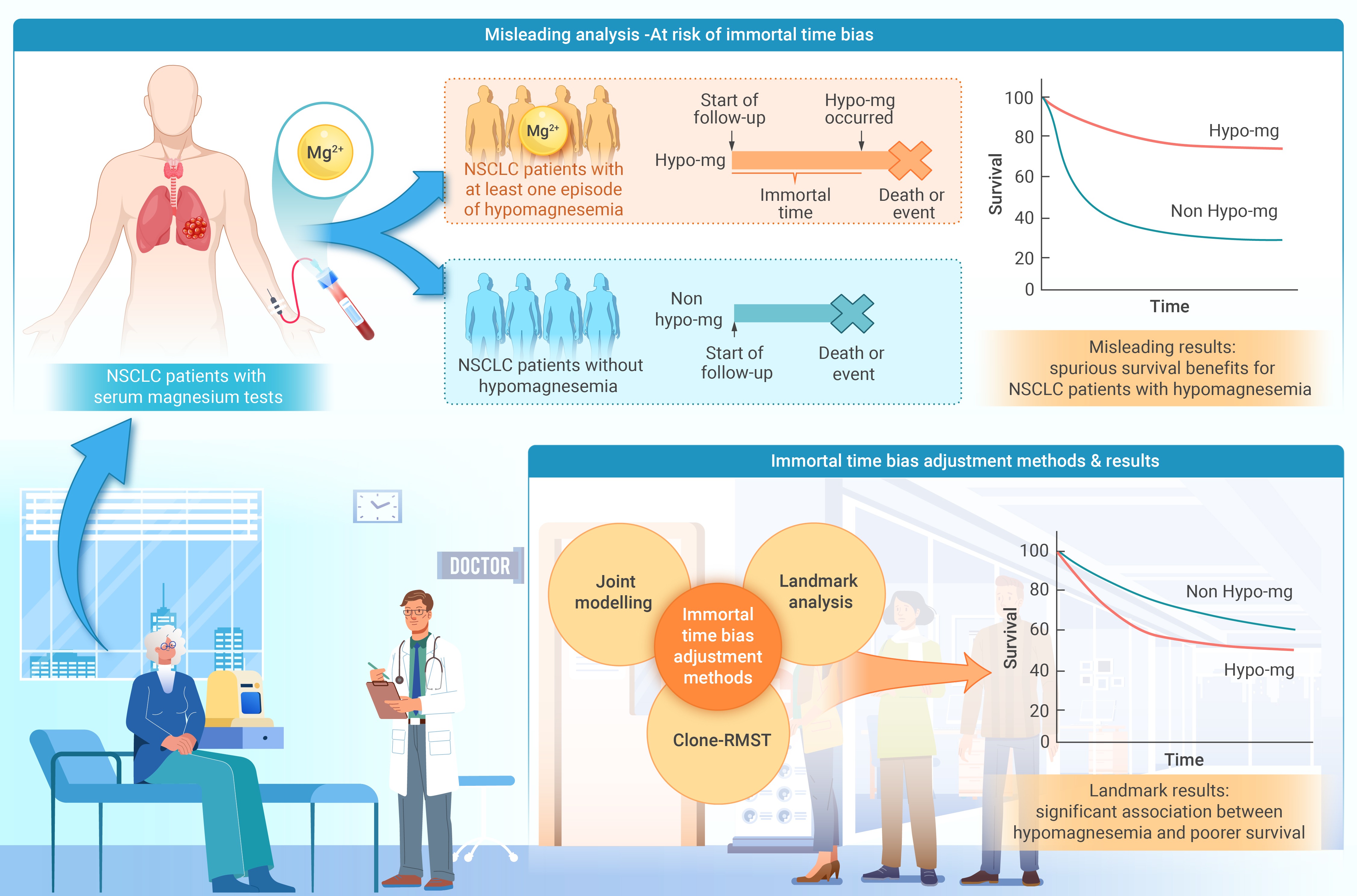
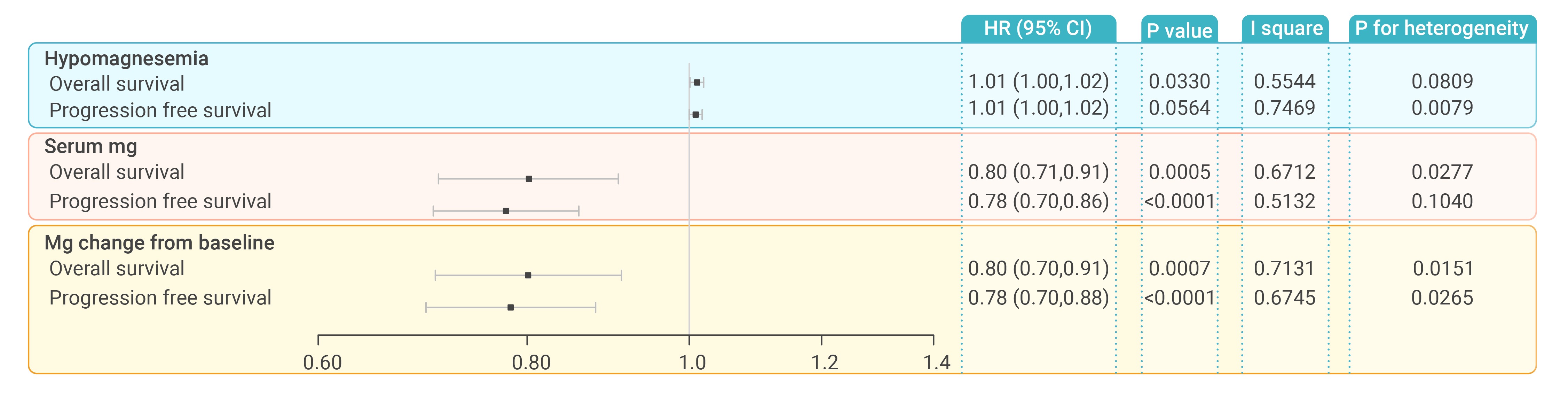
Background Previous studies predominantly reported that the occurrence of hypomagnesemia was associated with improved cancer prognoses. However, utilizing publicly available data, we demonstrated the presence of bias in this association, attributable to the failure to account for immortal time bias (ITB) when grouping patients based on post-therapeutic characteristics/variates.Methods This research included 4,172 individuals from four clinical trials of Atezolizumab (NCT02366143, NCT02367794, NCT02367781, NCT02008227) in non-small cell lung cancer (NSCLC). Joint modelling, landmark, and clone-RMST (restricted mean survival time) methods were performed to remove ITB. Previous studies about hypomagnesemia and prognosis in cancers were pooled.Results Under the risk of ITB, spurious benefits in progression-free survival (PFS) and overall survival (OS) were observed in patients with at least one episode of hypomagnesemia, based on our research and previous studies. When controlling for ITB, the initially observed false beneficial effect disappeared, revealing a significant association between hypomagnesemia and worse OS [HR: 1.01 (1.00, 1.02), P=0.0330 ] in joint modelling. A similar trend was observed in PFS [HR: 1.01 (1.00, 1.02), P=0.0564 ]. Consistent results were obtained from landmark and clone-RMST analysis. The estimands and application scenarios of the three methods were compared and discussed.Conclusions Three methods were utilized and recommended to control ITB. Time zero definition should be emphasized to avoid ITB with advocacy of guidelines. In NSCLC, serum magnesium levels could serve as a potential prognostic biomarker in first-line therapy, but not in non-first-line therapy. -

-
REFERENCES
[1] Cao W., Qin K., Li F., et al. (2024). Comparative study of cancer profiles between 2020 and 2022 using global cancer statistics (GLOBOCAN). J. Natl. Cancer Cent. 4:128−134. DOI:10.1016/j.jncc.2024.05.001 [2] Han B., Zheng R., Zeng H., et al. (2024). Cancer incidence and mortality in China, 2022. J. Natl. Cancer Cent. 4:47−53. DOI:10.1016/j.jncc.2024.01.006 [3] Huang W., Zhai G., Dong H., et al. (2023). Geographical and sexual disparities of lung cancer mortality trends in China: A population-based study. Innov. Med. 1:100032. DOI:10.59717/j.xinn-med.2023.100032 [4] Brueckl W. M., Ficker J. H. and Zeitler G. (2020). Clinically relevant prognostic and predictive markers for immune-checkpoint-inhibitor (ICI) therapy in non-small cell lung cancer (NSCLC). BMC Cancer 20:1185. DOI:10.1186/s12885-020-07690-8 [5] Liang S., Wang H., Tian H., et al. (2023). The prognostic biological markers of immunotherapy for non-small cell lung cancer: Current landscape and future perspective. Front. Immunol. 14:1249980. DOI:10.3389/fimmu.2023.1249980 [6] Hirsch F. R., Spreafico A., Novello S., et al. (2008). The prognostic and predictive role of histology in advanced non-small cell lung cancer: A literature review. J. Thorac. Oncol. 3:1468−1481. DOI:10.1097/JTO.0b013e318189f551 [7] Brundage M. D., Davies D. and Mackillop W. J. (2002). Prognostic factors in non-small cell lung cancer: A decade of progress. Chest 122:1037−1057. DOI:10.1378/chest.122.3.1037 [8] Nan X., Xie C., Zhu Q., et al. (2020). Hand-foot syndrome and survival in patients with advanced non-small-cell lung cancer receiving anlotinib: A subgroup analysis of data from the ALTER 0303 study. Int. J. Clin. Oncol. 25:1492−1498. DOI:10.1007/s10147-020-01683-0 [9] Haratani K., Hayashi H., Chiba Y., et al. (2018). Association of immune-related adverse events with Nivolumab efficacy in non-small-cell lung cancer. JAMA Oncol. 4:374−378. DOI:10.1001/jamaoncol.2017.2925 [10] Zhou J., Bai J., Yue Y., et al. (2021). Association of hypokalemia incidence and better treatment response in NSCLC patients: A meta-analysis and systematic review on anti-EGFR targeted therapy clinical trials. Front. Oncol. 11:757456. DOI:10.3389/fonc.2021.757456 [11] You D., Zhang M., He W., et al. (2021). Association between dietary sodium, potassium intake and lung cancer risk: Evidence from the prostate, lung, colorectal and ovarian cancer screening trial and the Women's Health Initiative. Transl. Lung Cancer Res. 10:45−56. DOI:10.21037/tlcr-20-870 [12] Lotscher J., Marti I. L. A. A., Kirchhammer N., et al. (2022). Magnesium sensing via LFA-1 regulates CD8(+) T cell effector function. Cell 185:585-602 e529. DOI:10.1016/j.cell.2021.12.039. [13] Muller D. N., Wilck N., Haase S., et al. (2019). Sodium in the microenvironment regulates immune responses and tissue homeostasis. Nat. Rev. Immunol. 19:243−254. DOI:10.1038/s41577-018-0113-4 [14] Vodnala S. K., Eil R., Kishton R. J., et al. (2019). T cell stemness and dysfunction in tumors are triggered by a common mechanism. Science 363. DOI:10.1126/science.aau0135 [15] de Baaij J. H., Hoenderop J. G. and Bindels R. J. (2015). Magnesium in man: Implications for health and disease. Physiol. Rev. 95:1−46. DOI:10.1152/physrev.00012.2014 [16] Vickers M. M., Karapetis C. S., Tu D., et al. (2013). Association of hypomagnesemia with inferior survival in a phase III, randomized study of cetuximab plus best supportive care versus best supportive care alone: NCIC CTG/AGITG CO.17. Ann. Oncol. 24:953-960. DOI:10.1093/annonc/mds577 [17] Vincenzi B., Galluzzo S., Santini D., et al. (2011). Early magnesium modifications as a surrogate marker of efficacy of cetuximab-based anticancer treatment in KRAS wild-type advanced colorectal cancer patients. Ann. Oncol. 22:1141−1146. DOI:10.1093/annonc/mdq550 [18] Levesque L. E., Hanley J. A., Kezouh A., et al. (2010). Problem of immortal time bias in cohort studies: example using statins for preventing progression of diabetes. BMJ 340:b5087. DOI:10.1136/bmj.b5087 [19] Larson D. R., Crowson C. S., Devick K. L., et al. (2021). Immortal time bias in the analysis of time-to-event data in orthopedics. J. Arthroplasty 36:3372−3377. DOI:10.1016/j.arth.2021.06.012 [20] Socinski M. A., Jotte R. M., Cappuzzo F., et al. (2018). Atezolizumab for first-line treatment of metastatic nonsquamous NSCLC. N. Engl. J. Med. 378:2288−2301. DOI:10.1056/NEJMoa1716948 [21] Jotte R., Cappuzzo F., Vynnychenko I., et al. (2020). Atezolizumab in combination with Carboplatin and Nab-Paclitaxel in advanced squamous NSCLC (IMpower131): Results from a randomized phase III trial. J. Thorac. Oncol. 15:1351−1360. DOI:10.1016/j.jtho.2020.03.028 [22] West H., McCleod M., Hussein M., et al. (2019). Atezolizumab in combination with carboplatin plus nab-paclitaxel chemotherapy compared with chemotherapy alone as first-line treatment for metastatic non-squamous non-small-cell lung cancer (IMpower130): A multicentre, randomised, open-label, phase 3 trial. Lancet Oncol. 20:924−937. DOI:10.1016/S1470-2045(19)30167-6 [23] Rittmeyer A., Barlesi F., Waterkamp D., et al. (2017). Atezolizumab versus docetaxel in patients with previously treated non-small-cell lung cancer (OAK): A phase 3, open-label, multicentre randomised controlled trial. Lancet 389:255−265. DOI:10.1016/S0140-6736(16)32517-X [24] Aaronson N. K., Ahmedzai S., Bergman B., et al. (1993). The European Organization for Research and Treatment of Cancer QLQ-C30: A quality-of-life instrument for use in international clinical trials in oncology. J. Natl. Cancer Inst. 85:365−376. DOI:10.1093/jnci/85.5.365 [25] Bergman B., Aaronson N. K., Ahmedzai S., et al. (1994). The EORTC QLQ-LC13: A modular supplement to the EORTC Core Quality of Life Questionnaire (QLQ-C30) for use in lung cancer clinical trials. EORTC Study Group on Quality of Life. Eur. J. Cancer 30A:635−642. DOI:10.1016/0959-8049(94)90535-5 [26] Chalabi M., Cardona A., Nagarkar D. R., et al. (2020). Efficacy of chemotherapy and atezolizumab in patients with non-small-cell lung cancer receiving antibiotics and proton pump inhibitors: pooled post hoc analyses of the OAK and POPLAR trials. Ann. Oncol. 31:525−531. DOI:10.1016/j.annonc.2020.01.006 [27] Barbagallo M., Veronese N. and Dominguez L. J. (2021). Magnesium in aging, health and diseases. Nutrients 13:463. DOI:10.3390/nu13020463 [28] Asar O., Ritchie J., Kalra P. A., et al. (2015). Joint modelling of repeated measurement and time-to-event data: an introductory tutorial. Int. J. Epidemiol. 44:334−344. DOI:10.1093/ije/dyu262 [29] Maringe C., Benitez Majano S., Exarchakou A., et al. (2020). Reflection on modern methods: Trial emulation in the presence of immortal-time bias. Assessing the benefit of major surgery for elderly lung cancer patients using observational data. Int. J. Epidemiol. 49:1719−1729. DOI:10.1093/ije/dyaa057 [30] Hernan M. A., Sauer B. C., Hernandez-Diaz S., et al. (2016). Specifying a target trial prevents immortal time bias and other self-inflicted injuries in observational analyses. J. Clin. Epidemiol. 79:70−75. DOI:10.1016/j.jclinepi.2016.04.014 [31] Vincenzi B., Santini D., Galluzzo S., et al. (2008). Early magnesium reduction in advanced colorectal cancer patients treated with cetuximab plus irinotecan as predictive factor of efficacy and outcome. Clin. Cancer Res. 14:4219−4224. DOI:10.1158/1078-0432.CCR-08-0077 [32] Liu W., Qdaisat A., Soliman P. T., et al. (2019). Hypomagnesemia and survival in patients with ovarian cancer who received chemotherapy with Carboplatin. Oncologist 24:e312−e317. DOI:10.1634/theoncologist.2018-0465 [33] Fujii H., Iihara H., Suzuki A., et al. (2016). Hypomagnesemia is a reliable predictor for efficacy of anti-EGFR monoclonal antibody used in combination with first-line chemotherapy for metastatic colorectal cancer. Cancer Chemother. Pharmacol. 77:1209−1215. DOI:10.1007/s00280-016-3039-1 [34] Price T., Kim T. W., Li J., et al. (2016). Final results and outcomes by prior bevacizumab exposure, skin toxicity, and hypomagnesaemia from ASPECCT: Randomized phase 3 non-inferiority study of panitumumab versus cetuximab in chemorefractory wild-type KRAS exon 2 metastatic colorectal cancer. Eur. J. Cancer 68:51−59. DOI:10.1016/j.ejca.2016.08.010 [35] Liu W., Qdaisat A., Ferrarotto R., et al. (2021). Hypomagnesemia and survival in patients with head and neck cancers who received primary concurrent chemoradiation. Cancer 127:528−534. DOI:10.1002/cncr.33283 [36] Kimura M., Usami E. and Yoshimura T. (2020). Effects of type of antibody to EGFR and hypomagnesemia on overall survival in first-line treatment of patients with unresectable advanced/recurrent colorectal cancer. Anticancer Res. 40:7135−7140. DOI:10.21873/anticanres.14743 [37] Xu F. Z., Meng F. R., Li W. J., et al. (2024). Predictive value of serum magnesium levels for prognosis in patients with non-small cell lung cancer undergoing EGFR-TKI therapy. Open Life Sci. 19:20220923. DOI:10.1515/biol-2022-0923 [38] Karim M. E., Gustafson P., Petkau J., et al. (2016). Comparison of statistical approaches for dealing with immortal time bias in drug effectiveness studies. Am. J. Epidemiol. 184:325−335. DOI:10.1093/aje/kwv445 [39] Suissa S. (2008). Immortal time bias in pharmaco-epidemiology. Am. J. Epidemiol. 167:492−499. DOI:10.1093/aje/kwm324 [40] Duchesneau E. D., Jackson B. E., Webster-Clark M., et al. (2022). The timing, the treatment, the question: Comparison of epidemiologic approaches to minimize immortal time bias in real-world data using a surgical oncology example. Cancer Epidemiol. Biomarkers Prev. 31:2079−2086. DOI:10.1158/1055-9965.EPI-22-0495 [41] Mi X., Hammill B. G., Curtis L. H., et al. (2016). Use of the landmark method to address immortal person-time bias in comparative effectiveness research: A simulation study. Stat. Med. 35:4824−4836. DOI:10.1002/sim.7019 [42] Suissa S. (2007). Immortal time bias in observational studies of drug effects. Pharmacoepidemiol. Drug Saf. 16:241−249. DOI:10.1002/pds.1357 [43] Vazquez E., Gouraud H., Naudet F., et al. (2021). Characteristics of available studies and dissemination of research using major clinical data sharing platforms. Clin. Trials 18:657−666. DOI:10.1177/17407745211038524 [44] Leidi M., Wolf F. and Maier J. A. M. (2011). Magnesium and cancer: More questions than answers. In Magnesium in the Central Nervous System, R. Vink, and M. Nechifor, eds. [45] Nan M., Yangmei C. and Bangcheng Y. (2014). Magnesium metal--a potential biomaterial with antibone cancer properties. J. Biomed. Mater. Res. A 102:2644-2651. DOI:10.1002/jbm.a.34933 [46] Liu F., Zhu X. T., Li Y., et al. (2021). Magnesium demethylcantharidate inhibits hepatocellular carcinoma cell invasion and metastasis via activation transcription factor FOXO1. Eur. J. Pharmacol. 911:174558. DOI:10.1016/j.ejphar.2021.174558 [47] Shah S. C., Zhu X., Dai Q., et al. (2021). Magnesium intake is associated with a reduced risk of incident liver cancer, based on an analysis of the NIH-American Association of Retired Persons (NIH-AARP) Diet and Health Study prospective cohort. Am. J. Clin. Nutr. 113:630−638. DOI:10.1093/ajcn/nqaa326 [48] Mahabir S., Wei Q., Barrera S. L., et al. (2008). Dietary magnesium and DNA repair capacity as risk factors for lung cancer. Carcinogenesis 29:949−956. DOI:10.1093/carcin/bgn043 [49] Hoyt M., Song Y., Gao S., et al. (2022). Intake of calcium, magnesium, and phosphorus and risk of pancreatic cancer in the prostate, lung, colorectal, and ovarian cancer screening trial. J. Am. Coll. Nutr. 41:747−757. DOI:10.1080/07315724.2021.1970047 [50] Mateo-Carrasco H., Kostrzynski O., Ndefo O., et al. (2017). Continuous magnesium infusions in the management of systemic anti-cancer therapy-related hypomagnesaemia. Int. J. Clin. Pharm. 39:657−661. DOI:10.1007/s11096-016-0416-0 [51] Evans T. R., Harper C. L., Beveridge I. G., et al. (1995). A randomised study to determine whether routine intravenous magnesium supplements are necessary in patients receiving cisplatin chemotherapy with continuous infusion 5-fluorouracil. Eur. J. Cancer 31A:174−178. DOI:10.1016/0959-8049(94)00420-a [52] Kang K. M., Kang Y. N., Choi I. B., et al. (2011). Effects of drinking hydrogen-rich water on the quality of life of patients treated with radiotherapy for liver tumors. Med. Gas. Res. 1:11. DOI:10.1186/2045-9912-1-11 [53] Mohammadi S., Sulaiman S., Koon P. B., et al. (2013). Association of nutritional status with quality of life in breast cancer survivors. Asian Pac. J. Cancer Prev. 14:7749−7755. DOI:10.7314/apjcp.2013.14.12.7749 -
ABOUT THIS ARTICLE
Cite this article:
Zhou J., You D., Chen M., et al. (2025). Association between incidence of hypomagnesemia and better prognosis of NSCLC: A case on the immortal time bias. The Innovation Medicine 3:100124. https://doi.org/10.59717/j.xinn-med.2025.100124
Welcome!
To request copyright permission to republish or share portions of our works, please visit Copyright Clearance Center's (CCC) Marketplace website at marketplace.copyright.com.
Article Metrics
Relative Articles
Cited by
Export File
Citation
Zhou J., You D., Chen M., et al. (2025). Association between incidence of hypomagnesemia and better prognosis of NSCLC: A case on the immortal time bias. The Innovation Medicine 3:100124. https://doi.org/10.59717/j.xinn-med.2025.100124

Format
Content
-
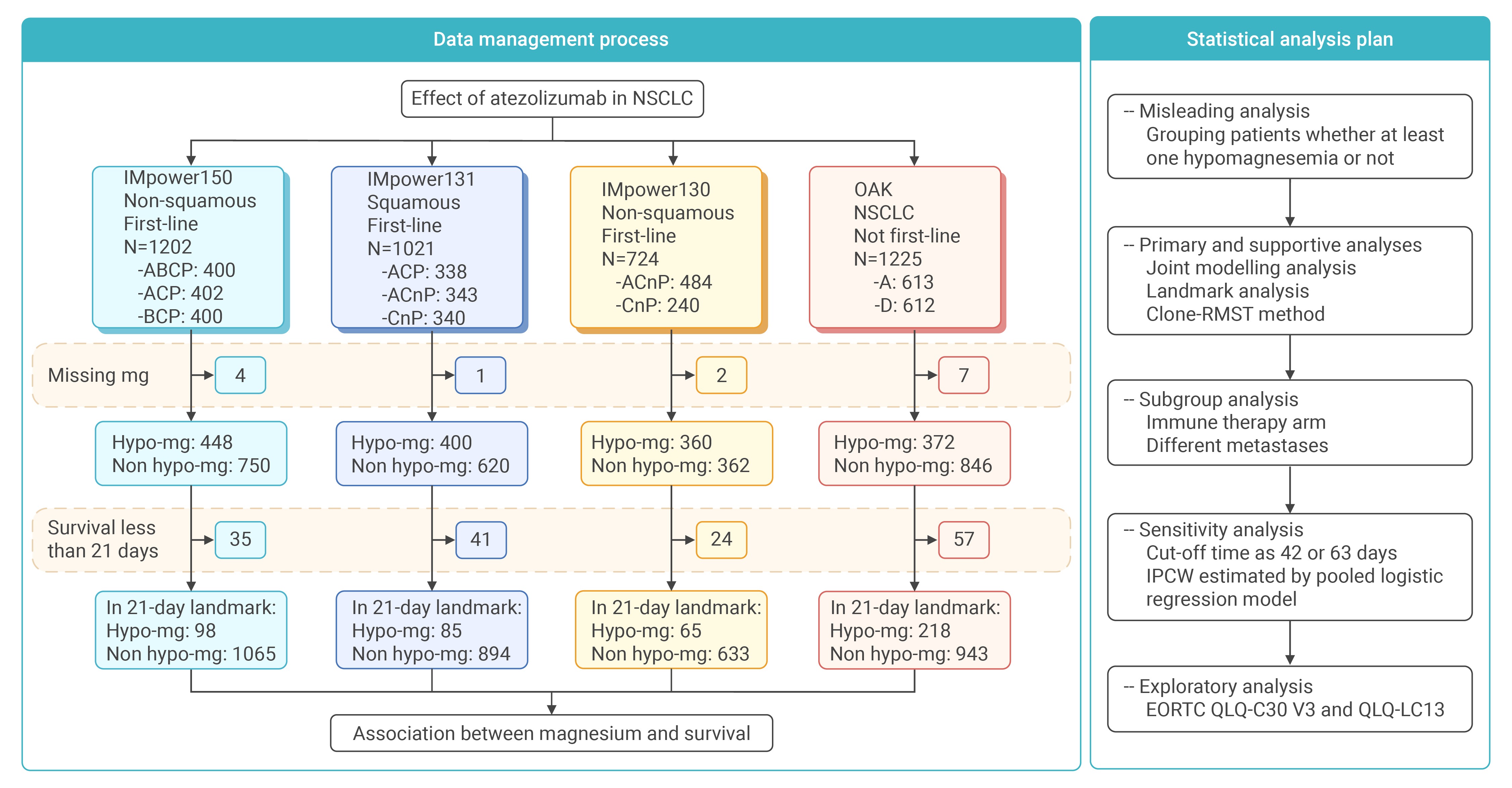
Figure 1.
Data profile and analysis steps
-
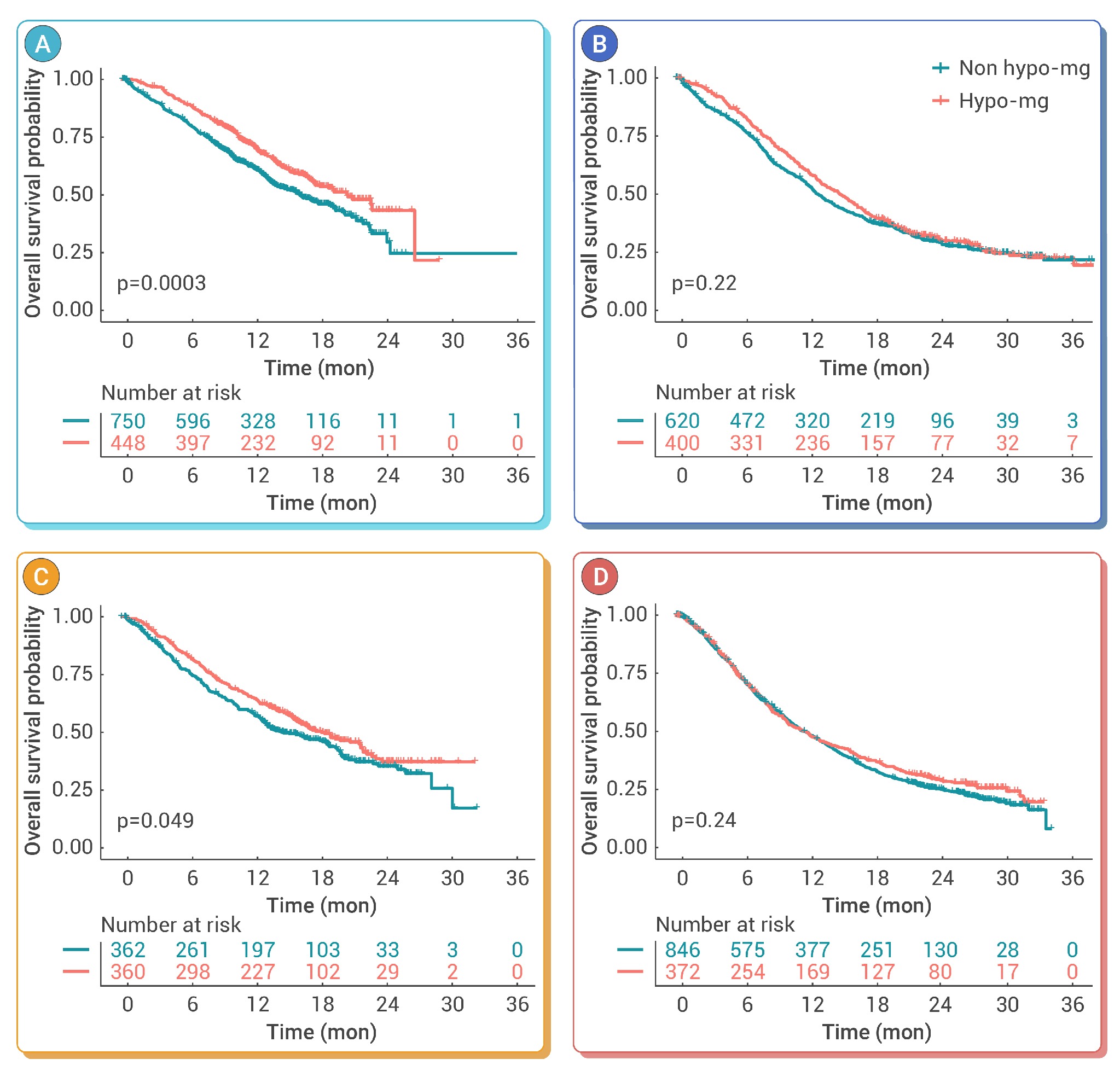
Figure 2.
Under the risk of immortal time bias, Kaplan-Meier curves for overall survival (OS) among patients whether hypomagnesemia occurred in any laboratory test
-
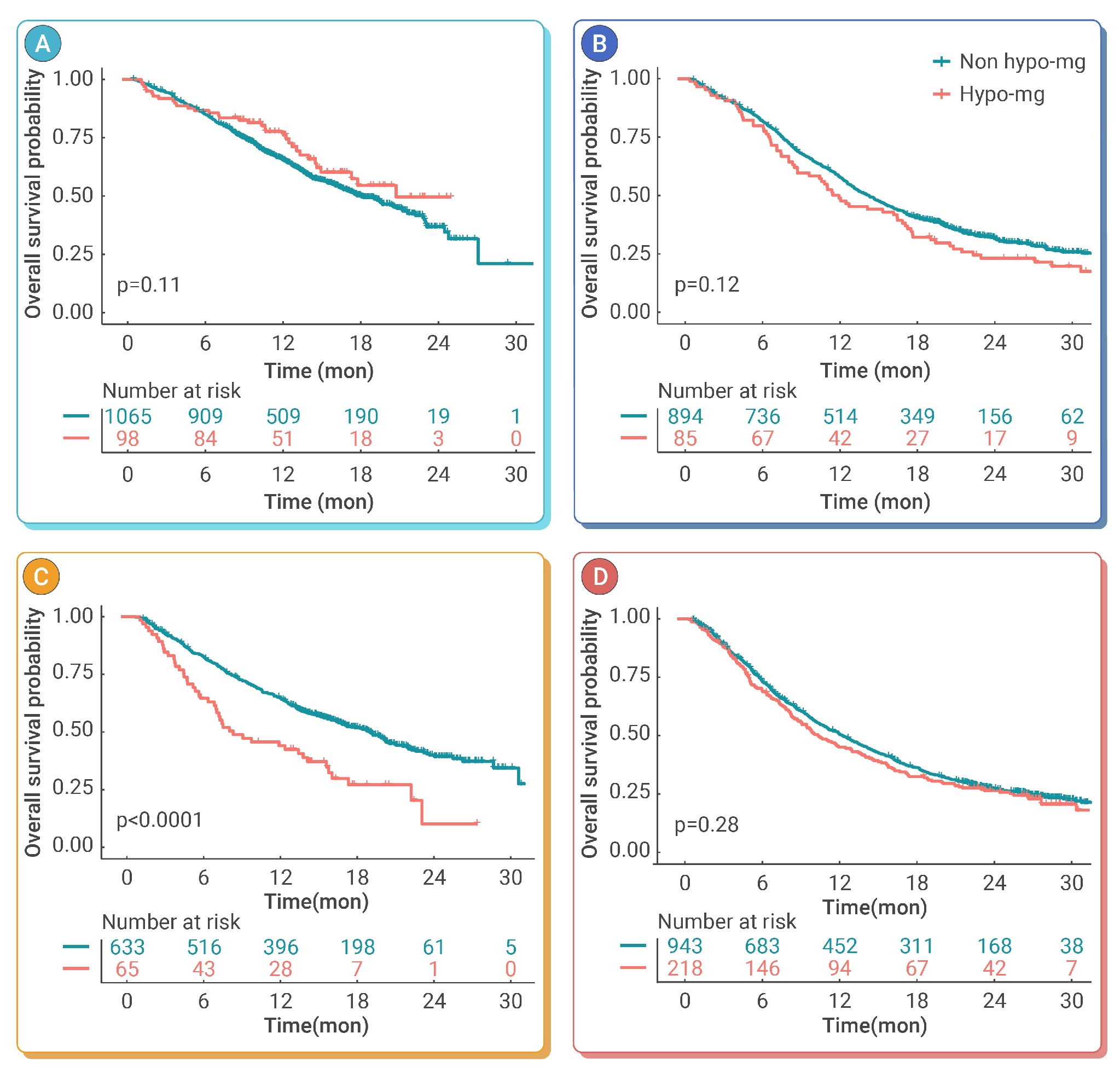
Figure 3.
Kaplan-Meier curves with 21-day landmark analysis for overall survival (OS) in patients with or without hypomagnesemia
-
Figure 4.
Associations between hypomagnesemia, serum magnesium (mg), and change from baseline serum magnesium, and progression-free survival (PFS) and overall survival (OS) from pooled results using joint modelling of four clinical trials.
