
Dynamic prognostication and treatment planning for hepatocellular carcinoma: A machine learning-enhanced survival study using multi-centric data
-
GRAPHICAL ABSTRACT

 DownLoad:
Full size image
DownLoad:
Full size image
-
PUBLIC SUMMARY
-
Hepatocellular carcinoma (HCC) patients require advanced tools for dynamic prognostication and treatment planning.
The fusion survival path model (fusion-SP) revolutionizes HCC prognosis tracking using longitudinal data over time.
Fusion-SP boosts dynamic HCC monitoring and optimizes personalized care.
The adaptable framework holds potential for broader application across multiple cancer types.
-
-
ABSTRACT
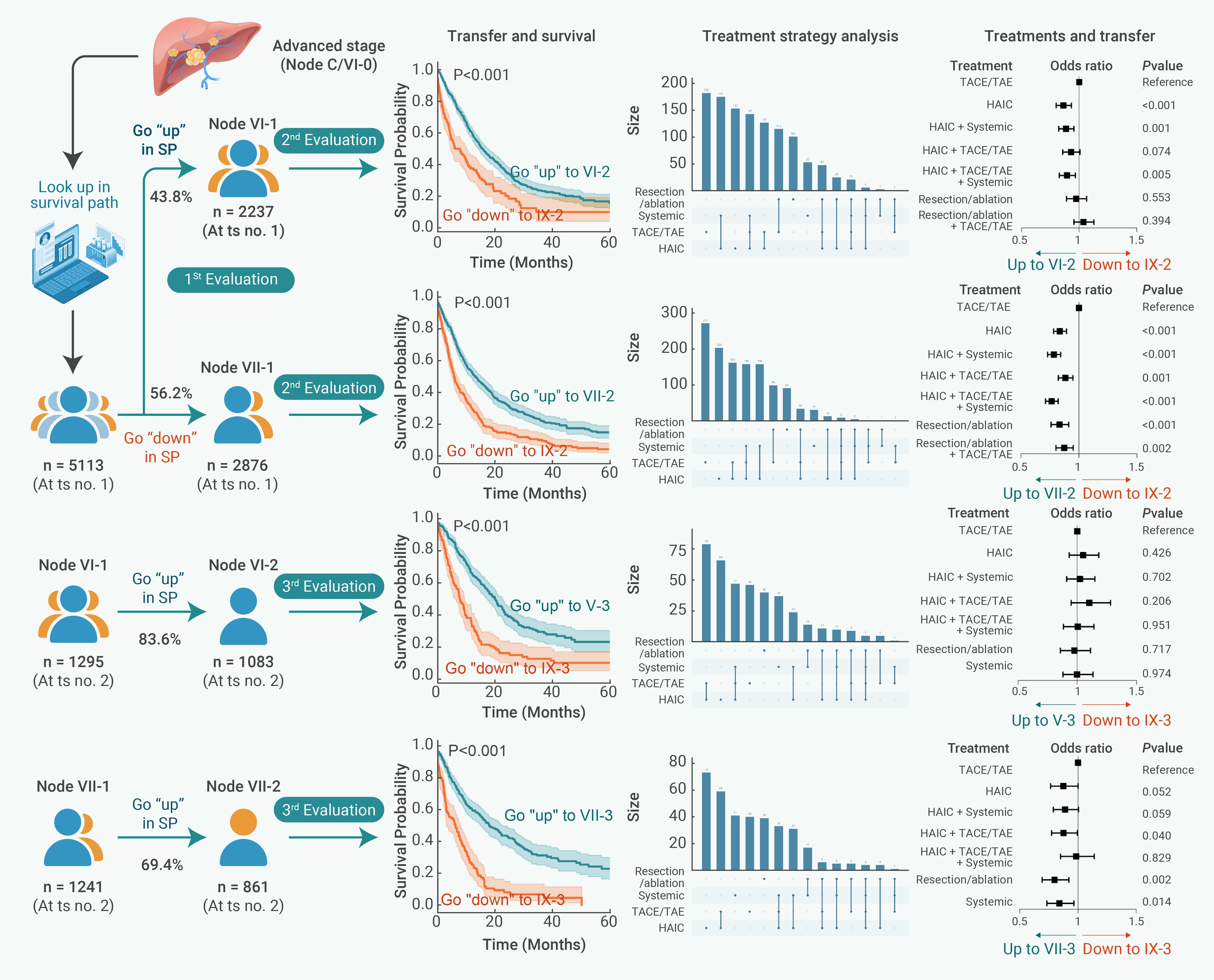
A reliable system for dynamic prognostication and management of hepatocellular carcinoma (HCC) is urgently needed but currently unavailable. In our previous work, we developed a machine learning algorithm termed "Survival Path" (raw-SP) to enhance prognostication with longitudinal survival data. However, the previous model was limited to intermediate stage HCC patients, and it faced the risk of overfitting due to path proliferation. In this study, we developed a novel framework incorporating nodal fusion techniques to mitigate the risk of overfitting, and expanded the model's applicability to all stages of HCC patients. A post-fusion survival map (fusion-SP) containing 14 different paths was built, which demonstrated superior or non-inferior accuracy in dynamic prognosis prediction for HCC patients compared with raw-SP, as well as traditional staging systems within the first 15 months since initial diagnosis in large-scale derivation, internal and external validation cohorts. Subgroup analysis showed the fusion-SP demonstrated superior performance in dynamic prognostication compared to other models among patients with BCLC stage C disease and initial tumor burden above up-to-seven criteria. Under the framework of fusion-SP, novel and distinct optimal combination treatment strategies for advanced-stage HCC patients at different key nodes were uncovered, where traditional staging frameworks fall short. The fusion-SP framework could serve as a robust tool for facilitating dynamic prognosis prediction and treatment planning for HCC. Moreover, our streamlined methodology holds the potential to be applied across various types of cancers. -

-
REFERENCES
[1] Brown Z. J., Tsilimigras D. I., Ruff S. M., et al. (2023). Management of Hepatocellular Carcinoma: A Review. JAMA Surg. 158:410−420. DOI:10.1001/jamasurg.2022.7989 [2] Reig M., Forner A., Rimola J., et al. (2022). BCLC strategy for prognosis prediction and treatment recommendation: The 2022 update. J. Hepatol. 76:681−693. DOI:10.1016/j.jhep.2021.11.018 [3] Tsilimigras D. I., Aziz H. and Pawlik T. M. (2022). Critical analysis of the updated Barcelona Clinic Liver Cancer (BCLC) group guidelines. Ann. Surg. Oncol. 29:7231−7234. DOI:10.1245/s10434-022-12242-4 [4] Dhanasekaran R. (2021). Deciphering tumor heterogeneity in hepatocellular carcinoma (HCC)-multi-omic and singulomic approaches. Semin. Liver Dis. 41:9−18. DOI:10.1055/s-0040-1722261 [5] Shen L., Zeng Q., Guo P., et al. (2018). Dynamically prognosticating patients with hepatocellular carcinoma through survival paths mapping based on time-series data. Nat. Commun. 9:2230. DOI:10.1038/s41467-018-04633-7 [6] Vitale A., Cabibbo G., Iavarone M., et al. (2023). Personalised management of patients with hepatocellular carcinoma: A multiparametric therapeutic hierarchy concept. Lancet Oncol. 24:e312−e322. DOI:10.1016/s1470-2045(23)00186-9 [7] Forrest I. S., Petrazzini B. O., Duffy Á., et al. (2023). Machine learning-based marker for coronary artery disease: Derivation and validation in two longitudinal cohorts. Lancet 401:215−225. DOI:10.1016/s0140-6736(22)02079-7 [8] Martí-Juan G., Sanroma-Guell G. and Piella G. (2020). A survey on machine and statistical learning for longitudinal analysis of neuroimaging data in Alzheimer's disease. Comput. Methods Programs Biomed. 189:105348. DOI:10.1016/j.cmpb.2020.105348 [9] Dai J., Xu H., Chen T., et al. (2025). Artificial intelligence for medicine 2025: Navigating the endless frontier. Innov. Med. 3:100120. DOI:10.59717/j.xinn-med.2025.100120 [10] Liu Y., Chen Y. and Han L. (2023). Bioinformatics: Advancing biomedical discovery and innovation in the era of big data and artificial intelligence. Innov. Med. 1:100012. DOI:10.59717/j.xinn-med.2023.100012 [11] Shen L., Mo J., Yang C., et al. (2023). SurvivalPath:A R package for conducting personalized survival path mapping based on time-series survival data. PLoS Comput. Biol. 19:e1010830. DOI:10.1371/journal.pcbi.1010830 [12] Shen L., Jiang Y., Zhang T., et al. (2024). Machine learning for dynamic prognostication of patients with hepatocellular carcinoma using time-series data: Survival path versus dynamic-DeepHit HCC model. Cancer Inform. 23:11769351241289719. DOI:10.1177/11769351241289719 [13] Feng G., Xu H., Wan S., et al. (2024). Twelve practical recommendations for developing and applying clinical predictive models. Innov. Med. 2:100105. DOI:10.59717/j.xinn-med.2024.100105 [14] Alim A. and Karataş C. (2021). Prognostic factors of liver transplantation for HCC: Comparative literature review. J. Gastrointest. Cancer 52:1223−1231. DOI:10.1007/s12029-021-00730-x [15] Lu X., Meng J., Wang H., et al. (2023). DNA replication stress stratifies prognosis and enables exploitable therapeutic vulnerabilities of HBV-associated hepatocellular carcinoma: An in-silico precision oncology strategy. Innov. Med. 1:100014. DOI:10.59717/j.xinn-med.2023.100014 [16] Kogalur H. I. a. U. B. (2007). Random survival forests for R. R News 7:841−860. [17] Kogalur H. I. a. U. B. (2023). Fast Unified Random Forests for Survival, Regression, and Classification (RF-SRC). [18] Lauer H. I. a. U. B. K. a. E. H. B. a. M. S. (2008). Random survival forests. Ann. Appl. Statist. 2:841−860. [19] Breiman L. (2001). Random Forests. Machine Learning 45:5−32. DOI:10.1023/A:1010933404324 [20] Hahsler M., Piekenbrock M. and Doran D. (2019). dbscan: Fast density-based clustering with R. J. Stat. Softw. 91:1−30. DOI:10.18637/jss.v091.i01 [21] Andersen P. K. and Gill R. D. (1982). Cox's regression model for counting processes: A large sample study. Ann. Stat. 10:1100−1120,1121. [22] Lee C., Yoon J. and Schaar M. V. (2020). Dynamic-DeepHit: A deep learning approach for dynamic survival analysis with competing risks based on longitudinal data. IEEE Trans. Biomed. Eng. 67:122−133. DOI:10.1109/tbme.2019.2909027 [23] Therneau T. M. (2024). A Package for Survival Analysis in R. https://cran.r-project.org/web/packages/survival/vignettes/survival.pdf. [24] Kang L., Chen W., Petrick N. A., et al. (2015). Comparing two correlated C indices with right-censored survival outcome: A one-shot nonparametric approach. Stat. Med. 34:685−703. DOI:10.1002/sim.6370 [25] Ayuso C., Rimola J., Vilana R., et al. (2018). Diagnosis and staging of hepatocellular carcinoma (HCC): Current guidelines. Eur. J. Radiol. 101:72−81. DOI:10.1016/j.ejrad.2018.01.025 [26] Villarruel-Melquiades F., Mendoza-Garrido M. E., García-Cuellar C. M., et al. (2023). Current and novel approaches in the pharmacological treatment of hepatocellular carcinoma. World J. Gastroenterol. 29:2571−2599. DOI:10.3748/wjg.v29.i17.2571 [27] Huang T., Xu H., Wang H., et al. (2023). Artificial intelligence for medicine: Progress, challenges, and perspectives. Innov. Med. 1:100030. DOI:10.59717/j.xinn-med.2023.100030 [28] Durieux N., Vandenput S. and Pasleau F. (2013). [OCEBM levels of evidence system]. Rev. Med. Liege. 68:644−649. [29] Llovet J. M., Pinyol R., Yarchoan M., et al. (2024). Adjuvant and neoadjuvant immunotherapies in hepatocellular carcinoma. Nat. Rev. Clin. Oncol. 21:294−311. DOI:10.1038/s41571-024-00868-0 [30] Xie D. Y., Zhu K., Ren Z. G., et al. (2023). A review of 2022 Chinese clinical guidelines on the management of hepatocellular carcinoma: Updates and insights. Hepatobiliary Surg. Nutr. 12:216−228. DOI:10.21037/hbsn-22-469 [31] Benson A. B., D'Angelica M. I., Abbott D. E., et al. (2021). Hepatobiliary cancers, version 2.2021, NCCN clinical practice guidelines in oncology. J. Natl. Compr. Canc. Netw. 19:541-565. DOI:10.6004/jnccn.2021.0022 [32] Lyu N., Wang X., Li J. B., et al. (2022). Arterial chemotherapy of oxaliplatin plus fluorouracil versus sorafenib in advanced hepatocellular carcinoma: A biomolecular exploratory, randomized, phase III trial (FOHAIC-1). J. Clin. Oncol. 40:468−480. DOI:10.1200/jco.21.01963 [33] Villanueva A. (2019). Hepatocellular carcinoma. N. Engl. J. Med. 380:1450−1462. DOI:10.1056/NEJMra1713263 [34] Liang C., He Z., Tao Q., et al. (2023). From conversion to resection for unresectable hepatocellular carcinoma: A review of the latest strategies. J. Clin. Med. 12. DOI:10.3390/jcm12247665 [35] Sun H. C., Zhou J., Wang Z., et al. (2022). Chinese expert consensus on conversion therapy for hepatocellular carcinoma (2021 edition). Hepatobiliary Surg. Nutr. 11:227−252. DOI:10.21037/hbsn-21-328 [36] Balzer L. B., Petersen M. L. and van der Laan M. J. (2016). Targeted estimation and inference for the sample average treatment effect in trials with and without pair-matching. Stat. Med. 35:3717−3732. DOI:10.1002/sim.6965 [37] Hernán M. A. and Robins J. M. (2016). Using big data to emulate a target trial when a randomized trial is not available. Am. J. Epidemiol. 183:758−764. DOI:10.1093/aje/kwv254 [38] Yarmolinsky J., Wade K. H., Richmond R. C., et al. (2018). Causal inference in cancer epidemiology: What is the role of mendelian randomization. Cancer Epidemiol. Biomarkers Prev. 27:995−1010. DOI:10.1158/1055-9965.Epi-17-1177 [39] Feuerriegel S., Frauen D., Melnychuk V., et al. (2024). Causal machine learning for predicting treatment outcomes. Nat. Med. 30:958−968. DOI:10.1038/s41591-024-02902-1 [40] Liu R., Hunold K. M., Caterino J. M., et al. (2023). Estimating treatment effects for time-to-treatment antibiotic stewardship in sepsis. Nat. Mach. Intell. 5:421−431. DOI:10.1038/s42256-023-00638-0 [41] Xia T. Y., Zhou Z. H., Meng X. P., et al. (2023). Predicting microvascular invasion in hepatocellular carcinoma using CT-based radiomics model. Radiology 307:e222729. DOI:10.1148/radiol.222729 [42] Chidambaranathan-Reghupaty S., Fisher P. B. and Sarkar D. (2021). Hepatocellular carcinoma (HCC): Epidemiology, etiology and molecular classification. Adv. Cancer Res. 149:1−61. DOI:10.1016/bs.acr.2020.10.001 [43] Feng H., Li B., Li Z., et al. (2021). PIVKA-II serves as a potential biomarker that complements AFP for the diagnosis of hepatocellular carcinoma. BMC Cancer 21:401. DOI:10.1186/s12885-021-08138-3 [44] Su T. H., Wu C. H., Liu T. H., et al. (2023). Clinical practice guidelines and real-life practice in hepatocellular carcinoma: A Taiwan perspective. Clin. Mol. Hepatol. 29:230−241. DOI:10.3350/cmh.2022.0421 [45] Tian S., Chen Y., Zhang Y., et al. (2023). Clinical value of serum AFP and PIVKA-II for diagnosis, treatment and prognosis of hepatocellular carcinoma. J. Clin. Lab. Anal. 37:e24823. DOI:10.1002/jcla.24823 -
ABOUT THIS ARTICLE
Cite this article:
Shen L., Jiang Y., Lu L., et al. (2025). Dynamic prognostication and treatment planning for hepatocellular carcinoma: A machine learning-enhanced survival study using multi-centric data. The Innovation Medicine 3:100125. https://doi.org/10.59717/j.xinn-med.2025.100125
Welcome!
To request copyright permission to republish or share portions of our works, please visit Copyright Clearance Center's (CCC) Marketplace website at marketplace.copyright.com.
Supplementary Information
-
download_supplementary
Table(S6-S8)
Article Metrics
Relative Articles
Cited by
Export File
Citation
Shen L., Jiang Y., Lu L., et al. (2025). Dynamic prognostication and treatment planning for hepatocellular carcinoma: A machine learning-enhanced survival study using multi-centric data. The Innovation Medicine 3:100125. https://doi.org/10.59717/j.xinn-med.2025.100125

Format
Content

-
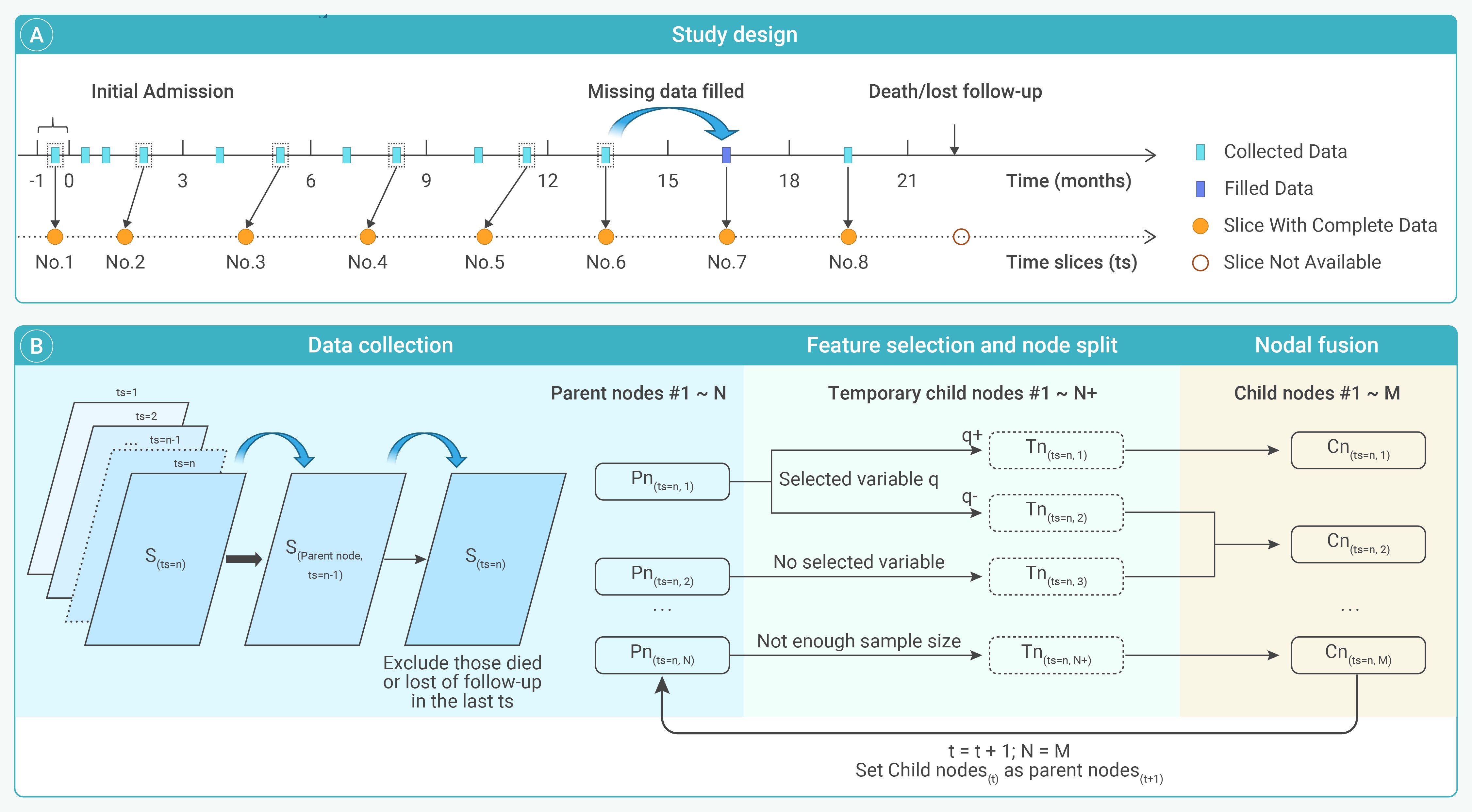
Figure 1.
Flowchart of study design
-
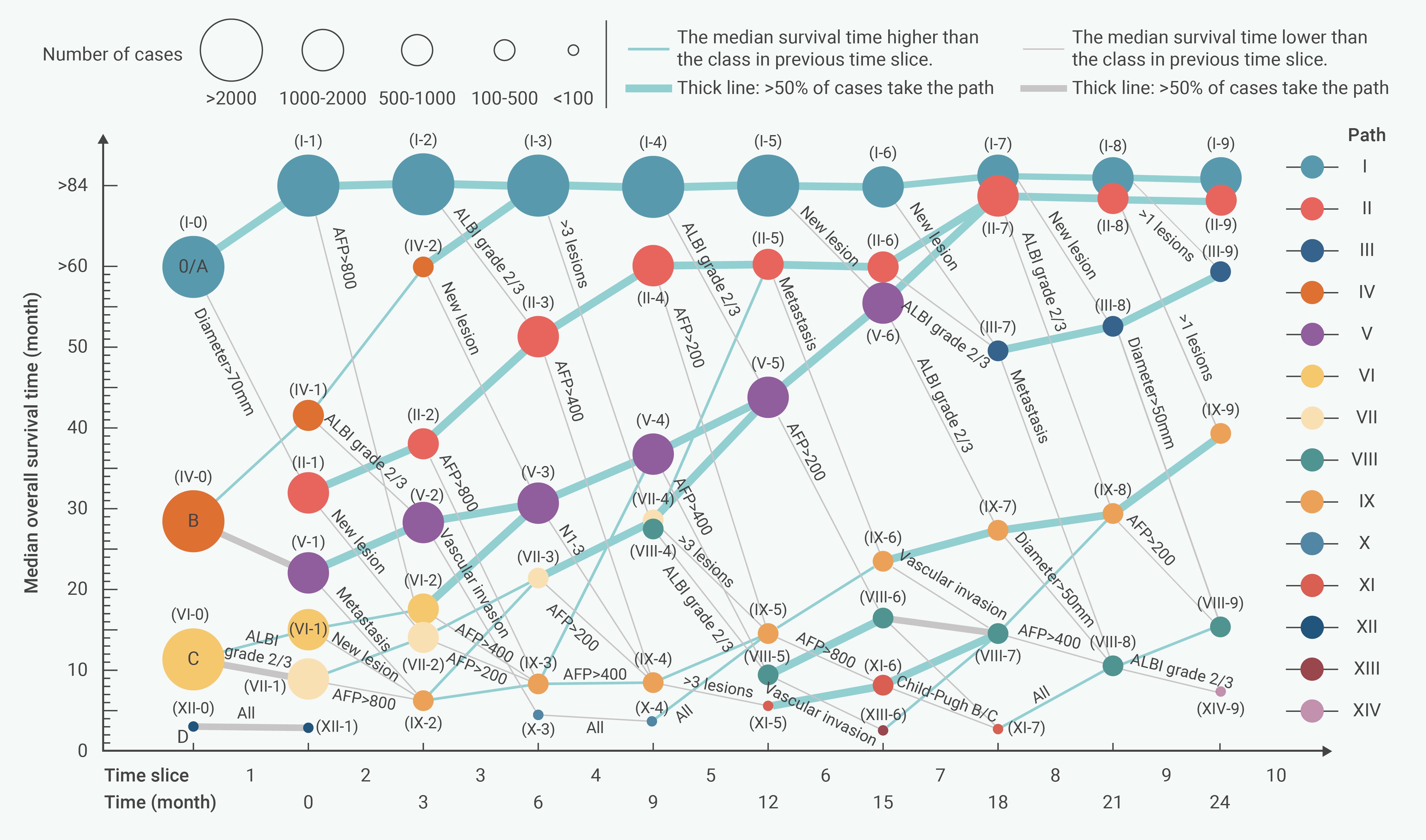
Figure 2.
The survival path with nodal fusion technique for HCC patients
-
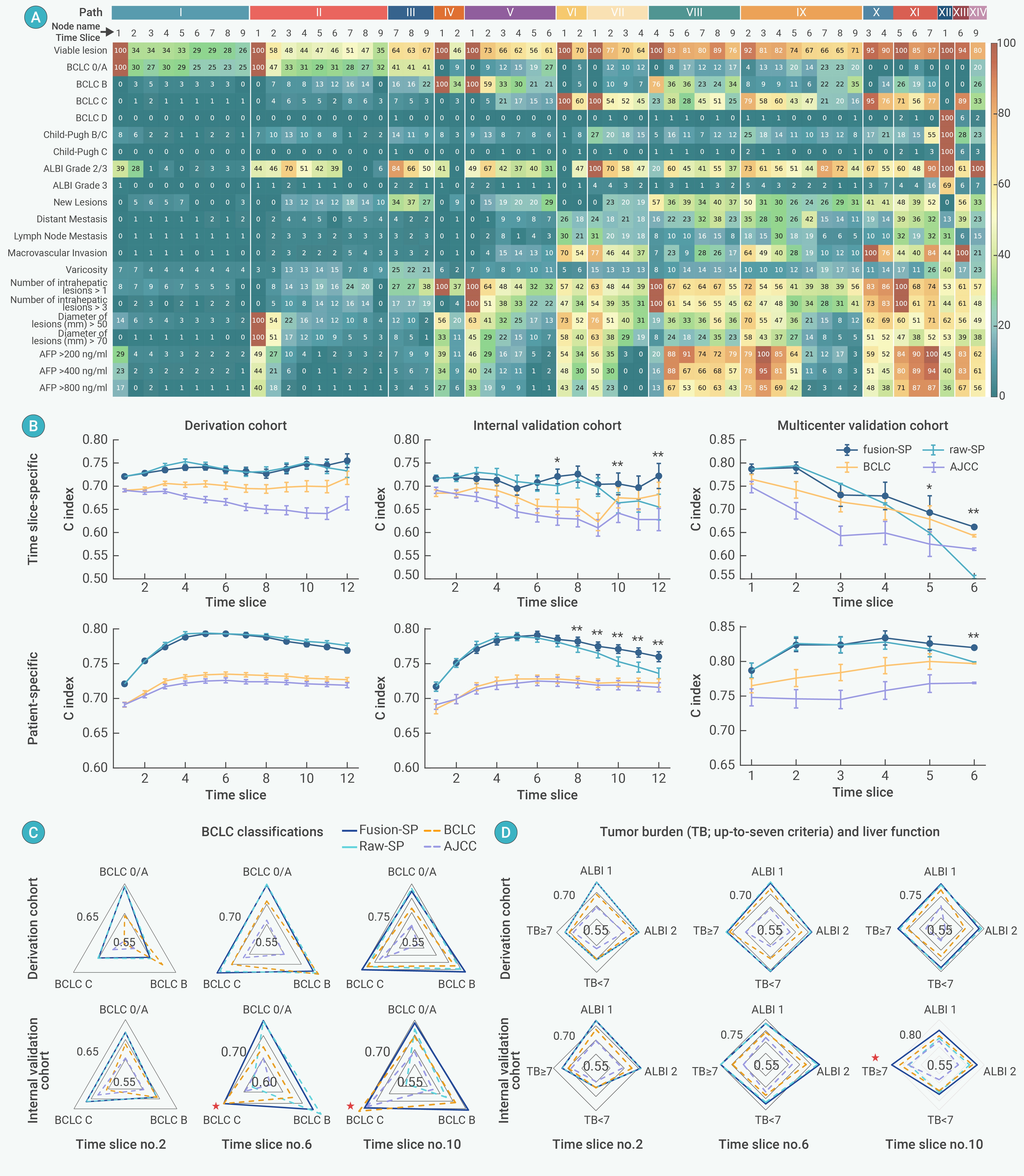
Figure 3.
In-depth analysis of nodes in fusion-SP model and their discriminative ability for dynamic prognostication
-
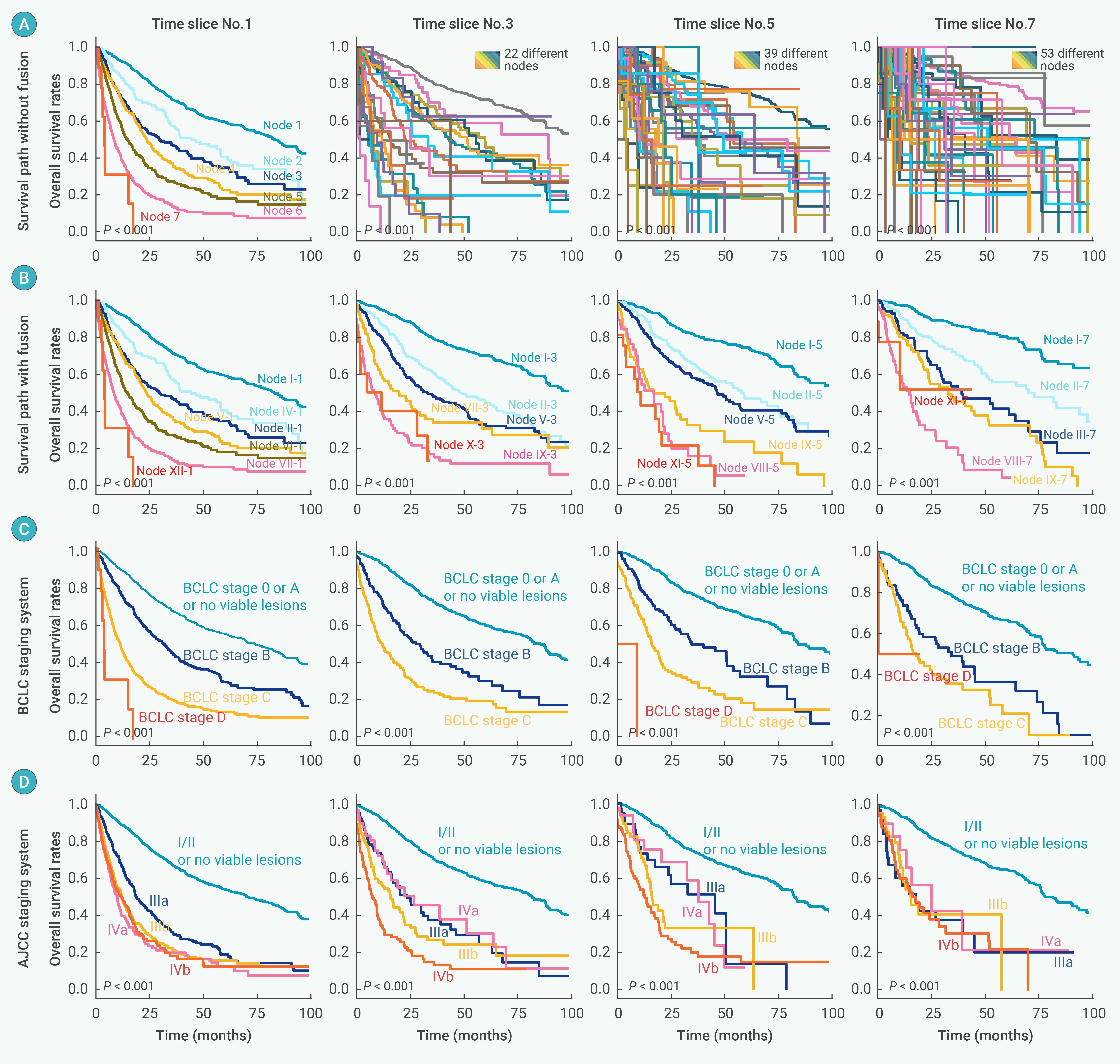
Figure 4.
Kaplan-Meier Curves of the internal validation cohort
-
Figure 5.
Dynamic treatment recommendations for advanced stage HCC patients based on fusion-SP model built by derivation cohort
-
Figure 6.
Representative cases of HCC in real world in demonstration the capability of fusion-SP model for dynamic prognosis prediction and treatment planning
