
Dendritic cells instruct T cell anti-tumor immunity and immunotherapy response
-
GRAPHICAL ABSTRACT
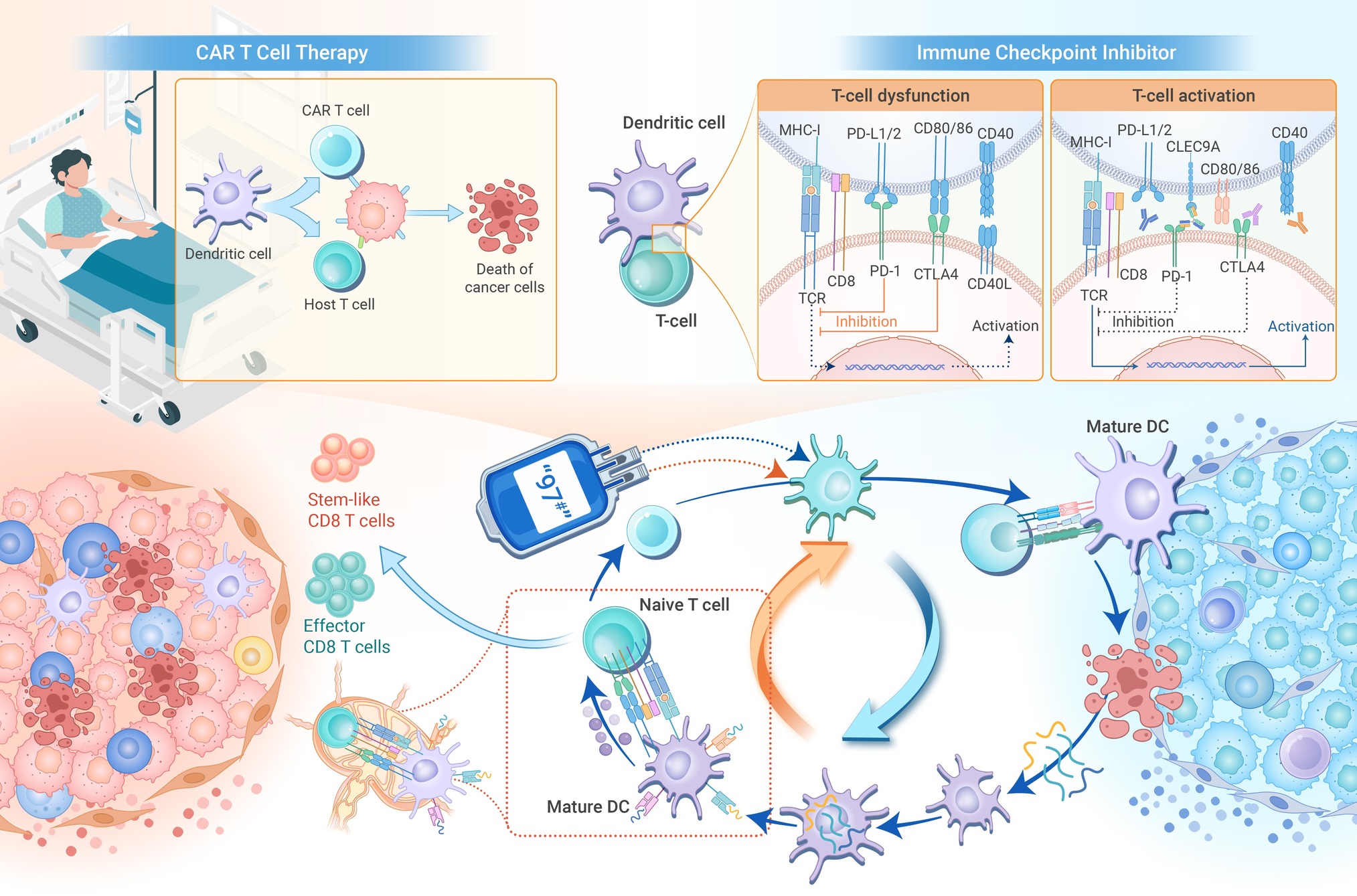
 DownLoad:
Full size image
DownLoad:
Full size image
-
PUBLIC SUMMARY
-
T cell-based immunotherapeutic approaches are critically dependent on the cross-presenting dendritic cells.
DC-mediated antigen cross-presentation and DC maturation are pivotal for initiating effective T cell responses.
DC-T cell crosstalk is impaired in the context of cancer and can even be hijacked to facilitate tumor progression.
DC-based immunotherapeutic strategies hold great potential to improve the efficacy of cancer immunotherapy.
-
-
ABSTRACT
Dendritic cells (DCs) are a heterogeneous population of antigen-presenting cells (APCs). They play pivotal roles in orchestrating innate and adaptive immune responses, particularly in cancer. In tumor-draining lymph nodes (tdLNs), de novo priming occurs, where DCs present antigens to naive T cells, activating them and initiating their clonal expansion. In the tumor microenvironment (TME), intratumoral DCs provide survival or co-stimulatory signals to shape T cell differentiation. However, the scarcity and dysfunctional states of DCs can greatly limit anti-tumor responses, and DCs can even be hijacked by tumor-related factors to promote tumor progression. Therefore, comprehensively understanding the anti- or pro-tumor activities of DCs is crucial. In this review, we discuss the ontogeny of DC lineages and the emerging complexity of intratumoral DCs states. Importantly, we emphasize the significant roles of DCs in priming and sustaining productive T cell anti-tumor immunity. In light of these findings, we also explore promising approaches for targeting DCs to boost anti-tumor immunity and overcome resistance to cancer immunotherapies. We propose that insights into the rational design of DC-based immunotherapeutic strategies against cancer hold immense, underexploited potential. -

-
REFERENCES
[1] Schreiber R. D., Old L. J. and Smyth M. J. (2011). Cancer Immunoediting: Integrating immunity’s roles in cancer suppression and promotion. Science 331:1565−70. DOI:10.1126/science.1203486 [2] Lu X., Cheng L., Yang C., et al. (2024). Crosstalk between bladder cancer and the tumor microenvironment: Molecular mechanisms and targeted therapy. Innov. Med. 2:100094. DOI:10.59717/j.xinn-med.2024.100094 [3] Zhou X., Zhang B., Hu J., et al. (2024). Igniting cold tumors of intrahepatic cholangiocarcinoma: An insight into immune evasion and tumor immune microenvironment. Innov. Med. 2:100052. DOI:10.59717/j.xinn-med.2024.100052 [4] Zagorulya M. and Spranger S. (2022). Once upon a prime: DCs shape cancer immunity. Trends Cancer 9:172−184. DOI:10.1016/j.trecan.2022.10.006 [5] Chen L. and Flies D. B. (2013). Molecular mechanisms of T cell co-stimulation and co-inhibition. Nat. Rev. Immunol. 13:227−42. DOI:10.1038/nri3405 [6] Binnewies M., Roberts E. W., Kersten K., et al. (2018). Understanding the tumor immune microenvironment (TIME) for effective therapy. Nat. Med. 24:541−50. DOI:10.1038/s41591-018-0014-x [7] Mellman I., Chen D. S., Powles T., et al. (2023). The cancer-immunity cycle: Indication, genotype, and immunotype. Immunity 56:2188−205. DOI:10.1016/j.immuni.2023.09.011 [8] Spranger S., Bao R. and Gajewski T. F. (2015). Melanoma-intrinsic β-catenin signalling prevents anti-tumour immunity. Nature 523:231−5. DOI:10.1038/nature14404 [9] Spranger S., Dai D., Horton B., et al. (2017). Tumor-residing Batf3 dendritic cells are required for effector T cell trafficking and adoptive T cell therapy. Cancer Cell 31:711−723.e4. DOI:10.1016/j.ccell.2017.04.003 [10] Chow M. T., Ozga A. J., Servis R. L., et al. (2019). Intratumoral activity of the CXCR3 chemokine system is required for the efficacy of anti-PD-1 therapy. Immunity 50:1498−1512.e5. DOI:10.1016/j.immuni.2019.04.010 [11] Garris C. S., Arlauckas S. P., Kohler R. H., et al. (2018). Successful anti-PD-1 cancer immunotherapy requires T cell-dendritic cell crosstalk involving the cytokines IFN-γ and IL-12. Immunity 49:1148−1161.e7. DOI:10.1016/j.immuni.2018.09.024 [12] Pfirschke C., Siwicki M., Liao H. W., et al. (2017). Tumor microenvironment: No effector T cells without dendritic cells. Cancer Cell 31:614−5. DOI:10.1016/j.ccell.2017.04.007 [13] Eisenbarth S. C. (2019). Dendritic cell subsets in T cell programming: Location dictates function. Nat. Rev. Immunol. 19:89−103. DOI:10.1038/s41577-018-0088-1 [14] Pittet M. J., Di Pilato M., Garris C., et al. (2023). Dendritic cells as shepherds of T cell immunity in cancer. Immunity 56:2218−2230. DOI:10.1016/j.immuni.2023.08.014 [15] Gerhard G. M., Bill R., Messemaker M., et al. (2021). Tumor-infiltrating dendritic cell states are conserved across solid human cancers. J. Exp. Med. 218:e20200264. DOI:10.1084/jem.20200264 [16] Cabeza-Cabrerizo M., Cardoso A., Minutti C. M., et al. (2021). Dendritic Cells Revisited. Annu. Rev. Immunol. 39:131−66. DOI:10.1146/annurev-immunol-061020-053707 [17] Murphy T. L. and Murphy K. M. (2022). Dendritic cells in cancer immunology. Cell Mol. Immunol. 19:3−13. DOI:10.1038/s41423-021-00741-5 [18] Yin X., Chen S. and Eisenbarth S. C. (2021). Dendritic Cell Regulation of T Helper Cells. Annu. Rev. Immunol. 39:759−90. DOI:10.1146/annurev-immunol-101819-025146 [19] Grajales-Reyes G. E., Iwata A., Albring J., et al. (2015). Batf3 maintains autoactivation of Irf8 for commitment of a CD8α+ conventional DC clonogenic progenitor. Nat. Immunol. 16:708−17. DOI:10.1038/ni.3197 [20] Durai V., Bagadia P., Granja J. M., et al. (2019). Cryptic activation of an Irf8 enhancer governs cDC1 fate specification. Nat. Immunol. 20:1161−73. DOI:10.1038/s41590-019-0450-x [21] Theisen D. J., Ferris S. T., Briseño C. G., et al. (2019). Batf3 -dependent genes control tumor rejection induced by dendritic cells independently of cross-presentation. Cancer Immunol. Res. 7:29−39. DOI:10.1158/2326-6066.CIR-18-0138 [22] Ou F., Liu T. T., Desai P., et al. (2024). Optimization of the Irf8 +32-kb enhancer disrupts dendritic cell lineage segregation. Nat. Immunol. 25:2043−2056. DOI:10.1038/s41590-024-01976-w [23] Chopin M., Lun A. T., Zhan Y., et al. (2019). Transcription factor PU.1 promotes conventional dendritic cell identity and function via induction of transcriptional regulator DC-SCRIPT. Immunity 50:77-90.e5. DOI:10.1016/j.immuni.2018.11.010 [24] Zhang S., Coughlan H. D., Ashayeripanah M., et al. (2021). Type 1 conventional dendritic cell fate and function are controlled by DC-SCRIPT. Sci. Immunol. 6:eabf4432. DOI:10.1126/sciimmunol.abf4432 [25] Tiniakou I., Hsu P. F., Lopez-Zepeda L. S., et al. (2024). Genome-wide screening identifies Trim33 as an essential regulator of dendritic cell differentiation. Sci. Immunol. 9:eadi1023. DOI:10.1126/sciimmunol.adi1023 [26] Shen X., Li X., Wu T., et al. (2024). TRIM33 plays a critical role in regulating dendritic cell differentiation and homeostasis by modulating Irf8 and Bcl2l11 transcription. Cell Mol. Immunol 21:752−769. DOI:10.1038/s41423-024-01179-1 [27] Brown C. C., Gudjonson H., Pritykin Y., et al. (2019). Transcriptional basis of mouse and human dendritic cell heterogeneity. Cell 179:846−863.e24. DOI:10.1016/j.cell.2019.09.035 [28] Dutertre C. A., Becht E., Irac S. E., et al. (2019). Single - cell analysis of human mononuclear phagocytes reveals subset - defining markers and identifies circulating inflammatory dendritic cells. Immunity 51:573−589.e8. DOI:10.1016/j.immuni.2019.08.008 [29] Bourdely P., Anselmi G., Vaivode K., et al. (2020). Transcriptional and functional analysis of CD1c+ human dendritic cells identifies a CD163+ subset priming CD8+CD103+ T cells. Immunity 53:335−352.e8. DOI:10.1016/j.immuni.2020.06.002 [30] Nakamizo S., Dutertre C. A., Khalilnezhad A., et al. (2021). Single-cell analysis of human skin identifies CD14+ type 3 dendritic cells co-producing IL1B and IL23A in psoriasis. J. Exp. Med. 218:e20202345. DOI:10.1084/jem.20202345 [31] Liu Z., Wang H., Li Z., et al. (2023). Dendritic cell type 3 arises from Ly6C+ monocyte-dendritic cell progenitors. Immunity 56:1761−1777. DOI:10.1016/j.immuni.2023.07.001 [32] Rodrigues P. F., Trsan T., Cvijetic G., et al. (2024). Progenitors of distinct lineages shape the diversity of mature type 2 conventional dendritic cells. Immunity 57:1567−1585.e5. DOI:10.1016/j.immuni.2024.05.007 [33] Villani A. C., Satija R., Reynolds G., et al. (2017). Single-cell RNA-seq reveals new types of human blood dendritic cells, monocytes, and progenitors. Science 356:eaah4573. DOI:10.1126/science.aah4573https://science.sciencemag.org/content/356/6335/eaah4573 [34] Zilionis R., Engblom C., Pfirschke C., et al. (2019). Single-cell transcriptomics of human and mouse lung cancers reveals conserved myeloid populations across individuals and species. Immunity 50:1317−1334.e10. DOI:10.1016/j.immuni.2019.03.009 [35] Minutti C. M., Piot C., Pereira da Costa M., et al. (2024). Distinct ontogenetic lineages dictate cDC2 heterogeneity. Nat. Immunol. 25:448−461. DOI:10.1038/s41590-024-01745-9 [36] Girard M., Law J. C., Edilova M. I., et al. (2020). Type I interferons drive the maturation of human DC3s with a distinct costimulatory profile characterized by high GITRL. Sci. Immunol. 5:eabe0347. DOI:10.1126/sciimmunol.abe0347 [37] Sulczewski F. B., Maqueda-Alfaro R. A., Alcántara-Hernández M., et al. (2023). Transitional dendritic cells are distinct from conventional DC2 precursors and mediate proinflammatory antiviral responses. Nat. Immunol. 24:1265−1280. DOI:10.1038/s41590-023-01545-7 [38] Satpathy A. T., Kc W., Albring J. C., et al. (2012). Zbtb46 expression distinguishes classical dendritic cells and their committed progenitors from other immune lineages. J. Exp. Med. 209:1135−1152. DOI:10.1084/jem.20120030 [39] Roberts E. W., Broz M. L., Binnewies M., et al. (2016). Critical role for CD103+/CD141+ dendritic cells bearing CCR7 for tumor antigen trafficking and priming of T cell immunity in melanoma. Cancer Cell 30:324−36. DOI:10.1016/j.ccell.2016.06.003 [40] Kuhn N. F., Lopez A. V., Li X., et al. (2020). CD103+ cDC1 and endogenous CD8+ T cells are necessary for improved CD40L-overexpressing CAR T cell antitumor function. Nat. Commun. 11:6171. DOI:10.1038/s41467-020-19833-3 [41] Engelhardt J. J., Boldajipour B., Beemiller P., et al. (2012). Marginating dendritic cells of the tumor microenvironment cross - present tumor antigens and stably engage tumor - specific T cells. Cancer Cell 21:402−417. DOI:10.1016/j.ccr.2012.01.008 [42] Teijeira A., Garasa S., Luri-Rey C., et al. (2022). Depletion of conventional type-1 dendritic cells in established tumors suppresses immunotherapy efficacy. Cancer Res. 82:4373−4385. DOI:10.1158/0008-5472.CAN-22-1046 [43] Barboy O., Bercovich A., Li H., et al. (2024). Modeling T cell temporal response to cancer immunotherapy rationalizes development of combinatorial treatment protocols. Nat. Cancer. 5:742−759. DOI:10.1038/s43018-024-00734-z [44] Hildner K., Edelson B. T., Purtha W. E., et al. (2008). Batf3 deficiency reveals a critical role for CD8α+ dendritic cells in cytotoxic T cell immunity. Science 322:1097−100. DOI:10.1126/science.1164206 [45] Ferris S. T., Ohara R. A., Ou F., et al. (2022). cDC1 vaccines drive tumor rejection by direct presentation independently of host cDC1. Cancer Immunol. Res. 10:920−31. DOI:10.1158/2326-6066.CIR-21-0865 [46] He M., Roussak K., Ma F., et al. (2023). CD5 expression by dendritic cells directs T cell immunity and sustains immunotherapy responses. Science 379:eabg2752. DOI:10.1126/science.abg2752 [47] Hubert M., Gobbini E., Couillault C., et al. (2020). IFN-III is selectively produced by cDC1 and predicts good clinical outcome in breast cancer. Sci. Immunol. 5:eaav3942. DOI:10.1126/sciimmunol.aav3942 [48] Binnewies M., Mujal A. M., Pollack J. L., et al. (2019). Unleashing type-2 dendritic cells to drive protective antitumor CD4+ T cell immunity. Cell 177:556−571.e16. DOI:10.1016/j.cell.2019.02.005 [49] Heras-Murillo I., Adán-Barrientos I., Galán M., et al. (2024). Dendritic cells as orchestrators of anticancer immunity and immunotherapy. Nat. Rev. Clin. Oncol. 21:257−277. DOI:10.1038/s41571-024-00859-1 [50] Beek J. J. P. van, Flórez-Grau G., Gorris M. A. J., et al. (2020). Human pDCs are superior to cDC2s in attracting cytolytic lymphocytes in melanoma patients receiving DC vaccination. Cell Rep. 30:1027−1038.e4. DOI:10.1016/j.celrep.2019.12.096 [51] Tel J., Aarntzen E. H. J. G., Baba T., et al. (2013). Natural human plasmacytoid dendritic cells induce antigen - specific T - cell responses in melanoma patients. Cancer Res. 73:1063−1075. DOI:10.1158/0008-5472.CAN-12-2583 [52] Wculek S. K., Cueto F. J., Mujal A. M., et al. (2020). Dendritic cells in cancer immunology and immunotherapy. Nat. Rev. Immunol. 20:7−24. DOI:10.1038/s41577-019-0210-z [53] Elewaut A., Estivill G., Bayerl F., et al. (2024). Cancer cells impair monocyte-mediated T cell stimulation to evade immunity. Nature 637:716−725. DOI:10.1038/s41586-024-08257-4 [54] Krieg C., Nowicka M., Guglietta S., et al. (2018). High-dimensional single-cell analysis predicts response to anti-PD-1 immunotherapy. Nat. Med. 24:144−153. DOI:10.1038/nm.4466 [55] Cheng S., Li Z., Gao R., et al. (2021). A pan-cancer single-cell transcriptional atlas of tumor infiltrating myeloid cells. Cell 184:792−809.e23. DOI:10.1016/j.cell.2021.01.010 [56] Meiser P., Knolle M. A., Hirschberger A., et al. (2023). A distinct stimulatory cDC1 subpopulation amplifies CD8+ T cell responses in tumors for protective anti-cancer immunity. Cancer Cell 41:1498−1515.e10. DOI:10.1016/j.ccell.2023.06.008 [57] Duong E., Fessenden T. B., Lutz E., et al. (2022). Type I interferon activates MHC class I-dressed CD11b+ conventional dendritic cells to promote protective anti-tumor CD8+ T cell immunity. Immunity 55:308−323.e9. DOI:10.1016/j.immuni.2021.10.020 [58] Maier B., Leader A. M., Chen S. T., et al. (2020). A conserved dendritic-cell regulatory program limits antitumour immunity. Nature 580:257−262. DOI:10.1038/s41586-020-2134-y [59] Di Pilato M., Kfuri-Rubens R., Pruessmann J. N., et al. (2021). CXCR6 positions cytotoxic T cells to receive critical survival signals in the tumor microenvironment. Cell 184:4512−4530.e22. DOI:10.1016/j.cell.2021.07.015 [60] Zhang Q., He Y., Luo N., et al. (2019). Landscape and dynamics of single immune cells in hepatocellular carcinoma. Cell 179:829−845.e20. DOI:10.1016/j.cell.2019.10.003 [61] Lee C. Y. C., Kennedy B. C., Richoz N., et al. (2024). Tumour-retained activated CCR7+ dendritic cells are heterogeneous and regulate local anti-tumour cytolytic activity. Nat. Commun. 15:682. DOI:10.1038/s41467-024-44787-1 [62] Miao Y., Liu Y., Tang H., et al. (2023). Dendritic cell maturation in the tumor microenvironment. NSO 2:20220053. DOI:10.1360/nso/20220053 [63] Zhang L., Li Z., Skrzypczynska K. M., et al. (2020). Single-cell analyses inform mechanisms of myeloid-targeted therapies in colon cancer. Cell 181:442−459.e29. DOI:10.1016/j.cell.2020.03.048 [64] Cohen M., Giladi A., Barboy O., et al. (2022). The interaction of CD4+ helper T cells with dendritic cells shapes the tumor microenvironment and immune checkpoint blockade response. Nat. Cancer 3:303−317. DOI:10.1038/s43018-022-00338-5 [65] Li J., Zhou J., Huang H., et al. (2023). Mature dendritic cells enriched in immunoregulatory molecules (mregDCs): A novel population in the tumour microenvironment and immunotherapy target. Clin. Transl. Med. 13:e1199. DOI:10.1002/ctm2.1199 [66] Magen A., Hamon P., Fiaschi N., et al. (2023). Intratumoral dendritic cell–CD4+ T helper cell niches enable CD8+ T cell differentiation following PD-1 blockade in hepatocellular carcinoma. Nat. Med. 29:1389−1399. DOI:10.1038/s41591-023-02345-0 [67] Schumacher T. N. and Thommen D. S. (2022). Tertiary lymphoid structures in cancer. Science 375:eabf9419. DOI:10.1126/science.abf9419 [68] Belabed M., Park M. D., Blouin C. M., et al. (2025). Cholesterol mobilization regulates dendritic cell maturation and the immunogenic response to cancer. Nat. Immunol. 26:188−199. DOI:10.1038/s41590-024-02065-8 [69] Møller S. H., Wang L. and Ho P. C. (2022). Metabolic programming in dendritic cells tailors immune responses and homeostasis. Cell Mol. Immunol. 19:370−383. DOI:10.1038/s41423-021-00753-1 [70] You S., Li S., Zeng L., et al. (2024). Lymphatic-localized Treg-mregDC crosstalk limits antigen trafficking and restrains anti-tumor immunity. Cancer Cell 42:1415−1433.e12. DOI:10.1016/j.ccell.2024.06.014 [71] Chen Z., Zhou L., Liu L., et al. (2020). Single-cell RNA sequencing highlights the role of inflammatory cancer-associated fibroblasts in bladder urothelial carcinoma. Nat. Commun. 11:5077. DOI:10.1038/s41467-020-18916-5 [72] Rapp M., Wintergerst M. W. M., Kunz W. G., et al. (2019). CCL22 controls immunity by promoting regulatory T cell communication with dendritic cells in lymph nodes. J. Exp. Med. 216:1170−1181. DOI:10.1084/jem.20170277 [73] Plebanek M. P., Xue Y., Nguyen Y. V., et al. (2024). A lactate-SREBP2 signaling axis drives tolerogenic dendritic cell maturation and promotes cancer progression. Sci. Immunol. 9:eadi4191. DOI:10.1126/sciimmunol.adi4191 [74] Joffre O. P., Segura E., Savina A., et al. (2012). Cross-presentation by dendritic cells. Nat. Rev. Immunol. 12:557−569. DOI:10.1038/nri3254 [75] Den Haan J. M. M., Lehar S. M. and Bevan M. J. (2000). Cd8+ but not Cd8− dendritic cells cross-prime cytotoxic T cells in vivo. J. Exp. Med. 192:1685−1696. DOI:10.1084/jem.192.12.1685 [76] Ohara R. A. and Murphy K. M. (2023). The evolving biology of cross-presentation. Semin. Immunol. 66:101711. DOI:10.1016/j.smim.2023.101711 [77] Moussion C. and Delamarre L. (2024). Antigen cross-presentation by dendritic cells: A critical axis in cancer immunotherapy. Semin. Immunol. 71:101848. DOI:10.1016/j.smim.2023.101848 [78] Yee Mon K. J. and Blander J. M. (2023). TAP-ing into the cross-presentation secrets of dendritic cells. Curr. Opin. Immunol. 83:102327. DOI:10.1016/j.coi.2023.102327 [79] Raynor J. L. and Chi H. (2024). Nutrients: Signal 4 in T cell immunity. J. Exp. Med. 221:e20221839. DOI:10.1084/jem.20221839 [80] Joffre O., Nolte M. A., Spörri R., et al. (2009). Inflammatory signals in dendritic cell activation and the induction of adaptive immunity. Immunol. Rev. 227:234−247. DOI:10.1111/j.1600-065X.2008.00718.x [81] Luri-Rey C., Teijeira Á., Wculek S. K., et al. (2025). Cross-priming in cancer immunology and immunotherapy. Nat. Rev. Cancer 25:249−273. DOI:10.1038/s41568-024-00785-5 [82] Pishesha N., Harmand T. J. and Ploegh H. L. (2022). A guide to antigen processing and presentation. Nat. Rev. Immunol. 22:751−764. DOI:10.1038/s41577-022-00707-2 [83] Merzougui N., Kratzer R., Saveanu L., et al. (2011). A proteasome-dependent, TAP-independent pathway for cross-presentation of phagocytosed antigen. EMBO Rep. 12:1257−1264. DOI:10.1038/embor.2011.203 [84] Palmowski M. J., Gileadi U., Salio M., et al. (2006). Role of immunoproteasomes in cross-presentation1. J. Immunol. 177:983−990. DOI:10.4049/jimmunol.177.2.983 [85] Alloatti A., Rookhuizen D. C., Joannas L., et al. (2017). Critical role for Sec22b-dependent antigen cross-presentation in antitumor immunity. J. Exp. Med. 214:2231−2241. DOI:10.1084/jem.20170229 [86] Barbet G., Nair-Gupta P., Schotsaert M., et al. (2021). TAP dysfunction in dendritic cells enables noncanonical cross-presentation for T cell priming. Nat. Immunol. 22:497−509. DOI:10.1038/s41590-021-00903-7 [87] Grotzke J. E., Kozik P., Morel J. D., et al. (2017). Sec61 blockade by mycolactone inhibits antigen cross-presentation independently of endosome-to-cytosol export. Proc. Natl. Acad. Sci. U. S. A. 114:E5910−9. DOI:10.1073/pnas.1705242114 [88] Cebrian I., Visentin G., Blanchard N., et al. (2011). Sec22b regulates phagosomal maturation and antigen crosspresentation by dendritic cells. Cell 147:1355−1368. DOI:10.1016/j.cell.2011.11.021 [89] Zehner M., Marschall A. L., Bos E., et al. (2015). The translocon protein Sec61 mediates antigen transport from endosomes in the cytosol for cross-presentation to CD8+ T cells. Immunity 42:850−863. DOI:10.1016/j.immuni.2015.04.008 [90] Canton J., Blees H., Henry C. M., et al. (2021). The receptor DNGR-1 signals for phagosomal rupture to promote cross-presentation of dead-cell-associated antigens. Nat. Immunol. 22:140−153. DOI:10.1038/s41590-020-00824-x [91] Dingjan I., Paardekooper L. M., Verboogen D. R. J., et al. (2017). VAMP8-mediated NOX2 recruitment to endosomes is necessary for antigen release. Eur. J. Cell Biol. 96:705−714. DOI:10.1016/j.ejcb.2017.06.007 [92] Wang Y., Zhang Q., He T., et al. (2023). The transcription factor Zeb1 controls homeostasis and function of type 1 conventional dendritic cells. Nat. Commun. 14:6639. DOI:10.1038/s41467-023-42428-7 [93] Savina A., Peres A., Cebrian I., et al. (2009). The small GTPase Rac2 controls phagosomal alkalinization and antigen crosspresentation selectively in CD8+ dendritic cells. Immunity 30:544−555. DOI:10.1016/j.immuni.2009.01.013 [94] Jancic C., Savina A., Wasmeier C., et al. (2007). Rab27a regulates phagosomal pH and NADPH oxidase recruitment to dendritic cell phagosomes. Nat. Cell Biol. 9:367−378. DOI:10.1038/ncb1552 [95] Si J., Su X., Jin Z., et al. (2025). The role of small Extracellular Vesicles (sEVs) and Rab27a in nanoparticle metastasis and tumor targeting. Innov. Med. 3:100126. DOI:10.59717/j.xinn-med.2025.100126 [96] Theisen D. J., Davidson J. T., Briseño C. G., et al. (2018). WDFY4 is required for cross-presentation in response to viral and tumor antigens. Science 362:694−699. DOI:10.1126/science.aat5030 [97] Edelson B. T., KC W., Juang R., et al. (2010). Peripheral CD103+ dendritic cells form a unified subset developmentally related to CD8α+ conventional dendritic cells. J. Exp. Med. 207:823−836. DOI:10.1084/jem.20091627 [98] Cueto F. J., del Fresno C., Brandi P., et al. (2021). DNGR-1 limits Flt3L-mediated antitumor immunity by restraining tumor-infiltrating type I conventional dendritic cells. J. Immunother Cancer 9:e002054. DOI:10.1136/jitc-2020-002054 [99] Rodríguez-Silvestre P., Laub M., Krawczyk P. A., et al. (2023). Perforin-2 is a pore-forming effector of endocytic escape in cross-presenting dendritic cells. Science 380:1258−1265. DOI:10.1126/science.adg8802 [100] Gonzales G. A., Huang S., Wilkinson L., et al. (2024). The pore-forming apolipoprotein APOL7C drives phagosomal rupture and antigen cross-presentation by dendritic cells. Sci. Immunol. 9:eadn2168. DOI:10.1126/sciimmunol.adn2168 [101] Kretzer N. M., Theisen D. J., Tussiwand R., et al. (2016). RAB43 facilitates cross-presentation of cell-associated antigens by CD8α+ dendritic cells. J. Exp. Med. 213:2871−2883. DOI:10.1084/jem.20160597 [102] Ou P., Wen L., Liu X., et al. (2019). Thioesterase PPT1 balances viral resistance and efficient T cell crosspriming in dendritic cells. J. Exp. Med. 216:2091−2112. DOI:10.1084/jem.20190041 [103] Lin W., Chen L., Zhang H., et al. (2023). Tumor-intrinsic YTHDF1 drives immune evasion and resistance to immune checkpoint inhibitors via promoting MHC-I degradation. Nat. Commun. 14:265. DOI:10.1038/s41467-022-35710-7 [104] Han D., Liu J., Chen C., et al. (2019). Anti-tumour immunity controlled through mRNA m6A methylation and YTHDF1 in dendritic cells. Nature 566:270−274. DOI:10.1038/s41586-019-0916-x [105] Wakim L. M. and Bevan M. J. (2011). Cross-dressed dendritic cells drive memory CD8+ T-cell activation after viral infection. Nature 471:629−632. DOI:10.1038/nature09863 [106] Schriek P. and Villadangos J. A. (2023). Trogocytosis and cross-dressing in antigen presentation. (2023). Curr. Opin. Immunol. 83:102331. DOI:10.1016/j.coi.2023.102331 [107] Nakayama M. (2015). Antigen presentation by MHC-dressed cells. Front. Immunol. 5:672. DOI:10.3389/fimmu.2014.00672 [108] Huang J. F., Yang Y., Sepulveda H., et al. (1999). TCR-mediated internalization of peptide-MHC complexes acquired by T cells. Science 286:952−954. DOI:10.1126/science.286.5441.952 [109] Önfelt B., Nedvetzki S., Yanagi K., et al. (2004). Cutting Edge: Membrane Nanotubes Connect Immune Cells. J. Immunol. 173:1511−1513. DOI:10.4049/jimmunol.173.3.1511 [110] Ruhland M. K., Roberts E. W., Cai E., et al. (2020). Visualizing synaptic transfer of tumor antigens among dendritic cells. Cancer Cell 37:786−799.e5. DOI:10.1016/j.ccell.2020.05.002 [111] Hori A., Toyoura S., Fujiwara M., et al. (2024). MHC class I-dressing is mediated via phosphatidylserine recognition and is enhanced by polyI:C. iScience 27:109704. DOI:10.1016/j.isci.2024.109704 [112] MacNabb B. W., Tumuluru S., Chen X., et al. (2022). Dendritic cells can prime anti-tumor CD8+ T cell responses through major histocompatibility complex cross-dressing. Immunity 55:2206−2208. DOI:10.1016/j.immuni.2022.04.016 [113] Dolan B. P., Gibbs K. D. and Ostrand-Rosenberg S. (2006). Dendritic cells cross-dressed with peptide MHC class I complexes prime CD8+ T cells. J. Immunol. 177:6018−6024. DOI:10.4049/jimmunol.177.9.6018 [114] Giampazolias E., Schulz O., Lim K. H. J., et al. (2021). Secreted gelsolin inhibits DNGR-1-dependent cross-presentation and cancer immunity. Cell 184:4016−4031.e22. DOI:10.1016/j.cell.2021.05.021 [115] Henry C. M., Castellanos C. A., Buck M. D., et al. (2023). SYK ubiquitination by CBL E3 ligases restrains cross-presentation of dead cell-associated antigens by type 1 dendritic cells. Cell Rep. 42:113506. DOI:10.1016/j.celrep.2023.113506 [116] Cubillos-Ruiz J. R., Silberman P. C., Rutkowski M. R., et al. (2015). ER stress sensor XBP1 controls anti-tumor immunity by disrupting dendritic cell homeostasis. Cell 161:1527−1538. DOI:10.1016/j.cell.2015.05.025 [117] Guttman O., Le Thomas A., Marsters S., et al. (2022). Antigen-derived peptides engage the ER stress sensor IRE1α to curb dendritic cell cross-presentation. J. Cell Biol. 221:e202111068. DOI:10.1083/jcb.202111068 [118] Pradeu T., Thomma B. P. H. J., Girardin S. E., et al. (2024). The conceptual foundations of innate immunity: Taking stock 30 years later. Immunity 57:613−631. DOI:10.1016/j.immuni.2024.03.007 [119] Woo S. R., Fuertes M. B., Corrales L., et al. (2014). STING-dependent cytosolic DNA sensing mediates innate immune recognition of immunogenic tumors. Immunity 41:830−842. DOI:10.1016/j.immuni.2014.10.017 [120] Shi Y., Zheng W., Yang K., et al. (2020). Intratumoral accumulation of gut microbiota facilitates CD47-based immunotherapy via STING signaling. J. Exp. Med. 217:e20192282. DOI:10.1084/jem.20192282 [121] Huang Y., Jiang W. and Zhou R. (2024). DAMP sensing and sterile inflammation: Intracellular, intercellular and inter-organ pathways. Nat. Rev. Immunol. 24:703−719. DOI:10.1038/s41577-024-01027-3 [122] Baharom F., Ramirez-Valdez R. A., Khalilnezhad A., et al. (2022). Systemic vaccination induces CD8+ T cells and remodels the tumor microenvironment. Cell 185:4317−4332.e15. DOI:10.1016/j.cell.2022.10.006 [123] Lynn G. M., Sedlik C., Baharom F., et al. (2020). Peptide–TLR-7/8a conjugate vaccines chemically programmed for nanoparticle self-assembly enhance CD8 T-cell immunity to tumor antigens. Nat. Biotechnol. 38:320−332. DOI:10.1038/s41587-019-0390-x [124] Hu W., Jain A., Gao Y., et al. (2015). Differential outcome of TRIF-mediated signaling in TLR4 and TLR3 induced DC maturation. Proc. Natl. Acad. Sci. U. S. A. 112:13994−13999. DOI:10.1073/pnas.1510760112 [125] Wu L., Hong X., Yang C., et al. (2023). Noncanonical MAVS signaling restrains dendritic cell–driven antitumor immunity by inhibiting IL-12. Sci. Immunol. 8:eadf4919. DOI:10.1126/sciimmunol.adf4919 [126] McGinty M. T., Putelo A. M., Kolli S. H., et al. (2025). TLR5 signaling causes dendritic-cell dysfunction and orchestrates failure of immune checkpoint therapy against ovarian cancer. Cancer Immunol. Res. Online ahead of print. DOI:10.1158/2326-6066.CIR-24-0513 [127] Moon C. Y., Belabed M., Park M. D., et al. (2025). Dendritic cell maturation in cancer. Nat. Rev. Cancer 25:225−248. DOI:10.1038/s41568-024-00787-3 [128] Montoya M., Schiavoni G., Mattei F., et al. (2002). Type I interferons produced by dendritic cells promote their phenotypic and functional activation. Blood 99:3263−3271. DOI:10.1182/blood.V99.9.3263 [129] Diamond M. S., Kinder M., Matsushita H., et al. (2011). Type I interferon is selectively required by dendritic cells for immune rejection of tumors. J. Exp. Med. 208:1989−2003. DOI:10.1084/jem.20101158 [130] Fuertes M. B., Kacha A. K., Kline J., et al. (2011). Host type I IFN signals are required for antitumor CD8+ T cell responses through CD8α+ dendritic cells. J. Exp. Med. 208:2005−2016. DOI:10.1084/jem.20101159 [131] Spadaro F., Lapenta C., Donati S., et al. (2012). IFN-α enhances cross-presentation in human dendritic cells by modulating antigen survival, endocytic routing, and processing. Blood 119:1407−1417. DOI:10.1182/blood-2011-06-363564 [132] Lei X., de Groot D. C., Welters M. J. P., et al. (2024). CD4+ T cells produce IFN-I to license cDC1s for induction of cytotoxic T-cell activity in human tumors. Cell Mol. Immunol. 21:374−392. DOI:10.1038/s41423-024-01133-1 [133] Meier P., Legrand A. J., Adam D., et al. (2024). Immunogenic cell death in cancer: Targeting necroptosis to induce antitumour immunity. Nat. Rev. Cancer 24:299−315. DOI:10.1038/s41568-024-00674-x [134] Schaupp L., Muth S., Rogell L., et al. (2020). Microbiota-induced type I interferons instruct a poised basal state of dendritic cells. Cell 181:1080−1096.e19. DOI:10.1016/j.cell.2020.04.022 [135] Ghislat G., Cheema A. S., Baudoin E., et al. (2021). NF-κB–dependent IRF1 activation programs cDC1 dendritic cells to drive antitumor immunity. Sci. Immunol. 6:eabg3570. DOI:10.1126/sciimmunol.abg3570 [136] Shinkura R., Kitada K., Matsuda F., et al. (1999). Alymphoplasia is caused by a point mutation in the mouse gene encoding Nf-κb-inducing kinase. Nat. Genet. 22:74−77. DOI:10.1038/8780 [137] Wu R. and Murphy K. M. (2022). DCs at the center of help: Origins and evolution of the three-cell-type hypothesis. J. Exp. Med. 219:e20211519. DOI:10.1084/jem.20211519 [138] Ferris S. T., Durai V., Wu R., et al. (2020). cDC1 prime and are licensed by CD4+ T cells to induce anti-tumour immunity. Nature 584:624−629. DOI:10.1038/s41586-020-2611-3 [139] Wu R., Ohara R. A., Jo S., et al. (2022). Mechanisms of CD40-dependent cDC1 licensing beyond costimulation. Nat. Immunol. 23:1536−1550. DOI:10.1038/s41590-022-01324-w [140] Hou Y., Liang H., Rao E., et al. (2018). Non-canonical NF-κB antagonizes STING sensor-mediated DNA sensing in radiotherapy. Immunity 49:490−503.e4. DOI:10.1016/j.immuni.2018.07.008 [141] Zanoni I., Tan Y., Di Gioia M., et al. (2016). An endogenous caspase-11 ligand elicits interleukin-1 release from living dendritic cells. Science 352:1232−1236. DOI:10.1126/science.aaf3036 [142] Zhivaki D., Borriello F., Chow O. A., et al. (2020). Inflammasomes within hyperactive murine dendritic cells stimulate long-lived T cell-mediated anti-tumor immunity. Cell Rep. 33:108381. DOI:10.1016/j.celrep.2020.108381 [143] Zhivaki D., Kennedy S. N., Park J., et al. (2024). Correction of age-associated defects in dendritic cells enables CD4+ T cells to eradicate tumors. Cell 187:3888−3903.e18. DOI:10.1016/j.cell.2024.05.026 [144] Gargaro M., Scalisi G., Manni G., et al. (2022). Indoleamine 2,3-dioxygenase 1 activation in mature cDC1 promotes tolerogenic education of inflammatory cDC2 via metabolic communication. Immunity 55:1032−1050.e14. DOI:10.1016/j.immuni.2022.05.013 [145] Bosteels V., Maréchal S., De Nolf C., et al. (2023). LXR signaling controls homeostatic dendritic cell maturation. Sci. Immunol. 8:eadd3955. DOI:10.1126/sciimmunol.add3955 [146] Del Prete A., Salvi V., Soriani A., et al. (2023). Dendritic cell subsets in cancer immunity and tumor antigen sensing. Cell Mol. Immunol. 20:432−447. DOI:10.1038/s41423-023-00990-6 [147] Barroso A., Mahler J. V., Fonseca-Castro P. H., et al. (2021). Therapeutic induction of tolerogenic dendritic cells via aryl hydrocarbon receptor signaling. Curr. Opin. Immunol. 70:33−39. DOI:10.1016/j.coi.2021.02.003 [148] Mascanfroni I. D., Yeste A., Vieira S. M., et al. (2013). IL-27 acts on DCs to suppress the T cell response and autoimmunity by inducing expression of the immunoregulatory molecule CD39. Nat. Immunol. 14:1054−1063. DOI:10.1038/ni.2695 [149] Giovanelli P., Sandoval T. A. and Cubillos-Ruiz J. R. (2019). Dendritic cell metabolism and function in tumors. Trends Immunol. 40:699−718. DOI:10.1016/j.it.2019.06.004 [150] Guo C., You Z., Shi H., et al. (2023). SLC38A2 and glutamine signalling in cDC1s dictate anti-tumour immunity. Nature 620:200−208. DOI:10.1038/s41586-023-06299-8 [151] Villablanca E. J., Raccosta L., Zhou D., et al. (2010). Tumor-mediated liver X receptor-α activation inhibits CC chemokine receptor-7 expression on dendritic cells and dampens antitumor responses. Nat. Med. 16:98−105. DOI:10.1038/nm.2074 [152] de Mingo Pulido Á., Hänggi K., Celias D. P., et al. (2021). The inhibitory receptor TIM-3 limits activation of the cGAS-STING pathway in intra-tumoral dendritic cells by suppressing extracellular DNA uptake. Immunity 54:1154−1167.e7. DOI:10.1016/j.immuni.2021.04.019 [153] Dixon K. O., Tabaka M., Schramm M. A., et al. (2021). TIM-3 restrains anti-tumour immunity by regulating inflammasome activation. Nature 595:101−106. DOI:10.1038/s41586-021-03626-9 [154] de Mingo Pulido Á., Gardner A., Hiebler S., et al. (2018). TIM-3 regulates CD103+ dendritic cell function and response to chemotherapy in breast cancer. Cancer Cell 33:60−74.e6. DOI:10.1016/j.ccell.2017.11.019 [155] Lise V., Malenica I., Roychoudhuri R., et al. (2024). Immune cell triads reprogram exhausted CD8+ T cells for effective tumor elimination. Cancer Cell 42:1152−1154. DOI:10.1016/j.ccell.2024.06.010 [156] Prokhnevska N., Cardenas M. A., Valanparambil R. M., et al. (2022). CD8+ T cell activation in cancer comprises an initial activation phase in lymph nodes followed by effector differentiation within the tumor. Immunity 56:107−124.e5. DOI:10.1016/j.immuni.2022.12.002 [157] Tooley K. A., Escobar G. and Anderson A. C. (2022). Spatial determinants of CD8+ T cell differentiation in cancer. Trends Cancer 8:642−654. DOI:10.1016/j.trecan.2022.04.003 [158] Duckworth B. C., Lafouresse F., Wimmer V. C., et al. (2021). Effector and stem-like memory cell fates are imprinted in distinct lymph node niches directed by CXCR3 ligands. Nat. Immunol 22:434−448. DOI:10.1038/s41590-021-00878-5 [159] Leal J. M., Huang J. Y., Kohli K., et al. (2021). Innate cell microenvironments in lymph nodes shape the generation of T cell responses during type I inflammation. Sci. Immunol. 6:eabb9435. DOI:10.1126/sciimmunol.abb9435 [160] Gardner A., de Mingo Pulido Á., Hänggi K., et al. (2022). TIM-3 blockade enhances IL-12-dependent antitumor immunity by promoting CD8 + T cell and XCR1 + dendritic cell spatial co-localization. J. Immunother Cancer 10:e003571. DOI:10.1136/jitc-2021-003571 [161] Oh S. A., Wu D. C., Cheung J., et al. (2020). PD-L1 expression by dendritic cells is a key regulator of T-cell immunity in cancer. Nat. Cancer 1:681−691. DOI:10.1038/s43018-020-0075-x [162] Feau S., Garcia Z., Arens R., et al. (2012). The CD4+ T-cell help signal is transmitted from APC to CD8+ T-cells via CD27–CD70 interactions. Nat. Commun. 3:948. DOI:10.1038/ncomms1948 [163] Qin L., Cui Y., Yuan T., et al. (2022). Co-expression of a PD-L1-specific chimeric switch receptor augments the efficacy and persistence of CAR T cells via the CD70-CD27 axis. Nat. Commun. 13:6051. DOI:10.1038/s41467-022-33793-w [164] Sade-Feldman M., Yizhak K., Bjorgaard S. L., et al. (2018). Defining T cell states associated with response to checkpoint immunotherapy in melanoma. Cell 175:998−1013.e20. DOI:10.1016/j.cell.2018.10.038 [165] Jansen C. S., Prokhnevska N., Master V. A., et al. (2019). An intra-tumoral niche maintains and differentiates stem-like CD8 T cells. Nature 576:465−470. DOI:10.1038/s41586-019-1836-5 [166] Waibl Polania J., Hoyt-Miggelbrink A., Tomaszewski W. H., et al. (2024). Antigen presentation by tumor-associated macrophages drives T cells from a progenitor exhaustion state to terminal exhaustion. Immunity 58:232−246.e6. DOI:10.1016/j.immuni.2024.11.026 [167] Dähling S., Mansilla A. M., Knöpper K., et al. (2022). Type 1 conventional dendritic cells maintain and guide the differentiation of precursors of exhausted T cells in distinct cellular niches. Immunity 55:656−670.e8. DOI:10.1016/j.immuni.2022.03.006 [168] Schenkel J. M., Herbst R. H., Canner D., et al. (2021). Conventional type I dendritic cells maintain a reservoir of proliferative tumor-antigen specific TCF-1+ CD8+ T cells in tumor-draining lymph node. Immunity 54:2338−2353.e6. DOI:10.1016/j.immuni.2021.08.026 [169] Lan X., Mi T., Alli S., et al. (2024). Antitumor progenitor exhausted CD8+ T cells are sustained by TCR engagement. Nat. Immunol. 25:1046−1058. DOI:10.1038/s41590-024-01843-8 [170] Gressier E., Schulte-Schrepping J., Petrov L., et al. (2023). CD4+ T cell calibration of antigen-presenting cells optimizes antiviral CD8+ T cell immunity. Nat. Immunol. 24:979−990. DOI:10.1038/s41590-023-01517-x [171] Schreiber S., Hammers C. M., Kaasch A. J., et al. (2021). Metabolic interdependency of Th2 cell-mediated Type 2 immunity and the tumor microenvironment. Front. Immunol. 12:632581. DOI:10.3389/fimmu.2021.632581 [172] Espinosa-Carrasco G., Chiu E., Scrivo A., et al. (2024). Intratumoral immune triads are required for immunotherapy-mediated elimination of solid tumors. Cancer Cell 42:1202−1216.e8. DOI:10.1016/j.ccell.2024.05.025 [173] Pasqual G., Chudnovskiy A., Tas J. M. J., et al. (2018). Monitoring T cell–dendritic cell interactions in vivo by intercellular enzymatic labelling. Nature 553:496−500. DOI:10.1038/nature25442 [174] Chudnovskiy A., Castro T. B. R., Nakandakari-Higa S., et al. (2024). Proximity-dependent labeling identifies dendritic cells that drive the tumor-specific CD4+ T cell response. Sci. Immunol. 9:eadq8843. DOI:10.1126/sciimmunol.adq8843 [175] Bréart B., Williams K., Krimm S., et al. (2025). IL-27 elicits a cytotoxic CD8+ T cell program to enforce tumour control. Nature 639:746−753. DOI:10.1038/s41586-024-08510-w [176] Ayala M. A. M., Campbell T. F., Zhang C., et al. (2023). CXCR3 expression in regulatory T cells drives interactions with type I dendritic cells in tumors to restrict CD8+ T cell antitumor immunity. Immunity 56:1613−1630.e5. DOI:10.1016/j.immuni.2023.06.003 [177] Marangoni F., Zhakyp A., Corsini M., et al. (2021). Expansion of tumor-associated Treg cells upon disruption of a CTLA-4-dependent feedback loop. Cell 184:3998−4015.e19. DOI:10.1016/j.cell.2021.05.027 [178] Zagorulya M., Yim L., Morgan D. M., et al. (2023). Tissue-specific abundance of interferon-gamma drives regulatory T cells to restrain DC1-mediated priming of cytotoxic T cells against lung cancer. Immunity 56:386−405.e5. DOI:10.1016/j.immuni.2023.01.010 [179] Sultan H., Takeuchi Y., Ward J. P., et al. (2024). Neoantigen-specific cytotoxic Tr1 CD4 T cells suppress cancer immunotherapy. Nature 632:182−191. DOI:10.1038/s41586-024-07752-y [180] Wang X. Q., Danenberg E., Huang C. S., et al. (2023). Spatial predictors of immunotherapy response in triple-negative breast cancer. Nature 621:868−876. DOI:10.1038/s41586-023-06498-3 [181] Helmink B. A., Reddy S. M., Gao J., et al. (2020). B cells and tertiary lymphoid structures promote immunotherapy response. Nature 577:549−555. DOI:10.1038/s41586-019-1922-8 [182] Teillaud J. L., Houel A., Panouillot M., et al. (2024). Tertiary lymphoid structures in anticancer immunity. Nat. Rev. Cancer 24:629−646. DOI:10.1038/s41568-024-00728-0 [183] Mattiuz R., Boumelha J., Hamon P., et al. (2024). Dendritic cells type 1 control the formation, maintenance, and function of tertiary lymphoid structures in cancer. (bioRxiv):2024.12.27.628014. DOI:10.1101/2024.12.27.628014 [184] Deng L., Liang H., Xu M., et al. (2014). STING-dependent cytosolic DNA sensing promotes radiation-induced type I interferon-dependent antitumor immunity in immunogenic tumors. Immunity 41:843−852. DOI:10.1016/j.immuni.2014.10.019 [185] Galluzzi L., Aryankalayil M. J., Coleman C. N., et al. (2023). Emerging evidence for adapting radiotherapy to immunotherapy. Nat. Rev. Clin. Oncol. 20:543−557. DOI:10.1038/s41571-023-00782-x [186] Yang Y., Wu M., Cao D., et al. (2021). ZBP1-MLKL necroptotic signaling potentiates radiation-induced antitumor immunity via intratumoral STING pathway activation. Sci. Adv. 7:eabf6290. DOI:10.1126/sciadv.abf6290 [187] Tani T., Mathsyaraja H., Campisi M., et al. (2024). TREX1 inactivation unleashes cancer cell STING- 2 interferon signaling and promotes anti-tumor 3 immunity. Cancer Discov. 14:752−765. DOI:10.1158/2159-8290.CD-23-0700 [188] Vanpouille-Box C., Alard A., Aryankalayil M. J., et al. (2017). DNA exonuclease Trex1 regulates radiotherapy-induced tumour immunogenicity. Nat. Commun. 8:15618. DOI:10.1038/ncomms15618 [189] Wen C., Wang L., Piffkó A., et al. (2024). YTHDF1 loss in dendritic cells potentiates radiation-induced antitumor immunity via STING-dependent type I IFN production. J. Clin. Invest. 134:e181612. DOI:10.1172/JCI181612https://www.jci.org/articles/view/181612 [190] Nefedova Y., Cheng P., Gilkes D., et al. (2005). Activation of dendritic cells via inhibition of Jak2/STAT3 signaling1. J. Immunol. 175:4338−4346. DOI:10.4049/jimmunol.175.7.4338 [191] Fu C., Liang X., Cui W., et al. (2015). β-Catenin in dendritic cells exerts opposite functions in cross-priming and maintenance of CD8+ T cells through regulation of IL-10. Proc. Natl. Acad. Sci. U. S. A. 112:2823−2828. DOI:10.1073/pnas.1414167112 [192] Zhao L., Liu P., Mao M., et al. (2023). BCL2 inhibition reveals a dendritic cell–specific immune checkpoint that controls tumor immunosurveillance. Cancer Discov. 13:2448−2469. DOI:10.1158/2159-8290.CD-22-1338 [193] Oliveira G. and Wu C. J. (2023). Dynamics and specificities of T cells in cancer immunotherapy. Nat. Rev. Cancer 23:295−316. DOI:10.1038/s41568-023-00560-y [194] Liu L., Chen J., Bae J., et al. (2021). Rejuvenation of tumour-specific T cells through bispecific antibodies targeting PD-L1 on dendritic cells. Nat. Biomed. Eng. 5:1261−1273. DOI:10.1038/s41551-021-00800-2 [195] Mayoux M., Roller A., Pulko V., et al. (2020). Dendritic cells dictate responses to PD-L1 blockade cancer immunotherapy. Sci. Transl. Med. 12:eaav7431. DOI:10.1126/scitranslmed.aav7431 [196] Dammeijer F., van Gulijk M., Mulder E. E., et al. (2020). The PD-1/PD-L1-checkpoint restrains T cell immunity in tumor-draining lymph nodes. Cancer Cell 38:685−700.e8. DOI:10.1016/j.ccell.2020.09.001 [197] Sharma P., Goswami S., Raychaudhuri D., et al. (2023). Immune checkpoint therapy—current perspectives and future directions. Cell 186:1652−1669. DOI:10.1016/j.cell.2023.03.006 [198] Cousin N., Cap S., Dihr M., et al. (2021). Lymphatic PD-L1 expression restricts tumor-specific CD8+ T-cell responses. Cancer Res. 81:4133−4144. DOI:10.1158/0008-5472.CAN-21-0633 [199] Tang H., Liang Y., Anders R. A., et al. (2018). PD-L1 on host cells is essential for PD-L1 blockade–mediated tumor regression. J. Clin. Invest. 128:580−588. DOI:10.1172/JCI96061 [200] Peng Q., Qiu X., Zhang Z., et al. (2020). PD-L1 on dendritic cells attenuates T cell activation and regulates response to immune checkpoint blockade. Nat. Commun. 11:4835. DOI:10.1038/s41467-020-18570-x [201] Chen L., Azuma T., Yu W., et al. (2018). B7-H1 maintains the polyclonal T cell response by protecting dendritic cells from cytotoxic T lymphocyte destruction. Proc. Natl. Acad. Sci. U. S. A. 115:3126−3131. DOI:10.1073/pnas.1722043115 [202] Zhao Y., Lee C. K., Lin C. H., et al. (2019). PD-L1:CD80 Cis-heterodimer triggers the co-stimulatory receptor CD28 while repressing the inhibitory PD-1 and CTLA-4 pathways. Immunity 51:1059−1073.e9. DOI:10.1016/j.immuni.2019.11.003 [203] Sugiura D., Maruhashi T., Okazaki I. mi, et al. (2019). Restriction of PD-1 function by cis-PD-L1/CD80 interactions is required for optimal T cell responses. Science 364:558−566. DOI:10.1126/science.aav7062 [204] Xu X., Dennett P., Zhang J., et al. (2023). CTLA4 depletes T cell endogenous and trogocytosed B7 ligands via cis-endocytosis. J. Exp. Med. 220:e20221391. DOI:10.1084/jem.20221391 [205] Zhang Y., Song Q., Cassady K., et al. (2023). Blockade of trans PD-L1 interaction with CD80 augments antitumor immunity. Proc. Natl. Acad. Sci. U. S. A. 120:e2205085120. DOI:10.1073/pnas.2205085120 [206] Shapir Itai Y., Barboy O., Salomon R., et al. (2024). Bispecific dendritic-T cell engager potentiates anti-tumor immunity. Cell 187:375−389.e18. DOI:10.1016/j.cell.2023.12.011 [207] Salomon R., Rotem H., Katzenelenbogen Y., et al. (2022). Bispecific antibodies increase the therapeutic window of CD40 agonists through selective dendritic cell targeting. Nat. Cancer 3:287−302. DOI:10.1038/s43018-022-00329-6 [208] Adachi K., Kano Y., Nagai T., et al. (2018). IL-7 and CCL19 expression in CAR-T cells improves immune cell infiltration and CAR-T cell survival in the tumor. Nat. Biotechnol. 36:346−351. DOI:10.1038/nbt.4086 [209] Bhardwaj N., Friedlander P. A., Pavlick A. C., et al. (2020). Flt3 ligand augments immune responses to anti-DEC-205-NY-ESO-1 vaccine through expansion of dendritic cell subsets. Nat. Cancer 1:1204−1217. DOI:10.1038/s43018-020-00143-y [210] Lai J., Mardiana S., House I. G., et al. (2020). Adoptive cellular therapy with T cells expressing the dendritic cell growth factor Flt3L drives epitope spreading and antitumor immunity. Nat. Immunol. 21:914−926. DOI:10.1038/s41590-020-0676-7 [211] Rapp M., Grassmann S., Chaloupka M., et al. (2016). C-C chemokine receptor type-4 transduction of T cells enhances interaction with dendritic cells, tumor infiltration and therapeutic efficacy of adoptive T cell transfer. OncoImmunology 5:e1105428. DOI:10.1080/2162402X.2015.1105428 [212] Kuhn N. F., Purdon T. J., van Leeuwen D. G., et al. (2019). CD40 ligand-modified chimeric antigen receptor T cells enhance antitumor function by eliciting an endogenous antitumor response. Cancer Cell 35:473−488.e6. DOI:10.1016/j.ccell.2019.02.006 [213] Ma L., Dichwalkar T., Chang J. Y. H., et al. (2019). Enhanced CAR–T cell activity against solid tumors by vaccine boosting through the chimeric receptor. Science 365:162−168. DOI:10.1126/science.aav8692 [214] Ma L., Hostetler A., Morgan D. M., et al. (2023). Vaccine-boosted CAR T crosstalk with host immunity to reject tumors with antigen heterogeneity. Cell 186:3148−3165.e20. DOI:10.1016/j.cell.2023.06.002 [215] Salehi-Rad R., Lim R. J., Du Y., et al. (2023). CCL21-DC in situ vaccination in murine NSCLC overcomes resistance to immunotherapy and generates systemic tumor-specific immunity. J. Immunother Cancer 11:e006896. DOI:10.1136/jitc-2023-006896 [216] Lim R. J., Salehi-Rad R., Tran L. M., et al. (2024). CXCL9/10-engineered dendritic cells promote T cell activation and enhance immune checkpoint blockade for lung cancer. Cell Rep. Med. 5:101479. DOI:10.1016/j.xcrm.2024.101479 [217] Lee J. M., Lee M. H., Garon E., et al. (2017). Phase I trial of intratumoral injection of CCL21 gene–modified dendritic cells in lung cancer elicits tumor-specific immune responses and CD8 + T-cell infiltration. Clin. Cancer Res. 23:4556−4568. DOI:10.1158/1078-0432.CCR-16-2821 [218] Stangis M. M., Chen Z., Min J., et al. (2024). The hallmarks of precancer. Cancer Discov. 14:683−689. DOI:10.1158/2159-8290.CD-23-1550 [219] Li S., Dong R., Kang Z., et al. (2023). Exosomes: Another intercellular lipometabolic communication mediators in digestive system neoplasms. Cytokine Growth Factor Rev. 73:93−100. DOI:10.1016/j.cytogfr.2023.06.005 [220] Iannello A., Thompson T. W., Ardolino M., et al. (2013). p53-dependent chemokine production by senescent tumor cells supports NKG2D-dependent tumor elimination by natural killer cells. J. Exp. Med. 210:2057−2069. DOI:10.1084/jem.20130783 [221] Peng W., Chen J. Q., Liu C., et al. (2016). Loss of PTEN promotes resistance to T cell–mediated immunotherapy. Cancer Discov. 6:202−216. DOI:10.1158/2159-8290.CD-15-0283 [222] Bergholz J. S., Wang Q., Wang Q., et al. (2023). PI3Kβ controls immune evasion in PTEN-deficient breast tumours. Nature 617:139−146. DOI:10.1038/s41586-023-05940-w [223] Lin Y. X., Wang Y., Ding J., et al. (2021). Reactivation of the tumor suppressor PTEN by mRNA nanoparticles enhances antitumor immunity in preclinical models. Sci. Transl. Med. 13:eaba9772. DOI:10.1126/scitranslmed.aba9772 [224] Sathaliyawala T., O’Gorman W. E., Greter M., et al. (2010). Mammalian target of rapamycin controls dendritic cell development downstream of Flt3 ligand signaling. Immunity 33:597−606. DOI:10.1016/j.immuni.2010.09.012 [225] Wu M. J., Kondo H., Kammula A. V., et al. (2024). Mutant IDH1 inhibition induces dsDNA sensing to activate tumor immunity. Science 385:eadl6173. DOI:10.1126/science.adl6173 [226] Kim S., Chen J., Jo S., et al. (2023). IL-6 selectively suppresses cDC1 specification via C/EBPβ. J. Exp. Med. 220:e20221757. DOI:10.1084/jem.20221757 [227] Ruffell B., Chang-Strachan D., Chan V., et al. (2014). Macrophage IL-10 blocks CD8+ T cell-dependent responses to chemotherapy by suppressing IL-12 expression in intratumoral dendritic cells. Cancer Cell 26:623−637. DOI:10.1016/j.ccell.2014.09.006 [228] Hiam-Galvez K. J., Allen B. M. and Spitzer M. H. (2021). Systemic immunity in cancer. Nat. Rev. Cancer 21:345−359. DOI:10.1038/s41568-021-00347-z [229] Bayerl F., Meiser P., Donakonda S., et al. (2023). Tumor-derived prostaglandin E2 programs cDC1 dysfunction to impair intratumoral orchestration of anti-cancer T cell responses. Immunity 56:1341−1358.e11. DOI:10.1016/j.immuni.2023.05.011 [230] Sharma P., Zhang X., Ly K., et al. (2024). Hyperglycosylation of prosaposin in tumor dendritic cells drives immune escape. Science 383:190−200. DOI:10.1126/science.adg1955 [231] Park S. J., Nakagawa T., Kitamura H., et al. (2004). IL-6 regulates in vivo dendritic cell differentiation through STAT3 activation1. J. Immunol. 173:3844−3854. DOI:10.4049/jimmunol.173.6.3844 [232] Nefedova Y., Huang M., Kusmartsev S., et al. (2004). Hyperactivation of STAT3 is involved in abnormal differentiation of dendritic cells in cancer. J. Immunol. 172:464−474. DOI:10.4049/jimmunol.172.1.464 [233] Wan C. K., Oh J., Li P., et al. (2013). The cytokines IL-21 and GM-CSF have opposing regulatory roles in the apoptosis of conventional dendritic cells. Immunity 38:514−527. DOI:10.1016/j.immuni.2013.02.011 [234] Qiao J., Liu Z., Dong C., et al. (2019). Targeting tumors with IL-10 prevents dendritic cell-mediated CD8+ T cell apoptosis. Cancer Cell 35:901−915.e4. DOI:10.1016/j.ccell.2019.05.005 [235] Meyer M. A., Baer J. M., Knolhoff B. L., et al. (2018). Breast and pancreatic cancer interrupt IRF8-dependent dendritic cell development to overcome immune surveillance. Nat. Commun. 9:1250. DOI:10.1038/s41467-018-03600-6 [236] Böttcher J. P., Bonavita E., Chakravarty P., et al. (2018). NK cells stimulate recruitment of cDC1 into the tumor microenvironment promoting cancer immune control. Cell 172:1022−1037.e14. DOI:10.1016/j.cell.2018.01.004 [237] Brown T. P., Bhattacharjee P., Ramachandran S., et al. (2020). The lactate receptor GPR81 promotes breast cancer growth via a paracrine mechanism involving antigen-presenting cells in the tumor microenvironment. Oncogene 39:3292−3304. DOI:10.1038/s41388-020-1216-5 [238] Caronni N., Simoncello F., Stafetta F., et al. (2018). Downregulation of membrane trafficking proteins and lactate conditioning determine loss of dendritic cell function in lung cancer. Cancer Res. 78:1685−1699. DOI:10.1158/0008-5472.CAN-17-1307 [239] Moesta A. K., Li X. Y. and Smyth M. J. (2020). Targeting CD39 in cancer. Nat. Rev. Immunol. 20:739−755. DOI:10.1038/s41577-020-0376-4 [240] Rahim M. K., Okholm T. L. H., Jones K. B., et al. (2023). Dynamic CD8+ T cell responses to cancer immunotherapy in human regional lymph nodes are disrupted in metastatic lymph nodes. Cell 186:1127−1143.e18. DOI:10.1016/j.cell.2023.02.021 [241] Liu L., Hou Y., Deng C., et al. (2022). Single cell sequencing reveals that CD39 inhibition mediates changes to the tumor microenvironment. Nat. Commun. 13:6740. DOI:10.1038/s41467-022-34495-z [242] Sadik A., Somarribas Patterson L. F., Öztürk S., et al. (2020). IL4I1 is a metabolic immune checkpoint that activates the AHR and promotes tumor progression. Cell 182:1252−1270.e34. DOI:10.1016/j.cell.2020.07.038 [243] Cao W., Xu J., Zhu F., et al. (2025). Addressing the unmet needs: Optimized vaccine design for human metapneumovirus. Innov. Med. 3:100112. DOI:10.59717/j.xinn-med.2025.100112 [244] Yewdall A. W., Drutman S. B., Jinwala F., et al. (2010). CD8+ T cell priming by dendritic cell vaccines requires antigen transfer to endogenous antigen presenting cells. PLOS ONE 5:e11144. DOI:10.1371/journal.pone.0011144 [245] Bol K. F., Schreibelt G., Bloemendal M., et al. (2024). Adjuvant dendritic cell therapy in stage IIIB/C melanoma: The MIND-DC randomized phase III trial. Nat. Commun. 15:1632. DOI:10.1038/s41467-024-45358-0 [246] Allen B. M., Hiam K. J., Burnett C. E., et al. (2020). Systemic dysfunction and plasticity of the immune macroenvironment in cancer models. Nat. Med. 26:1125−1134. DOI:10.1038/s41591-020-0892-6 [247] Zhang Y., Hou X., Du S., et al. (2023). Close the cancer–immunity cycle by integrating lipid nanoparticle–mRNA formulations and dendritic cell therapy. Nat. Nanotechnol. 18:1364−1374. DOI:10.1038/s41565-023-01453-9 [248] Saeed M. A., Peng B., Kim K., et al. (2024). High-dimensional analyses reveal IL15 enhances activation of sipuleucel-T lymphocyte subsets and reverses immunoresistance. Cancer Immunol. Res. 12:559−574. DOI:10.1158/2326-6066.CIR-23-0652 [249] Everson R. G., Hugo W., Sun L., et al. (2024). TLR agonists polarize interferon responses in conjunction with dendritic cell vaccination in malignant glioma: A randomized phase II Trial. Nat. Commun. 15:3882. DOI:10.1038/s41467-024-48073-y [250] Liau L. M., Ashkan K., Brem S., et al. (2022). Association of autologous tumor lysate-loaded dendritic cell vaccination with extension of survival among patients with newly diagnosed and recurrent glioblastoma: A phase 3 prospective externally controlled cohort trial. JAMA Oncol 9:112−121. DOI:10.1001/jamaoncol.2022.5370 [251] Lau S. P., Klaase L., Vink M., et al. (2022). Autologous dendritic cells pulsed with allogeneic tumour cell lysate induce tumour-reactive T-cell responses in patients with pancreatic cancer: A phase I study. Eur. J. Cancer 169:20−31. DOI:10.1016/j.ejca.2022.03.015 [252] Wang C., Lutes L. K., Barnoud C., et al. (2022). The circadian immune system. Sci. Immunol. 7:eabm2465. DOI:10.1126/sciimmunol.abm2465 [253] Wang C., Barnoud C., Cenerenti M., et al. (2023). Dendritic cells direct circadian anti-tumour immune responses. Nature 614:136−143. DOI:10.1038/s41586-022-05605-0 [254] Cao L. L. and Kagan J. C. (2023). Targeting innate immune pathways for cancer immunotherapy. Immunity 56:2206−2217. DOI:10.1016/j.immuni.2023.07.018 [255] Hammerich L., Marron T. U., Upadhyay R., et al. (2019). Systemic clinical tumor regressions and potentiation of PD1 blockade with in situ vaccination. Nat. Med. 25:814−824. DOI:10.1038/s41591-019-0410-x [256] Salmon H., Idoyaga J., Rahman A., et al. (2016). Expansion and activation of CD103+ dendritic cell progenitors at the tumor site enhances tumor responses to therapeutic PD-L1 and BRAF inhibition. Immunity 44:924−938. DOI:10.1016/j.immuni.2016.03.012 [257] Sánchez-Paulete A. R., Teijeira Á., Quetglas J. I., et al. (2018). Intratumoral immunotherapy with XCL1 and sFlt3L encoded in recombinant semliki forest virus–derived vectors fosters dendritic cell–mediated T-cell cross-priming. Cancer Res. 78:6643−6654. DOI:10.1158/0008-5472.CAN-18-0933 [258] Svensson-Arvelund J., Cuadrado-Castano S., Pantsulaia G., et al. (2022). Expanding cross-presenting dendritic cells enhances oncolytic virotherapy and is critical for long-term anti-tumor immunity. Nat. Commun. 13:7149. DOI:10.1038/s41467-022-34791-8 [259] Ghasemi A., Martinez-Usatorre A., Li L., et al. (2023). Cytokine-armed dendritic cell progenitors for antigen-agnostic cancer immunotherapy. Nat. Cancer 5:240−261. DOI:10.1038/s43018-023-00668-y [260] Wang J., Li S., Wang M., et al. (2024). STING licensing of type I dendritic cells potentiates antitumor immunity. Sci. Immunol. 9:eadj3945. DOI:10.1126/sciimmunol.adj3945 [261] Dane E. L., Belessiotis-Richards A., Backlund C., et al. (2022). STING agonist delivery by tumour-penetrating PEG-lipid nanodiscs primes robust anticancer immunity. Nat. Mater. 21:710−720. DOI:10.1038/s41563-022-01251-z [262] Lv M., Chen M., Zhang R., et al. (2020). Manganese is critical for antitumor immune responses via cGAS-STING and improves the efficacy of clinical immunotherapy. Cell Res. 30:966−979. DOI:10.1038/s41422-020-00395-4 [263] Li F. and Ravetch J. V. (2011). Inhibitory Fcγ receptor engagement drives adjuvant and anti-tumor activities of agonistic CD40 antibodies. Science 333:1030−1034. DOI:10.1126/science.1206954 [264] Jiang H., Ni H., Zhang P., et al. (2021). PD-L1/LAG-3 bispecific antibody enhances tumor-specific immunity. OncoImmunology 10:1943180. DOI:10.1080/2162402X.2021.1943180 [265] Gu C., Shi X., Dai C., et al. (2020). RNA m6A modification in cancers: Molecular mechanisms and potential clinical applications. The Innovation 1:100066. DOI:10.1016/j.xinn.2020.100066 [266] Zhou H., Wu M., Wu K., et al. (2025). Genetic-informed alternative RNA splicing serves an essential role in carcinogenesis and prognosis of non-small-cell lung cancer. Innov. Med. 3:100111. DOI:10.59717/j.xinn-med.2025.100111 [267] De Sá Fernandes C., Novoszel P., Gastaldi T., et al. (2024). The histone deacetylase HDAC1 controls dendritic cell development and anti-tumor immunity. Cell Rep. 43:114308. DOI:10.1016/j.celrep.2024.114308 [268] Zimmermannova O., Ferreira A. G., Ascic E., et al. (2023). Restoring tumor immunogenicity with dendritic cell reprogramming. Sci. Immunol. 8:eadd4817. DOI:10.1126/sciimmunol.add4817 [269] Linde M. H., Fan A. C., Kohnke T., et al. (2023). Reprogramming cancer into antigen presenting cells as a novel immunotherapy. Cancer Discov. 13:1164−1185. DOI:10.1158/2159-8290.CD-21-0502 [270] Ascic E., Åkerström F., Sreekumar Nair M., et al. (2024). In vivo dendritic cell reprogramming for cancer immunotherapy. Science 386:eadn9083. DOI:10.1126/science.adn9083 [271] Swanton C., Bernard E., Abbosh C., et al. (2024). Embracing cancer complexity: Hallmarks of systemic disease. Cell 187:1589−1616. DOI:10.1016/j.cell.2024.02.009 [272] Ma K., Wang L., Li W., et al. (2024). Turning cold into hot: Emerging strategies to fire up the tumor microenvironment. Trends Cancer 11:117−134. DOI:10.1016/j.trecan.2024.11.011 [273] Duan Q., Zhang H., Zheng J., et al. (2020). Turning cold into hot: Firing up the tumor microenvironment. Trends Cancer 6:605−618. DOI:10.1016/j.trecan.2020.02.022 [274] Gustafsson J., Roshanzamir F., Hagnestål A., et al. (2024). Metabolic collaboration between cells in the tumor microenvironment has a negligible effect on tumor growth. The Innovation 5:100583. DOI:10.1016/j.xinn.2024.100583 [275] Thumkeo D., Punyawatthananukool S., Prasongtanakij S., et al. (2022). PGE2-EP2/EP4 signaling elicits immunosuppression by driving the mregDC-Treg axis in inflammatory tumor microenvironment. Cell Rep. 39:110914. DOI:10.1016/j.celrep.2022.110914 [276] Morotti M., Grimm A. J., Hope H. C., et al. (2024). PGE2 inhibits TIL expansion by disrupting IL-2 signalling and mitochondrial function. Nature 629:426−434. DOI:10.1038/s41586-024-07352-w -
ABOUT THIS ARTICLE
Cite this article:
Xiao Z., Wang J., Yang J., et al. (2025). Dendritic cells instruct T cell anti-tumor immunity and immunotherapy response. The Innovation Medicine 3:100128. https://doi.org/10.59717/j.xinn-med.2025.100128
Welcome!
To request copyright permission to republish or share portions of our works, please visit Copyright Clearance Center's (CCC) Marketplace website at marketplace.copyright.com.

Export File
Citation
Xiao Z., Wang J., Yang J., et al. (2025). Dendritic cells instruct T cell anti-tumor immunity and immunotherapy response. The Innovation Medicine 3:100128. https://doi.org/10.59717/j.xinn-med.2025.100128

Format
Content
-
Figure 1.
Dendritic cell (DCs) lineage and molecular markers
-
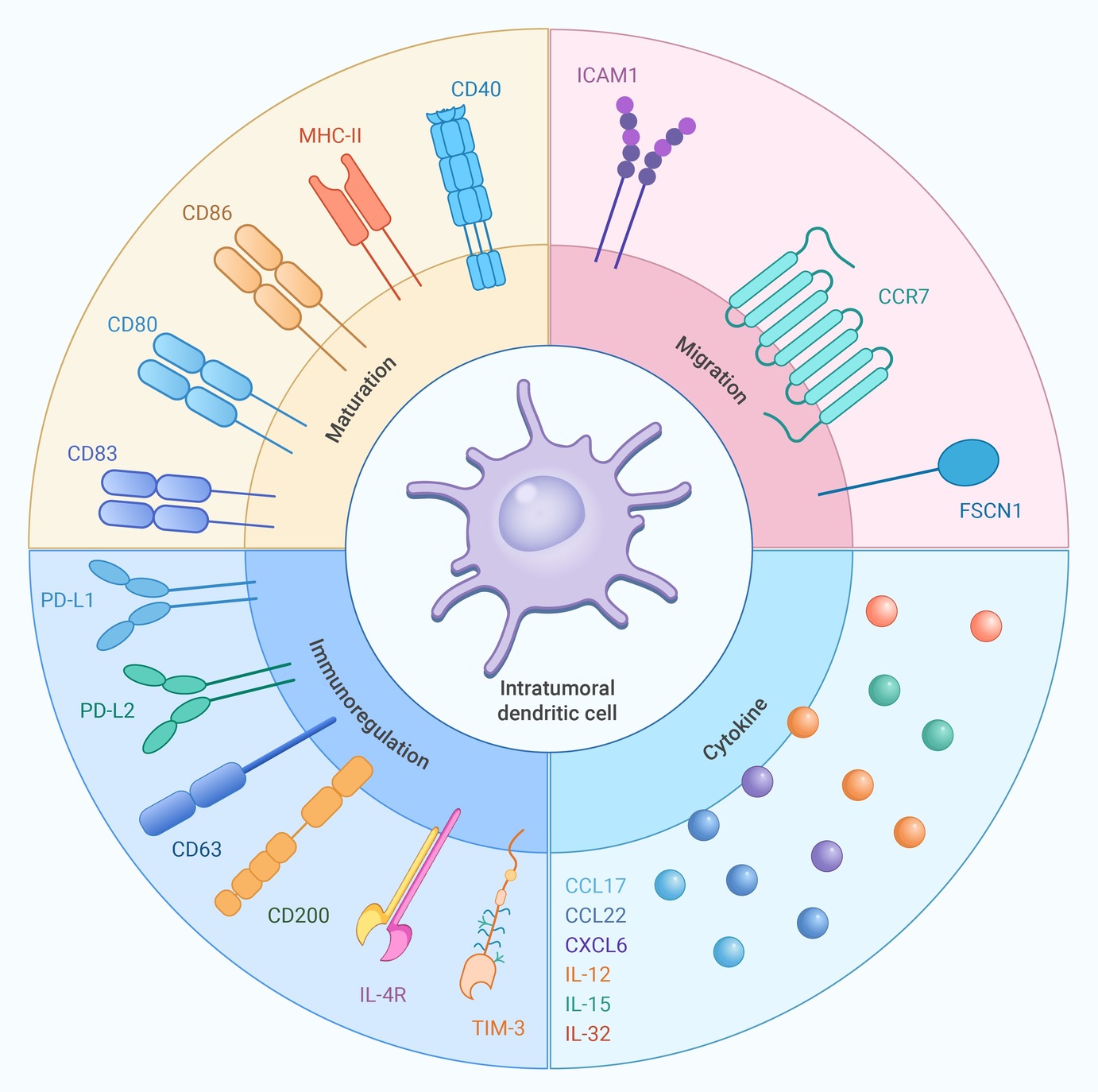
Figure 2.
Intratumoral DCs characteristics
-
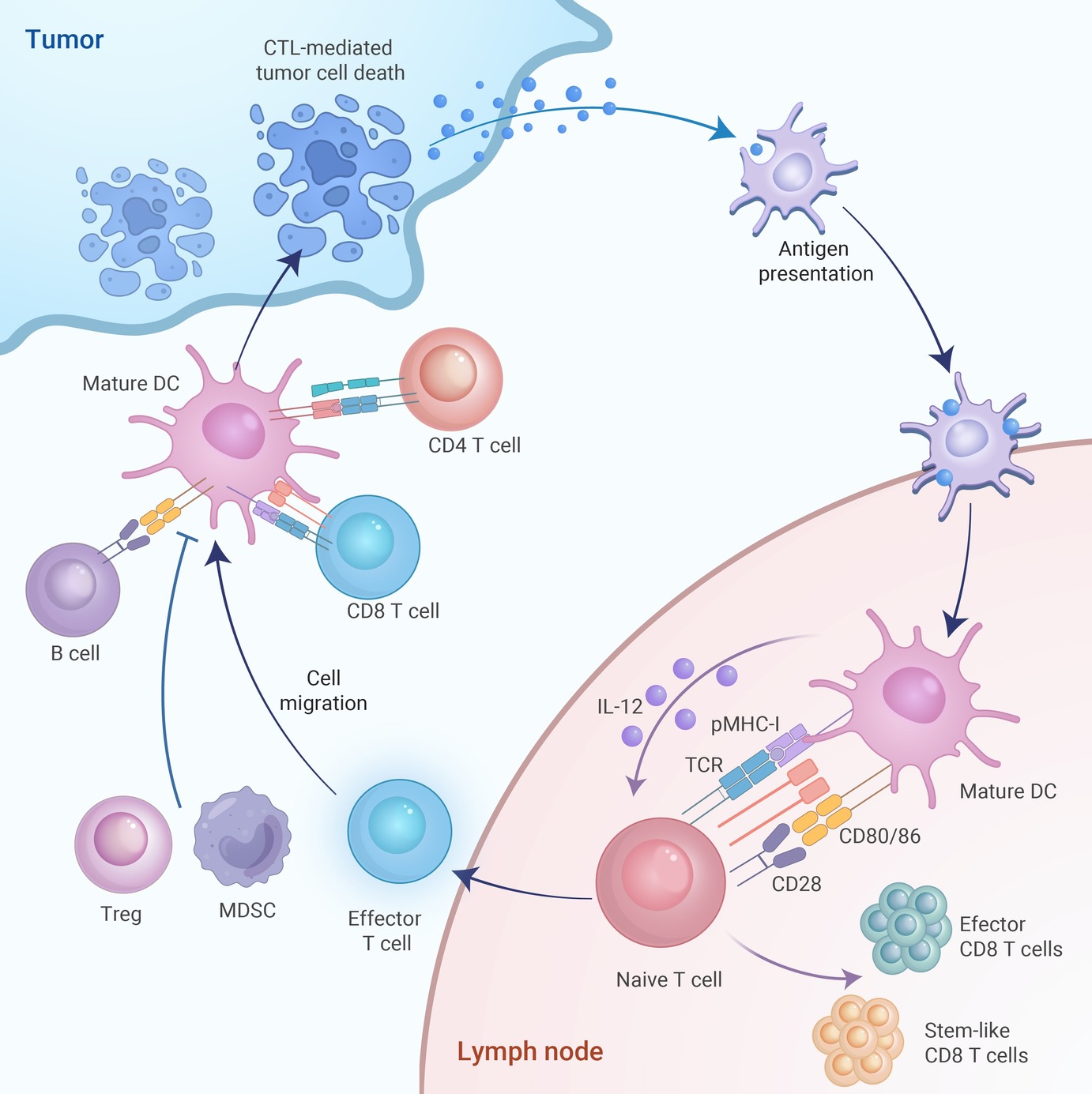
Figure 3.
DC prime T cell activation in the tdLN and TME
-
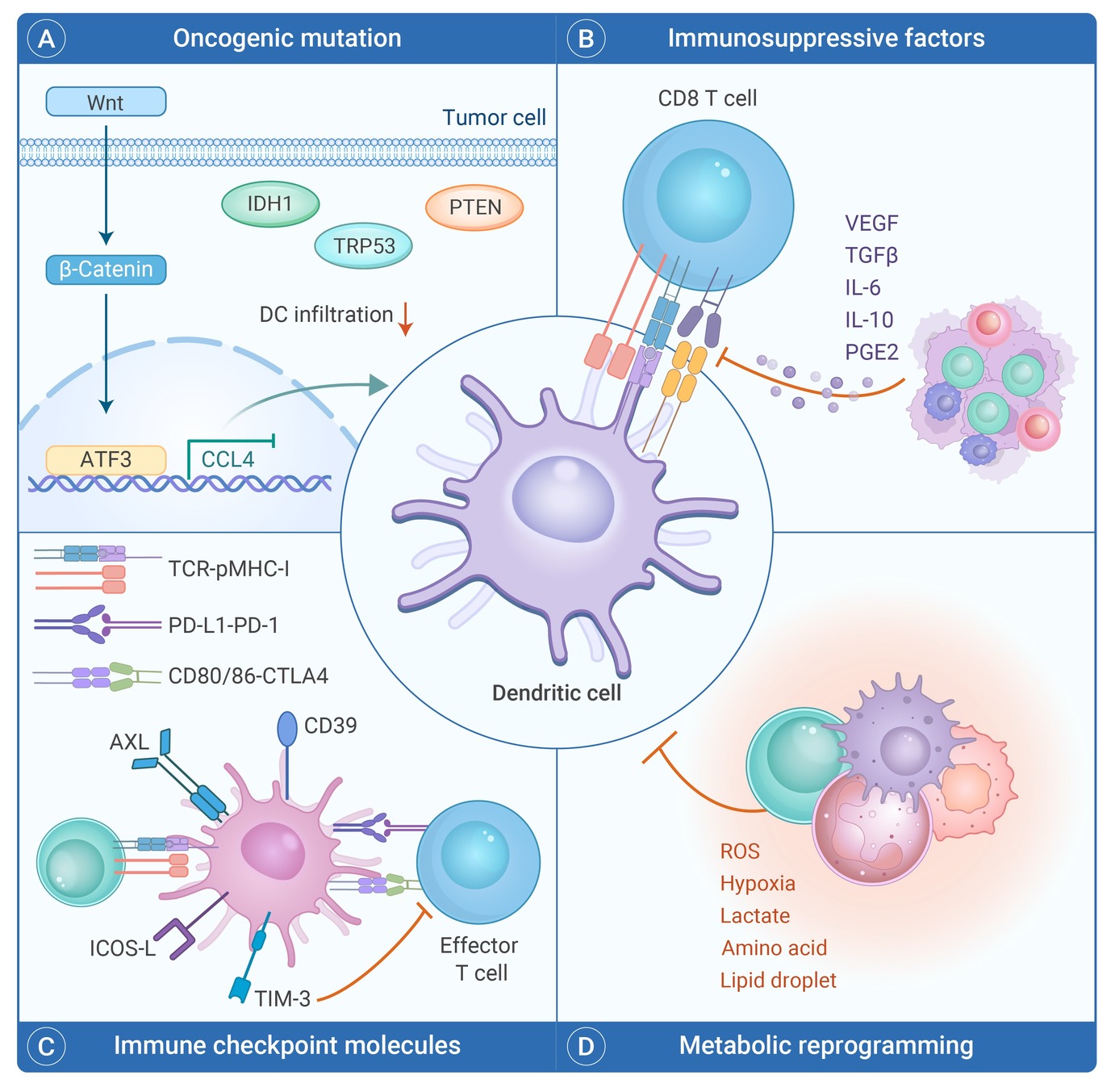
Figure 4.
DCs are functionally impaired in the TME
-
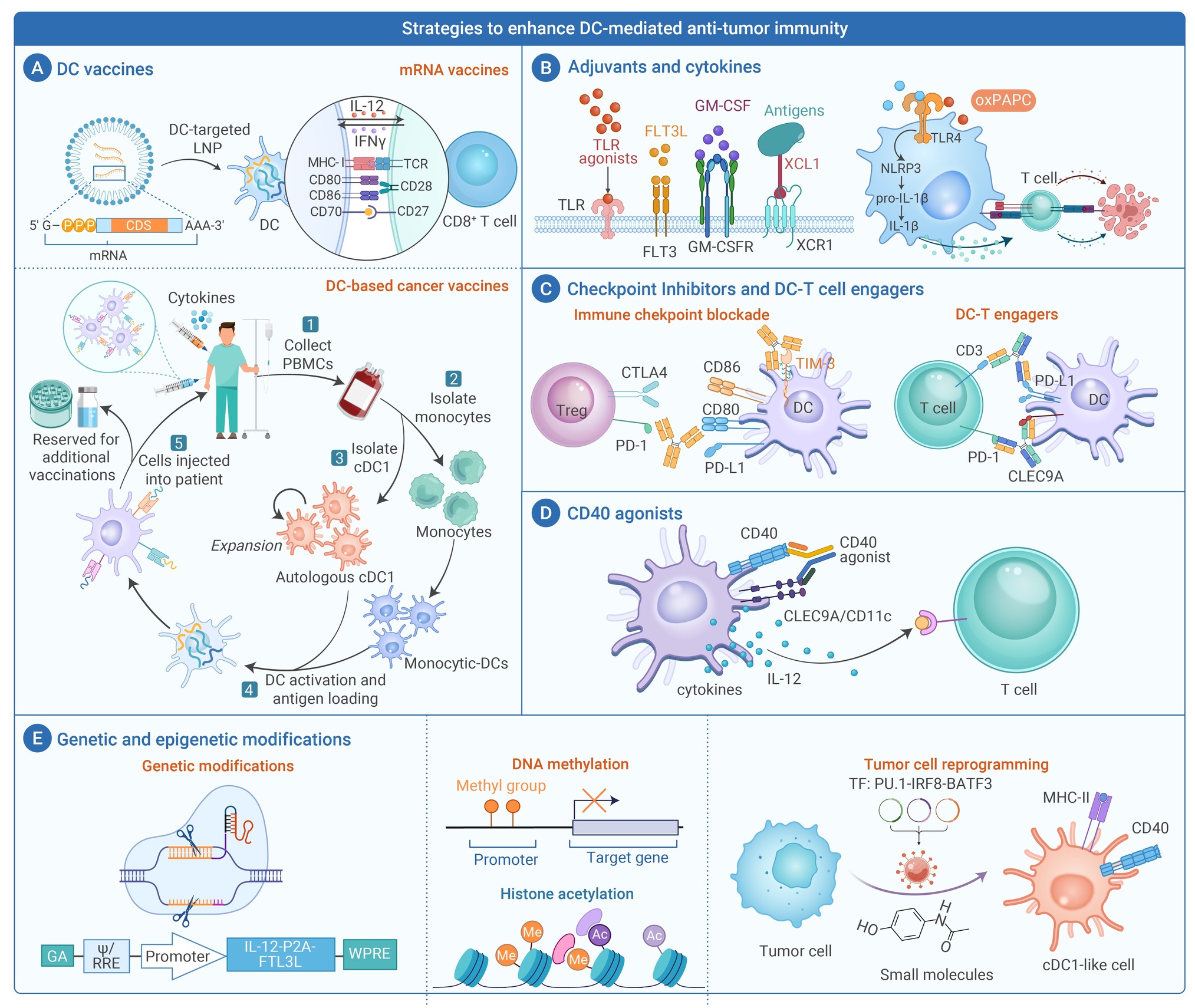
Figure 5.
Strategies to enhance DC-mediated anti-tumor immunity
