
The intratumoral microbiome in solid cancers: Spatial ecology, functional crosstalk and translational horizons
-
GRAPHICAL ABSTRACT
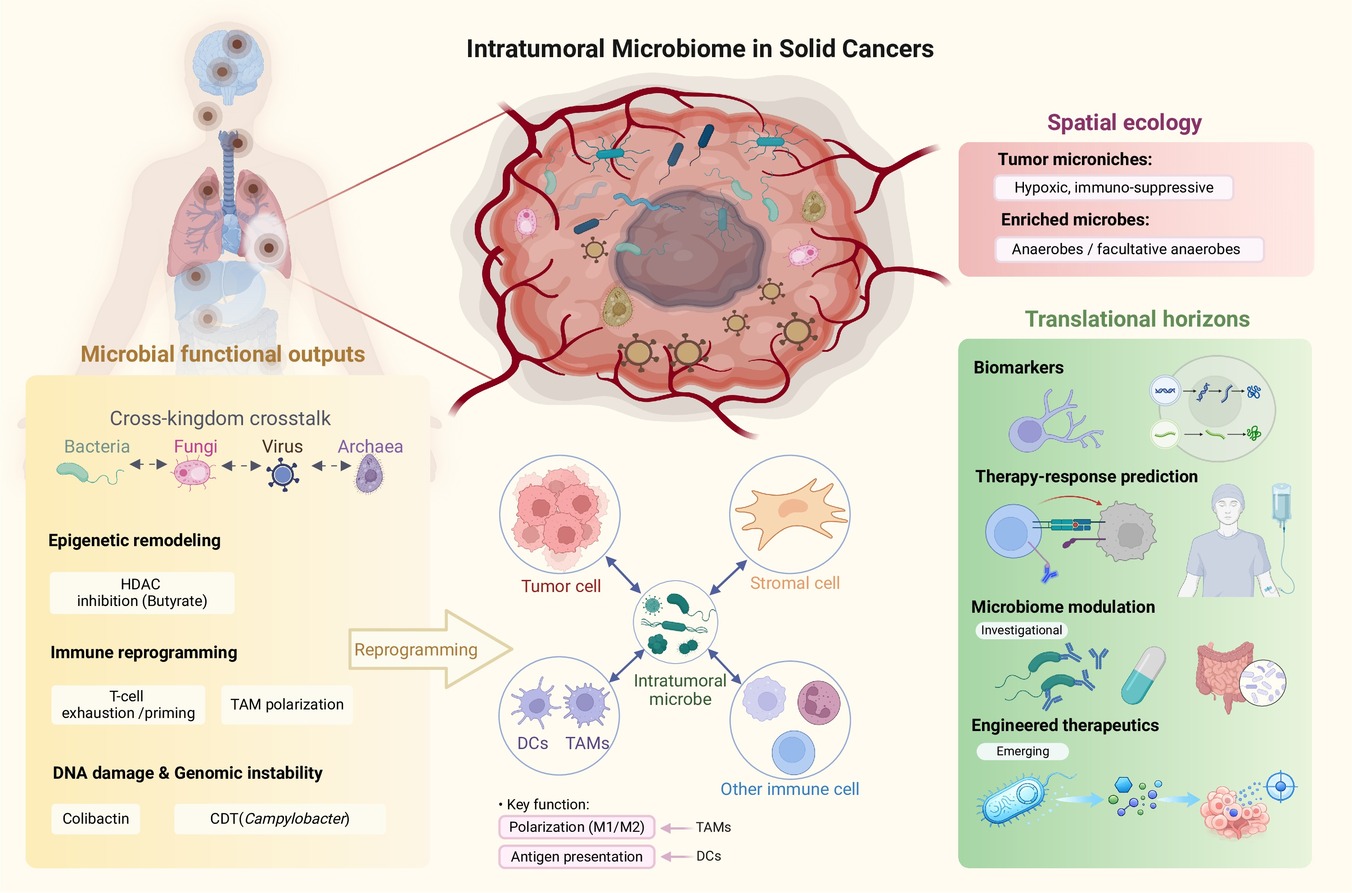
 DownLoad:
Full size image
DownLoad:
Full size image
-
PUBLIC SUMMARY
-
Intratumoral microbiota (ITM) form spatial ecosystems interacting with cancer, immune, and stromal cells.
ITM affect tumor onset and progression via genotoxic effects, immune and epigenetic regulation.
ITM may alter therapeutic response via metabolic and signaling regulation.
-
-
ABSTRACT
The long-held paradigm of solid tumors as sterile entities has been revised by the advent of advanced molecular profiling technologies, including high-throughput sequencing, spatial transcriptomics, and integrated multi-omics. These innovations have revealed tumors as dynamic, polymicrobial ecosystems, colonized by diverse communities of bacteria, fungi, viruses, and archaea. Intratumoral microbial communities display cancer-type specificity, reside in specialized microniches, and are frequently detected inside malignant and immune cells. Such close interactions enable microbes to regulate tumor development via multiple mechanisms. Microbial metabolites, such as butyrate and indole-3-aldehyde, modify epigenetic patterns, DNA damage control and cellular metabolism, affecting tumor proliferation, immune escape and metastatic capacity. Polymicrobial crosstalk among bacteria, fungi, and viruses further remodels immune cell infiltration and polarization, which modulates tumor responsiveness to chemotherapy, radiotherapy and immune checkpoint blockade. Tissue-resident and circulating microbial nucleic acid signatures act as minimally invasive biomarkers for tumor early diagnosis, prognostic assessment and patient stratification. Translational studies cover antimicrobials, engineered probiotics, bacteriophage treatments, metabolite analogs and intratumoral microbiota transplantation to improve therapeutic outcomes. Nevertheless, the field faces pressing challenges—including standardizing low-biomass sampling and sequencing workflows, robustly decontaminating data, establishing causal microbe–tumor relationships, integrating host and microbial multi-omics, and navigating regulatory and ethical frameworks. Addressing these hurdles through longitudinal cohort studies, rigorous mechanistic modeling, and cross-disciplinary collaboration will be essential to harness the tumor microbiome’s full potential and usher in a new epoch of microbiome-informed precision oncology. -

-
REFERENCES
[1] Cummins J. and Tangney M. (2013). Bacteria and tumours: Causative agents or opportunistic inhabitants. Infect. Agent. Cancer 8:11. DOI:10.1186/1750-9378-8-11 [2] Castellarin M., Warren R. L., Freeman J. D., et al. (2012). Fusobacterium nucleatum infection is prevalent in human colorectal carcinoma. Genome. Res. 22:299−306. DOI:10.1101/gr.126516.111 [3] Xuan C., Shamonki J. M., Chung A., et al. (2014). Microbial dysbiosis is associated with human breast cancer. PLoS One 9:e83744. DOI:10.1371/journal.pone.0083744 [4] Nejman D., Livyatan I., Fuks G., et al. (2020). The human tumor microbiome is composed of tumor type-specific intracellular bacteria. Science 368:973−980. DOI:10.1126/science.aay9189 [5] Narunsky-Haziza L., Sepich-Poore G. D., Livyatan I., et al. (2022). Pan-cancer analyses reveal cancer-type-specific fungal ecologies and bacteriome interactions. Cell 185:3789−3806.e3717. DOI:10.1016/j.cell.2022.09.005 [6] Aykut B., Pushalkar S., Chen R., et al. (2019). The fungal mycobiome promotes pancreatic oncogenesis via activation of MBL. Nature 574:264−267. DOI:10.1038/s41586-019-1608-2 [7] Uzelac M., Li Y., Chakladar J., et al. (2022). Archaea microbiome dysregulated genes and pathways as molecular targets for lung adenocarcinoma and squamous cell carcinoma. Int. J. Mol. Sci. 23:11566. DOI:10.3390/ijms231911566 [8] Zapatka M., Borozan I., Brewer D. S., et al. (2020). The landscape of viral associations in human cancers. Nat. Genet. 52:320−330. DOI:10.1038/s41588-019-0558-9 [9] Fierer N., Leung P. M., Lappan R., et al. (2025). Guidelines for preventing and reporting contamination in low-biomass microbiome studies. Nat. Microbiol. 10:1570−1580. DOI:10.1038/s41564-025-02035-2 [10] Eisenhofer R., Minich J. J., Marotz C., et al. (2019). Contamination in low microbial biomass microbiome studies: Issues and recommendations. Trends Microbiol. 27:105−117. DOI:10.1016/j.tim.2018.11.003 [11] Davis N. M., Proctor D. M., Holmes S. P., et al. (2018). Simple statistical identification and removal of contaminant sequences in marker-gene and metagenomics data. Microbiome 6:226. DOI:10.1186/s40168-018-0605-2 [12] Van Den Bossche T., Arntzen M., Becher D., et al. (2021). The Metaproteomics Initiative: A coordinated approach for propelling the functional characterization of microbiomes. Microbiome 9:243. DOI:10.1186/s40168-021-01176-w [13] Galeano Niño J. L., Wu H., LaCourse K. D., et al. (2022). Effect of the intratumoral microbiota on spatial and cellular heterogeneity in cancer. Nature 611:810−817. DOI:10.1038/s41586-022-05435-0 [14] Johnson J. S., Spakowicz D. J., Hong B. Y., et al. (2019). Evaluation of 16S rRNA gene sequencing for species and strain-level microbiome analysis. Nat. Commun. 10:5029. DOI:10.1038/s41467-019-13036-1 [15] Battaglia T. W., Mimpen I. L., Traets J. J. H., et al. (2024). A pan-cancer analysis of the microbiome in metastatic cancer. Cell 187:2324−2335.e2319. DOI:10.1016/j.cell.2024.03.021 [16] Riquelme E., Zhang Y., Zhang L., et al. (2019). Tumor Microbiome Diversity and Composition Influence Pancreatic Cancer Outcomes. Cell 178:795−806.e712. DOI:10.1016/j.cell.2019.07.008 [17] Abellan-Schneyder I., Schusser A. J. and Neuhaus K. (2021). ddPCR allows 16S rRNA gene amplicon sequencing of very small DNA amounts from low-biomass samples. BMC Microbiol. 21:349. DOI:10.1186/s12866-021-02391-z [18] Sun Z., Huang S., Zhu P., et al. (2022). Species-resolved sequencing of low-biomass or degraded microbiomes using 2bRAD-M. Genome Biol. 23:36. DOI:10.1186/s13059-021-02576-9 [19] Jiang X., Zhang Y., Wang H., et al. (2022). In-depth metaproteomics analysis of oral microbiome for lung cancer. Research (Wash D C) 2022:9781578. DOI:10.34133/2022/9781578 [20] Usyk M., Peters B. A., Karthikeyan S., et al. (2023). Comprehensive evaluation of shotgun metagenomics, amplicon sequencing, and harmonization of these platforms for epidemiological studies. Cell Rep. Methods 3:100391. DOI:10.1016/j.crmeth.2022.100391 [21] Avershina E., Qureshi A. I., Winther-Larsen H. C., et al. (2025). Challenges in capturing the mycobiome from shotgun metagenome data: Lack of software and databases. Microbiome 13:66. DOI:10.1186/s40168-025-02048-3 [22] Jiang Y., Xiong X., Danska J., et al. (2016). Metatranscriptomic analysis of diverse microbial communities reveals core metabolic pathways and microbiome-specific functionality. Microbiome 4:2. DOI:10.1186/s40168-015-0146-x [23] Motoki K., Watsuji T. O., Takaki Y., et al. (2020). Metatranscriptomics by in situ RNA stabilization directly and comprehensively revealed episymbiotic microbial communities of deep-sea squat lobsters. mSystems 5:e00551−20. DOI:10.1128/mSystems.00551-20 [24] Kelliher J. M., Robinson A. J., Longley R., et al. (2023). The endohyphal microbiome: Current progress and challenges for scaling down integrative multi-omic microbiome research. Microbiome 11:192. DOI:10.1186/s40168-023-01634-7 [25] Chung M., Bruno V. M., Rasko D. A., et al. (2021). Best practices on the differential expression analysis of multi-species RNA-seq. Genome Biol. 22:121. DOI:10.1186/s13059-021-02337-8 [26] Shrestha H. K., Appidi M. R., Villalobos Solis M. I., et al. (2021). Metaproteomics reveals insights into microbial structure, interactions, and dynamic regulation in defined communities as they respond to environmental disturbance. BMC Microbiol. 21:308. DOI:10.1186/s12866-021-02370-4 [27] Ghaddar B., Biswas A., Harris C., et al. (2022). Tumor microbiome links cellular programs and immunity in pancreatic cancer. Cancer Cell 40:1240−1253.e1245. DOI:10.1016/j.ccell.2022.09.009 [28] Robinson W., Stone J. K., Schischlik F., et al. (2024). Identification of intracellular bacteria from multiple single-cell RNA-seq platforms using CSI-Microbes. Sci. Adv. 10:eadj7402. DOI:10.1126/sciadv.adj7402 [29] Galeano Niño J. L., Wu H., LaCourse K. D., et al. (2023). INVADEseq to identify cell-adherent or invasive bacteria and the associated host transcriptome at single-cell-level resolution. Nat. Protoc. 18:3355−3389. DOI:10.1038/s41596-023-00888-7 [30] Zhao F., An R., Ma Y., et al. (2025). Integrated spatial multi-omics profiling of Fusobacterium nucleatum in breast cancer unveils its role in tumour microenvironment modulation and cancer progression. Clin. Transl. Med. 15:e70273. DOI:10.1002/ctm2.70273 [31] Vasimuddin M., Misra S., Li H., et al. (2019). Efficient architecture-aware acceleration of BWA-MEM for multicore systems. 2019 IEEE International Parallel and Distributed Processing Symposium (IPDPS). [32] Langmead B. and Salzberg S. L. (2012). Fast gapped-read alignment with Bowtie 2. Nat. Methods 9:357−359. DOI:10.1038/nmeth.1923 [33] Bolger A. M., Lohse M. and Usadel B. (2014). Trimmomatic: A flexible trimmer for Illumina sequence data. Bioinformatics 30:2114−2120. DOI:10.1093/bioinformatics/btu170 [34] Wood D. E., Lu J. and Langmead B. (2019). Improved metagenomic analysis with Kraken 2. Genome Biol. 20:257. DOI:10.1186/s13059-019-1891-0 [35] Law C. W., Chen Y., Shi W., et al. (2014). voom: Precision weights unlock linear model analysis tools for RNA-seq read counts. Genome Biol. 15:R29. DOI:10.1186/gb-2014-15-2-r29 [36] Salter S. J., Cox M. J., Turek E. M., et al. (2014). Reagent and laboratory contamination can critically impact sequence-based microbiome analyses. BMC Biol. 12:87. DOI:10.1186/s12915-014-0087-z [37] Geller L. T., Barzily-Rokni M., Danino T., et al. (2017). Potential role of intratumor bacteria in mediating tumor resistance to the chemotherapeutic drug gemcitabine. Science 357:1156−1160. DOI. DOI:10.1126/science.aah5043 [38] Parhi L., Alon-Maimon T., Sol A., et al. (2020). Breast cancer colonization by Fusobacterium nucleatum accelerates tumor growth and metastatic progression. Nat. Commun. 11:3259. DOI:10.1038/s41467-020-16967-2 [39] Poore G. D., Kopylova E., Zhu Q., et al. (2020). Microbiome analyses of blood and tissues suggest cancer diagnostic approach. Nature 579:567−574. DOI:10.1038/s41586-020-2095-1 [40] Poore G. D., Kopylova E., Zhu Q., et al. (2024). Retraction Note: Microbiome analyses of blood and tissues suggest cancer diagnostic approach. Nature 631:694. DOI:10.1038/s41586-024-07656-x [41] Githaka J. M. (2025). "Misuse" of RNA-seq data in microbiome studies: A cautionary tale of poly(A). mLife 4:227−231. DOI:10.1002/mlf2.70012 [42] Gihawi A., Ge Y., Lu J., et al. (2023). Major data analysis errors invalidate cancer microbiome findings. mBio 14:e0160723. DOI:10.1128/mbio.01607-23 [43] Ge Y., Lu J., Puiu D., et al. (2025). Comprehensive analysis of microbial content in whole-genome sequencing samples from The Cancer Genome Atlas project. Sci. Transl. Med. 17:eads6335. DOI:10.1126/scitranslmed.ads6335 [44] Dohlman A. B., Arguijo Mendoza D., Ding S., et al. (2021). The cancer microbiome atlas: A pan-cancer comparative analysis to distinguish tissue-resident microbiota from contaminants. Cell Host Microbe 29:281−298.e285. DOI:10.1016/j.chom.2020.12.001 [45] Kalaora S., Nagler A., Nejman D., et al. (2021). Identification of bacteria-derived HLA-bound peptides in melanoma. Nature 592:138−143. DOI:10.1038/s41586-021-03368-8 [46] Rubinstein M. R., Wang X., Liu W., et al. (2013). Fusobacterium nucleatum promotes colorectal carcinogenesis by modulating E-cadherin/β-catenin signaling via its FadA adhesin. Cell Host Microbe 14:195−206. DOI:10.1016/j.chom.2013.07.012 [47] Xu S., Xiong Y., Fu B., et al. (2023). Bacteria and macrophages in the tumor microenvironment. Front. Microbiol. 14:1115556. DOI:10.3389/fmicb.2023.1115556 [48] Ding T., Liu C. and Li Z. (2025). The mycobiome in human cancer: analytical challenges, molecular mechanisms, and therapeutic implications. Mol. Cancer 24:18. DOI:10.1186/s12943-025-02227-8 [49] Dohlman A. B., Klug J., Mesko M., et al. (2022). A pan-cancer mycobiome analysis reveals fungal involvement in gastrointestinal and lung tumors. Cell 185:3807−3822.e3812. DOI:10.1016/j.cell.2022.09.015 [50] Baba S. K., Alblooshi S. S. E., Yaqoob R., et al. (2025). Human papilloma virus (HPV) mediated cancers: an insightful update. J. Transl. Med. 23:483. DOI:10.1186/s12967-025-06470-x [51] Yoshizaki T., Kondo S., Endo K., et al. (2018). Modulation of the tumor microenvironment by Epstein-Barr virus latent membrane protein 1 in nasopharyngeal carcinoma. Cancer Sci. 109:272−278. DOI:10.1111/cas.13473 [52] Becker J. C., Stang A., DeCaprio J. A., et al. (2017). Merkel cell carcinoma. Nat. Rev. Dis. Primers 3:17077. DOI:10.1038/nrdp.2017.77 [53] Nam Y., Gomez K., Reynier J. B., et al. (2025). Genomic landscape of virus-associated cancers. Nat. Commun. 16:5887. DOI:10.1038/s41467-025-60836-9 [54] Ahmed K. and Jha S. (2023). Oncoviruses: How do they hijack their host and current treatment regimes. Biochim. Biophys. Acta Rev. Cancer 1878:188960. DOI:10.1016/j.bbcan.2023.188960 [55] Tang J. Y., Chen T. B., Kouznetsova V. L., et al. (2025). Anelloviruses and cancer. J. Infect. Dis. 231:298−306. DOI:10.1093/infdis/jiae626 [56] Powell S. F., Vu L., Spanos W. C., et al. (2021). The key differences between human papillomavirus-positive and -negative head and neck cancers: Biological and clinical implications. Cancers (Basel) 13:5206. DOI:10.3390/cancers13205206 [57] Guerrero-Preston R., Godoy-Vitorino F., Jedlicka A., et al. (2016). 16S rRNA amplicon sequencing identifies microbiota associated with oral cancer, human papilloma virus infection and surgical treatment. Oncotarget 7:51320−51334. DOI:10.18632/oncotarget.9710 [58] Yang J., Liu Z., Zeng B., et al. (2020). Epstein-Barr virus-associated gastric cancer: A distinct subtype. Cancer Lett. 495:191−199. DOI:10.1016/j.canlet.2020.09.019 [59] Moreno-León C. and Aguayo F. (2025). Cooperation between aflatoxin-induced p53 aberrations and hepatitis B virus in hepatocellular carcinoma. J. Xenobiot. 15:96. DOI:10.3390/jox15040096 [60] Chen Y., Li W., Chang E. T., et al. (2023). Oral fungal profiling and risk of nasopharyngeal carcinoma: A population-based case-control study. EBioMedicine 96:104813. DOI:10.1016/j.ebiom.2023.104813 [61] Yang X., Cheng Y. and Li C. (2017). The role of TLRs in cervical cancer with HPV infection: a review. Signal Transduct. Target. Ther. 2:17055. DOI:10.1038/sigtrans.2017.55 [62] Xiao Q., Liu Y., Li T., et al. (2025). Viral oncogenesis in cancer: From mechanisms to therapeutics. Signal Transduct. Target. Ther. 10:151. DOI:10.1038/s41392-025-02197-9 [63] Ma Y., Chen H., Li H., et al. (2024). Intratumor microbiome-derived butyrate promotes lung cancer metastasis. Cell Rep. Med. 5:101488. DOI:10.1016/j.xcrm.2024.101488 [64] Zhang H. L., Zhao R., Wang D., et al. (2025). Candida albicans and colorectal cancer: A paradoxical role revealed through metabolite profiling and prognostic modeling. World J. Clin. Oncol. 16:104182. DOI:10.5306/wjco.v16.i4.104182 [65] Yu T., Guo F., Yu Y., et al. (2017). Fusobacterium nucleatum promotes chemoresistance to colorectal cancer by modulating autophagy. Cell 170:548−563.e516. DOI:10.1016/j.cell.2017.07.008 [66] Li T., Zhao Z., Peng M., et al. (2025). Multi-omics analysis reveals the interplay between intratumoral bacteria and glioma. mSystems 10:e0045724. DOI:10.1128/msystems.00457-24 [67] Zheng X., Liu R., Zhou C., et al. (2021). ANGPTL4-mediated promotion of glycolysis facilitates the colonization of fusobacterium nucleatum in colorectal cancer. Cancer Res. 81:6157−6170. DOI:10.1158/0008-5472.Can-21-2273 [68] Hong J., Guo F., Lu S. Y., et al. (2021). F. nucleatum targets lncRNA ENO1-IT1 to promote glycolysis and oncogenesis in colorectal cancer. Gut 70:2123-2137. DOI:10.1136/gutjnl-2020-322780 [69] Byrd D. A., Fan W., Greathouse K. L., et al. (2023). The intratumor microbiome is associated with microsatellite instability. J. Natl. Cancer Inst. 115:989−993. DOI:10.1093/jnci/djad083 [70] Long J., Wang J., Xiao C., et al. (2024). Intratumoral microbiota in colorectal cancer: Focus on specific distribution and potential mechanisms. Cell Commun. Signal 22:455. DOI:10.1186/s12964-024-01831-3 [71] Jin M., Wu J., Shi L., et al. (2022). Gut microbiota distinct between colorectal cancers with deficient and proficient mismatch repair: A study of 230 CRC patients. Front. Microbiol. 13:993285. DOI:10.3389/fmicb.2022.993285 [72] Mima K., Nishihara R., Qian Z. R., et al. (2016). Fusobacterium nucleatum in colorectal carcinoma tissue and patient prognosis. Gut 65:1973−1980. DOI:10.1136/gutjnl-2015-310101 [73] Gur C., Ibrahim Y., Isaacson B., et al. (2015). Binding of the Fap2 protein of Fusobacterium nucleatum to human inhibitory receptor TIGIT protects tumors from immune cell attack. Immunity 42:344−355. DOI:10.1016/j.immuni.2015.01.010 [74] Yuan K., Xu H., Li S., et al. (2025). Intraneoplastic fungal dysbiosis is associated with colorectal cancer progression and host gene mutation. EBioMedicine 113:105608. DOI:10.1016/j.ebiom.2025.105608 [75] Nougayrède J.-P., Homburg S., Taieb F., et al. (2006). Escherichia coli induces DNA double-strand breaks in eukaryotic cells. Science 313:848−851. DOI:10.1126/science.1127059 [76] Schuurhuis J. M., Stokman M. A., Witjes M. J., et al. (2016). Head and neck intensity modulated radiation therapy leads to an increase of opportunistic oral pathogens. Oral Oncol. 58:32−40. DOI:10.1016/j.oraloncology.2016.05.005 [77] Vučinić D., Redžović A., Hauser G., et al. (2025). Microbiota and radiotherapy: Unlocking the potential for improved gastrointestinal cancer treatment. Biomedicines 13:526. DOI:10.3390/biomedicines13020526 [78] Li Y., Xing S., Chen F., et al. (2023). Intracellular Fusobacterium nucleatum infection attenuates antitumor immunity in esophageal squamous cell carcinoma. Nat. Commun. 14:5788. DOI:10.1038/s41467-023-40987-3 [79] Meza-Perez S., Liu M., Silva-Sanchez A., et al. (2024). Proteobacteria impair anti-tumor immunity in the omentum by consuming arginine. Cell Host Microbe 32:1177−1191.e1177. DOI:10.1016/j.chom.2024.06.003 [80] Fusco W., Lorenzo M. B., Cintoni M., et al. (2023). Short-chain fatty-acid-producing bacteria: Key components of the human gut microbiota. Nutrients 15:2211. DOI:10.3390/nu15092211 [81] Zhang D., Tang Z., Huang H., et al. (2019). Metabolic regulation of gene expression by histone lactylation. Nature 574:575−580. DOI:10.1038/s41586-019-1678-1 [82] Joachim L., Göttert S., Sax A., et al. (2023). The microbial metabolite desaminotyrosine enhances T-cell priming and cancer immunotherapy with immune checkpoint inhibitors. EBioMedicine 97:104834. DOI:10.1016/j.ebiom.2023.104834 [83] Pleguezuelos-Manzano C., Puschhof J., Rosendahl Huber A., et al. (2020). Mutational signature in colorectal cancer caused by genotoxic pks(+) E. coli. Nature 580:269−273. DOI:10.1038/s41586-020-2080-8 [84] Bender M. J., McPherson A. C., Phelps C. M., et al. (2023). Dietary tryptophan metabolite released by intratumoral Lactobacillus reuteri facilitates immune checkpoint inhibitor treatment. Cell 186:1846−1862.e1826. DOI:10.1016/j.cell.2023.03.011 [85] Han S., Bao X., Zou Y., et al. (2023). d-lactate modulates M2 tumor-associated macrophages and remodels immunosuppressive tumor microenvironment for hepatocellular carcinoma. Sci. Adv. 9:eadg2697. DOI:10.1126/sciadv.adg2697 [86] Yang K., Fan M., Wang X., et al. (2022). Lactate promotes macrophage HMGB1 lactylation, acetylation, and exosomal release in polymicrobial sepsis. Cell Death Differ. 29:133−146. DOI:10.1038/s41418-021-00841-9 [87] Abed J., Emgård J. E., Zamir G., et al. (2016). Fap2 Mediates fusobacterium nucleatum colorectal adenocarcinoma enrichment by binding to tumor-expressed Gal-GalNAc. Cell Host Microbe 20:215−225. DOI:10.1016/j.chom.2016.07.006 [88] Casasanta M. A., Yoo C. C., Udayasuryan B., et al. (2020). Fusobacterium nucleatum host-cell binding and invasion induces IL-8 and CXCL1 secretion that drives colorectal cancer cell migration. Sci. Signal 13. DOI:10.1126/scisignal.aba9157 [89] Kong X., Zhang Y., Xiang L., et al. (2023). Fusobacterium nucleatum-triggered neutrophil extracellular traps facilitate colorectal carcinoma progression. J. Exp. Clin. Cancer Res. 42:236. DOI:10.1186/s13046-023-02817-8 [90] Paulos C. M., Wrzesinski C., Kaiser A., et al. (2007). Microbial translocation augments the function of adoptively transferred self/tumor-specific CD8+ T cells via TLR4 signaling. J. Clin. Invest. 117:2197−2204. DOI:10.1172/jci32205 [91] Terlouw D., Boot A., Ducarmon Q. R., et al. (2024). Enrichment of colibactin-associated mutational signatures in unexplained colorectal polyposis patients. BMC Cancer 24:104. DOI:10.1186/s12885-024-11849-y [92] He Z., Yu J., Gong J., et al. (2024). Campylobacter jejuni-derived cytolethal distending toxin promotes colorectal cancer metastasis. Cell Host Microbe 32:2080-2091.e2086. DOI:10.1016/j.chom.2024.11.006 [93] Pons B. J., Pettes-Duler A., Naylies C., et al. (2021). Chronic exposure to Cytolethal Distending Toxin (CDT) promotes a cGAS-dependent type I interferon response. Cell Mol. Life Sci. 78:6319−6335. DOI:10.1007/s00018-021-03902-x [94] Fu A., Yao B., Dong T., et al. (2022). Tumor-resident intracellular microbiota promotes metastatic colonization in breast cancer. Cell 185:1356−1372.e1326. DOI:10.1016/j.cell.2022.02.027 [95] Yang L., Li A., Wang Y., et al. (2023). Intratumoral microbiota: Roles in cancer initiation, development and therapeutic efficacy. Signal Transduct. Target. Ther. 8:35. DOI:10.1038/s41392-022-01304-4 [96] Clay S. L., Fonseca-Pereira D. and Garrett W. S. (2022). Colorectal cancer: The facts in the case of the microbiota. J. Clin. Invest. 132:e155101. DOI:10.1172/jci155101 [97] Bor B., Cen L., Agnello M., et al. (2016). Morphological and physiological changes induced by contact-dependent interaction between Candida albicans and Fusobacterium nucleatum. Sci. Rep. 6:27956. DOI:10.1038/srep27956 [98] Delaney C., Alapati S., Alshehri M., et al. (2023). Investigating the role of Candida albicans as a universal substrate for oral bacteria using a transcriptomic approach: implications for interkingdom biofilm control. APMIS 131:601−612. DOI:10.1111/apm.13327 [99] Zhang W., Yin Y., Jiang Y., et al. (2024). Relationship between vaginal and oral microbiome in patients of human papillomavirus (HPV) infection and cervical cancer. J. Transl. Med. 22:396. DOI:10.1186/s12967-024-05124-8 [100] Wang W., Liu Y., Yang Y., et al. (2023). Changes in vaginal microbiome after focused ultrasound treatment of high-risk human papillomavirus infection-related low-grade cervical lesions. BMC Infect Dis. 23:3. DOI:10.1186/s12879-022-07937-8 [101] Chen C., Feng P. and Slots J. (2020). Herpesvirus-bacteria synergistic interaction in periodontitis. Periodontol. 2000 82:42-64. DOI:10.1111/prd.12311 [102] Liao Y., Wu Y. X., Tang M., et al. (2024). Microbes translocation from oral cavity to nasopharyngeal carcinoma in patients. Nat. Commun. 15:1645. DOI:10.1038/s41467-024-45518-2 [103] Jiang S.-S., Xie Y.-L., Xiao X.-Y., et al. (2023). Fusobacterium nucleatum-derived succinic acid induces tumor resistance to immunotherapy in colorectal cancer. Cell Host Microbe 31:781−797.e789. DOI:10.1016/j.chom.2023.04.010 [104] Wang J., Sun H., Zeng Q., et al. (2019). HPV-positive status associated with inflamed immune microenvironment and improved response to anti-PD-1 therapy in head and neck squamous cell carcinoma. Sci. Rep. 9:13404. DOI:10.1038/s41598-019-49771-0 [105] Zepeda-Rivera M., Minot S. S., Bouzek H., et al. (2024). A distinct Fusobacterium nucleatum clade dominates the colorectal cancer niche. Nature 628:424−432. DOI:10.1038/s41586-024-07182-w [106] Wu Z., Ma Q., Guo Y., et al. (2022). The role of Fusobacterium nucleatum in colorectal cancer cell proliferation and migration. Cancers (Basel) 14. DOI:10.3390/cancers14215350 [107] Colbert L. E., El Alam M. B., Wang R., et al. (2023). Tumor-resident Lactobacillus iners confer chemoradiation resistance through lactate-induced metabolic rewiring. Cancer Cell 41:1945−1962.e1911. DOI:10.1016/j.ccell.2023.09.012 [108] Guo Y., Xiao Y., Zhang C., et al. (2025). The intratumoral microbiota heterogenicity is related to the prognosis and tumorigenesis of cervical cancer. Front. Cell Infect. Microbiol. 15:1574511. DOI:10.3389/fcimb.2025.1574511 [109] Wang G., Wang H., Ji X., et al. (2024). Intratumoral microbiome is associated with gastric cancer prognosis and therapy efficacy. Gut Microbes 16:2369336. DOI:10.1080/19490976.2024.2369336 [110] Cao Y., Xia H., Tan X., et al. (2024). Intratumoural microbiota: A new frontier in cancer development and therapy. Signal Transduct. Target. Ther. 9:15. DOI:10.1038/s41392-023-01693-0 [111] Gamal A., Elshaer M., Alabdely M., et al. (2022). The mycobiome: Cancer pathogenesis, diagnosis, and therapy. Cancers (Basel) 14:2875. DOI:10.3390/cancers14122875 [112] Brandi G., Turroni S., McAllister F., et al. (2021). The human microbiomes in pancreatic cancer: Towards evidence-based manipulation strategies. Int. J. Mol. Sci. 22:9914. DOI:10.3390/ijms22189914 [113] Huang X., Hu M., Sun T., et al. (2023). Multi-kingdom gut microbiota analyses define bacterial-fungal interplay and microbial markers of pan-cancer immunotherapy across cohorts. Cell Host Microbe 31:1930−1943.e1934. DOI:10.1016/j.chom.2023.10.005 [114] Viaud S., Saccheri F., Mignot G., et al. (2013). The intestinal microbiota modulates the anticancer immune effects of cyclophosphamide. Science 342:971−976. DOI. DOI:10.1126/science.1240537 [115] Daillère R., Vétizou M., Waldschmitt N., et al. (2016). Enterococcus hirae and Barnesiella intestinihominis facilitate cyclophosphamide-induced therapeutic immunomodulatory effects. Immunity 45:931−943. DOI:10.1016/j.immuni.2016.09.009 [116] Qin G., Shao X., Liu X., et al. (2025). A signaling molecule from intratumor bacteria promotes trastuzumab resistance in breast cancer cells. Proc. Natl. Acad. Sci. U. S. A. 122:e2421710122. DOI:10.1073/pnas.2421710122 [117] Park J. Y., Kang C. S., Seo H. C., et al. (2021). Bacteria-derived extracellular vesicles in urine as a novel biomarker for gastric cancer: Integration of liquid biopsy and metagenome analysis. Cancers (Basel) 13:4687. DOI:10.3390/cancers13184687 [118] Uemura T., Kawashima A., Jingushi K., et al. (2023). Bacteria-derived DNA in serum extracellular vesicles are biomarkers for renal cell carcinoma. Heliyon 9:e19800. DOI:10.1016/j.heliyon.2023.e19800 [119] Fujikawa K., Saito T., Kawashima A., et al. (2025). Bacteria-derived DNA in serum extracellular vesicles as a biomarker for gastric cancer. Cancer Immunol. Immunother. 74:346. DOI:10.1007/s00262-025-04175-0 [120] Koeppen K., Hampton T. H., Jarek M., et al. (2016). A novel mechanism of host-pathogen interaction through sRNA in bacterial outer membrane vesicles. PLoS Pathog. 12:e1005672. DOI:10.1371/journal.ppat.1005672 [121] Zhang M., Liu J. and Xia Q. (2023). Role of gut microbiome in cancer immunotherapy: from predictive biomarker to therapeutic target. Exp. Hematol. Oncol. 12:84. DOI:10.1186/s40164-023-00442-x [122] Davar D., Dzutsev A. K., McCulloch J. A., et al. (2021). Fecal microbiota transplant overcomes resistance to anti-PD-1 therapy in melanoma patients. Science 371:595−602. DOI:10.1126/science.abf3363 [123] Baruch E. N., Youngster I., Ben-Betzalel G., et al. (2021). Fecal microbiota transplant promotes response in immunotherapy-refractory melanoma patients. Science 371:602−609. DOI:10.1126/science.abb5920 [124] Yang Y., An Y., Dong Y., et al. (2024). Fecal microbiota transplantation: No longer cinderella in tumour immunotherapy. EBioMedicine 100:104967. DOI:10.1016/j.ebiom.2024.104967 [125] Glitza I. C., Seo Y. D., Spencer C. N., et al. (2024). Randomized placebo-controlled, biomarker-stratified phase Ib microbiome modulation in melanoma: Impact of antibiotic preconditioning on microbiome and immunity. Cancer Discov. 14:1161−1175. DOI:10.1158/2159-8290.Cd-24-0066 [126] De Dosso S., Christoforidis D., Merlo E., et al. (2025). Preoperative metronidazole treatment to evaluate its efficacy in reducing Fusobacterium nucleatum colonisation in colorectal cancer patients: A proof-of-concept trial. ESMO Gastrointest. Oncol. 8:100169. DOI:10.1016/j.esmogo.2025.100169 [127] Dethlefsen L. and Relman D. A. (2011). Incomplete recovery and individualized responses of the human distal gut microbiota to repeated antibiotic perturbation. Proc. Natl. Acad. Sci. U. S. A. 108:4554−4561. DOI. DOI:10.1073/pnas.1000087107 [128] Citorik R. J., Mimee M. and Lu T. K. (2014). Sequence-specific antimicrobials using efficiently delivered RNA-guided nucleases. Nat. Biotechnol. 32:1141−1145. DOI:10.1038/nbt.3011 [129] Bikard D., Euler C. W., Jiang W., et al. (2014). Exploiting CRISPR-Cas nucleases to produce sequence-specific antimicrobials. Nat. Biotechnol. 32:1146−1150. DOI:10.1038/nbt.3043 [130] Canale F. P., Basso C., Antonini G., et al. (2021). Metabolic modulation of tumours with engineered bacteria for immunotherapy. Nature 598:662−666. DOI:10.1038/s41586-021-04003-2 [131] Chowdhury S., Castro S., Coker C., et al. (2019). Programmable bacteria induce durable tumor regression and systemic antitumor immunity. Nat. Med. 25:1057−1063. DOI:10.1038/s41591-019-0498-z [132] Zheng D. W., Dong X., Pan P., et al. (2019). Phage-guided modulation of the gut microbiota of mouse models of colorectal cancer augments their responses to chemotherapy. Nat. Biomed. Eng. 3:717−728. DOI:10.1038/s41551-019-0423-2 [133] Cui L., Watanabe S., Miyanaga K., et al. (2024). A comprehensive review on phage therapy and phage-based drug development. Antibiotics (Basel) 13:870. DOI:10.3390/antibiotics13090870 [134] Luu M., Riester Z., Baldrich A., et al. (2021). Microbial short-chain fatty acids modulate CD8(+) T cell responses and improve adoptive immunotherapy for cancer. Nat. Commun. 12:4077. DOI:10.1038/s41467-021-24331-1 [135] Wang L., Tu Y. X., Chen L., et al. (2024). Black rice diet alleviates colorectal cancer development through modulating tryptophan metabolism and activating AHR pathway. Imeta 3:e165. DOI:10.1002/imt2.165 [136] Sinha A. K., Laursen M. F., Brinck J. E., et al. (2024). Dietary fibre directs microbial tryptophan metabolism via metabolic interactions in the gut microbiota. Nat. Microbiol. 9:1964−1978. DOI:10.1038/s41564-024-01737-3 [137] Jia D., Wang Q., Qi Y., et al. (2024). Microbial metabolite enhances immunotherapy efficacy by modulating T cell stemness in pan-cancer. Cell 187:1651−1665.e1621. DOI:10.1016/j.cell.2024.02.022 [138] Yoshimoto S., Loo T. M., Atarashi K., et al. (2013). Obesity-induced gut microbial metabolite promotes liver cancer through senescence secretome. Nature 499:97−101. DOI:10.1038/nature12347 [139] Ma C., Han M., Heinrich B., et al. (2018). Gut microbiome-mediated bile acid metabolism regulates liver cancer via NKT cells. Science 360. DOI:10.1126/science.aan5931. [140] Shen R., Ke L., Li Q., et al. (2022). Abnormal bile acid-microbiota crosstalk promotes the development of hepatocellular carcinoma. Hepatol. Int. 16:396−411. DOI:10.1007/s12072-022-10299-7 [141] Hao Q., Huang F., Chang L., et al. (2025). Weissella cibaria suppresses colitis-associated colorectal cancer by modulating the gut microbiota-bile acid-FXR axis. mSystems 10:e0028825. DOI:10.1128/msystems.00288-25 [142] Kim Y., Kim G., Kim S., et al. (2024). Fecal microbiota transplantation improves anti-PD-1 inhibitor efficacy in unresectable or metastatic solid cancers refractory to anti-PD-1 inhibitor. Cell Host Microbe 32:1380−1393.e1389. DOI:10.1016/j.chom.2024.06.010 [143] Almonte A. A., Thomas S. and Zitvogel L. (2025). Microbiota-centered interventions to boost immune checkpoint blockade therapies. J. Exp. Med. 222. DOI:10.1084/jem.20250378 [144] Kung Y.-J., Lam B., Tseng S.-H., et al. (2022). Localization of Salmonella and albumin-IL-2 to the tumor microenvironment augments anticancer T cell immunity. J. Biomed. Sci. 29:57. DOI:10.1186/s12929-022-00841-y [145] Shi Y., Zheng W., Yang K., et al. (2020). Intratumoral accumulation of gut microbiota facilitates CD47-based immunotherapy via STING signaling. J. Exp. Med. 217. DOI:10.1084/jem.20192282 [146] Sepich-Poore G. D., Guccione C., Laplane L., et al. (2022). Cancer's second genome: Microbial cancer diagnostics and redefining clonal evolution as a multispecies process: Humans and their tumors are not aseptic, and the multispecies nature of cancer modulates clinical care and clonal evolution: Humans and their tumors are not aseptic, and the multispecies nature of cancer modulates clinical care and clonal evolution. Bioessays 44:e2100252. DOI:10.1002/bies.202100252 [147] Zhao L.-Y., Mei J.-X., Yu G., et al. (2023). Role of the gut microbiota in anticancer therapy: From molecular mechanisms to clinical applications. Signal Transduct. Target. Ther. 8:201. DOI:10.1038/s41392-023-01406-7 [148] Iida N., Dzutsev A., Stewart C. A., et al. (2013). Commensal bacteria control cancer response to therapy by modulating the tumor microenvironment. Science 342:967−970. DOI:10.1126/science.1240527 [149] Riehl T. E., Alvarado D., Ee X., et al. (2019). Lactobacillus rhamnosus GG protects the intestinal epithelium from radiation injury through release of lipoteichoic acid, macrophage activation and the migration of mesenchymal stem cells. Gut 68:1003−1013. DOI:10.1136/gutjnl-2018-316226 [150] Mego M., Holec V., Drgona L., et al. (2013). Probiotic bacteria in cancer patients undergoing chemotherapy and radiation therapy. Complement. Ther. Med. 21:712−723. DOI:10.1016/j.ctim.2013.08.018 [151] Banna G. L., Torino F., Marletta F., et al. (2017). Lactobacillus rhamnosus GG: An overview to explore the rationale of its use in cancer. Front. Pharmacol. 8:603. DOI:10.3389/fphar.2017.00603 [152] Fong W., Li Q. and Yu J. (2020). Gut microbiota modulation: A novel strategy for prevention and treatment of colorectal cancer. Oncogene 39:4925−4943. DOI:10.1038/s41388-020-1341-1 [153] Zhang Y., Huang R., Jiang Y., et al. (2023). The role of bacteria and its derived biomaterials in cancer radiotherapy. Acta Pharm. Sin. B. 13:4149−4171. DOI:10.1016/j.apsb.2022.10.013 [154] Yang J., Wu Z., Chen Y., et al. (2021). Pre-treatment with Bifidobacterium infantis and its specific antibodies enhance targeted radiosensitization in a murine model for lung cancer. J. Cancer Res. Clin. Oncol. 147:411−422. DOI:10.1007/s00432-020-03434-0 [155] Gabel M., Kim J. H., Kolozsvary A., et al. (1998). Selective in vivo radiosensitization by 5-fluorocytosine of human colorectal carcinoma cells transduced with the E. coli cytosine deaminase (CD) gene. Int. J. Radiat. Oncol. Biol. Phys. 41:883−887. DOI:10.1016/s0360-3016(98)00125-4 [156] Chen Y. A., Lai Y. R., Wu H. Y., et al. (2021). Bacterial genotoxin-coated nanoparticles for radiotherapy sensitization in prostate cancer. Biomedicines 9. DOI:10.3390/biomedicines9020151 [157] He K. Y., Lei X. Y., Wu D. H., et al. (2023). Akkermansia muciniphila protects the intestine from irradiation-induced injury by secretion of propionic acid. Gut Microbes 15:2293312. DOI:10.1080/19490976.2023.2293312 [158] Wang B., Jin Y. X., Dong J. L., et al. (2021). Low-intensity exercise modulates gut microbiota to fight against radiation-induced gut toxicity in mouse models. Front. Cell Dev. Biol. 9:706755. DOI:10.3389/fcell.2021.706755 [159] Ma X., Li M., Zhang Y., et al. (2025). Akkermansia muciniphila identified as key strain to alleviate gut barrier injury through Wnt signaling pathway. Elife 12. DOI:10.7554/eLife.92906 [160] Klindworth A., Pruesse E., Schweer T., et al. (2013). Evaluation of general 16S ribosomal RNA gene PCR primers for classical and next-generation sequencing-based diversity studies. Nucleic Acids Res. 41:e1. DOI:10.1093/nar/gks808 [161] Sinha R., Abnet C. C., White O., et al. (2015). The microbiome quality control project: baseline study design and future directions. Genome Biol. 16:276. DOI:10.1186/s13059-015-0841-8 [162] Robeson M. S., 2nd, O'Rourke D. R., Kaehler B. D., et al. (2021). RESCRIPt: Reproducible sequence taxonomy reference database management. PLoS Comput. Biol. 17:e1009581. DOI:10.1371/journal.pcbi.1009581 [163] Sepich-Poore G. D., Carter H. and Knight R. (2021). Intratumoral bacteria generate a new class of therapeutically relevant tumor antigens in melanoma. Cancer Cell 39:601−603. DOI:10.1016/j.ccell.2021.04.008 [164] Kostic A. D., Chun E., Robertson L., et al. (2013). Fusobacterium nucleatum potentiates intestinal tumorigenesis and modulates the tumor-immune microenvironment. Cell Host Microbe 14:207−215. DOI:10.1016/j.chom.2013.07.007 [165] Green Buzhor M., Longobardi G., Kandli O., et al. (2026). Harnessing next-generation 3D cancer models to elucidate tumor-microbiome crosstalk. Adv. Healthc. Mater. 15:e03198. DOI:10.1002/adhm.202503198 [166] Andrews M. C., Duong C. P. M., Gopalakrishnan V., et al. (2021). Gut microbiota signatures are associated with toxicity to combined CTLA-4 and PD-1 blockade. Nat. Med. 27:1432−1441. DOI:10.1038/s41591-021-01406-6 [167] Singh N., Gurav A., Sivaprakasam S., et al. (2014). Activation of Gpr109a, receptor for niacin and the commensal metabolite butyrate, suppresses colonic inflammation and carcinogenesis. Immunity 40:128−139. DOI:10.1016/j.immuni.2013.12.007 [168] Guo P., Tian Z., Kong X., et al. (2020). FadA promotes DNA damage and progression of Fusobacterium nucleatum-induced colorectal cancer through up-regulation of chk2. J. Exp. Clin. Cancer Res. 39:202. DOI:10.1186/s13046-020-01677-w [169] Fellows R., Denizot J., Stellato C., et al. (2018). Microbiota derived short chain fatty acids promote histone crotonylation in the colon through histone deacetylases. Nat. Commun. 9:105. DOI:10.1038/s41467-017-02651-5 [170] Geier B., Sogin E. M., Michellod D., et al. (2020). Spatial metabolomics of in situ host-microbe interactions at the micrometre scale. Nat. Microbiol. 5:498−510. DOI:10.1038/s41564-019-0664-6 [171] Bauermeister A., Mannochio-Russo H., Costa-Lotufo L. V., et al. (2022). Mass spectrometry-based metabolomics in microbiome investigations. Nat. Rev. Microbiol. 20:143−160. DOI:10.1038/s41579-021-00621-9 [172] Bourceau P., Geier B., Suerdieck V., et al. (2023). Visualization of metabolites and microbes at high spatial resolution using MALDI mass spectrometry imaging and in situ fluorescence labeling. Nat. Protocol. 18:3050−3079. DOI:10.1038/s41596-023-00864-1 [173] Argelaguet R., Velten B., Arnol D., et al. (2018). Multi-omics factor analysis-a framework for unsupervised integration of multi-omics data sets. Mol. Syst. Biol. 14:e8124. DOI:10.15252/msb.20178124 [174] Wang B., Mezlini A. M., Demir F., et al. (2014). Similarity network fusion for aggregating data types on a genomic scale. Nat. Methods 11:333−337. DOI:10.1038/nmeth.2810 [175] Mullish B. H., McDonald J. A. K., Pechlivanis A., et al. (2019). Microbial bile salt hydrolases mediate the efficacy of faecal microbiota transplant in the treatment of recurrent Clostridioides difficile infection. Gut 68:1791−1800. DOI:10.1136/gutjnl-2018-317842 [176] Marcella C., Cui B., Kelly C. R., et al. (2021). Systematic review: The global incidence of faecal microbiota transplantation-related adverse events from 2000 to 2020. Aliment. Pharmacol. Ther. 53:33−42. DOI:10.1111/apt.16148 [177] Prasad R., Rehman A., Rehman L., et al. (2025). Antibiotic-induced loss of gut microbiome metabolic output correlates with clinical responses to CAR T-cell therapy. Blood 145:823−839. DOI:10.1182/blood.2024025366 [178] Majeed A. and Rust T. (2025). Antimicrobial stewardship in patients with cancer: Interventions and future directions to combat the rise of antimicrobial resistance. JCO Oncol. Pract: 21:1067−1069. DOI:10.1200/op-25-00124 -
ABOUT THIS ARTICLE
Cite this article:
Chen L., Bian G., Qi F., et al. (2026). The intratumoral microbiome in solid cancers: Spatial ecology, functional crosstalk and translational horizons. The Innovation Medicine 4:100242. https://doi.org/10.59717/j.xinn-med.2026.100242
Welcome!
To request copyright permission to republish or share portions of our works, please visit Copyright Clearance Center's (CCC) Marketplace website at marketplace.copyright.com.
Export File
Citation
Chen L., Bian G., Qi F., et al. (2026). The intratumoral microbiome in solid cancers: Spatial ecology, functional crosstalk and translational horizons. The Innovation Medicine 4:100242. https://doi.org/10.59717/j.xinn-med.2026.100242

Format
Content
-
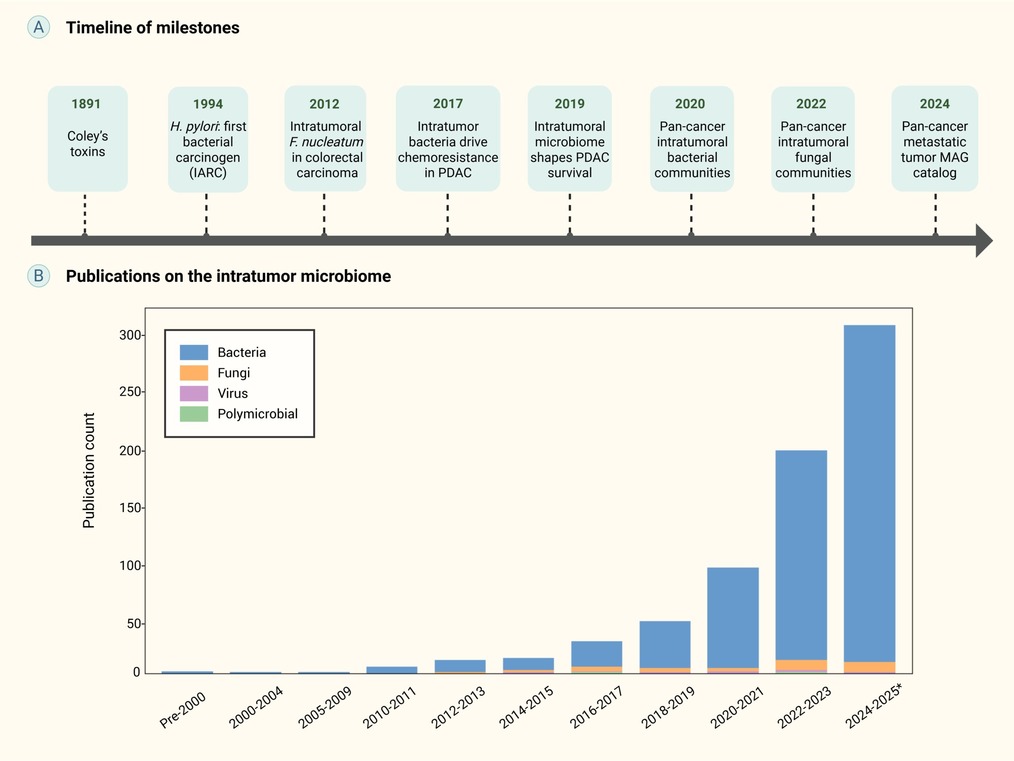
Figure 1.
Historical milestones and bibliometric expansion of the intratumoral microbiome field
-
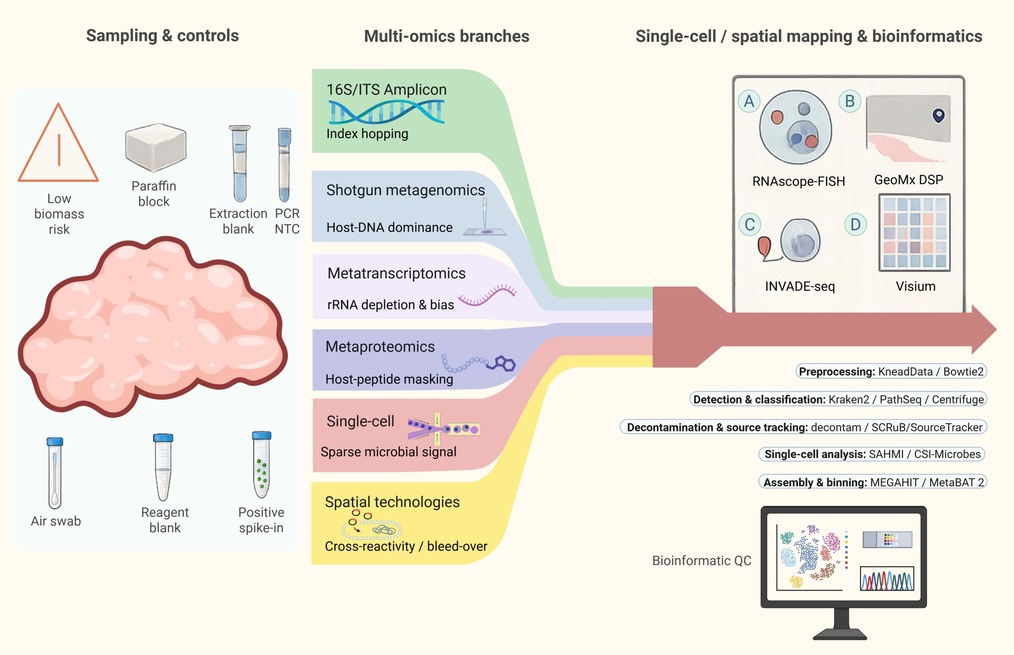
Figure 2.
A ribbon workflow for low-biomass intratumoral microbiome discovery
-
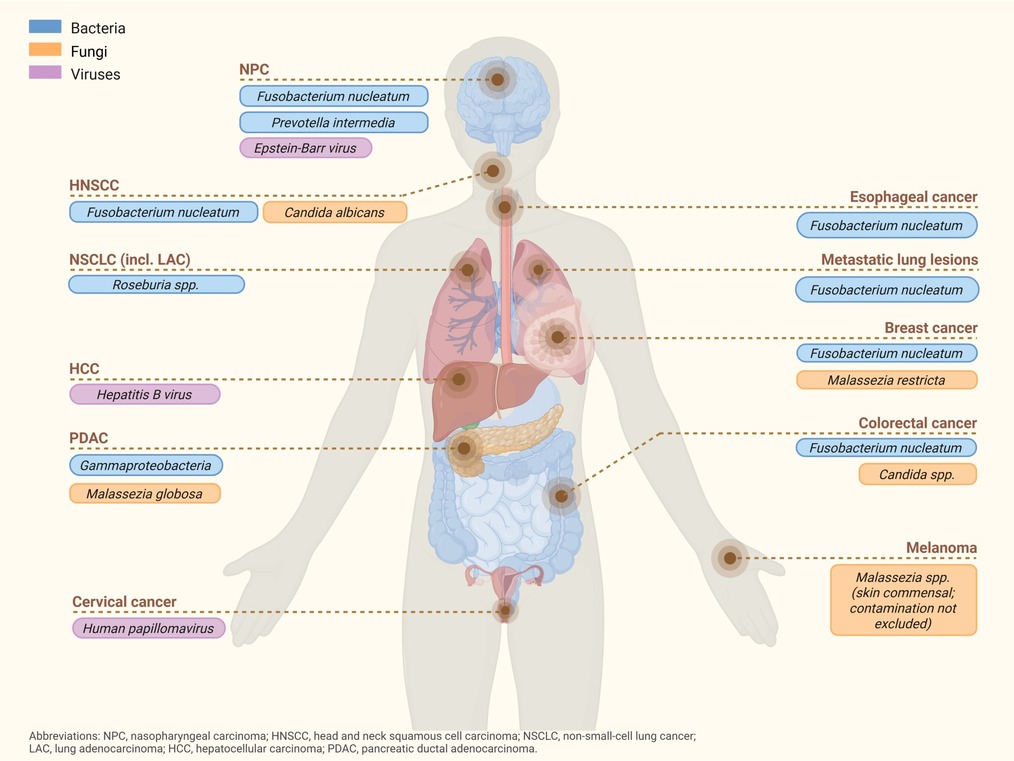
Figure 3.
Pan-cancer anatomical atlas of intratumoral microbes
-
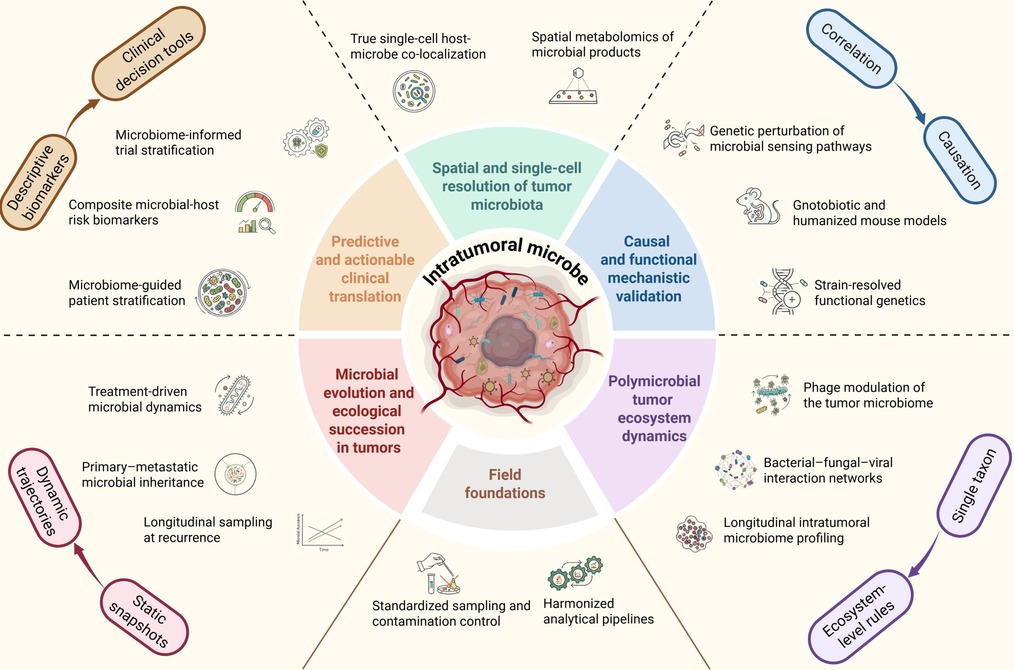
Figure 4.
A five-sector roadmap for intratumoral microbiome research
