
Economic evaluation of pediatric clinical nutrition intervention: A real-world study from the national children's medical center
-
GRAPHICAL ABSTRACT
 DownLoad:
Full size image
DownLoad:
Full size image
-
PUBLIC SUMMARY
-
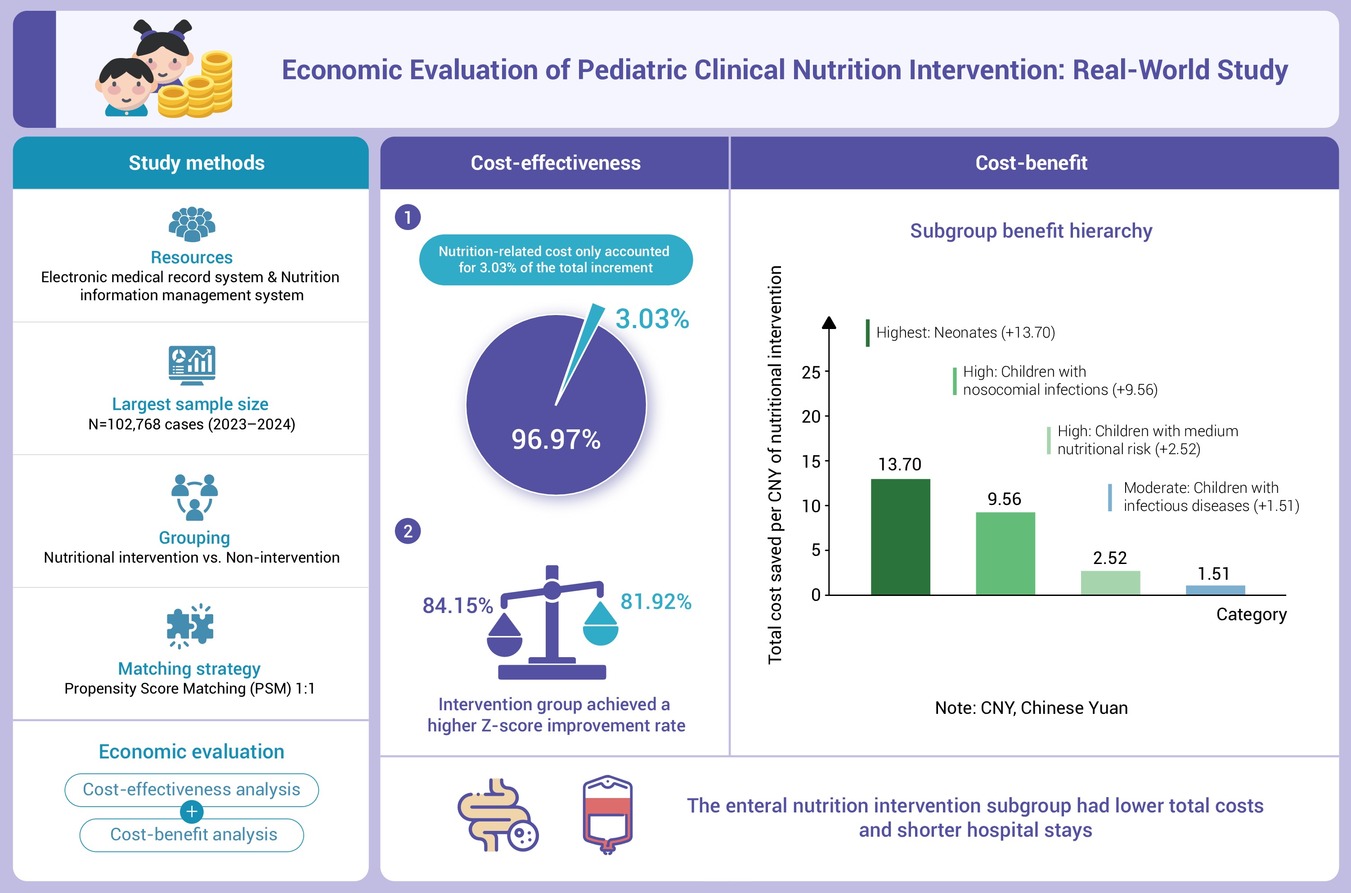
Each Chinese Yuan (CNY) in nutritional support saves up to 13.70 CNY in total medical costs.
Neonates and patients with nosocomial infections are the core nutritional intervention beneficiaries.
The enteral nutrition intervention subgroup had lower total costs and shorter hospital stays.
This study provides evidence for individualized nutrition planning and medical resource optimization.
-
-
ABSTRACT
Pediatric inpatients are at high risk of malnutrition, which impairs their disease recovery and increases the healthcare burden, while current research remains limited in integrating treatment standardization with cost-effectiveness. We aimed to evaluate the economics benefits of pediatric nutritional interventions during hospitalization, to provide evidence for the optimal allocation of clinical nutrition resources. A retrospective observational study design was conducted, enrolling over 100,000 hospitalized children from the national pediatric medical center during 2023-2024. Participants were divided into a nutritional intervention group and a non-nutritional intervention group. Data were collected from electronic medical records and clinical nutrition information system. Primary analysis methods included propensity score matching (PSM), cost-effectiveness analysis, cost-benefit analysis. Baseline characteristics were well-balanced after matching, with all standardized mean difference (SMD) < 0.1. Nutritional interventions yielded significant benefits in specific populations such as neonates and children with nosocomial infections, where a 1-CNY investment in nutrition could save 9.56-13.70 CNY in total costs. Enteral nutrition outperformed parenteral nutrition in most subgroups. Although the total cost in the nutritional intervention group increased more, nutrition-related costs accounted for only 3.03% of the total incremental medical cost. Significant differences were revealed between the nutritional intervention group and the non-nutritional intervention group in terms of medical costs and health outcomes. There was significant subgroup heterogeneity in cost-saving, particularly among neonates and children with nosocomial infections. This study clarified the health economics positioning of pediatric nutritional interventions, providing evidence for clinical precision nutrition and optimal medical resource allocation. -

-
REFERENCES
[1] Pedretti L., Massa S., Leardini D., et al. (2023). Role of nutrition in pediatric patients with cancer. Nutrients 15:710. DOI:10.3390/nu15030710 [2] Tume L. N., Valla F. V., Joosten K., et al. (2020). Nutritional support for children during critical illness: European Society of Pediatric and Neonatal Intensive Care (ESPNIC) metabolism, endocrine and nutrition section position statement and clinical recommendations. Intensive Care Med. 46:411−425. DOI:10.1007/s00134-019-05922-5 [3] Joffe L. and Ladas E. J. (2020). Nutrition during childhood cancer treatment: Current understanding and a path for future research. Lancet Child Adolesc. Health 4:465−475. DOI:10.1016/s2352-4642(19)30407-9 [4] Dötsch-Klerk M., Bruins M. J., Detzel P., et al. (2022). Modelling health and economic impact of nutrition interventions: A systematic review. Eur. J. Clin. Nutr. 77:413−426. DOI:10.1038/s41430-022-01199-y [5] Baek Y., Ademi Z., Paudel S., et al. (2022). Economic evaluations of child nutrition interventions in low- and middle-income countries: Systematic review and quality appraisal. Adv. Nutr. 13:282−317. DOI:10.1093/advances/nmab097 [6] Stanic T., Saygin Avsar T. and Gomes M. (2023). Economic evaluations of digital health interventions for children and adolescents: Systematic review. J. Med. Internet Res. 25:e45958. DOI:10.2196/45958 [7] Ramponi F., Tafesse W. and Griffin S. (2021). Economic evaluation of interventions to address undernutrition: A systematic review. Health Policy Plan. 36:533−541. DOI:10.1093/heapol/czaa149 [8] B A., Nayak B. S., B U., et al. (2023). Impact of a home-based nutritional intervention program on nutritional status of preschool children: A cluster randomized controlled trial. BMC Public Health 23:51. DOI:10.1186/s12889-022-14900-4 [9] Aouad P., Ahmed M. U., Nassar N., et al. (2023). Appraisal of the costs, health effects, and cost-effectiveness of screening, prevention, treatment and policy-indicated evidence-based interventions for eating disorders: A systematic review protocol. J. Eat. Disord. 11:83. DOI:10.1186/s40337-023-00802-2 [10] Li Z., Kim R. and Subramanian S. V. (2021). Economic-related inequalities in child health interventions: An analysis of 65 low- and middle-income countries. Soc. Sci. Med. 277:113816. DOI:10.1016/j.socscimed.2021.113816 [11] Simione M., Wagner S., Kistin C. J., et al. (2025). Estimated costs and cost-effectiveness of a pediatric weight management program. JAMA Netw. Open 8:e2510087. DOI:10.1001/jamanetworkopen.2025.10087 [12] Michaud T. L., Hill J. L., Heelan K. A., et al. (2022). Understanding implementation costs of a pediatric weight management intervention: An economic evaluation protocol. Chin. J. Child. Health. Care. 3:37. DOI:10.1186/s43058-022-00287-1 [13] Mahdi S., Marr C., Buckland N. J., et al. (2022). Methods for the economic evaluation of obesity prevention dietary interventions in children: A systematic review and critical appraisal of the evidence. Obes. Rev. 23:e13457. DOI:10.1111/obr.13457 [14] Xu H., Li Y., Du S., et al. (2020). Cost–utility and cost–benefit analyses of school-based obesity prevention program. BMC Public Health 20:1608. DOI:10.1186/s12889-020-09718-x [15] Rozga M. and Handu D. (2023). Nutrition interventions for pediatric obesity prevention: An umbrella review of systematic reviews. Nutrients 15:5097. DOI:10.3390/nu15245097 [16] Onyimadu O., Violato M., Astbury N. M., et al. (2023). A systematic review of economic evaluations of interventions targeting childhood overweight and obesity. Obes. Rev. 24:e13597. DOI:10.1111/obr.13597 [17] Patel M., Shergill-Bonner R., Sharma P., et al. (2025). Comparison of enteral nutritional therapy to induce and maintain remission in paediatric patients with mild-to-moderate Crohn’s disease: A cost-effectiveness analysis in the UK. J. Med. Econ. 28:1214−1225. DOI:10.1080/13696998.2025.2539644 [18] Vandenplas Y., Broekaert I., Domellöf M., et al. (2024). An ESPGHAN position paper on the diagnosis, management, and prevention of cow's milk allergy. J. Pediatr. Gastroenterol. Nutr. 78:386−413. DOI:10.1097/mpg.0000000000003897 [19] Ping C., Yu-long S., Xiao-lan L., et al. (2019). The application ofpharmacoeconomics in enteral and parenteral nutrition medicament. Chin. Hosp. Pharm. J. 39:2329−2333. [20] Wang Z., Wang S., Song G., et al. (2021). Innovative parenteral nutrition management: Effects on clinical outcomes and cost-effectiveness in gastric cancer surgical patients. Chin. J. Prev. Control Chronic Dis. 29:393−396. [21] Pan L., Liu Y., Feng Y., et al. (2021). Nutrition risk profile of 62 408 inpatients based on electronic health records in a tertiary children's hospital. Nutrition 85:111137. DOI:10.1016/j.nut.2020.111137 [22] Fattore G., Federici C., Drummond M., et al. (2021). Economic evaluation of nutrition interventions: Does one size fit all. Health Policy 125:1238−1246. DOI:10.1016/j.healthpol.2021.06.009 [23] Pemau R. C., González-Palacios P. and Kerr K. W. (2024). How quality of life is measured in studies of nutritional intervention: A systematic review. Health Qual. Life Outcomes 22:9. DOI:10.1186/s12955-024-02229-y -
ABOUT THIS ARTICLE
Cite this article:
Su D., Weng Z., Yuan J., et al. (2026). Economic evaluation of pediatric clinical nutrition intervention: A real-world study from the national children's medical center. The Innovation Nutrition 1:100016. https://doi.org/10.59717/j.xinn-nutri.2026.100016
Welcome!
To request copyright permission to republish or share portions of our works, please visit Copyright Clearance Center's (CCC) Marketplace website at marketplace.copyright.com.
Export File
Citation
Su D., Weng Z., Yuan J., et al. (2026). Economic evaluation of pediatric clinical nutrition intervention: A real-world study from the national children's medical center. The Innovation Nutrition 1:100016. https://doi.org/10.59717/j.xinn-nutri.2026.100016

Format
Content
-
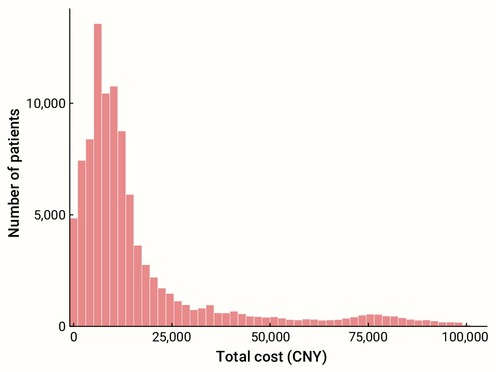
Figure 1.
Total medical expenses for hospitalized pediatric patients.
-
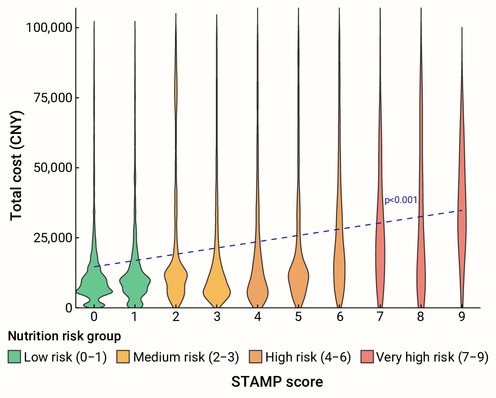
Figure 2.
Relationship between nutritional risk screening scores and total hospitalization costs (Violin Plot-Correlation Composite Plot)
-
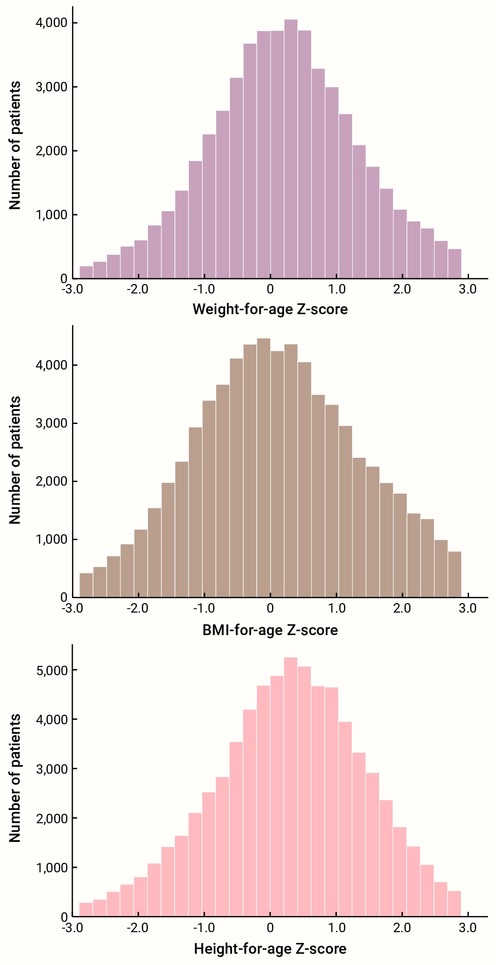
Figure 3.
Distribution of Z-scores for anthropometric growth status of hospitalized pediatric patients.
-
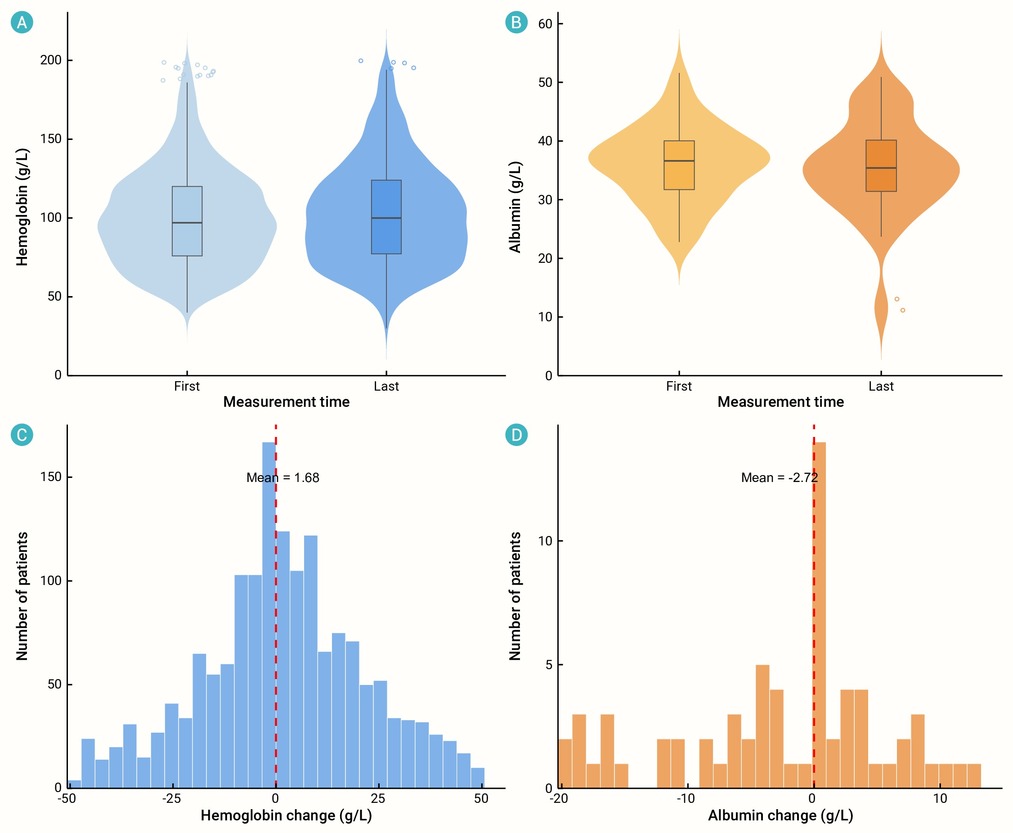
Figure 4.
Comparison of serum hemoglobin and albumin levels before and after hospitalization, along with distribution of change values.
