
Microhelenin C targets LIF to inhibit hepatocellular carcinoma progression and modulates tumor-associated macrophages
-
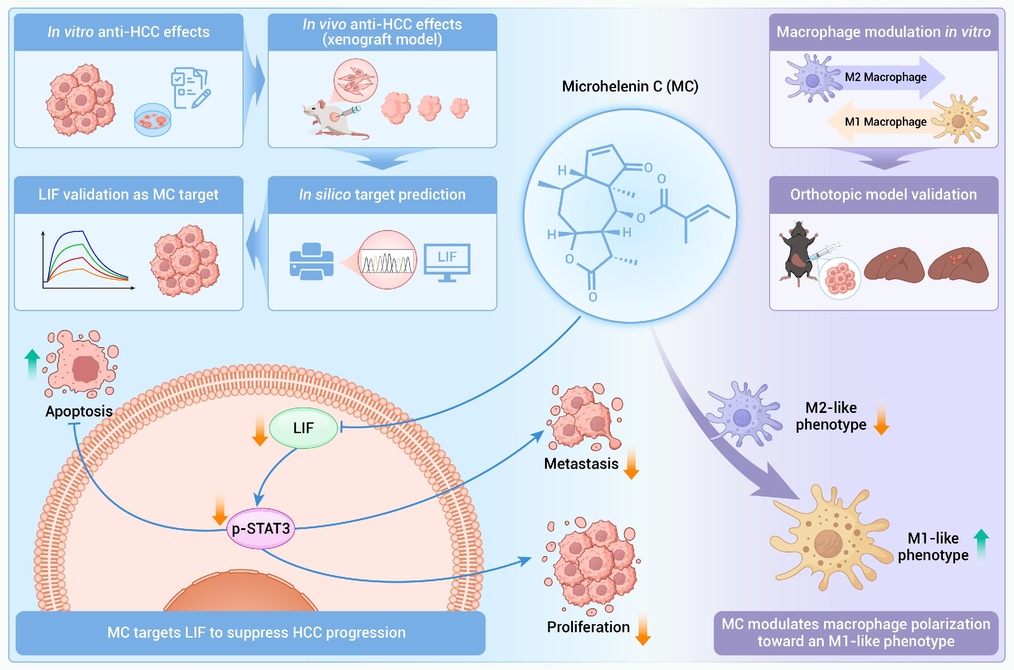
GRAPHICAL ABSTRACT
 DownLoad:
Full size image
-
PUBLIC SUMMARY
-
Microhelenin C (MC) is a natural compound that targets LIF in hepatocellular carcinoma (HCC).
MC promotes LIF degradation and inhibits HCC cell growth, migration, and invasion.
MC reduces HCC tumor growth in mice without causing obvious systemic toxicity.
MC also promotes an M1-like phenotype in tumor-associated macrophages.
-
-
ABSTRACT
Hepatocellular carcinoma (HCC) remains a major cause of cancer mortality worldwide, underscoring the urgent need for effective therapeutic strategies. Leukemia inhibitory factor (LIF) has emerged as an important regulator of HCC progression and represents a promising therapeutic target. However, effective pharmacological approaches targeting LIF remain limited. In this study, we investigated Microhelenin C (MC), a natural sesquiterpene lactone derived from Centipeda minima, and demonstrated its potent anti-HCC activity. Specifically, MC inhibited cell proliferation, migration, and invasion, while inducing apoptosis in HCC cells. Mechanistically, MC directly engaged LIF and inhibited downstream STAT3 signaling. Moreover, LIF overexpression attenuated the antitumor effects of MC, further supporting a functional role for LIF in mediating the anti-HCC activity of MC. Beyond its tumor-intrinsic effects, MC also modulated the tumor microenvironment (TME) by promoting macrophage polarization toward an M1-like phenotype while suppressing M2-associated characteristics. These immunomodulatory effects were consistently observed in both co-culture systems and orthotopic HCC models. Collectively, our findings identify LIF as a therapeutically relevant target in HCC and demonstrate that MC exerts both direct anti-tumor and immunomodulatory effects. This study provides mechanistic insight into the anti-HCC activity of MC and supports the development of LIF-targeted therapeutic strategies in HCC. -

-
REFERENCES
[1] Chidambaranathan-Reghupaty S., Fisher P. B. and Sarkar D. (2021). Hepatocellular carcinoma (HCC): Epidemiology, etiology and molecular classification. Adv. Cancer Res. 149:1−61. DOI:10.1016/bs.acr.2020.10.001 [2] Calderon-Martinez E., Landazuri-Navas S., Vilchez E., et al. (2023). Prognostic scores and survival rates by etiology of hepatocellular carcinoma: a review. J. Clin. Med. Res. 15:200−207. DOI:10.14740/jocmr4902 [3] Alqahtani A., Khan Z., Alloghbi A., et al. (2019). Hepatocellular carcinoma: molecular mechanisms and targeted therapies. Medicina 55:526. DOI:10.3390/medicina55090526 [4] Aravalli R. N., Steer C. J. and Cressman E. N. K. (2008). Molecular mechanisms of hepatocellular carcinoma. Hepatology 48:2047−2063. DOI:10.1002/hep.22580 [5] Llovet J. M., Pinyol R., Kelley R. K., et al. (2022). Molecular pathogenesis and systemic therapies for hepatocellular carcinoma. Nat. Cancer 3:386−401. DOI:10.1038/s43018-022-00357-2 [6] Nicola N. A. and Babon J. J. (2015). Leukemia inhibitory factor (LIF). Cytokine Growth Factor Rev. 26:533−544. DOI:10.1016/j.cytogfr.2015.07.001 [7] Dahéron L., Opitz S. L., Zaehres H., et al. (2004). LIF/STAT3 signaling fails to maintain self‐renewal of human embryonic stem cells. Stem Cells 22:770−778. DOI:10.1634/stemcells.22-5-770 [8] Schuringa J. J., van der Schaaf S., Vellenga E., et al. (2002). LIF-induced STAT3 signaling in murine versus human embryonal carcinoma (EC) cells. Exp. Cell Res. 274:119−129. DOI:10.1006/excr.2001.5454 [9] Wang J., Chang C.-Y., Yang X., et al. (2023). Leukemia inhibitory factor, a double-edged sword with therapeutic implications in human diseases. Mol. Ther. 31:331−343. DOI:10.1016/j.ymthe.2022.12.016 [10] Yu H., Yue X., Zhao Y., et al. (2014). LIF negatively regulates tumour-suppressor p53 through Stat3/ID1/MDM2 in colorectal cancers. Nat. Commun. 5:5218. DOI:10.1038/ncomms6218 [11] Xu G., Wang H., Li W., et al. (2019). Leukemia inhibitory factor inhibits the proliferation of gastric cancer by inducing G1‐phase arrest. J. Cell. Physiol. 234:3613−3620. DOI:10.1002/jcp.27083 [12] Yu S., Li Q., Wang Y., et al. (2021). Tumor-derived LIF promotes chemoresistance via activating tumor-associated macrophages in gastric cancers. Exp. Cell Res. 406:112734. DOI:10.1016/j.yexcr.2021.112734 [13] Hallett R. M., Bonfill-Teixidor E., Iurlaro R., et al. (2023). Therapeutic targeting of LIF overcomes macrophage-mediated immunosuppression of the local tumor microenvironment. Clin. Cancer Res. 29:791−804. DOI:10.1158/1078-0432.CCR-21-1888 [14] Sui Y. H., Liu T. T. and Liu S. C. (2023). Leukemia inhibitory factor regulates macrophage immune response in head and neck squamous cell carcinoma. Cancer Res. 83(7_Suppl):5968. DOI:10.1158/1538-7445.AM2023-5968 [15] Chaparro V., Leroux L.-P., Lebourg A., et al. (2025). Leukemia inhibitory factor drives transcriptional programs that promote lipid accumulation and M2 polarization in macrophages. J. Leukoc. Biol. 117:qiae178. DOI:10.1093/jleuko/qiae178 [16] Yue X., Wu F., Wang J., et al. (2020). EC330, a small-molecule compound, is a potential novel inhibitor of LIF signaling. J. Mol. Cell Biol. 12:477−480. DOI:10.1093/jmcb/mjaa008 [17] Tan J., Qiao Z., Meng M., et al. (2022). Centipeda minima: An update on its phytochemistry, pharmacology and safety. J. Ethnopharmacol. 292:115027. DOI:10.1016/j.jep.2022.115027 [18] Chan C.-O., Xie X.-J., Wan S.-W., et al. (2019). Qualitative and quantitative analysis of sesquiterpene lactones in Centipeda minima by UPLC–Orbitrap–MS & UPLC-QQQ-MS. J. Pharm. Biomed. Anal. 174:360−366. DOI:10.1016/j.jpba.2019.05.067 [19] Teng C., Chen J.-W., Shen L.-S., et al. (2025). Arnicolide C induces ROS-mediated modulation of PI3K/Akt and MAPK pathways to suppress MYC in hepatocellular carcinoma. Phytomedicine 148:157423. DOI:10.1016/j.phymed.2025.157423 [20] Lin Y.-S., Sun Z., Shen L.-S., et al. (2024). Arnicolide D induces endoplasmic reticulum stress-mediated oncosis via ATF4 and CHOP in hepatocellular carcinoma cells. Cell Death Discov. 10:134. DOI:10.1038/s41420-024-01911-w [21] Wang Y. and Deng B. (2023). Hepatocellular carcinoma: molecular mechanism, targeted therapy, and biomarkers. Cancer Metastasis Rev. 42:629−652. DOI:10.1007/s10555-023-10084-4 [22] Yao F., Zhao Y. and Ma L. (2022). LIF-ting ferroptosis to improve liver cancer therapy. Genes Dis. 9:1153−1155. DOI:10.1016/j.gendis.2022.02.013 [23] Wang H., Si S., Jiang M., et al. (2021). Leukemia inhibitory factor is involved in the pathogenesis of NSCLC through activation of the STAT3 signaling pathway. Oncol. Lett. 22:663. DOI:10.3892/ol.2021.12924 [24] Hu C., Xia R., Zhang X., et al. (2022). circFARP1 enables cancer-associated fibroblasts to promote gemcitabine resistance in pancreatic cancer via the LIF/STAT3 axis. Mol. Cancer 21:24. DOI:10.1186/s12943-022-01501-3 [25] Kurzrock R., Estrov Z., Wetzler M., et al. (1991). LIF: not just a leukemia inhibitory factor. Endocr. Rev. 12:208−217. DOI:10.1210/edrv-12-3-208 [26] Guo D., Dong W., Cong Y., et al. (2024). LIF aggravates pulpitis by promoting inflammatory response in macrophages. Inflammation 47:307−322. DOI:10.1007/s10753-023-01910-6 [27] Chen J.-W., Chen S. and Chen G.-Q. (2023). Recent advances in natural compounds inducing non-apoptotic cell death for anticancer drug resistance. Cancer Drug Resist. 6:729. DOI:10.20517/cdr.2023.78 [28] Teng C., Chen J.-W., Shen L.-S., et al. (2025). Research advances in natural sesquiterpene lactones: overcoming cancer drug resistance through modulation of key signaling pathways. Cancer Drug Resist. 8:13. DOI:10.20517/cdr.2024.178 -
ABOUT THIS ARTICLE
Cite this article:
Gong R., Shen L., Chen J., et al. (2026). Microhelenin C targets LIF to inhibit hepatocellular carcinoma progression and modulates tumor-associated macrophages. The Innovation Drug Discovery 1:100040. https://doi.org/10.59717/j.xinn-drugdisc.2026.100040
Welcome!
To request copyright permission to republish or share portions of our works, please visit Copyright Clearance Center's (CCC) Marketplace website at marketplace.copyright.com.
Export File
Citation
Gong R., Shen L., Chen J., et al. (2026). Microhelenin C targets LIF to inhibit hepatocellular carcinoma progression and modulates tumor-associated macrophages. The Innovation Drug Discovery 1:100040. https://doi.org/10.59717/j.xinn-drugdisc.2026.100040

Format
Content
-
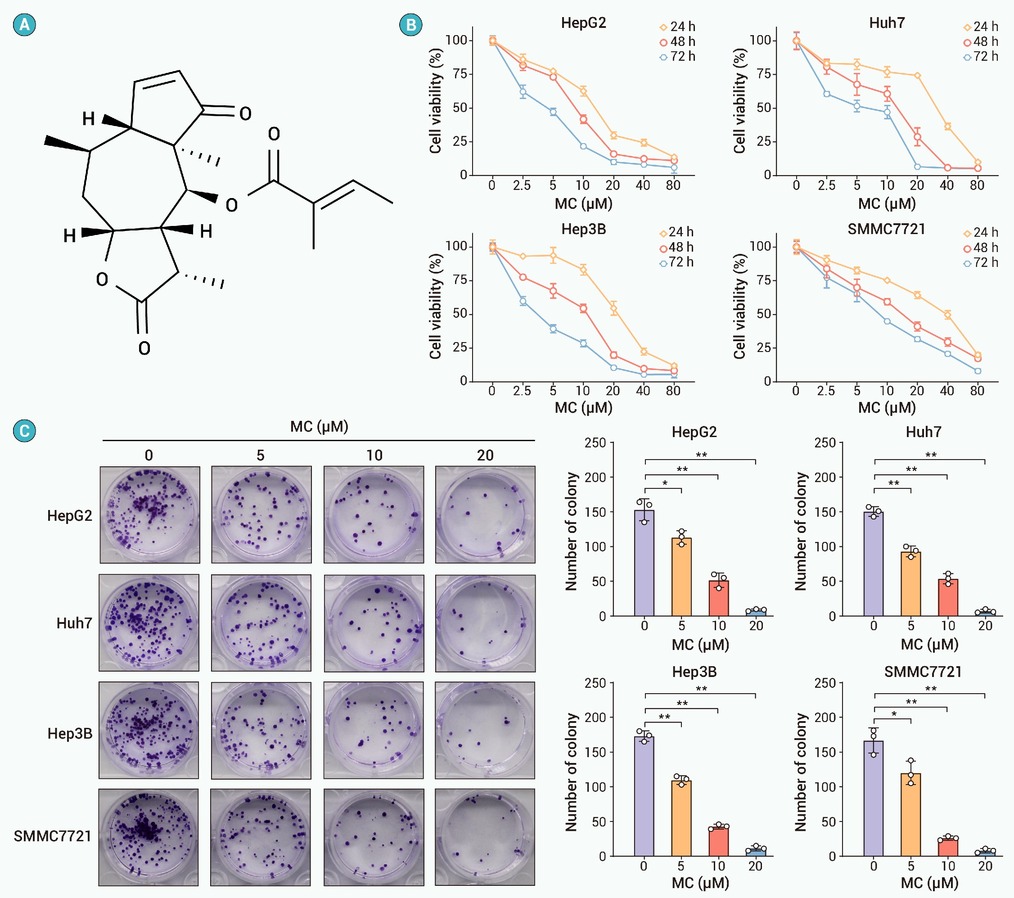
Figure 1.
MC suppresses malignant phenotypes of HCC cells in vitro
-
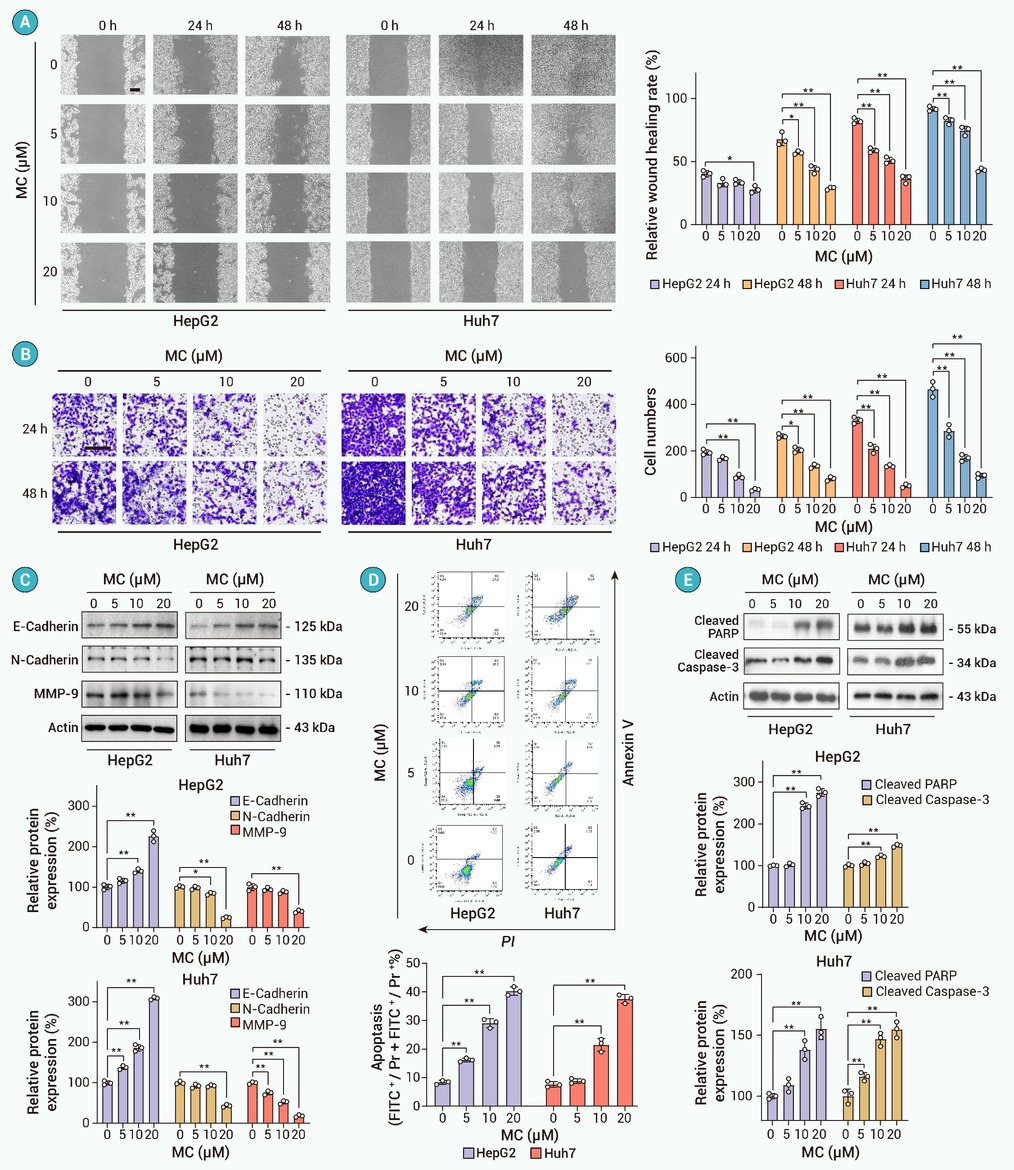
Figure 2.
MC inhibits migration, invasion, and apoptosis-related phenotypes of HCC cells in vitro
-
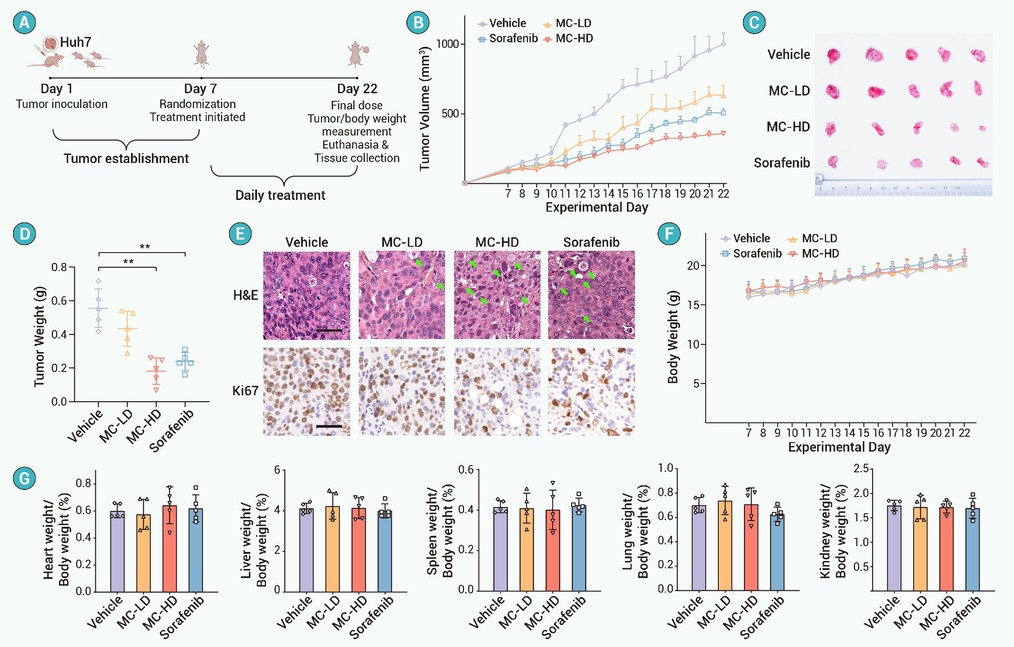
Figure 3.
MC suppresses tumor growth in a Huh7 xenograft model
-
Figure 4.
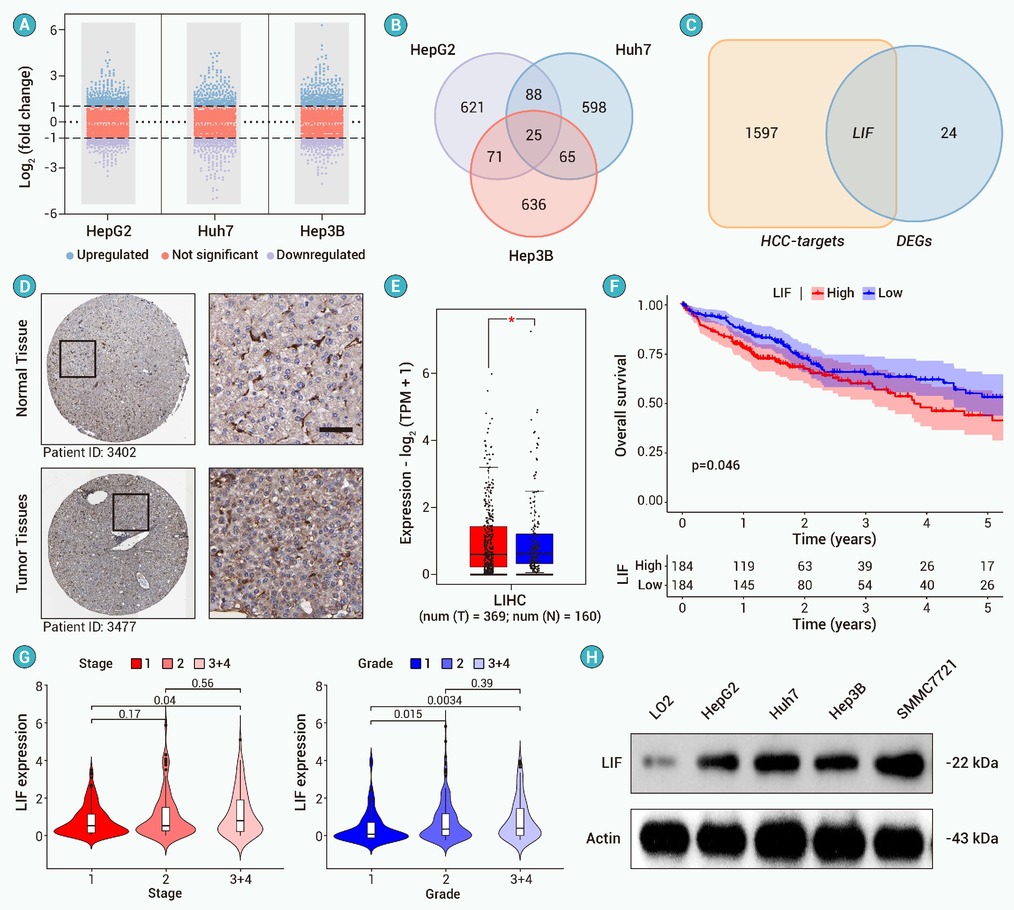
LIF is identified as a potential therapeutic target in HCC
-
Figure 5.
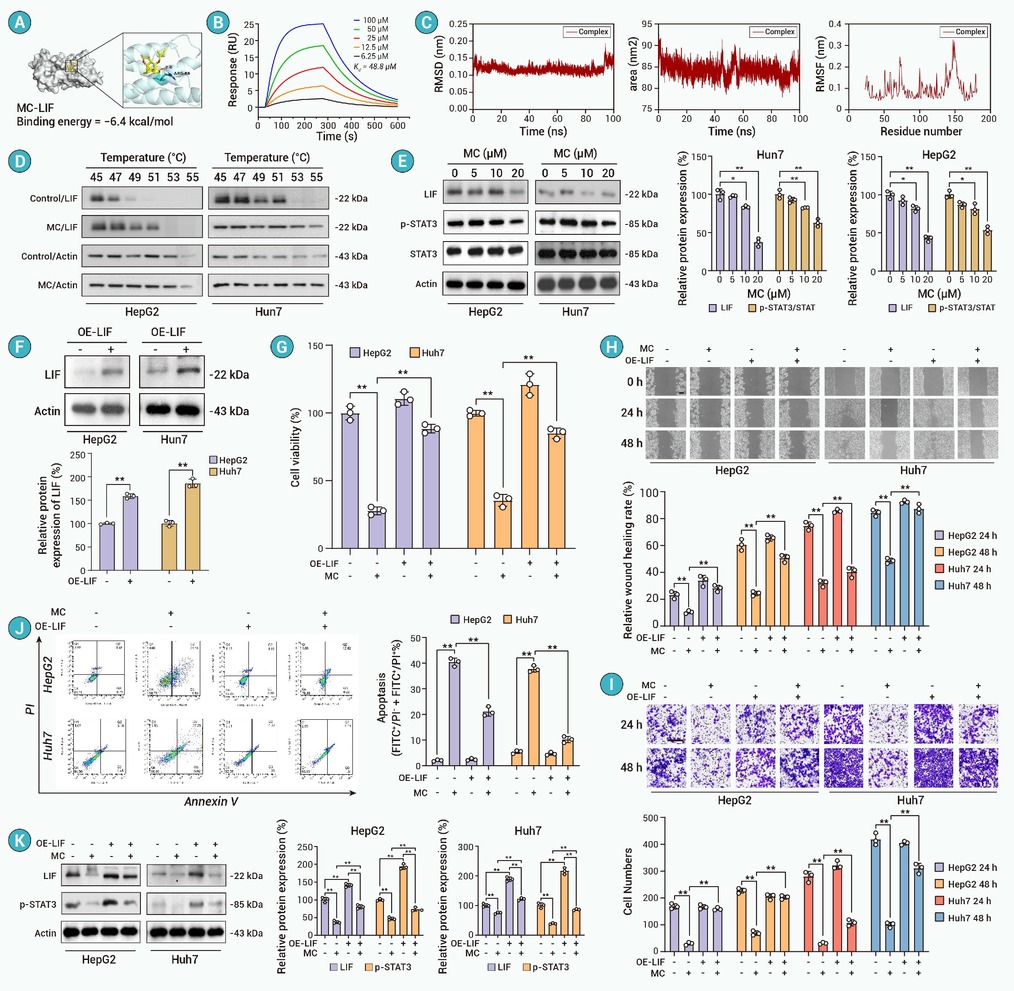
MC targets LIF to mediate its anti-HCC effects
-
Figure 6.
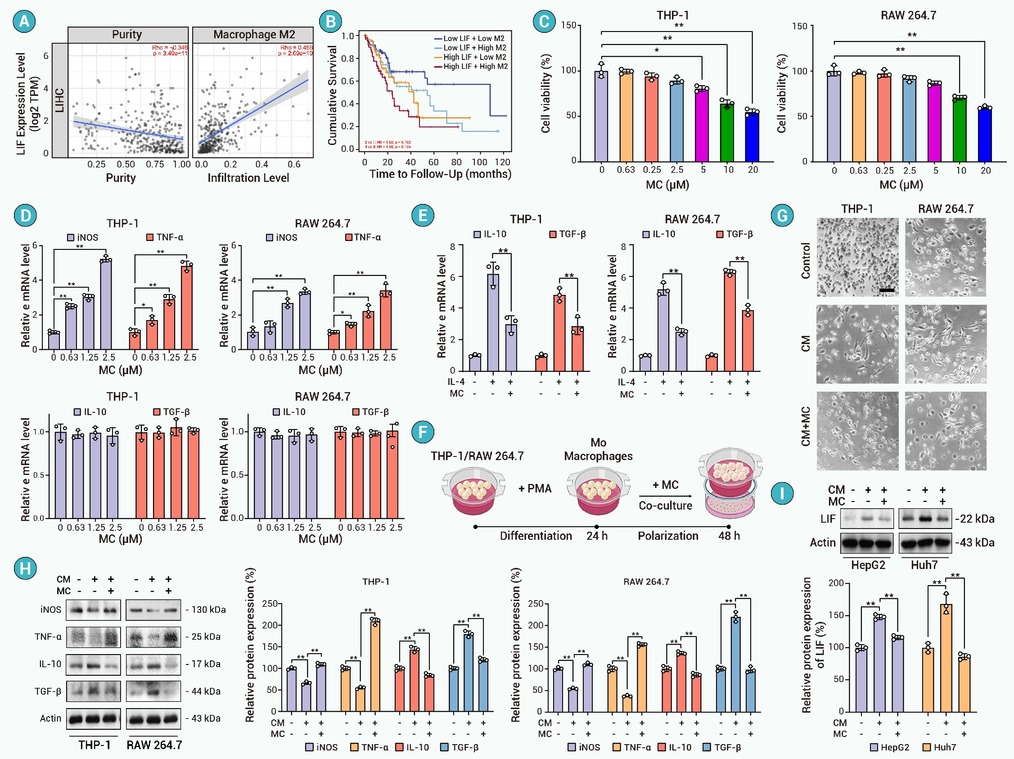
MC promotes macrophage polarization toward an M1-like phenotype
-
Figure 7.
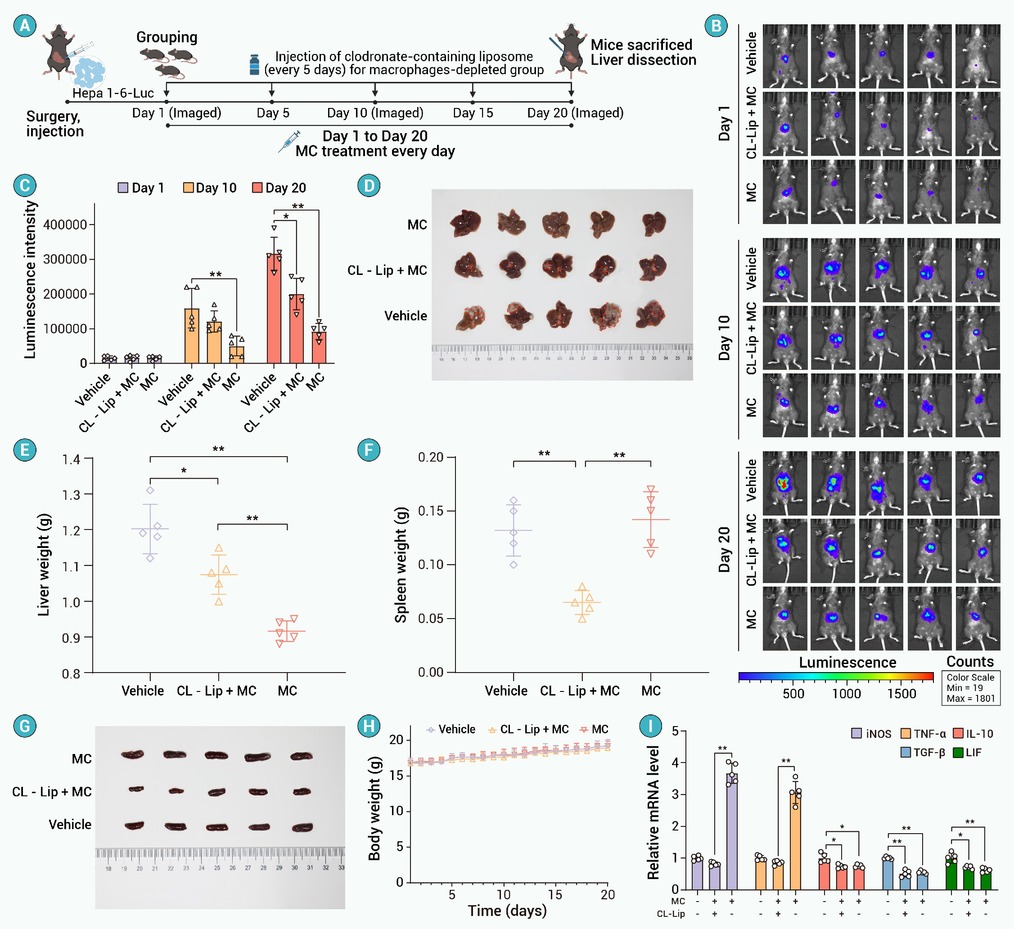
MC suppresses orthotopic HCC tumor growth in vivo
