
AI-driven discovery: A novel RANKL-targeting peptide for osteoporosis therapy
-
GRAPHICAL ABSTRACT
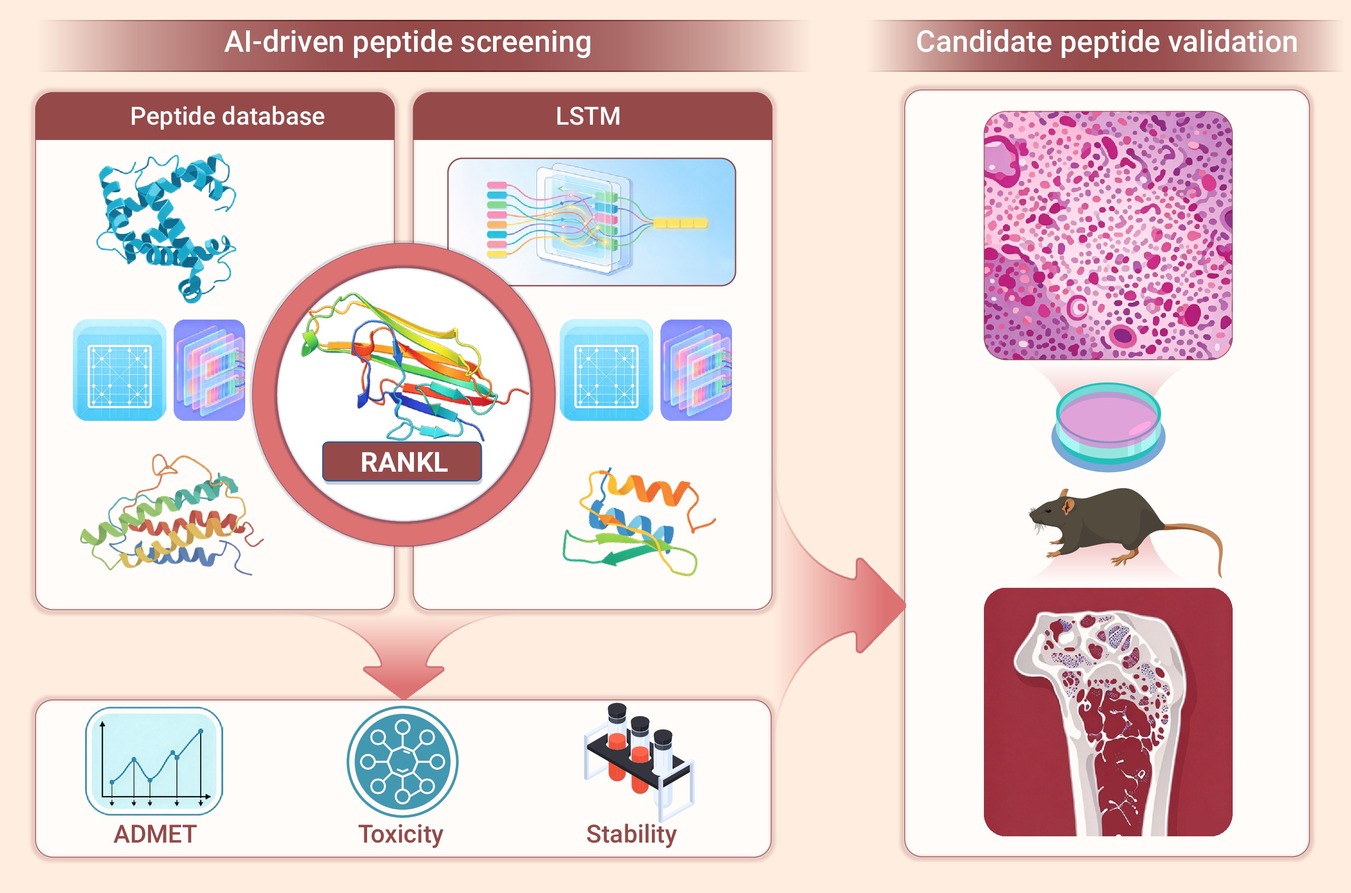
 DownLoad:
Full size image
-
PUBLIC SUMMARY
-
An AI-driven algorithm was employed to construct a high-affinity peptide library targeting RANKL.
In vitro and in vivo studies confirmed that R-Peptide inhibits osteoclast differentiation and improves bone loss in OVX mice.
Preliminary exploration was conducted into the potential mechanisms underlying R-Peptide's inhibition of osteoclast differentiation.
-
-
ABSTRACT
The homeostasis between bone formation and resorption is essential for bone maintenance. Overactivation of bone resorption can lead to a decrease in bone density, an increase in bone fragility, and the development of osteoporosis. The Receptor Activator of Nuclear Factor κ B Ligand (RANKL) is a critical driver of bone resorption and a key therapeutic target for diseases like osteoporosis. Peptides, with their advantages of low immunogenicity and ease of synthesis, have emerged as promising drug candidates. Through a computational screening of approximately 100,000 peptide sequences using an AI-assisted strategy integrated with ADMET evaluation, we identified a novel class of RANKL-binding candidate peptides. Subsequent in vitro evaluation pinpointed R-Peptide as the lead candidate. In vivo validation further confirmed its anti-osteoclast effects in ovariectomized (OVX) mice and pro-osteogenic effects in wild-type (WT) mice. Mechanistically, R-Peptide significantly inhibited osteoclastogenesis by downregulating key marker genes (Ctsk, Trap, and Nfatc1) as well as critical components of the RANKL signaling pathway (RANKL and TRAF6). Taken together, this study identified a novel peptide that inhibits osteoclast differentiation and rescues bone loss in OVX mice, providing it as a promising therapeutic candidate for osteoporosis.-
Keywords:
- Bone resorption /
- Osteoclasts /
- Osteoporosis /
- Virtual screening
-

-
REFERENCES
[1] Salhotra, A., Shah, H. N., Levi, B., et al. (2020). Mechanisms of bone development and repair. Nat. Rev. Mol. Cell. Biol. 21:696−711. DOI:10.1038/s41580-020-00279-w [2] Lv, X., Gao, F., and Cao, X. (2022). Skeletal interoception in bone homeostasis and pain. Cell. Metab. 34:1914−1931. DOI:10.1016/j.cmet.2022.09.025 [3] Xiang, Q., Li, L., Ji, W., et al. (2024). Beyond resorption: osteoclasts as drivers of bone formation. Cell. Regen. 13:22. DOI:10.1186/s13619-024-00205-x [4] Foessl, I., Dimai, H. P., and Obermayer-Pietsch, B. (2023). Long-term and sequential treatment for osteoporosis. Nat. Rev. Endocrinol. 19:520−533. DOI:10.1038/s41574-023-00866-9 [5] Walker, M. D., and Shane, E. (2023). Postmenopausal Osteoporosis. N. Engl. J. Med. 389:1979−1991. DOI:10.1056/NEJMcp2307353 [6] Reid I. R. (2020). A broader strategy for osteoporosis interventions. Nat. Rev. Endocrinol. 16:333−339. DOI:10.1038/s41574-020-0339-7 [7] Tsai, J., Kaneko, K., Suh, A. J., et al. (2023). Origin of Osteoclasts: Osteoclast Precursor Cells. J. Bone. Metab. 30:127−140. DOI:10.11005/jbm.2023.30.2.127 [8] Elson, A., Anuj, A., Barnea-Zohar, M., et al. (2022). The origins and formation of bone-resorbing osteoclasts. Bone. 164:116538. DOI:10.1016/j.bone.2022.116538 [9] Ono, T., Hayashi, M., Sasaki, F., et al. (2020). RANKL biology: bone metabolism, the immune system, and beyond. Inflamm Regen. 40:2. DOI:10.1186/s41232-019-0111-3 [10] Ikebuchi, Y., Aoki, S., Honma, M., et al. (2018). Coupling of bone resorption and formation by RANKL reverse signalling. Nature. 561:195−200. DOI:10.1038/s41586-018-0482-7 [11] Cao X. (2018). RANKL-RANK signaling regulates osteoblast differentiation and bone formation. Bone. Res. 6:35. DOI:10.1038/s41413-018-0040-9 [12] Bae, S., Kim, K., Kang, K., et al. (2023). RANKL-responsive epigenetic mechanism reprograms macrophages into bone-resorbing osteoclasts. Cell. Mol. Immunol. 20:94−109. DOI:10.1038/s41423-022-00959-x [13] Wu, Q., Qian, W., Sun, X., et al. (2022). Small-molecule inhibitors, immune checkpoint inhibitors, and more: FDA-approved novel therapeutic drugs for solid tumours tumors from 1991 to 2021. J. Hematol. Oncol. 15:143. DOI:10.1186/s13045-022-01362-9 [14] Sun, X., Setrerrahmane, S., Li, C., et al. (2024). Nucleic acid drugs: recent progress and future perspectives. Signal. Transduct. Target. Ther. 9:316. DOI:10.1038/s41392-024-02035-4 [15] Carter, P. J., and Rajpal, A. (2022). Designing antibodies as therapeutics. Cell. 185:2789−2805. DOI:10.1016/j.cell.2022.05.029 [16] Muttenthaler, M., King, G. F., Adams, D. J., et al. (2021). Trends in peptide drug discovery. Nat. Rev. Drug. Discov. 20:309−325. DOI:10.1038/s41573-020-00135-8 [17] Kendler, D.L., Marin, F., Zerbini, C.A.F., et al. (2018). Effects of teriparatide and risedronate on new fractures in post-menopausal women with severe osteoporosis (VERO): a multicentre, double-blind, double-dummy, randomised controlled trial. Lancet. 391:230−240. DOI:10.1016/S0140-6736(17)32137-2 [18] Miller, P.D., Hattersley, G., Riis, B.J., et al. (2016). Effect of Abaloparatide vs Placebo on New Vertebral Fractures in Postmenopausal Women With Osteoporosis: A Randomized Clinical Trial. JAMA. 316:722−733. DOI:10.1001/jama.2016.11136 [19] Shukla, A. K., and Bhavya, B. (2025). Tirzepatide for Obesity Treatment and Diabetes Prevention. N. Engl. J.Med. 392:2492. DOI:10.1056/NEJMc2504728 [20] Apostolopoulos ,V., Bojarska, J., Chai, T.T.,et al. (2021). A Global Review on Short Peptides: Frontiers and Perspectives. Molecules. 26:430. DOI:10.3390/molecules26020430 [21] Jakubczyk, A., Karaś, M., Rybczyńska-Tkaczyk, K., et al. (2020). Current Trends of Bioactive Peptides-New Sources and Therapeutic Effect. Foods. 9:846. DOI:10.3390/foods9070846 [22] Atanasov, A. G., Zotchev, S. B., Dirsch, V. M., et al. (2021). Natural products in drug discovery: advances and opportunities. Nat. Rev. Drug. Discov. 20:200−216. DOI:10.1038/s41573-020-00114-z [23] Ancajas, C. M. F., Oyedele, A. S., Butt, C. M., et al. (2024). Advances, opportunities, and challenges in methods for interrogating the structure activity relationships of natural products. Nat. Prod. Rep. 41:1543−1578. DOI:10.1039/d4np00009a [24] Rudrapal M, and Chetia D. (2020). Virtual Screening, Molecular Docking and QSAR Studies in Drug Discovery and Development Programme. J. Drug. Deliv. Sci. Tec. 10:225−233. DOI:10.22270/jddt.v10i4.4218 [25] Shen, J., Jiang, J., Kuang, G., et al. (2012). Discovery and structure-activity analysis of selective estrogen receptor modulators via similarity-based virtual screening. Eur. J. Med. Chem. 54:188−196. DOI:10.1016/j.ejmech.2012.04.041 [26] Gorgulla, C., Boeszoermenyi, A., Wang, Z.F., et al. (2020). An open-source drug discovery platform enables ultra-large virtual screens. Nature. 580:663−668. DOI:10.1038/s41586-020-2117-z [27] Xue, B., Li, R., Cheng, Z., et al. (2024). High-Affinity Peptides for Target Protein Screened in Ultralarge Virtual Libraries. ACS. Cent. Sci. 10:2111−2118. DOI:10.1021/acscentsci.4c01385 [28] Adeshina, Y. O., Deeds, E. J., and Karanicolas, J. (2020). Machine learning classification can reduce false positives in structure-based virtual screening. Proc. Natl. Acad. Sci. U. S. A. 117:18477−18488. DOI:10.1073/pnas.2000585117 [29] Forli, S., Huey, R., Pique, M. E., et al. (2016). Computational protein-ligand docking and virtual drug screening with the AutoDock suite. Nat. Protoc. 11:905−919. DOI:10.1038/nprot.2016.051 [30] Huang, D., Zhao, C., Li, R., et al. (2022). Identification of a binding site on soluble RANKL that can be targeted to inhibit soluble RANK-RANKL interactions and treat osteoporosis. Nat. Commun. 13:5338. DOI:10.1038/s41467-022-33006-4 [31] Liang, W., Feng, R., Li, X., et al. (2024). A RANKL-UCHL1-sCD13 negative feedback loop limits osteoclastogenesis in subchondral bone to prevent osteoarthritis progression. Nat. Commun. 15:8792. DOI:10.1038/s41467-024-53119-2 [32] Trajanoska, K., Bhérer, C., Taliun, D., et al. (2023). From target discovery to clinical drug development with human genetics. Nature. 620:737−745. DOI:10.1038/s41586-023-06388-8 [33] Terreni, A., and Pezzati, P. (2012). Biochemical markers in the follow-up of the osteoporotic patients. Clin. Cases. Miner. Bone. Metab. 9:80−84. [34] Vasikaran, S., Eastell, R., Bruyère, O., et al. (2011). Markers of bone turnover for the prediction of fracture risk and monitoring of osteoporosis treatment: a need for international reference standards. Osteoporos. Int. 22:391−420. DOI:10.1007/s00198-010-1501-1 [35] Ishikawa, K., Tani, S., Sakai, N., et al. (2025). Mouse model of anti-RANKL discontinuation reveals reduced bone mass and quality through disruption of bone remodelling remodeling. Bone. Res. 13:56. DOI:10.1038/s41413-025-00433-0 [36] Boyce, B. F., and Xing, L. (2008). Functions of RANKL/RANK/OPG in bone modeling and remodeling. Arch. Biochem. Biophys. 473:139−146. DOI:10.1016/j.abb.2008.03.018 [37] Anzai, M., Watanabe-Takahashi, M., Kawabata, H., et al. (2025). Clustered peptide regulating the multivalent interaction between RANK and TRAF6 inhibits osteoclastogenesis by fine-tuning signals. Commun. Biol. 8:643. DOI:10.1038/s42003-025-08047-2 [38] Miller, P. D., Lewiecki, E. M., Krohn, K., et al. (2021). Teriparatide: Label changes and identifying patients for long-term use. Cleve. Clin. J. Med. 88:489−493. DOI:10.3949/ccjm.88a.21011 [39] Goles, M., Daza, A., Cabas-Mora, G., et al. (2024). Peptide-based drug discovery through artificial intelligence: towards an autonomous design of therapeutic peptides. Brief. Bioinform. 25:bbae275. DOI:10.1093/bib/bbae275 [40] Cai, M., Xiao, B., Jin, F., et al. (2022). Generation of functional oligopeptides that promote osteogenesis based on unsupervised deep learning of protein IDRs. Bone. Res. 10:23. DOI:10.1038/s41413-022-00193-1 -
ABOUT THIS ARTICLE
Cite this article:
Chen Z., Lu Z., Cui Y., et al. (2026). AI-driven discovery: A novel RANKL-targeting peptide for osteoporosis therapy. The Innovation Drug Discovery 1:100041. https://doi.org/10.59717/j.xinn-drugdisc.2026.100041
Welcome!
To request copyright permission to republish or share portions of our works, please visit Copyright Clearance Center's (CCC) Marketplace website at marketplace.copyright.com.
Export File
Citation
Chen Z., Lu Z., Cui Y., et al. (2026). AI-driven discovery: A novel RANKL-targeting peptide for osteoporosis therapy. The Innovation Drug Discovery 1:100041. https://doi.org/10.59717/j.xinn-drugdisc.2026.100041

Format
Content
-
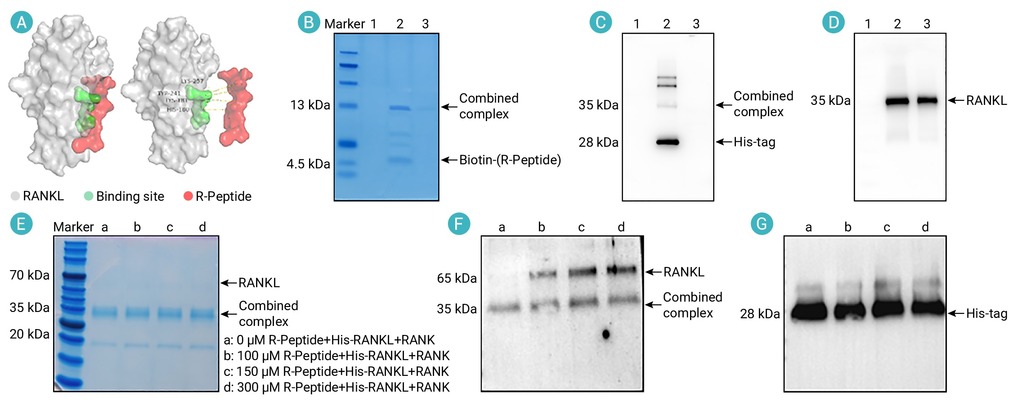
Figure 2.
The interaction between R-Peptide and RANKL
-
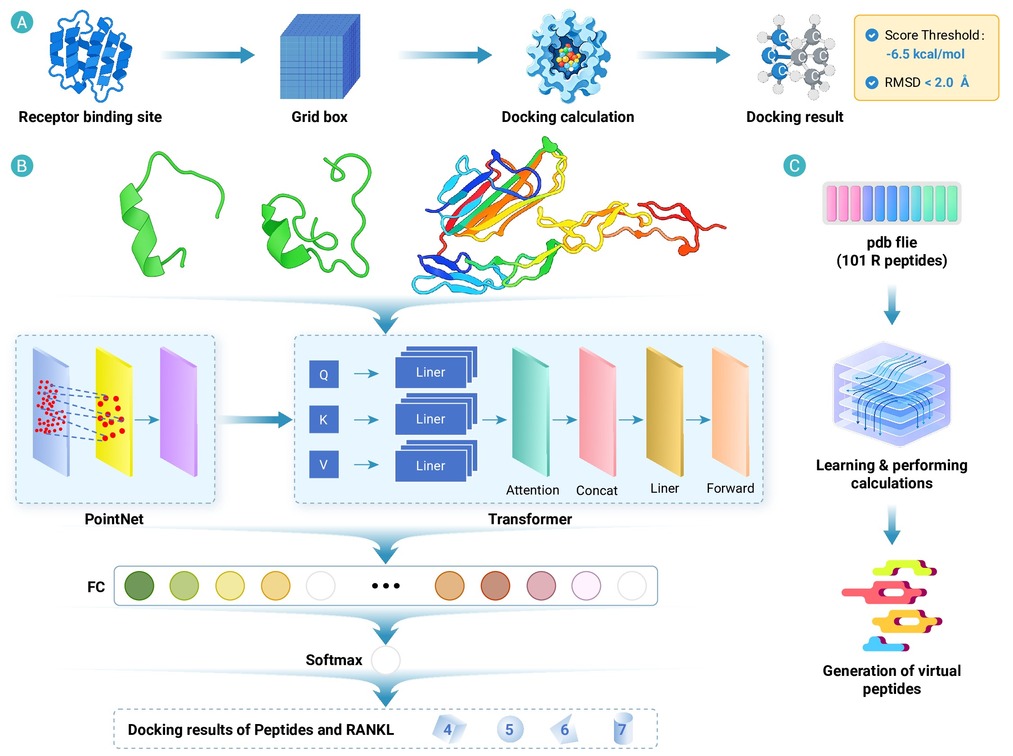
Figure 1.
Schematic diagram of the candidate peptide screening process
-
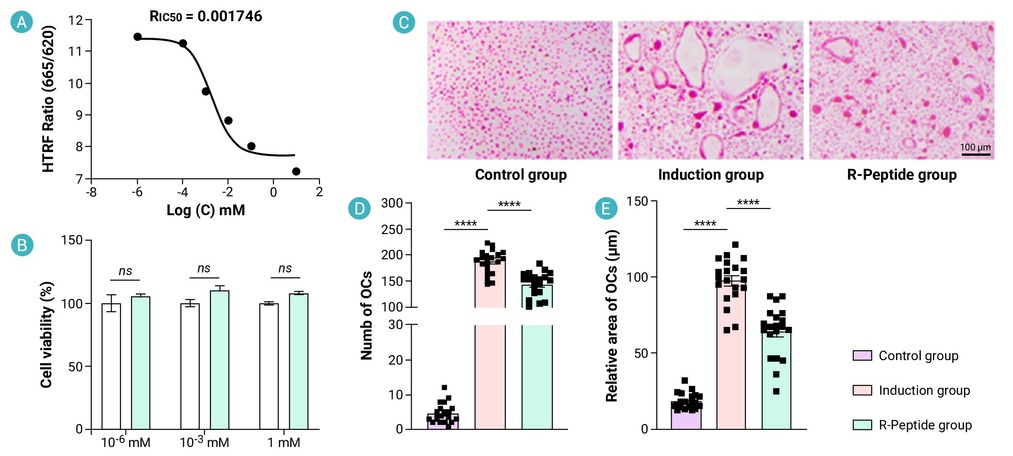
Figure 3.
R-Peptide inhibits osteoclast differentiation
-
Figure 4.
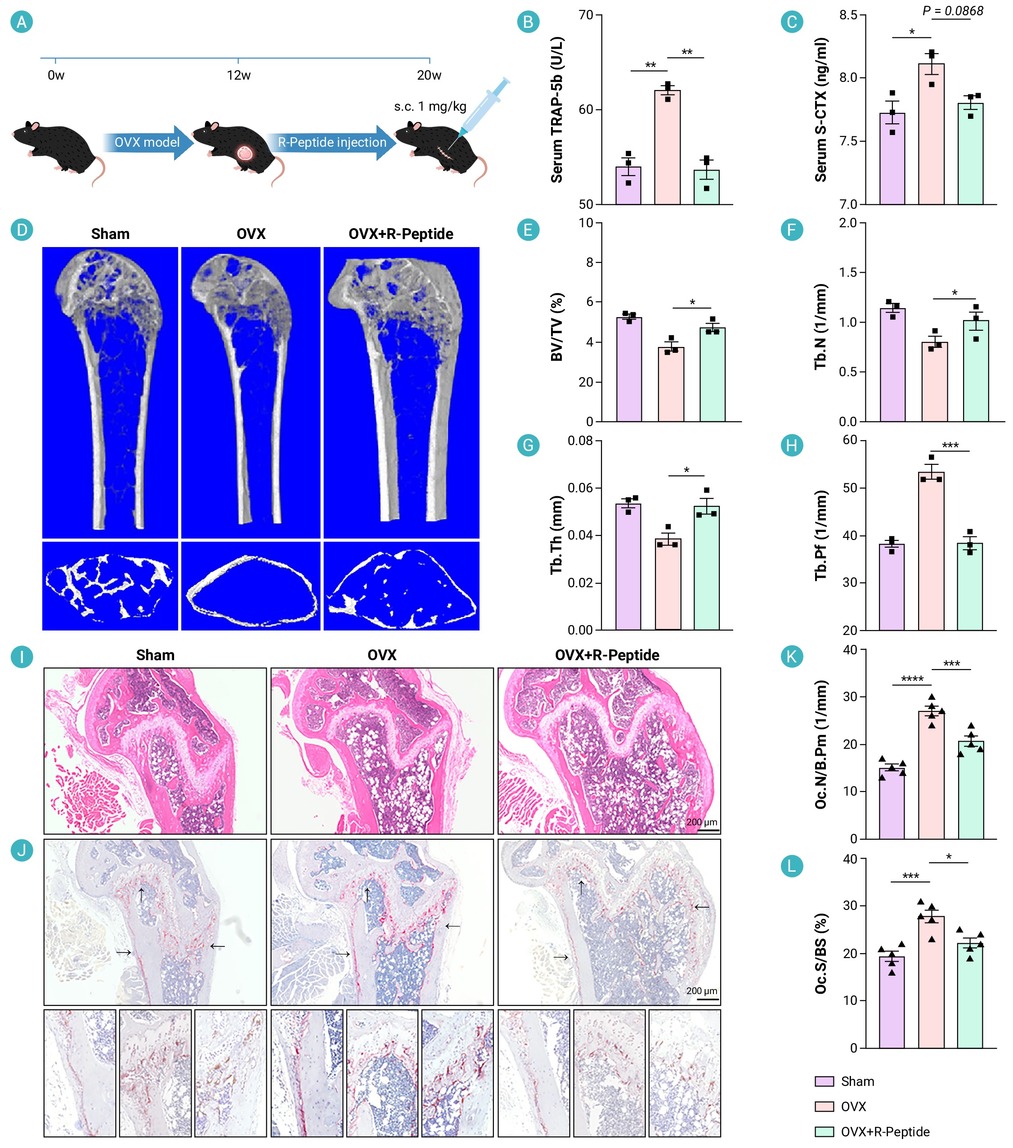
Inhibition of bone resorption in OVX mice
-
Figure 5.
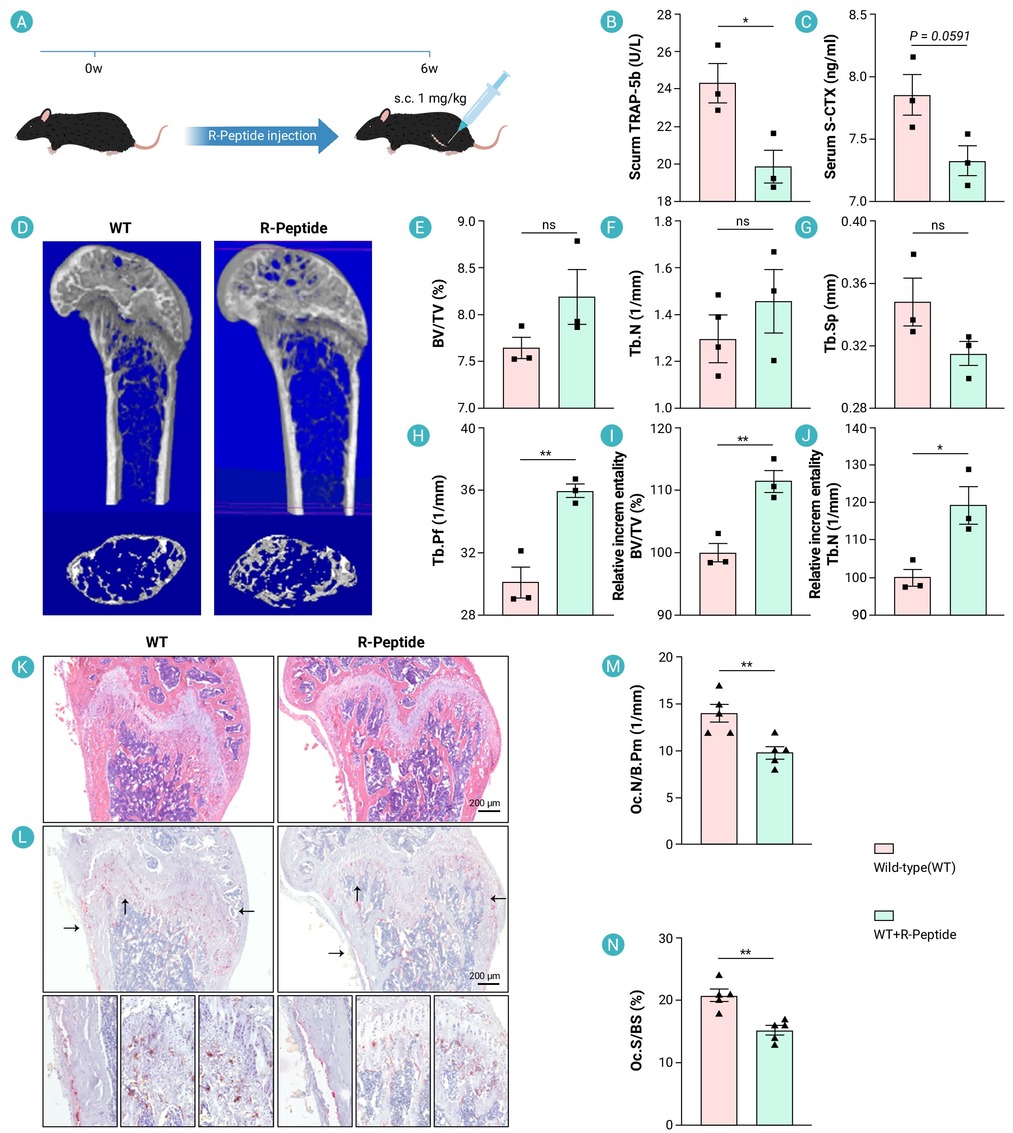
Increase bone mass in WT mice
-
Figure 6.
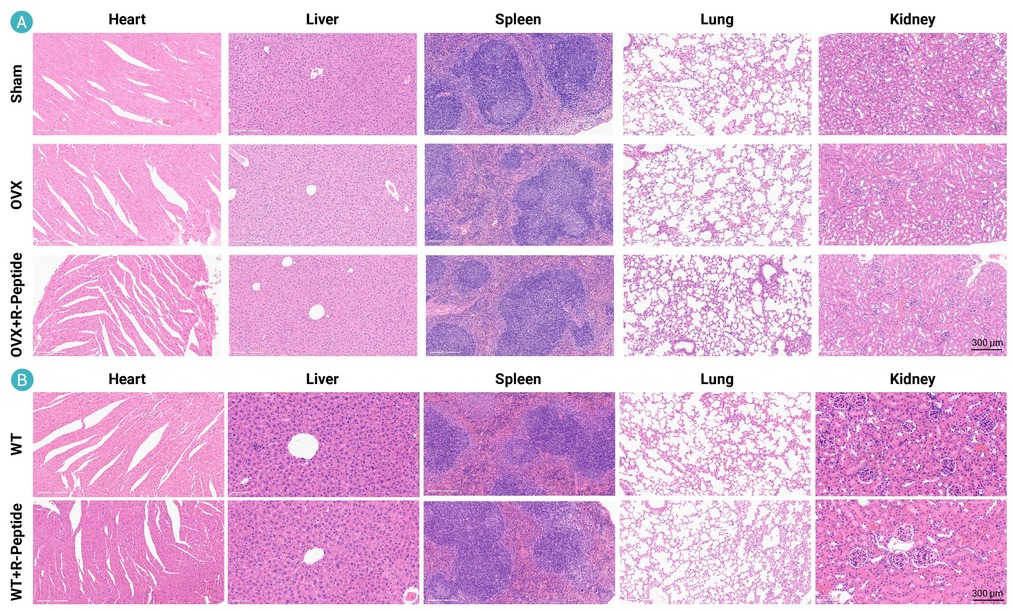
HE staining results of heart, liver, spleen, lung and kidney tissue section of mice
-
Figure 7.
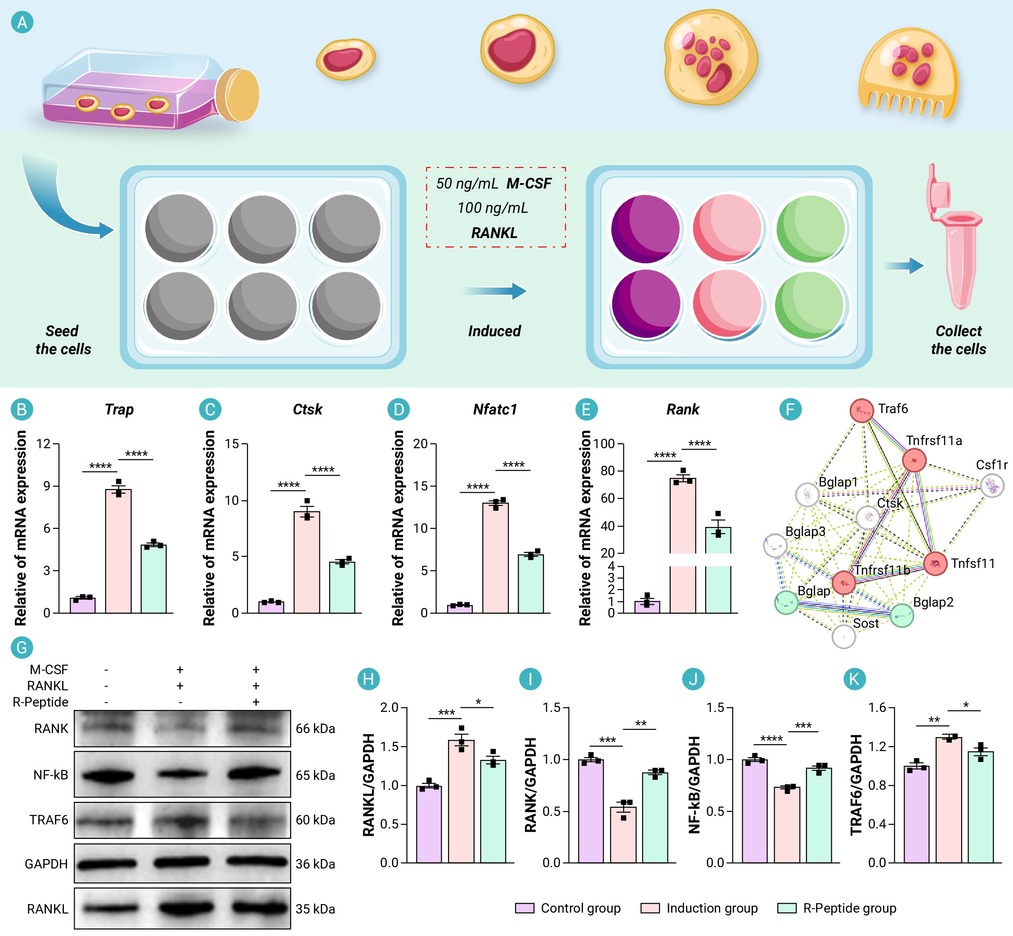
Reduced osteoclast-related gene expression
