
Challenges and potential solutions for the global optimization of "Offshore Wind Energy — Multi-Marine Resources" integration system in the Beibu Gulf of Guangxi
-
GRAPHICAL ABSTRACT
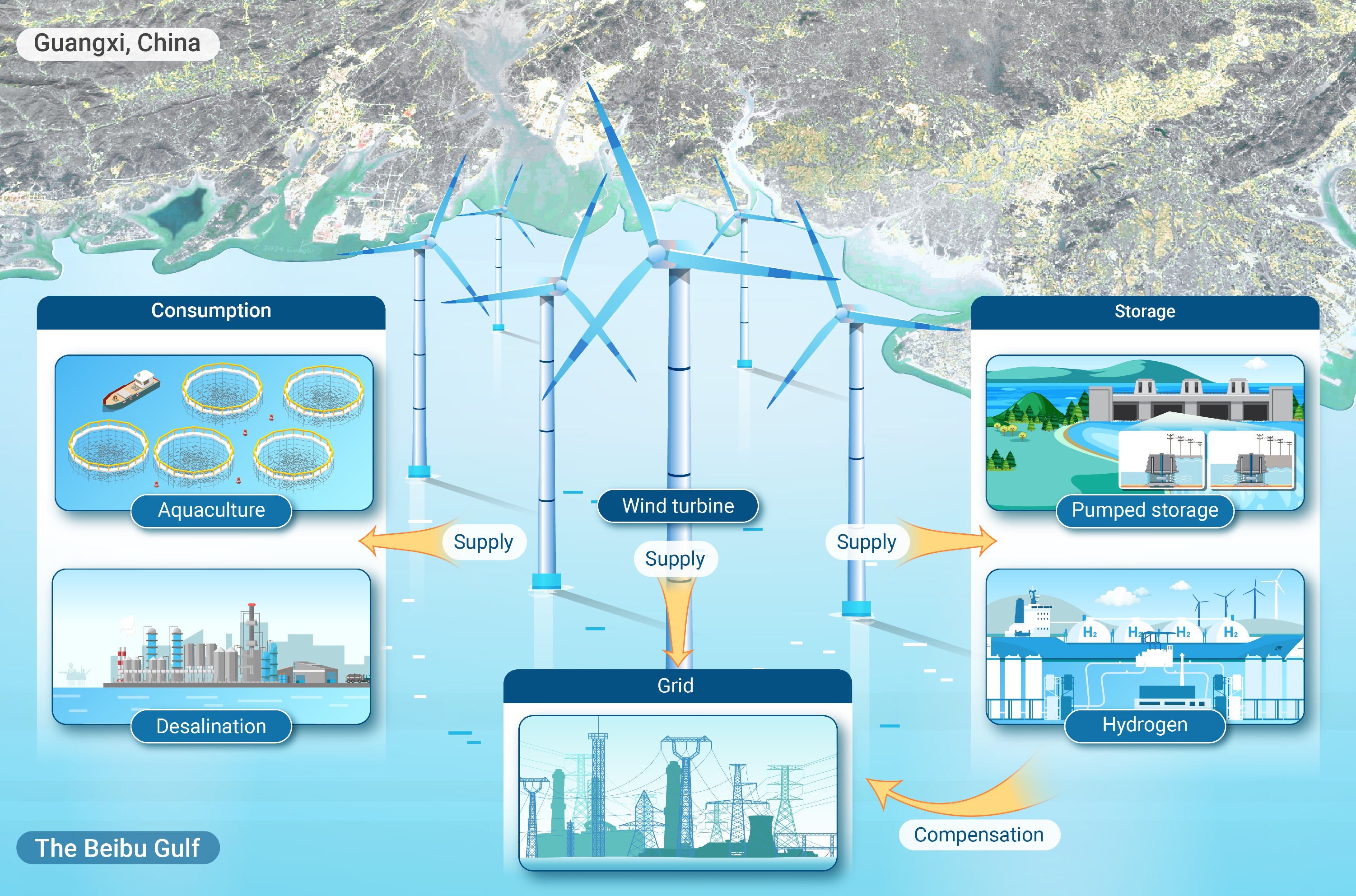
 DownLoad:
Full size image
DownLoad:
Full size image
-
PUBLIC SUMMARY
-
Beibu Gulf aims to integrate offshore wind energy with multi-marine resource development.
Accurate resource forecasting, global optimization, and resilience enhancement are essential for system success.
Develop supply-storage-consumption integration to balance efficiency, cost, and stability of energy output.
Assess typhoon resilience to safeguard the system against extreme weather impacts.
-
-
ABSTRACT
The development of a national energy base and modern energy system in the Beibu Gulf of Guangxi requires an innovative energy system. General energy system only consists of a single marine energy resource, this work introduces an "Offshore Wind Energy—Multi-Marine Resources" integration system, which distinctively centers on offshore wind power while incorporating seawater hydrogen production, pumped storage, seawater desalination, marine aquaculture, and other marine resource utilization complexes. Its potential challenges during its future construction and potential solutions for the global optimization that need to be addressed are as follows: 1) creating a high-precision wind speed prediction model across multiple scales; 2) developing a global optimization model for the system under multiple uncertainties; and 3) proposing a resilience assessment method for systems subjected to unconventional external shocks. This integration system can contribute to the comprehensive development of marine resources and the establishment of a national comprehensive energy base in Guangxi Province and around the world.-
Keywords:
- global optimization /
- offshore marine energy /
- Beibu Gulf /
- wind power /
- resilience assessment.
-

-
REFERENCES
[1] Region T.P.s.G.o.G.Z.A. (2023). Guangxi's Three-Year Action Plan for Vigorously Developing the Seaward Economy and Building a Strong Marine Zone (2023-2025). [2] Hu H., Hu Z., Zhong K., et al. (2020). Long-term offshore wind power prediction using spatiotemporal kriging: A case study in China’s Guangdong Province. Energy Explor. Exploit. 38:703−722. DOI:10.1177/0144598719889368 [3] Bodini N., Hu W., Optis M., et al. (2021). Assessing boundary condition and parametric uncertainty in numerical-weather-prediction-modeled, long-term offshore wind speed through machine learning and analog ensemble. Wind Energ. Sci. 6:1363−1377. DOI:10.5194/wes-6-1363-2021 [4] Neshat M., Nezhad M.M., Abbasnejad E., et al. (2021). A deep learning-based evolutionary model for short-term wind speed forecasting: A case study of the Lillgrund offshore wind farm. Energy Conver. Manag. 236:114002. DOI: 10.1016/j.enconman.2021.114002 [5] Xu X., Hu S., Shi P., et al. (2023). Natural phase space reconstruction-based broad learning system for short-term wind speed prediction: Case studies of an offshore wind farm. Energy 262:125342. DOI: 10.1016/j.energy.2022.125342 [6] Hall M.M., and Bryden H.L. (1982). Direct estimates and mechanisms of ocean heat transport. Deep-Sea Res. I 29(3):339-359. DOI: https://doi.org/10.1016/0198-0149(82)90099-1 [7] L. Bryden H., and Imawaki S. (2001). Chapter 6.1 Ocean heat transport. In International Geophysics. G. Siedler, J. Church, and J. Gould, eds. (Academic Press). pp:455-474. DOI:10.1016/S0074-6142(01)80134-0 [8] Kudryavtsev V.N. (1994). The coupling of wind and internal waves: modulation and friction mechanisms. J. Fluid Mech. 278:33−62. DOI:10.1017/S0022112094003605 [9] Cimarelli A., Romoli F., and Stalio E. (2023). On wind–wave interaction phenomena at low Reynolds numbers. J. Fluid Mech. 956:A13. DOI:10.1017/jfm.2023.4 [10] Hunt J.C.R. (1999). Environmental forecasting and turbulence modeling. Physica D 133:270-295. DOI: https://doi.org/10.1016/S0167-2789(99)00117-7 [11] Ross B.B. (1986). An Overview of Numerical Weather Prediction. In Mesoscale Meteorology and Forecasting. P.S. Ray, ed. (American Meteorological Society). pp:720-751. DOI:10.1007/978-1-935704-20-1_30 [12] Al-Yahyai S., Charabi Y. and Gastli A. (2010). Review of the use of Numerical Weather Prediction (NWP) Models for wind energy assessment. Renew. Sustain. Energy Rev. 14:3192−3198. DOI:10.1016/j.rser.2010.07.001 [13] Saima H., Jaafar J., Belhaouari S., et al. (2011). Intelligent methods for weather forecasting: A review. 2011 National Postgraduate Conference. [14] Jain H. and Jain R. (2017). Big data in weather forecasting: Applications and challenges. 2017 International Conference on Big Data Analytics and Computational Intelligence (ICBDAC). DOI: 10.1109/ICBDACI.2017.8070824 [15] Fathi M., Haghi Kashani M., Jameii S.M., et al. (2022). Big Data Analytics in Weather Forecasting: A Systematic Review. Arch. Comput. Methods Eng. 29:1247−1275. DOI:10.1007/s11831-021-09616-4 [16] Mohandes M.A., Rehman S. and Halawani T.O. (1998). A neural networks approach for wind speed prediction. Renew. Energy 13:345-354. DOI: https://doi.org/10.1016/S0960-1481(98)00001-9 [17] Chen Y., Dong Z., Wang Y., et al. (2021). Short-term wind speed predicting framework based on EEMD-GA-LSTM method under large scaled wind history. Energy Conver. Manag. 227:113559. DOI:10.1016/j.enconman.2020.113559 [18] Chen L., Zhong X., Zhang F., et al. (2023). FuXi: a cascade machine learning forecasting system for 15-day global weather forecast. npj Clim. Atmos. Sci. 6. DOI:10.1038/s41612-023-00512-1 [19] Shu Z.R., Li Q.S., He Y.C., and Chan P.W. (2016). Observations of offshore wind characteristics by Doppler-LiDAR for wind energy applications. Appl. Energy 169:150−163. DOI:10.1016/j.apenergy.2016.01.135 [20] Gottschall J., Gribben B., Stein D., et al. (2017). Floating lidar as an advanced offshore wind speed measurement technique: current technology status and gap analysis in regard to full maturity. WIREs Energy Environ. 6:e250. DOI:10.1002/wene.250 [21] Thielicke W., Hübert W., Müller U., et al. (2021). Towards accurate and practical drone-based wind measurements with an ultrasonic anemometer. Atmos. Meas. Tech. 14:1303−1318. DOI:10.5194/amt-14-1303-2021 [22] Hasager C.B. (2014). Offshore winds mapped from satellite remote sensing. WIREs Energy Environ. 3:594−603. DOI:10.1002/wene.123 [23] Nezhad M.M., Neshat M., Heydari A., et al. (2021). A new methodology for offshore wind speed assessment integrating Sentinel-1, ERA-Interim and in-situ measurement. Renew. Energy 172:1301−1313. DOI:10.1016/j.renene.2021.03.026 [24] Dinh V.N., Leahy P., McKeogh E., et al. (2021). Development of a viability assessment model for hydrogen production from dedicated offshore wind farms. Int. J. Hydro. Energy 46:24620−24631. DOI:10.1016/j.ijhydene.2020.04.232 [25] Schär S., Bischi A., Baccioli A., et al. (2023). Optimization of sustainable seawater desalination: Modeling renewable energy integration and energy storage concepts. Energy Conver. Manag. 293:117447. DOI:10.1016/j.enconman.2023.117447 [26] Ferreira J.G., Sequeira A., Hawkins A.J.S., et al. (2009). Analysis of coastal and offshore aquaculture: Application of the FARM model to multiple systems and shellfish species. Aquaculture 28932-41. DOI:10.1016/j.aquaculture.2008.12.017 [27] Palmer S.C.J., Barillé L., Kay S., et al. (2021). Pacific oyster (Crassostrea gigas) growth modelling and indicators for offshore aquaculture in Europe under climate change uncertainty. Aquaculture 532:736116. DOI:10.1016/j.aquaculture.2020.736116 [28] Morro B., Davidson K., Adams T.P., et al. (2022). Offshore aquaculture of finfish: Big expectations at sea. Reviews in Aquaculture 14:791−815. DOI:10.1111/raq.12625 [29] Yu S.E., Dong S.L., Zhang Z.X., et al. (2022). Mapping the potential for offshore aquaculture of salmonids in the Yellow Sea. Mar. Life Sci. Technol. 4:329−342. DOI:10.1007/s42995-022-00141-2 [30] Blonbou R., Monjoly S. and Dorville J.F. (2011). An adaptive short-term prediction scheme for wind energy storage management. Energy Conver. Manag. 52:2412−2416. DOI:10.1016/j.enconman.2011.01.013 [31] Kou P., Gao F. and Guan X. (2015). Stochastic predictive control of battery energy storage for wind farm dispatching: Using probabilistic wind power forecasts. Renew. Energy 80:286−300. DOI:10.1016/j.renene.2015.02.001 [32] Zhu Y., Tong Q., Yan X., et al. (2020). Optimal design of multi-energy complementary power generation system considering fossil energy scarcity coefficient under uncertainty. J. Clean. Product. 274:12273. DOI:10.1016/j.jclepro.2020.12273 [33] Shafiullah G.M., M.T. Oo A., Shawkat Ali A.B.M., et al. (2013). Potential challenges of integrating large-scale wind energy into the power grid–A review. Renew. Sustain. Energy Rev. 20:306−321. DOI:10.1016/j.rser.2012.11.057 [34] Liu Z., Liu B., Ding X., et al. (2022). Research on optimization of energy storage regulation model considering wind–solar and multi-energy complementary intermittent energy interconnection. Energy Rep. 8:490−501. DOI:10.1016/j.egyr.2022.05.062 [35] Ren Y., Yao X., Liu D., et al. (2022). Optimal design of hydro-wind-PV multi-energy complementary systems considering smooth power output. Sustain. Energy Technol. Assess. 50:101832. DOI:10.1016/j.seta.2021.101832 [36] Han D. and Lee J.H. (2021). Two-stage stochastic programming formulation for optimal design and operation of multi-microgrid system using data-based modeling of renewable energy sources. Appl. Energy 291:116830. DOI:10.1016/j.apenergy.2021.116830 [37] Yan R., Wang J., Lu S., et al. (2021). Multi-objective two-stage adaptive robust planning method for an integrated energy system considering load uncertainty. Energy Build. 235:110741. DOI:10.1016/j.enbuild.2021.110741 [38] Hu W., Dong Y., Zhang L., et al. (2023). Research on Complementarity of Multi-Energy Power Systems: A Review. iEnergy 2:275−283. DOI:10.23919/ien.2023.0042 [39] Zhao Y., Yuan H., Zhang Z., et al. (2024). Performance analysis and multi-objective optimization of the offshore renewable energy powered integrated energy supply system. Energy Conver. Manag. 304:118232. DOI:10.1016/j.enconman.2024.118232 [40] Zhang, Y., Sun, H., Tan, J., et al. (2022). Capacity configuration optimization of multi-energy system integrating wind turbine/photovoltaic/hydrogen/battery. Energy 252:124046. DOI: 10.1016/j.energy.2022.124046 [41] de Souza Nascimento M.M., Shadman M., Silva C., et al. (2022). Offshore wind and solar complementarity in Brazil: A theoretical and technical potential assessment. Energy Conver. Manag. 270:116194. DOI:10.1016/j.enconman.2022.116194 [42] Li P., Lian J., Ma C., et al. (2023). Complementarity and development potential assessment of offshore wind and solar resources in China seas. Energy Conver. Manag. 296:117705. DOI:10.1016/j.enconman.2023.117705 [43] Wu Y. and Zhang T. (2021). Risk assessment of offshore wave-wind-solar-compressed air energy storage power plant through fuzzy comprehensive evaluation model. Energy 223:120057. DOI:10.1016/j.energy.2021.120057 [44] Lucas T.R., Ferreira A.F., Santos Pereira R.B., et al. (2022). Hydrogen production from the WindFloat Atlantic offshore wind farm: A techno-economic analysis. Appl. Energy 310:118481. DOI:10.1016/j.apenergy.2021.118481 [45] Raou A., Tecchio S., Pezy J.P., et al. (2017). Benthic and fish aggregation inside an offshore wind farm: Which effects on the trophic web functioning. Ecolog. Indicat. 72:33−46. DOI:10.1016/j.ecolind.2016.07.037 [46] Li D. and Cai W. (2021). Optimal configuration of photovoltaic energy storage capacity for large power users. Energy Rep. 7:468−478. DOI:10.1016/j.egyr.2021.10.015 [47] Zhang Y., Lian J., Ma C., et al. (2020). Optimal sizing of the grid-connected hybrid system integrating hydropower, photovoltaic, and wind considering cascade reservoir connection and photovoltaic-wind complementarity. J. Clean. Product. 274:123100. DOI:10.1016/j.jclepro.2020.123100 [48] Yang H., Li M., Jiang Z., et al. (2020). Multi-Time Scale Optimal Scheduling of Regional Integrated Energy Systems Considering Integrated Demand Response. IEEE Access 8:5080−5090. DOI:10.1109/access.2019.2963463 [49] Zhang Y., Liu Y., Shu S., et al. (2021). A data-driven distributionally robust optimization model for multi-energy coupled system considering the temporal-spatial correlation and distribution uncertainty of renewable energy sources. Energy 216:119171. DOI:10.1016/j.energy.2020.119171 [50] Zhang Y., Le J., Zheng F., et al. (2019). Two-stage distributionally robust coordinated scheduling for gas-electricity integrated energy system considering wind power uncertainty and reserve capacity configuration. Renew. Energy 135:122−135. DOI:10.1016/j.renene.2018.11.094 [51] Wang Y., and Liu J. (2023). Optimal capacity allocation of wind-light-water multi-energy complementary capacity based on improved multi-objective optimization algorithm. Front. Energy Res. 10:1115769. DOI:10.3389/fenrg.2022.1115769 [52] Hou H., Wang Z., Chen Y., et al. (2023). Multi-stage hybrid energy management strategy for reducing energy abandonment and load losses among multiple microgrids. Int. J. Electr. Power Energy Sys. 148:108773. DOI:10.1016/j.ijepes.2022.108773 [53] Lu Z., Gao Y., Xu C., et al. (2023). Configuration optimization of an off-grid multi-energy microgrid based on modified NSGA-II and order relation-TODIM considering uncertainties of renewable energy and load. J. Clean. Product. 383:135312. DOI:10.1016/j.jclepro.2022.135312 [54] Mentes A. and Turan O. (2019). A new resilient risk management model for Offshore Wind Turbine maintenance. Safety Sci. 119:360−374. DOI:10.1016/j.ssci.2018.06.022 [55] Velarde J., Kramhøf C. and Sørensen J.D. (2019). Global sensitivity analysis of offshore wind turbine foundation fatigue loads. Renew. Energy 140:177−189. DOI:10.1016/j.renene.2019.03.055 [56] Gatzert N. and Kosub T. (2016). Risks and risk management of renewable energy projects: The case of onshore and offshore wind parks. Renew. Sustain. Energy Rev. 60:982−998. DOI:10.1016/j.rser.2016.01.103 [57] Sun C. and Jahangiri V. (2019). Fatigue damage mitigation of offshore wind turbines under real wind and wave conditions. Eng. Struct. 178:472−483. DOI:10.1016/j.engstruct.2018.10.053 [58] Chen X., Li C and Xu J. (2015). Failure investigation on a coastal wind farm damaged by super typhoon: A forensic engineering study. J. Wind Eng. Ind. Aerodynam. 147:132−142. DOI:10.1016/j.jweia.2015.10.007 [59] Khiyami A., Owens A., Doufene A., et al. (2017). Assessment of Resilience in Desalination Infrastructure Using Semi-Markov Models. Complex Systems Design & Management. G. Fanmuy, E. Goubault, D. Krob, and F. Stephan, eds. (Springer International Publishing). DOI:10.1007/978-3-319-49103-5_10 [60] Durán O., Aguilar J. and Capaldo A. (2021). Evaluating maintenance strategies using a resilience index in a seawater desalination plant. Desalination 500:114855. DOI:10.1016/j.desal.2020.114855 [61] El-Kady A.H., Amin M.T., Khan F., et al. (2024). Identification and assessment of risk factors in offshore wind-integrated hydrogen production system. Int. J. Hydro. Energy 52:1312−1332. DOI:10.1016/j.ijhydene.2023.10.184 [62] Kumar S., Arzaghi E., Baalisampang T., et al. (2024). A risk-based multi-criteria decision-making framework for offshore green hydrogen system developments: Pathways for utilizing existing and new infrastructure. Sustain. Product. Consumpt. 46:655−678. DOI:10.1016/j.spc.2024.03.020 [63] Zhao H. and Hao X. (2024). Risk assessment of offshore wind power hydrogen production based on spherical fuzzy set and cumulative prospect theory - TOPSIS. Int. J. Hydro. Energy 73:475−489. DOI:10.1016/j.ijhydene.2024.06.015 [64] Zhao Y.P., Yang H., Bi C.W., et al. (2019). Hydrodynamic responses of longline aquaculture facility with lantern nets in waves. Aquacult. Eng. 86:101996. DOI:10.1016/j.aquaeng.2019.101996 [65] Liu H.F., Bi C.W. and Zhao Y.P. (2020). Experimental and numerical study of the hydrodynamic characteristics of a semisubmersible aquaculture facility in waves. Ocean Eng. 214:107714. DOI:10.1016/j.oceaneng.2020.107714 [66] Rickard G. (2020). Three-dimensional hydrodynamic modelling of tidal flows interacting with aquaculture fish cages. J. Fluids Struct. 93:102871. DOI:10.1016/j.jfluidstructs.2020.102871 [67] Ma C., Zhao Y.P. and Bi C.W. (2022). Numerical study on hydrodynamic responses of a single-point moored vessel-shaped floating aquaculture platform in waves. Aquacult. Eng. 96:102216. DOI:10.1016/j.aquaeng.2021.102216 [68] Lagrange A., de Simón-Martín M., González-Martínez A., et al. (2020). Sustainable microgrids with energy storage as a means to increase power resilience in critical facilities: An application to a hospital. Int. J. Elect. Power Energy Sys. 119:105865. DOI:10.1016/j.ijepes.2020.105865 [69] Nazemi M., Moeini-Aghtaie M., Fotuhi-Firuzabad M., et al. (2020). Energy Storage Planning for Enhanced Resilience of Power Distribution Networks Against Earthquakes. IEEE Trans. Sustain. Energy 11:795−806. DOI:10.1109/TSTE.2019.2907613 [70] Huang W., Zhang X., Li K., et al. (2022). Resilience Oriented Planning of Urban Multi-Energy Systems With Generalized Energy Storage Sources. IEEE Tran. Power Sys. 37:2906−2918. DOI:10.1109/TPWRS.2021.3123074 [71] Sinha Y. and Steel J.A. (2015). A progressive study into offshore wind farm maintenance optimisation using risk based failure analysis. Renew. Sustain. Energy Rev. 42:735−742. DOI:10.1016/j.rser.2014.10.087 [72] Cheng M.Y., Wu Y.F., Wu Y.W., et al. (2019). Fuzzy Bayesian schedule risk network for offshore wind turbine installation. Ocean Eng. 188:106238. DOI:10.1016/j.oceaneng.2019.106238 [73] Lotfi R., Gharehbaghi A., Mehrjardi M.S., et al. (2023). A robust, resilience multi-criteria decision-making with risk approach: a case study for renewable energy location. Environ. Sci. Poll. Res. 30:43267−43278. DOI:10.1007/s11356-023-25223-1 [74] Mou J., Jia X., Chen P., et al. (2021). Research on Operation Safety of Offshore Wind Farms. J. Mar. Sci. Eng. 9:881. DOI:10.3390/jmse9080881 [75] Torres F.S., Kulev N., Skobiej B., et al. (2020). Indicator-based Safety and Security Assessment of Offshore Wind Farms. 2020 Resilience Week (RWS). DOI:10.1109/RWS50334.2020.9241287 [76] Göçmen T., Laan P.v.d., Réthoré P.E., et al. (2016). Wind turbine wake models developed at the technical university of Denmark: A review. Renew. Sustain. Energy Rev. 60:752−769. DOI:10.1016/j.rser.2016.01.113 [77] Tian L., Zhu W., Shen W., et al. (2017). Prediction of multi-wake problems using an improved Jensen wake model. Renew. Energy 102:457−469. DOI:10.1016/j.renene.2016.10.065 [78] Ti Z., Deng X.W. and Yang H. (2020). Wake modeling of wind turbines using machine learning. Appl. Energy 257:114025. DOI:10.1016/j.apenergy.2019.114025 [79] Zi-li L., Da H. and Chun-yang J. (2016). High frequency radar observation of wind field over Beibu gulf during typhoon Usagi. 2016 IEEE Adv. Inform. Manag. Commun. Elect. Auto. Control Conference (IMCEC). [80] Kong H., Zhang Q., Du Y., et al. (2020). Characteristics of Coastal Low-Level Jets Over Beibu Gulf, China, During the Early Warm Season. J. Geophys. Res. A 125:e2019JD031918. DOI:10.1029/2019JD031918 [81] Chen X., Foley A., Zhang Z., et al. (2020). An assessment of wind energy potential in the Beibu Gulf considering the energy demands of the Beibu Gulf Economic Rim. Renew. Sustain. Energy Rev. 119:109605. DOI:10.1016/j.rser.2019.10960 [82] Cavazzi S. and Dutton A.G. (2016). An Offshore Wind Energy Geographic Information System (OWE-GIS) for assessment of the UK's offshore wind energy potential. Renew. Energy 87:212−228. DOI:10.1016/j.renene.2015.09.021 [83] Díaz H. and Guedes Soares C. (2020). An integrated GIS approach for site selection of floating offshore wind farms in the Atlantic continental European coastline. Renew. Sustain. Energy Rev. 134:110328. DOI:10.1016/j.rser.2020.110328 [84] Aasim S.S.N. and Mohapatra A. (2019). Repeated wavelet transform based ARIMA model for very short-term wind speed forecasting. Renew. Energy 136:758−768. DOI:10.1016/j.renene.2019.01.031 [85] Jiang Y., Song Z. and Kusiak A. (2013). Very short-term wind speed forecasting with Bayesian structural break model. Renew. Energy 50:637−647. DOI:10.1016/j.renene.2012.07.041 [86] García I., Huo S., Prado R., et al. (2020). Dynamic Bayesian temporal modeling and forecasting of short-term wind measurements. Renew. Energy 161:55−64. DOI:10.1016/j.renene.2020.05.182 [87] Chen Y., Wan Y., Dong Z., et al. (2021). 2-D regional short-term wind speed forecast based on CNN-LSTM deep learning model. Energy Conver. Manag. 244:114451. DOI:10.1016/j.enconman.2021.114451 [88] Li J., Song Z., Wang X., et al. (2022). A novel offshore wind farm typhoon wind speed prediction model based on PSO–Bi-LSTM improved by VMD. Energy 251:123848. DOI:10.1016/j.energy.2022.123848 [89] Dragomiretskiy K., and Zosso D. (2014). Variational Mode Decomposition. IEEE Tran. Signal Process. 62:531−544. DOI:10.1109/TSP.2013.2288675 [90] Yu Y., Si X., Hu C., et al. (2019). A Review of Recurrent Neural Networks: LSTM Cells and Network Architectures. Neural Comput. 31:1235−1270. DOI:10.1162/neco_a_01199 [91] Mirjalili, S. (2019). Genetic Algorithm. Evolutionary Algorithms and Neural Networks: Theory and Applications. S. Mirjalili, ed. (Springer International Publishing) pp:43-55. DOI:10.1007/978-3-319-93025-1_4 [92] Gabrielli P., Fürer F., Mavromatidis G., et al. (2019). Robust and optimal design of multi-energy systems with seasonal storage through uncertainty analysis. Appl. Energy 238:1192−1210. DOI:10.1016/j.apenergy.2019.01.064 [93] Mavromatidis G., Orehouni K. and Carmeliet J. (2018). Design of distributed energy systems under uncertainty: A two-stage stochastic programming approach. Appl. Energy 222:932−950. DOI:10.1016/j.apenergy.2018.04.019 [94] Li R., Guo S., Yang Y., et al. (2020). Optimal sizing of wind/ concentrated solar plant/ electric heater hybrid renewable energy system based on two-stage stochastic programming. Energy 209:118472. DOI:10.1016/j.energy.2020.118472 [95] Wang M., Yu H., Lin X., et al. (2020). Comparing stochastic programming with posteriori approach for multi-objective optimization of distributed energy systems under uncertainty. Energy 210:118571. DOI:10.1016/j.energy.2020.118571 [96] Wang M., Jing R., Zhang H., et al. (2018). An innovative Organic Rankine Cycle (ORC) based Ocean Thermal Energy Conversion (OTEC) system with performance simulation and multi-objective optimization. Appl. Thermal Eng. 145:743−754. DOI:10.1016/j.applthermaleng.2018.09.075 [97] Xu C., Ke Y., Li Y., et al. (2020). Data-driven configuration optimization of an off-grid wind/PV/hydrogen system based on modified NSGA-II and CRITIC-TOPSIS. Energy Conver. Manag. 215:112892. DOI:10.1016/j.enconman.2020.112892 [98] Al-Shahri O.A., Ismail F.B., Hannan M.A., et al. (2021). Solar photovoltaic energy optimization methods, challenges and issues: A comprehensive review. J. Clean. Product. 284:125465. DOI:10.1016/j.jclepro.2020.125465 [99] Cha D.H. and Wang Y. (2013). A Dynamical Initialization Scheme for Real-Time Forecasts of Tropical Cyclones Using the WRF Model. Mon. Weather Rev. 141:964−986. DOI:10.1175/MWR-D-12-00077.1 [100] Islam T., Srivastava P.K., Rico-Ramirez M.A., et al. (2015). Tracking a tropical cyclone through WRF–ARW simulation and sensitivity of model physics. Natur. Haz. 76:1473−1495. DOI:10.1007/s11069-014-1494-8 [101] Jiang G.Q., Xu J. and Wei J. (2018). A Deep Learning Algorithm of Neural Network for the Parameterization of Typhoon-Ocean Feedback in Typhoon Forecast Models. Geophys. Res. Lett. 45:3706−3716. DOI:10.1002/2018GL077004 [102] Chen R., Wang X., Zhang W., et al. (2019). A hybrid CNN-LSTM model for typhoon formation forecasting. Geo. Inf. 2:375−396. DOI:10.1007/s10707-019-00355-0 [103] Chen R., Zhang W. and Wang X. (2020). Machine Learning in Tropical Cyclone Forecast Modeling: A Review. Atmos. 11:676. DOI:10.3390/atmos11070676 [104] Ou S.H., Lia J.M., Hsu T.W., et al. (2002). Simulating typhoon waves by SWAN wave model in coastal waters of Taiwan. Ocean Eng. 29:947−971. DOI:10.1016/S0029-8018(01)00049-X [105] Hs T.W., Liau J.M., Lin J.G., et al. (2011). Sequential assimilation in the wind wave model for simulations of typhoon events around Taiwan Island. Ocean Eng. 38:456−467. DOI:10.1016/j.oceaneng.2010.11.023 [106] Utsunomiya T., Sato I., Yoshida S., et al. (2013). Dynamic Response Analysis of a Floating Offshore Wind Turbine During Severe Typhoon Event. ASME 2013 32nd Int. Conf. Ocean, Offshore Arctic Eng. DOI:10.1115/OMAE2013-10618 [107] Ma Z., Li W., Ren N., et al. (2017). The typhoon effect on the aerodynamic performance of a floating offshore wind turbine. J. Ocean Eng. Sci. 2:279−287. DOI:10.1016/j.joes.2017.09.004 -
ABOUT THIS ARTICLE
Cite this article:
Fan T., Yang H., Liang Q., et al. (2025). Challenges and potential solutions for the global optimization of "Offshore Wind Energy — Multi-Marine Resources" integration system in the Beibu Gulf of Guangxi. The Innovation Energy 2:100073. https://doi.org/10.59717/j.xinn-energy.2024.100073
Welcome!
To request copyright permission to republish or share portions of our works, please visit Copyright Clearance Center's (CCC) Marketplace website at marketplace.copyright.com.
Export File
Citation
Fan T., Yang H., Liang Q., et al. (2025). Challenges and potential solutions for the global optimization of "Offshore Wind Energy — Multi-Marine Resources" integration system in the Beibu Gulf of Guangxi. The Innovation Energy 2:100073. https://doi.org/10.59717/j.xinn-energy.2024.100073

Format
Content

-
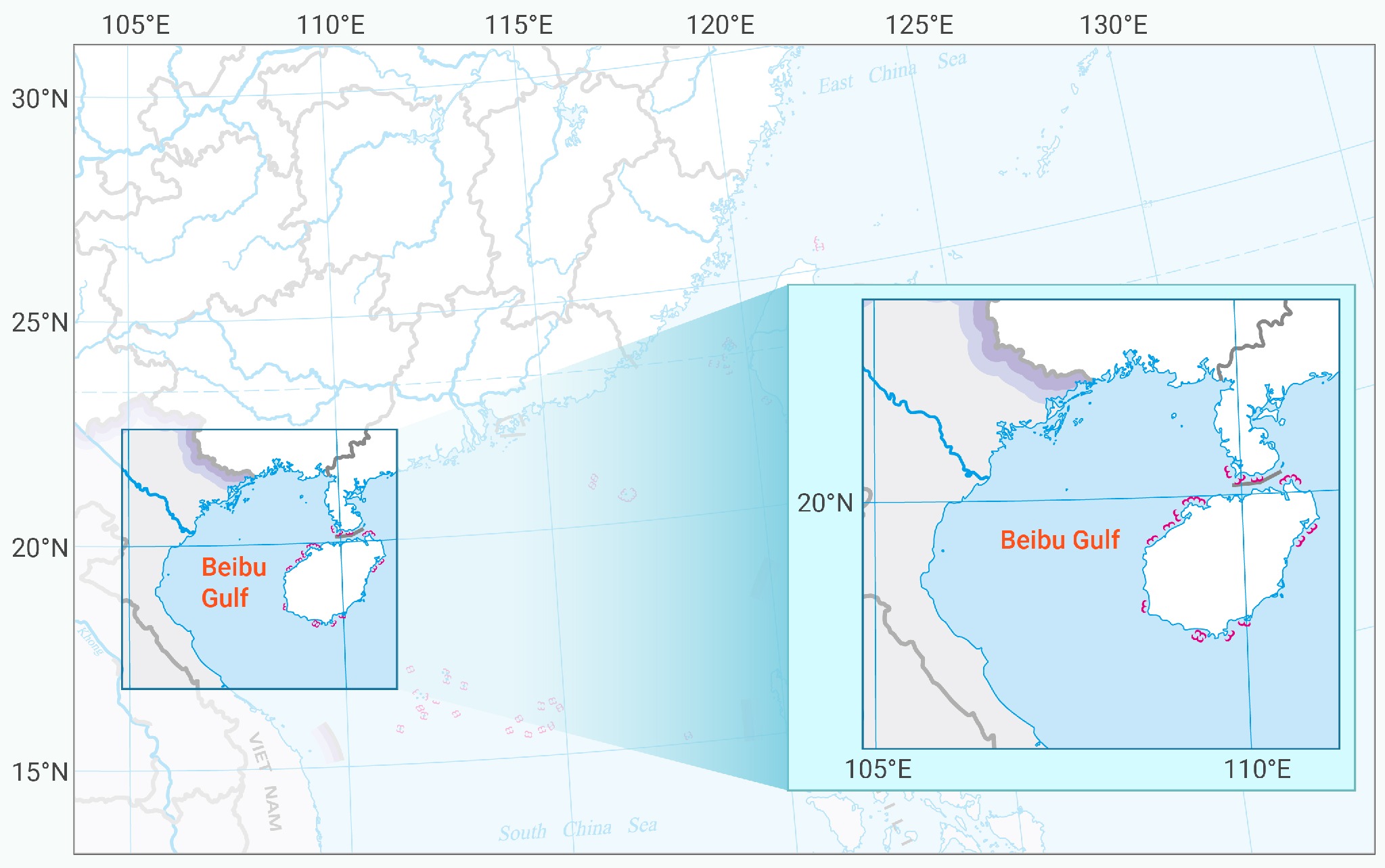
Figure 1.
The Beibu Gulf in Guangxi Province.1
-
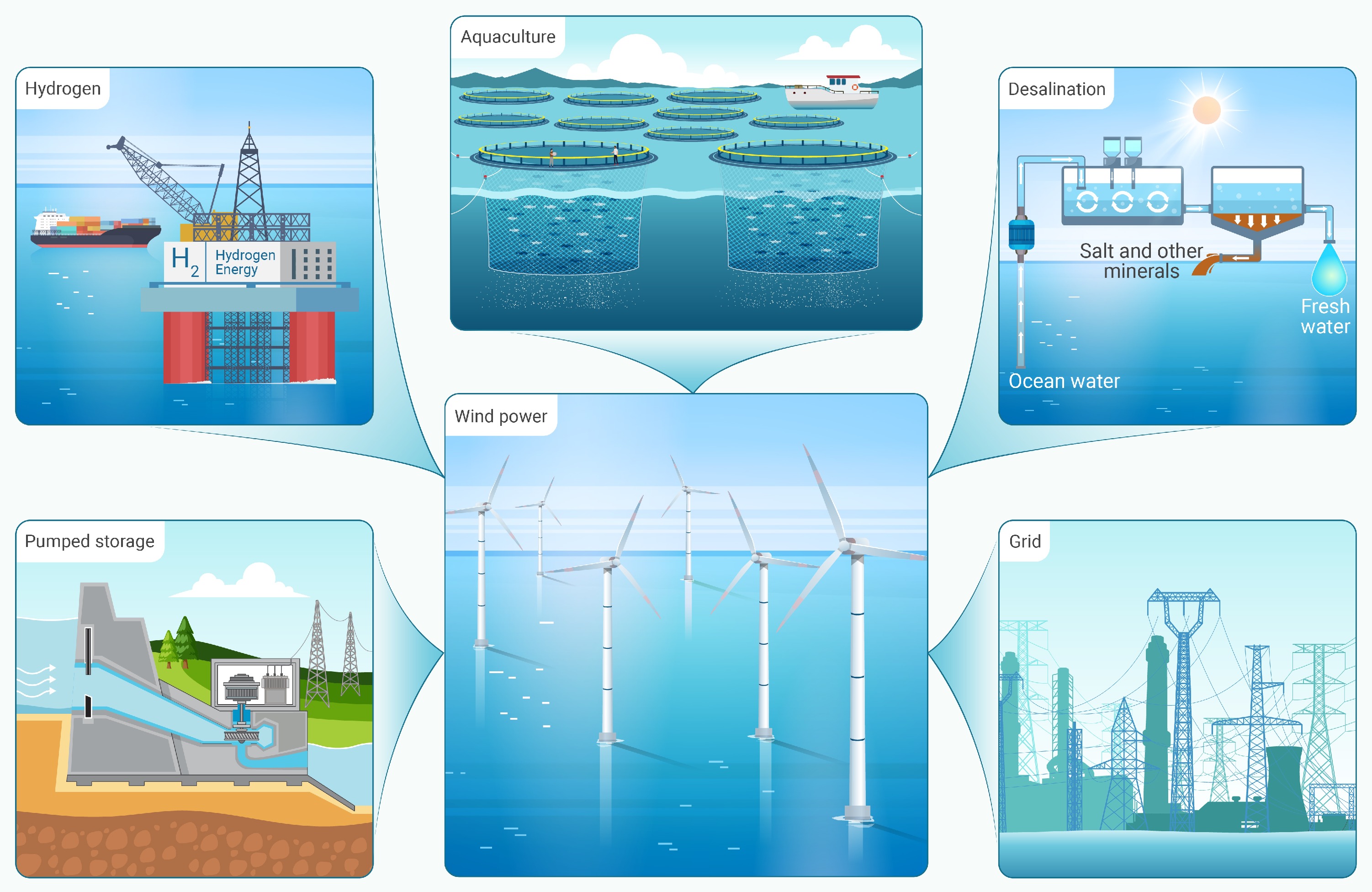
Figure 2.
The Schematic of the OW-MR Integration System.
-
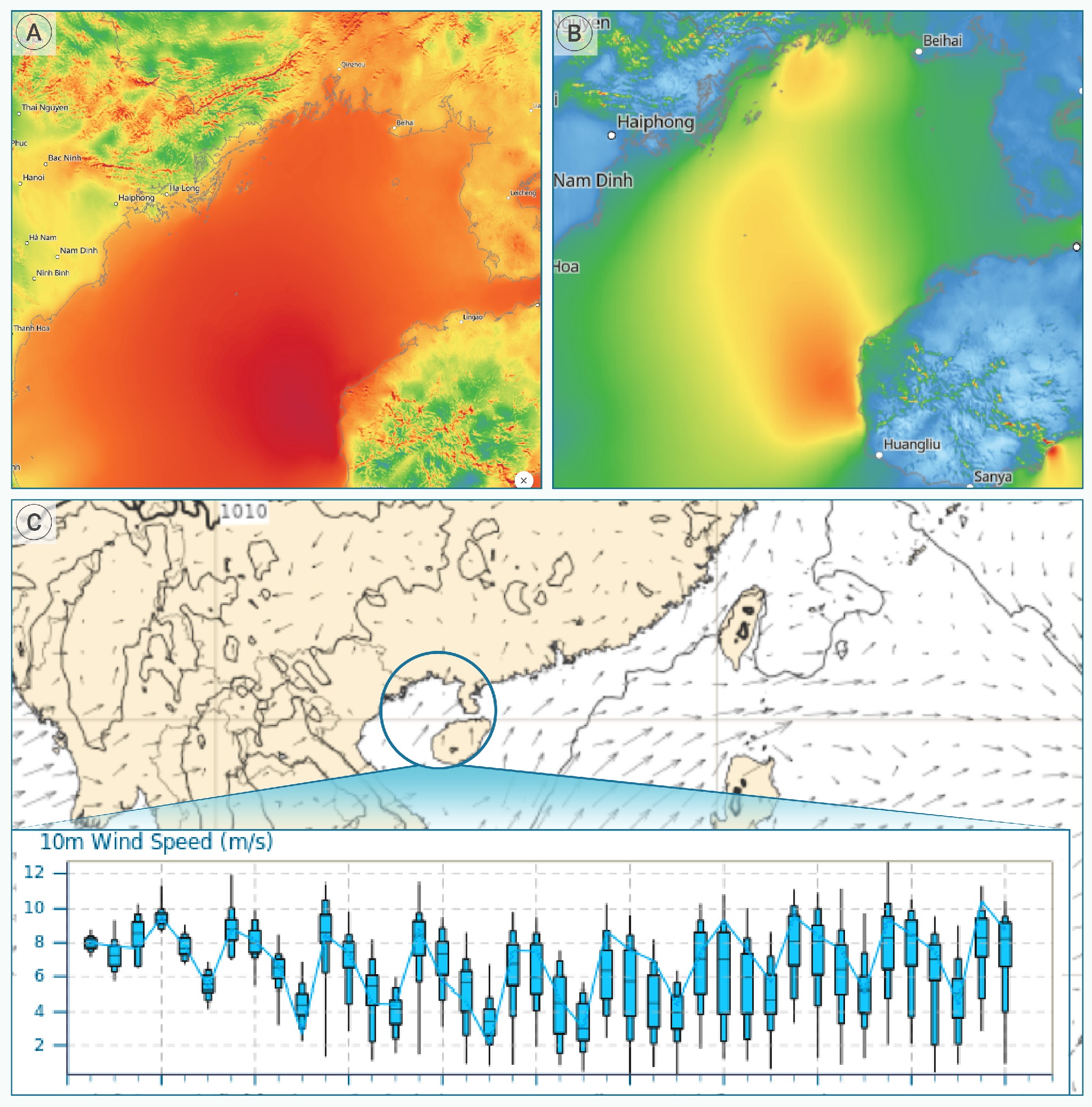
Figure 3.
(A) Mean Wind Speed in Beibu Gulf; (B) Mean Power Density of Wind in Beibu Gulf; (C) High-Resolution Forecast of Wind Speed in the Beibu Gulf.
-
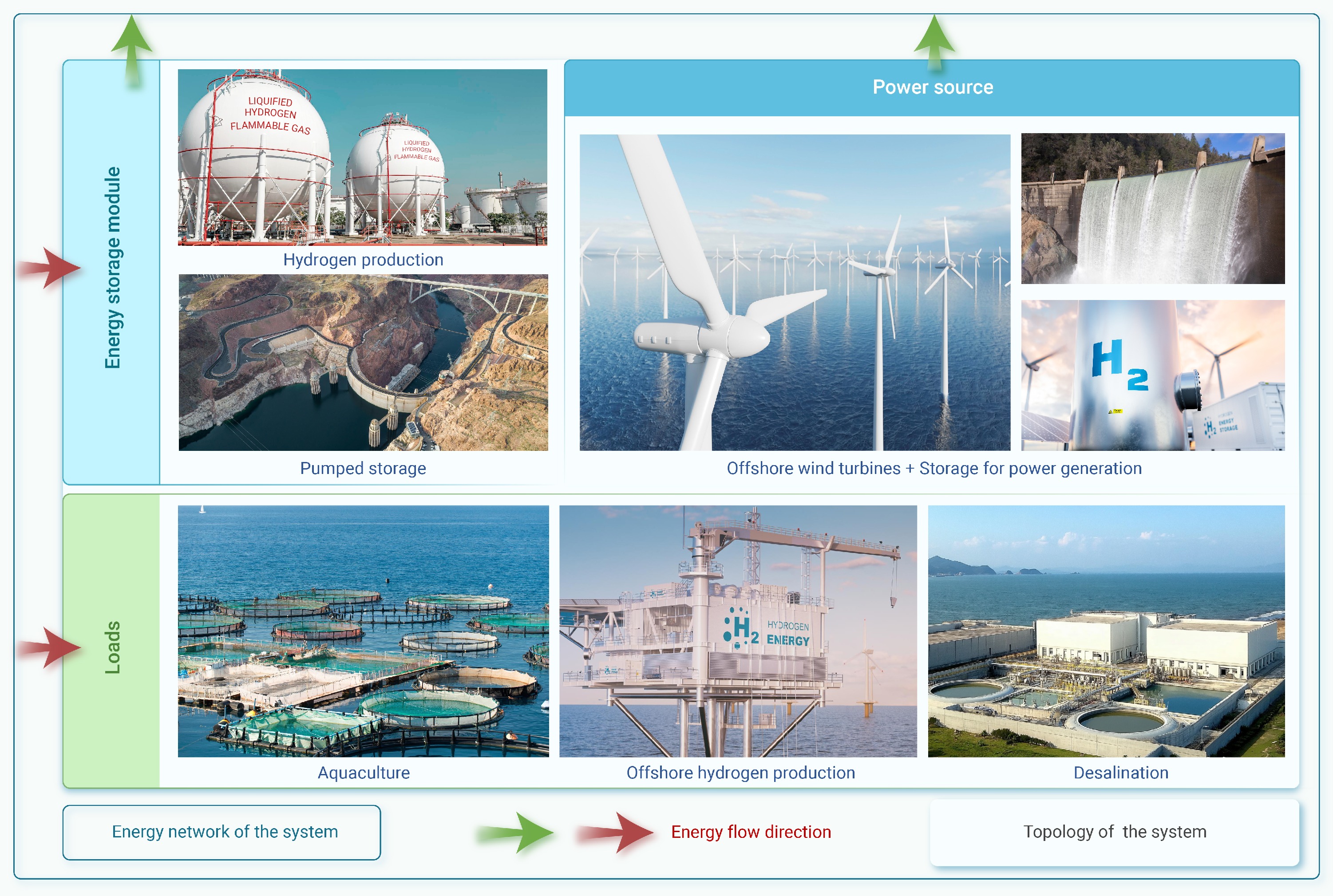
Figure 4.
The Basic Structure of Multi-Format Marine Resources and Energy Flow Direction.
-
Figure 5.
The Operational Mode of the Offshore Multi-Format Energy System in the Beibu Gulf.
-
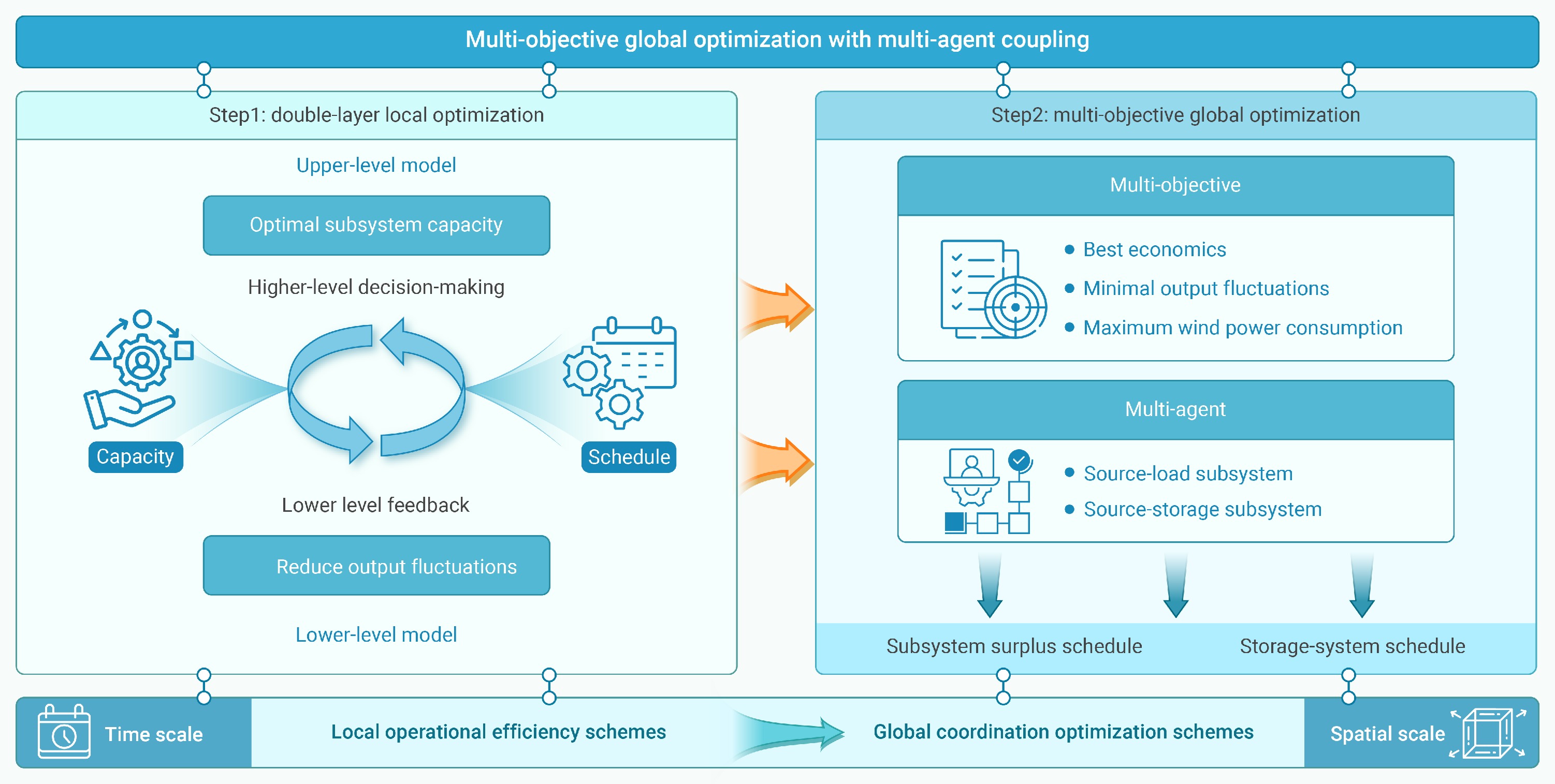
Figure 6.
Multi-Objective Optimization Model of OW-MR Integration System in Beibu Gulf.
-
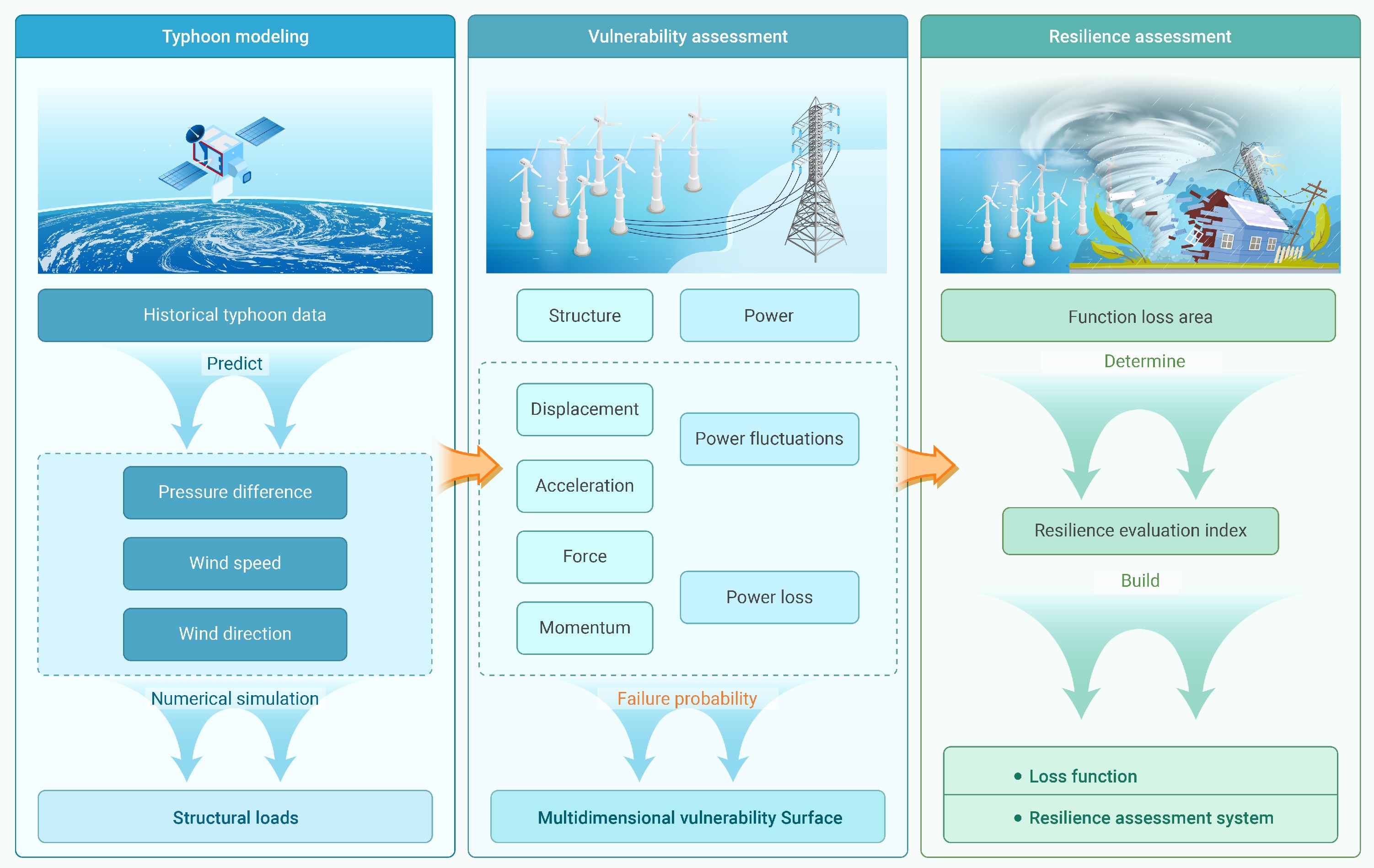
Figure 7.
Schematic of Resilience Assessment Method in the Presence of Typhoons.
