
The Youyi Kepler Biobank (YKB): A hospital-based multimodal longitudinal data resource
-
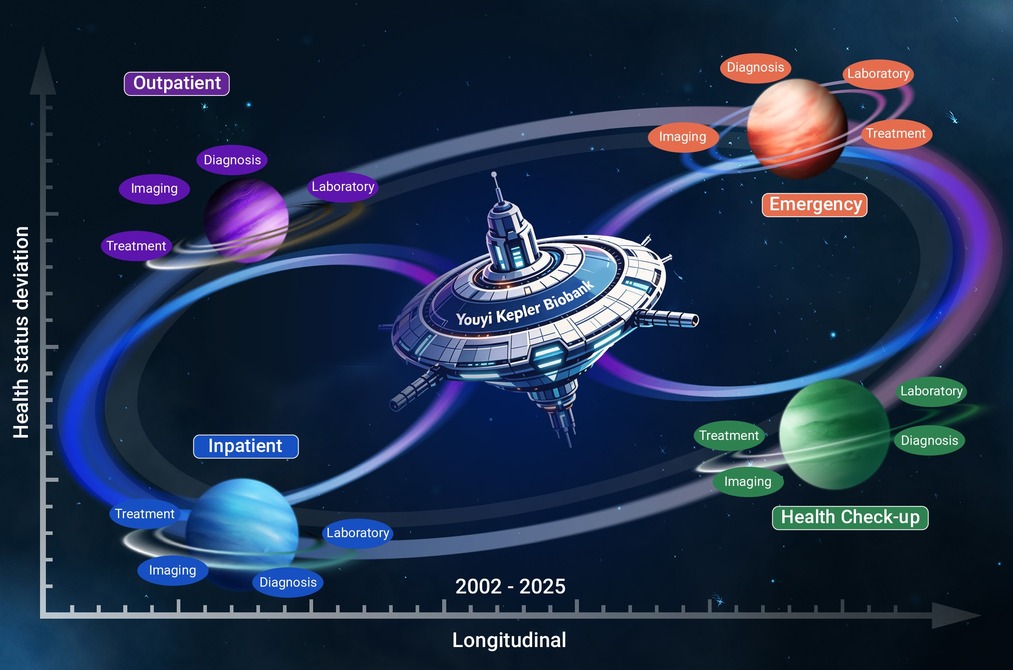
GRAPHICAL ABSTRACT
 DownLoad:
Full size image
-
PUBLIC SUMMARY
-
The Youyi Kepler Biobank integrates long-term health check-up and clinical data from 297,127 individuals.
It links repeated health measurements with subsequent outpatient, emergency, inpatient, and imaging records.
The resource enables investigation of health-to-disease trajectories and early disease warning signals.
-
-
ABSTRACT
Health status is inherently multidimensional and dynamic. The transition from health and subhealth to disease is a long-term process that requires the integration of health screening data with subsequent clinical records. We established the Youyi Kepler Biobank (YKB), a hospital-based multimodal longitudinal data resource derived from the health check-up population of Beijing Friendship Hospital. Health check-ups were linked with subsequent outpatient, emergency, and inpatient encounters. The database incorporates demographic characteristics, anthropometric measurements, laboratory tests, diagnoses, treatments, imaging examinations, neuropsychological assessments, and other examinations. A total of 297,127 individuals who underwent health check-ups between June 2002 and August 2025 were included, with a mean age of 41.2 ± 14.1 years. Among them, 50.5% were male. 24.3% of participants had 3-9 health check-ups. Among the clinical records, 57.3% of participants had at least one outpatient encounter, 13.6% had an emergency encounter, and 3.7% had an inpatient encounter. The database captured age-related distributions of anthropometric and laboratory indicators. Hyperlipidemia and hypertension were the most frequently documented chronic diseases. Imaging data were also available, including digital radiography, computed tomography, magnetic resonance imaging, and nuclear medicine examinations. The YKB provides a longitudinal framework for linking health check-ups with subsequent disease. The YKB also serves as a data infrastructure for artificial intelligence (AI), providing longitudinal, multimodal, and reusable medical data to support AI for science applications in health trajectory modeling and disease risk prediction. Its longitudinal and multimodal structure may further provide a data foundation for future medical world models that represent evolving patient states and learn their temporal dynamics. -

-
REFERENCES
[1] Kemoun P., Ader I., Planat-Benard V., et al. (2021). A gerophysiology perspective on healthy ageing. Ageing Res. Rev. 73:101537. DOI:10.1016/j.arr.2021.101537 [2] Murray C.J.L. (2024). Findings from the Global Burden of Disease Study 2021. Lancet 403:2259−2262. DOI:10.1016/S0140-6736(24)00769-4 [3] Liu J., Li W., Yao H., et al. (2022). Proactive health: An imperative to achieve the goal of Healthy China. China CDC Wkly. 4:799−801. DOI:10.46234/ccdcw2022.156 [4] van Sloten T.T., Valentin E., Climie R.E., et al. (2023). Association of cardiovascular health with risk of clinically relevant depressive symptoms. JAMA Psychiatry 80:342−349. DOI:10.1001/jamapsychiatry.2022.5056 [5] Aris I.M., Rifas-Shiman S.L., Perng W., et al. (2025). Trajectory of cardiovascular health across childhood and adolescence. JAMA Cardiol. 10:417−426. DOI:10.1001/jamacardio.2024.4022 [6] Daskalopoulou C., Koukounari A., Wu Y.-T., et al. (2019). Healthy ageing trajectories and lifestyle behaviour: The Mexican Health and Aging Study. Sci. Rep. 9:11041. DOI:10.1038/s41598-019-47238-w [7] Zhang Y., Liu D., Cai X., et al. (2024). Associations of life's essential 8 with extent of multi-territorial atherosclerotic plaques and stenosis: A cross-sectional study. BMC Geriatr. 24:503. DOI:10.1186/s12877-024-05119-6 [8] Zhang Y., Xia Z., Cai X., et al. (2023). Association of metabolic dysfunction-associated fatty liver disease with systemic atherosclerosis: A community-based cross-sectional study. Cardiovasc. Diabetol. 22:342. DOI:10.1186/s12933-023-02083-0 [9] Ikram M.A., Brusselle G., Ghanbari M., et al. (2020). Objectives, design and main findings until 2020 from the Rotterdam Study. Eur. J. Epidemiol. 35:483−517. DOI:10.1007/s10654-020-00640-5 [10] Bookheimer S.Y., Salat D.H., Terpstra M., et al. (2018). The Lifespan Human Connectome Project in Aging: An overview. Neuroimage 185:335−348. DOI:10.1016/j.neuroimage.2018.10.009 [11] Pan Y., Jing J., Cai X., et al. (2020). PolyvasculaR Evaluation for Cognitive Impairment and vaScular Events (PRECISE)-A population-based prospective cohort study: Rationale, design and baseline participant characteristics. Stroke Vasc. Neurol. 6:145−151. DOI:10.1136/svn-2020-000411 [12] Lin Y., Chen L., Huang J., et al. (2025). Breadth versus depth: Balancing variables, sample size, and quality in Chinese cohort studies. BMJ 391:e082566. DOI:10.1136/bmj-2024-082566 [13] Lv H., Li J., Li D., et al. (2026). Health Galaxy: A multi-organ trajectory-computing framework in type 2 diabetes. Research (Wash D C) 9:1378. DOI:10.34133/research.1378 [14] Nature Aging (2024). Multiorgan biological age shows that no organ system is an island. Nat. Aging 4:1182-1183. DOI:10.1038/s43587-024-00690-4 [15] Devesa A., Delgado V., Valkovic L., et al. (2025). Multiorgan imaging for interorgan crosstalk in cardiometabolic diseases. Circ. Res. 136:1454−1475. DOI:10.1161/CIRCRESAHA.125.325517 [16] Gong W. and Cheng K.K. (2022). Challenges in screening and general health checks in China. Lancet Public Health 7:e989−e990. DOI:10.1016/S2468-2667(22)00207-9 [17] Jeong C.-U., Leiby J.S., Kim D., et al. (2025). Artificial intelligence-driven biological age prediction model using comprehensive health checkup data: Development and validation study. JMIR Aging 8:e64473. DOI:10.2196/64473 [18] Wang H., Fu T., Du Y., et al. (2023). Scientific discovery in the age of artificial intelligence. Nature 620:47−60. DOI:10.1038/s41586-023-06221-2 [19] Schwabe D., Becker K., Seyferth M., et al. (2024). The METRIC-framework for assessing data quality for trustworthy AI in medicine: A systematic review. NPJ Digit. Med. 7:203. DOI:10.1038/s41746-024-01196-4 [20] Wilkinson M.D., Dumontier M., Aalbersberg I.J.J., et al. (2016). The FAIR Guiding Principles for scientific data management and stewardship. Sci. Data 3:160018. DOI:10.1038/sdata.2016.18 [21] Whang S.E., Roh Y., Song H., et al. (2023). Data collection and quality challenges in deep learning: A data-centric AI perspective. The VLDB Journal 32:791−813. DOI:10.1007/s00778-022-00775-9 [22] Tang A.S., Woldemariam S.R., Miramontes S., et al. (2024). Harnessing EHR data for health research. Nat. Med. 30:1847−1855. DOI:10.1038/s41591-024-03074-8 [23] Slimani N., Kaaks R., Ferrari P., et al. (2002). European Prospective Investigation into Cancer and Nutrition (EPIC) calibration study: Rationale, design and population characteristics. Public Health Nutr. 5:1125−1145. DOI:10.1079/PHN2002394 [24] Sudlow C., Gallacher J., Allen N., et al. (2015). UK biobank: An open access resource for identifying the causes of a wide range of complex diseases of middle and old age. PLoS Med. 12:e1001779. DOI:10.1371/journal.pmed.1001779 [25] Cook M.B., Sanderson S.C., Deanfield J.E., et al. (2025). Our Future Health: A unique global resource for discovery and translational research. Nat. Med. 31:728−730. DOI:10.1038/s41591-024-03438-0 [26] Johnson C.L., Dohrmann S.M., Burt V.L., et al. (2014). National health and nutrition examination survey: Sample design, 2011-2014. Vital Health Stat. 2:1−33. PMID: 25569458 [27] Chen Z., Chen J., Collins R., et al. (2011). China Kadoorie Biobank of 0.5 million people: Survey methods, baseline characteristics and long-term follow-up. Int. J. Epidemiol. 40:1652-1666. DOI:10.1093/ije/dyr120. [28] Walters R.G., Millwood I.Y., Lin K., et al. (2023). Genotyping and population characteristics of the China Kadoorie Biobank. Cell Genom. 3:100361. DOI:10.1016/j.xgen.2023.100361 [29] Li L.-M., Lv J., Guo Y., et al. (2012). The China Kadoorie Biobank: Related methodology and baseline characteristics of the participants. Chin. J. Epidemiol. 33:249−255. DOI:10.3760/cma.j.issn.0254-6450.2012.03.001 [30] Zhao Y., Hu Y., Smith J.P., et al. (2012). Cohort profile: The China Health and Retirement Longitudinal Study (CHARLS). Int. J. Epidemiol. 43:61−68. DOI:10.1093/ije/dys203 [31] Chen X., Crimmins E., Hu P.P., et al. (2019). Venous blood-based biomarkers in the China Health and Retirement Longitudinal Study: Rationale, design, and results from the 2015 wave. Am. J. Epidemiol. 188:1871−1877. DOI:10.1093/aje/kwz170 [32] Wang X., Lu M., Qian J., et al. (2009). Rationales, design and recruitment of the Taizhou Longitudinal Study. BMC Public Health 9:223. DOI:10.1186/1471-2458-9-223 [33] Sun J., Hui Y., Li J., et al. (2023). Protocol for Multi-modality MEdical imaging sTudy bAsed on KaiLuan Study (META-KLS): Rationale, design and database building. BMJ Open 13:e067283. DOI:10.1136/bmjopen-2022-067283 [34] Li P., Zhou Y., Li Y., et al. (2026). Digital and AI-empowered health elements: An integrated pathway to advancing health. Health Data Sci. 6:0468. DOI:10.34133/hds.0468 [35] Cox E.G.M., Meijs D.A.M., Wynants L., et al. (2024). The definition of predictor and outcome variables in mortality prediction models: A scoping review and quality of reporting study. J. Clin. Epidemiol. 178:111605. DOI:10.1016/j.jclinepi.2024.111605 [36] Collins G.S., Moons K.G.M., Dhiman P., et al. (2024). TRIPOD+AI statement: Updated guidance for reporting clinical prediction models that use regression or machine learning methods. BMJ 385:q902. DOI:10.1136/bmj.q902 [37] Arora A., Alderman J.E., Palmer J., et al. (2023). The value of standards for health datasets in artificial intelligence-based applications. Nat. Med. 29:2929−2938. DOI:10.1038/s41591-023-02608-w -
ABOUT THIS ARTICLE
Cite this article:
Liang Y., Yuan X., Sun R., et al. (2026). The Youyi Kepler Biobank (YKB): A hospital-based multimodal longitudinal data resource. The Innovation Informatics 2:100066. https://doi.org/10.59717/j.xinn-inform.2026.100066
Welcome!
To request copyright permission to republish or share portions of our works, please visit Copyright Clearance Center's (CCC) Marketplace website at marketplace.copyright.com.
Export File
Citation
Liang Y., Yuan X., Sun R., et al. (2026). The Youyi Kepler Biobank (YKB): A hospital-based multimodal longitudinal data resource. The Innovation Informatics 2:100066. https://doi.org/10.59717/j.xinn-inform.2026.100066

Format
Content
-
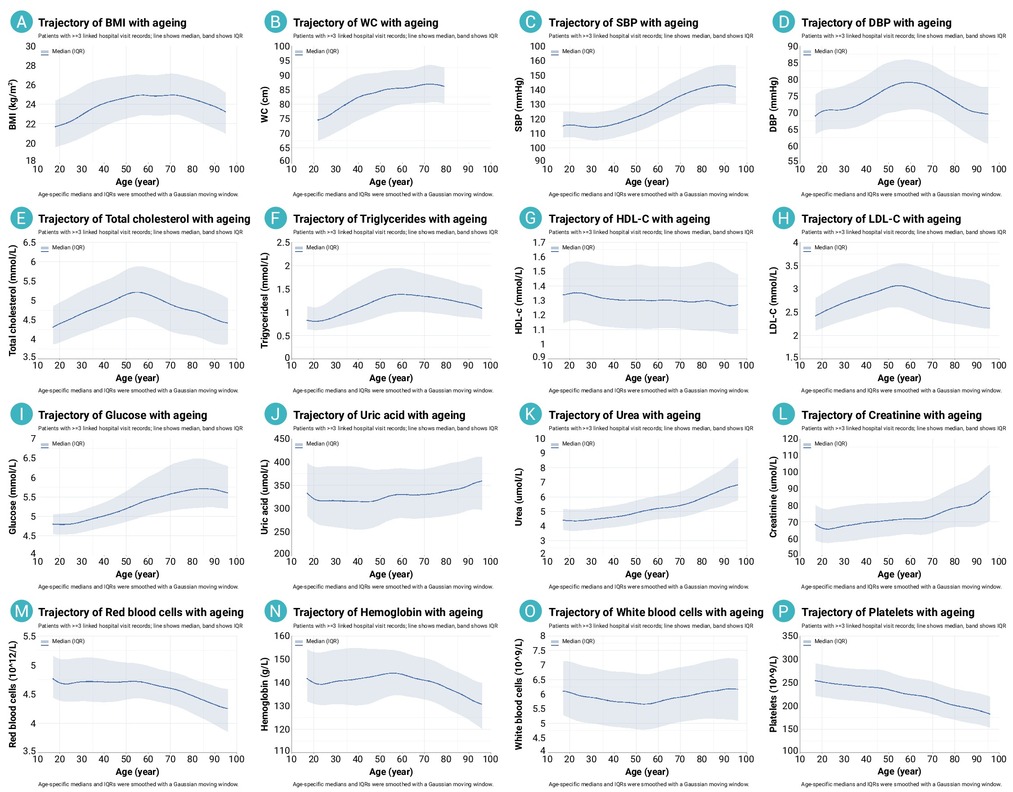
Figure 1.
Age-related distributions of anthropometric and laboratory indicators
-
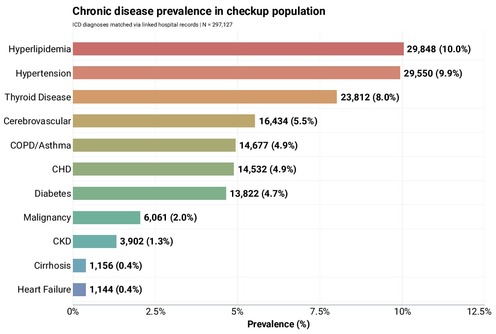
Figure 2.
Spectrum of chronic disease diagnoses
-
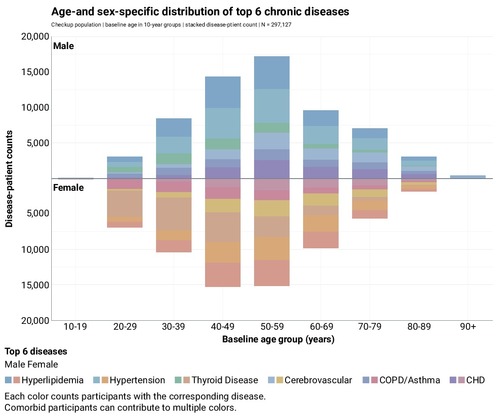
Figure 3.
Age- and sex-specific distributions of common chronic diseases
-
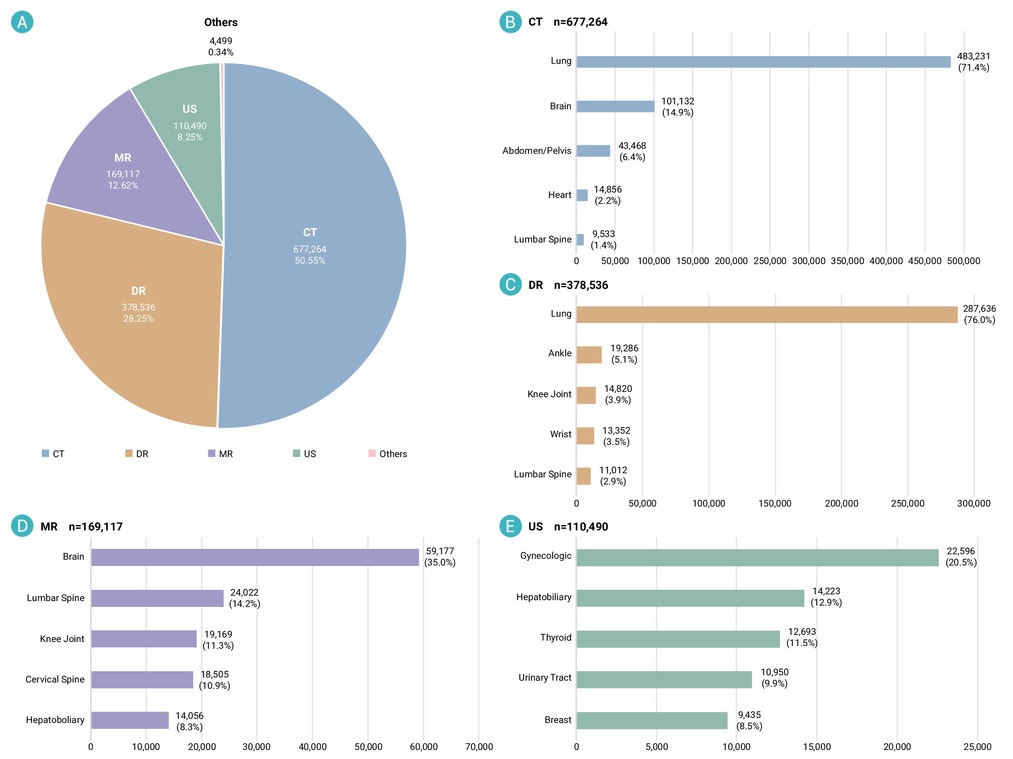
Figure 4.
Distribution of imaging records by modality and anatomical site
