
Single-cell transcriptomics uncovers conserved cardiac cell types and regulatory adaptation across birds and mammals
-
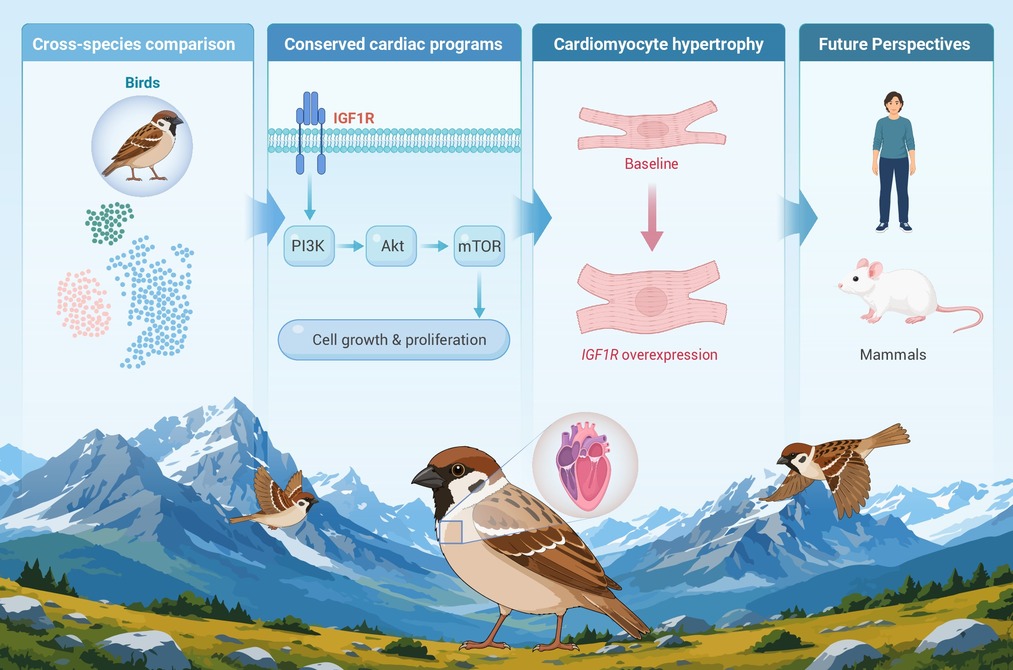
GRAPHICAL ABSTRACT
 DownLoad:
Full size image
-
PUBLIC SUMMARY
-
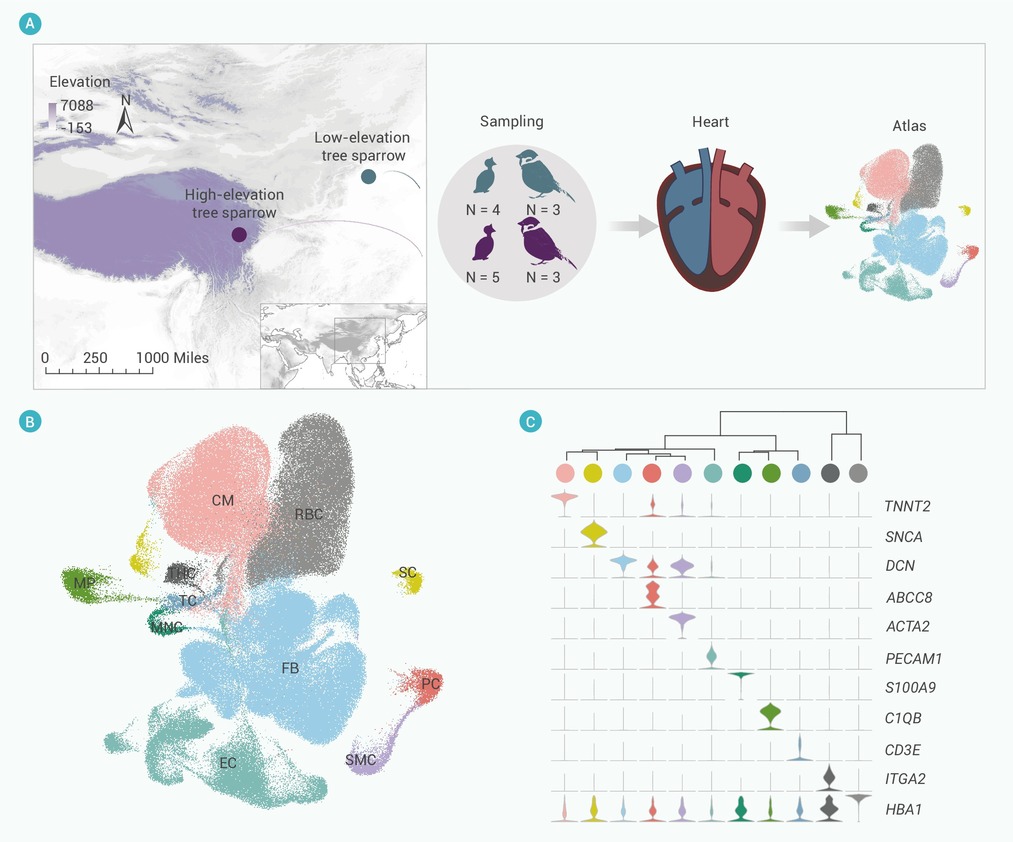
Eleven major cardiac cell types were identified in adult and neonatal tree sparrows.
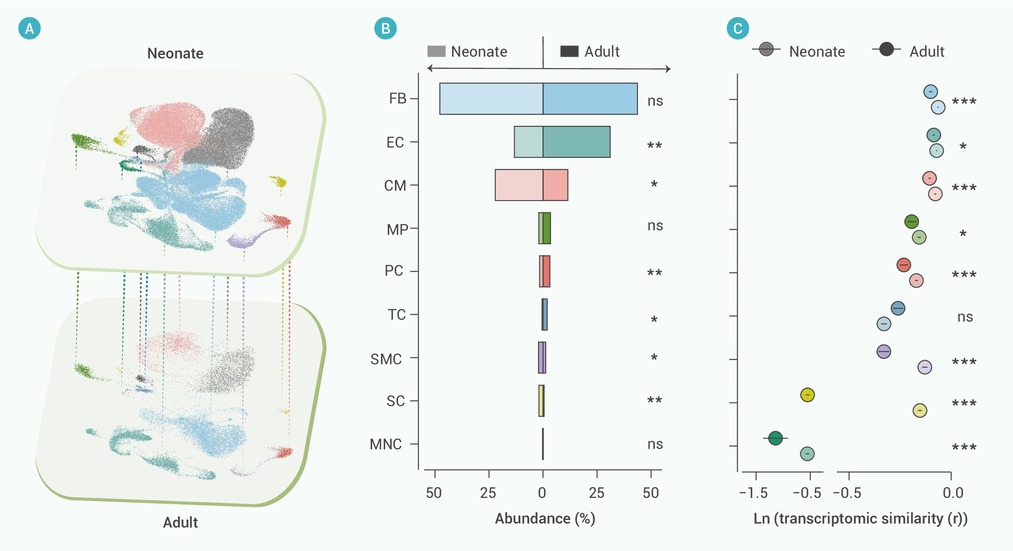
Adult and neonatal birds exhibited a substantial difference in cell abundance and transcriptional divergence.
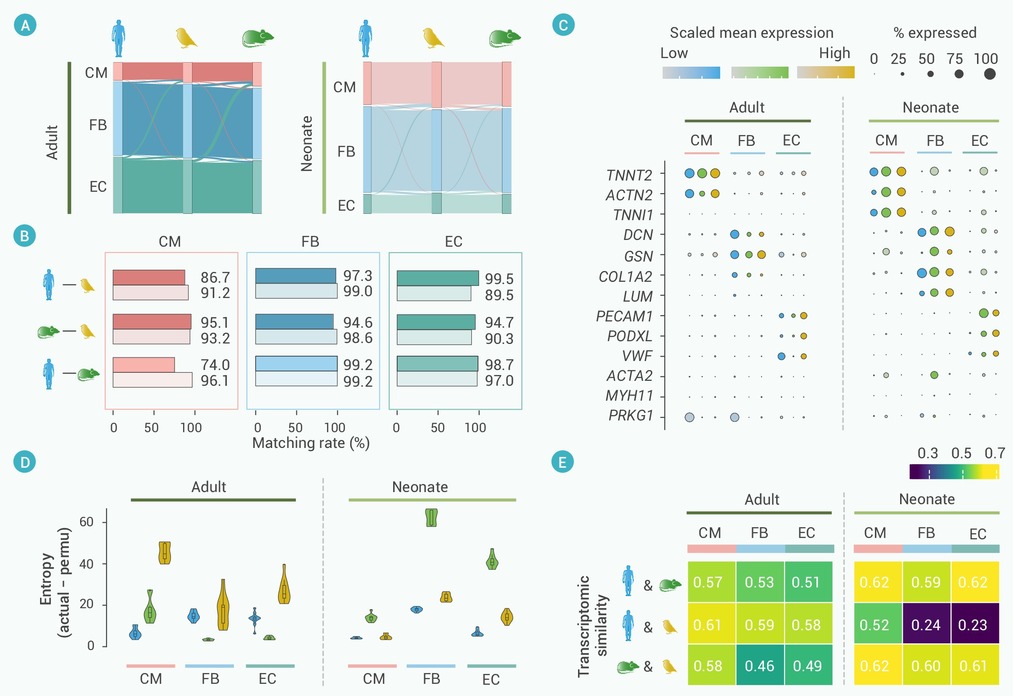
Cardiac cell types and transcriptional programs were conserved across birds and mammals.
Overexpression of insulin-like growth factor 1 receptor (IGF1R) in avian cardiomyocytes induced hypertrophy.
-
-
ABSTRACT
Birds and mammals possess highly efficient four-chambered hearts to meet the elevated metabolic demands of endothermy, yet the cellular and molecular basis of this convergent evolution remains poorly understood. To address this gap, we generated the first single-cell heart transcriptomic atlas of a wild bird, the Eurasian Tree Sparrow (Passer montanus), across neonatal and adult stages, and integrated it with existing human and mouse data. This cross-species comparison reveals broadly conserved transcriptional profiles: cardiomyocytes are the most transcriptionally conserved cell type across species and developmental stages, whereas non-myocyte populations (fibroblasts and endothelial cells) show greater transcriptional plasticity. These findings suggest that cardiac diversification and adaptation may occur primarily through regulatory changes within a shared cellular repertoire. Extending this framework, we investigate cardiac adaptation to high-elevation hypoxia in tree sparrows. Strikingly, the transcriptional programs significantly overlapped with genes previously linked to cardiac remodeling and disease-related phenotypes in humans and mice. To test the functional relevance of this overlap, we performed in vitro assays and found that IGF1R overexpression drives hypertrophy-like growth in avian cardiomyocytes, accompanied by PI3K-AKT-mTOR-associated transcriptional reprogramming, a pathway critically implicated in mammalian cardiac hypertrophy. Collectively, our findings demonstrate that birds and mammals share a conserved cardiac cellular blueprint, wherein regulatory programs are recurrently co-opted during development, adaptation to hypoxia, and pathological remodeling. -

-
REFERENCES
[1] Hillenius Willem J. and Ruben John A. (2004). The evolution of endothermy in terrestrial vertebrates: Who? when? why? Physiol. Biochem. Zool. 77:1019−1042. DOI:10.1086/425185 [2] Stephenson A., Adams J. W. and Vaccarezza M. (2017). The vertebrate heart: An evolutionary perspective. J. Anat. 6:787−797. DOI:10.1111/joa.12687 [3] Shiels H. A. (2022). Avian cardiomyocyte architecture and what it reveals about the evolution of the vertebrate heart. Philos. Trans. R. Soc. Lond., B, Biol. Sci. 377:20210332. DOI:10.1098/rstb.2021.0332 [4] Ivy C. M. and Scott G. R. (2015). Control of breathing and the circulation in high-altitude mammals and birds. Comp. Biochem. Physiol. A: Mol. Integr. Physiol. 186:66−74. DOI:10.1016/j.cbpa.2014.10.009 [5] Monge C. and Leon-Velarde F. (1991). Physiological adaptation to high altitude: Oxygen transport in mammals and birds. Physiol. Rev. 71:1135−1172. DOI:10.1152/physrev.1991.71.4.1135 [6] Ostadal B. and Kolar F. (2007). Cardiac adaptation to chronic high-altitude hypoxia: Beneficial and adverse effects. Respir. Physiol. Neurobiol. 158:224−236. DOI:10.1016/j.resp.2007.03.005 [7] She H. and Qu Y. (2025). Cardiovascular plasticity and adaptation of high-altitude birds and mammals. Integr. Zool. DOI:10.1111/1749-4877.12996 [8] Velotta J. P., Ivy C. M., Wolf C. J., et al. (2018). Maladaptive phenotypic plasticity in cardiac muscle growth is suppressed in high-altitude deer mice. Evolution 72:2712−2727. DOI:10.1111/evo.13626 [9] Rong C., Yan M., Zhen-Zhong B., et al. (2012). Cardiac adaptive mechanisms of Tibetan antelope (Pantholops hodgsonii) at high altitudes. Am. J. Vet. Res. 73:809−813. DOI:10.2460/ajvr.73.6.809 [10] Cueva S., Sillau H., Valenzuela A., et al. (1974). High altitude induced pulmonary hypertension and right heart failure in broiler chickens. Res. Vet. Sci. 16:370−374. DOI:10.1016/S0034-5288(18)33737-8 [11] Penaloza D. and Arias-Stella J. (2007). The heart and pulmonary circulation at high altitudes: Healthy highlanders and chronic mountain sickness. Circulation 115:1132−1146. DOI:10.1161/CIRCULATIONAHA.106.624544 [12] Qu Y., Chen C., Xiong Y., et al. (2020). Rapid phenotypic evolution with shallow genomic differentiation during early stages of high elevation adaptation in Eurasian Tree Sparrows. Natl. Sci. Rev. 7:113−127. DOI:10.1093/nsr/nwz138 [13] Laguë S. L., Ivy C. M., York J. M., et al. (2020). Cardiovascular responses to progressive hypoxia in ducks native to high altitude in the Andes. J. Exp. Biol. 223:jeb211250. DOI:10.1242/jeb.211250 [14] Heineke J. and Molkentin J. D. (2006). Regulation of cardiac hypertrophy by intracellular signaling pathways. Nat. Rev. Mol. Cell Biol. 7:589−600. DOI:10.1038/nrm1983 [15] She H., Scott G. R., Fang Y., et al. (2025). Divergent cardiovascular adaptations and gene regulation in high-elevation natives and recent colonizers of the Qinghai-Tibetan Plateau. Mol. Biol. Evol. 42:msaf103. DOI:10.1093/molbev/msaf103 [16] Burggren W. W., Christoffels V. M., Crossley Ii D. A., et al. (2014). Comparative cardiovascular physiology: Future trends, opportunities and challenges. Acta Physiol. 210:257−276. DOI:10.1111/apha.12170 [17] Burggren W. W. and Reyna K. S. (2011). Developmental trajectories, critical windows and phenotypic alteration during cardio-respiratory development. Respir. Physiol. Neurobiol. 178:13−21. DOI:10.1016/j.resp.2011.05.001 [18] Sun Y.-F., Ren Z.-P., Wu Y.-F., et al. (2016). Flying high: Limits to flight performance by sparrows on the Qinghai-Tibet Plateau. J. Exp. Biol. 219:3642−3648. DOI:10.1242/jeb.142216 [19] Dura B., Choi J.-Y., Zhang K., et al. (2019). scFTD-seq: Freeze-thaw lysis based, portable approach toward highly distributed single-cell 3’ mRNA profiling. Nucleic Acids Res. 47:e16. DOI:10.1093/nar/gky1173 [20] Martin M. (2011). Cutadapt removes adapter sequences from high-throughput sequencing reads. EMBnet J. 17. DOI:10.14806/ej.17.1.200 [21] Dobin A., Davis C. A., Schlesinger F., et al. (2013). STAR: Ultrafast universal RNA-seq aligner. Bioinformatics 29:15−21. DOI:10.1093/bioinformatics/bts635 [22] Liao Y., Smyth G. K. and Shi W. (2014). featureCounts: An efficient general purpose program for assigning sequence reads to genomic features. Bioinformatics 30:923−930. DOI:10.1093/bioinformatics/btt656 [23] Zheng G. X. Y., Terry J. M., Belgrader P., et al. (2017). Massively parallel digital transcriptional profiling of single cells. Nat. Commun. 8:14049. DOI:10.1038/ncomms14049 [24] Hao Y., Hao S., Andersen-Nissen E., et al. (2021). Integrated analysis of multimodal single-cell data. Cell 184:3573−3587.e3529. DOI:10.1016/j.cell.2021.04.048 [25] Young M. D. and Behjati S. (2020). SoupX removes ambient RNA contamination from droplet-based single-cell RNA sequencing data. GigaScience 9:giaa151. DOI:10.1093/gigascience/giaa151 [26] McGinnis C. S., Murrow L. M. and Gartner Z. J. (2019). DoubletFinder: Doublet detection in single-cell RNA sequencing data using artificial nearest neighbors. Cell Syst. 8:329−337.e324. DOI:10.1016/j.cels.2019.03.003 [27] Ahlmann-Eltze C. and Huber W. (2021). glmGamPoi: Fitting Gamma-Poisson generalized linear models on single cell count data. Bioinformatics 36:5701−5702. DOI:10.1093/bioinformatics/btaa1009 [28] Litviňuková M., Talavera-López C., Maatz H., et al. (2020). Cells of the adult human heart. Nature 588:466−472. DOI:10.1038/s41586-020-2797-4 [29] Zhang Y., Gago-Lopez N., Li N., et al. (2019). Single-cell imaging and transcriptomic analyses of endogenous cardiomyocyte dedifferentiation and cycling. Cell Discov. 5:30. DOI:10.1038/s41421-019-0095-9 [30] Cao J., O’Day D. R., Pliner H. A., et al. (2020). A human cell atlas of fetal gene expression. Science 370:eaba7721. DOI:10.1126/science.aba7721 [31] Feng W., Bais A., He H., et al. (2022). Single-cell transcriptomic analysis identifies murine heart molecular features at embryonic and neonatal stages. Nat. Commun. 13:7960. DOI:10.1038/s41467-022-35691-7 [32] Liu X. Y., Shen Q. L. and Zhang S. H. (2023). Cross-species cell-type assignment from single-cell RNA-seq data by a heterogeneous graph neural network. Genome Res. 33:96−111. DOI:10.1101/gr.276868.122 [33] Ma S., Skarica M., Li Q., et al. (2022). Molecular and cellular evolution of the primate dorsolateral prefrontal cortex. Science 377:eabo7257. DOI:10.1126/science.abo7257 [34] Emms D. M. and Kelly S. (2019). OrthoFinder: Phylogenetic orthology inference for comparative genomics. Genome Biol. 20:238. DOI:10.1186/s13059-019-1832-y [35] Geirsdottir L., David E., Keren-Shaul H., et al. (2019). Cross-species single-cell analysis reveals divergence of the primate microglia program. Cell 179:1609−1622.e1616. DOI:10.1016/j.cell.2019.11.010 [36] Warnes G., Bolker B., Lumley T., et al. (2022). gmodels: Various R programming tools for model fitting. https://CRAN.R-project.org/package=gmodels [37] Bindea G., Mlecnik B., Hackl H., et al. (2009). ClueGO: A Cytoscape plug-in to decipher functionally grouped gene ontology and pathway annotation networks. Bioinformatics 25:1091−1093. DOI:10.1093/bioinformatics/btp101 [38] Piñero J., Ramírez-Anguita J. M., Saüch-Pitarch J., et al. (2020). The DisGeNET knowledge platform for disease genomics: 2019 update. Nucleic Acids Res. 48:D845−D855. DOI:10.1093/nar/gkz1021 [39] Gargano M. A., Matentzoglu N., Coleman B., et al. (2024). The Human Phenotype Ontology in 2024: Phenotypes around the world. Nucleic Acids Res. 52:D1333−D1346. DOI:10.1093/nar/gkad1005 [40] Smith C. L. and Eppig J. T. (2009). The Mammalian Phenotype Ontology: Enabling robust annotation and comparative analysis. WIREs Syst. Biol. Med. 1:390−399. DOI:10.1002/wsbm.44 [41] Liu C., Xue R., Wu D., et al. (2014). REDD1 attenuates cardiac hypertrophy via enhancing autophagy. Biochem. Biophys. Res. Commun. 454:215−220. DOI:10.1016/j.bbrc.2014.10.079 [42] Chen S., Zhou Y., Chen Y., et al. (2018). fastp: An ultra-fast all-in-one FASTQ preprocessor. Bioinformatics 34:i884−i890. DOI:10.1093/bioinformatics/bty560 [43] Li B. and Dewey C. N. (2011). RSEM: Accurate transcript quantification from RNA-Seq data with or without a reference genome. BMC Bioinform. 12:323. DOI:10.1186/1471-2105-12-323 [44] Robinson M. D., McCarthy D. J. and Smyth G. K. (2010). edgeR: A bioconductor package for differential expression analysis of digital gene expression data. Bioinformatics 26:139−140. DOI:10.1093/bioinformatics/btp616 [45] Xu S., Hu E., Cai Y., et al. (2024). Using clusterProfiler to characterize multiomics data. Nat. Protoc. 19:3292−3320. DOI:10.1038/s41596-024-01020-z [46] Mantri M., Scuderi G. J., Abedini-Nassab R., et al. (2021). Spatiotemporal single-cell RNA sequencing of developing chicken hearts identifies interplay between cellular differentiation and morphogenesis. Nat. Commun. 12:1771. DOI:10.1038/s41467-021-21892-z [47] Cousin M. A., Creighton B. A., Breau K. A., et al. (2021). Pathogenic SPTBN1 variants cause an autosomal dominant neurodevelopmental syndrome. Nat. Genet. 53:1006−1021. DOI:10.1038/s41588-021-00886-z [48] Yoshioka N., Kabata Y., Kuriyama M., et al. (2020). Diverse dystonin gene mutations cause distinct patterns of Dst isoform deficiency and phenotypic heterogeneity in Dystonia musculorum mice. Dis. Model. Mech. 13:dmm041608. DOI:10.1242/dmm.041608 [49] Jiang Y. L., Jiao B., Liao X. X., et al. (2020). Analyses mutations in GSN, CST3, TTR, and ITM2B genes in Chinese patients with Alzheimer’s disease. Front. Aging. Neurosci. 12:581524. DOI:10.3389/fnagi.2020.581524 [50] Myllyharju J. and Kivirikko K. I. (2001). Collagens and collagen-related diseases. Ann. Med. 33:7−21. DOI:10.3109/07853890109002055 [51] Zhang L., Smyth D., Al-Khalaf M., et al. (2022). Insulin-like growth factor-binding protein-7 (IGFBP7) links senescence to heart failure. Nat. Cardiovasc. Res. 1:1195−1214. DOI:10.1038/s44161-022-00181-y [52] Harris L., Genovesi L. A., Gronostajski R. M., et al. (2015). Nuclear factor one transcription factors: Divergent functions in developmental versus adult stem cell populations. Dev. Dyn. 244:227−238. DOI:10.1002/dvdy.24182 [53] Nakamura M. and Sadoshima J. (2018). Mechanisms of physiological and pathological cardiac hypertrophy. Nat. Rev. Cardiol. 15:387−407. DOI:10.1038/s41569-018-0007-y [54] Kim J., Wende A. R., Sena S., et al. (2008). Insulin-like growth factor I receptor signaling is required for exercise-induced cardiac hypertrophy. Mol. Endocrinol. 22:2531−2543. DOI:10.1210/me.2008-0265 [55] West J. B. (2009). Comparative physiology of the pulmonary blood-gas barrier: The unique avian solution. Am. J. Physiol.-Regul. Integr. Comp. Physiol. 297:R1625−R1634. DOI:10.1152/ajpregu.00459.2009 [56] Parr N., Wilkes M. and Hawkes L. A. (2019). Natural climbers: Insights from avian physiology at high altitude. High Alt. Med. Biol. 20:427−437. DOI:10.1089/ham.2019.0032 -
ABOUT THIS ARTICLE
Cite this article:
Hao Y., Zhou X., Zhao Q., et al. (2026). Single-cell transcriptomics uncovers conserved cardiac cell types and regulatory adaptation across birds and mammals. The Innovation Life 4:100251. https://doi.org/10.59717/j.xinn-life.2026.100251
Welcome!
To request copyright permission to republish or share portions of our works, please visit Copyright Clearance Center's (CCC) Marketplace website at marketplace.copyright.com.
Export File
Citation
Hao Y., Zhou X., Zhao Q., et al. (2026). Single-cell transcriptomics uncovers conserved cardiac cell types and regulatory adaptation across birds and mammals. The Innovation Life 4:100251. https://doi.org/10.59717/j.xinn-life.2026.100251

Format
Content
-
Figure 1.
Single-cell atlas of the tree sparrow heart
-
Figure 2.
Cellular abundance and transcriptomic similarity between neonatal and adult stages
-
Figure 3.
Cross-species analysis of cardiac cell-type heterogeneity and transcriptomic similarity
-
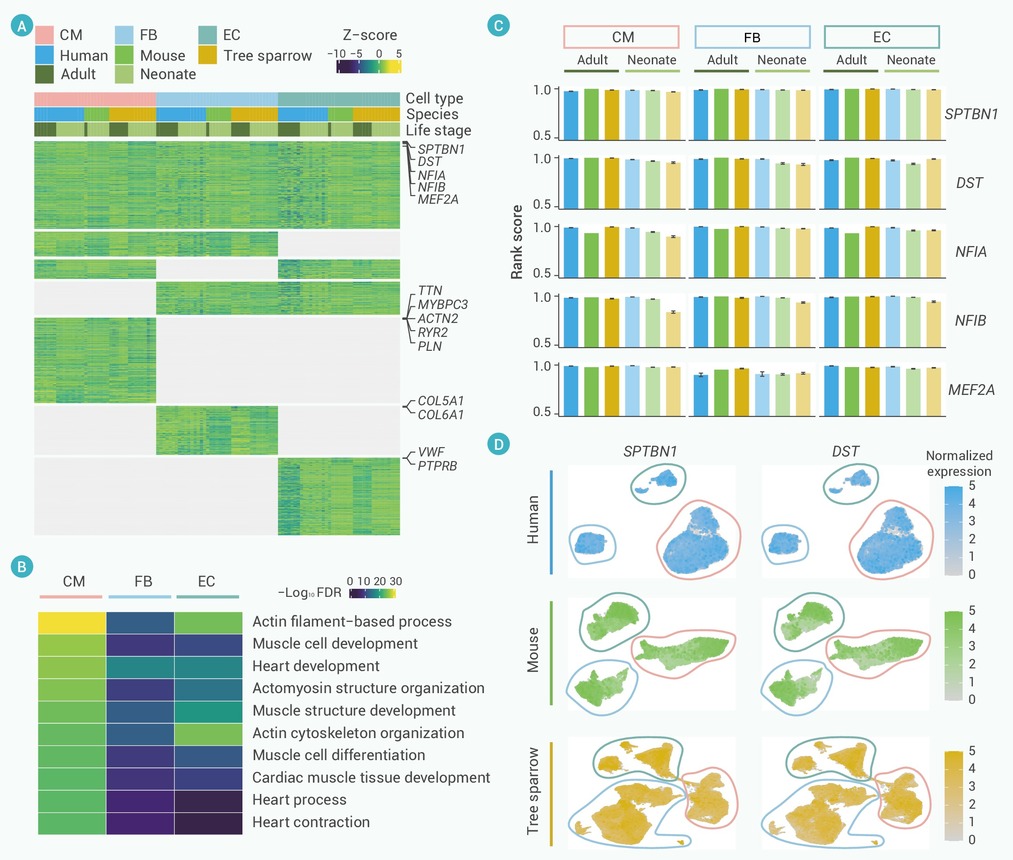
Figure 4.
Conserved transcriptional programs in cardiac cell types across species
-
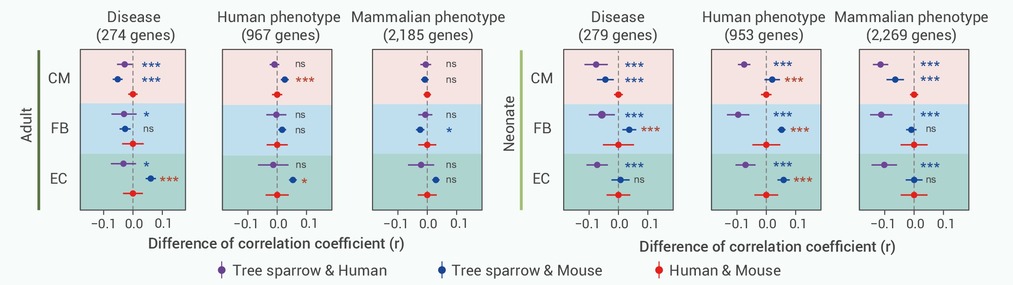
Figure 5.
Cross-species correlation of expression for cardiac disease susceptibility genes Pairwise comparisons (tree sparrows/mice, tree sparrows/humans, mice/humans) were assessed using Spearman’s rank correlation
-
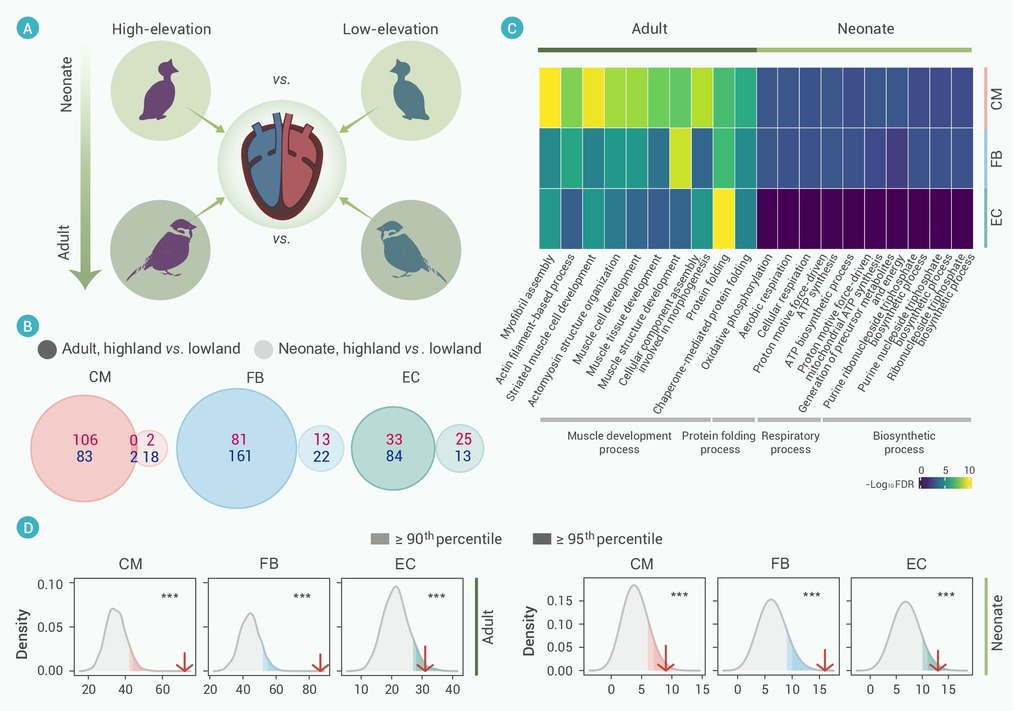
Figure 6.
Cardiac adaptation in the high-elevation tree sparrows
-
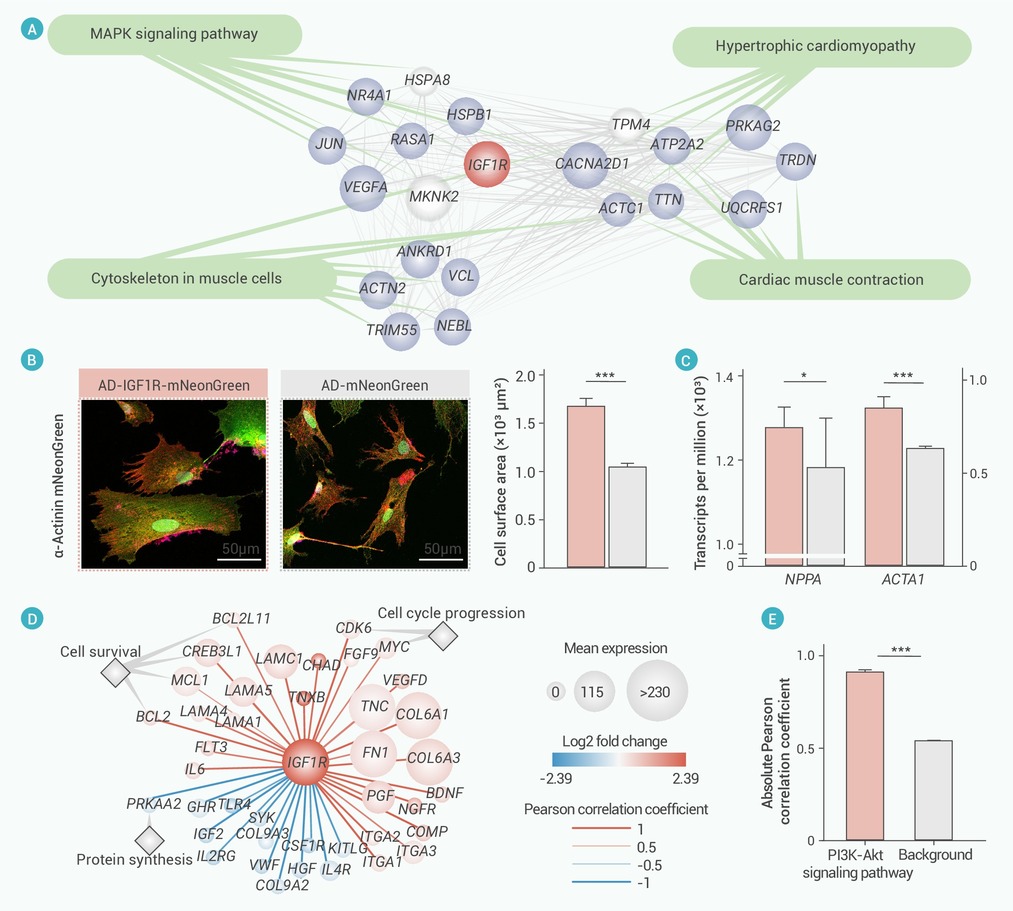
Figure 7.
Overexpression of IGF1R mediates cardiomyocyte hypertrophy
