
Single-cell epigenomic profiling of H3K27ac reveals the dynamic changes of B cell driving inflammation-cancer transition
-
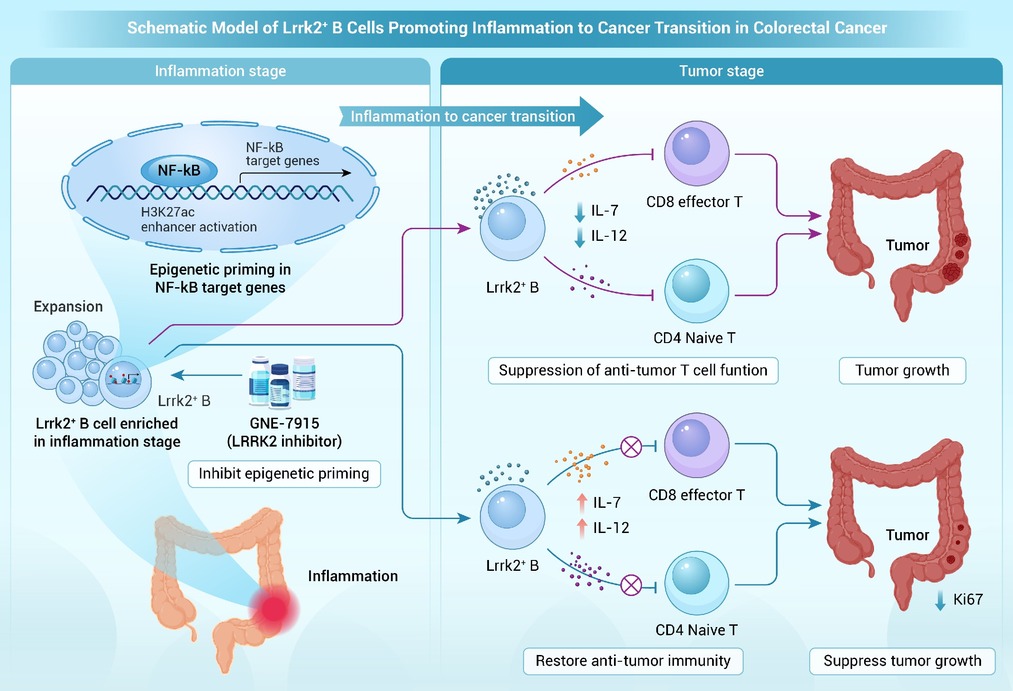
GRAPHICAL ABSTRACT
 DownLoad:
Full size image
-
PUBLIC SUMMARY
-
Single-cell profiling mapped cell states and regulatory changes in inflammation-driven colorectal cancer.
Leucine-rich repeat kinase 2 (LRRK2)+ B cells emerged during inflammation and suppressed T-cell function.
Epigenetic priming of NF-κB target genes in Lrrk2+ B cells drives the inflammation-to-cancer transition.
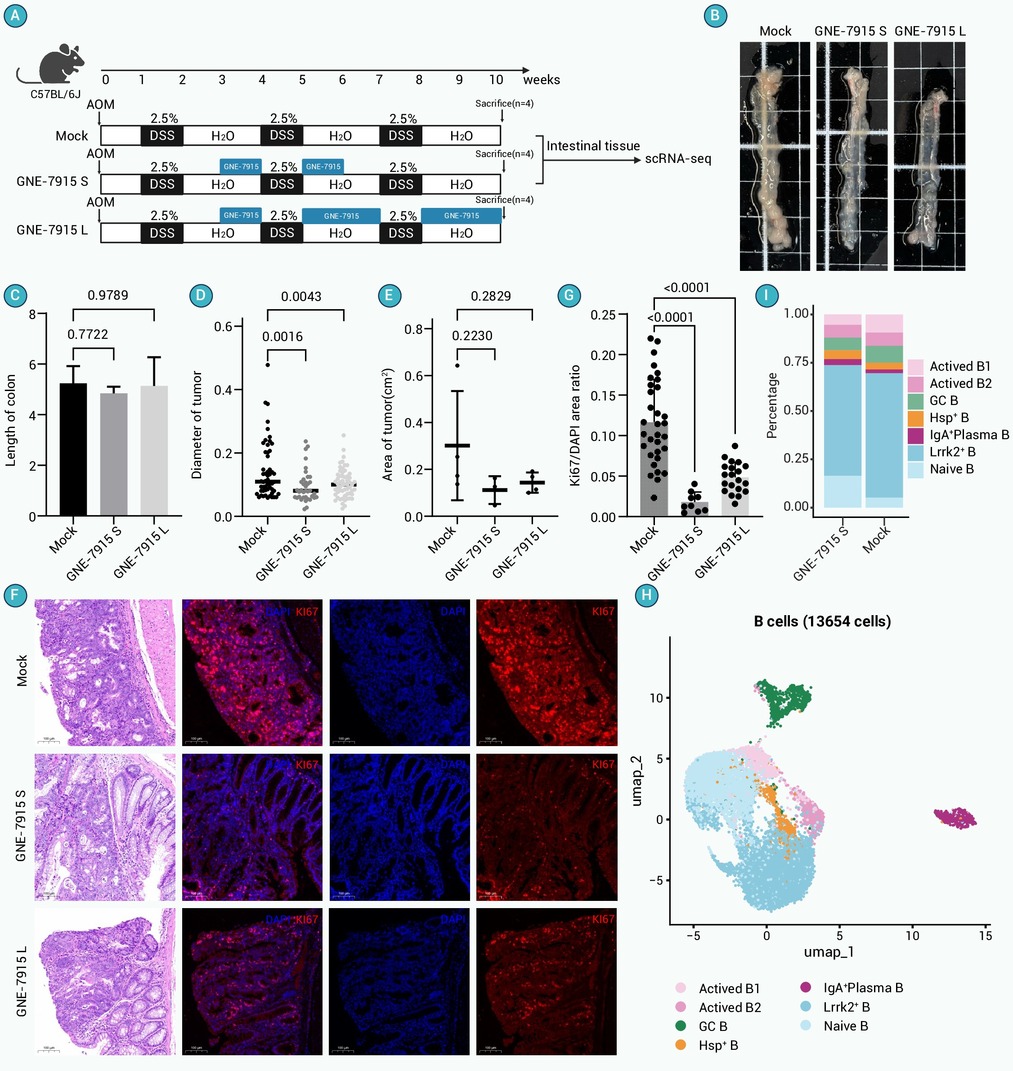
LRRK2 inhibition reduced LRRK2+ B cells and tumor growth, revealing a targetable immune-suppressive axis.
-
-
ABSTRACT
Transcriptomic and epigenomic analyses at the single-cell level are critical for demonstrating the composition and regulatory network within the tumor microenvironment. Though single-cell ATAC-seq is widely-used, it is insufficient to fully interpret the functional connections. Here, we performed scRNA-seq and H3K27ac MobiChIP profiling in an AOM/DSS-induced colorectal cancer model, and developed an AI-assisted workflow for single-cell epigenomic and transcriptomic integrative analyses. Our results reveal Lrrk2+ B cells, one new subset of naïve B cells, are enriched during inflammation and suppresses CD4+/CD8+ T cell function via IL-7/IL-12. Epigenetic priming in Lrrk2+ B cells at the inflammation stage enables activation of NF-κB target genes at the cancer stage, driving inflammation-to-cancer transition. Pharmacological LRRK2 inhibition abrogated Lrrk2+ B cells and attenuated tumorigenesis. Our study established an integrative strategy enabling high confidence cell identity assignment in sparse epigenomic data, and revealed the roles of B cell subtypes in the regulation of tumor immunity.-
Keywords:
- Single-cell sequencing /
- H3K27ac /
- Colorectal cancer /
- B cell /
- Tumor microenvironment
-

-
REFERENCES
[1] Taniguchi K. and Karin M. (2018) NF-kappaB, inflammation, immunity and cancer: Coming of age. Nat. Rev. Immunol. 18:309-324 DOI:10.1038/nri.2017.142 [2] Laumont C.M. and Nelson B.H. (2023). B cells in the tumor microenvironment: Multi-faceted organizers, regulators, and effectors of anti-tumor immunity. Cancer Cell 41:466−489. DOI:10.1016/j.ccell.2023.02.017 [3] Lauss M., Donia M., Svane I.M., et al. (2022). B cells and tertiary lymphoid structures: Friends or foes in cancer immunotherapy. Clin. Cancer Res. 28:1751−1758. DOI:10.1158/1078-0432.CCR-21-1130 [4] Martinis E., Tonon S., Colamatteo A., et al. (2025). B cell immunometabolism in health and disease. Nat. Immunol. 26:366−377. DOI:10.1038/s41590-025-02102-0 [5] Preissl S., Gaulton K.J. and Ren B. (2023). Characterizing cis-regulatory elements using single-cell epigenomics. Nat. Rev. Genet. 24:21−43. DOI:10.1038/s41576-022-00509-1 [6] Papalexi E. and Satija R. (2018). Single-cell RNA sequencing to explore immune cell heterogeneity. Nat. Rev. Immunol. 18:35−45. DOI:10.1038/nri.2017.76 [7] Liu M., Yue Y., Chen X., et al. (2025). Genome-coverage single-cell histone modifications for embryo lineage tracing. Nature 640:828−839. DOI:10.1038/s41586-025-08656-1 [8] Xiong H., Luo Y., Wang Q., et al. (2021). Single-cell joint detection of chromatin occupancy and transcriptome enables higher-dimensional epigenomic reconstructions. Nat. Methods 18:652−660. DOI:10.1038/s41592-021-01129-z [9] Yu X., Zheng G., Xu L., et al. (2025). MobiChIP: A compatible library construction method of single-cell ChIP-seq based droplets. Mol. Omics 21:32−37. DOI:10.1039/d4mo00111g [10] Zhang C., He Y., Zhan X., et al. (2025). Defining heterogeneity in core regulatory circuitry reveals HOXB3 condensation as a potential target in glioblastoma. Nat. Cell Biol. 27:1848−1862. DOI:10.1038/s41556-025-01758-y [11] Chen L., Luo Z., Zhao C., et al. (2022). Dynamic chromatin states coupling with key transcription factors in colitis-associated colorectal cancer. Adv. Sci. (Weinh.) 9:e2200536. DOI:10.1002/advs.202200536 [12] Li Q.L., Lin X., Yu Y.L., et al. (2021). Genome-wide profiling in colorectal cancer identifies PHF19 and TBC1D16 as oncogenic super enhancers. Nat. Commun. 12:6407. DOI:10.1038/s41467-021-26600-5 [13] Sondergaard E., Rauch A., Michaut M., et al. (2019). ERG controls B cell development by promoting Igh V-to-DJ recombination. Cell Rep. 29:2756−2769.e6. DOI:10.1016/j.celrep.2019.10.098 [14] Heinz S., Benner C., Spann N., et al. (2010). Simple combinations of lineage-determining transcription factors prime cis-regulatory elements required for macrophage and B cell identities. Mol. Cell 38:576−589. DOI:10.1016/j.molcel.2010.05.004 [15] Mu M., Zhang Q., Li J., et al. (2023). USP51 facilitates colorectal cancer stemness and chemoresistance by forming a positive feed-forward loop with HIF1A. Cell Death Differ. 30:2393−2407. DOI:10.1038/s41418-023-01228-8 [16] Slowicka K., Petta I., Blancke G., et al. (2020). Zeb2 drives invasive and microbiota-dependent colon carcinoma. Nat. Cancer 1:620−634. DOI:10.1038/s43018-020-0070-2 [17] Zhang Z., Gao Y., Qian Y., et al. (2025). The Lyn/RUVBL1 complex promotes colorectal cancer liver metastasis by regulating arachidonic acid metabolism through chromatin remodeling. Adv. Sci. (Weinh.) 12:e2406562. DOI:10.1002/advs.202406562 [18] Wang C.Y., Yu G.T., Gao C., et al. (2021). Genome-wide enhancer analysis reveals the role of AP-1 transcription factor in head and neck squamous cell carcinoma. Front. Mol. Biosci. 8:701531. DOI:10.3389/fmolb.2021.701531 [19] Zhang X., Choi P.S., Francis J.M., et al. (2018). Somatic superenhancer duplications and hotspot mutations lead to oncogenic activation of the KLF5 transcription factor. Cancer Discov. 8:108−125. DOI:10.1158/2159-8290.CD-17-0532 [20] Nakaya T., Ogawa S., Manabe I., et al. (2014). KLF5 regulates the integrity and oncogenicity of intestinal stem cells. Cancer Res. 74:2882−2891. DOI:10.1158/0008-5472.CAN-13-2574 [21] DiDonato J.A., Mercurio F. and Karin M. (2012). NF-kappaB and the link between inflammation and cancer. Immunol. Rev. 246:379−400. DOI:10.1111/j.1600-065X.2012.01099.x [22] Ben-Neriah Y. and Karin M. (2011). Inflammation meets cancer, with NF-kappaB as the matchmaker. Nat. Immunol. 12:715−723. DOI:10.1038/ni.2060 [23] Gardet A., Benita Y., Li C., et al. (2010). LRRK2 is involved in the IFN-gamma response and host response to pathogens. J. Immunol. 185:5577−5585. DOI:10.4049/jimmunol.1000548 [24] Krishna C., DiNatale R.G., Kuo F., et al. (2021). Single-cell sequencing links multiregional immune landscapes and tissue-resident T cells in ccRCC to tumor topology and therapy efficacy. Cancer Cell 39:662−677.e6. DOI:10.1016/j.ccell.2021.03.007 [25] Xue R., Zhang Q., Cao Q., et al. (2022). Liver tumour immune microenvironment subtypes and neutrophil heterogeneity. Nature 612:141−147. DOI:10.1038/s41586-022-05400-x [26] Mao S., Li Q., Yang Y., et al. (2025). Potential crosstalk between ANXA1+ epithelial cells and FABP4+ TAM cells of ferroptosis-related molecular clusters promotes an immunosuppressive microenvironment in non-small cell lung cancer. Mol. Carcinog. 64:936−950. DOI:10.1002/mc.23899 [27] Luo H., Xia X., Huang L.B., et al. (2022). Pan-cancer single-cell analysis reveals the heterogeneity and plasticity of cancer-associated fibroblasts in the tumor microenvironment. Nat. Commun. 13:6619. DOI:10.1038/s41467-022-34395-2 [28] Martin I., Kim J.W., Lee B.D., et al. (2014). Ribosomal protein s15 phosphorylation mediates LRRK2 neurodegeneration in Parkinson's disease. Cell 157:472−485. DOI:10.1016/j.cell.2014.01.064 [29] Buck S.A. and Sanders L.H. (2025). LRRK2-mediated mitochondrial dysfunction in Parkinson's disease. Biochem. J. 482:721−739. DOI:10.1042/BCJ20253062 [30] Estrada A.A., Liu X., Baker-Glenn C., et al. (2012). Discovery of highly potent, selective, and brain-penetrable leucine-rich repeat kinase 2 (LRRK2) small molecule inhibitors. J. Med. Chem. 55:9416−9433. DOI:10.1021/jm301020q [31] Xu Q., Liu L.Z., Yin Y., et al. (2015). Regulatory circuit of PKM2/NF-kappaB/miR-148a/152-modulated tumor angiogenesis and cancer progression. Oncogene 34:5482−5493. DOI:10.1038/onc.2015.6 [32] Liu Z., Wang J., Dai F., et al. (2023). DUSP1 mediates BCG induced apoptosis and inflammatory response in THP-1 cells via MAPKs/NF-kappaB signaling pathway. Sci. Rep. 13:2606. DOI:10.1038/s41598-023-29900-6 [33] Emming S., Bianchi N., Polletti S., et al. (2020). A molecular network regulating the proinflammatory phenotype of human memory T lymphocytes. Nat. Immunol. 21:388−399. DOI:10.1038/s41590-020-0622-8 [34] Zhang S., Yu B., Sheng C., et al. (2024). SHISA3 reprograms tumor-associated macrophages toward an antitumoral phenotype and enhances cancer immunotherapy. Adv. Sci. (Weinh.) 11:e2403019. DOI:10.1002/advs.202403019 [35] Kubelbeck T., Wichmann N.O., Raj T., et al. (2025). Regulation and function of the atypical IkappaBs-Bcl-3, IkappaB(NS), and IkappaBzeta in lymphocytes and autoimmunity. Eur. J. Immunol. 55:e202451273. DOI:10.1002/eji.202451273 [36] Lin X., Chen J.D., Wang C.Y., et al. (2023). Cooperation of MLL1 and Jun in controlling H3K4me3 on enhancers in colorectal cancer. Genome Biol. 24:268. DOI:10.1186/s13059-023-03108-3 -
ABOUT THIS ARTICLE
Cite this article:
Wang C.-Y., Hu Q.-X., Chen J., et al. (2026). Single-cell epigenomic profiling of H3K27ac reveals the dynamic changes of B cell driving inflammation-cancer transition. The Innovation Oncology 1:100037. https://doi.org/10.59717/j.xinn-oncol.2026.100037
Welcome!
To request copyright permission to republish or share portions of our works, please visit Copyright Clearance Center's (CCC) Marketplace website at marketplace.copyright.com.
Export File
Citation
Wang C.-Y., Hu Q.-X., Chen J., et al. (2026). Single-cell epigenomic profiling of H3K27ac reveals the dynamic changes of B cell driving inflammation-cancer transition. The Innovation Oncology 1:100037. https://doi.org/10.59717/j.xinn-oncol.2026.100037

Format
Content
-
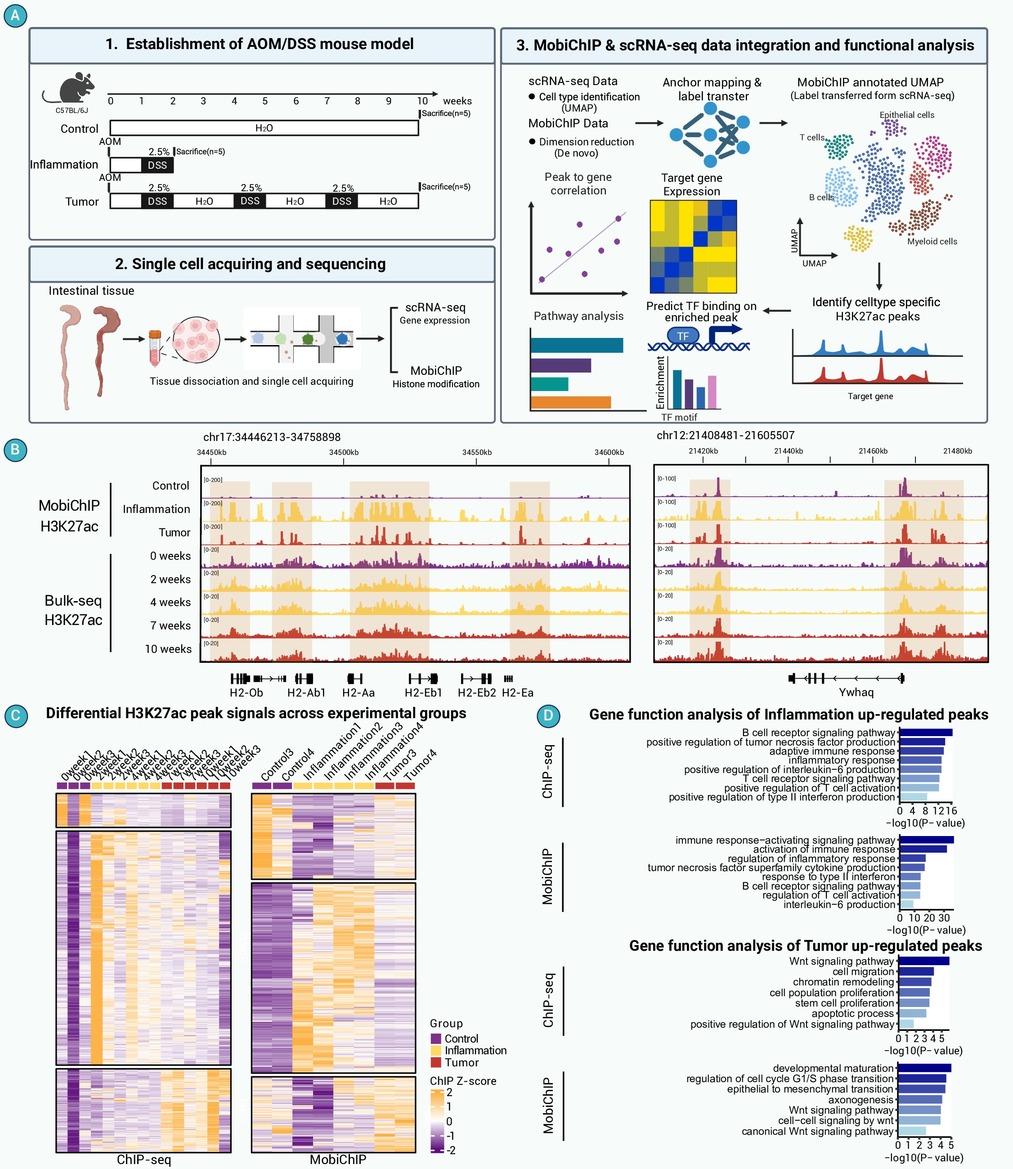
Figure 1.
Transcriptomic and enhancer profiling at single-cell level in AOM/DSS CRC model
-
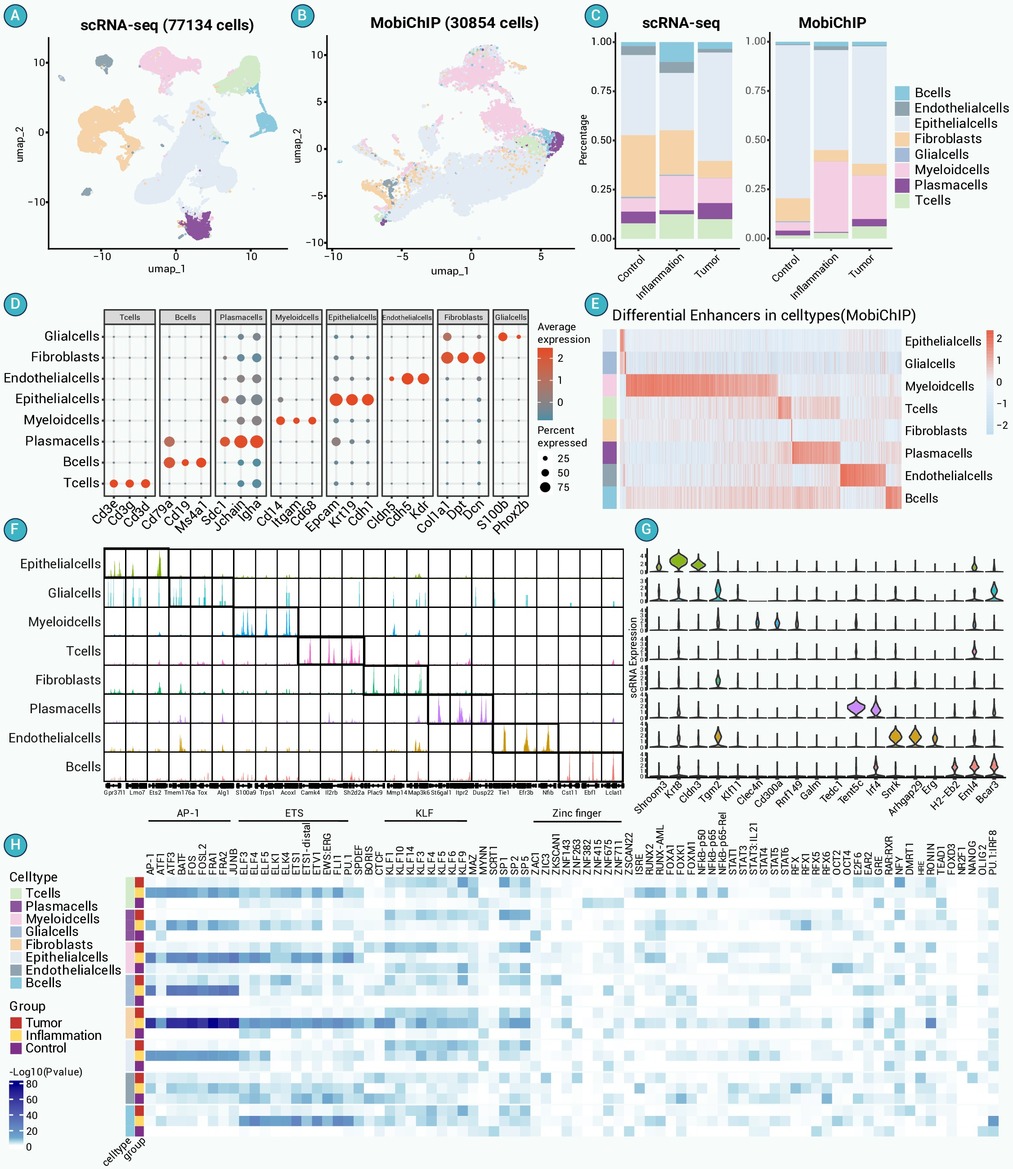
Figure 2.
The regulation of CRC progression by the dynamic enhancer activity
-
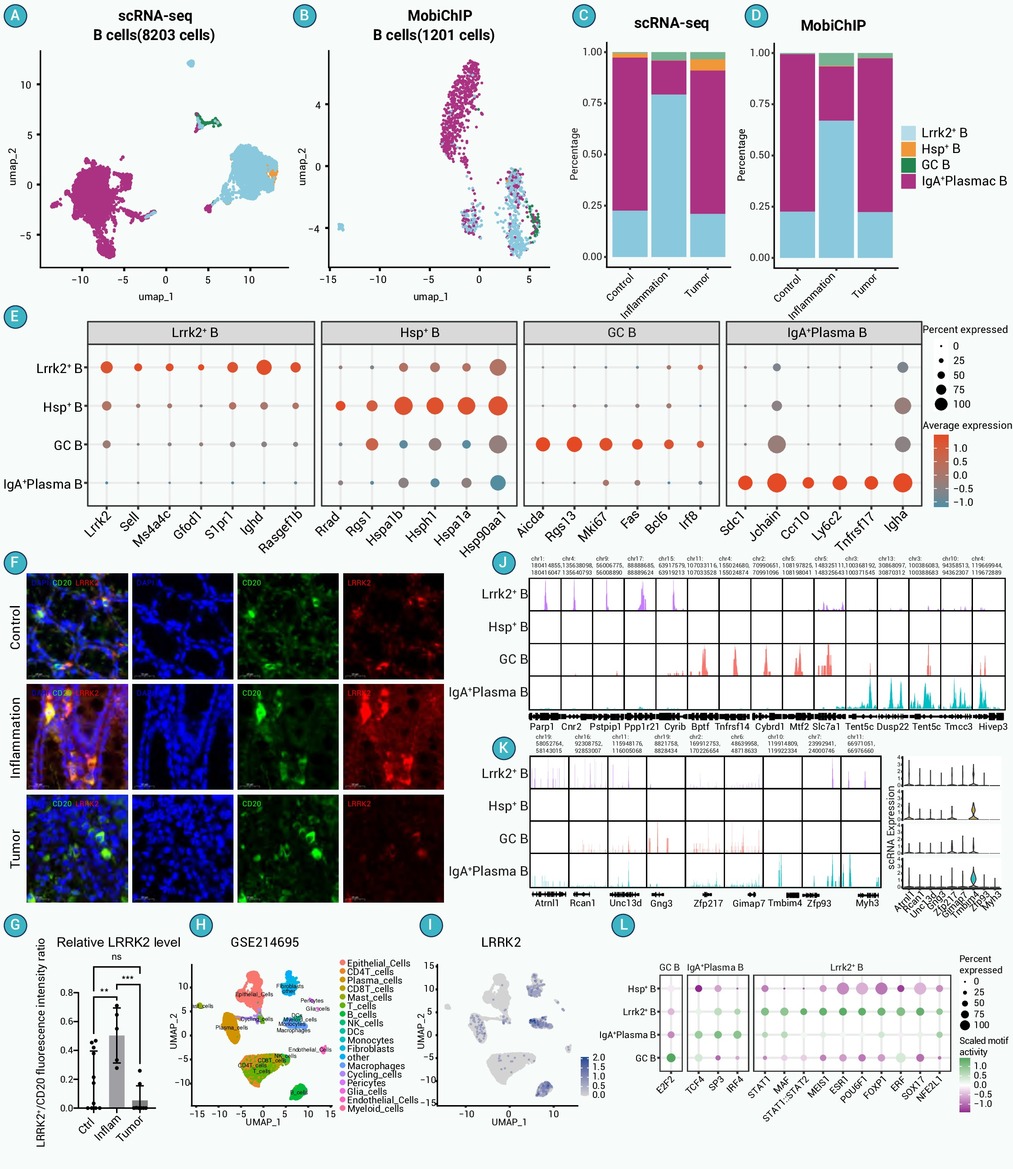
Figure 3.
Identification of Lrrk2+ B cell subtype
-
Figure 4.
Lrrk2+ B cells promotes inflammation and cancer progression
-
Figure 5.
GNE-
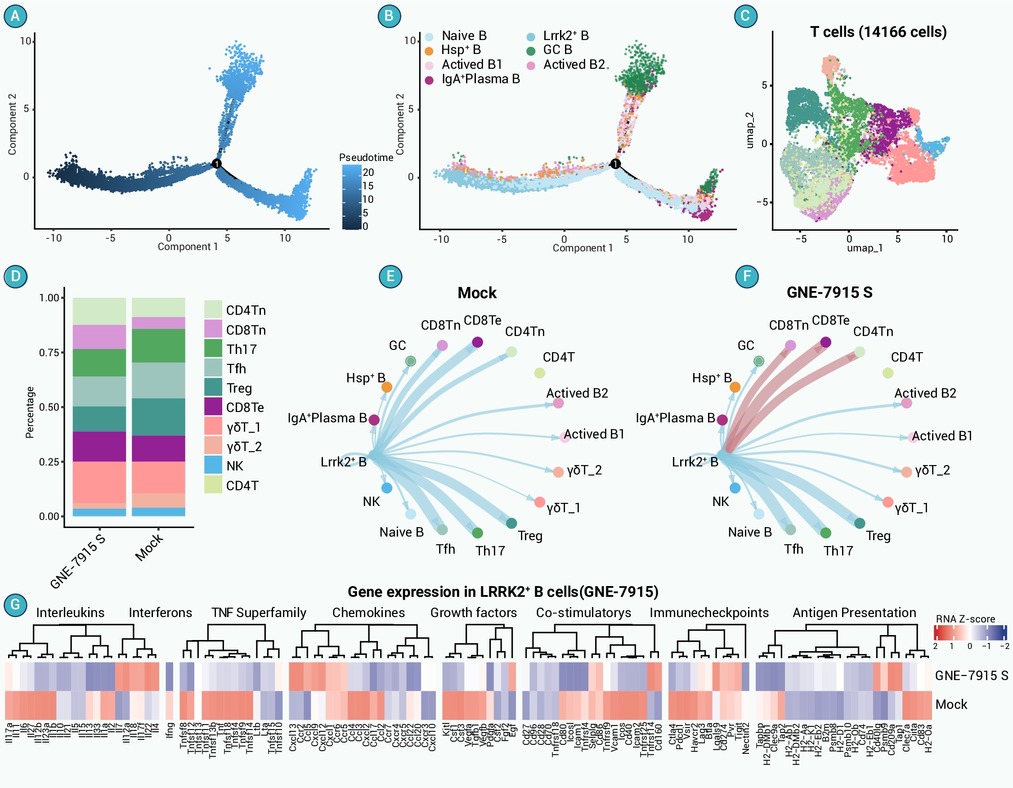
7915 treatment enhancers the communication of Lrrk2+ B cells with naïve CD4 T cells and CD8 T cells -
Figure 6.
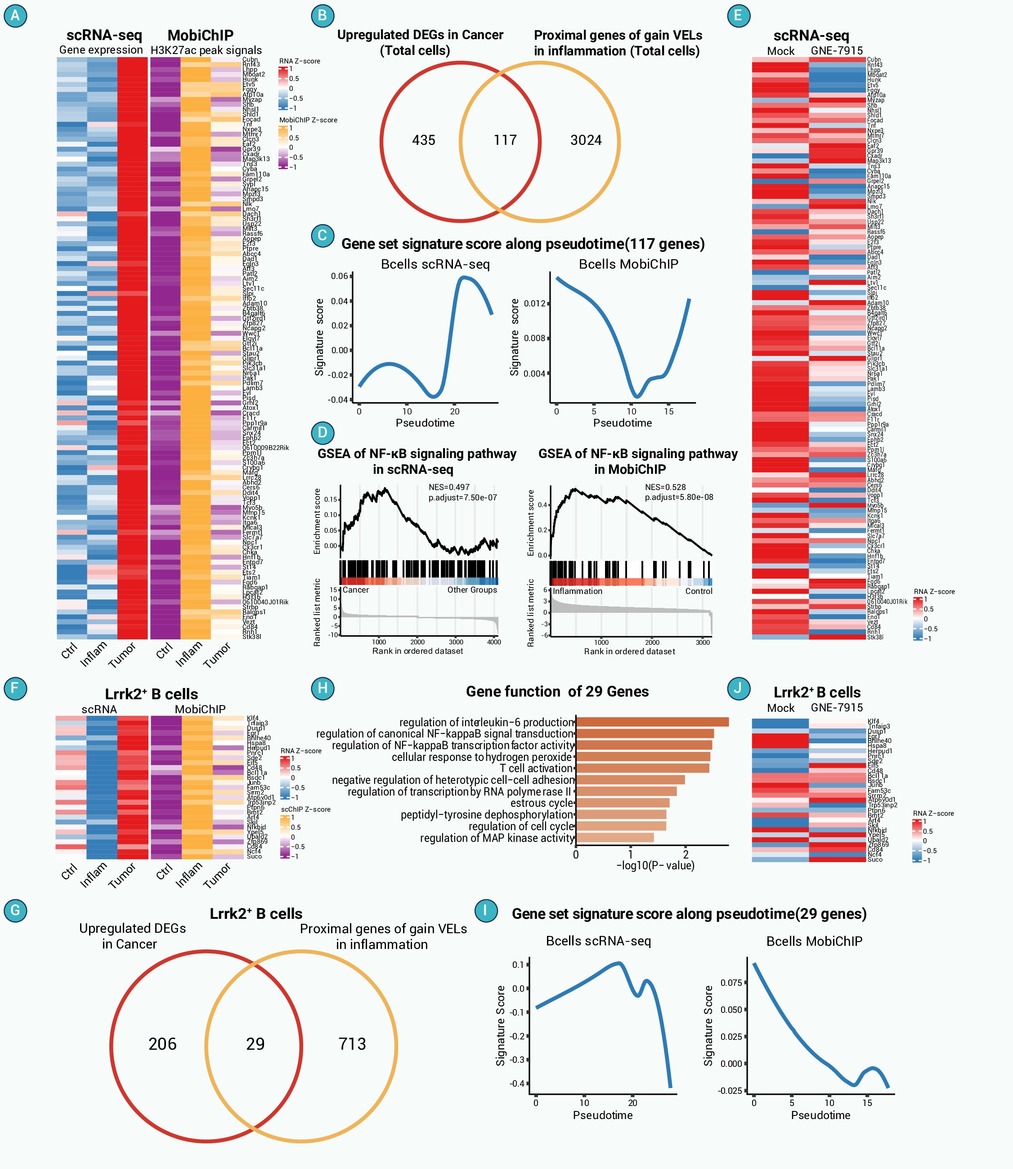
Epigenetic priming of NF-κB target genes
