
-
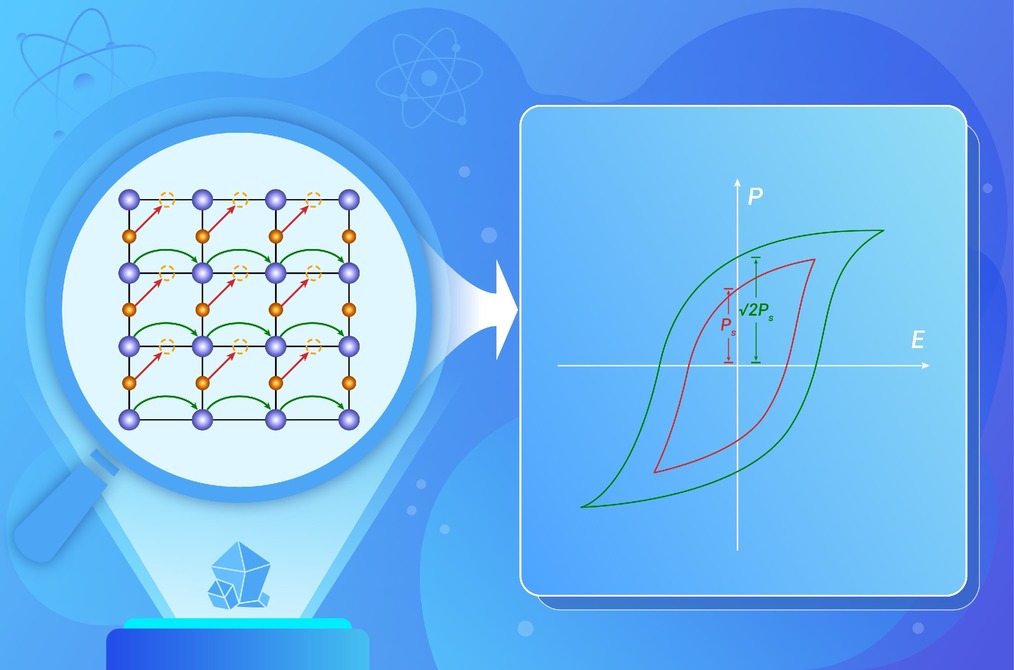
GRAPHICAL ABSTRACT
 DownLoad:
Full size image
-
PUBLIC SUMMARY
-
Modern theory of polarization extends ferroelectricity beyond conventional polar space groups.
Formal polarization is multivalued and compatible with the generalized Neumann principle.
Fractional quantum and ionic-conductor ferroelectricity share a topological origin.
Long-range ion motion if realized can produce quantized polarization changes.
Interfaces and domain walls offer promising functionality for topological ionics.
-
-
ABSTRACT
Ferroelectricity, a hallmark of spontaneous inversion-symmetry breaking, has been a central concept in condensed matter physics and functional materials research, yet recent discoveries are revealing that switchable polarization can emerge in forms far richer than allowed by the conventional symmetry-based paradigm. Fractional quantum ferroelectricity and ionic-conductor ferroelectricity challenge the long-standing association of ferroelectricity exclusively with polar space groups. In this Review, we reconcile these emerging phenomena within the Berry-phase modern theory of polarization. We emphasize that polarization in insulating periodic crystals is not a single-valued vector, but a multivalued lattice quantity defined modulo a polarization quantum. Consequently, nonpolar crystals may possess nonzero formal polarization, and adiabatic paths connecting symmetry-equivalent structures can produce quantized changes in polarization without violating symmetry principles. The symmetry of this multivalued formal polarization is governed by a generalized Neumann principle. We further show that the large polarization changes induced by long-range ion migration in both fractional quantum ferroelectrics and ionic-conductor ferroelectrics can be naturally understood through the topological definition of oxidation state, which links ionic transport to quantized charge transfer and polarization change. We discuss the physical accessibility of these unconventional polarization states, highlighting the roles of switching pathways, boundary conditions, and domain-wall dynamics, particularly in systems such as α-In2Se3. Finally, we suggest that the most promising functionality of these materials may lie not in conventional bulk ferroelectric switching, but in the creation and control of charged interfaces and domain walls arising from discontinuities in formal polarization. -

-
REFERENCES
[1] Valasek J. (1921). Piezoelectric and allied phenomena in Rochelle salt. Phys. Rev. 17:475−80. DOI:10.1103/PhysRev.17.475 [2] Lines M. E. and Glass A. M. (1977). Principles and applications of ferroelectrics and related materials. (Clarendon Press). [3] Neumann F. E. (1885). Vorlesungen über die Theorie der Elastizität der festen Körper und des Lichtäthers. Leipzig O. E. Meyer. and Teubner-Verlag B. G. (ed). [4] Ginzburg V. L. (1945). Zh. Eksp. Teor. Fiz. 15: 739. [5] Junquera J. and Ghosez P. (2003). Critical thickness for ferroelectricity in perovskite ultrathin films. Nature 422:506−9. DOI:10.1038/nature01501 [6] Cohen R. E. (1992). Origin of ferroelectricity in perovskite oxides. Nature 358:136−8. DOI:10.1038/358136a0 [7] Saha S., Sinha T. P. and Mookerjee A. (2000). Electronic structure, chemical bonding, and optical properties of paraelectric BaTiO3. Phys. Rev. B 62:8828−34. DOI:10.1103/PhysRevB.62.8828 [8] Ji J., Yu G., Xu C., et al. (2024). Fractional quantum ferroelectricity. Nat. Commun. 15:135. DOI:10.1038/s41467-023-44453-y [9] Yu G., Ji J., Chen Y., et al. (2025). Symmetry strategy for rapid discovery of abundant fractional quantum ferroelectrics. Phys. Rev. Lett. 134:016801. DOI:10.1103/PhysRevLett.134.016801 [10] Wang X. and Wu M. (2024). Quantized ferroelectricity in multivalent ion conductors with non-polar point groups. Mater. Horiz. 11:3885−91. DOI:10.1039/d4mh00306c [11] Smith R. D. K. and Vanderbilt D. (1993). Theory of polarization of crystalline solids. Phys. Rev. B 47:1651−4. DOI:10.1103/PhysRevB.47.1651 [12] Resta R. (1992). Theory of the electric polarization in crystals. Ferroelectrics 136:51−5. DOI:10.1080/00150199208016065 [13] Resta R. (1994). Macroscopic polarization in crystalline dielectrics: The geometric phase approach. Rev. Mod. Phys. 66:899−915. DOI:10.1103/RevModPhys.66.899 [14] Spaldin N. A. (2012). A beginner's guide to the modern theory of polarization. J. Solid State Chem. 195:2−10. DOI:10.1016/j.jssc.2012.05.010 [15] Vanderbilt D. (2018). Berry phases in electronic structure theory: Electric polarization, orbital magnetization and topological insulators. (Cambridge University Press). DOI: 10.1017/9781316662205 [16] Jin G., Pang H., Ji Y., et al. (2023). PYATB: An efficient Python package for electronic structure calculations using ab initio tight-binding model. Comput. Phys. Commun. 291:108844. DOI:10.1016/j.cpc.2023.108844 [17] Huang Q. S. and Wei S. H. (2026). Revisiting the theory of crystal polarization: The downside of employing the periodic boundary conditions. Chin. Phys. Lett. 43:020701. DOI:10.1088/0256-307x/43/2/020701 [18] Vanderbilt D. and Smith R. D. K. (1993). Electric polarization as a bulk quantity and its relation to surface charge. Phys. Rev. B 48:4442−55. DOI:10.1103/physrevb.48.4442 [19] Kudin K. N., Car R. and Resta R. (2005). Longitudinal polarizability of long polymeric chains: Quasi-one-dimensional electrostatics as the origin of slow convergence. J. Chem. Phys. 122:134907. DOI:10.1063/1.1871934 [20] Resta R., Posternak M. and Baldereschi A. (1993). Towards a quantum theory of polarization in ferroelectrics: The case of KNbO3. Phys. Rev. Lett. 70:1010−3. DOI:10.1103/PhysRevLett.70.1010 [21] Pang H. and He L. (2025). Generalized neumann’s principle as a unified framework for fractional quantum and conventional ferroelectricity. Phys. Rev. Lett. 135:116402. DOI:10.1103/trhd-kxm1 [22] Bernardini F., Fiorentini V. and Vanderbilt D. (1997). Spontaneous polarization and piezoelectric constants of III-V nitrides. Phys. Rev. B 56:R10024−7. DOI:10.1103/physrevb.56.r10024 [23] Bernardini F., Fiorentini V. and Vanderbilt D. (2001). Accurate calculation of polarization-related quantities in semiconductors. Phys. Rev. B 63:193201. DOI:10.1103/PhysRevB.63.193201 [24] Bechstedt F., Grossner U. and Furthmüller J. (2000). Dynamics and polarization of group-III nitride lattices: A first-principles study. Phys. Rev. B 62:8003−11. DOI:10.1103/physrevb.62.8003 [25] Dreyer C. E., Janotti A., van de Walle C. G., et al. (2016). Correct implementation of polarization constants in wurtzite materials and impact on III-nitrides. Phys. Rev. X 6:021038. DOI:10.1103/physrevx.6.021038 [26] Fichtner S., Wolff N., Lofink F., et al. (2019). AlScN: A III-V semiconductor based ferroelectric. J. Appl. Phys. 125:114103. DOI:10.1063/1.5084945 [27] Hohenberg P. and Kohn W. (1964). Inhomogeneous electron gas. Phys. Rev. 136:B864−71. DOI:10.1103/PhysRev.136.B864 [28] Kohn W. and Sham L. J. (1965). Self-consistent equations including exchange and correlation effects. Phys. Rev. 140:A1133−8. DOI:10.1103/PhysRev.140.A1133 [29] Henkelman G., Uberuaga B. P. and Jónsson H. (2000). A climbing image nudged elastic band method for finding saddle points and minimum energy paths. J. Chem. Phys. 113:9901−4. DOI:10.1063/1.1329672 [30] Henkelman G. and Jónsson H. (2000). Improved tangent estimate in the nudged elastic band method for finding minimum energy paths and saddle points. J. Chem. Phys. 113:9978−85. DOI:10.1063/1.1323224 [31] Yasuda K., Wang X., Watanabe K., et al. (2021). Stacking-engineered ferroelectricity in bilayer boron nitride. Science 372:1458−62. DOI:10.1126/science.abd3230 [32] Stern M. V., Waschitz Y., Cao W., et al. (2021). Interfacial ferroelectricity by van der Waals sliding. Science 372:1462−6. DOI:10.1126/science.abe8177 [33] Woods C., Ares P., Nevison-Andrews H., et al. (2021). Charge-polarized interfacial superlattices in marginally twisted hexagonal boron nitride. Nat. Commun. 12:347. DOI:10.1038/s41467-020-20667-2 [34] Li L. and Wu M. (2017). Binary compound bilayer and multilayer with vertical polarizations: Two-dimensional ferroelectrics, multiferroics, and nanogenerators. ACS Nano 11:6382−8. DOI:10.1021/acsnano.7b02756 [35] Ke C., Liu F. and Liu S. (2025). Superlubric motion of wavelike domain walls in sliding ferroelectrics. Phys. Rev. Lett. 135:046201. DOI:10.1103/jhlq-2dd7 [36] Lente M. H. and Eiras J. A. (2001). 90° Domain reorientation and domain wall rearrangement in lead zirconate titanate ceramics characterized by transient current and hysteresis loop measurements. J. Appl. Phys. 89:5093−9. DOI:10.1063/1.1333742 [37] Ghosez Ph. and Rabe K. M. (2000). Microscopic model of ferroelectricity in stress-free PbTiO3 ultrathin films. Appl. Phys. Lett. 76:2767−9. DOI:10.1063/1.126469 [38] Range K.-J., Engert G., and Weiss A. (1974). Darstellung und Kristallstruktur der Hochdruckphase AgAlS2-II/Preparation, and crystal structure of the high-pressure phase AgAlS2-II, Z. Naturforsch. 29:186-189. DOI:10.1515/znb-1974-3-411 [39] Jeffrey G. A. and Vlasse M. (1967). Crystal structures of the red, yellow, and orange forms of mercuric iodide. Inorg. Chem. 6:396−9. DOI:10.1021/ic50048a048 [40] Schwarzenbach D., Birkedal H., Hostettler M., et al. (2007). Neutron diffraction investigation of the temperature dependence of crystal structure and thermal motions of red HgI2. Acta Cryst. B 63:828−35. DOI:10.1107/s0108768107043327 [41] Wu M. and Jena P. (2018). The rise of two-dimensional van der Waals ferroelectrics. WIREs Comput. Mol. Sci. 8:e1365. DOI:10.1002/wcms.1365 [42] Gao Y., Wu M. and Zeng X. C. (2019). Phase transitions and ferroelasticity-multiferroicity in bulk and two-dimensional silver and copper monohalides. Nanoscale Horiz. 4:1106−12. DOI:10.1039/c9nh00172g [43] Jiang L., Levchenko S. V. and Rappe A. M. (2012). Rigorous definition of oxidation states of ions in solids. Phys. Rev. Lett. 108:166403. DOI:10.1103/PhysRevLett.108.166403 [44] Ding W., Zhu J., Wang Z., et al. (2017). Prediction of intrinsic two-dimensional ferroelectrics in In2Se3 and other III2-VI3 van der Waals materials. Nat. Commun. 8:14956. DOI:10.1038/ncomms14956 [45] Soleimani M. and Pourfath M. (2020). Ferroelectricity and phase transitions in In2Se3 van der Waals material. Nanoscale 12:22688−97. DOI:10.1039/d0nr04096g [46] Zhou Y., Wu D., Zhu Y., et al. (2017). Out-of-plane piezoelectricity and ferroelectricity in layered α-In2Se3 nanoflakes. Nano Lett. 17:5508−13. DOI:10.1021/acs.nanolett.7b02198 [47] Cui C., Hu W. J., Yan X., et al. (2018). Intercorrelated in-plane and out-of-plane ferroelectricity in ultrathin two-dimensional layered semiconductor In2Se3. Nano Lett. 18:1253−8. DOI:10.1021/acs.nanolett.7b04852 [48] Xue F., Hu W., Lee K. C., et al. (2018). Room-temperature ferroelectricity in hexagonally layered α-In2Se3 nanoflakes down to the monolayer limit. Adv. Funct. Mater. 28:1803738. DOI:10.1002/adfm.201803738 [49] Xue F., Zhang J., Hu W., et al. (2018). Multidirection piezoelectricity in mono- and multilayered hexagonal α-In2Se3. ACS Nano 12:4976−83. DOI:10.1021/acsnano.8b02152 [50] Xiao J., Zhu H., Wang Y., et al. (2018). Intrinsic two-dimensional ferroelectricity with dipole locking. Phys. Rev. Lett. 120:227601. DOI:10.1103/PhysRevLett.120.227601 [51] Xue F., He X., Retamal J. R. D., et al. (2019). Gate‐tunable and multidirection‐switchable memristive phenomena in a van der waals ferroelectric. Adv. Mater. 31:1901300. DOI:10.1002/adma.201901300 [52] Li Y., Chen C., Li W., et al. (2020). Orthogonal electric control of the out-of-plane field-effect in 2D ferroelectric In $_2$Se $_3$. Adv. Electron. Mater. 6:2000061. DOI:10.1002/aelm.202000061 View in Article CrossRef $_2$Se
$_3$ [53] Wang L., Wang X., Zhang Y., et al. (2020). Exploring ferroelectric switching In2Se3 for neuromorphic computing. Adv. Funct. Mater. 30:2004609. DOI:10.1002/adfm.202004609 [54] Bai L., Ke C., Luo Z., et al. (2024). Intrinsic ferroelectric switching in two-dimensional α-In2Se3. ACS Nano 18:26103−14. DOI:10.1021/acsnano.4c06619 [55] Lu J., Luo R., Zhou J., et al. (2023). High, multiple, and nonvolatile polarizations in organic-inorganic hybrid [(CH3)3(CH2CH2Cl)N]2InC5·H2O for memcapacitor. J. Am. Chem. Soc. 146:281−8. DOI:10.1021/jacs.3c08794 [56] Zhong T., Li X., Wu M., et al. (2019). Room-temperature multiferroicity and diversified magnetoelectric couplings in 2D materials. Natl. Sci. Rev. 7:373−80. DOI:10.1093/nsr/nwz169 [57] Yanagisawa J., Aoyama T., Fujii K., et al. (2024). Strongly enhanced polarization in a ferroelectric crystal by conduction-proton flow. J. Am. Chem. Soc. 146:1476−83. DOI:10.1021/jacs.3c10841 [58] Wang X., Ren Y. and Wu M. (2022). Unconventional ferroelectricity with quantized polarizations in ionic conductors: High-throughput screening. J. Phys. Chem. Lett. 13:9552−7. DOI:10.1021/acs.jpclett.2c02601 [59] Ren Y., Dong S. and Wu M. (2018). Unusual ferroelectricity of trans-unitcell ion-displacement and multiferroic soliton in sodium and potassium hydroxides. ACS Appl. Mater. Interfaces 10:35361−6. DOI:10.1021/acsami.8b11971 [60] Sheng Y., Wu M. and Liu J. (2024). Ferroelectricity with long ion displacements in crystals of non‐polar point groups. Adv. Funct. Mater. 34:2404665. DOI:10.1002/adfm.202404665 [61] Bandurin D. A., Tyurnina A. V., Yu G. L., et al. (2016). High electron mobility, quantum Hall effect and anomalous optical response in atomically thin InSe. Nat. Nanotechnol. 12:223−7. DOI:10.1038/nnano.2016.242 [62] Gao L., Bian G., Yang Y., et al. (2021). Na4SnS4 and Na4SnSe4 exhibiting multifunctional physicochemical performances as potential infrared nonlinear optical crystals and sodium ion conductors. New J. Chem. 45:12362−6. DOI:10.1039/d1nj02565a [63] Xiong S., Liu Z., Yang L., et al. (2020). Anion and cation co-doping of Na4SnS4 as sodium superionic conductors. Mater. Today Phys. 15:100281. DOI:10.1016/j.mtphys.2020.100281 [64] Huang J., Ke C., Qian Z., et al. (2024). Competing charge transfer and screening effects in two-dimensional ferroelectric capacitors. Nano Lett. 24:6683−8. DOI:10.1021/acs.nanolett.4c01362 [65] Wan S., Li Y., Li W., et al. (2019). Nonvolatile ferroelectric memory effect in ultrathin α-In2Se3. Adv. Funct. Mater. 29:1808606. DOI:10.1002/adfm.201808606 [66] Garcia V. and Bibes M. (2014). Ferroelectric tunnel junctions for information storage and processing. Nat. Commun. 5:4289. DOI:10.1038/ncomms5289 [67] Xue F., He X., Ma Y., et al. (2021). Unraveling the origin of ferroelectric resistance switching through the interfacial engineering of layered ferroelectric-metal junctions. Nat. Commun 12:7291. DOI:10.1038/s41467-021-27617-6 [68] Gerra G., Tagantsev A. K., Setter N., et al. (2006). Ionic polarizability of conductive metal oxides and critical thickness for ferroelectricity in BaTiO3. Phys. Rev. Lett. 96:107603. DOI:10.1103/PhysRevLett.96.107603 [69] Yang J., Zhou J., Lu J., et al. (2022). Giant tunnelling electroresistance through 2D sliding ferroelectric materials. Mater. Horiz. 9:1422−30. DOI:10.1039/d2mh00080f [70] Wang Y., Liu X., Burton J. D., et al. (2012). Ferroelectric instability under screened coulomb interactions. Phys. Rev. Lett. 109:247601. DOI:10.1103/PhysRevLett.109.247601 [71] Zhang S., Zhu Y., Tang Y., et al. (2017). Giant polarization sustainability in ultrathin ferroelectric films stabilized by charge transfer. Adv. Mater. 29:1703543. DOI:10.1002/adma.201703543 [72] Lin Y., Shao Y., Dai J., et al. (2021). Metallic surface doping of metal halide perovskites. Nat. Commun. 12:7. DOI:10.1038/s41467-020-20110-6 [73] van de Burgt Y., Lubberman E., Fuller E. J., et al. (2017). A non-volatile organic electrochemical device as a low-voltage artificial synapse for neuromorphic computing. Nat. Mater. 16:414−8. DOI:10.1038/nmat4856 [74] Talin A. A., Meyer J., Li J., et al. (2025). Electrochemical random-access memory: Progress, perspectives, and opportunities. Chem. Rev. 125:1962−2008. DOI:10.1021/acs.chemrev.4c00512 [75] Strukov D. B., Snider G. S., Stewart D. R., et al. (2008). The missing memristor found. Nature 453:80−3. DOI:10.1038/nature06932 [76] Yang J. J., Strukov D. B. and Stewart D. R. (2013). Memristive devices for computing. Nat. Nanotechnol. 8:13−24. DOI:10.1038/nnano.2012.240 [77] Lanza M., Sebastian A., Lu W. D., et al. (2022). Memristive technologies for data storage, computation, encryption, and radio-frequency communication. Science 376:eabj9979. DOI:10.1126/science.abj9979 [78] Yang C. and Suo Z. (2018). Hydrogel ionotronics. Nat. Rev. Mater. 3:125−42. DOI:10.1038/s41578-018-0018-7 [79] Wan C., Xiao K., Angelin A., et al. (2019). The rise of bioinspired ionotronics. Adv. Intell. Syst. 1:1900073. DOI:10.1002/aisy.201900073 [80] Han S. H., Oh M. A. and Chung T. D. (2022). Iontronics: Aqueous ion-based engineering for bioinspired functionalities and applications. Chem. Phys. Rev. 3:031302. DOI:10.1063/5.0089822 [81] Stengel M. and Vanderbilt D. (2009). Berry-phase theory of polar discontinuities at oxide-oxide interfaces. Phys. Rev. B 80:241103. DOI:10.1103/PhysRevB.80.241103 [82] Pang H. and He L. (2025). Quantized polarization redefines polar interfaces. (arXiv). [83] Lu J., Tian M., Cui C., et al. (2025). Nonvolatile electrical control of spin via sliding fractional quantum multiferroics. (arXiv). [84] Huang M., Schwacke M., Onen M., et al. (2023). Electrochemical ionic synapses: Progress and perspectives. Adv. Mater. 35:2205169. DOI:10.1002/adma.202205169 [85] Onen M., Emond N., Wang B., et al. (2022). Nanosecond protonic programmable resistors for analog deep learning. Science 377:539−43. DOI:10.1126/science.abp8064 [86] Ma L., Wu J., Zhu T., et al. (2023). Ultrahigh oxygen ion mobility in ferroelectric hafnia. Phys. Rev. Lett. 131:256801. DOI:10.1103/physrevlett.131.256801 -
ABOUT THIS ARTICLE
Cite this article:
Yang Y., Ke C. and Liu S. (2026). Ferroelectricity beyond polar space groups. The Innovation Physics 1:100016. https://doi.org/10.59717/j.tip.2026.100016
Welcome!
To request copyright permission to republish or share portions of our works, please visit Copyright Clearance Center's (CCC) Marketplace website at marketplace.copyright.com.
Export File
Citation
Yang Y., Ke C. and Liu S. (2026). Ferroelectricity beyond polar space groups. The Innovation Physics 1:100016. https://doi.org/10.59717/j.tip.2026.100016

Format
Content
-
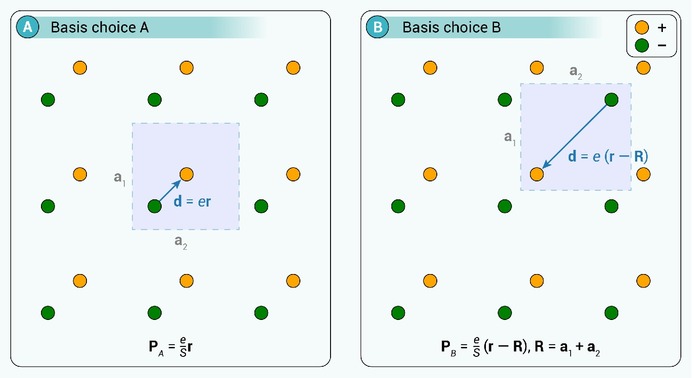
Figure 1.
Multivalued formal polarization in a two-dimensional crystal of classical point charges
-
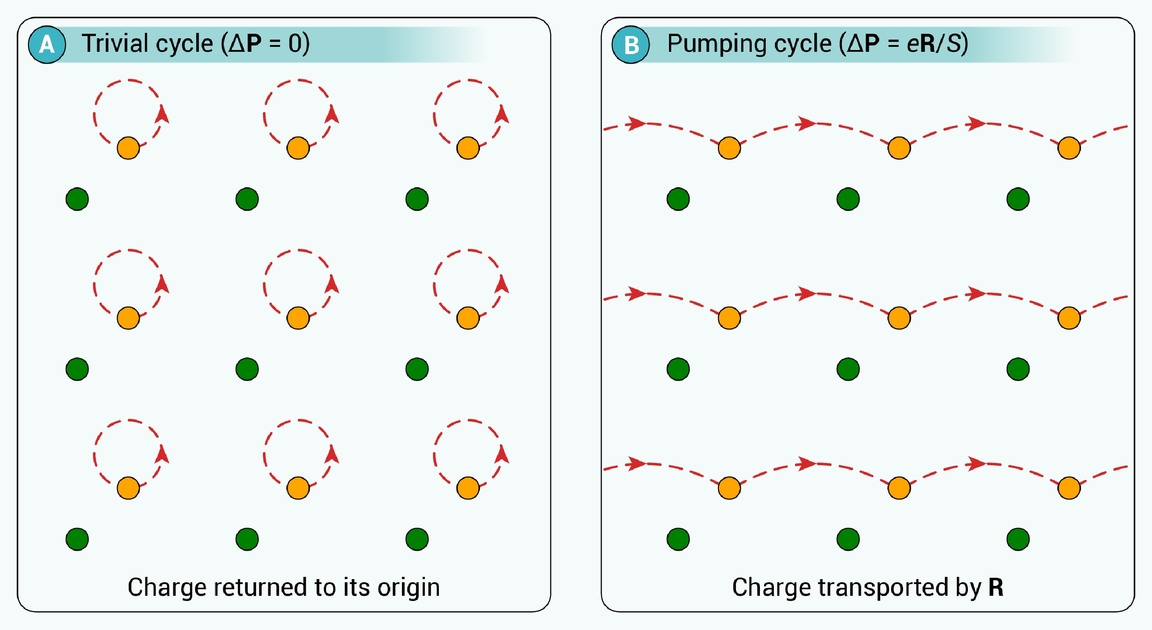
Figure 2.
Two distinct cyclic evolutions in a two-dimensional crystal of classical point charges
-
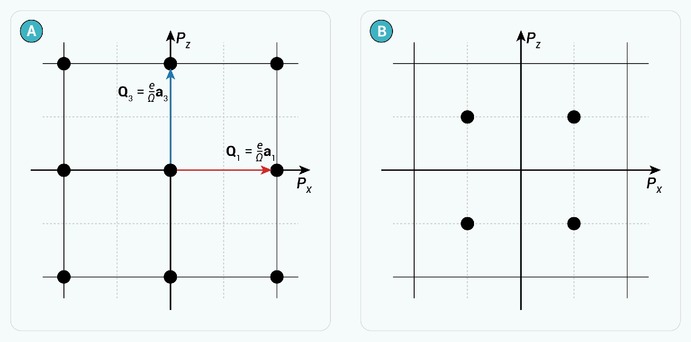
Figure 3.
Schematic illustration of the two polarization lattices compatible with inversion symmetry in a centrosymmetric crystal
-
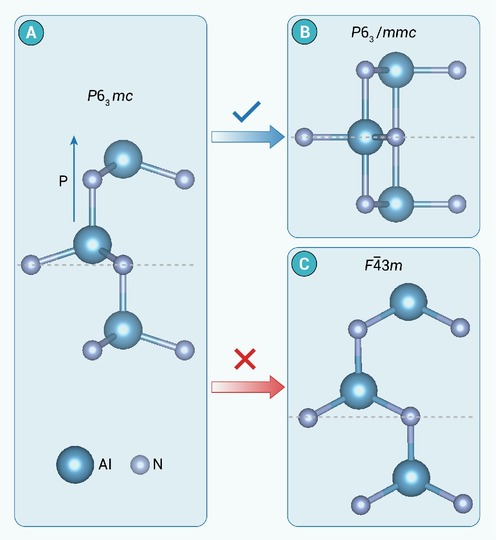
Figure 4.
Comparison of candidate reference structures for defining the spontaneous polarization of wurtzite AlN
-
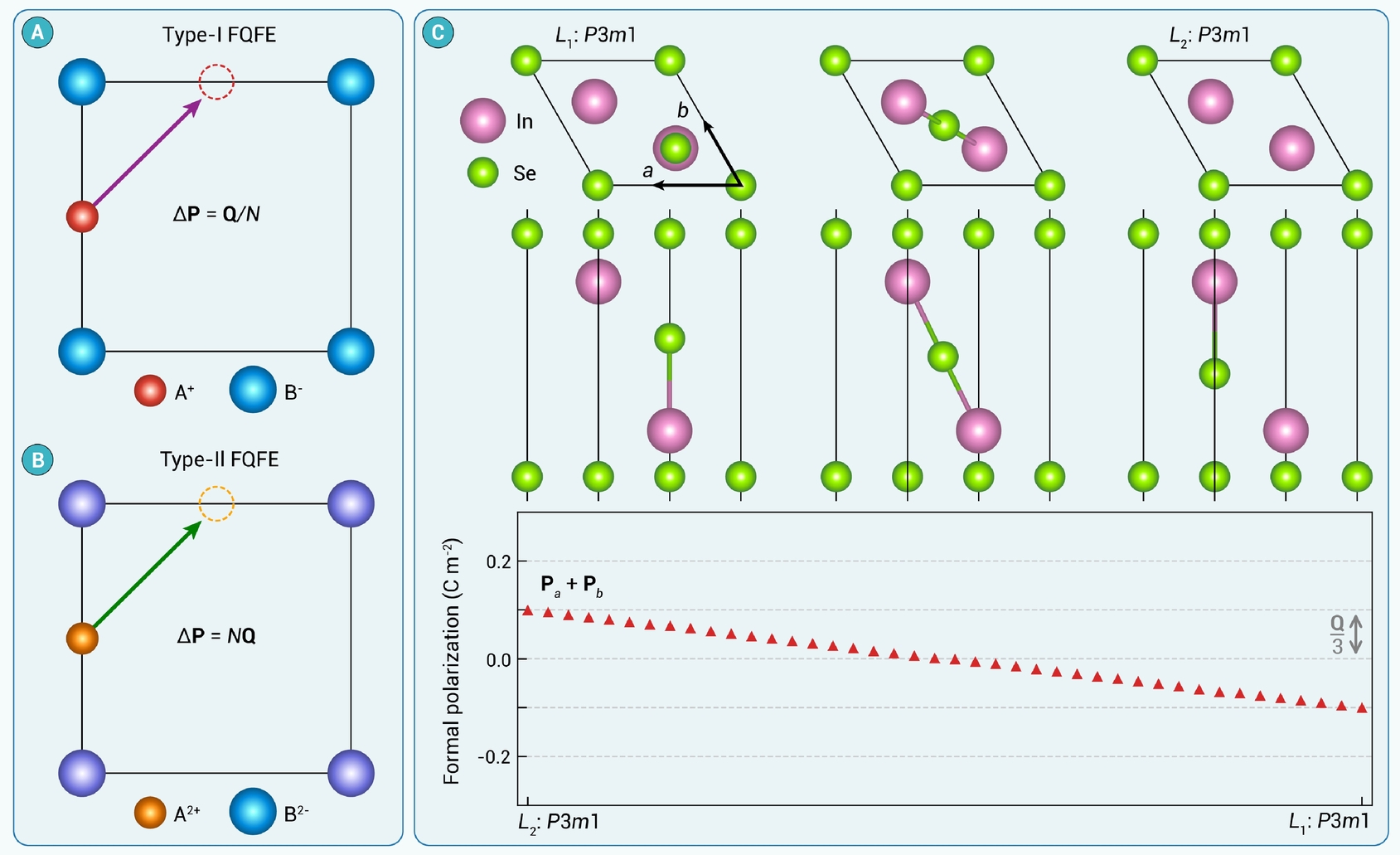
Figure 5.
Fractional quantum ferroelectrics and the associated polarization change
-
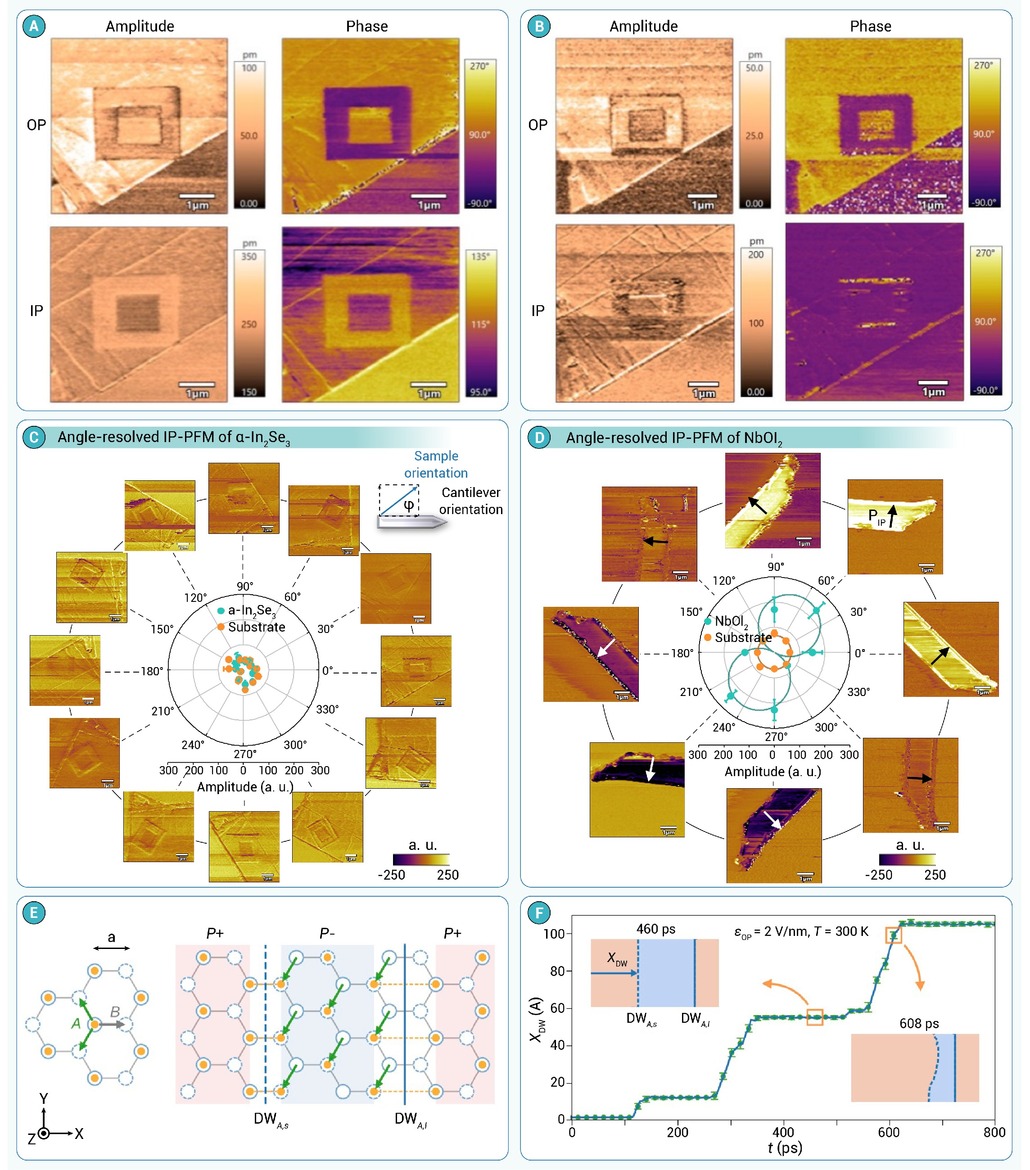
Figure 6.
Ferroelectricity in monolayer
-
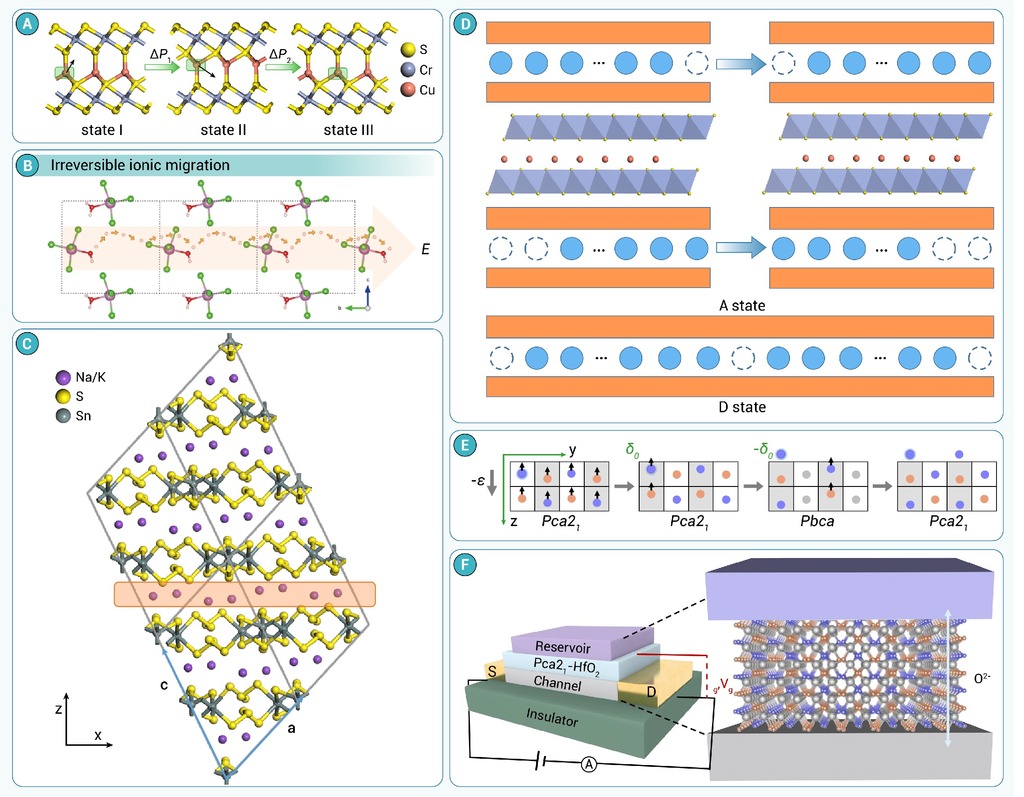
Figure 7.
Unconventional ferroelectricity induced by long-range ion migration
