
A causal multiomics study discriminates the early immune features of Ad5-vectored Ebola vaccine recipients
-
GRAPHICAL ABSTRACT
 DownLoad:
Full size image
DownLoad:
Full size image
-
PUBLIC SUMMARY
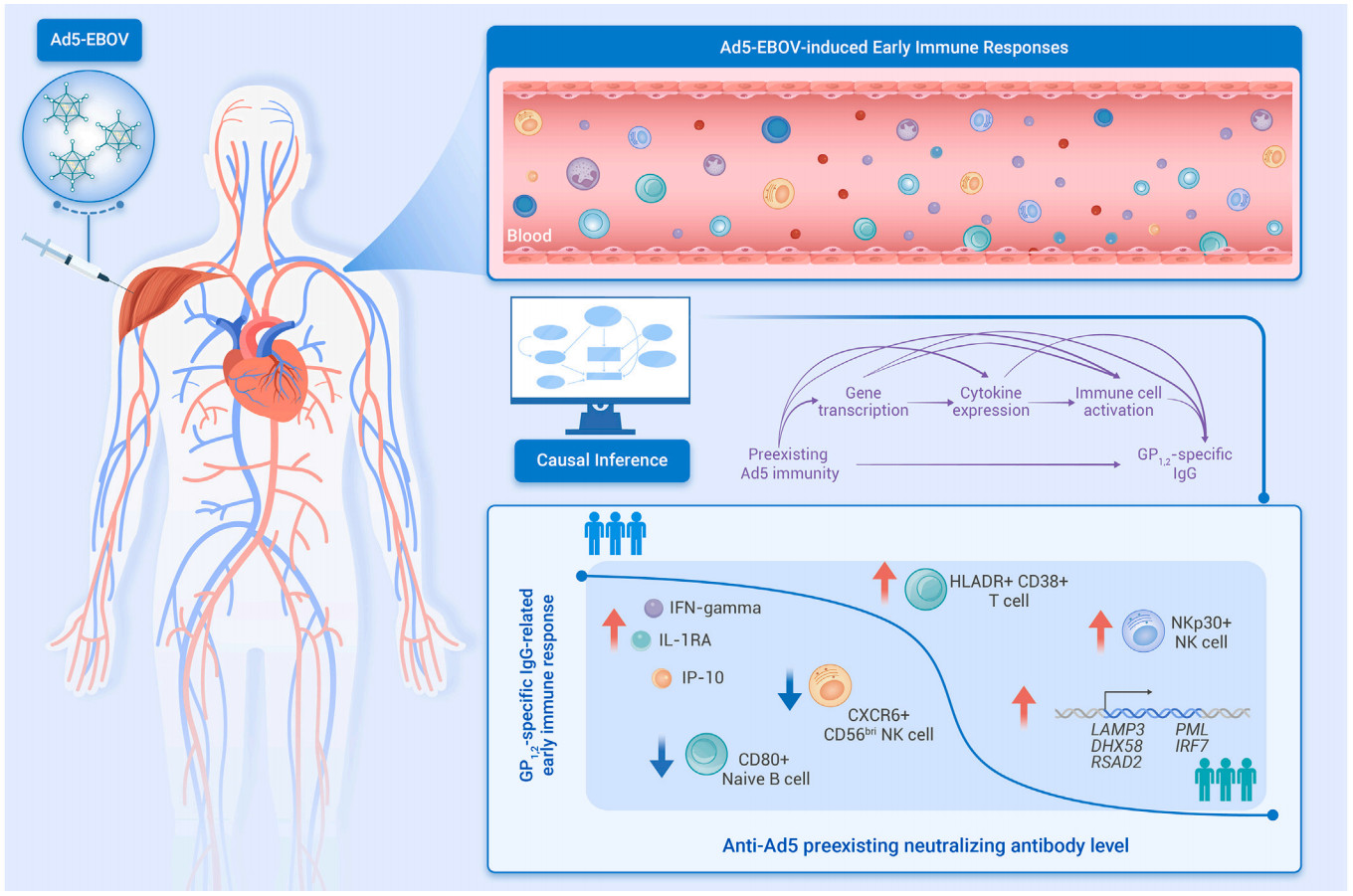
- ■ The increase in GP1,2-specific IgG induced by Ad5-EBOV was strongly correlated with the development of early antiviral and inflammatory responses.
- ■ Greater innate immune responses were elicited in Ad5-EBOV recipients with lower preexisting Ad5 immunity.
- ■ A general causality-based tool was proposed to analyze multiomics vaccine immune responses.
-
ABSTRACT
The vaccine-induced innate immune response is essential for the generation of an antibody response. To date, how Ad5-vectored vaccines are influenced by preexisting anti-Ad5 antibodies during activation of the early immune response remains unclear. Here, we investigated the specific alterations in GP1,2-specific IgG-related elements of the early immune response at the genetic, molecular, and cellular levels on days 0, 1, 3, and 7 after Ad5-EBOV vaccination. In a causal multiomics analysis, distinct early immune responses associated with GP1,2-specific IgG were observed in Ad5-EBOV recipients with a low level of preexisting anti-Ad5 antibodies. This study revealed the correlates of the Ad5-EBOV-induced IgG response and provided mechanistic evidence for overcoming preexisting Ad5 immunity during the administration of Ad5-vectored vaccines. -

-
REFERENCES
[1] Tatsis, N., and Ertl, H.C.J. (2004). Adenoviruses as vaccine vectors. Mol. Ther. 10(4): 616–629. https://doi.org/10.1016/j.ymthe.2004.07.013. [2] Chang, J. (2021). Adenovirus Vectors: Excellent Tools for Vaccine Development. Immune Netw. 21(1): e6. https://doi.org/10.4110/in.2021.21.e6. [3] Cheng, C., Gall, J.G.D., Kong, W.P., et al. (2007). Mechanism of ad5 vaccine immunity and toxicity: fiber shaft targeting of dendritic cells. PLoS Pathog. 3(2): e25. https://doi.org/10.1371/journal.ppat.0030025. [4] Zhu, F.C., Wurie, A.H., Hou, L.H., et al. (2017). Safety and immunogenicity of a recombinant adenovirus type-5 vector-based Ebola vaccine in healthy adults in Sierra Leone: a singlecentre, randomised, double-blind, placebo-controlled, phase 2 trial. Lancet 389(10069): 621–628. https://doi.org/10.1016/s0140-6736(16)32617-4. [5] Dolzhikova, I.V., Zubkova, O.V., Tukhvatulin, A.I., et al. (2017). Safety and immunogenicity of GamEvac-Combi, a heterologous VSV- and Ad5-vectored Ebola vaccine: An open phase I/II trial in healthy adults in Russia. Hum. Vaccines Immunother. 13(3): 613–620. https://doi.org/10.1080/21645515.2016.1238535. [6] Guo, Q., Chan, J.F.W., Poon, V.K.M., et al. (2018). Immunization With a Novel Human Type 5 Adenovirus-Vectored Vaccine Expressing the Premembrane and Envelope Proteins of Zika Virus Provides Consistent and Sterilizing Protection in Multiple Immunocompetent and Immunocompromised Animal Models. J. Infect. Dis. 218(3): 365–377. https://doi.org/10.1093/infdis/jiy187. [7] Baden, L.R., Stieh, D.J., Sarnecki, M., et al. (2020). Safety and immunogenicity of two heterologous HIV vaccine regimens in healthy, HIV-uninfected adults (TRAVERSE): a randomised, parallel-group, placebo-controlled, double-blind, phase 1/2a study. Lancet. HIV 7(10): e688–e698. https://doi.org/10.1016/s2352-3018(20)30229-0. [8] Jacob-Dolan, C., and Barouch, D.H. (2022). COVID-19 Vaccines: Adenoviral Vectors. Annu. Rev. Med. 73: 41–54. https://doi.org/10.1146/annurev-med-012621-102252. [9] Zhu, F.C., Hou, L.H., Li, J.X., et al. (2015). Safety and immunogenicity of a novel recombinant adenovirus type-5 vector-based Ebola vaccine in healthy adults in China: preliminary report of a randomised, double-blind, placebo-controlled, phase 1 trial. Lancet 385(9984): 2272–2279. https://doi.org/10.1016/s0140-6736(15)60553-0. [10] Zhu, F.C., Li, Y.H., Guan, X.H., et al. (2020). Safety, tolerability, and immunogenicity of a recombinant adenovirus type-5 vectored COVID-19 vaccine: a dose-escalation, open-label, non-randomised, first-in-human trial. Lancet 395(10240): 1845–1854. https://doi.org/10.1016/s0140-6736(20)31208-3. [11] Malik, S., Kishore, S., Nag, S., et al. (2023). Ebola Virus Disease Vaccines: Development, Current Perspectives & Challenges. Vaccines 11(2): 268. https://doi.org/10.3390/vaccines11020268. [12] Fausther-Bovendo, H., and Kobinger, G.P. (2014). Pre-existing immunity against Ad vectors: humoral, cellular, and innate response, what’s important? Hum. Vaccines Immunother. 10(10): 2875–2884. https://doi.org/10.4161/hv.29594. [13] Seregin, S.S., and Amalfitano, A. (2009). Overcoming pre-existing adenovirus immunity by genetic engineering of adenovirus-based vectors. Expet Opin. Biol. Ther. 9(12): 1521–1531. https://doi.org/10.1517/14712590903307388. [14] Roberts, D.M., Nanda, A., Havenga, M.J.E., et al. (2006). Hexon-chimaeric adenovirus serotype 5 vectors circumvent pre-existing anti-vector immunity. Nature 441(7090): 239–243. https://doi.org/10.1038/nature04721. [15] Croyle, M.A., Patel, A., Tran, K.N., et al. (2008). Nasal delivery of an adenovirus-based vaccine bypasses pre-existing immunity to the vaccine carrier and improves the immune response in mice. PLoS One 3(10): e3548. https://doi.org/10.1371/journal.pone.0003548. [16] Barouch, D.H., Pau, M.G., Custers, J.H.H.V., et al. (2004). Immunogenicity of recombinant adenovirus serotype 35 vaccine in the presence of pre-existing anti-Ad5 immunity. J. Immunol. 172(10): 6290–6297. https://doi.org/10.4049/jimmunol.172.10.6290. [17] Iwasaki, A., and Medzhitov, R. (2015). Control of adaptive immunity by the innate immune system. Nat. Immunol. 16(4): 343–353. https://doi.org/10.1038/ni.3123. [18] Rhee, E.G., Blattman, J.N., Kasturi, S.P., et al. (2011). Multiple innate immune pathways contribute to the immunogenicity of recombinant adenovirus vaccine vectors. J. Virol. 85(1): 315–323. https://doi.org/10.1128/jvi.01597-10. [19] Collignon, C., Bol, V., Chalon, A., et al. (2020). Innate Immune Responses to Chimpanzee Adenovirus Vector 155 Vaccination in Mice and Monkeys. Front. Immunol. 11: 579872. https://doi.org/10.3389/fimmu.2020.579872. [20] Ye, Y., Zhang, Y., Yang, N., et al. (2022). Profiling of immune features to predict immunotherapy efficacy. Innovation 3(1): 100194. https://doi.org/10.1016/j.xinn.2021.100194. [21] Provine, N.M., Amini, A., Garner, L.C., et al. (2021). MAIT cell activation augments adenovirus vector vaccine immunogenicity. Science 371(6528): 521–526. https://doi.org/10.1126/science.aax8819. [22] Shen, C.F., Yen, C.L., Fu, Y.C., et al. (2022). Innate Immune Responses of Vaccinees Determine Early Neutralizing Antibody Production After ChAdOx1nCoV-19 Vaccination. Front. Immunol. 13: 807454. https://doi.org/10.3389/fimmu.2022.807454. [23] Raeven, R.H.M., van Riet, E., Meiring, H.D., et al. (2019). Systems vaccinology and big data in the vaccine development chain. Immunology 156(1): 33–46. https://doi.org/10.1111/imm.13012. [24] Rappuoli, R., Siena, E., and Finco, O. (2018). Will Systems Biology Deliver Its Promise and Contribute to the Development of New or Improved Vaccines? Systems Biology Views of Vaccine Innate and Adaptive Immunity. Cold Spring Harbor Perspect. Biol. 10(8): a029256. https://doi.org/10.1101/cshperspect.a029256. [25] Kazmin, D., Nakaya, H.I., Lee, E.K., et al. (2017). Systems analysis of protective immune responses to RTS, S malaria vaccination in humans. Proc. Natl. Acad. Sci. USA 114(9): 2425–2430. https://doi.org/10.1073/pnas.1621489114. [26] Pinski, A.N., and Messaoudi, I. (2020). To B or Not to B: Mechanisms of Protection Conferred by rVSV-EBOV-GP and the Roles of Innate and Adaptive Immunity. Microorganisms 8(10): 1473. https://doi.org/10.3390/microorganisms8101473. [27] Arunachalam, P.S., Scott, M.K.D., Hagan, T., et al. (2021). Systems vaccinology of the BNT162b2 mRNA vaccine in humans. Nature 596(7872): 410–416. https://doi.org/10.1038/s41586-021-03791-x. [28] Pinschewer, D.D. (2017). Virally vectored vaccine delivery: medical needs, mechanisms, advantages and challenges. Swiss Med. Wkly. 147: w14465. https://doi.org/10.4414/smw.2017.14465. [29] Bottermann, M., Foss, S., van Tienen, L.M., et al. (2018). TRIM21 mediates antibody inhibition of adenovirus-based gene delivery and vaccination. Proc. Natl. Acad. Sci. USA 115(41): 10440–10445. https://doi.org/10.1073/pnas.1806314115. [30] Zak, D.E., Andersen-Nissen, E., Peterson, E.R., et al. (2012). Merck Ad5/HIV induces broad innate immune activation that predicts CD8+ T-cell responses but is attenuated by preexisting Ad5 immunity. Proc. Natl. Acad. Sci. USA 109(50): E3503–E3512. https://doi.org/10.1073/pnas.1208972109. [31] McElroy, A.K., Erickson, B.R., Flietstra, T.D., et al. (2014). Biomarker correlates of survival in pediatric patients with Ebola virus disease. Emerg. Infect. Dis. 20(10): 1683–1690. https://doi.org/10.3201/eid2010.140430. [32] Bergamaschi, C., Terpos, E., Rosati, M., et al. (2021). Systemic IL-15, IFN-g, and IP-10/CXCL10 signature associated with effective immune response to SARS-CoV-2 in BNT162b2 mRNA vaccine recipients. Cell Rep. 36(6): 109504. https://doi.org/10.1016/j.celrep.2021.109504. [33] Tian, Y., Seumois, G., De-Oliveira-Pinto, L.M., et al. (2019). Molecular Signatures of Dengue Virus-Specific IL-10/IFN-g Co-producing CD4 T Cells and Their Association with Dengue Disease. Cell Rep. 29(13): 4482–4495.e4. https://doi.org/10.1016/j.celrep.2019.11.098. [34] Huttner, A., Combescure, C., Grillet, S., et al. (2017). A dose-dependent plasma signature of the safety and immunogenicity of the rVSV-Ebola vaccine in Europe and Africa. Sci. Transl. Med. 9(385): eaaj1701. https://doi.org/10.1126/scitranslmed.aaj1701. [35] Takano, T., Morikawa, M., Adachi, Y., et al. (2022). Distinct immune cell dynamics correlate with the immunogenicity and reactogenicity of SARS-CoV-2 mRNA vaccine. Cell Rep. Med. 3(5): 100631. https://doi.org/10.1016/j.xcrm.2022.100631. [36] Rechtien, A., Richert, L., Lorenzo, H., et al. (2017). Systems Vaccinology Identifies an Early Innate Immune Signature as a Correlate of Antibody Responses to the Ebola Vaccine rVSV-ZEBOV. Cell Rep. 20(9): 2251–2261. https://doi.org/10.1016/j.celrep.2017.08.023. [37] Rinchai, D., Deola, S., Zoppoli, G., et al. (2022). High-temporal resolution profiling reveals distinct immune trajectories following the first and second doses of COVID-19 mRNA vaccines. Sci. Adv. 8(45): eabp9961. https://doi.org/10.1126/sciadv.abp9961. [38] Ryan, F.J., Norton, T.S., McCafferty, C., et al. (2023). A systems immunology study comparing innate and adaptive immune responses in adults to COVID-19 mRNA and adenovirus vectored vaccines. Cell Rep. Med. 4(3): 100971. https://doi.org/10.1016/j.xcrm.2023.100971. [39] Huang, M., Zheng, H., Tan, W., et al. (2023). Molecular Signatures in Swine Innate and Adaptive Immune Responses to African Swine Fever Virus Antigens p30/p54/CD2v Expressed Using a Highly Efficient Semliki Forest Virus Replicon System. Int. J. Mol. Sci. 24(11): 9316. https://doi.org/10.3390/ijms24119316. [40] Haralambieva, I.H., Oberg, A.L., Dhiman, N., et al. (2012). High-dimensional gene expression profiling studies in high and low responders to primary smallpox vaccination. J. Infect. Dis. 206(10): 1512–1520. https://doi.org/10.1093/infdis/jis546. [41] Sun, Z., Ke, L., Zhao, Q., et al. (2023). The use of bioinformatics methods to identify the effects of SARS-CoV-2 and influenza viruses on the regulation of gene expression in patients. Front. Immunol. 14: 1098688. https://doi.org/10.3389/fimmu.2023.1098688. [42] Li, S., Zhu, Z., Yang, F., et al. (2021). Porcine Epidemic Diarrhea Virus Membrane Protein Interacted with IRF7 to Inhibit Type I IFN Production during Viral Infection. J. Immunol. 206(12): 2909–2923. https://doi.org/10.4049/jimmunol.2001186. [43] Dong, H., Wu, W., Li, J., et al. (2022). PML Body Component Sp100A Is a Cytosolic Responder to IFN and Activator of Antiviral ISGs. mBio 13(6): e0204422. https://doi.org/10.1128/mbio.02044-22. [44] Brodin, P., and Davis, M.M. (2017). Human immune system variation. Nat. Rev. Immunol. 17(1): 21–29. https://doi.org/10.1038/nri.2016.125. [45] Imai, K., Keele, L., and Tingley, D. (2010). A general approach to causal mediation analysis. Psychol. Methods 15(4): 309–334. https://doi.org/10.1037/a0020761. [46] Rubin, D.B. (2005). Causal Inference Using Potential Outcomes: Design, Modeling, Decisions. J. Am. Stat. Assoc. 100(March): 322–331. https://doi.org/10.1198/016214504000001880. [47] Wang, B., Li, J., Wu, S., et al. (2023). A seroepidemiological survey of adenovirus type 7 circulation among healthy adults in China and in Sierra Leone, West Africa. Front. Public Health 11: 1095343. https://doi.org/10.3389/fpubh.2023.1095343. [48] Li, S., Rouphael, N., Duraisingham, S., et al. (2014). Molecular signatures of antibody responses derived from a systems biology study of five human vaccines. Nat Immunol 15(2): 195–204. https://doi.org/10.1038/ni.2789. [49] Böhnke, J.R. (2016). Explanation in causal inference: Methods for mediation and interaction. Q. J. Exp. Psychol. 69(6): 1243–1244. https://doi.org/10.1080/17470218.2015.1115884. [50] Manski, C.F. (2007). Identification for Prediction and Decision (Harvard University Press), p. 368. https://doi.org/10.4159/9780674033665. [51] Anderson, M.J. (2017). Permutational Multivariate Analysis of Variance (PERMANOVA) (Wiley StatsRef: Statistics Reference Online), pp. 557–574. https://doi.org/10.1002/9781118445112.stat07841. -
ABOUT THIS ARTICLE
Cite this article:
Zhang Z., Yang W., Chen Z., et al., (2024). A causal multiomics study discriminates the early immune features of Ad5-vectored Ebola vaccine recipients. The Innovation 5(3), 100603. https://doi.org/10.1016/j.xinn.2024.100603
Welcome!
To request copyright permission to republish or share portions of our works, please visit Copyright Clearance Center's (CCC) Marketplace website at marketplace.copyright.com.
Cited by
Export File
Citation
Zhang Z., Yang W., Chen Z., et al., (2024). A causal multiomics study discriminates the early immune features of Ad5-vectored Ebola vaccine recipients. The Innovation 5(3), 100603. https://doi.org/10.1016/j.xinn.2024.100603

Format
Content
-
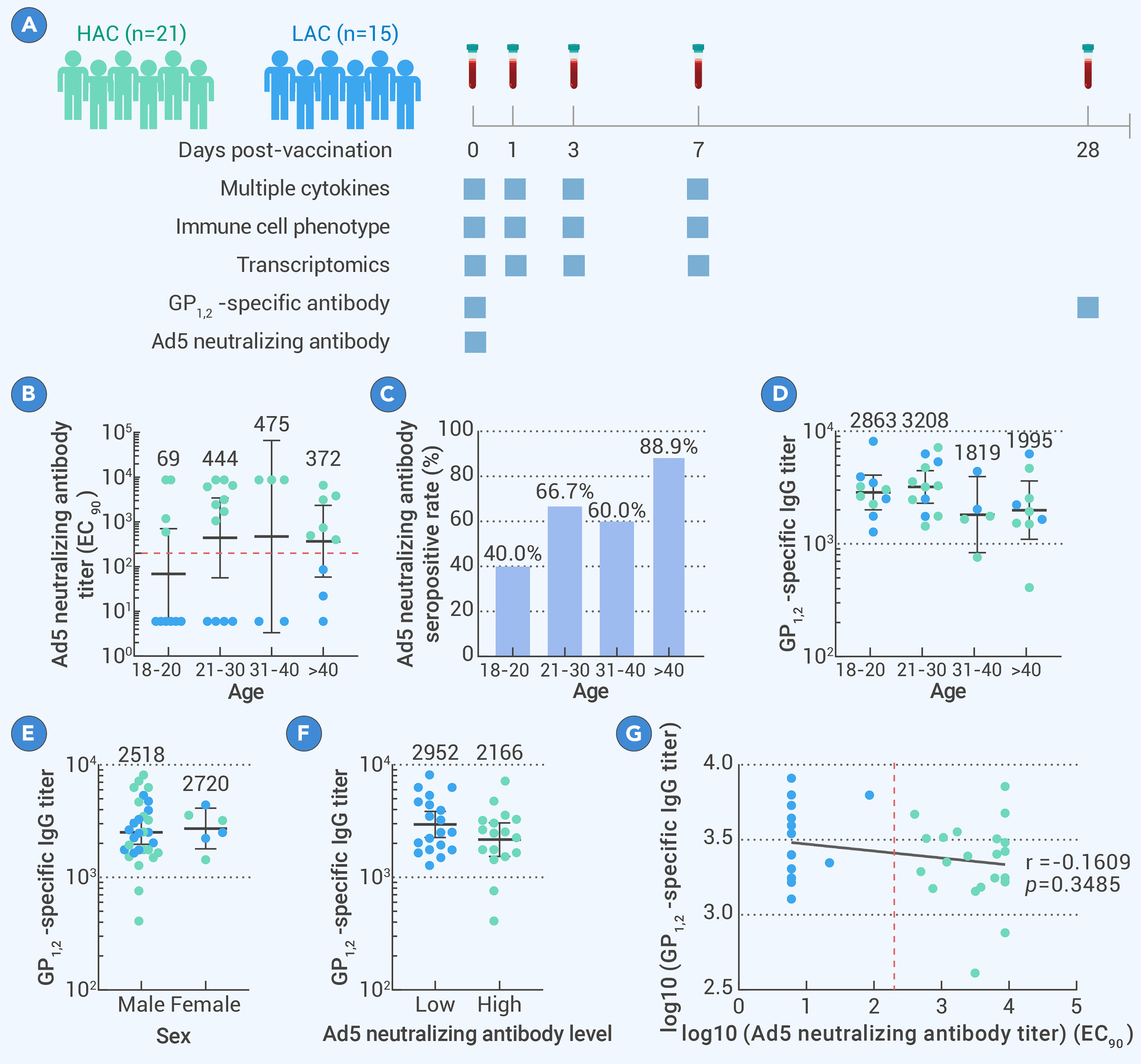
Figure 1.
Antibody response in Ad5-EBOV recipients
-
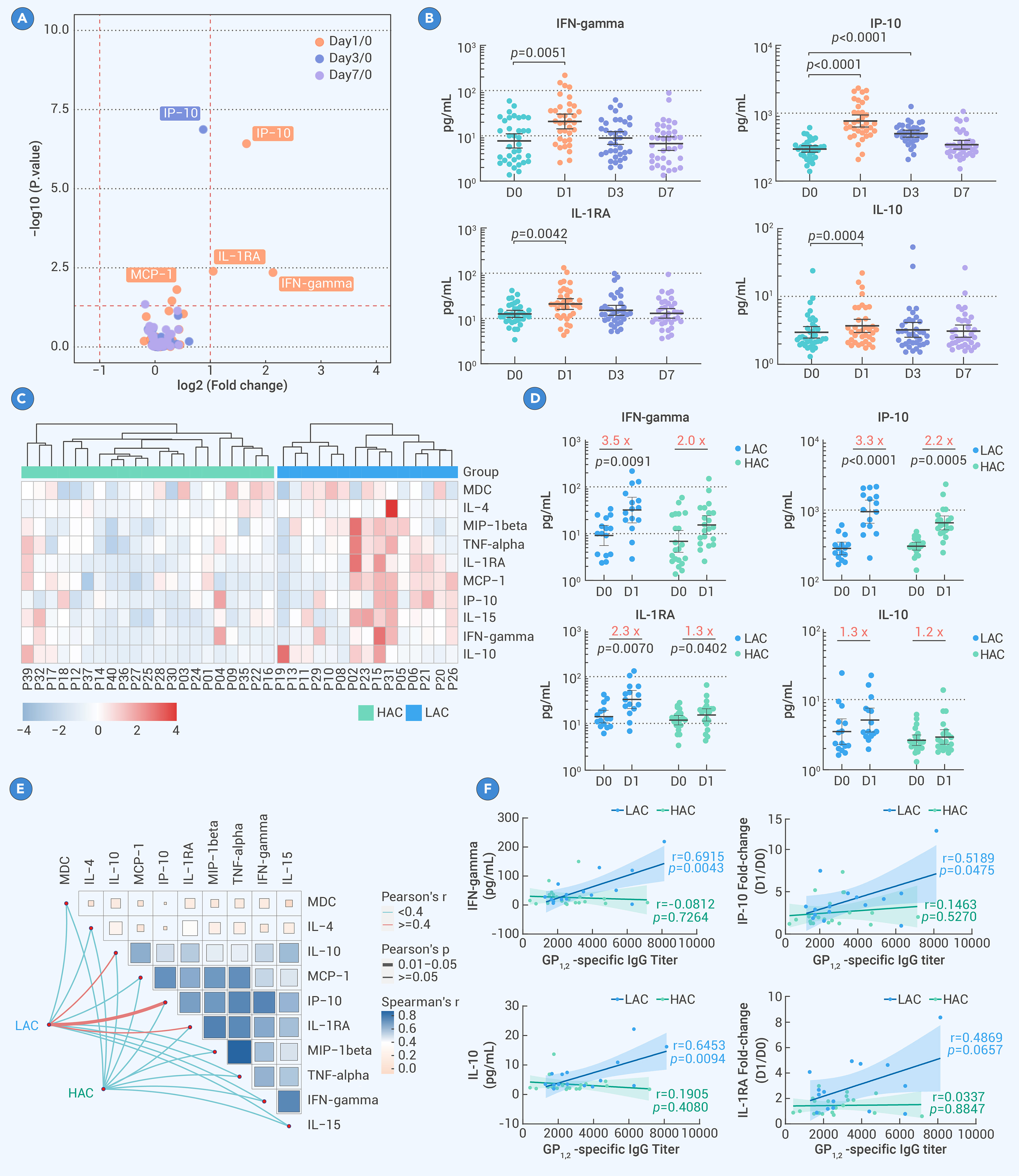
Figure 2.
Cytokine profile induced by Ad5-EBOV
-
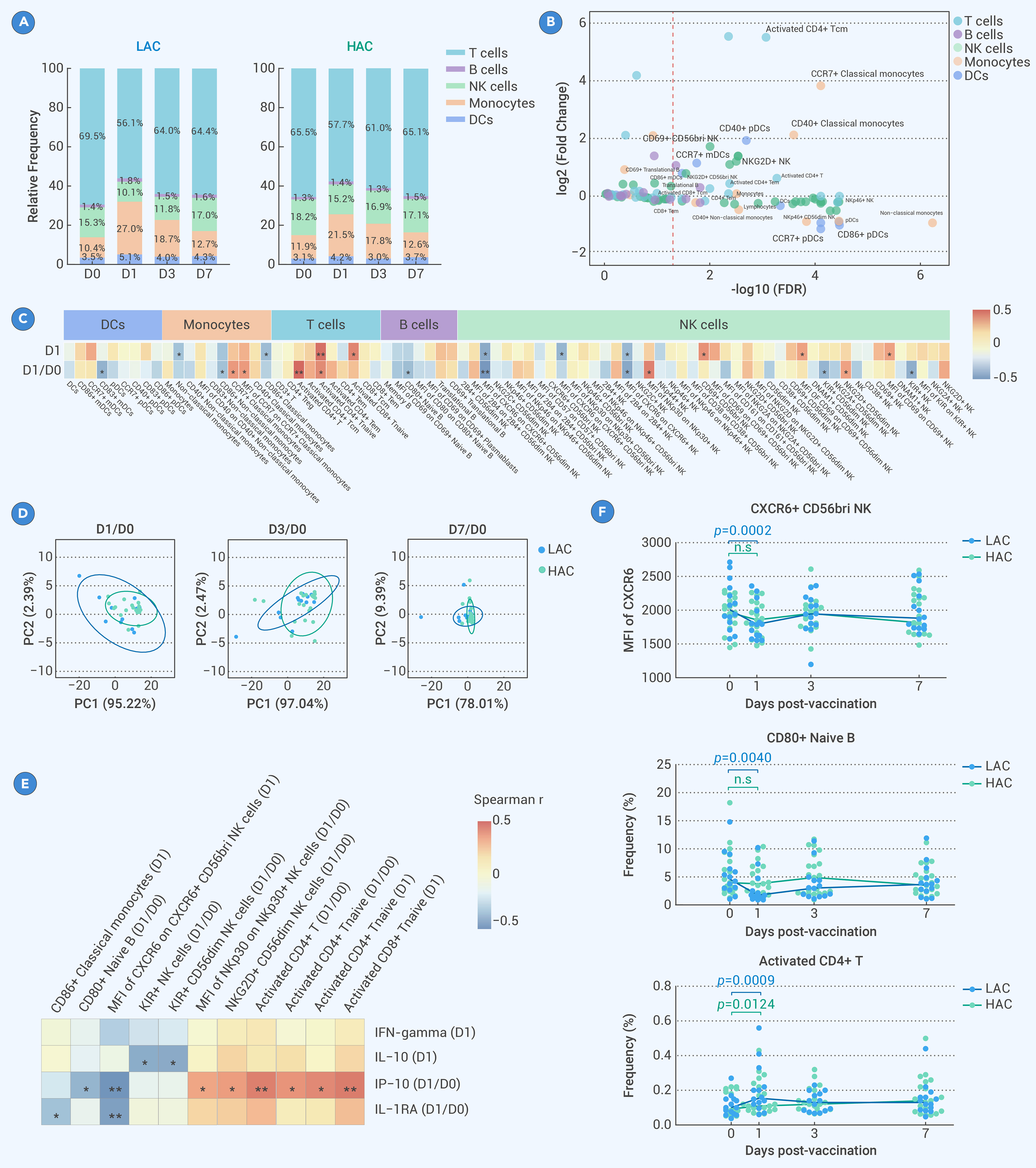
Figure 3.
Flow cytometry analysis of multiple immune cell populations in the peripheral blood in response to Ad5-EBOV
-
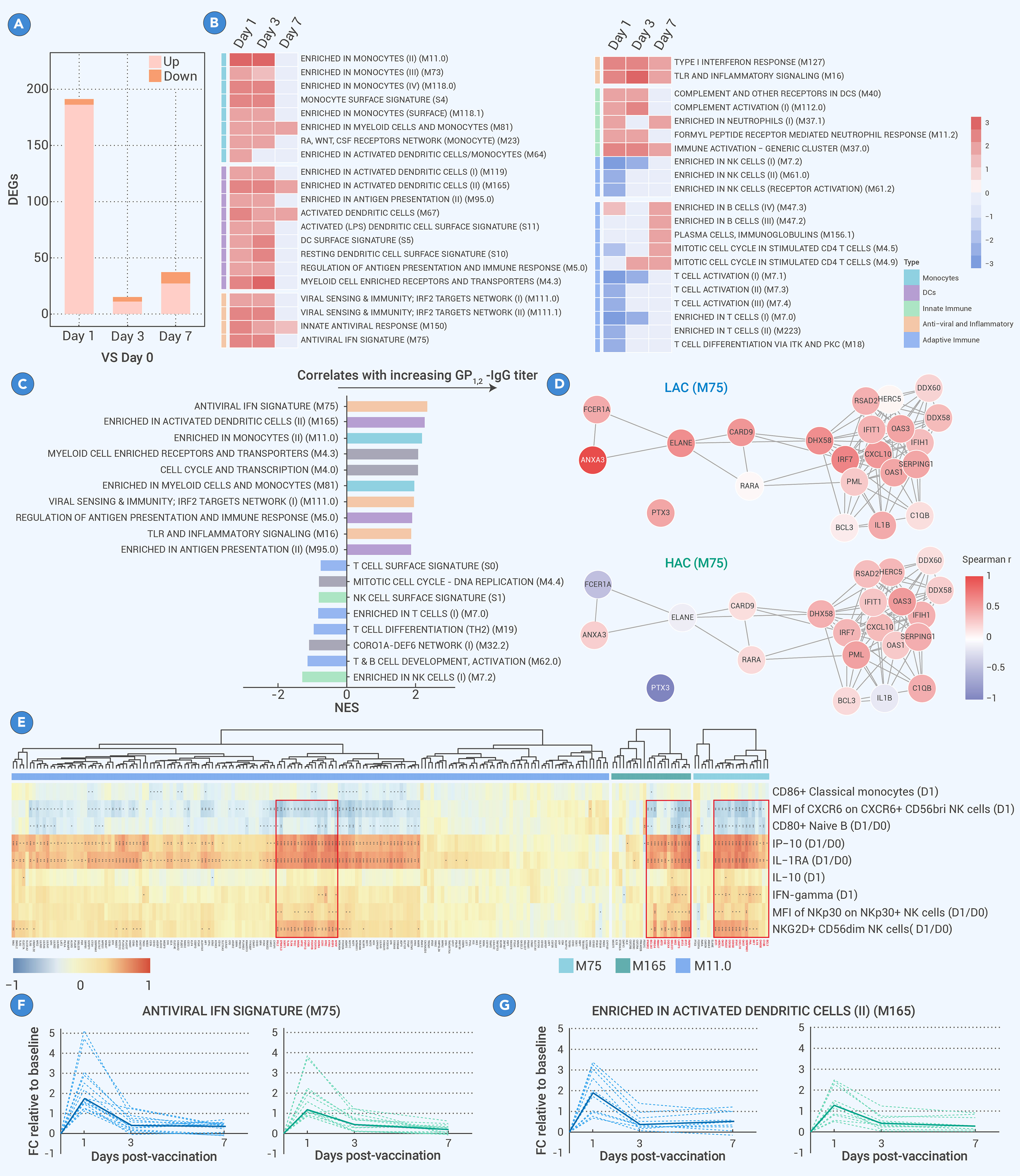
Figure 4.
Transcriptional signatures after Ad5-EBOV vaccination
-
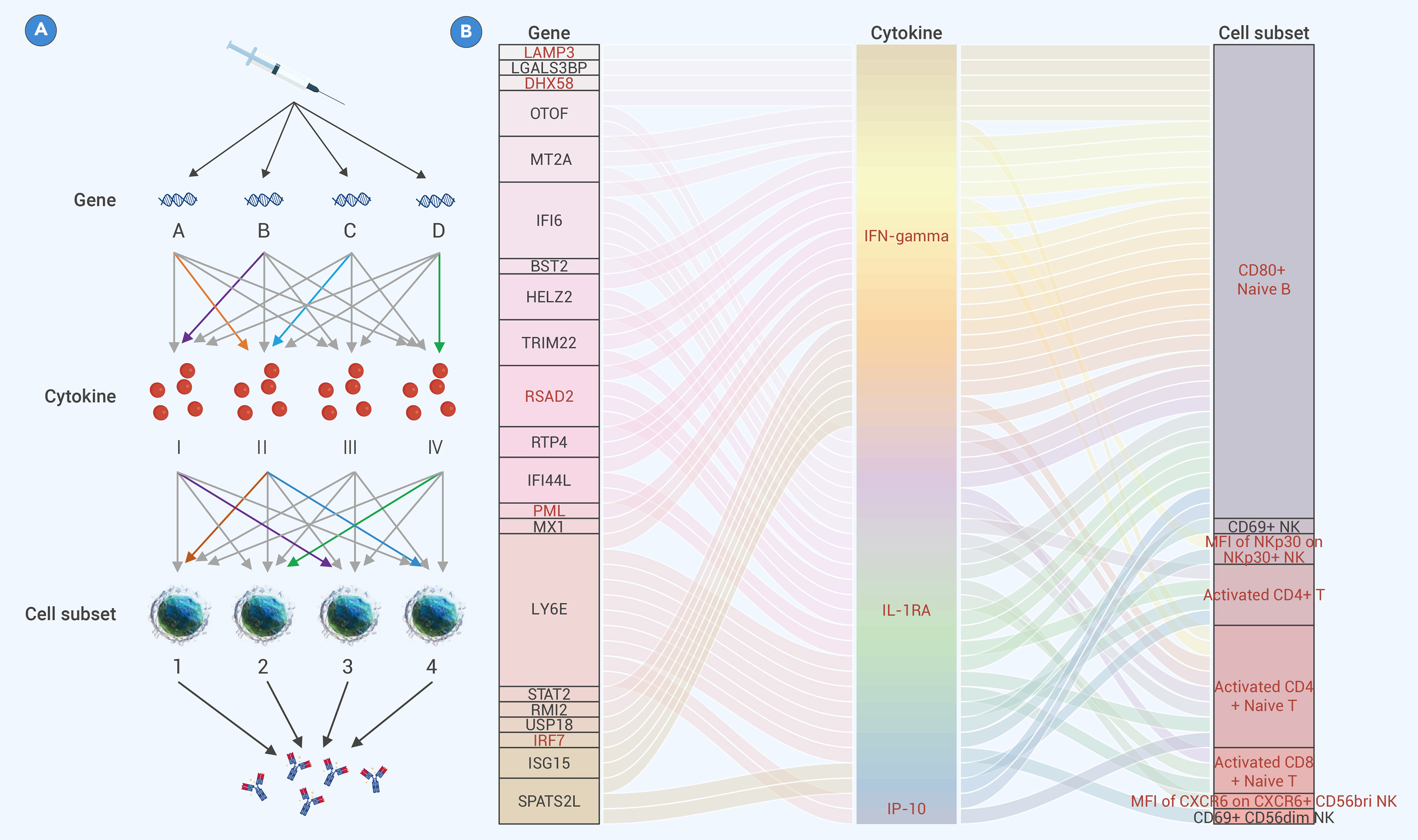
Figure 5.
Multiomics study via causal inference analysis
