
A review of the biological toxicity effects of Ammonia exposure
-
GRAPHICAL ABSTRACT
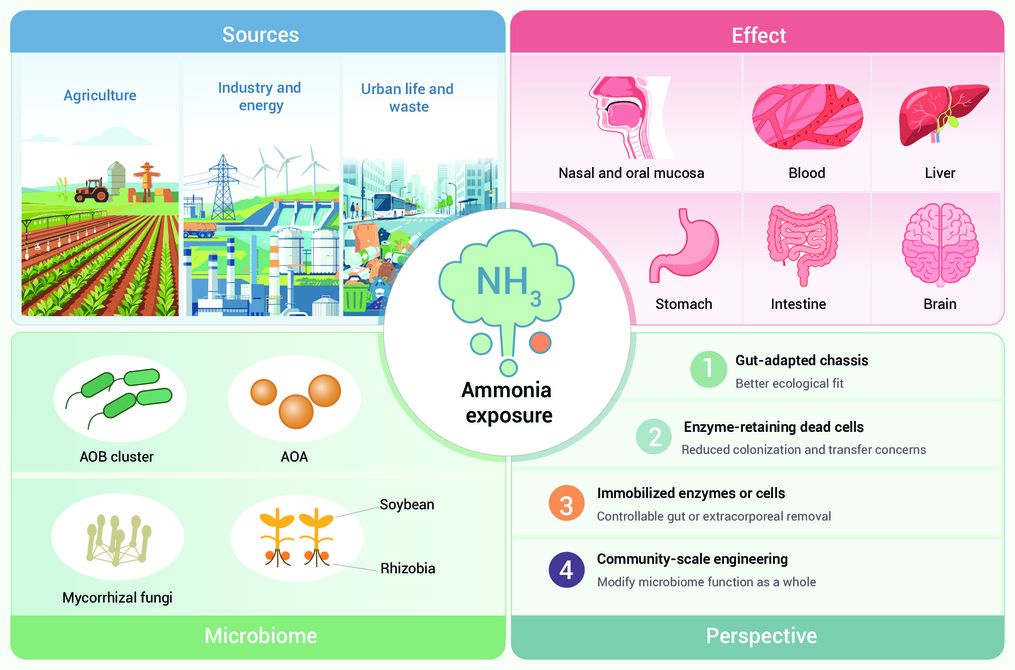
 DownLoad:
Full size image
-
PUBLIC SUMMARY
-
The sources of ammonia exposure in the environment were discussed.
The direct and indirect toxicity of ammonia exposure to human health was emphasized.
The metabolism of endogenous ammonia in the human body and the role of intestinal microbiota were also presented.
The development of ammonia-oxidizing bacteria and broader and more flexible engineering strategies was further explored and envisioned.
-
-
ABSTRACT
Ammonia exposure is a significant environmental concern, as it can enter the human body through multiple exposure routes, including the atmosphere, water sources, and the food chain, posing a multidimensional threat to public health. This review first describes the sources of ammonia exposure and its direct and long-term effects on human health, including respiratory diseases, the risk of gastrointestinal cancer, and liver toxicity from water eutrophication. Physiologically, the urea cycle in the liver and intestinal microorganisms mainly converts ammonia into relatively non-toxic compounds. However, when liver function is impaired, elevated blood ammonia can induce hyperammonemia, accompanied by intestinal microbiota imbalance. Existing treatments, such as drugs and dialysis, are limited by long cycles and high costs. In recent years, fecal microbiota transplantation based on engineered bacteria has shown potential therapeutic promise. Finally, we discuss the ammonia metabolism mechanisms and key enzyme systems of autotrophic and heterotrophic ammonia-oxidizing bacteria, and then talk about using these genes for therapeutic intervention. This review first elaborates on the effects of ammonia exposure on various aspects of the human body, then discuss the physiological aspects of intestinal microbiota disorder caused by elevated blood ammonia under impaired liver function. -

-
REFERENCES
[1] Yang Z., Lou Y., Yan X., et al. (2023). The microbiome and antibiotic resistome in soil under biodegradable composite carbon source amendment. JoX 13:424−438. DOI:10.3390/jox13030027 [2] Wang M., Wan D., Xie X., et al. (2024). Crop-livestock integration: Implications for food security, resource efficiency and greenhouse gas mitigation. The Innovation Life 2:100103. DOI:10.59717/j.xinn-life.2024.100103 [3] Kriška T., Škarpa P. and Antošovský J. (2023). Effect of natural liquid hydroabsorbents on ammonia emission from liquid nitrogen fertilizers and plant growth of maize (zea mays L) under drought conditions. Plants 12:728. DOI:10.3390/plants12040728 [4] Ma R., Li K., Guo Y., et al. (2021). Mitigation potential of global ammonia emissions and related health impacts in the trade network. Nat Commun 12:6308. DOI:10.1038/s41467-021-25854-3 [5] Stokstad E. (2014). Ammonia pollution from farming may exact hefty health costs. Science 343:238−238. DOI:10.1126/science.343.6168.238 [6] Thakrar S. K., Johnson J. A. and Polasky S. (2024). Land-use decisions have substantial air quality health effects. Environ. Sci. Technol. 58:381−390. DOI:10.1021/acs.est.3c02280 [7] Li B., Ma Y., Zhou Y., et al. (2023). Research progress of different components of PM2.5 and ischemic stroke. Sci Rep 13:15965. DOI:10.1038/s41598-023-43119-5 [8] Zheng M., Xu C., Wan Z., et al. (2024). Reduction potential of ammonia emissions and impact on PM2.5 in a megacity of central China. Environmental Pollution 343:123172. DOI:10.1016/j.envpol.2023.123172 [9] Yu F. and Wang R. (2013). Deep oxidative desulfurization of dibenzothiophene in simulated oil and real diesel using heteropolyanion-substituted hydrotalcite-like compounds as catalysts. Molecules 18:13691−13704. DOI:10.3390/molecules181113691 [10] Wang Y., Wen Y., Zhang S., et al. (2023). Vehicular Ammonia emissions significantly contribute to urban PM2.5 pollution in two Chinese megacities. Environ. Sci. Technol. 57:2698–2705. DOI:10.1021/acs.est.2c06198 [11] Zhou T., Wang M., Zeng H., et al. (2024). Application of physicochemical techniques to the removal of ammonia nitrogen from water: a systematic review. Environmental Geochemistry and Health 46:344. DOI:10.1007/s10653-024-02129-6 [12] Lam Y., Fry J. P. and Nachman K. E. (2019). Applying an environmental public health lens to the industrialization of food animal production in ten low- and middle-income countries. Global Health 15:40. DOI:10.1186/s12992-019-0479-5 [13] Li K., Pang S., Li Z., et al. (2023). House ammonia exposure causes alterations in microbiota, transcriptome, and metabolome of rabbits. Frontiers in Microbiology 14:1125195. DOI:10.3389/fmicb.2023.1125195 [14] Costa C. F. F. A., Merino-Ribas A., Ferreira C., et al. (2021). Characterization of oral enterobacteriaceae prevalence and resistance profile in chronic kidney disease patients undergoing peritoneal dialysis. Frontiers in Microbiology 12:736685. DOI:10.3389/fmicb.2021.736685 [15] Giner-Pérez L., Felipo V., Izquierdo-Altarejos P., et al. (2026). Hyperammonemia reduces the populations of beneficial lactobacilli and bifidobacteria, disrupting the metabolic balance of the gut microbiome in rats. Frontiers in Microbiology 17:1771709. DOI:10.3389/fmicb.2026.1771709 [16] Chen K., Liu H., Wang T., et al. (2025). Exploring the association between air pollution and urogenital congenital anomalies: a global ecological analysis. Environmental Pollution 377:126471. DOI:10.1016/j.envpol.2025.126471 [17] Marais E. A., Vohra K., Kelly J. M., et al. (2023). The health burden of air pollution in the UK: a modelling study using updated exposure-risk associations. Lancet 402 Suppl 1:S66. DOI:10.1016/S0140-6736(23)02099-8 [18] Lee C. J., Martin R. V., Henze D. K., et al. (2015). Response of global particulate-matter-related mortality to changes in local precursor emissions. Environ. Sci. Technol. 49:4335−4344. DOI:10.1021/acs.est.5b00873 [19] Bain P. A., Gregg A. L. and Kumar A. (2016). De novo assembly and analysis of changes in the protein-coding transcriptome of the freshwater shrimp Paratya australiensis (Decapoda: Atyidae) in response to acid sulfate drainage water. BMC Genomics 17:890. DOI:10.1186/s12864-016-3208-y [20] Atitsogbey P., Kyereh E., Ofori H., et al. (2023). Heavy metal, microbial and pesticides residue contaminations are limiting the potential consumption of green leafy vegetables in Ghana: An overview. Heliyon 9:e15466. DOI:10.1016/j.heliyon.2023.e15466 [21] Chu H., Du C., Yang Y., et al. (2022). MC-LR aggravates liver lipid metabolism disorders in obese mice fed a high-fat diet via PI3K/AKT/mTOR/SREBP1 signaling pathway. Toxins 14:833. DOI:10.3390/toxins14120833 [22] Erdal R., Birsoy K. and Unlu G. (2025). Amino acid metabolism in liver mitochondria: From homeostasis to disease. Metabolites 15:446. DOI:10.3390/metabo15070446 [23] Lin S., Sun Z., Zhu X., et al. (2025). Segatella copri and gut microbial ammonia metabolism contribute to chronic kidney disease pathogenesis. Nat Microbiol 10:1684−1697. DOI:10.1038/s41564-025-02039-y [24] Aggarwal N., Shen H., Lee L. T., et al. (2026). Engineered commensals for metabolic modulation of the gut-liver-brain axis. Cell 189:S0092867426003843. DOI:10.1016/j.cell.2026.03.048 [25] Wang S., Li X., Zhang M., et al. (2025). Cetobacterium somerae-derived argininosuccinic acid promotes intestinal and liver ureagenesis to alleviate ammonia intoxication. Microbiome 13:163. DOI:10.1186/s40168-025-02152-4 [26] Romero-Gómez M., Jover M., Galán J. J., et al. (2009). Gut ammonia production and its modulation. Metabolic Brain Disease 24:147−157. DOI:10.1007/s11011-008-9124-3 [27] Abdelmohcine A., El Amine S., Warda K., et al. (2023). Hyperammonemia induces gut microbiota dysbiosis and motor coordination disturbances in mice: new insight into gut-brain axis involvement in hepatic encephalopathy. Acta Neurobiol. Exp. 83:203−215. DOI:10.55782/ane-2023-018 [28] Eisenstein I., Pollack S., Hadash A., et al. (2022). Acute hemodialysis therapy in neonates with inborn errors of metabolism. Pediatric Nephrology 37:2725−2732. DOI:10.1007/s00467-022-05507-3 [29] Li S., Xu Z., Diao H., et al. (2025). Gut microbiome alterations and hepatic encephalopathy post-TIPS in liver cirrhosis patients. J Transl Med 23:745. DOI:10.1186/s12967-025-06774-y [30] Yu X., Jin Y., Zhou W., et al. (2022). Rifaximin modulates the gut microbiota to prevent hepatic encephalopathy in liver cirrhosis without impacting the resistome. Front. Cell. Infect. Microbiol. 11:761192. DOI:10.3389/fcimb.2021.761192 [31] Kawaratani H., Namisaki T., Kondo Y., et al. (2025). Real-world setting of efficacy and safety of 3 years of Rifaximin administration in Japanese patients with hepatic encephalopathy: A multicenter retrospective study. JCM 14:1358. DOI:10.3390/jcm14041358 [32] Zhu Z.Y., Cui D., Gao H., et al. (2016). Efficient synthesis and activity of beneficial intestinal flora of two lactulose-derived oligosaccharides. Eur J Med Chem 114:8−13. DOI:10.1016/j.ejmech.2016.03.007 [33] Hadjihambi A., Arias N., Sheikh M., et al. (2018). Hepatic encephalopathy: a critical current review. Hepatol Int 12:135−147. DOI:10.1007/s12072-017-9812-3 [34] Luo J., Wang T., Liang S., et al. (2014). Ingestion of Lactobacillus strain reduces anxiety and improves cognitive function in the hyperammonemia rat. Science China Life Sciences 57:327−335. DOI:10.1007/s11427-014-4615-4 [35] Ratnakumari L., Qureshi I. A. and Butterworth R. F. (1993). Effect of sodium benzoate on cerebral and hepatic energy metabolites in spf mice with congenital hyperammonemia. Biochemical Pharmacology 45:137−146. DOI:10.1016/0006-2952(93)90386-B [36] Thompson C. A. (2010). Carglumic acid approved to treat genetic hyperammonemia. Am J Health Syst Pharm 67:690−690. DOI:10.2146/news100031 [37] Liu J., Lkhagva E., Chung H.J., et al. (2018). The pharmabiotic approach to treat hyperammonemia. Nutrients 10:140. DOI:10.3390/nu10020140 [38] Lemons J. M. S., Firrman J., Mahalak K. K., et al. (2025). The effect of sodium benzoate on the gut microbiome across age groups. Foods 14:2949. DOI:10.3390/foods14172949 [39] Liu X., Hu B. and Chu C. (2022). Nitrogen assimilation in plants: Current status and future prospects. J Genet Genomics 49:394−404. DOI:10.1016/j.jgg.2021.12.006 [40] Kuhnle G. G., Luben R., Khaw K.T., et al. (2017). Sulfate, nitrate and blood pressure—an EPIC interaction between sulfur and nitrogen. Pharmacological Research 122:127−129. DOI:10.1016/j.phrs.2017.06.006 [41] Xiao H., Zhou Q. X. and Liang J. D. (2004). Single and joint effects of acetochlor and urea on earthworm Esisenia foelide populations in Phaiozem. Environmental Geochemistry and Health 26:277−283. DOI:10.1023/B:EGAH.0000039591.36259.a1 [42] Na L., Hu C., Jiang Y., et al. (2022). Earthworms promote the transfer of 15N-urea to lettuce while limit appreciably increase 15N losing to environment. Environmental Research 212:113423. DOI:10.1016/j.envres.2022.113423 [43] Lazcano C., Zhu-Barker X. and Decock C. (2021). Effects of organic fertilizers on the soil microorganisms responsible for N2O emissions: A review. Microorganisms 9:983. DOI:10.3390/microorganisms9050983 [44] Arp D. J., Sayavedra-Soto L. A. and Hommes N. G. (2002). Molecular biology and biochemistry of ammonia oxidation by Nitrosomonas europaea. Archives of Microbiology 178:250−255. DOI:10.1007/s00203-002-0452-0 [45] Sayavedra-Soto L. A., Hommes N. G., Russell S. A., et al. (1996). Induction of ammonia monooxygenase and hydroxylamine oxidoreductase mRNAs by ammonium in Nitrosomonas europaea. Mol Microbiol 20:541−548. DOI:10.1046/j.1365-2958.1996.5391062.x [46] Arp D. J. and Stein L. Y. (2003). Metabolism of inorganic N compounds by ammonia-oxidizing bacteria. Crit Rev Biochem Mol Biol 38:471−495. DOI:10.1080/10409230390267446 [47] Matse D. T., Jeyakumar P., Bishop P., et al. (2023). Copper induces nitrification by ammonia-oxidizing bacteria and archaea in pastoral soils. Journal of Environmental Quality 52:49−63. DOI:10.1002/jeq2.20440 [48] Junier P., Kim O.S., Molina V., et al. (2008). Comparative in silico analysis of PCR primers suited for diagnostics and cloning of ammonia monooxygenase genes from ammonia-oxidizing bacteria. FEMS Microbiol Ecol 64:141−152. DOI:10.1111/j.1574-6941.2007.00437.x [49] Hommes N. G., Sayavedra-Soto L. A. and Arp D. J. (2001). Transcript analysis of multiple copies of amo (encoding Ammonia monooxygenase) and hao (encoding hydroxylamine oxidoreductase) in nitrosomonas europaea. J Bacteriol 183:1096−1100. DOI:10.1128/JB.183.3.1096-1100.2001 [50] Musiani F., Broll V., Evangelisti E., et al. (2020). The model structure of the copper-dependent ammonia monooxygenase. Journal of biological inorganic chemistry 25:995−1007. DOI:10.1007/s00775-020-01820-0 [51] El Sheikh A. F., Poret-Peterson A. T. and Klotz M. G. (2007). Characterization of two new genes, amoR and amoD, in the amo operon of the marine ammonia oxidizer Nitrosococcus oceani ATCC 19707. Appl Environ Microbiol 74:312−318. [52] Schmidt I., Bock E. and Jetten M. S. M. (2001). Ammonia oxidation by Nitrosomonas eutropha with NO(2) as oxidant is not inhibited by acetylene. Microbiology (Reading) 147:2247−2253. DOI:10.1099/00221287-147-8-2247 [53] Logan M. S., Balny C. and Hooper A. B. (1995). Reaction with cyanide of hydroxylamine oxidoreductase of Nitrosomonas europaea. Biochemistry 34:9028−9037. DOI:10.1021/bi00028a011 [54] Hendrich M. P., Upadhyay A. K., Riga J., et al. (2002). Spectroscopic characterization of the NO adduct of hydroxylamine oxidoreductase. Biochemistry 41:4603−4611. DOI:10.1021/bi011332z [55] Arciero D. M., Balny C. and Hooper A. B. (1991). Spectroscopic and rapid kinetic studies of reduction of cytochrome c554 by hydroxylamine oxidoreductase from nitrosomonas europaeat. Biochemistry 30:11466−11472. DOI:10.1021/bi00112a014 [56] Iverson T. M., Arciero D. M., Hsu B. T., et al. (1998). Heme packing motifs revealed by the crystal structure of the tetra-heme cytochrome c554 from nitrosomonas europaea. Nat Struct Mol Biol 5:1005−1012. DOI:10.1038/2975 [57] Kim H. J., Zatsman A., Upadhyay A. K., et al. (2008). Membrane tetraheme cytochrome c(m552) of the ammonia-oxidizing nitrosomonas europaea: A ubiquinone reductase. Biochemistry 47:6539−6551. DOI:10.1021/bi8001264 [58] Whittaker M., Bergmann D., Arciero D., et al. (2000). Electron transfer during the oxidation of ammonia by the chemolithotrophic bacterium nitrosomonas europaea. Biochimica et Biophysica Acta (BBA) - Bioenergetics 1459:346−355. DOI:10.1016/S0005-2728(00)00171-7 [59] Zhao C., Li J., Li C., et al. (2022). Horizontal transfer of the multidrug resistance plasmid RP4 inhibits ammonia nitrogen removal dominated by ammonia-oxidizing bacteria. Water Research 217:118434. DOI:10.1016/j.watres.2022.118434 [60] Cao J., Zhao C., Bo L., et al. (2026). Multidrug-resistant plasmid modulates ammonia oxidation efficiency in Nitrosomonas europaea through cyclic di-guanylate and acyl-homoserine lactones pathways. Bioresource Technology 439:133302. DOI:10.1016/j.biortech.2025.133302 [61] Zhang Y., Zhang Y., Gao J., et al. (2018). Optimization of the medium for the growth of nitrobacter winogradskyi by statistical method. Letters in Applied Microbiology 67:306−313. DOI:10.1111/lam.13036 [62] Stein L. Y. and Arp D. J. (1998). Ammonium limitation results in the loss of ammonia-oxidizing activity in nitrosomonas europaea. Appl Environ Microbiol 64:1514−1521. DOI:10.1128/AEM.64.4.1514-1521.1998 [63] Arp D. J., Chain P. S. G. and Klotz M. G. (2007). The impact of genome analyses on our understanding of ammonia-oxidizing bacteria. Annu. Rev. Microbiol. 61:503−528. DOI:10.1146/annurev.micro.61.080706.093449 [64] Tappe W., Laverman A., Bohland M., et al. (1999). Maintenance energy demand and starvation recovery dynamics of nitrosomonas europaea and nitrobacter winogradskyi cultivated in a retentostat with complete biomass retention. Appl Environ Microbiol 65:2471−2477. DOI:10.1128/AEM.65.6.2471-2477.1999 [65] Isshiki R., Fujitani H. and Tsuneda S. (2024). Variation in growth rates between cultures hinders the cultivation of ammonia-oxidizing bacteria. FEMS Microbiology Letters 371:fnae013. DOI:10.1093/femsle/fnae013 [66] Qiu J.G. and Liu S.J. (2025). Dirammox (direct ammonia oxidation) to nitrogen (N2): discovery, current status, and perspectives. Current Opinion in Microbiology 83:102565. DOI:10.1016/j.mib.2024.102565 [67] Wu M. R., Hou T. T., Liu Y., et al. (2021). Novel Alcaligenes ammonioxydans sp. nov. from wastewater treatment sludge oxidizes ammonia to N2 with a previously unknown pathway. Environmental Microbiology 23:6965–6980. DOI:10.1111/1462-2920.15751 [68] Xu S.Q., Qian X.X., Jiang Y.H., et al. (2022). Genetic foundations of direct Ammonia oxidation (Dirammox) to N2 and mocR-like transcriptional regulator DnfR in alcaligenes faecalis strain JQ135. Appl Environ Microbiol 88:e02261−02221. DOI:10.1128/aem.02261-21 [69] Lei Y., Wang Y., Liu H., et al. (2016). A novel heterotrophic nitrifying and aerobic denitrifying bacterium, zobellella taiwanensis DN-7, can remove high-strength ammonium. Applied Microbiology and Biotechnology 100:4219−4229. DOI:10.1007/s00253-016-7290-5 [70] Lei Y., Wang Y., Tan X., et al. (2025). Acetone-mediated ammonium oxidation to dinitrogen by Zobellella taiwanensis bacteria. The ISME Journal 19:wraf230. DOI:10.1093/ismejo/wraf230 [71] Crossman L. C., Moir J. W. B., Enticknap J. J., et al. (1997). Heterologous expression of heterotrophic nitrification genes. Microbiology 143:3775−3783. DOI:10.1099/00221287-143-12-3775 [72] Jin W.Y., Guo J.X., Tang R., et al. (2024). In vivo detection of endogenous toxic phenolic compounds of intestine. Journal of Hazardous Materials 478:135526. DOI:10.1016/j.jhazmat.2024.135526 [73] Zhang M., Tang R., Li F.X., et al. (2024). Optimization of ultrasound-mediated DNA transfer for bacteria and preservation of frozen competent cells. Microbiol Spectr 12:e00978−00924. DOI:10.1128/spectrum.00978-24 [74] Huang J.W., Zhong X.F. and Gao Y.Z. (2024). New antibiotic against multi-drug resistant bacteria. The Innovation Life 2:100057−100052. DOI:10.59717/j.xinn-life.2024.100057 [75] Wang J.W., Kuo C.H., Kuo F.C., et al. (2019). Fecal microbiota transplantation: Review and update. Journal of the Formosan Medical Association 118:S23−S31. DOI:10.1016/j.jfma.2018.08.011 [76] Yu Y., Wang W. and Zhang F. (2023). The next generation fecal microbiota transplantation: To transplant bacteria or virome. Advanced Science 10:2301097. DOI:10.1002/advs.202301097 [77] Lam S., Bai X., Shkoporov A. N., et al. (2022). Roles of the gut virome and mycobiome in faecal microbiota transplantation. The Lancet Gastroenterology & Hepatology 7:472−484. DOI:10.1016/S2468-1253(21)00303-4 [78] Bai X., Huang Z., Duraj-Thatte A. M., et al. (2023). Engineering the gut microbiome. Nature Reviews Bioengineering 1:665−679. DOI:10.1038/s44222-023-00072-2 [79] Xia S., Fu G., Ding X., et al. (2026). Engineering bacteria for medicine: Delivery, diagnosis, and therapy. iMetaMed: e70046. DOI:10.1002/imm3.70046 -
ABOUT THIS ARTICLE
Cite this article:
Ma M.-Y., Zhu Z., Zhou Y., et al. (2026). A review of the biological toxicity effects of Ammonia exposure. The Innovation Reviews 1:100013. https://doi.org/10.59717/j.tirv.2026.100013
Welcome!
To request copyright permission to republish or share portions of our works, please visit Copyright Clearance Center's (CCC) Marketplace website at marketplace.copyright.com.
Export File
Citation
Ma M.-Y., Zhu Z., Zhou Y., et al. (2026). A review of the biological toxicity effects of Ammonia exposure. The Innovation Reviews 1:100013. https://doi.org/10.59717/j.tirv.2026.100013

Format
Content
-
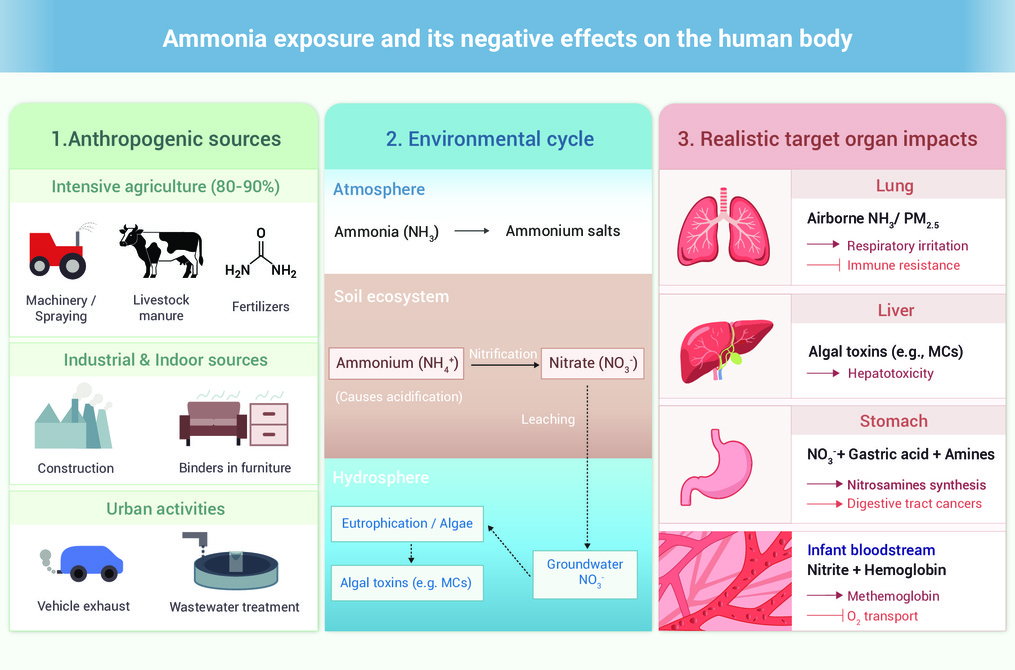
Figure 1.
Ammonia exposure and its negative effects on the human body
-
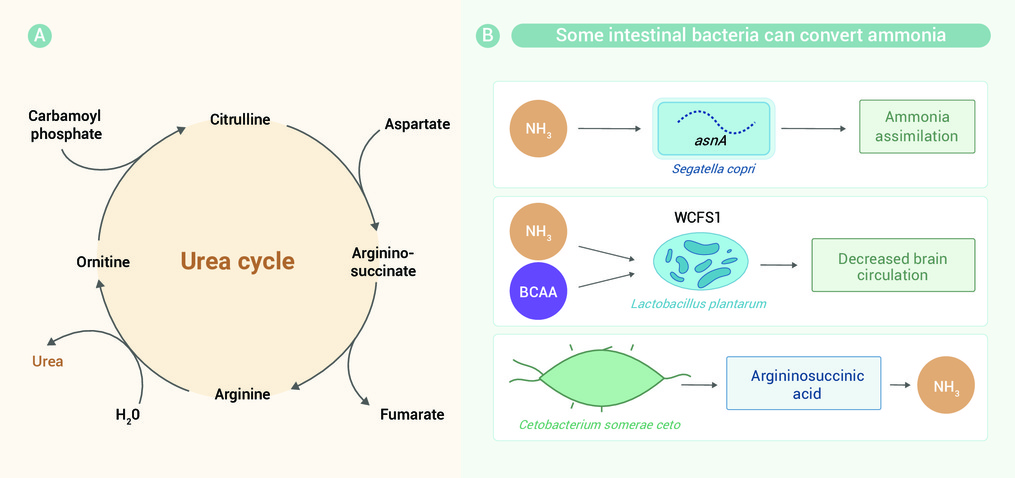
Figure 2.
The way ammonia is metabolized in living organisms
-
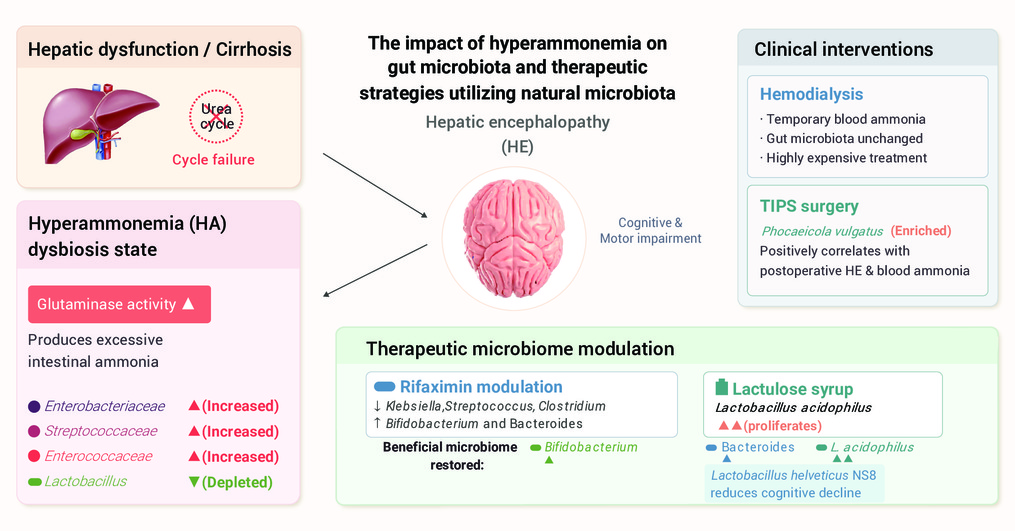
Figure 3.
The effect of hyperammonemia on intestinal microbiome and therapeutic strategies of microbiome modulation
-
Figure 4.
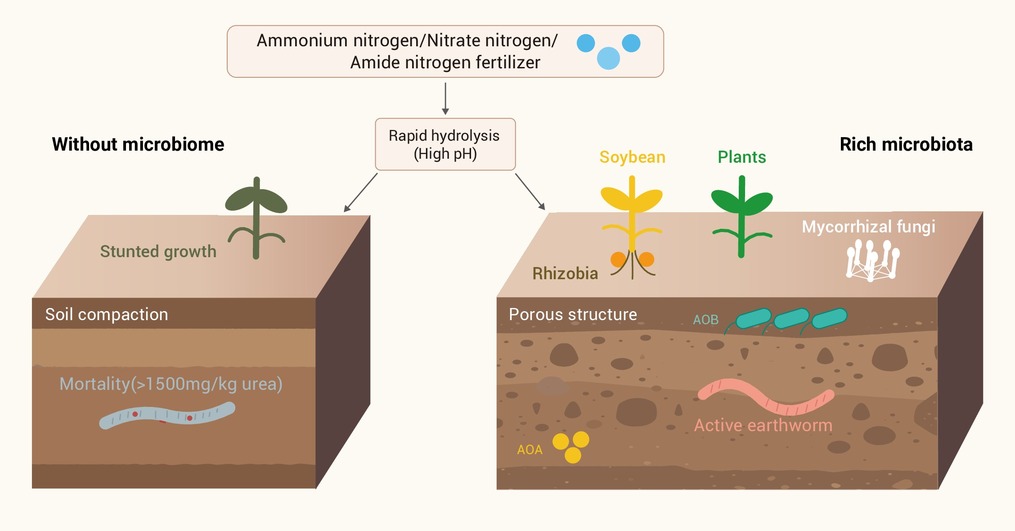
Effects of Ammonia exposure on soil and earthworms
-
Figure 5.
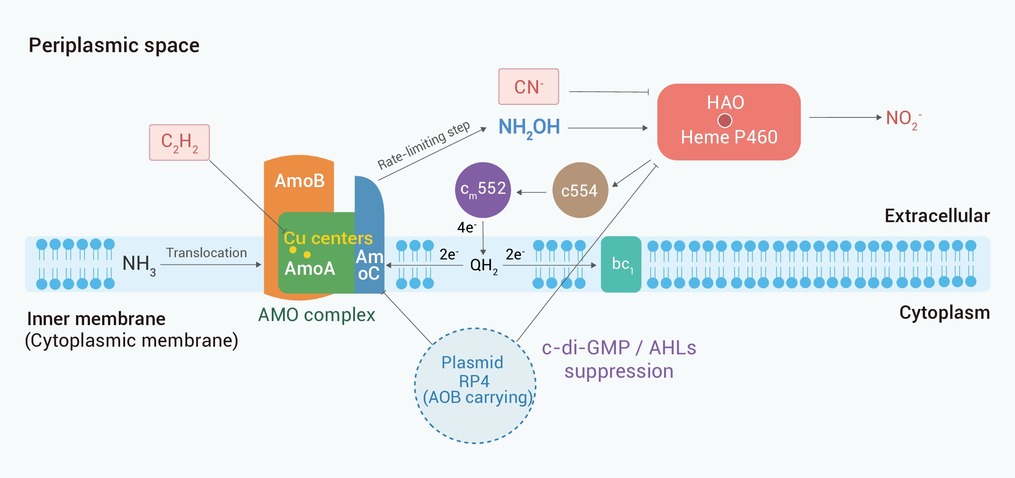
Model of electron flow in N. europaea
-
Figure 6.
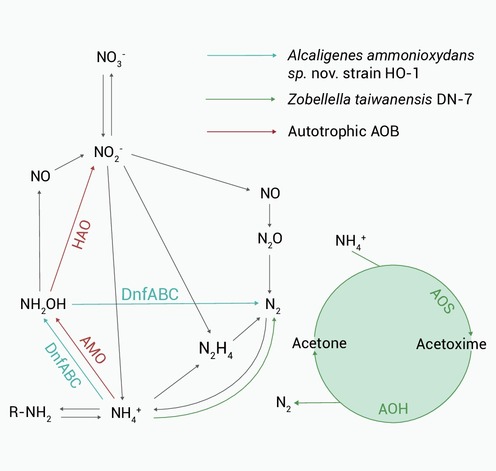
An overview of microbe-driven N2 transformation in nature (Heterotrophic AOB)
