
Structure–function conditioned molecular generation with PocketGPT enables prospective discovery of PARP1 inhibitors
-
GRAPHICAL ABSTRACT
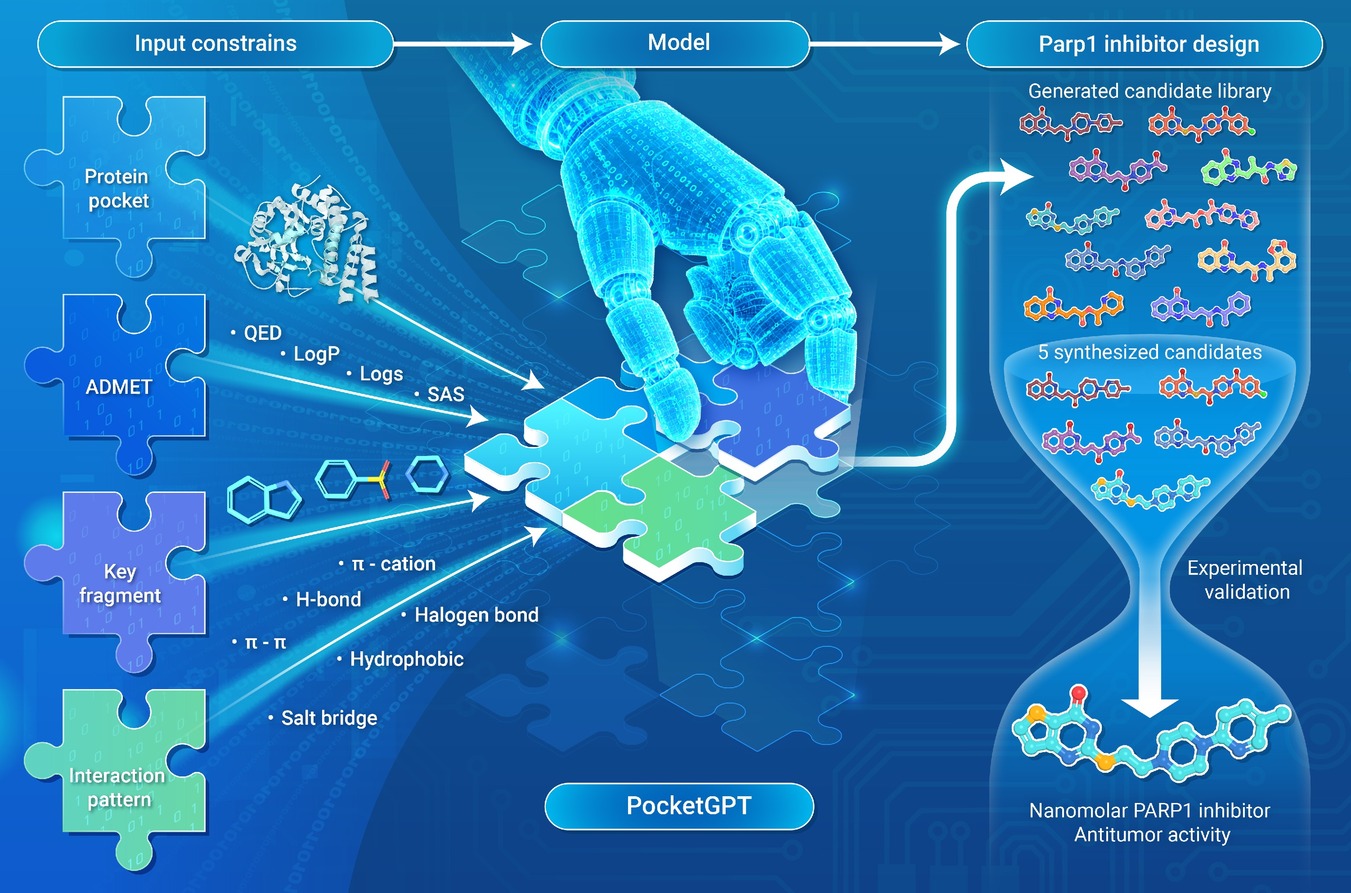
 DownLoad:
Full size image
DownLoad:
Full size image
-
PUBLIC SUMMARY
-
PocketGPT uses protein pocket and functional information to guide controllable molecule design.
It integrates pocket context, molecular properties, fragments, and interactions to enrich promising candidates.
A prospective poly(ADP-ribose) polymerase 1 (PARP1) study yielded an antitumor nanomolar inhibitor.
-
-
ABSTRACT
Structure-based molecular generation has become increasingly prominent in drug discovery; however, many generated binders still fail to satisfy the physicochemical and functional constraints required for pharmacological viability. Here, we present PocketGPT, a pocket-conditioned generative framework that demonstrates structure-aware molecular generation can be effectively enabled without explicit three-dimensional ligand construction, by jointly conditioning protein pocket context and medicinal-chemistry constraints during generation. By co-conditioning physicochemical property targets, fragment priors, and protein–ligand interaction fingerprints, PocketGPT enables structure–function co-generative control, allowing directional modulation of drug-like properties while partially retaining binding-relevant interaction patterns across diverse targets. In a prospective design–make–test campaign targeting poly(ADP-ribose) polymerase 1 (PARP1), PocketGPT identified a novel inhibitor with nanomolar binding affinity (Kd = 4.88 nM) and favorable tolerability in mice. Together, these results demonstrate that joint structural and pharmacological conditioning, embedded directly in the generative process, constitutes a viable and controllable representation for structure-aware molecular generation, offering a complementary pathway to geometry-first approaches for producing experimentally actionable chemical matter. -

-
REFERENCES
[1] Dickson, M., and Gagnon, J.P. (2004). Key factors in the rising cost of new drug discovery and development. Nat Rev Drug Discov 3:417−429. DOI:10.1038/nrd1382 [2] Paul, S.M., Mytelka, D.S., Dunwiddie, C.T., et al. (2010). How to improve R&D productivity: the pharmaceutical industry's grand challenge. Nat Rev Drug Discov 9:203−214. DOI:10.1038/nrd3078 [3] Sun, D., Gao, W., Hu, H., and Zhou, S. (2022). Why 90% of clinical drug development fails and how to improve it. Acta Pharm Sin B 12(7):3049−3062. DOI:10.1016/j.apsb.2022.02.002 [4] Vamathevan, J., Clark, D., Czodrowski, P., et al. (2019). Applications of machine learning in drug discovery and development. Nat Rev Drug Discov 18:463−477. DOI:10.1038/s41573-019-0024-5 [5] Catacutan, D.B., Alexander, J., Arnold, A., and Stokes, J.M. (2024). Machine learning in preclinical drug discovery. Nat Chem Biol 20:960−973. DOI:10.1038/s41589-024-01679-1 [6] Du, Y., Jamasb, A.R., Guo, J., et al. (2024). Machine learning-aided generative molecular design. Nat Mach Intell 6:589−604. DOI:10.1038/s42256-024-00843-5 [7] Vert, J.-P. (2023). How will generative AI disrupt data science in drug discovery. Nat Biotechnol 41:750−751. DOI:10.1038/s41587-023-01789-6 [8] Khater, T., Alkhatib, S.A., AlShehhi, A., et al. (2025). Generative artificial intelligence based models optimization towards molecule design enhancement. J Cheminformatics 17:116. DOI:10.1186/s13321-025-01059-4 [9] Tong, X., Liu, X., Tan, X., et al. (2021). Generative Models for De Novo Drug Design. J Med Chem 64:14011−14027. DOI:10.1021/acs.jmedchem.1c00927 [10] Wang, M., Wang, Z., Sun, H., et al. (2022). Deep learning approaches for de novo drug design: An overview. Curr Opin Struc Biol 72:135−144. DOI:10.1016/j.sbi.2021.10.001 [11] Ivanenkov, Y., Zagribelnyy, B., Malyshev, A., et al. (2023). The Hitchhiker’s Guide to Deep Learning Driven Generative Chemistry. Acs Med Chem Lett 14:901−915. DOI:10.1021/acsmedchemlett.3c00041 [12] Deng, J., Yang, Z., Ojima, I., et al. (2022). Artificial intelligence in drug discovery: applications and techniques. Brief Bioinform 23:bbab430. DOI:10.1093/bib/bbab430 [13] Tropsha, A., Isayev, O., Varnek, A., et al. (2024). Integrating QSAR modelling and deep learning in drug discovery: the emergence of deep QSAR. Nat Rev Drug Discov 23:141−155. DOI:10.1038/s41573-023-00832-0 [14] Grisoni, F., Moret, M., Lingwood, R., and Schneider, G. (2020). Bidirectional Molecule Generation with Recurrent Neural Networks. J Chem Inf Model 60:1175−1183. DOI:10.1021/acs.jcim.9b00943 [15] Tang, Y., Moretti, R., and Meiler, J. (2024). Recent Advances in Automated Structure-Based De Novo Drug Design. J Chem Inf Model 64:1794−1805. DOI:10.1021/acs.jcim.4c00247 [16] Jiang, Y., Zhang, G., You, J., et al. (2024). PocketFlow is a data-and-knowledge-driven structure-based molecular generative model. Nat Mach Intell 6:326−337. DOI:10.1038/s42256-024-00808-8 [17] Schneuing, A., Harris, C., Du, Y., et al. (2024). Structure-based drug design with equivariant diffusion models. Nat Comput Sci 4:899−909. DOI:10.1038/s43588-024-00737-x [18] Xu, M., Ran, T., and Chen, H. (2021). De Novo Molecule Design Through the Molecular Generative Model Conditioned by 3D Information of Protein Binding Sites. J Chem Inf Model 61:3240−3254. DOI:10.1021/acs.jcim.0c01494 [19] Wu, K., Xia, Y., Deng, P., et al. (2024). TamGen: drug design with target-aware molecule generation through a chemical language model. Nat Commun 15:9360. DOI:10.1038/s41467-024-53632-4 [20] Zhang, W., Zhang, K., and Huang, J. (2023). A Simple Way to Incorporate Target Structural Information in Molecular Generative Models. J Chem Inf Model 63:3719−3730. DOI:10.1021/acs.jcim.3c00293 [21] Ünlü, A., Çevrim, E., Yiğit, M.G., et al. (2025). Target-specific de novo design of drug candidate molecules with graph-transformer-based generative adversarial networks. Nat Mach Intell 7:1524−1540. DOI:10.1038/s42256-025-01082-y [22] Peng, X., Luo, S., Guan, J., et al. (2025). Pocket2Mol: Efficient Molecular Sampling Based on 3D Protein Pockets. DOI: 10.48550/arXiv.2205.07249 [23] Zhang, O., Zhang, J., Jin, J., et al. (2023). ResGen is a pocket-aware 3D molecular generation model based on parallel multiscale modelling. Nat Mach Intell 5:1020−1030. DOI:10.1038/s42256-023-00712-7 [24] Hu, Q., Sun, C., He, H., et al. (2025). Target-aware 3D molecular generation based on guided equivariant diffusion. Nat Commun 16:7928. DOI:10.1038/s41467-025-63245-0 [25] Huang, L., Xu, T., Yu, Y., et al. (2024). A dual diffusion model enables 3D molecule generation and lead optimization based on target pockets. Nat Commun 15:2657. DOI:10.1038/s41467-024-46569-1 [26] Zhung, W., Kim, H., and Kim, W.Y. (2024). 3D molecular generative framework for interaction-guided drug design. Nat Commun 15:2688. DOI:10.1038/s41467-024-47011-2 [27] Yu, J.-L., Zhou, C., Ning, X.-L., et al. (2025). Knowledge-guided diffusion model for 3D ligand-pharmacophore mapping. Nat Commun 16:2269. DOI:10.1038/s41467-025-57485-3 [28] Ghorbani, M., Gendelev, L., Beroza, P., and Keiser, M.J. (2023). Autoregressive fragment-based diffusion for pocket-aware ligand design. DOI: 10.48550/arXiv.2401.05370 [29] Peng, J., Yu, J.-L., Yang, Z.-B., et al. (2025). Pharmacophore-oriented 3D molecular generation toward efficient feature-customized drug discovery. Nat Comput Sci 5:898–914. DOI: 10.1038/s43588-025-00850-5 [30] Yang, Y., Hsieh, C.-Y., Kang, Y., et al. (2023). Deep Generation Model Guided by the Docking Score for Active Molecular Design. J Chem Inf Model 63:2983−2991. DOI:10.1021/acs.jcim.3c00572 [31] Dong, T., You, L., and Chen, C.Y.-C. (2025). Multi-objective drug design with a scaffold-aware variational autoencoder. Chem Sci 16:13352−13367. DOI:10.1039/D4SC08736D [32] Xiong, G., Wu, Z., Yi, J., et al. (2021). ADMETlab 2.0: an integrated online platform for accurate and comprehensive predictions of ADMET properties. Nucleic Acids Res 49:W5-W14. DOI: 10.1093/nar/gkab255 [33] Kotsias, P.-C., Arús-Pous, J., Chen, H., et al. (2020). Direct steering of de novo molecular generation with descriptor conditional recurrent neural networks. Nat Mach Intell 2:254−265. DOI:10.1038/s42256-020-0174-5 [34] Degen, J., Wegscheid-Gerlach, C., Zaliani, A., and Rarey, M. (2008). On the Art of Compiling and Using 'Drug-Like' Chemical Fragment Spaces. ChemMedChem 3:1503−1507. DOI:10.1002/cmdc.200800178 [35] Pang, C., Qiao, J., Zeng, X., et al. (2024). Deep Generative Models in De Novo Drug Molecule Generation. J Chem Inf Model 64:2174−2194. DOI:10.1021/acs.jcim.3c01496 [36] Schake, P., Bolz, S.N., Linnemann, K., and Schroeder, M. (2025). PLIP 2025: introducing protein–protein interactions to the protein–ligand interaction profiler. Nucleic Acids Res 53:W463−W465. DOI:10.1093/nar/gkaf361 [37] Liu, Z., Su, M., Han, L., et al. (2017). Forging the Basis for Developing Protein–Ligand Interaction Scoring Functions. Accounts Chem Res 50:302−309. DOI:10.1021/acs.accounts.6b00491 [38] Moret, M., Pachon Angona, I., Cotos, L., et al. (2023). Leveraging molecular structure and bioactivity with chemical language models for de novo drug design. Nat Commun 14:114. DOI:10.1038/s41467-022-35692-6 [39] Bagal, V., Aggarwal, R., Vinod, P.K., and Priyakumar, U.D. (2022). MolGPT: Molecular Generation Using a Transformer-Decoder Model. J Chem Inf Model 62:2064−2076. DOI:10.1021/acs.jcim.1c00600 [40] Grechishnikova, D. (2021). Transformer neural network for protein-specific de novo drug generation as a machine translation problem. Sci Rep 11:321. DOI:10.1038/s41598-020-79682-4 [41] Chen, Y., Wang, Z., Wang, L., et al. (2023). Deep generative model for drug design from protein target sequence. J Cheminformatics 15:38. DOI:10.1186/s13321-023-00702-2 [42] Born, J., and Manica, M. (2023). Regression Transformer enables concurrent sequence regression and generation for molecular language modelling. Nat Mach Intell 5:432−444. DOI:10.1038/s42256-023-00639-z [43] Zhang, H., Song, H., Li, S., et al. (2023). A Survey of Controllable Text Generation Using Transformer-based Pre-trained Language Models. ACM Comput Surv 56:64:61–64:37. DOI: 10.1145/3617680. [44] Atz, K., Cotos, L., Isert, C., et al. (2024). Prospective de novo drug design with deep interactome learning. Nat Commun 15:3408. DOI:10.1038/s41467-024-47613-w [45] Li, Y., Zhang, L., Wang, Y., et al. (2022). Generative deep learning enables the discovery of a potent and selective RIPK1 inhibitor. Nat Commun 13:6891. DOI:10.1038/s41467-022-34692-w [46] Vaswani, A., Shazeer, N., Parmar, N., et al. (2023). Attention Is All You Need. DOI: 10.48550/arXiv.1706.03762. [47] Ross, J., Belgodere, B., Chenthamarakshan, V., et al. (2022). Large-scale chemical language representations capture molecular structure and properties. Nat Mach Intell 4:1256−1264. DOI:10.1038/s42256-022-00580-7 [48] Su, M., Yang, Q., Du, Y., et al. (2019). Comparative Assessment of Scoring Functions: The CASF-2016 Update. J Chem Inf Model 59:895−913. DOI:10.1021/acs.jcim.8b00545 [49] Yang, Y., Chen, G., Li, J., et al. (2024). Enabling target-aware molecule generation to follow multi objectives with Pareto MCTS. Commun Biol 7:1074. DOI:10.1038/s42003-024-06746-w [50] Liu, H., Qin, Y., Niu, Z., et al. (2024). How Good are Current Pocket-Based 3D Generative Models?: The Benchmark Set and Evaluation of Protein Pocket-Based 3D Molecular Generative Models. J Chem Inf Model 64:9260-9275. DOI: 10.1021/acs.jcim.4c01598. [51] Jocys, Z., Grundy, J., and Farrahi, K. (2024). DrugPose: benchmarking 3D generative methods for early stage drug discovery. Digit Discov 3:1308-1318. DOI: https://doi.org/10.1039/d4dd00076e. [52] Baumgartner, C.K., Ebrahimi-Nik, H., Iracheta-Vellve, A., et al. (2023). The PTPN2/PTPN1 inhibitor ABBV-CLS-484 unleashes potent anti-tumour immunity. Nature 622:850−862. DOI:10.1038/s41586-023-06575-7 [53] Gong, G.Q., Bilanges, B., Allsop, B., et al. (2023). A small-molecule PI3Kα activator for cardioprotection and neuroregeneration. Nature 618:159−168. DOI:10.1038/s41586-023-05972-2 [54] Wang, Y., Zhang, J., Wu, X., et al. (2025). The Potential of PARP Inhibitors as Antitumor Drugs and the Perspective of Molecular Design. J Med Chem 68:18−48. DOI:10.1021/acs.jmedchem.4c02642 [55] Baell, J.B., and Holloway, G.A. (2010). New Substructure Filters for Removal of Pan Assay Interference Compounds (PAINS) from Screening Libraries and for Their Exclusion in Bioassays. J Med Chem 53:2719−2740. DOI:10.1021/jm901137j [56] Passaro, S., Corso, G., Wohlwend, J., et al. (2025). Boltz-2: Towards Accurate and Efficient Binding Affinity Prediction. DOI: 10.1101/2025.06.14.659707. [57] Yang, Z., Sun, W., Huang, Q., et al. (2026). Deep learning-assisted discovery of a potent and cell-active inhibitor of RNA N6-methyladenosine recognition protein YTHDC2. Nat Commun 17:46. DOI:10.1038/s41467-025-65542-0 [58] Polykovskiy, D., Zhebrak, A., Sanchez-Lengeling, B., et al. (2020). Frontiers | Molecular Sets (MOSES): A Benchmarking Platform for Molecular Generation Models. Front Pharmacol 11:565644. DOI: 10.3389/fphar.2020.565644. [59] Brown, N., Fiscato, M., Segler, M.H.S., and Vaucher, A.C. (2019). GuacaMol: Benchmarking Models for de Novo Molecular Design. J Chem Inf Model 59:1096−1108. DOI:10.1021/acs.jcim.8b00839 [60] Wang, R., Fang, X., Lu, Y., et al. (2005). The PDBbind Database: Methodologies and Updates. J Med Chem 48:4111−4119. DOI:10.1021/jm048957q [61] Liu, Z., Li, Y., Han, L., et al. (2014). PDB-wide collection of binding data: current status of the PDBbind database. Bioinformatics 31:405−412. DOI:10.1093/bioinformatics/btu626 [62] Desaphy, J., Bret, G., Rognan, D., and Kellenberger, E. (2015). sc-PDB: a 3D-database of ligandable binding sites—10 years on. Nucleic Acids Res 43:D399−D404. DOI:10.1093/nar/gku928 [63] Graber, D., Stockinger, P., Meyer, F., et al. (2025). Resolving data bias improves generalization in binding affinity prediction. Nat Mach Intell 7:1713−1725. DOI:10.1038/s42256-025-01124-5 [64] Simonovsky, M., and Meyers, J. (2020). DeeplyTough: Learning Structural Comparison of Protein Binding Sites. J Chem Inf Model 60:2356−2366. DOI:10.1021/acs.jcim.9b00554 [65] Liu, T., Naderi, M., Alvin, C., et al. (2017). Break Down in Order To Build Up: Decomposing Small Molecules for Fragment-Based Drug Design with eMolFrag. J Chem Inf Model 57:627−631. DOI:10.1021/acs.jcim.6b00596 -
ABOUT THIS ARTICLE
Cite this article:
Qian R., Duan J., Liu X., et al. (2026). Structure–function conditioned molecular generation with PocketGPT enables prospective discovery of PARP1 inhibitors. The Innovation Drug Discovery 1:100028. https://doi.org/10.59717/j.xinn-drugdisc.2026.100028
Welcome!
To request copyright permission to republish or share portions of our works, please visit Copyright Clearance Center's (CCC) Marketplace website at marketplace.copyright.com.
Export File
Citation
Qian R., Duan J., Liu X., et al. (2026). Structure–function conditioned molecular generation with PocketGPT enables prospective discovery of PARP1 inhibitors. The Innovation Drug Discovery 1:100028. https://doi.org/10.59717/j.xinn-drugdisc.2026.100028

Format
Content
-
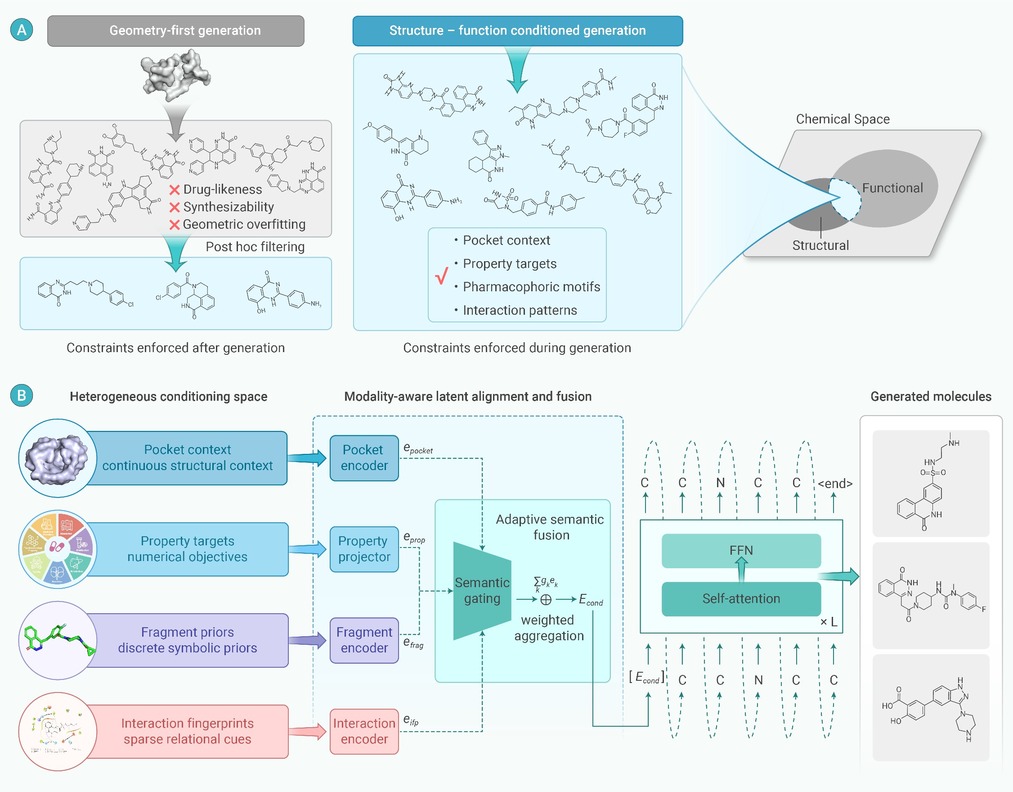
Figure 1.
The PocketGPT framework for structure-aware molecular generation with composable semantic priors
-
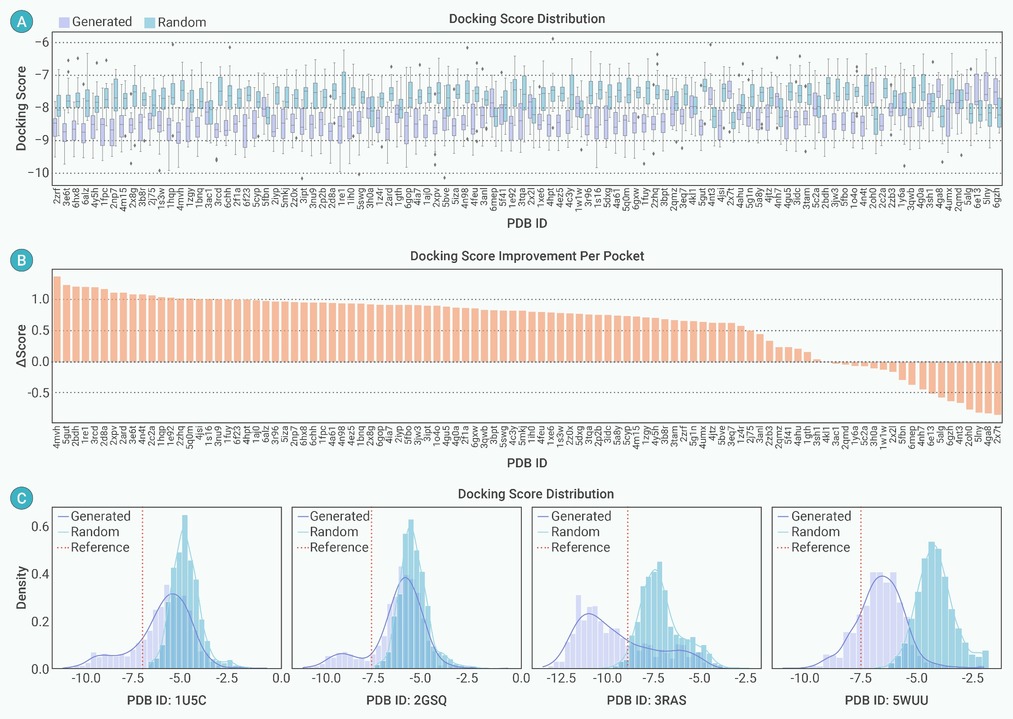
Figure 2.
Pocket-derived semantic conditioning shifts generated molecules toward binding-compatible chemical space
-
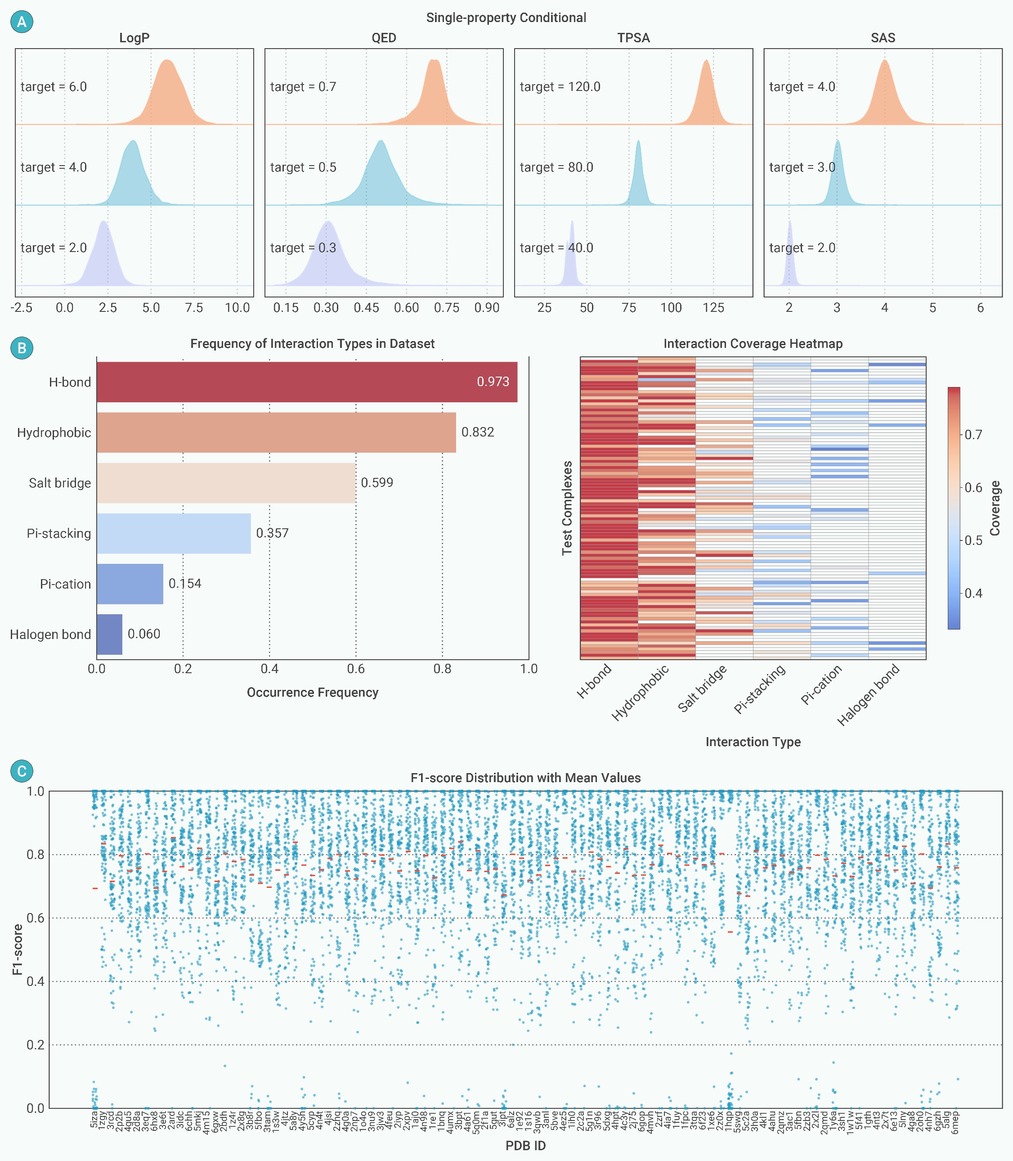
Figure 3.
Directional responses to isolated functional and interaction-level conditioning
-
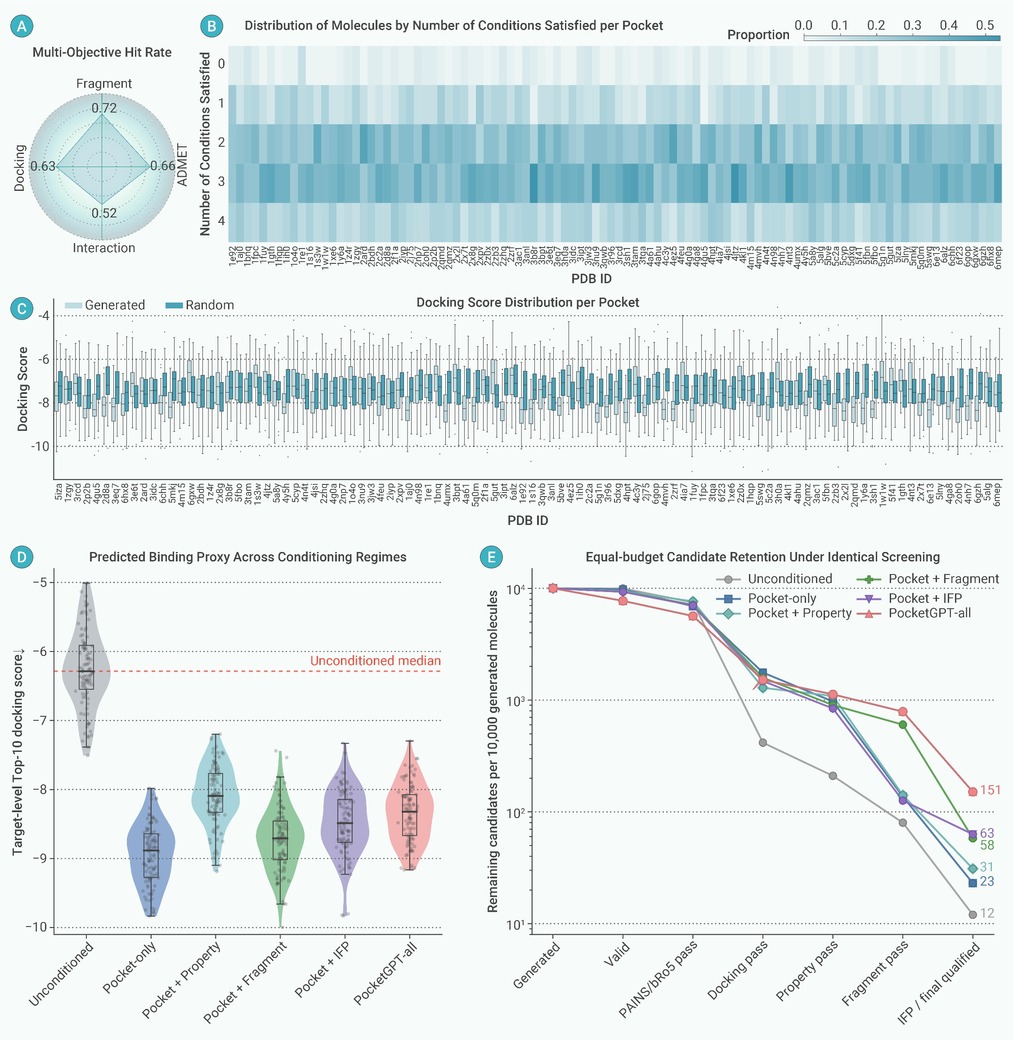
Figure 4.
Compositional semantic guidance under concurrent constraints
-
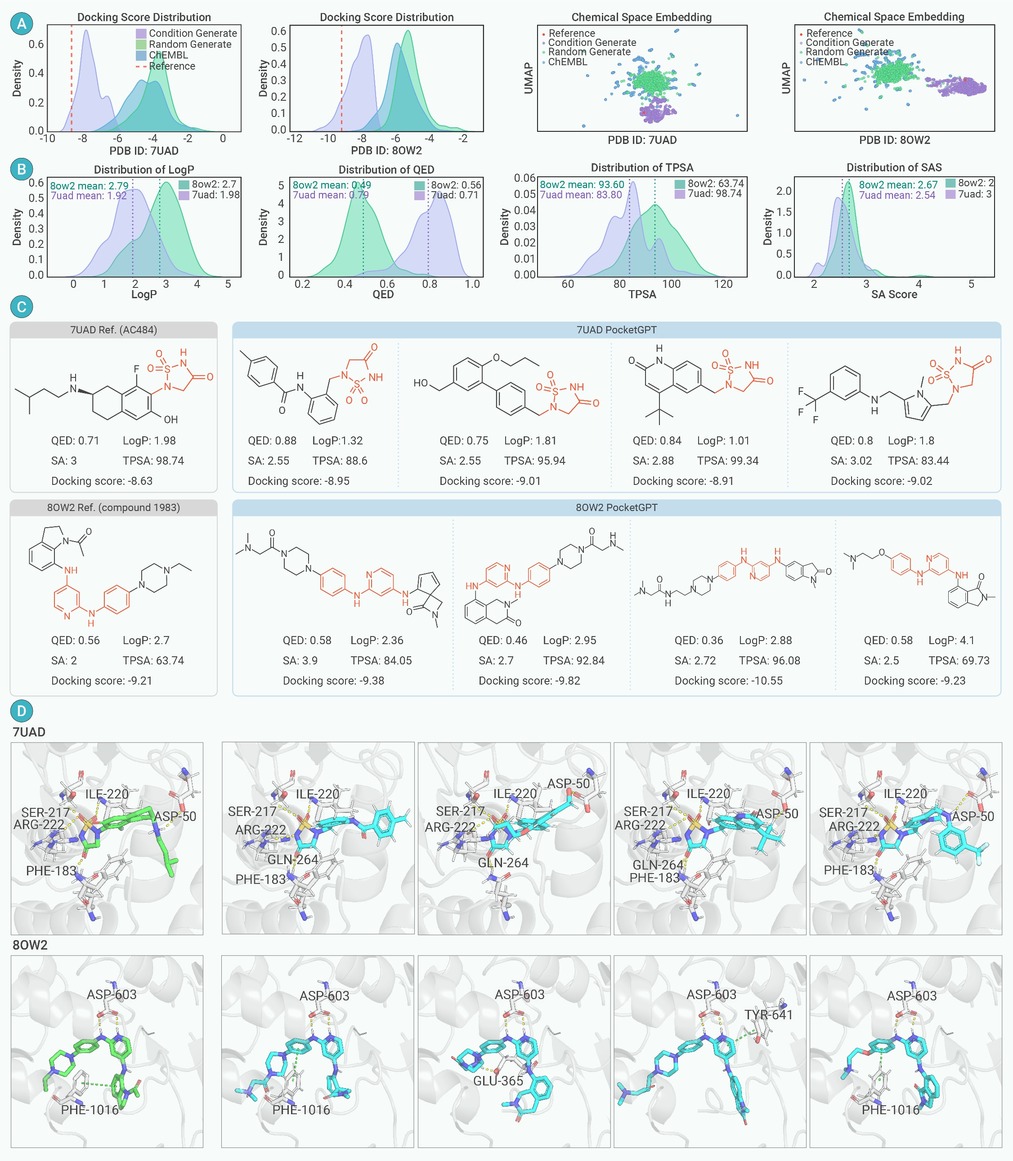
Figure 5.
Emergent binding-relevant behavior from semantic conditioning
-
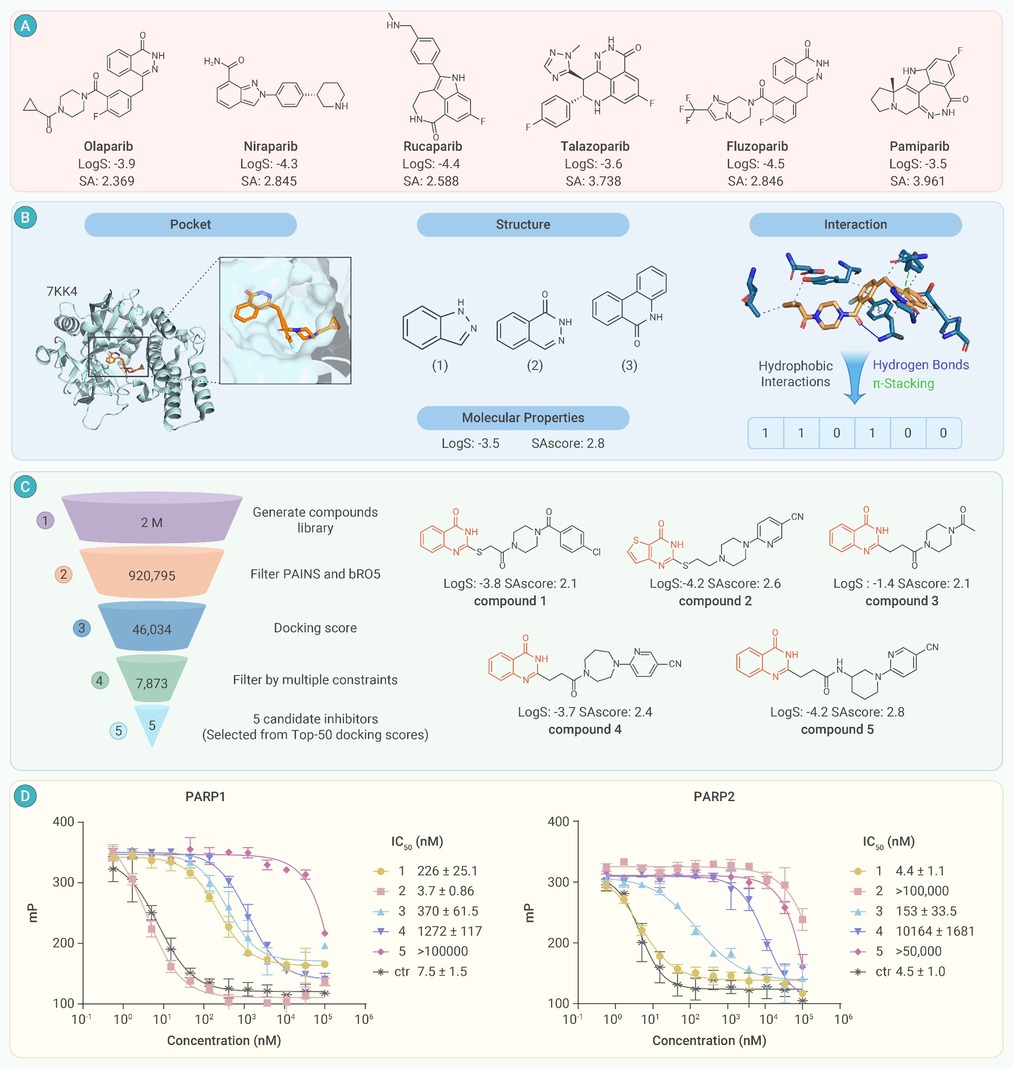
Figure 6.
Semantic-prior–driven generative design and experimental validation of PARP1 inhibitors
-
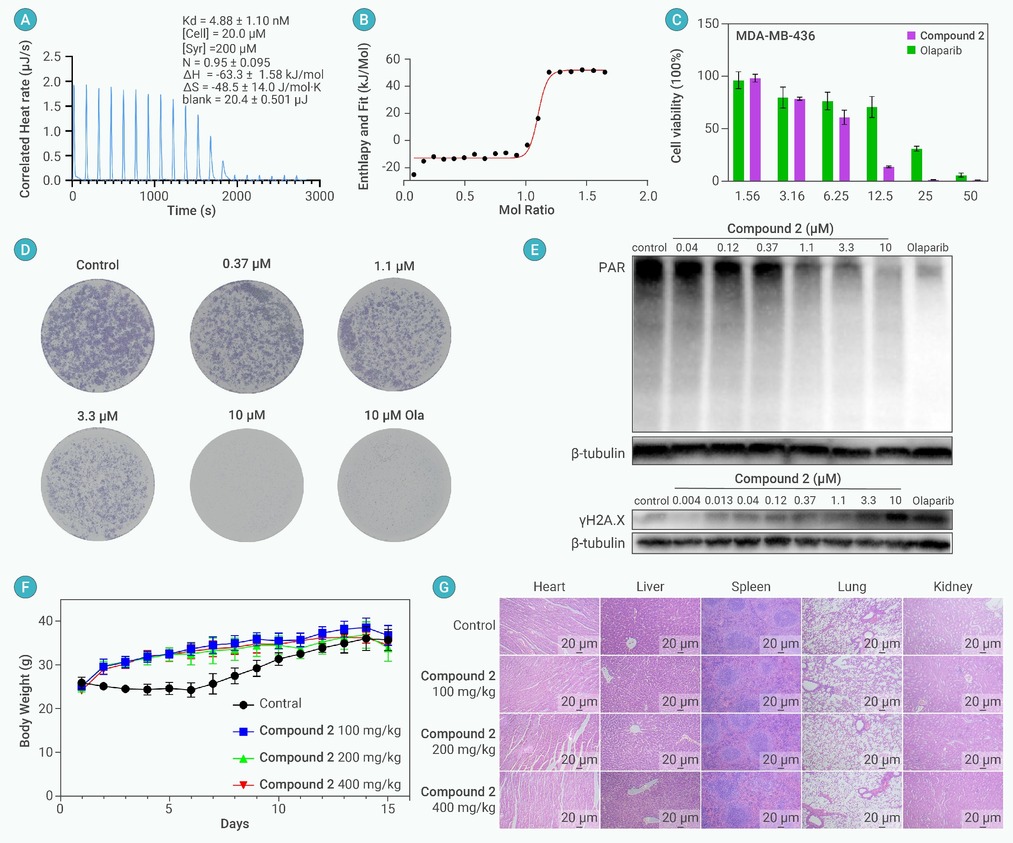
Figure 7.
Experimental validation of target engagement and preliminary developability of a representative generated candidate
