
Discovery of a highly selective JAK3 inhibitor for the treatment of inflammatory bowel disease
-
GRAPHICAL ABSTRACT
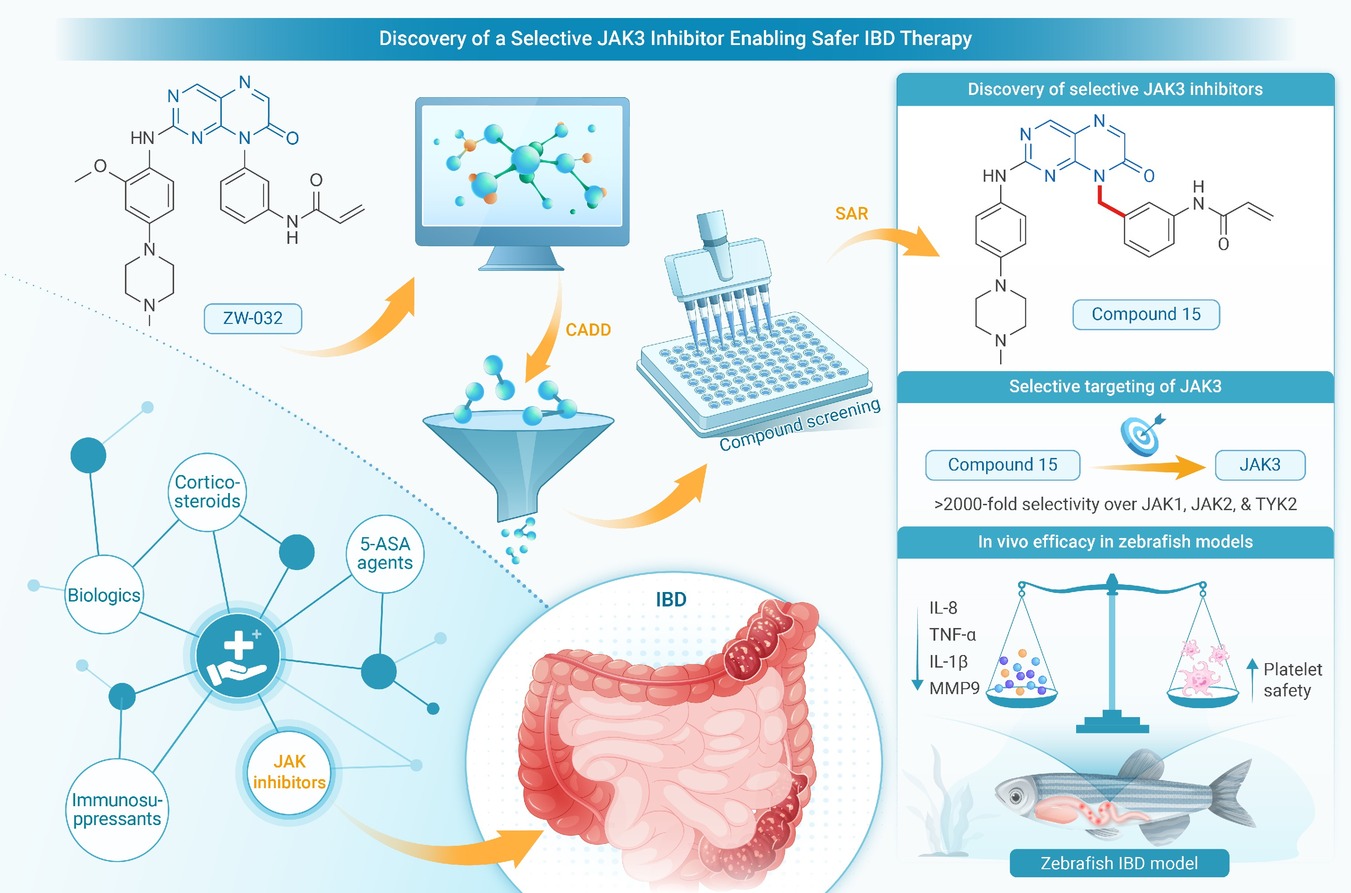
 DownLoad:
Full size image
DownLoad:
Full size image
-
PUBLIC SUMMARY
-
We developed Compound 15 as a novel covalent JAK3 inhibitor with excellent subtype selectivity.
Compound 15 alleviates intestinal inflammation in zebrafish models without thrombocyte depletion.
This low-toxicity compound serves as a promising IBD therapeutic candidate.
-
-
ABSTRACT
Janus kinase 3 (JAK3) is a promising target for inflammatory bowel disease (IBD). However, the clinical utility of currently approved pan-JAK inhibitors is severely limited by off-target JAK2 inhibition, which is associated with serious side effects such as thrombocytopenia and thrombosis. Herein, a series of pteridine-7(8H)-one derivatives were designed as selective covalent JAK3 inhibitors. Among them, compound 15 exhibited exceptional inhibitory activity against JAK3 (IC50 = 0.49 ± 0.05 nM) and a remarkable selectivity profile (> 2000-fold over JAK1, JAK2 and TYK2). Notably, compound 15 significantly attenuated intestinal inflammation in a zebrafish IBD model. Moreover, it showed no risk of inducing thrombocytopenia even at high doses, contrasting with the adverse effects observed with tofacitinib. Its superior selectivity profile effectively avoids JAK2-mediated off-target effects, positioning compound 15 as a highly promising, low-toxicity covalent inhibitor for the treatment of IBD.-
Keywords:
- JAK3 /
- Inhibitor /
- Selectivity /
- IBD.
-

-
REFERENCES
[1] Xue C., Yao Q., Gu X., et al. (2023). Evolving cognition of the JAK-STAT signaling pathway: autoimmune disorders and cancer. Signal transduction and targeted therapy 8:204. DOI:10.1038/s41392-023-01468-7 [2] Philips R. L., Wang Y., Cheon H., et al. (2022). The JAK-STAT pathway at 30:Much learned, much more to do. Cell 185:3857−3876. DOI:10.1016/j.cell.2022.09.023 [3] Hu Q., Bian Q., Rong D., et al. (2023). JAK/STAT pathway: Extracellular signals, diseases, immunity, and therapeutic regimens. Frontiers in bioengineering and biotechnology 11:1110765. DOI:10.3389/fbioe.2023.1110765 [4] Gadina M., Johnson C., Schwartz D., et al. (2018). Translational and clinical advances in JAK-STAT biology: The present and future of jakinibs. Journal of leukocyte biology 104:499−514. DOI:10.1002/jlb.5ri0218-084r [5] Lv Y., Qi J., Babon J. J., et al. (2024). The JAK-STAT pathway: from structural biology to cytokine engineering. Signal transduction and targeted therapy 9:221. DOI:10.1038/s41392-024-01934-w [6] Degryse S., de Bock C. E., Cox L., et al. (2014). JAK3 mutants transform hematopoietic cells through JAK1 activation, causing T-cell acute lymphoblastic leukemia in a mouse model. Blood 124:3092−3100. DOI:10.1182/blood-2014-04-566687 [7] Hu X., Li J., Fu M., et al. (2021). The JAK/STAT signaling pathway: from bench to clinic. Signal transduction and targeted therapy 6:402. DOI:10.1038/s41392-021-00791-1 [8] Banerjee S., Biehl A., Gadina M., et al. (2017). JAK-STAT Signaling as a Target for Inflammatory and Autoimmune Diseases: Current and Future Prospects. Drugs 77:521−546. DOI:10.1007/s40265-017-0701-9 [9] Bruner L. P., White A. M. and Proksell S. (2023). Inflammatory Bowel Disease. Primary care 50:411−427. DOI:10.1016/j.pop.2023.03.009 [10] Meštrović A., Kumric M. and Bozic J. (2024). Discontinuation of therapy in inflammatory bowel disease: Current views. World journal of clinical cases 12:1718−1727. DOI:10.12998/wjcc.v12.i10.1718 [11] Raine T., Bonovas S., Burisch J., et al. (2022). ECCO Guidelines on Therapeutics in Ulcerative Colitis: Medical Treatment. Journal of Crohn's & colitis 16:2−17. DOI:10.1093/ecco-jcc/jjab178 [12] Gordon H., Minozzi S., Kopylov U., et al. (2024). ECCO Guidelines on Therapeutics in Crohn's Disease: Medical Treatment. Journal of Crohn's & colitis 18:1531−1555. DOI:10.1093/ecco-jcc/jjae091 [13] Beaugerie L., Brousse N., Bouvier A. M., et al. (2009). Lymphoproliferative disorders in patients receiving thiopurines for inflammatory bowel disease: a prospective observational cohort study. Lancet (London, England) 374:1617−1625. DOI:10.1016/s0140-6736(09)61302-7 [14] Peyrin-Biroulet L., Khosrotehrani K., Carrat F., et al. (2011). Increased risk for nonmelanoma skin cancers in patients who receive thiopurines for inflammatory bowel disease. Gastroenterology 141:1621-1628.e1621-1625. DOI:10.1053/j.gastro.2011.06.050. [15] Lopez A., Mounier M., Bouvier A. M., et al. (2014). Increased risk of acute myeloid leukemias and myelodysplastic syndromes in patients who received thiopurine treatment for inflammatory bowel disease. Clinical gastroenterology and hepatology : the official clinical practice journal of the American Gastroenterological Association 12:1324−1329. DOI:10.1016/j.cgh.2014.02.026 [16] Villarino A. V., Kanno Y. and O'Shea J. J. (2017). Mechanisms and consequences of Jak-STAT signaling in the immune system. Nature immunology 18:374−384. DOI:10.1038/ni.3691 [17] O'Shea J. J. and Plenge R. (2012). JAK and STAT signaling molecules in immunoregulation and immune-mediated disease. Immunity 36:542−550. DOI:10.1016/j.immuni.2012.03.014 [18] Roda G., Dal Buono A., Argollo M., et al. (2020). JAK selectivity: more precision less troubles. Expert review of gastroenterology & hepatology 14:789−796. DOI:10.1080/17474124.2020.1780120 [19] Gros B. and Kaplan G. G. (2023). Ulcerative Colitis in Adults: A Review. Jama 330:951−965. DOI:10.1001/jama.2023.15389 [20] Sandborn W. J., Su C. and Panes J. (2017). Tofacitinib as Induction and Maintenance Therapy for Ulcerative Colitis. The New England journal of medicine 377:496−497. DOI:10.1056/NEJMc1707500 [21] Grozovsky R., Begonja A. J., Liu K., et al. (2015). The Ashwell-Morell receptor regulates hepatic thrombopoietin production via JAK2-STAT3 signaling. Nature Medicine 21:47−54. DOI:10.1038/nm.3770 [22] Ytterberg S. R., Bhatt D. L., Mikuls T. R., et al. (2022). Cardiovascular and Cancer Risk with Tofacitinib in Rheumatoid Arthritis. New England Journal of Medicine 386:316−326. DOI. DOI:10.1056/NEJMoa2109927 [23] Wojciechowski J., Mukherjee A., Banfield C., et al. (2024). Model-Informed Assessment of Probability of Phase 3 Success for Ritlecitinib in Patients with Moderate-to-Severe Ulcerative Colitis. Clinical pharmacology and therapeutics 116:724−735. DOI:10.1002/cpt.3251 [24] Thorarensen A., Dowty M. E., Banker M. E., et al. (2017). Design of a Janus Kinase 3 (JAK3) Specific Inhibitor 1-((2S,5R)-5-((7H-Pyrrolo[2,3-d]pyrimidin-4-yl)amino)-2-methylpiperidin-1-yl)prop-2-en-1-one (PF-06651600) Allowing for the Interrogation of JAK3 Signaling in Humans. Journal of medicinal chemistry 60:1971−1993. DOI:10.1021/acs.jmedchem.6b01694 [25] Telliez J. B., Dowty M. E., Wang L., et al. (2016). Discovery of a JAK3-Selective Inhibitor: Functional Differentiation of JAK3-Selective Inhibition over pan-JAK or JAK1-Selective Inhibition. ACS chemical biology 11:3442−3451. DOI:10.1021/acschembio.6b00677 [26] Sandborn W. J., Danese S., Leszczyszyn J., et al. (2023). Oral Ritlecitinib and Brepocitinib for Moderate-to-Severe Ulcerative Colitis: Results From a Randomized, Phase 2b Study. Clinical gastroenterology and hepatology : the official clinical practice journal of the American Gastroenterological Association 21:2616−2628.e2617. DOI:10.1016/j.cgh.2022.12.029 [27] Li S., Si H., Song X., et al. (2022). Discovery of Hexahydrofuro[3,2-b]furans as New Kinase-Selective and Orally Bioavailable JAK3 Inhibitors for the Treatment of Leukemia Harboring a JAK3 Activating Mutant. Journal of medicinal chemistry 65:10674−10690. DOI:10.1021/acs.jmedchem.2c00922 [28] Chen C., Yin Y., Shi G., et al. (2022). A highly selective JAK3 inhibitor is developed for treating rheumatoid arthritis by suppressing γc cytokine–related JAK-STAT signal. Science Advances 8:eabo4363. DOI. DOI:10.1126/sciadv.abo4363 [29] Forster M., Chaikuad A., Bauer Silke M., et al. (2016). Selective JAK3 Inhibitors with a Covalent Reversible Binding Mode Targeting a New Induced Fit Binding Pocket. Cell Chemical Biology 23:1335−1340. DOI:10.1016/j.chembiol.2016.10.008 [30] Tian L., Li J., Yu J., et al. (2026). Covalent JAK3 inhibitors based on 2-arylamino and 7H-pyrrolo[2,3-d]pyrimidine scaffold: design, synthesis, and biological evaluation for the potential treatment of bortezomib-resistant multiple myeloma. European Journal of Medicinal Chemistry 310:118764. DOI:https://doi.org/10.1016/j.ejmech.2026.118764. [31] Cui G., Li R., An D., et al. (2025). Design and Synthesis of Novel Dual Inhibitors for JAK3 and TEC Kinases in Autoimmune Disorders. Journal of medicinal chemistry 68:13268−13294. DOI:10.1021/acs.jmedchem.4c02288 [32] Hossain M. M., Khalid A., Akhter Z., et al. (2024). Discovery of a novel and highly selective JAK3 inhibitor as a potent hair growth promoter. Journal of Translational Medicine 22:370. DOI:10.1186/s12967-024-05144-4 [33] Tan L., Akahane K., McNally R., et al. (2015). Development of Selective Covalent Janus Kinase 3 Inhibitors. Journal of medicinal chemistry 58:6589−6606. DOI:10.1021/acs.jmedchem.5b00710 [34] Goedken E. R., Argiriadi M. A., Banach D. L., et al. (2015). Tricyclic covalent inhibitors selectively target Jak3 through an active site thiol. The Journal of biological chemistry 290:4573−4589. DOI:10.1074/jbc.M114.595181 [35] Talasila S., Lee E., Teichner E. M., et al. (2024). Analysis of publicly available adverse events reported for pediatric patients treated with Janus kinase inhibitors. Pediatric Dermatology 41:1040-1046. DOI:https://doi.org/10.1111/pde.15721. [36] Kadoba K., Waki D., Nishimura K., et al. (2020). Development of severe thrombocytopenia with TAFRO syndrome-like features in a patient with rheumatoid arthritis treated with a Janus kinase inhibitor: A case report. Medicine 99:e22793. DOI:10.1097/md.0000000000022793 -
ABOUT THIS ARTICLE
Cite this article:
Wang C., Huang C., Wu Y., et al. (2026). Discovery of a highly selective JAK3 inhibitor for the treatment of inflammatory bowel disease. The Innovation Drug Discovery 1:100029. https://doi.org/10.59717/j.xinn-drugdisc.2026.100029
Welcome!
To request copyright permission to republish or share portions of our works, please visit Copyright Clearance Center's (CCC) Marketplace website at marketplace.copyright.com.
Export File
Citation
Wang C., Huang C., Wu Y., et al. (2026). Discovery of a highly selective JAK3 inhibitor for the treatment of inflammatory bowel disease. The Innovation Drug Discovery 1:100029. https://doi.org/10.59717/j.xinn-drugdisc.2026.100029

Format
Content
-
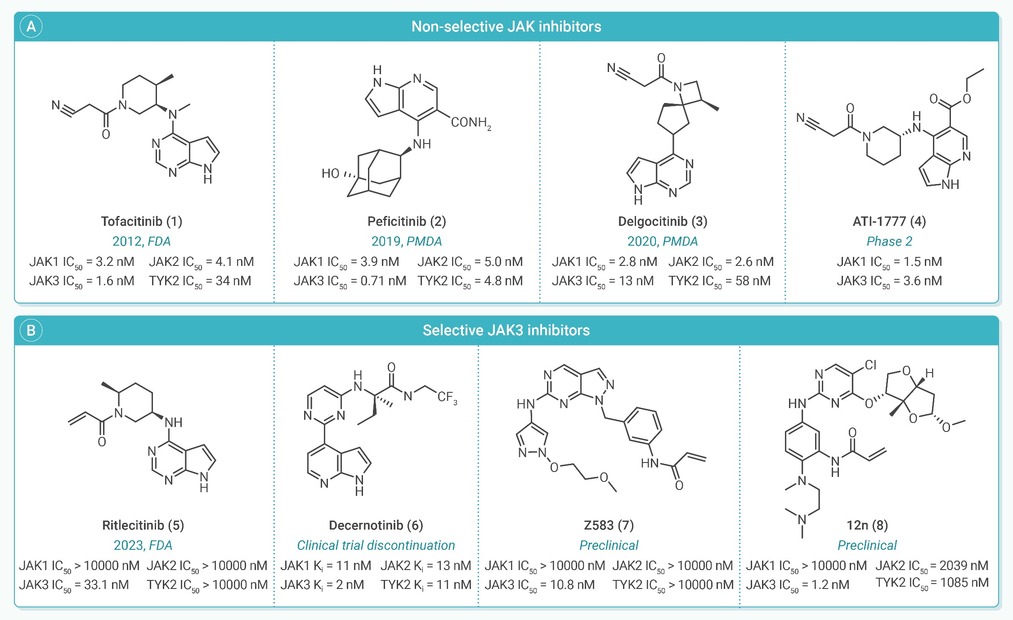
Figure 1.
The structures and activities of (A) non-selective JAK inhibitors and (B) selective JAK3 inhibitors
-
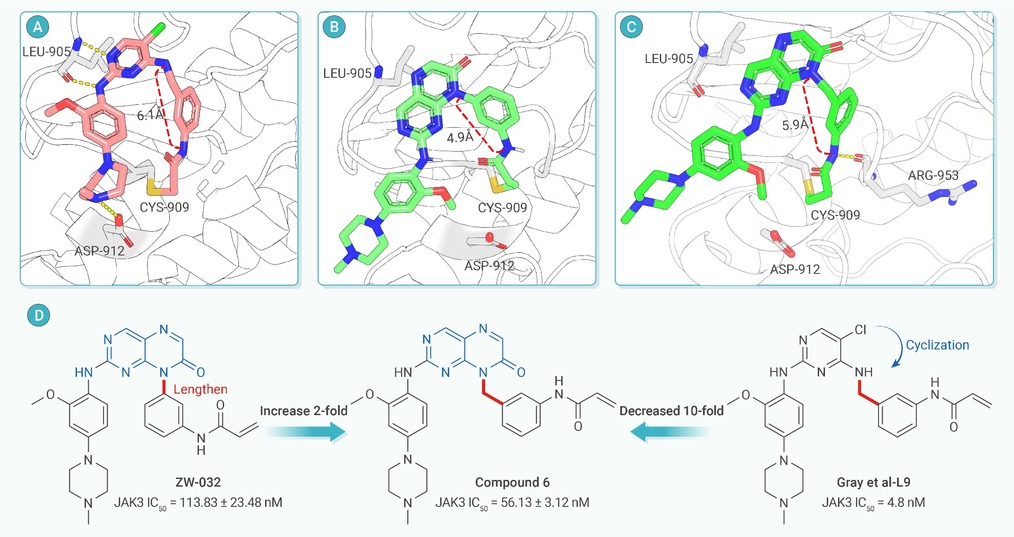
Figure 2.
Structure-based optimization of ZW-032 for enhanced JAK3 inhibitory potency
-
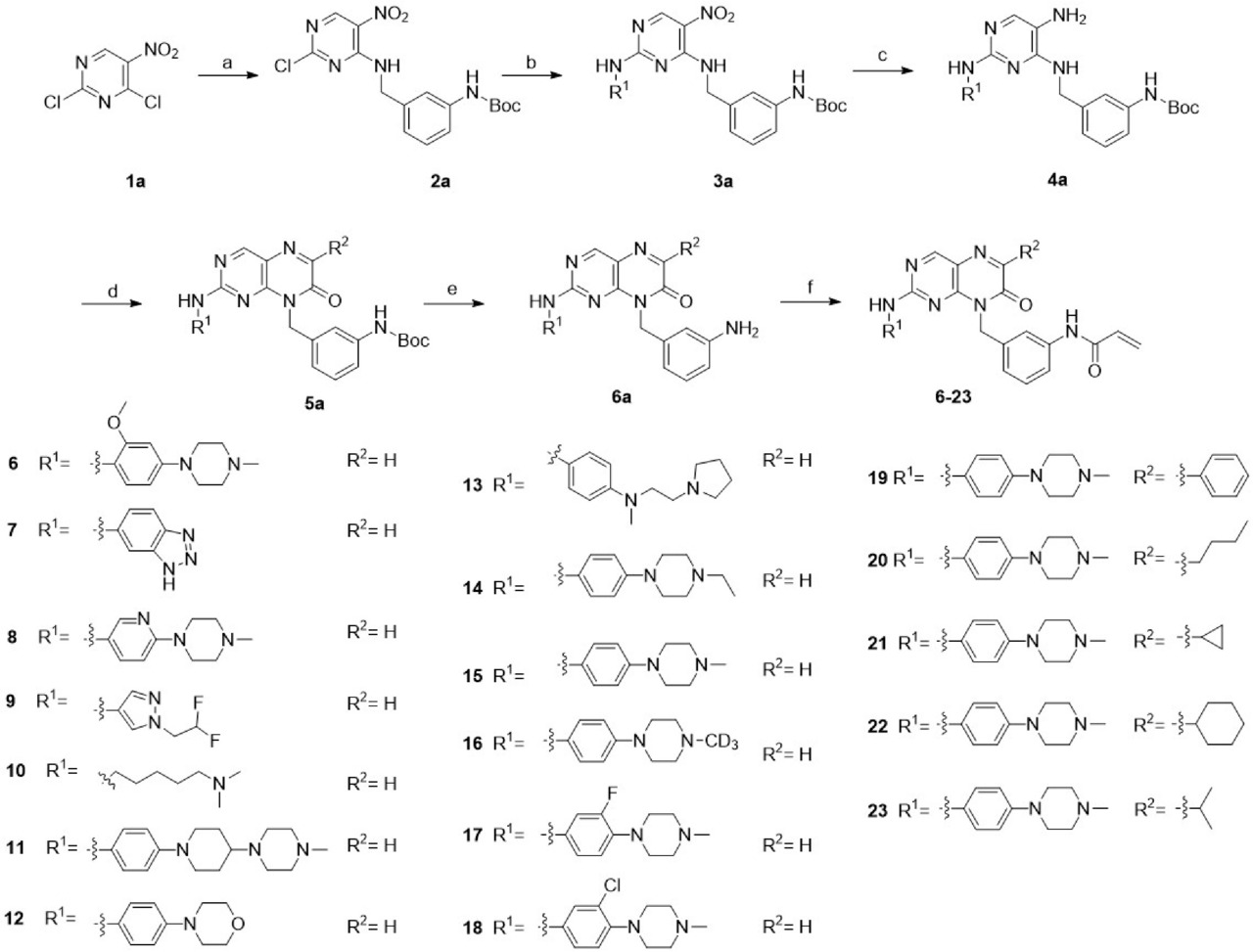
Figure 1.
Synthesis of compounds 6-23α. αReagents and conditions
-
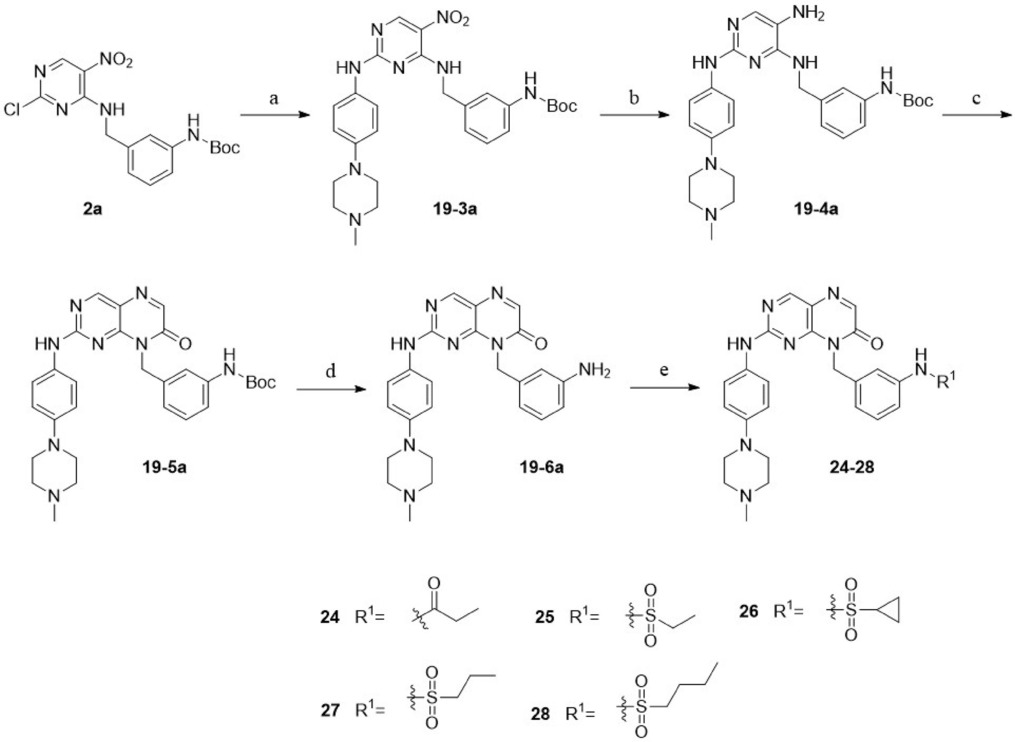
Figure 2.
Synthesis of compounds 24-28α. αReagents and conditions
-
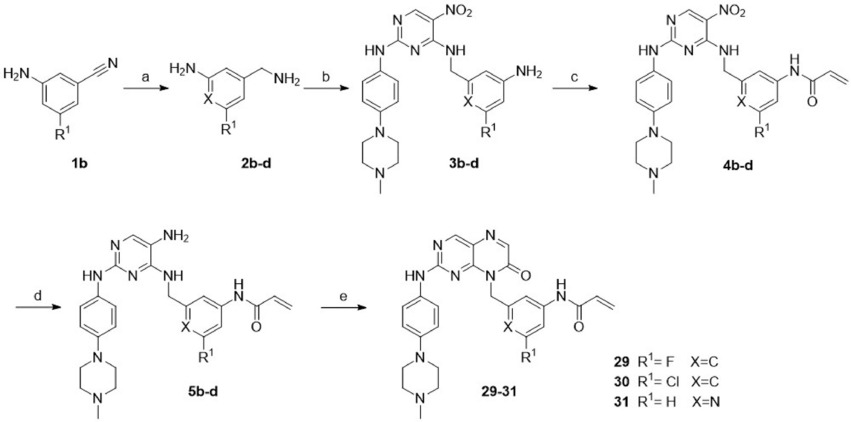
Figure 3.
Synthesis of compounds 29-31α. αReagents and conditions
-
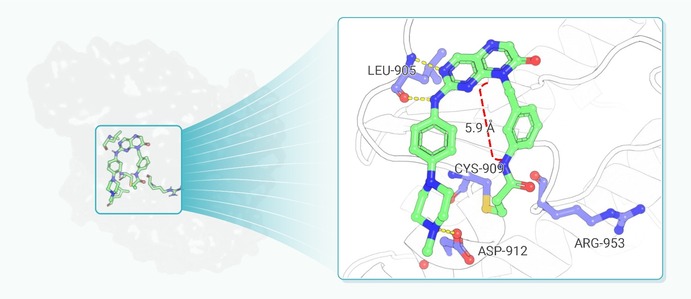
Figure 3.
The binding mode of compound 15 into the JAK3 kinase domain. The hydrogen bond interactions are represented by yellow dotted lines
-
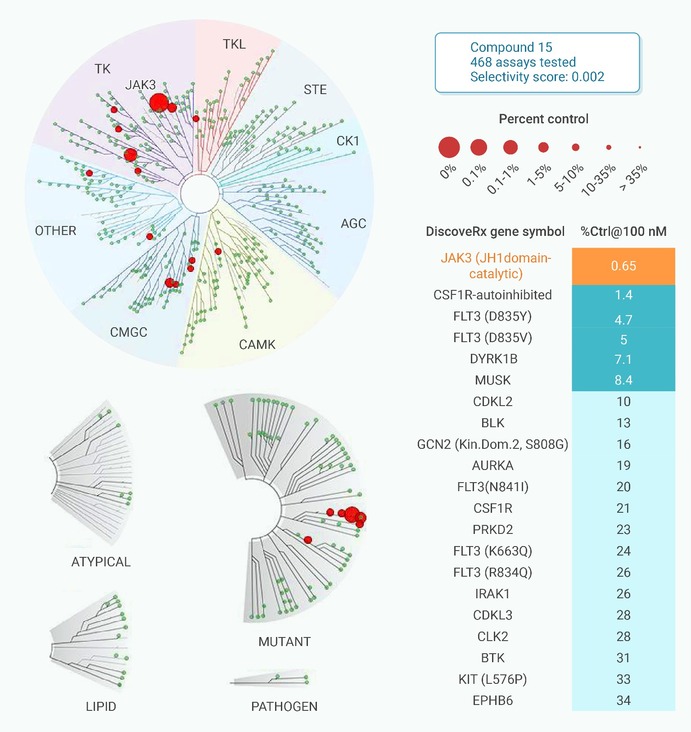
Figure 4.
Kinase selectivity profile of compound 15 against 468 kinases
-
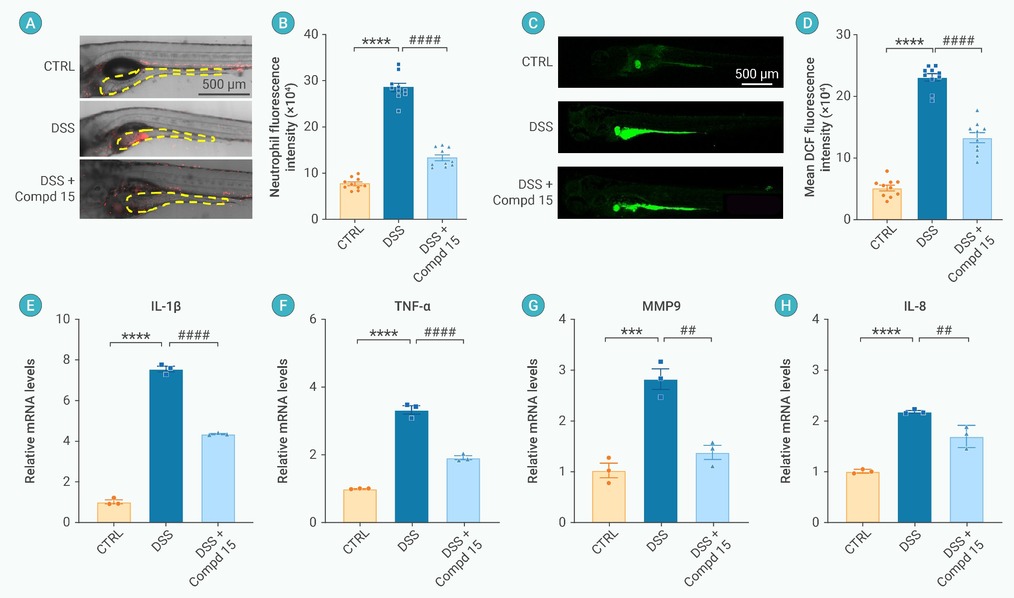
Figure 5.
Effects of compound 15 in a zebrafish model of IBD
-
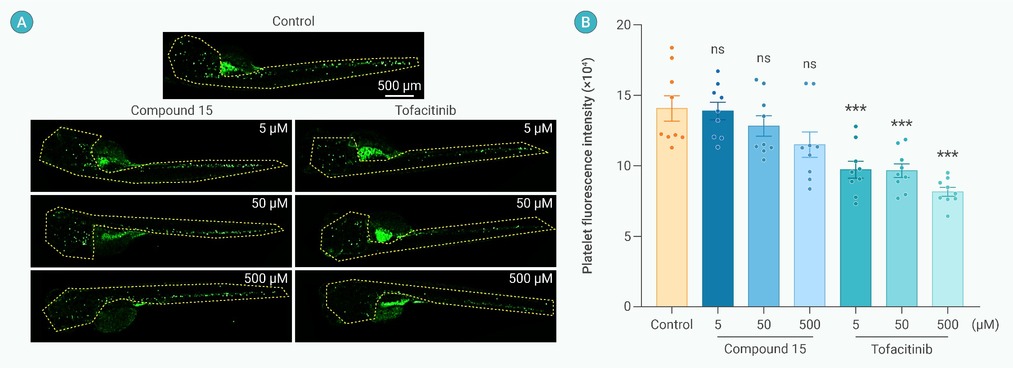
Figure 6.
Assessment of compound 15 and tofacitinib on platelet counts in zebrafish
