
Elevating solar potential of buildings with facade integration in Chinese cities
-
GRAPHICAL ABSTRACT
 DownLoad:
Full size image
DownLoad:
Full size image
-
PUBLIC SUMMARY
-
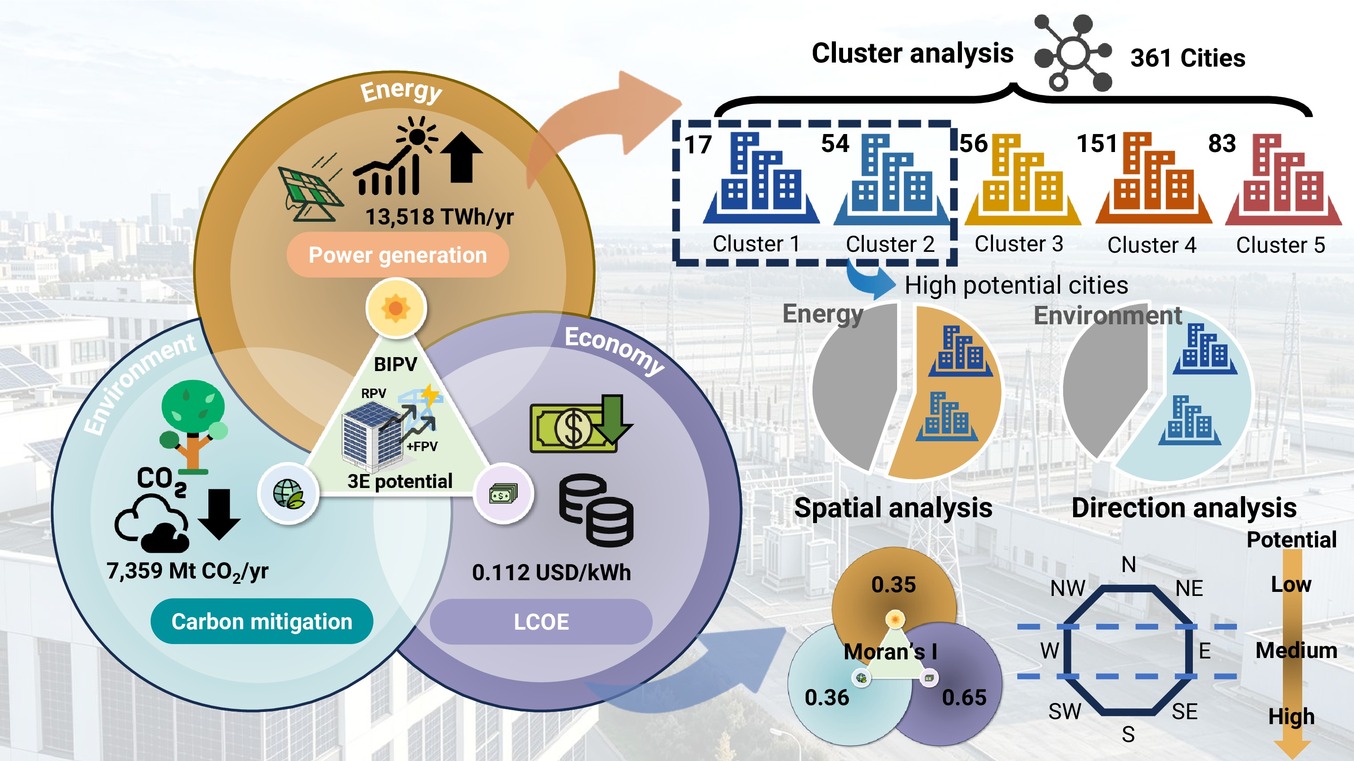
Building-integrated photovoltaics (BIPV) is critical for urban decarbonization, while national-scale assessments covering rooftops, multi-directional facades and urban heterogeneity are lacking.
This study adopts 3D building data, PV_LIB model and ERA5 data to simulate BIPV output across 361 Chinese cities, achieving an annual potential of 13,518 TWh.
Facade-integrated photovoltaics (FIPV) can boost BIPV power generation by 60% compared with rooftop-only photovoltaic systems.
Rooftop-integrated photovoltaic (RIPV) and south-facing FIPV reduce the levelized cost of energy (LCOE) by 30%, optimizing urban BIPV economic performance.
-
-
ABSTRACT
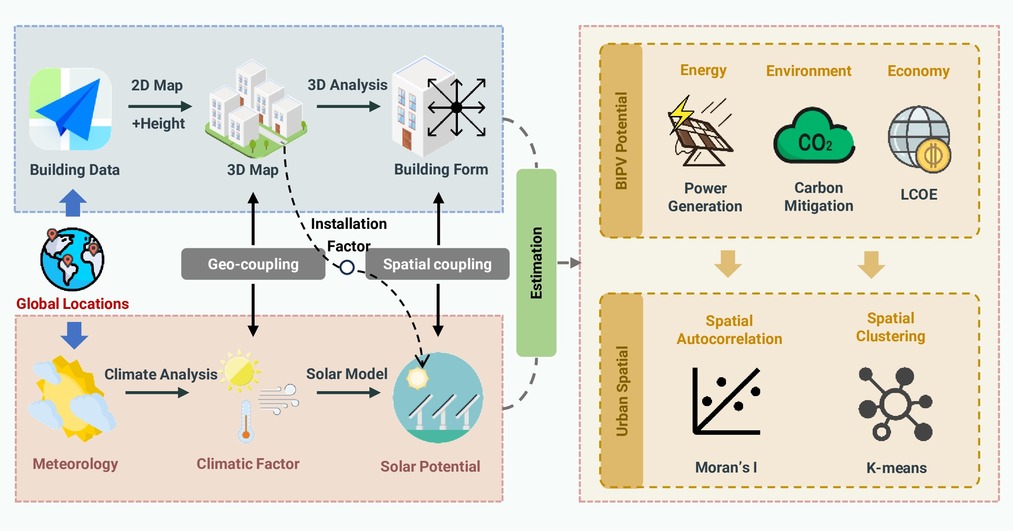
Building-integrated photovoltaics (BIPV) presents key strategy for urban decarbonization by enabling localized electricity generation on rooftops and facades. Urban building stocks offer substantial spatial potential for solar energy harvesting. However, existing studies have primarily focused on rooftop photovoltaics, and there is a lack of national-scale assessments that simultaneously consider rooftops, facades, facade orientations, and spatial heterogeneity across cities. This study integrates 3D building footprints from multi-source geospatial data to derive rooftop and facade areas, then applies the PV_LIB model with ERA5 solar irradiation data to simulate hourly generation for 361 Chinese cities. Key findings reveal an annual electricity generation potential of 13,518 TWh from building surfaces across a 159,672 km2 target area. Notably, façade-integrated photovoltaics (FIPV) can increase the total power generation of BIPV systems by up to 60% compared with rooftop-only photovoltaic systems. To further explore the multifaceted value of this potential, this study conducts city-level spatial analysis across energy, environmental, and economic dimensions. Results from Moran’s Index demonstrate that economic potential exhibits the strongest spatial autocorrelation among Chinese cities, revealing a clear north-south gradient pattern. Furthermore, an assessment of the urban photovoltaic power generation potential across different orientations reveals that rooftop-integrated photovoltaic (RIPV) and south-facing FIPV deployments optimize economic efficiency, reducing levelized cost of energy by 30%. compared with the full BIPV system. This optimization strategy enhances both energy and economic performance, offering clear guidance for BIPV planning in cities.-
Keywords:
- Facade /
- Chinese Cities /
- Building-integrated photovoltaic /
- Economics /
- Carbon reduction
-

-
REFERENCES
[1] Ding C., Ke J., Levine M., et al. (2024). Potential of artificial intelligence in reducing energy and carbon emissions of commercial buildings at scale. Nat. Commun. 15:5916. DOI:10.1038/s41467-024-50088-4 [2] Bai X. and Shi P. (2025). China’s urbanization at a turning point-challenges and opportunities. Science 388:3443. DOI:10.1126/science.adw3443 [3] Jun K., Seungkeun Y. and Taehoon H. (2025). Analyzing the cooling effect, thermal comfort, and energy consumption of integrated arrangement of high-rise buildings and green spaces on urban heat island. Sustain. Cities Soc. 119:106105. DOI:10.1016/j.scs.2024.106105 [4] Ma M. Zhang S., Liu J., et al. (2025). Building floorspace and stock measurement: A review of global efforts, knowledge gaps, and research priorities. Nexus 2:100075. DOI:10.1016/j.ynexs.2025.100075 [5] Cai W., Yu Y., and Liu Y. (2025). Research Report on Carbon Emission in Urban and Rural Construction in China. Architecture 2:56−63. [6] Gherghina M., Dokshin F. A., and Leffel B. (2025). Unequal solar photovoltaic performance by race and income partly reflects financing models and installer choices. Nat. Energy 10:697−706. DOI:10.1038/s41560-025-01743-7 [7] Wang Y., Wang R., Tanaka K., et al. (2023). Accelerating the energy transition towards photovoltaic and wind in China. Nature 619:761−767. DOI:10.1038/s41586-023-06180-8 [8] . International Energy Agency. (2026). Snapshot of Global PV Markets 2026. IEA. [9] Zhao Y., Li S., Yang D., et al. (2024). Assessment of site suitability for centralized photovoltaic power stations in Northwest China’s six provinces. J. Environ. Manage. 366:121820. DOI:10.1016/j.jenvman.2024.121820 [10] Ballif C., Perret-Aebi L.-E., Lufkin S., et al. (2018). Integrated thinking for photovoltaics in buildings. Nat. Energy 3:438−442. DOI:10.1038/s41560-018-0176-2 [11] Li F., Dong W. and Wu W. (2023). A general model for comprehensive electrical characterization of photovoltaics under partial shaded conditions. Adv. Appl. Energy 9:100118. DOI:10.1016/j.adapen.2022.100118 [12] . China Construction Association. (2025). Statistical analysis of the development of the construction industry 2024. CCA. [13] Zhao K. and Gou Z. (2023). Influence of urban morphology on facade solar potential in mixed-use neighborhoods: Block prototypes and design benchmark. Energy and Build. 297:113446. DOI:10.1016/j.enbuild.2023.113446 [14] Liang H., Shen J., Yip H.L., et al. (2024). Unleashing the green potential: Assessing Hong Kong’s building solar PV capacity. Appl. Energy 369:123567. DOI:10.1016/j.apenergy.2024.123567 [15] . Yu Z., Lu Z., Xin W., et al. (2024). Environmental and economic evaluation of urban building-integrated photovoltaic and electric vehicle system. J. Build. Eng. 95:110205. DOI10.1016/j.jobe.2024.110205. [16] Zhang Z., Qian Z., Chen M., et al. (2025). Worldwide rooftop photovoltaic electricity generation may mitigate global warming. Nat. Clim. Change 13:101. DOI:10.1038/s41558-025-02276-3 [17] Khan A., Khorat S., Khatum R., et al. (2024). Rooftop photovoltaic solar panels warm up and cool down cities. Nat. Cities 1:780−790. DOI:10.21203/rs.3.rs-3485787/v1 [18] Zhang S. and Chen W. (2022). Assessing the energy transition in China towards carbon neutrality with a probabilistic framework. Nat. Commun. 13:87. DOI:10.1038/s41467-021-27671-0 [19] Isik M., Dodder R. and Kaplan P. O. (2021). Transportation emissions scenarios for New York City under different carbon intensities of electricity and electric vehicle adoption rates. Nat. Energy 6:92−104. DOI:10.1038/s41560-020-00740-2 [20] Li Z. and Hu D. (2022). Exploring the relationship between the 2D/3D architectural morphology and urban land surface temperature based on a boosted regression tree: A case study of Beijing, China. Sustain. Cities Soc. 78:103392. DOI:10.1016/j.scs.2021.103392 [21] Song Z., Cao S. and Yang, H. (2023). Assessment of solar radiation resource and photovoltaic power potential across China based on optimized interpretable machine learning model and GIS-based approaches. Appl. Energy 339:121005. DOI:10.1016/j.apenergy.2023.121005 [22] Xu H. and Yang, R. (2025). The impact of water rights reform on economic development: Evidence from city-level panel data in China. J. Environ. Manag 374:124082. DOI:10.1016/j.jenvman.2025.124082 [23] Vroon T., Teunissen E., Drent,M., et al. (2021). Escaping the niche market: An innovation system analysis of the Dutch building integrated photovoltaics (BIPV) sector. Renew. Sustain. Energy Rev. 155:111912. DOI:10.1016/j.rser.2021.111912 [24] Saretta E., Caputo P. and Frontini F. (2020). An integrated 3D GIS-based method for estimating the urban potential of BIPV retrofit of façades. Sustain. Cities Soc. 62:102410. DOI:10.1016/j.scs.2020.102410 [25] Dong K., Yu Q., Guo Z., et al. (2025). Advancing building facade solar potential assessment through AIoT, GIS, and meteorology synergy. Adv. Appl. Energy 17:100212. DOI:10.1016/j.adapen.2025.100212 [26] Lu Y., Ju X. and Zhang L. (2019). Rapid estimation method for the installation area of building photovoltaic systems in the early design stage (in Chinese). Construct. Sci. Tech. 2:58−62. [27] Feng X., Ma T., Yamaguchi Y., et al. (2022). Potential of residential building integrated photovoltaic systems in different regions of China. J. Build. Eng. 58:105077. DOI:10.1016/j.esd.2022.11.006 [28] . Che Y., Li X., Liu X., et al. (2025). 3D-GloBFP: the first global three-dimensional building footprint dataset. Zenodo. DOI:10.5281/zenodo.15487006 [29] Jin Y., Hu S., Ziegler A. D., et al. (2023). Energy production and water savings from floating solar photovoltaics on global reservoirs. Nat. Sustain. 6:865−874. DOI:10.1038/s41893-023-01089-6 [30] . Ministry of Housing and Urban-Rural Development of China. (2011). Residential building design code (GB 50096-2011). China Architecture & Building Press. [31] . Ministry of Housing and Urban-Rural Development of China. (2019). Unified standard for civil building design (GB 50352-2019). China Architecture & Building Press. [32] Wang Y., Mauree D., Sun Q., et al. (2020). A review of approaches to low-carbon transition of high-rise residential buildings in China. Renew Sustain Energy Rev. 131:109990. DOI:10.1016/j.rser.2020.109990 [33] Chen Y. (2023). Spatial autocorrelation equation based on Moran’s index. Sci Rep 13:19296. DOI:10.1038/s41598-023-45947-x [34] Zhao Z., Li H. and Wang, S. (2022). Identification of the key design parameters of Zero/low energy buildings and the impacts of climate and building morphology. Appl. Energy 328:120185. DOI:10.1016/j.apenergy.2022.120185 [35] Yu Z., Chen C., Lou D., et al. (2025). Energy-economy-environment evaluation of building-integrated photovoltaic considering facade factors for representative megacities in China. Appl. Energy 389:125839. DOI:10.1016/j.apenergy.2025.125839 [36] Yang L., Yang Y., Shen Y., et al. (2024). Urban development pattern’s influence on extreme rainfall occurrences. Nat. Commun. 15:3997. DOI:10.1038/s41467-024-48533-5 [37] Eyre R., De Luca F. and Simini F. (2020). Social media usage reveals recovery of small businesses after natural hazard events. Nat. Commun. 11:1629. DOI:10.1038/s41467-020-15405-7 [38] Zhang Y., Shi K., Woolway R.I., et al. (2025). Climate warming and heatwaves accelerate global lake deoxygenation. Sci. Adv. 11:5369. DOI:10.1126/sciadv.adt5369 -
ABOUT THIS ARTICLE
Cite this article:
Yu Z., Ye B., Lou D., et al. (2026). Elevating solar potential of buildings with facade integration in Chinese cities. The Innovation Energy 3:100179. https://doi.org/10.59717/j.xinn-energy.2026.100179
Welcome!
To request copyright permission to republish or share portions of our works, please visit Copyright Clearance Center's (CCC) Marketplace website at marketplace.copyright.com.
Export File
Citation
Yu Z., Ye B., Lou D., et al. (2026). Elevating solar potential of buildings with facade integration in Chinese cities. The Innovation Energy 3:100179. https://doi.org/10.59717/j.xinn-energy.2026.100179

Format
Content
-
Figure 1.
Framework for assessing the potential of BIPV at the city level based on geographical and environmental factors
-
Figure 2.
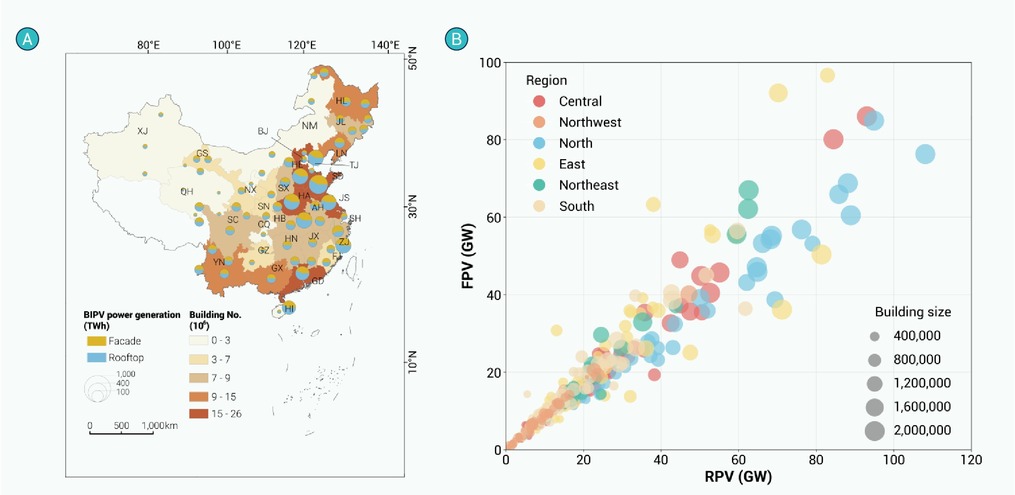
BIPV Power Generation at Provincial and Municipal Levels
-
Figure 3.
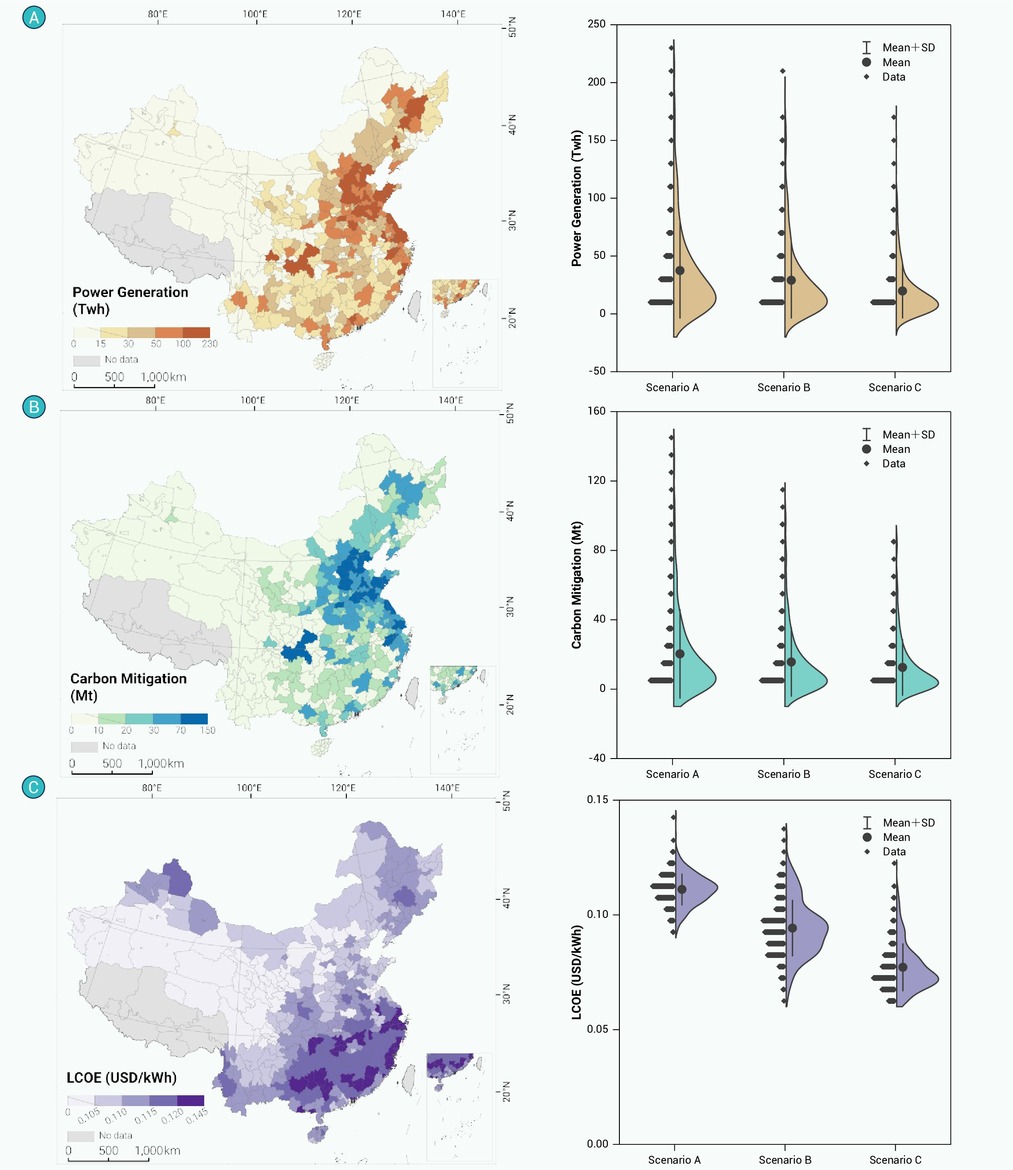
Key indicators for assessing the BIPV potential of 361 prefecture-level cities in China
-
Figure 4.
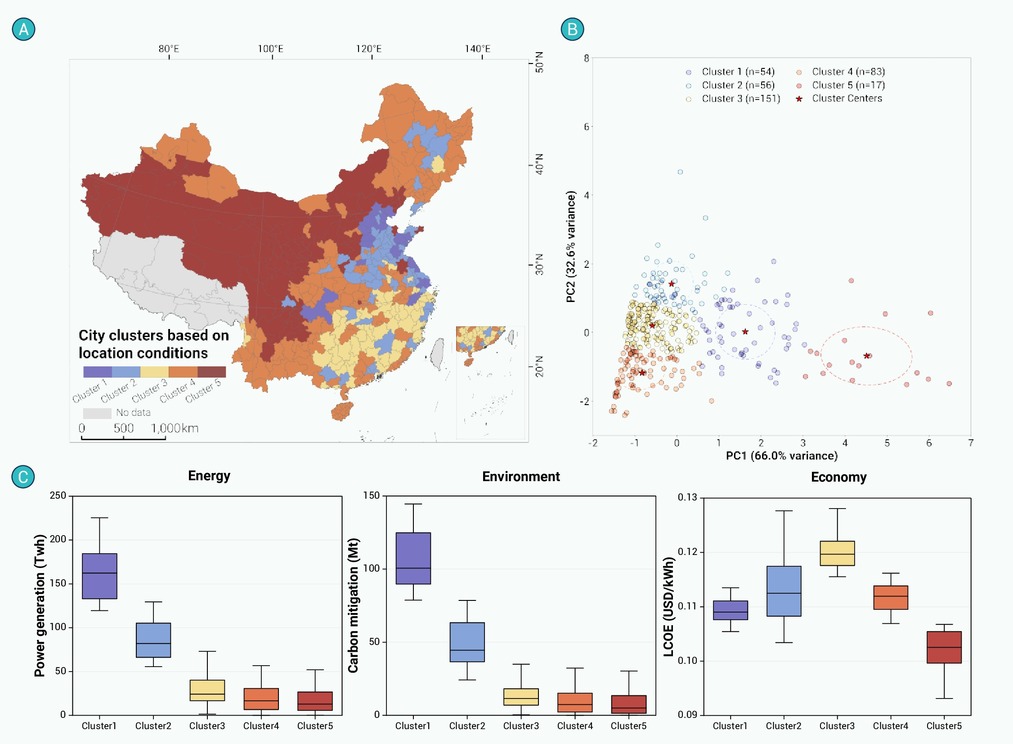
Clustering analysis of cities, based on location conditions that determine the BIPV potential
-
Figure 5.
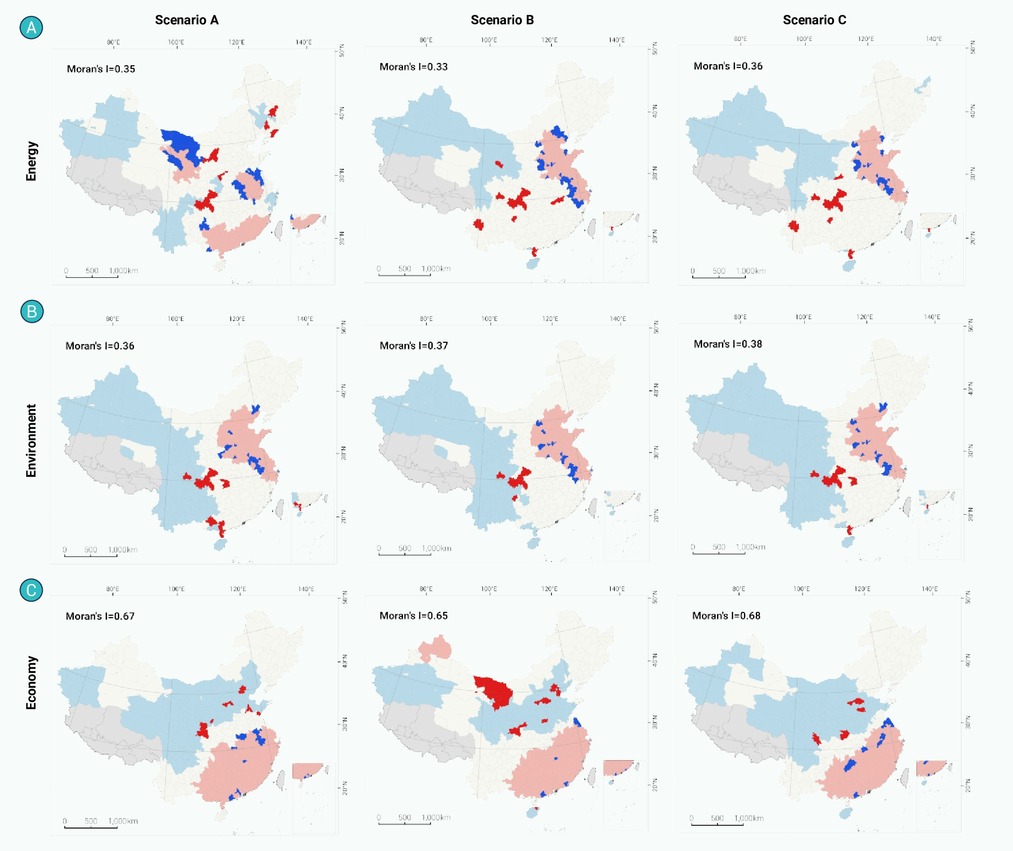
Spatial heterogeneity analysis of the 3E potential of urban BIPV
-
Figure 6.
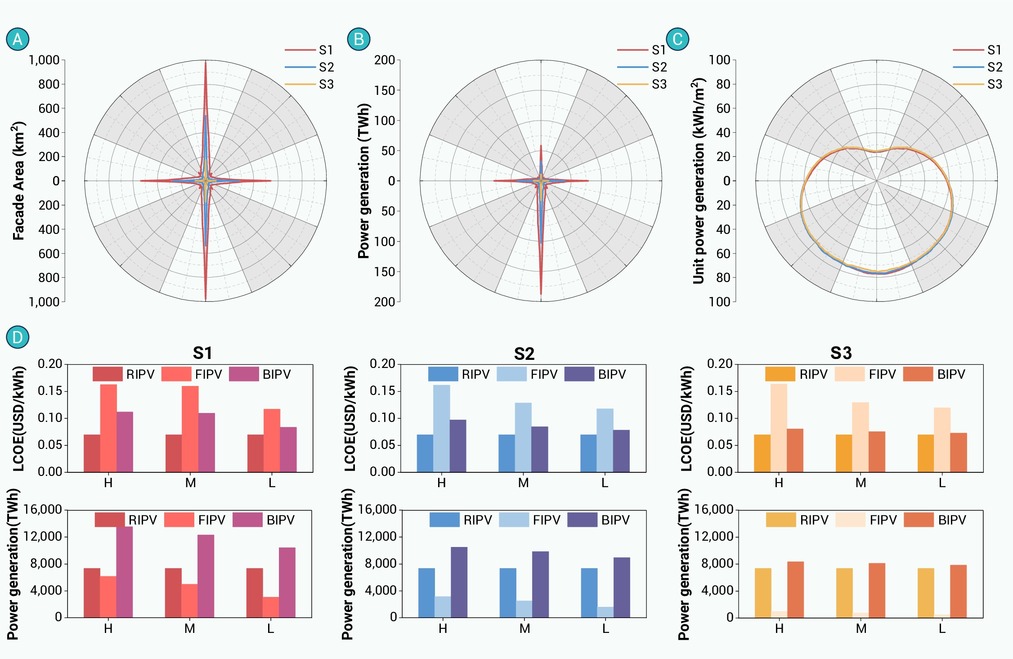
Energy output and economic performance potential of building facades
