
Computational modeling for medical data: From data collection to knowledge discovery
-
GRAPHICAL ABSTRACT
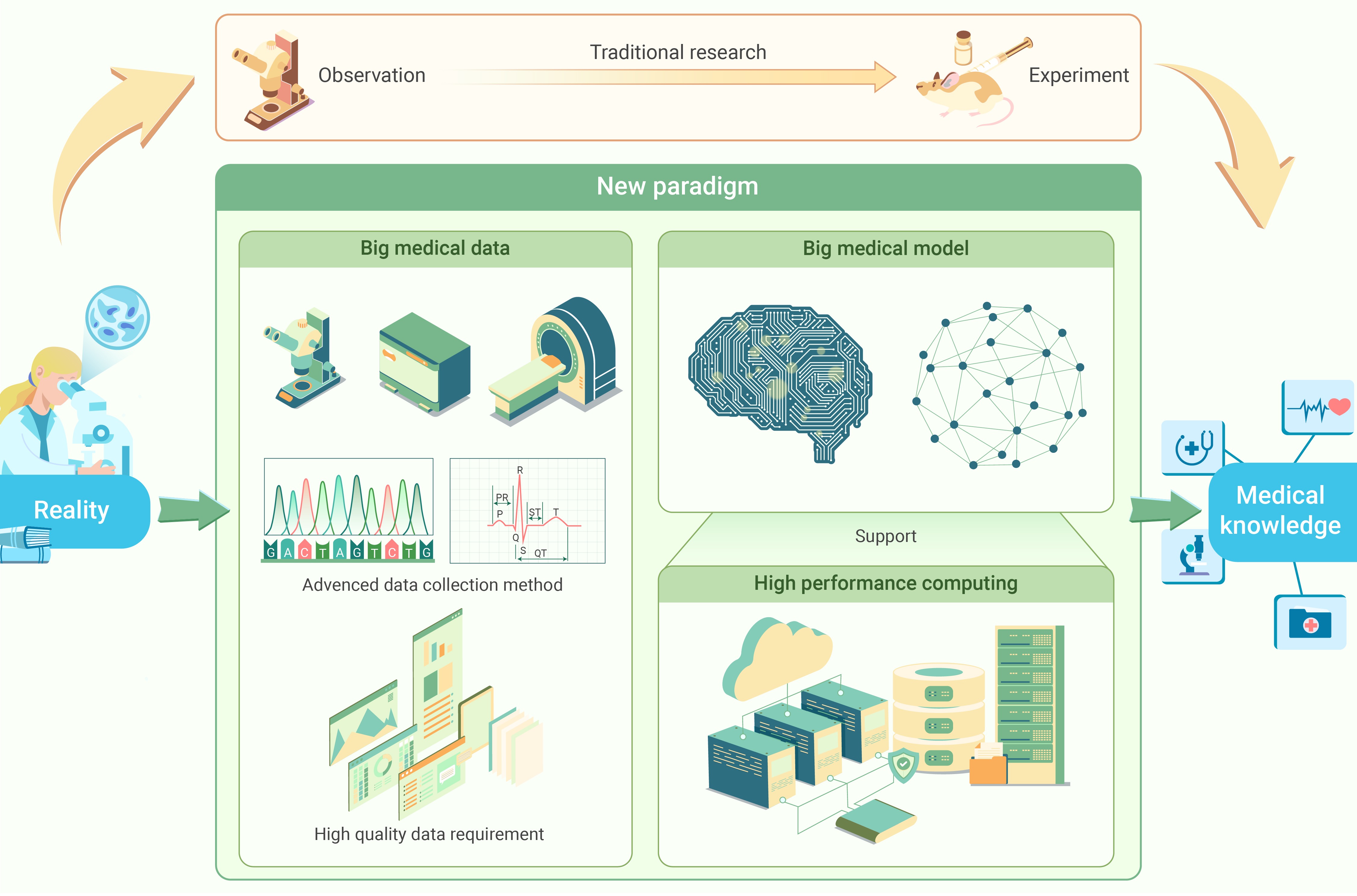
 DownLoad:
Full size image
DownLoad:
Full size image
-
PUBLIC SUMMARY
-
Medical big data has created high demand for computational modeling.
Growing data size and complexity need advanced models and more computational power.
Integrating big data, large-scale models, and advanced computation drives intelligent medical research.
-
-
ABSTRACT
Biomedical data encompasses images, texts, physiological signals, and molecular omics data. As the costs of various data acquisition methods, such as genomic sequencing, continue to decrease, the availability of biomedical data is increasing. However, this data often exhibits high dimensionality, heterogeneity, and multimodal characteristics, necessitating the use of advanced computational modeling. Transforming raw data into meaningful biological insights is a critical aspect of computational modeling, which plays an increasingly important role in biomedical research in the era of big data. This review outlines the collection of various types of biomedical data and the challenges faced in data modeling, including high dimensionality, standardization, and privacy protection. Additionally, it addresses the complexity and interpretability of models used to guide knowledge discoveries. The review also discusses computational architectures such as parallel computing, cloud computing, and edge computing, which are essential to meet the demands of large-scale computation. Furthermore, it highlights the driving force of computational modeling in advancing medical research. With the foundation of big data, big models, and big computation, biomedical research is transitioning from experimental observation to theoretical deduction and data-driven approaches, profoundly impacting scientific research methodologies and paradigms. The development of biomedical computational modeling is steering medical research toward intelligent medicine, redefining the scientific research paradigm in biomedicine. -

-
REFERENCES
[1] Jiang P., Sinha S., Aldape K., et al. (2022). Big data in basic and translational cancer research. Nat. Rev. Cancer 22 : 625-639. DOI: 10.1038/s41568-022-00502-0. [2] Yu C., Zong H., Chen Y., et al. (2024). PCAO2: An ontology for integration of prostate cancer associated genotypic, phenotypic and lifestyle data. Briefings Bioinf. 25 :bbae136. DOI: 10.1093/bib/bbae136. [3] Ma J., He Y., Li F., et al. (2024). Segment anything in medical images. Nat. Commun. 15 : 654. DOI: 10.1038/s41467-024-44824-z. [4] Isensee, F., Jaeger, P.F., Kohl, S.A.A., et al. (2021). nnU-Net: A self-configuring method for deep learning-based biomedical image segmentation. Nat. Methods 18 : 203-211. DOI: 10.1038/s41592-020-01008-z. [5] Dayarathna, S., Islam, K.T., Uribe, S., et al. (2024). Deep learning based synthesis of MRI, CT and PET: Review and analysis. Med. Image Anal. 92 : 103046. DOI: 10.1016/j.media.2023.103046. [6] Antonelli, M., Reinke, A., Bakas, S., et al. (2022). The medical segmentation decathlon. Nat. Commun. 13 : 4128. DOI: 10.1038/s41467-022-30695-9. [7] Chen, R.J., Ding, T., Lu, M.Y., et al. (2024). Towards a general-purpose foundation model for computational pathology. Nat. Med. 30 : 850-862. DOI: 10.1038/s41591-024-02857-3. [8] Willemink M.J., Koszek W.A., Hardell C., et al. (2020). Preparing medical imaging data for machine learning. Radiology 295 : 4-15. DOI: 10.1148/radiol.2020192224. [9] Fan, W., Yang, Y., Qi, J., et al. (2024). A deep-learning-based framework for identifying and localizing multiple abnormalities and assessing cardiomegaly in chest X-ray. Nat. Commun. 15 : 1347. DOI: 10.1038/s41467-024-45599-z. [10] Christodoulou, A.G., Shaw, J.L., Nguyen, C., et al. (2018). Magnetic resonance multitasking for motion-resolved quantitative cardiovascular imaging. Nat. Biomed. Eng. 2 : 215-226. DOI: 10.1038/s41551-018-0217-y. [11] van Sloun, R.J.G., Cohen, R., and Eldar, Y.C. (2022). Deep learning in ultrasound imaging. Proc. IEEE 108 : 11-29. DOI: 10.1109/JPROC.2019.2932116. [12] Hollon, T.C., Pandian, B., Adapa, A.R., et al. (2020). Near real-time intraoperative brain tumor diagnosis using stimulated Raman histology and deep neural networks. Nat. Med. 26 : 52-58. DOI: 10.1038/s41591-019-0715-9. [13] Khaliki, M.Z. and Başarslan, M.S. (2024). Brain tumor detection from images and comparison with transfer learning methods and 3-layer CNN. Sci. Rep. 14 : 2664. DOI: 10.1038/s41598-024-52823-9. [14] Hossain, E., Rana, R., Higgins, N., et al. (2023). Natural language processing in electronic health records in relation to healthcare decision-making: A systematic review. Comput. Biol. Med. 155 : 106649. DOI: 10.1016/j.compbiomed.2023.106649. [15] Yang, X., Chen, A., PourNejatian, N., et al. (2022). A large language model for electronic health records. NPJ Digit. Med. 5 : 194. DOI: 10.1038/s41746-022-00742-2. [16] Wu, S., Roberts, K., Datta, S., et al. (2020). Deep learning in clinical natural language processing: A methodical review. J. Am. Med. Inform. Assoc. 27 : 457-470. DOI: 10.1093/jamia/ocz200. [17] Ma, M.W., Gao, X.S., Zhang, Z.Y., et al. (2023). Extracting laboratory test information from paper-based reports. BMC Med. Inf. Decis. Making 23 : 251. DOI: 10.1186/s12911-023-02346-6. [18] Zhang, Z., Fang, M., Wu, R., et al. (2023). Large-scale biomedical relation extraction across diverse relation types: Model development and usability study on COVID-19. J. Med. Internet Res. 25 : e48115. DOI: 10.2196/48115. [19] Wang, Y., Zong, H., Yang, F., et al. (2023). A knowledge empowered explainable gene ontology fingerprint approach to improve gene functional explication and prediction. iScience 26 : 106356. DOI: 10.1016/j.isci.2023.106356. [20] Li, J., Tang, T., Wu, E., et al. (2024). RARPKB: A knowledge-guide decision support platform for personalized robot-assisted surgery in prostate cancer. Int. J. Surg. 110 : 3412-3424. DOI: 10.1097/JS9.0000000000001290. [21] Chen, J. and Wang, Y. (2021). Social media use for health purposes: Systematic review. J. Med. Internet Res. 23 : e17917. DOI: 10.2196/17917 [22] Zeng, R. and Li, M. (2020). Social media use for health communication by the CDC in mainland China: National survey study 2009-2020. J. Med. Internet Res. 22 : e19470. DOI: 10.2196/19470. [23] Eriksen, A.V., Möller, S., and Ryg, J. (2024). Use of GPT-4 to diagnose complex clinical cases. NEJM AI 1 : AIp2300031. DOI: 10.1056/AIp2300031. [24] Van Veen, D., Van Uden, C., Blankemeier, L. et al. (2024). Adapted large language models can outperform medical experts in clinical text summarization. Nat. Med. 30 : 1134-1142. DOI:10.1038/s41591-024-02855-5. [25] Arora, A. and Arora, A. (2023). The promise of large language models in health care. Lancet 401 : 641. DOI: 10.1016/S0140-6736(23)00216-7. [26] Zong, H., Li, J., Wu, E., et al. (2024). Performance of ChatGPT on Chinese national medical licensing examinations: A five-year examination evaluation study for physicians, pharmacists and nurses. BMC Med. Educ. 24 : 143. DOI: 10.1186/s12909-024-05125-7. [27] Krishnan, S. and Athavale, Y. (2018). Trends in biomedical signal feature extraction. Biomed. Signal Process. Control 43 : 41-63. DOI: 10.1016/j.bspc.2018.02.008. [28] He, X., Liu, X., Zuo, F., et al. (2023). Artificial intelligence-based multi-omics analysis fuels cancer precision medicine. Semin. Cancer Biol. 88 : 187-200. DOI: 10.1016/j.semcancer.2022.12.009. [29] Toussaint, P.A., Leiser, F., Thiebes, S., et al. (2023). Explainable artificial intelligence for omics data: a systematic mapping study. Briefings Bioinf. 25 : bbad453. DOI: 10.1093/bib/bbad453. [30] Gao, F., Huang, K., and Xing, Y. (2023). Artificial intelligence in omics. Genom. Proteom. Bioinf. 20 : 811-813. DOI: 10.1016/j.gpb.2023.01.002. [31] Dias, R. and Torkamani, A. (2019). Artificial intelligence in clinical and genomic diagnostics. Genome Med. 11 : 70. DOI: 10.1186/s13073-019-0689-8. [32] Kehl, K.L., Xu, W., Gusev, A., et al. (2021). Artificial intelligence-aided clinical annotation of a large multi-cancer genomic dataset. Nat. Commun. 12 : 7304. DOI: 10.1038/s41467-021-27358-6. [33] Moreno, M., Vilaça, R., and Ferreira, P.G. (2022). Scalable transcriptomics analysis with Dask: Applications in data science and machine learning. BMC Bioinf. 23 : 514. DOI: 10.1186/s12859-022-05065-3. [34] Li, Y., Stanojevic, S., and Garmire, L.X. (2022). Emerging artificial intelligence applications in Spatial Transcriptomics analysis. Comput. Struct. Biotechnol. J. 20 : 2895-2908. DOI: 10.1016/j.csbj.2022.05.056. [35] Mann, M., Kumar, C., Zeng, W.F., et al . (2021). Artificial intelligence for proteomics and biomarker discovery. Cell Syst. 12 : 759-770. DOI: 10.1016/j.cels.2021.06.006. [36] Sen, P., Lamichhane, S., Mathema, V.B., et al. (2021). Deep learning meets metabolomics: a methodological perspective. Briefings Bioinf. 22 : 1531-1542. DOI: 10.1093/bib/bbaa204. [37] Tang, W., Zheng, H., Xu, S., et al. (2023). MMINP: A computational framework of microbe-metabolite interactions-based metabolic profiles predictor based on the O2-PLS algorithm. Gut Microbes 15 : 2223349. DOI: 10.1080/19490976.2023.2223349 [38] Xu, S., Zhan, L., Tang, W., et al. (2023). MicrobiotaProcess: A comprehensive R package for deep mining microbiome. The Innovation 4 : 100388. DOI: 10.1016/j.xinn.2023.100388. [39] Wu, T., Hu, E., Xu, S., et al. (2021). clusterProfiler 4.0: A universal enrichment tool for interpreting omics data. The innovation 2 : 100141. DOI: 10.1016/j.xinn.2021.100141. [40] Bond, K.M., McCarthy, M.M., Rubin, J.B., et al. (2021). Molecular omics resources should require sex annotation: a call for action. Nat. Methods. 18 : 585-588. DOI: 10.1038/s41592-021-01168-6. [41] Baysoy, A., Bai, Z., Satija, R., et al. (2023). The technological landscape and applications of single-cell multi-omics. Nat. Rev. Mol. Cell Biol. 24 : 695-713. DOI:10.1038/s41580-023-00615-w. [42] Vandereyken, K., Sifrim, A., Thienpont, B., et al. (2023). Methods and applications for single-cell and spatial multi-omics. Nat. Rev. Genet. 24 : 494-515. DOI:10.1038/s41576-023-00580-2. [43] Aminizadeh, S., Heidari, A., Toumaj, S., et al. (2023). The applications of machine learning techniques in medical data processing based on distributed computing and the Internet of Things. Comput. Methods Programs Biomed. 241 : 107745. DOI: 10.1016/j.cmpb.2023.107745. [44] Wagner, P., Strodthoff, N., Bousseljot, R.D., et al. (2020). PTB-XL, a large publicly available electrocardiography dataset. Sci. Data 7 : 154. DOI: 10.1038/s41597-020-0495-6. [45] Bidgood, W.D., Horii, S.C., Prior, F.W., et al. (1997). Understanding and using DICOM, the data interchange standard for biomedical imaging. J. Am. Med. Inform. Assoc. 4 : 199-212. DOI: 10.1136/jamia.1997.0040199. [46] Eklund, A., Dufort, P., Forsberg, D., et al. (2013). Medical image processing on the GPU - past, present and future. Med. Image Anal. 17 : 1073-1094. DOI:10.1016/j.media.2013.05.008. [47] Wang, L., Wang, H., Song, Y., et al. (2019). MCPL-based FT-LSTM: Medical representation learning-based clinical prediction model for time series events. IEEE Access 7 : 70253-70264. DOI: 10.1109/ACCESS.2019.2919683. [48] Sarvamangala, D.R. and Kulkarni, R.V. (2022). Convolutional neural networks in medical image understanding: A survey. Evol. Intell. 15 : 1-22. DOI:10.1007/s12065-020-00540-3. [49] Kim, H.S., Kim, D.J., and Yoon, K.H. (2019). Medical big data is not yet available: Why we need realism rather than rxaggeration. Endocrinol. Metab. 34 : 349-354. DOI:10.3803/EnM.2019.34.4.349. [50] Rafi, T.H., Shubair, R.M., Farhan, F., et al. (2021). Recent advances in computer-aided medical diagnosis using machine learning algorithms with optimization techniques. IEEE Access 9 : 137847-137868. DOI: 10.1109/ACCESS.2021.3108892. [51] Murtaza, H., Ahmed, M., Khan, N.F., et al. (2023). Synthetic data generation: State of the art in health care domain. Comput. Sci. Rev. 48 : 100546. DOI: 10.1016/j.cosrev.2023.100546. [52] Dhayne, H., Haque, R., Kilany, R., et al. (2019). In search of big medical data integration solutions - a comprehensive survey. IEEE Access 7 : 91265-91290. DOI: 10.1109/ACCESS.2019.2927491. [53] Balch, J.A., Ruppert, M.M., Loftus, T.J., et al. (2023). Machine learning–enabled clinical information systems using fast healthcare interoperability resources data standards: Scoping review. JMIR Med. Inform. 11 : e48297-e48297. DOI: 10.2196/48297. [54] Brancato, V., Esposito, G., Coppola, L., et al. (2024). Standardizing digital biobanks: Integrating imaging, genomic, and clinical data for precision medicine. J. Transl. Med. 22 : 136. DOI: 10.1186/s12967-024-04891-8. [55] Yi, X., Bouguettaya, A., Georgakopoulos, D., et al. (2016). Willemson J. Privacy protection for wireless medical sensor data. IEEE Trans. Dependable Secure Comput. 13 : 369-380. DOI: 10.1109/TDSC.2015.2406699. [56] Ramzan, M., Habib, M., and Khan, S.A. (2022). Secure and efficient privacy protection system for medical records. Sustain. Comput. Informatics Syst. 35 : 100717. DOI: 10.1016/j.suscom.2022.100717. [57] Messinis, S., Temenos, N., Protonotarios, N.E., et al. (2024). Enhancing internet of medical things security with artificial intelligence: A comprehensive review. Comput. Biol. Med. 170 : 108036. DOI:10.1016/j.compbiomed.2024.108036. [58] Liu, W., Zhang, Y., Yang, H., et al. (2023). A survey on differential privacy for medical data analysis. Ann. Data Sci. 11 : 733–747. DOI: 10.1007/s40745-023-00475-3. [59] Munjal, K. and Bhatia, R. (2022). A systematic review of homomorphic encryption and its contributions in healthcare industry. Complex Intell. Syst. 9 : 3759–3786. DOI: 10.1007/s40747-022-00756-z. [60] Vovk, O., Piho, G., and Ross, P. (2023). Methods and tools for healthcare data anonymization: A literature review. Int. J. Gen. Syst. 52 : 326-342. DOI: 10.1080/03081079.2023.2173749. [61] Kovačević, A., Bašaragin, B., Milošević, N., et al. (2024). De-identification of clinical free text using natural language processing: A systematic review of current approaches. Artif. Intell. Med. 151 : 102845. DOI: 10.1016/j.artmed.2024.102845. [62] Carmi, L., Zohar, M., and Riva, G.M. (2023). The European General data Protection Regulation (GDPR) in mHealth: Theoretical and practical aspects for practitioners’ use. Med. Sci. Law 63 : 61-68. DOI: 10.1177/00258024221118411. [63] Elkourdi, F., Wei, C., Xiao, L., et al. (2024). Exploring current practices and challenges of HIPAA compliance in software engineering: Scoping review. IEEE Open J. Syst. Eng. 2 : 94-104. DOI: 10.1109/OJSE.2024.3392691. [64] Alberto, I.R., Alberto, N.R., Ghosh, A.K., et al. (2023). The impact of commercial health datasets on medical research and health-care algorithms. Lancet Digital Health 5 : e288-e294. DOI: 10.1016/S2589-7500(23)00025-0. [65] Flores, M., Glusman, G., Brogaard, K., et al. (2013). P4 Medicine: How systems medicine will transform the healthcare sector and society. Pers. Med. 10 : 565-576. DOI:10.2217/pme.13.57. [66] Bommasani R., Hudson D.A., Adeli E., et al. (2021). On the opportunities and risks of foundation models. ArXiv DOI:10.48550/ARXIV.2108.07258. [67] Duverge, J.J. (2019). Energy performance and water usage of aquatic centres. PhD thesis (Royal Melbourne Institute of Technology University). [68] Watson, M. (2023). Explainable machine learning for robust modelling in healthcare. PhD thesis (Durham University). [69] Allen, K.D., Thoma, L.M., and Golightly, Y.M. (2022). Epidemiology of osteoarthritis. Osteoarthr. Cartil. 30 : 184-195. DOI: 10.1016/j.joca.2021.04.020. [70] Liem, Y., Judge, A., Kirwan, J., et al. (2020). Multivariable logistic and linear regression models for identification of clinically useful biomarkers for osteoarthritis. Sci. Rep. 10 : 11328. DOI: 10.1038/s41598-020-68077-0. [71] Rieg, T., Frick, J., Baumgartl, H., et al. (2020). Demonstration of the potential of white-box machine learning approaches to gain insights from cardiovascular disease electrocardiograms. PLoS One 15 : e0243615. DOI:10.1371/journal.pone.0243615. [72] Townsend, N., Kazakiewicz, D., Lucy Wright, F., et al. (2022). Epidemiology of cardiovascular disease in Europe. Nat. Rev. Cardiol. 19 : 133-143. DOI: 10.1038/s41569-021-00607-3. [73] Stoean, R. and Stoean, C. (2012). Modeling medical decision making by support vector machines, explaining by rules of evolutionary algorithms with feature selection. Expert Syst. Appl. 40 : 2677-2686. DOI: 10.1016/j.eswa.2012.11.007. [74] Xu, X., Li, M., Tao, C., et al. (2024). A survey on knowledge distillation of large language models. ArXiv DOI: 10.48550/ARXIV.2402.13116. [75] Barbierato, E. and Gatti, A. (2024). The challenges of machine learning: A critical review. Electronics 13 : 416. DOI: 10.3390/electronics13020416. [76] Javan, S.L. and Sepehri, M.M. (2021). A predictive framework in healthcare: Case study on cardiac arrest prediction. Artif. Intell. Med. 117 :102099. DOI: 10.1016/j.artmed.2021.102099. [77] Kung, B.H., Hu, P.Y., Huang, C.C., et al. (2021). An efficient ECG classification system using resource-saving architecture and random forest. IEEE J. Biomed. Health Inform. 25 : 1904-1914. DOI: 10.1109/JBHI.2020.3035191. [78] Cunningham, P.B., Gilmore, J., Naar, S., et al. (2023). Opening the black box of family-based treatments: An artificial intelligence framework to examine therapeutic alliance and therapist empathy. Clin. Child Fam. Psychol. Rev. 26 : 975-993. DOI: 10.1007/s10567-023-00451-6. [79] Snyder, M. and Gerstein, M. (2003). Defining genes in the genomics era. Science 300 : 258-260. DOI: 10.1126/science.1084354. [80] Croskerry, P. (2003). Cognitive forcing strategies in clinical decisionmaking. Ann. Emerg. Med. 41 : 110-120. DOI: 10.1067/mem.2003.22. [81] Davies, A., Mueller, J., and Moulton, G. (2020). Core competencies for clinical informaticians: A systematic review. Int. J. Med. Inf. 141 : 104237. DOI: 10.1016/j.ijmedinf.2020.104237. [82] Dain, M.L. and Merminod, V. (2014). A knowledge sharing framework for black, grey and white box supplier configurations in new product development. Technovation 34 : 688-701. DOI: 10.1016/j.technovation.2014.09.005. [83] Moustafa, N., Koroniotis, N., Keshk, M., et al. (2023). Explainable intrusion detection for cyber defences in the internet of things: Opportunities and solutions. IEEE Commun. Surv. Tutor. 25 : 1775-1807. DOI: 10.1109/COMST.2023.3280465. [84] Niloofar, P., Francis, D.P., Lazarova-Molnar, S., et al. (2021). Data-driven decision support in livestock farming for improved animal health, welfare and greenhouse gas emissions: Overview and challenges. Comput. Electron Agric. 190 : 106406. DOI: 10.1016/j.compag.2021.106406. [85] Rajabi Shishvan, O., Zois, D., and Soyata, T. (2018). Machine intelligence in healthcare and medical cyber physical systems: A Survey. IEEE Access 6 : 46419-46494. DOI: 10.1109/ACCESS.2018.2866049. [86] Ugwu, C.L.J. and Zewotir, T. (2020). Evaluating the effects of climate and environmental factors on under-5 children malaria spatial distribution using Generalized Additive Models (GAMs). J. Epidemiol. Glob. Health 10 : 304. DOI: 10.2991/jegh.k.200814.001. [87] Luo, Y., Tseng, H.H., Cui, S., et al. (2019). Balancing accuracy and interpretability of machine learning approaches for radiation treatment outcomes modeling. BJR Open 1 : 20190021. DOI: 10.1259/bjro.20190021. [88] Pintelas, E.G., Livieris, I.E., and Pintelas, P. (2020). A grey-box ensemble model exploiting black-box accuracy and white-box intrinsic interpretability. Algorithms 13 : 17. DOI: 10.3390/a13010017. [89] Leifsson, L.Þ., Sævarsdóttir, H., Sigurðsson, S.Þ., et al. (2008). Grey-box modeling of an ocean vessel for operational optimization. Simul. Model. Pract. Theory 16 : 923-932. DOI: 10.1016/j.simpat.2008.03.006. [90] Xianyu, Z., Correia, C., Ung, C.Y., et al. (2024). The rise of hypothesis-driven artificial intelligence in oncology. Cancers 16 : 822. DOI: 10.3390/cancers16040822. [91] Goldstein, C.A., Berry, R.B., Kent, D.T., et al. (2020). Artificial intelligence in sleep medicine: background and implications for clinicians. J. Clin. Sleep Med. 16 : 609-618. DOI: 10.5664/jcsm.8388. [92] Peng, L., Peng, M., Liao, B., et al. (2018). The advances and challenges of deep learning application in biological big data processing. Curr. Bioinform. 13 : 352-359. DOI: 10.2174/1574893612666170707095707. [93] Panayides, A.S., Amini, A., Filipovic, N.D., et al. (2020). AI in medical imaging informatics: Current challenges and future directions. IEEE J. Biomed. Health Inform. 24 : 1837-1857. DOI: 10.1109/JBHI.2020.2991043. [94] Asanovic, K., Bodik, R., Demmel, J., et al. (2009). A view of the parallel computing landscape. Commun. ACM 52 : 56-67. DOI: 10.1145/1562764.1562783. [95] Zou, Y., Zhu, Y., Li, Y., et al. (2021). Parallel computing for genome sequence processing. Briefings Bioinf. 22 : bbab070. DOI: 10.1093/bib/bbab070. [96] Takam, C.A., Samba, O., Kouanou, A.T., et al. (2020). Spark architecture for deep learning-based dose optimization in medical imaging. Inform. Med. Unlocked 19 : 100335. DOI: 10.1016/j.imu.2020.100335. [97] Aftab, M.O., Javed Awan, M., Khalid, S., et al. (2021). Executing spark BigDL for leukemia detection from microscopic images using transfer learning. 2021 1st International Conference on Artificial Intelligence and Data Analytics (CAIDA). DOI: 10.1109/CAIDA51941.2021.9425264. [98] Wang, N., Chen, F., Yu, B., et al. (2020). Segmentation of large-scale remotely sensed images on a Spark platform: A strategy for handling massive image tiles with the MapReduce model. ISPRS J. Photogramm. Remote Sens. 162 : 137-147. DOI: 10.1016/j.isprsjprs.2020.02.012. [99] Chen, L.C., Papandreou, G., Kokkinos, I., et al. (2018). DeepLab: Semantic image segmentation with deep convolutional nets, atrous convolution, and fully connected CRFs. Trans. Pattern Anal. Mach. Intell. 40 : 834-848. DOI: 10.1109/TPAMI.2017.2699184. [100] Abadi, M., Agarwal, A., Barham, P., et al. (2016). TensorFlow: Large-scale machine learning on heterogeneous distributed systems. ArXiv DOI: 10.48550/ARXIV.1603.04467 [101] Paszke, A., Gross, S., Massa, F., et al. (2019). PyTorch: An imperative style, high-performance deep learning library. ArXiv DOI: 10.48550/ARXIV.1912.01703. [102] Jia, Y., Shelhamer, E., Donahue, J., et al. (2014). Caffe: Convolutional architecture for fast feature embedding. Proceedings of the 22nd ACM International Conference on Multimedia. DOI: 10.1145/2647868.2654889. [103] Lun, A.T., McCarthy, D.J., and Marioni, J.C. (2016). A step-by-step workflow for low-level analysis of single-cell RNA-seq data with Bioconductor. F1000Research 5 : 2122. DOI: 10.12688/f1000research.9501.2. [104] McCarthy, D.J., Campbell, K.R., and Lun, A.T. et al. (2017). Scater: Pre-processing, quality control, normalization and visualization of single-cell RNA-seq data in R. Bioinformatics 33 : 1179-1186. DOI:10.1093/bioinformatics/btw777. [105] Lam, S.K., Pitrou, A., and Seibert, S. (2015). Numba: A LLVM-based python JIT compiler. LLVM 15 : 1-6. DOI: 10.1145/2833157.2833162. [106] Wolf, F.A., Angerer, P., and Theis, F.J. (2018). SCANPY: Large-scale single-cell gene expression data analysis. Genome Biol. 19 : 15. DOI: 10.1186/s13059-017-1382-0. [107] Andersson, A. and Lundeberg, J. (2021). Sepal : Identifying transcript profiles with spatial patterns by diffusion-based modeling. Bioinformatics 37 : 2644-2650. DOI: 10.1093/bioinformatics/btab164. [108] Sun, L., Jiang, X., Ren, H., et al. (2020). Edge-cloud computing and artificial intelligence in internet of medical things: Architecture, technology and application. IEEE Access 8 : 101079-101092. DOI: 10.1109/ACCESS.2020.2997831. [109] Sloan, C.A., Chan, E.T., Davidson, J.M., et al. (2016). ENCODE data at the ENCODE portal. Nucleic Acids Res. 44 : D726-D732. DOI: 10.1093/nar/gkv1160. [110] Jalili, V., Afgan, E., Gu, Q., et al. (2020). The Galaxy platform for accessible, reproducible and collaborative biomedical analyses: 2020 update. Nucleic Acids Res. 48 : W395-W402. DOI: 10.1093/nar/gkaa434. [111] Waterhouse, A., Bertoni, M., Bienert, S., et al. (2018). SWISS-MODEL: Homology modelling of protein structures and complexes. Nucleic Acids Res. 46 : W296-W303. DOI: 10.1093/nar/gky427. [112] Jiang, A., Lehnert, K., You, L., et al. (2022). ICARUS, an interactive web server for single cell RNA-seq analysis. Nucleic Acids Res. 50 : W427-W433. DOI: 10.1093/nar/gkac322. [113] Feng, D., Whitehurst, C.E., Shan, D., et al. (2019). Single cell explorer, collaboration-driven tools to leverage large-scale single cell RNA-seq data. BMC Genomics 20 : 676. DOI: 10.1186/s12864-019-6053-y. [114] Fan, Z., Chen, R., and Chen, X. (2019). SpatialDB: A database for spatially resolved transcriptomes. Nucleic Acids Res. 48 : D233–D237. DOI: 10.1093/nar/gkz934. [115] Yuan, Z., Pan, W., Zhao, X., et al. (2023). SODB facilitates comprehensive exploration of spatial omics data. Nat. Methods 20 : 387-399. DOI: 10.1038/s41592-023-01773-7. [116] Nichols, B., Buttlar, D., and Farrell, J. (1996). Pthreads programming: A POSIX standard for better multiprocessing (O'Reilly Media, Inc.). [117] Hoffmann, R.B., Löff, J., Griebler, D., et al. (2022). OpenMP as runtime for providing high-level stream parallelism on multi-cores. J. Supercomput. 78 : 7655-7676. DOI: 10.1007/s11227-021-04182-9. [118] Aldinucci, M., Cesare, V., Colonnelli, I., et al. (2021). Practical parallelization of scientific applications with OpenMP, OpenACC and MPI. J. Parallel Distrib. Comput. 157 : 13-29. DOI: 10.1016/j.jpdc.2021.05.017. [119] Stone, J.E., Gohara, D., and Shi, G. (2010). OpenCL: A parallel programming standard for heterogeneous computing systems. Comput. Sci. Eng. 12 : 66-73. DOI: 10.1109/MCSE.2010.69. [120] Makridis, M., Mattas, K., Anesiadou, A., et al. (2021). OpenACC. An open database of car-following experiments to study the properties of commercial ACC systems. Transp. Res. Part C Emerg. Technol. 125 :103047. DOI: 10.1016/j.trc.2021.103047. [121] Li, J., Liu, Y., Pan, J., et al. (2020). Map-balance-reduce: An improved parallel programming model for load balancing of MapReduce. Future Gener. Comput. Syst. 105 : 993-1001. DOI: 10.1016/j.future.2017.03.013. [122] Wang, C., Wang, C., Zhang, W., et al. (2024). Next-generation simulation illuminates scientific problems of organised complexity. ArXiv DOI: 10.48550/ARXIV.2401.09851. [123] Hickman, R.J., Bannigan, P., Bao, Z., et al. (2023). Self-driving laboratories: A paradigm shift in nanomedicine development. Matter 6 : 1071-1081. DOI: 10.1016/j.matt.2023.02.007. [124] Glushchenko, V.V. (2022). The scientific and practical significance of the paradigm of the development of scientific support of the 10th technological order in the world economy. Int. J. Eng. Technol. Sci. Innov. 2 : 1-32. [125] Dai, X., and Chen, Y. (2023). Computational biomaterials: Computational simulations for biomedicine. Adv. Mater. 35 : 2204798. DOI: 10.1002/adma.202204798. [126] Chen, G., Cheng, Q., and Puetz, S. (2023). Special issue: Data-driven discovery in geosciences: Opportunities and challenges. Math. Geosci. 55 : 287-293. DOI: 10.1007/s11004-023-10054-0. [127] Xu, Y., Liu, X., Cao, X., et al. (2021). Artificial intelligence: A powerful paradigm for scientific research. The Innovation 2 : 100179. DOI: 10.1016/j.xinn.2021.100179. [128] Dharmaiah, G., Prasad, J.L.R., Balamurugan, K.S., et al. (2023). Performance of magnetic dipole contribution on ferromagnetic non-Newtonian radiative MHD blood flow: An application of biotechnology and medical sciences. Heliyon 9 : e13369. DOI: 10.1016/j.heliyon.2023.e13369. [129] Partarakis, N. and Zabulis, X. (2024). A review of immersive technologies, knowledge representation, and AI for human-centered digital experiences. Electronics 13 : 269. DOI: 10.3390/electronics13020269. [130] Baker, S.R., Heaton, L.J., and McGrath, C. (2023). Evolution and development of methodologies in social and behavioural science research in relation to oral health. Community Dent. Oral Epidemiol. 51 : 46-57. DOI: 10.1111/cdoe.12821. [131] Liao, J., Li, X., Gan, Y., et al. (2022). Artificial intelligence assists precision medicine in cancer treatment. Front. Oncol. 12 : 998222. DOI: 10.3389/fonc.2022.998222. [132] Mao, J., Zhou, P., Wang, X., et al. (2023). A health monitoring system based on flexible triboelectric sensors for intelligence medical internet of things and its applications in virtual reality. Nano Energy 118 : 108984. DOI: 10.1016/j.nanoen.2023.108984. [133] Slaker, J.S. (2023). Manufacturing difference: Data, selves, and others. PhD Thesis (Michigan State University). [134] Wang, R.C. and Wang, Z. (2023). Precision medicine: Disease subtyping and tailored treatment. Cancers 15 : 3837. DOI: 10.3390/cancers15153837. [135] Atteia, G., M. El-kenawy, E., Abdel Samee, N., et al. (2023). Adaptive dynamic dipper throated optimization for feature selection in medical data. Comput. Mater. Contin. 75 : 1883-1900. DOI: 10.32604/cmc.2023.031723. [136] Petrenko, A. and Boloban, O. (2023). Generalized information with examples on the possibility of using a service-oriented approach and artificial intelligence technologies in the industry of e-Health. Technol. Audit. Prod. Reserv. 4 : 10-17. DOI: 10.15587/2706-5448.2023.285935. -
ABOUT THIS ARTICLE
Cite this article:
Yang Y., Xu S., Hong Y., et al., (2024). Computational modeling for medical data: From data collection to knowledge discovery. The Innovation Life 2(3): 100079. https://doi.org/10.59717/j.xinn-life.2024.100079
Welcome!
To request copyright permission to republish or share portions of our works, please visit Copyright Clearance Center's (CCC) Marketplace website at marketplace.copyright.com.
Export File
Citation
Yang Y., Xu S., Hong Y., et al., (2024). Computational modeling for medical data: From data collection to knowledge discovery. The Innovation Life 2(3): 100079. https://doi.org/10.59717/j.xinn-life.2024.100079

Format
Content
-
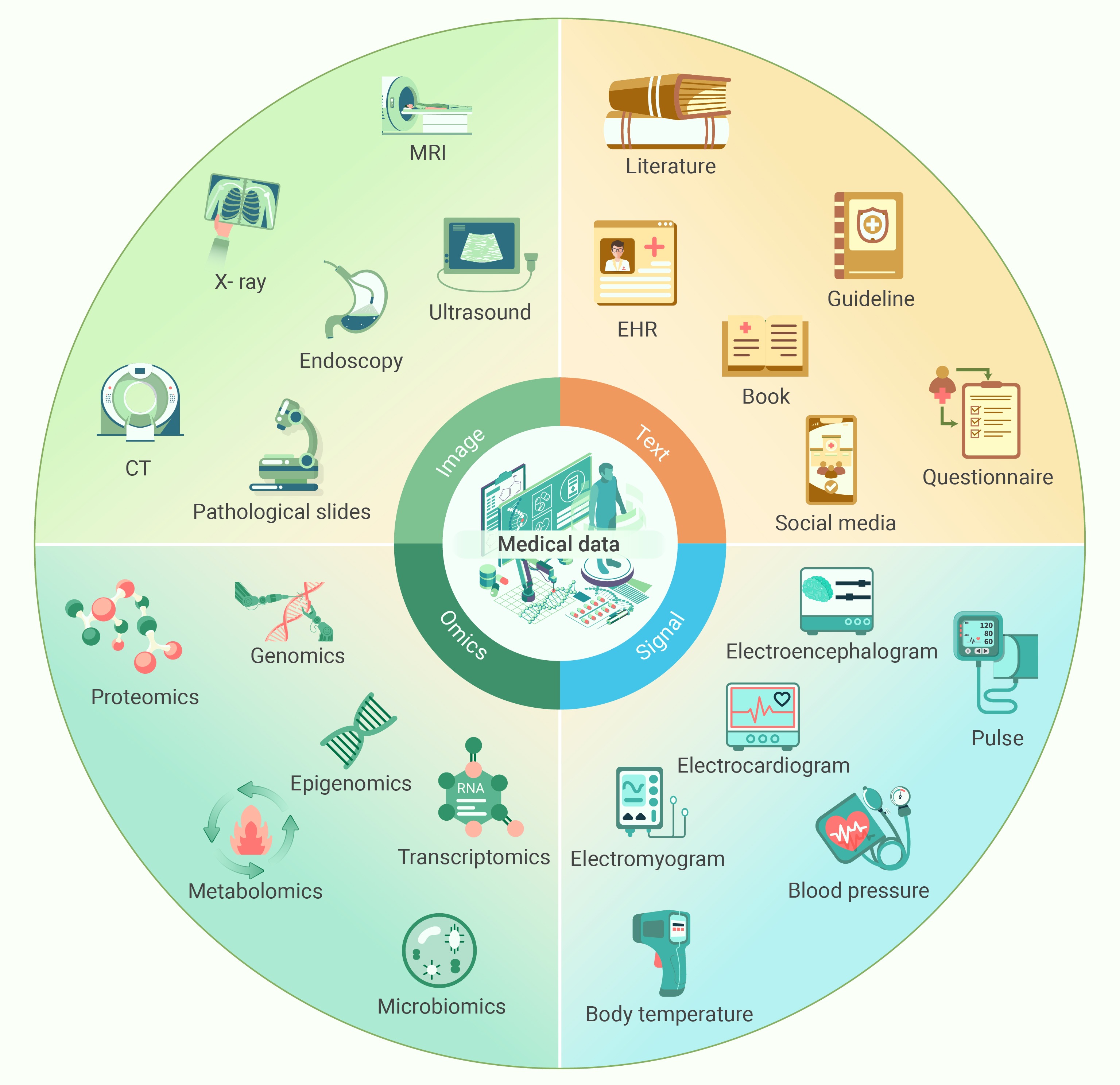
Figure 1.
Medical data includes medical imaging data, medical textual data, physiological signal data, as well as molecular omics data.
-
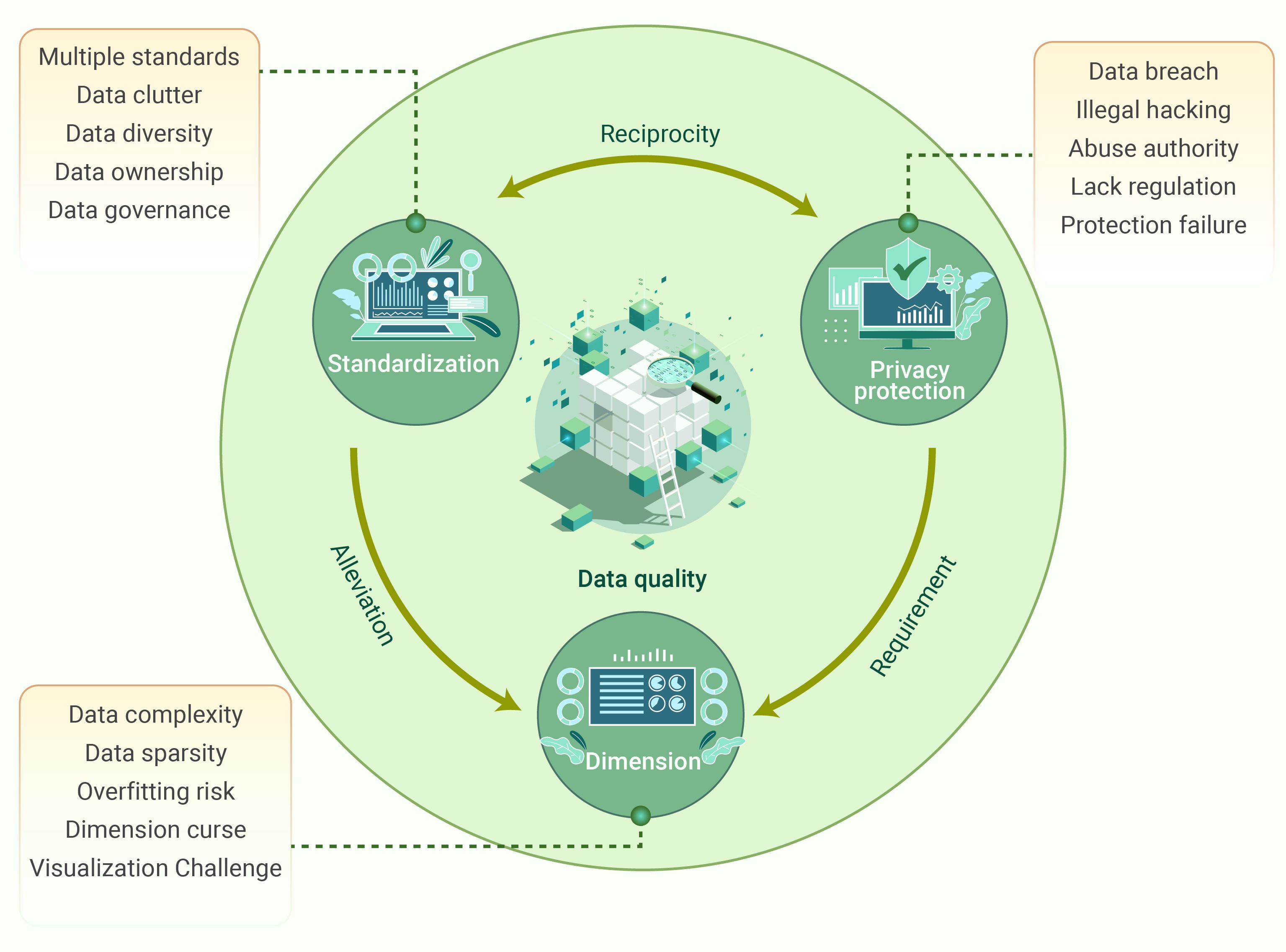
Figure 2.
Three different challenges in modeling medical data: data dimensionality, standardization, and privacy protection.
-
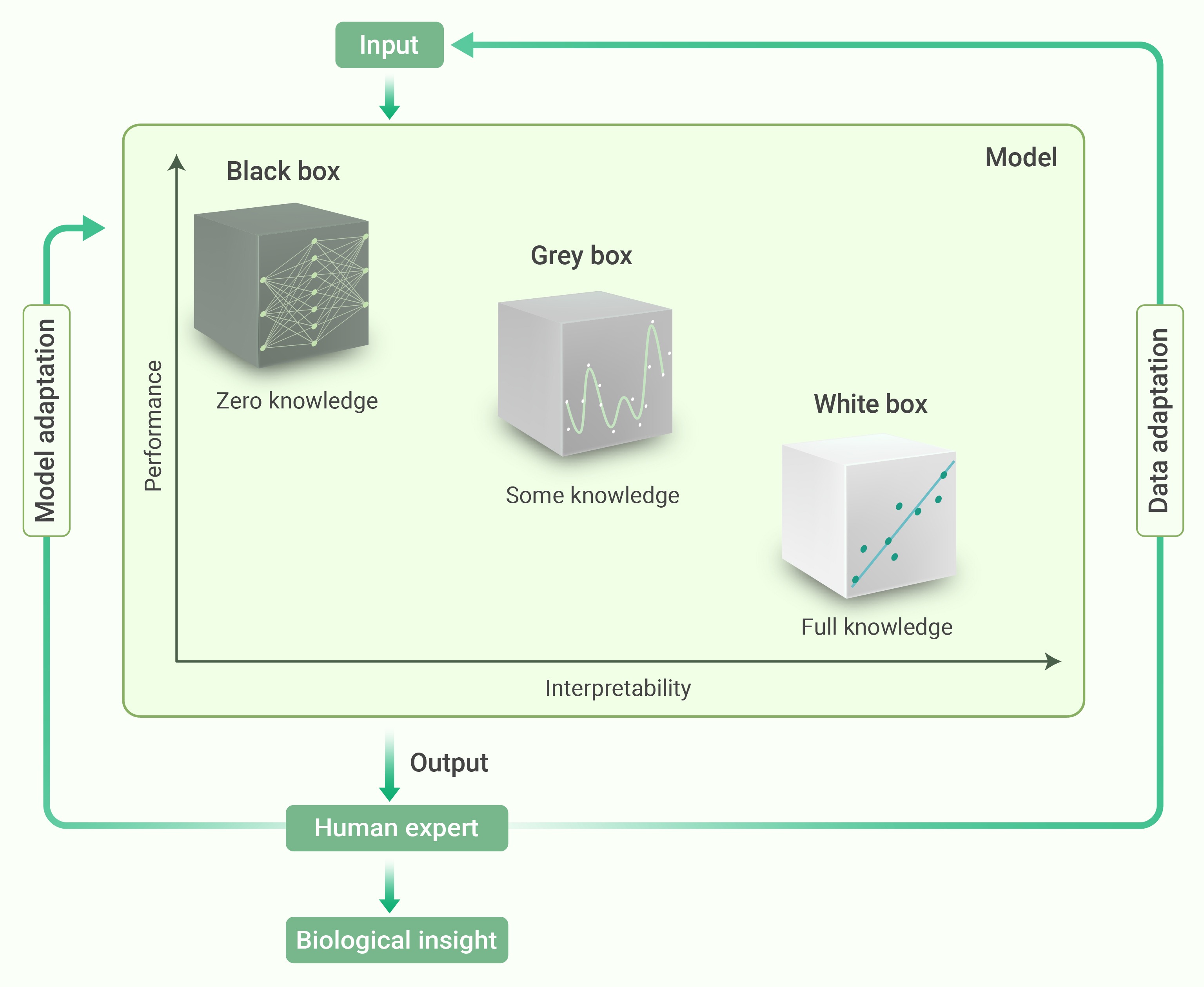
Figure 3.
Models in computational modeling-driven knowledge discovery exhibit different levels of interpretability and performance.
-
Figure 4.
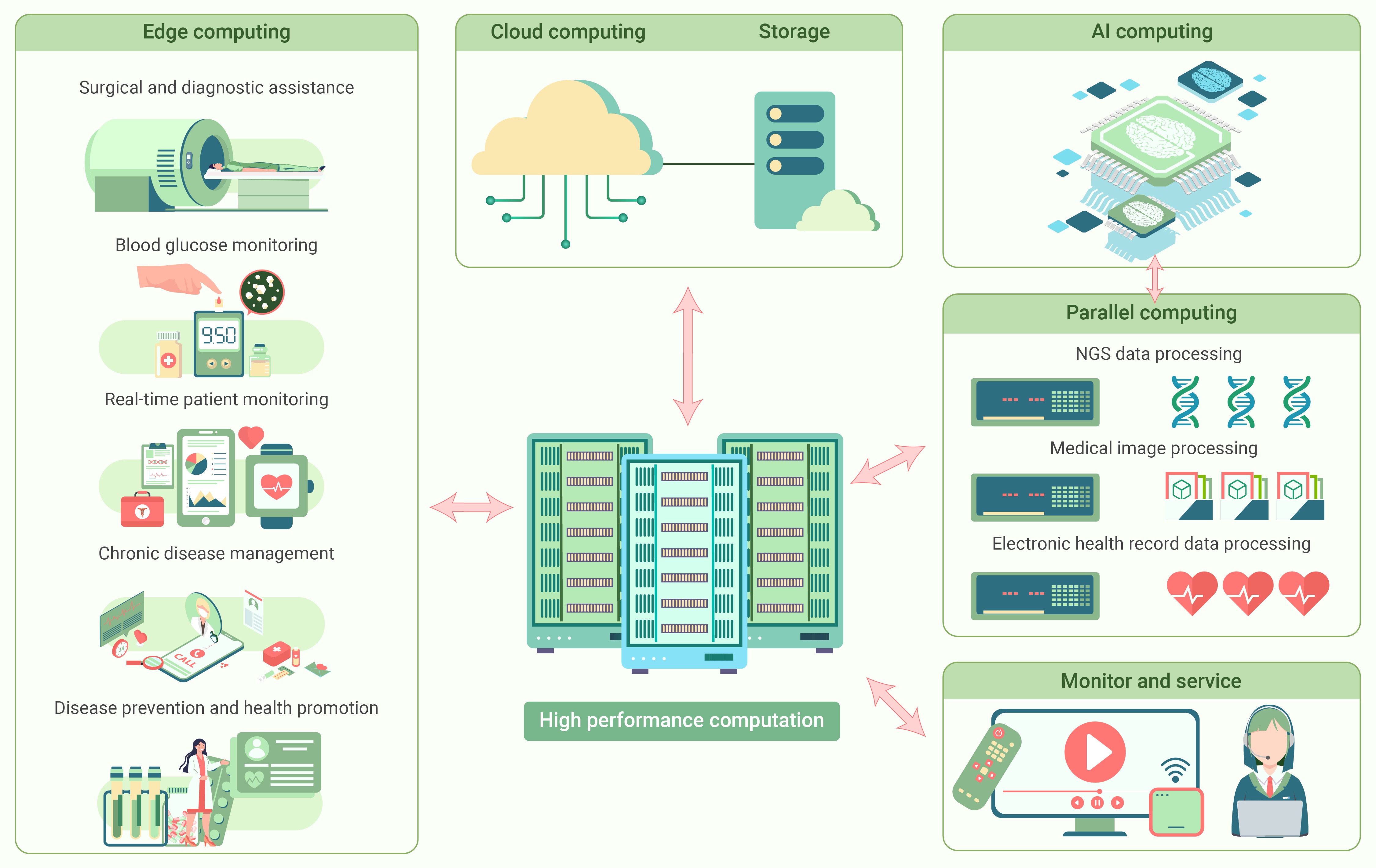
The comprehensive framework of high-performance computing for medical data analysis.
-
Figure 5.
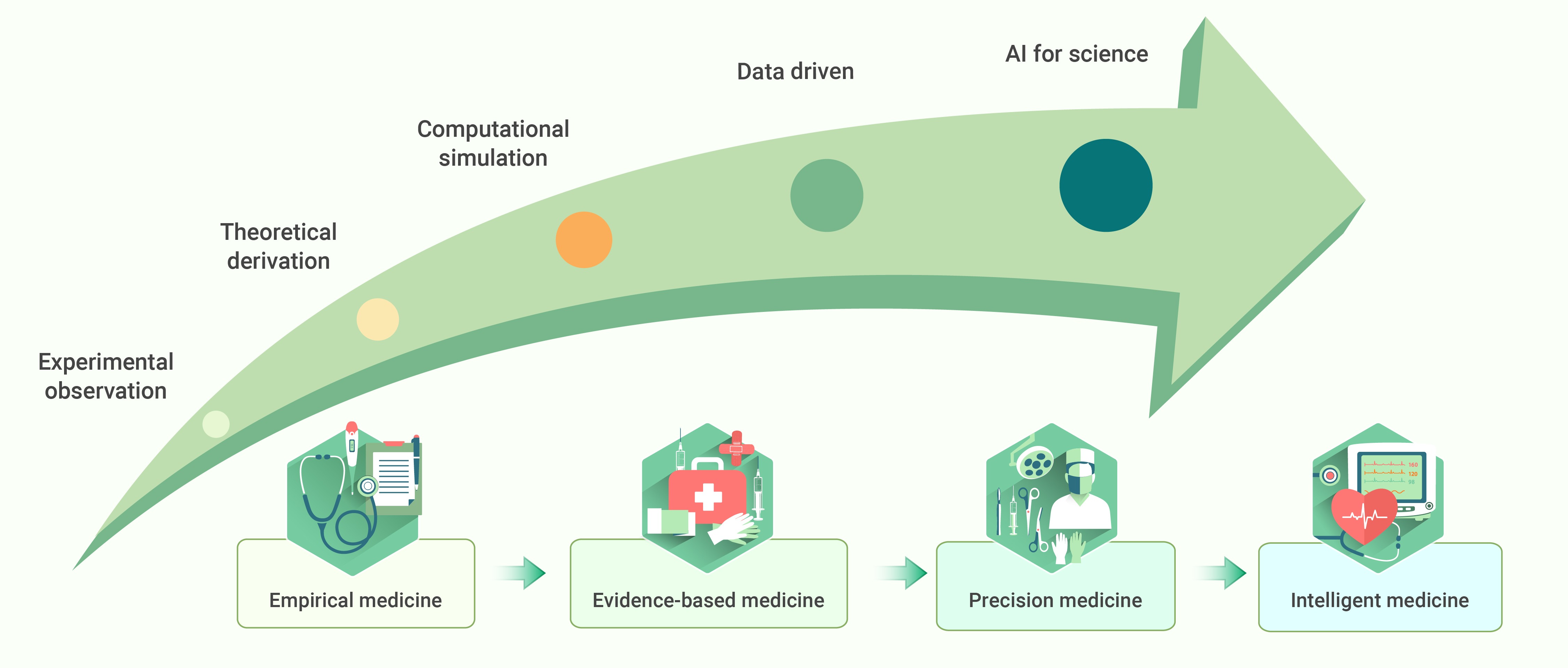
The evolution of research paradigms and medical research paradigms.
