
Immunomechanical colloidal crystals orchestrate macrophage polarization for wound healing
-
GRAPHICAL ABSTRACT
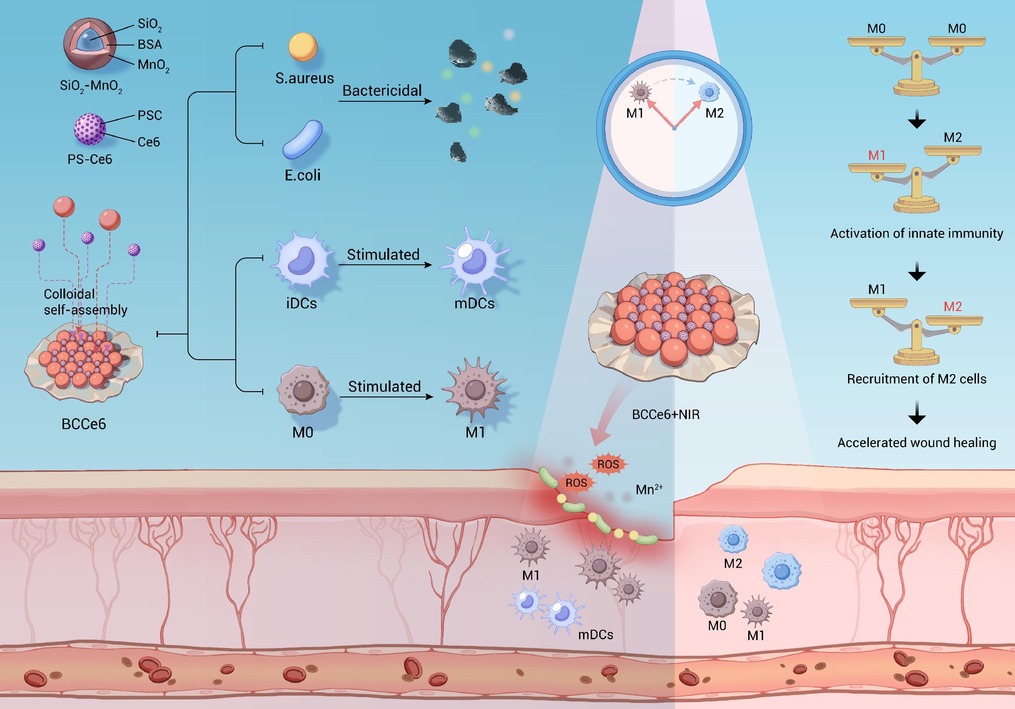
 DownLoad:
Full size image
DownLoad:
Full size image
-
PUBLIC SUMMARY
-
Bacterial infections at wound sites or following surgery pose severe risks to patient health and recovery.
An immunoregulatory binary colloidal crystal (BCCe6) was developed through colloidal self-assembly technology.
BCCe6 with photodynamic function enables rapid bacterial eradication and regulates macrophage polarization.
BCCe6 sequentially regulates the microenvironment, thereby promoting tissue regeneration and wound healing.
-
-
ABSTRACT
Bacterial infections at wound sites or following biomaterial implantation remain a major clinical challenge, often necessitating repeated surgical intervention. Here, we introduce BCCe6, a photodynamic and immunomodulatory colloidal self-assembled crystal (cSAC) fabricated from MnO2-modified silica and chlorin e6 (Ce6)-functionalized polystyrene particles. The hierarchical structure, controlled Mn2+ ion release, and photodynamic properties of BCCe6 synergistically eradicate surrounding bacteria and biofilms. Beyond antibacterial effects, BCCe6 activates bone marrow–derived dendritic cells (BMDCs) and induces macrophage polarization toward the M1 phenotype. RNA sequencing revealed upregulation of inflammatory mediators (TLR and IL families) and activation of TNF-α and IL-17 signaling pathways. Moreover, BCCe6 exhibits unique mechanotransduction, activating the MAPK and PI3K/Akt pathways. qPCR and protein analyses confirmed downregulation of macrophage focal adhesion and cytoskeletal components upon contact with BCCe6. Mechanistically, macrophage polarization is regulated via dual immunomechanical axes: the integrin/PYK2 (biomechanical) and cGAS/STING (biochemical) signaling pathways. In a drug-resistant bacteria-infected wound model, BCCe6, combined with near-infrared (NIR) irradiation, rapidly triggered immune activation, eradicated bacterial contamination, and subsequently recruited M2 macrophages, thereby accelerating wound healing. This proof-of-concept study demonstrates that precisely tuned physicochemical cues of biomaterials can be harnessed to combat infection, modulate immunity, and promote tissue regeneration, providing new insights for the rational design of next-generation immunoregulatory biomaterials and advancing the field of materiobiology.-
Keywords:
- colloidal crystals /
- photoresponsive /
- bactericidal /
- macrophage /
- immunomodulation
-

-
REFERENCES
[1] Hu D., Deng Y., Jia F., et al. (2020). Surface charge switchable supramolecular nanocarriers for nitric oxide synergistic photodynamic eradication of biofilms. ACS Nano 14:347−359. DOI:10.1021/acsnano.9b05493 [2] de la Fuente-Nunez C., Reffuveille F., Fernandez L., et al. (2013). Bacterial biofilm development as a multicellular adaptation: Antibiotic resistance and new therapeutic strategies. Curr. Opin. Microbiol. 16:580−589. DOI:10.1016/j.mib.2013.06.013 [3] Lakhundi S. and Zhang K. (2018). Methicillin-resistant Staphylococcus aureus: Molecular characterization, evolution, and epidemiology. Clin. Microbiol. Rev. 31:e00020−e00018. DOI:10.1128/CMR.00020-18 [4] Schroder K. and Deretic V. (2013). Innate immunity, the constant gardener of antimicrobial defense. Curr. Opin. Microbiol. 16:293−295. DOI:10.1016/j.mib.2013.06.007 [5] Chua S. L., Liu Y., Yam J. K., et al. (2014). Dispersed cells represent a distinct stage in the transition from bacterial biofilm to planktonic lifestyles. Nat. Commun. 5:4462. DOI:10.1038/ncomms5462 [6] Wilkins M., Hall-Stoodley L., Allan R. N., et al. (2014). New approaches to the treatment of biofilm-related infections. J. Infect. 69:S47−52. DOI:10.1016/j.jinf.2014.07.014 [7] Yan J. and Bassler B. L. (2019). Surviving as a community: Antibiotic tolerance and persistence in bacterial biofilms. Cell Host Microbe 26:15−21. DOI:10.1016/j.chom.2019.06.002 [8] Solano C., Echeverz M. and Lasa I. (2014). Biofilm dispersion and quorum sensing. Curr. Opin. Microbiol 18:96−104. DOI:10.1016/j.mib.2014.02.008 [9] Kolodkin-Gal I., Romero D., Cao S., et al. (2010). D-amino acids trigger biofilm disassembly. Science 328:627−629. DOI:10.1126/science.1188628 [10] Kolodkin-Gal I., Cao S., Chai L., et al. (2012). A self-produced trigger for biofilm disassembly that targets exopolysaccharide. Cell 149:684−692. DOI:10.1016/j.cell.2012.02.055 [11] Dalby M. J., García A. J. and Salmerón-Sánchez M. (2018). Receptor control in mesenchymal stem cell engineering. Nat. Rev. Mater. 3:17091. DOI:10.1038/natrevmats.2017.91 [12] Janvier, X., Jansen, S., Prenom, C. et al. (2024). Preventing bacterial adhesion to skin by altering their physicochemical cell surface properties specifically. NPJ BIOFILMS MICROBI. 10:94. DOI:10.1038/s41522-024-00568-8 [13] Song J. N., Liu K., Mei J., et al. (2023). Defined surface physicochemical cues inhibit M1 polarization of human macrophages using colloidal self-assembled patterns. ACS Appl. Mater. Interfaces 15:35832−35846. DOI:10.1021/acsami.3c04692 [14] Linklater D. P., Baulin V. A., Juodkazis S., et al. (2021). Mechano-bactericidal actions of nanostructured surfaces. Nat. Rev. Microbiol. 19:8−22. DOI:10.1038/s41579-020-0414-z [15] Ivanova, E., Hasan, J., Webb, H. et al. (2013). Bactericidal activity of black silicon. Nat. Commun. 4:2838. DOI:10.1038/ncomms3838 [16] Shi Y., Lin J., Tao X., et al. (2021). Harnessing colloidal self-assembled patterns (cSAPs) to regulate bacterial and human stem cell response at biointerfaces in vitro and in vivo. ACS Appl. Mater. Interfaces 13:20982−20994. DOI:10.1021/acsami.1c02591 [17] Yan S., Shi H., Song L., et al. (2016). Nonleaching bacteria-responsive antibacterial surface based on a unique hierarchical architecture. ACS Appl. Mater. Interfaces 8:24471−24481. DOI:10.1021/acsami.6b08436 [18] Tang H., Qu X., Zhang W., et al. (2022). Photosensitizer nanodot eliciting immunogenicity for photo-immunologic therapy of postoperative methicillin-resistant staphylococcus aureus infection and secondary recurrence. Adv. Mater. 34:e2107300. DOI:10.1002/adma.202107300 [19] Gaudilliere B., Fragiadakis G. K., Bruggner R. V., et al. (2014). Clinical recovery from surgery correlates with single-cell immune signatures. Sci. Transl. Med. 6:255ra131. DOI:10.1126/scitranslmed.3009701 [20] Akita S. (2019). Wound repair and regeneration: Mechanisms, signaling. Int. J. Mol. Sci. 20:6328. DOI:10.3390/ijms20246328 [21] Zhang L. J. and Gallo R. L. (2016). Antimicrobial peptides. Curr. Biol. 26:R14−19. DOI:10.1016/j.cub.2015.11.017 [22] Bian T., Gardin A., Gemen J., et al. (2021). Electrostatic co-assembly of nanoparticles with oppositely charged small molecules into static and dynamic superstructures. Nat. Chem. 13:940−949. DOI:10.1038/s41557-021-00752-9 [23] Wang P. Y., Pingle H., Koegler P., et al. (2015). Self-assembled binary colloidal crystal monolayers as cell culture substrates. J. Mater. Chem. B 3:2545−2552. DOI:10.1039/c4tb02006e [24] Lin Y., Zhang F., Chen S., et al. (2023). Binary colloidal crystals promote cardiac differentiation of human pluripotent stem cells via nuclear accumulation of SETDB1. ACS Nano 17:3181−3193. DOI:10.1021/acsnano.3c00009 [25] Harati J., Liu K., Shahsavarani H., et al. (2022). Defined physicochemical cues steering direct neuronal reprogramming on colloidal self-assembled patterns (cSAPs). ACS Nano 17:1054−1067. DOI:10.1021/acsnano.2c07473 [26] Wang P. Y., Hung S. S., Thissen H., et al. (2016). Binary colloidal crystals (BCCs) as a feeder-free system to generate human induced pluripotent stem cells (hiPSCs). Sci. Rep. 6:36845. DOI:10.1038/srep36845 [27] Deng K., Du P., Liu K., et al. (2021). Programming colloidal self-assembled patterns (cSAPs) into thermo-responsible hybrid surfaces for controlling human stem cells and macrophages. ACS Appl. Mater. Interfaces 13:18563−18580. DOI:10.1021/acsami.1c02969 [28] Wang J., Zhao S., Chen J., et al. (2023). Phage-Ce6-manganese dioxide nanocomposite-mediated photodynamic, photothermal, and chemodynamic therapies to eliminate biofilms and improve wound healing. ACS Appl. Mater. Interfaces 15:21904−21916. DOI:10.1021/acsami.3c01762 [29] Wang C., Xiao Y., Zhu W., et al. (2020). Photosensitizer-modified MnO2 nanoparticles to enhance photodynamic treatment of abscesses and boost immune protection for treated mice. Small 16:e2000589. DOI:10.1002/smll.202000589 [30] Diba F. S., Reynolds N., Thissen H., et al. (2019). Tunable chemical and topographic patterns based on binary colloidal crystals (BCCs) to modulate MG63 cell growth. Adv. Funct. Mater. 29:1904262. DOI:10.1002/adfm.201904262 [31] Zhang L., Yang R., Yu H., et al. (2021). MnO(2)-capped silk fibroin (SF) nanoparticles with chlorin e6 (Ce6) encapsulation for augmented photo-driven therapy by modulating the tumor microenvironment. J. Mater. Chem. B 9:3677−3688. DOI:10.1039/d1tb00296a [32] Yuan Z., Wu J., Xiao Y., et al. (2023). A photo-therapeutic nanocomposite with bio-responsive oxygen self-supplying combats biofilm infections and inflammation from drug-resistant bacteria. Adv. Funct. Mater. 33:2302908. DOI:10.1002/adfm.202302908 [33] Lewandowska-Andralojc A., Gacka E., Pedzinski T., et al. (2022). Understanding structure-properties relationships of porphyrin linked to graphene oxide through pi-pi-stacking or covalent amide bonds. Sci. Rep. 12:13420. DOI:10.1038/s41598-022-16931-8 [34] Xu M., Hu Y., Xiao Y., et al. (2020). Near-infrared-controlled nanoplatform exploiting photothermal promotion of peroxidase-like and OXD-like activities for potent antibacterial and anti-biofilm therapies. ACS Appl. Mater. Interfaces 12:50260−50274. DOI:10.1021/acsami.0c14451 [35] Lin L. S., Song J., Song L., et al. (2018). Simultaneous fenton-like ion delivery and glutathione depletion by MnO2 -based nanoagent to enhance chemodynamic therapy. Angew. Chem. Int. Ed. Engl. 57:4902−4906. DOI:10.1002/anie.201712027 [36] Palanikumar L., Kalmouni M., Houhou T., et al. (2023). pH-responsive upconversion mesoporous silica nanospheres for combined multimodal diagnostic imaging and targeted photodynamic and photothermal cancer therapy. ACS Nano 17:18979−18999. DOI:10.1021/acsnano.3c04564 [37] Xiao H., Li X., Li B., et al. (2023). Nanodrug inducing autophagy inhibition and mitochondria dysfunction for potentiating tumor photo‐immunotherapy. Small 19:2300280. DOI:10.1002/smll.202300280 [38] He L., Wang J., Zhu P., et al. (2023). Intelligent manganese dioxide nanocomposites induce tumor immunogenic cell death and remould tumor microenvironment. Chem. Eng. J. 461:141369. DOI:10.1016/j.cej.2023.141369 [39] He Q., Liu D., Ashokkumar M., et al. (2021). Antibacterial mechanism of ultrasound against Escherichia coli: Alterations in membrane microstructures and properties. Ultrason. Sonochem. 73:105509. DOI:10.1016/j.ultsonch.2021.105509 [40] Navarro P. P., Vettiger A., Ananda V. Y., et al. (2022). Cell wall synthesis and remodelling dynamics determine division site architecture and cell shape in Escherichia coli. Nat. Microbiol. 7:1621−1634. DOI:10.1038/s41564-022-01210-z [41] Li J., Xia T., Zhao Q., et al. (2024). Biphasic calcium phosphate recruits Tregs to promote bone regeneration. Acta Biomater. 176:432−444. DOI:10.1016/j.actbio.2024.01.001 [42] Zhu H., Xu C., Geng Y., et al. (2025). Endoplasmic reticulum-targeted polymer-manganese nanocomplexes for tumor immunotherapy. ACS Nano 19:4959−4972. DOI:10.1021/acsnano.4c17279 [43] Zhang S., Wang C., Zhu Y., et al. (2025). DNA‐capturing manganese‐coordinated chitosan microparticles potentiate radiotherapy via activating the cGAS‐STING pathway and maintaining tumor‐infiltrating CD8+ T‐cell stemness. Adv. Mater. 37:2418583. DOI:10.1002/adma.202418583 [44] Yang N., Sun S., Xu J., et al. (2025). Manganese galvanic cells intervene in tumor metabolism to reinforce cGAS‐STING activation for bidirectional synergistic hydrogen‐immunotherapy. Adv. Mater. 37:2414929. DOI:10.1002/adma.202414929 [45] Harati J., Du P., Galluzzi M., et al. (2024). Tailored physicochemical cues direct human mesenchymal stem cell differentiation through epigenetic regulation using colloidal self-assembled patterns. ACS Appl. Mater. Interfaces 16:35912−35924. DOI:10.1021/acsami.4c02989 [46] Harati J., Tao X., Shahsavarani H., et al. (2022). Polydopamine-mediated protein adsorption alters the epigenetic status and differentiation of primary human adipose-derived stem cells (hASCs). Front. Bioeng. Biotechnol. 10:934179. DOI:10.3389/fbioe.2022.934179 [47] Dong M., Xue C., Yang X., et al. (2025). Self‐propelled bacteria‐mediated in situ biosynthesis of MnS nanoparticles for remodeling tumor microenvironment to amplify cGAS‐STING pathway for antitumor immunity. Adv. Funct. Mater.35: 2503733. DOI:10.1002/adfm.202503733 [48] Huang J., Yue B., Sun J., et al. (2024). Injectable thermosensitive hydrogels loaded with irradiated tumor cell-derived microparticles and manganese activate anti-tumor immunity. Nano Today 58:102455. DOI:10.1016/j.nantod.2024.102455 [49] Li Z., Li X., Lu Y., et al. (2024). Novel photo‐STING agonists delivered by erythrocyte efferocytosis‐mimicking pattern to repolarize tumor‐associated macrophages for boosting anticancer immunotherapy. Adv. Mater. 36:e2410937. DOI:10.1002/adma.202410937 [50] Zhang K. and Jagannath C. (2025). Crosstalk between metabolism and epigenetics during macrophage polarization. Epigenet. Chromatin 18:16. DOI:10.1186/s13072-025-00575-9 [51] Wang H., Yu H., Huang T., et al. (2023). Hippo-YAP/TAZ signaling in osteogenesis and macrophage polarization: Therapeutic implications in bone defect repair. Genes & Diseases 10:2528−2539. DOI:10.1016/j.gendis.2022.12.012 [52] Jiao S., Li C., Guo F., et al. (2023). SUN1/2 controls macrophage polarization via modulating nuclear size and stiffness. Nat. Commun. 14:6416. DOI:10.1038/s41467-023-42187-5 [53] Xie W., Yu X., Yang Q., et al. (2025). The immunomechanical checkpoint PYK2 governs monocyte-to-macrophage differentiation in pancreatic cancer. Cancer Discovery 8:1740−1765. DOI:10.1158/2159-8290.CD-24-1712 [54] Chung I. C., OuYang C.-N., Yuan S.-N., et al. (2016). Pyk2 activates the NLRP3 inflammasome by directly phosphorylating ASC and contributes to inflammasome-dependent peritonitis. Sci. Rep. 6:36214. DOI:10.1038/srep36214 -
ABOUT THIS ARTICLE
Cite this article:
Wang J., Li C., Liu Y.-C., et al. (2025). Immunomechanical colloidal crystals orchestrate macrophage polarization for wound healing. The Innovation Life 3:100166. https://doi.org/10.59717/j.xinn-life.2025.100166
Welcome!
To request copyright permission to republish or share portions of our works, please visit Copyright Clearance Center's (CCC) Marketplace website at marketplace.copyright.com.
Article Metrics
Relative Articles
Cited by
Export File
Citation
Wang J., Li C., Liu Y.-C., et al. (2025). Immunomechanical colloidal crystals orchestrate macrophage polarization for wound healing. The Innovation Life 3:100166. https://doi.org/10.59717/j.xinn-life.2025.100166

Format
Content

-
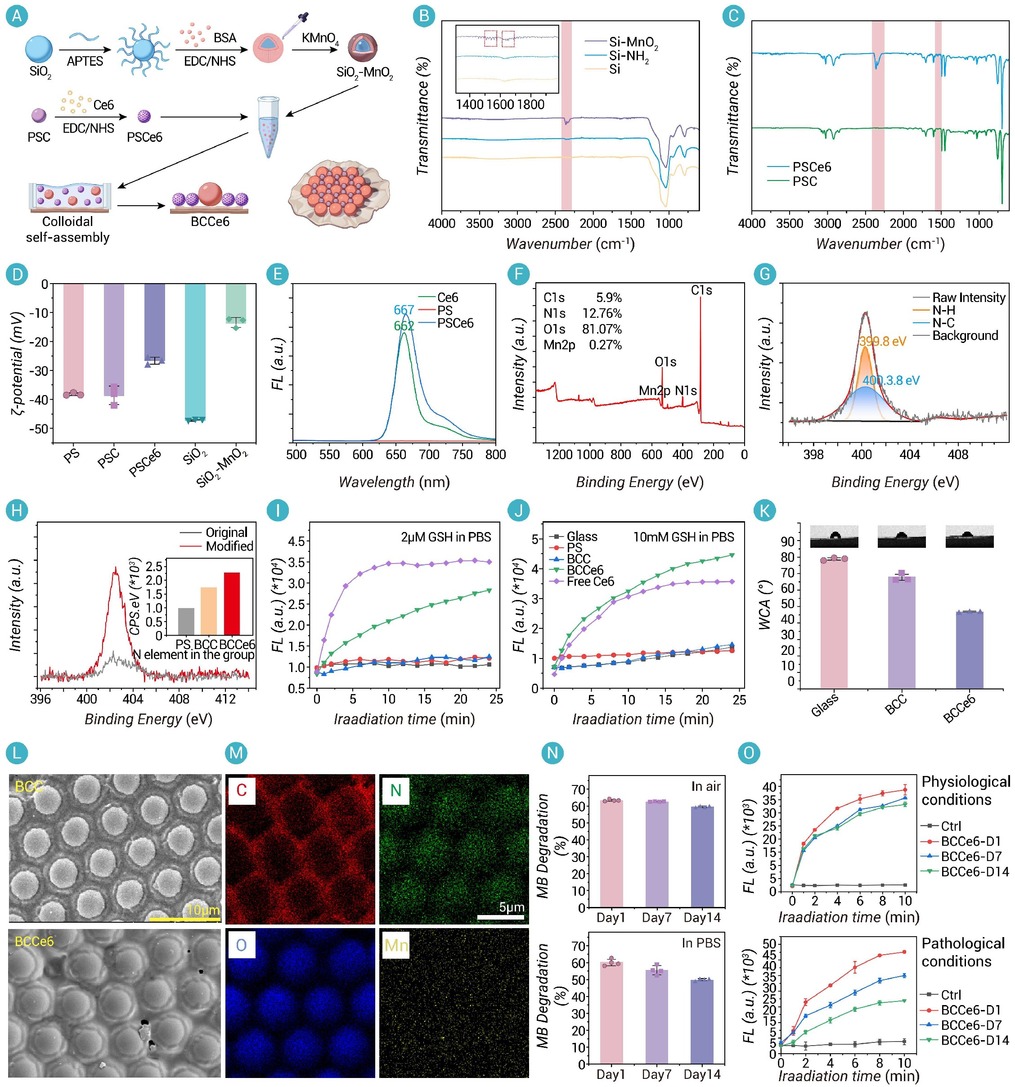
Figure 1.
Fabrication and characterization of colloids and BCCe6
-
Figure 2.
Anti-bacterial attachment and bactericidal effects of BCCe6
-
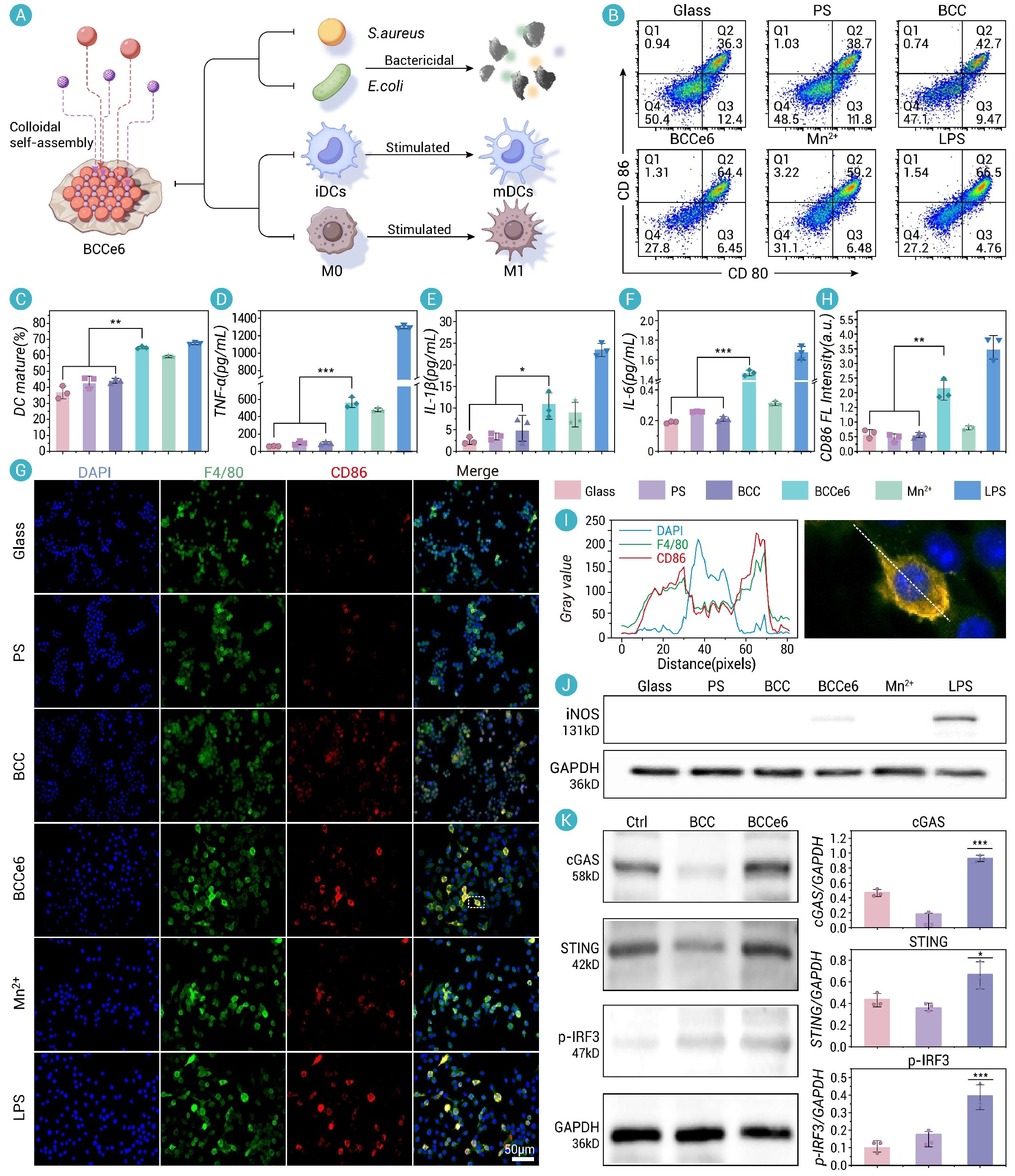
Figure 3.
Maturation of bone marrow dendritic cells (BMDCs) and polarization of RAW264.7 macrophages on BCCe6
-
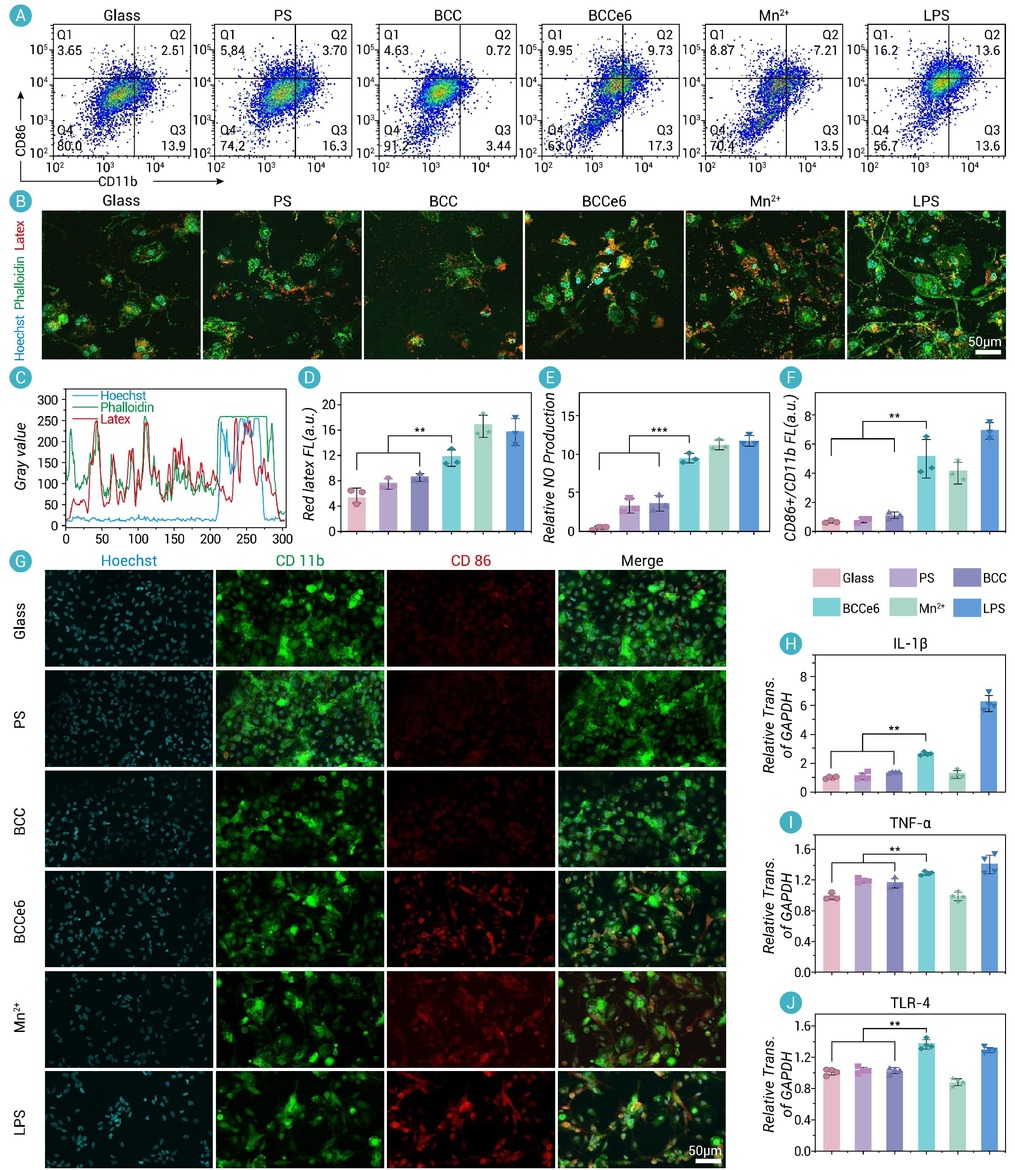
Figure 4.
Polarization of THP-1 macrophages on BCCe6
-
Figure 5.
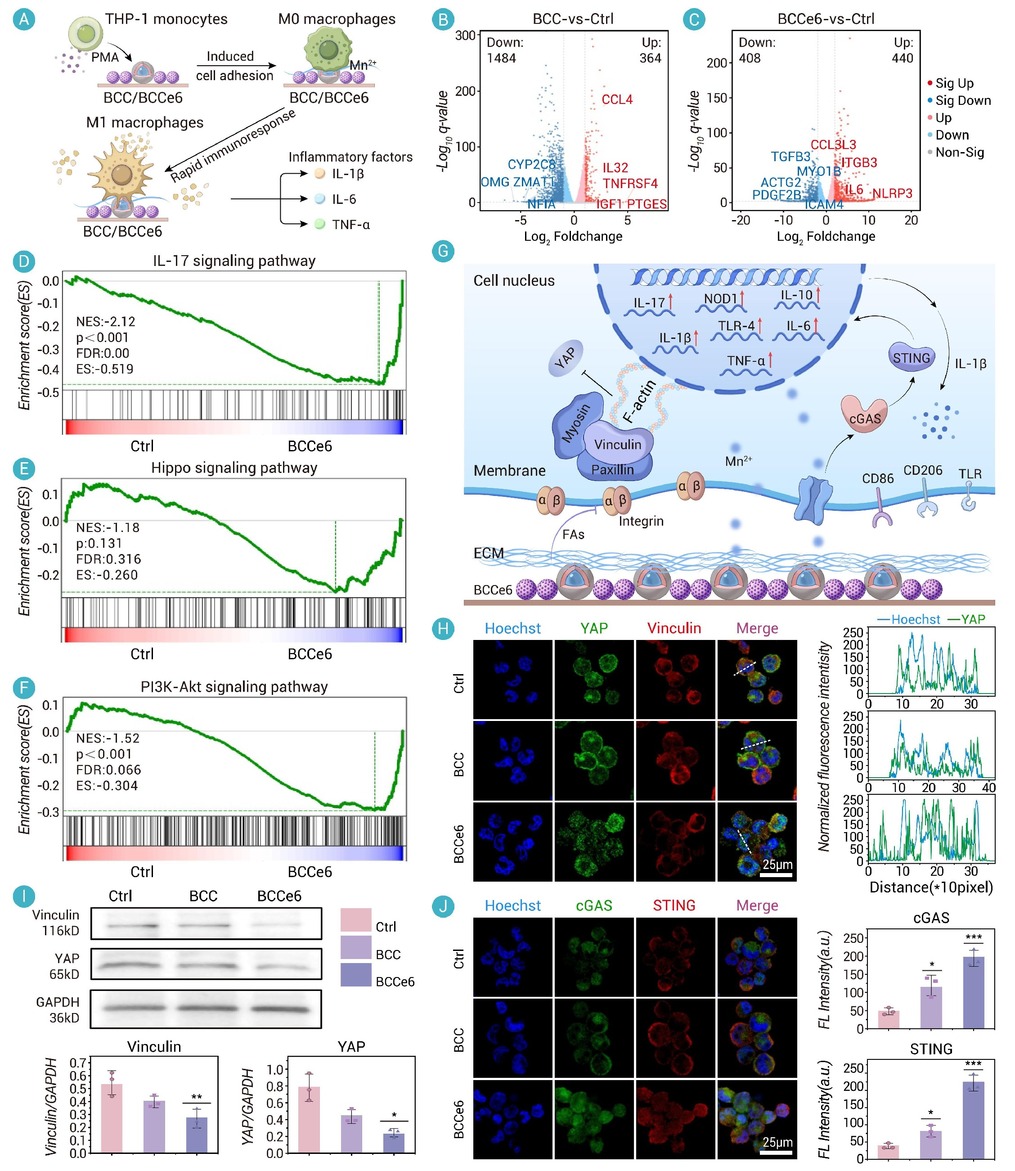
RNAseq analysis and molecular verification of THP-1 macrophages on BCCe6
-
Figure 6.
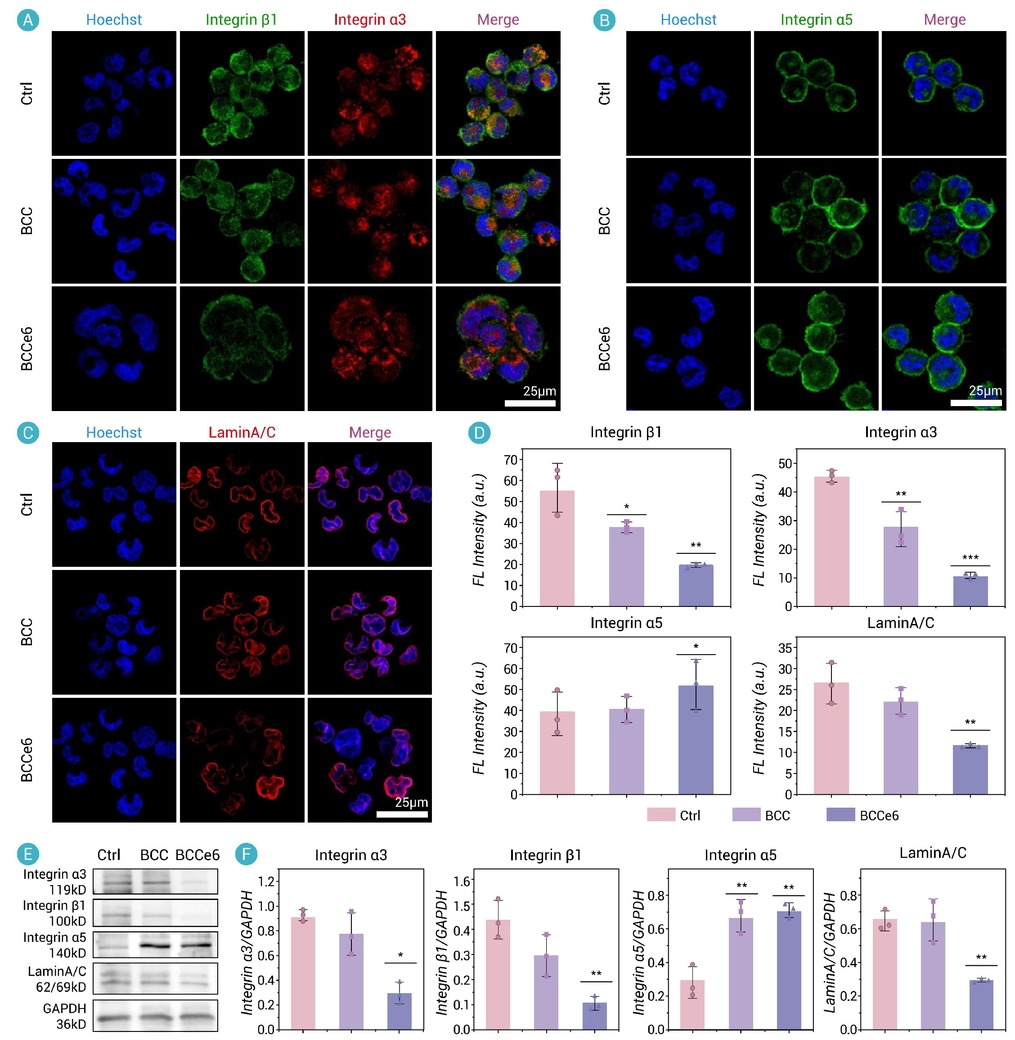
Integrin and cell nucleus analysis of THP-1 macrophages on BCCe6
-
Figure 7.
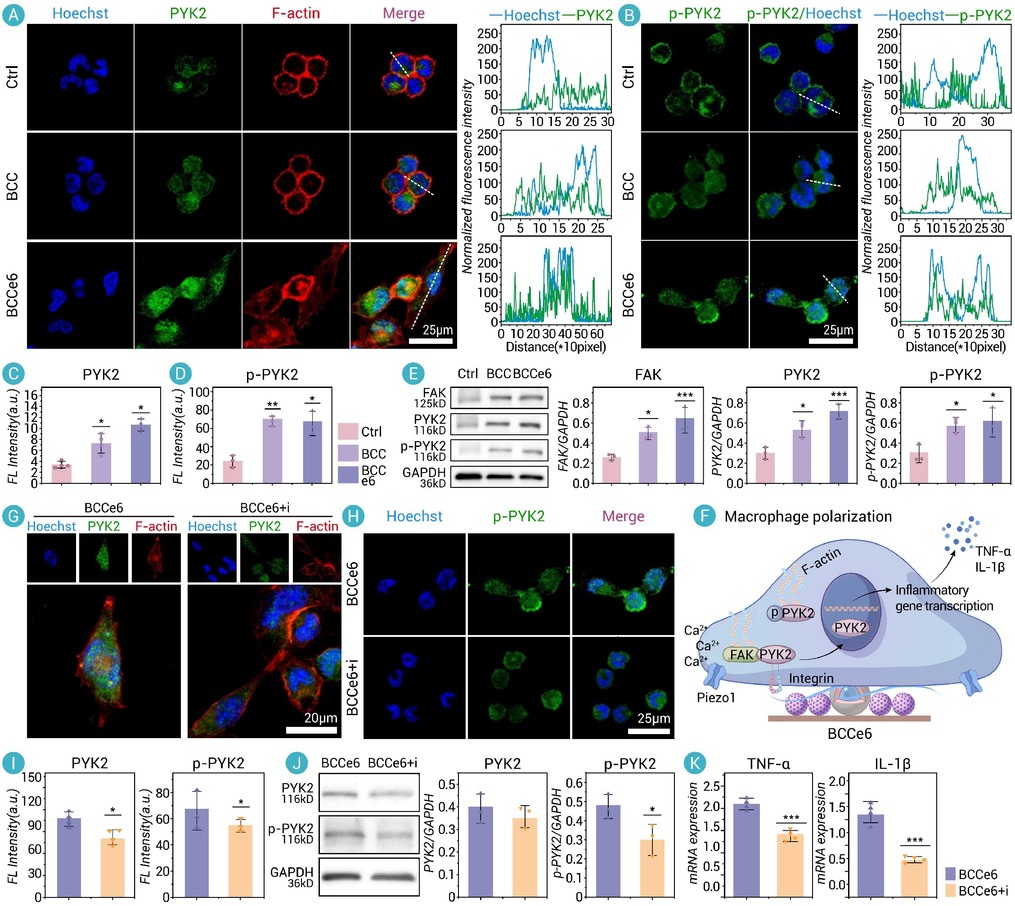
FAK and PYK2 are key immunomechanical switches in THP-1 macrophages in response to BCCe6
-
Figure 8.
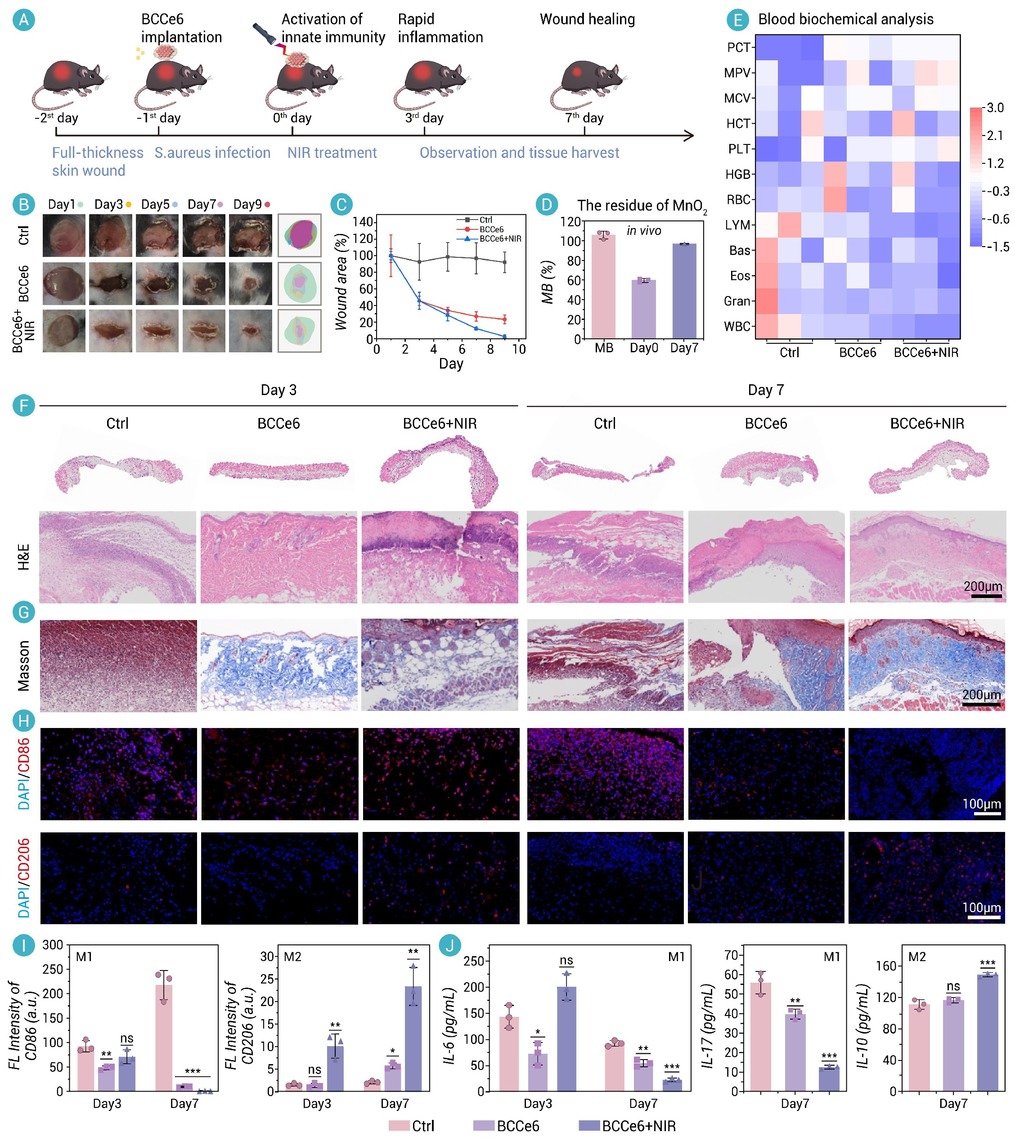
The effect of BCCe6 and BCCe6+NIR on a bacteria-infected wound model
