
Physiological role of the IL-1 family cytokines and receptors in the human brain
-
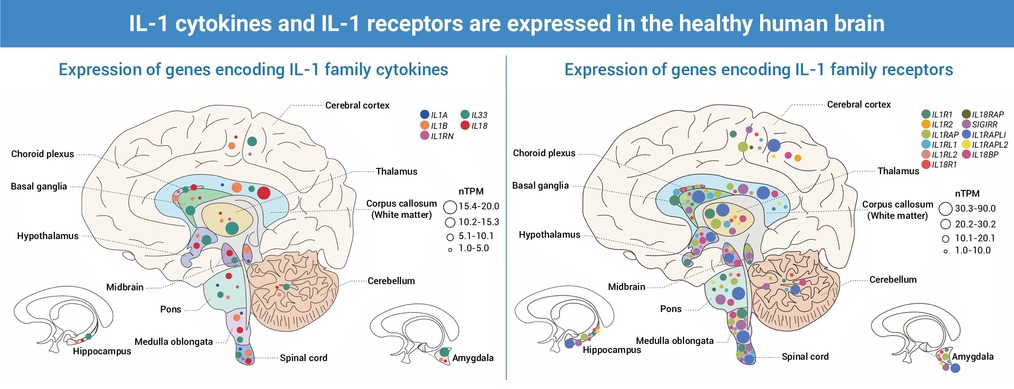
GRAPHICAL ABSTRACT
 DownLoad:
Full size image
DownLoad:
Full size image
-
PUBLIC SUMMARY
-
IL-1 cytokines and receptors are key in the immune and inflammatory responses to infections and diseases.
Their role in physiological functions in normal healthy conditions is much less known.
In the human healthy brain, some of these molecules are expressed and are not linked to immunity.
The same factors are expressed at different levels in healthy vs. disease conditions.
This suggests a dual function: inflammation in disease, neuroprotection in healthy conditions.
-
-
ABSTRACT
Cytokines and receptors of the IL-1 family are generally known for their role in inducing and modulating the inflammatory responses upon infectious challenges and, in particular, for their pathological role in chronic inflammatory, degenerative and autoimmune diseases. On the other hand, increasing evidence supports the notion that these molecules have a physiological role in promoting and maintaining tissue homeostasis in normal healthy conditions. The physiological importance of IL-1 family cytokines and receptors in the human brain is of particular interest, since several of these molecules are preferentially or specifically expressed in the brain and absent in other body compartments. Here, we critically examine the evidence pointing at the homeostatic functions of IL-1 family members in the human healthy brain, and highlight the existence of multiple/alternative mechanisms of brain cell regulation initiated by these molecules, including neurogenesis and neurodevelopment, neuroplasticity, neuroendocrine and neurometabolic functions.-
Keywords:
- Interleukin-1 cytokines /
- Interlukin-1 receptors /
- brain /
- homeostasis /
- physiological role /
- neuroplasticity
-

-
REFERENCES
[1] Rivers-Auty J., Daniels M. J. D., Colliver I., et al. (2018). Redefining the ancestral origins of the interleukin-1 superfamily. Nat. Commun. 9:1156. DOI:10.1038/s41467-018-03362-1 [2] Boraschi D. (2022). What is IL-1 for? The functions of Interleukin-1 across evolution. Front. Immunol. 13:872155. DOI:10.3389/fimmu.2022.872155 [3] Huang X. D., Zhang H. and He M. X. (2015). Comparative and evolutionary analysis of the Interleukin 17 gene family in invertebrates. PLoS One 10:e0132802. DOI:10.1371/journal.pone.0132802 [4] Quistad S. D., Stotland A., Barott K. L., et al. (2014). Evolution of TNF-induced apoptosis reveals 550 My of functional conservation. Proc. Natl. Acad. Sci. USA 111:9567−9572. DOI:10.1073/pnas.1405912111 [5] Cooper M. D. and Alder M. N. (2006). The evolution of adaptive immune systems. Cell 124:815−822. DOI:10.1016/j.cell.2006.02.001 [6] Sims J. E. and Smith D. E. (2010). The IL-1 family: regulators of immunity. Nat. Rev. Immunol. 10:89−102. DOI:10.1038/nri2691 [7] Dinarello C. A. (2018). Overview of the IL-1 family in innate inflammation and acquired immunity. Immunol. Rev. 281:8−27. DOI:10.1111/imr.12621 [8] Boraschi D. and Tagliabue A. (2013). The interleukin-1 receptor family. Semin. Immunol. 25:394−407. DOI:10.1016/j.smim.2013.10.023 [9] Boraschi D., Italiani P., Weil S., et al. (2018). The family of the interleukin-1 receptors. Immunol. Rev. 281:197−232. DOI:10.1111/imr.12606 [10] Novick D., Schwartsburd B., Pinkus R., et al. (2001). A novel IL-18BP ELISA shows elevated serum IL-18BP in sepsis and extensive decrease of free IL-18. Cytokine 14:334−342. DOI:10.1006/cyto.2001.0914 [11] Gangemi S., Basile G., Merendino R. A., et al. (2003). Increased circulating Interleukin-18 levels in centenarians with no signs of vascular disease: another paradox of longevity. Exp. Gerontol. 38:669−672. DOI:10.1016/s0531-5565(03)00061-5 [12] Italiani P., Manca M. L., Angelotti F., et al. (2018). IL-1 family cytokines and soluble receptors in systemic lupus erythematosus. Arthritis Res.Ther. 20:27. DOI:10.1186/s13075-018-1525-z [13] Babarinde I.A. and Boraschi D. (2025). Expression dynamics of IL-1 family genes in the healthy human brain suggest non-immune functional roles. Innov. Life 6:100183. DOI:10.59717/j.xinn-life.2026.100183 [14] Uhlén M., Björling E., Agaton C., et al. (2005). A human protein atlas for normal and cancer tissues based on antibody proteomics. Mol. Cell. Proteomics 4:1920−1932. DOI:10.1074/mcp.M500279-MCP200 [15] Uhlén M., Fagerberg L., Hallström B. M., et al. (2015). Proteomics. Tissue-based map of the human proteome. Science 347:1260419. DOI:10.1126/science.1260419 [16] Sjostedt E., Zhong W., Fagerberg L., et al. (2020). An atlas of the protein-coding genes in the human, pig, and mouse brain. Science 367:eaay5947. DOI:10.1126/science.aay5947 [17] Smith D. E., Renshaw B. R., Ketchem R. R., et al. (2000). Four new members expand the interleukin-1 superfamily. J. Biol. Chem. 275:1169−1175. DOI:10.1074/jbc.275.2.1169 [18] Tsilioni I., Pantazopoulos H., Conti P., et al. (2020). IL-38 inhibits microglial inflammatory mediators and is decreased in amygdala of children with autism spectrum disorder. Proc. Natl. Acad. Sci. USA 117:16475−16480. DOI:10.1073/pnas.2004666117 [19] Dinarello C. A. (2009). Immunological and inflammatory functions of the interleukin-1 family. Annu. Rev. Immunol. 27:519−550. DOI:10.1146/annurev.immunol.021908.132612 [20] Rider P., Carmi Y., Voronov E., et al. (2013). Interleukin-1α. Semin. Immunol. 25:430−438. DOI:10.1016/j.smim.2013.10.005 [21] Hauser C., Saurat J. H., Schmitt A., et al. (1986). Interleukin 1 is present in normal human epidermis. J. Immunol. 136:3317−3323. DOI:10.4049/jimmunol.136.9.3317 [22] Sheng J. G., Mrak R. E. and Griffin W. S. (1998). Enlarged and phagocytic, but not primed, interleukin-1 alpha-immunoreactive microglia increase with age in normal human brain. Acta Neuropathol. 95:229−234. DOI:10.1007/s004010050792 [23] Stanley L. C., Mrak R. E., Woody R. C., et al. (1994). Glial cytokines as neuropathogenic factors in HIV infection: pathogenic similarities to Alzheimer's disease. J. Neuropathol. Exp. Neurol. 53:231−238. DOI:10.1097/00005072-199405000-00003 [24] Sheng J. G., Boop F. A., Mrak R. E., et al. (1994). Increased neuronal beta-amyloid precursor protein expression in human temporal lobe epilepsy: association with interleukin-1 alpha immunoreactivity. J. Neurochem. 63:1872−1879. DOI:10.1046/j.1471-4159.1994.63051872.x [25] Griffin W. S., Sheng J. G., Gentleman S. M., et al. (1994). Microglial interleukin-1 alpha expression in human head injury: correlations with neuronal and neuritic beta-amyloid precursor protein expression. Neurosci. Lett. 176:133−136. DOI:10.1016/0304-3940(94)90066-3 [26] Tarassishin L., Suh H. S. and Lee S. C. (2014). LPS and IL-1 differentially activate mouse and human astrocytes: role of CD14. Glia 62:999−1013. DOI:10.1002/glia.22657 [27] Vijayaraj S. L., Feltham R., Rashidi M., et al. (2021). The ubiquitylation of IL-1beta limits its cleavage by caspase-1 and targets it for proteasomal degradation. Nat. Commun. 12:2713. DOI:10.1038/s41467-021-22979-3 [28] Dinarello C. A. (2011). Interleukin-1 in the pathogenesis and treatment of inflammatory diseases. Blood 117:3720−3732. DOI:10.1182/blood-2010-07-273417 [29] Lee Y. B., Nagai A. and Kim S. U. (2002). Cytokines, chemokines, and cytokine receptors in human microglia. J. Neurosci. Res. 69:94−103. DOI:10.1002/jnr.10253 [30] Choi S. S., Lee H. J., Lim I., et al. (2014). Human astrocytes: secretome profiles of cytokines and chemokines. PLoS One 9:e92325. DOI:10.1371/journal.pone.0092325 [31] Clausen B. H., Wirenfeldt M., Høgedal S. S., et al. (2020). Characterization of the TNF and IL-1 systems in human brain and blood after ischemic stroke. Acta Neuropathol. Commun. 8:81. DOI:10.1186/s40478-020-00957-y [32] Arend W. P. (1991). Interleukin 1 receptor antagonist. A new member of the interleukin 1 family. J. Clin. Invest. 88:1445–1451. DOI:10.1172/jci115453. [33] Yasuhara O., Matsuo A., Terai K., et al. (1997). Expression of interleukin-1 receptor antagonist protein in post-mortem human brain tissues of Alzheimer's disease and control cases. Acta Neuropathol. 93:414−420. DOI:10.1007/s004010050633 [34] Parnet P., Kelley K. W., Bluthé R. M., et al. (2002). Expression and regulation of interleukin-1 receptors in the brain. Role in cytokines-induced sickness behavior. J. Neuroimmunol. 125:5−14. DOI:10.1016/s0165-5728(02)00022-x [35] Cunningham E. T., Jr., Wada E., Carter D. B., et al. (1992). In situ histochemical localization of type I interleukin-1 receptor messenger RNA in the central nervous system, pituitary, and adrenal gland of the mouse. J. Neurosci. 12:1101−1114. DOI:10.1523/JNEUROSCI.12-03-01101.1992 [36] Parnet P., Amindari S., Wu C., et al. (1994). Expression of type I and type II interleukin-1 receptors in mouse brain. Brain Res. Mol. Brain Res. 27:63−70. DOI:10.1016/0169-328x(94)90185-6 [37] Lu H. L., Yang C. Y., Chen H. C., et al. (2008). A novel alternatively spliced interleukin-1 receptor accessory protein mIL-1RAcP687. Mol. Immunol. 45:1374−1384. DOI:10.1016/j.molimm.2007.09.002 [38] Smith D. E., Lipsky B. P., Russell C., et al. (2009). A central nervous system-restricted isoform of the interleukin-1 receptor accessory protein modulates neuronal responses to interleukin-1. Immunity 30:817−831. DOI:10.1016/j.immuni.2009.03.020 [39] Nguyen L., Rothwell N. J., Pinteaux E., et al. (2011). Contribution of interleukin-1 receptor accessory protein B to interleukin-1 actions in neuronal cells. Neurosignals 19:222−230. DOI:10.1159/000330803 [40] Huang Y., Smith D. E., Ibáñez-Sandoval O., et al. (2011). Neuron-specific effects of interleukin-1β are mediated by a novel isoform of the IL-1 receptor accessory protein. J. Neurosci. 31:18048−18059. DOI:10.1523/jneurosci.4067-11.2011 [41] Yoshida T., Shiroshima T., Lee S. J., et al. (2012). Interleukin-1 receptor accessory protein organizes neuronal synaptogenesis as a cell adhesion molecule. J. Neurosci. 32:2588−2600. DOI:10.1523/jneurosci.4637-11.2012 [42] Loddick S. A., Liu C., Takao T., et al. (1998). Interleukin-1 receptors: cloning studies and role in central nervous system disorders. Brain Res. Rev. 26:306−319. DOI:10.1016/s0165-0173(97)00037-4 [43] Karlsson M., Zhang C., Méar L., et al. (2021). A single-cell type transcriptomics map of human tissues. Sci. Adv. 7:eabh2169. DOI:10.1126/sciadv.abh2169 [44] Pinteaux E., Parker L. C., Rothwell N. J., et al. (2002). Expression of interleukin-1 receptors and their role in interleukin-1 actions in murine microglial cells. J. Neurochem. 83:754−763. DOI:10.1046/j.1471-4159.2002.01184.x [45] Pousset F., Cremona S., Dantzer R., et al. (2001). Dexamethasone up-regulates type II IL-1 receptor in mouse primary activated astrocytes. J. Neurochem. 76:901−909. DOI:10.1046/j.1471-4159.2001.00103.x [46] Nakamura K., Okamura H., Nagata K., et al. (1993). Purification of a factor which provides a costimulatory signal for gamma interferon production. Infect. Immun. 61:64−70. DOI:10.1128/iai.61.1.64-70.1993 [47] Okamura H., Tsutsi H., Komatsu T., et al. (1995). Cloning of a new cytokine that induces IFN-gamma production by T cells. Nature 378:88−91. DOI:10.1038/378088a0 [48] Ghayur T., Banerjee S., Hugunin M., et al. (1997). Caspase-1 processes IFN-gamma-inducing factor and regulates LPS-induced IFN-gamma production. Nature 386:619−623. DOI:10.1038/386619a0 [49] Gu Y., Kuida K., Tsutsui H., et al. (1997). Activation of interferon-gamma inducing factor mediated by interleukin-1beta converting enzyme. Science 275:206−209. DOI:10.1126/science.275.5297.206 [50] Parnet P., Garka K. E., Bonnert T. P., et al. (1996). IL-1Rrp is a novel receptor-like molecule similar to the type I interleukin-1 receptor and its homologues T1/ST2 and IL-1R AcP. J. Biol. Chem. 271:3967−3970. DOI:10.1074/jbc.271.8.3967 [51] Nakanishi K., Yoshimoto T., Tsutsui H., et al. (2001). Interleukin-18 regulates both Th1 and Th2 responses. Annu. Rev. Immunol. 19:423−474. DOI:10.1146/annurev.immunol.19.1.423 [52] Born T. L., Thomassen E., Bird T. A., et al. (1998). Cloning of a novel receptor subunit, AcPL, required for interleukin-18 signaling. J. Biol. Chem. 273:29445−29450. DOI:10.1074/jbc.273.45.29445 [53] Dinarello C. A. (1999). IL-18: A TH1-inducing, proinflammatory cytokine and new member of the IL-1 family. J. Allergy Clin. Immunol. 103:11−24. DOI:10.1016/s0091-6749(99)70518-x [54] Novick D., Kim S. H., Fantuzzi G., et al. (1999). Interleukin-18 binding protein: a novel modulator of the Th1 cytokine response. Immunity 10:127−136. DOI:10.1016/s1074-7613(00)80013-8 [55] Taylor S. L., Renshaw B. R., Garka K. E., et al. (2002). Genomic organization of the interleukin-1 locus. Genomics 79:726−733. DOI:10.1006/geno.2002.6752 [56] Nold-Petry C. A., Lo C. Y., Rudloff I., et al. (2015). IL-37 requires the receptors IL-18Ralpha and IL-1R8 (SIGIRR) to carry out its multifaceted anti-inflammatory program upon innate signal transduction. Nat. Immunol. 16:354−365. DOI:10.1038/ni.3103 [57] Bufler P., Azam T., Gamboni-Robertson F., et al. (2002). A complex of the IL-1 homologue IL-1F7b and IL-18-binding protein reduces IL-18 activity. Proc. Natl. Acad. Sci. USA 99:13723−13728. DOI:10.1073/pnas.212519099 [58] Garlanda C., Anders H. J. and Mantovani A. (2009). TIR8/SIGIRR: an IL-1R/TLR family member with regulatory functions in inflammation and T cell polarization. Trends Immunol. 30:439−446. DOI:10.1016/j.it.2009.06.001 [59] Yaqubi M., Groh A. M. R., Dorion M. F., et al. (2023). Analysis of the microglia transcriptome across the human lifespan using single cell RNA sequencing. J. Neuroinflammation 20:132. DOI:10.1186/s12974-023-02809-7 [60] Uhlén M., Persson B., Sandberg G., et al. (2024). Single cell type - IL18 (Knut and Alice Wallenberg Foundation, The Human Protein Atlas). https://www.proteinatlas.org/ENSG00000150782-IL18/single+cell/brain [61] Businaro R., Corsi M., Azzara G., et al. (2016). Interleukin-18 modulation in autism spectrum disorders. J. Neuroinflammation 13:2. DOI:10.1186/s12974-015-0466-6 [62] Alboni S., Cervia D., Ross B., et al. (2009). Mapping of the full length and the truncated interleukin-18 receptor alpha in the mouse brain. J. Neuroimmunol. 214:43−54. DOI:10.1016/j.jneuroim.2009.06.016 [63] Dyer S. C., Austine-Orimoloye O., Azov A. G., et al. (2025). Ensembl 2025. Nucleic Acids Res. 53:D948−D957. DOI:10.1093/nar/gkae1071 [64] Perez G., Barber G. P., Benet-Pages A., et al. (2025). The UCSC Genome Browser database: 2025 update. Nucleic Acids Res. 53:D1243−D1249. DOI:10.1093/nar/gkae974 [65] Frankish A., Carbonell-Sala S., Diekhans M., et al. (2023). GENCODE: reference annotation for the human and mouse genomes in 2023. Nucleic Acids Res. 51:D942−D949. DOI:10.1093/nar/gkac1071 [66] Fiszer D., Rozwadowska N., Rychlewski L., et al. (2007). Identification of IL-18RAP mRNA truncated splice variants in human testis and the other human tissues. Cytokine 39:178−183. DOI:10.1016/j.cyto.2007.07.186 [67] Alboni S., Montanari C., Benatti C., et al. (2011). Constitutive and LPS-regulated expression of interleukin-18 receptor beta variants in the mouse brain. Brain Behav. Immun. 25:483−493. DOI:10.1016/j.bbi.2010.11.011 [68] Andre R., Wheeler R. D., Collins P. D., et al. (2003). Identification of a truncated IL-18R beta mRNA: a putative regulator of IL-18 expressed in rat brain. J. Neuroimmunol. 145:40−45. DOI:10.1016/j.jneuroim.2003.09.005 [69] Eitan C., Siany A., Barkan E., et al. (2022). Whole-genome sequencing reveals that variants in the Interleukin 18 Receptor Accessory Protein 3'UTR protect against ALS. Nat. Neurosci. 25:433−445. DOI:10.1038/s41593-022-01040-6 [70] Kim S. H., Eisenstein M., Reznikov L., et al. (2000). Structural requirements of six naturally occurring isoforms of the IL-18 binding protein to inhibit IL-18. Proc. Natl. Acad. Sci. USA 97:1190−1195. DOI:10.1073/pnas.97.3.1190 [71] Schmitz J., Owyang A., Oldham E., et al. (2005). IL-33, an interleukin-1-like cytokine that signals via the IL-1 receptor-related protein ST2 and induces T helper type 2-associated cytokines. Immunity 23:479−490. DOI:10.1016/j.immuni.2005.09.015 [72] Martin N. T. and Martin M. U. (2016). Interleukin 33 is a guardian of barriers and a local alarmin. Nat. Immunol. 17:122−131. DOI:10.1038/ni.3370 [73] Bodnar C. N., Watson J. B., Higgins E. K., et al. (2021). Inflammatory regulation of CNS barriers after traumatic brain injury: a tale directed by Interleukin-1. Front. Immunol. 12:688254. DOI:10.3389/fimmu.2021.688254 [74] Christophi G. P., Gruber R. C., Panos M., et al. (2012). Interleukin-33 upregulation in peripheral leukocytes and CNS of multiple sclerosis patients. Clin. Immunol. 142:308−319. DOI:10.1016/j.clim.2011.11.007 [75] Allan D., Fairlie-Clarke K. J., Elliott C., et al. (2016). Role of IL-33 and ST2 signalling pathway in multiple sclerosis: expression by oligodendrocytes and inhibition of myelination in central nervous system. Acta Neuropathol. Commun. 4:75. DOI:10.1186/s40478-016-0344-1 [76] Gresnigt M. S. and van de Veerdonk F. L. (2013). Biology of IL-36 cytokines and their role in disease. Semin. Immunol. 25:458−465. DOI:10.1016/j.smim.2013.11.003 [77] Sachen K. L., Arnold Greving C. N. and Towne J. E. (2022). Role of IL-36 cytokines in psoriasis and other inflammatory skin conditions. Cytokine 156:155897. DOI:10.1016/j.cyto.2022.155897 [78] Towne J. E., Garka K. E., Renshaw B. R., et al. (2004). Interleukin (IL)-1F6, IL-1F8, and IL-1F9 signal through IL-1Rrp2 and IL-1RAcP to activate the pathway leading to NF-kappaB and MAPKs. J. Biol. Chem. 279:13677−13688. DOI:10.1074/jbc.M400117200 [79] Zhou L. and Todorovic V. (2021). Interleukin-36: structure, signaling and function. Adv. Exp. Med. Biol. 21:191−210. DOI:10.1007/5584_2020_488 [80] Lin H., Ho A. S., Haley-Vicente D., et al. (2001). Cloning and characterization of IL-1HY2, a novel interleukin-1 family member. J. Biol. Chem. 276:20597−20602. DOI:10.1074/jbc.M010095200 [81] Bensen J. T., Dawson P. A., Mychaleckyj J. C., et al. (2001). Identification of a novel human cytokine gene in the interleukin gene cluster on chromosome 2q12-14. J. Interferon Cytokine Res. 21:899−904. DOI:10.1089/107999001753289505 [82] Mora J., Schlemmer A., Wittig I., et al. (2016). Interleukin-38 is released from apoptotic cells to limit inflammatory macrophage responses. J. Mol. Cell. Biol. 8:426−438. DOI:10.1093/jmcb/mjw006 [83] van de Veerdonk F. L., Stoeckman A. K., Wu G., et al. (2012). IL-38 binds to the IL-36 receptor and has biological effects on immune cells similar to IL-36 receptor antagonist. Proc. Natl. Acad. Sci. USA 109:3001−3005. DOI:10.1073/pnas.1121534109 [84] The Adult Genotype Tissue Expression Project. Bulk tissue gene expression for IL36RN. https://www.gtexportal.org/home/gene/IL36RN [85] van de Veerdonk F. L., de Graaf D. M., Joosten L. A., et al. (2018). Biology of IL-38 and its role in disease. Immunol. Rev. 281:191−196. DOI:10.1111/imr.12612 [86] Xu W. D. and Huang A. F. (2018). Role of Interleukin-38 in chronic inflammatory diseases: a comprehensive review. Front. Immunol. 9:1462. DOI:10.3389/fimmu.2018.01462 [87] Lovenberg T. W., Crowe P. D., Liu C., et al. (1996). Cloning of a cDNA encoding a novel interleukin-1 receptor related protein (IL 1R-rp2). J. Neuroimmunol. 70:113−122. DOI:10.1016/s0165-5728(96)00047-1 [88] Ferrante M. I., Ghiani M., Bulfone A., et al. (2001). IL1RAPL2 maps to Xq22 and is specifically expressed in the central nervous system. Gene 275:217−221. DOI:10.1016/s0378-1119(01)00659-x [89] https://www.gtexportal.org/home/ [90] Born T. L., Smith D. E., Garka K. E., et al. (2000). Identification and characterization of two members of a novel class of the interleukin-1 receptor (IL-1R) family. Delineation of a new class of IL-1R-related proteins based on signaling. J. Biol. Chem. 275:29946–29954. DOI:10.1074/jbc.M004077200 [91] Jin H., Gardner R. J., Viswesvaraiah R., et al. (2000). Two novel members of the interleukin-1 receptor gene family, one deleted in Xp22.1-Xp21.3 mental retardation. Eur. J. Hum. Genet. 8:87–94. DOI:10.1038/sj.ejhg.5200415 [92] Molgora M., Barajon I., Mantovani A., et al. (2016). Regulatory role of IL-1R8 in immunity and disease. Front. Immunol. 7:149. DOI:10.3389/fimmu.2016.00149 [93] Carrie A., Jun L., Bienvenu T., et al. (1999). A new member of the IL-1 receptor family highly expressed in hippocampus and involved in X-linked mental retardation. Nat. Genet. 23:25−31. DOI:10.1038/12623 [94] Giulian D., Young D. G., Woodward J., et al. (1988). Interleukin-1 is an astroglial growth factor in the developing brain. J. Neurosci. 8:709−714. DOI:10.1523/jneurosci.08-02-00709.1988 [95] Ma L., Li X. W., Zhang S. J., et al. (2014). Interleukin-1 beta guides the migration of cortical neurons. J. Neuroinflammation 11:114. DOI:10.1186/1742-2094-11-114 [96] Striedinger K. and Scemes E. (2008). Interleukin-1beta affects calcium signaling and in vitro cell migration of astrocyte progenitors. J. Neuroimmunol. 196:116−123. DOI:10.1016/j.jneuroim.2008.03.014 [97] Dziegielewska K. M., Møller J. E., Potter A. M., et al. (2000). Acute-phase cytokines IL-1beta and TNF-alpha in brain development. Cell Tissue Res. 299:335−345. DOI:10.1007/s004419900157 [98] Mousa A., SeigerA, Kjaeldgaard A., et al. (1999). Human first trimester forebrain cells express genes for inflammatory and anti-inflammatory cytokines. Cytokine 11:55−60. DOI:10.1006/cyto.1998.0381 [99] Koo J. W. and Duman R. S. (2008). IL-1beta is an essential mediator of the antineurogenic and anhedonic effects of stress. Proc. Natl. Acad. Sci. USA 105:751−756. DOI:10.1073/pnas.0708092105 [100] Wu M. D., Hein A. M., Moravan M. J., et al. (2012). Adult murine hippocampal neurogenesis is inhibited by sustained IL-1β and not rescued by voluntary running. Brain Behav. Immun. 26:292−300. DOI:10.1016/j.bbi.2011.09.012 [101] Smirnova M. I. and Quan N. (2025). Modulation of adult hippocampal neurogenesis by interleukin 1 signaling. Neurobiol. Sleep Circadian Rhythms 18:100123. DOI:10.1016/j.nbscr.2025.100123 [102] Kaplanski G. (2018). Interleukin-18: Biological properties and role in disease pathogenesis. Immunol. Rev. 281:138−153. DOI:10.1111/imr.12616 [103] Rivers E., Hong Y., Bajaj-Elliott M., et al. (2021). IL-18: a potential inflammation biomarker in Wiskott-Aldrich syndrome. Eur. J. Immunol. 51:1285−1288. DOI:10.1002/eji.202049024 [104] Landy E., Carol H., Ring A., et al. (2024). Biological and clinical roles of IL-18 in inflammatory diseases. Nat. Rev. Rheumatol. 20:33−47. DOI:10.1038/s41584-023-01053-w [105] Akgun M., Saglam L., Kaynar H., et al. (2005). Serum IL-18 levels in tuberculosis: comparison with pneumonia, lung cancer and healthy controls. Respirology 10:295−299. DOI:10.1111/j.1440-1843.2005.00710.x [106] Kleiner G., Marcuzzi A., Zanin V., et al. (2013). Cytokine levels in the serum of healthy subjects. Mediators Inflamm. 2013:434010. DOI:10.1155/2013/434010 [107] Sacchinelli E., Piras F., Orfei M. D., et al. (2018). IL-18 serum levels and variants of the Serotonin Transporter Gene are related to awareness of emotions in healthy subjects: a preliminary study. Neuroimmunomodulation 25:129−137. DOI:10.1159/000492030 [108] Felderhoff-Mueser U., Schmidt O. I., Oberholzer A., et al. (2005). IL-18: a key player in neuroinflammation and neurodegeneration. Trends Neurosci. 28:487−493. DOI:10.1016/j.tins.2005.06.008 [109] Nikolopoulos D., Manolakou T., Polissidis A., et al. (2023). Microglia activation in the presence of intact blood-brain barrier and disruption of hippocampal neurogenesis via IL-6 and IL-18 mediate early diffuse neuropsychiatric lupus. Ann. Rheum. Dis. 82:646−657. DOI:10.1136/ard-2022-223506 [110] Lin C., Chao H., Li Z., et al. (2017). Omega-3 fatty acids regulate NLRP3 inflammasome activation and prevent behavior deficits after traumatic brain injury. Exp. Neurol. 290:115−122. DOI:10.1016/j.expneurol.2017.01.005 [111] Prinz M. and Hanisch U. K. (1999). Murine microglial cells produce and respond to interleukin-18. J. Neurochem. 72:2215−2218. DOI:10.1046/j.1471-4159.1999.0722215.x [112] Boraschi D., Lucchesi D., Hainzl S., et al. (2011). IL-37: a new anti-inflammatory cytokine of the IL-1 family. Eur. Cytokine Netw. 22:127−147. DOI:10.1684/ecn.2011.0288 [113] Bufler P., Gamboni-Robertson F., Azam T., et al. (2004). Interleukin-1 homologues IL-1F7b and IL-18 contain functional mRNA instability elements within the coding region responsive to lipopolysaccharide. Biochem. J. 381:503−510. DOI:10.1042/BJ20040217 [114] Sharma S., Kulk N., Nold M. F., et al. (2008). The IL-1 family member 7b translocates to the nucleus and down-regulates proinflammatory cytokines. J. Immunol. 180:5477−5482. DOI:10.4049/jimmunol.180.8.5477 [115] Dinarello C. A., Nold-Petry C., Nold M., et al. (2016). Suppression of innate inflammation and immunity by interleukin-37. Eur. J. Immunol. 46:1067−1081. DOI:10.1002/eji.201545828 [116] Sanchez-Fernandez A., Zandee S., Amo-Aparicio J., et al. (2021). IL-37 exerts therapeutic effects in experimental autoimmune encephalomyelitis through the receptor complex IL-1R5/IL-1R8. Theranostics 11:1−13. DOI:10.7150/thno.47435 [117] Kumar S., Hanning C. R., Brigham-Burke M. R., et al. (2002). Interleukin-1F7B (IL-1H4/IL-1F7) is processed by caspase-1 and mature IL-1F7B binds to the IL-18 receptor but does not induce IFN-gamma production. Cytokine 18:61−71. DOI:10.1006/cyto.2002.0873 [118] Nold M. F., Nold-Petry C. A., Zepp J. A., et al. (2010). IL-37 is a fundamental inhibitor of innate immunity. Nat. Immunol. 11:1014−1022. DOI:10.1038/ni.1944 [119] Sullivan G. P., Davidovich P., Munoz-Wolf N., et al. (2022). Myeloid cell-derived proteases produce a proinflammatory form of IL-37 that signals via IL-36 receptor engagement. Sci. Immunol. 7:eade5728. DOI:10.1126/sciimmunol.ade5728 [120] Fairlie-Clarke K., Barbour M., Wilson C., et al. (2018). Expression and function of IL-33/ST2 axis in the central nervous system under normal and diseased conditions. Front. Immunol. 9:2596. DOI:10.3389/fimmu.2018.02596 [121] Rao X., Hua F., Zhang L., et al. (2022). Dual roles of interleukin-33 in cognitive function by regulating central nervous system inflammation. J. Transl. Med. 20:369. DOI:10.1186/s12967-022-03570-w [122] Reverchon F., de Concini V., Larrigaldie V., et al. (2020). Hippocampal interleukin-33 mediates neuroinflammation-induced cognitive impairments. J. Neuroinflammation 17:268. DOI:10.1186/s12974-020-01939-6 [123] Planas A. M. (2015). Immunomodulatory role of IL-33 counteracts brain inflammation in stroke. Brain Behav. Immun. 50:39−40. DOI:10.1016/j.bbi.2015.07.027 [124] Wang Y., Fu W. Y., Cheung K., et al. (2021). Astrocyte-secreted IL-33 mediates homeostatic synaptic plasticity in the adult hippocampus. Proc. Natl. Acad. Sci. USA 118:e2020810118. DOI:10.1073/pnas.2020810118 [125] Galliano E., Franzoni E., Breton M., et al. (2018). Embryonic and postnatal neurogenesis produce functionally distinct subclasses of dopaminergic neuron. eLife 7:e32373. DOI:10.7554/eLife.32373 [126] Wicher G., Husic E., Nilsson G., et al. (2013). Developmental expression of IL-33 in the mouse brain. Neurosci. Lett. 555:171−176. DOI:10.1016/j.neulet.2013.09.046 [127] Vainchtein I. D., Chin G., Cho F. S., et al. (2018). Astrocyte-derived interleukin-33 promotes microglial synapse engulfment and neural circuit development. Science 359:1269−1273. DOI:10.1126/science.aal3589 [128] Han R. T., Vainchtein I. D., Schlachetzki J. C. M., et al. (2023). Microglial pattern recognition via IL-33 promotes synaptic refinement in developing corticothalamic circuits in mice. J. Exp. Med. 220:e20220605. DOI:10.1084/jem.20220605 [129] del Rey A., Balschun D., Wetzel W., et al. (2013). A cytokine network involving brain-borne IL-1β, IL-1ra, IL-18, IL-6, and TNFα operates during long-term potentiation and learning. Brain Behav. Immun. 33:15−23. DOI:10.1016/j.bbi.2013.05.011 [130] Schneider H., Pitossi F., Balschun D., et al. (1998). A neuromodulatory role of interleukin-1beta in the hippocampus. Proc. Natl. Acad. Sci. USA 95:7778−7783. DOI:10.1073/pnas.95.13.7778 [131] Balschun D., Wetzel W., Del Rey A., et al. (2004). Interleukin-6: a cytokine to forget. FASEB J. 18:1788−1790. DOI:10.1096/fj.04-1625fje [132] Goshen I. and Yirmiya R. (2009). Interleukin-1 (IL-1): a central regulator of stress responses. Front. Neuroendocrinol. 30:30−45. DOI:10.1016/j.yfrne.2008.10.001 [133] Avital A., Goshen I., Kamsler A., et al. (2003). Impaired interleukin-1 signaling is associated with deficits in hippocampal memory processes and neural plasticity. Hippocampus 13:826−834. DOI:10.1002/hipo.10135 [134] Goshen I., Kreisel T., Ounallah-Saad H., et al. (2007). A dual role for interleukin-1 in hippocampal-dependent memory processes. Psychoneuroendocrinology 32:1106−1115. DOI:10.1016/j.psyneuen.2007.09.004 [135] Bellinger F. P., Madamba S. and Siggins G. R. (1993). Interleukin 1 beta inhibits synaptic strength and long-term potentiation in the rat CA1 hippocampus. Brain Res. 628:227−234. DOI:10.1016/0006-8993(93)90959-q [136] Murray C. A. and Lynch M. A. (1998). Evidence that increased hippocampal expression of the cytokine interleukin-1 beta is a common trigger for age- and stress-induced impairments in long-term potentiation. J. Neurosci. 18:2974−2981. DOI:10.1523/jneurosci.18-08-02974.1998 [137] Katsuki H., Nakai S., Hirai Y., et al. (1990). Interleukin-1 beta inhibits long-term potentiation in the CA3 region of mouse hippocampal slices. Eur. J. Pharmacol. 181:323−326. DOI:10.1016/0014-2999(90)90099-r [138] Yirmiya R., Winocur G. and Goshen I. (2002). Brain interleukin-1 is involved in spatial memory and passive avoidance conditioning. Neurobiol. Learn. Mem. 78:379−389. DOI:10.1006/nlme.2002.4072 [139] DiSabato D. J., Nemeth D. P., Liu X., et al. (2021). Interleukin-1 receptor on hippocampal neurons drives social withdrawal and cognitive deficits after chronic social stress. Mol. Psychiatry 26:4770−4782. DOI:10.1038/s41380-020-0788-3 [140] Yang L, Andina M.L., Witkowsi M., et al. (2026). IL-1R1-positive dorsal raphe neurons drive self-imposed social withdrawal in sickness. Cell 189:1−15. DOI:10.1016/j.cell.2025.10.040 [141] Yaguchi T., Nagata T., Yang D., et al. (2010). Interleukin-18 regulates motor activity, anxiety and spatial learning without affecting synaptic plasticity. Behav. Brain Res. 206:47−51. DOI:10.1016/j.bbr.2009.08.033 [142] Yamanishi K., Doe N., Mukai K., et al. (2022). Acute stress induces severe neural inflammation and overactivation of glucocorticoid signaling in interleukin-18-deficient mice. Transl. Psychiatry 12:404. DOI:10.1038/s41398-022-02175-7 [143] Yamanishi K., Doe N., Mukai K., et al. (2019). Interleukin-18-deficient mice develop hippocampal abnormalities related to possible depressive-like behaviors. Neuroscience 408:147-160. DOI:10.1016/j.neuroscience.2019.04.003 [144] Yamanishi K., Hata M., Gamachi N. et al. (2019). Molecualr mechanisms of IL18 in disease. Int. J. Mol. Sci. 24:17170. DOI:10.3390/ijms242417170 [145] Kim T. K., Kim J. E., Choi J., et al. (2017). Local Interleukin-18 system in the basolateral amygdala regulates susceptibility to chronic stress. Mol. Neurobiol. 54:5347−5358. DOI:10.1007/s12035-016-0052-7 [146] Song A. Q., Gao B., Fan J. J., et al. (2020). NLRP1 inflammasome contributes to chronic stress-induced depressive-like behaviors in mice. J. Neuroinflammation 17:178. DOI:10.1186/s12974-020-01848-8 [147] Tzeng T. C., Hasegawa Y., Iguchi R., et al. (2018). Inflammasome-derived cytokine IL18 suppresses amyloid-induced seizures in Alzheimer-prone mice. Proc. Natl. Acad. Sci. USA 115:9002−9007. DOI:10.1073/pnas.1801802115 [148] Amo-Aparicio J., Sanchez-Fernandez A., Li S., et al. (2021). Extracellular and nuclear roles of IL-37 after spinal cord injury. Brain Behav. Immun. 91:194−201. DOI:10.1016/j.bbi.2020.09.026 [149] Coll-Miro M., Francos-Quijorna I., Santos-Nogueira E., et al. (2016). Beneficial effects of IL-37 after spinal cord injury in mice. Proc. Natl. Acad. Sci. USA 113:1411−1416. DOI:10.1073/pnas.1523212113 [150] Lonnemann N., Hosseini S., Ohm M., et al. (2022). IL-37 expression reduces acute and chronic neuroinflammation and rescues cognitive impairment in an Alzheimer's disease mouse model. eLife 11. DOI:10.7554/eLife.75889 [151] Amaral D. G. (2003). The amygdala, social behavior, and danger detection. Ann. N.Y. Acad. Sci. 1000:337−347. DOI:10.1196/annals.1280.015 [152] Tsilioni I., Patel A. B., Pantazopoulos H., et al. (2019). IL-37 is increased in brains of children with autism spectrum disorder and inhibits human microglia stimulated by neurotensin. Proc. Natl. Acad. Sci. USA 116:21659−21665. DOI:10.1073/pnas.1906817116 [153] Nguyen P. T., Dorman L. C., Pan S., et al. (2020). Microglial remodeling of the extracellular matrix promotes synapse plasticity. Cell 182:388–403 e315. DOI:10.1016/j.cell.2020.05.050 [154] Dohi E., Choi E. Y., Rose I. V. L., et al. (2017). Behavioral changes in mice lacking Interleukin-33. eNeuro 4. DOI:10.1523/ENEURO.0147-17.2017 [155] Orihuela R., McPherson C. A. and Harry G. J. (2016). Microglial M1/M2 polarization and metabolic states. Br. J. Pharmacol. 173:649−665. DOI:10.1111/bph.13139 [156] Yasuoka S., Kawanokuchi J., Parajuli B., et al. (2011). Production and functions of IL-33 in the central nervous system. Brain Res. 1385:8−17. DOI:10.1016/j.brainres.2011.02.045 [157] Hudson C. A., Christophi G. P., Gruber R. C., et al. (2008). Induction of IL-33 expression and activity in central nervous system glia. J. Leukoc. Biol. 84:631−643. DOI:10.1189/jlb.1207830 [158] Gao Y., Ma L., Luo C. L., et al. (2017). IL-33 exerts neuroprotective effect in mice intracerebral hemorrhage model through suppressing inflammation/apoptotic/autophagic pathway. Mol. Neurobiol. 54:3879−3892. DOI:10.1007/s12035-016-9947-6 [159] Lou Y. (2021). Role of Interleukin33 in rejuvenation of aged neurons and age-related dementias. Neurosci. Insights 16:26331055211030251. DOI:10.1177/26331055211030251 [160] Berglof E., Andre R., Renshaw B. R., et al. (2003). IL-1Rrp2 expression and IL-1F9 (IL-1H1) actions in brain cells. J. Neuroimmunol. 139:36−43. DOI:10.1016/s0165-5728(03)00130-9 [161] Costelloe C., Watson M., Murphy A., et al. (2008). IL-1F5 mediates anti-inflammatory activity in the brain through induction of IL-4 following interaction with SIGIRR/TIR8. J. Neurochem. 105:1960−1969. DOI:10.1111/j.1471-4159.2008.05304.x [162] Costello D. A., Carney D. G. and Lynch M. A. (2015). Anti-TLR2 antibody attenuates the Ab-mediated inflammatory response in microglia through enhanced expression of SIGIRR. Brain Behav. Immun. 46:70−79. DOI:10.1016/j.bbi.2015.01.005 [163] Costello D. A., Watson M. B., Cowley T. R., et al. (2011). Interleukin-1alpha and HMGB1 mediate hippocampal dysfunction in SIGIRR-deficient mice. J. Neurosci. 31:3871−3879. DOI:10.1523/JNEUROSCI.6676-10.2011 [164] Watson M. B., Costello D. A., Carney D. G., et al. (2010). SIGIRR modulates the inflammatory response in the brain. Brain Behav. Immun. 24:985−995. DOI:10.1016/j.bbi.2010.04.002 [165] Tomasoni R., Morini R., Lopez-Atalaya J. P., et al. (2017). Lack of IL-1R8 in neurons causes hyperactivation of IL-1 receptor pathway and induces MECP2-dependent synaptic defects. eLife 6. DOI:10.7554/eLife.21735 [166] Booker C. S. and Grattan D. R. (2017). IL1R9 is evolutionarily related to IL18BP and may function as an IL-18 receptor. J. Immunol. 198:270−278. DOI:10.4049/jimmunol.1500648 [167] Garlanda C., Riva F., Bonavita E., et al. (2013). Negative regulatory receptors of the IL-1 family. Semin. Immunol. 25:408−415. DOI:10.1016/j.smim.2013.10.019 [168] Piton A., Michaud J. L., Peng H., et al. (2008). Mutations in the calcium-related gene IL1RAPL1 are associated with autism. Hum. Mol. Genet. 17:3965−3974. DOI:10.1093/hmg/ddn300 [169] Valnegri P., Montrasio C., Brambilla D., et al. (2011). The X-linked intellectual disability protein IL1RAPL1 regulates excitatory synapse formation by binding PTPdelta and RhoGAP2. Hum. Mol. Genet. 20:4797−4809. DOI:10.1093/hmg/ddr418 [170] Gambino F., Pavlowsky A., Begle A., et al. (2007). IL1-receptor accessory protein-like 1 (IL1RAPL1), a protein involved in cognitive functions, regulates N-type Ca2+-channel and neurite elongation. Proc. Natl. Acad. Sci. USA 104:9063−9068. DOI:10.1073/pnas.0701133104 [171] Yoshida T. and Mishina M. (2008). Zebrafish orthologue of mental retardation protein IL1RAPL1 regulates presynaptic differentiation. Mol. Cell. Neurosci. 39:218−228. DOI:10.1016/j.mcn.2008.06.013 [172] Bahi N., Friocourt G., Carrie A., et al. (2003). IL1 receptor accessory protein like, a protein involved in X-linked mental retardation, interacts with Neuronal Calcium Sensor-1 and regulates exocytosis. Hum. Mol. Genet. 12:1415−1425. DOI:10.1093/hmg/ddg147 [173] Liu Y., Wang Y., Xie G., et al. (2025). A molecularly defined mPFC-BLA circuit specifically regulates social novelty preference. Sci. Adv. 11:eadt9008. DOI:10.1126/sciadv.adt9008 [174] Besedovsky H. O. and del Rey A. (2008). Brain cytokines as integrators of the immune–neuroendocrine network. Lajtha A., Galoyan A. and Besedovsky H.O. (eds). Handbook of neurochemistry and molecular neurobiology: neuroimmunology (Springer US), pp: 3–17. DOI:10.1007/978-0-387-30398-7_1 [175] Rothwell N. J. and Luheshi G. N. (2000). Interleukin 1 in the brain: biology, pathology and therapeutic target. Trends Neurosci. 23:618−625. DOI:10.1016/s0166-2236(00)01661-1 [176] Nemeth D. P. and Quan N. (2021). Modulation of neural networks by Interleukin-1. Brain Plast. 7:17−32. DOI:10.3233/BPL-200109 [177] Fontana A., Weber E. and Dayer J. M. (1984). Synthesis of interleukin 1/endogenous pyrogen in the brain of endotoxin-treated mice: a step in fever induction. J. Immunol. 133:1696−1698. DOI:10.4049/jimmunol.133.4.1696 [178] Nakashima T., Hori T., Mori T., et al. (1989). Recombinant human interleukin-1 beta alters the activity of preoptic thermosensitive neurons in vitro. Brain Res. Bull. 23:209−213. DOI:10.1016/0361-9230(89)90149-4 [179] Véga C., Pellerin L., Dantzer R., et al. (2002). Long-term modulation of glucose utilization by IL-1 alpha and TNF-alpha in astrocytes: Na+ pump activity as a potential target via distinct signaling mechanisms. Glia 39:10−18. DOI:10.1002/glia.10080 [180] Del Rey A., Roggero E., Randolf A., et al. (2006). IL-1 resets glucose homeostasis at central levels. Proc. Natl. Acad. Sci. USA 103:16039−16044. DOI:10.1073/pnas.0607076103 [181] Uehara A., Sekiya C., Takasugi Y., et al. (1989). Anorexia induced by interleukin 1: Involvement of corticotropin-releasing factor. Am. J. Physiol. 257:R613−617. DOI:10.1152/ajpregu.1989.257.3.R613 [182] Hellerstein M. K., Meydani S. N., Meydani M., et al. (1989). Interleukin-1-induced anorexia in the rat. Influence of prostaglandins. J. Clin. Invest. 84:228−235. DOI:10.1172/jci114145 [183] Krueger J. M., Obal F., Jr., Opp M., et al. (1990). Somnogenic cytokines and models concerning their effects on sleep. Yale J. Biol. Med. 63:157−172 [184] Krueger J. M., Fang J., Taishi P., et al. (1998). Sleep. A physiologic role for IL-1 beta and TNF-alpha. Ann. N.Y. Acad. Sci. 856:148–159. DOI:10.1111/j.1749-6632.1998.tb08323.x [185] Fang J., Wang Y. and Krueger J. M. (1998). Effects of interleukin-1 beta on sleep are mediated by the type I receptor. Am. J. Physiol. 274:R655−660. DOI:10.1152/ajpregu.1998.274.3.R655 [186] Dinarello C. A. (1991). Interleukin-1 and interleukin-1 antagonism. Blood 77:1627−1652 [187] Obal F., Jr., Opp M., Cady A. B., et al. (1990). Interleukin 1 alpha and an interleukin 1 beta fragment are somnogenic. Am. J. Physiol. 259:R439−446. DOI:10.1152/ajpregu.1990.259.3.R439 [188] Uçeyler N. and Sommer C. (2008). Cytokine regulation in animal models of neuropathic pain and in human diseases. Neurosci. Lett. 437:194−198. DOI:10.1016/j.neulet.2008.03.050 [189] Cartmell T., Luheshi G. N. and Rothwell N. J. (1999). Brain sites of action of endogenous interleukin-1 in the febrile response to localized inflammation in the rat. J. Physiol. 518.2:585–594. DOI:10.1111/j.1469-7793.1999.0585p.x [190] Atkins E. and Bodel P. (1972). Fever. N. Engl. J. Med. 286:27−34. DOI:10.1056/nejm197201062860109 [191] Diana A., Van Dam A. M., Winblad B., et al. (1999). Co-localization of interleukin-1 receptor type I and interleukin-1 receptor antagonist with vasopressin in magnocellular neurons of the paraventricular and supraoptic nuclei of the rat hypothalamus. Neuroscience 89:137−147. DOI:10.1016/s0306-4522(98)00274-7 [192] Pittman Q.J., Wilkinson M.F. and Can J. (1992). Central arginine vasopressin and endogenous antipyresis. Physiol. Pharmacol. 70:786−790. DOI:10.1139/y92-104 [193] Osterhout J. A., Kapoor V., Eichhorn S. W., et al. (2022). A preoptic neuronal population controls fever and appetite during sickness. Nature 606:937−944. DOI:10.1038/s41586-022-04793-z [194] Ching S., Zhang H., Belevych N., et al. (2007). Endothelial-specific knockdown of interleukin-1 (IL-1) type 1 receptor differentially alters CNS responses to IL-1 depending on its route of administration. J. Neurosci. 27:10476−10486. DOI:10.1523/JNEUROSCI.3357-07.2007 [195] Brady L. S., Lynn A. B., Herkenham M., et al. (1994). Systemic interleukin-1 induces early and late patterns of c-fos mRNA expression in brain. J. Neurosci. 14:4951−4964. DOI:10.1523/JNEUROSCI.14-08-04951.1994 [196] Buller K. M. and Day T. A. (2002). Systemic administration of interleukin-1beta activates select populations of central amygdala afferents. J. Comp. Neurol. 452:288−296. DOI:10.1002/cne.10389 [197] Berkenbosch F., van Oers J., del Rey A., et al. (1987). Corticotropin-releasing factor-producing neurons in the rat activated by interleukin-1. Science 238:524−526. DOI:10.1126/science.2443979 [198] Bernton E. W., Beach J. E., Holaday J. W., et al. (1987). Release of multiple hormones by a direct action of interleukin-1 on pituitary cells. Science 238:519−521. DOI:10.1126/science.2821620 [199] Sapolsky R., Rivier C., Yamamoto G., et al. (1987). Interleukin-1 stimulates the secretion of hypothalamic corticotropin-releasing factor. Science 238:522−524. DOI:10.1126/science.2821621 [200] Fontana A., Kristensen F., Dubs R., et al. (1982). Production of prostaglandin E and an interleukin-1 like factor by cultured astrocytes and C6 glioma cells. J. Immunol. 129:2413−2419. DOI:10.4049/jimmunol.129.6.2413 [201] Giulian D., Baker T. J., Shih L. C., et al. (1986). Interleukin 1 of the central nervous system is produced by ameboid microglia. J. Exp. Med. 164:594−604. DOI:10.1084/jem.164.2.594 [202] Breder C. D., Dinarello C. A. and Saper C. B. (1988). Interleukin-1 immunoreactive innervation of the human hypothalamus. Science 240:321−324. DOI:10.1126/science.3258444 [203] Banks W. A., Kastin A. J. and Broadwell R. D. (1995). Passage of cytokines across the blood-brain barrier. Neuroimmunomodulation 2:241−248. DOI:10.1159/000097202 [204] Watkins L. R., Maier S. F. and Goehler L. E. (1995). Cytokine-to-brain communication: a review & analysis of alternative mechanisms. Life Sci. 57:1011−1026. DOI:10.1016/0024-3205(95)02047-m [205] Davies C. A., Loddick S. A., Toulmond S., et al. (1999). The progression and topographic distribution of interleukin-1beta expression after permanent middle cerebral artery occlusion in the rat. J. Cereb. Blood Flow Metab. 19:87−98. DOI:10.1097/00004647-199901000-00010 [206] Wang X., Zhang X. J., Tan Q. R., et al. (2006). Different signaling molecules responsible for IL-1beta-induced oxytocinergic and vasopressinergic neuron activation in the hypothalamic paraventricular nucleus of the rat. Neurochem. Int. 48:312−317. DOI:10.1016/j.neuint.2005.11.007 [207] Ferri C. C., Yuill E. A. and Ferguson A. V. (2005). Interleukin-1beta depolarizes magnocellular neurons in the paraventricular nucleus of the hypothalamus through prostaglandin-mediated activation of a non selective cationic conductance. Regul. Pept. 129:63−71. DOI:10.1016/j.regpep.2005.01.004 [208] Berkenbosch F., de Goeij D. E., Rey A. D., et al. (1989). Neuroendocrine, sympathetic and metabolic responses induced by interleukin-1. Neuroendocrinology 50:570−576. DOI:10.1159/000125283 [209] Besedovsky H. O. and del Rey A. (1996). Immune-neuro-endocrine interactions: facts and hypotheses. Endocr. Rev. 17:64−102. DOI:10.1210/edrv-17-1-64 [210] Turnbull A. V. and Rivier C. L. (1999). Regulation of the hypothalamic-pituitary-adrenal axis by cytokines: actions and mechanisms of action. Physiol. Rev. 79:1−71. DOI:10.1152/physrev.1999.79.1.1 [211] Bélanger M., Allaman I. and Magistretti P. J. (2011). Brain energy metabolism: focus on astrocyte-neuron metabolic cooperation. Cell Metab. 14:724−738. DOI:10.1016/j.cmet.2011.08.016 [212] Del Rey A., Verdenhalven M., Lörwald A. C., et al. (2016). Brain-borne IL-1 adjusts glucoregulation and provides fuel support to astrocytes and neurons in an autocrine/paracrine manner. Mol. Psychiatry 21:1309−1320. DOI:10.1038/mp.2015.174 [213] Rothwell N. J. and Luheshi G. (1994). Pharmacology of interleukin-1 actions in the brain. Adv. Pharmacol. 25:1−20. DOI:10.1016/s1054-3589(08)60428-7 [214] Scarlett J. M., Jobst E. E., Enriori P. J., et al. (2007). Regulation of central melanocortin signaling by interleukin-1 beta. Endocrinology 148:4217−4225. DOI:10.1210/en.2007-0017 [215] Scarlett J. M., Zhu X., Enriori P. J., et al. (2008). Regulation of agouti-related protein messenger ribonucleic acid transcription and peptide secretion by acute and chronic inflammation. Endocrinology 149:4837−4845. DOI:10.1210/en.2007-1680 [216] Kent S., Bluthe R. M., Dantzer R., et al. (1992). Different receptor mechanisms mediate the pyrogenic and behavioral effects of interleukin 1. Proc. Natl. Acad. Sci. USA 89:9117−9120. DOI:10.1073/pnas.89.19.9117 [217] Netea M. G., Joosten L. A., Lewis E., et al. (2006). Deficiency of interleukin-18 in mice leads to hyperphagia, obesity and insulin resistance. Nat. Med. 12:650−656. DOI:10.1038/nm1415 [218] Zorrilla E. P., Sanchez-Alavez M., Sugama S., et al. (2007). Interleukin-18 controls energy homeostasis by suppressing appetite and feed efficiency. Proc. Natl. Acad. Sci. USA 104:11097−11102. DOI:10.1073/pnas.0611523104 [219] Zorrilla E. P. and Conti B. (2014). Interleukin-18 null mutation increases weight and food intake and reduces energy expenditure and lipid substrate utilization in high-fat diet fed mice. Brain Behav. Immun. 37:45−53. DOI:10.1016/j.bbi.2013.12.001 [220] Francesconi W., Sanchez-Alavez M., Berton F., et al. (2016). The proinflammatory cytokine Interleukin 18 regulates feeding by acting on the Bed Nucleus of the Stria Terminalis. J. Neurosci. 36:5170−5180. DOI:10.1523/JNEUROSCI.3919-15.2016 [221] Alboni S., Micioni Di Bonaventura M.V., Benatti C., et al. (2017). Hypothalamic expression of inflammatory mediators in an animla model of binge eating. Behav. Brain Res. 320:420−430. DOI:10.1016/j.bbr.2016.10.044 [222] Zielinski M. R. and Gibbons A. J. (2022). Neuroinflammation, sleep, and circadian rhythms. Front. Cell. Infect. Microbiol. 12:853096. DOI:10.3389/fcimb.2022.853096 [223] Nguyen J., Gibbons C. M., Dykstra-Aiello C., et al. (2019). Interleukin-1 receptor accessory proteins are required for normal homeostatic responses to sleep deprivation. J. Appl. Physiol. 127:770−780. DOI:10.1152/japplphysiol.00366.2019 [224] Taishi P., Davis C. J., Bayomy O., et al. (2012). Brain-specific interleukin-1 receptor accessory protein in sleep regulation. J. Appl. Physiol. 112:1015−1022. DOI:10.1152/japplphysiol.01307.2011 [225] Schmidt E. M., Linz B., Diekelmann S., et al. (2015). Effects of an interleukin-1 receptor antagonist on human sleep, sleep-associated memory consolidation, and blood monocytes. Brain Behav. Immun. 47:178−185. DOI:10.1016/j.bbi.2014.11.012 [226] Kubota T., Fang J., Brown R. A., et al. (2001). Interleukin-18 promotes sleep in rabbits and rats. Am. J. Physiol. Regul. Integr. Comp. Physiol. 281:R828−838. DOI:10.1152/ajpregu.2001.281.3.R828 [227] Zhang Y., Tan S. L., Du J., et al. (2021). Dexmedetomidine alleviates neuroinflammation, restores sleep disorders and neurobehavioral abnormalities in rats with minimal hepatic encephalopathy. Int. Immunopharmacol. 96:107795. DOI:10.1016/j.intimp.2021.107795 [228] Xu J., Li Q., Xu C. Y., et al. (2022). Obstructive sleep apnea aggravates neuroinflammation and pyroptosis in early brain injury following subarachnoid hemorrhage via ASC/HIF-1alpha pathway. Neural Regen. Res. 17:2537−2543. DOI:10.4103/1673-5374.339000 [229] Jiang N., Zhang Y., Yao C., et al. (2023). Tenuifolin ameliorates the sleep deprivation-induced cognitive deficits. Phytother. Res. 37:464−476. DOI:10.1002/ptr.7627 [230] Fu X., Yan S., Hu Z., et al. (2024). Guhan Yangsheng Jing mitigates hippocampal neuronal pyroptotic injury and manifies learning and memory capabilities in sleep deprived mice via the NLRP3/Caspase1/GSDMD signaling pathway. J. Ethnopharmacol. 326:117972. DOI:10.1016/j.jep.2024.117972 [231] Cade B. E., Chen H., Stilp A. M., et al. (2019). Associations of variants In the hexokinase 1 and interleukin 18 receptor regions with oxyhemoglobin saturation during sleep. PLoS Genet. 15:e1007739. DOI:10.1371/journal.pgen.1007739 [232] Jin R. R., Cheung C. N., Wong C. H. Y., et al. (2023). Sleep quality mediates the relationship between systemic inflammation and neurocognitive performance. Brain Behav. Immun. Health 30:100634. DOI:10.1016/j.bbih.2023.100634 [233] Davis C. J., Zielinski M. R., Dunbrasky D., et al. (2017). Interleukin 37 expression in mice alters sleep responses to inflammatory agents and influenza virus infection. Neurobiol. Sleep Circadian Rhythms 3:1−9. DOI:10.1016/j.nbscr.2016.11.005 [234] Chen B., Liu Y. N., Ji L., et al. (2021). Elevated levels of interleukin-35 and interleukin-37 in adult patients with obstructive sleep apnea. J. Clin. Lab. Anal. 35:e23790. DOI:10.1002/jcla.23790 [235] Qian J., Zhu L., Li Q., et al. (2012). Interleukin-1R3 mediates interleukin-1-induced potassium current increase through fast activation of Akt kinase. Proc. Natl. Acad. Sci. USA 109:12189−12194. DOI:10.1073/pnas.1205207109 [236] Sayers E. W., Beck J., Bolton E. E., et al. (2024). Database resources of the National Center for Biotechnology Information. Nucleic Acids Res. 52:D33−D43. DOI:10.1093/nar/gkad1044 [237] No authors. (2018). GTEx project maps wide range of normal human genetic variation: A unique catalog and follow-up effort associate variation with gene expression across dozens of body tissues. Am. J. Med. Genet. A 176:263−264. DOI:10.1002/ajmg.a.38426 [238] Casadio R., Frigimelica E., Bossù P., et al. (2001). Model of interaction of the IL-1 receptor accessory protein IL-1RAcP with the IL-1beta/IL-1R(I) complex. FEBS Lett. 499:65−68. DOI:10.1016/s0014-5793(01)02515-7 [239] Thomas C., Bazan J. F. and Garcia K. C. (2012). Structure of the activating IL-1 receptor signaling complex. Nat. Struct. Mol. Biol. 19:455−457. DOI:10.1038/nsmb.2260 [240] Schreuder H., Tardif C., Trump-Kallmeyer S., et al. (1997). A new cytokine-receptor binding mode revealed by the crystal structure of the IL-1 receptor with an antagonist. Nature 386:194−200. DOI:10.1038/386194a0 [241] Cebo C., Dambrouck T., Maes E., et al. (2001). Recombinant human interleukins IL-1alpha, IL-1beta, IL-4, IL-6, and IL-7 show different and specific calcium-independent carbohydrate-binding properties. J. Biol. Chem. 276:5685−5691. DOI:10.1074/jbc.M008662200 [242] Ueno K., Ando S. and Yu R. K. (1978). Gangliosides of human, cat, and rabbit spinal cords and cord myelin. J. Lipid Res. 19:863−871. DOI:10.1016/S0022-2275(20)40700-X [243] Yu R. K. and Iqbal K. (1979). Sialosylgalactosyl ceramide as a specific marker for human myelin and oligodendroglial perikarya: gangliosides of human myelin, oligodendroglia and neurons. J. Neurochem. 32:293−300. DOI:10.1111/j.1471-4159.1979.tb00351.x [244] Mullin B. R., Decandis F. X., Montanaro A. J., et al. (1981). Myelin basic protein interacts with the myelin-specific ganglioside GM4. Brain Res. 222:218−221. DOI:10.1016/0006-8993(81)90963-x [245] Loscher C. E., Mills K. H. and Lynch M. A. (2003). Interleukin-1 receptor antagonist exerts agonist activity in the hippocampus independent of the interleukin-1 type I receptor. J. Neuroimmunol. 137:117−124. DOI:10.1016/s0165-5728(03)00072-9 [246] Gardoni F., Boraso M., Zianni E., et al. (2011). Distribution of interleukin-1 receptor complex at the synaptic membrane driven by interleukin-1β and NMDA stimulation. J. Neuroinflammation. 8:14. DOI:10.1186/1742-2094-8-14 [247] Gutcher I., Urich E., Wolter K., et al. (2006). Interleukin 18-independent engagement of interleukin 18 receptor-alpha is required for autoimmune inflammation. Nat. Immunol. 7:946−953. DOI:10.1038/ni1377 [248] Wei R., Han X., Li M., et al. (2023). The nuclear cytokine IL-37a controls lethal cytokine storms primarily via IL-1R8-independent transcriptional upregulation of PPARgamma. Cell. Mol. Immunol. 20:1428−1444. DOI:10.1038/s41423-023-01091-0 [249] Warden A., Truitt J., Merriman M., et al. (2016). Localization of PPAR isotypes in the adult mouse and human brain. Sci. Rep. 6:27618. DOI:10.1038/srep27618 [250] Kitamura Y., Shimohama S., Koike H., et al. (1999). Increased expression of cyclooxygenases and peroxisome proliferator-activated receptor-gamma in Alzheimer's disease brains. Biochem. Biophys. Res. Commun. 254:582−586. DOI:10.1006/bbrc.1998.9981 [251] Cai W., Yang T., Liu H., et al. (2018). Peroxisome proliferator-activated receptor gamma (PPARgamma): A master gatekeeper in CNS injury and repair. Prog. Neurobiol. 163-164:27–58. DOI:10.1016/j.pneurobio.2017.10.002. [252] Moosecker S., Pissioti A., Leidmaa E., et al. (2021). Brain expression, physiological regulation and role in motivation and associative learning of Peroxisome Proliferator-activated Receptor gamma. Neuroscience 479:91−106. DOI:10.1016/j.neuroscience.2021.10.029 [253] Baekkevold E. S., Roussigne M., Yamanaka T., et al. (2003). Molecular characterization of NF-HEV, a nuclear factor preferentially expressed in human high endothelial venules. Am. J. Pathol. 163:69−79. DOI:10.1016/S0002-9440(10)63631-0 [254] Carriere V., Roussel L., Ortega N., et al. (2007). IL-33, the IL-1-like cytokine ligand for ST2 receptor, is a chromatin-associated nuclear factor in vivo. Proc. Natl. Acad. Sci. USA 104:282−287. DOI:10.1073/pnas.0606854104 [255] Ali S., Mohs A., Thomas M., et al. (2011). The dual function cytokine IL-33 interacts with the transcription factor NF-kappaB to dampen NF-kappaB-stimulated gene transcription. J. Immunol. 187:1609−1616. DOI:10.4049/jimmunol.1003080 [256] Choi Y. S., Park J. A., Kim J., et al. (2012). Nuclear IL-33 is a transcriptional regulator of NF-kappaB p65 and induces endothelial cell activation. Biochem. Biophys. Res. Commun. 421:305−311. DOI:10.1016/j.bbrc.2012.04.005 [257] De Boeck A., Ahn B. Y., D'Mello C., et al. (2020). Glioma-derived IL-33 orchestrates an inflammatory brain tumor microenvironment that accelerates glioma progression. Nat. Commun. 11:4997. DOI:10.1038/s41467-020-18569-4 [258] Cohen E. S., Scott I. C., Majithiya J. B., et al. (2015). Oxidation of the alarmin IL-33 regulates ST2-dependent inflammation. Nat. Commun. 6:8327. DOI:10.1038/ncomms9327 [259] Strickson S., Houslay K. F., Negri V. A., et al. (2023). Oxidised IL-33 drives COPD epithelial pathogenesis via ST2-independent RAGE/EGFR signalling complex. Eur. Respir. J. 62:2202210. DOI:10.1183/13993003.02210-2022 -
ABOUT THIS ARTICLE
Cite this article:
Ge S., Lin J., Lin W., et al. (2026). Physiological role of the IL-1 family cytokines and receptors in the human brain. The Innovation Life 4:100204. https://doi.org/10.59717/j.xinn-life.2026.100204
Welcome!
To request copyright permission to republish or share portions of our works, please visit Copyright Clearance Center's (CCC) Marketplace website at marketplace.copyright.com.
Export File
Citation
Ge S., Lin J., Lin W., et al. (2026). Physiological role of the IL-1 family cytokines and receptors in the human brain. The Innovation Life 4:100204. https://doi.org/10.59717/j.xinn-life.2026.100204

Format
Content
-
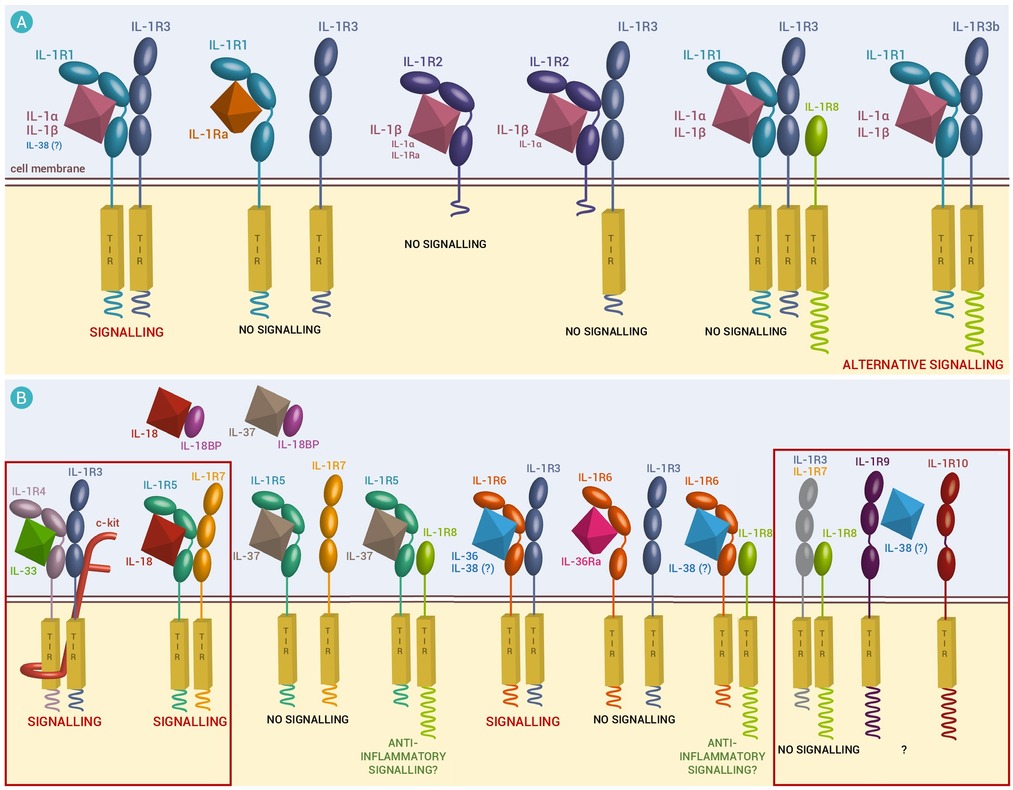
Figure 1.
The IL-1 family of cytokines and receptors
-
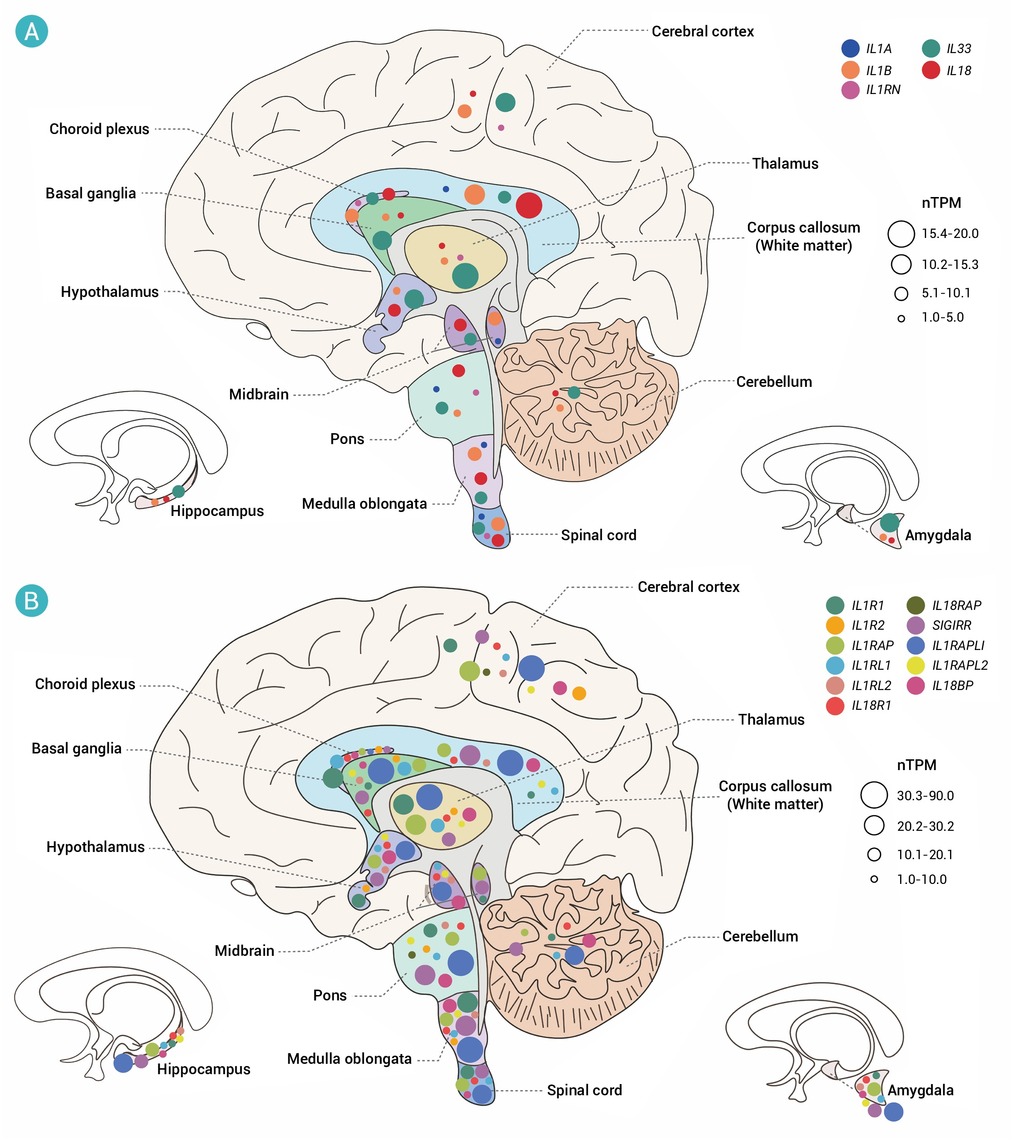
Figure 2.
RNA expression of IL-1 family cytokines and receptors in different regions of the human brain
-
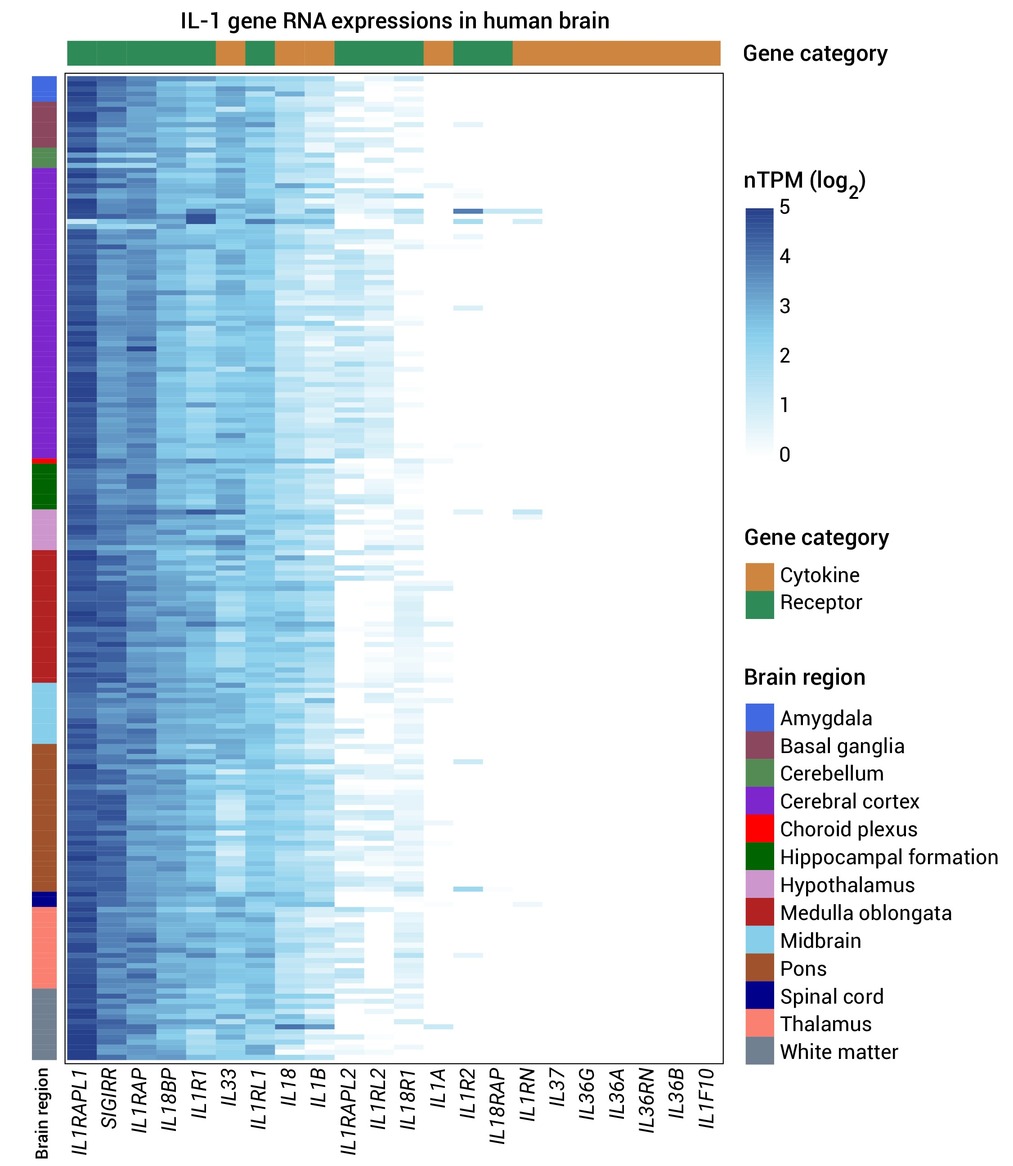
Figure 3.
Expression patterns of IL-1 family genes across different human brain regions
-
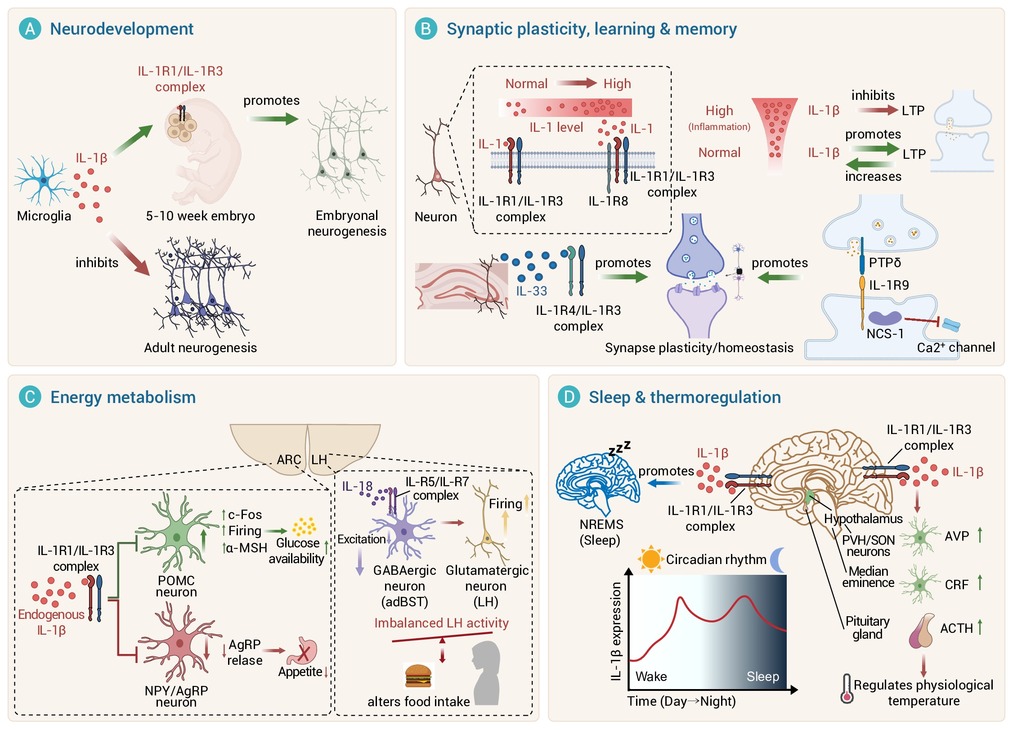
Figure 4.
Main physiological functions of IL-1 family molecules in the brain
