
The interplay of environmental and human microbiomes: A review of diversity, functions, and implications for one health
-
GRAPHICAL ABSTRACT
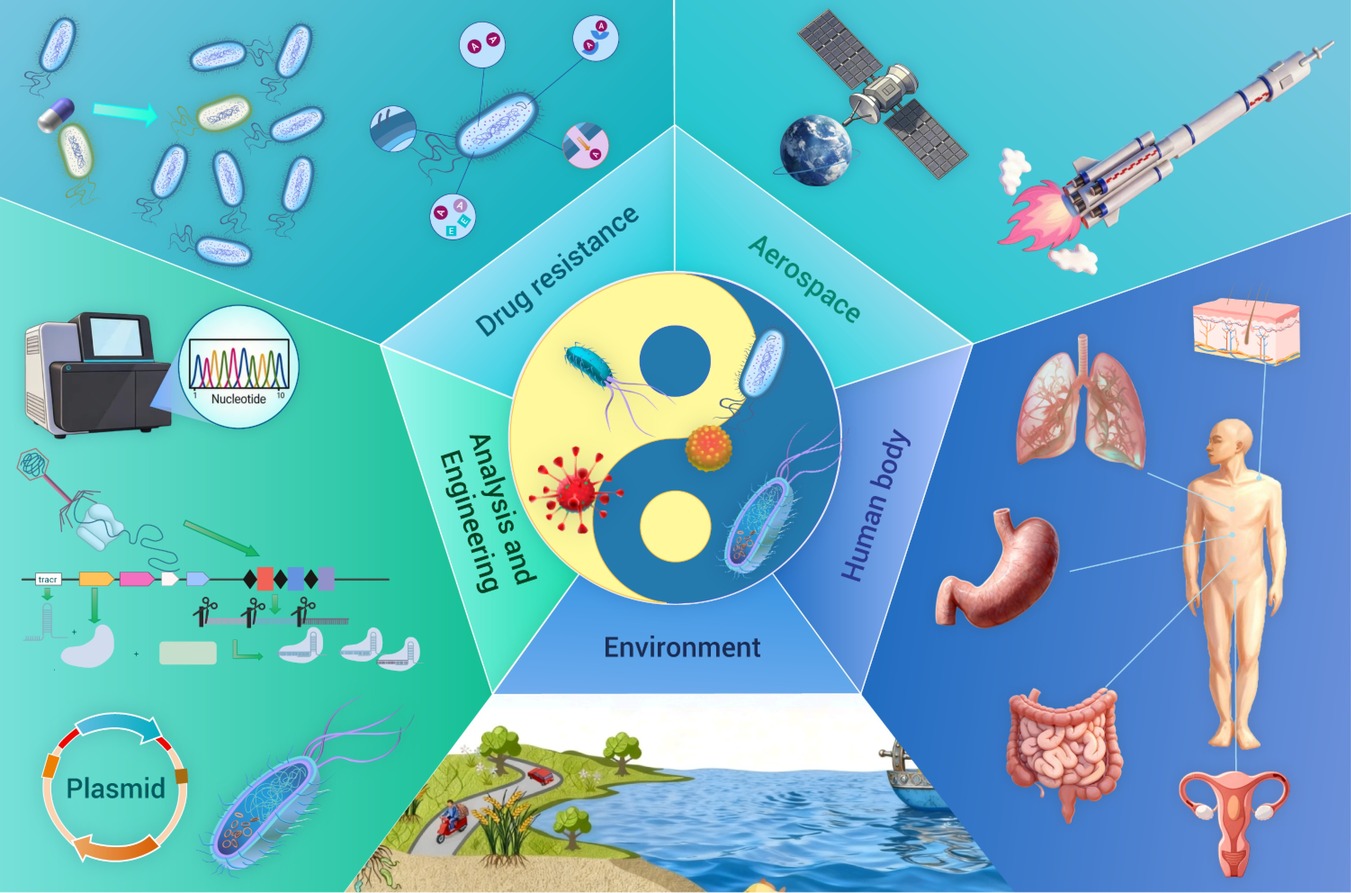
 DownLoad:
Full size image
DownLoad:
Full size image
-
PUBLIC SUMMARY
-
The role of microbiome in the natural environment was discussed.
The importance of microbiome diversity in human bodies was emphasized.
The microbiome manufacturing and the global challenges were also presented.
-
-
ABSTRACT
Microbiome, representing the collection of commensal microorganisms and the active substances, exert profound influences on environmental biogeochemical cycles and the maintenance of human physiological homeostasis. Their metabolic activities are indispensable for nutrient recycling, climate regulation, and ecosystem resilience. Concurrently, complex microbial communities colonizing human niches are fundamental to digestion, immune responses, and protection against pathogens. Crucially, the functional outcomes of these interactions are largely dictated by microbial diversity and community equilibrium. This review comprehensively summarizes the current understanding of the pivotal roles played by both beneficial and detrimental microbiomes across diverse environmental matrices and human systems. The state-of-the-art technologies enabling comprehensive microbiome analysis are discussed, including high-throughput sequencing and metagenomics, which are revolutionizing microbiome detection and functional characterization. Furthermore, the escalating global crisis of antimicrobial resistance intrinsically linked to microbial ecology and human practices is examined as a critical cross-domain challenge. Finally, the review explores the transformative potential of advanced microbiome bioengineering strategies for targeted environmental remediation, sustainable biotechnology, and biomanufacturing. This comprehensive analysis underscores the intricate interdependence between microbial communities, environmental integrity, and human health, emphasizing the paramount importance of preserving and harnessing microbiome diversity. -

-
REFERENCES
[1] Locey K.J., and Lennon J.T. (2016). Scaling laws predict global microbial diversity, Proc. Natl. Acad. Sci. USA 113:5970−5975. DOI:10.1073/pnas.1521291113 [2] Hutchins D. A., Jansson J. K., Remais J. V., et al. (2019). Climate change microbiology - problems and perspectives, Nat. Rev. Microbiol. 17:391−396. DOI:10.1038/s41579-019-0178-5 [3] Seymour J.R. and Mclellan S.L. (2025). Climate change will amplify the impacts of harmful microorganisms in aquatic ecosystems. Nat. Microbiol. 10:615−626. DOI:10.1038/s41564-025-01948-2 [4] Nicholson J.K., Holmes E., Kinross J., et al. (2012). Host-gut microbiota metabolic interactions. Science 336:1262−1267. DOI:10.1126/science.1223813 [5] McNab F., Mayer-Barber K., Sher A., et al. (2015). Type I interferons in infectious disease. Nat. Rev. Immunol. 15:87−103. DOI:10.1038/nri3787 [6] Bosch T.C.G. (2014). Rethinking the role of immunity: Lessons from Hydra. Trends Immunol. 35:495−502. DOI:10.1016/j.it.2014.07.008 [7] Zhang T., Liu M., Zhou D., et al. (2024). Environmental factors and particle size shape the community structure of airborne total and pathogenic bacteria in a university campus. Front. Public Health 12:1371656. DOI:10.3389/fpubh.2024.1371656 [8] Chen Y., Liang Z., Li G., et al. (2024). Indoor/outdoor airborne microbiome characteristics in residential areas across four seasons and its indoor purification. Environ. Int. 190:108857. DOI:10.1016/j.envint.2024.108857 [9] Li X., Chen H. and Yao M. (2020). Microbial emission levels and diversities from different land use types. Environ. Int. 143:105988. DOI:10.1016/j.envint.2020.105988 [10] Jang J., Park J., Hwang C. Y., et al. (2024). Selective transmission of airborne bacterial communities from the ocean to the atmosphere over the Northern Pacific Ocean. Sci. Total Environ. 957:177462. DOI:10.1016/j.scitotenv.2024.177462 [11] Barberán A., Henley J., Fierer N., et al. (2014). Structure, inter-annual recurrence, and global-scale connectivity of airborne microbial communities. Sci. Total Environ. 487:187−195. DOI:10.1016/j.scitotenv.2014.04.030 [12] Jiang X., Wang C., Guo J., et al. (2022). Global meta-analysis of airborne bacterial communities and associations with Anthropogenic activities. Environ. Sci. Technol. 56:9891−9902. DOI:10.1021/acs.est.1c07923 [13] Li Y., Liao H. and Yao H. (2019). Prevalence of antibiotic resistance genes in air-conditioning systems in hospitals, farms, and residences. Int. J. Environ. Res. Public Health 16:683. DOI:10.3390/ijerph16050683 [14] Wu D., Jin L., Xie J., et al. (2022). Inhalable antibiotic resistomes emitted from hospitals: Metagenomic insights into bacterial hosts, clinical relevance, and environmental risks. Microbiome 10:19. DOI:10.1186/s40168-021-01197-5 [15] Li N., Chai Y., Ying G.G., et al. (2020). Airborne antibiotic resistance genes in Hong Kong kindergartens. Environ. Pollut. 260:114009. DOI:10.1016/j.envpol.2020.114009 [16] Wang Y., Li Y., Li H., et al. (2023). Seasonal dissemination of antibiotic resistome from livestock farms to surrounding soil and air: Bacterial hosts and risks for human exposure. J. Environ. Manage. 325:116638. DOI:10.1016/j.jenvman.2022.116638 [17] Rossi F., Péguilhan R., Turgeon N., et al. (2023). Quantification of antibiotic resistance genes (ARGs) in clouds at a mountain site (puy de Dôme, central France). Sci. Total Environ. 865:161264. DOI:10.1016/j.scitotenv.2022.161264 [18] Erkorkmaz B.A., Zeevi D. and Rudich Y. (2025). Dust storm-driven dispersal of potential pathogens and antibiotic resistance genes in the Eastern Mediterranean. Sci. Total Environ. 958:178021. DOI:10.1016/j.scitotenv.2024.178021 [19] Archer S.D.J., Lee K.C., Caruso T., et al. (2023). Contribution of soil bacteria to the atmosphere across biomes. Sci. Total Environ. 871:162137. DOI:10.1016/j.scitotenv.2023.162137 [20] Feng X.Y., Xu X.H., Yao X.W., et al. (2024). Sources, compositions, spatio-temporal distributions, and human health risks of bioaerosols: A review. Atmos. Res. 305:107453. DOI:10.1016/j.atmosres.2024.107453 [21] Mayol E., Arrieta J.M., Jiménez M.A., et al. (2017). Long-range transport of airborne microbes over the global tropical and subtropical ocean. Nat. Commun. 8:201. DOI:10.1038/s41467-017-00110-9 [22] Ruiz-Gil T., Acuña J.J., Fujiyoshi S., et al. (2020). Airborne bacterial communities of outdoor environments and their associated influencing factors. Environ. Int. 145:106156. DOI:10.1016/j.envint.2020.106156 [23] Zhang L., Wang B., Su Y., et al. (2023). Pathogenic bacteria are the primary determinants shaping PM(2.5)-borne resistomes in the municipal food waste treatment system. Environ. Sci. Technol. 57:19965-19978. DOI:10.1021/acs.est.3c04681 [24] Seidel D., Wurster S., Jenks J.D., et al. (2024). Impact of climate change and natural disasters on fungal infections. The Lancet Microbe. 5:e594−e605. DOI:10.1016/s2666-5247(24)00039-9 [25] Zhao J., Jin L., Wu D., et al. (2022). Global airborne bacterial community-interactions with Earth's microbiomes and anthropogenic activities. Proc. Natl. Acad. Sci. USA 119:e2204465119. DOI:10.1073/pnas.2204465119 [26] Güvenir M., Kaya U., Özçelik D., et al. (2023). What is going on in indoor air quality of a university hospital in northern cyprus. Ethiop. J. Health Sci. 33:541−546. DOI:10.4314/ejhs.v33i3.18 [27] Silva-Santana G. (2025). Staphylococcus aureus: Dynamics of pathogenicity and antimicrobial-resistance in hospital and community environments-comprehensive overview. Res. Microbiol. 176:104267. DOI:10.1016/j.resmic.2025.104267 [28] Zhang Y., Han J., Ma Y., et al. (2025). Two outbreaks and sporadic occurrences of Candida auris from one hospital in China: An epidemiological, genomic retrospective study. Infection 53:349−358. DOI:10.1007/s15010-024-02378-8 [29] Tignat-Perrier R., Dommergue A., Thollot A., et al. (2019). Global airborne microbial communities controlled by surrounding landscapes and wind conditions. Sci. Rep. 9:14441. DOI:10.1038/s41598-019-51073-4 [30] Hanson M.C., Petch G.M., Ottosen T.B., et al. (2022). Climate change impact on fungi in the atmospheric microbiome. Sci. Total. Environ. 830:154491. DOI:10.1016/j.scitotenv.2022.154491 [31] Xin H., Gao M., Wang X., et al. (2022). Animal farms are hot spots for airborne antimicrobial resistance. Sci. Total. Environ. 851:158050. DOI:10.1016/j.scitotenv.2022.158050 [32] Zhao Y., Wang Q., Chen Z., et al. (2021). Significant higher airborne antibiotic resistance genes and the associated inhalation risk in the indoor than the outdoor. Environ. Pollut. 268:115620. DOI:10.1016/j.envpol.2020.115620 [33] Zhou Z., Shuai X., Lin Z., et al. (2023). Association between particulate matter (PM)2·5 air pollution and clinical antibiotic resistance: A global analysis. Lancet Planet. Health 7:e649−e659. DOI:10.1016/S2542-5196(23)00135-3 [34] He T., Xie J., Jin L., et al. (2024). Seasonal dynamics of the phage-bacterium linkage and associated antibiotic resistome in airborne PM2.5 of urban areas. Environ. Int. 194:109155. DOI: 10.1016/j.envint.2024.109155. [35] Behzad H., Gojobori T. and Mineta K. (2015). Challenges and opportunities of airborne metagenomics. Genome Biol. Evol. 7:1216−1226. DOI:10.1093/gbe/evv064 [36] The Lancet Microbe. (2021). Climate change: Fires, floods, and infectious diseases. Lancet Microbe. 2:e415. DOI:10.1016/s2666-5247(21)00220-2 [37] Huang Z., Yu X., Liu Q., et al. (2024). Bioaerosols in the atmosphere: A comprehensive review on detection methods, concentration and influencing factors. Sci. Total. Environ. 912:168818. DOI:10.1016/j.scitotenv.2023.168818 [38] Leung M.H.Y., Tong X., Bøifot K.O., et al. (2021). Characterization of the public transit air microbiome and resistome reveals geographical specificity. Microbiome 9:112. DOI:10.1186/s40168-021-01044-7 [39] Fakunle A.G., Jafta N., Bossers A., et al. (2023). Childhood lower respiratory tract infections linked to residential airborne bacterial and fungal microbiota. Environ. Res. 231:116063. DOI:10.1016/j.envres.2023.116063 [40] Zuo Z., Pan Y., Huang X., et al. (2024). Seasonal distribution of human-to-human pathogens in airborne PM(2.5) and their potential high-risk ARGs. Front. Microbiol. 15:1422637. DOI: 10.3389/fmicb.2024.1422637 [41] Gilbert J.A. and Hartmann E.M. (2024). The indoors microbiome and human health. Nat. Rev. Microbiol. 22:742−755. DOI:10.1038/s41579-024-01077-3 [42] Borton M.A., McGivern B.B., Willi K.R., et al. (2025). A functional microbiome catalogue crowdsourced from North American rivers. Nature 637:103−112. DOI:10.1038/s41586-024-08240-z [43] Ezzat L., Peter H., Bourquin M., et al. (2025). Diversity and biogeography of the bacterial microbiome in glacier-fed streams. Nature 637:622−630. DOI:10.1038/s41586-024-08313-z [44] Zhou Z., Tran P.Q., Martin C., et al. (2025). Unravelling viral ecology and evolution over 20 years in a freshwater lake. Nat. Microbiol. 10:231−245. DOI:10.1038/s41564-024-01876-7 [45] Duhamel S. (2025). The microbial phosphorus cycle in aquatic ecosystems. Nat. Rev. Microbiol. 23:239−255. DOI:10.1038/s41579-024-01119-w [46] Seymour J.R., Amin S.A., Raina J.B., et al. (2017). Zooming in on the phycosphere: The ecological interface for phytoplankton-bacteria relationships. Nat. Microbiol. 2:17065. DOI:10.1038/nmicrobiol.2017.65 [47] Wu L., Ning D., Zhang B., et al. (2019). Global diversity and biogeography of bacterial communities in wastewater treatment plants. Nat. Microbiol. 4:1183−1195. DOI:10.1038/s41564-019-0426-5 [48] Xie M., Tian Q., Wang G., et al. (2024). Breakthrough in enclosed aquatic ecosystems in space: Supporting zebrafish survival for 43 days. The Innovation 5:100711. DOI:10.1016/j.xinn.2024.100711 [49] Yin Q., He K., Collins G., et al. (2024). Microbial strategies driving low concentration substrate degradation for sustainable remediation solutions. Npj Clean Water 7:52. DOI:10.1038/s41545-024-00348-z [50] Ibarbalz F.M., Henry N., Brandão M.C., et al. (2019). Global trends in marine plankton diversity across kingdoms of life. Cell 179:1084−1097. DOI:10.1016/j.cell.2019.10.008 [51] Abreu C.I., Bello M. D., Bunse C., et al. (2023). Warmer temperatures favor slower-growing bacteria in natural marine communities. Sci. Adv. 9:eade8352. DOI:10.1126/sciadv.ade8352 [52] Knapp B.D., Willis L., Gonzalez C., et al. (2025). Metabolic rearrangement enables adaptation of microbial growth rate to temperature shifts. Nat. Microbiol. 10:185−201. DOI:10.1038/s41564-024-01841-4 [53] Cheng L.M., Zhang S.F., Xie Z.X., et al. (2022). Metabolic adaptation of a globally important diatom following 700 generations of selection under a warmer temperature. Environ. Sci. Technol. 56:5247−5255. DOI:10.1021/acs.est.1c08584 [54] Ngugi D.K., Acinas S.G., Sánchez P., et al. (2023). Abiotic selection of microbial genome size in the global ocean. Nat. Commun. 14:1384. DOI:10.1038/s41467-023-36988-x [55] Cui H., Wang S., Fan S., et al. (2025). Branched-chain amino acid metabolism supports Roseobacteraceae positive interactions in marine biofilms. Appl. Environ. Microbiol. 91:e0241124. DOI:10.1128/aem.02411-24 [56] Fan S., Wang M., Ding W., et al (2021). Scientific and technological progress in the microbial exploration of the hadal zone. Mar. Life Sci. Technol. 4:127–137. DOI:10.1007/s42995-021-00110-1 [57] Li J., Xiao X., Zhou M., et al. (2023). Strategy for the adaptation to stressful conditions of the novel isolated conditional piezophilic strain Halomonas titanicae ANRCS81. Appl. Environ. Microbiol. 89:e0130422. DOI:10.1128/aem.01304-22 [58] Qin Q.L., Wang Z.B., Su H.N., et al. (2021). Oxidation of trimethylamine to trimethylamine N-oxide facilitates high hydrostatic pressure tolerance in a generalist bacterial lineage. Sci. Adv. 7:eabf9941. DOI:10.1126/sciadv.abf9941 [59] Zheng Y., Wang J., Zhou S., et al. (2020). Bacteria are important dimethylsulfoniopropionate producers in marine aphotic and high-pressure environments. Nat. Commun. 11:4658. DOI:10.1038/s41467-020-18434-4 [60] Gunde-Cimerman N., Plemenitaš A. and Oren A. (2018). Strategies of adaptation of microorganisms of the three domains of life to high salt concentrations. FEMS Microbiol. Rev. 42:353−375. DOI:10.1093/femsre/fuy009 [61] Liang Y., Zhang M., Wang M., et al. (2020). Freshwater cyanobacterium Synechococcus elongatus PCC 7942 adapts to an environment with salt stress via ion-induced enzymatic balance of compatible solutes. Appl. Environ. Microbiol. 86:e02904−19. DOI:10.1128/AEM.02904-19 [62] Gregory G.J., Boas K.E. and Boyd E.F. (2021). The organosulfur compound dimethylsulfoniopropionate (DMSP) is utilized as an osmoprotectant by Vibrio species. Appl. Environ. Microbiol. 87:e02235−20. DOI:10.1128/AEM.02235-20 [63] Stephen J., Lekshmi M., Ammini P., et al. (2022). Membrane efflux pumps of pathogenic Vibrio species: Role in antimicrobial resistance and virulence. Microorganisms 10:382. DOI:10.3390/microorganisms10020382 [64] Redondo-Salvo S., Fernández-López R., Ruiz R., et al. (2020). Pathways for horizontal gene transfer in bacteria revealed by a global map of their plasmids. Nat. Commun. 11:3602. DOI:10.1038/s41467-020-17278-2 [65] Lu J., Fan S., Ding W., et al. (2023). Microbial resource mining from ancient biofilms. Innov. Geosci. 1:100018. DOI:10.59717/j.xinn-geo.2023.100018 [66] Zhang W., Ding W., Li Y.X., et al. (2019). Marine biofilms constitute a bank of hidden microbial diversity and functional potential. Nat. Commun. 10:517. DOI:10.1038/s41467-019-08463-z [67] Wang M., Lu J., Qin P., et al. (2023). Biofilm formation stabilizes metabolism in a Roseobacteraceae bacterium under temperature increase. Appl. Environ. Microbiol. 89:e0060123. DOI:10.1128/aem.00601-23 [68] Mittelman M.W. and Jones A.D.G. (2018). A pure life: the microbial ecology of high purity industrial waters. Microb. Ecol. 76:9−18. DOI:10.1007/s00248-016-0736-6 [69] Ding W., Wang S., Qin P., et al. (2023). Anaerobic thiosulfate oxidation by the Roseobacter group is prevalent in marine biofilms. Nat. Commun. 14:2033. DOI:10.1038/s41467-023-37759-4 [70] Liu H.Y., Prentice E.L. and Webber M.A. (2024). Mechanisms of antimicrobial resistance in biofilms. Npj Antimicrob. Resist. 2:27. DOI:10.1038/s44259-024-00046-3 [71] Srinivasan R., Kannappan A., Shi C., et al. (2021). Marine bacterial secondary metabolites: a treasure house for structurally unique and effective antimicrobial compounds. Mar. Drugs 19:530. DOI:10.3390/md19100530 [72] Fan S., Qin P., Lu J., et al. (2024). Bioprospecting of culturable marine biofilm bacteria for novel antimicrobial peptides. iMeta 3:e244. DOI:10.1002/imt2.244 [73] Chen J., Jia Y., Sun Y., et al. (2024). Global marine microbial diversity and its potential in bioprospecting. Nature 633:371−379. DOI:10.1038/s41586-024-07891-2 [74] Santos-Júnior C. D., Torres M. D. T., Duan Y., et al. (2024). Discovery of antimicrobial peptides in the global microbiome with machine learning. Cell 187:3761−3778.e16. DOI:10.1016/j.cell.2024.05.013 [75] Qin P., Cui H., Li P., et al. (2023). Early stage of biofilm assembly on microplastics is structured by substrate size and bacterial motility. iMeta 2:e121. DOI:10.1002/imt2.121 [76] Choi S.Y., Lee Y., Yu H.E., et al. (2023). Sustainable production and degradation of plastics using microbes. Nat. Microbiol. 8:2253−2276. DOI:10.1038/s41564-023-01529-1 [77] Yoshida S., Hiraga K., Takehana T., et al. (2016). A bacterium that degrades and assimilates poly(ethylene terephthalate). Science 351:1196−1199. DOI:10.1126/science.aad6359 [78] Gao R., Liu R. and Sun C. (2022). A marine fungus Alternaria alternata FB1 efficiently degrades polyethylene. J. Hazard. Mater. 431:128617. DOI:10.1016/j.jhazmat.2022.128617 [79] Zhang H., Zhang J., Fan S., et al. (2025). Synthetic biofilm community for efficient phosphorus removal from high-salinity wastewater. Bioresour. Technol. 418:131902. DOI:10.1016/j.biortech.2024.131902 [80] Hartmann M. and Six J. (2023). Soil structure and microbiome functions in agroecosystems. Nat. Rev. Earth Environ. 4:4−18. DOI:10.1038/s43017-022-00366-w [81] Philippot L., Chenu C., Kappler A., et al. (2024). The interplay between microbial communities and soil properties. Nat. Rev. Microbiol. 22:226−239. DOI:10.1038/s41579-023-00980-5 [82] Bahram M., Hildebrand F., Forslund S.K., et al. (2018). Structure and function of the global topsoil microbiome. Nature 560:233−237. DOI:10.1038/s41586-018-0386-6 [83] Knight C.G., Nicolitch O., Griffiths R.I., et al. (2024). Soil microbiomes show consistent and predictable responses to extreme events. Nature 636:690−696. DOI:10.1038/s41586-024-08185-3 [84] Lutz S., Bodenhausen N., Hess J., et al. (2023). Soil microbiome indicators can predict crop growth response to large-scale inoculation with arbuscular mycorrhizal fungi. Nat. Microbiol. 8:2277−2289. DOI:10.1038/s41564-023-01520-w [85] Jing J., Garbeva P., Raaijmakers J.M., et al. (2024). Strategies for tailoring functional microbial synthetic communities. ISME J. 18:wrae049. DOI:10.1093/ismejo/wrae049 [86] Jansson J.K. and Hofmockel K.S. (2020). Soil microbiomes and climate change. Nat. Rev. Microbiol. 18:35−46. DOI:10.1038/s41579-019-0265-7 [87] Jansson J.K, McClure R. and Egbert R.G. (2023). Soil microbiome engineering for sustainability in a changing environment. Nat. Biotechnol. 41:1716−1728. DOI:10.1038/s41587-023-01932-3 [88] Wang Z., Fu X. and Kuramae E.E. (2024). Insight into farming native microbiome by bioinoculant in soil-plant system. Microbiol. Res. 285:127776. DOI:10.1016/j.micres.2024.127776 [89] Yu W., Lawrence N.C., Sooksa-nguan T., et al. (2021). Microbial linkages to soil biogeochemical processes in a poorly drained agricultural ecosystem. Soil Biol. Biochem. 156:108228. DOI:10.1016/j.soilbio.2021.108228 [90] Qiao M., Sun R., Wang Z., et al. (2024). Legume rhizodeposition promotes nitrogen fixation by soil microbiota under crop diversification. Nat. Commun. 15:2924. DOI:10.1038/s41467-024-47159-x [91] Li J., Lu J., Wang H., et al. (2021). A comprehensive synthesis unveils the mysteries of phosphate-solubilizing microbes. Biol. Rev. 96:2771−2793. DOI:10.1111/brv.12779 [92] Baldrian P., López-Mondéjar R. and Kohout P. (2023). Forest microbiome and global change. Nat. Rev. Microbiol. 21:487−501. DOI:10.1038/s41579-023-00876-4 [93] Singh B.K., Jiang G., Wei Z., et al. (2025). Plant pathogens, microbiomes, and soil health. Trends Microbiolo. 33:887−902. DOI:10.1016/j.tim.2025.03.013 [94] Luo J., Gu S., Guo X., et al. (2022). Core microbiota in the Rhizosphere of heavy metal accumulators and its contribution to plant performance. Environ. Sci. Technol. 56:12975−12987. DOI:10.1021/acs.est.1c08832 [95] Li X., Chen D., Carrión V. J., et al. (2023). Acidification suppresses the natural capacity of soil microbiome to fight pathogenic Fusarium infections. Nat. Commun. 14:5090. DOI:10.1038/s41467-023-40810-z [96] Dong Y., Chen R., Graham E. B., et al. (2024). Eco-evolutionary strategies for relieving carbon limitation under salt stress differ across microbial clades. Nat. Commun. 15:6013. DOI:10.1038/s41467-024-50368-z [97] Ren X., Zhao L., Shen J., et al. (2025). Engineered microbial platform confers resistance against heavy metals via phosphomelanin biosynthesis. Nat. Commun. 16:4836. DOI:10.1038/s41467-025-60117-5 [98] Wang X., Teng Y., Wang X., et al. (2023). Nitrogen transfer and cross-feeding between Azotobacter chroococcum and Paracoccus aminovorans promotes pyrene degradation. ISME J. 17:2169−2181. DOI:10.1038/s41396-023-01522-w [99] Liu Q., Dong D., Jin Y., et al. (2024). Quorum sensing bacteria improve microbial networks stability and complexity in wastewater treatment plants. Environ. Int. 187:108659. DOI:10.1016/j.envint.2024.108659 [100] Ruan Z., Chen K., Cao W., et al. (2024). Engineering natural microbiomes toward enhanced bioremediation by microbiome modeling. Nat. Commun. 15:4694. DOI:10.1038/s41467-024-49098-z [101] Wang X., Dai Z., Lin J., et al. (2023). Heavy metal contamination collapses trophic interactions in the soil microbial food web via bottom-up regulation. Soil Biol. Biochem. 184:109058. DOI:10.1016/j.soilbio.2023.109058 [102] Tu Q., He Z., Wu L., et al. (2017). Metagenomic reconstruction of nitrogen cycling pathways in a CO2-enriched grassland ecosystem. Soil Biol. Biochem. 106:99−108. DOI:10.1016/j.soilbio.2016.12.017 [103] Yu H., Zhang G., Xia L., et al. (2022). Elevated CO2 does not necessarily enhance greenhouse gas emissions from rice paddies. Sci. Total Environ. 810:152363. DOI:https://doi.org/10.1016/j.scitotenv.2021.152363 [104] Groenigen K.J.V., Qi X., Osenberg C.W., et al. (2014). Faster decomposition under increased atmospheric CO2 limits soil carbon storage. Science 344:508−509. DOI:10.1126/science.1249534 [105] Melillo J.M., Frey S.D., DeAngelis K.M., et al. (2017). Long-term pattern and magnitude of soil carbon feedback to the climate system in a warming world. Science 358:101−105. DOI:10.1126/science.aan2874 [106] Guo X., Gao Q., Yuan M., et al. (2020). Gene-informed decomposition model predicts lower soil carbon loss due to persistent microbial adaptation to warming. Nat. Commun. 11:4897. DOI:10.1038/s41467-020-18706-z [107] Allison S.D. (2023). Microbial drought resistance may destabilize soil carbon. Trends Microbiol. 31:780−787. DOI:10.1016/j.tim.2023.03.002 [108] Huang W. and Hall S.J. (2017). Elevated moisture stimulates carbon loss from mineral soils by releasing protected organic matter. Nat. Commun. 8:1−10. DOI:10.1038/s41467-017-01998-z [109] Whitman T., Woolet J., Sikora M., et al. (2022). Resilience in soil bacterial communities of the boreal forest from one to five years after wildfire across a severity gradient. Soil Biol. Biochem. 172:108755. DOI:10.1016/j.soilbio.2022.108755 [110] Silverstein M.R., Segrè D. and Bhatnagar J.M. (2023). Environmental microbiome engineering for the mitigation of climate change. Glob. Change. Biol. 29:2050−2066. DOI:10.1111/gcb.16609 [111] Liu C., Jiang M., Yuan M.M., et al. (2023). Root microbiota confers rice resistance to aluminium toxicity and phosphorus deficiency in acidic soils. Nat. Food 4:912−924. DOI:10.1038/s43016-023-00848-0 [112] Ke J., Wang B. and Yoshikuni Y. (2021). Microbiome engineering: Synthetic biology of plant-associated microbiomes in sustainable agriculture. Trends Biotechnol. 39:244−261. DOI:10.1016/j.tibtech.2020.07.008 [113] Bashan Y., de-Bashan L.E., Prabhu S.R., et al. (2014). Advances in plant growth-promoting bacterial inoculant technology: Formulations and practical perspectives (1998–2013). Plant Soil 378:1−33. DOI:10.1007/s11104-013-1956-x [114] Pineda A., Kaplan I., Hannula S.E., et al. (2020). Conditioning the soil microbiome through plant–soil feedbacks suppresses an aboveground insect pest. New Phytol. 226:595−608. DOI:10.1111/nph.16385 [115] Su C., Cui H., Wang W., et al. (2025). Bioremediation of complex organic pollutants by engineered Vibrio natriegens. Nature 642:1024−1033. DOI:10.1038/s41586-025-08947-7 [116] Kheirfam H. (2020). Increasing soil potential for carbon sequestration using microbes from biological soil crusts. J. Arid Environ. 172:104022. DOI:10.1016/j.jaridenv.2019.104022 [117] Hiis E.G., Vick S.H.W., Molstad L., et al. (2024). Unlocking bacterial potential to reduce farmland N2O emissions. Nature 630:421−428. DOI:10.1038/s41586-024-07464-3 [118] Zhang R., Xu Q., Song Z., et al. (2024). Manipulating soil microbial community assembly by the cooperation of exogenous bacteria and biochar for establishing an efficient and healthy CH4 biofiltration system. Chemosphere 352:141319. DOI:10.1016/j.chemosphere.2024.141319 [119] Kaminsky L.M., Trexler R.V., Malik R.J., et al. (2019). The inherent conflicts in developing soil microbial inoculants. Trends Biotechnol. 37:140−151. DOI:10.1016/j.tibtech.2018.11.011 [120] Venkateswaran K., Vaishampayan P., Cisneros J., et al. (2014). International Space Station environmental microbiome — microbial inventories of ISS filter debris. Appl Microbiol. Biotechnol. 98:6453−6466. DOI:10.1007/s00253-014-5650-6 [121] Ichijo T., Yamaguchi N., Tanigaki F., et al. (2016). Four-year bacterial monitoring in the international space station—japanese experiment module “kibo” with culture-independent approach. Npj Microgravity 2:16007. DOI:10.1038/npjmgrav.2016.7 [122] Avila-Herrera A., Thissen J., Urbaniak C., et al. (2020). Crewmember microbiome may influence microbial composition of ISS habitable surfaces. PloS One 15:e0231838. DOI:10.1371/journal.pone.0231838 [123] Lang J.M., Coil D.A., Neches R.Y., et al. (2017). A microbial survey of the international space station (ISS). PeerJ. 5:e4029. DOI:10.7717/peerj.4029 [124] Sielaff A.C., Urbaniak C., Mohan G.B.M., et al. (2019). Characterization of the total and viable bacterial and fungal communities associated with the International Space Station surfaces. Microbiome 7:50. DOI:10.1186/s40168-019-0666-x [125] Salido R.A., Zhao H.N., McDonald D., et al. (2025). The International Space Station has a unique and extreme microbial and chemical environment driven by use patterns. Cell 188:2022−2041. DOI:10.1016/j.cell.2025.01.039 [126] Horneck G., Klaus D.M. and Mancinelli R. L. (2010). Space Microbiology. Microbiol. Mol. Biol. Rev. 74:121−156. DOI:10.1128/MMBR.00016-09 [127] Zea L., Larsen M., Estante F., et al. (2017). Phenotypic changes exhibited by E. coli cultured in space. Front. Microbiol. 8:1598. DOI:10.3389/fmicb.2017.01598 [128] Thiel C.S., Tauber S., Seebacher C., et al. (2019). Real-time 3D high-resolution microscopy of human cells on the international space station. Int. J. Mol. Sci. 20:2033. DOI:10.3390/ijms20082033 [129] Simonsen L.C., Slaba T.C., Guida P., et al. (2020). NASA’s first ground-based galactic cosmic ray simulator: Enabling a new era in space radiobiology research. PLoS Biol. 18:e3000669. DOI:10.1371/journal.pbio.3000669 [130] Senatore G., Mastroleo F. and Leys N. (2018). Effect of microgravity & space radiation on microbes. Future Microbiol. 13:831−847. DOI:10.2217/fmb-2017-0251 [131] Singh N.K., Wood J.M., Karouia F., et al. (2018). Succession and persistence of microbial communities and antimicrobial resistance genes associated with international space station environmental surfaces. Microbiome 6:204. DOI:10.1186/s40168-018-0585-2 [132] Checinska A., Probst A.J., Vaishampayan P., et al. (2015). Microbiomes of the dust particles collected from the international space station and spacecraft assembly facilities. Microbiome 3:50. DOI:10.1186/s40168-015-0116-3 [133] Voorhies A.A., Ott C.M., Mehta S., et al. (2019). Study of the impact of long-duration space missions at the International Space Station on the astronaut microbiome. Sci. Rep. 9:9911. DOI:10.1038/s41598-019-46303-8 [134] Yuan J., Yang J., Sun Y., et al. (2025). An early microbial landscape: Inspiring endeavor from the China space station habitation area microbiome program (CHAMP). Sci. China Life Sci. 68:1541−1554. DOI:10.1007/s11427-024-2894-2 [135] Yuan J., Zhang W., Dang L., et al. (2025). Niallia tiangongensis sp. nov., isolated from the China Space Station. Int. J. Syst. Evol. Microbiol. 75:006693. DOI:10.1099/ijsem.0.006693 [136] Singh N.K., Wood J.M., Patane J., et al. (2023). Characterization of metagenome-assembled genomes from the international space station. Microbiome 11:125. DOI:10.1186/s40168-023-01545-7 [137] Szydlowski L.M., Bulbul A.A., Simpson A.C., et al. (2024). Adaptation to space conditions of novel bacterial species isolated from the International Space Station revealed by functional gene annotations and comparative genome analysis. Microbiome. 12:190. DOI:10.1186/s40168-024-01916-8 [138] Burton A.S., Stahl S.E., John K.K., et al. (2020). Off earth identification of bacterial populations using 16S rDNA nanopore sequencing. Genes (Basel). 11:76. DOI:10.3390/genes11010076 [139] Taylor P. (2015). Impact of space flight on bacterial virulence and antibiotic susceptibility. Infect. Drug Resist. 8:249. DOI:10.2147/IDR.S67275 [140] Flores P., Luo J., Mueller D.W., et al. (2024). Space biofilms – an overview of the morphology of pseudomonas aeruginosa biofilms grown on silicone and cellulose membranes on board the international space station. Biofilm 7:100182. DOI:10.1016/j.bioflm.2024.100182 [141] Hauserman M.R., Ferraro M.J., Carroll R.K., et al. (2024). Altered quorum sensing and physiology of staphylococcus aureus during spaceflight detected by multi-omics data analysis. Npj Microgravity 10:2. DOI:10.1038/s41526-023-00343-7 [142] Liu Q., Zhang Q., Dang L., et al. (2024). The interaction between aspergillus brasiliensis and exposed copper circuits in the space microgravity environment. Corros. Sci. 234:112132. DOI:10.1016/j.corsci.2024.112132 [143] Gonzalez E., Lee M.D., Tierney B.T., et al. (2024). Spaceflight alters host-gut microbiota interactions. npj Biofilms Microbiomes 10:71. DOI:10.1038/s41522-024-00545-1 [144] Salavatifar M., Ahmadi S.M., Todorov S.D., et al. (2023). Impact of microgravity on virulence, antibiotic resistance and gene expression in beneficial and pathogenic microorganisms. Mini-Rev. Med. Chem. 23:1608−1622. DOI:10.2174/1389557523666230109160620 [145] Willis C.R.G, Calvaruso M., Angeloni D., et al. (2024). How to obtain an integrated picture of the molecular networks involved in adaptation to microgravity in different biological systems. Npj Microgravity 10:50. DOI:10.1038/s41526-024-00395-3 [146] Jin W.Y., Guo J.X., Zhang M., et al. (2023). Absolute quantification of the microbiota spatial distribution in the murine large intestine. Innov. Life 1:100030. DOI:10.59717/j.xinn-life.2023.100030 [147] Rad A.H., Pourjafar H. and Mirzakhani E. A. (2023). A comprehensive review of the application of probiotics and postbiotics in oral health. Front. Cell Infect. Microbiol. 13:1120995. DOI:10.3389/fcimb.2023.1120995 [148] Kozak M. and Pawlik A. (2023). The role of the oral microbiome in the development of diseases. Int. J. Mol. Sci. 24:5231. DOI:10.3390/ijms24065231 [149] Peng X., Cheng L., You Y., et al. (2022). Oral microbiota in human systematic diseases. Int. J. Oral. Sci. 14:14. DOI:10.1038/s41368-022-00163-7 [150] Ayuningtyas N.F., Mahdani F.Y., Pasaribu T.A.S., et al. (2022). Role of Candida albicans in oral carcinogenesis. Pathophysiology 29:650−662. DOI:10.3390/pathophysiology29040051 [151] Khalifa C., Slim A., Maroua G., et al. (2022). Herpes simplex virus infection: Management of primary oral lesions in children. Clin. Case Rep. 10:8. DOI:10.1002/ccr3.6127 [152] Koga Y. (2022). Microbiota in the stomach and application of probiotics to gastroduodenal diseases. World J. Gastroenterol. 28:6702−6715. DOI:10.3748/wjg.v28.i47.6702 [153] Nabavi-Rad A., Yadegar A., Sadeghi A., et al. (2023). The interaction between autophagy, Helicobacter pylori, and gut microbiota in gastric carcinogenesis. Trends Microbiol. 31:1024−1043. DOI:10.1016/j.tim.2023.04.001 [154] Yang J., Xu J., Ling Z., et al. (2023). Prognostic effects of the gastric mucosal microbiota in gastric cancer. Cancer Sci. 114:1075−1085. DOI:10.1111/cas.15661 [155] Soond S. M. and Zamyatnin A.A. Jr. (2022). Helicobacter pylori and gastric cancer: A lysosomal protease perspective. Gastric Cancer 25:306−324. DOI:10.1007/s10120-021-01272-8 [156] Zhang L., Chen X., Ren B., et al. (2022). Helicobacter pylori in the oral cavity: Current evidence and potential survival strategies. Int. J. Mol. Sci. 23:13646. DOI:10.3390/ijms232113646 [157] Wang S., Zhang M., Yu L., et al. (2022). Evaluation of the potential protective effects of lactobacillus strains against Helicobacter pylori Infection: A randomized, double-blinded, placebo-controlled trial. Can. J. Infect. Dis. Med. Microbiol. 2022:6432750. DOI:10.1155/2022/6432750 [158] Liu H., Zhao J., Zhang W., et al. (2022). Impacts of sodium butyrate on intestinal mucosal barrier and intestinal microbial community in a weaned piglet model. Front. Microbiol. 13:1041885. DOI:10.3389/fmicb.2022.1041885 [159] Jin W. Y., Peng J., Dai J., et al. (2024). Bacterial load in meconium. iMeta 3:e173. DOI:10.1002/imt2.173 [160] Heravi, F.S. and Hu H. (2023). Bifidobacterium: Host-microbiome interaction and mechanism of action in preventing common gut-microbiota-associated complications in preterm infants: a narrative review. Nutrients 15:709. DOI:10.3390/nu15030709 [161] Ju S., Shin Y., Han S., et al. (2023). The gut-brain axis in schizophrenia: The implications of the gut microbiome and SCFA production. Nutrients 15:4391. DOI:10.3390/nu15204391 [162] Zhang Q., Zhao Q., Li T., et al. (2023). Lactobacillus plantarum-derived indole-3-lactic acid ameliorates colorectal tumorigenesis via epigenetic regulation of CD8(+) T cell immunity. Cell Metab. 35:943−960. DOI:10.1016/j.cmet.2023.04.015 [163] Moraïs S., Winkler S., Zorea A., et al. (2024). Cryptic diversity of cellulose-degrading gut bacteria in industrialized humans. Science 383:eadj9223. DOI:10.1126/science.adj9223 [164] Wang Z., Wang Z., Lu T., et al. (2025). Gut microbiota regulate insomnia-like behaviors via gut-brain metabolic axis. Mol. Psychiatry 30:2597−2611. DOI:10.1038/s41380-024-02867-0 [165] Frioux C., Ansorge R., Özkurt E., et al. (2023). Enterosignatures define common bacterial guilds in the human gut microbiome. Cell Host Microbe 31:1111−1125. DOI:10.1016/j.chom.2023.05.024 [166] Bornet E. and Westermann A.J. (2022). The ambivalent role of Bacteroides in enteric infections. Trends Microbiol. 30:104−108. DOI:10.1016/j.tim.2021.11.009 [167] Liao W., Wei J., Liu C., et al. (2024). Magnesium-L-threonate treats Alzheimer's disease by modulating the microbiota-gut-brain axis. Neural Regen. Res. 19:2281−2289. DOI:10.4103/1673-5374.391310 [168] Sciuto M. and Catanzaro R. (2023). Composition of gut microbiota and its correlations with neurological, intestinal, cardiovascular and metabolic diseases. Acta Microbiol. Immunol. Hung. 70:259−271. DOI:10.1556/030.2023.02134 [169] Macpherson A.J., Uhr T. (2004). Induction of protective IgA by intestinal dendritic cells carrying commensal bacteria. Science 303:1662−5. DOI:10.1126/science.1091334 [170] He Z., Gong S., Mu F., et al. (2025). A newborn derived monoclonal IgM antibody selectively modulates microbial metabolism in the gut. Nat. Commun. 16:8563. DOI:10.1038/s41467-025-63585-x [171] Tang R., Sansonetti P.J. and Gao Y.Z. (2023). Stem cell retrograde: A new reason why colorectal cancer is more common than small intestinal cancer. The Innovation 4:100387. DOI:10.1016/j.xinn.2023.100387 [172] Qiu P., Ishimoto T., Fu L., et al. (2022). The gut microbiota in inflammatory bowel disease. Front. Cell Infect. Microbiol. 12:733992. DOI:10.3389/fcimb.2022.733992 [173] White M.T. and Sears C.L. (2024). The microbial landscape of colorectal cancer. Nat. Rev. Microbiol. 22:240−254. DOI:10.1038/s41579-023-00973-4 [174] Jin W.Y., Guo J.X., Tang R., et al. (2024). In vivo detection of endogenous toxic phenolic compounds of intestine. J. Hazard Mater. 478:135526. DOI:10.1016/j.jhazmat.2024.135526 [175] Quaglio A.E.V., Grillo T.G., De Oliveira E.C.S., et al. (2022). Gut microbiota, inflammatory bowel disease and colorectal cancer. World J. Gastroenterol. 28:4053−4060. DOI:10.3748/wjg.v28.i30.4053 [176] Hillestad E.M.R., Meeren A.V.D., Nagaraja B. H., et al. (2022). Gut bless you: The microbiota-gut-brain axis in irritable bowel syndrome. World J. Gastroenterol. 28:412−431. DOI:10.3748/wjg.v28.i4.412 [177] Li C., Stražar M., Mohamed A.M.T., et al. (2024). Gut microbiome and metabolome profiling in Framingham heart study reveals cholesterol-metabolizing bacteria. Cell 187:1834−1852. DOI:10.1016/j.cell.2024.03.014 [178] Zhang Y., Liu R., Chen Y., et al. (2025). Akkermansia muciniphila supplementation in patients with overweight/obese type 2 diabetes: Efficacy depends on its baseline levels in the gut. Cell Metab. 37:592−605. DOI:10.1016/j.cmet.2024.12.010 [179] Koeth R., Wang Z., Levison B., et al. (2013). Intestinal microbiota metabolism of L-carnitine, a nutrient in red meat, promotes atherosclerosis. Nat. Med. 19:576−585. DOI:10.1038/nm.3145 [180] Zhang X., Tang B. and Guo J. (2023). Parkinson's disease and gut microbiota: From clinical to mechanistic and therapeutic studies. Transl. Neurodegener 12:59. DOI:10.1186/s40035-023-00392-8 [181] Zhang X., Feng T. and Tuncil Y.E. (2023). Editorial: Gut microbiota modulation by dietary fiber on human health: Processes and mechanisms. Front. Microbiol. 14:1160746. DOI:10.3389/fmicb.2023.1160746 [182] Gao Y.Z., Wang Y., Ji M., et al. (2023). A whole-cell hydrogen peroxide biosensor and its application in visual food analysis. Innov. Life 1:100011. DOI:10.59717/j.xinn-life.2023.100011 [183] Huang J.W., Zhong X.F. and Gao Y.Z. (2024). New antibiotic against multi-drug resistant bacteria. Innov. Life 2:100057. DOI:10.59717/j.xinn-life.2024.100057 [184] Lin J., Yin L., Fan Y., et al. (2025). Dietary supplementation with milk-derived Bifidobacterium animalis subsp lactis relieves colitis-linked reproductive disorders via gut-testis axis. iMeta Omics 2:e49. DOI:10.1002/imo2.49 [185] Chen J., Luo J., Pouwels S., et al. (2024). Dietary therapies interlinking with gut microbes toward human health: Past, present, and future. iMeta 3:e230. DOI:10.1002/imt2.230 [186] Sah D.K., Arjunan A., Park S.Y., et al. (2022). Bile acids and microbes in metabolic disease. World J. Gastroenterol. 28:6846−6866. DOI:10.3748/wjg.v28.i48.6846 [187] Naufel M.F., Truzzi G.M., Ferreira C.M., et al. (2023). The brain-gut-microbiota axis in the treatment of neurologic and psychiatric disorders. Arq. Neuropsiquiatr. 81:670−684. DOI:10.1055/s-0043-1767818 [188] Li Z., Li A., Dai W., et al. (2022). Skin microbiota variation among bat species in China and their potential defense against pathogens. Front. Microbiol. 13:808788. DOI:10.3389/fmicb.2022.808788 [189] Xu C., Kadosh D., Sun D., et al. (2023). Editorial: Omics-originated exploration of pathogenic patterns and molecular mechanisms in human and animal fungal pathogens. Front. Microbiol. 14:1243709. DOI:10.3389/fmicb.2023.1243709 [190] Smythe P. and Wilkinson H.N. (2023). The skin microbiome: Current landscape and future opportunities. Int. J. Mol. Sci. 24:3950. DOI:10.3390/ijms24043950 [191] Turnbaugh P., Ley R., Hamady M., et al. (2007). The human microbiome project. Nature 449:804−810. DOI:10.1038/nature06244 [192] Byrd A.L., Belkaid Y. and Segre J.A. (2018). The human skin microbiome. Nat. Rev. Microbiol. 16:143−155. DOI:10.1038/nrmicro.2017.157 [193] Harris-Tryon T.A. and Grice E.A. (2022). Microbiota and maintenance of skin barrier function. Science 376:940−945. DOI:10.1126/science.abo0693 [194] Oh J., Byrd A., Deming C., et al. (2014). Biogeography and individuality shape function in the human skin metagenome. Nature 514:59−64. DOI:10.1038/nature13786 [195] Santiago-Rodriguez T.M., Le Franois B., Macklaim J.M., et al. (2023). The skin microbiome: Current techniques, challenges, and future directions. Microorganisms 11:1222. DOI:10.3390/microorganisms11051222 [196] Scharschmidt T.C. and Segre J.A. (2025). Skin microbiome and dermatologic disorders. J. Clin. Invest. 135:e184315. DOI:10.1172/jci184315 [197] Eisenstein M. (2020). The skin microbiome and its relationship with the human body explained. Nature 588:S210−S211. DOI:10.1038/d41586-020-03524-6 [198] Julian T.R., Leckie J.O. and Boehm A.B. (2010). Virus transfer between fingerpads and fomites. J. Appl. Microbiol. 109:1868−1874. DOI:10.1111/j.1365-2672.2010.04814.x [199] Lei V., Petty A.J., Atwater A.R., et al. (2020). Skin viral infections: Host antiviral innate immunity and viral immune evasion. Front. Immunol. 11:593901. DOI:10.3389/fimmu.2020.593901 [200] Zhu W., Hamblin M.R. and Wen X. (2023). Role of the skin microbiota and intestinal microbiome in rosacea. Front. Microbiol. 14:1108661. DOI:10.3389/fmicb.2023.1108661 [201] Naik S., Bouladoux N., Wilhelm C., et al. (2012). Compartmentalized control of skin immunity by resident commensals. Science 337:1115−9. DOI:10.1126/science.1225152 [202] Boxberger M., Cenizo V., Cassir N., et al. (2021). Challenges in exploring and manipulating the human skin microbiome. Microbiome 9:125. DOI:10.1186/s40168-021-01062-5 [203] Flowers L. and Grice E.A. (2020). The skin microbiota: Balancing risk and reward. Cell Host Microbe. 28:190−200. DOI:10.1016/j.chom.2020.06.017 [204] Yu Y., Champer J., Agak G.W., et al. (2016). Different propionibacterium acnes phylotypes induce distinct immune responses and express unique surface and secreted proteomes. J. Invest. Dermatol. 136:2221−2228. DOI:10.1016/j.jid.2016.06.615 [205] Kim J., Park T., Kim H.J., et al. (2021). Inferences in microbial structural signatures of acne microbiome and mycobiome. J. Microbiol. 59:369−375. DOI:10.1007/s12275-021-0647-1 [206] Seite S., Flores G.E., Henley J.B., et al. (2014). Microbiome of affected and unaffected skin of patients with atopic dermatitis before and after emollient treatment. J. Drugs Dermatol. 13:1365−72. DOI:10.1016/j.jaad.2016.02.346 [207] Francuzik W., Franke K., Schumann R., et al. (2018). Propionibacterium acnes abundance correlates inversely with Staphylococcus aureus: Data from atopic dermatitis skin microbiome. Acta Derm. Venereol. 98:490−495. DOI:10.2340/00015555-2896 [208] Hiruma M., Cho O., Hiruma M., et al. (2014). Genotype analyses of human commensal scalp fungi, malassezia globosa, and malassezia restricta on the scalps of patients with dandruff and healthy subjects. Mycopathologia 177:263−9. DOI:10.1007/s11046-014-9748-2 [209] Yu L., Majerciak V. and Zheng Z.M. (2022). HPV16 and HPV18 genome structure, expression, and post-transcriptional regulation. Int. J. Mol. Sci. 23:4943. DOI:10.3390/ijms23094943 [210] Wang R., Pan W., Jin L., et al. (2020). Human papillomavirus vaccine against cervical cancer: Opportunity and challenge. Cancer Lett. 471:88−102. DOI:10.1016/j.canlet.2019.11.039 [211] Feng H., Shuda M., Chang Y., et al. (2008). Clonal integration of a polyomavirus in human Merkel cell carcinoma. Science 319:1096−1100. DOI:10.1126/science.1152586 [212] Sfriso R., Egert M., Gempeler M., et al. (2019). Revealing the secret life of skin - with the microbiome you never walk alone. Int. J. Cosmet. Sci. 42:116−126. DOI:10.1111/ics.12594 [213] Mahmud M.R., Akter S., Tamanna S.K., et al. Impact of gut microbiome on skin health: Gut-skin axis observed through the lenses of therapeutics and skin diseases. Gut Microbes 14:2096995. DOI: 10.1080/19490976.2022.2096995 [214] Martin G., Jay-Hyun J., Kennedy E.A., et al. (2018). Emollient use alters skin barrier and microbes in infants at risk for developing atopic dermatitis. PloS One 13:e0192443. DOI:10.1371/journal.pone.0192443 [215] Whiteside S.A., Razvi H., Dave S., et al. (2015). The microbiome of the urinary tract-a role beyond infection. Nat. Rev. Urol. 12:81−90. DOI:10.1038/nrurol.2014.361 [216] Aragón I.M., Herrera-Imbroda B., Queipo-Ortuño M.I., et al. (2018). The urinary tract microbiome in health and disease. Eur. Urol. Focus 4:128−138. DOI:10.1016/j.euf.2016.11.001 [217] Lewis D.A., Brown R., Williams J., et al. (2013). The human urinary microbiome; bacterial DNA in voided urine of asymptomatic adults. Front. Cell. Infect. Microbiol. 3:41. DOI:10.3389/fcimb.2013.00041 [218] Ibishova A., Hasanov A., Orujov M., et al. (2017). The morphological changes in renal proximal tubules during E. Coli endotoxemia - electron microscopic study. Med. Sci. Int. Med. J. 7: 151-153. DOI: 10.5455/medscience.2017.06.8713 [219] Bučević Popović V., Šitum M., Chow C.E.T., et al. (2018). The urinary microbiome associated with bladder cancer. Sci. Rep. 8:12157. DOI:10.1038/s41598-018-29054-w [220] Brubaker L. and Wolfe A.J. (2015). The new world of the urinary microbiota in women. Am. J. Obstet. Gynecol. 213:644−649. DOI:10.1016/j.ajog.2015.05.032 [221] Pearce M.M., Hilt E.E., Rosenfeld A.B., et al. (2014). The female urinary microbiome: A comparison of women with and without urgency urinary incontinence. mBio 5:e01283−14. DOI:10.1128/mBio.01283-14 [222] Nelson D.E., Van Der Pol B., Dong Q.F., et al. (2010). Characteristic male urine microbiomes associate with asymptomatic sexually transmitted infection. PloS One 5:e14116. DOI:10.1371/journal.pone.0014116 [223] Gottschick C., Deng Z.L., Vital M., et al. (2017). The urinary microbiota of men and women and its changes in women during bacterial vaginosis and antibiotic treatment. Microbiome 5:99. DOI:10.1186/s40168-017-0305-3 [224] Thomas-White K.J., Hilt E.E., Fok C., et al. (2016). Incontinence medication response relates to the female urinary microbiota. Int. Urogynecol. J. 27:723−733. DOI:10.1007/s00192-015-2847-x [225] Dong Q., Nelson D.E., Toh E., et al. (2011). The microbial communities in male first catch urine are highly similar to those in paired urethral swab specimens. PloS One 6:e19709. DOI:10.1371/journal.pone.0019709 [226] Ticinesi A., Milani C., Lauretani F., et al. (2017). Gut microbiota composition is associated with polypharmacy in elderly hospitalized patients. Sci. Rep. 7:11102. DOI:10.1038/s41598-017-10734-y [227] Tavasoli S., Alebouyeh M., Naji M., et al. (2020). Association of intestinal oxalate-degrading bacteria with recurrent calcium kidney stone formation and hyperoxaluria: a case-control study. BJU Int. 125:133−143. DOI:10.1111/bju.14840 [228] Flores-Mireles A.L., Walker J.N., Caparon M., et al. (2015). Urinary tract infections: Epidemiology, mechanisms of infection and treatment options. Nat. Rev. Microbiol. 13:269−284. DOI:10.1038/nrmicro3432 [229] Foxman B. (2014). Urinary tract infection syndromes: Occurrence, recurrence, bacteriology, risk factors, and disease burden. Infect. Dis. Clin. North Am. 28:1−13. DOI:10.1016/j.idc.2013.09.003 [230] Price T.K., Hilt E.E., Thomas-White K., et al. (2020). The urobiome of continent adult women: A cross-sectional study. BJOG 127:193−201. DOI:10.1111/1471-0528.15920 [231] Alfano M., Canducci F., Nebuloni M., et al. (2016). The interplay of extracellular matrix and microbiome in urothelial bladder cancer. Nat. Rev. Urol. 13:77−90. DOI:10.1038/nrurol.2015.292 [232] Hou D., Zhou X., Zhong X., et al., (2013). Microbiota of the seminal fluid from healthy and infertile men. Fertil. Steril. 100:1261–1269. DOI: 10.1016/j.fertnstert.2013.07.1991 [233] Liu C.M., Hungate B.A., Tobian A.A.R., et al. (2013). Male circumcision significantly reduces prevalence and load of genital anaerobic bacteria. mBio 4:e00076. DOI:10.1128/mBio.00076-13 [234] Weng S.L., Chiu C.M., Lin F.M., et al. (2014). Bacterial communities in semen from men of infertile couples: Metagenomic sequencing reveals relationships of seminal microbiota to semen quality. PloS One 9:e110152. DOI:10.1371/journal.pone.0110152 [235] Lundy S.D., Sangwan N., Parekh N.V., et al. (2021). Functional and taxonomic dysbiosis of the gut, urine, and semen microbiomes in male infertility. Eur. Urol. 79:826−836. DOI:10.1016/j.eururo.2021.01.014 [236] Chen C., Song X., Wei W., et al. (2017). The microbiota continuum along the female reproductive tract and its relation to uterine-related diseases. Nat. Commun. 8:875. DOI:10.1038/s41467-017-00901-0 [237] Moreno I., Codoñer F. M., Vilella F., et al. (2016). Evidence that the endometrial microbiota has an effect on implantation success or failure. Am. J. Obstet. Gynecol. 215:684−703. DOI:10.1016/j.ajog.2016.09.075 [238] Verstraelen H., Vilchez-Vargas R., Desimpel F., et al. (2016). Characterisation of the human uterine microbiome in non-pregnant women through deep sequencing of the V1-2 region of the 16S rRNA gene. PeerJ. 4:e1602. DOI:10.7717/peerj.1602 [239] Ravel J., Gajer P., Abdo Z., et al. (2011). Vaginal microbiome of reproductive-age women. Proc. Natl. Acad. Sci. USA 108:4680−4687. DOI:10.1073/pnas.1002611107 [240] Ma B., Forney L.J. and Ravel J. (2012). Vaginal microbiome: Rethinking health and disease. Annu. Rev. Microbiol. 66:371−389. DOI:10.1146/annurev-micro-092611-150157 [241] Fettweis J.M., Serrano M.G., Brooks J.P., et al. (2019). The vaginal microbiome and preterm birth. Nat. Med. 25:1012−1021. DOI:10.1038/s41591-019-0450-2 [242] Gajer P., Brotman R.M., Bai G., et al. (2012). Temporal dynamics of the human vaginal microbiota. Sci. Transl. Med. 4:132ra52. DOI:10.1126/scitranslmed.3003605 [243] Shoskes D.A., Altemus J., Polackwich A.S., et al., (2016). The urinary microbiome differs significantly between patients with chronic prostatitis/chronic pelvic pain syndrome and controls as well as between patients with different clinical phenotypes. Urology 92: 26-32. DOI:10.1016/j.urology.2016.02.043 [244] Nickel J.C., Stephens A., Landis J.R., et al. (2015). Search for microorganisms in men with urologic chronic pelvic pain syndrome: A culture-independent analysis in the MAPP research network. J. Urol. 194:127−135. DOI:10.1016/j.juro.2015.01.037 [245] Cavarretta I., Ferrarese R., Cazzaniga W., et al. (2017). The microbiome of the prostate tumor microenvironment. Eur. Urol. 72:625−631. DOI:10.1016/j.eururo.2017.03.029 [246] Porter C.M., Shrestha E., Peiffer L.B., et al. (2018). The microbiome in prostate inflammation and prostate cancer. Prostate Cancer Prostatic. Dis. 21:345−354. DOI:10.1038/s41391-018-0041-1 [247] Onderdonk A.B., Delaney M.L. and Fichorova R.N. (2016). The human microbiome during bacterial vaginosis. Clin. Microbiol. Rev. 29:223−238. DOI:10.1128/CMR.00075-15 [248] Sobel J.D. (2007). Vulvovaginal candidosis. The Lancet 369:1961−1971. DOI:10.1016/S0140-6736(07)60917-9 [249] Kindinger L.M., Bennett P.R., Lee Y.S., et al. (2017). The interaction between vaginal microbiota, cervical length, and vaginal progesterone treatment for preterm birth risk. Microbiome 5:6. DOI:10.1186/s40168-016-0223-9 [250] Ata B., Yildiz S., Turkgeldi E., et al. (2019). The endobiota study: Comparison of vaginal, cervical and gut microbiota between women with stage 3/4 endometriosis and healthy controls. Sci. Rep. 9:2204. DOI:10.1038/s41598-019-39700-6 [251] de Sanjose S., Quint W.G., Alemany L., et al., (2010). Human papillomavirus genotype attribution in invasive cervical cancer: A retrospective cross-sectional worldwide study. The Lancet Oncol. 11: 1048–1056. DOI: 10.1016/S1470-2045(10)70230-8 [252] Mitra A., MacIntyre D.A., Marchesi J.R., et al. (2016). The vaginal microbiota, human papillomavirus infection and cervical intraepithelial neoplasia: What do we know and where are we going next. Microbiome 4:58. DOI:10.1186/s40168-016-0203-0 [253] Zozaya M., Ferris M.J., Siren J.D., et al., (2016). Bacterial communities in penile skin, male urethra, and vaginas of heterosexual couples with and without bacterial vaginosis. Microbiome 4: 16. DOI:10.1186/s40168-016-0161-6 [254] Shrestha E., White J.R., Yu S.H., et al. (2018). Profiling the urinary microbiome in men with positive versus negative biopsies for prostate cancer. J. Urol. 199:161−171. DOI:10.1016/j.juro.2017.08.00141 [255] Reid G. and Bocking A. (2003). The potential for probiotics to prevent bacterial vaginosis and preterm labor. Am. J. Obstet. Gynecol. 189:1202−1208. DOI:10.1067/s0002-9378(03)00495-2 [256] Russo R., Superti F., Karadja E., et al. (2019). Randomised clinical trial in women with recurrent vulvovaginal candidiasis: Efficacy of probiotics and lactoferrin as maintenance treatment. Mycoses 62:328−335. DOI:10.1111/myc.12883 [257] Petrova M.I., Reid G., Vaneechoutte M., et al. (2017). Lactobacillus iners: Friend or foe. Trends Microbiol. 25:182−191. DOI:10.1016/j.tim.2016.11.007 [258] Hilty M., Burke C., Pedro H., et al. (2010). Disordered microbial communities in asthmatic airways. PloS One 5:e8578. DOI:10.1371/journal.pone.0008578 [259] Man W.H., de Steenhuijsen Piters W.A. and Bogaert D. (2017). The microbiota of the respiratory tract: Gatekeeper to respiratory health. Nat. Rev. Microbiol. 15:259−270. DOI:10.1038/nrmicro.2017.14 [260] Perdijk O., Azzoni R. and Marsland B.J. (2024). The microbiome: An integral player in immune homeostasis and inflammation in the respiratory tract. Physiol. Rev. 104:835−879. DOI:10.1152/physrev.00020.2023 [261] Laux C., Peschel A. and Krismer B. (2019). Staphylococcus aureus colonization of the human nose and interaction with other microbiome members. Microbiol. Spectr. 7:10.1128/microbiolspec.gpp3-0029-2018. DOI:10.1128/microbiolspec.gpp3-0029-2018 [262] de Steenhuijsen Piters W.A., Huijskens E.G., Wyllie A.L., et al. (2016). Dysbiosis of upper respiratory tract microbiota in elderly pneumonia patients. ISME J. 10:97−108. DOI:10.1038/ismej.2015.99 [263] Whiteside S.A., McGinniss J.E. and Collman R.G. (2021). The lung microbiome: Progress and promise. J. Clin. Invest. 131:e150473. DOI:10.1172/jci150473 [264] Round J.L., Lee S.M., Li J., et al. (2011). The Toll-like receptor 2 pathway establishes colonization by a commensal of the human microbiota. Science 332:974−977. DOI:10.1126/science.1206095 [265] Iwase T., Uehara Y., Shinji H., et al. (2010). Staphylococcus epidermidis Esp inhibits Staphylococcus aureus biofilm formation and nasal colonization. Nature 465:346−349. DOI:10.1038/nature09074 [266] Charlson E.S., Bittinger K., Chen J., et al. (2012). Assessing bacterial populations in the lung by replicate analysis of samples from the upper and lower respiratory tracts. PloS One 7:e42786. DOI:10.1371/journal.pone.0042786 [267] Willner D., Furlan M., Haynes M., et al. (2009). Metagenomic analysis of respiratory tract DNA viral communities in cystic fibrosis and non-cystic fibrosis individuals. PloS One 4:e7370. DOI:10.1371/journal.pone.0007370 [268] Barton E.S., White D.W. and Virgin H.W. (2009). Herpesvirus latency and symbiotic protection from bacterial infection. Viral Immunol. 22:3−4. DOI:10.1089/vim.2008.0100 [269] Li R., Li J. and Zhou X. (2024). Lung microbiome: New insights into the pathogenesis of respiratory diseases. Signal Transduct. Target Ther. 9:19. DOI:10.1038/s41392-023-01722-y [270] Budden K.F., Shukla S.D., Rehman S.F., et al. (2019). Functional effects of the microbiota in chronic respiratory disease. Lancet Respir. Med. 7:907−920. DOI:10.1016/s2213-2600(18)30510-1 [271] Abdel-Aziz M. I., Brinkman P., Vijverberg S.J.H., et al. (2021). Sputum microbiome profiles identify severe asthma phenotypes of relative stability at 12 to 18 months. J. Allergy Clin. Immunol. 147:123-134. DOI:10.1016/j.jaci.2020.04.018 [272] Wang Z., Bafadhel M., Haldar K., et al. (2016). Lung microbiome dynamics in COPD exacerbations. Eur. Respir. J. 47:1082−1092. DOI:10.1183/13993003.01406-2015 [273] Lai H.C., Lin T.L., Chen T.W., et al. (2022). Gut microbiota modulates COPD pathogenesis: Role of anti-inflammatory parabacteroides goldsteinii lipopolysaccharide. Gut 71:309−321. DOI:10.1136/gutjnl-2020-322599 [274] Gibson P.G., Yang I.A., Upham J.W., et al. (2017). Effect of azithromycin on asthma exacerbations and quality of life in adults with persistent uncontrolled asthma (AMAZES): A randomised, double-blind, placebo-controlled trial. The Lancet 390:659−668. DOI:10.1016/s0140-6736(17)31281-3 [275] Essilfie A.T., Simpson J.L., Dunkley M.L., et al. (2012). Combined Haemophilus influenzae respiratory infection and allergic airways disease drives chronic infection and features of neutrophilic asthma. Thorax 67:588−599. DOI:10.1136/thoraxjnl-2011-200160 [276] Flynn J.M., Niccum D., Dunitz J.M., et al. (2016). Evidence and role for bacterial mucin degradation in cystic fibrosis airway disease. PLoS Pathog. 12:e1005846. DOI:10.1371/journal.ppat.1005846 [277] Mac Aogáin M., Chandrasekaran R., Lim A.Y.H., et al. (2018). Immunological corollary of the pulmonary mycobiome in bronchiectasis: The CAMEB study. Eur. Respir. J. 52:1800766. DOI:10.1183/13993003.00766-2018 [278] Molyneaux P.L., Cox M.J., Wells A.U., et al. (2017). Changes in the respiratory microbiome during acute exacerbations of idiopathic pulmonary fibrosis. Respir. Res. 18:29. DOI:10.1186/s12931-017-0511-3 [279] Shankar J., Nguyen M.H., Crespo M.M., et al. (2016). Looking beyond respiratory cultures: Microbiome-cytokine signatures of bacterial pneumonia and tracheobronchitis in lung transplant recipients. Am. J. Transplant 16:1766−1778. DOI:10.1111/ajt.13676 [280] Sze M.A., Utokaparch S., Elliott W.M., et al. (2015). Loss of GD1-positive Lactobacillus correlates with inflammation in human lungs with COPD. BMJ open 5:e006677. DOI:10.1136/bmjopen-2014-006677 [281] Dickson R.P., Singer B.H., Newstead M.W., et al. (2016). Enrichment of the lung microbiome with gut bacteria in sepsis and the acute respiratory distress syndrome. Nat. Microbiol. 1:16113. DOI:10.1038/nmicrobiol.2016.113 [282] Zhong H., Wang Y., Shi Z., et al. (2021). Characterization of respiratory microbial dysbiosis in hospitalized COVID-19 patients. Cell Discov. 7:23. DOI:10.1038/s41421-021-00257-2 [283] Tsay J.J., Wu B.G., Badri M.H., et al. (2018). Airway microbiota is associated with upregulation of the PI3K pathway in lung cancer. Am. J. Respir. Crit. Care Med. 198:1188−1198. DOI:10.1164/rccm.201710-2118OC [284] Bullman S., Eggermont A., Johnston C. D., et al. (2021). Harnessing the microbiome to restore immunotherapy response. Nat. Cancer 2:1301−1304. DOI:10.1038/s43018-021-00300-x [285] Sivan A., Corrales L., Hubert N., et al. (2015). Commensal Bifidobacterium promotes antitumor immunity and facilitates anti-PD-L1 efficacy. Science 350:1084−1089. DOI:10.1126/science.aac4255 [286] Rothschild D., Weissbrod O., Barkan E., et al. (2018). Environment dominates over host genetics in shaping human gut microbiota. Nature 555:210−215. DOI:10.1038/nature25973 [287] Zhang Y.D., Zhou G.L., Wang L., et al. (2024). Greenspace and human microbiota: A systematic review. Environ. Int. 187:108662. DOI:10.1016/j.envint.2024.108662 [288] Trinh P., Zaneveld J. R., Safranek S., et al. (2018). One health relationships between human, animal, and environmental microbiomes: A mini-review. Front. Public Health 6:235. DOI:10.3389/fpubh.2018.00235 [289] Bosch T.C.G., Wigley M., Colomina B., et al. (2024). The potential importance of the built-environment microbiome and its impact on human health. Proc. Natl. Acad. Sci. USA 121:e2313971121. DOI:10.1073/pnas.2313971121 [290] Zha Y., Chen C., Jiao Q., et al. (2024). Comprehensive profiling of antibiotic resistance genes in diverse environments and novel function discovery. Innov. Life 2:100054. DOI:10.59717/j.xinn-life.2024.100054 [291] Blum W.E.H., Zechmeister-Boltenstern S.; Keiblinger K.M. et al. (2019). Does soil contribute to the human gut microbiome. Microorganisms 7:287. DOI:10.3390/microorganisms7090287 [292] Zhang Y.D., Fan S.J., Zhang Z., et al. (2023). Association between residential greenness and human microbiota: Evidence from multiple countries. Environ. Health Perspect 131:87010. DOI:10.1289/EHP12186 [293] Muloi D.M., Caron A., Berkley J.A., et al. (2025). Using the microbiota to study connectivity at human–animal interfaces. Trends Microbiol. 33:1110−1120. DOI:10.1016/j.tim.2025.05.006 [294] Jones K.E., Patel N.G., Levy M.A., et al. (2008). Global trends in emerging infectious diseases. Nature 451:990−993. DOI:10.1038/nature06536 [295] Sinkkonen A., Roslund M., Skevaki C., et al. (2025). Can we improve immune health by restoring microbial biodiversity. Nat. Rev. Immunol. 25:477−478. DOI:10.1038/s41577-025-01190-1 [296] Holmes A.H., Moore L.S., Sundsfjord A., et al. (2016). Understanding the mechanisms and drivers of antimicrobial resistance. The Lancet 387:176−187. DOI:10.1016/S0140-6736(15)00473-0 [297] Sommer M.O. and Dantas G. (2011). Antibiotics and the resistant microbiome. Curr. Opin. Microbiol. 14:556−563. DOI:10.1016/j.mib.2011.07.005 [298] Langdon A., Crook N. and Dantas G. (2016). The effects of antibiotics on the microbiome throughout development and alternative approaches for therapeutic modulation. Genome Med. 8:39. DOI:10.1186/s13073-016-0294-z [299] Fishbein S.R.S., Mahmud B. and Dantas G. (2023). Antibiotic perturbations to the gut microbiome. Nat. Rev. Microbiol. 21:772−788. DOI:10.1038/s41579-023-00933-y [300] Cook M.A. and Wright G.D. (2022). The past, present, and future of antibiotics. Sci. Transl. Med. 14:eabo7793. DOI:10.1126/scitranslmed.abo7793 [301] Naghavi M., Vollset S.E., Ikuta K.S., et al. (2024). Global burden of bacterial antimicrobial resistance 1990-2021: A systematic analysis with forecasts to 2050. The Lancet 404:1199−1226. DOI:10.1016/s0140-6736(24)01867-1 [302] Michael C.A., Dominey-Howes D., and Labbate M. (2014). The antimicrobial resistance crisis: causes, consequences, and management. Front. Public Health 2:145. DOI:10.3389/fpubh.2014.00145 [303] Murray C.J. L., Ikuta K.S., Sharara F., et al. (2022). Global burden of bacterial antimicrobial resistance in 2019: A systematic analysis. The Lancet 399:629−655. DOI:10.1016/S0140-6736(21)02724-0 [304] Tacconelli E., Carrara E., Savoldi A., et al. (2018). Discovery, research, and development of new antibiotics: The WHO priority list of antibiotic-resistant bacteria and tuberculosis. Lancet Infect. Dis. 18:318−327. DOI:10.1016/S1473-3099(17)30753-3 [305] Hu Y.L., Zeng G.S., Dong H., et al. (2025). Macrophage-membrane-camouflaged nanoagents for precise bacterial clearance. The Innovation 6:100909. DOI:10.1016/j.xinn.2025.100909 [306] Casals E., Gusta M.F., Bastus N., et al. (2025). Silver nanoparticles and antibiotics: A promising synergistic approach to multidrug-resistant infections. Microorganisms 13:952. DOI:10.3390/microorganisms13040952 [307] Bush K. and Bradford P.A. (2016). β-Lactams and β-Lactamase inhibitors: An overview. Cold Spring Harbor Perspectives in Med. 6:a025247. DOI:10.1101/cshperspect.a025247 [308] Lawrence J., O'Hare D., van Batenburg-Sherwood J., et al. (2024). Innovative approaches in phenotypic beta-lactamase detection for personalised infection management. Nat. Commun. 15:9070. DOI:10.1038/s41467-024-53192-7 [309] Gaurav A., Bakht P., Saini M., et al. (2023). Role of bacterial efflux pumps in antibiotic resistance, virulence, and strategies to discover novel efflux pump inhibitors. Microbiol. 169:001333. DOI:10.1099/mic.0.001333 [310] Li X.Z., Plésiat P. and Nikaido H. (2015). The challenge of efflux-mediated antibiotic resistance in gram-negative bacteria. Clin. Microbiol. Rev. 28:337−418. DOI:10.1128/Cmr.00117-14 [311] Peacock S.J. and Paterson G.K. (2015). Mechanisms of methicillin resistance in Staphylococcus aureus. Annu. Rev. Biochem. 84:577−601. DOI:10.1146/annurev-biochem-060614-034516 [312] Hall C.W. and Mah T.F. (2017). Molecular mechanisms of biofilm-based antibiotic resistance and tolerance in pathogenic bacteria. Fems. Microbiol. Rev. 41:276−301. DOI:10.1093/femsre/fux010 [313] Palau M., Muñoz E., Gusta M.F., et al. (2023). Antibacterial activity of silver nanoparticles conjugated with amikacin and combined with hyperthermia against drug-resistant and biofilm-producing strains. Microbiol. Spectr. 11:e0028023. DOI:10.1128/spectrum.00280-23 [314] World Health Organization. Antimicrobial stewardship programmes in health-care facilities in low- and middle-income countries. A WHO practical toolkit. Geneva, Switzerland: World Health Organization, 2019. Web. https://iris.who.int/bitstream/handle/10665/329404/9789241515481-eng.pdf. Last accessed 2025, March 5th. [315] Hickson S.M., Ledger E.L. and Wells T.J. (2025). Emerging antimicrobial therapies for gram-negative infections in human clinical use. Npj antimicrob. resist. 3:16. DOI:10.1038/s44259-025-00087-2 [316] Mba I.E. and Nweze E.I. (2022). Antimicrobial peptides therapy: An emerging alternative for treating drug-resistant bacteria. Yale J. Biol. Med. 95:445−463.https://pmc.ncbi.nlm.nih.gov/articles/PMC9765339/ [317] Casals E., Gusta M.F., Cobaleda-Siles M., et al. (2017). Cancer resistance to treatment and antiresistance tools offered by multimodal multifunctional nanoparticles. Cancer Nanotechnol. 8:7. DOI:10.1186/s12645-017-0030-4 [318] Deng H., McShan D., Zhang Y., et al. (2016). Mechanistic study of the synergistic antibacterial activity of combined silver nanoparticles and common antibiotics. Environ. Sci. Technol. 50:8840−8848. DOI:10.1021/acs.est.6b00998 [319] Lu Z., Rong K.F., Li J., et al. (2013). Size-dependent antibacterial activities of silver nanoparticles against oral anaerobic pathogenic bacteria. J. Mater. Sci-Mater M. 24:1465−1471. DOI:10.1007/s10856-013-4894-5 [320] Raza M.A., Kanwal Z., Rauf A., et al. (2016). Size- and shape-dependent antibacterial studies of silver nanoparticles synthesized by wet chemical routes. Nanomaterials 6:74. DOI:10.3390/nano6040074 [321] Handelsman J., Rondon M.R., Brady S.F., et al. (1998). Molecular biological access to the chemistry of unknown soil microbes: A new frontier for natural products. Chem. Biol. 5:245−249. DOI:10.1016/s1074-5521(98)90108-9 [322] Rout A.K., Dehury B., Parida P.K. et al. (2022). Taxonomic profiling and functional gene annotation of microbial communities in sediment of river Ganga at Kanpur, India: Insights from whole-genome metagenomics study. Environ. Sci. Pollut. Res. 29:82309−82323. DOI:10.1007/s11356-022-21644-6 [323] Xu J., Ma B., Su X., et al. (2017). Emerging trends for microbiome analysis: From single-cell functional imaging to microbiome big data. Engineering 3:66−70. DOI:10.1016/J.ENG.2017.01.020 [324] Rout A.K., Rout S.S., Panda A., et al. (2025). Potential applications and future prospects of metagenomics in aquatic ecosystems. Gene 967:149720. DOI:10.1016/j.gene.2025.149720 [325] Behera B.K., Patra B., Chakraborty H.J., et al. (2023). Bacteriophages diversity in India's major river Ganga: A repository to regulate pathogenic bacteria in the aquatic environment. Environ. Sci. Pollut. Res. Int. 30:34101−34114. DOI:10.1007/s11356-022-24637-7 [326] Liu S., Rodriguez J.S., Munteanu V., et al. (2025). Analysis of metagenomic data. Nat. Rev. Methods Primers 5:5. DOI:10.1038/s43586-024-00376-6 [327] Kim C.Y., Ma J. and Lee I. (2022). HiFi metagenomic sequencing enables assembly of accurate and complete genomes from human gut microbiota. Nat. Commun. 13:6367. DOI:10.1038/s41467-022-34149-0 [328] Feng X., Cheng H., Portik D., et al. (2022). Metagenome assembly of high-fidelity long reads with hifiasm-meta. Na. Methods 19:671−674. DOI:10.1038/s41592-022-01478-3 [329] Espinosa E., Bautista R., Larrosa R., et al. (2024). Advancements in long-read genome sequencing technologies and algorithms. Genomics 116:110842. DOI:10.1016/j.ygeno.2024.110842 [330] Langille M.G.I., Zaneveld J., Caporaso J.G., et al. (2013). Predictive functional profiling of microbial communities using 16S rRNA marker gene sequences. Nat. Biotechnol. 31:814−821. DOI:10.1038/nbt.2676 [331] Kuczynski J., Lauber C.L., Walters W.A., et al. (2012). Experimental and analytical tools for studying the human microbiome. Nat. Rev. Genet. 13:47−58. DOI:10.1038/nrg3129 [332] Leggett R.M., Alcon-Giner C., Heavens D., et al. (2020). Rapid MinION profiling of preterm microbiota and antimicrobial-resistant pathogens. Nat. Microbiol. 5:430−442. DOI:10.1038/s41564-019-0626-z [333] Sun Z., Huang S., Zhu P., et al. (2022). Species-resolved sequencing of low-biomass or degraded microbiomes using 2bRAD-M. Genome Biol. 23:36. DOI:10.1186/s13059-021-02576-9 [334] Lam T., Chew D., Zhao H., et al. (2022). Species-resolved metagenomics of kindergarten microbiomes reveal microbial admixture within sites and potential microbial hazards. Front. Microbiol. 13:871017. DOI:10.3389/fmicb.2022.871017 [335] Hong S.Y., Yang Y.Y., Xu J.Z., et al. (2022). The renal pelvis urobiome in the unilateral kidney stone patients revealed by 2bRAD-M. J. Transl. Med. 20:431. DOI:10.1186/s12967-022-03639-6 [336] Ma C., Xu C., Zhang T., et al. (2024). Tracking the hologenome dynamics in aquatic invertebrates by the holo-2bRAD approach. Commun. Biology. 7:827. DOI:10.1038/s42003-024-06509-7 [337] Sun Z., Liu J., Zhang M., et al. (2023). Removal of false positives in metagenomics-based taxonomy profiling via targeting Type IIB restriction sites. Nat. Commun. 14:5321. DOI:10.1038/s41467-023-41099-8 [338] Jansson J. K. and Baker E. S. (2016). A multi-omic future for microbiome studies. Nat. Microbiol. 1:16049. DOI:10.1038/nmicrobiol.2016.49 [339] Arıkan M. and Muth T. (2023). Integrated multi-omics analyses of microbial communities: A review of the current state and future directions. Mol. Omics 19:607−623. DOI:10.1039/D3MO00089C [340] Nishimura M., Takahashi K. and Hosokawa M. (2025). Recent advances in single-cell RNA sequencing of bacteria: Techniques, challenges, and applications. J. Biosci. Bioeng. 139:341−346. DOI:10.1016/j.jbiosc.2025.01.008 [341] Sarfatis A., Wang Y., Twumasi-Ankrah N., et al. (2025). Highly multiplexed spatial transcriptomics in bacteria. Science 387:eadr0932. DOI:10.1126/science.adr0932 [342] Shi H., Shi Q., Grodner B., et al. (2020). Highly multiplexed spatial mapping of microbial communities. Nature 588:676−681. DOI:10.1038/s41586-020-2983-4 [343] He Y., Wang X., Ma B., et al. (2019). Ramanome technology platform for label-free screening and sorting of microbial cell factories at single-cell resolution. Biotechnol. Adv 37:107388. DOI:10.1016/j.biotechadv.2019.04.010 [344] Lv J., Ma S., Ma C., et al. (2026). Ocean-M: an integrated global-scale multi-omics database for marine microbial diversity, function and ecological interactions. Nucleic Acids Res. 54:D813−D825. DOI:10.1093/nar/gkaf1098 [345] Atkinson E., Boo A., Peng H.D., et al. (2022). Principles, tools, and applications of synthetic consortia toward microbiome engineering. Chang M.W. (ed). Principles in Microbiome Engineering (Wiley-VCH Verlag GmbH), pp:195-218. DOI:10.1002/9783527825462.ch7 [346] Peng H.D., Darlington A.P.S., South E.J., et al. (2024). A molecular toolkit of cross-feeding strains for engineering synthetic yeast communities. Nat. Microbiol. 99:848−863. DOI:10.1038/s41564-023-01596-4 [347] Kong W.T., Meldgin D.R., Collins J.J.,et al. (2018). Designing microbial consortia with defined social interactions. Nat. Chem. Biol. 14:821−829. DOI:10.1038/s41589-018-0091-7 [348] Giri S., Yousif G., Shitut S., et al. (2022). Prevalent emergence of reciprocity among cross-feeding bacteria. ISME Commun. 2:71. DOI:10.1038/s43705-022-00155-y [349] Aulakh S.K., Vidal L.S., South E.J., et al. (2023). Spontaneously established syntrophic yeast communities improve bioproduction. Nat. Chem. Biol. 19:951−961. DOI:10.1038/s41589-023-01341-2 [350] McCarty N.S. and Ledesma-Amaro R. (2019). Synthetic biology tools to engineer microbial communities for biotechnology. Trends Biotechnol. 37:181−197. DOI:10.1016/j.tibtech.2018.11.002 [351] Park Y.K., Peng H.D., Hapeta P., et al. (2024). Engineered cross-feeding creates inter- and intra-species synthetic yeast communities with enhanced bioproduction. Nat. Commun. 15:892415. DOI:10.1038/s41467-024-53117-4 [352] Hong Y.J., Cai Y.J. and Antoniewicz M.R. (2025). Cross-feeding of amino acid pathway intermediates is common in co-cultures of auxotrophic. Metab Eng. 88:172−179. DOI:10.1016/j.ymben.2025.01.003 [353] Ariana M. and Hamedi J. (2017). Enhanced production of nisin by co-culture of Lactococcus lactis sub sp. lactis and Yarrowia lipolytica in molasses based medium. J. Biotechnol. 256:21−26. DOI:10.1016/j.jbiotec.2017.07.009 [354] Lalwani M.A., Kawabe H., Mays R.L., et al. (2021). Optogenetic control of microbial consortia populations for chemical production. Acs Synth. Biol. 10:2015−2029. DOI:10.1021/acssynbio.1c00182 [355] Wang M.X., Chen X.L., Liu X.N., et al. (2022). Even allocation of benefits stabilizes microbial community engaged in metabolic division of labor. Cell Rep. 40:111410. DOI:10.1016/j.celrep.2022.111410 [356] Shahab R.L., Brethauer S., Davey M.P., et al. (2020). A heterogeneous microbial consortium producing short-chain fatty acids from lignocellulose. Science 369:eabb1214. DOI:10.1126/science.abb1214 [357] Fang Z., Jones J.A., Zhou J.W., et al. (2018). Engineering Escherichia coli co-cultures for production of curcuminoids from glucose. Biotechnol. J. 13:1700576. DOI:10.1002/biot.201700576 [358] Chen R. B., Chen X. H., Chen Y., et al. (2025). De novo biosynthesis of plant lignans by synthetic yeast consortia. Nat Chem Biol. 21:1487−1496. DOI:10.1038/s41589-025-01861-z [359] Krespach M.K.C., Stroe M.C., Netzker T., et al. (2023). polyketides mediate bacteria-fungi interactions across soil environments. Nat. Microbiol. 8:1348−1361. DOI:10.1038/s41564-023-01382-2 [360] Kalinowska A., Pierpaoli M., Jankowska K., et al. (2022). Insights into the microbial community of treated wastewater, its year-round variability and impact on the receiver, using cultivation, microscopy and amplicon-based methods. Sci. Total Environ. 829:154630. DOI:10.1016/j.scitotenv.2022.154630 [361] Guo J.H., Peng Y.Z., Ni B.J., et al. (2015). Dissecting microbial community structure and methane-producing pathways of a full-scale anaerobic reactor digesting activated sludge from wastewater treatment by metagenomic sequencing. Microb. Cell Fact 14:33. DOI:10.1186/s12934-015-0218-4 [362] Guo X., Yu P.F., Guo J.H., et al. (2025). Viral auxiliary roles in hydrolytic and biosynthetic metabolism regulate prokaryotic microbial interactions in anaerobic digestion. Water Res. 274:123140. DOI:10.1016/j.watres.2025.123140 [363] Hu Y.X., Jiang K.Y., Xia S.Q., et al. (2025). Amoeba community dynamics and assembly mechanisms in full-scale drinking water distribution networks under various disinfectant regimens. Water Res. 271:122861. DOI:10.1016/j.watres.2024.122861 [364] Sun G.L., Reynolds E.E. and Belcher A.M. (2020). Using yeast to sustainably remediate and extract heavy metals from waste waters. Nat. Sustain. 3:303−311. DOI:10.1038/s41893-020-0478-9 [365] Kaur T., Devi R., Kumar S., et al. (2022). Microbial consortium with nitrogen fixing and mineral solubilizing attributes for growth of barley (Hordeum vulgare L.). Heliyon 8:e09326. DOI:10.1016/j.heliyon.2022.e09326 [366] Kildegaard K.R., Arnesen J.A., Adiego-Pérez B., et al. (2021). Tailored biosynthesis of gibberellin plant hormones in yeast. Metab. Eng. 66:1−11. DOI:10.1016/j.ymben.2021.03.010 [367] Xu L.M., Liu B.D., Huang L.J., et al. (2022). Probiotic consortia and their metabolites ameliorate the symptoms of inflammatory bowel diseases in a colitis mouse model. Microbiol. Spectr. 10:e0065722. DOI:10.1128/spectrum.00657-22 [368] Haytham H., Kamel C., Wafa D., et al. (2024). Probiotic consortium modulating the gut microbiota composition and function of sterile Mediterranean fruit flies. Sci. Rep. 14:1058. DOI:10.1038/s41598-023-50679-z [369] Bai X.W., Huang Z.Y., Duraj-Thatte A.M., et al. (2023). Engineering the gut microbiome. Nat. Rev. Bioeng. 1:665−679. DOI:10.1038/s44222-023-00072-2 [370] Hsu B.B., Gibson T.E., Yeliseyev V., et al. (2019). Dynamic modulation of the gut microbiota and metabolome by bacteriophages in a mouse model. Cell Host Microbe 25:803. DOI:10.1016/j.chom.2019.05.001 [371] Wang X.F., Wang S., Huang M.C., et al. (2024). Phages enhance both phytopathogen density control and rhizosphere microbiome suppressiveness. Mbio 15:6. DOI:10.1128/mbio.03016-23 [372] Oye K.A., Esvelt K., Appleton E., et al. (2025). Regulating gene drives. Science 345:626−628. DOI:10.1126/science.1254287 [373] Rhodes R. (2016). Ethical issues in microbiome research and medicine. BMC Med. 14:156. DOI:10.1186/s12916-016-0702-7 -
ABOUT THIS ARTICLE
Cite this article:
Li S., Zhao C., Ren W., et al. (2026). The interplay of environmental and human microbiomes: A review of diversity, functions, and implications for one health. The Innovation Life 4:100208. https://doi.org/10.59717/j.xinn-life.2026.100208
Welcome!
To request copyright permission to republish or share portions of our works, please visit Copyright Clearance Center's (CCC) Marketplace website at marketplace.copyright.com.
Export File
Citation
Li S., Zhao C., Ren W., et al. (2026). The interplay of environmental and human microbiomes: A review of diversity, functions, and implications for one health. The Innovation Life 4:100208. https://doi.org/10.59717/j.xinn-life.2026.100208

Format
Content
-
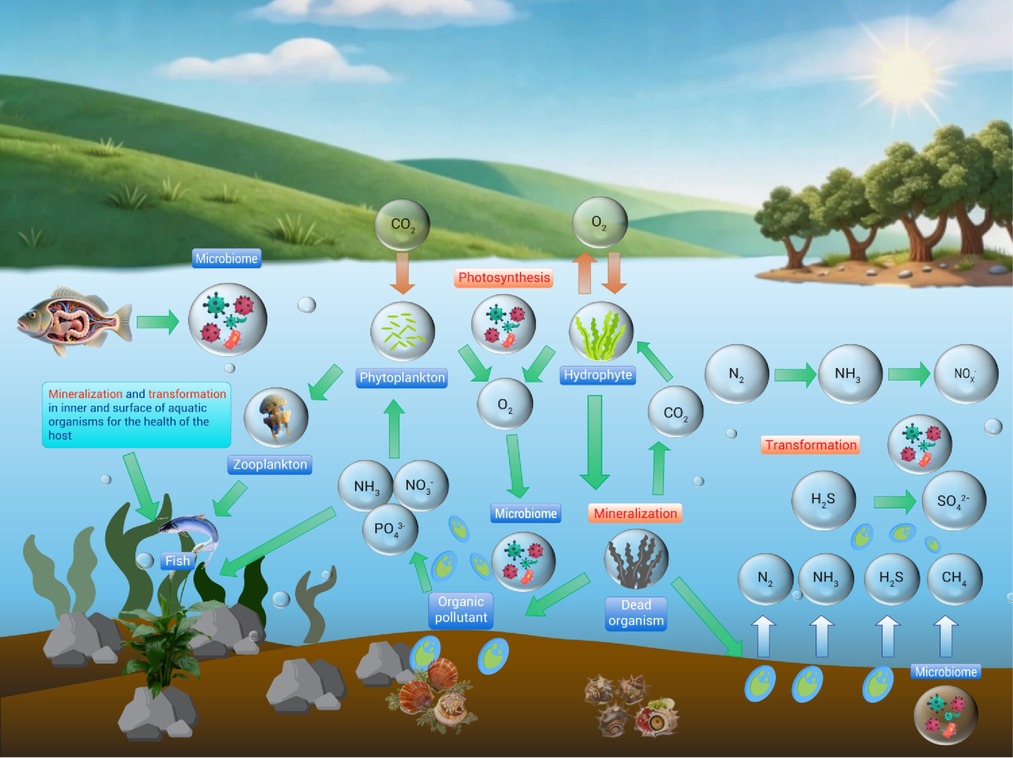
Figure 1.
The role of microorganisms in aquatic ecosystems.
-
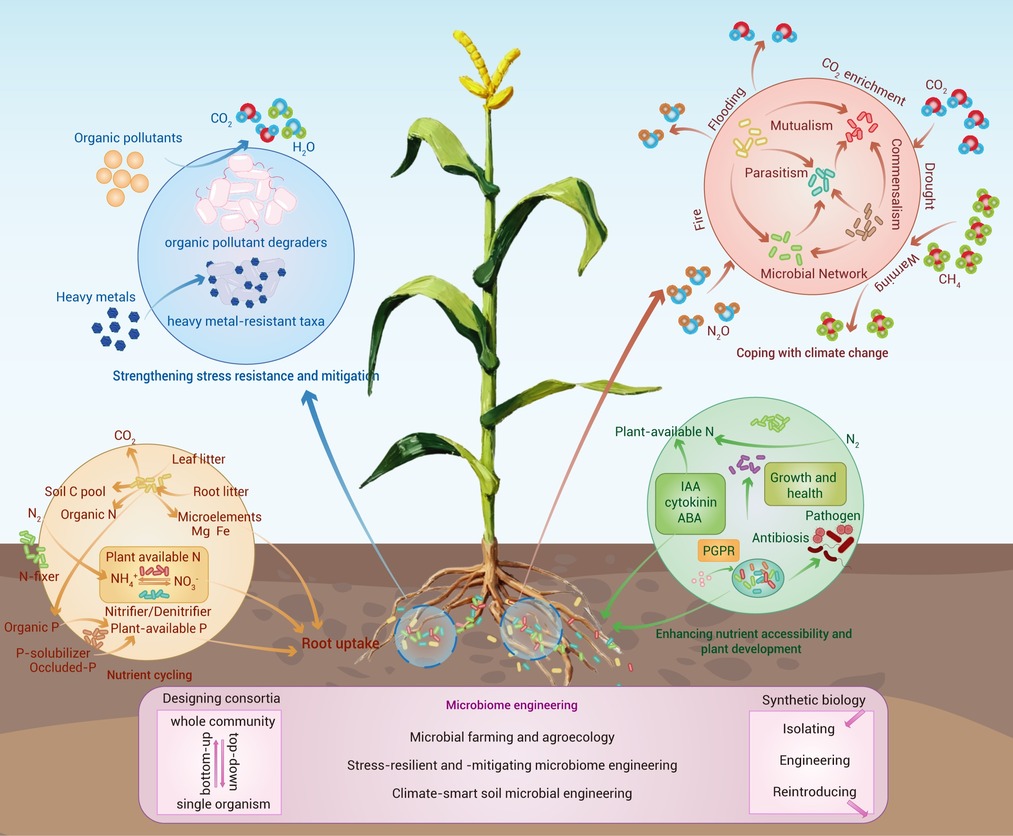
Figure 2.
The schematics of soil microbiome and their functions.
-
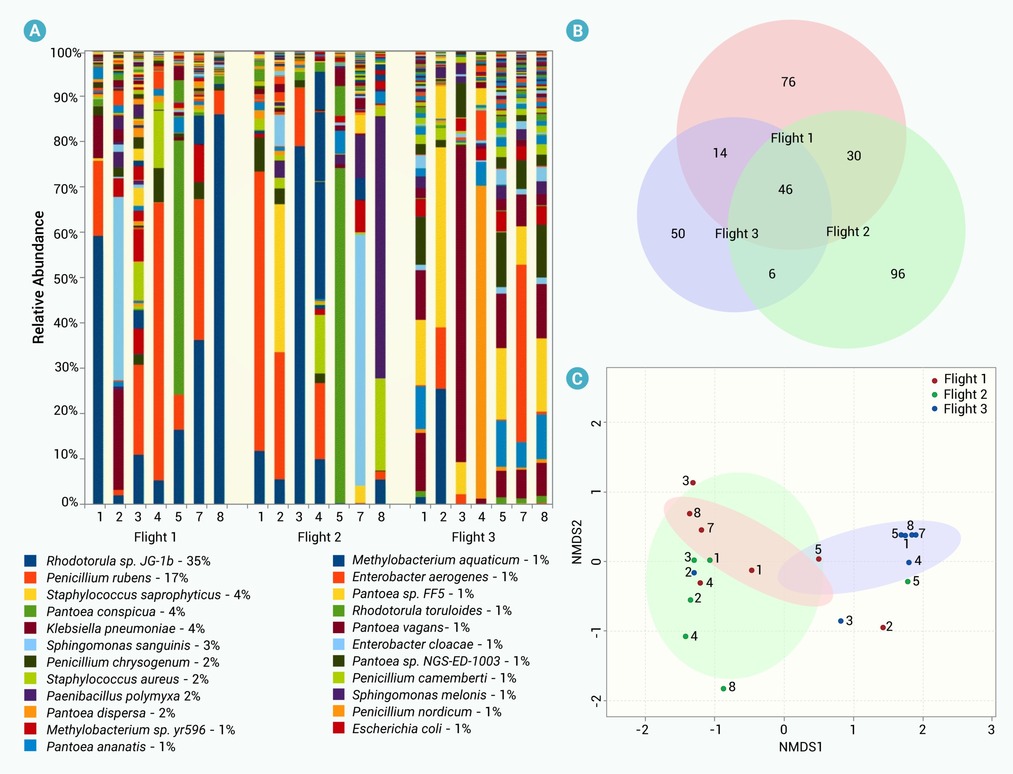
Figure 3.
The microbiome diversity during space missions.
-
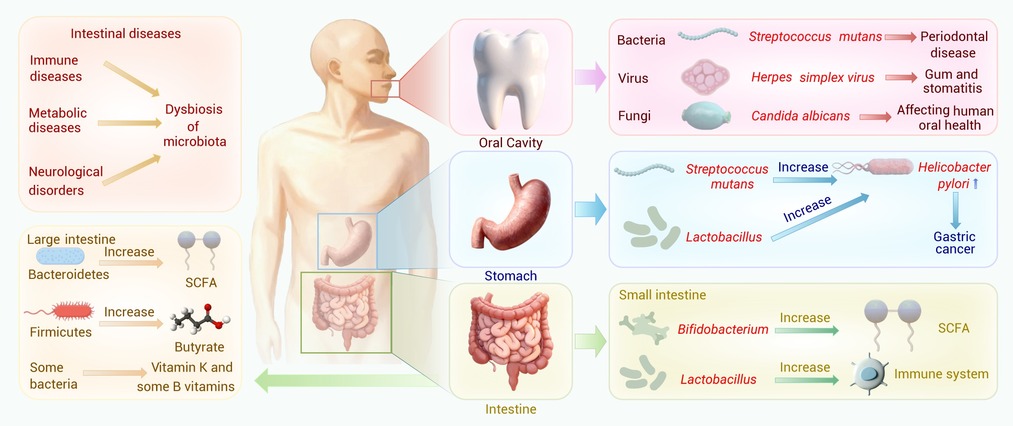
Figure 4.
Microbiota and their functions in the digestive tract
-
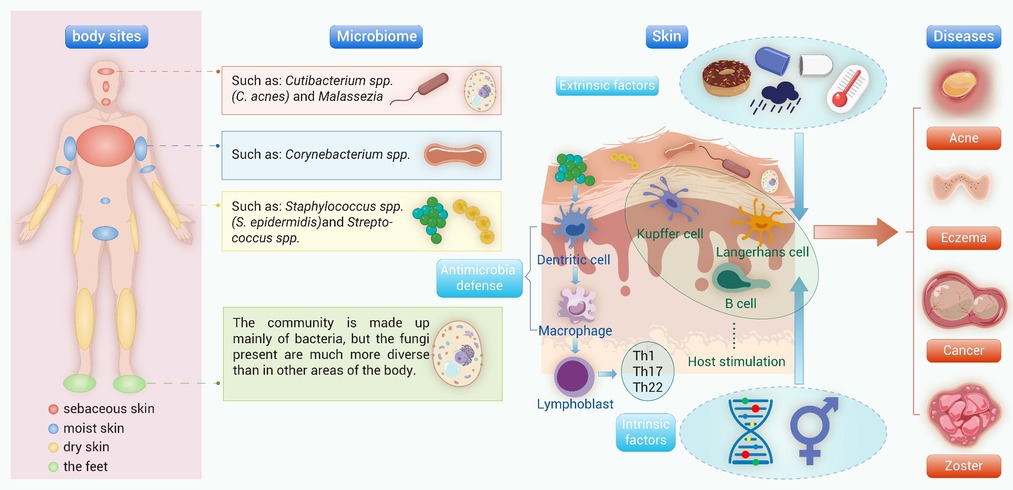
Figure 5.
The composition of the skin microbiota varies significantly across different body sites
-
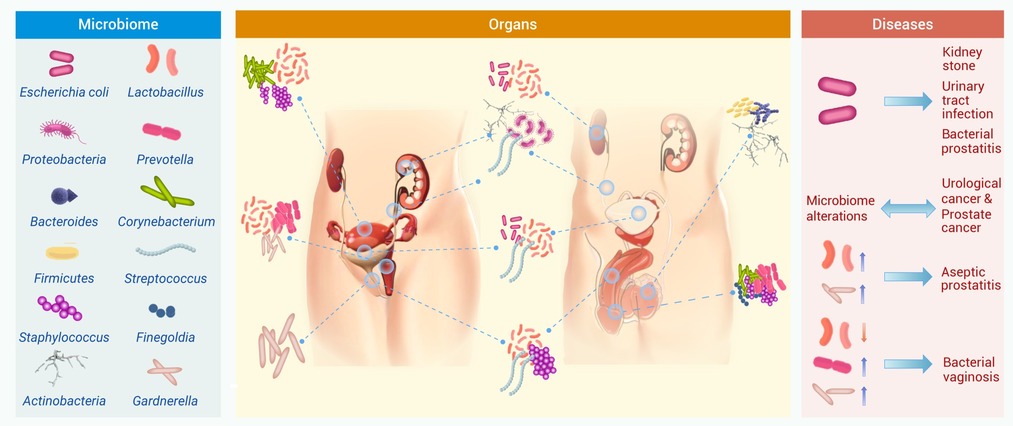
Figure 6.
The Microbiome diversity in the urinary and reproductive systems.
-
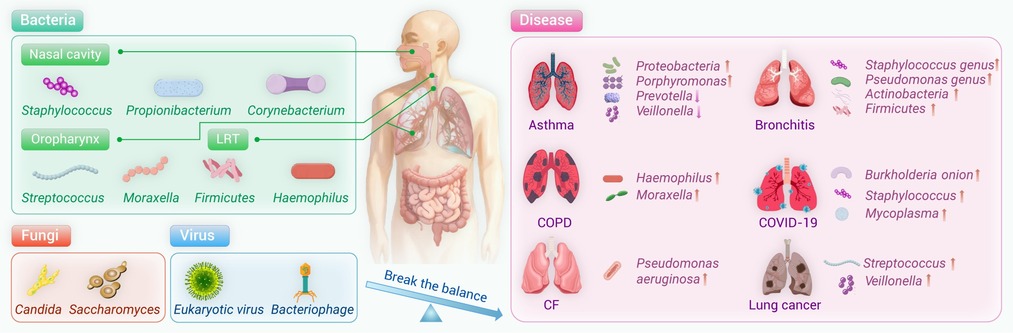
Figure 7.
Microbial composition of the respiratory system and the associated diseases.
-
Figure 8.
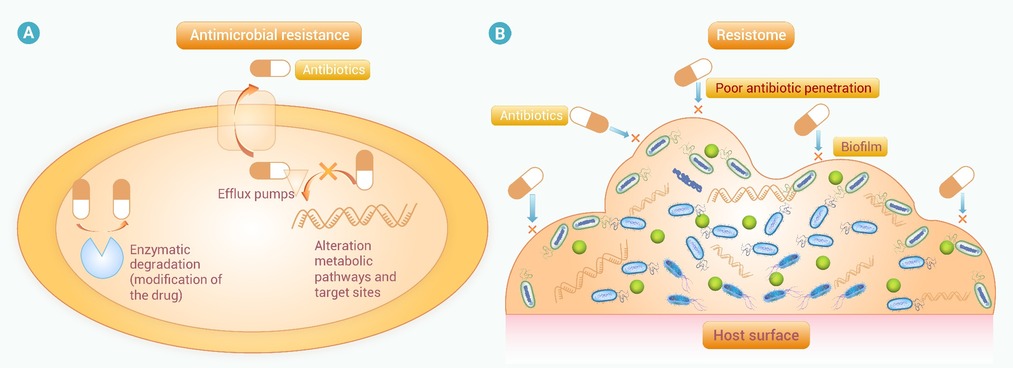
The illustration of antimicrobial resistance of single microorganism (A) and resistome (B) from microbiome in the biofilm.
-
Figure 9.
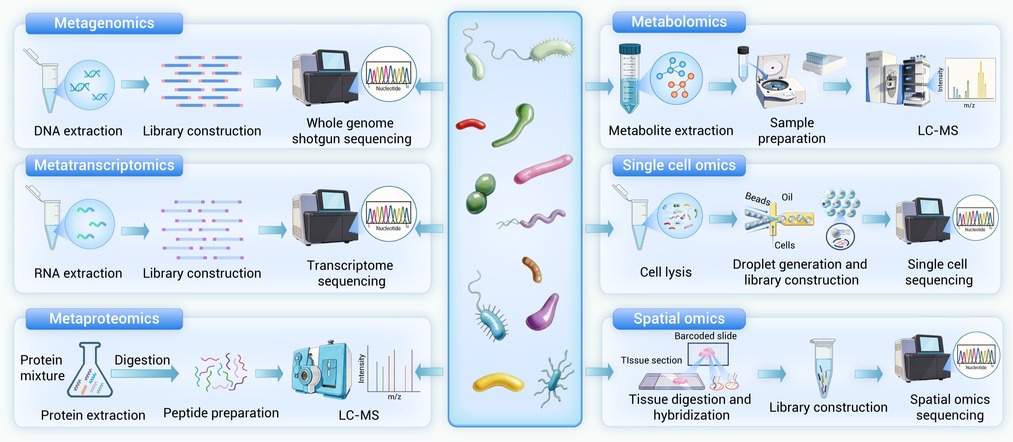
Multi-omics technologies for microbiome analysis.
-
Figure 10.
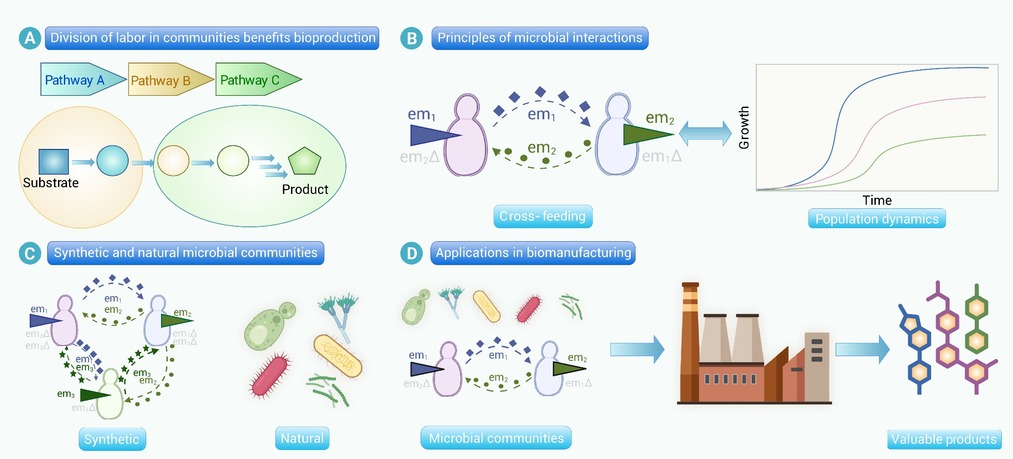
Microbiome engineering in biomanufacturing.
