
Multimetallic catalysts for glycerol electrochemical oxidation to value-added products
-
GRAPHICAL ABSTRACT
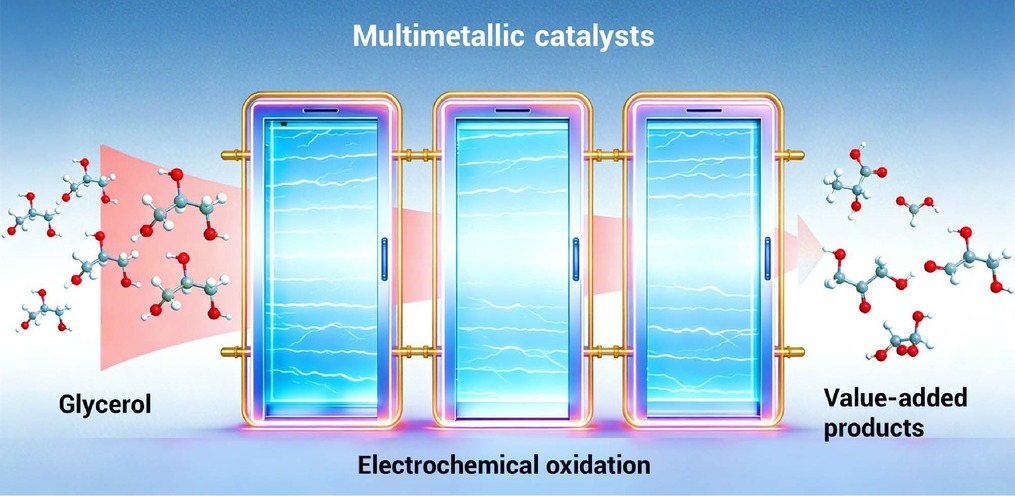
 DownLoad:
Full size image
DownLoad:
Full size image
-
PUBLIC SUMMARY
-
Reviews advancements in multimetallic catalysts for glycerol electrochemical oxidation to various products.
Discusses catalyst design strategies aimed at to enhance performance.
Presents challenges and future opportunities in the field of multimetallic catalysts for glycerol electrooxidation.
-
-
ABSTRACT
Glycerol is a major byproduct of biodiesel production and has become a biomass-derived platform chemical. The glycerol electrooxidation reaction (GEOR) offers a promising route for valorizing this abundant byproduct under mild conditions, simultaneously mitigating biomass resources and utilizing renewable electricity. However, while GEOR aligns with sustainable and low-carbon development, it faces significant challenges, including sluggish reaction kinetics and complex reaction pathways, which result in low activity and poor selectivity for the desired product. Multimetallic electrocatalysts have emerged as highly efficient materials for glycerol electrooxidation, attracting significant research attention. In this review, we provide an overview of multimetallic electrocatalysts for GEOR. Specifically, we first introduce the reaction networks of GEOR, alongside the intrinsic properties of metallic active sites that govern these processes. We then highlight advanced catalyst design strategies tailored to enhance GEOR performance for the production of specific C1-C3 value-added products. Based on structural-activity correlation, the practical significance of designing site-specific active centers to target distinct products is emphasized. Finally, we outline outstanding challenges and future research priorities that must be addressed to advance the field of GEOR, spanning innovations in catalyst design, advances in reaction engineering, and deeper fundamental mechanistic understanding.-
Keywords:
- glycerol /
- electrooxidation /
- multimetallic electrocatalyst /
- conversion /
- catalysis
-

-
REFERENCES
[1] Husna M., Tabak Y. and Yıldız M. (2024). Glycerol as a feedstock for chemical synthesis. ChemBioEng Rev. 11:e202400010. DOI:10.1002/cben.202400010 [2] Sun H., Yang M., Gao Z., et al. (2023). Economic and environmental evaluation for a closed loop of crude glycerol bioconversion to biodiesel. J. Biotechnol. 366:65−71. DOI:10.1016/j.jbiotec.2023.03.001 [3] Zhang S., Guan W., Sun H., et al. (2023). Intermittent energization improves microbial electrolysis cell-assisted thermophilic anaerobic co-digestion of food waste and spent mushroom substance. Bioresour. Technol. 370:128577. DOI:10.1016/j.biortech.2023.128577 [4] Kazimierowicz J., Dębowski M., Zieliński M., et al. (2024). The biosynthesis of liquid fuels and other value-added products based on waste glycerol—a comprehensive review and bibliometric analysis. Energies 17:3035. DOI:10.3390/en17123035 [5] Fasanya O. O., Osigbesan A. A. and Avbenake O. P. (2021). Biodiesel production from non-edible and waste lipid sources. Biodiesel Technol. Appl. 15:389−427. DOI:10.1002/9781119724957.ch15 [6] Ray A., Kundu P. and Ghosh A. (2023). Reconstruction of a genome-scale metabolic model of scenedesmus obliquus and its application for lipid production under three trophic modes. ACS Synth. Biol. 12:3463−3481. DOI:10.1021/acssynbio.3c00516 [7] Murphy D. J., Goggin K. and Paterson R. R. M. (2021). Oil palm in the 2020s and beyond: challenges and solutions. CABI Agric. Biosci. 2:39. DOI:10.1186/s43170-021-00058-3 [8] Lazar Z., Liu N. and Stephanopoulos G. (2018). Holistic approaches in lipid production by yarrowia lipolytica. Trends Biotechnol. 36:1157−1170. DOI:10.1016/j.tibtech.2018.06.007 [9] Hill J., Nelson E., Tilman D., et al. (2006). Environmental, economic, and energetic costs and benefits of biodiesel and ethanol biofuels. Proc. Natl. Acad. Sci. U.S.A. 30:11206−11210. DOI:10.1073/pnas.0604600103 [10] Beopoulos A., Nicaud J-M. and Gaillardin C. (2011). An overview of lipid metabolism in yeasts and its impact on biotechnological processes. Appl. Microbiol. Biotechnol. 4:1193−1206. DOI:10.1007/s00253-011-3212-8 [11] Becerra-Ruiz J. D., Gonzalez-Huerta R. G., Gracida J., et al. (2019). Using green-hydrogen and bioethanol fuels in internal combustion engines to reduce emissions. Int. J. Hydrogen Energy 44:12324−12332. DOI:10.1016/j.ijhydene.2019.02.211 [12] Xu X., Sharma P., Shu S., et al. (2021). Global greenhouse gas emissions from animal-based foods are twice those of plant-based foods. Nat. Food 2:724−732. DOI:10.1038/s43016-021-00358-x [13] Bowling R. A. and Larrabee G. B. (1983). Surface characterization. Anal. Chem. 55:133−156. DOI:10.1021/a19900159 [14] Eryilmaz T., Yesilyurt M. K., Cesur C., et al. (2016). Biodiesel production potential from oil seeds in Turkey. Renew. Sust. Energ. Rev. 58:842−851. DOI:10.1016/j.rser.2015.12.172 [15] Naylor R. L. and Higgins M. M. (2018). The rise in global biodiesel production: implications for food security. Global Food Secur. 16:75−84. DOI:10.1016/j.gfs.2017.10.004 [16] Wang H., Li H., Lee C. K., et al. (2024). A systematic review on utilization of biodiesel-derived crude glycerol in sustainable polymers preparation. Int. J. Biol. Macromol. 261:129536. DOI:10.1016/j.ijbiomac.2024.129536 [17] Abusweireh R. S., Rajamohan N. and Vasseghian Y. (2022). Enhanced production of biodiesel using nanomaterials: a detailed review on the mechanism and influencing factors. Fuel 319:123862. DOI:10.1016/j.fuel.2022.123862 [18] Zhao J., Hao S., Zhao P., et al. (2025). On-demand catalytic platform for glycerol upgrade and utilization. J. Am. Chem. Soc. 147:9210−9219. DOI:10.1021/jacs.4c13603 [19] Jindapon W., Ruengyoo S., Kuchonthara P., et al. (2020). Continuous production of fatty acid methyl esters and high-purity glycerol over a dolomite-derived extrudate catalyst in a countercurrent-flow trickle-bed reactor. Renew. Energy 157:626−636. DOI:10.1016/j.renene.2020.05.066 [20] Çakmak A. and Özcan H. (2020). Biofuel additive production from glycerol and determination of its effect on some fuel properties. SN Appl. Sci. 2:1−10. DOI:10.1007/s42452-020-03308-7 [21] Moklis M. H., Cheng S. and Cross J. S. (2023). Current and future trends for crude glycerol upgrading to high value-added products. Sustainability 15:2979. DOI:10.3390/su15042979 [22] Zhang J., Yang J., Zhang H., et al. (2021). Research status and future development of biomass liquid fuels. BioResources 16:4523−4543. DOI:10.15376/biores.16.2.Zhang [23] Almeida E. L., Olivo J. E. and Andrade C. M. G. (2023). Production of biofuels from glycerol from the biodiesel production process—a brief review. Fermentation 9:869. DOI:10.3390/fermentation9100869 [24] Anto L., Warykas S. W., Torres-Gonzalez M., et al. (2020). Milk polar lipids: underappreciated lipids with emerging health benefits. Nutrients 12:1001. DOI:10.3390/nu12041001 [25] Kalus K., Konkol D., Korczyński M., et al. (2020). Effect of biochar diet supplementation on chicken broilers performance, NH3 and odor emissions and meat consumer acceptance. Animals 10:1539. DOI:10.3390/ani10091539 [26] Ezequiel J. M. B., Sancanari J. B. D., Machado Neto O. R., et al. (2015). Effects of high concentrations of dietary crude glycerin on dairy cow productivity and milk quality. J. Dairy Sci. 98:8009−8017. DOI:10.3168/jds.2015-9448 [27] Lomander H., Frössling J., Ingvartsen K. L., et al. (2012). Supplemental feeding with glycerol or propylene glycol of dairy cows in early lactation—effects on metabolic status, body condition, and milk yield. J. Dairy Sci. 95:2397−2408. DOI:10.3168/jds.2011-4535 [28] Kim H. J., Kim Y., Lee D., et al. (2017). Coproducing value-added chemicals and hydrogen with electrocatalytic glycerol oxidation technology: experimental and techno-economic investigations. ACS Sustainable Chem. Eng. 5 6626-6634. DOI:10.1021/acssuschemeng.7b00868. [29] Worz N., Brandner A. and Claus P. (2010). Platinum−bismuth-catalyzed oxidation of glycerol: kinetics and the origin of selective deactivation. J. Phys. Chem. C 114:1164−1172. DOI:10.1021/jp909412h [30] Xiong L., Yu Z., Cao H., et al. (2021). Converting glycerol into valuable trioses by Cuδ+-single-atom-decorated WO3 under visible light. Angew. Chem. Int. Ed. 63:e202318461. DOI:10.1002/anie.202318461 [31] Yang T. and Shen Y. (2023). coupling glycerol conversion with hydrogen production using alloyed electrocatalysts. Langmuir 39:12855−12864. DOI:10.1021/acs.langmuir.3c01751 [32] An Z., Zhang Z., Huang Z., et al. (2022). Pt(1) enhanced C-H activation synergistic with Pt(n) catalysis for glycerol cascade oxidation to glyceric acid. Nat. Commun. 13:5467. DOI:10.1038/s41467-022-33038-w [33] Kim H. J., Lee J., Green S. K., et al. (2014). Selective glycerol oxidation by electrocatalytic dehydrogenation. ChemSusChem 7:1051−1056. DOI:10.1002/cssc.201301218 [34] Wang S., Lin Y., Li Y., et al. (2025). Nanoscale high-entropy surface engineering promotes selective glycerol electro-oxidation to glycerate at high current density. Nat. Nanotechnol. 20:646−655. DOI:10.1038/s41565-025-01881-9 [35] Nunotani N., Morita K. and Imanaka N. (2025). Efficient production of hydroxypyruvic acid from glycerol using Pt/ZrSn1–xBixO4−δ/SBA-16 catalysts. ACS Sustainable Chem. Eng. 13:8206−8211. DOI:10.1021/acssuschemeng.5c03264 [36] Teng Z., Zhang Z., Tu Y., et al. (2025). Asymmetric photooxidation of glycerol to hydroxypyruvic acid over Rb–Ir catalytic pairs on poly(heptazine imides). Nat. Nanotechnol. 20:815−824. DOI:10.1038/s41565-025-01897-1 [37] Zhang Z., Xin L. and Li W. (2012). Electrocatalytic oxidation of glycerol on Pt/C in anion-exchange membrane fuel cell: cogeneration of electricity and valuable chemicals. Appl. Catal. B Environ. 119-120:40-48. DOI:10.1016/j.apcatb.2012.02.009. [38] Behr A., Eilting J., Irawadi K., et al. (2008). Improved utilisation of renewable resources: new important derivatives of glycerol. Green Chem. 10:13−30. DOI:10.1039/B710561D [39] Fang Z., Ding Y., Su Z., et al. (2025). Highly selective electrooxidation of glycerol to tartronic acid over a single-atom rhodium catalyst supported on indium oxide. Small 21:2500123. DOI:10.1002/smll.202500123 [40] Ciriminna R. and Pagliaro M. (2003). One-pot homogeneous and heterogeneous oxidation of glycerol to ketomalonic acid mediated by TEMPO. Adv. Synth. Catal. 345:383−388. DOI:10.1002/adsc.200390043 [41] Wang J., Liu Y., Wang J., et al. (2023). Cooperative catalysis of carbon supported zinc salts hybrid for efficient conversion of fructose to ethyl lactate. Chem. Eng. J. 468:143670. DOI:10.1016/j.cej.2023.143670 [42] Kang N. K., Kim M., Baek K., et al. (2022). Photoautotrophic organic acid production: glycolic acid production by microalgal cultivation. Chem. Eng. J. 433:133636. DOI:10.1016/j.cej.2021.133636 [43] Oh L. S., Park M., Park Y. S., et al. (2023). How to change the reaction chemistry on nonprecious metal oxide nanostructure materials for electrocatalytic oxidation of biomass-derived glycerol to renewable chemicals. Adv. Mater. 35:2203285. DOI:10.1002/adma.202203285 [44] Morales D. M., Jambrec D., Kazakova M. A., et al. (2022). Electrocatalytic conversion of glycerol to oxalate on Ni oxide nanoparticles-modified oxidized multiwalled carbon nanotubes. ACS Catal. 12:982−992. DOI:10.1021/acscatal.1c04150 [45] Zhang Z. and Huber G. W. (2018). Catalytic oxidation of carbohydrates into organic acids and furan chemicals. Chem. Soc. Rev. 47:1351−1390. DOI:10.1039/C7CS00213K [46] Le T. H., Zuo Y., Chatti M., et al. (2025). Coupling of CuO@NiBiOx catalyzed glycerol oxidation to carbon dioxide reduction reaction for enhanced energy efficiency. Angew. Chem. Int. Ed. 64:e202502617. DOI:10.1002/anie.202502617 [47] Verma S., Lu S. and Kenis P. J. A. (2019). Co-electrolysis of CO2 and glycerol as a pathway to carbon chemicals with improved technoeconomics due to low electricity consumption. Nat. Energy 4:466−474. DOI:10.1038/s41560-019-0374-6 [48] Zhou Y., Shen Y. and Xi J. (2019). Seed-mediated synthesis of PtxAuy@Ag electrocatalysts for the selective oxidation of glycerol. Appl. Catal. B Environ. 245:604−612. DOI:10.1016/j.apcatb.2019.01.009 [49] Hone C. A. and Kappe C. O. (2018). The use of molecular oxygen for liquid phase aerobic oxidations in continuous flow. Top. Curr. Chem. 377:2. DOI:10.1007/s41061-018-0226-z [50] James O. O., Sauter W. and Schröder U. (2018). Towards selective electrochemical conversion of glycerol to 1,3-propanediol. RSC Adv. 8:10818−10827. DOI:10.1039/C8RA00711J [51] Moklis M. H., Avian C., Shuo C., et al. (2025). GAN-driven discovery of low-cost non-noble metallic electrocatalysts for glycerol electroreduction. Electrochim. Acta 539:147096. DOI:10.1016/j.electacta.2025.147096 [52] Moklis M. H., Shuo C., Boonyubol S., et al. (2024). Electrochemical valorization of glycerol via electrocatalytic reduction into biofuels: a review. ChemSusChem 17:e202300990. DOI:10.1002/cssc.202300990 [53] Wu D., Liu S., Nie Y., et al. (2025). Electrocatalytic upgrading of glycerol into high-value products: Catalyst design, process engineering, and economic assessment. Chem. Eng. J. 518:164511. DOI:10.1016/j.cej.2025.164511 [54] Li Y., Wei X., Pan R., et al. (2024). PtAu alloying-modulated hydroxyl and substrate adsorption for glycerol electrooxidation to C3 products. Energy Environ. Sci. 17:4205−4215. DOI:10.1039/D4EE00485J [55] Ma L., Miao Y., Yang J., et al. (2024). Promoting electrocatalytic glycerol C-C bond cleavage to FA coupled with H2 production over a CuxNi2–xP catalyst. Adv. Energy Mater. 14:2401061. DOI:10.1002/aenm.202401061 [56] Neyts E. C., Ostrikov K. K., Sunkara M. K., et al. (2015). Plasma catalysis: synergistic effects at the nanoscale. Chem. Rev. 115:13408−46. DOI:10.1021/acs.chemrev.5b00362 [57] Deng Y. J., Tian N., Zhou Z. Y., et al. (2012). Alloy tetrahexahedral Pd–Pt catalysts: enhancing significantly the catalytic activity by synergy effect of high-index facets and electronic structure. Chem. Sci. 3:1157−1161. DOI:10.1039/C2SC00723A [58] Jiang K., Zhao D., Guo S., et al. (2017). Efficient oxygen reduction catalysis by subnanometer Pt alloy nanowires. Sci. Adv. 3:e1601705. DOI:10.1126/sciadv.1601705 [59] Xia Z., Ma C., Fan Y., et al. (2024). Vacancy optimized coordination on nickel oxide for selective electrocatalytic oxidation of glycerol. ACS Catal. 14:1930−1938. DOI:10.1021/acscatal.3c04568 [60] Chen W., Shi J., Wu Y., et al. (2024). Vacancy-induced catalytic mechanism for alcohol electrooxidation on nickel-based electrocatalyst. Angew. Chem. Int. Ed. 63:e202316449. DOI:10.1002/anie.202316449 [61] Tran G. S., Chen C. J., Maeda S., et al. (2024). Tuning selectivity toward three-carbon product of glycerol electrooxidation in borate buffer through manipulating borate/glycerol molar ratio. J. Catal. 438:115715. DOI:10.1016/j.jcat.2024.115715 [62] Chen P. and Huang S. (2022). Quaternary PdCuNiP porous nanosheets with enhanced electrochemical performance in the ethanol oxidation reaction. Inorg. Chem. 61:14470−14476. DOI:10.1021/acs.inorgchem.2c02597 [63] Minichová M., Priamushko T., Hutzler A., et al. (2024). Electrochemical dissolution of PtRu/C: Effect of potential, fuels, and temperature. Electrochim. Acta 502:144764. DOI:10.1016/j.electacta.2024.144764 [64] Brix A. C., Morales D. M., Braun M., et al. (2021). Electrocatalytic oxidation of glycerol using solid‐state synthesised nickel boride: impact of key electrolysis parameters on product selectivity. ChemElectroChem 8:2336−2342. DOI:10.1002/celc.202100739 [65] Barman K., Askarova G., Jia R., et al. (2023). Efficient voltage-driven oxidation of water and alcohols by an organic molecular catalyst directly attached to a carbon electrode. J. Am. Chem. Soc. 145:5786−5794. DOI:10.1021/jacs.2c12775 [66] Angelucci C. A., Varela H., Tremiliosi-Filho G., et al. (2013). The significance of non-covalent interactions on the electro-oxidation of alcohols on Pt and Au in alkaline media. Electrochem. Commun. 33:10−13. DOI:10.1016/j.elecom.2013.03.039 [67] Yukuhiro V. Y., Vicente R. A., Fernandez P. S., et al. (2024). Alkaline-metal cations affect Pt deactivation for the electrooxidation of small organic molecules by affecting the formation of inactive Pt oxide. J. Am. Chem. Soc. 146:27745−27754. DOI:10.1021/jacs.4c09590 [68] Huang X., Zou Y. and Jiang J. (2021). Electrochemical oxidation of glycerol to dihydroxyacetone in borate buffer: enhancing activity and selectivity by borate–polyol coordination chemistry. ACS Sustainable Chem. Eng. 9:14470−14479. DOI:10.1021/acssuschemeng.1c04795 [69] Chen W., Zhang L., Xu L., et al. (2024). Pulse potential mediated selectivity for the electrocatalytic oxidation of glycerol to glyceric acid. Nat. Commun. 15:2420. DOI:10.1038/s41467-024-46752-4 [70] Xia T., Yang J., Ren Q., et al. (2025). Promoting alcohols electrooxidation coupled with hydrogen production via asymmetric pulse potential strategy. Angew. Chem. Int. Ed. 64:e202420992. DOI:10.1002/anie.202420992 [71] Guschakowski M. and Schröder U. (2021). Direct and indirect electrooxidation of glycerol to value-added products. ChemSusChem 14:5216−5225. DOI:10.1002/cssc.202100556 [72] Kornienko G. V., Chaenko N. V. and Kornienko V. L. (2015). Indirect electrocatalytic oxidation of glycerin on platinum electrode in acidic electrolyte involving active oxygen forms. Russ. J. Electrochem. 51:1115-1118. DOI 10.1134/S1023193515110063. [73] Tang H. T., Jia J. S. and Pan Y. M. (2020). Halogen-mediated electrochemical organic synthesis. Org. Biomol. Chem. 18:5315−5333. DOI:doi.org/10.1039/D0OB01008A. DOI:10.1039/D0OB01008A [74] Lian F., Xu K. and Zeng C. (2021). Indirect electrosynthesis with halogen ions as mediators. Chem. Rec. 21:2290−2305. DOI:10.1002/tcr.202100036 [75] Liu Y. J., Hu C. Y. and Lo S. L. (2019). Direct and indirect electrochemical oxidation of amine-containing pharmaceuticals using graphite electrodes. J. Hazard. Mater. 366:592−605. DOI:10.1016/j.jhazmat.2018.12.037 [76] Wang F. and Stahl S. S. (2020). Electrochemical oxidation of organic molecules at lower overpotential: accessing broader functional group compatibility with electron−proton transfer mediators. Acc. Chem. Res. 53:561−574. DOI:10.1021/acs.accounts.9b00544 [77] Houache M. S. E., Hughes K., Ahmed A., et al. (2019). Electrochemical valorization of glycerol on Ni-rich bimetallic NiPd nanoparticles: insight into product selectivity using in situ polarization modulation infrared-reflection absorption spectroscopy. ACS Sustainable Chem. Eng. 7:14425−14434. DOI:10.1021/acssuschemeng.9b01070 [78] He Z., Hwang J., Gong Z., et al. (2022). Promoting biomass electrooxidation via modulating proton and oxygen anion deintercalation in hydroxide. Nat. Commun. 13:3777. DOI:10.1038/s41467-022-31484-0 [79] Valter M., dos Santos E. C., Pettersson L. G. M., et al. (2021). Selectivity of the first two glycerol dehydrogenation steps determined using scaling relationships. ACS Catal. 11:3487−3497. DOI:10.1021/acscatal.0c04186 [80] Valter M., dos Santos E. C., Pettersson L. G. M., et al. (2020). Partial electrooxidation of glycerol on close-packed transition metal surfaces: insights from first-principles calculations. J. Phys. Chem. C 124:17907−17915. DOI:10.1021/acs.jpcc.0c04002 [81] Kwon Y., Schouten K. J. P. and Koper M. T. M. (2011). Mechanism of the catalytic oxidation of glycerol on polycrystalline gold and platinum electrodes. ChemCatChem 3:1176−1185. DOI:10.1002/cctc.201100023 [82] Mendes P. C. D., Costa-Amaral R., Gomes J. F., et al. (2019). The influence of hydroxy groups on the adsorption of three-carbon alcohols on Ni(111), Pd(111) and Pt(111) surfaces: a density functional theory study within the D3 dispersion correction. Phys. Chem. Chem. Phys. 21:8434−8444. DOI:10.1039/c9cp00752k [83] Amaral R. C., Tereshchuk P., Seminovski Y., et al. (2017). The role of low-coordinated sites on the adsorption of glycerol on defected Ptn/Pt(111) substrates: a density functional investigation within the D3 van der Waals correction. J. Phys. Chem. C 121:3445−3454. DOI:10.1021/acs.jpcc.6b12238 [84] Luo H., Yukuhiro V. Y., Fernández P. S., et al. (2022). Role of Ni in PtNi bimetallic electrocatalysts for hydrogen and value-added chemicals coproduction via glycerol electrooxidation. ACS Catal. 12:14492−14506. DOI:10.1021/acscatal.2c03907 [85] Ghosh S., Bagchi D., Mondal I., et al. (2024). Deciphering the role of nickel in electrochemical organic oxidation reactions. Adv. Energy Mater. 14:2400696. DOI:10.1002/aenm.202400696 [86] Houache M. S. E., Cossar E., Ntais S., et al. (2018). Electrochemical modification of nickel surfaces for efficient glycerol electrooxidation. J. Power Sources 375:310−319. DOI:10.1016/j.jpowsour.2017.08.089 [87] Serov A., Asset T., Padilla M., et al. (2016). Highly-active Pd–Cu electrocatalysts for oxidation of ubiquitous oxygenated fuels. Appl. Catal. B Environ. 191:76−85. DOI:10.1016/j.apcatb.2016.03.016 [88] Du J., Qin Y., Dou T., et al. (2022). Copper nanoparticles dotted on copper sulfide nanosheets for selective electrocatalytic oxidation of glycerol to FA. ACS Appl. Nano Mater. 5:10174−10182. DOI:10.1021/acsanm.2c00323 [89] Fan R. Y., Zhai X. J., Qiao W. Z., et al. (2023). Optimized electronic modification of S-doped CuO induced by oxidative reconstruction for coupling glycerol electrooxidation with hydrogen evolution. Nano-micro Lett. 15:190. DOI:10.1007/s40820-023-01159-6 [90] Sapner V. S., Tanwade P. D., Munde A. V., et al. (2023). Cobalt/cobalt oxide nanorods-decorated Reduced graphene oxide (Co/Co3O4-rGO) for enhanced electrooxidation of glycerol. ACS Appl. Nano Mater. 6:16414−16423. DOI:10.1021/acsanm.3c02636 [91] Xi N., Zang Y., Sun X., et al. (2023). Polyhedral coordination determined Co‐O activity for electrochemical oxidation of biomass alcohols. Adv. Energy Mater. 13:2301572. DOI:10.1002/aenm.202301572 [92] Goetz M. K., Usman E. and Choi K. S. (2023). Understanding and suppressing C–C cleavage during glycerol oxidation for C3 chemical production. ACS Catal. 13:15758−15769. DOI:10.1021/acscatal.3c03365 [93] González-Cobos J., Baranton S. and Coutanceau C. (2016). A systematic in situ infrared study of the electrooxidation of C3 alcohols on carbon-supported Pt and Pt–Bi catalysts. J. Phys. Chem. C 120:7155−7164. DOI:10.1021/acscatal.3c03365 [94] Li Y., Wei X., Han S., et al. (2021). MnO2 electrocatalysts coordinating alcohol oxidation for ultra-durable hydrogen and chemical productions in acidic solutions. Angew. Chem. Int. Ed. 60:21464−21472. DOI:10.1002/anie.202107510 [95] Mao Z., Jia L., Mao X., et al. (2024). Bismuth single-atom alloying of palladium nanosheets promotes selective electrochemical valorization of glycerol to C3 products. J. Mater. Chem. A 12:24136−24143. DOI:10.1039/D4TA03892D [96] Yang H., Vijaykumar G., Chen Z., et al. (2023). In situ reconstruction of helical iron borophosphate precatalyst toward durable industrial alkaline water electrolysis and selective oxidation of alcohols. Adv. Funct. Mater. 33:2303702. DOI:10.1002/adfm.202303702 [97] Sun T., Chen J., Lao X., et al. (2022). Unveiling the synergistic effects of monodisperse sea urchin-like PdPb alloy nanodendrites as stable electrocatalysts for ethylene glycol and glycerol oxidation reactions. Inorg. Chem. 61:10220−10227. DOI:10.1021/acs.inorgchem.2c01566 [98] Lari G. M., Mondelli C. and Pérez-Ramı́rez J. (2015). Gas-phase oxidation of glycerol to dihydroxyacetone over tailored iron zeolites. ACS Catal. 5:1453−1461. DOI:10.1021/cs5019056 [99] Pagliaro M., Ciriminna R., Kimura H., et al. (2007). From glycerol to value‐added products. Angew. Chem. Int. Ed. 46:4434−4440. DOI:10.1002/anie.200604694 [100] Painter R. M., Pearson D. M. and Waymouth R. M. (2010). Selective catalytic oxidation of glycerol to dihydroxyacetone. Angew. Chem. Int. Ed. 49:9456−9459. DOI:10.1002/anie.201004063 [101] Huang N., Zhang Z., Lu Y., et al. (2021). Assembly of platinum nanoparticles and single-atom bismuth for selective oxidation of glycerol. J. Mater. Chem. A 9:25576−25584. DOI:10.1039/D1TA07262E [102] Kunitski M., Eicke N., Huber P., et al. (2019). Double-slit photoelectron interference in strong-field ionization of the neon dimer. Nat. Commun. 10:1. DOI:10.1038/s41467-018-07882-8 [103] Zhao S., Dai Z., Guo W., et al. (2019). Highly selective oxidation of glycerol over Bi/Bi3.64Mo0.36O6.55 heterostructure: dual reaction pathways induced by photogenerated 1O2 and holes. Appl. Catal. B Environ. 244:206-214. DOI:10.1016/j.apcatb.2018.11.047. [104] Hiroshi K., Keiichi T., Tatsushi W., et al. (1993). Selective oxidation of glycerol on a platinum-bismuth catalyst. Appl. Catal. A Gen. 96:217−228. DOI:10.1016/0926-860X(90)80011-3 [105] Liu C., Hirohara M., Maekawa T., et al. (2020). Selective electro-oxidation of glycerol to dihydroxyacetone by a non-precious electrocatalyst–CuO. Appl. Catal. B Environ. 265:118543. DOI:10.1016/j.apcatb.2019.118543 [106] Huang Z., Ren H., Guo J., et al. (2024). High DHA selectivity and low-cost electrode for glycerol oxidation: CuO regulates MnO2 electron density to promote DHA desorption. Appl. Catal. B Environ. 351:123986. DOI:10.1016/j.apcatb.2024.123986 [107] Braun M., Santana C. S., Garcia A. C., et al. (2023). From waste to value–Glycerol electrooxidation for energy conversion and chemical production. Curr. Opin. Green Sustainable Chem. 41:100829. DOI:10.1016/j.cogsc.2023.100829 [108] Lee D., Kim Y., Han H., et al. (2020). Atomic-layer-deposited SnO2 on Pt/C prevents sintering of Pt nanoparticles and affects the reaction chemistry for the electrocatalytic glycerol oxidation reaction. J. Mater. Chem. A 8:15992−16005. DOI:10.1039/D0TA02509G [109] Chen W., Zhang L., Xu L., et al. (2024). Pulse potential mediated selectivity for the electrocatalytic oxidation of glycerol to glyceric acid. Nat. Commun. 15:2420. DOI:10.1038/s41467-024-46752-4 [110] Cychy S., Lechler S. and Muhler M. (2021). Selective anodic oxidation of solketal as acetal‐protected glycerol over nickel boride in alkaline media to glyceric acid. ChemElectroChem 9:e202101214. DOI:10.1002/celc.202101214 [111] Kumari B., Braun M., Cychy S., et al. (2023). Electrooxidation of the glycerol derivative solketal over Cu−Co hydroxycarbonates to enable the synthesis of glyceric acid. ChemElectroChem 10:e202300018. DOI:10.1002/celc.202300018 [112] Zhang J., Kumari B., Quast T., et al. (2024). Surface reconstruction induced by preconditioning in different electrolytes impacts electrooxidation of solketal on multi‐metal‐based catalysts. Adv. Funct. Mater. 35:2419911. DOI:10.1002/adfm.202419911 [113] Yang J., Xia T., Li H., et al. (2024). Evaluation of active oxygen species derived from water splitting for electrocatalytic organic oxidation. Angew. Chem. Int. Ed. 64:e202413457. DOI:10.1002/anie.202413457 [114] Costa Santos J. B., Vieira C., Crisafulli R., et al. (2020). Promotional effect of auxiliary metals Bi on Pt, Pd, and Ag on Au, for glycerol electrolysis. Int. J. Hydrog. Energy 45:25658−25671. DOI:10.1016/j.ijhydene.2019.11.225 [115] Pagliaro M. V., Bruni F., Oberhauser W., et al. (2025). Hydrogen and high-value-added chemicals from glycerol electroreforming using a highly efficient and selective ligand-stabilized PdCu catalyst. ACS Sustainable Chemi. Eng. 13:4975−4987. DOI:10.1021/acssuschemeng.4c09284 [116] Terekhina I. and Johnsson M. (2024). Improving glycerol electrooxidation performance on nanocubic PtCo Catalysts. ACS Appl. Mater. Interfaces 16:56987−56996. DOI:10.1021/acsami.4c10219 [117] Huang B., Yan J., Li Z., et al. (2024). Anode-electrolyte interfacial acidity regulation enhances electrocatalytic performances of alcohol oxidations. Angew. Chem. Int. Ed. 63:e202409419. DOI:10.1002/anie.202409419 [118] Naik K. M., Hashisake K., Hamada T., et al. (2022). Intermetallic PdZn nanoparticles loaded on deficient TiO2 nanosheets as a support: a bifunctional electrocatalyst for oxygen reduction in PEMFCs and the glycerol oxidation reactions. J. Mater. Chem. A 10:13987−13997. DOI:10.1039/d2ta03736j [119] Benipal N., Qi J., Liu Q., et al. (2017). Carbon nanotube supported PdAg nanoparticles for electrocatalytic oxidation of glycerol in anion exchange membrane fuel cells. Appl. Catal. B Environ. 210:121−130. DOI:10.1016/j.apcatb.2017.02.082 [120] Wang C. Y., Yu Z. Y., Li G., et al. (2020). Intermetallic PtBi nanoplates with high catalytic activity towards electro-oxidation of formic acid and glycerol. ChemElectroChem. 7:239−245. DOI:10.1002/celc.201901818 [121] Holade Y., Servat K., Napporn T. W., et al. (2015). Electrocatalytic properties of nanomaterials synthesized from “Bromide Anion Exchange” method-investigations of glucose and glycerol oxidation. Electrochim. Acta 162:205−214. DOI:10.1016/j.electacta.2014.11.072 [122] Cassani A., Tuleushova N., Wang Q., et al. (2021). Fe-modified Pd as an effective multifunctional electrocatalyst for catalytic oxygen reduction and glycerol oxidation reactions in alkaline media. ACS Appl. Energy Mater. 4:9944−9960. DOI:10.1021/acsaem.1c01920 [123] Brix A. C., Dreyer M., Koul A., et al. (2022). Structure‐performance relationship of LaFe1‐xCoxO3 electrocatalysts for oxygen evolution, isopropanol oxidation, and glycerol oxidation. ChemElectroChem 9:e202200092. DOI:10.1002/celc.202200092 [124] Houache M. S. E., Safari R., Nwabara U. O., et al. (2020). Selective electrooxidation of glycerol to formic acid over carbon supported Ni1–xMx (M = Bi, Pd, and Au) nanocatalysts and coelectrolysis of CO2. ACS Appl. Energy Mater. 3:8725−8738. DOI:10.1021/acsaem.0c01282 [125] Wang Y., Ge R., Liu X., et al. (2024). An anion leaching strategy towards metal oxyhydroxides synthesis for electrocatalytic oxidation of glycerol. Acta Phys. Chim. Sin. 40:2307019. DOI:10.3866/PKU.WHXB202307019 [126] Zheng Y., Kang Z., Li H., et al. (2025). Hierarchically structured CuNiP/CuOx-VP nanoarrays construction by heteroatom doping boosting glycerol valorization at industrial-level current density. Adv. Funct. Mater. 35:2412810. DOI:10.1002/adfm.202412810 [127] Chen H., Gao R. T., Su K., et al. (2025). Re and Ru co-doped transition metal alloy as a bifunctional catalyst for electrooxidation of glycerol to FA coupled with H2 production. Angew. Chem. Int. Ed. 64:e202501766. DOI:10.1002/anie.202501766 [128] Wu Y., Fang W., Li M., et al. (2024). Implanting CuNi alloy into NiVOx for H2 evolution with ultralow overpotential and highly selective FA production. ACS Sustainable Chem. Eng. 12:9207−9221. DOI:10.1021/acssuschemeng.4c01950 [129] Chen Z., Liu C., Zhao X., et al. (2019). Promoted glycerol oxidation reaction in an interface-confined hierarchically structured catalyst. Adv. Mater. 31:e1804763. DOI:10.1002/adma.201804763 [130] Zhu Y., Qian Q., Chen Y., et al. (2023). Biphasic transition metal nitride electrode promotes nucleophile oxidation reaction for practicable hybrid water electrocatalysis. Adv. Funct. Mater. 33:2300547. DOI:10.1002/adfm.202300547 [131] Ma J., Tian Y., Li J., et al. (2024). Construction of Ni3S2/NiFe LDH heterostructure as bifunctional catalyst for energy-saving hydrogen evolution and co-production of value-added FA from glycerol electrolysis. Int. J. Hydrogen Energy 88:190−198. DOI:10.1016/j.ijhydene.2024.09.047 [132] Zhang J., Shen Y. and Li H. (2023). Electrolysis of glycerol by non-noble metal hydroxides and oxides. ACS Appl. Energy Mater. 6:5508−5518. DOI:10.1021/acsaem.3c00590 [133] Shi K., Si D., Teng X., et al. (2023). Enhanced electrocatalytic glycerol oxidation on CuCoN0.6/CP at significantly reduced potentials. Chin. J. Catal. 53:143-152. DOI:10.1016/S1872-2067(23)64515-2. [134] Manna B. K., Samanta R. and Barman S. (2024). Porous cobalt–nickel binary oxide nanosheets for electrochemical glycerol oxidation. ACS Appl. Energy Mater. 7:11787−11798. DOI:10.1021/acsaem.4c01995 [135] Deng X., Li M., Fan Y., et al. (2020). Constructing multifunctional ‘Nanoplatelet-on-Nanoarray’ electrocatalyst with unprecedented activity towards novel selective organic oxidation reactions to boost hydrogen production. Appl. Catal. B Environ. 278:119339. DOI:10.1016/j.apcatb.2020.119339 [136] Andreu T., Mallafré M., Molera M., et al. (2022). Effect of thermal treatment on nickel‐cobalt electrocatalysts for glycerol oxidation. ChemElectroChem 9:e202200100. DOI:10.1002/celc.202200100 [137] Fan L., Ji Y., Wang G., et al. (2022). High entropy alloy electrocatalytic electrode toward alkaline glycerol valorization coupling with acidic hydrogen production. J. Am. Chem. Soc. 144:7224−7235. DOI:10.1021/jacs.1c13740 [138] Zhang Q., Zhang G., Guan S., et al. (2024). N-CoFeP/NF electrocatalyst for coupling hydrogen production and oxidation reaction of various alcohols. J. Colloid Interface Sci. 662:686−694. DOI:10.1016/j.jcis.2024.02.092 [139] Li Y., Wei X., Chen L., et al. (2019). Nickel-molybdenum nitride nanoplate electrocatalysts for concurrent electrolytic hydrogen and FA productions. Nat. Commun. 10:5335. DOI:10.1038/s41467-019-13375-z [140] Mürtz S. D., Musialek F., Pfänder N., et al. (2023). Bimetallic PtCu/C catalysts for glycerol assisted hydrogen evolution in acidic media. ChemElectroChem 10:e202201114. DOI:10.1002/celc.202201114 [141] Xu C., Tian Z., Shen P., et al. (2008). Oxide (CeO2, NiO, Co3O4 and Mn3O4)-promoted Pd/C electrocatalysts for alcohol electrooxidation in alkaline media. Electrochim. Acta 53:2610−2618. DOI:10.1016/j.electacta.2007.10.036 [142] Su Y., Xu Q., Zhong Q., et al. (2015). Oxide (Co3O4, NiO, Mn3O4, MgO) promoted Au/C catalyst for glycerol electrooxidation in alkaline medium. Mater. Res. Bull. 64:301−305. DOI:10.1016/j.materresbull.2015.01.007 [143] Liu Y., Peng R., Xu Y., et al. (2025). Activating glycerol deep oxidation via Au–TiOx interfacial synergy in bimetallic nanocatalysts. J. Mater. Chem. A 13:36403−36412. DOI:10.1039/d5ta06420a [144] Zanata C. R., Fernández P. S., Troiani H. E., et al. (2016). Rh-decorated PtIrO nanoparticles for glycerol electrooxidation: Searching for a stable and active catalyst. Appl. Catal. B Environ. 181:445−455. DOI:10.1016/j.apcatb.2015.08.021 [145] Guo Y., Xu Y. and Chen P. (2025). Ampere-level glycerol electrooxidation enabled by oxygen vacancy-riched crystalline/amorphous Co3O4-x/ZrO2-x Heterointerface. J. Colloid Interface Sci. 699:138292. DOI:10.1016/j.jcis.2025.138292 [146] Li C., Li H., Zhang B., et al. (2024). Efficient electrocatalytic oxidation of glycerol to FA coupled with nitrate reduction over Cu-doped NiCo alloy supported on nickel foam. Angew. Chem. Int. Ed. 63:e202411542. DOI:10.1002/anie.202411542 [147] Bai J., Huang H., Li F-M., et al. (2019). Glycerol oxidation assisted electrocatalytic nitrogen reduction: ammonia and glyceraldehyde co-production on bimetallic RhCu ultrathin nanoflake nanoaggregates. J. Mater. Chem. A 7:21149−21156. DOI:10.1039/C9TA08806G [148] Tran G. S., Vo T. G. and Chiang C. Y. (2023). Operando revealing the crystal phase transformation and electrocatalytic activity correlation of MnO2 toward glycerol electrooxidation. ACS Appl. Mater. Interfaces 15:22662−22671. DOI:10.1021/acsami.3c00857 [149] Zhong S., He B., Wei S., et al. (2025). Dynamic Fe-O-Cu induced electronic structure modulation on CuO electrode for selective electrocatalytic oxidation of glycerol. Appl. Catal. B Environ. 362:124743. DOI:10.1016/j.apcatb.2024.124743 [150] Ma J., Wang X., Song J., et al. (2024). Synergistic Lewis and Bronsted acid sites promote OH* formation and enhance FA selectivity: towards high-efficiency glycerol valorization. Angew. Chem. Int. Ed. 63:e202319153. DOI:10.1002/anie.202319153 [151] Luo W., Tian H., Li Q., et al. (2023). Controllable electron distribution reconstruction of spinel NiCo2O4 boosting glycerol oxidation at elevated current density. Adv. Funct. Mater. 34:2306995. DOI:10.1002/adfm.202306995 [152] Boukil R., Tuleushova N., Cot D., et al. (2020). Enhanced electrocatalytic activity and selectivity of glycerol oxidation triggered by nanoalloyed silver-gold nanocages directly grown on gas diffusion electrodes. J. Mater. Chem. A 8:8848−8856. DOI:10.1039/D0TA01063D -
ABOUT THIS ARTICLE
Cite this article:
Wang S., Li H., Ma Z., et al. (2026). Multimetallic catalysts for glycerol electrochemical oxidation to value-added products. The Innovation Materials 4:100219. https://doi.org/10.59717/j.xinn-mater.2026.100219
Welcome!
To request copyright permission to republish or share portions of our works, please visit Copyright Clearance Center's (CCC) Marketplace website at marketplace.copyright.com.
Export File
Citation
Wang S., Li H., Ma Z., et al. (2026). Multimetallic catalysts for glycerol electrochemical oxidation to value-added products. The Innovation Materials 4:100219. https://doi.org/10.59717/j.xinn-mater.2026.100219

Format
Content
-
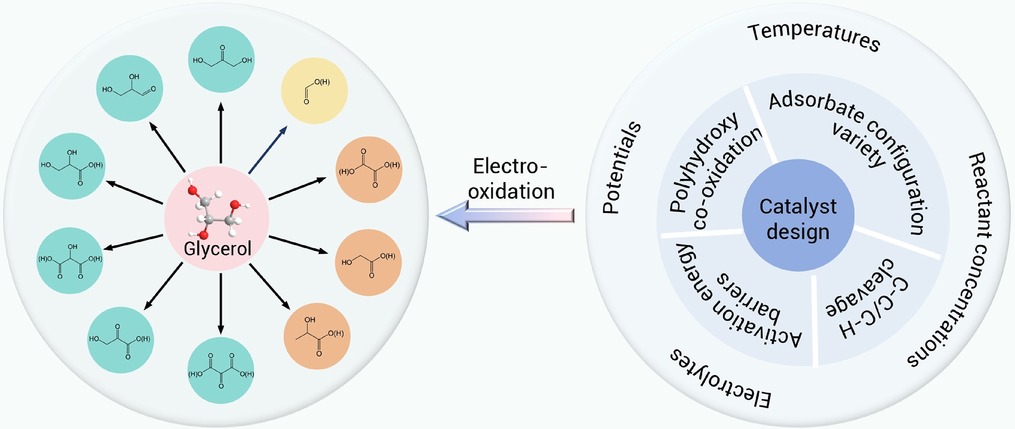
Figure 1.
Various value-added products from GEOR depending on reaction conditions and catalyst properties.
-
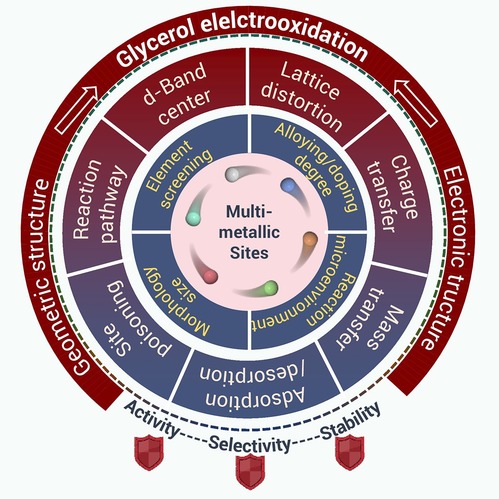
Figure 2.
Multimetallic electrocatalysts for GEOR.
-
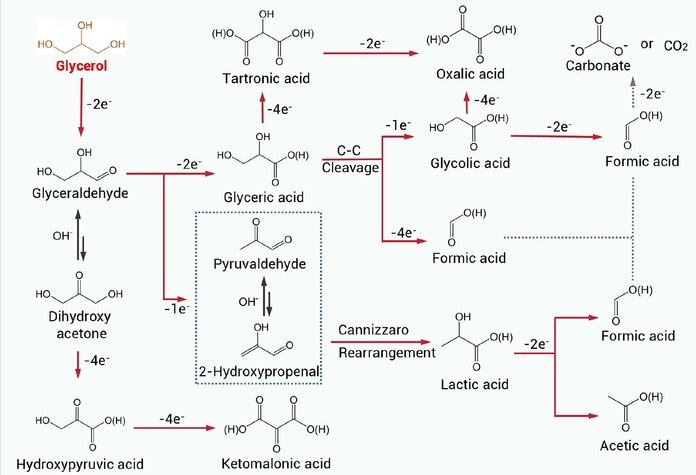
Figure 3.
Reaction pathways of GEOR.
-
Figure 4.
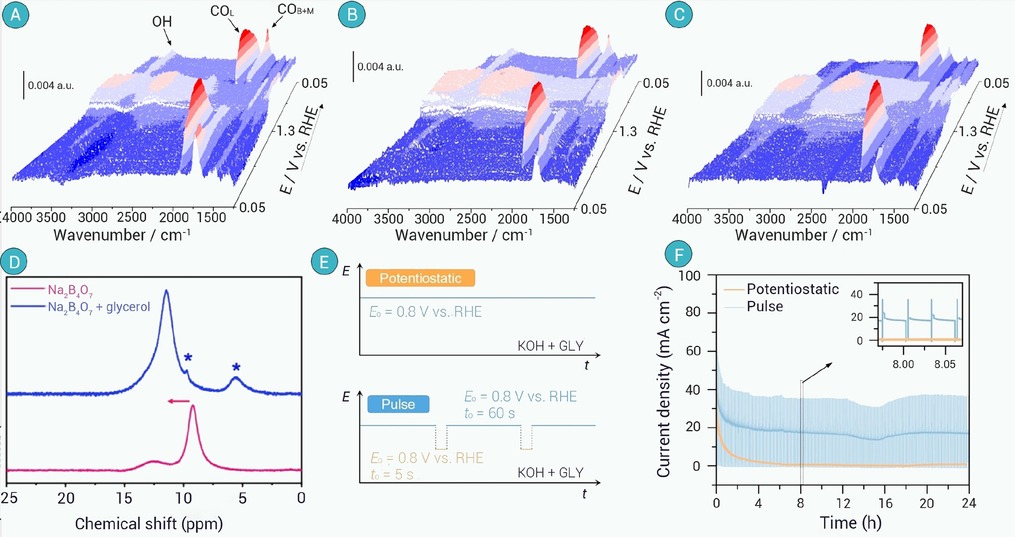
The effect of reaction conditions on GEOR
-
Figure 5.
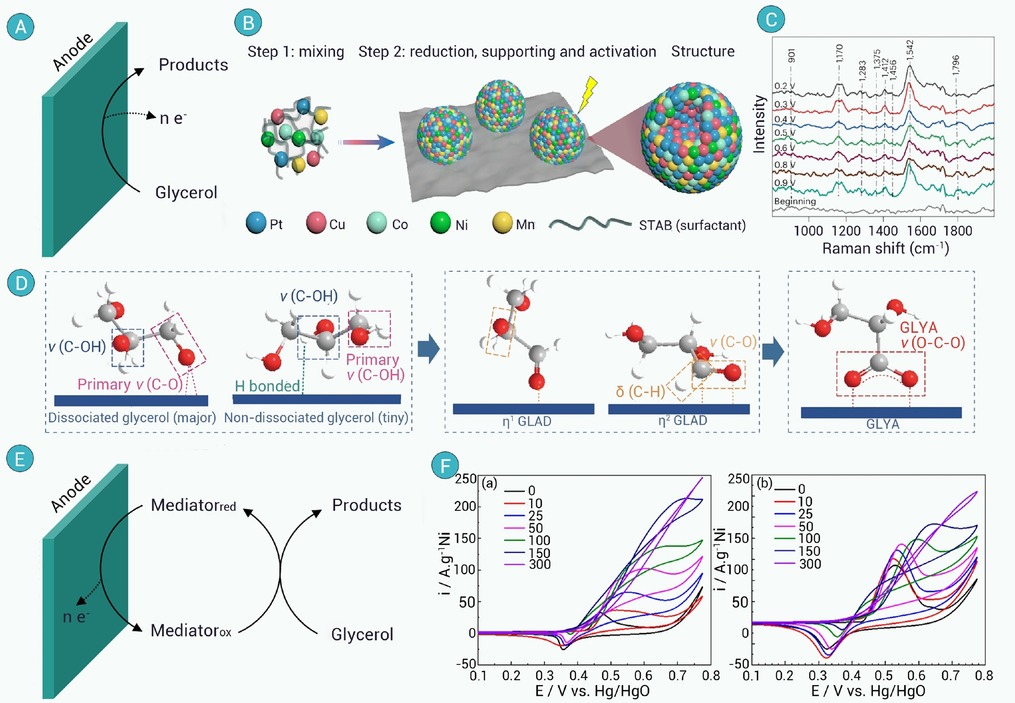
Direct and indirect GEOR processes
-
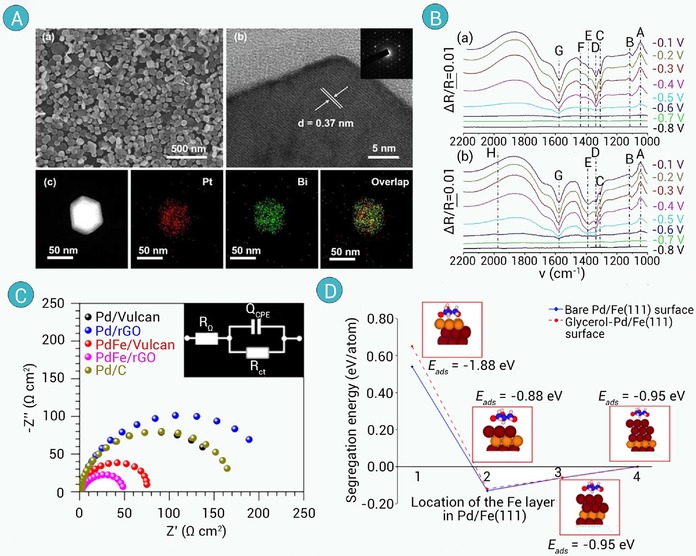
Figure 6.
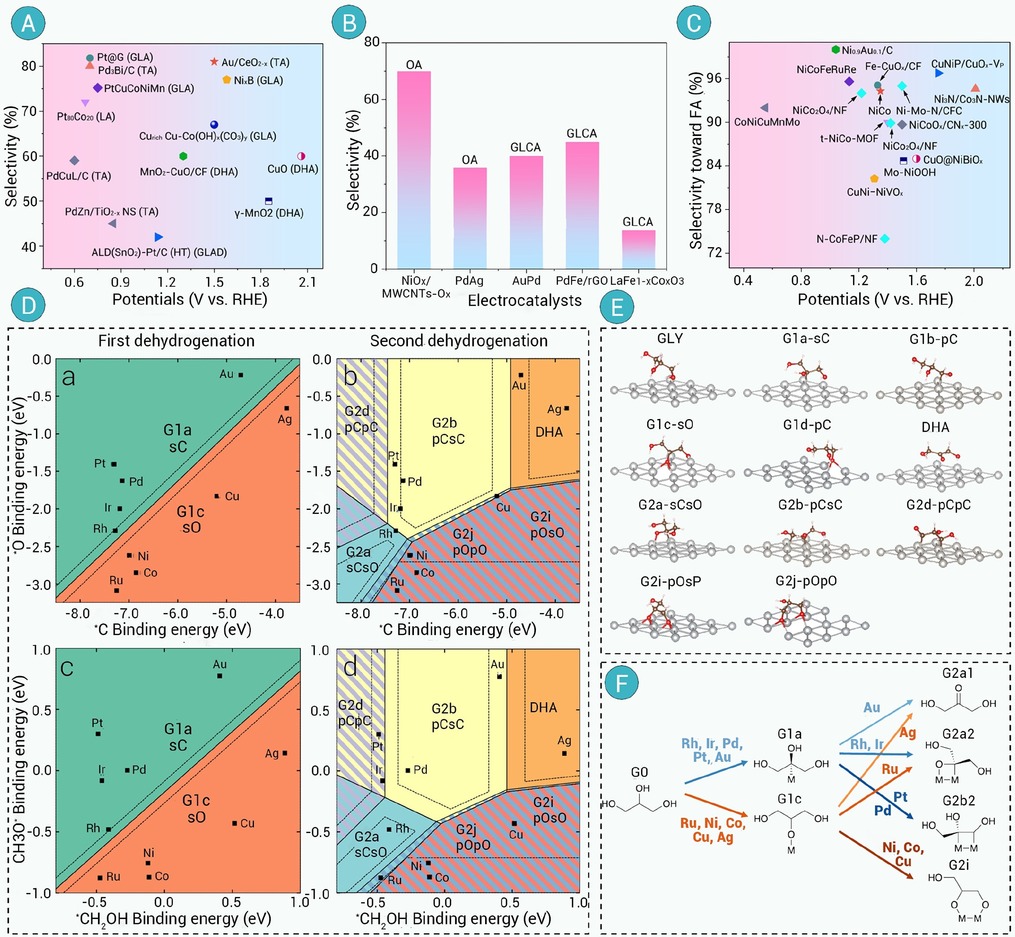
The intrinsic property of various metallic sites for glycerol electrooxidation
-
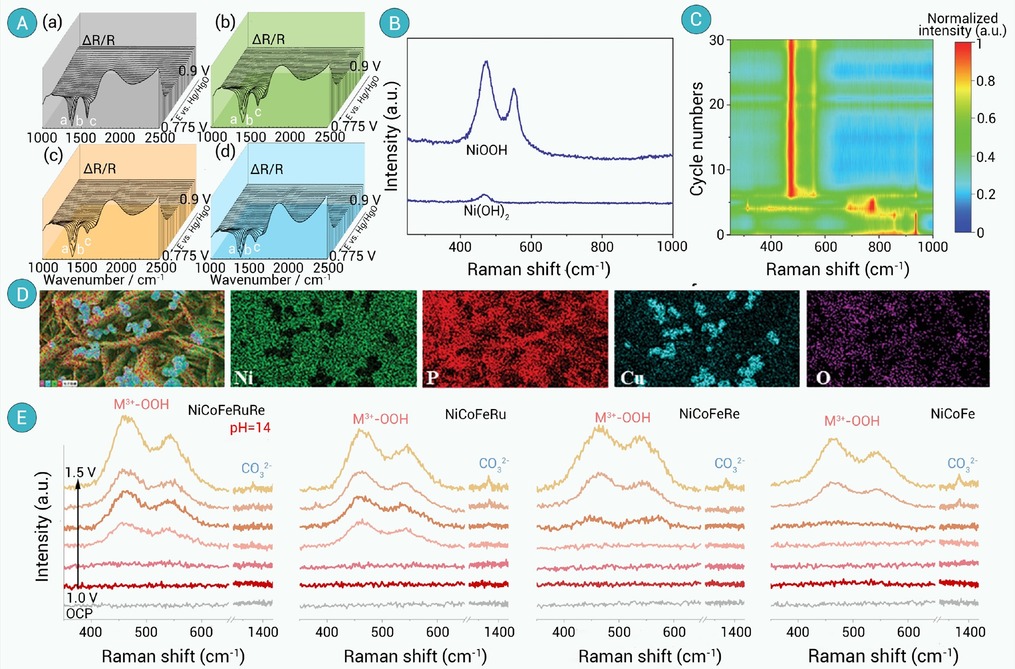
Figure 7.
Non-noble metal-based electrocatalysts
-
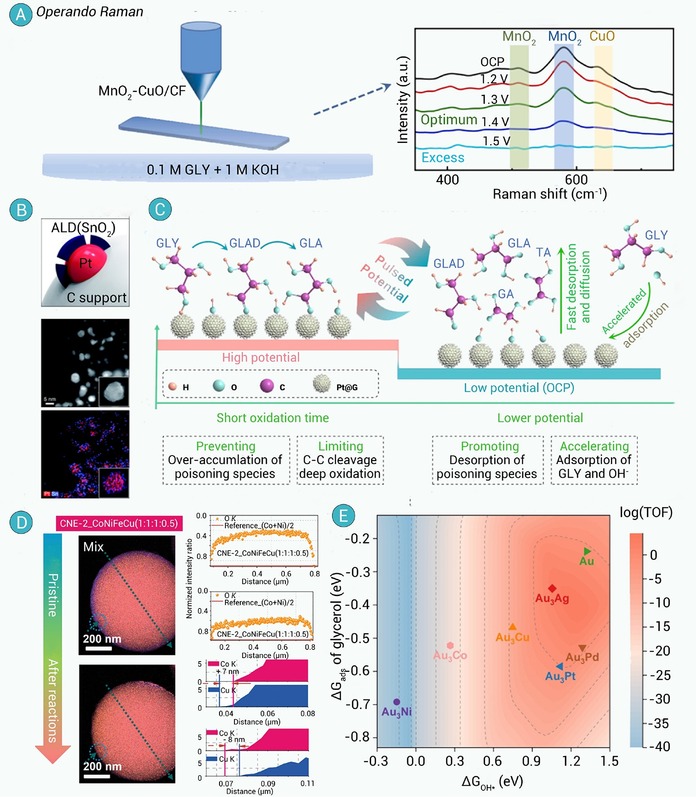
Figure 8.
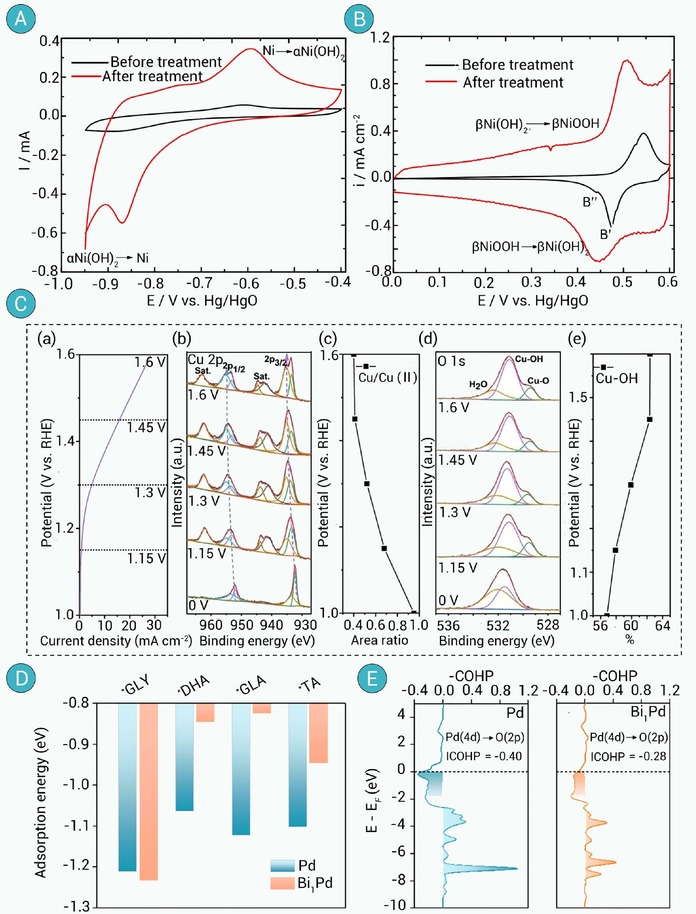
Strategies for enhancing C3 product selectivity
-
Figure 9.
Strategies to enhance GEOR performance for producing C2 products
-
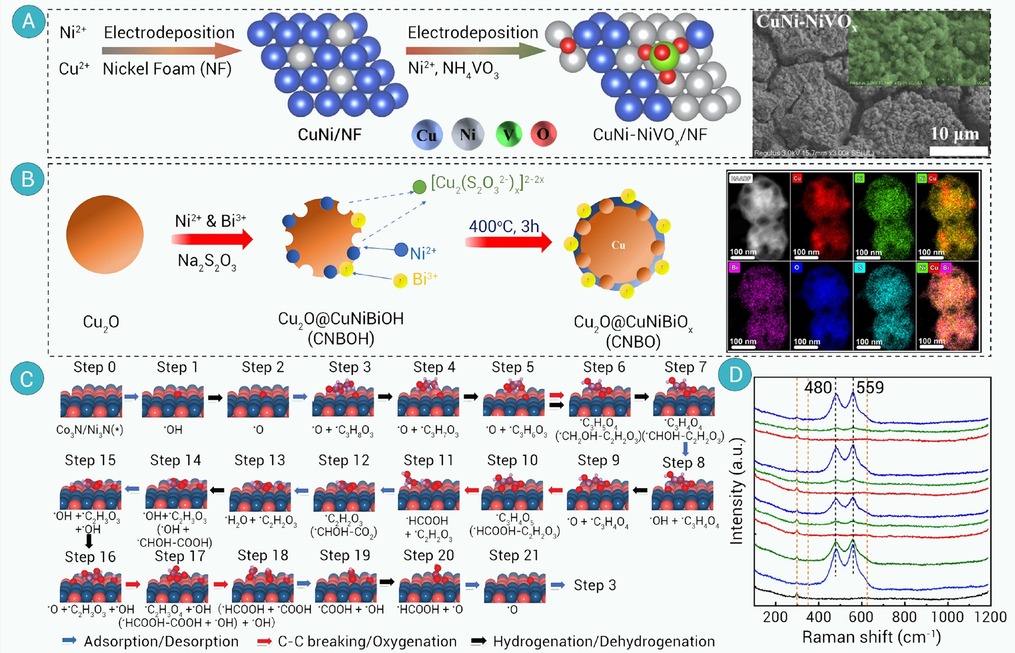
Figure 10.
Self-supported electrodes for GEOR performance to produce C1 products
-
Figure 11.
Strategies to enhance GEOR performance for producing C1 products
