
Research progress on the working mechanisms of QLEDs based on novel characterization methods
-
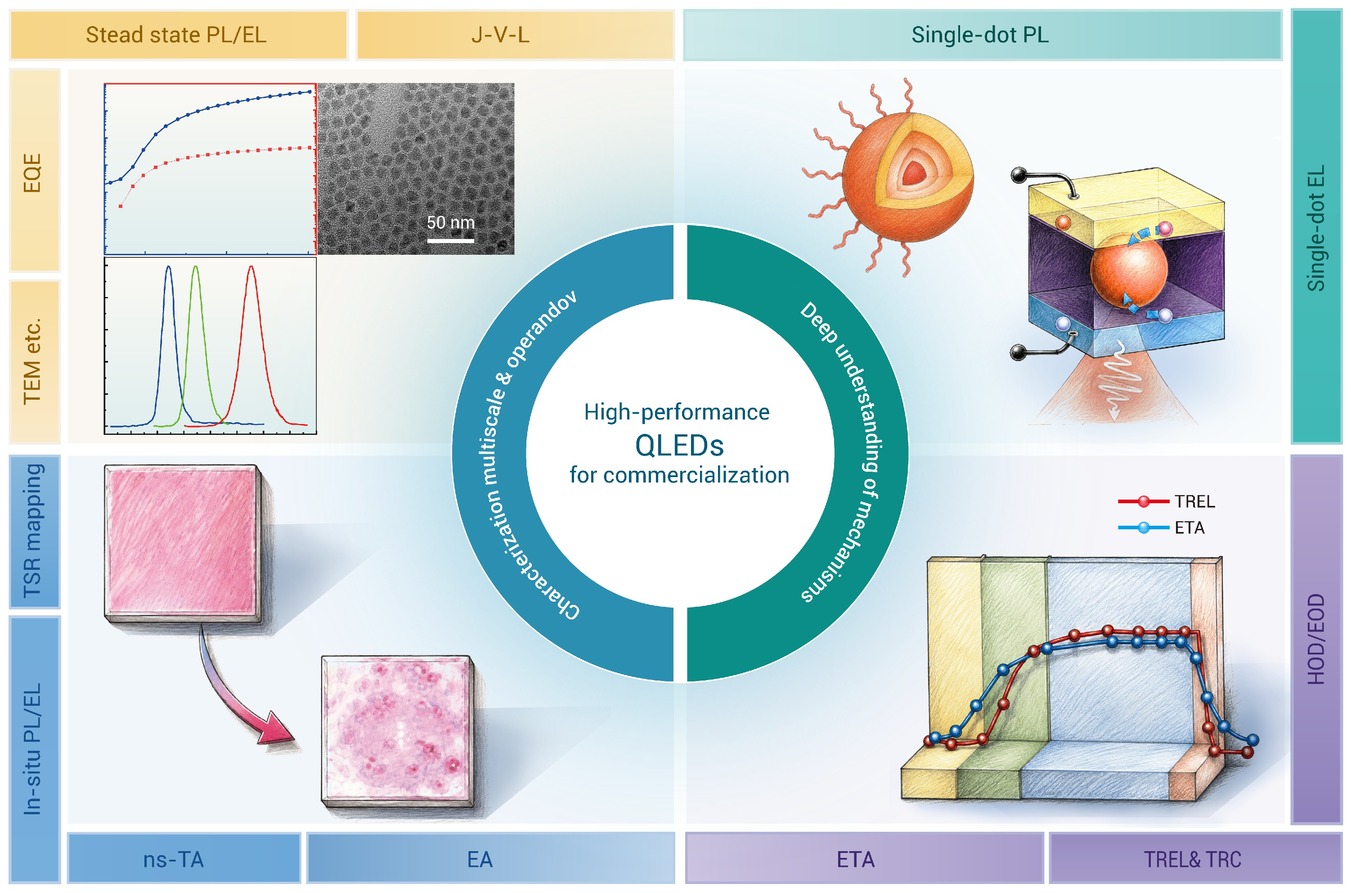
GRAPHICAL ABSTRACT
 DownLoad:
Full size image
DownLoad:
Full size image
-
PUBLIC SUMMARY
-
Advanced operando and multiscale characterization of Quantum-dot light emitting diodes (QLEDs).
Investigation of carrier dynamics, charge imbalance, interfacial interactions, and QLED degradation.
Future directions and challenges toward highly efficient and stable QLED technologies.
-
-
ABSTRACT
Quantum-dot light-emitting diodes (QLEDs) have great potential to deliver next-generation displays and lighting, yet it is difficult to achieve improvements in external quantum efficiency (EQE), roll-off, and reasonably operational stability due to their coupled process, such as charging-injection imbalance, carrier accumulation/leakage, field-induced effects, interfacial quenching, and irreversible degradation, which are hard to isolate with conventional steady-state measurement. The techniques of multiscale and operando characterization methods are summarized in this review and arranged in a hierarchical manner of diagnostic tools connecting observables to quantitative parameters and design rules applicable to devices. Single-dot photoluminescence (PL)/electroluminescence (EL) with photon-correlation and time-resolved detection discloses the intermittency during charging, the Auger loss, and charge-state signal injection/recombination rates at the bias. For the device level, injection delay is measured with single carrier structures and transient electroluminescence/current (TREL/TRC) measurement systems, and electrically excited transient absorption (ETA) is employed to inseparably isolate the carrier distributions of charge storage and recombination and leakage of quantum-confined Stark effect (QCSE). Additionally, electroabsorption (EA) tracks layer-resolved internal-field evolution and voltage-loss pathways during aging. The approaches used to differentiate between interfacial quenching and permanent damage, and localize the hotspots driven failure are complementary: nanosecond transient absorption (ns-TA), in-situ EL/PL, and time-gated mapping. These advanced characterization methods provide a deeper understanding of working mechanisms, enabling the development of more effective strategies to enhance the efficiency, stability, and long-term performance of QLEDs in practical applications. -

-
REFERENCES
[1] Li B., Chen F., Xu H., et al. (2024). Advances in understanding quantum dot light-emitting diodes. Nat. Rev. Electr. Eng. 1:412−425. DOI:10.1038/s44287-024-00059-0 [2] Caruge J. M., Halpert J. E., Wood V., et al. (2008). Colloidal quantum-dot light-emitting diodes with metal-oxide charge transport layers. Nat. Photon. 2:247−250. DOI:10.1038/nphoton.2008.34 [3] Lin W., Kang B., Blom P. W. M., et al. (2025). Recent progress in quantum dot light-emitting diodes: Degradation mechanisms and strategies for improving device stability and reliability. Adv. Electron. Mater. 11:e00559. DOI:10.1002/aelm.202500559 [4] Bang S. Y., Suh Y. H., Fan X. B., et al. (2021). Technology progress on quantum dot light-emitting diodes for next-generation displays. Nanoscale. Horiz. 6:68−77. DOI:10.1039/d0nh00556h [5] Liu G., Zhang S., Xu L., et al. (2022). Recent advances of eco-friendly quantum dots light-emitting diodes for display. Prog. Quantum Electron. 86:100415. DOI:10.1016/j.pquantelec.2022.100415 [6] Liu L., Long Z., Shi K., et al. (2025). A General crystallization picture of quantum dots: the underlying physical chemistry. CCS Chem. 7:926−949. DOI:10.31635/ccschem.024.202404892 [7] Wang W., Chen Q., Hua G., et al. (2025). Molecular engineering on hole injection self-assembled monolayers for superior RGB quantum dot light-emitting diodes. Innov. Mater. 3:100151. DOI:10.59717/j.xinn-mater.2025.100151 [8] Shirasaki Y., Supran G. J., Bawendi M. G., et al. (2012). Emergence of colloidal quantum-dot light-emitting technologies. Nat. Photon. 7:13−23. DOI:10.1038/nphoton.2012.328 [9] Garcia de Arquer F. P., Talapin D. V., Klimov V. I., et al. (2021). Semiconductor quantum dots: Technological progress and future challenges. Sci. 373:eaaz8541. DOI:10.1126/science.aaz8541 [10] Jang E. and Jang H. (2023). Review: Quantum dot light-emitting diodes. Chem. Rev. 123:4663−4692. DOI:10.1021/acs.chemrev.2c00695 [11] Fan J., Han C., Yang G., et al. (2024). Recent progress of quantum dots light-emitting diodes: Materials, device structures, and display applications. Adv. Mater. 36:e2312948. DOI:10.1002/adma.202312948 [12] Lee T., Kim M., Chun B., et al. (2024). Recent advances in light outcoupling from quantum-dot light-emitting diodes. ACS Photonics. 11:5050−5060. DOI:10.1021/acsphotonics.4c01617 [13] Yuan Q., Wang T., Yu P., et al. (2021). A review on the electroluminescence properties of quantum-dot light-emitting diodes. Org. Electron. 90:106086. DOI:10.1016/j.orgel.2021.106086 [14] Jing Y., Yao M., Yang M., et al. (2025). Photolithographic fabrication of high-resolution Micro-QLEDs towards color-conversion microdisplay. Light Sci. Appl. 14:370. DOI:10.1038/s41377-025-02000-y [15] Chen Z., Yuan C. and Chen S. (2025). Micrometer-scale-thick quantum-dot LEDs with notably enhanced stability and ultrahigh brightness. Sci. Adv. 11:eads7770. DOI. DOI:10.1126/sciadv.ads7770 [16] Kim J., Roh J., Park M., et al. (2024). Recent advances and challenges of colloidal quantum dot light-emitting diodes for display applications. Adv. Mater. 36:e2212220. DOI:10.1002/adma.202212220 [17] Kim J. (2024). Recent progresses and challenges in colloidal quantum dot light-emitting diodes: A focus on electron transport layers with metal oxide nanoparticles and organic semiconductors. Nanoscale. Horiz. 9:2167−2197. DOI:10.1039/d4nh00370e [18] Sharma N. and Srivastava C. (2024). Quantum dots in light emitting diode and their applications in quantum dots based nanocomposites: Design, fabrication and emerging applications, S. Thomas, P. Das, and S. Ganguly, (eds) Springer Nature Switzerland, pp:377–396. DOI:10.1007/978-3-031-54779-9_19 [19] Cao W., Tian S., Zhong C., et al. (2026). Ultrahigh-resolution nanoimprint patterning of quantum-dot light-emitting diodes via capillary self-assembly. Nat. Photon. 20:301−309. DOI:10.1038/s41566-025-01836-5 [20] Lei S., Xiao Y., Yu K., et al. (2023). Revisiting hole injection in quantum dot light‐emitting diodes. Adv. Funct. Mater. 33:2305732. DOI:10.1002/adfm.202305732 [21] Yang M., Bao H., Jing Y., et al. (2025). Siloxane-modified znmgo nanoparticles with enhanced colloidal stability and improved quantum dot light-emitting diode stability. J. Phys. Chem. Lett. 16:2764−2770. DOI:10.1021/acs.jpclett.5c00223 [22] Liu X., Liu F., Wu K., et al. (2025). Green InP-based quantum dot light-emitting diodes made efficient and stable. Innov. Mater. 3:100124. DOI:10.59717/j.xinn-mater.2024.100124 [23] Tian D., Ma H., Huang G., et al. (2022). A review on quantum dot light-emitting diodes: from materials to applications. Adv. Opt. Mater. 11:2201965. DOI:10.1002/adom.202201965 [24] Chen F., Lin Q., Shen H., et al. (2020). Blue quantum dot-based electroluminescent light-emitting diodes. Mater. Chem. Front. 4:1340−1365. DOI:10.1039/d0qm00029a [25] Gu X., Fei W.-L., Sun B.-Q., et al. (2025). Wide-bandgap and heavy-metal-free quantum dots for blue light-emitting diodes. J. Semicond. 46:041101. DOI:10.1088/1674-4926/24100016 [26] Colvin V. L., Schlamp M. C. and Alivisatos A. P. (1994). Light-emitting diodes made from cadmium selenide nanocrystals and a semiconducting polymer. Nature. 370:354−357. DOI:10.1038/370354a0 [27] Liu X., Gao Y., Li B., et al. (2025). Improving the dynamic stability of high-efficiency quantum dot light-emitting diodes by core-shell engineering. Adv. Mater. 37:e2504259. DOI:10.1002/adma.202504259 [28] Xu H., Song J., Zhou P., et al. (2024). Dipole–dipole-interaction-assisted self-assembly of quantum dots for highly efficient light-emitting diodes. Nat. Photon. 18:186−191. DOI:10.1038/s41566-023-01344-4 [29] Zhu X., Luo X., Deng Y., et al. (2024). Doping bilayer hole-transport polymer strategy stabilizing solution-processed green quantum-dot light-emitting diodes. Sci. Adv. 10:eado0614. DOI:10.1126/sciadv.ado0614 [30] Li M., Li R., Wu L., et al. (2024). Ultrabright and stable top-emitting quantum-dot light-emitting diodes with negligible angular color shift. Nat. Commun. 15:5161. DOI:10.1038/s41467-024-49574-6 [31] Deng Y., Peng F., Lu Y., et al. (2022). Solution-processed green and blue quantum-dot light-emitting diodes with eliminated charge leakage. Nat. Photon. 16:505−511. DOI:10.1038/s41566-022-00999-9 [32] Wu Q., Cao F., Yu W., et al. (2025). Homogeneous ZnSeTeS quantum dots for efficient and stable pure-blue LEDs. Nature. 639:633−638. DOI:10.1038/s41586-025-08645-4 [33] Chen X., Lin X., Zhou L., et al. (2023). Blue light-emitting diodes based on colloidal quantum dots with reduced surface-bulk coupling. Nat. Commun. 14:284. DOI:10.1038/s41467-023-35954-x [34] Li M., Peng J., Jing Y., et al. (2024). Synaptic feature of quantum dot light-emitting diodes for visualization of learning process. J. Phys. Chem. Lett. 15:10334−10340. DOI:10.1021/acs.jpclett.4c02446 [35] Chen C., Lin X., Wu X.-g., et al. (2023). Machine learning assisted stability analysis of blue quantum dot light-emitting diodes. Nano Letters. 23:5738−5745. DOI:10.1021/acs.nanolett.3c01491 [36] Zhang X., Bao H., Chen C., et al. (2023). The fatigue effects in red emissive CdSe based QLED operated around turn-on voltage. J. Chem. Phys. 158:131101. DOI:10.1063/5.0145471 [37] Long Z., Liu M., Wu X.-g., et al. (2023). A reactivity-controlled epitaxial growth strategy for synthesizing large nanocrystals. Nat. Synth. 2:296−304. DOI:10.1038/s44160-022-00210-5 [38] Yoo T., Chun B., Hahm D., et al. (2025). Investigation of excess charge carriers and optimization of InP quantum-dot light-emitting diodes using self-assembled monolayers. Org. Electron. 138:107190. DOI:10.1016/j.orgel.2024.107190 [39] Jo J.-W., Kim Y., Hou B., et al. (2024). Charge transport dynamics and emission response in quantum-dot light-emitting diodes for next-generation high-speed displays. Mater. Today Phys. 46:101492. DOI:10.1016/j.mtphys.2024.101492 [40] Brus L. (1986). Electronic wave functions in semiconductor clusters: experiment and theory. J. Phys. Chem. 90:2555−2560. DOI:10.1021/j100403a003 [41] Bawendi M. G., Steigerwald M. L. and Brus L. E. (1990). The quantum mechanics of larger semiconductor clusters ("Quantum Dots"). Annu. Rev. Phys. Chem. 41:477−496. DOI:annurev.pc.41.100190.002401 [42] Efros A. L. and Rosen M. (2000). The electronic structure of semiconductor nanocrystals1. Annu. Rev. Phys. Chem. 30:475−521. DOI:annurev.matsci.30.1.475 [43] Jaouane M., Arraoui R., Ed-Dahmouny A., et al. (2025). Optical and electronic properties of confined exciton in a dot-in-rod structure. Mat. Sci. in Semicon. Proc. 194:109559. DOI:10.1016/j.mssp.2025.109559 [44] Zhong H. and Wang Y. (2020). Quantum dots on demand. Nat. Photon. 14:65−66. DOI:10.1038/s41566-019-0579-z [45] Panfil Y. E., Oded M. and Banin U. (2018). Colloidal quantum nanostructures: Emerging materials for display applications. Angew. Chem. Int. Ed. 57:4274−4295. DOI:10.1002/anie.201708510 [46] Brus L. E. (1984). Electron–electron and electron-hole interactions in small semiconductor crystallites: The size dependence of the lowest excited electronic state. J. Chem. Phys. 80:4403−4409. DOI:10.1063/1.447218 [47] Ghimire S. and Biju V. (2018). Relations of exciton dynamics in quantum dots to photoluminescence, lasing, and energy harvesting. J. Photochem. Photobiol. C 34:137−151. DOI:10.1016/j.jphotochemrev.2018.01.004 [48] Shendre S., Sharma V. K., Dang C., et al. (2017). Exciton dynamics in colloidal quantum-dot LEDs under active device operations. ACS Photonics. 5:480−486. DOI:10.1021/acsphotonics.7b00984 [49] Zhao Z., Zhu Y., Li G., et al. (2025). AI-driven accelerated discovery of high-performance perovskite quantum dots via predictive lightGBM modeling. J. Phys. Chem. Lett. 16:11333−11339. DOI:10.1021/acs.jpclett.5c02902 [50] Norris D. J. and Bawendi M. G. (1996). Measurement and assignment of the size-dependent optical spectrum in CdSe quantum dots. Phys. Rev. B 53:16338−16346. DOI:10.1103/PhysRevB.53.16338 [51] Mohamed W. A. A., Abd El-Gawad H., Mekkey S., et al. (2021). Quantum dots synthetization and future prospect applications. Nanotechnol. Rev. 10:1926−1940. DOI:10.1515/ntrev-2021-0118 [52] Osypiw A. R. C., Lee S., Jung S.-M., et al. (2022). Solution-processed colloidal quantum dots for light emission. Mater. Adv. 3:6773−6790. DOI:10.1039/d2ma00375a [53] Han H. V., Lin H. Y., Lin C. C., et al. (2015). Resonant-enhanced full-color emission of quantum-dot-based micro LED display technology. Opt. Express. 23:32504−32515. DOI:10.1364/OE.23.032504 [54] Mallem K., Prodanov M. F., Dezhang C., et al. (2022). Solution-processed red, green, and blue quantum rod light-emitting diodes. ACS Appl. Mater. Interfaces 14:18723−18735. DOI:10.1021/acsami.2c04466 [55] Bian Y., Yan X., Chen F., et al. (2024). Efficient green InP-based QD-LED by controlling electron injection and leakage. Nature. 635:854−859. DOI:10.1038/s41586-024-08197-z [56] Houtepen A. J., Sargent E. H., Infante I., et al. (2025). Colloidal quantum dots for optoelectronics. Nat. Rev. Method. Prime. 5:42. DOI:10.1038/s43586-025-00413-y [57] Murray C. B., Norris D. J. and Bawendi M. G. (1993). Synthesis and characterization of nearly monodisperse CdE (E = sulfur, selenium, tellurium) semiconductor nanocrystallites. J. Am. Chem. Soc. 115:8706−8715. DOI:10.1021/ja00072a025 [58] Muhammad H., Masab M., Ullah N., et al. (2025). A comprehensive review of current trends and future perspective of quantum dots regarding their optical and photoswitchable properties. Renew. Sustain. Energy Rev. 223:115984. DOI:10.1016/j.rser.2025.115984 [59] Liu M., Wang C., Huang P., et al. (2024). Pure-blue emissive ZnSe/CdxZn1−xS/ZnS quantum dots with type-II core-shell structure for display application. Nano. Res. 17:10476−10482. DOI:10.1007/s12274-024-7106-3 [60] Qu X., Ma J., Wang K., et al. (2024). Characteristic voltages and times from capacitance–voltage analysis of quantum dot light-emitting diodes. Appl. Phys. Lett. 124:263503. DOI:10.1063/5.0221019 [61] Jung S.-M., Lee T. H., Bang S. Y., et al. (2021). Modelling charge transport and electro-optical characteristics of quantum dot light-emitting diodes. npj Comput. Mater. 7:122. DOI:10.1038/s41524-021-00591-9 [62] Yang M., Bao H., Hu X., et al. (2024). Machine learning correlating photovoltaics and electroluminescence of quantum dot light-emitting diodes. ACS Photonics. 11:2131−2137. DOI:10.1021/acsphotonics.4c00413 [63] Su Q., Zhang H., Sun Y., et al. (2018). Enhancing the performance of quantum-dot light-emitting diodes by postmetallization annealing. ACS Appl. Mater. Interfaces. 10:23218−23224. DOI:10.1021/acsami.8b08470 [64] Schubert E. F. (2006). Light-emitting diodes, 2 Edition (Cambridge University Press). DOI:10.1017/CBO9780511790546 [65] Yan X., Zhu X., Wu B., et al. (2024). Quantifying efficiency roll-off factors in quantum-dot light-emitting diodes. Adv. Sci. 11:e2410041. DOI:10.1002/advs.202410041 [66] Tsutsui T. and Takada N. (2013). Progress in emission efficiency of organic light-emitting diodes: Basic understanding and its technical application. Jpn. J Appl. Phys. 52:110001. DOI:10.7567/jjap.52.110001 [67] Baldo M. A., Lamansky S., Burrows P. E., et al. (1999). Very high-efficiency green organic light-emitting devices based on electrophosphorescence. Appl. Phys. Lett. 75:4−6. DOI:10.1063/1.124258 [68] Jin W., Deng Y., Guo B., et al. (2022). On the accurate characterization of quantum-dot light-emitting diodes for display applications. npj Flex. Electron. 6:35. DOI:10.1038/s41528-022-00169-5 [69] Song Y. M., Wang M. W., Liu H., et al. (2025). Hole injection barrier‐driven positive aging mechanism in inverted QLEDs. Adv. Opt. Mater. 13:2500986. DOI:10.1002/adom.202500986 [70] He S., Tang X., Deng Y., et al. (2023). Anomalous efficiency elevation of quantum-dot light-emitting diodes induced by operational degradation. Nat. Commun. 14:7785. DOI:10.1038/s41467-023-43340-w [71] Scholz S., Kondakov D., Lussem B., et al. (2015). Degradation mechanisms and reactions in organic light-emitting devices. Chem. Rev. 115:8449−8503. DOI:10.1021/cr400704v [72] Bae W. K., Park Y. S., Lim J., et al. (2013). Controlling the influence of Auger recombination on the performance of quantum-dot light-emitting diodes. Nat. Commun. 4:2661. DOI:10.1038/ncomms3661 [73] Wang S., Liu S., Wang T., et al. (2025). Operando ZnO recrystallization for efficient quantum-dot light-emitting diodes. Light Sci. Appl. 14:196. DOI:10.1038/s41377-025-01867-1 [74] Keene J. D., Freymeyer N. J., McBride J. R., et al. (2022). Ultrafast spectroscopy studies of carrier dynamics in semiconductor nanocrystals. iScience 25:103831. DOI:10.1016/j.isci.2022.103831 [75] Li B., Zhang G.-F., Chen R.-Y., et al. (2022). Research progress of single quantum-dot spectroscopy and exciton dynamics. Acta Phys.-Chim. Sin. 71:067802. DOI:10.7498/aps.71.20212050 [76] Nirmal M., Dabbousi B. O., Bawendi M. G., et al. (1996). Fluorescence intermittency in single cadmium selenide nanocrystals. Nature. 383:802−804. DOI:10.1038/383802a0 [77] Qin H., Niu Y., Meng R., et al. (2014). Single-dot spectroscopy of zinc-blende CdSe/CdS core/shell nanocrystals: Nonblinking and correlation with ensemble measurements. J. Am. Chem. Soc. 136:179−187. DOI:10.1021/ja4078528 [78] Xu W., Hou X., Meng Y., et al. (2017). Deciphering charging status, absolute quantum efficiency, and absorption cross Section of multicarrier states in single colloidal quantum dots. Nano Lett. 17:7487−7493. DOI:10.1021/acs.nanolett.7b03399 [79] Qin H., Meng R., Wang N., et al. (2017). Photoluminescence intermittency and photo-bleaching of single colloidal quantum dot. Adv. Mater. 29:1606923. DOI:adma.201606923. [80] Lin X., Dai X., Pu C., et al. (2017). Electrically-driven single-photon sources based on colloidal quantum dots with near-optimal antibunching at room temperature. Nat. Commun. 8:1132. DOI:10.1038/s41467-017-01379-6 [81] Deng Y., Lin X., Fang W., et al. (2020). Deciphering exciton-generation processes in quantum-dot electroluminescence. Nat. Commun. 11:2309. DOI:10.1038/s41467-020-15944-z [82] Guo W., Tang J., Zhang G., et al. (2021). Photoluminescence blinking and biexciton auger recombination in single colloidal quantum dots with sharp and smooth core/shell interfaces. J. Phys. Chem. Lett. 12:405−412. DOI:10.1021/acs.jpclett.0c03065 [83] Zhao J., Liu R., Zou G., et al. (2025). Deterministic resonance fluorescence improvement of single quantum dots by optimized surface passivation. Light Sci. Appl. 14:170. DOI:10.1038/s41377-025-01838-6 [84] Yang W., Yang Y., Kaledin A. L., et al. (2020). Surface passivation extends single and biexciton lifetimes of InP quantum dots. Chem. Sci. 11:5779−5789. DOI:10.1039/d0sc01039a [85] Cao W., Xiang C., Yang Y., et al. (2018). Highly stable QLEDs with improved hole injection via quantum dot structure tailoring. Nat. Commun. 9:2608. DOI:10.1038/s41467-018-04986-z [86] Chiu P. C. and Yang S. H. (2020). Improvement in hole transporting ability and device performance of quantum dot light emitting diodes. Nanoscale. Adv. 2:401−407. DOI:10.1039/c9na00618d [87] Su Q., Zhang H. and Chen S. (2020). Identification of excess charge carriers in InP-based quantum-dot light-emitting diodes. Appl. Phys. Lett. 117:053502. DOI:10.1063/5.0019790 [88] Su Q., Zhang H. and Chen S. (2024). Carrier dynamics in quantum dot light-emitting diodes: The conversion between electrons, excitons, and photons. Adv. Physics Res. 4:2400130. DOI:10.1002/apxr.202400130 [89] Gao P., Zhang Y., Qi P., et al. (2022). Efficient InP green quantum-dot light-emitting diodes based on organic electron transport layer. Adv. Opt. Mater. 10:2202066. DOI:10.1002/adom.202202066 [90] Wang Z., Yang D., Zou B., et al. (2024). Efficient and stable quantum-dot light-emitting diodes with trilayer PIN architecture. Laser Photon. Rev. 19:2401343. DOI:10.1002/lpor.202401343 [91] Xue X., Zhu B., Kang Z., et al. (2024). Transient electroluminescence spectroscopy in planar electroluminescent devices. Laser Photon. Rev. 19:2401166. DOI:10.1002/lpor.202401166 [92] Yu P., Yuan Q., Zhao J., et al. (2022). Electronic and excitonic processes in quantum dot light-emitting diodes. J. Phys. Chem. Lett. 13:2878−2884. DOI:10.1021/acs.jpclett.2c00604 [93] Yuan Q., Wang T., Wang R., et al. (2020). Exploring the emission mechanism of dichromatic white-light quantum-dot light-emitting diodes using wavelength-resolved transient electroluminescence analysis. Opt. Lett. 45:6370−6373. DOI:10.1364/OL.405316 [94] Bao H., Chen C., Cao Y., et al. (2023). Quantitative determination of charge accumulation and recombination in operational quantum dots light emitting diodes via time-resolved electroluminescence spectroscopy. J. Phys. Chem. Lett. 14:1777−1783. DOI:10.1021/acs.jpclett.3c00070 [95] Li M., Bao H., Gao P., et al. (2025). The stability challenges in developing qled based display technology. J. Phys. Chem. Lett. 16:10058−10070. DOI:10.1021/acs.jpclett.5c02156 [96] Yan X., Wu B., Zhu X., et al. (2025). Exploring the blue quantum-dot light-emitting diode degradation using time-resolved electroluminescence mapping. Adv. Opt. Mater. 13:2500298. DOI:10.1002/adom.202500298 [97] Gao Y., Li B., Liu X., et al. (2023). Minimizing heat generation in quantum dot light-emitting diodes by increasing quasi-Fermi-level splitting. Nat. Nanotechnol. 18:1168−1174. DOI:10.1038/s41565-023-01441-z [98] Li B. and Tang B. (2024). Transient absorption spectrometer using excitation by pulse current. U.S. Patent Application No. 18/256,807. [99] Livache C., Kim W. D., Jin H., et al. (2022). High-efficiency photoemission from magnetically doped quantum dots driven by multi-step spin-exchange Auger ionization. Nat. Photon. 16:433−440. DOI:10.1038/s41566-022-00989-x [100] Yan X., Chen C., Wu B., et al. (2024). Probing the operation of quantum-dot light-emitting diodes using electrically pumped transient absorption spectroscopy. J. Phys. Chem. Lett. 15:8593−8599. DOI:10.1021/acs.jpclett.4c02127 [101] Wang X., Gao Y., Liu X., et al. (2024). Strong high-energy exciton electroluminescence from the light holes of polytypic quantum dots. Nat. Commun. 15:6334. DOI:10.1038/s41467-024-50432-8 [102] Yan X., Wu B., Chen C., et al. (2024). Elucidating the impact of electron accumulation in quantum-dot light-emitting diodes. Nano Lett. 24:13374−13380. DOI:10.1021/acs.nanolett.4c03967 [103] Fan T., Zhu X., Chang S., et al. (2025). Measurement and modeling of electron and hole injection dynamics in quantum-dot light-emitting diodes: Quantifying temperature-dependent charge imbalance. Nano Lett. 25:8564−8570. DOI:10.1021/acs.nanolett.5c01227 [104] Li B., Yan Z., Song J., et al. (2024). Origin of the efficiency roll-off in quantum dot light-emitting diodes: An electrically excited transient absorption spectroscopy study. Nano Lett. 24:10650−10655. DOI:10.1021/acs.nanolett.4c03024 [105] Li B., Wang Y., Zhang J., et al. (2025). Efficient and stable near-infrared InAs quantum dot light-emitting diodes. Nat. Commun. 16:2450. DOI:10.1038/s41467-025-57746-1 [106] Wang X., Sun J., Guo R., et al. (2025). Size-dependent quantum confined stark effect in quantum dot light-emitting diodes: An electrically excited transient absorption study. J. Phys. Chem. Lett. 16:3754−3760. DOI:10.1021/acs.jpclett.5c00401 [107] Lee H. (2025). Degradation mechanisms in quantum-dot light-emitting diodes: A perspective on nondestructive analysis. Int. J. Mol. Sci. 26:10465. DOI:10.3390/ijms262110465 [108] Huang Y., Hu H., Wang R., et al. (2025). Internal field and interfaces in organic and perovskite optoelectronic devices investigated via electroabsorption spectroscopy. J. Mater. Chem. C 13:22104−22120. DOI:10.1039/d5tc02095f [109] Ziffer M. E., Mohammed J. C. and Ginger D. S. (2016). Electroabsorption spectroscopy measurements of the exciton binding energy, electron–hole reduced effective mass, and band gap in the perovskite CH3NH3PbI3. ACS Photonics. 3:1060−1068. DOI:10.1021/acsphotonics.6b00139 [110] Chen S., Cao W., Liu T., et al. (2019). On the degradation mechanisms of quantum-dot light-emitting diodes. Nat. Commun. 10:765. DOI:10.1038/s41467-019-08749-2 [111] Sun X., Chen X., Li X., et al. (2024). Hole-injection-barrier effect on the degradation of blue quantum-dot light-emitting diodes. ACS Nano. 18:5898−5906. DOI:10.1021/acsnano.3c12840 [112] Luo H., Zhang W., Li M., et al. (2019). Origin of subthreshold turn-on in quantum-dot light-emitting diodes. ACS Nano. 13:8229−8236. DOI:10.1021/acsnano.9b03507 [113] Zhang W., Chen X., Ma Y., et al. (2020). Positive aging effect of zno nanoparticles induced by surface stabilization. J. Phys. Chem. Lett. 11:5863−5870. DOI:10.1021/acs.jpclett.0c01640 [114] Fei W. L., Li S. N., Xie J. C., et al. (2024). X-type ligands effect on the operational stability of heavy-metal-free quantum dot light-emitting diodes. Nano Lett. 24:14066−14072. DOI:10.1021/acs.nanolett.4c04032 [115] Zhu H., Yang Y., Wu K., et al. (2016). Charge transfer dynamics from photoexcited semiconductor quantum dots. Annu. Rev. Phys. Chem. 67:259−281. DOI:10.1146/annurev-physchem-040215-112128 [116] Zhang Z., Ye Y., Pu C., et al. (2018). High-performance, solution-processed, and insulating-layer-free light-emitting diodes based on colloidal quantum dots. Adv. Mater. 30:e1801387. DOI:10.1002/adma.201801387 [117] Chen D., Chen D., Dai X., et al. (2020). Shelf-stable quantum-dot light-emitting diodes with high operational performance. Adv. Mater. 32:e2006178. DOI:10.1002/adma.202006178 [118] Luo X., He S., Chen D., et al. (2024). Shelf-stable green and blue quantum dot light-emitting diodes with high efficiencies. J. Phys. Chem. Lett. 15:6722−6727. DOI:10.1021/acs.jpclett.4c01594 [119] Gao P., Chen Z. and Chen S. (2024). Electron-induced degradation in blue quantum-dot light-emitting diodes. Adv. Mater. 36:e2309123. DOI:10.1002/adma.202309123 [120] Shen W.-S., Liu Y., Chen X., et al. (2025). Metal/organic interface carrier quenching suppression for stable and efficient near-infrared quantum dot light-emitting diodes. Chem. Eng. J. 504:158969. DOI:10.1016/j.cej.2024.158969 [121] Cui Y., Wang T., Zhu B., et al. (2024). Charge-storage behaviors in quantum-dot light-emitting diodes. Appl. Phys. Lett. 125:253503. DOI:10.1063/5.0249013 [122] Keating L. P., Lee H., Rogers S. P., et al. (2022). Charging and charged species in quantum dot light-emitting diodes. Nano Lett. 22:9500−9506. DOI:10.1021/acs.nanolett.2c03564 [123] Cao Y., Bao H., Peng L., et al. (2024). Single-photon-camera-based time and spatially resolved electroluminescence spectroscopy for micro-led analysis. ACS Photonics. 11:731−736. DOI:10.1021/acsphotonics.3c01595 -
ABOUT THIS ARTICLE
Cite this article:
Zhao Y., Wu B., Li B., et al. (2026). Research progress on the working mechanisms of QLEDs based on novel characterization methods. The Innovation Materials 4:100223. https://doi.org/10.59717/j.xinn-mater.2026.100223
Welcome!
To request copyright permission to republish or share portions of our works, please visit Copyright Clearance Center's (CCC) Marketplace website at marketplace.copyright.com.
Export File
Citation
Zhao Y., Wu B., Li B., et al. (2026). Research progress on the working mechanisms of QLEDs based on novel characterization methods. The Innovation Materials 4:100223. https://doi.org/10.59717/j.xinn-mater.2026.100223

Format
Content
-
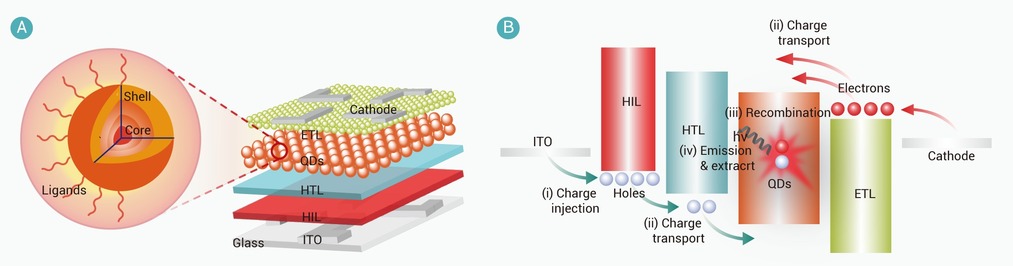
Figure 1.
Structure and working mechanism of QLEDs
-
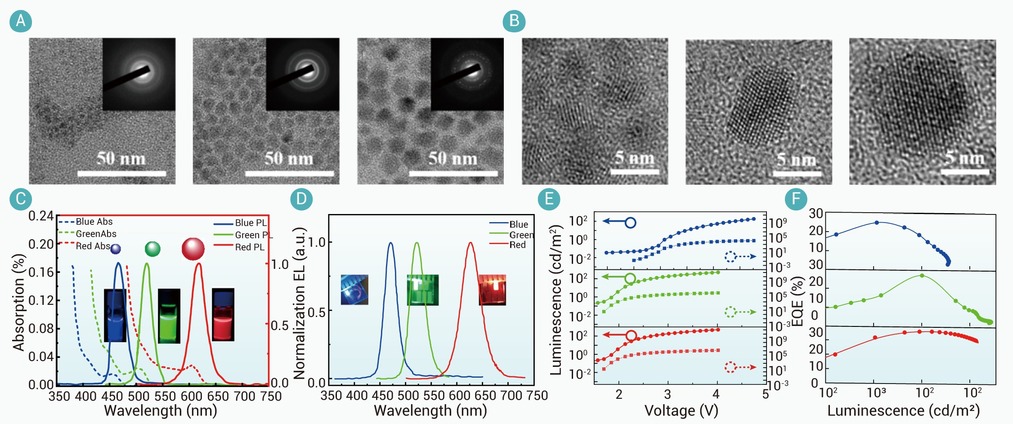
Figure 2.
Structural, optical, and electroluminescent characterization of blue-, green-, and red-emitting QDs and corresponding QLEDs
-
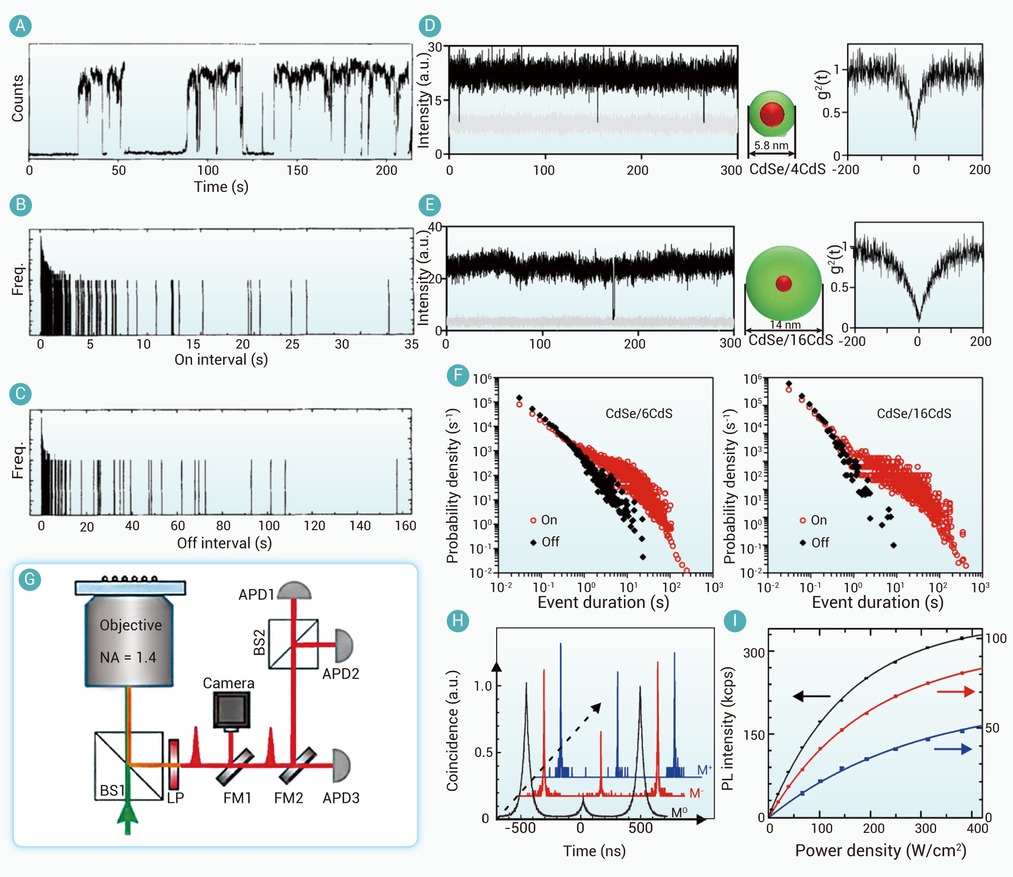
Figure 3.
Single-dot blinking statistics and photo correction measurements of CdSe-Based QDs
-
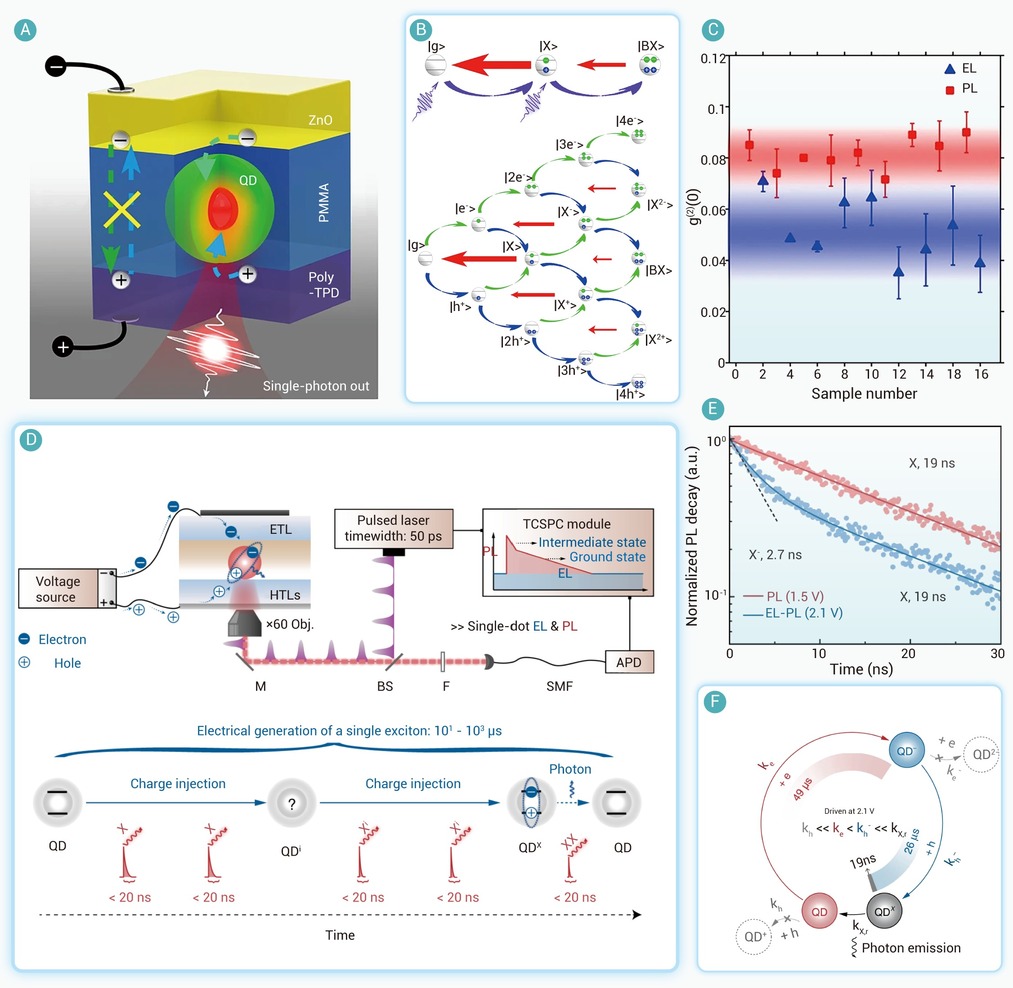
Figure 4.
Single-dot EL mechanism and single-photon performance of QD devices
-
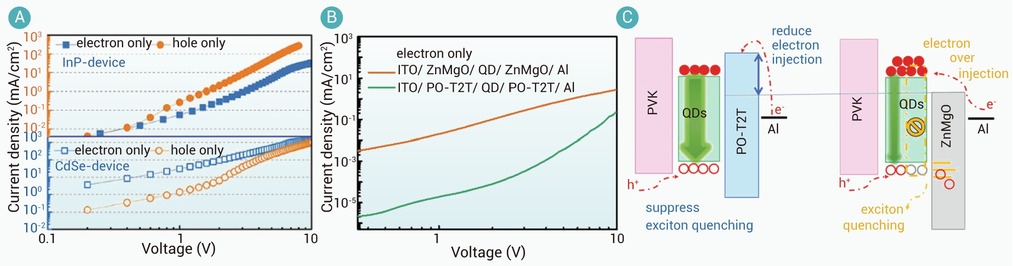
Figure 5.
Device performance and electron injection characteristics of InP- and CdSe-QLEDs
-
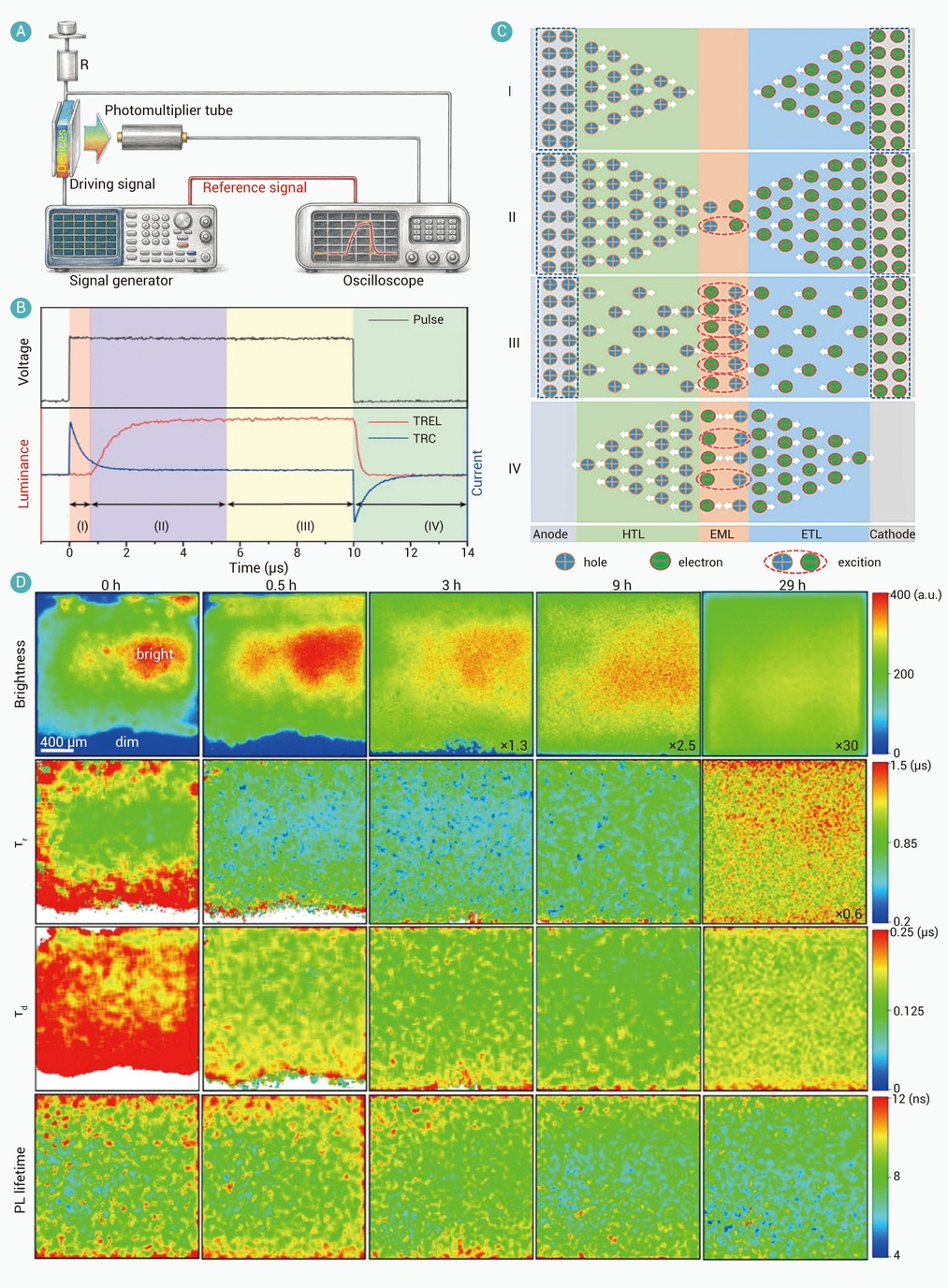
Figure 6.
Measurement setup and degradation analysis of QDs in planar LEDs
-
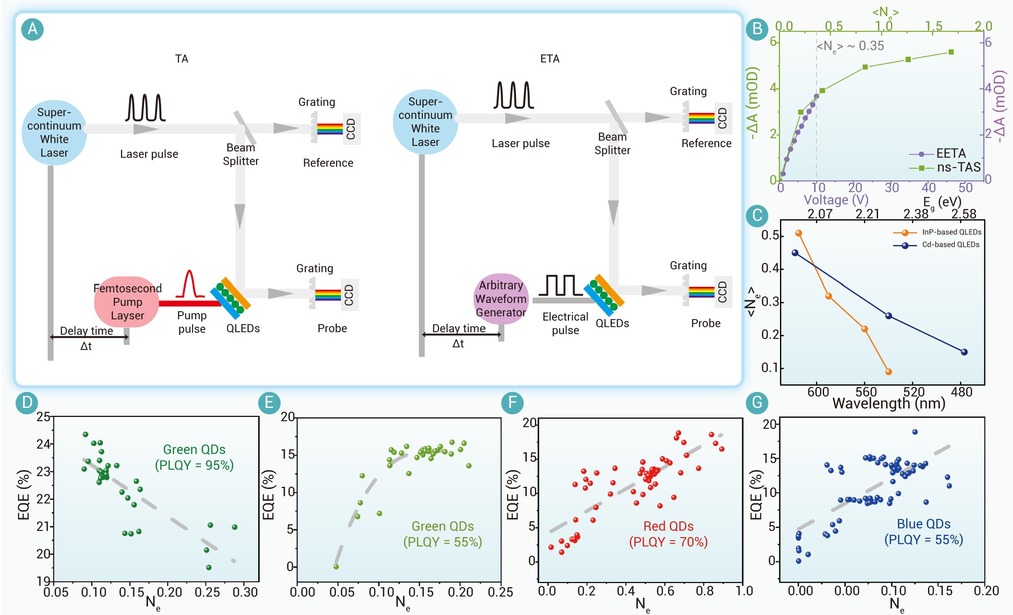
Figure 7.
ETA setup and exciton population-efficiency relationship
-
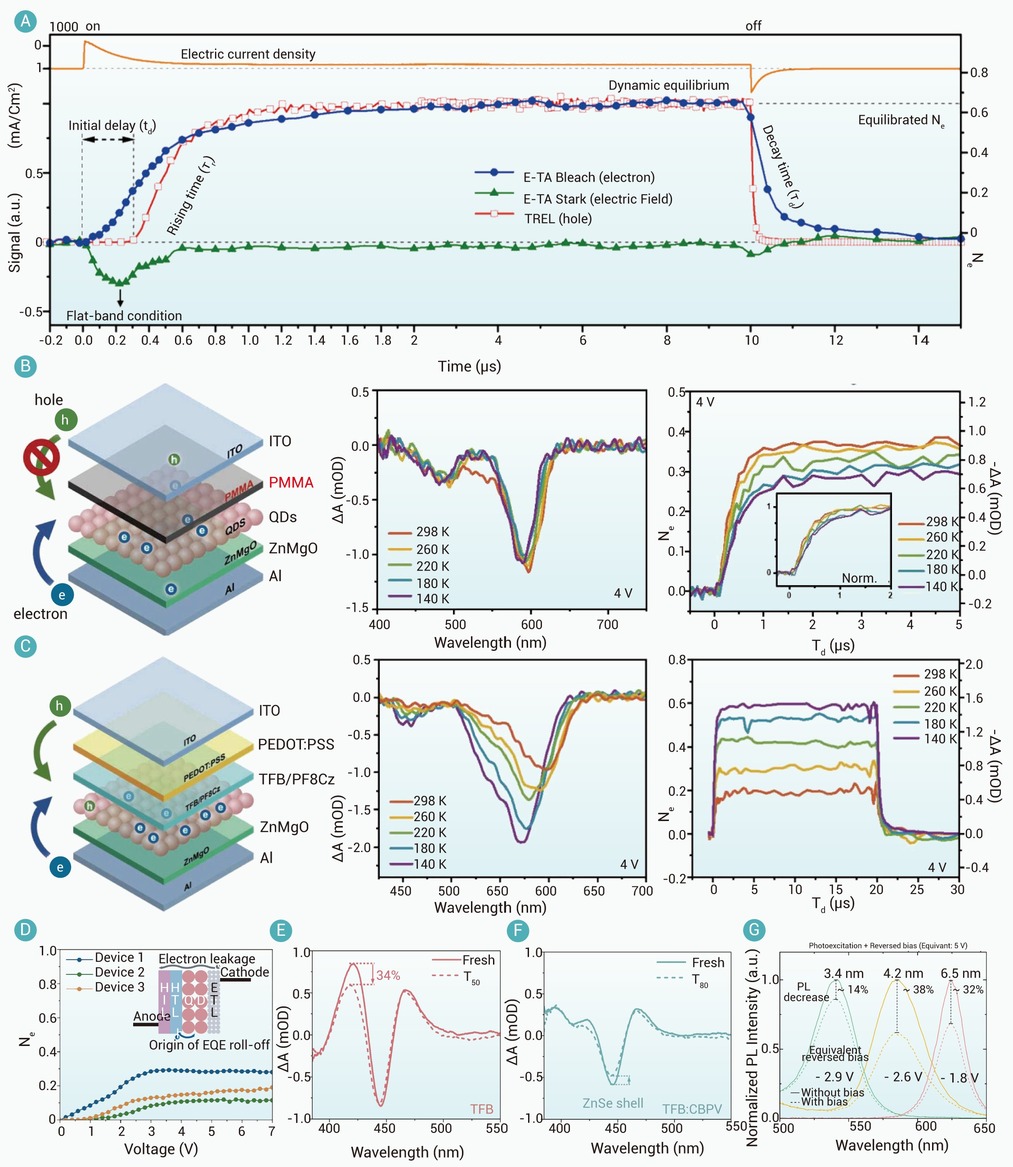
Figure 8.
Electron and hole dynamics in QLEDs
-
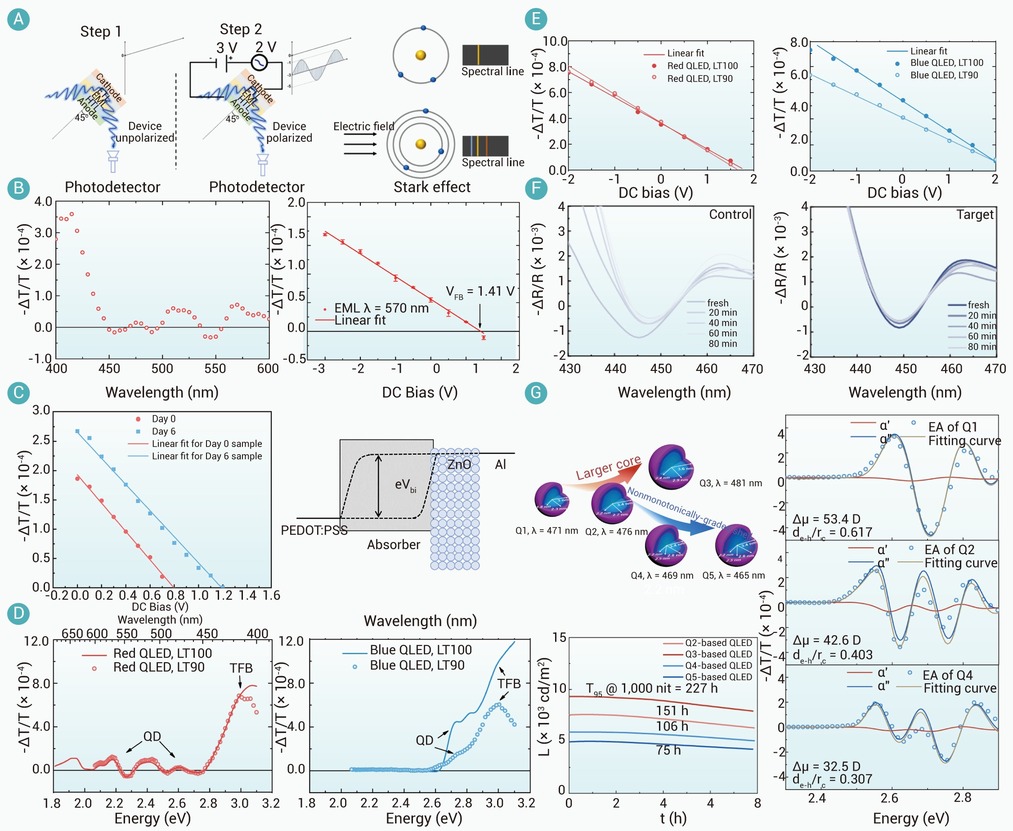
Figure 9.
Electroabsorption (EA) analysis of internal electric field and device stability
-
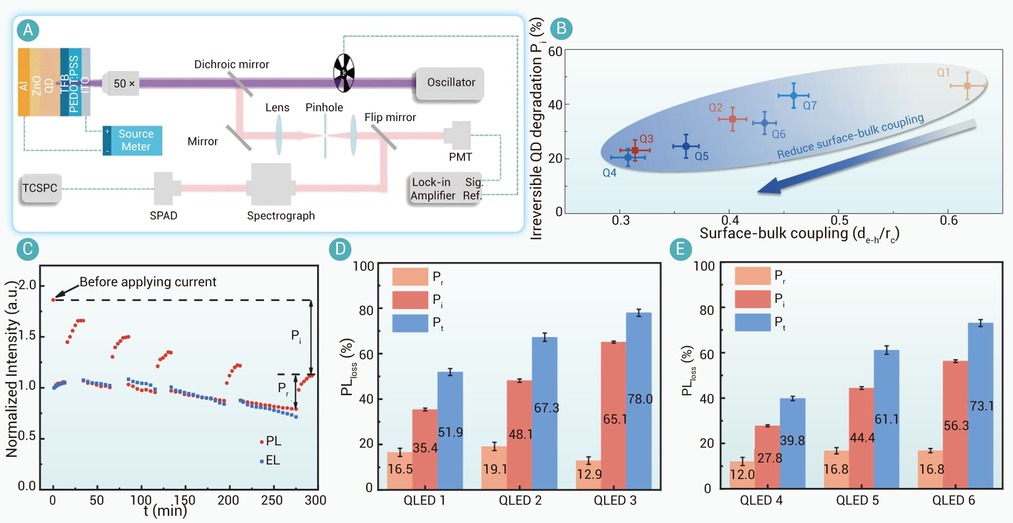
Figure 10.
Surface-Bulk coupling and degradation mechanisms in QLEDs
-
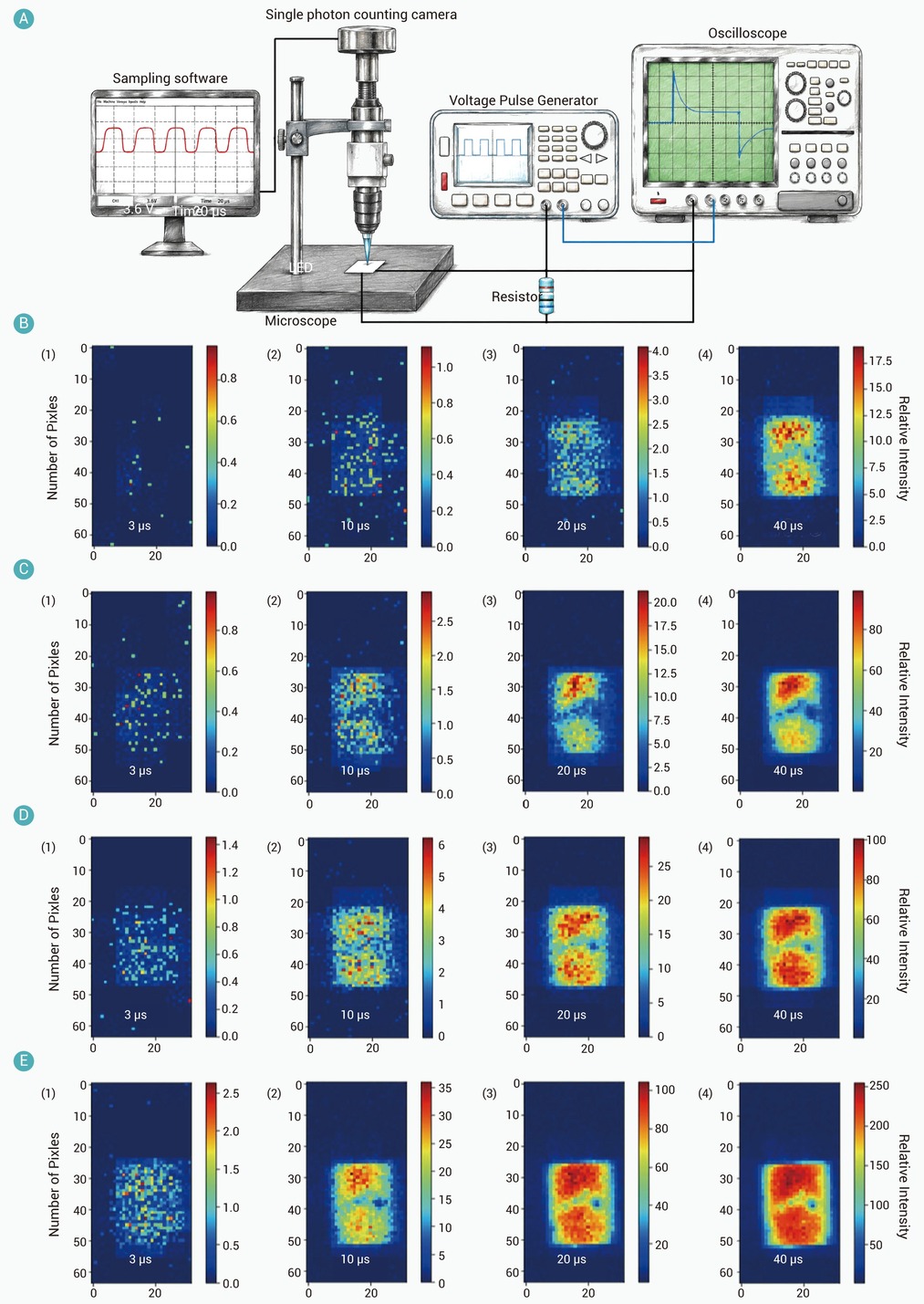
Figure 11.
TSR-EL characterization of QLEDs
