
Animal models of obesity and diabetes mellitus for dietary bioactive component development: A systematic review
-
GRAPHICAL ABSTRACT
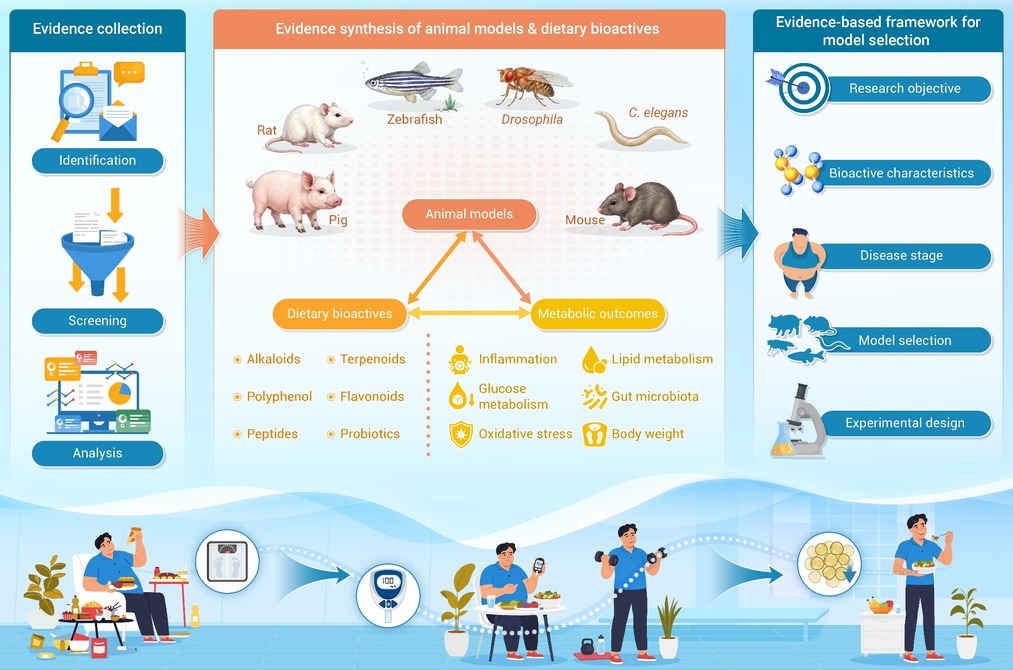
 DownLoad:
Full size image
DownLoad:
Full size image
-
PUBLIC SUMMARY
-
Diet-induced rodent models dominate bioactive research.
Outcome reporting is skewed toward basic metabolic markers.
Mechanistic depth varies and is often limited.
Sex bias and design variability affect reproducibility.
A framework is proposed to guide animal model selection.
-
-
ABSTRACT
Animal models are widely used to investigate the metabolic effects of dietary bioactive compounds in obesity and type 2 diabetes mellitus (T2DM). However, unlike conventional drugs, dietary bioactives often exert pleiotropic and context-dependent effects that are strongly influenced by disease severity, dietary background, and experimental conditions. Consequently, model selection and methodological variability may affect the reproducibility and translational relevance of preclinical findings. This systematic review evaluated animal models used in dietary bioactive research, identified methodological trends and limitations, and proposed a framework to guide future model selection. A systematic search of PubMed, Scopus, Web of Science, ScienceDirect, SpringerLink, and Wiley Online Library was conducted for studies published within the last five years. Data were extracted on species, strain, model type, dietary induction, intervention characteristics, outcome measures, and mechanistic depth. A total of 194 studies were included. Diet-induced obesity models were the most frequently used (67.2%), followed by genetic, hybrid, and chemically induced models. Rodents, particularly mice and rats, predominated, while alternative models such as zebrafish and invertebrates were used infrequently. Outcome reporting focused mainly on body weight, glucose metabolism, and lipid profiles, whereas mechanistic investigations varied considerably. Substantial methodological heterogeneity was observed in diet composition, dosing strategies, study duration, and reporting quality, alongside a marked bias toward male animals. Overall, current preclinical research is characterized by model dominance, methodological variability, and inconsistent mechanistic validation. The proposed framework provides a structured approach to improve study design and enhance the translational relevance of dietary bioactive research in metabolic disease.-
Keywords:
- Animal models /
- Dietary bioactives /
- Obesity /
- Type 2 diabetes /
- Metabolic syndrome /
- Model selection.
-

-
REFERENCES
[1] World Health Organization. (2022). Https://www.Who.Int/News-Room/Fact Sheets/Detail/Obesity-and-Overweight. [2] Genitsaridi I., Salpea P., Salim A., et al. (2026). 11th edition of the IDF diabetes atlas: Global, regional, and national diabetes prevalence estimates for 2024 and projections for 2050. Lancet Diabetes Endocrinol. 14:149−156. DOI:10.1016/S2213-8587(25)00299-2 [3] Donath M.Y. and Drucker D.J. (2025). Obesity, diabetes, and inflammation: Pathophysiology and clinical implications. Immunity 58:2373−2382. DOI:10.1016/j.immuni.2025.09.011 [4] Aguerd O., Elhrech H., El Fessikh M., et al. (2025). Dietary bioactive compounds for type 2 diabetes: A comprehensive review of molecular interactions and mechanistic insights. J. Funct. Foods 126:106705. DOI:10.1016/j.jff.2025.106705 [5] Sayed S.M.U.F., Moshawih S., Goh H.P., et al. (2023). Natural products as novel anti-obesity agents: Insights into mechanisms of action and potential for therapeutic management. Front. Pharmacol. 14:1182937. DOI:10.3389/fphar.2023.1182937 [6] Jia H., Ren F. and Liu H. (2024). Evaluation of bioaccessibility and bioavailability of dietary bioactives and their application in food systems. Food Biosci. 62:105428. DOI:10.1016/j.fbio.2024.105428 [7] Athmuri D.N. and Shiekh P.A. (2023). Experimental diabetic animal models to study diabetes and diabetic complications. MethodsX 11:102474. DOI:10.1016/j.mex.2023.102474 [8] de Moura e Dias M., dos Reis S.A., da Conceição L.L., et al. (2021). Diet-induced obesity in animal models: Points to consider and influence on metabolic markers. Diabetol. Metab. Syndr. 13:47. DOI:10.1186/s13098-021-00647-2 [9] Hooijmans C.R., Rovers M.M., De Vries R.B.M., et al. (2014). SYRCLE’s risk of bias tool for animal studies. BMC Med. Res. Methodol. 14:43. DOI:10.1186/1471-2288-14-43 [10] Kleinert M., Clemmensen C., Hofmann S.M., et al. (2018). Animal models of obesity and diabetes mellitus. Nat. Rev. Endocrinol. 14:140−162. DOI:10.1038/nrendo.2017.161 [11] Speakman J., Hambly C., Mitchell S., et al. (2008). The contribution of animal models to the study of obesity. Lab. Anim. 42:413−432. DOI:10.1258/la.2007.006067 [12] Bastías-Pérez M., Serra D. and Herrero L. (2020). Dietary options for rodents in the study of obesity. Nutrients 12:3234. DOI:10.3390/nu12113234 [13] Hariri N. and Thibault L. (2010). High-fat diet-induced obesity in animal models. Nutr. Res. Rev. 23:270−299. DOI:10.1017/S0954422410000168 [14] Speakman J.R. (2019). Use of high-fat diets to study rodent obesity as a model of human obesity. Int. J. Obes. 43:1491−1492. DOI:10.1038/s41366-019-0363-7 [15] Stott N.L. and Marino J.S. (2020). High fat rodent models of type 2 diabetes: From rodent to human. Nutrients 12:3650. DOI:10.3390/nu12123650 [16] Buettner R., Parhofer K.G., Woenckhaus M., et al. (2006). Defining high-fat-diet rat models: Metabolic and molecular effects of different fat types. J. Mol. Endocrinol. 36:485−501. DOI:10.1677/JME.1.01909 [17] Saleh N.E.H., Ibrahim M.Y., Saad A.H., et al. (2024). The impact of consuming different types of high-caloric fat diet on the metabolic status, liver, and aortic integrity in rats. Sci. Rep. 14:68299. DOI:10.1038/s41598-024-68299-6 [18] Ivić V., Zjalić M., Blažetić S., et al. (2023). Elderly rats fed with a high-fat high-sucrose diet developed sex-dependent metabolic syndrome regardless of long-term metformin and liraglutide treatment. Front. Endocrinol. 14:1181064. DOI:10.3389/fendo.2023.1181064 [19] Softic S., Gupta M.K., Wang G.X., et al. (2017). Divergent effects of glucose and fructose on hepatic lipogenesis and insulin signaling. J. Clin. Invest. 127:4059−4074. DOI:10.1172/JCI94585 [20] Fisher S.L., Campbell G.J., Senior A. and Bell-Anderson K. (2024). The effect of high-sugar feeding on rodent metabolic phenotype: A systematic review and meta-analysis. NPJ Metab. Health Dis. 2:43. DOI:10.1038/s44324-024-00043-0 [21] Preguiça I., Alves A., Nunes S., et al. (2020). Diet-induced rodent models of obesity-related metabolic disorders—A guide to a translational perspective. Obes. Rev. 21:e13081. DOI:10.1111/obr.13081 [22] Jin Y., Kozan D., Young E.D., et al. (2024). A high-cholesterol zebrafish diet promotes hypercholesterolemia and fasting-associated liver steatosis. J. Lipid Res. 65:100637. DOI:10.1016/j.jlr.2024.100637 [23] Musselman L.P., Fink J.L., Narzinski K., et al. (2011). A high-sugar diet produces obesity and insulin resistance in wild-type Drosophila . Dis. Model. Mech. 4:842−849. DOI:10.1242/dmm.007948 [24] Nakamura T., Fujiwara K., Saitou M., et al. (2021). Non-human primates as a model for human development. Stem Cell Rep. 16:1093−1103. DOI:10.1016/j.stemcr.2021.03.021 [25] Rashmi P., Urmila A., Likhit A., et al. (2023). Rodent models for diabetes. 3 Biotech 13, 89. DOI:10.1007/s13205-023-03488-0. [26] Liu R., Wang J., Zhao Y., et al. (2024). Study on the mechanism of modified Gegen Qinlian decoction in regulating the intestinal flora-bile acid-TGR5 axis for the treatment of type 2 diabetes mellitus based on macro genome sequencing and targeted metabonomics integration. Phytomedicine 132:155329. DOI:10.1016/j.phymed.2023.155329 [27] Wang X., Zhang L., Qin L., et al. (2022). Physicochemical properties of the soluble dietary fiber from Laminaria japonica and its role in the regulation of type 2 diabetes mice . Nutrients 14:329. DOI:10.3390/nu14020329 [28] Zhang X., Wang H., Xie C., et al. (2022). Shenqi compound ameliorates type 2 diabetes mellitus by modulating the gut microbiota and metabolites. J. Chromatogr. B Analyt. Technol. Biomed. Life Sci. 1194:123189. DOI:10.1016/j.jchromb.2022.123189 [29] King A.J. (2012). The use of animal models in diabetes research. Br. J. Pharmacol. 166:877−894. DOI:10.1111/j.1476-5381.2012.01911.x [30] Pandey U.B. and Nichols C.D. (2011). Human disease models in Drosophila melanogaster and the role of the fly in therapeutic drug discovery . Pharmacol. Rev. 63:411−436. DOI:10.1124/pr.110.003293 [31] Sharchil C., Vijay A., Ramachandran V., et al. (2022). Zebrafish: A model to study and understand the diabetic nephropathy and other microvascular complications of type 2 diabetes mellitus. Vet. Sci. 9:312. DOI:10.3390/vetsci9070312 [32] Martins T., Castro-Ribeiro C., Lemos S., et al. (2022). Murine models of obesity. Obesities 2:127−147. DOI:10.3390/obesities2020012 [33] du Sert N.P., Hurst V., Ahluwalia A., et al. (2020). The ARRIVE guidelines 2.0: Updated guidelines for reporting animal research. PLoS Biol. 18:e3000410. DOI:10.1371/journal.pbio.3000410. [34] Maric I., Krieger J.P., van der Velden P., et al. (2022). Sex and species differences in the development of diet-induced obesity and metabolic disturbances in rodents. Front. Nutr. 9:828522. DOI:10.3389/fnut.2022.828522 [35] Mauvais-Jarvis F., Manson J.A.E., Stevenson J.C., et al. (2017). Menopausal hormone therapy and type 2 diabetes prevention: Evidence, mechanisms, and clinical implications. Endocr. Rev. 38:173−188. DOI:10.1210/er.2016-1146 [36] Escobar-Morreale H.F. (2018). Polycystic ovary syndrome: definition, aetiology, diagnosis and treatment. Nat. Rev. Endocrinol. 14:270−284. DOI:10.1038/nrendo.2018.24 [37] Williamson G. (2017). The role of polyphenols in modern nutrition. Nutr. Bull. 42:226−235. DOI:10.1111/nbu.12278 [38] Scalbert A., Johnson I.T. and Saltmarsh M. (2005). Polyphenols: Antioxidants and beyond. Am. J. Clin. Nutr. 81:215S−217S. DOI:10.1093/ajcn/81.1.215S [39] Aranaz P., Clavel-Millan M., Gil-Cardoso K., et al. (2025). Preclinical research in obesity-associated metabolic diseases using in vitro, multicellular, and non-mammalian models . J. Physiol. Biochem. 81:1225−1255. DOI:10.1007/s13105-025-01130-6 [40] Mauvais-Jarvis F. (2015). Sex differences in metabolic homeostasis, diabetes, and obesity. Biol. Sex Differ. 6:14. DOI:10.1186/s13293-015-0033-y [41] Hotamisligil G.S. (2017). Foundations of immunometabolism and implications for metabolic health and disease. Immunity 47:406−420. DOI:10.1016/j.immuni.2017.08.009 [42] Fan Y., and Pedersen O. (2021). Gut microbiota in human metabolic health and disease. Nat Rev Microbiol. 19:55−71. DOI:10.1038/s41579-020-0433-9 [43] Lutz T.A. (2023). Mammalian models of diabetes mellitus, with a focus on type 2 diabetes mellitus. Nat. Rev. Endocrinol. 19:350−360. DOI:10.1038/s41574-023-00818-3 [44] Pellizzon M.A. and Ricci M.R. (2018). Effects of rodent diet choice and fiber type on data interpretation of gut microbiome and metabolic disease research. Curr. Protoc. Toxicol. 77:e55. DOI:10.1002/cptx.55 [45] Bart van der Worp H., Howells D.W., Sena E.S., et al. (2010). Can animal models of disease reliably inform human studies. PLoS Med. 7:e1000245. DOI:10.1371/journal.pmed.1000245 [46] Kottaisamy C.P.D., Raj D.S., Prasanth Kumar V., et al. (2021). Experimental animal models for diabetes and its related complications—a review. Lab. Anim. Res. 37:23. DOI:10.1186/s42826-021-00101-4 [47] Suriano F., Vieira-Silva S., Falony G., et al. (2021). Novel insights into the genetically obese (ob/ob) and diabetic (db/db) mice: Two sides of the same coin. Microbiome 9:147. DOI:10.1186/s40168-021-01097-8 [48] Godschall E.N., Gungul T.B., Sajonia I.R., et al. (2026) A brain reward circuit inhibited by next-generation weight loss drugs. Nature DOI: 10.1038/s41586-026-10444-4. [49] Fatehullah A., Tan S.H. and Barker N. (2016). Organoids as an in vitro model of human development and disease. Nat. Cell Biol. 18:246−254. DOI:10.1038/ncb3312 [50] Song X., Chen X., Chen Q., et al. (2026). Organoids in drug development: From predictive models to regulatory integration. Drug Discov. Today 31:104608. DOI:10.1016/j.drudis.2026.104608 -
ABOUT THIS ARTICLE
Cite this article:
Randeni N., Luo J. and Xu B. (2026). Animal models of obesity and diabetes mellitus for dietary bioactive component development: A systematic review. The Innovation Nutrition 1:100029. https://doi.org/10.59717/j.xinn-nutri.2026.100029
Welcome!
To request copyright permission to republish or share portions of our works, please visit Copyright Clearance Center's (CCC) Marketplace website at marketplace.copyright.com.
Export File
Citation
Randeni N., Luo J. and Xu B. (2026). Animal models of obesity and diabetes mellitus for dietary bioactive component development: A systematic review. The Innovation Nutrition 1:100029. https://doi.org/10.59717/j.xinn-nutri.2026.100029

Format
Content
-
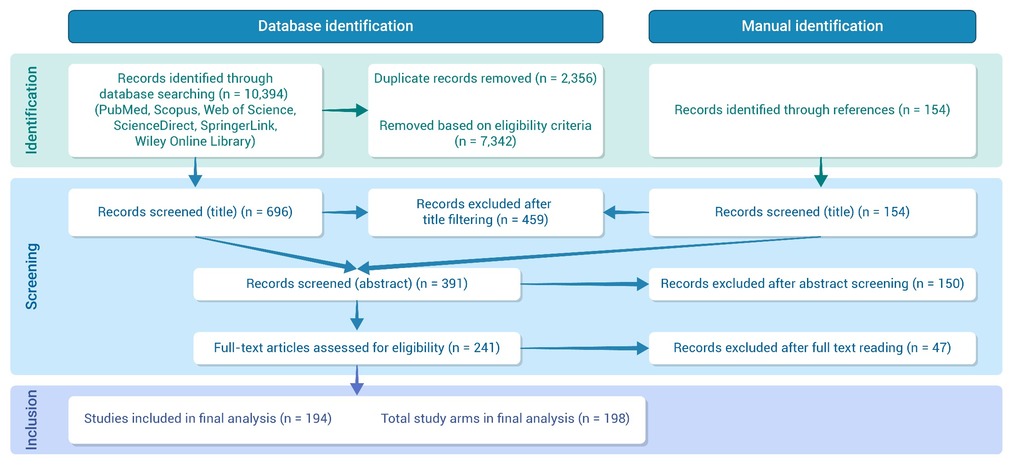
Figure 1.
PRISMA flow diagram of the overall study process.
-
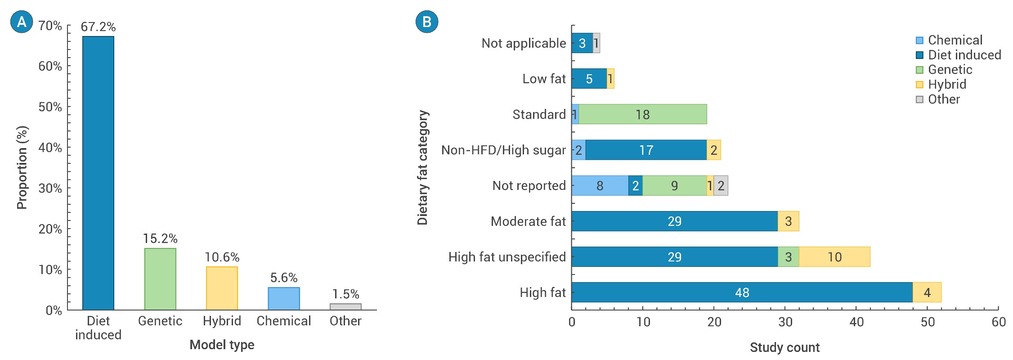
Figure 2.
Distribution of animal models used in the included studies
-
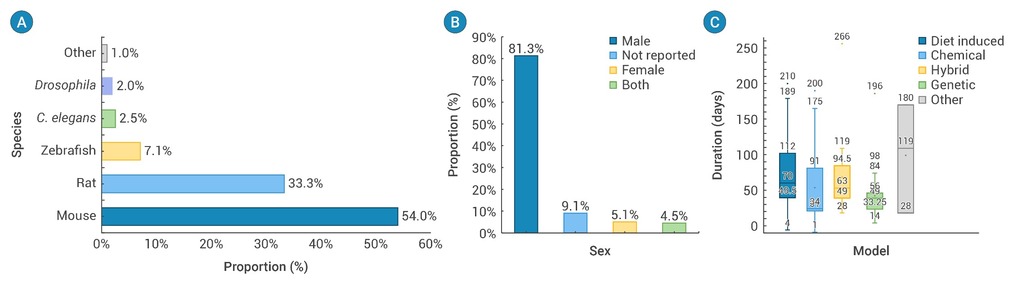
Figure 3.
Distribution of animal models used in the included studies
-
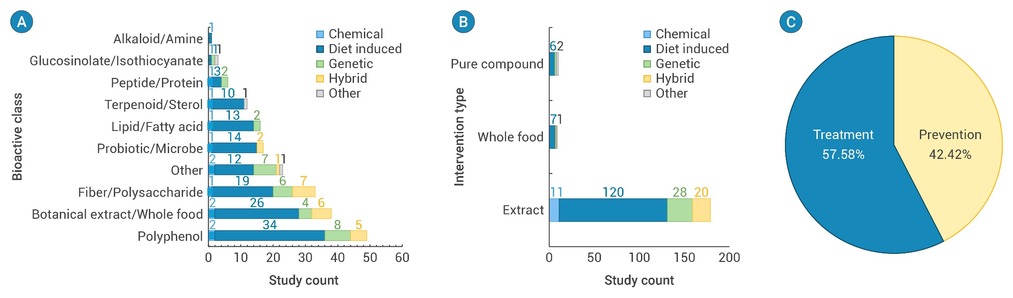
Figure 4.
Distribution of dietary bioactive compounds investigated in the included studies
-
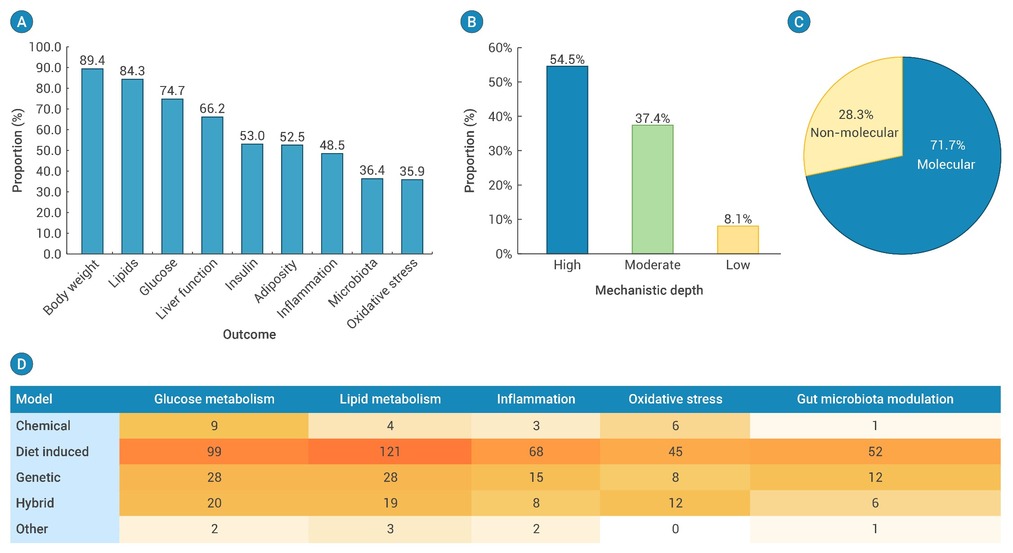
Figure 5.
Outcome reporting patterns and mechanistic depth across studies
-
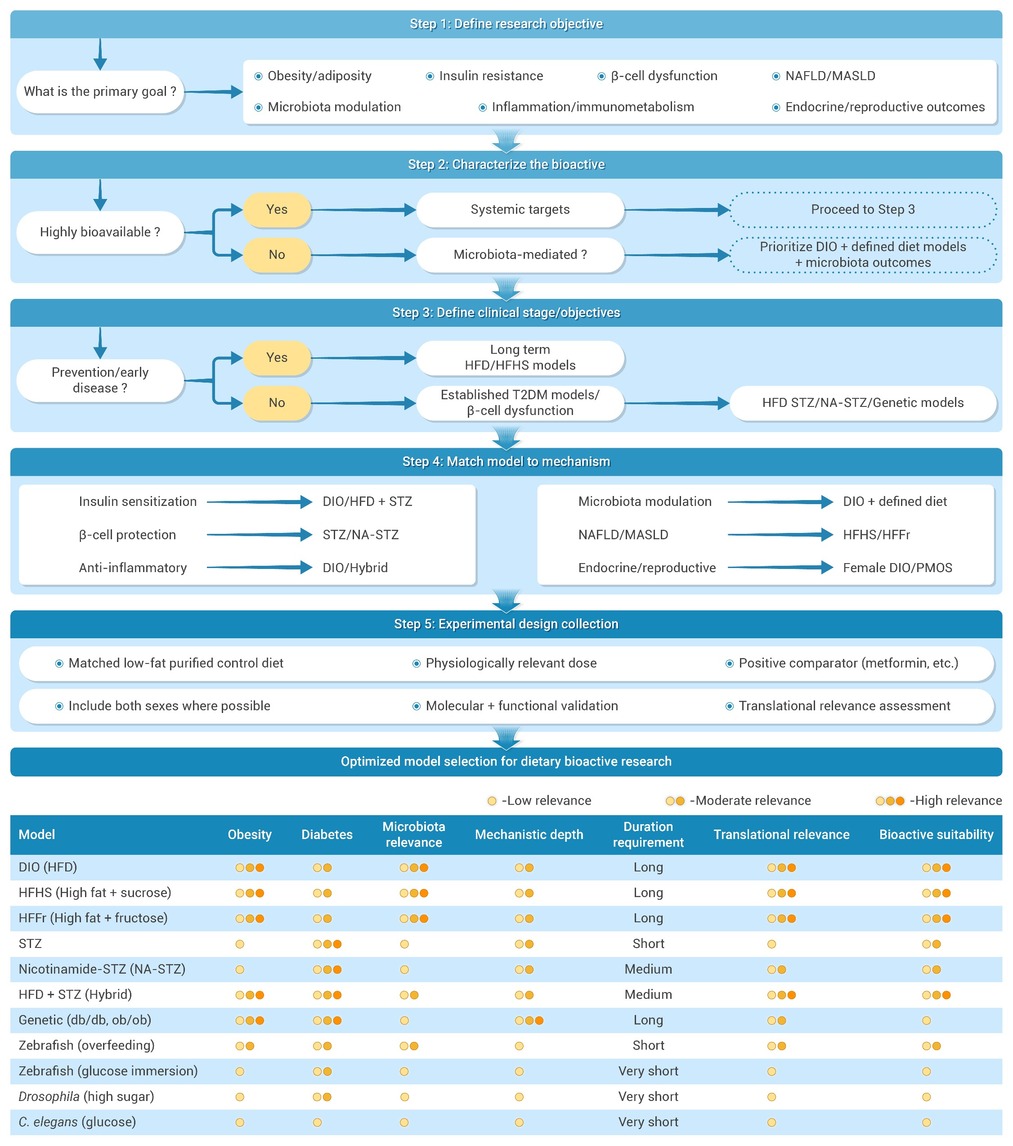
Figure 6.
Framework for selection of animal models in dietary bioactive research for metabolic disorders.
