
Lipid droplets control anti-tumor immunity by depleting Golgi DAG and blocking IFNGR1 surface trafficking
-
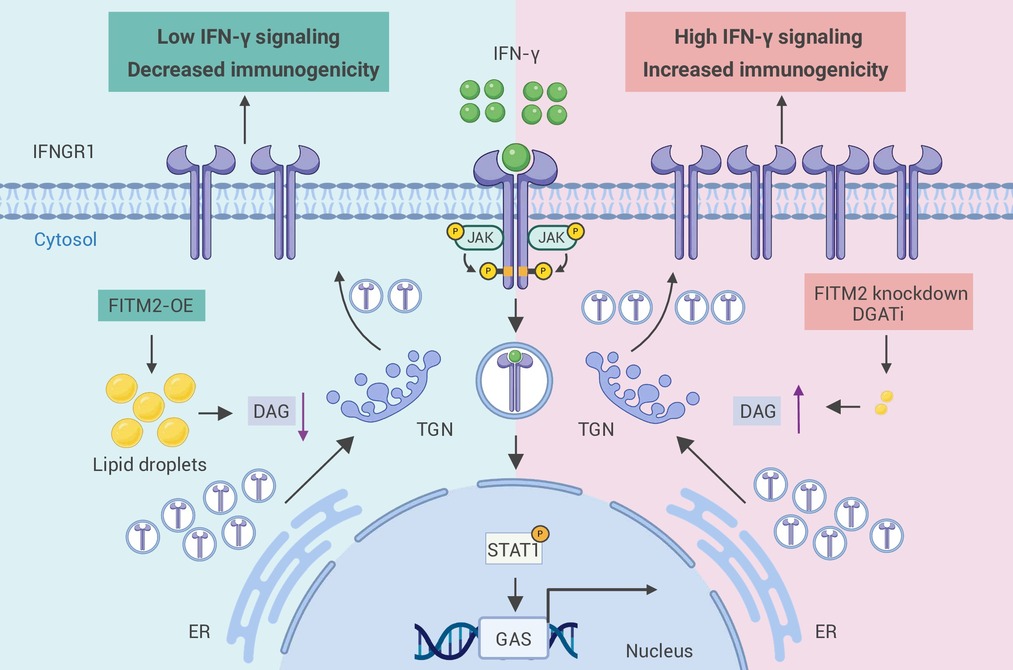
GRAPHICAL ABSTRACT
 DownLoad:
Full size image
-
PUBLIC SUMMARY
-
Tumor LDs suppress IFNGR1 surface trafficking to drive anti-PD-1 resistance.
FITM2-driven LD biogenesis preferentially depletes TGN diacylglycerol to impair IFNGR1 trafficking.
DGAT1 inhibition restores IFNGR1 trafficking and sensitizes CRC to anti-PD-1.
LDs are organelles that control cytokine receptor trafficking and anti-tumor immunity.
-
-
ABSTRACT
Resistance to anti-PD-1 therapy remains a major challenge in colorectal cancer (CRC), particularly in microsatellite-stable tumors, yet the underlying mechanisms are incompletely understood. Here, we identify tumor lipid droplets (LDs) as a driver of immune evasion and anti-PD-1 resistance. In CRC patients receiving anti-PD-1 therapy, progressive disease correlates with high tumor LD content and reduced plasma membrane IFNGR1. Mechanistically, fat storage-inducing transmembrane protein 2 (FITM2)-driven LD biogenesis preferentially depletes trans-Golgi network (TGN) diacylglycerol (DAG) without altering total cellular DAG or other TGN lipids, thereby impairing IFNGR1 vesicular trafficking to the plasma membrane and attenuating JAK2-STAT1 signaling. Genetic (FITM2 knockdown) or pharmacological (DGAT1 inhibitor A922500) LD reduction restores TGN DAG pools, rescues IFNGR1 surface localization, reactivates IFN-γ signaling, and synergizes with anti-PD-1 therapy in orthotopic CRC models. These findings define LD-driven TGN DAG depletion as a mechanistic link between lipid metabolism and immunotherapy resistance and nominate LD biogenesis targeting as a strategy to overcome anti-PD-1 resistance.-
Keywords:
- Lipid droplets /
- IFNGR1 /
- colon cancer /
- immunotherapy /
- immune evasion
-

-
REFERENCES
[1] Dekker E., Tanis P.J., Vleugels J.L.A., et al. (2019). Colorectal cancer. Lancet 394:1467−1480. DOI:10.1016/S0140-6736(19)32319-0 [2] Apriamashvili G., Vredevoogd D.W., Krijgsman O., et al. (2022). Ubiquitin ligase STUB1 destabilizes IFNγ-receptor complex to suppress tumor IFNgamma signaling. Nat. Commun. 13:1923. DOI:10.1038/s41467-022-29442-x [3] Lizardo D.Y., Kuang C., Hao S., et al. (2020). Immunotherapy efficacy on mismatch repair-deficient colorectal cancer: From bench to bedside. Biochim. Biophys. Acta Rev. Cancer 1874:188447. DOI:10.1016/j.bbcan.2020.188447 [4] Pecci F., Cantini L., Bittoni A., et al. (2021). Beyond microsatellite instability: Evolving strategies integrating immunotherapy for microsatellite stable colorectal cancer. Curr. Treat. Options Oncol. 22:69. DOI:10.1007/s11864-021-00870-z [5] Baraibar I., Mirallas O., Saoudi N., et al. (2021). Combined treatment with immunotherapy-based strategies for MSS metastatic colorectal cancer. Cancers (Basel) 13:6311. DOI:10.3390/cancers13246311 [6] Ganesh K., Stadler Z.K., Cercek A., et al. (2019). Immunotherapy in colorectal cancer: Rationale, challenges and potential. Nat. Rev. Gastroenterol. Hepatol. 16:361−375. DOI:10.1038/s41575-019-0126-x [7] Wang C. and Fakih M. (2021). Targeting MSS colorectal cancer with immunotherapy: Are we turning the corner. Expert Opin. Biol. Ther. 21:1347−1357. DOI:10.1080 /14712598. 2021.1 933940. [8] Schoenfeld A.J. and Hellmann M.D. (2020). Acquired resistance to immune checkpoint inhibitors. Cancer Cell 37:443−455. DOI:10.1016/j.ccell.2020.03.017 [9] Bagchi S., Yuan R. and Engleman E.G. (2021). Immune checkpoint inhibitors for the treatment of cancer: Clinical impact and mechanisms of response and resistance. Annu. Rev. Pathol. 16:223−249. DOI:10.1146/annurev-pathol-042020-042741 [10] Kim T.K., Vandsemb E.N., Herbst R.S., et al. (2022). Adaptive immune resistance at the tumour site: Mechanisms and therapeutic opportunities. Nat. Rev. Drug Discov. 21:529−540. DOI:10.1038/s41573-022-00493-5 [11] Kalbasi A. and Ribas A. (2020). Tumour-intrinsic resistance to immune checkpoint blockade. Nat. Rev. Immunol. 20:25−39. DOI:10.1038/s41577-019-0218-4 [12] Olzmann J.A. and Carvalho P. (2019). Dynamics and functions of lipid droplets. Nat. Rev. Mol. Cell Biol. 20:137−155. DOI:10.1038/s41580-018-0085-z [13] Li Z., Liu H. and Luo X. (2020). Lipid droplet and its implication in cancer progression. Am. J. Cancer Res 10:4112−4122. [14] Cotte A.K., Aires V., Fredon M., et al. (2018). Lysophosphatidylcholine acyltransferase 2-mediated lipid droplet production supports colorectal cancer chemoresistance. Nat. Commun. 9:322. DOI:10.1038/s41467-017-02732-5 [15] Kasashima H., Duran A., Cid-Diaz T., et al. (2021). Mouse model of colorectal cancer: Orthotopic co-implantation of tumor and stroma cells in cecum and rectum. STAR Protoc. 2:100297. DOI:10.1016/j.xpro.2021.100297 [16] Campion C.G., Zaoui K., Verissimo T., et al. (2018). COMMD5/HCaRG Hooks endosomes on cytoskeleton and coordinates EGFR trafficking. Cell Rep. 24:670−684e677. DOI:10.1016/j.celrep.2018.06.056 [17] Wei B., Xu L., Guo W., et al. (2021). SHP2-mediated inhibition of DNA repair contributes to cGAS-STING activation and chemotherapeutic sensitivity in colon cancer. Cancer Res. 81:3215−3228. DOI:10.1158/0008-5472.CAN-20-3738 [18] Hu J., Liu W., Zou Y., et al. (2024). Allosterically activating SHP2 by oleanolic acid inhibits STAT3-Th17 axis for ameliorating colitis. Acta Pharm. Sin. B 14:2598−2612. DOI:10.1016/j.apsb.2024.03.017 [19] Bacci M., Lorito N., Smiriglia A., et al. (2024). Acetyl-CoA carboxylase 1 controls a lipid droplet-peroxisome axis and is a vulnerability of endocrine-resistant ER(+) breast cancer. Sci. Transl. Med. 16:eadf9874. DOI:10.1126/scitranslmed.adf9874 [20] Liu R., Lee J.H., Li J., et al. (2021). Choline kinase alpha 2 acts as a protein kinase to promote lipolysis of lipid droplets. Mol. Cell 81:2722-2735.e9. DOI:10.1016/j.molcel.2021.05.005 [21] Bosch M., Sanchez-Alvarez M., Fajardo A., et al. (2020). Mammalian lipid droplets are innate immune hubs integrating cell metabolism and host defense. Science 370:eaay8085. DOI:10.1126/science.aay8085 [22] Lyu X., Wang J., Wang J., et al. (2021). A gel-like condensation of Cidec generates lipid-permeable plates for lipid droplet fusion. Dev. Cell 56:2592-2606.e7. DOI:10.1016/j.devcel.2021.08.015. [23] Kadereit B., Kumar P., Wang W.J., et al. (2008). Evolutionarily conserved gene family important for fat storage. Proc. Natl. Acad. Sci. USA 105:94−99. DOI:10.1073/pnas.0708579105 [24] Cheng X., Geng F., Pan M., et al. (2020). Targeting DGAT1 ameliorates glioblastoma by increasing fat catabolism and oxidative stress. Cell Metab. 32:229−242.e8. DOI:10.1016/j.cmet.2020.06.002 [25] Zhou L., Song Z., Hu J., et al. (2021). ACSS3 represses prostate cancer progression through downregulating lipid droplet-associated protein PLIN3. Theranostics 11:841−860. DOI:10.7150/thno.49384 [26] Gao M., Huang X., Song B.L., et al. (2019). The biogenesis of lipid droplets: Lipids take center stage. Prog Lipid Res. 75:100989. DOI:10.1016/j.plipres.2019.100989 [27] Zaidi M.R. and Merlino G. (2011). The two faces of interferon-γ in cancer. Clin. Cancer Res. 17:6118−6124. DOI:10.1158/1078-0432.CCR-11-0482 [28] Londino J.D., Gulick D.L., Lear T.B., et al. (2017). Post-translational modification of the interferon-gamma receptor alters its stability and signaling. Biochem. J. 474:3543−3557. DOI:10.1042/BCJ20170548 [29] Krahmer N., Najafi B., Schueder F., et al. (2018). Organellar proteomics and phospho-proteomics reveal subcellular reorganization in diet-induced hepatic steatosis. Dev. Cell 47:205-221.e7. DOI:10.1016/j.devcel.2018.09.017. [30] Xu M., Chen Z.Y., Li Y., et al. (2024). Rab2A-mediated Golgi-lipid droplet interactions support very-low-density lipoprotein secretion in hepatocytes. EMBO J 43:6383−6409. DOI:10.1038/s44318-024-00288-x [31] Gu F., Crump C.M. and Thomas G. (2001). Trans-Golgi network sorting. Cell Mol. Life Sci. 58:1067−1084. DOI:10.1007/PL00000922 [32] Litvak V., Dahan N., Ramachandran S., et al. (2005). Maintenance of the diacylglycerol level in the Golgi apparatus by the Nir2 protein is critical for Golgi secretory function. Nat. Cell. Biol. 7:225−234. DOI:10.1038/ncb1221 [33] Corbet C., Bastien E., Santiago de Jesus J.P., et al. (2020). TGFbeta2-induced formation of lipid droplets supports acidosis-driven EMT and the metastatic spreading of cancer cells. Nat. Commun. 11:454. DOI:10.1038/s41467-019-14262-3 [34] Wright H.J., Hou J., Xu B., et al. (2017). CDCP1 drives triple-negative breast cancer metastasis through reduction of lipid-droplet abundance and stimulation of fatty acid oxidation. Proc. Natl. Acad. Sci. USA 114:E6556−E6565. DOI:10.1073/pnas.1703791114 [35] Luis G., Godfroid A., Nishiumi S., et al. (2021). Tumor resistance to ferroptosis driven by Stearoyl-CoA Desaturase-1 (SCD1) in cancer cells and fatty acid biding protein-4 (FABP4) in tumor microenvironment promote tumor recurrence. Redox. Biol. 43:102006. DOI:10.1016/j.redox.2021.102006 [36] Accioly M.T., Pacheco P., Maya-Monteiro C.M., et al. (2008). Lipid bodies are reservoirs of cyclooxygenase-2 and sites of prostaglandin-E2 synthesis in colon cancer cells. Cancer Res. 68:1732−1740. DOI:10.1158/0008-5472.CAN-07-1999 [37] Zheng M., Zhang W., Chen X., et al. (2023). The impact of lipids on the cancer-immunity cycle and strategies for modulating lipid metabolism to improve cancer immunotherapy. Acta Pharm. Sin. B 13:1488−1497. DOI:10.1016/j.apsb.2022.10.027 [38] Niu Z., Chen G., Chang W., et al. (2021). Chimeric antigen receptor-modified macrophages trigger systemic anti-tumour immunity. J. Pathol. 253:247−257. DOI:10.1002/path.5585 [39] Siddiqui S. and Glauben R. (2022). Fatty acid metabolism in myeloid-derived suppressor cells and tumor-associated macrophages: Key factor in cancer immune evasion. Cancers (Basel) 14:250. DOI:10.3390/cancers14010250 [40] Ayers M., Lunceford J., Nebozhyn M., et al. (2017). IFN-gamma-related mRNA profile predicts clinical response to PD-1 blockade. J. Clin. Invest. 127:2930−2940. DOI:10.1172/JCI91190 [41] Zaretsky J.M., Garcia-Diaz A., Shin D.S., et al. (2016). Mutations associated with acquired resistance to PD-1 blockade in melanoma. N. Engl. J. Med. 375:819−829. DOI:10.1056/NEJMoa1604958 [42] Shin D.S., Zaretsky J.M., Escuin-Ordinas H., et al. (2017). Primary resistance to PD-1 Blockade mediated by JAK1/2 mutations. Cancer Discov. 7:188−201. DOI:10.1158/2159-8290.CD-16-1223 [43] Gao J., Shi L.Z., Zhao H., et al. (2016). Loss of IFN-gamma pathway genes in tumor cells as a mechanism of resistance to anti-CTLA-4 therapy. Cell 167:397−404.e9. DOI:10.1016/j.cell.2016.08.069 [44] Manguso R.T., Pope H.W., Zimmer M.D., et al. (2017). In vivo CRISPR screening identifies Ptpn2 as a cancer immunotherapy target. Nature 547:413−418. DOI:10.1038/nature23270 [45] Ishizuka J.J., Manguso R.T., Cheruiyot C.K., et al. (2019). Loss of ADAR1 in tumours overcomes resistance to immune checkpoint blockade. Nature 565:43−48. DOI:10.1038/s41586-018-0768-9 [46] Larson R.C., Kann M.C., Bailey S.R., et al. (2022). CAR T cell killing requires the IFNgammaR pathway in solid but not liquid tumours. Nature 604:563−570. DOI:10.1038/s41586-022-04585-5 [47] Lv C., Yuan D. and Cao Y. (2021). Downregulation of interferon-gamma receptor expression endows resistance to anti-programmed death protein 1 therapy in colorectal cancer. J. Pharmacol. Exp. Ther. 376:21−28. DOI:10.1124/jpet.120.000284 [48] Du W., Hua F., Li X., et al. (2021). Loss of optineurin drives cancer immune evasion via palmitoylation-dependent IFNGR1 lysosomal sorting and degradation. Cancer Discov. 11:1826−1843. DOI:10.1158/2159-8290.CD-20-1571 [49] Krug J., Rodrian G., Petter K., et al. (2023). N-glycosylation regulates intrinsic IFN-γ resistance in colorectal cancer: Implications for immunotherapy. Gastroenterology 164:392-406.e5. DOI:10.1053/j.gastro.2022.11.018 [50] Soula M., Unlu G., Welch R., et al. (2024). Glycosphingolipid synthesis mediates immune evasion in KRAS-driven cancer. Nature 633:451−458. DOI:10.1038/s41586-024-07787-1 [51] Pestka S., Kotenko S.V., Muthukumaran G., et al. (1997). The interferon gamma (IFN-gamma) receptor: A paradigm for the multichain cytokine receptor. Cytokine Growth Factor Rev. 8:189−206. DOI:10.1016/s1359-6101(97)00009-9 [52] Deng B., Kong W., Shen X., et al. (2024). The role of DGAT1 and DGAT2 in regulating tumor cell growth and their potential clinical implications. J. Transl. Med. 22:290. DOI:10.1186/s12967-024-05084-z [53] Dierge E., Debock E., Guilbaud C., et al. (2021). Peroxidation of n-3 and n-6 polyunsaturated fatty acids in the acidic tumor environment leads to ferroptosis-mediated anticancer effects. Cell Metab. 33:1701-1715.e5. DOI:10.1016/j.cmet.2021.05.016 [54] Wang L.S., Xu S.W., Zhou M.Z., et al. (2024). The role of DGAT1 and DGAT2 in tumor progression via fatty acid metabolism: A comprehensive review. Int. J. Biol. Macromol. 278:134835. DOI:10.1016/j.ijbiomac.2024.134835 -
ABOUT THIS ARTICLE
Cite this article:
Xu L., Li Y., Li X., et al. (2026). Lipid droplets control anti-tumor immunity by depleting Golgi DAG and blocking IFNGR1 surface trafficking. The Innovation Oncology 1:100041. https://doi.org/10.59717/j.xinn-oncol.2026.100041
Welcome!
To request copyright permission to republish or share portions of our works, please visit Copyright Clearance Center's (CCC) Marketplace website at marketplace.copyright.com.
Export File
Citation
Xu L., Li Y., Li X., et al. (2026). Lipid droplets control anti-tumor immunity by depleting Golgi DAG and blocking IFNGR1 surface trafficking. The Innovation Oncology 1:100041. https://doi.org/10.59717/j.xinn-oncol.2026.100041

Format
Content
-
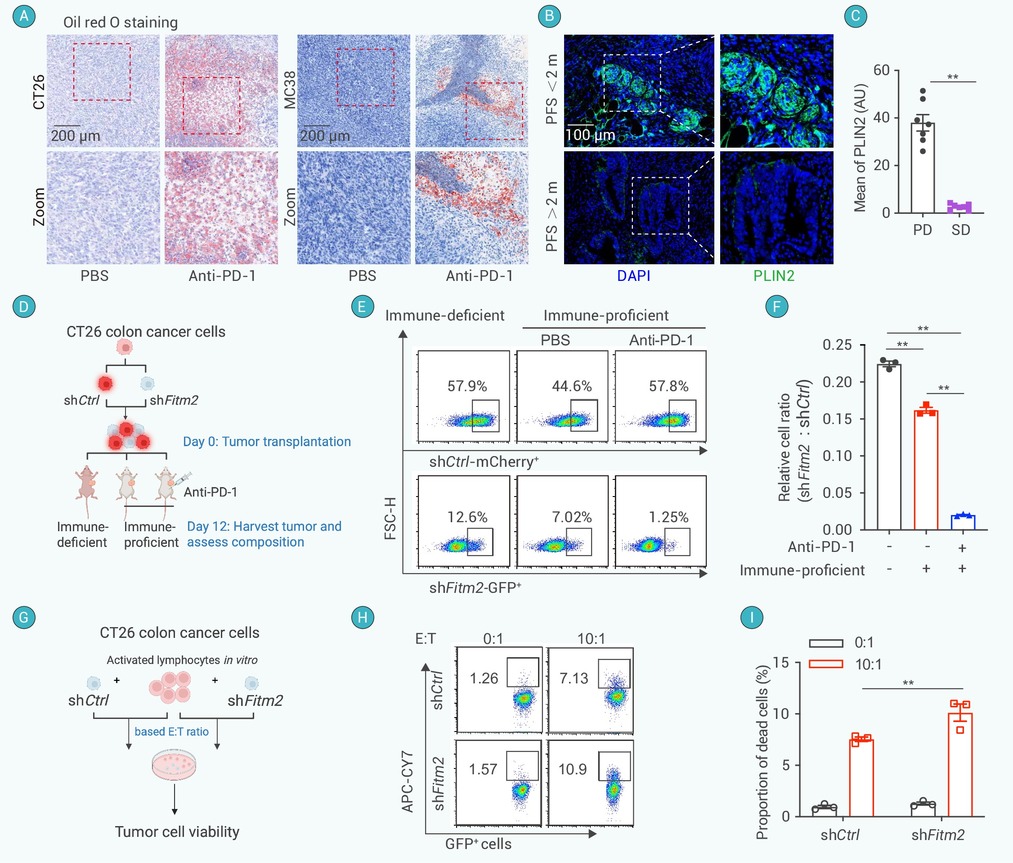
Figure 1.
Lipid droplet burden in colon cancer cells determines susceptibility to immune-mediated killing and anti-PD-1 response
-
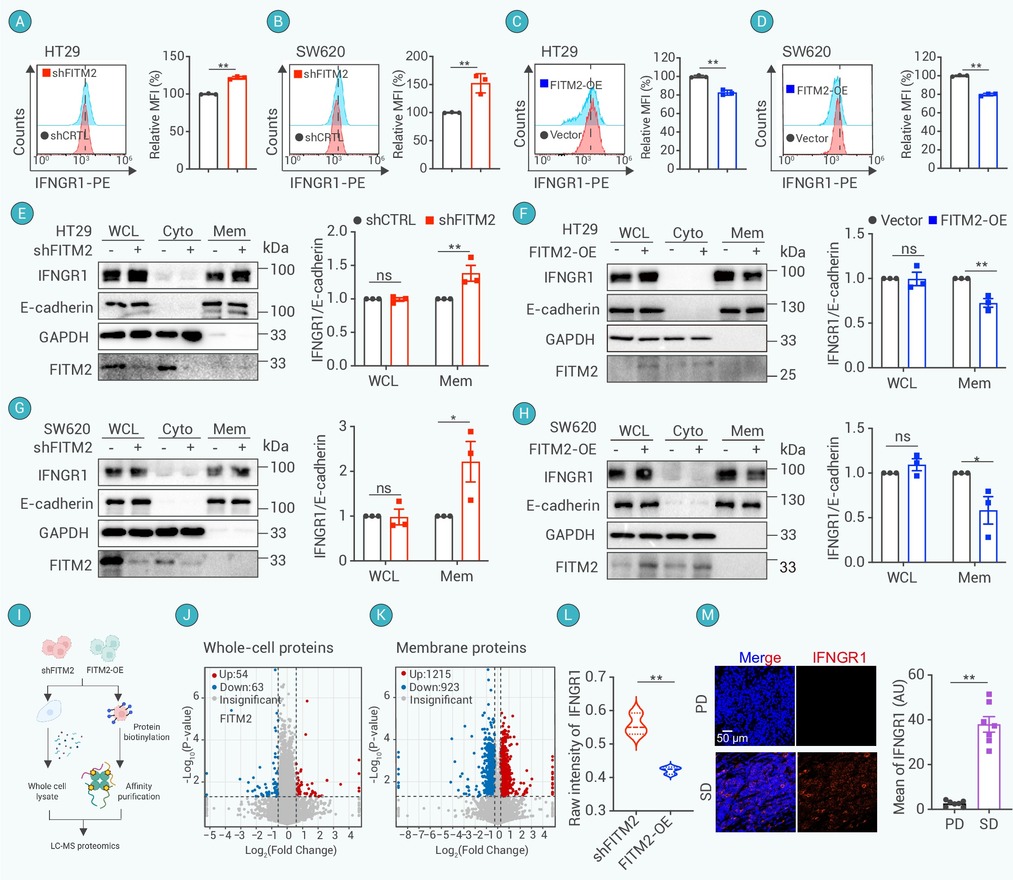
Figure 2.
FITM2-driven lipid droplets restrict IFNGR1 trafficking to the plasma membrane, reducing surface IFNGR1 without affecting total protein abundance
-
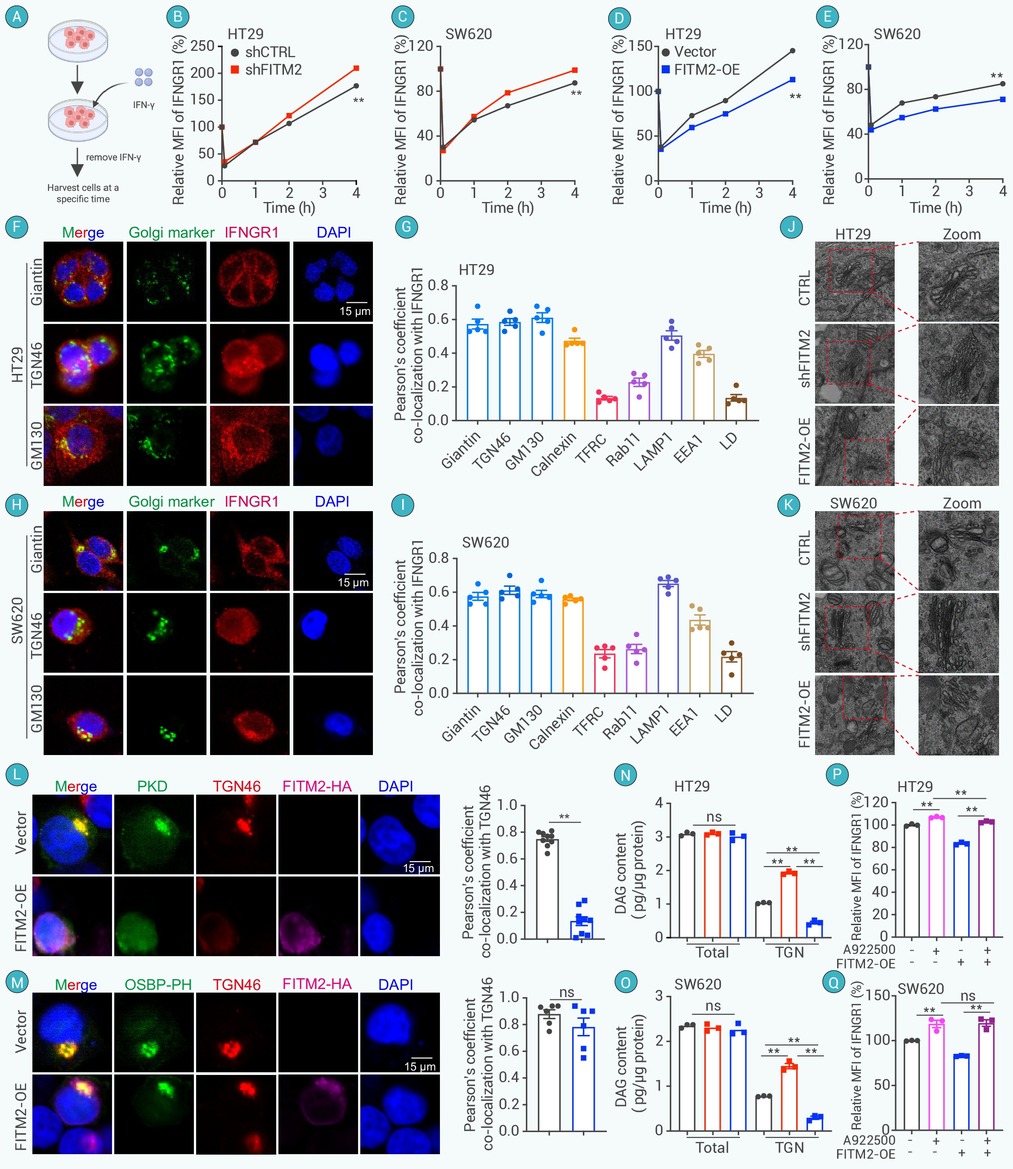
Figure 3.
Lipid droplet biogenesis selectively depletes TGN DAG, blocking IFNGR1 export from the Golgi to the plasma membrane
-
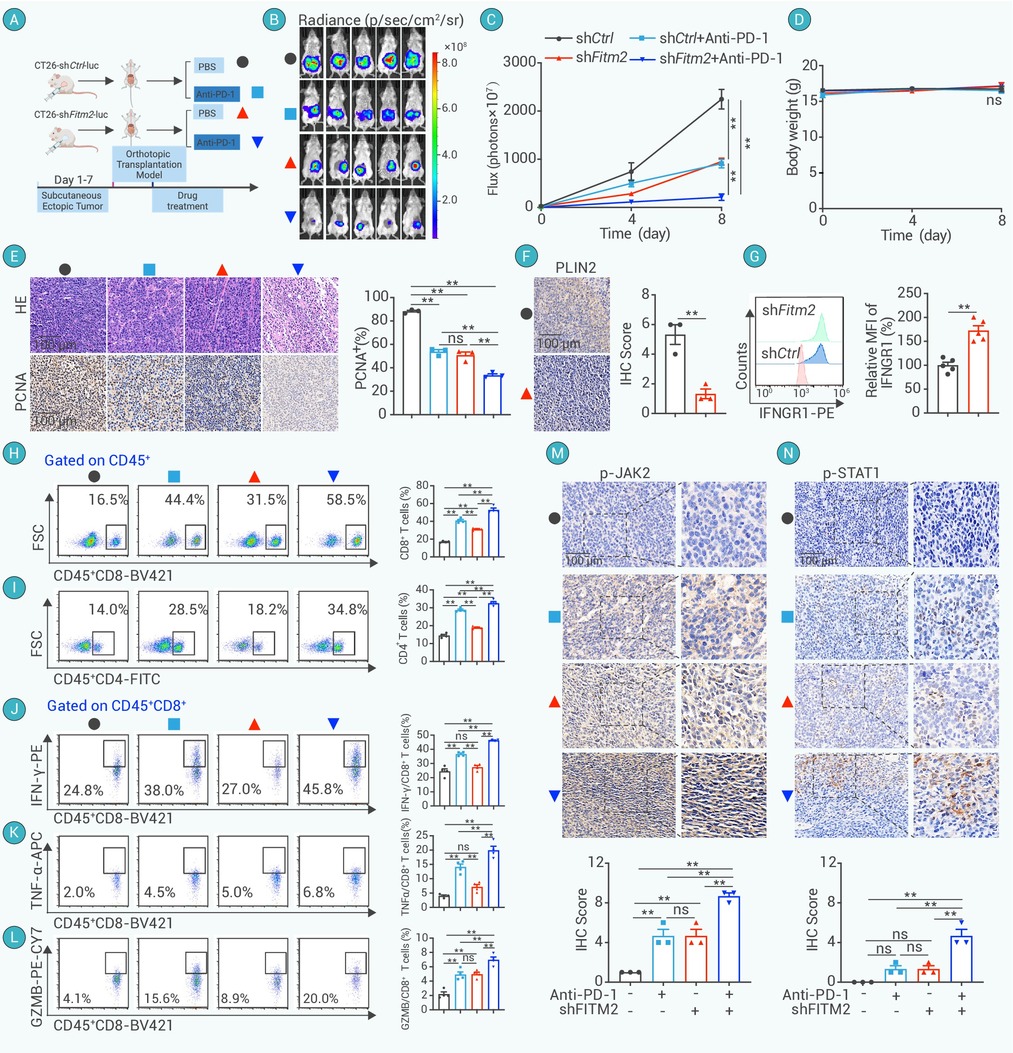
Figure 4.
Reducing lipid droplets via FITM2 knockdown restores IFNGR1 surface expression and enhances anti-PD-1 efficacy in orthotopic colorectal cancer
-
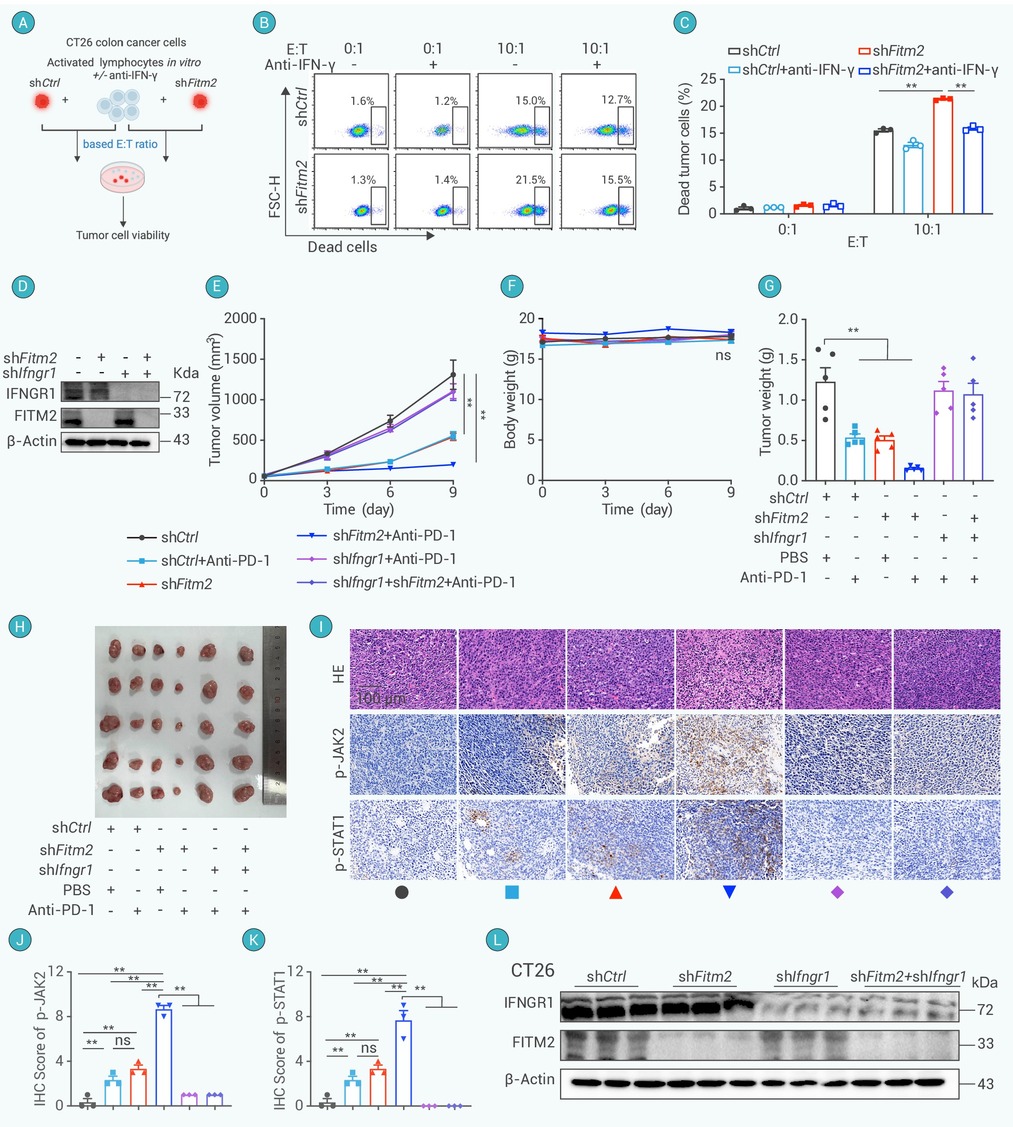
Figure 5.
IFNGR1 signaling is essential for FITM2 knockdown to sensitize colorectal cancer to anti-PD-1 therapy
-
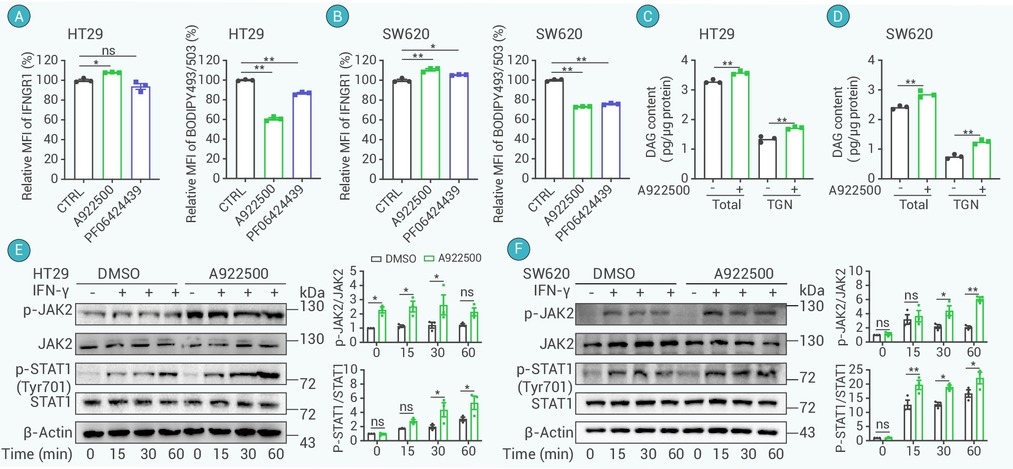
Figure 6.
Pharmacological inhibition of lipid droplet biogenesis with DGAT1 inhibitor A922500 restores TGN DAG, rescues IFNGR1 trafficking and increases tumor-intrinsic IFN-γ-JAK2-STAT1 signaling
-
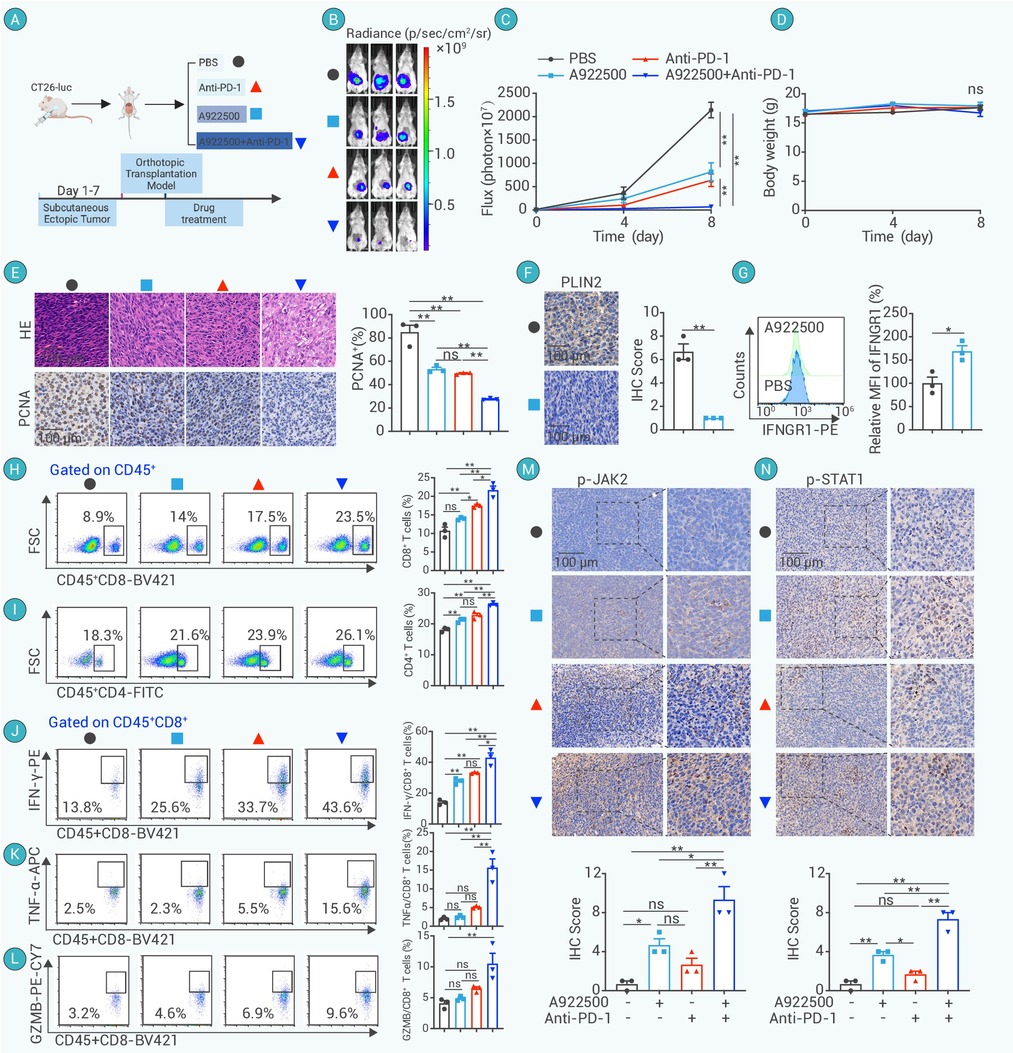
Figure 7.
Pharmacological inhibition of lipid droplet biogenesis with DGAT1 inhibitor A922500 synergizes with anti-PD-1 therapy
