
BC-SMART: Multimodal AI framework for breast cancer neoadjuvant chemotherapy response prediction and multidisciplinary evaluation
-
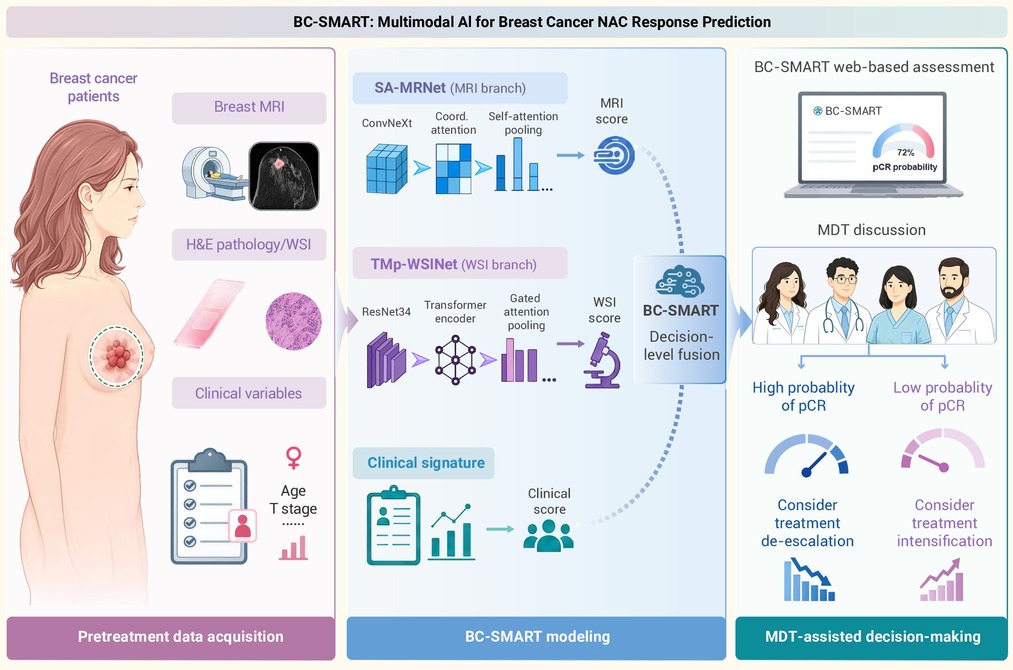
GRAPHICAL ABSTRACT
 DownLoad:
Full size image
-
PUBLIC SUMMARY
-
We developed BC-SMART to predict breast cancer response before neoadjuvant chemotherapy.
BC-SMART integrates pretreatment magnetic resonance imaging, biopsy whole-slide images, and clinical data.
The model performed well in both internal and external test cohorts.
Heatmaps and feature attribution improved interpretation of multimodal predictions.
BC-SMART may support pretreatment risk assessment and individualized treatment planning.
-
-
ABSTRACT
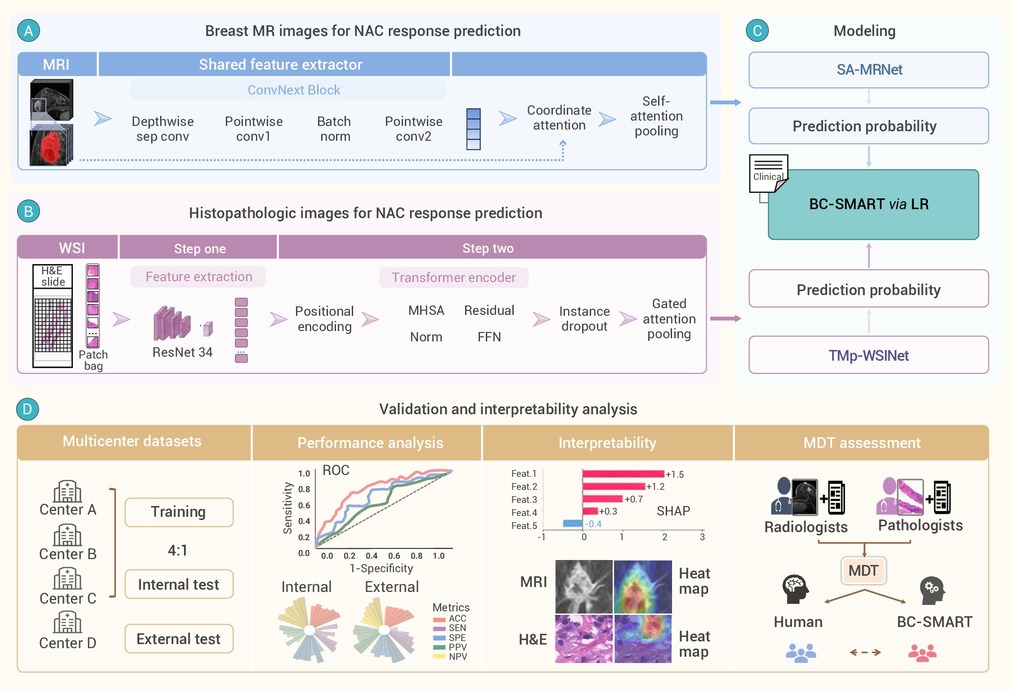
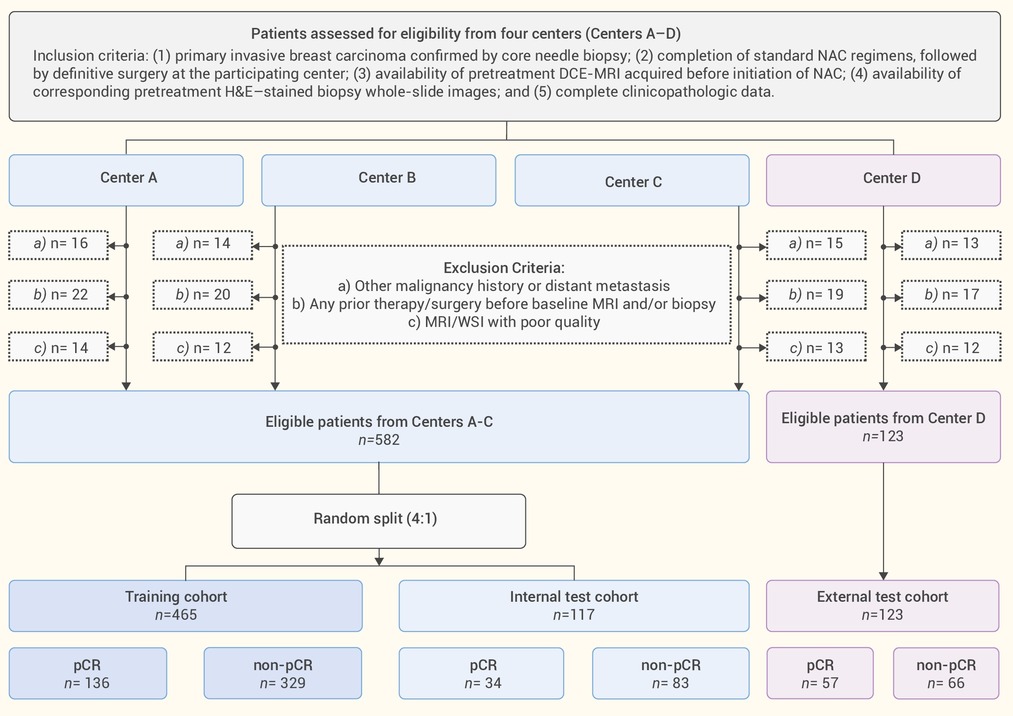
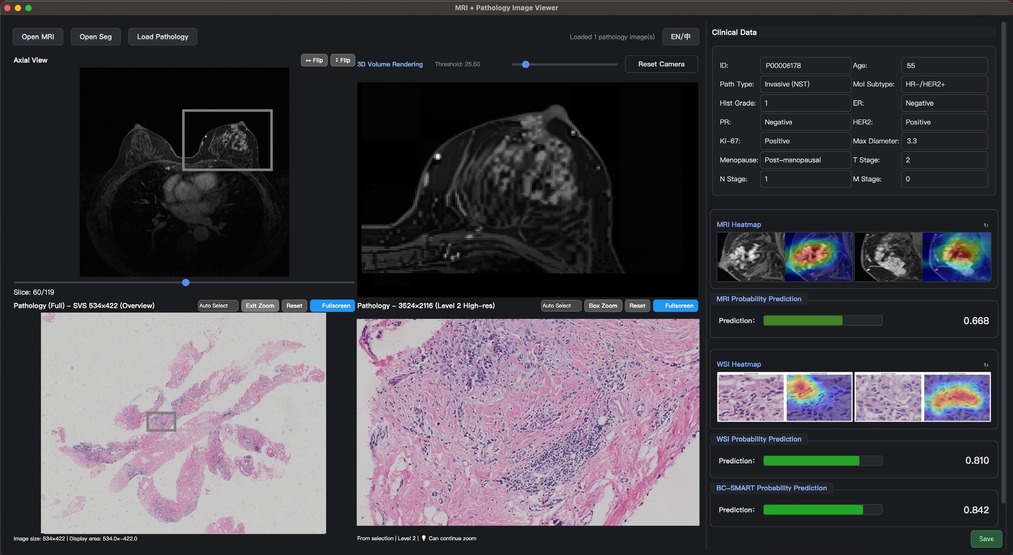
Accurate pretreatment prediction of pathologic complete response (pCR) after neoadjuvant chemotherapy (NAC) remains challenging because MRI, biopsy pathology, and clinicopathologic factors capture complementary but incomplete aspects of treatment sensitivity. We developed BC-SMART, a lightweight and interpretable multimodal artificial intelligence framework integrating pretreatment dynamic contrast-enhanced MRI, hematoxylin-eosin-stained biopsy whole-slide images, and routine clinicopathologic variables for pCR prediction in breast cancer. This multicenter retrospective study included 705 women from four institutions, divided into training, internal test, and external test cohorts. The MRI branch used a slice-wise attention network, the pathology branch used an enhanced multiple-instance learning model, and modality-specific scores were combined with clinical variables through transparent decision-level logistic-regression fusion. BC-SMART achieved areas under the receiver operating characteristic curve of 0.903 and 0.901, with accuracies of 0.872 and 0.829, in the internal and external test cohorts, respectively, outperforming clinical, MRI-only, and pathology-only models. Heatmap visualization and Shapley value analysis showed clinically plausible tumor, peritumoral, and tumor-stroma interface regions and quantified the relative contributions of each modality. In a multidisciplinary reader study supported by a prototype web-based interface, BC-SMART improved the performance and confidence of both junior and senior teams. These findings suggest that BC-SMART may provide a practical and interpretable tool for pretreatment pCR prediction and AI-assisted multidisciplinary decision-making in breast cancer. -

-
REFERENCES
[1] Bray F., Laversanne M., Sung H., et al. (2024). Global cancer statistics 2022: GLOBOCAN estimates of incidence and mortality worldwide for 36 cancers in 185 countries. CA Cancer J. Clin. 74:229−263. DOI:10.3322/caac.21834 [2] Tamirisa N. and Hunt K.K. (2022). Neoadjuvant chemotherapy, endocrine therapy, and targeted therapy for breast cancer: ASCO guideline. Ann. Surg. Oncol. 29:1489−1492. DOI:10.1245/s10434-021-11223-3 [3] Derks M.G.M. and Van de Velde C.J.H. (2018). Neoadjuvant chemotherapy in breast cancer: More than just downsizing. Lancet Oncol. 19:2−3. DOI:10.1016/S1470-2045(17)30914-2 [4] Cortazar P., Zhang L., Untch M., et al. (2014). Pathological complete response and long-term clinical benefit in breast cancer: The CTNeoBC pooled analysis. Lancet 384:164−172. DOI:10.1016/S0140-6736(13)62422-8 [5] Boman C., Tranchell C., Liu X., et al. (2025). Prognosis after pathologic complete response to neoadjuvant therapy in early-stage breast cancer: A population-based study. J. Natl. Compr. Canc. Netw. 23. DOI:10.6004/jnccn.2024.7093 [6] Fayanju O.M., Ren Y., Thomas S.M., et al. (2018). The clinical significance of breast-only and node-only pathologic complete response (pCR) after neoadjuvant chemotherapy (NACT): A review of 20,000 breast cancer patients in the National Cancer Data Base (NCDB). Ann. Surg. 268:591−601. DOI:10.1097/SLA.0000000000002953 [7] Dong M., Chen J., Lu N., et al. (2025). Unraveling breast cancer response to neoadjuvant chemotherapy through integrated genomic, transcriptomic, and circulating tumor DNA analysis. Breast Cancer Res. 27:64. DOI:10.1186/s13058-025-02026-5 [8] Sammut S.J., Crispin-Ortuzar M., Chin S.-F., et al. (2022). Multi-omic machine learning predictor of breast cancer therapy response. Nature 601:623−629. DOI:10.1038/s41586-021-04278-5 [9] Kim J., Yu D., Kwon Y., et al. (2020). Genomic characteristics of triple-negative breast cancer nominate molecular subtypes that predict chemotherapy response. Mol. Cancer Res. 18:253−263. DOI:10.1158/1541-7786.MCR-19-0453 [10] Valenza C., Saldanha E.F., Gong Y., et al. (2025). Circulating tumor DNA clearance as a predictive biomarker of pathologic complete response in patients with solid tumors treated with neoadjuvant immune checkpoint inhibitors: A systematic review and meta-analysis. Ann. Oncol. 36:726−736. DOI:10.1016/j.annonc.2025.03.019 [11] Wei W., Ma M., and Liu Z. (2024). Research progress of artificial intelligence in evaluating the efficacy of neoadjuvant chemotherapy for breast cancer. EngMedicine 1:100024. DOI:10.1016/j.engmed.2024.100024 [12] Gradishar W.J., Moran M.S., Abraham J., et al. (2025). NCCN Guidelines® Insights: Breast Cancer, Version 5.2025. J. Natl. Compr. Canc. Netw. 23:426-436. DOI:10.6004/jnccn.2025.0053 [13] Mann R.M., Kuhl C.K., Kinkel K., et al. (2008). Breast MRI: Guidelines from the European society of breast imaging. Eur. Radiol. 18:1307−1318. DOI:10.1007/s00330-008-0863-7 [14] Huang Y., Wang X., Cao Y., et al. (2025). Nomogram for predicting neoadjuvant chemotherapy response in breast cancer using MRI-based intratumoral heterogeneity quantification. Radiology 315:e241805. DOI:10.1148/radiol.241805 [15] Tang W., Jin C., Kong Q., et al. (2025). Development and validation of an MRI spatiotemporal interaction model for early noninvasive prediction of neoadjuvant chemotherapy response in breast cancer: A multicentre study. EClinicalMedicine 85:103298. DOI:10.1016/j.eclinm.2025.103298 [16] Liang Y., Tang W., Kong Q., et al. (2025). Localized intra- and inter-tumoral heterogeneity for predicting treatment response to neoadjuvant chemotherapy in breast cancer. IEEE J. Biomed. Health Inform. 30:6174−6185. DOI:10.1109/JBHI.2025.3647872 [17] Kashyap A., Rapsomaniki M.A., Barros V., et al. (2022). Quantification of tumor heterogeneity: From data acquisition to metric generation. Trends Biotechnol. 40:647−676. DOI:10.1016/j.tibtech.2021.11.006 [18] Ogier du Terrail J., Leopold A., Joly C., et al. (2023). Federated learning for predicting histological response to neoadjuvant chemotherapy in triple-negative breast cancer. Nat. Med. 29:135−146. DOI:10.1038/s41591-022-02155-w [19] Yu J.-G., Wu Z., Ming Y., et al. (2023). Prototypical multiple instance learning for predicting lymph node metastasis of breast cancer from whole-slide pathological images. Med. Image Anal. 85:102748. DOI:10.1016/j.media.2023.102748 [20] Qu H., Zhou M., Yan Z., et al. (2021). Genetic mutation and biological pathway prediction based on whole slide images in breast carcinoma using deep learning. NPJ Precis. Oncol. 5:87. DOI:10.1038/s41698-021-00225-9 [21] Feng L., Liu Z., Li C., et al. (2022). Development and validation of a radiopathomics model to predict pathological complete response to neoadjuvant chemoradiotherapy in locally advanced rectal cancer: A multicentre observational study. Lancet Digit. Health 4:e8−e17. DOI:10.1016/S2589-7500(21)00215-6 [22] Wang J., Dai J., Cheng Y., et al. (2025). Advances in the use of radiomics and pathomics for predicting the efficacy of neoadjuvant therapy in tumors. Transl. Oncol. 58:102435. DOI:10.1016/j.tranon.2025.102435 [23] Zhang W., Zhang S., You J., et al. (2025). Attention-based multimodal fusion transformer for predicting the efficacy of neoadjuvant therapy in breast cancer: a cross-institutional retrospective study. Breast Cancer Res. 28:4. DOI:10.1186/s13058-025-02181-9 [24] Mao N., Dai Y., Zhou H., et al. (2025). A multimodal and fully automated system for prediction of pathological complete response to neoadjuvant chemotherapy in breast cancer. Sci. Adv. 11:eadr1576. DOI:10.1126/sciadv.adr1576 [25] Zhao Z., Chen D., Wei X., et al. (2025). A multimodal synergistic model for personalized neoadjuvant immunochemotherapy in esophageal cancer. Cell Rep. Med. 6:102479. DOI:10.1016/j.xcrm.2025.102479 [26] Ghasemi A., Hashtarkhani S., Schwartz D.L., et al. (2024). Explainable artificial intelligence in breast cancer detection and risk prediction: A systematic scoping review. Cancer Innov. 3:e136. DOI:10.1002/cai2.136 [27] Li J. and Jiang Z. (2024). Chinese society of clinical oncology breast cancer (CSCO BC) guidelines in 2024: International contributions from China. Cancer Biol. Med. 21:838−843. DOI:10.20892/j.issn.2095-3941.2024.0374 [28] Guo J., Chen B., Cao H., et al. (2024). Cross-modal deep learning model for predicting pathologic complete response to neoadjuvant chemotherapy in breast cancer. NPJ Precis. Oncol. 8:189. DOI:10.1038/s41698-024-00678-8 [29] Lin H., Hua J., Gong Z., et al. (2025). Multimodal radiopathological integration for prognosis and prediction of adjuvant chemotherapy benefit in resectable lung adenocarcinoma: a multicentre study. Cancer Lett. 616:217557. DOI:10.1016/j.canlet.2025.217557 [30] Hu C., Qiao X., Huang R., et al. (2024). Development and validation of a multimodality model based on whole-slide imaging and biparametric MRI for predicting postoperative biochemical recurrence in prostate cancer. Radiol. Imaging Cancer 6:e230143. DOI:10.1148/rycan.230143 [31] He J., Xu J., Chen W., et al. (2025). Development of a deep learning model for T1N0 gastric cancer diagnosis using 2.5D radiomic data in preoperative CT images. NPJ Precis. Oncol. 9:249. DOI:10.1038/s41698-025-01055-9 [32] Cen Y., Nong H., Du D., et al. (2025). CT-based 2.5D deep learning-multi-instance learning for predicting early recurrence of hepatocellular carcinoma and correlating with recurrence-related pathological indicators. J. Hepatocell. Carcinoma 12:2095-2108. DOI:10.2147/JHC.S541402 [33] Mai W., Fan X., Zhang L., et al. (2025). Deep learning for differential diagnosis of parotid tumors based on 2.5D magnetic resonance imaging. Ann. Med. 57:2520401. DOI:10.1080/07853890.2025.2520401 [34] Lu M.Y., Williamson D.F.K., Chen T.Y., et al. (2021). Data-efficient and weakly supervised computational pathology on whole-slide images. Nat. Biomed. Eng. 5:555−570. DOI:10.1038/s41551-020-00682-w [35] Shao Z., Bian H., Chen Y., et al. (2021). TransMIL: Transformer based correlated multiple instance learning for whole slide image classification. Adv. Neural Inf. Process. Syst. 34:2136−2147. DOI:10.48550/arXiv.2106.00908 [36] Ilse M., Tomczak J.M. and Welling M. (2018). Attention-based deep multiple instance learning. Proceedings of the 35th International Conference on Machine Learning 80:2127-2136. https://proceedings.mlr.press/v80/ilse18a.html [37] Houssami N., Macaskill P., von Minckwitz G., et al. (2012). Meta-analysis of the association of breast cancer subtype and pathologic complete response to neoadjuvant chemotherapy. Eur. J. Cancer 48:3342−3354. DOI:10.1016/j.ejca.2012.05.023 [38] Asaoka M., Narui K., Suganuma N., et al. (2019). Clinical and pathological predictors of recurrence in breast cancer patients achieving pathological complete response to neoadjuvant chemotherapy. Eur. J. Surg. Oncol. 45:2289−2294. DOI:10.1016/j.ejso.2019.08.001 [39] Rudin C. (2019). Stop explaining black box machine learning models for high stakes decisions and use interpretable models instead. Nat. Mach. Intell. 1:206−215. DOI:10.1038/s42256-019-0048-x [40] Eke C. and Shuib L. (2025). The role of explainability and transparency in fostering trust in AI healthcare systems: A systematic literature review, open issues and potential solutions. Neural Comput. Appl. 37:1999−2034. DOI:10.1007/s00521-024-10868-x [41] Tonekaboni S., Joshi S., McCradden M.D., et al. (2019). What clinicians want: Contextualizing explainable machine learning for clinical end use. Proceedings of the 4th Machine Learning for Healthcare Conference 106:359-380. https://proceedings.mlr.press/v106/tonekaboni19a.html [42] Gaube S., Suresh H., Raue M., et al. (2021). Do as AI say: Susceptibility in deployment of clinical decision-aids. npj Digit. Med. 4:31. DOI:10.1038/s41746-021-00385-9 [43] Topol E.J. (2019). High-performance medicine: The convergence of human and artificial intelligence. Nat. Med. 25:44−56. DOI:10.1038/s41591-018-0300-7 [44] Jha S. and Topol E.J. (2016). Adapting to artificial intelligence: Radiologists and pathologists as information specialists. JAMA 316:2353−2354. DOI:10.1001/jama.2016.17438 -
ABOUT THIS ARTICLE
Cite this article:
Tang W., Weng Z., Chen Y., et al. (2026). BC-SMART: Multimodal AI framework for breast cancer neoadjuvant chemotherapy response prediction and multidisciplinary evaluation. The Innovation Oncology 1:100042. https://doi.org/10.59717/j.xinn-oncol.2026.100042
Welcome!
To request copyright permission to republish or share portions of our works, please visit Copyright Clearance Center's (CCC) Marketplace website at marketplace.copyright.com.
Export File
Citation
Tang W., Weng Z., Chen Y., et al. (2026). BC-SMART: Multimodal AI framework for breast cancer neoadjuvant chemotherapy response prediction and multidisciplinary evaluation. The Innovation Oncology 1:100042. https://doi.org/10.59717/j.xinn-oncol.2026.100042

Format
Content
-
Figure 1.
Overview of the multimodal framework and study workflow
-
Figure 2.
Patient selection flowchart.
-
Figure 3.
Web-based BC-SMART interface for interactive case review and AI-assisted multidisciplinary assessment
-
Figure 4.
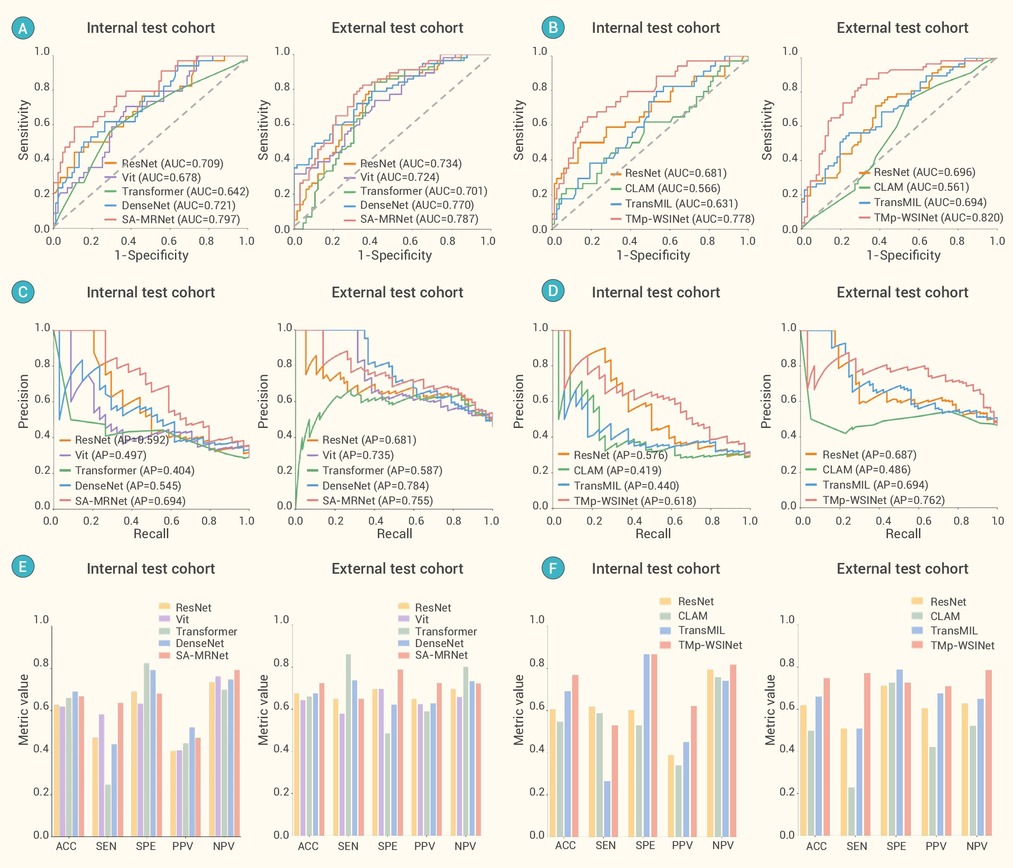
Comparison of MRI- and WSI-based single-modality models for pCR prediction after NAC
-
Figure 5.
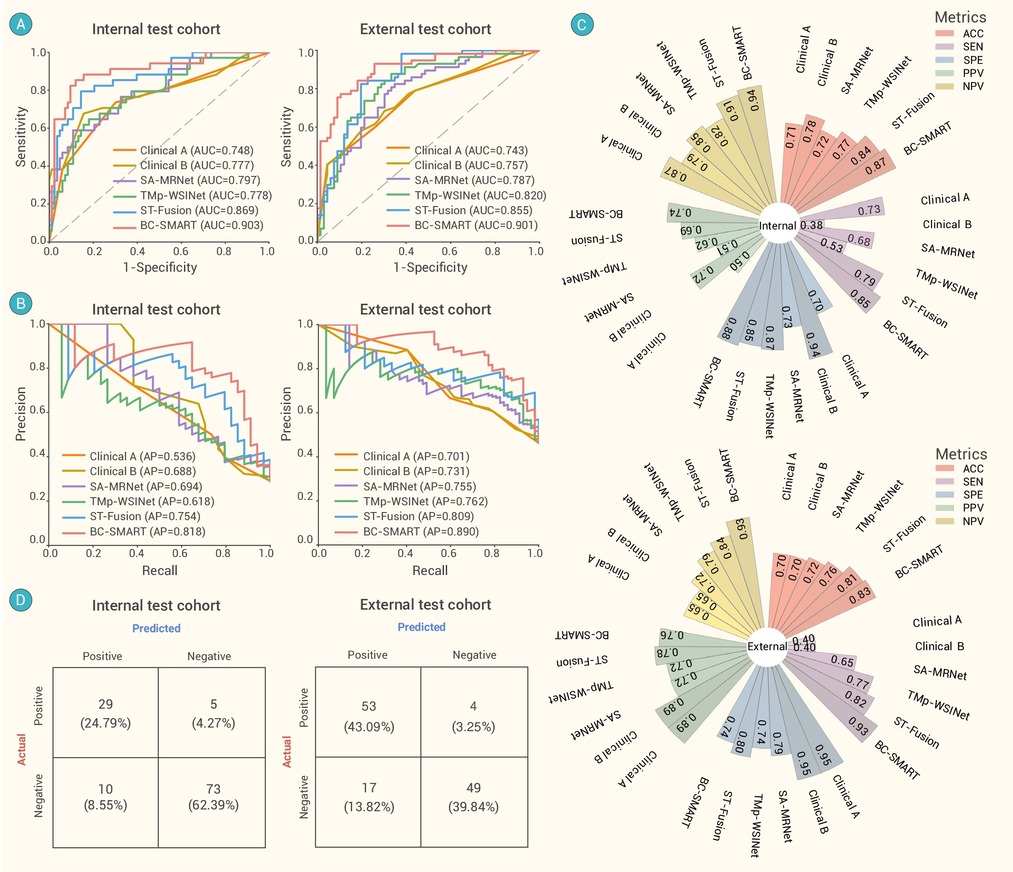
Performance of clinical, single-modality, and multimodal models for predicting pCR after NAC in the internal and external test cohorts
-
Figure 6.
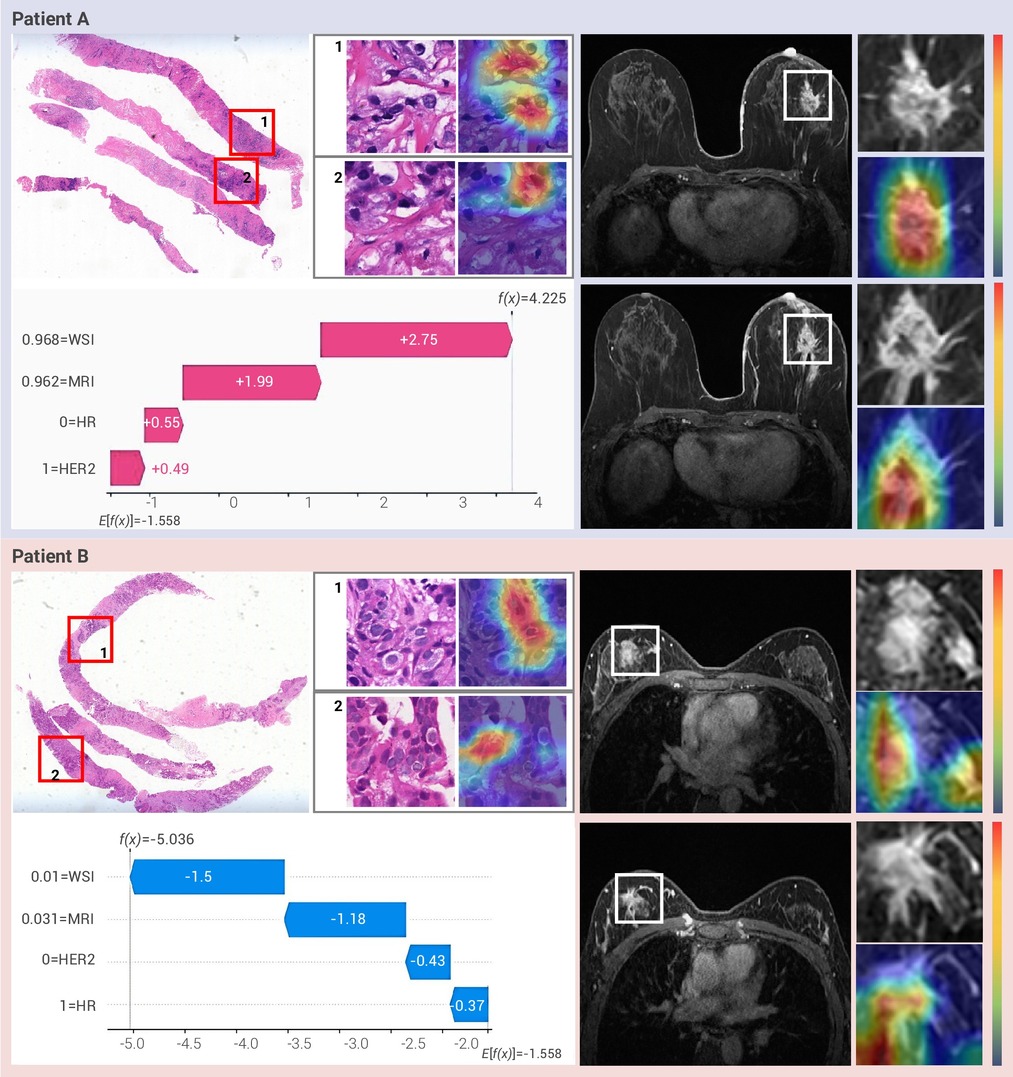
Case-level multimodal interpretability of BC-SMART
-
Figure 7.
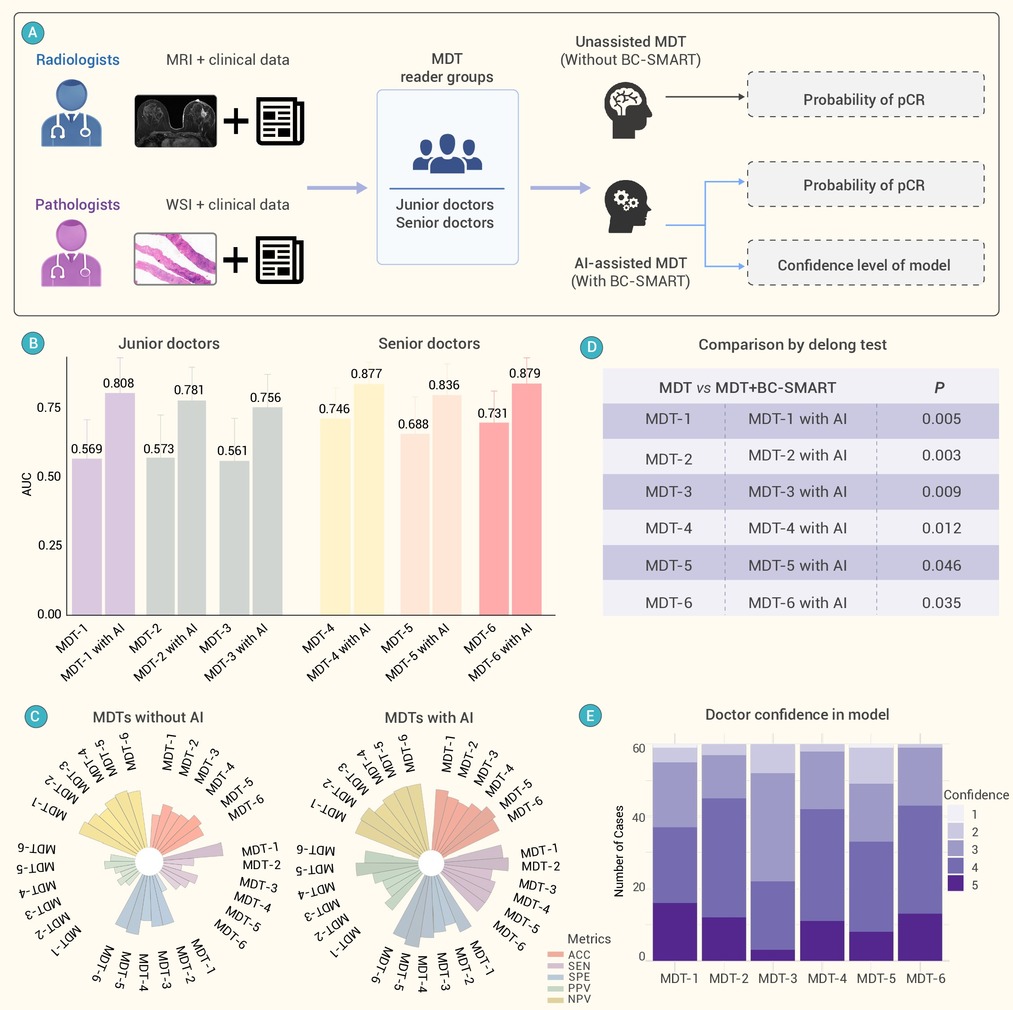
Human–AI collaboration analysis of MDT performance with and without BC-SMART assistance
