
Multimodal deep learning model for predicting homologous recombination deficiency in prostate cancer: A multi-cohort study
-
GRAPHICAL ABSTRACT
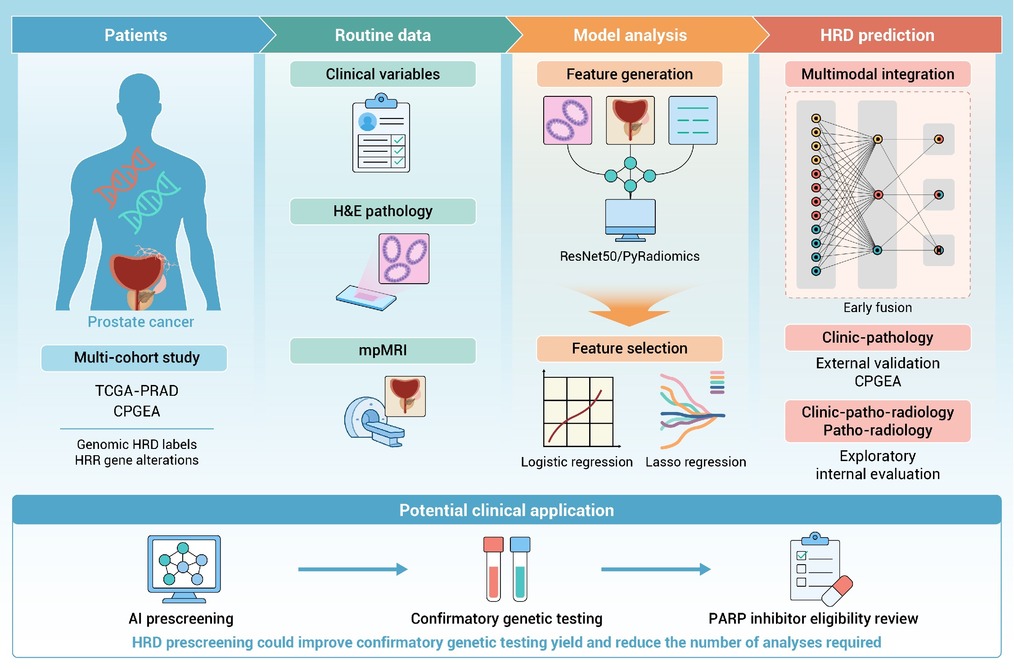
 DownLoad:
Full size image
-
PUBLIC SUMMARY
-
A model combined clinical data, tissue images, and magnetic resonance imaging in prostate cancer.
Image-based models showed predictive signal for homologous recombination deficiency.
Combined imaging showed a favorable trend in a small internal validation set.
Larger prospective cohorts are needed before clinical use.
-
-
ABSTRACT
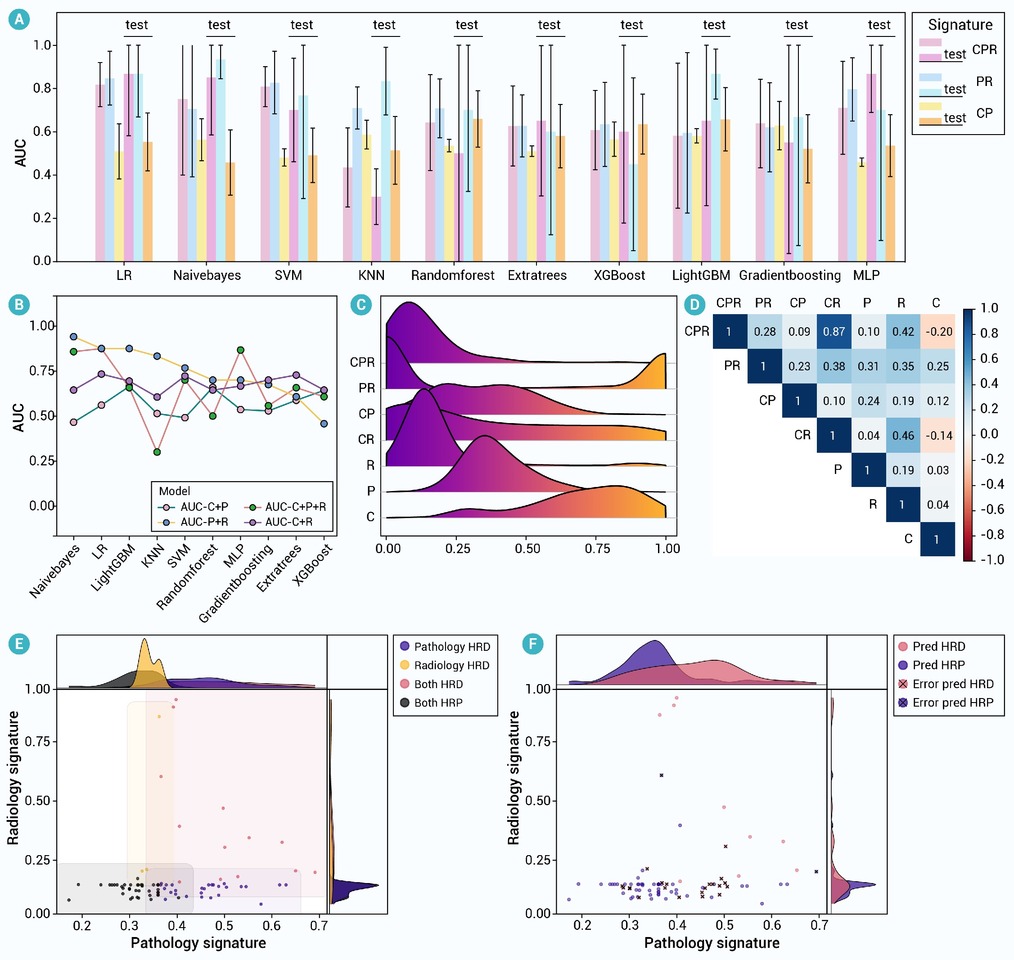
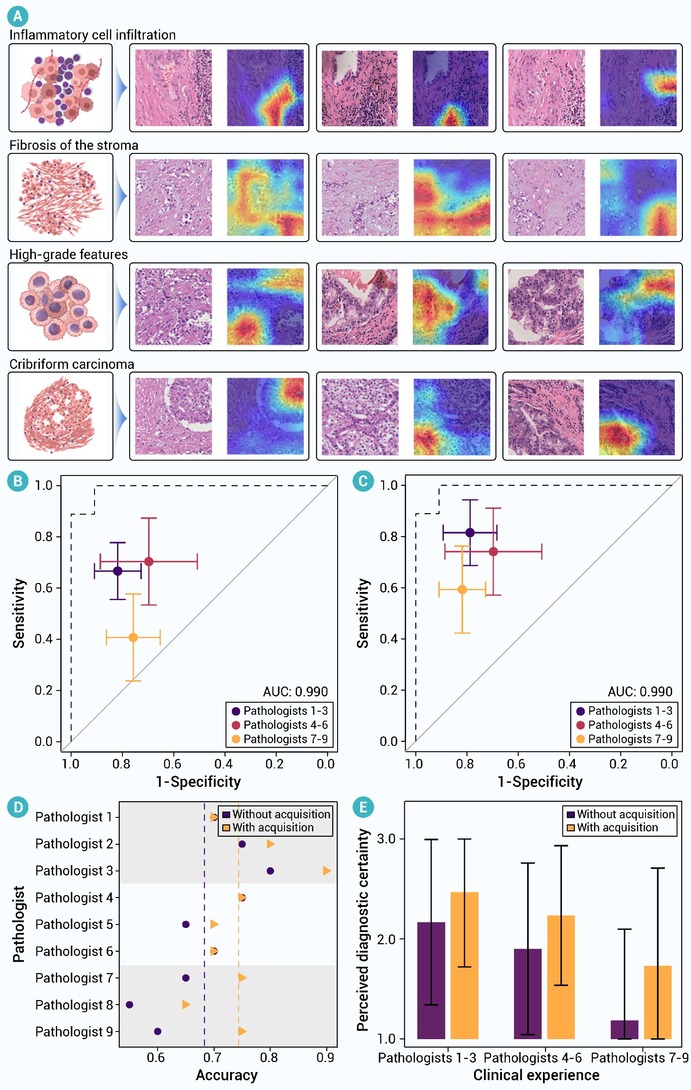
Accurate prediction of homologous recombination deficiency (HRD) status is crucial for effective management of prostate cancer (PCa). However, genetic testing is expensive and inaccessible. We propose a multimodal deep learning approach that integrates clinical information, Hematoxylin & Eosin (H&E)-stained whole-slide images (WSIs), and multiparametric magnetic resonance imaging (MRI) to predict the HRD status of patients with PCa. Patients from The Cancer Genome Atlas (TCGA; n=486) and three Chinese hospitals (n=210) were used to develop and evaluate the prediction models. The Pathology Signature, Radiology Signature, and Patho-Radiology Signature showed predictive performance for HRD status in external validation or internal held-out evaluation (area under the receiver operating characteristic curve [AUC]=0.815, 0.833, and 0.900, respectively). Notably, four interpretable pathological features were identified in the Pathology Signature. These signatures may serve as a prescreening tool to select patients for confirmatory genetic testing. This multimodal framework may be adaptable to the prediction of molecular alterations in other malignancies, subject to independent validation. Because radiology and multimodal models were evaluated in small modality-complete subsets, these estimates should be interpreted as exploratory trends. -

-
REFERENCES
[1] Siegel R.L., Miller K.D., Wagle N.S., et al. (2023). Cancer statistics, 2023. CA Cancer J. Clin. 73:17−48. DOI:10.3322/caac.21763 [2] Mitchell T. and Neal D.E. (2015). The genomic evolution of human prostate cancer. Br. J. Cancer 113:193−198. DOI:10.1038/bjc.2015.234 [3] Nguyen L., Martens J.W.M., Van Hoeck A., et al. (2020). Pan-cancer landscape of homologous recombination deficiency. Nat. Commun. 11:5584. DOI:10.1038/s41467-020-19406-4 [4] Hoeijmakers J.H. (2001). Genome maintenance mechanisms for preventing cancer. Nature 411:366−374. DOI:10.1038/35077232 [5] Groelly F.J., Fawkes M., Dagg R.A., et al. (2023). Targeting DNA damage response pathways in cancer. Nat. Rev. Cancer 23:78−94. DOI:10.1038/s41568-022-00535-5 [6] ESMO. (2019). ESMO 2019: PROfound: Phase 3 study of olaparib vs. enzalutamide or abiraterone for metastatic castration-resistant prostate cancer with homologous recombination repair gene alterations. UroToday. https://www.urotoday.com/conference-highlights/esmo-2019/esmo-2019-prostate-cancer/115401-esmo-2019-profound-phase-3-study-of-olaparib-vs-enzalutamide-or-abiraterone-for-metastatic-castration-resistant-prostate-cancer-with-homologous-recombination-repair-gene-alterations.html (Accessed June 3, 2023 [7] de Luca X.M., Newell F., Kazakoff S.H., et al. (2020). Using whole-genome sequencing data to derive the homologous recombination deficiency scores. npj Breast Cancer 6:33. DOI:10.1038/s41523-020-0172-0 [8] Sztupinszki Z., Diossy M., Krzystanek M., et al. (2020). Detection of molecular signatures of homologous recombination deficiency in prostate cancer with or without BRCA1/2 mutations. Clin. Cancer Res. 26:2673−2680. DOI:10.1158/1078-0432.CCR-19-2135 [9] Coudray N. and Tsirigos A. (2020). Deep learning links histology, molecular signatures and prognosis in cancer. Nat. Cancer 1:755−757. DOI:10.1038/s43018-020-0099-2 [10] Kather J.N., Pearson A.T., Halama N., et al. (2019). Deep learning can predict microsatellite instability directly from histology in gastrointestinal cancer. Nat. Med. 25:1054−1056. DOI:10.1038/s41591-019-0462-y [11] Yamashita R., Long J., Longacre T., et al. (2021). Deep learning model for the prediction of microsatellite instability in colorectal cancer: A diagnostic study. Lancet Oncol. 22:132−141. DOI:10.1016/S1470-2045(20)30535-0 [12] Cifci D., Foersch S. and Kather J.N. (2022). Artificial intelligence to identify genetic alterations in conventional histopathology. J. Pathol. 257:430−444. DOI:10.1002/path.5898 [13] Dadhania V., Gonzalez D., Yousif M., et al. (2022). Leveraging artificial intelligence to predict ERG gene fusion status in prostate cancer. BMC Cancer 22:494. DOI:10.1186/s12885-022-09559-4 [14] Schaumberg A.J., Rubin M.A. and Fuchs T.J. (2016). H&E-stained whole slide image deep learning predicts SPOP mutation state in prostate cancer. bioRxiv. DOI:10.1101/064279. [15] Houlahan K.E., Salmasi A., Sadun T.Y., et al. (2019). Molecular hallmarks of multiparametric magnetic resonance imaging visibility in prostate cancer. Eur. Urol. 76:18−23. DOI:10.1016/j.eururo.2018.12.036 [16] Boehm K.M., Aherne E.A., Ellenson L., et al. (2022). Multimodal data integration using machine learning improves risk stratification of high-grade serous ovarian cancer. Nat. Cancer 3:723−733. DOI:10.1038/s43018-022-00388-9 [17] Vanguri R.S., Luo J., Aukerman A.T., et al. (2022). Multimodal integration of radiology, pathology and genomics for prediction of response to PD-(L)1 blockade in patients with non-small cell lung cancer. Nat. Cancer 3:1151−1164. DOI:10.1038/s43018-022-00416-8 [18] Fremond S., Andani S., Barkey Wolf J., et al. (2023). Interpretable deep learning model to predict the molecular classification of endometrial cancer from haematoxylin and eosin-stained whole-slide images: A combined analysis of the PORTEC randomised trials and clinical cohorts. Lancet Digit. Health 5:e71−e82. DOI:10.1016/S2589-7500(22)00210-2 [19] Li J., Xu C., Lee H.J., et al. (2020). A genomic and epigenomic atlas of prostate cancer in Asian populations. Nature 580:93−99. DOI:10.1038/s41586-020-2135-x [20] Cancer Genome Atlas Research Network. (2015). The molecular taxonomy of primary prostate cancer. Cell 163:1011−1025. DOI:10.1016/j.cell.2015.10.025 [21] Clarke N., Wiechno P., Alekseev B., et al. (2018). Olaparib combined with abiraterone in patients with metastatic castration-resistant prostate cancer: A randomised, double-blind, placebo-controlled, phase 2 trial. Lancet Oncol. 19:975−986. DOI:10.1016/S1470-2045(18)30365-6 [22] Wu K., Liang J., Shao Y., et al. (2021). Evaluation of the efficacy of PARP inhibitors in metastatic castration-resistant prostate cancer: A systematic review and meta-analysis. Front. Pharmacol. 12:777663. DOI:10.3389/fphar.2021.777663 [23] De Bono J.S., Hussain M., Thiery-Vuillemin A., et al. (2017). PROfound: A randomized Phase III trial evaluating olaparib in patients with metastatic castration-resistant prostate cancer and a deleterious homologous recombination DNA repair aberration. J. Clin. Oncol. 35:TPS5091−TPS5091. DOI:10.1200/JCO.2017.35.15_suppl.TPS5091 [24] Milbury C.A., Creeden J., Yip W.-K., et al. (2022). Clinical and analytical validation of FoundationOne®CDx, a comprehensive genomic profiling assay for solid tumors. PLoS One 17:e0264138. DOI:10.1371/journal.pone.0264138 [25] Woodhouse R., Li M., Hughes J., et al. (2020). Clinical and analytical validation of FoundationOne Liquid CDx, a novel 324-gene cfDNA-based comprehensive genomic profiling assay for cancers of solid tumor origin. PLoS One 15:e0237802. DOI:10.1371/journal.pone.0237802 [26] U.S. Food and Drug Administration. (2021). Device classification under Section 513(f)(2) (De Novo): Paige Prostate (DEN200080). FDA. https://www.accessdata.fda.gov/scripts/cdrh/cfdocs/cfpmn/denovo.cfm?id=DEN200080 (Accessed October 15, 2026 [27] Feng C., Zhang Y., Wu F., et al. (2023). Relationship between homologous recombination deficiency and clinical features of breast cancer based on genomic scar score. Breast 69:392−400. DOI:10.1016/j.breast.2023.04.002 [28] Fu Y., Jung A.W., Torne R.V., et al. (2020). Pan-cancer computational histopathology reveals mutations, tumor composition and prognosis. Nat. Cancer 1:800−810. DOI:10.1038/s43018-020-0085-8 [29] Kim M., Jung S.Y., Park J.E., et al. (2020). Diffusion- and perfusion-weighted MRI radiomics model may predict isocitrate dehydrogenase (IDH) mutation and tumor aggressiveness in diffuse lower grade glioma. Eur. Radiol. 30:2142−2151. DOI:10.1007/s00330-019-06548-3 [30] Zhang J., Zhao X., Zhao Y., et al. (2020). Value of pre-therapy 18F-FDG PET/CT radiomics in predicting EGFR mutation status in patients with non-small cell lung cancer. Eur. J. Nucl. Med. Mol. Imaging 47:1137−1146. DOI:10.1007/s00259-019-04592-1 [31] Sammut S.-J., Crispin-Ortuzar M., Chin S.-F., et al. (2022). Multi-omic machine learning predictor of breast cancer therapy response. Nature 601:623−629. DOI:10.1038/s41586-021-04278-5 [32] Lipkova J., Chen R.J., Chen B., et al. (2022). Artificial intelligence for multimodal data integration in oncology. Cancer Cell 40:1095−1110. DOI:10.1016/j.ccell.2022.09.012 [33] Muti H.S., Heij L.R., Keller G., et al. (2021). Development and validation of deep learning classifiers to detect Epstein-Barr virus and microsatellite instability status in gastric cancer: A retrospective multicentre cohort study. Lancet Digit. Health 3:e654−e664. DOI:10.1016/S2589-7500(21)00133-3 [34] Mohanty S.K., Lobo A. and Cheng L. (2023). The 2022 revision of the World Health Organization classification of tumors of the urinary system and male genital organs: Advances and challenges. Hum. Pathol. 136:123−143. DOI:10.1016/j.humpath.2022.08.006 [35] van Leenders G.J.L.H., van der Kwast T.H., Grignon D.J., et al. (2020). The 2019 International Society of Urological Pathology (ISUP) consensus conference on grading of prostatic carcinoma. Am. J. Surg. Pathol. 44:e87−e99. DOI:10.1097/PAS.0000000000001497 [36] Bilal M., Raza S.E.A., Azam A., et al. (2021). Development and validation of a weakly supervised deep learning framework to predict the status of molecular pathways and key mutations in colorectal cancer from routine histology images: A retrospective study. Lancet Digit. Health 3:e763−e772. DOI:10.1016/S2589-7500(21)00180-1 [37] Loeffler C.M.L., El Nahhas O.S.M., Muti H.S., et al. (2023). Direct prediction of homologous recombination deficiency from routine histology in ten different tumor types with attention-based multiple instance learning: A development and validation study. medRxiv 2023.03.08.23286975. DOI:10.1101/2023.03.08.23286975. -
ABOUT THIS ARTICLE
Cite this article:
Deng L., Song Z., Zhang Q., et al. (2026). Multimodal deep learning model for predicting homologous recombination deficiency in prostate cancer: A multi-cohort study. The Innovation Oncology 1:100043. https://doi.org/10.59717/j.xinn-oncol.2026.100043
Welcome!
To request copyright permission to republish or share portions of our works, please visit Copyright Clearance Center's (CCC) Marketplace website at marketplace.copyright.com.
Export File
Citation
Deng L., Song Z., Zhang Q., et al. (2026). Multimodal deep learning model for predicting homologous recombination deficiency in prostate cancer: A multi-cohort study. The Innovation Oncology 1:100043. https://doi.org/10.59717/j.xinn-oncol.2026.100043

Format
Content
-
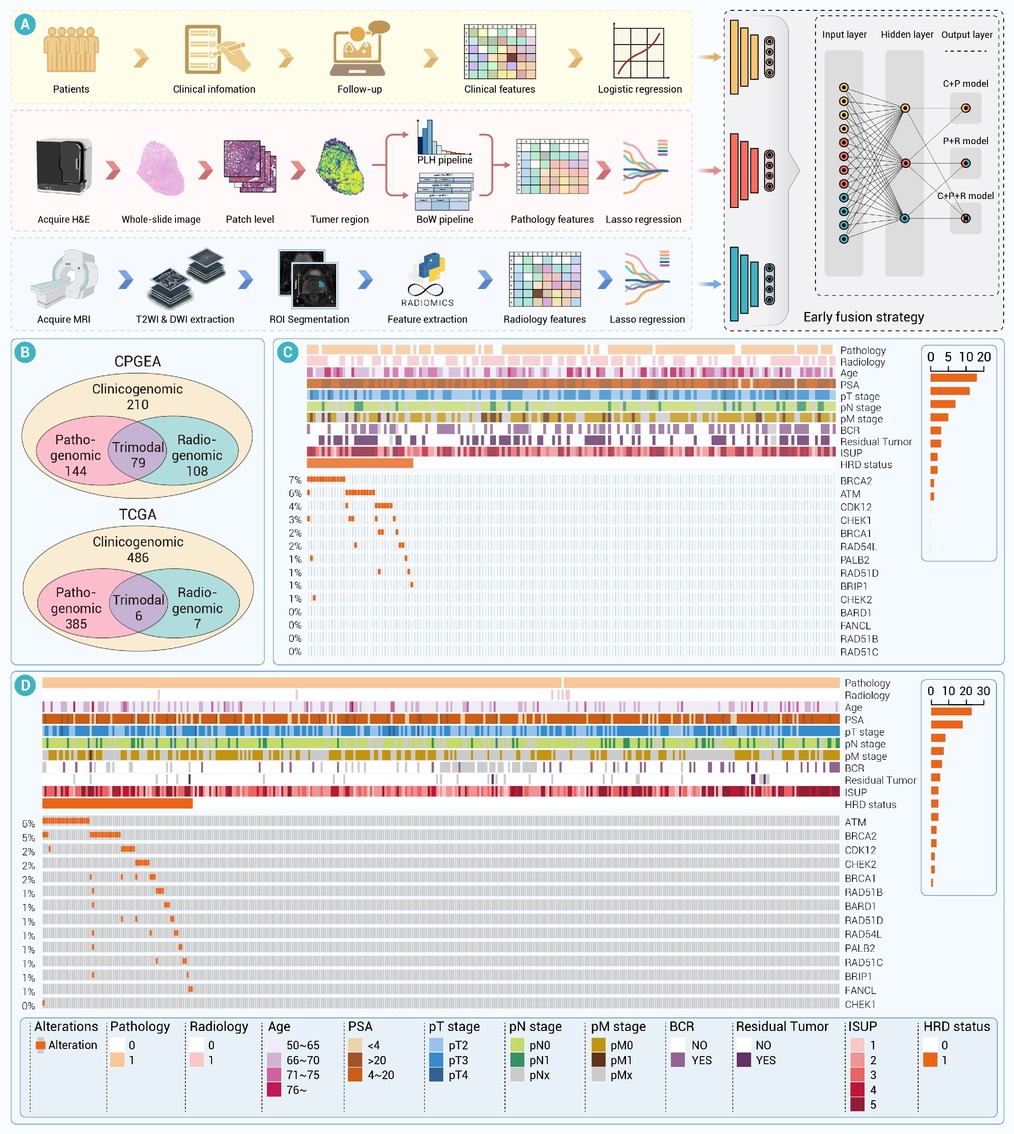
Figure 1.
Schematic outline of the study and multimodal cohort characteristics
-
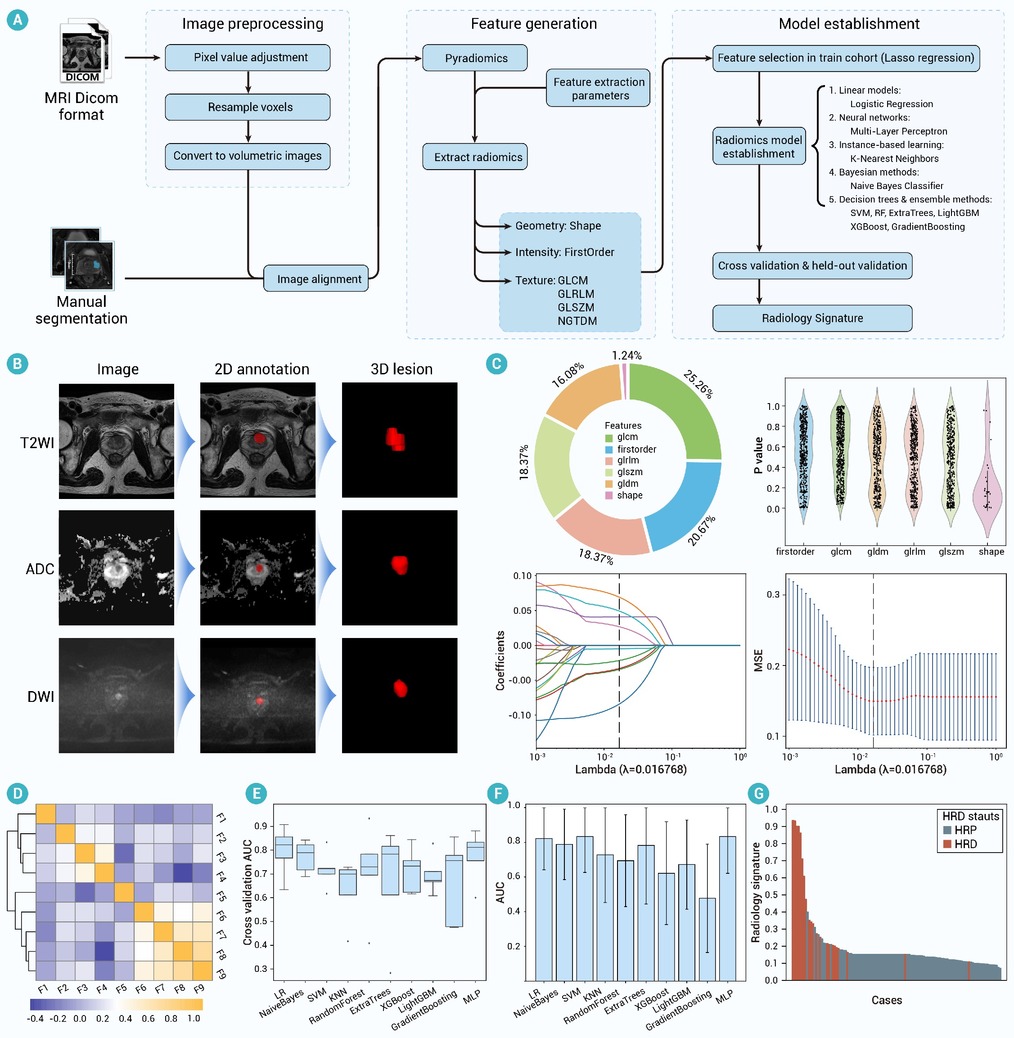
Figure 2.
Establishment and validation of Radiology Signature
-
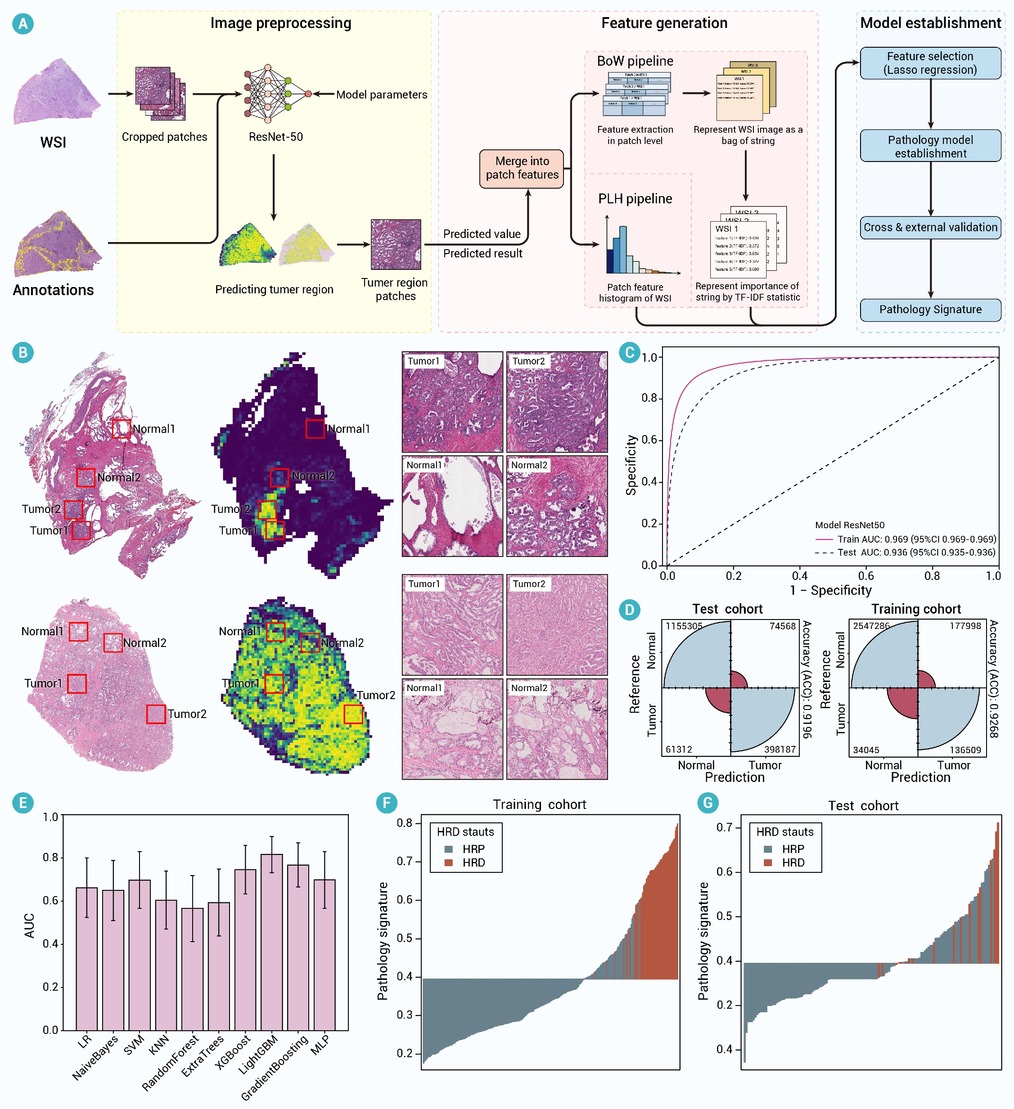
Figure 3.
Establishment and validation of the Pathology Signature
-
Figure 4.
Predictive performance of multimodal models and associations among individual modality signatures
-
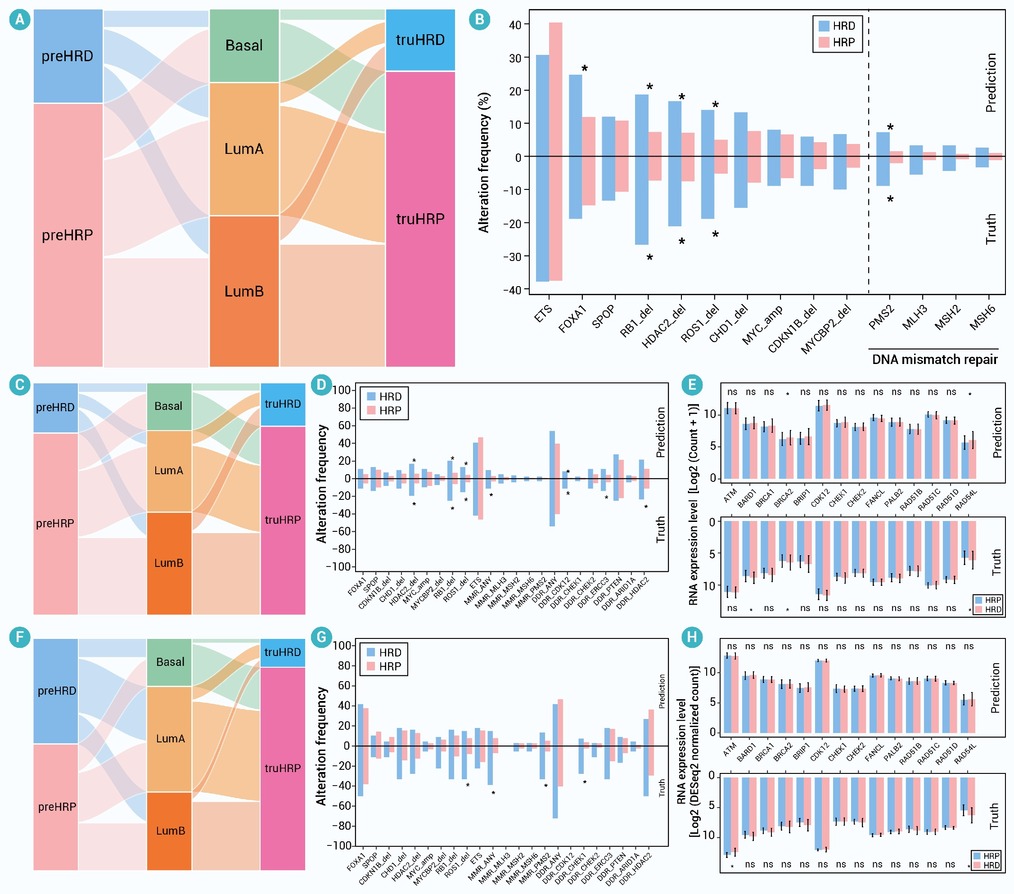
Figure 5.
Molecular Characterization of patients with actual and Pathology Signature-predicted HRD Status.
-
Figure 6.
Visualization and interpretability of the Pathology Signature
