
Nanoization strategies for blood-brain barrier delivery of traditional Chinese medicine compounds and therapeutic applications
-
GRAPHICAL ABSTRACT
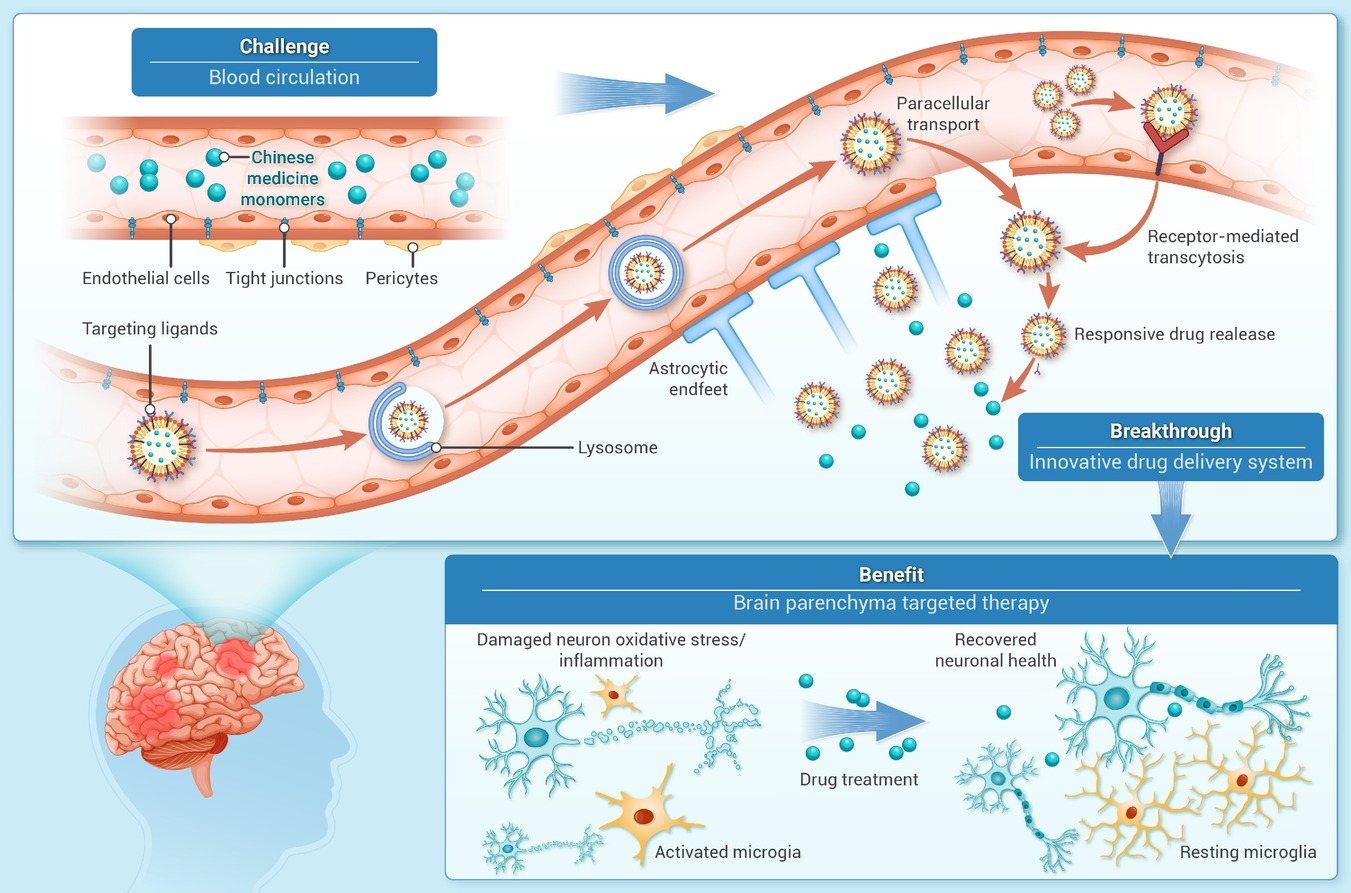
 DownLoad:
Full size image
DownLoad:
Full size image
-
PUBLIC SUMMARY
-
The blood-brain barrier (BBB) is a core bottleneck for drug delivery in brain diseases.
Nanocarriers mediate BBB crossing of traditional Chinese medicine (TCM) monomers.
This review summarizes nanocarrier delivery of TCM monomers to the brain.
Nanotechnology offers a new direction for TCM-based treatment of brain diseases.
-
-
ABSTRACT
The blood-brain barrier (BBB) represents a major physiological barrier that severely restricts the delivery of therapeutic agents to the central nervous system (CNS), posing a persistent challenge for the treatment of neurological disorders. A number of bioactive ingredients isolated from traditional Chinese medicine (TCM) have exhibited favorable pharmacological properties in preclinical investigations. However, their therapeutic translation is greatly limited by poor aqueous solubility, low bioavailability, elimination and inadequate BBB permeability. Nanoscale drug delivery systems have emerged as a promising strategy to overcome these limitations by improving drug stability, prolonging circulation, enhancing BBB interaction, increasing brain accumulation, enabling controlled and targeted delivery. This review systematically summarizes recent advances in nanocarrier-mediated delivery of TCM-derived compounds for neurological disorders, covering lipid-based nanoparticles, polymeric nanoparticles, inorganic nanomaterials and natural biogenic carriers. It further discusses design strategies for brain-targeted delivery, including surface functionalization, biomimetic modification, stimulus-responsive release and multifunctional integration. In addition, the review evaluates current preclinical evidence regarding BBB traversal, intracerebral biodistribution, neurological function improvement and modulation of disease-related pathways, while also examining the present status of clinical translation and the gap between experimental success and clinical application. Despite considerable promise, major challenges remain, including insufficient mechanistic understanding of brain delivery, limited long-term safety data, difficulties in scalable manufacturing, formulation reproducibility and regulatory standardization. Overall, TCM-derived nanomedicine systems offer substantial potential for the development of precise and effective therapies for CNS diseases, but future progress will depend on more translation-oriented design and closer integration of pharmaceutical, materials and clinical sciences. -

-
REFERENCES
[1] Collaborators. G. N. S. D. (2024). Global, regional, and national burden of disorders affecting the nervous system, 1990-2021: a systematic analysis for the Global Burden of Disease Study 2021. The Lancet. Neurology 23:344−381. DOI:10.1016/s1474-4422(24)00038-3 [2] Zhang Q., Yu H., Zhong J., et al. (2025). Global, regional, and national burden of brain and central nervous system cancer: a systematic analysis of incidence, deaths, and DALYS with predictions to 2040. International journal of surgery (London, England) 111:4033−4038. DOI:10.1097/js9.0000000000002359 [3] Huang J., Chan S. C., Lok V., et al. (2023). Disease burden, risk factors, and trends of primary central nervous system (CNS) cancer: A global study of registries data. Neuro-oncology 25:995−1005. DOI:10.1093/neuonc/noac213 [4] Ewing-Crystal N. A., Mroz N. M., Larpthaveesarp A., et al. (2025). Dynamic fibroblast-immune interactions shape recovery after brain injury. Nature 646:934−944. DOI:10.1038/s41586-025-09449-2 [5] Godse S., Zhou L., Sakshi S., et al. (2023). Nanocarrier-mediated curcumin delivery: An adjuvant strategy for CNS disease treatment. Experimental biology and medicine (Maywood, N.J.) 248:2151−2166. DOI:10.1177/15353702231211863 [6] Batta A., Kalra B. S. and Khirasaria R. (2020). Trends in FDA drug approvals over last 2 decades: An observational study. Journal of family medicine and primary care 9:105−114. DOI:10.4103/jfmpc.jfmpc_578_19 [7] Kadry H., Noorani B. and Cucullo L. (2020). A blood-brain barrier overview on structure, function, impairment, and biomarkers of integrity. Fluids and barriers of the CNS 17:69. DOI:10.1186/s12987-020-00230-3 [8] Alahmari A. (2021). Blood-Brain Barrier Overview: Structural and Functional Correlation. Neural plasticity 2021:6564585. DOI:10.1155/2021/6564585 [9] Dao L., You Z., Lu L., et al. (2024). Modeling blood-brain barrier formation and cerebral cavernous malformations in human PSC-derived organoids. Cell stem cell 31:818−833.e811. DOI:10.1016/j.stem.2024.04.019 [10] Zhao Y., Gan L., Ren L., et al. (2022). Factors influencing the blood-brain barrier permeability. Brain research 1788:147937. DOI:10.1016/j.brainres.2022.147937 [11] Lundy D. J., Nguyễn H. and Hsieh P. C. H. (2021). Emerging Nano-Carrier Strategies for Brain Tumor Drug Delivery and Considerations for Clinical Translation. Pharmaceutics 13:1193. DOI:10.3390/pharmaceutics13081193 [12] Liebner S., Dijkhuizen R. M., Reiss Y., et al. (2018). Functional morphology of the blood-brain barrier in health and disease. Acta neuropathologica 135:311−336. DOI:10.1007/s00401-018-1815-1 [13] Li X. H., Yin F. T., Zhou X. H., et al. (2022). The Signaling Pathways and Targets of Natural Compounds from Traditional Chinese Medicine in Treating Ischemic Stroke. Molecules (Basel, Switzerland) 27:3099. DOI:10.3390/molecules27103099 [14] Liu X. J., Hu X. K., Yang H., et al. (2022). A Review of Traditional Chinese Medicine on Treatment of Diabetic Nephropathy and the Involved Mechanisms. The American journal of Chinese medicine 50:1739−1779. DOI:10.1142/s0192415x22500744 [15] Xiang Y., Guo Z., Zhu P., et al. (2019). Traditional Chinese medicine as a cancer treatment: Modern perspectives of ancient but advanced science. Cancer medicine 8:1958−1975. DOI:10.1002/cam4.2108 [16] Cheang I., Yao W., Zhou Y., et al. (2024). The traditional Chinese medicine Qiliqiangxin in heart failure with reduced ejection fraction: a randomized, double-blind, placebo-controlled trial. Nature medicine 30:2295−2302. DOI:10.1038/s41591-024-03169-2 [17] Guo J., Chen X., Wu M., et al. (2024). Traditional Chinese medicine FYTF-919 (Zhongfeng Xingnao oral prescription) for the treatment of acute intracerebral haemorrhage: a multicentre, randomised, placebo-controlled, double-blind, clinical trial. Lancet (London, England) 404:2187−2196. DOI:10.1016/s0140-6736(24)02261-x [18] Yang F., Lim G. P., Begum A. N., et al. (2005). Curcumin inhibits formation of amyloid beta oligomers and fibrils, binds plaques, and reduces amyloid in vivo. The Journal of biological chemistry 280:5892−5901. DOI:10.1074/jbc.M404751200 [19] Lim G. P., Chu T., Yang F., et al. (2001). The curry spice curcumin reduces oxidative damage and amyloid pathology in an Alzheimer transgenic mouse. The Journal of neuroscience : the official journal of the Society for Neuroscience 21:8370−8377. DOI:10.1523/jneurosci.21-21-08370.2001 [20] Bastianetto S. and Quirion R. (2002). Natural extracts as possible protective agents of brain aging. Neurobiology of aging 23:891−897. DOI:10.1016/s0197-4580(02)00024-6 [21] Sawda C., Moussa C. and Turner R. S. (2017). Resveratrol for Alzheimer's disease. Annals of the New York Academy of Sciences 1403:142−149. DOI:10.1111/nyas.13431 [22] Zhang Y., Hu W., Zhang B., et al. (2017). Ginsenoside Rg1 protects against neuronal degeneration induced by chronic dexamethasone treatment by inhibiting NLRP-1 inflammasomes in mice. International journal of molecular medicine 40:1134−1142. DOI:10.3892/ijmm.2017.3092 [23] Wei D., Yang H., Zhang Y., et al. (2022). Nano-traditional Chinese medicine: a promising strategy and its recent advances. Journal of materials chemistry. B 10:2973−2994. DOI:10.1039/d2tb00225f [24] Yang L., Wang Y., Ye X., et al. (2024). Traditional Chinese medicine-based drug delivery systems for anti-tumor therapies. Chinese journal of natural medicines 22:1177−1192. DOI:10.1016/s1875-5364(24)60746-6 [25] Pang C., Zhang J., Gu Y., et al. (2025). The biological roles of exosome-encapsulated traditional Chinese medicine monomers in neuronal disorders. Journal of pharmaceutical analysis 15:101131. DOI:10.1016/j.jpha.2024.101131 [26] Zhou Y., Wang L., Sun L., et al. (2025). Progress in Chinese medicine monomers and their nanoformulations on myocardial ischemia/reperfusion injury. Journal of materials chemistry. B 13:1159−1179. DOI:10.1039/d4tb02091j [27] Seelig A. (1998). A general pattern for substrate recognition by P-glycoprotein. European journal of biochemistry 251:252−261. DOI:10.1046/j.1432-1327.1998.2510252.x [28] Wu Q., Duan W. Z., Chen J. B., et al. (2022). Extracellular Vesicles: Emerging Roles in Developing Therapeutic Approach and Delivery Tool of Chinese Herbal Medicine for the Treatment of Depressive Disorder. Frontiers in pharmacology 13:843412. DOI:10.3389/fphar.2022.843412 [29] Qiu C., Zhang J. Z., Wu B., et al. (2023). Advanced application of nanotechnology in active constituents of Traditional Chinese Medicines. Journal of nanobiotechnology 21:456. DOI:10.1186/s12951-023-02165-x [30] Soares S., Sousa J., Pais A., et al. (2018). Nanomedicine: Principles, Properties, and Regulatory Issues. Frontiers in chemistry 6:360. DOI:10.3389/fchem.2018.00360 [31] Kaya M. and Ahishali B. (2021). Basic physiology of the blood-brain barrier in health and disease: a brief overview. Tissue barriers 9:1840913. DOI:10.1080/21688370.2020.1840913 [32] Xie J., Shen Z., Anraku Y., et al. (2019). Nanomaterial-based blood-brain-barrier (BBB) crossing strategies. Biomaterials 224:119491. DOI:10.1016/j.biomaterials.2019.119491 [33] Miao K., Xia X., Zou Y., et al. (2024). Small Scale, Big Impact: Nanotechnology-Enhanced Drug Delivery for Brain Diseases. Molecular pharmaceutics 21:3777−3799. DOI:10.1021/acs.molpharmaceut.4c00387 [34] Zhao C., Zhu X., Tan J., et al. (2024). Lipid-based nanoparticles to address the limitations of GBM therapy by overcoming the blood-brain barrier, targeting glioblastoma stem cells, and counteracting the immunosuppressive tumor microenvironment. Biomedicine & pharmacotherapy = Biomedecine & pharmacotherapie 171:116113. DOI:10.1016/j.biopha.2023.116113 [35] Wang K., Yang R., Li J., et al. (2025). Nanocarrier-based targeted drug delivery for Alzheimer's disease: addressing neuroinflammation and enhancing clinical translation. Frontiers in pharmacology 16:1591438. DOI:10.3389/fphar.2025.1591438 [36] Kucharz K., Kristensen K., Johnsen K. B., et al. (2021). Post-capillary venules are the key locus for transcytosis-mediated brain delivery of therapeutic nanoparticles. Nature communications 12:4121. DOI:10.1038/s41467-021-24323-1 [37] Nowak M., Brown T. D., Graham A., et al. (2020). Size, shape, and flexibility influence nanoparticle transport across brain endothelium under flow. Bioengineering & translational medicine 5:e10153. DOI:10.1002/btm2.10153 [38] Gao J. J., Xia Z. T., Gunasekar S., et al. (2024). Precision drug delivery to the central nervous system using engineered nanoparticles. Nature Reviews Materials 9:567−588. DOI:10.1038/s41578-024-00695-w [39] Saraswathi T. S., Mothilal M., Bukke S. P. N., et al. (2025). Recent advances in potential drug nanocarriers for CNS disorders: a review. Biomedical engineering online 24:137. DOI:10.1186/s12938-025-01474-6 [40] Zhao P., Wu T., Tian Y., et al. (2024). Recent advances of focused ultrasound induced blood-brain barrier opening for clinical applications of neurodegenerative diseases. Advanced drug delivery reviews 209:115323. DOI:10.1016/j.addr.2024.115323 [41] López-Aguirre M., Castillo-Ortiz M., Viña-González A., et al. (2024). The road ahead to successful BBB opening and drug-delivery with focused ultrasound. Journal of controlled release : official journal of the Controlled Release Society 372:901−913. DOI:10.1016/j.jconrel.2024.07.006 [42] Kovacs Z., Luciani P., Roth P., et al. (2015). Blood-brain barrier opening-based local delivery of 80 nm-sized liposomes in mice using pulsed focused ultrasound. Journal of Therapeutic Ultrasound 3:P24. DOI:10.1186/2050-5736-3-S1-P24 [43] Liu S. F., Li M. J., Liang B., et al. (2024). Breaking the barrier: Nanoparticle-enhanced radiotherapy as the new vanguard in brain tumor treatment. Frontiers in pharmacology 15:1394816. DOI:10.3389/fphar.2024.1394816 [44] Hadrup N., Vogel U. and Jacobsen N. R. (2025). Biokinetics of inhaled silver, gold, copper oxide, and zinc oxide nanoparticles: a review. Nanotoxicology 19:259−289. DOI:10.1080/17435390.2025.2476994 [45] Alaei M., Koushki K., Taebi K., et al. (2025). Metal nanoparticles in neuroinflammation: impact on microglial dynamics and CNS function. RSC advances 15:5426−5451. DOI:10.1039/d4ra07798a [46] Tripathy D. B., Pradhan S., Gupta A., et al. (2025). Nanoparticles induced neurotoxicity. Nanotoxicology 19:325−352. DOI:10.1080/17435390.2025.2488310 [47] Dimitriadis G. J. (1978). Translation of rabbit globin mRNA introduced by liposomes into mouse lymphocytes. Nature 274:923−924. DOI:10.1038/274923a0 [48] Taliyan R., Kakoty V., Sarathlal K. C., et al. (2022). Nanocarrier mediated drug delivery as an impeccable therapeutic approach against Alzheimer's disease. Journal of controlled release : official journal of the Controlled Release Society 343:528−550. DOI:10.1016/j.jconrel.2022.01.044 [49] Kuo Y. C., Chen C. L. and Rajesh R. (2019). Optimized liposomes with transactivator of transcription peptide and anti-apoptotic drugs to target hippocampal neurons and prevent tau-hyperphosphorylated neurodegeneration. Acta biomaterialia 87:207−222. DOI:10.1016/j.actbio.2019.01.065 [50] Tenchov R., Bird R., Curtze A. E., et al. (2021). Lipid Nanoparticles─From Liposomes to mRNA Vaccine Delivery, a Landscape of Research Diversity and Advancement. ACS nano 15:16982−17015. DOI:10.1021/acsnano.1c04996 [51] Zhang Z., Yao S., Hu Y., et al. (2022). Application of lipid-based nanoparticles in cancer immunotherapy. Frontiers in immunology 13:967505. DOI:10.3389/fimmu.2022.967505 [52] Koo J., Lim C. and Oh K. T. (2024). Recent Advances in Intranasal Administration for Brain-Targeting Delivery: A Comprehensive Review of Lipid-Based Nanoparticles and Stimuli-Responsive Gel Formulations. International journal of nanomedicine 19:1767−1807. DOI:10.2147/ijn.S439181 [53] Jain U., Johari S. and Srivastava P. (2024). Current Insights of Nanocarrier-Mediated Gene Therapeutics to Treat Potential Impairment of Amyloid Beta Protein and Tau Protein in Alzheimer's Disease. Molecular neurobiology 61:1969−1989. DOI:10.1007/s12035-023-03671-7 [54] Vanbilloen W. J. F., Rechberger J. S., Anderson J. B., et al. (2023). Nanoparticle Strategies to Improve the Delivery of Anticancer Drugs across the Blood-Brain Barrier to Treat Brain Tumors. Pharmaceutics 15:1804. DOI:10.3390/pharmaceutics15071804 [55] Xu Y., Fourniols T., Labrak Y., et al. (2022). Surface Modification of Lipid-Based Nanoparticles. ACS nano 16:7168−7196. DOI:10.1021/acsnano.2c02347 [56] Sharma S. and Dang S. (2023). Nanocarrier-Based Drug Delivery to Brain: Interventions of Surface Modification. Current neuropharmacology 21:517−535. DOI:10.2174/1570159x20666220706121412 [57] Ran R., Wang H. F., Hou F., et al. (2019). A Microfluidic Tumor-on-a-Chip for Assessing Multifunctional Liposomes' Tumor Targeting and Anticancer Efficacy. Advanced healthcare materials 8:e1900015. DOI:10.1002/adhm.201900015 [58] Has C. and Sunthar P. (2020). A comprehensive review on recent preparation techniques of liposomes. Journal of liposome research 30:336−365. DOI:10.1080/08982104.2019.1668010 [59] Jia C. L., Gou Y., Gao Y., et al. (2024). Rosmarinic acid liposomes suppress ferroptosis in ischemic brain via inhibition of TfR1 in BMECs. Phytomedicine : international journal of phytotherapy and phytopharmacology 132:155835. DOI:10.1016/j.phymed.2024.155835 [60] Khodaverdi H., Zeini M. S., Moghaddam M. M., et al. (2022). Lipid-based Nanoparticles for the Targeted Delivery of Anticancer Drugs: A Review. Current drug delivery 19:1012−1033. DOI:10.2174/1567201819666220117102658 [61] Zhu X., Tao W., Liu D., et al. (2017). Surface De-PEGylation Controls Nanoparticle-Mediated siRNA Delivery In Vitro and In Vivo. Theranostics 7:1990−2002. DOI:10.7150/thno.18136 [62] Large D. E., Abdelmessih R. G., Fink E. A., et al. (2021). Liposome composition in drug delivery design, synthesis, characterization, and clinical application. Advanced drug delivery reviews 176:113851. DOI:10.1016/j.addr.2021.113851 [63] Gorain B., Al-Dhubiab B. E., Nair A., et al. (2021). Multivesicular Liposome: A Lipid-based Drug Delivery System for Efficient Drug Delivery. Current pharmaceutical design 27:4404−4415. DOI:10.2174/1381612827666210830095941 [64] Unnisa A., Greig N. H. and Kamal M. A. (2023). Nanotechnology: A Promising Targeted Drug Delivery System for Brain Tumours and Alzheimer's Disease. Current medicinal chemistry 30:255−270. DOI:10.2174/0929867329666220328125206 [65] Liu Z., Zhang L., He Q., et al. (2015). Effect of Baicalin-loaded PEGylated cationic solid lipid nanoparticles modified by OX26 antibody on regulating the levels of baicalin and amino acids during cerebral ischemia-reperfusion in rats. International journal of pharmaceutics 489:131−138. DOI:10.1016/j.ijpharm.2015.04.049 [66] Patel D., Solanki J., Kher M. M., et al. (2024). A Review: Surface Engineering of Lipid-Based Drug Delivery Systems. Small (Weinheim an der Bergstrasse, Germany) 20:e2401990. DOI:10.1002/smll.202401990 [67] Duan Y., Dhar A., Patel C., et al. (2020). A brief review on solid lipid nanoparticles: part and parcel of contemporary drug delivery systems. RSC advances 10:26777−26791. DOI:10.1039/d0ra03491f [68] Satapathy M. K., Yen T. L., Jan J. S., et al. (2021). Solid Lipid Nanoparticles (SLNs): An Advanced Drug Delivery System Targeting Brain through BBB. Pharmaceutics 13. DOI:10.3390/pharmaceutics13081183. [69] Naseri N., Valizadeh H. and Zakeri-Milani P. (2015). Solid Lipid Nanoparticles and Nanostructured Lipid Carriers: Structure, Preparation and Application. Advanced pharmaceutical bulletin 5:305−313. DOI:10.15171/apb.2015.043 [70] Xu L., Wang X., Liu Y., et al. (2022). Lipid Nanoparticles for Drug Delivery. ADVANCED NANOBIOMED RESEARCH 2:2100109. DOI:https://doi.org/10.1002/anbr.202100109. [71] Jang Y. J., Kang S. J., Park H. S., et al. (2025). Drug delivery strategies with lipid-based nanoparticles for Alzheimer's disease treatment. Journal of nanobiotechnology 23:99. DOI:10.1186/s12951-025-03109-3 [72] Araujo V. H. S., Delello Di Filippo L., Duarte J. L., et al. (2021). Exploiting solid lipid nanoparticles and nanostructured lipid carriers for drug delivery against cutaneous fungal infections. Critical reviews in microbiology 47:79−90. DOI:10.1080/1040841x.2020.1843399 [73] Syed Azhar S. N. A., Ashari S. E., Zainuddin N., et al. (2022). Nanostructured Lipid Carriers-Hydrogels System for Drug Delivery: Nanohybrid Technology Perspective. Molecules (Basel, Switzerland) 27:289. DOI:10.3390/molecules27010289 [74] Yao W., Lin Y., Weng Y., et al. (2025). Lipid-Based Nanoparticles in Cancer Therapy: Advances in Targeted Drug Delivery and Therapeutic Potential for Renal Cell Carcinoma. Advanced science (Weinheim, Baden-Wurttemberg, Germany) 12:e07666. DOI:10.1002/advs.202507666 [75] Shehata M. K., Ismail A. A. and Kamel M. A. (2023). Combined Donepezil with Astaxanthin via Nanostructured Lipid Carriers Effective Delivery to Brain for Alzheimer's Disease in Rat Model. International journal of nanomedicine 18:4193−4227. DOI:10.2147/ijn.S417928 [76] Lu Y., Pan X., Nie Q., et al. (2023). Administration methods of lipid-based nanoparticle delivery systems for cancer treatment. Biomaterials science 11:3800−3812. DOI:10.1039/d3bm00219e [77] Hernando S., Santos-Vizcaíno E., Igartua M., et al. (2023). Targeting the central nervous system: From synthetic nanoparticles to extracellular vesicles-Focus on Alzheimer's and Parkinson's disease. Wiley interdisciplinary reviews. Nanomedicine and nanobiotechnology 15:e1898. DOI:10.1002/wnan.1898 [78] Rassu G., Sorrenti M., Catenacci L., et al. (2023). Conjugation, Prodrug, and Co-Administration Strategies in Support of Nanotechnologies to Improve the Therapeutic Efficacy of Phytochemicals in the Central Nervous System. Pharmaceutics 15:1578. DOI:10.3390/pharmaceutics15061578 [79] Lou S., Gong D., Yang M., et al. (2024). Curcumin Improves Neurogenesis in Alzheimer's Disease Mice via the Upregulation of Wnt/β-Catenin and BDNF. International journal of molecular sciences 25:5123. DOI:10.3390/ijms25105123 [80] Di Meo F., Margarucci S., Galderisi U., et al. (2019). Curcumin, Gut Microbiota, and Neuroprotection. Nutrients 11:2426. DOI:10.3390/nu11102426 [81] Huang M., Zhai B. T., Fan Y., et al. (2023). Targeted Drug Delivery Systems for Curcumin in Breast Cancer Therapy. International journal of nanomedicine 18:4275−4311. DOI:10.2147/ijn.S410688 [82] Sadegh Malvajerd S., Azadi A., Izadi Z., et al. (2019). Brain Delivery of Curcumin Using Solid Lipid Nanoparticles and Nanostructured Lipid Carriers: Preparation, Optimization, and Pharmacokinetic Evaluation. ACS chemical neuroscience 10:728−739. DOI:10.1021/acschemneuro.8b00510 [83] Yan F., Li H., Zhong Z., et al. (2019). Co-Delivery of Prednisolone and Curcumin in Human Serum Albumin Nanoparticles for Effective Treatment of Rheumatoid Arthritis. International journal of nanomedicine 14:9113−9125. DOI:10.2147/ijn.S219413 [84] Kenry, Yeo T., Manghnani P. N., et al. (2020). Mechanistic Understanding of the Biological Responses to Polymeric Nanoparticles. ACS nano 14:4509−4522. DOI:10.1021/acsnano.9b10195 [85] Zielińska A., Carreiró F., Oliveira A. M., et al. (2020). Polymeric Nanoparticles: Production, Characterization, Toxicology and Ecotoxicology. Molecules (Basel, Switzerland) 25:3731. DOI:10.3390/molecules25163731 [86] Maqsoudlou A., Assadpour E., Mohebodini H., et al. (2022). The influence of nanodelivery systems on the antioxidant activity of natural bioactive compounds. Critical reviews in food science and nutrition 62:3208−3231. DOI:10.1080/10408398.2020.1863907 [87] Hasannia M., Aliabadi A., Abnous K., et al. (2022). Synthesis of block copolymers used in polymersome fabrication: Application in drug delivery. Journal of controlled release : official journal of the Controlled Release Society 341:95−117. DOI:10.1016/j.jconrel.2021.11.010 [88] Zhu L., Zhong W., Meng X., et al. (2024). Polymeric nanocarriers delivery systems in ischemic stroke for targeted therapeutic strategies. Journal of nanobiotechnology 22:424. DOI:10.1186/s12951-024-02673-4 [89] Zhao L., Zhou Y., Zhang J., et al. (2023). Natural Polymer-Based Hydrogels: From Polymer to Biomedical Applications. Pharmaceutics 15:2514. DOI:10.3390/pharmaceutics15102514 [90] Pinto M., Silva V., Barreiro S., et al. (2022). Brain drug delivery and neurodegenerative diseases: Polymeric PLGA-based nanoparticles as a forefront platform. Ageing research reviews 79:101658. DOI:10.1016/j.arr.2022.101658 [91] Barbu E., Molnàr E., Tsibouklis J., et al. (2009). The potential for nanoparticle-based drug delivery to the brain: overcoming the blood-brain barrier. Expert opinion on drug delivery 6:553−565. DOI:10.1517/17425240902939143 [92] Sadat Tabatabaei Mirakabad F., Nejati-Koshki K., Akbarzadeh A., et al. (2014). PLGA-based nanoparticles as cancer drug delivery systems. Asian Pacific journal of cancer prevention : APJCP 15:517−535. DOI:10.7314/apjcp.2014.15.2.517 [93] Qutachi O., Bullock A. J., Gigliobianco G., et al. (2019). Spatiotemporal release of VEGF from biodegradable polylactic-co-glycolic acid microspheres induces angiogenesis in chick chorionic allantoic membrane assay. International journal of pharmaceutics 561:236−243. DOI:10.1016/j.ijpharm.2019.03.015 [94] Yang S. Y., Hu Y., Zhao R., et al. (2024). Quercetin-loaded mesoporous nano-delivery system remodels osteoimmune microenvironment to regenerate alveolar bone in periodontitis via the miR-21a-5p/PDCD4/NF-κB pathway. Journal of nanobiotechnology 22:94. DOI:10.1186/s12951-024-02352-4 [95] Ke X., Chen Z., Wang X., et al. (2023). Quercetin improves the imbalance of Th1/Th2 cells and Treg/Th17 cells to attenuate allergic rhinitis. Autoimmunity 56:2189133. DOI:10.1080/08916934.2023.2189133 [96] Zhu X., Ding G., Ren S., et al. (2024). The bioavailability, absorption, metabolism, and regulation of glucolipid metabolism disorders by quercetin and its important glycosides: A review. Food chemistry 458:140262. DOI:10.1016/j.foodchem.2024.140262 [97] Pei J., Kumarasamy R. V., Jayaraman S., et al. (2025). Quercetin-functionalized nanomaterials: Innovative therapeutic avenues for Alzheimer's disease management. Ageing research reviews 104:102665. DOI:10.1016/j.arr.2025.102665 [98] Georgiou N., Kakava M. G., Routsi E. A., et al. (2023). Quercetin: A Potential Polydynamic Drug. Molecules (Basel, Switzerland) 28. DOI:10.3390/molecules28248141 [99] Sun D., Li N., Zhang W., et al. (2016). Design of PLGA-functionalized quercetin nanoparticles for potential use in Alzheimer's disease. Colloids and surfaces. B, Biointerfaces 148:116−129. DOI:10.1016/j.colsurfb.2016.08.052 [100] Zhou M., Chen H., Zeng Y., et al. (2023). DH5α Outer Membrane-Coated Biomimetic Nanocapsules Deliver Drugs to Brain Metastases but not Normal Brain Cells via Targeting GRP94. Small (Weinheim an der Bergstrasse, Germany) 19:e2300403. DOI:10.1002/smll.202300403 [101] Chiu H. I., Samad N. A., Fang L., et al. (2021). Cytotoxicity of targeted PLGA nanoparticles: a systematic review. RSC advances 11:9433−9449. DOI:10.1039/d1ra00074h [102] Wu J., Wang X., Wang Y., et al. (2024). Application of PLGA in Tumor Immunotherapy. Polymers 16:1253. DOI:10.3390/polym16091253 [103] Calzoni E., Cesaretti A., Polchi A., et al. (2019). Biocompatible Polymer Nanoparticles for Drug Delivery Applications in Cancer and Neurodegenerative Disorder Therapies. Journal of functional biomaterials 10:4. DOI:10.3390/jfb10010004 [104] Singhvi M. S., Zinjarde S. S. and Gokhale D. V. (2019). Polylactic acid: synthesis and biomedical applications. Journal of applied microbiology 127:1612−1626. DOI:10.1111/jam.14290 [105] Bharadwaz A. and Jayasuriya A. C. (2020). Recent trends in the application of widely used natural and synthetic polymer nanocomposites in bone tissue regeneration. Materials science & engineering. C, Materials for biological applications 110:110698. DOI:10.1016/j.msec.2020.110698 [106] Xu D., Wu D., Qin M., et al. (2019). Efficient Delivery of Nerve Growth Factors to the Central Nervous System for Neural Regeneration. Advanced materials (Deerfield Beach, Fla.) 31:e1900727. DOI:10.1002/adma.201900727 [107] Titus H. E., Xu H., Robinson A. P., et al. (2022). Repurposing the cardiac glycoside digoxin to stimulate myelin regeneration in chemically-induced and immune-mediated mouse models of multiple sclerosis. Glia 70:1950−1970. DOI:10.1002/glia.24231 [108] Calzoni E., Cesaretti A., Montegiove N., et al. (2022). HexA-Enzyme Coated Polymer Nanoparticles for the Development of a Drug-Delivery System in the Treatment of Sandhoff Lysosomal Storage Disease. Journal of functional biomaterials 13:37. DOI:10.3390/jfb13020037 [109] Pan L., Zhou J., Ju F., et al. (2018). Intranasal delivery of α-asarone to the brain with lactoferrin-modified mPEG-PLA nanoparticles prepared by premix membrane emulsification. Drug delivery and translational research 8:83−96. DOI:10.1007/s13346-017-0438-8 [110] Jafernik K., Ładniak A., Blicharska E., et al. (2023). Chitosan-Based Nanoparticles as Effective Drug Delivery Systems-A review. Molecules (Basel, Switzerland) 28:1253. DOI:10.3390/molecules28041963 [111] Sacco P., Cok M., Scognamiglio F., et al. (2020). Glycosylated-Chitosan Derivatives: A Systematic Review. Molecules (Basel, Switzerland) 25:1253. DOI:10.3390/molecules25071534 [112] Aghbashlo M., Amiri H., Moosavi Basri S. M., et al. (2023). Tuning chitosan's chemical structure for enhanced biological functions. Trends in biotechnology 41:785−797. DOI:10.1016/j.tibtech.2022.11.009 [113] Mura P., Maestrelli F., Cirri M., et al. (2022). Multiple Roles of Chitosan in Mucosal Drug Delivery: An Updated Review. Marine drugs 20:335. DOI:10.3390/md20050335 [114] Cao S., Deng Y., Zhang L., et al. (2022). Chitosan nanoparticles, as biological macromolecule-based drug delivery systems to improve the healing potential of artificial neural guidance channels: A review. International journal of biological macromolecules 201:569−579. DOI:10.1016/j.ijbiomac.2022.01.017 [115] Elkomy M. H., Ali A. A. and Eid H. M. (2022). Chitosan on the surface of nanoparticles for enhanced drug delivery: A comprehensive review. Journal of controlled release : official journal of the Controlled Release Society 351:923−940. DOI:10.1016/j.jconrel.2022.10.005 [116] Yu S., Xu X., Feng J., et al. (2019). Chitosan and chitosan coating nanoparticles for the treatment of brain disease. International journal of pharmaceutics 560:282−293. DOI:10.1016/j.ijpharm.2019.02.012 [117] Manna S., Seth A., Gupta P., et al. (2023). Chitosan Derivatives as Carriers for Drug Delivery and Biomedical Applications. ACS biomaterials science & engineering 9:2181−2202. DOI:10.1021/acsbiomaterials.2c01297 [118] Eid H. M., Naguib I. A., Alsantali R. I., et al. (2021). Novel Chitosan-Coated Niosomal Formulation for Improved Management of Bacterial Conjunctivitis: A Highly Permeable and Efficient Ocular Nanocarrier for Azithromycin. Journal of pharmaceutical sciences 110:3027−3036. DOI:10.1016/j.xphs.2021.04.020 [119] Nie S., Zhang S., Wu R., et al. (2024). Scutellarin: pharmacological effects and therapeutic mechanisms in chronic diseases. Frontiers in pharmacology 15:1470879. DOI:10.3389/fphar.2024.1470879 [120] Yang L., Liu X., Chen S., et al. (2024). Scutellarin ameliorates mitochondrial dysfunction and apoptosis in OGD/R-insulted HT22 cells through mitophagy induction. Biomedicine & pharmacotherapy = Biomedecine & pharmacotherapie 179:117340. DOI:10.1016/j.biopha.2024.117340 [121] Ge H. C. and Zhong X. H. (2024). Research progress on anti-tumor mechanisms of scutellarin. Journal of Asian natural products research 26:1261−1275. DOI:10.1080/10286020.2024.2362375 [122] Vesaghhamedani S., Mazloumi Kiapey S. S., Gowhari Shabgah A., et al. (2023). From traditional medicine to modern oncology: Scutellarin, a promising natural compound in cancer treatment. Progress in biophysics and molecular biology 180-181:19-27. DOI:10.1016/j.pbiomolbio.2023.04.006. [123] Yuan T., Yang H. Y., Li Y. P., et al. (2024). Scutellarin inhibits inflammatory PANoptosis by diminishing mitochondrial ROS generation and blocking PANoptosome formation. International immunopharmacology 139:112710. DOI:10.1016/j.intimp.2024.112710 [124] Xie X., Wang F., Ge W., et al. (2023). Scutellarin attenuates oxidative stress and neuroinflammation in cerebral ischemia/reperfusion injury through PI3K/Akt-mediated Nrf2 signaling pathways. European journal of pharmacology 957:175979. DOI:10.1016/j.ejphar.2023.175979 [125] Wang L. and Ma Q. (2018). Clinical benefits and pharmacology of scutellarin: A comprehensive review. Pharmacology & therapeutics 190:105−127. DOI:10.1016/j.pharmthera.2018.05.006 [126] Wang J., Tan J., Luo J., et al. (2017). Enhancement of scutellarin oral delivery efficacy by vitamin B12-modified amphiphilic chitosan derivatives to treat type II diabetes induced-retinopathy. Journal of nanobiotechnology 15:18. DOI:10.1186/s12951-017-0251-z [127] Yi S., Liao R., Zhao W., et al. (2024). Scutellarin-loaded pH/H(2)O(2) dual-responsive polymer cyclodextrin mesoporous silicon framework nanocarriers for enhanced cancer therapy. International journal of biological macromolecules 269:132134. DOI:10.1016/j.ijbiomac.2024.132134 [128] Liu S. and Ho P. C. (2017). Intranasal administration of brain-targeted HP-β-CD/chitosan nanoparticles for delivery of scutellarin, a compound with protective effect in cerebral ischaemia. The Journal of pharmacy and pharmacology 69:1495−1501. DOI:10.1111/jphp.12797 [129] Reshma V. G., Syama S., Sruthi S., et al. (2017). Engineered Nanoparticles with Antimicrobial Property. Current drug metabolism 18:1040−1054. DOI:10.2174/1389200218666170925122201 [130] Bowman K., Sarkar R., Raut S., et al. (2008). Gene transfer to hemophilia A mice via oral delivery of FVIII-chitosan nanoparticles. Journal of controlled release : official journal of the Controlled Release Society 132:252−259. DOI:10.1016/j.jconrel.2008.06.019 [131] Wang W., Xue C. and Mao X. (2020). Chitosan: Structural modification, biological activity and application. International journal of biological macromolecules 164:4532−4546. DOI:10.1016/j.ijbiomac.2020.09.042 [132] Hu Q. and Luo Y. (2021). Chitosan-based nanocarriers for encapsulation and delivery of curcumin: A review. International journal of biological macromolecules 179:125−135. DOI:10.1016/j.ijbiomac.2021.02.216 [133] Parhi R. (2020). Drug delivery applications of chitin and chitosan: a review. Environmental Chemistry Letters 18:577−594. DOI:10.1007/s10311-020-00963-5 [134] Tan Y., Zi Y., Peng J., et al. (2023). Gelatin as a bioactive nanodelivery system for functional food applications. Food chemistry 423:136265. DOI:10.1016/j.foodchem.2023.136265 [135] Ikada Y. and Tabata Y. (1998). Protein release from gelatin matrices. Advanced drug delivery reviews 31:287−301. DOI:10.1016/s0169-409x(97)00125-7 [136] Feng Q., Wei K., Lin S., et al. (2016). Mechanically resilient, injectable, and bioadhesive supramolecular gelatin hydrogels crosslinked by weak host-guest interactions assist cell infiltration and in situ tissue regeneration. Biomaterials 101:217−228. DOI:10.1016/j.biomaterials.2016.05.043 [137] Elzoghby A. O. (2013). Gelatin-based nanoparticles as drug and gene delivery systems: reviewing three decades of research. Journal of controlled release : official journal of the Controlled Release Society 172:1075−1091. DOI:10.1016/j.jconrel.2013.09.019 [138] Santoro M., Tatara A. M. and Mikos A. G. (2014). Gelatin carriers for drug and cell delivery in tissue engineering. Journal of controlled release : official journal of the Controlled Release Society 190:210−218. DOI:10.1016/j.jconrel.2014.04.014 [139] Zhang Y. and Wang J. (2024). Current status and prospects of gelatin and its derivatives in oncological applications: Review. International journal of biological macromolecules 274:133590. DOI:10.1016/j.ijbiomac.2024.133590 [140] Yang Q., Li R., Hong Y., et al. (2024). Curcumin-Loaded Gelatin Nanoparticles Cross the Blood-Brain Barrier to Treat Ischemic Stroke by Attenuating Oxidative Stress and Neuroinflammation. International journal of nanomedicine 19:11633−11649. DOI:10.2147/ijn.S487628 [141] Lin G., Revia R. A. and Zhang M. (2021). Inorganic Nanomaterial-Mediated Gene Therapy in Combination with Other Antitumor Treatment Modalities. Advanced functional materials 31. DOI:10.1002/adfm.202007096. [142] Lin G., Mi P., Chu C., et al. (2016). Inorganic Nanocarriers Overcoming Multidrug Resistance for Cancer Theranostics. Advanced science (Weinheim, Baden-Wurttemberg, Germany) 3:1600134. DOI:10.1002/advs.201600134 [143] Torchilin V. P. (2014). Multifunctional, stimuli-sensitive nanoparticulate systems for drug delivery. Nature reviews. Drug discovery 13:813−827. DOI:10.1038/nrd4333 [144] Sanati M., Khodagholi F., Aminyavari S., et al. (2019). Impact of Gold Nanoparticles on Amyloid β-Induced Alzheimer's Disease in a Rat Animal Model: Involvement of STIM Proteins. ACS chemical neuroscience 10:2299−2309. DOI:10.1021/acschemneuro.8b00622 [145] Sargazi S., Laraib U., Er S., et al. (2022). Application of Green Gold Nanoparticles in Cancer Therapy and Diagnosis. Nanomaterials (Basel, Switzerland) 12. DOI:10.3390/nano12071102. [146] Coelho E., de Andrade D. X., de Almeida A. R., et al. (2025). Investigating the Impact of Positively Charged Gold Nanoparticle (AuNP) Concentration in Water/Cl(-) Solutions Using Molecular Dynamics Simulations. ACS omega 10:20610−20622. DOI:10.1021/acsomega.5c01441 [147] D'Acunto M., Cioni P., Gabellieri E., et al. (2021). Exploiting gold nanoparticles for diagnosis and cancer treatments. Nanotechnology 32:192001. DOI:10.1088/1361-6528/abe1ed [148] Amendola V., Pilot R., Frasconi M., et al. (2017). Surface plasmon resonance in gold nanoparticles: a review. Journal of physics. Condensed matter : an Institute of Physics journal 29:203002. DOI:10.1088/1361-648X/aa60f3 [149] Ferrari E. (2023). Gold Nanoparticle-Based Plasmonic Biosensors. Biosensors 13:411. DOI:10.3390/bios13030411 [150] Kim H. S. and Lee D. Y. (2017). Photothermal therapy with gold nanoparticles as an anticancer medication. Journal of Pharmaceutical Investigation 47:19−26. DOI:10.1007/s40005-016-0292-6 [151] Venditti I., Iucci G., Fratoddi I., et al. (2020). Direct Conjugation of Resveratrol on Hydrophilic Gold Nanoparticles: Structural and Cytotoxic Studies for Biomedical Applications. Nanomaterials (Basel, Switzerland) 10. DOI:10.3390/nano10101898. [152] Kong F. Y., Zhang J. W., Li R. F., et al. (2017). Unique Roles of Gold Nanoparticles in Drug Delivery, Targeting and Imaging Applications. Molecules (Basel, Switzerland) 22:1445. DOI:10.3390/molecules22091445 [153] Shrestha B., Wang L., Zhang H., et al. (2020). Gold Nanoparticles Mediated Drug-Gene Combinational Therapy for Breast Cancer Treatment. International journal of nanomedicine 15:8109−8119. DOI:10.2147/ijn.S258625 [154] Soni A., Bhandari M. P., Tripathi G. K., et al. (2023). Nano-biotechnology in tumour and cancerous disease: A perspective review. Journal of cellular and molecular medicine 27:737−762. DOI:10.1111/jcmm.17677 [155] Lin J., Liu Y., Wu H., et al. (2018). Key Role of TFEB Nucleus Translocation for Silver Nanoparticle-Induced Cytoprotective Autophagy. Small (Weinheim an der Bergstrasse, Germany) 14:e1703711. DOI:10.1002/smll.201703711 [156] Diniz F. R., Maia R., Rannier L., et al. (2020). Silver Nanoparticles-Composing Alginate/Gelatine Hydrogel Improves Wound Healing In Vivo. Nanomaterials (Basel, Switzerland) 10:390. DOI:10.3390/nano10020390 [157] Ribeiro T. C., Sábio R. M., Carvalho G. C., et al. (2022). Exploiting mesoporous silica, silver and gold nanoparticles for neurodegenerative diseases treatment. International journal of pharmaceutics 624:121978. DOI:10.1016/j.ijpharm.2022.121978 [158] Khan A. M., Korzeniowska B., Gorshkov V., et al. (2019). Silver nanoparticle-induced expression of proteins related to oxidative stress and neurodegeneration in an in vitro human blood-brain barrier model. Nanotoxicology 13:221−239. DOI:10.1080/17435390.2018.1540728 [159] Alshihri A. A., Khan S. U., Alissa M., et al. (2024). Nano guardians of the heart: A comprehensive investigation into the impact of silver nanoparticles on cardiovascular physiology. Current problems in cardiology 49:102542. DOI:10.1016/j.cpcardiol.2024.102542 [160] Parveen M., Kumar A., Khan M. S., et al. (2022). Comparative study of biogenically synthesized silver and gold nanoparticles of Acacia auriculiformis leaves and their efficacy against Alzheimer's and Parkinson's disease. International journal of biological macromolecules 203:292−301. DOI:10.1016/j.ijbiomac.2022.01.116 [161] Chen J., Gan X., Su S., et al. (2025). Conditional sequential delivery of ginkgetin and rapamycin orchestrates inflammation and autophagy to alleviate intervertebral disc degeneration. Journal of controlled release : official journal of the Controlled Release Society 381:113556. DOI:10.1016/j.jconrel.2025.02.052 [162] Kankala R. K., Han Y. H., Na J., et al. (2020). Nanoarchitectured Structure and Surface Biofunctionality of Mesoporous Silica Nanoparticles. Advanced materials (Deerfield Beach, Fla.) 32:e1907035. DOI:10.1002/adma.201907035 [163] Geng C., Ren X., Cao P., et al. (2024). Macrophage membrane‒biomimetic nanoparticles target inflammatory microenvironment for epilepsy treatment. Theranostics 14:6652−6670. DOI:10.7150/thno.99260 [164] Vallet-Regí M., Schüth F., Lozano D., et al. (2022). Engineering mesoporous silica nanoparticles for drug delivery: where are we after two decades. Chemical Society reviews 51:5365−5451. DOI:10.1039/d1cs00659b [165] Janjua T. I., Cao Y., Kleitz F., et al. (2023). Silica nanoparticles: A review of their safety and current strategies to overcome biological barriers. Advanced drug delivery reviews 203:115115. DOI:10.1016/j.addr.2023.115115 [166] Ma Y., Li L., Mo L., et al. (2023). Preparation and anti-tumor effects of mesoporous silica nanoparticles loaded with trifluoperazine. Journal of materials chemistry. B 11:10395−10403. DOI:10.1039/d3tb01472j [167] Song D., Hao J. and Fan D. (2020). Biological properties and clinical applications of berberine. Frontiers of medicine 14:564−582. DOI:10.1007/s11684-019-0724-6 [168] Xiong R. G., Huang S. Y., Wu S. X., et al. (2022). Anticancer Effects and Mechanisms of Berberine from Medicinal Herbs: An Update Review. Molecules (Basel, Switzerland) 27:4523. DOI:10.3390/molecules27144523 [169] Wang K., Yin J., Chen J., et al. (2024). Inhibition of inflammation by berberine: Molecular mechanism and network pharmacology analysis. Phytomedicine : international journal of phytotherapy and phytopharmacology 128:155258. DOI:10.1016/j.phymed.2023.155258 [170] Baska A., Leis K. and Gałązka P. (2021). Berberine in the Treatment of Diabetes Mellitus: A Review. Endocrine, metabolic & immune disorders drug targets 21:1379−1386. DOI:10.2174/1568026620666201022144405 [171] Ming Y., He X., Zhao Z., et al. (2024). Nanocarrier-Assisted Delivery of Berberine Promotes Diabetic Alveolar Bone Regeneration by Scavenging ROS and Improving Mitochondrial Dysfunction. International journal of nanomedicine 19:10263−10282. DOI:10.2147/ijn.S475320 [172] Khan M. J., Hafeez A. and Siddiqui M. A. (2023). Nanocarrier Based Delivery of Berberine: A Critical Review on Pharmaceutical and Preclinical Characteristics of the Bioactive. Current pharmaceutical biotechnology 24:1449−1464. DOI:10.2174/1389201024666230112141330 [173] Singh A. K., Singh S. S., Rathore A. S., et al. (2021). Lipid-Coated MCM-41 Mesoporous Silica Nanoparticles Loaded with Berberine Improved Inhibition of Acetylcholine Esterase and Amyloid Formation. ACS biomaterials science & engineering 7:3737−3753. DOI:10.1021/acsbiomaterials.1c00514 [174] Wang Y., Gou K., Guo X., et al. (2021). Advances in regulating physicochemical properties of mesoporous silica nanocarriers to overcome biological barriers. Acta biomaterialia 123:72−92. DOI:10.1016/j.actbio.2021.01.005 [175] Chen Y. P., Chou C. M., Chang T. Y., et al. (2022). Bridging Size and Charge Effects of Mesoporous Silica Nanoparticles for Crossing the Blood-Brain Barrier. Frontiers in chemistry 10:931584. DOI:10.3389/fchem.2022.931584 [176] Fuertes A. B. (2004). Synthesis of ordered nanoporous carbons of tunable mesopore size by templating SBA-15 silica materials. Microporous and Mesoporous Materials 67:273−281. DOI:10.1016/j.micromeso.2003.11.012 [177] Wong B. S., Yoong S. L., Jagusiak A., et al. (2013). Carbon nanotubes for delivery of small molecule drugs. Advanced drug delivery reviews 65:1964−2015. DOI:10.1016/j.addr.2013.08.005 [178] Azqhandi M. H. A., Farahani B. V. and Dehghani N. (2017). Encapsulation of methotrexate and cyclophosphamide in interpolymer complexes formed between poly acrylic acid and poly ethylene glycol on multi-walled carbon nanotubes as drug delivery systems. Materials science & engineering. C, Materials for biological applications 79:841−847. DOI:10.1016/j.msec.2017.05.089 [179] Li Q. W., Li Y., Zhang X. F., et al. (2007). Structure-dependent electrical properties of carbon nanotube fibers. Advanced Materials 19:3358−+. DOI:10.1002/adma.200602966 [180] Hagen A. and Hertel T. (2003). Quantitative analysis of optical spectra from individual single-wall carbon nanotubes. Nano Letters 3:383−388. DOI:10.1021/nl020237o [181] Oyama Y., Saito R., Sato K., et al. (2006). Photoluminescence intensity of single-wall carbon nanotubes. Carbon 44:873−879. DOI:10.1016/j.carbon.2005.10.024 [182] Dresselhaus M. S., Dresselhaus G., Saito R., et al. (2005). Raman spectroscopy of carbon nanotubes. Physics Reports-Review Section of Physics Letters 409:47−99. DOI:10.1016/j.physrep.2004.10.006 [183] Gonzalez-Carter D., Goode A. E., Kiryushko D., et al. (2019). Quantification of blood-brain barrier transport and neuronal toxicity of unlabelled multiwalled carbon nanotubes as a function of surface charge. Nanoscale 11:22054−22069. DOI:10.1039/c9nr02866h [184] Zare H., Ahmadi S., Ghasemi A., et al. (2021). Carbon Nanotubes: Smart Drug/Gene Delivery Carriers. International journal of nanomedicine 16:1681−1706. DOI:10.2147/ijn.S299448 [185] Elsori D., Rashid G., Khan N. A., et al. (2023). Nanotube breakthroughs: unveiling the potential of carbon nanotubes as a dual therapeutic arsenal for Alzheimer's disease and brain tumors. Frontiers in oncology 13:1265347. DOI:10.3389/fonc.2023.1265347 [186] Sireesha M., Babu V. J. and Ramakrishna S. (2017). Functionalized carbon nanotubes in bio-world: Applications, limitations and future directions. Materials Science and Engineering B-Advanced Functional Solid-State Materials 223:43−63. DOI:10.1016/j.mseb.2017.06.002 [187] Prakash S. and Kulamarva A. G. (2007). Recent advances in drug delivery: potential and limitations of carbon nanotubes. Recent patents on drug delivery & formulation 1:214−221. DOI:10.2174/187221107782331601 [188] Mohanta D., Patnaik S., Sood S., et al. (2019). Carbon nanotubes: Evaluation of toxicity at biointerfaces. Journal of pharmaceutical analysis 9:293−300. DOI:10.1016/j.jpha.2019.04.003 [189] Utkin Y. N. (2018). Brain and Quantum Dots: Benefits of Nanotechnology for Healthy and Diseased Brain. Central nervous system agents in medicinal chemistry 18:193−205. DOI:10.2174/1871524918666180813141512 [190] Efros A. L. (2019). Quantum dots realize their potential. Nature 575:604−605. DOI:10.1038/d41586-019-03607-z [191] Li Z., Du L., Du B., et al. (2025). Inorganic and hybrid nanomaterials for NIR-II fluorescence imaging-guided therapy of Glioblastoma and perspectives. Theranostics 15:5616−5665. DOI:10.7150/thno.112204 [192] Agrawal M., Prathyusha E., Ahmed H., et al. (2021). Biomaterials in treatment of Alzheimer's disease. Neurochemistry international 145:105008. DOI:10.1016/j.neuint.2021.105008 [193] Huang N., Cheng S., Zhang X., et al. (2017). Efficacy of NGR peptide-modified PEGylated quantum dots for crossing the blood-brain barrier and targeted fluorescence imaging of glioma and tumor vasculature. Nanomedicine : nanotechnology, biology, and medicine 13:83−93. DOI:10.1016/j.nano.2016.08.029 [194] Tajik S., Dourandish Z., Zhang K., et al. (2020). Carbon and graphene quantum dots: a review on syntheses, characterization, biological and sensing applications for neurotransmitter determination. RSC advances 10:15406−15429. DOI:10.1039/d0ra00799d [195] Villalva M. D., Agarwal V., Ulanova M., et al. (2021). Quantum dots as a theranostic approach in Alzheimer's disease: a systematic review. Nanomedicine (London, England) 16:1595−1611. DOI:10.2217/nnm-2021-0104 [196] Zhou Y., Peng Z., Seven E. S., et al. (2018). Crossing the blood-brain barrier with nanoparticles. Journal of controlled release : official journal of the Controlled Release Society 270:290−303. DOI:10.1016/j.jconrel.2017.12.015 [197] Sinha T., Bokhari S. F. H., Khan M. U., et al. (2024). Gazing Beyond the Horizon: A Systematic Review Unveiling the Theranostic Potential of Quantum Dots in Alzheimer's Disease. Cureus 16:e58677. DOI:10.7759/cureus.58677 [198] Liang F., Cui S., Yang J., et al. (2025). Nanoplatform-Enabled Genetic Interventions for Central Nervous System Disorders: Advances in Delivery Strategies and Therapeutic Potential. Advanced genetics (Hoboken, N.J.) 6:e00010. DOI:10.1002/ggn2.202500010 [199] Akers J. C., Gonda D., Kim R., et al. (2013). Biogenesis of extracellular vesicles (EV): exosomes, microvesicles, retrovirus-like vesicles, and apoptotic bodies. Journal of neuro-oncology 113:1−11. DOI:10.1007/s11060-013-1084-8 [200] Sharma S., Masud M. K., Kaneti Y. V., et al. (2021). Extracellular Vesicle Nanoarchitectonics for Novel Drug Delivery Applications. Small (Weinheim an der Bergstrasse, Germany) 17:e2102220. DOI:10.1002/smll.202102220 [201] Geng T., Pan P., Leung E., et al. (2021). Recent Advancement and Technical Challenges in Developing Small Extracellular Vesicles for Cancer Drug Delivery. Pharmaceutical research 38:179−197. DOI:10.1007/s11095-021-02988-z [202] Chuo S. T., Chien J. C. and Lai C. P. (2018). Imaging extracellular vesicles: current and emerging methods. Journal of biomedical science 25:91. DOI:10.1186/s12929-018-0494-5 [203] D'Souza A., Burch A., Dave K. M., et al. (2021). Microvesicles transfer mitochondria and increase mitochondrial function in brain endothelial cells. Journal of controlled release : official journal of the Controlled Release Society 338:505−526. DOI:10.1016/j.jconrel.2021.08.038 [204] Lai J. J., Chau Z. L., Chen S. Y., et al. (2022). Exosome Processing and Characterization Approaches for Research and Technology Development. Advanced science (Weinheim, Baden-Wurttemberg, Germany) 9:e2103222. DOI:10.1002/advs.202103222 [205] Contreras-Naranjo J. C., Wu H. J. and Ugaz V. M. (2017). Microfluidics for exosome isolation and analysis: enabling liquid biopsy for personalized medicine. Lab on a chip 17:3558−3577. DOI:10.1039/c7lc00592j [206] Zhang M., Zang X., Wang M., et al. (2019). Exosome-based nanocarriers as bio-inspired and versatile vehicles for drug delivery: recent advances and challenges. Journal of materials chemistry. B 7:2421−2433. DOI:10.1039/c9tb00170k [207] Jiang X. C. and Gao J. Q. (2017). Exosomes as novel bio-carriers for gene and drug delivery. International journal of pharmaceutics 521:167−175. DOI:10.1016/j.ijpharm.2017.02.038 [208] Farooqi A. A., Desai N. N., Qureshi M. Z., et al. (2018). Exosome biogenesis, bioactivities and functions as new delivery systems of natural compounds. Biotechnology advances 36:328−334. DOI:10.1016/j.biotechadv.2017.12.010 [209] Qi Y., Guo L., Jiang Y., et al. (2020). Brain delivery of quercetin-loaded exosomes improved cognitive function in AD mice by inhibiting phosphorylated tau-mediated neurofibrillary tangles. Drug delivery 27:745−755. DOI:10.1080/10717544.2020.1762262 [210] Yu Y., Xu Z., Xu L., et al. (2026). Plant extracellular vesicles as emerging neuroprotective agents for central nervous system disorders. Journal of Advanced Research 79:879−889. DOI:10.1016/j.jare.2025.03.042 [211] Tricarico C., Clancy J. and D'Souza-Schorey C. (2017). Biology and biogenesis of shed microvesicles. Small GTPases 8:220−232. DOI:10.1080/21541248.2016.1215283 [212] Yim N. and Choi C. (2016). Extracellular vesicles as novel carriers for therapeutic molecules. BMB reports 49:585−586. DOI:10.5483/bmbrep.2016.49.11.174 [213] Bagi Z., Couch Y., Broskova Z., et al. (2019). Extracellular vesicle integrins act as a nexus for platelet adhesion in cerebral microvessels. Scientific reports 9:15847. DOI:10.1038/s41598-019-52127-3 [214] Ajikumar A., Long M. B., Heath P. R., et al. (2019). Neutrophil-Derived Microvesicle Induced Dysfunction of Brain Microvascular Endothelial Cells In Vitro. International journal of molecular sciences 20:5227. DOI:10.3390/ijms20205227 [215] Dang X. T. T., Kavishka J. M., Zhang D. X., et al. (2020). Extracellular Vesicles as an Efficient and Versatile System for Drug Delivery. Cells 9. DOI:10.3390/cells9102191. [216] Kakarla R., Hur J., Kim Y. J., et al. (2020). Apoptotic cell-derived exosomes: messages from dying cells. Experimental & molecular medicine 52:1−6. DOI:10.1038/s12276-019-0362-8 [217] Boice A. and Bouchier-Hayes L. (2020). Targeting apoptotic caspases in cancer. Biochimica et biophysica acta. Molecular cell research 1867:118688. DOI:10.1016/j.bbamcr.2020.118688 [218] Atkin-Smith G. K. and Poon I. K. H. (2017). Disassembly of the Dying: Mechanisms and Functions. Trends in cell biology 27:151−162. DOI:10.1016/j.tcb.2016.08.011 [219] Yu L., Zhu G., Zhang Z., et al. (2023). Apoptotic bodies: bioactive treasure left behind by the dying cells with robust diagnostic and therapeutic application potentials. Journal of nanobiotechnology 21:218. DOI:10.1186/s12951-023-01969-1 [220] Santavanond J. P., Rutter S. F., Atkin-Smith G. K., et al. (2021). Apoptotic Bodies: Mechanism of Formation, Isolation and Functional Relevance. Sub-cellular biochemistry 97:61−88. DOI:10.1007/978-3-030-67171-6_4 [221] Xu X., Lai Y. and Hua Z. C. (2019). Apoptosis and apoptotic body: disease message and therapeutic target potentials. Bioscience reports 39:BSR20180992. DOI:10.1042/bsr20180992 [222] Gregory C. D. and Rimmer M. P. (2023). Extracellular vesicles arising from apoptosis: forms, functions, and applications. The Journal of pathology 260:592−608. DOI:10.1002/path.6138 [223] Mejía-Méndez J. L., Vazquez-Duhalt R., Hernández L. R., et al. (2022). Virus-like Particles: Fundamentals and Biomedical Applications. International journal of molecular sciences 23:8579. DOI:10.3390/ijms23158579 [224] Yuan B., Liu Y., Lv M., et al. (2023). Virus-like particle-based nanocarriers as an emerging platform for drug delivery. Journal of drug targeting 31:433−455. DOI:10.1080/1061186x.2023.2193358 [225] He J., Yu L., Lin X., et al. (2022). Virus-like Particles as Nanocarriers for Intracellular Delivery of Biomolecules and Compounds. Viruses 14:1905. DOI:10.3390/v14091905 [226] Sukeník L., Mukhamedova L., Procházková M., et al. (2021). Cargo Release from Nonenveloped Viruses and Virus-like Nanoparticles: Capsid Rupture or Pore Formation. ACS nano 15:19233−19243. DOI:10.1021/acsnano.1c04814 [227] Ikwuagwu B. and Tullman-Ercek D. (2022). Virus-like particles for drug delivery: a review of methods and applications. Current opinion in biotechnology 78:102785. DOI:10.1016/j.copbio.2022.102785 [228] Feng Y., Cao Y., Qu Z., et al. (2023). Virus-like Silica Nanoparticles Improve Permeability of Macromolecules across the Blood-Brain Barrier In Vitro. Pharmaceutics 15:2239. DOI:10.3390/pharmaceutics15092239 [229] Chen W., Yao S., Wan J., et al. (2021). BBB-crossing adeno-associated virus vector: An excellent gene delivery tool for CNS disease treatment. Journal of controlled release : official journal of the Controlled Release Society 333:129−138. DOI:10.1016/j.jconrel.2021.03.029 [230] Wang C., Feng W., Li J., et al. (2025). Enhanced Nano-Vaccine Utilizing Biomineralized Virus-like Particles for Efficient Glioblastoma Immunotherapy via the Nose-To-Brain Delivery Pathway. ACS nano 19:21154−21168. DOI:10.1021/acsnano.5c06051 [231] Smith J. B., Cancedda L., Jozwiak S., et al. (2023). Editorial: Viral vector-based gene therapy in neurological disease: The future is now. Frontiers in neurology 14:1153681. DOI:10.3389/fneur.2023.1153681 [232] Ingusci S., Verlengia G., Soukupova M., et al. (2019). Gene Therapy Tools for Brain Diseases. Frontiers in pharmacology 10:724. DOI:10.3389/fphar.2019.00724 [233] Li C. and Samulski R. J. (2020). Engineering adeno-associated virus vectors for gene therapy. Nature reviews. Genetics 21:255−272. DOI:10.1038/s41576-019-0205-4 [234] Davola M. E. and Mossman K. L. (2019). Oncolytic viruses: how "lytic" must they be for therapeutic efficacy. Oncoimmunology 8:e1581528. DOI:10.1080/2162402x.2019.1596006 [235] Nowak I., Madej M., Secemska J., et al. (2023). Virus-Based Biological Systems as Next-Generation Carriers for the Therapy of Central Nervous System Diseases. Pharmaceutics 15:1931. DOI:10.3390/pharmaceutics15071931 [236] Bhuia M. S., Rahaman M. M., Islam T., et al. (2023). Neurobiological effects of gallic acid: current perspectives. Chinese medicine 18:27. 27,DOI:10.1186/s13020-023-00735-7. [237] Deng K., Zhang L., Gao W., et al. (2023). A functional carbon dots induce ferroptosis by suppressing PLPP4 activity to inhibit glioblastoma growth. Chemical Engineering Journal 475:146473. DOI:10.1016/j.cej.2023.146473 [238] Zhou P., Chao Q., Li C., et al. (2025). Microglia-targeting nanosystems that cooperatively deliver Chinese herbal ingredients alleviate behavioral and cognitive deficits in Alzheimer's disease model mice. Journal of nanobiotechnology 23:313. DOI:10.1186/s12951-025-03385-z [239] Xiao X. Y., Luo Q. W., Li W. S., et al. (2025). Nanoparticles Induce Protein Corona Conformational Change to Reshape Intracellular Interactome for Microglial Polarization. ACS nano 19:32920−32942. DOI:10.1021/acsnano.5c12630 [240] Jia W., Yue H., Liu L., et al. (2025). Biosynthesized nanoparticles of Tibetan medicine mercuric sulfide preparation to promote endocytosis and realize drug crossing through blood brain barrier. Journal of nanobiotechnology 23:445. DOI:10.1186/s12951-025-03525-5 [241] Liu Y., Zhang Y., Li H., et al. (2025). Recent advances in the bench-to-bedside translation of cancer nanomedicines. Acta pharmaceutica Sinica. B 15:97−122. DOI:10.1016/j.apsb.2024.12.007 [242] Colby A. H., Liu R., Doyle R. P., et al. (2021). Pilot-scale production of expansile nanoparticles: Practical methods for clinical scale-up. Journal of controlled release : official journal of the Controlled Release Society 337:144−154. DOI:10.1016/j.jconrel.2021.07.012 -
ABOUT THIS ARTICLE
Cite this article:
Chen S., Zhou M., Pu S., et al. (2026). Nanoization strategies for blood-brain barrier delivery of traditional Chinese medicine compounds and therapeutic applications. The Innovation Drug Discovery 1:100023. https://doi.org/10.59717/j.xinn-drugdisc.2026.100023
Welcome!
To request copyright permission to republish or share portions of our works, please visit Copyright Clearance Center's (CCC) Marketplace website at marketplace.copyright.com.
Export File
Citation
Chen S., Zhou M., Pu S., et al. (2026). Nanoization strategies for blood-brain barrier delivery of traditional Chinese medicine compounds and therapeutic applications. The Innovation Drug Discovery 1:100023. https://doi.org/10.59717/j.xinn-drugdisc.2026.100023

Format
Content
-
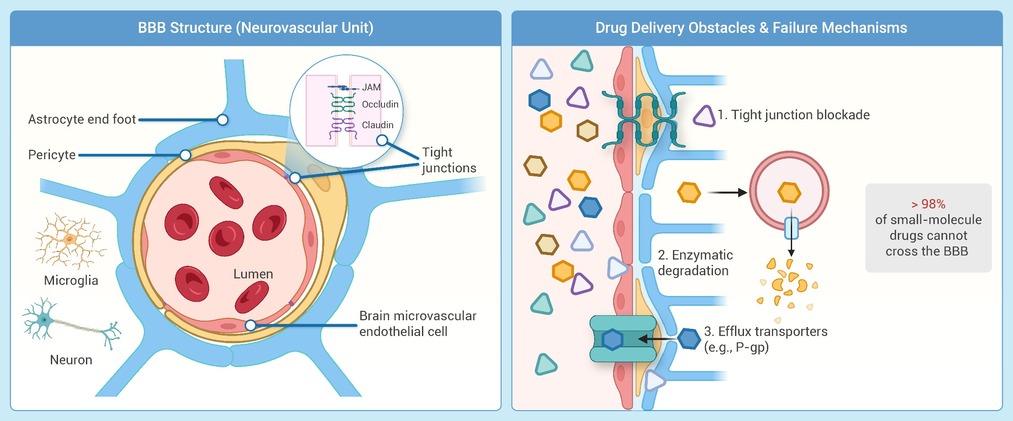
Figure 1.
The blood–brain barrier as a major obstacle in central nervous system drug delivery
-
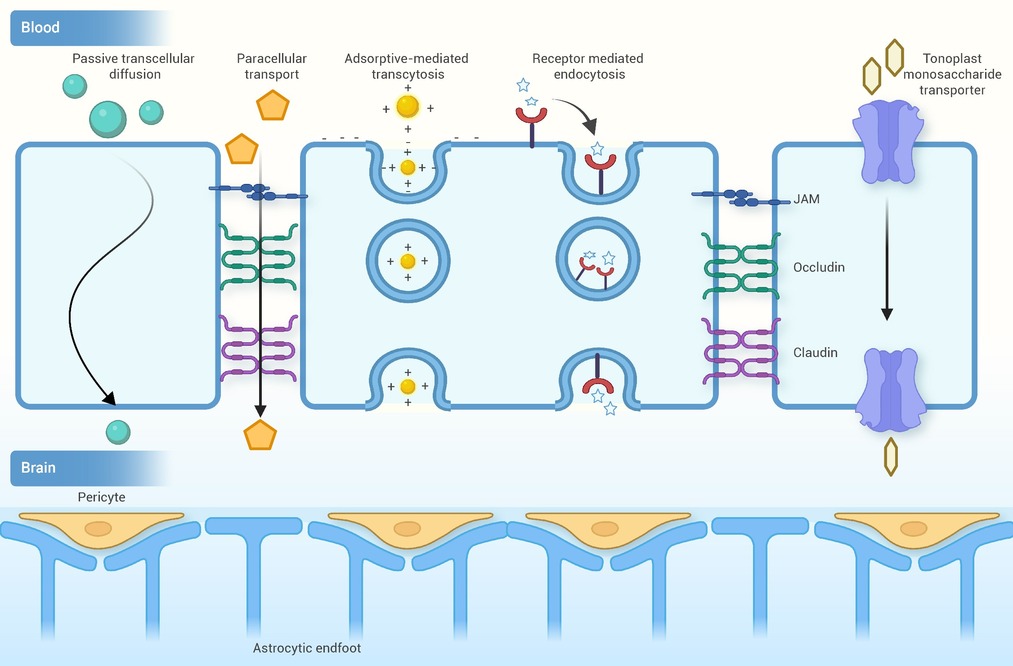
Figure 2.
Major pathways for nanocarrier drugs to cross the blood-brain barrier
-
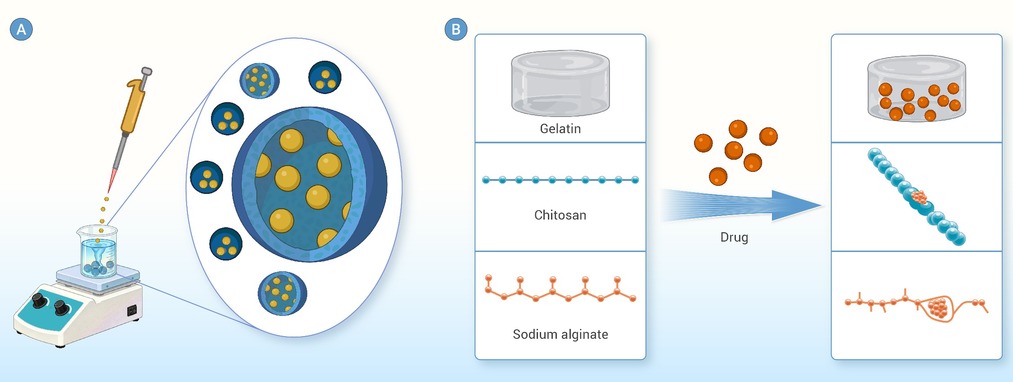
Figure 3.
Schematic illustration of drug encapsulation by synthetic (A) and natural (B) polymer nanoparticles
-
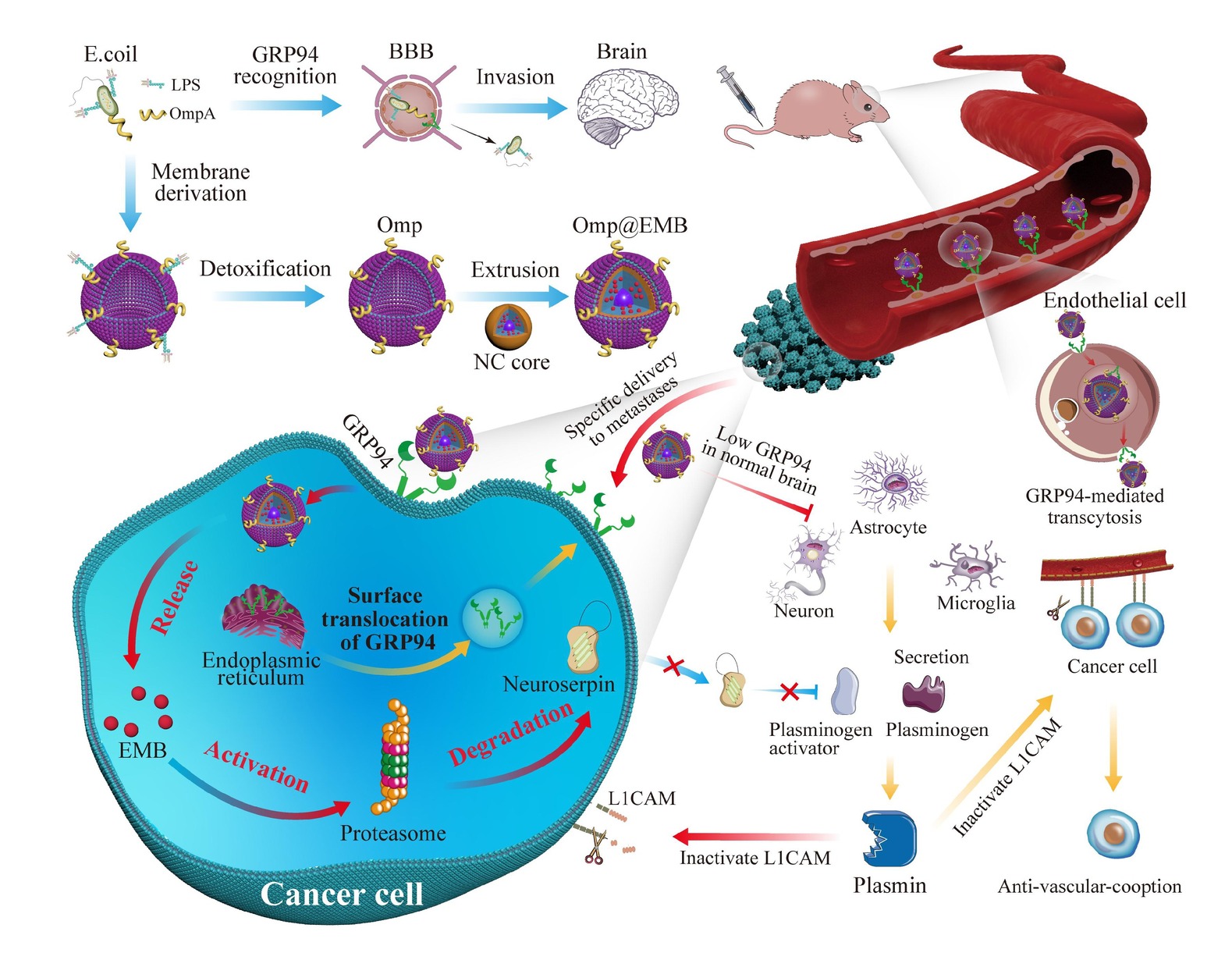
Figure 4.
Inspired by E. coli's BBB penetration via GRP94 binding, GRP94-targeting biomimetic nanocapsules were constructed
-
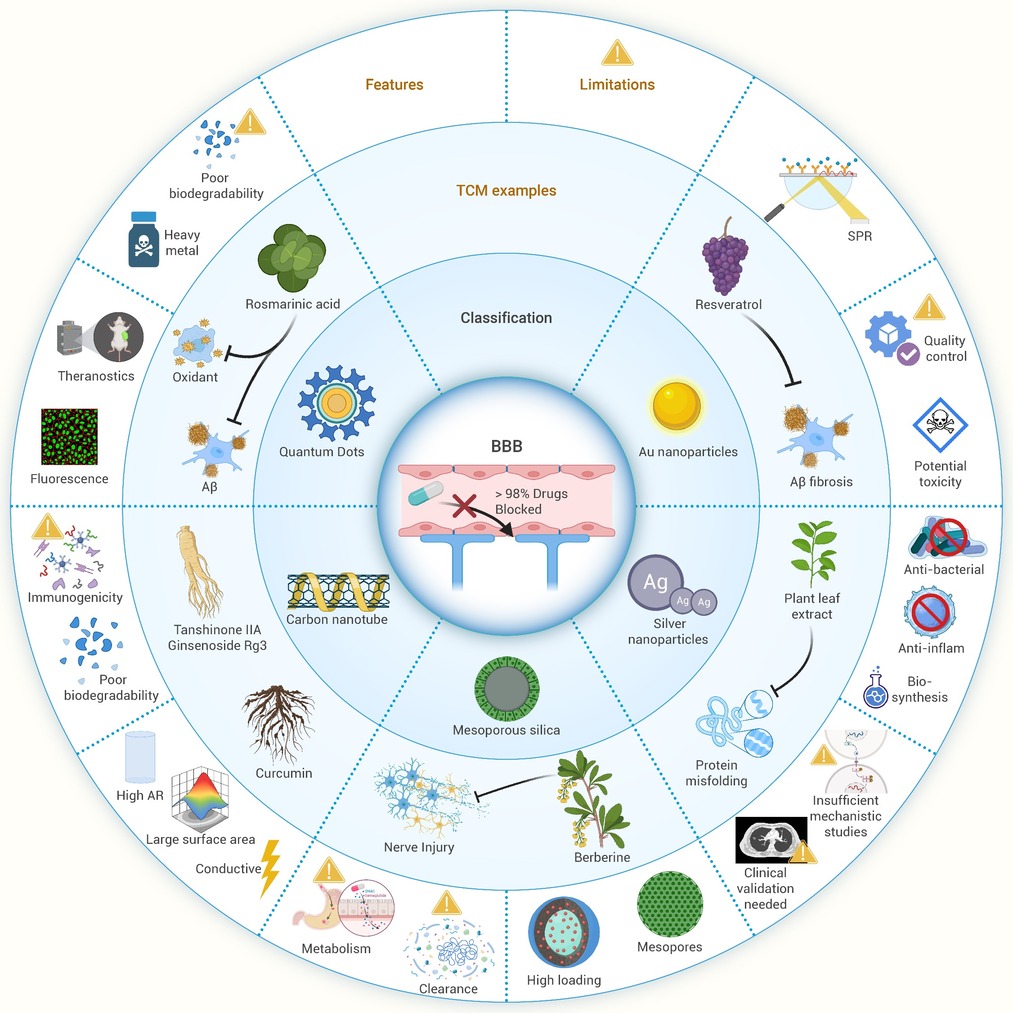
Figure 5.
Inorganic nanocarriers for brain delivery of TCM-derived active compounds: structural features and translational challenges
-
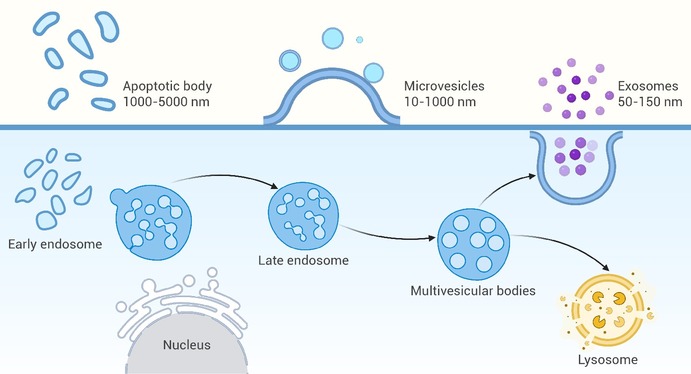
Figure 6.
The formation and release of exosomes, microvesicles and apoptotic bodies
