
From targeted delivery to precision strike: The next-generation innovative radiopharmaceuticals for cancer theranostics
-
GRAPHICAL ABSTRACT
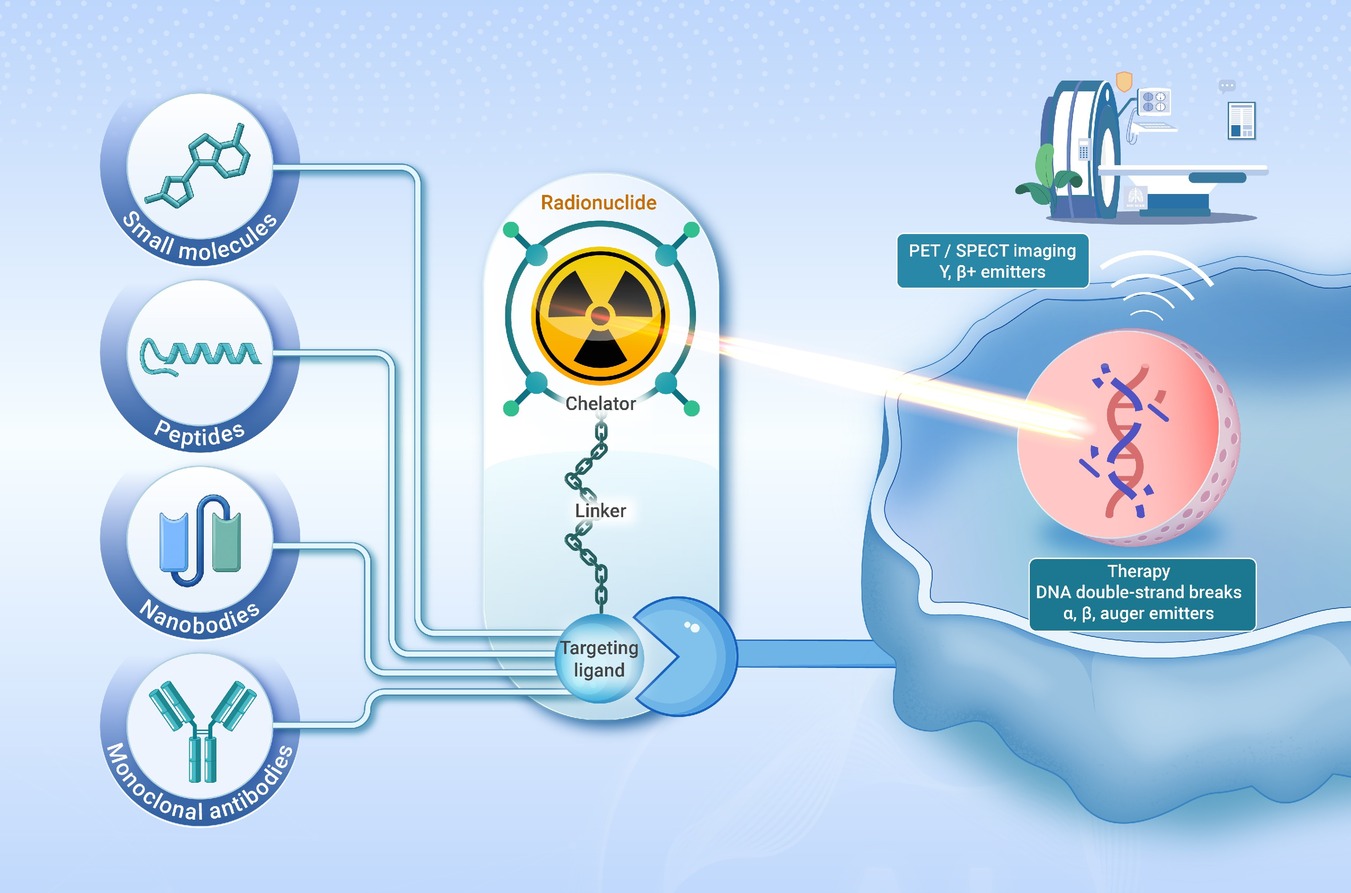
 DownLoad:
Full size image
DownLoad:
Full size image
-
PUBLIC SUMMARY
-
Radiopharmaceuticals combine tumor-targeting molecules with radiation to image and treat cancer in one step.
The field is moving from β emitters to potent, precise α emitters.
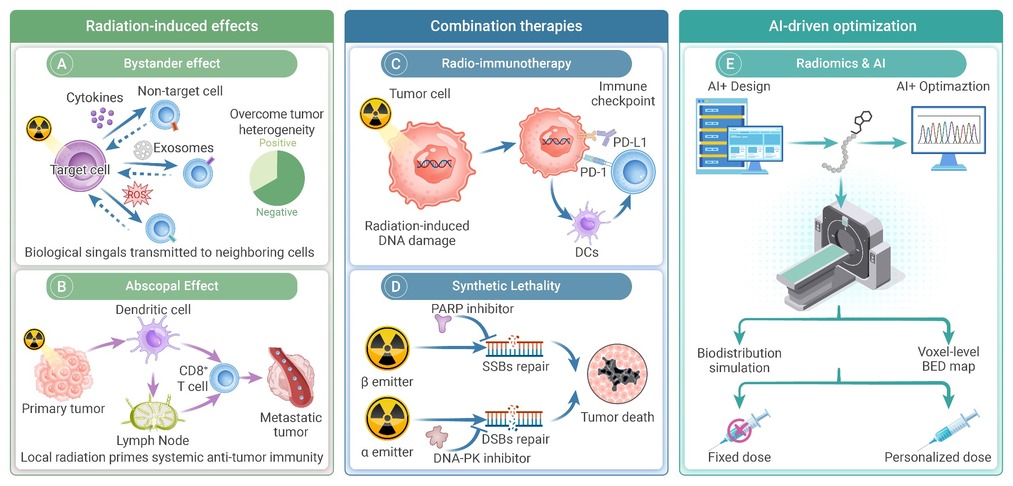
Artificial intelligence (AI) and imaging analytics enable personalized, image-guided radiation dosing.
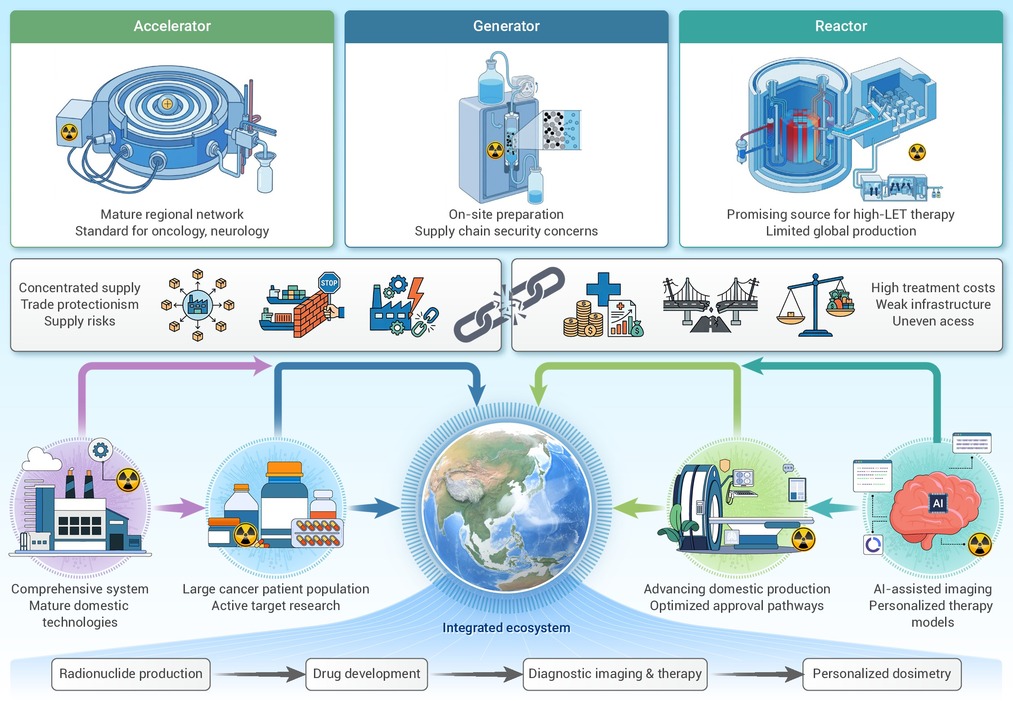
Wider access now hinges on secure isotope supply chains and coordinated regional production networks.
-
-
ABSTRACT
This review provides a comprehensive analysis of the evolution of radiopharmaceuticals, tracing their development from fundamental physical chemistry to the global industrial chain. First, the article elucidates the central role of radionuclide decay physics in diagnostic and therapeutic applications, while discussing the decisive impact of coordination chemistry and chelator selection on in vivo stability. Regarding drug design, it analyzes the evolution of targeting vehicles from rapid diffusion small molecules to long-circulating monoclonal antibodies, and the optimization of pharmacokinetics via linkers that modulate polarity. The review further surveys a diverse target landscape, exploring the biological mechanisms of bystander and abscopal effects in overcoming tumor heterogeneity. It emphasizes the critical value of artificial intelligence (AI) and radiomics in achieving personalized biological effective dose predictions. Finally, the article dissects the clinical regulatory frameworks for radiation protection, analyses the challenges of the global nuclide supply chain, and gives a comparative perspective in regional ecosystems. -

-
REFERENCES
[1] Rowe S. P. and Pomper M. G. (2022). Molecular imaging in oncology: Current impact and future directions. CA Cancer J Clin 72:333−352. DOI:10.3322/caac.21713 [2] Poty S., Francesconi L. C., McDevitt M. R., et al. (2018). α-Emitters for Radiotherapy: From Basic Radiochemistry to Clinical Studies-Part 1. J Nucl Med 59:878−884. DOI:10.2967/jnumed.116.186338 [3] Rosenbaum M. I., Clemmensen L. S., Bredt D. S., et al. (2020). Targeting receptor complexes: a new dimension in drug discovery. Nature Reviews Drug Discovery 19:884−901. DOI:10.1038/s41573-020-0086-4 [4] Bodei L., Herrmann K., Schöder H., et al. (2022). Radiotheranostics in oncology: current challenges and emerging opportunities. Nat Rev Clin Oncol 19:534−550. DOI:10.1038/s41571-022-00652-y [5] Levine R. and Krenning E. P. (2017). Clinical History of the Theranostic Radionuclide Approach to Neuroendocrine Tumors and Other Types of Cancer: Historical Review Based on an Interview of Eric P. Krenning by Rachel Levine. J Nucl Med 58:3s−9s. DOI:10.2967/jnumed.116.186502 [6] Sherman M. and Levine R. (2019). Nuclear Medicine and Wall Street: An Evolving Relationship. J Nucl Med 60:20s−24s. DOI:10.2967/jnumed.118.220798 [7] Baumann M., Krause M., Overgaard J., et al. (2016). Radiation oncology in the era of precision medicine. Nat Rev Cancer 16:234−249. DOI:10.1038/nrc.2016.18 [8] Delpassand E. S., Tworowska I., Esfandiari R., et al. (2022). Targeted α-Emitter Therapy with (212)Pb-DOTAMTATE for the Treatment of Metastatic SSTR-Expressing Neuroendocrine Tumors: First-in-Humans Dose-Escalation Clinical Trial. J Nucl Med 63:1326−1333. DOI:10.2967/jnumed.121.263230 [9] Evans M. J. (2012). Measuring oncogenic signaling pathways in cancer with PET: an emerging paradigm from studies in castration-resistant prostate cancer. Cancer Discov 2:985−994. DOI:10.1158/2159-8290.Cd-12-0178 [10] Strebhardt K. and Ullrich A. (2008). Paul Ehrlich's magic bullet concept: 100 years of progress. Nat Rev Cancer 8:473−480. DOI:10.1038/nrc2394 [11] Nelson B. J. B., Krol V., Bansal A., et al. (2024). Aspects and prospects of preclinical theranostic radiopharmaceutical development. Theranostics 14:6446−6470. DOI:10.7150/thno.100339 [12] Belabaci Z., Brignoli G., Zilli T., et al. (2025). Therapeutic outcomes of 225Ac/177Lu-PSMA combination therapy in advanced metastatic Castration-Resistant prostate cancer: A systematic review and Meta-Analysis. Eur J Nucl Med Mol Imaging 53:2881–2892. DOI:10.1007/s00259-025-07627-y [13] Wang J., Han Y., Li Y., et al. (2022). Targeting Tumor Physical Microenvironment for Improved Radiotherapy. Small Methods 6:2200570. DOI:https://doi.org/10.1002/smtd.202200570 [14] Zhang S., Wang X., Gao X., et al. (2025). Radiopharmaceuticals and their applications in medicine. Signal Transduct Target Ther 10:1. DOI:10.1038/s41392-024-02041-6 [15] Eckerman K. and Endo A. (2008). ICRP Publication 107. Nuclear decay data for dosimetric calculations. Ann ICRP 38:7−96. DOI:10.1016/j.icrp.2008.10.004 [16] Sgouros G., Bodei L., McDevitt M. R., et al. (2020). Radiopharmaceutical therapy in cancer: clinical advances and challenges. Nat Rev Drug Discov 19:589−608. DOI:10.1038/s41573-020-0073-9 [17] Yang H., Wilson J. J., Orvig C., et al. (2022). Harnessing α-Emitting Radionuclides for Therapy: Radiolabeling Method Review. J Nucl Med 63:5−13. DOI:10.2967/jnumed.121.262687 [18] Bolcaen J., Gizawy M. A., Terry S. Y. A., et al. (2023). Marshalling the Potential of Auger Electron Radiopharmaceutical Therapy. J Nucl Med 64:1344−1351. DOI:10.2967/jnumed.122.265039 [19] Bavelaar B. M., Lee B. Q., Gill M. R., et al. (2018). Subcellular Targeting of Theranostic Radionuclides. Front Pharmacol 9:996. DOI:10.3389/fphar.2018.00996 [20] Duatti A. (2021). Review on (99m)Tc radiopharmaceuticals with emphasis on new advancements. Nucl Med Biol 92:202−216. DOI:10.1016/j.nucmedbio.2020.05.005 [21] Conti M. and Eriksson L. (2016). Physics of pure and non-pure positron emitters for PET: a review and a discussion. EJNMMI Phys 3:8. DOI:10.1186/s40658-016-0144-5 [22] Ran W., Hu K., Ye W., et al. (2025). Radiofluorination of 2-Arylquinolin-4-yl Oxypropanamide Derivatives for TSPO Imaging in Neuroinflammatory Murine, Nonhuman Primates, and Human Brain Autoradiography with Insensitivity to the rs6971 Polymorphism. J Med Chem 68:12457−12472. DOI:10.1021/acs.jmedchem.4c03129 [23] Huang H., Zuo Q., Zhang S., et al. (2025). Synthesis and Evaluation of Cyclic Peptide-Based PET Tracers Targeting ADAMTS4 for Early Detection and Monitoring of Aortic Aneurysms. J Med Chem 68:25403−25415. DOI:10.1021/acs.jmedchem.5c02380 [24] Tian H., Zuo Q., Zhang S., et al. (2025). (64)Cu-Labeled Stapled Peptide-Based Radiopharmaceuticals Targeting MDM2/MDMX for Pan-p53 Tumors. J Med Chem 68:23389−23405. DOI:10.1021/acs.jmedchem.5c02183 [25] Cheng X., Jiang S., Peng X., et al. (2025). Multicyclic Peptides Targeting PD-L1 for Radiotheranostics: From Discovery to Clinical Proof-of-Concept. J Am Chem Soc 147:35638−35654. DOI:10.1021/jacs.5c11292 [26] Morris M. J., Rowe S. P., Gorin M. A., et al. (2021). Diagnostic Performance of (18)F-DCFPyL-PET/CT in Men with Biochemically Recurrent Prostate Cancer: Results from the CONDOR Phase III, Multicenter Study. Clin Cancer Res 27:3674−3682. DOI:10.1158/1078-0432.Ccr-20-4573 [27] Jha A., Patel M., Carrasquillo J. A., et al. (2022). Choice is good at times: the emergence of [64Cu] Cu-DOTATATE–based somatostatin receptor imaging in the era of [68Ga] Ga-DOTATATE. Journal of Nuclear Medicine 63:1300. [28] Krasnovskaya O. O., Abramchuck D., Erofeev A., et al. (2023). Recent Advances in (64)Cu/(67)Cu-Based Radiopharmaceuticals. Int J Mol Sci 24:9154. DOI:10.3390/ijms24119154 [29] Stokke C., Kvassheim M. and Blakkisrud J. (2022). Radionuclides for Targeted Therapy: Physical Properties. Molecules 27:5429. DOI:10.3390/molecules27175429 [30] Sgouros G., Dewaraja Y. K., Escorcia F., et al. (2021). Tumor Response to Radiopharmaceutical Therapies: The Knowns and the Unknowns. J Nucl Med 62:12s−22s. DOI:10.2967/jnumed.121.262750 [31] Prise K. M. and O'Sullivan J. M. (2009). Radiation-induced bystander signalling in cancer therapy. Nat Rev Cancer 9:351−360. DOI:10.1038/nrc2603 [32] Gao X., Ma J., Zhang S., et al. (2026). Linker Manipulation with Beta(3)-Amino Acids Potentiates the Efficacy and Safety of PSMA Radiopharmaceuticals. Adv Healthc Mater 15:e05128. DOI:10.1002/adhm.202505128 [33] Huang H., Peng S., Zuo Q., et al. (2026). Revitalizing PI3K Inhibitors for PET/CT Imaging and Radionuclide Therapy of Multiple Cancers. J Med Chem 69:3519−3536. DOI:10.1021/acs.jmedchem.5c03583 [34] Olivier T., Powell K. and Prasad V. (2023). Lutetium-177-PSMA-617 in Metastatic Castration-resistant Prostate Cancer: Limitations of the VISION Trial. Eur Urol 84:4−6. DOI:10.1016/j.eururo.2022.08.022 [35] Sartor O., de Bono J., Chi K. N., et al. (2021). Lutetium-177-PSMA-617 for Metastatic Castration-Resistant Prostate Cancer. N Engl J Med 385:1091−1103. DOI:10.1056/NEJMoa2107322 [36] Yu Q., Khanjyan M., Fidelman N., et al. (2023). Contemporary applications of Y90 for the treatment of hepatocellular carcinoma. Hepatol Commun 7. DOI:10.1097/hc9.0000000000000288 [37] Nguyen N. C., Anigati E. M., Desai N. B., et al. (2024). Radioactive Iodine Therapy in Differentiated Thyroid Cancer: An Update on Dose Recommendations and Risk of Secondary Primary Malignancies. Semin Nucl Med 54:488−496. DOI:10.1053/j.semnuclmed.2024.05.002 [38] Raju M. R., Eisen Y., Carpenter S., et al. (1991). Radiobiology of alpha particles. III. Cell inactivation by alpha-particle traversals of the cell nucleus. Radiat Res 128:204−209 [39] Jang A., Kendi A. T., Johnson G. B., et al. (2023). Targeted Alpha-Particle Therapy: A Review of Current Trials. Int J Mol Sci 24. DOI:10.3390/ijms241411626. [40] Pedersen N. B., Straathof N. J. W., Elvas F., et al. (2026). Targeted alpha therapy (r)evolution: emerging nuclides for clinical applications. Trends Pharmacol Sci 47:263-275. DOI:10.1016/j.tips.2026.01.001 [41] Sathekge M. M., Lawal I. O., Bal C., et al. (2024). Actinium-225-PSMA radioligand therapy of metastatic castration-resistant prostate cancer (WARMTH Act): a multicentre, retrospective study. Lancet Oncol 25:175−183. DOI:10.1016/s1470-2045(23)00638-1 [42] Bidkar A. P., Zerefa L., Yadav S., et al. (2024). Actinium-225 targeted alpha particle therapy for prostate cancer. Theranostics 14:2969−2992. DOI:10.7150/thno.96403 [43] Radchenko V., Morgenstern A., Jalilian A. R., et al. (2021). Production and Supply of α-Particle–Emitting Radionuclides for Targeted α-Therapy. Journal of Nuclear Medicine 62:1495. DOI:10.2967/jnumed.120.261016 [44] Silindir-Gunay M., Karpuz M. and Ozer A. Y. (2020). Targeted Alpha Therapy and Nanocarrier Approach. Cancer Biother Radiopharm 35:446−458. DOI:10.1089/cbr.2019.3213 [45] Idrissou M. B., Pichard A., Tee B., et al. (2021). Targeted Radionuclide Therapy Using Auger Electron Emitters: The Quest for the Right Vector and the Right Radionuclide. Pharmaceutics 13. DOI:10.3390/pharmaceutics13070980 [46] Ku A., Facca V. J., Cai Z., et al. (2019). Auger electrons for cancer therapy - a review. EJNMMI Radiopharm Chem 4:27. DOI:10.1186/s41181-019-0075-2 [47] Kiess A. P., Minn I., Chen Y., et al. (2015). Auger Radiopharmaceutical Therapy Targeting Prostate-Specific Membrane Antigen. J Nucl Med 56:1401−1407. DOI:10.2967/jnumed.115.155929 [48] Li L., Quang T. S., Gracely E. J., et al. (2010). A Phase II study of anti-epidermal growth factor receptor radioimmunotherapy in the treatment of glioblastoma multiforme. J Neurosurg 113:192−198. DOI:10.3171/2010.2.Jns091211 [49] Emrich J. G., Brady L. W., Quang T. S., et al. (2002). Radioiodinated (I-125) monoclonal antibody 425 in the treatment of high grade glioma patients: ten-year synopsis of a novel treatment. Am J Clin Oncol 25:541−546. DOI:10.1097/00000421-200212000-00001 [50] Mariani G., Cei A., Collecchi P., et al. (1993). Tumor targeting in vivo and metabolic fate of 5-[iodine-125]iodo-2'-deoxyuridine following intratumoral injection in patients with colorectal cancer. J Nucl Med 34:1175−1183 [51] Obata H., Tsuji A. B., Feng Y., et al. (2026). (191)Pt-labeled trithiol-Hoechst-PSMA: preliminary evaluation of conjugates designed for delivery to genomic DNA of PSMA-positive cancers. EJNMMI Radiopharm Chem 11:10. DOI:10.1186/s41181-025-00420-0 [52] Klunk W. E., Engler H., Nordberg A., et al. (2004). Imaging brain amyloid in Alzheimer's disease with Pittsburgh Compound-B. Ann Neurol 55:306−319. DOI:10.1002/ana.20009 [53] Tamaki N., Senda M., Yonekura Y., et al. (1985). Dynamic positron computed tomography of the heart with a high sensitivity positron camera and nitrogen-13 ammonia. J Nucl Med 26:567−575 [54] Raichle M. E., Martin W. R., Herscovitch P., et al. (1983). Brain blood flow measured with intravenous H2(15)O. II. Implementation and validation. J Nucl Med 24:790−798 [55] Fletcher J. W., Djulbegovic B., Soares H. P., et al. (2008). Recommendations on the use of 18F-FDG PET in oncology. J Nucl Med 49:480−508. DOI:10.2967/jnumed.107.047787 [56] Anderson C. J. and Ferdani R. (2009). Copper-64 radiopharmaceuticals for PET imaging of cancer: advances in preclinical and clinical research. Cancer Biother Radiopharm 24:379−393. DOI:10.1089/cbr.2009.0674 [57] Hofman M. S., Lau W. F. and Hicks R. J. (2015). Somatostatin receptor imaging with 68Ga DOTATATE PET/CT: clinical utility, normal patterns, pearls, and pitfalls in interpretation. Radiographics 35:500−516. DOI:10.1148/rg.352140164 [58] Sciagrà R., Lubberink M., Hyafil F., et al. (2021). EANM procedural guidelines for PET/CT quantitative myocardial perfusion imaging. Eur J Nucl Med Mol Imaging 48:1040−1069. DOI:10.1007/s00259-020-05046-9 [59] Dijkers E. C., Oude Munnink T. H., Kosterink J. G., et al. (2010). Biodistribution of 89Zr-trastuzumab and PET imaging of HER2-positive lesions in patients with metastatic breast cancer. Clin Pharmacol Ther 87:586−592. DOI:10.1038/clpt.2010.12 [60] Jentzen W., Freudenberg L., Eising E. G., et al. (2008). Optimized 124I PET dosimetry protocol for radioiodine therapy of differentiated thyroid cancer. J Nucl Med 49:1017−1023. DOI:10.2967/jnumed.107.047159 [61] Seabold J. E., Palestro C. J., Brown M. L., et al. (1997). Procedure guideline for gallium scintigraphy in inflammation. Society of Nuclear Medicine. J Nucl Med 38:994−997 [62] Vidal-Sicart S., Rioja M. E., Prieto A., et al. (2021). Sentinel Lymph Node Biopsy in Breast Cancer with (99m)Tc-Tilmanocept: A Multicenter Study on Real-Life Use of a Novel Tracer. J Nucl Med 62:620−627. DOI:10.2967/jnumed.120.252064 [63] Palestro C. J. (2020). Labeled Leukocyte Imaging: Dawn of an Era. J Nucl Med 61:57s−58s. DOI:10.2967/jnumed.120.249797 [64] Djang D. S., Janssen M. J., Bohnen N., et al. (2012). SNM practice guideline for dopamine transporter imaging with 123I-ioflupane SPECT 1.0. J Nucl Med 53:154–163. DOI:10.2967/jnumed.111.100784 [65] Pattillo R. A., Collier B. D., Abdel-Dayem H., et al. (1995). Phosphorus-32-chromic phosphate for ovarian cancer: I. Fractionated low-dose intraperitoneal treatments in conjunction with platinum analog chemotherapy. J Nucl Med 36:29−36. [66] Meier J. P., Zhang H. J., Freifelder R., et al. (2023). Accelerator-Based Production of Scandium Radioisotopes for Applications in Prostate Cancer: Toward Building a Pipeline for Rapid Development of Novel Theranostics. Molecules 28:6041. DOI:10.3390/molecules28166041 [67] Bailey D. L., Willowson K. P., Harris M., et al. (2023). (64)Cu Treatment Planning and (67)Cu Therapy with Radiolabeled [(64)Cu/(67)Cu]MeCOSar-Octreotate in Subjects with Unresectable Multifocal Meningioma: Initial Results for Human Imaging, Safety, Biodistribution, and Radiation Dosimetry. J Nucl Med 64:704−710. DOI:10.2967/jnumed.122.264586 [68] Garin E., Tselikas L., Guiu B., et al. (2021). Personalised versus standard dosimetry approach of selective internal radiation therapy in patients with locally advanced hepatocellular carcinoma (DOSISPHERE-01): a randomised, multicentre, open-label phase 2 trial. Lancet Gastroenterol Hepatol 6:17−29. DOI:10.1016/s2468-1253(20)30290-9 [69] Pantel A. R., Eiber M., Beyder D. D., et al. (2023). SNMMI Procedure Standard/EANM Practice Guideline for Palliative Nuclear Medicine Therapies of Bone Metastases. J Nucl Med Technol 51:176−187. DOI:10.2967/jnmt.123.265936 [70] Reinders M. T. M., van Erpecum K. J., Smits M. L. J., et al. (2022). Safety and Efficacy of (166)Ho Radioembolization in Hepatocellular Carcinoma: The HEPAR Primary Study. J Nucl Med 63:1891−1898. DOI:10.2967/jnumed.122.263823 [71] Denis-Bacelar A. M., Chittenden S. J., Dearnaley D. P., et al. (2017). Phase I/II trials of (186)Re-HEDP in metastatic castration-resistant prostate cancer: post-hoc analysis of the impact of administered activity and dosimetry on survival. Eur J Nucl Med Mol Imaging 44:620−629. DOI:10.1007/s00259-016-3543-x [72] Garin E., Palard X., Rolland Y., et al. (2023). (188)Re-SSS Lipiodol Radioembolization in HCC Patients: Results of a Phase 1 Trial (Lip-Re-01 Study). Cancers (Basel) 15:2245. DOI:10.3390/cancers15082245 [73] Watabe T., Mukai K., Naka S., et al. (2025). First-in-Human Study of [(211)At]NaAt as Targeted α-Therapy in Patients with Radioiodine-Refractory Thyroid Cancer (Alpha-T1 Trial). J Nucl Med 66:1941−1947. DOI:10.2967/jnumed.125.270810 [74] Singh S. K., Kauffman N., Lynch I. M., et al. (2025). (212)Bi-Macroaggregated Albumin Inhibited Mouse Melanoma Growth by Regulating Cell Cycle Checkpoint Markers Without Promoting Living Cell Repopulation. J Nucl Med 66:916−921. DOI:10.2967/jnumed.124.269190 [75] Kratochwil C., Giesel F. L., Bruchertseifer F., et al. (2014). 213Bi-DOTATOC receptor-targeted alpha-radionuclide therapy induces remission in neuroendocrine tumours refractory to beta radiation: a first-in-human experience. Eur J Nucl Med Mol Imaging 41:2106−2119. DOI:10.1007/s00259-014-2857-9 [76] Parker C., Nilsson S., Heinrich D., et al. (2013). Alpha emitter radium-223 and survival in metastatic prostate cancer. N Engl J Med 369:213−223. DOI:10.1056/NEJMoa1213755 [77] Abedin S. M., Guru Murthy G. S., Hamadani M., et al. (2025). Phase 1 study of lintuzumab-Ac225 combined with CLAG-M salvage therapy in relapsed/refractory acute myeloid leukemia. Leukemia 39:837−843. DOI:10.1038/s41375-025-02528-3 [78] Minchom A., Lindén O., Knapen D. G., et al. (2025). First-in-human study of a thorium-227-labeled mesothelin-targeting antibody-chelator conjugate (MSLN-TTC), in patients with malignant mesothelioma and other solid tumors. ESMO Open 10:105905. DOI:10.1016/j.esmoop.2025.105905 [79] Reissig F., Runge R., Naumann A., et al. (2022). Cisplatin - A more Efficient Drug in Combination with Radionuclides. Nuklearmedizin 61:325−332. DOI:10.1055/a-1759-1749 [80] Price E. W. and Orvig C. (2014). Matching chelators to radiometals for radiopharmaceuticals. Chem Soc Rev 43:260−290. DOI:10.1039/c3cs60304k [81] Wadas T. J., Wong E. H., Weisman G. R., et al. (2010). Coordinating radiometals of copper, gallium, indium, yttrium, and zirconium for PET and SPECT imaging of disease. Chem Rev 110:2858−2902. DOI:10.1021/cr900325h [82] Boros E., Comba P., Engle J. W., et al. (2025). Chemical Tools to Characterize the Coordination Chemistry of Radionuclides for Radiopharmaceutical Applications. Chem Rev 125:12030−12068. DOI:10.1021/acs.chemrev.5c00641 [83] Okoye N. C., Baumeister J. E., Najafi Khosroshahi F., et al. (2019). Chelators and metal complex stability for radiopharmaceutical applications. 107:1087–1120. DOI. doi:10.1515/ract-2018-3090 [84] Krutzek F., Donat C. K. and Stadlbauer S. (2024). Chelator impact: investigating the pharmacokinetic behavior of copper-64 labeled PD-L1 radioligands. EJNMMI Radiopharm Chem 9:14. DOI:10.1186/s41181-024-00243-5 [85] Ray Banerjee S., Pullambhatla M., Foss C. A., et al. (2013). Effect of Chelators on the Pharmacokinetics of 99mTc-Labeled Imaging Agents for the Prostate-Specific Membrane Antigen (PSMA). Journal of Medicinal Chemistry 56:6108−6121. DOI:10.1021/jm400823w [86] Li M., Wang S., Kong Q., et al. (2023). Advances in macrocyclic chelators for positron emission tomography imaging. VIEW 4. DOI:10.1002/VIW.20230042. [87] Ho K. V., Tatum D. S., Watkinson L., et al. (2024). Single Chelator-Minibody Theranostic Agents for (89)Zr PET Imaging and (177)Lu Radiopharmaceutical Therapy of PSMA-Expressing Prostate Cancer. J Nucl Med 65:1435−1442. DOI:10.2967/jnumed.124.267667 [88] Strosberg J., El-Haddad G., Wolin E., et al. (2017). Phase 3 Trial of (177)Lu-Dotatate for Midgut Neuroendocrine Tumors. N Engl J Med 376:125−135. DOI:10.1056/NEJMoa1607427 [89] Thiele N. A., Brown V., Kelly J. M., et al. (2017). An Eighteen-Membered Macrocyclic Ligand for Actinium-225 Targeted Alpha Therapy. Angew Chem Int Ed Engl 56:14712−14717. DOI:10.1002/anie.201709532 [90] Kadassery K. J., King A. P., Fayn S., et al. (2022). H(2)BZmacropa-NCS: A Bifunctional Chelator for Actinium-225 Targeted Alpha Therapy. Bioconjug Chem 33:1222−1231. DOI:10.1021/acs.bioconjchem.2c00190 [91] Cheveau M., Moreau M., Grohmann A., et al. (2025). Versatile Bifunctional PYTA Derivatives for (225)Ac Radiolabeling: A Comparison to Gold Standards. J Nucl Med 66:1396−1399. DOI:10.2967/jnumed.125.270234 [92] Urbanovský P., David T., Hlinová V., et al. (2025). Cross-bridged cyclam derivatives with bis(phosphinate) and phosphinate-phosphonate pendant arms (cb-BPC) as chelators for copper radioisotopes. Org Biomol Chem 23:699−720. DOI:10.1039/d4ob01473a [93] Lepareur N. (2022). Cold Kit Labeling: The Future of (68)Ga Radiopharmaceuticals. Front Med (Lausanne) 9:812050. DOI:10.3389/fmed.2022.812050 [94] Sneddon D. and Cornelissen B. (2021). Emerging chelators for nuclear imaging. Curr Opin Chem Biol 63:152−162. DOI:10.1016/j.cbpa.2021.03.001 [95] Shah S. Q. and Shirin S. (2025). Head-to-head evaluation of DFO and 3,4,3-LI(1,2-HOPO) chelators through site-specific conjugation of Anti-STEAP1 antibody V6-19-D11 for (89)Zr-immuno-PET imaging. Appl Radiat Isot 226:112168. DOI:10.1016/j.apradiso.2025.112168 [96] Chomet M., Schreurs M., Bolijn M. J., et al. (2021). Head-to-head comparison of DFO* and DFO chelators: selection of the best candidate for clinical (89)Zr-immuno-PET. Eur J Nucl Med Mol Imaging 48:694−707. DOI:10.1007/s00259-020-05002-7 [97] Hu Q., Zhao Y., Zhang S., et al. (2025). CD123-targeted radiotheranostics of Acute Myeloid Leukemia with 89Zr/177Lu-labeled pivekimab. Blood 146:5052. DOI:https://doi.org/10.1182/blood-2025-5052 [98] Salih A. K., Khozeimeh Sarbisheh E., Raheem S. J., et al. (2024). Synthesis and evaluation of bifunctional DFO2K: a modular chelator with ideal properties for zirconium-89 chelation. Dalton Trans 53:18946−18962. DOI:10.1039/d4dt01830c [99] Salih A. K., Raheem S. J., Garcia M. D., et al. (2022). Design, Synthesis, and Evaluation of DFO-Em: A Modular Chelator with Octadentate Chelation for Optimal Zirconium-89 Radiochemistry. Inorg Chem 61:20964−20976. DOI:10.1021/acs.inorgchem.2c03442 [100] Fersing C., Masurier N., Rubira L., et al. (2022). AAZTA-Derived Chelators for the Design of Innovative Radiopharmaceuticals with Theranostic Applications. Pharmaceuticals (Basel) 15:234. DOI:10.3390/ph15020234 [101] Zeglis B. M., Sevak K. K., Reiner T., et al. (2013). A pretargeted PET imaging strategy based on bioorthogonal Diels-Alder click chemistry. J Nucl Med 54:1389−1396. DOI:10.2967/jnumed.112.115840 [102] Carbo-Bague I., Randhawa P., Tosato M., et al. (2025). Synthesis and evaluation of HOPO-O(8)-Methyl-tetrazine as a bifunctional chelator for use in [(89)Zr]Zr(4+), [(161)Tb]Tb(3+) and [(227)Th]Th(4+) radioimmunoconjugates. J Inorg Biochem 274:113077. DOI:10.1016/j.jinorgbio.2025.113077 [103] McDonagh A. W., McNeil B. L., Rousseau J., et al. (2022). Development of a multi faceted platform containing a tetrazine, fluorophore and chelator: synthesis, characterization, radiolabeling, and immuno-SPECT imaging. EJNMMI Radiopharm Chem 7:12. DOI:10.1186/s41181-022-00164-1 [104] Tsuchihashi S., Nakashima K., Watanabe H., et al. (2024). Synthesis and evaluation of novel trifunctional chelating agents for pretargeting approach using albumin binder to improve tumor accumulation. Nucl Med Biol 132-133:108911. DOI:10.1016/j.nucmedbio.2024.108911 [105] Del Olmo-Garcia M. I., Prado-Wohlwend S., Bello P., et al. (2022). Peptide Receptor Radionuclide Therapy with [(177)Lu]Lu-DOTA-TATE in Patients with Advanced GEP NENS: Present and Future Directions. Cancers (Basel) 14:584. DOI:10.3390/cancers14030584 [106] Sachpekidis C. and Dimitrakopoulou-Strauss A. (2025). Long Axial Field-of-View (LAFOV) PET/CT in Prostate Cancer. Semin Nucl Med 55:67−75. DOI:10.1053/j.semnuclmed.2024.05.004 [107] Lin M., Ta R. T., Kairemo K., et al. (2021). Prostate-Specific Membrane Antigen-Targeted Radiopharmaceuticals in Diagnosis and Therapy of Prostate Cancer: Current Status and Future Perspectives. Cancer Biother Radiopharm 36:237−251. DOI:10.1089/cbr.2020.3603 [108] Capasso G., Stefanucci A. and Tolomeo A. (2024). A systematic review on the current status of PSMA-targeted imaging and radioligand therapy. Eur J Med Chem 263:115966. DOI:10.1016/j.ejmech.2023.115966 [109] Oldan J. D., Almaguel F., Voter A. F., et al. (2024). PSMA-Targeted Radiopharmaceuticals for Prostate Cancer Diagnosis and Therapy. Cancer J 30:176−184. DOI:10.1097/ppo.0000000000000718 [110] Yang S., Guo Y., Jia J., et al. (2025). Emerging role of cancer-associated fibroblasts in the premetastatic niche. Mol Cancer 24:250. DOI:10.1186/s12943-025-02461-0 [111] Mori Y., Novruzov E., Schmitt D., et al. (2024). Clinical applications of fibroblast activation protein inhibitor positron emission tomography (FAPI-PET). Npj Imaging 2:48. DOI:10.1038/s44303-024-00053-z [112] Lombardi L., Genio V. D., Albericio F., et al. (2025). Advances in Peptidomimetics for Next-Generation Therapeutics: Strategies, Modifications, and Applications. Chem Rev 125:7099−7166. DOI:10.1021/acs.chemrev.4c00989 [113] Xiao W., Jiang W., Chen Z., et al. (2025). Advance in peptide-based drug development: delivery platforms, therapeutics and vaccines. Signal Transduct Target Ther 10:74. DOI:10.1038/s41392-024-02107-5 [114] Sui H., Guo F., Liu H., et al. (2025). Safety, pharmacokinetics, and dosimetry of (177)Lu-AB-3PRGD2 in patients with advanced integrin α (v) β (3)-positive tumors: A first-in-human study. Acta Pharm Sin B 15:669−680. DOI:10.1016/j.apsb.2024.10.012 [115] Virgolini I. J., Di Santo G. and Santo G. (2026). Peptide receptor radionuclide therapy in neuroendocrine tumours: advances, combination strategies, and future directions. Eur J Nucl Med Mol Imaging 53:4335-4347. DOI:10.1007/s00259-025-07750-w [116] Del Olmo-García M. I., Prado-Wohlwend S., Bello P., et al. (2022). Peptide Receptor Radionuclide Therapy with [(177)Lu]Lu-DOTA-TATE in Patients with Advanced GEP NENS: Present and Future Directions. Cancers (Basel) 14:584. DOI:10.3390/cancers14030584 [117] Loharkar S. and Basu S. (2023). Peptide receptor radionuclide therapy in neuroendocrine neoplasms and related tumors: from fundamentals to personalization and the newer experimental approaches. Expert Review of Precision Medicine and Drug Development 8:1−32. DOI:10.1080/23808993.2023.2211090 [118] Baum R. P., Fan X., Jakobsson V., et al. (2024). Long-term Nephrotoxicity after PRRT: Myth or Reality. Theranostics 14:451−459. DOI:10.7150/thno.92487 [119] Singh S., Halperin D., Myrehaug S., et al. (2024). [(177)Lu]Lu-DOTA-TATE plus long-acting octreotide versus high-dose long-acting octreotide for the treatment of newly diagnosed, advanced grade 2-3, well-differentiated, gastroenteropancreatic neuroendocrine tumours (NETTER-2): an open-label, randomised, phase 3 study. Lancet 403:2807−2817. DOI:10.1016/S0140-6736(24)00701-3 [120] Strosberg J. R., Caplin M. E., Kunz P. L., et al. (2021). (177)Lu-Dotatate plus long-acting octreotide versus high-dose long-acting octreotide in patients with midgut neuroendocrine tumours (NETTER-1): final overall survival and long-term safety results from an open-label, randomised, controlled, phase 3 trial. Lancet Oncol 22:1752−1763. DOI:10.1016/S1470-2045(21)00572-6 [121] Boss M., Eriksson O., Mikkola K., et al. (2024). Improved Localization of Insulinomas Using (68)Ga-NODAGA-Exendin-4 PET/CT. J Nucl Med 65:1959−1964. DOI:10.2967/jnumed.124.268158 [122] Hamers-Casterman C., Atarhouch T., Muyldermans S., et al. (1993). Naturally occurring antibodies devoid of light chains. Nature 363:446−448. DOI:10.1038/363446a0 [123] Muyldermans S., Atarhouch T., Saldanha J., et al. (1994). Sequence and structure of VH domain from naturally occurring camel heavy chain immunoglobulins lacking light chains. Protein Eng 7:1129−1135. DOI:10.1093/protein/7.9.1129 [124] Liu B., Liu H., Han P., et al. (2024). Enhanced potency of an IgM-like nanobody targeting conserved epitope in SARS-CoV-2 spike N-terminal domain. Signal Transduction and Targeted Therapy 9. DOI:10.1038/s41392-024-01847-8 [125] Rahbarizadeh F., Ahmadvand D. and Sharifzadeh Z. (2011). Nanobody; an old concept and new vehicle for immunotargeting. Immunol Invest 40:299−338. DOI:10.3109/08820139.2010.542228 [126] Alexander E. and Leong K. W. (2024). Discovery of nanobodies: a comprehensive review of their applications and potential over the past five years. J Nanobiotechnology 22:661. DOI:10.1186/s12951-024-02900-y [127] Blank L., Pander G., Muhlberg E., et al. (2025). Exploiting the unique properties of nanobodies: enhancing therapeutics, drug delivery, and targeted diagnostics. Drug Discov Today 30:104524. DOI:10.1016/j.drudis.2025.104524 [128] Blueggel M., Gul D., Stauber R. H., et al. (2025). Small but mighty: the versatility of nanobodies in modern medicine. Nanoscale Horiz 10:2158−2171. DOI:10.1039/d5nh00283d [129] Emami A., Tavassoli Razavi F., Salari N., et al. (2025). Nanobody-based immunotoxins: A precision tool in the treatment of solid tumors. International Immunopharmacology 158:114801. DOI:10.1016/j.intimp.2025.114801 [130] Hou J., Du K., Li J., et al. (2025). Research trends in the use of nanobodies for cancer therapy. J Control Release 381:113454. DOI:10.1016/j.jconrel.2025.01.045 [131] Maali A., Gholizadeh M., Feghhi-Najafabadi S., et al. (2023). Nanobodies in cell-mediated immunotherapy: On the road to fight cancer. Frontiers in Immunology 14:1012841. DOI:10.3389/fimmu.2023.1012841 [132] Zheng F., Pang Y., Li L., et al. (2022). Applications of nanobodies in brain diseases. Front Immunol 13:978513. DOI:10.3389/fimmu.2022.978513 [133] Huang B., Yin T., Fu S., et al. (2024). Inflammation-oriented montmorillonite adjuvant enhanced oral delivery of anti-TNF-α nanobody against inflammatory bowel disease. Proc Natl Acad Sci U S A 121:e2320482121. DOI:10.1073/pnas.2320482121 [134] Jiao R., Lin X., Zhang Q., et al. (2024). Anti-tumor immune potentiation targets-engineered nanobiotechnologies: Design principles and applications. Progress in Materials Science 142:101230. DOI:10.1016/j.pmatsci.2023.101230 [135] Jumapili N. A., Zivalj M., Barthelmess R. M., et al. (2023). A few good reasons to use nanobodies for cancer treatment. European Journal of Immunology 53:e2250024. DOI:10.1002/eji.202250024 [136] Yin N., Li X., Zhang X., et al. (2024). Development of pharmacological immunoregulatory anti-cancer therapeutics: current mechanistic studies and clinical opportunities. Signal Transduction and Targeted Therapy 9:126. DOI:10.1038/s41392-024-01826-z. [137] Maksymova L., Pilger Y. A., Nuhn L., et al. (2025). Nanobodies targeting the tumor microenvironment and their formulation as nanomedicines. Mol Cancer 24:65. DOI:10.1186/s12943-025-02270-5 [138] Madsen A. V., Kristensen P. and Goletz S. (2024). IgG-VHH bispecific fusion antibodies: challenges and opportunities as therapeutic agents. Expert Opin Biol Ther 24:203−206. DOI:10.1080/14712598.2024.2336068 [139] Chi H., Wang L., Liu C., et al. (2022). An Engineered IgG–VHH Bispecific Antibody against SARS‐CoV‐2 and Its Variants (Small Methods 12/2022). Small Methods 6:e2200932. DOI:10.1002/smtd.202270068 [140] Heaps W. P., Packard A. E., McCammon K. M., et al. (2026). Molecular Survival Strategies Against Kidney Filtration: Implications for Therapeutic Protein Engineering. Biophysica 6:4. DOI:10.3390/biophysica6010004 [141] Li Q., Kong Y., Zhong Y., et al. (2024). Half-life extension of single-domain antibody-drug conjugates by albumin binding moiety enhances antitumor efficacy. MedComm (2020) 5:e557. DOI:10.1002/mco2.557 [142] Liu X., Le Gall C., Alexander R. K., et al. (2025). Nanobody-based bispecific antibody engagers targeting CTLA-4 or PD-L1 for cancer immunotherapy. Nature Biomedical Engineering 10:39−55. DOI:10.1038/s41551-025-01447-z [143] Pathivada K. and Glassman P. M. (2025). Half-life extension of therapeutics: Applications and mechanisms. The Journal of Pharmacology and Experimental Therapeutics 392:103724. DOI:10.1016/j.jpet.2025.103724 [144] Yin C., Liu T., Yu D., et al. (2026). Engineering and translational evaluation of A Novel Albumin-binding variable domain of heavy chain-only antibody for half-life extension. Journal of Drug Delivery Science and Technology 117:108044. DOI:10.1016/j.jddst.2026.108044 [145] Zeng J., Fang Y., Zhang Z., et al. (2024). Antitumor activity of Z15-0-2, a bispecific nanobody targeting PD-1 and CTLA-4. Oncogene 43:2244−2252. DOI:10.1038/s41388-024-03066-5 [146] Yang X.-m., Lin X.-d., Shi W., et al. (2023). Nanobody-based bispecific T-cell engager (Nb-BiTE): a new platform for enhanced T-cell immunotherapy. Signal Transduction and Targeted Therapy 8:328. DOI:10.1038/s41392-023-01523-3 [147] Burt R., Warcel D. and Fielding A. K. (2019). Blinatumomab, a bispecific B-cell and T-cell engaging antibody, in the treatment of B-cell malignancies. Hum Vaccin Immunother 15:594−602. DOI:10.1080/21645515.2018.1540828 [148] Fu Z., Li S., Han S., et al. (2022). Antibody drug conjugate: the "biological missile" for targeted cancer therapy. Signal Transduct Target Ther 7:93. DOI:10.1038/s41392-022-00947-7 [149] Foss S., Sakya S. A., Aguinagalde L., et al. (2024). Human IgG Fc-engineering for enhanced plasma half-life, mucosal distribution and killing of cancer cells and bacteria. Nat Commun 15:2007. DOI:10.1038/s41467-024-46321-9 [150] Lu R. M., Chiang H. L., Yuan J. P., et al. (2025). Technological advancements in antibody-based therapeutics for treatment of diseases. J Biomed Sci 32:98. DOI:10.1186/s12929-025-01190-2 [151] Wohner M. and Nimmerjahn F. (2025). Cytotoxic IgG: Mechanisms, functions, and applications. Immunity 58:1378−1395. DOI:10.1016/j.immuni.2025.05.008 [152] Ghemrawi R., Abuamer L., Kremesh S., et al. (2024). Revolutionizing Cancer Treatment: Recent Advances in Immunotherapy. Biomedicines 12:2158. DOI:10.3390/biomedicines12092158 [153] Paul S., Konig M. F., Pardoll D. M., et al. (2024). Cancer therapy with antibodies. Nature Reviews Cancer 24:399−426. DOI:10.1038/s41568-024-00690-x [154] Abdeldaim D. T. and Schindowski K. (2023). Fc-Engineered Therapeutic Antibodies: Recent Advances and Future Directions. Pharmaceutics 15:2402. DOI:10.3390/pharmaceutics15102402 [155] Asmani A. Z. A., Zainuddin A. F. F., Azmi Murad N. A., et al. (2024). Immunogenicity of monoclonal antibody: Causes, consequences, and control strategies. Pathol Res Pract 263:155627. DOI:10.1016/j.prp.2024.155627 [156] Toledo-Stuardo K., Ribeiro C. H., Gonzalez-Herrera F., et al. (2024). Therapeutic antibodies in oncology: an immunopharmacological overview. Cancer Immunol Immunother 73:242. DOI:10.1007/s00262-024-03814-2 [157] Wang L., Wang Y., Li Y., et al. (2024). Resistance mechanisms and prospects of trastuzumab. Frontiers in Oncology 14:1389390. DOI:10.3389/fonc.2024.1389390. [158] Li Z., Krippendorff B. F., Sharma S., et al. (2016). Influence of molecular size on tissue distribution of antibody fragments. MAbs 8:113−119. DOI:10.1080/19420862.2015.1111497 [159] Huang Y., Guo S., Lin Y., et al. (2023). LincRNA01703 Facilitates CD81(+) Exosome Secretion to Inhibit Lung Adenocarcinoma Metastasis via the Rab27a/SYTL1/CD81 Complex. Cancers (Basel) 15:5781. DOI:10.3390/cancers15245781 [160] Schulte G., Scharf M. M., Bous J., et al. (2024). Frizzleds act as dynamic pharmacological entities. Trends Pharmacol Sci 45:419−429. DOI:10.1016/j.tips.2024.03.003 [161] Edupuganti V., Escorcia F. E. and Schnermann M. J. (2025). Through every lens: assessing the impact of chemical modifications on antibody-conjugates using in vivo imaging. Npj Imaging 3:56. DOI:10.1038/s44303-025-00109-8 [162] Geis N. M., Braunwarth Y., Meyer P. T., et al. (2026). Optimizing PSMA-617-based inhibitors through charged linker modifications: Insights into structure-activity relationships. Theranostics 16:2798−2810. DOI:10.7150/thno.118972 [163] Olaniran Hakansson E., Zelepukin I. V., Obeid K., et al. (2025). A preclinical study on the influence of linkers in [(68)Ga]Ga-NOTA-X-RM26 radiotracers for PET imaging of GRPR expression. EJNMMI Res 15:104. DOI:10.1186/s13550-025-01301-y [164] Bauer D., Cornejo M. A., Hoang T. T., et al. (2023). Click Chemistry and Radiochemistry: An Update. Bioconjug Chem 34:1925−1950. DOI:10.1021/acs.bioconjchem.3c00286 [165] Baum R. P., Singh A., Schuchardt C., et al. (2018). (177)Lu-3BP-227 for Neurotensin Receptor 1-Targeted Therapy of Metastatic Pancreatic Adenocarcinoma: First Clinical Results. J Nucl Med 59:809−814. DOI:10.2967/jnumed.117.193847 [166] Lang L., Li W., Guo N., et al. (2011). Comparison study of [18F]FAl-NOTA-PRGD2, [18F]FPPRGD2, and [68Ga]Ga-NOTA-PRGD2 for PET imaging of U87MG tumors in mice. Bioconjug Chem 22:2415−2422. DOI:10.1021/bc200197h [167] Zhou Z., Meshaw R., Zalutsky M. R., et al. (2021). Site-Specific and Residualizing Linker for (18)F Labeling with Enhanced Renal Clearance: Application to an Anti-HER2 Single-Domain Antibody Fragment. J Nucl Med 62:1624−1630. DOI:10.2967/jnumed.120.261446 [168] Schindler L., Moosbauer J., Schmidt D., et al. (2022). Development of a Neurotensin-Derived (68)Ga-Labeled PET Ligand with High In Vivo Stability for Imaging of NTS(1) Receptor-Expressing Tumors. Cancers (Basel) 14:4922. DOI:10.3390/cancers14194922. [169] Keam S. J. (2022). Lutetium Lu 177 Vipivotide Tetraxetan: First Approval. Mol Diagn Ther 26:467−475. DOI:10.1007/s40291-022-00594-2 [170] Shabsigh M. and Solomon L. A. (2024). Peptide PET Imaging: A Review of Recent Developments and a Look at the Future of Radiometal-Labeled Peptides in Medicine. Chem Biomed Imaging 2:615−630. DOI:10.1021/cbmi.4c00030 [171] Ertl F. J., Friedel A., Schmid E. J., et al. (2025). High-Affinity and Proteolytically Stable Peptidic Fluorescent NTS(1)R Ligands. J Med Chem 68:19482−19502. DOI:10.1021/acs.jmedchem.5c01701 [172] Zhang J., Wang H., Jacobson O., et al. (2018). Safety, Pharmacokinetics, and Dosimetry of a Long-Acting Radiolabeled Somatostatin Analog (177)Lu-DOTA-EB-TATE in Patients with Advanced Metastatic Neuroendocrine Tumors. J Nucl Med 59:1699−1705. DOI:10.2967/jnumed.118.209841 [173] Kramer V., Fernandez R., Lehnert W., et al. (2021). Biodistribution and dosimetry of a single dose of albumin-binding ligand [(177)Lu]Lu-PSMA-ALB-56 in patients with mCRPC. Eur J Nucl Med Mol Imaging 48:893−903. DOI:10.1007/s00259-020-05022-3 [174] Thakur S., Daley B., Millo C., et al. (2021). (177)Lu-DOTA-EB-TATE, a Radiolabeled Analogue of Somatostatin Receptor Type 2, for the Imaging and Treatment of Thyroid Cancer. Clin Cancer Res 27:1399−1409. DOI:10.1158/1078-0432.CCR-20-3453 [175] Wen X., Xu P., Zeng X., et al. (2023). Development of [(177)Lu]Lu-LNC1003 for radioligand therapy of prostate cancer with a moderate level of PSMA expression. Eur J Nucl Med Mol Imaging 50:2846−2860. DOI:10.1007/s00259-023-06229-w [176] Ritt P., Fernandez R., Soza-Ried C., et al. (2025). Biodistribution and dosimetry of [(177)Lu]Lu-SibuDAB in patients with metastatic castration-resistant prostate cancer. Eur J Nucl Med Mol Imaging 52:2431−2443. DOI:10.1007/s00259-025-07102-8 [177] Liao A., Du W. and Yang H. (2023). The Inverse Electron Demand Diels‐Alder Reaction Between Tetrazine and Trans‐Cyclooctene for Pretargeted Bioimaging Applications. Analysis & Sensing 4:e202300053. DOI:10.1002/anse.202300053. [178] Lundmark F., Olanders G., Rinne S. S., et al. (2022). Design, Synthesis, and Evaluation of Linker-Optimised PSMA-Targeting Radioligands. Pharmaceutics 14:1098. DOI:10.3390/pharmaceutics14051098 [179] Schurrle S. B., Eberlein U., Ansquer C., et al. (2024). Dosimetry and pharmacokinetics of [(177)Lu]Lu-satoreotide tetraxetan in patients with progressive neuroendocrine tumours. Eur J Nucl Med Mol Imaging 51:2428−2441. DOI:10.1007/s00259-024-06682-1 [180] Jin Z. H., Degardin M., Furukawa T., et al. (2025). Evaluation of the Gly-Phe-Lys Linker to Reduce the Renal Radioactivity of a [(64)Cu]Cu-Labeled Multimeric cRGD Peptide. ACS Omega 10:4102−4120. DOI:10.1021/acsomega.4c10621 [181] Klauser P. C., Chopra S., Cao L., et al. (2023). Covalent Proteins as Targeted Radionuclide Therapies Enhance Antitumor Effects. ACS Cent Sci 9:1241−1251. DOI:10.1021/acscentsci.3c00288 [182] Boike L., Henning N. J. and Nomura D. K. (2022). Advances in covalent drug discovery. Nat Rev Drug Discov 21:881−898. DOI:10.1038/s41573-022-00542-z [183] Tamura T., Kawano M. and Hamachi I. (2025). Targeted Covalent Modification Strategies for Drugging the Undruggable Targets. Chem Rev 125:1191−1253. DOI:10.1021/acs.chemrev.4c00745 [184] Cheal S. M., Chung S. K., Vaughn B. A., et al. (2022). Pretargeting: A Path Forward for Radioimmunotherapy. J Nucl Med 63:1302−1315. DOI:10.2967/jnumed.121.262186 [185] Poty S., Ordas L., Dekempeneer Y., et al. (2024). Optimizing the Therapeutic Index of sdAb-Based Radiopharmaceuticals Using Pretargeting. J Nucl Med 65:1564−1570. DOI:10.2967/jnumed.124.267624 [186] Scinto S. L., Bilodeau D. A., Hincapie R., et al. (2021). Bioorthogonal chemistry. Nature Reviews Methods Primers 1:30. DOI:10.1038/s43586-021-00028-z [187] Civelek A. C. (2026). PSMA-Based Radiopharmaceuticals in Prostate Cancer Theranostics: Imaging, Clinical Advances, and Future Directions. Cancers (Basel) 18:234. DOI:10.3390/cancers18020234 [188] Park S., Parihar A. S., Bodei L., et al. (2021). Somatostatin Receptor Imaging and Theranostics: Current Practice and Future Prospects. J Nucl Med 62:1323−1329. DOI:10.2967/jnumed.120.251512 [189] Dai D., Gao X., Zhang S., et al. (2026). First-in-human evaluation of four novel PSMA-targeted PET radiotracers with non-canonical amino acid linkage: A comparative study. Pharmacol Res 225:108138. DOI:10.1016/j.phrs.2026.108138 [190] Song H., Iagaru A. and Rowe S. P. (2022). (18)F-DCFPyL PET Acquisition, Interpretation, and Reporting: Suggestions After Food and Drug Administration Approval. J Nucl Med 63:855−859. DOI:10.2967/jnumed.121.262989 [191] Carlucci G., Ippisch R., Slavik R., et al. (2021). (68)Ga-PSMA-11 NDA Approval: A Novel and Successful Academic Partnership. J Nucl Med 62:149−155. DOI:10.2967/jnumed.120.260455 [192] Hyväkkä A., Virtanen V., Kemppainen J., et al. (2021). More Than Meets the Eye: Scientific Rationale behind Molecular Imaging and Therapeutic Targeting of Prostate-Specific Membrane Antigen (PSMA) in Metastatic Prostate Cancer and Beyond. Cancers (Basel) 13:2244. DOI:10.3390/cancers13092244 [193] Maes J., Gesquière S., De Spiegeleer A., et al. (2024). Prostate-Specific Membrane Antigen Biology and Pathophysiology in Prostate Carcinoma, an Update: Potential Implications for Targeted Imaging and Therapy. Int J Mol Sci 25:9755. DOI:10.3390/ijms25179755 [194] Tran H. H., Yamaguchi A. and Manning H. C. (2025). Radiotheranostic landscape: A review of clinical and preclinical development. Eur J Nucl Med Mol Imaging 52:2685−2709. DOI:10.1007/s00259-025-07103-7 [195] Peng S., Zhan Y., Zhang D., et al. (2023). Structures of human gastrin-releasing peptide receptors bound to antagonist and agonist for cancer and itch therapy. Proc Natl Acad Sci U S A 120:e2216230120. DOI:10.1073/pnas.2216230120 [196] Jensen R. T., Battey J. F., Spindel E. R., et al. (2008). International Union of Pharmacology. LXVIII. Mammalian bombesin receptors: nomenclature, distribution, pharmacology, signaling, and functions in normal and disease states. Pharmacol Rev 60:1−42. DOI:10.1124/pr.107.07108 [197] Reubi J. C., Wenger S., Schmuckli-Maurer J., et al. (2002). Bombesin receptor subtypes in human cancers: detection with the universal radioligand (125)I-[D-TYR(6), beta-ALA(11), PHE(13), NLE(14)] bombesin(6-14). Clin Cancer Res 8:1139−1146 [198] Markwalder R. and Reubi J. C. (1999). Gastrin-releasing peptide receptors in the human prostate: relation to neoplastic transformation. Cancer Res 59:1152−1159. [199] Beer M., Montani M., Gerhardt J., et al. (2012). Profiling gastrin-releasing peptide receptor in prostate tissues: clinical implications and molecular correlates. Prostate 72:318−325. DOI:10.1002/pros.21434 [200] Morgat C., Duan H., Dalm S., et al. (2025). A Vision for Gastrin-Releasing Peptide Receptor Targeting for Imaging and Therapy: Perspective from Academia and Industry. J Nucl Med 66:1160−1167. DOI:10.2967/jnumed.124.269444 [201] Zhang J., Tian Y., Li D., et al. (2019). (68)Ga-NOTA-Aca-BBN(7-14) PET imaging of GRPR in children with optic pathway glioma. Eur J Nucl Med Mol Imaging 46:2152−2162. DOI:10.1007/s00259-019-04392-7 [202] Ananias H. J., Yu Z., Hoving H. D., et al. (2013). Application of (99m)Technetium-HYNIC(tricine/TPPTS)-Aca-Bombesin(7-14) SPECT/CT in prostate cancer patients: a first-in-man study. Nucl Med Biol 40:933−938. DOI:10.1016/j.nucmedbio.2013.05.009 [203] Mansi R., Wang X., Forrer F., et al. (2011). Development of a potent DOTA-conjugated bombesin antagonist for targeting GRPr-positive tumours. Eur J Nucl Med Mol Imaging 38:97−107. DOI:10.1007/s00259-010-1596-9 [204] Günther T., Deiser S., Felber V., et al. (2022). Substitution of l-Tryptophan by α-Methyl-l-Tryptophan in (177)Lu-RM2 Results in (177)Lu-AMTG, a High-Affinity Gastrin-Releasing Peptide Receptor Ligand with Improved In Vivo Stability. J Nucl Med 63:1364−1370. DOI:10.2967/jnumed.121.263323 [205] Holzleitner N., Cwojdzinski T., Beck R., et al. (2024). Preclinical Evaluation of Gastrin-Releasing Peptide Receptor Antagonists Labeled with (161)Tb and (177)Lu: A Comparative Study. J Nucl Med 65:481−484. DOI:10.2967/jnumed.123.266233 [206] Nock B. A., Kaloudi A., Lymperis E., et al. (2017). Theranostic Perspectives in Prostate Cancer with the Gastrin-Releasing Peptide Receptor Antagonist NeoBOMB1: Preclinical and First Clinical Results. J Nucl Med 58:75−80. DOI:10.2967/jnumed.116.178889 [207] Gruber L., Jiménez-Franco L. D., Decristoforo C., et al. (2020). MITIGATE-NeoBOMB1, a Phase I/IIa Study to Evaluate Safety, Pharmacokinetics, and Preliminary Imaging of (68)Ga-NeoBOMB1, a Gastrin-Releasing Peptide Receptor Antagonist, in GIST Patients. J Nucl Med 61:1749−1755. DOI:10.2967/jnumed.119.238808 [208] Giorgiutti S., Rottura J., Korganow A. S., et al. (2024). CXCR4: from B-cell development to B cell-mediated diseases. Life Sci Alliance 7:e202302465. DOI:10.26508/lsa.202302465 [209] Balkwill F. (2004). Cancer and the chemokine network. Nat Rev Cancer 4:540−550. DOI:10.1038/nrc1388 [210] Buck A. K., Serfling S. E., Lindner T., et al. (2022). CXCR4-targeted theranostics in oncology. Eur J Nucl Med Mol Imaging 49:4133−4144. DOI:10.1007/s00259-022-05849-y [211] Dreher N., Hahner S., Fuß C. T., et al. (2024). CXCR4-directed PET/CT with [(68) Ga]Ga-pentixafor in solid tumors-a comprehensive analysis of imaging findings and comparison with histopathology. Eur J Nucl Med Mol Imaging 51:1383−1394. DOI:10.1007/s00259-023-06547-z [212] Chatterjee S., Behnam Azad B. and Nimmagadda S. (2014). The intricate role of CXCR4 in cancer. Adv Cancer Res 124:31−82. DOI:10.1016/b978-0-12-411638-2.00002-1 [213] Liu N., Wan Q., Cheng Z., et al. (2019). Radionuclide-Labeled Peptides for Imaging and Treatment of CXCR4- Overexpressing Malignant Tumors. Curr Top Med Chem 19:17−32. DOI:10.2174/1568026619666190201094952 [214] Domanska U. M., Kruizinga R. C., Nagengast W. B., et al. (2013). A review on CXCR4/CXCL12 axis in oncology: no place to hide. Eur J Cancer 49:219−230. DOI:10.1016/j.ejca.2012.05.005 [215] Gourni E., Demmer O., Schottelius M., et al. (2011). PET of CXCR4 expression by a (68)Ga-labeled highly specific targeted contrast agent. J Nucl Med 52:1803−1810. DOI:10.2967/jnumed.111.098798 [216] Philipp-Abbrederis K., Herrmann K., Knop S., et al. (2015). In vivo molecular imaging of chemokine receptor CXCR4 expression in patients with advanced multiple myeloma. EMBO Mol Med 7:477−487. DOI:10.15252/emmm.201404698 [217] Konrad M., Rinscheid A., Wienand G., et al. (2023). [(99m)Tc]Tc-PentixaTec: development, extensive pre-clinical evaluation, and first human experience. Eur J Nucl Med Mol Imaging 50:3937−3948. DOI:10.1007/s00259-023-06395-x [218] Lapa C., Knop S., Schirbel A., et al. (2015). First in man experience of CXCR4-directed endoradiotherapy with 177Lu- and 90Y-labelled Pentixather in multiple myeloma patients. J Nucl Med 56:14−14 [219] Singh P., Toom S. and Huang Y. (2017). Anti-claudin 18.2 antibody as new targeted therapy for advanced gastric cancer. J Hematol Oncol 10:105. DOI:10.1186/s13045-017-0473-4. [220] Zhang D., Huang G., Liu J., et al. (2023). Claudin18.2-targeted cancer theranostics. Am J Nucl Med Mol Imaging 13:64–69 [221] Hu G., Zhu W., Liu Y., et al. (2022). Development and comparison of three (89)Zr-labeled anti-CLDN18.2 antibodies to noninvasively evaluate CLDN18.2 expression in gastric cancer: a preclinical study. Eur J Nucl Med Mol Imaging 49:2634–2644. DOI:10.1007/s00259-022-05739-3 [222] Chen Y., Hou X., Li D., et al. (2023). Development of a CLDN18.2-targeting immuno-PET probe for non-invasive imaging in gastrointestinal tumors. J Pharm Anal 13:367–375. DOI:10.1016/j.jpha.2023.02.011 [223] Zeng Z., Li L., Tao J., et al. (2024). [(177)Lu]Lu-labeled anti-claudin-18.2 antibody demonstrated radioimmunotherapy potential in gastric cancer mouse xenograft models. Eur J Nucl Med Mol Imaging 51:1221–1232. DOI:10.1007/s00259-023-06561-1 [224] Wei W., Zhang D., Zhang Y., et al. (2022). Development and comparison of (68)Ga/(18)F/(64)Cu-labeled nanobody tracers probing Claudin18.2. Mol Ther Oncolytics 27:305–314. DOI:10.1016/j.omto.2022.11.003 [225] Wang Z., Zhao C., Ding J., et al. (2023). Screening, Construction, and Preliminary Evaluation of CLDN18.2-Specific Peptides for Noninvasive Molecular Imaging. ACS Pharmacol Transl Sci 6:1829–1840. DOI:10.1021/acsptsci.3c00165 [226] Becker H. M. (2020). Carbonic anhydrase IX and acid transport in cancer. Br J Cancer 122:157−167. DOI:10.1038/s41416-019-0642-z [227] Divgi C. R., Uzzo R. G., Gatsonis C., et al. (2013). Positron emission tomography/computed tomography identification of clear cell renal cell carcinoma: results from the REDECT trial. J Clin Oncol 31:187−194. DOI:10.1200/jco.2011.41.2445 [228] Hekman M. C. H., Rijpkema M., Aarntzen E. H., et al. (2018). Positron Emission Tomography/Computed Tomography with (89)Zr-girentuximab Can Aid in Diagnostic Dilemmas of Clear Cell Renal Cell Carcinoma Suspicion. Eur Urol 74:257−260. DOI:10.1016/j.eururo.2018.04.026 [229] Merkx R. I. J., Lobeek D., Konijnenberg M., et al. (2021). Phase I study to assess safety, biodistribution and radiation dosimetry for (89)Zr-girentuximab in patients with renal cell carcinoma. Eur J Nucl Med Mol Imaging 48:3277−3285. DOI:10.1007/s00259-021-05271-w [230] Verhoeff S. R., van Es S. C., Boon E., et al. (2019). Lesion detection by [(89)Zr]Zr-DFO-girentuximab and [(18)F]FDG-PET/CT in patients with newly diagnosed metastatic renal cell carcinoma. Eur J Nucl Med Mol Imaging 46:1931−1939. DOI:10.1007/s00259-019-04358-9 [231] Doss M., Kolb H. C., Walsh J. C., et al. (2014). Biodistribution and radiation dosimetry of the carbonic anhydrase IX imaging agent [(18) F]VM4-037 determined from PET/CT scans in healthy volunteers. Mol Imaging Biol 16:739−746. DOI:10.1007/s11307-014-0730-7 [232] Turkbey B., Lindenberg M. L., Adler S., et al. (2016). PET/CT imaging of renal cell carcinoma with (18)F-VM4-037: a phase II pilot study. Abdom Radiol (NY) 41:109−118. DOI:10.1007/s00261-015-0599-1 [233] Kulterer O. C., Pfaff S., Wadsak W., et al. (2021). A Microdosing Study with (99m)Tc-PHC-102 for the SPECT/CT Imaging of Primary and Metastatic Lesions in Renal Cell Carcinoma Patients. J Nucl Med 62:360−365. DOI:10.2967/jnumed.120.245530 [234] Tehrani H. A., Zangi M., Fathi M., et al. (2025). GPC-3 in hepatocellular carcinoma; A novel biomarker and molecular target. Exp Cell Res 444:114391. DOI:10.1016/j.yexcr.2024.114391 [235] Devan A. R., Nair B., Pradeep G. K., et al. (2024). The role of glypican-3 in hepatocellular carcinoma: Insights into diagnosis and therapeutic potential. Eur J Med Res 29:490. DOI:10.1186/s40001-024-02073-2 [236] Filippi L. (2025). Glypican-3: Novel Theranostic Agent for Hepatocellular Carcinoma. Semin Nucl Med. DOI:10.1053/j.semnuclmed.2025.09.004 [237] Carrasquillo J. A., O'Donoghue J. A., Beylergil V., et al. (2018). I-124 codrituzumab imaging and biodistribution in patients with hepatocellular carcinoma. EJNMMI Res 8:20. DOI:10.1186/s13550-018-0374-8 [238] Sham J. G., Kievit F. M., Grierson J. R., et al. (2014). Glypican-3-targeting F(ab')2 for 89Zr PET of hepatocellular carcinoma. J Nucl Med 55:2032−2037. DOI:10.2967/jnumed.114.145102 [239] Waaijer S. J., Giesen D., Ishiguro T., et al. (2020). Preclinical PET imaging of bispecific antibody ERY974 targeting CD3 and glypican 3 reveals that tumor uptake correlates to T cell infiltrate. J Immunother Cancer 8. DOI:10.1136/jitc-2020-000548 [240] An S., Zhang D., Zhang Y., et al. (2022). GPC3-targeted immunoPET imaging of hepatocellular carcinomas. Eur J Nucl Med Mol Imaging 49:2682−2692. DOI:10.1007/s00259-022-05723-x [241] Fayn S., King A. P., Gutsche N. T., et al. (2023). Site-Specifically Conjugated Single-Domain Antibody Successfully Identifies Glypican-3-Expressing Liver Cancer by Immuno-PET. J Nucl Med 64:1017−1023. DOI:10.2967/jnumed.122.265171 [242] Labadie K. P., Hamlin D. K., Kenoyer A., et al. (2022). Glypican-3-Targeted (227)Th α-Therapy Reduces Tumor Burden in an Orthotopic Xenograft Murine Model of Hepatocellular Carcinoma. J Nucl Med 63:1033−1038. DOI:10.2967/jnumed.121.262562 [243] Wang Z., Han Y. J., Huang S., et al. (2018). Imaging the expression of glypican-3 in hepatocellular carcinoma by PET. Amino Acids 50:309−320. DOI:10.1007/s00726-017-2517-z [244] Qin Y., Cheng S., Li Y., et al. (2020). The development of a Glypican-3-specific binding peptide using in vivo and in vitro two-step phage display screening for the PET imaging of hepatocellular carcinoma. Biomater Sci 8:5656−5665. DOI:10.1039/d0bm00943a [245] Li Y., Zhang J., Gu J., et al. (2020). Radiofluorinated GPC3-Binding Peptides for PET Imaging of Hepatocellular Carcinoma. Mol Imaging Biol 22:134−143. DOI:10.1007/s11307-019-01356-z [246] Wu Y., Wang X., Sun X., et al. (2025). Fibroblast activation protein targeting radiopharmaceuticals: From drug design to clinical translation. Acta Pharm Sin B 15:4511−4542. DOI:10.1016/j.apsb.2025.07.009 [247] Yang J., Xin B., Wang X., et al. (2025). Cancer-associated fibroblasts in breast cancer in the single-cell era: Opportunities and challenges. Biochim Biophys Acta Rev Cancer 1880:189291. DOI:10.1016/j.bbcan.2025.189291 [248] Bartoschek M., Oskolkov N., Bocci M., et al. (2018). Spatially and functionally distinct subclasses of breast cancer-associated fibroblasts revealed by single cell RNA sequencing. Nat Commun 9:5150. DOI:10.1038/s41467-018-07582-3 [249] Wei Y., Zheng J., Ma L., et al. (2022). [(18)F]AlF-NOTA-FAPI-04: FAP-targeting specificity, biodistribution, and PET/CT imaging of various cancers. Eur J Nucl Med Mol Imaging 49:2761−2773. DOI:10.1007/s00259-022-05758-0 [250] Hamson E. J., Keane F. M., Tholen S., et al. (2014). Understanding fibroblast activation protein (FAP): substrates, activities, expression and targeting for cancer therapy. Proteomics Clin Appl 8:454−463. DOI:10.1002/prca.201300095 [251] Kang Y. K. (2025). Fibroblast Activation Protein-Targeted Theranostics: Current Status in Clinical Development. Nucl Med Mol Imaging 59:279−288. DOI:10.1007/s13139-025-00935-z [252] Hathi D. K. and Jones E. F. (2019). (68)Ga FAPI PET/CT: Tracer Uptake in 28 Different Kinds of Cancer. Radiol Imaging Cancer 1:e194003. DOI:10.1148/rycan.2019194003 [253] Chen H., Pang Y., Wu J., et al. (2020). Comparison of [(68)Ga]Ga-DOTA-FAPI-04 and [(18)F] FDG PET/CT for the diagnosis of primary and metastatic lesions in patients with various types of cancer. Eur J Nucl Med Mol Imaging 47:1820−1832. DOI:10.1007/s00259-020-04769-z [254] Wen X., Xu P., Shi M., et al. (2022). Evans blue-modified radiolabeled fibroblast activation protein inhibitor as long-acting cancer therapeutics. Theranostics 12:422−433. DOI:10.7150/thno.68182 [255] Zhao L., Niu B., Fang J., et al. (2022). Synthesis, Preclinical Evaluation, and a Pilot Clinical PET Imaging Study of (68)Ga-Labeled FAPI Dimer. J Nucl Med 63:862−868. DOI:10.2967/jnumed.121.263016 [256] Pang Y., Zhao L., Meng T., et al. (2023). PET Imaging of Fibroblast Activation Protein in Various Types of Cancer Using (68)Ga-FAP-2286: Comparison with (18)F-FDG and (68)Ga-FAPI-46 in a Single-Center, Prospective Study. J Nucl Med 64:386−394. DOI:10.2967/jnumed.122.264544 [257] Pabst K. M., Mei R., Lückerath K., et al. (2024). Detection of tumour heterogeneity in patients with advanced, metastatic castration-resistant prostate cancer on [(68)Ga]Ga-/[(18)F]F-PSMA-11/-1007, [(68)Ga]Ga-FAPI-46 and 2-[(18)F]FDG PET/CT: a pilot study. Eur J Nucl Med Mol Imaging 52:342−353. DOI:10.1007/s00259-024-06891-8 [258] Bentivoglio V., D'Ippolito E., Nayak P., et al. (2025). Bispecific Radioligands (BRLs): Two Is Better Than One. J Clin Med 14. DOI:10.3390/jcm14165628. [259] Roohani B., Mendez A. S., Dangarwala M., et al. (2024). Nuclear Imaging of Bispecific Antibodies on the Rise. J Nucl Med 65:1512−1517. DOI:10.2967/jnumed.123.267215 [260] Hou X., Liu S., Zeng Z., et al. (2024). Preclinical imaging evaluation of a bispecific antibody targeting hPD1/CTLA4 using humanized mice. Biomed Pharmacother 175:116669. DOI:10.1016/j.biopha.2024.116669 [261] Cao Z., Wichmann C. W., Burvenich I. J. G., et al. (2024). Radiolabelling and preclinical characterisation of [(89)Zr]Zr-Df-ATG-101 bispecific to PD-L1/4-1BB. Eur J Nucl Med Mol Imaging 51:3202−3214. DOI:10.1007/s00259-024-06742-6 [262] Liu Z., Huang J., Dong C., et al. (2012). 99mTc-labeled RGD-BBN peptide for small-animal SPECT/CT of lung carcinoma. Mol Pharm 9:1409−1417. DOI:10.1021/mp200661t [263] Xiang J., Wang R., Wang J., et al. (2025). <strong>Preliminary Safety, Biodistribution, and Dosimetry of Fibroblast activation protein and Integrin αvβ3 dual targeting radioligand 177Lu-DOTA-FAPI-RGD: First-in-Human Results</strong>. Journal of Nuclear Medicine 66:251663−251663 [264] Echigo H., Munekane M., Fuchigami T., et al. (2026). Combination therapy of an (211)At-labeled RGD peptide and immune checkpoint blockade to enhance antitumor efficacy. Eur J Nucl Med Mol Imaging 53:992−1003. DOI:10.1007/s00259-025-07498-3 [265] Mothersill C. and Seymour C. B. (2004). Radiation-induced bystander effects--implications for cancer. Nat Rev Cancer 4:158–164. DOI:10.1038/nrc1277. [266] Giacco V. (2024). Radioligand cancer therapy comes to the fore. Nat Cancer 5:1782. DOI:10.1038/s43018-024-00856-4 [267] Yang M., Wang L., Qin S., et al. (2024). Role of damaged mitochondrial transfer in alpha-particle generator (212)Pb radiation-induced bystander effect. Theranostics 14:6768−6782. DOI:10.7150/thno.101922 [268] Mohsin N., Enderling H., Brady-Nicholls R., et al. (2024). Simulating tumor volume dynamics in response to radiotherapy: Implications of model selection. J Theor Biol 576:111656. DOI:10.1016/j.jtbi.2023.111656 [269] Daguenet E., Louati S., Wozny A. S., et al. (2020). Radiation-induced bystander and abscopal effects: important lessons from preclinical models. Br J Cancer 123:339−348. DOI:10.1038/s41416-020-0942-3 [270] Leung C. N., Canter B. S., Rajon D., et al. (2020). Dose-Dependent Growth Delay of Breast Cancer Xenografts in the Bone Marrow of Mice Treated with (223)Ra: The Role of Bystander Effects and Their Potential for Therapy. J Nucl Med 61:89−95. DOI:10.2967/jnumed.119.227835 [271] Jabbari N., Karimipour M., Khaksar M., et al. (2020). Tumor-derived extracellular vesicles: insights into bystander effects of exosomes after irradiation. Lasers Med Sci 35:531−545. DOI:10.1007/s10103-019-02880-8 [272] Yang Z., Zhong W., Yang L., et al. (2022). The emerging role of exosomes in radiotherapy. Cell Commun Signal 20:171. DOI:10.1186/s12964-022-00986-1 [273] Ngwa W., Irabor O. C., Schoenfeld J. D., et al. (2018). Using immunotherapy to boost the abscopal effect. Nat Rev Cancer 18:313−322. DOI:10.1038/nrc.2018.6 [274] Poleszczuk J. T., Luddy K. A., Prokopiou S., et al. (2016). Abscopal Benefits of Localized Radiotherapy Depend on Activated T-cell Trafficking and Distribution between Metastatic Lesions. Cancer Res 76:1009−1018. DOI:10.1158/0008-5472.Can-15-1423 [275] Hutchinson L. (2015). Radiotherapy: abscopal responses: pro-immunogenic effects of radiotherapy. Nat Rev Clin Oncol 12:504. DOI:10.1038/nrclinonc.2015.127 [276] Murthy V., Allen-Auerbach M., Lam R., et al. (2023). PSMA-Negative Lesion Progression Under (177)Lu-PSMA Radioligand Therapy. J Nucl Med 64:1502−1503. DOI:10.2967/jnumed.122.265099 [277] McLaughlin M., Patin E. C., Pedersen M., et al. (2020). Inflammatory microenvironment remodelling by tumour cells after radiotherapy. Nature Reviews Cancer 20:203−217. DOI:10.1038/s41568-020-0246-1 [278] Sun Y., Aliyari S. R., Parvatiyar K., et al. (2025). STING directly interacts with PAR to promote apoptosis upon acute ionizing radiation-mediated DNA damage. Cell Death Differ 32:1167−1179. DOI:10.1038/s41418-025-01457-z [279] Huang Z., Zhu J., Zhou Y. L., et al. (2025). The cGAS-STING pathway: a dual regulator of immune response in cancer and therapeutic implications. J Transl Med 23:766. DOI:10.1186/s12967-025-06843-2 [280] Hu Y., Paris S., Bertolet G., et al. (2022). Combining a nanoparticle-mediated immunoradiotherapy with dual blockade of LAG3 and TIGIT improves the treatment efficacy in anti-PD1 resistant lung cancer. J Nanobiotechnology 20:417. DOI:10.1186/s12951-022-01621-4 [281] Filatenkov A., Baker J., Mueller A. M., et al. (2015). Ablative Tumor Radiation Can Change the Tumor Immune Cell Microenvironment to Induce Durable Complete Remissions. Clin Cancer Res 21:3727−3739. DOI:10.1158/1078-0432.Ccr-14-2824 [282] Sun Q., Li J., Ding Z., et al. (2023). Radiopharmaceuticals heat anti-tumor immunity. Theranostics 13:767−786. DOI:10.7150/thno.79806 [283] Kleinendorst S. C., Oosterwijk E., Bussink J., et al. (2022). Combining Targeted Radionuclide Therapy and Immune Checkpoint Inhibition for Cancer Treatment. Clin Cancer Res 28:3652−3657. DOI:10.1158/1078-0432.Ccr-21-4332 [284] Gong J., Le T. Q., Massarelli E., et al. (2018). Radiation therapy and PD-1/PD-L1 blockade: the clinical development of an evolving anticancer combination. J Immunother Cancer 6:46. DOI:10.1186/s40425-018-0361-7 [285] Stewart R. A., Pilié P. G. and Yap T. A. (2018). Development of PARP and Immune-Checkpoint Inhibitor Combinations. Cancer Res 78:6717−6725. DOI:10.1158/0008-5472.Can-18-2652 [286] Jiao S., Xia W., Yamaguchi H., et al. (2017). PARP Inhibitor Upregulates PD-L1 Expression and Enhances Cancer-Associated Immunosuppression. Clin Cancer Res 23:3711−3720. DOI:10.1158/1078-0432.Ccr-16-3215 [287] Ding J., Qin S., Hou X., et al. (2025). Recent advances in emerging radiopharmaceuticals and the challenges in radiochemistry and analytical chemistry. TrAC Trends in Analytical Chemistry 182:118053. DOI:https://doi.org/10.1016/j.trac.2024.118053 [288] Ngoi N. Y. L., Gallo D., Torrado C., et al. (2025). Synthetic lethal strategies for the development of cancer therapeutics. Nat Rev Clin Oncol 22:46−64. DOI:10.1038/s41571-024-00966-z [289] Gao A. and Guo M. (2020). Epigenetic based synthetic lethal strategies in human cancers. Biomark Res 8:44. DOI:10.1186/s40364-020-00224-1 [290] Lord C. J., Tutt A. N. and Ashworth A. (2015). Synthetic lethality and cancer therapy: lessons learned from the development of PARP inhibitors. Annu Rev Med 66:455−470. DOI:10.1146/annurev-med-050913-022545 [291] Do K. and Chen A. P. (2013). Molecular pathways: targeting PARP in cancer treatment. Clin Cancer Res 19:977−984. DOI:10.1158/1078-0432.Ccr-12-0163 [292] Vyas S. and Chang P. (2014). New PARP targets for cancer therapy. Nat Rev Cancer 14:502−509. DOI:10.1038/nrc3748 [293] Liu S., Opiyo S. O., Manthey K., et al. (2012). Distinct roles for DNA-PK, ATM and ATR in RPA phosphorylation and checkpoint activation in response to replication stress. Nucleic Acids Res 40:10780−10794. DOI:10.1093/nar/gks849 [294] Reynolds P., Anderson J. A., Harper J. V., et al. (2012). The dynamics of Ku70/80 and DNA-PKcs at DSBs induced by ionizing radiation is dependent on the complexity of damage. Nucleic Acids Res 40:10821−10831. DOI:10.1093/nar/gks879 [295] McKay R. R., Xie W., Ajmera A., et al. (2025). A multicenter, randomized, phase 2, investigator-initiated ETCTN trial of olaparib + radium-223 vs. radium-223 in men with castration-resistant prostate cancer (CRPC) with bone metastases (BM) (COMRADE): Initial efficacy and biomarker analysis. Journal of Clinical Oncology 43:5007–5007. DOI:10.1200/JCO.2025.43.16_suppl.5007 [296] Huang R. X. and Zhou P. K. (2020). DNA damage response signaling pathways and targets for radiotherapy sensitization in cancer. Signal Transduct Target Ther 5:60. DOI:10.1038/s41392-020-0150-x [297] Parsels L. A., Zhang Q., Karnak D., et al. (2021). Translation of DNA Damage Response Inhibitors as Chemoradiation Sensitizers From the Laboratory to the Clinic. International Journal of Radiation Oncology*Biology*Physics 111:e38–e53. DOI:https://doi.org/10.1016/j.ijrobp.2021.07.1708 [298] Pun F. W., Ozerov I. V. and Zhavoronkov A. (2023). AI-powered therapeutic target discovery. Trends Pharmacol Sci 44:561−572. DOI:10.1016/j.tips.2023.06.010 [299] Richards W. G. (2002). Virtual screening using grid computing: the screensaver project. Nat Rev Drug Discov 1:551−555. DOI:10.1038/nrd841 [300] Kadan A., Ryczko K., Lloyd E., et al. (2025). Guided multi-objective generative AI to enhance structure-based drug design. Chem Sci 16:13196−13210. DOI:10.1039/d5sc01778e [301] Tao J., Liang L., Hao S., et al. (2025). Artificial intelligence for radiopharmaceutical and molecular imaging. Acta Pharm Sin B 15:6199−6221. DOI:10.1016/j.apsb.2025.09.039 [302] Kerr C. P., Sheehan-Klenk J., Grudzinski J. J., et al. (2025). The Effects of Clinically Relevant Radionuclides on the Activation of an IFN1 Response Correlate with Radionuclide Half-life and Linear Energy Transfer and Influence Radiopharmaceutical Antitumor Efficacy. Cancer Immunol Res 13:1190−1206. DOI:10.1158/2326-6066.Cir-24-1191 [303] Adeleke S., Galante J. R., Wang Y., et al. (2026). Emerging evidence for sequencing and combining PSMA-based therapies in prostate cancer. Nat Rev Urol 23:395-416. DOI:10.1038/s41585-025-01107-6 [304] Pushkaran A. C. and Arabi A. A. (2024). From understanding diseases to drug design: can artificial intelligence bridge the gap. Artificial Intelligence Review 57:86. DOI:10.1007/s10462-024-10714-5 [305] Poon D. J. J., Tay L. M., Ho D., et al. (2021). Improving the therapeutic ratio of radiotherapy against radioresistant cancers: Leveraging on novel artificial intelligence-based approaches for drug combination discovery. Cancer Lett 511:56−67. DOI:10.1016/j.canlet.2021.04.019 [306] Leech M., Osman S., Jain S., et al. (2021). Mini review: Personalization of the radiation therapy management of prostate cancer using MRI-based radiomics. Cancer Lett 498:210−216. DOI:10.1016/j.canlet.2020.10.033 [307] Ghezzo S., Mapelli P., Bezzi C., et al. (2023). Role of [(68)Ga]Ga-PSMA-11 PET radiomics to predict post-surgical ISUP grade in primary prostate cancer. Eur J Nucl Med Mol Imaging 50:2548−2560. DOI:10.1007/s00259-023-06187-3 [308] Seifert R., Rasul S., Seifert K. E., et al. (2023). A Prognostic Risk Score for Prostate Cancer Based on PSMA PET-derived Organ-specific Tumor Volumes. Radiology 307:e222010. DOI:10.1148/radiol.222010 [309] Ferrández M. C., Golla S. S. V., Eertink J. J., et al. (2023). An artificial intelligence method using FDG PET to predict treatment outcome in diffuse large B cell lymphoma patients. Sci Rep 13:13111. DOI:10.1038/s41598-023-40218-1 [310] Abdollahi H., Yousefirizi F., Shiri I., et al. (2024). Theranostic digital twins: Concept, framework and roadmap towards personalized radiopharmaceutical therapies. Theranostics 14:3404−3422. DOI:10.7150/thno.93973 [311] Yousefirizi F., Klyuzhin I. S., O J. H., et al. (2024). TMTV-Net: fully automated total metabolic tumor volume segmentation in lymphoma PET/CT images - a multi-center generalizability analysis. Eur J Nucl Med Mol Imaging 51:1937−1954. DOI:10.1007/s00259-024-06616-x [312] Yusufaly T., Roncali E., Brosch-Lenz J., et al. (2025). Computational Nuclear Oncology Toward Precision Radiopharmaceutical Therapies: Current Tools, Techniques, and Uncharted Territories. J Nucl Med 66:509−515. DOI:10.2967/jnumed.124.267927 [313] Pandit-Taskar N., Iravani A., Lee D., et al. (2021). Dosimetry in Clinical Radiopharmaceutical Therapy of Cancer: Practicality Versus Perfection in Current Practice. J Nucl Med 62:60s−72s. DOI:10.2967/jnumed.121.262977 [314] Chaudhari A. S., Mittra E., Davidzon G. A., et al. (2021). Low-count whole-body PET with deep learning in a multicenter and externally validated study. npj Digital Medicine 4:127. DOI:10.1038/s41746-021-00497-2 [315] Belge Bilgin G., Bilgin C., Burkett B. J., et al. (2024). Theranostics and artificial intelligence: new frontiers in personalized medicine. Theranostics 14:2367−2378. DOI:10.7150/thno.94788 [316] Wang C., Zhu X., Hong J. C., et al. (2019). Artificial Intelligence in Radiotherapy Treatment Planning: Present and Future. Technol Cancer Res Treat 18:1533033819873922. DOI:10.1177/1533033819873922. [317] To J., Magid R., Cleland J., et al. (2025). The landscape for radioligand therapies in oncology. Nat Rev Drug Discov 24:584−585. DOI:10.1038/d41573-025-00096-w [318] Primac I., Tabury K., Tasdogan A., et al. (2025). The molecular blueprint of targeted radionuclide therapy. Nat Rev Clin Oncol 22:869−894. DOI:10.1038/s41571-025-01069-z [319] Morris M. J., Castellano D., Herrmann K., et al. (2024). (177)Lu-PSMA-617 versus a change of androgen receptor pathway inhibitor therapy for taxane-naive patients with progressive metastatic castration-resistant prostate cancer (PSMAfore): a phase 3, randomised, controlled trial. Lancet 404:1227−1239. DOI:10.1016/s0140-6736(24)01653-2 [320] Hofman M. S., Violet J., Hicks R. J., et al. (2018). [(177)Lu]-PSMA-617 radionuclide treatment in patients with metastatic castration-resistant prostate cancer (LuPSMA trial): a single-centre, single-arm, phase 2 study. Lancet Oncol 19:825−833. DOI:10.1016/s1470-2045(18)30198-0 [321] Hofman M. S., Emmett L., Sandhu S., et al. (2024). Overall survival with [(177)Lu]Lu-PSMA-617 versus cabazitaxel in metastatic castration-resistant prostate cancer (TheraP): secondary outcomes of a randomised, open-label, phase 2 trial. Lancet Oncol 25:99−107. DOI:10.1016/s1470-2045(23)00529-6 [322] Sartor O. (2022). Predicting benefit from [(177)Lu]Lu-PSMA-617 therapy: what do we need to know. Lancet Oncol 23:1344−1345. DOI:10.1016/s1470-2045(22)00616-7 [323] Kairemo K. (2024). Targeted alpha therapy: a new tool for advanced prostate cancer. Lancet Oncol 25:148−149. DOI:10.1016/s1470-2045(23)00672-1 [324] Pomykala K. L., Hadaschik B. A., Sartor O., et al. (2023). Next generation radiotheranostics promoting precision medicine. Ann Oncol 34:507−519. DOI:10.1016/j.annonc.2023.03.001 [325] Scott A. M., Zeglis B. M., Lapi S. E., et al. (2024). Trends in nuclear medicine and the radiopharmaceutical sciences in oncology: workforce challenges and training in the age of theranostics. Lancet Oncol 25:e250−e259. DOI:10.1016/s1470-2045(24)00037-8 [326] O'Donoghue J., Zanzonico P., Humm J., et al. (2022). Dosimetry in Radiopharmaceutical Therapy. J Nucl Med 63:1467−1474. DOI:10.2967/jnumed.121.262305 [327] Kesner A. L., Brosch-Lenz J., Gear J., et al. (2025). Dosimetry Software for Theranostic Applications: Current Capabilities and Future Prospects. J Nucl Med 66:166−172. DOI:10.2967/jnumed.124.268998 [328] Giammarile F., Paez D., Zimmermann R., et al. (2024). Production and regulatory issues for theranostics. Lancet Oncol 25:e260−e269. DOI:10.1016/s1470-2045(24)00041-x [329] The Current Status of Uptake of European BSS Directive (2013/59/Euratom) Requirements - Results of a Pilot Survey in European Radiology Departments with a Focus on Clinical Audit. (2019). Insights Imaging 10:50. DOI:10.1186/s13244-019-0734-6 [330] Hu J., Li H., Sui Y., et al. (2022). Current status and future perspective of radiopharmaceuticals in China. Eur J Nucl Med Mol Imaging 49:2514−2530. DOI:10.1007/s00259-021-05615-6 [331] Lapi S. E., Scott P. J. H., Scott A. M., et al. (2024). Recent advances and impending challenges for the radiopharmaceutical sciences in oncology. Lancet Oncol 25:e236−e249. DOI:10.1016/s1470-2045(24)00030-5 [332] Trotter J., Pantel A. R., Teo B. K., et al. (2023). Positron Emission Tomography (PET)/Computed Tomography (CT) Imaging in Radiation Therapy Treatment Planning: A Review of PET Imaging Tracers and Methods to Incorporate PET/CT. Adv Radiat Oncol 8:101212. DOI:10.1016/j.adro.2023.101212 [333] Juweid M. E., Al-Qasem S. F., Khuri F. R., et al. (2025). Beyond fluorodeoxyglucose: Molecular imaging of cancer in precision medicine. CA Cancer J Clin 75:226−242. DOI:10.3322/caac.70007 [334] Nelson B. J. B., Andersson J. D., Wuest F., et al. (2022). Good practices for (68)Ga radiopharmaceutical production. EJNMMI Radiopharm Chem 7:27. DOI:10.1186/s41181-022-00180-1 [335] Kleynhans J., Ebenhan T. and Sathekge M. M. (2024). Expanding Role for Gallium-68 PET Imaging in Oncology. Semin Nucl Med 54:778−791. DOI:10.1053/j.semnuclmed.2024.06.001 [336] Zhou C., Liu L., Mao J., et al. (2025). Simulation and analysis of the medical radioisotope (177)Lu production based on a high-intensity DT neutron generator. Appl Radiat Isot 222:111880. DOI:10.1016/j.apradiso.2025.111880 [337] Ragchana P., Saengkaew P., Wetchagarun S., et al. (2025). Preliminary experiments to produce lutetium-177 in the TRR-1/M1 Thai research reactor. Appl Radiat Isot 218:111708. DOI:10.1016/j.apradiso.2025.111708 [338] Mirshahvalad S. A., Iravani A., Fendler W. P., et al. (2026). Rechallenge and Extended [(177)Lu]Lu-PSMA Therapy in Metastatic Prostate Cancer. J Nucl Med 67:4−11. DOI:10.2967/jnumed.125.270889 [339] Ding J., Qin S., Hou X., et al. (2024). Recent advances in emerging radiopharmaceuticals and the challenges in radiochemistry and analytical chemistry. Trends in Analytical Chemistry 182:118053. DOI:10.1016/j.trac.2024.118053 [340] Tosato M., Favaretto C., Kleynhans J., et al. (2025). Alpha Atlas: Mapping global production of α-emitting radionuclides for targeted alpha therapy. Nucl Med Biol 142-143:108990. DOI:10.1016/j.nucmedbio.2024.108990 [341] Di Iorio V., Sarnelli A., Boschi S., et al. (2025). Recommendations on the Clinical Application and Future Potential of α-Particle Therapy: A Comprehensive Review of the Results from the SECURE Project. Pharmaceuticals (Basel) 18:1578. DOI:10.3390/ph18101578 [342] Al-Ibraheem A., Brink A., Lee S. T., et al. (2025). Implementation of Radiotheranostics: Challenges, Barriers, and IAEA-Driven Strategies for Sustainable Access. Semin Nucl Med. DOI:10.1053/j.semnuclmed.2025.07.005 [343] Brink A., Cerci J. J., Giammarile F., et al. (2025). Global Challenges in the Provision of Theranostic Services the International Atomic Energy Agency (IAEA) Perspective. World J Nucl Med 24:238−243. DOI:10.1055/s-0045-1807251 [344] Mosima L. S., Manicum A. E. and Summers B. (2025). Availability of Radiopharmaceuticals and Imaging Equipment in English-Speaking African Countries. J Nucl Med Technol 53:118s−124s. DOI:10.2967/jnmt.125.270432 [345] Al-Ibraheem A., Brink A., Estrada-Lobato E., et al. (2025). Theranostics and nuclear medicine practice in Asia-Pacific: an IAEA regional study. European Journal of Nuclear Medicine and Molecular Imaging 53:2893-2902. DOI:10.1007/s00259-025-07678-1 [346] Pietropaolo A., Capogni M. and Quintieri L. (2024). Future of 99Mo reactor-independent supply. Nature Reviews Physics 6:394−399. DOI:10.1038/s42254-024-00716-1 [347] Committee on State of Molybdenum P., Utilization, Progress Toward Eliminating Use of Highly Enriched U., et al. (2016). In Molybdenum-99 for Medical Imaging, (National Academies Press (US) Copyright 2016 by the National Academy of Sciences. All rights reserved.). 10.17226/23563 [348] Kratochwil C., Bruchertseifer F., Giesel F. L., et al. (2016). 225Ac-PSMA-617 for PSMA-Targeted α-Radiation Therapy of Metastatic Castration-Resistant Prostate Cancer. J Nucl Med 57:1941-1944. DOI:10.2967/jnumed.116.178673 [349] Morgenstern A., Apostolidis C., Kratochwil C., et al. (2018). An Overview of Targeted Alpha Therapy with (225)Actinium and (213)Bismuth. Curr Radiopharm 11:200−208. DOI:10.2174/1874471011666180502104524 [350] Hooijman E. L., de Jong J. R., Ntihabose C. M., et al. (2025). Ac-225 radiochemistry through the lens of [225Ac]Ac-DOTA-TATE. EJNMMI Radiopharmacy and Chemistry 10:9. DOI:10.1186/s41181-025-00332-z [351] Zhang J., Kang F., Wang X., et al. (2024). Recent Advances in Radiotracers Targeting Novel Cancer-Specific Biomarkers in China: A Brief Overview. J Nucl Med 65:38s−45s. DOI:10.2967/jnumed.123.266314 [352] An S., Wang L., Xie F., et al. (2024). Pathway to Approval of Innovative Radiopharmaceuticals in China. J Nucl Med 65:72s−76s. DOI:10.2967/jnumed.123.267127 [353] Farhadi F., Esfahani S. A., Yousefirizi F., et al. (2026). Toward Integrated Clinical-Computational Nuclear Medicine. PET Clin 21:17−31. DOI:10.1016/j.cpet.2025.09.003 [354] Montes A. L., Yousefirizi F., Chen Y., et al. (2026). Artificial Intelligence for Simplified Patient-centered Dosimetry in Radiopharmaceutical Therapies. PET Clin 21:73−88. DOI:10.1016/j.cpet.2025.09.010 [355] Woo S. K. (2025). The Role of Artificial Intelligence in Advancing Theranostics Dosimetry for Cancer Therapy: a Review. Nucl Med Mol Imaging 59:329−341. DOI:10.1007/s13139-025-00939-9 -
ABOUT THIS ARTICLE
Cite this article:
Zhao L., Li L., Zhang T., et al. (2026). From targeted delivery to precision strike: The next-generation innovative radiopharmaceuticals for cancer theranostics. The Innovation Drug Discovery 1:100030. https://doi.org/10.59717/j.xinn-drugdisc.2026.100030
Welcome!
To request copyright permission to republish or share portions of our works, please visit Copyright Clearance Center's (CCC) Marketplace website at marketplace.copyright.com.
Export File
Citation
Zhao L., Li L., Zhang T., et al. (2026). From targeted delivery to precision strike: The next-generation innovative radiopharmaceuticals for cancer theranostics. The Innovation Drug Discovery 1:100030. https://doi.org/10.59717/j.xinn-drugdisc.2026.100030

Format
Content
-
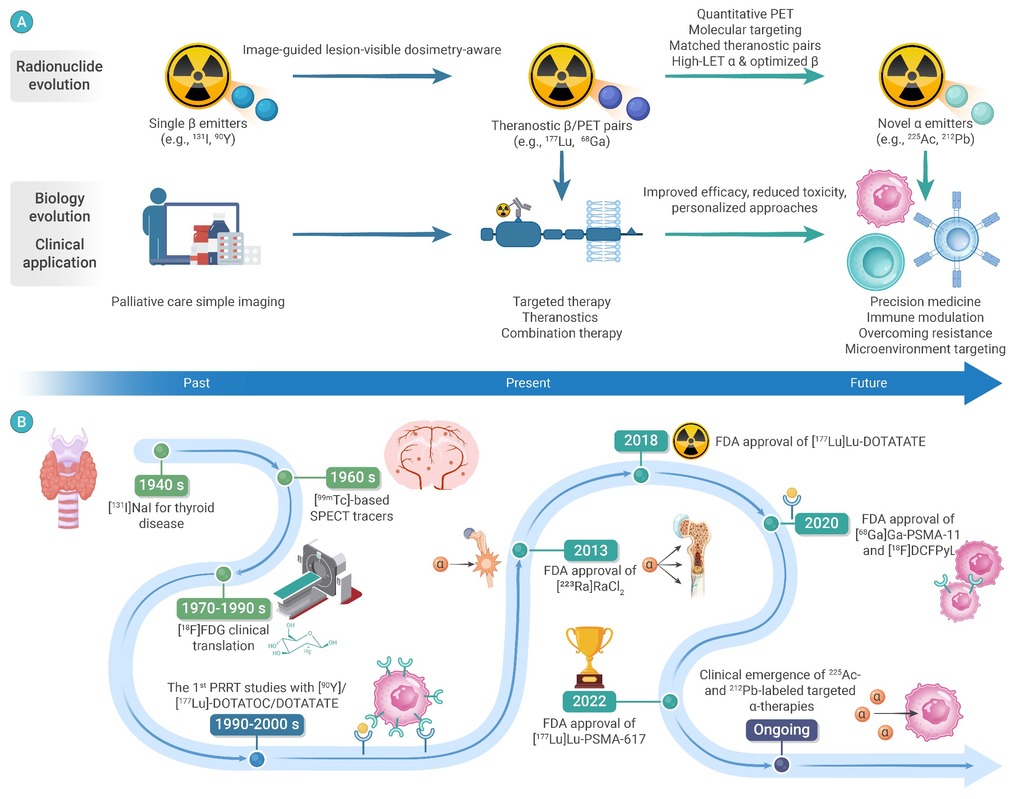
Figure 1.
The historical and projected evolution of nuclear medicine
-
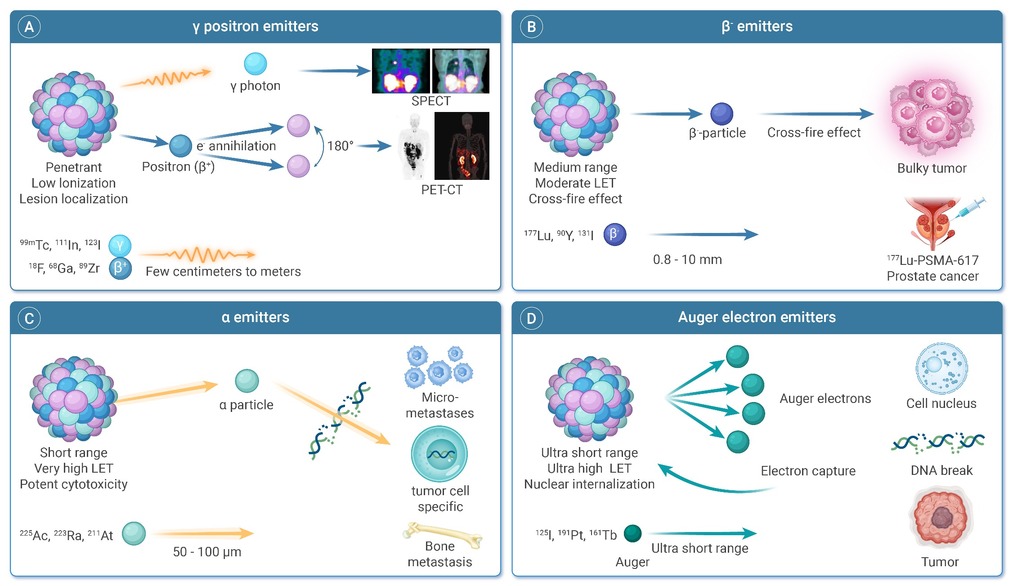
Figure 2.
A simplified schematic intended to illustrate the category and characterization of nuclides
-
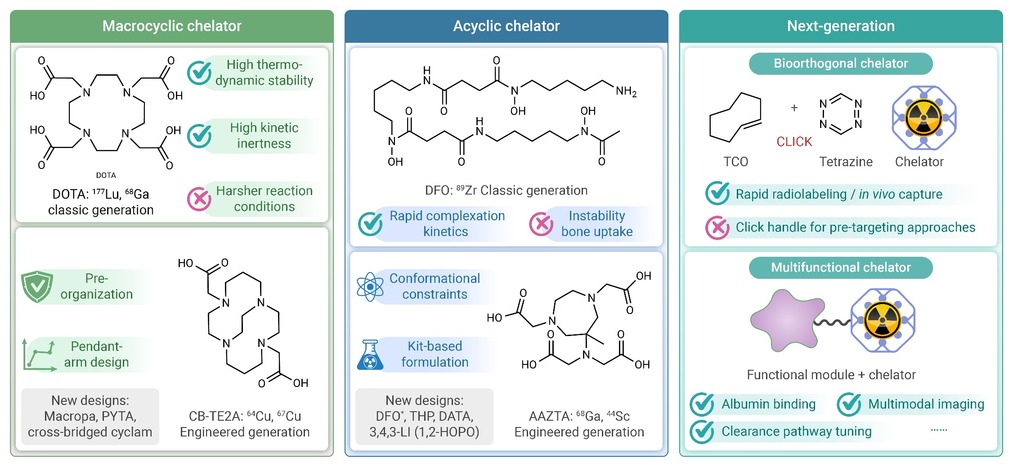
Figure 3.
The chelator evaluation and characterization
-
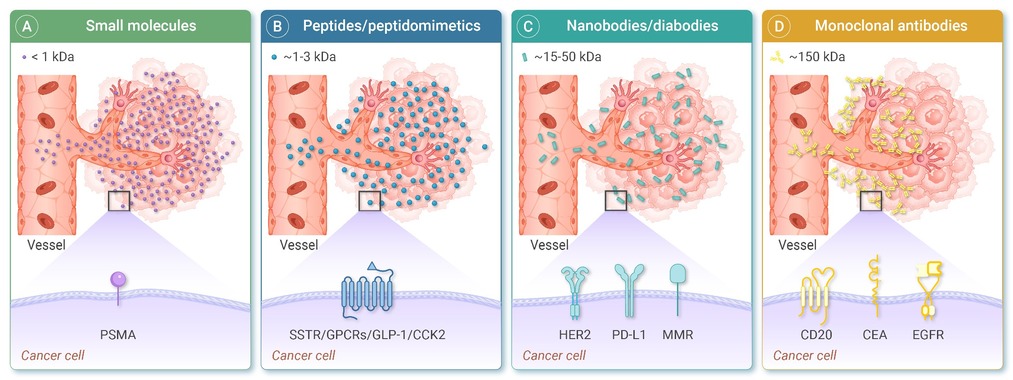
Figure 4.
Schematic images of various vehicles
-
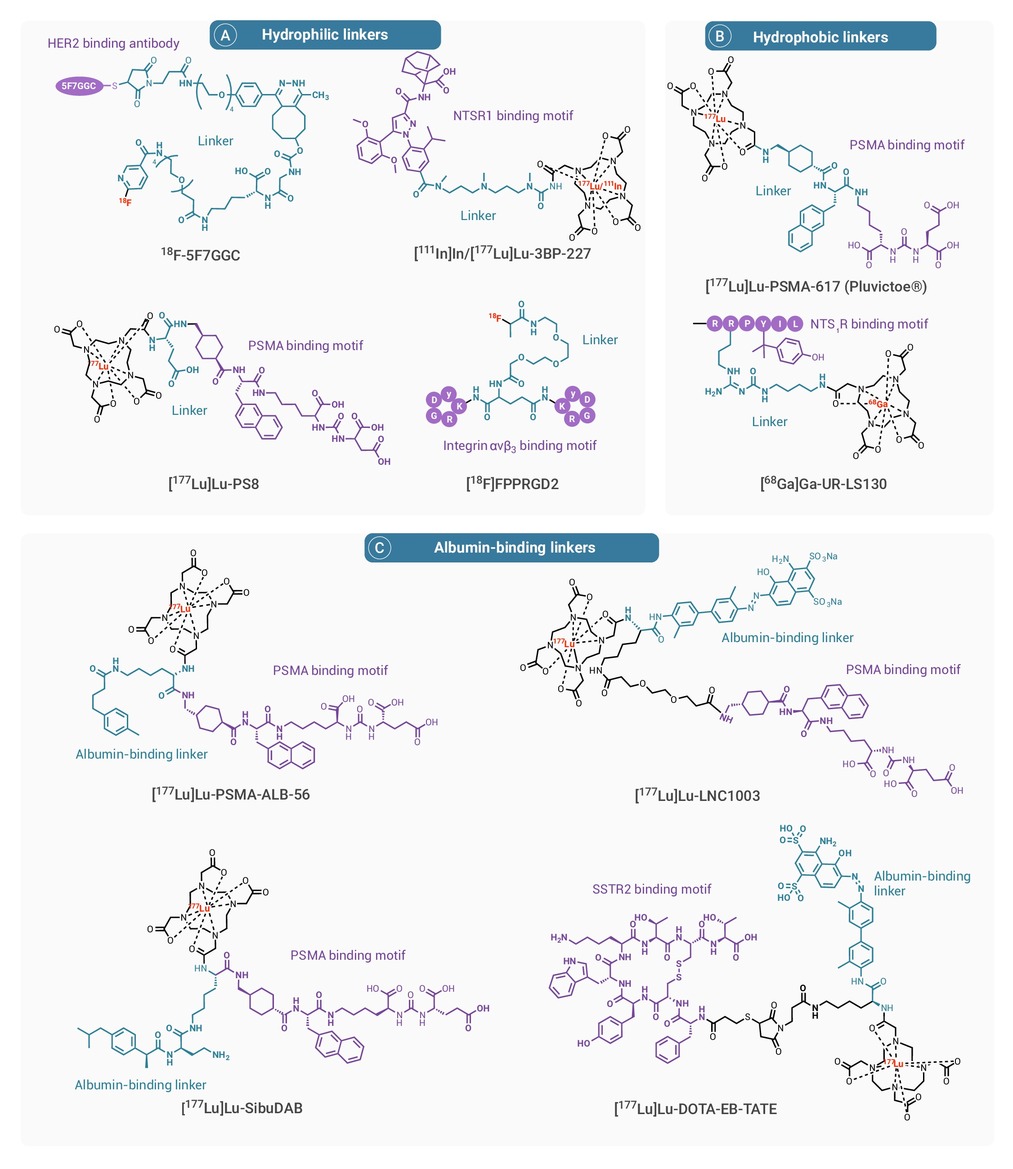
Figure 5.
Linkers for radiopharmaceuticals
-
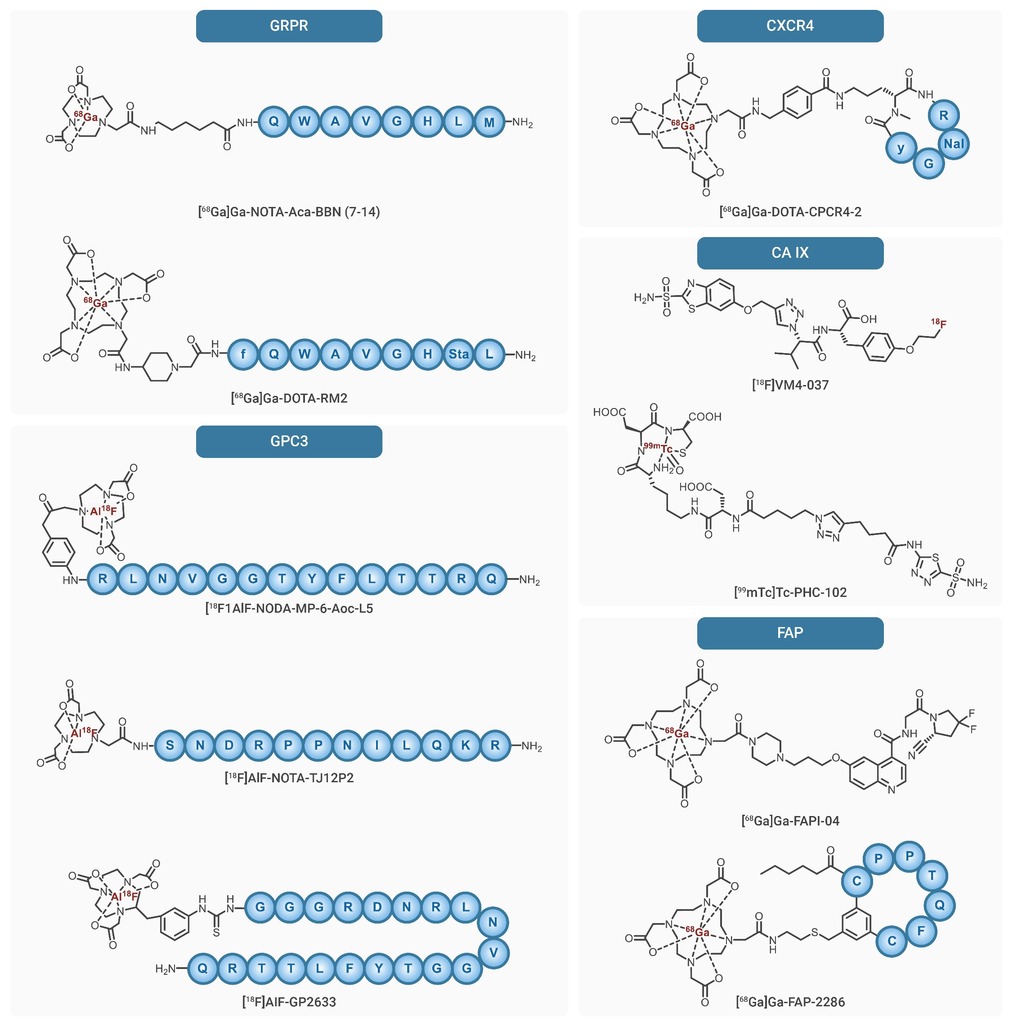
Figure 6.
Chemical structures of representative target ligands. Created with ChemDraw
-
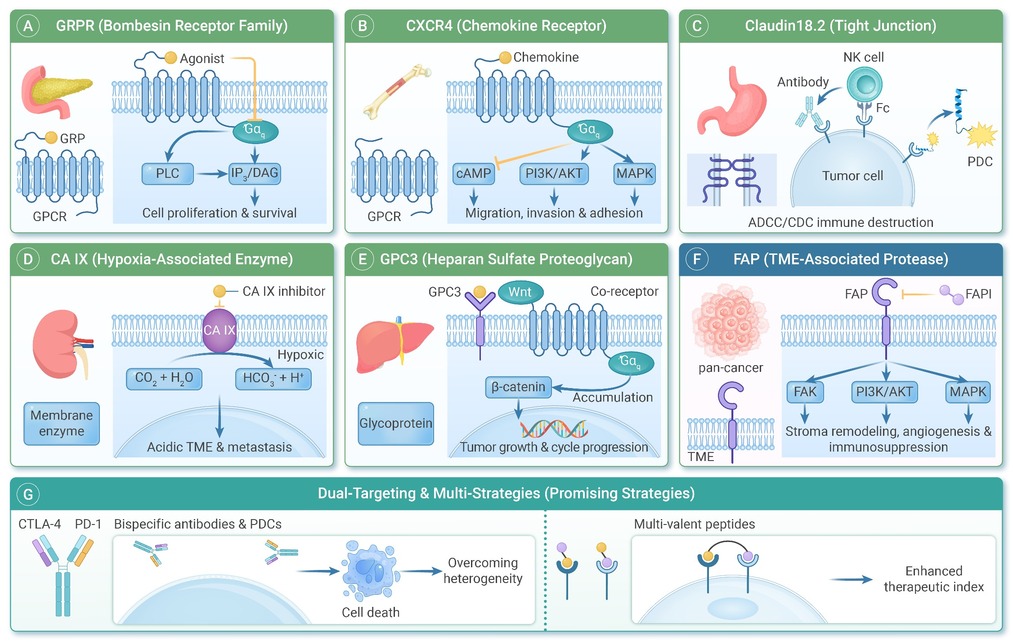
Figure 7.
Representative targets for advanced radiopharmaceuticals and enhanced targeting mechanisms
-
Figure 8.
Key mechanisms, therapeutic strategies, and the role of AI in targeted radionuclide therapy
-
Figure 9.
The production, distribution, and challenges faced in the radiopharmaceutical industry
