
Building Energy Thermal Resilience under Compound Long-and-Short-Term Climate Disturbances: Impact Mechanisms, Quantitative Evaluation, and Energy Storage Enhancement
-
GRAPHICAL ABSTRACT
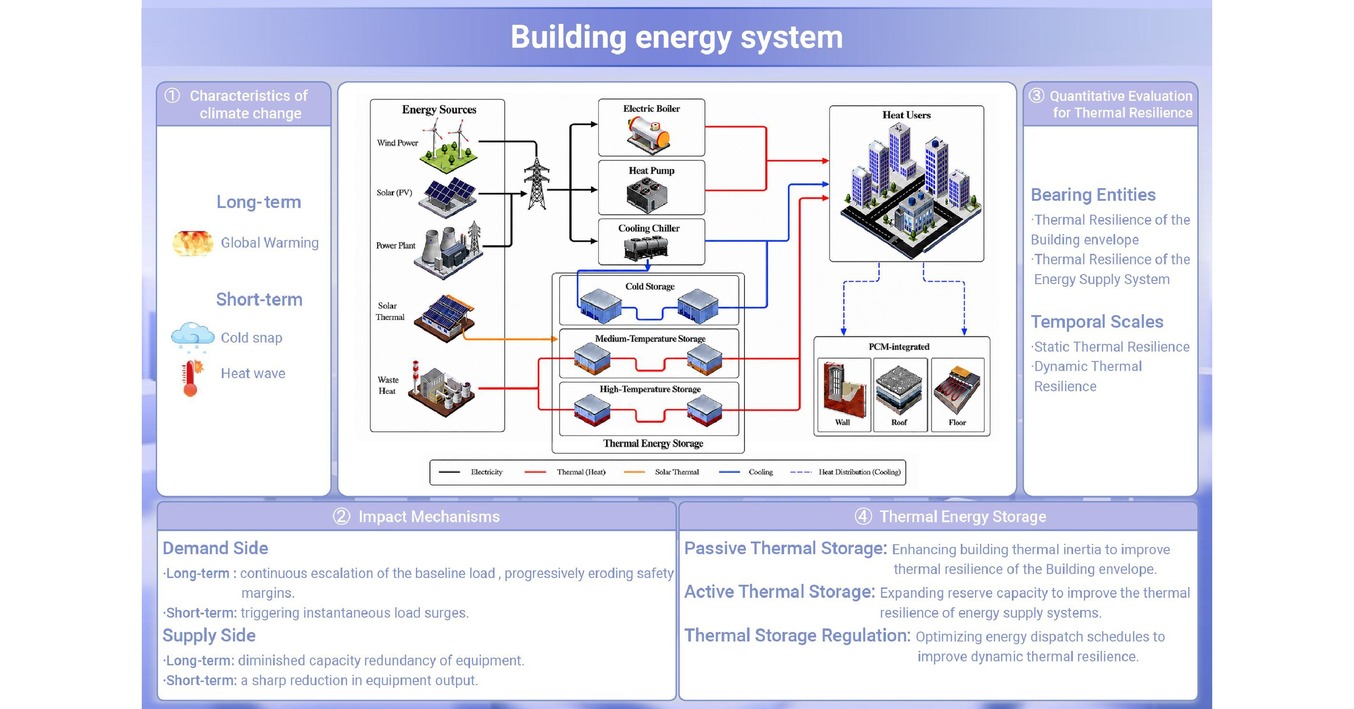
 DownLoad:
Full size image
DownLoad:
Full size image
-
PUBLIC SUMMARY
-
Boosting buildings’ energy thermal resilience amid compound climate change with gradual warming and frequent extreme weather.
Hourly meteorological data reconstruction evolves from single climate feature extraction to coupled generation of long-term warming and short-term extreme signals.
Compound climates exert cascading impacts: steady warming reduces safety margins, while sudden extremes cause sharp load spikes and equipment capacity limits.
A multi-dimensional evaluation framework for thermal resilience is built, combining passive building design, active systems, static adaptability and dynamic emergency response.
Hybrid thermal energy storage with coordinated control relieves long-term load drifts and short-term shocks; key research bottlenecks and future research paths are summarized.
-
-
ABSTRACT
Climate change exhibits compound evolutionary characteristics where long-term gradual warming superimposes with short-term high-frequency extreme weather events. Building energy supply and demand, especially HVAC systems, are highly constrained by meteorological boundaries. Therefore, enhancing building energy thermal resilience for compound climate evolution is a core scientific issue needing urgent breakthrough, and this paper conducts a comprehensive systematic review. First, it summarizes future hourly meteorological data reconstruction methods targeting multi-scale climate disturbances, identifying the inevitable trend from extracting singular climate features toward the unified coupled generation of long- and short-term climate signals. Second, it reveals the cascading impact mechanisms on both the supply and demand sides under compound climate disturbances, indicating that long-term warming persistently erodes system safety margins while short-term extreme events instantaneously trigger load surges and equipment output constraints. Furthermore, it clarifies the scientific connotation of building energy thermal resilience and establishes a multi-dimensional quantitative evaluation framework that integrates passive building defense with active system provision and balances long-term static adaptability with short-term dynamic response. Subsequently, it explores the physical support role of thermal energy storage technologies in mitigating long-term load shifts and resisting short-term shocks, emphasizing the critical value of constructing diversified hybrid energy storage architectures and holistic coordinated control strategies to overcome the physical bottlenecks of singular technologies. Ultimately, this paper distills the core bottlenecks confronting current research across various stages and prospects future cutting-edge evolutionary directions, aiming to provide theoretical frameworks and engineering practice references for constructing highly resilient building energy systems. -

-
REFERENCES
[1] Forster P.M., Smith C., Walsh T., et al. (2025). Indicators of global climate change 2024: Annual update of key indicators of the state of the climate system and human influence. Earth Syst. Sci. Data 17:2641−2680. DOI:10.5194/essd-17-2641-2025 [2] Zemp M., Jakob L., Dussaillant I., et al. (2025). Community estimate of global glacier mass changes from 2000 to 2023. Nature 639:382−388. DOI:10.1038/s41586-024-08545-z [3] Deroubaix A., Labuhn I., Camredon M., et al. (2021). Large uncertainties in trends of energy demand for heating and cooling under climate change. Nat. Commun. 12:5197. DOI:10.1038/s41467-021-25504-8 [4] Attia S., Levinson R., Ndongo E., et al. (2021). Resilient cooling of buildings to protect against heat waves and power outages: Key concepts and definition. Energy Build. 239:110869. DOI:10.1016/j.enbuild.2021.110869 [5] Bie Z., Lin Y., Li G., et al. (2017). Battling the Extreme: A Study on the Power System Resilience. Proc. IEEE 105:1253−1266. DOI:10.1109/JPROC.2017.2679040 [6] Zeng Z., Kim J.-H., Tan H., et al. (2025). A review of future weather data for assessing climate change impacts on buildings and energy systems. Renew. Sustain. Energy Rev. 212:115213. DOI:10.1016/j.rser.2024.115213 [7] Daniel L.A., Terry B., Igor B. (2001). Climate Change 2001: The Scientific Basis. Contribution of Working Group I to the Third Assessment Report of the Intergovernmental Panel on Climate Change. Intergovernmental Panel on Climate Change. Cambridge University Press. [8] Machard A., Salvati A., Tootkaboni M., et al. (2024). Typical and extreme weather datasets for studying the resilience of buildings to climate change. Sci. Data 11:531. DOI:10.1038/s41597-024-03319-8 [9] Meehl G.A., Karl T., Easterling D.R., et al. (2000). An Introduction to Trends in Extreme Weather and Climate Events: Observations, Socioeconomic Impacts, Terrestrial Ecological Impacts, and Model Projections. Bull. Am. Meteorol. Soc. 81:413−416. DOI:2.3.CO;2">10.1175/1520-0477(2000)081<0413:AITOT>2.3.CO;2 [10] Samset B.H., Stjern C.W., Lund M.T., et al. (2019). How daily temperature and precipitation distributions evolve with global surface temperature. Earth’s Future 7:1323−1336. DOI:10.1029/2019EF001160 [11] Jentsch M.F., James P.A.B., Bourikas L., et al. (2013). Transforming existing weather data for worldwide locations to enable energy and building performance simulation under future climates. Renew. Energy 55:514−524. DOI:10.1016/j.renene.2012.12.049 [12] Belcher S., Hack J. and Powell D. (2005). Constructing design weather data for future climates. Build. Serv. Eng. Res. Technol. 26:49−61. DOI:10.1191/0143624405bt112oa [13] Jentsch M.F., Bahaj A.S. and James P.A.B. (2008). Climate change future proofing of buildings—Generation and assessment of building simulation weather files. Energy Build. 40:2148−2168. DOI:10.1016/j.enbuild.2008.06.005 [14] Eames M., Kershaw T. and Coley D. (2011). On the creation of future probabilistic design weather years from UKCP09. Build. Serv. Eng. Res. Technol. 32:127−142. DOI:10.1177/0143624410379934 [15] Watkins R., Levermore G. and Parkinson J. (2011). Constructing a future weather file for use in building simulation using UKCP09. Build. Serv. Eng. Res. Technol. 32:293−299. DOI:10.1177/014362441039666 [16] Watkins R., Levermore G. and Parkinson J. (2013). The design reference year – a new approach to testing a building in more extreme weather using UKCP09 projections. Build. Serv. Eng. Res. Technol. 34:165−176. DOI:10.1177/014362441143117 [17] Nik V.M. (2016). Making energy simulation easier for future climate – Synthesizing typical and extreme weather data sets out of regional climate models. Appl. Energy 177:204−226. DOI:10.1016/j.apenergy.2016.05.107 [18] Machard A., Inard C., Alessandrini J.-M., et al. (2020). A Methodology for Assembling Future Weather Files Including Heatwaves for Building Thermal Simulations from the European Coordinated Regional Downscaling Experiment (EURO-CORDEX). Energies 13:3424. DOI:10.3390/en13133424 [19] Doutreloup S., Fettweis X., Rahif R., et al. (2022). Historical and future weather data for dynamic building simulations in Belgium using the regional climate model MAR. Earth Syst. Sci. Data 14:3039−3051. DOI:10.5194/essd-14-3039-2022 [20] Chowdhury S., Li F., Stubbings A., et al. (2023). Multi-Model Future Typical Meteorological (fTMY) Weather Files. Assoc. Comput. Mach.:468–471. DOI:10.1145/3600100.3626637. [21] Williams D.R.S., Elghali L., Wheeler R.C. (2011). Use of stochastic weather generators in the projection of building energy demand. Conf. Proceed. :2056–2063. DOI: https://ep.liu.se/ecp/057/vol8/041/ecp57vol8_041.pdf. [22] Guo H. and He K. (2026). Scenario-conditioned actual meteorological years (sAMY). Energy Build.:117508. DOI:10.1016/j.enbuild.2026.117508. [23] Hosseini M., Bigtashi A. and Lee B. (2021). Generating future weather files under climate change scenarios to support building energy simulation. Energy Build. 230:110543. DOI:10.1016/j.enbuild.2021.110543 [24] Jiao Z., Yuan J., Farnham C., et al. (2024). Multivariate stochastic generation of meteorological data for building simulation. Sci. Rep. 14:24927. DOI:10.1038/s41598-024-75498-8 [25] Jia H., Chong A. and Ning B. (2023). Epwshiftr: Incorporating open data of climate change prediction into building performance simulation. IBPSA Conf.:2215–2221. DOI:10.26868/25222708.2023.1612. [26] Rodrigues E., Fernandes M.S. and Carvalho D. (2023). Future weather generator for building performance research: An open-source morphing tool. Build. Environ. 233:110104. DOI:10.1016/j.buildenv.2023.110104 [27] McCarty J., Schlueter A. and Rysanek A. (2023). Assessing the impact of morphed CMIP6 climate model outputs on building energy simulations. IOP Conference Series: Earth Environ. Sci.:2600. DOI:10.1088/1742-6596/2600/8/082005. [28] Eames M. (2016). An update of the UK’s design summer years: Probabilistic design summer years for enhanced overheating risk analysis. Build. Serv. Eng. Res. Technol. 37:503−522. DOI:10.1177/0143624416631131 [29] Jentsch M.F., Eames M. and Levermore G. (2015). Generating near-extreme Summer Reference Years for building performance simulation. Build. Serv. Eng. Res. Technol. 36:701−727. DOI:10.1177/0143624415587476 [30] Pernigotto G., Prada A., Gasparella A. (2020). Extreme reference years for building energy performance simulation. J. Build. Perform. Simul. 13:152−166. DOI:10.1080/19401493.2019.1585477 [31] Gasparella A., Crawley D., Pernigotto G., et al. (2021). Extreme weather data in building performance simulation. IBPSA Conf.:894–901. DOI:10.26868/25222708.2021.30790. [32] Lee B.D., Sun Y., Hu H., et al. (2012). A framework for generating stochastic meteorological years for risk-conscious design. Conf. Proceed. [33] Claassen J.N., Koks E.E., Ruiter M.C., et al. (2025). A synthetic european weather dataset based on spatiotemporal vine copulas. Sci. Data 12:1734. DOI:10.1038/s41597-025-06015-3 [34] Manikanta V., Ganguly T., Lall S., et al. (2025). Disaggregation of climatic variables using a novel stochastic approach and its application in building performance simulation. J. Build. Perform. Simul. 18:99−117. DOI:10.1080/19401493.2024.2427101 [35] Furrer E., Katz R., Walter M., et al. (2010). Statistical modeling of hot spells and heat waves. Clim. Res. 43:191−205. DOI:10.3354/cr00924 [36] Shaby B.A., Reich B.J., Cooley D., et al. (2016). A markov-switching model for heat waves. Ann. Appl. Stat. 10:74−93. DOI:10.1214/15-AOAS873 [37] Di Credico G., Gioia V. and Pauli F. (2025). Markov-switching models for heat wave detection and projection in Friuli Venezia Giulia, Italy. Environ. Ecol. Stat. 32:771−801. DOI:10.1007/s10651-025-00658-6 [38] Xie H., Eames M., De Grussa Z., et al. (2026). Creating state-of-the-art weather files to enable a climate-resilient built environment. Build. Serv. Eng. Res. Technol. 47:165−177. DOI:10.1177/01436244261423730 [39] Eames M., Xie H., Mylona A., et al. (2024). A revised morphing algorithm for creating future weather for building performance evaluation. Build. Serv. Eng. Res. Technol. 45:5−20. DOI:10.1177/01436244231218861 [40] Villa D., Carvallo J., Bianchi C., et al. (2022). Multi-scenario extreme weather simulator application. ASHRAE/IBPSA-USA Conf.:49–58. DOI:10.26868/25746308.2022.C006. [41] Villa D.L., Schostek T., Govertsen K., et al. (2023). A stochastic model of future extreme temperature events. Environ. Model. Softw. 163:105663. DOI:10.1016/j.envsoft.2023.105663 [42] Bassetti S., Hutchinson B., Tebaldi C., et al. (2024). DiffESM: Conditional emulation of temperature and precipitation in earth system models. J. Adv. Model. Earth Syst. 16:e2023MS004194. DOI:10.1029/2024MS004194 [43] Schmidt J., Schmidt L., Strnad F.M., et al. (2025). A generative framework for probabilistic, spatiotemporally coherent downscaling. npj Clim. Atmos. Sci. 8:270. DOI:10.1038/s41612-025-01157-y [44] Tootkaboni M., Ballarini I., Zinzi M., et al. (2021). A comparative analysis of different future weather data for building energy performance simulation. Climate 9:37. DOI:10.3390/cli9020037 [45] Cannon A.J. (2016). Multivariate bias correction of climate model output: Matching marginal distributions and intervariable dependence structure. J. Clim. 29:7045−7064. DOI:10.1175/JCLI-D-15-0679.1 [46] Nielsen C.N. and Kolarik J. (2021). Utilization of climate files predicting future weather. In: IOP Conference Series: Earth Environ. Sci. 2069:012070. DOI:10.1088/1755-1315/2069/1/012070 [47] Li D. and Bou-Zeid E. (2013). Synergistic Interactions between Urban Heat Islands and Heat Waves. J. Appl. Meteorol. Climatol. 52:2051−2064. DOI:10.1175/JAMC-D-12-0246.1 [48] Zhao L., Oppenheimer M., Zhu Q., et al. (2018). Interactions between urban heat islands and heat waves. Environ. Res. Lett. 13:034003. DOI:10.1088/1748-9326/aa9f73 [49] Schmidt P. and Lawrence B.T. (2022). Association between Land Surface Temperature and Green Volume in Bochum, Germany. Sustainability 14:14642. DOI:10.3390/su142114642 [50] Luo N., Luo X., Mortezazadeh M., et al. (2025). A data schema for exchanging urban building and microclimate simulation data. J. Build. Perform. Simul. 18:333−350. DOI:10.1080/19401493.2022.2142295 [51] Manapragada N.V.S.K. and Natanian J. (2025). Urban microclimate and energy modeling: A review. Sustain. Cities Soc. 17:3025. DOI:10.1016/j.scs.2025.106892 [52] Piroozmand P., Mussetti G., Allegrini J., et al. (2020). Coupled CFD framework with mesoscale urban climate model. J. Wind Eng. Ind. Aerodyn. 197:104059. DOI:10.1016/j.jweia.2020.104059 [53] Mortezazadeh M., Jandaghian Z., Wang L.L., et al. (2021). Integrating CityFFD and WRF for urban heatwave microclimate modeling. Sustain. Cities Soc. 66:102670. DOI:10.1016/j.scs.2021.102670 [54] Wong N.H., He Y., Nguyen N.S., et al. (2021). An integrated multiscale urban microclimate model. Urban Clim. 35:100730. DOI:10.1016/j.uclim.2021.100730 [55] Radović J., Belda M., Resler J., et al. (2024). Boundary condition challenges for PALM large-eddy simulation. Geosci. Model Dev. 17:2901−2927. DOI:10.5194/gmd-17-2901-2024 [56] Vurro G. and Carlucci S. (2024). Contrasting urban microclimate simulation tool features. Energy Build. 311:114042. DOI:10.1016/j.enbuild.2024.114042 [57] Chakraborty D., Alam A., Chaudhuri S., et al. (2021). Scenario-based cooling load prediction with explainable AI. Appl. Energy 291:108868. DOI:10.1016/j.apenergy.2021.108868 [58] Salata F., Falasca S., Ciancio V., et al. (2023). Climate change impact on Mediterranean building cooling demand. Energy Build. 290:112667. DOI:10.1016/j.enbuild.2023.112667 [59] Staffell I., Pfenninger S., Johnson N., et al. (2023). A global hourly heating/cooling demand model. Nat. Energy 8:1328−1344. DOI:10.1038/s41560-023-01341-5 [60] Berardi U. and Jafarpur P. (2020). Climate change impacts on Canadian building heating and cooling loads. Renew. Sustain. Energy Rev. 121:109668. DOI:10.1016/j.rser.2020.109668 [61] Yan C. and Ogata S. (2025). Residential heating/cooling consumption shifts in Japan’s warm climate cities. Energy Build. 344:113882. DOI:10.1016/j.enbuild.2025.113882 [62] Wang R., Lu S., Zhai X., et al. (2021). Insulated buildings performance under future climate. Build. Simul. 15:1209−1225. DOI:10.1007/s12273-021-01023-1 [63] Yang X., Yao L., Li M., et al. (2025). Heatwave impacts on building cooling demand across eastern Chinese cities. Appl. Energy 384:123472. DOI:10.1016/j.apenergy.2025.123472 [64] Hosseini M., Javanroodi K., Nik V.M., et al. (2022). High-resolution climate change impact assessment considering extreme weather. Sustain. Cities Soc. 78:103138. DOI:10.1016/j.scs.2022.103138 [65] Meng F., Zhang L., Ren G., et al. (2023). UHI effects on cooling loads during heatwaves: Beijing-Tianjin case. Energy 273:110638. DOI:10.1016/j.energy.2023.110638 [66] Amonkar Y., Doss-Gollin J., Farnham D.J., et al. (2023). Differential climate change effects on US heating and peak cooling demand. Commun. Earth Environ. 4:1. DOI:10.1038/s43247-023-00190-1 [67] Martins N.R. and Bourne-Webb P.J. (2023). Climate change effects on renewable hybrid heating/cooling systems. J. Build. Eng. 64:105721. DOI:10.1016/j.jobe.2023.105721 [68] Yu F.-W., Ho W.-T., Wong C.-F.J., et al. (2025). Extreme climate impacts on subtropical office passive cooling. Urban Clim. 63:101908. DOI:10.1016/j.uclim.2025.101908 [69] Catrini P., La Villetta M., Kumar D.M., et al. (2024). Variable-speed air chiller operation analysis. Appl. Energy 367:114870. DOI:10.1016/j.apenergy.2024.114870 [70] Hajidavalloo E. and Eghtedari H. (2010). Evaporative condenser performance for air-cooled chillers. Int. J. Refrig. 33:982−988. DOI:10.1080/17512549.2015.1040070 [71] Wang W., Zhang S., Li Z., et al. (2020). ASHP optimal defrosting time determination. Energy 191:116514. DOI:10.1016/j.energy.2020.116514 [72] Yang H., Rong L., Liu X., et al. (2020). Spray evaporative cooling for chiller condensers. Energy Rep. 6:906−913. DOI:10.1016/j.egyrep.2020.09.006 [73] Bamisile O., Acen C., Cai D., et al. (2025). Environmental factors affecting PV power output. Renew. Sustain. Energy Rev. 208:115036. DOI:10.1016/j.rser.2025.115036 [74] Wu H., Kong Q., Huber M., et al. (2026). Climate change impacts on rooftop PV temperature and degradation. Joule 10:1. DOI:10.21203/rs.3.rs-6605168/v1 [75] Ma L., Sun Y., Wang F., et al. (2025). Review: anti-frost and defrost technologies for air source heat pumps. Appl. Energy 377:125001. DOI:10.1016/j.apenergy.2025.125001 [76] Ikram H., Ali J., Alexander A., et al. (2025). Optimal HP defrost strategies for full-cycle COP. Energy 336:133456. DOI:10.1016/j.energy.2025.133456 [77] Passarelli A.F., Merlo U., Pelella F., et al. (2026). Ammonia air-source heat pump field analysis focusing on frosting-defrosting. Appl. Therm. Eng. 282:126231. DOI:10.1016/j.applthermaleng.2026.126231 [78] Krelling A.F., Lamberts R., Malik J., et al. (2023). Simulation framework for thermally resilient buildings/communities. Build. Environ. 245:110862. DOI:10.1016/j.buildenv.2023.110862 [79] Bell N.O., Bilbao J.I., Kay M., et al. (2022). Future climate impacts on commercial HVAC design. Renew. Sustain. Energy Rev. 162:112404. DOI:10.1016/j.rser.2022.112404 [80] Wu Y. and Zhong L. (2025). Feasibility of building-integrated household green hydrogen systems under climate change. Energy Convers. Manag. 346:114732. DOI:10.1016/j.enconman.2025.114732 [81] Sengupta A., Al Assaad D., Bastero J.B., et al. (2023). Heatwave impacts on nearly zero energy cooling buildings. Build. Environ. 234:110547. DOI:10.1016/j.buildenv.2023.110547 [82] Wang J., Wang Y., Qiu D., et al. (2025). Deep reinforcement learning multi-energy building resilient management. Appl. Energy 378:12470. DOI:10.1016/j.apenergy.2025.12470 [83] Xu L., Lin N., Poor H.V., et al. (2025). Quantifying climate extreme cascading blackouts. Nat. Commun. 16:1. DOI:10.1038/s41467-025-57565-4 [84] Shi Q., Luo W., Xiao C., et al. (2025). Compound heatwave impacts on urban building thermal resilience. Build. Environ. 276:110961. DOI:10.1016/j.buildenv.2025.110961 [85] Sheng M., Reiner M., Sun K., et al. (2023). Thermal resilience of assisted living facilities during heat/cold events. Build. Environ. 230:108088. DOI:10.1016/j.buildenv.2023.108088 [86] Han H., Ge Y., Wang Q., et al. (2025). Extreme weather impacts on distributed energy reliability across Chinese cities. Renew. Sustain. Energy Rev. 212:115212. DOI:10.1016/j.rser.2025.115212 [87] Peri G., Cirrincione L., Mazzeo D., et al. (2024). Definition of integrated building climate resilience. Energy Build. 315:114319. DOI:10.1016/j.enbuild.2024.114319 [88] Jasiūnas J., Lund P.D., Mikkola J., et al. (2021). Energy system resilience review. Renew. Sustain. Energy Rev. 150:111476. DOI:10.1016/j.rser.2021.111476 [89] Zhang W., Yang H., Cao X., et al. (2025). Review: building thermal resilience under extreme weather. Energy Build. 342:115908. DOI:10.1016/j.enbuild.2025.115908 [90] Mehmood S., Lizana J., Friedrich D., et al. (2023). Low-energy resilient cooling through geothermal heat dissipation and latent heat storage. J. Energy Storage 72:108377. DOI:10.1016/j.est.2023.108377 [91] Nan C. and Sansavini G. (2017). Quantitative interdependent infrastructure resilience assessment. Reliab. Eng. Syst. Saf. 157:35−53. DOI:10.1016/j.ress.2016.08.013 [92] Tierney K. and Bruneau M. (2009). Conceptualizing and measuring disaster resilience. Tr News 250:14−17. DOI:https://onlinepubs.trb.org/onlinepubs/trnews/trnews250_p14-17.pdf. [93] Panteli M., Mancarella P., Trakas D.N., et al. (2017). Metrics for power system operational resilience. IEEE Trans. Power Syst. 32:4732−4742. DOI:10.1109/TPWRS.2017.2664141 [94] Ji L., Shu C., Laouadi A., et al. (2023). Cooling retrofit thermal resilience improvement in urban buildings. Build. Environ. 229:109914. DOI:10.1016/j.buildenv.2023.109914 [95] Panteli M., Trakas D.N., Mancarella P., et al. (2017). Power system hardening & operational resilience strategies. Proc. IEEE 105:1202−1213. DOI:10.1109/JPROC.2017.2691357 [96] Li Y., Tsouknida E., Collins T., et al. (2026). Critical review: built environment thermal resilience. Sustain. Cities Soc. 138:107180. DOI:10.1016/j.scs.2026.107180 [97] Homaei S. and Hamdy M. (2021). Thermal resilient buildings quantification benchmarking. Build. Environ. 201:108022. DOI:10.1016/j.buildenv.2021.108022 [98] Wijesuriya S., Kishore R.A., Bianchi M.V.A., et al. (2024). Resilient cooling for US residential buildings in hot humid climates. Cell Rep. Phys. Sci. 5:101986. DOI:10.1016/j.xcrp.2024.101986 [99] Liyanage D.R., Hewage K., Ghobadi M., et al. (2024). Thermal resilience of single-family housing under extreme hot/cold. Energy Build. 323:114809. DOI:10.1016/j.enbuild.2024.114809 [100] Zhang G., Li L., Yu Y., et al. (2025). Heatwave thermal resilience of public building atriums. Buildings 15:598. DOI:10.3390/build15090598 [101] Sengupta A., Al Assaad D., Berk Kazanci O., et al. (2024). Uncertainty analysis of building heatwave resilience. Build. Environ. 265:112031. DOI:10.1016/j.buildenv.2024.112031 [102] Krelling A.F., Wu Y., Malik J., et al. (2025). Multistakeholder review of building thermal resilience metrics. Annu. Rev. Environ. Resour. 50:681−708. DOI:10.1146/annurev-environ-013125-111914 [103] Duan Z., Omrany H., Zuo J., et al. (2025). Climate change impacts on Australian office building energy performance. Energy 319:134956. DOI:10.1016/j.energy.2025.134956 [104] Jalali Z., Shamseldin A.Y., Ghaffarianhoseini A., et al. (2023). Climate change impact on NZ residential thermal loads. Build. Environ. 243:110627. DOI:10.1016/j.buildenv.2023.110627 [105] Huang Y., Zhao Z., Sun M., et al. (2025). Ground source heat pump performance under ground temperature disturbance. Energies 18:3909. DOI:10.3390/en18153909 [106] Zhang S., Liu J., Zhang X., et al. (2023). Climate change effects on medium-deep borehole HP heating performance. Energy Build. 293:113208. DOI:10.1016/j.enbuild.2023.113208 [107] Sahnovskis A., Zicmane I. and Kovalenko S. (2024). Baltic grid resilience with renewables. Conf. Proceed.:543–546. [108] Liu Z., Qiu H., Weng L., et al. (2021). Integrated energy distribution network resilience assessment. Conf. Proceed.:188–193. DOI:10.1109/PESIM67009.2026.11438607. [109] Deng C., Xue Z., Quan J., et al. (2023). Distribution network resilience under extreme heat wave orderly load control. Conf. Proceed.:2119–2123. DOI:10.1109/ICRE56731.2023.10036. [110] Gautam P., Piya P., Karki R., et al. (2021). Distributed PV distribution system resilience assessment. IEEE Trans. Sustain. Energy 12:338−348. DOI:10.1109/PESGM52009.2025.11225514 [111] Henry D. and Ramirez-Marquez J.E. (2016). Hurricane Sandy power outage resilience analysis. Syst. Eng. 19:59−75. DOI:10.1002/sys.2144.19.1.59 [112] Wang S., Kim A.A., Reed D.A., et al. (2017). Embedded distribution energy resilience systems. J. Sol. Energy Eng. 139:1. DOI:10.1115/1.4035063 [113] Moslehi S. and Reddy T.A. (2018). Performance-based integrated energy resilience assessment. Appl. Energy 228:487−498. DOI:10.1016/j.apenergy.2018.06.075 [114] Jarvinen J., Goldsworthy M., Pudney P., et al. (2024). Passive thermal storage pre-cooling for peak reduction. Sustain. Energy Grids Netw. 38:101313. DOI:10.1016/j.segan.2024.101313 [115] Mabrouk R., Naji H., Benim A.C., et al. (2022). Mesoscopic porous media latent heat storage simulation review. Appl. Sci. 12:6995. DOI:10.3390/app12146995 [116] Pan J., Wang S., Li H., et al. (2026). Passive thermal storage grid interaction factors. Energy 351:140828. DOI:10.1016/j.energy.2026.140828 [117] Soares N., Costa J.J., Gaspar A.R., et al. (2013). Passive PCM building energy efficiency review. Energy Build. 59:82−103. DOI:10.1016/j.enbuild.2012.12.042 [118] Azimi M., Mahdavinejad M., Yeganeh M., et al. (2025). PCM passive cooling economic optimization for Egypt subtropical buildings. Sol. Energy 300:113876. DOI:10.1016/j.solener.2025.113876 [119] Kuczyński T., Gortych M., Staszczuk A., et al. (2026). Residential building thermal resilience & life-cycle carbon under climate change. Energy 347:140448. DOI:10.1016/j.energy.2026.140448 [120] Nurlybekova G., Memon S.A., Adilkhanova I., et al. (2021). PCM building climate performance evaluation under future climate. Energy 219:119587. DOI:10.1016/j.energy.2021.119587 [121] Sasso F. and Patel M.K. (2026). Future building cooling demand evolution in Mediterranean areas. Energy Build. 363:117544. DOI:10.1016/j.enbuild.2026.117544 [122] Kuczyński T., Staszczuk A., Gortych M., et al. (2025). PCM vs heavy envelope heatwave cooling performance. Energy 325:136213. DOI:10.1016/j.energy.2025.136213 [123] Sun H., Calautit J.K., Jimenez-Bescos C., et al. (2022). Thermal mass & night ventilation overheating regulation across China. Clean. Eng. Technol. 9:100534. DOI:10.1016/j.clet.2022.100534 [124] Aliyeva X., Memon S.A., Nazir K., et al. (2024). PCM-integrated building energy prediction model for future climate. Energy 310:133248. DOI:10.1016/j.energy.2024.133248 [125] Rodrigues E., Fereidani N.A., Fernandes M.S., et al. (2024). Future weather morphing tool for building energy simulation. Build. Environ. 258:111635. DOI:10.1016/j.buildenv.2024.111635 [126] An J., Liu W., Wang C., et al. (2026). Multi-factor analysis of Beijing residential cooling loads. Energy Build. 351:116691. DOI:10.1016/j.enbuild.2026.116691 [127] Wang G., Li X., Ju H., et al. (2025). District rooftop PV deep learning assessment. J. Energy Storage 113:115578. DOI:10.1016/j.est.2025.115578 [128] Ramakrishnan S., Wang X., Sanjayan J., et al. (2017). PCM building heatwave thermal performance. Appl. Energy 194:410−421. DOI:10.1016/j.apenergy.2016.04.084 [129] Zhao J., Zhai X., Zhang X., et al. (2025). Solar heat storage tank dynamic simulation experiment. Appl. Therm. Eng. 280:128424. DOI:10.1016/j.applthermaleng.2025.128424 [130] Xia X., Ma K., Li L., et al. (2026). Solid-state hydrogen storage peak regulation performance. Renew. Energy 257:124767. DOI:10.1016/j.renene.2026.124767 [131] Zhen M., Zhang X., Chen X., et al. (2026). Latent heat storage performance improvement review. J. Energy Storage 150:120432. DOI:10.1016/j.est.2026.120432 [132] Bi Y., Yu M., Wang H., et al. (2019). Ice storage combined cooling system experiment. Energy Build. 194:12−20. DOI:10.1016/j.enbuild.2019.12 [133] Wei X., Zhang J., Yang Z., et al. (2026). Multi-energy station optimization with climate resilience. Energy 346:140341. DOI:10.1016/j.energy.2026.140341 [134] Nguyen A., Jacques L., Pasquier P. (2026). Geothermal storage for cold climates. Energy Build. 363:117545. DOI:10.1016/j.enbuild.2026.117545 [135] Gautier A., Wetter M., Sulzer M. (2022). Geothermal district cooling resilience simulation. Appl. Energy 325:119880. DOI:10.1016/j.apenergy.2022.119880 [136] Ren H., Jiang Z., Wu Q., et al. (2022). Regional integrated energy system optimization with storage and resilience. Energy 261:125333. DOI:10.1016/j.energy.2022.125333 [137] Fan M., Lu S. (2022). Electrical & thermal storage benefit analysis for regional energy systems. J. Energy Storage 55:105816. DOI:10.1016/j.est.2022.105816 [138] Adeyinka A.M., Esan O.C., Ijaola A.O., et al. (2024). Hybrid storage systems for renewable integration review. Sustain. Energy Res. 11:26. DOI:10.1109/NAPS61145.2024.10741713 [139] Olis W., Rosewater D., Nguyen T., et al. (2023). Heating/cooling load impact on battery storage sizing in cold regions. Energy 278:127878. DOI:10.1016/j.energy.2023.127878 [140] Ju S., Liu J., Mo T., et al. (2026). Hybrid storage optimal configuration for high renewable grids. J. Energy Storage 153:120871. DOI:10.1016/j.est.2026.120871 [141] Masrur H., Shafie-Khah M., Hossain M.J., et al. (2022). Multi-energy microgrid resilient operation with EVs. IEEE Trans. Smart Grid 13:3508−3518. DOI:10.1109/TSG.2022.3168687 [142] Li Z., Xu Y., Wang P., et al. (2023). Post-disaster multi-energy coordinated restoration. Appl. Energy 336:120736. DOI:10.1016/j.apenergy.2023.120736 [143] Qi S., Wang X., Li X., et al. (2019). Hierarchical multi-energy system resilience enhancement. Sustainability 11:4048. DOI:10.3390/su11154048 [144] Zeng Z., Zhang W., Sun K., et al. (2022). Pre-cooling as residential heatwave resilience measure. Build. Environ. 210:108694. DOI:10.1016/j.buildenv.2022.108694 [145] Wang Z., Hong T., Li H., et al. (2021). Smart thermostat data analytics for heatwave rotating outage planning. Environ. Res. Lett. 16:074003. DOI:10.1088/1748-9326/ac074003 [146] Chen Y., Wang J., Bo R., et al. (2023). Risk-averse integrated electricity-heat scheduling. Int. J. Electr. Power Energy Syst. 153:109313. DOI:10.1016/j.ijepes.2023.109313 [147] Javadi E.A., Joorabian M., Barati H., et al.(2022). Storage & flexible load resilience framework. J. Energy Storage 49:104099. DOI:10.1016/j.est.2022.104099 [148] Yang Y., Ma M., Li F., et al. (2025). Multistakeholder review of building thermal resilience metrics. J. Build. Eng. 106:112568. DOI:10.1016/j.jobe.2025.112568 -
ABOUT THIS ARTICLE
Cite this article:
Wang R., Wan M., Jiang H., et al. (2026). Building Energy Thermal Resilience under Compound Long-and-Short-Term Climate Disturbances: Impact Mechanisms, Quantitative Evaluation, and Energy Storage Enhancement. Energy Use 2:100059. https://doi.org/10.59717/ipj.energy-use.2026.100059
Welcome!
To request copyright permission to republish or share portions of our works, please visit Copyright Clearance Center's (CCC) Marketplace website at marketplace.copyright.com.
Export File
Citation
Wang R., Wan M., Jiang H., et al. (2026). Building Energy Thermal Resilience under Compound Long-and-Short-Term Climate Disturbances: Impact Mechanisms, Quantitative Evaluation, and Energy Storage Enhancement. Energy Use 2:100059. https://doi.org/10.59717/ipj.energy-use.2026.100059

Format
Content
-
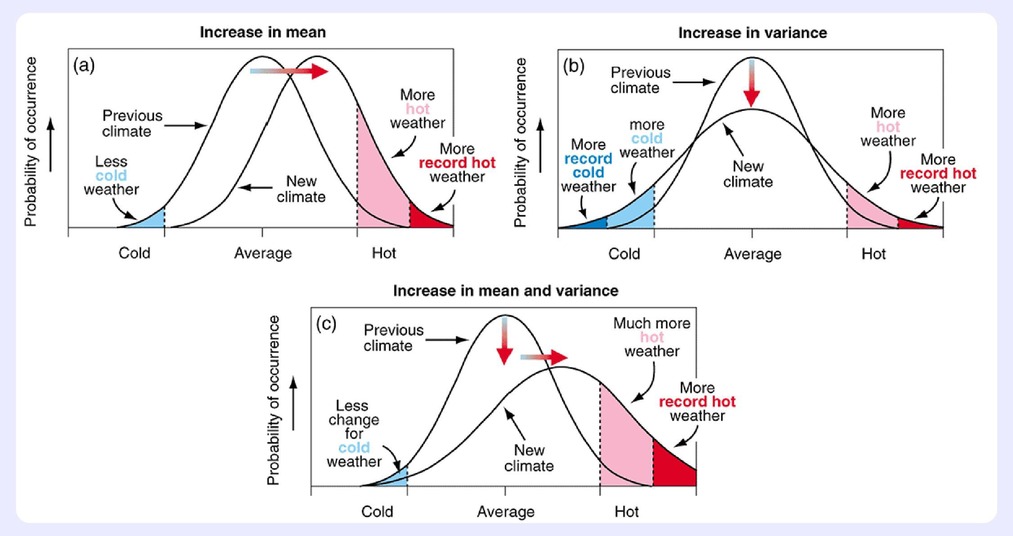
Figure 1.
Schematic showing the effect on extreme temperatures when (A) the mean temperature increases, (B) the variance increases, and (C) when both the mean and variance increase for a normal distribution of temperature.7
-
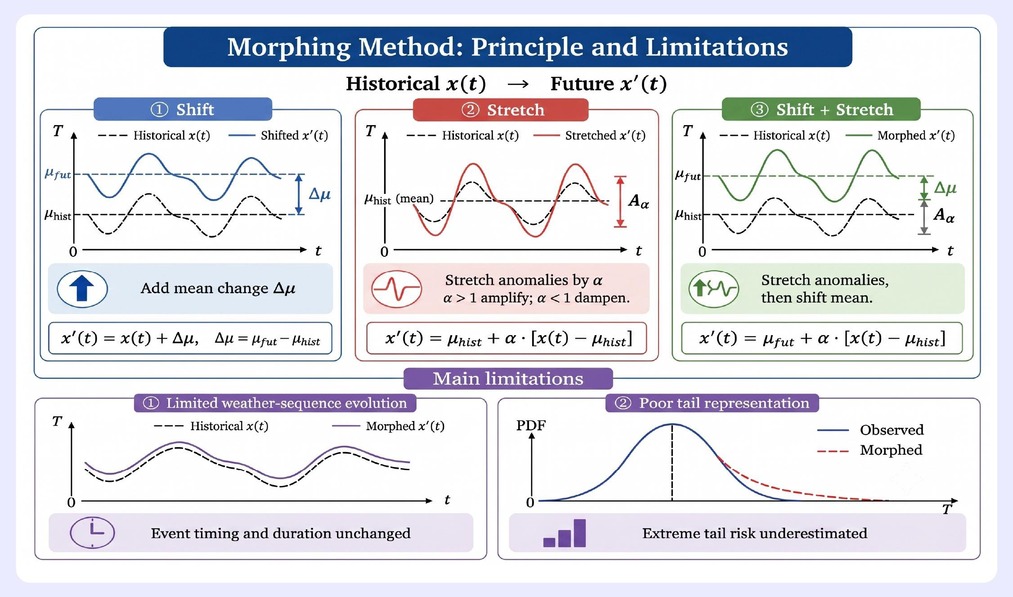
Figure 2.
Schematic of the core operations and limitations of the morphing method.
-
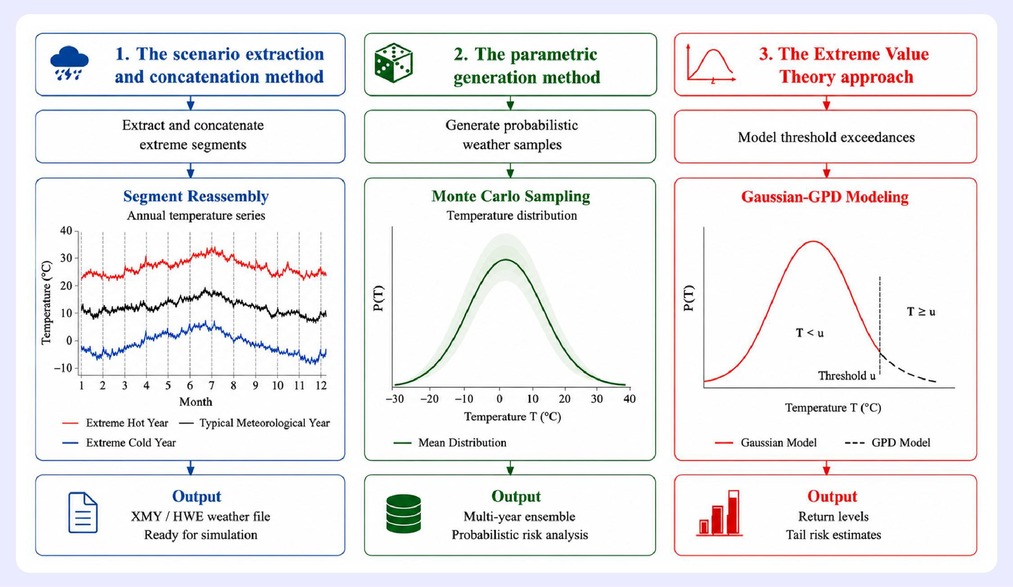
Figure 3.
Schematic of the weather data generation method for short-term extreme weather events.
-
Figure 4.
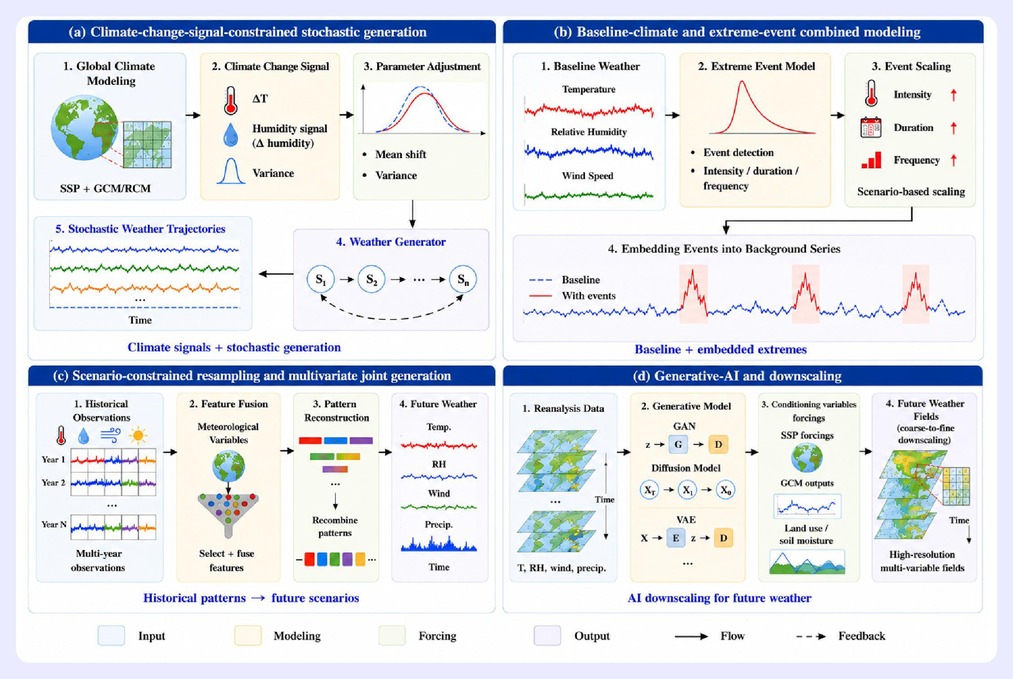
Schematic of the weather data generation method for compound climate change scenarios.
-
Figure 5.
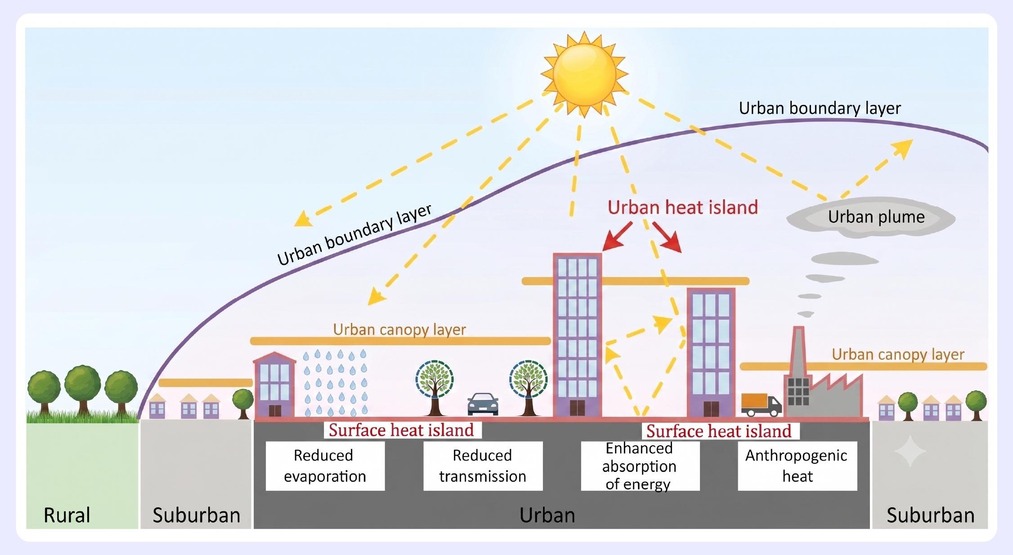
Urban heat island.49
-
Figure 6.
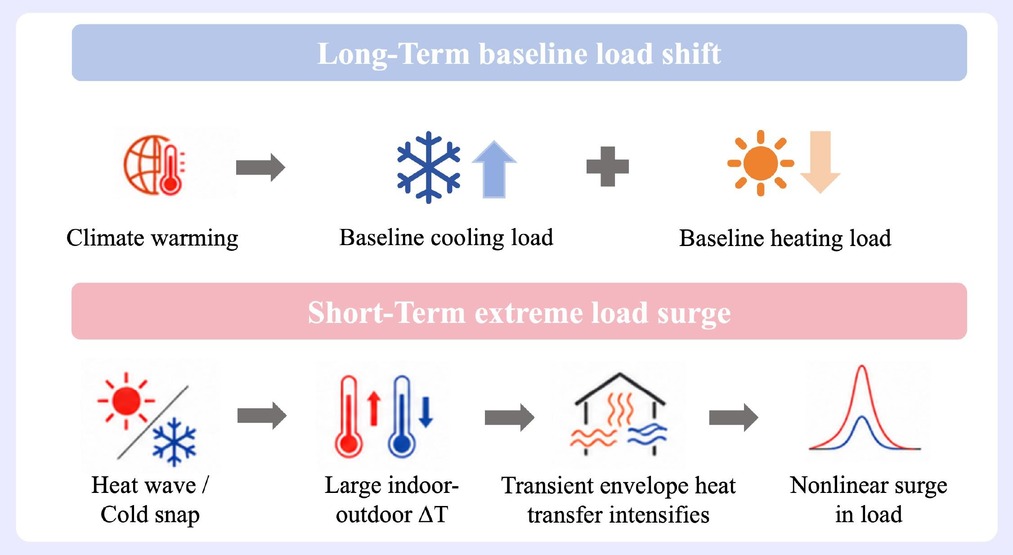
Schematic diagram of the demand-side influence mechanism.
-
Figure 7.
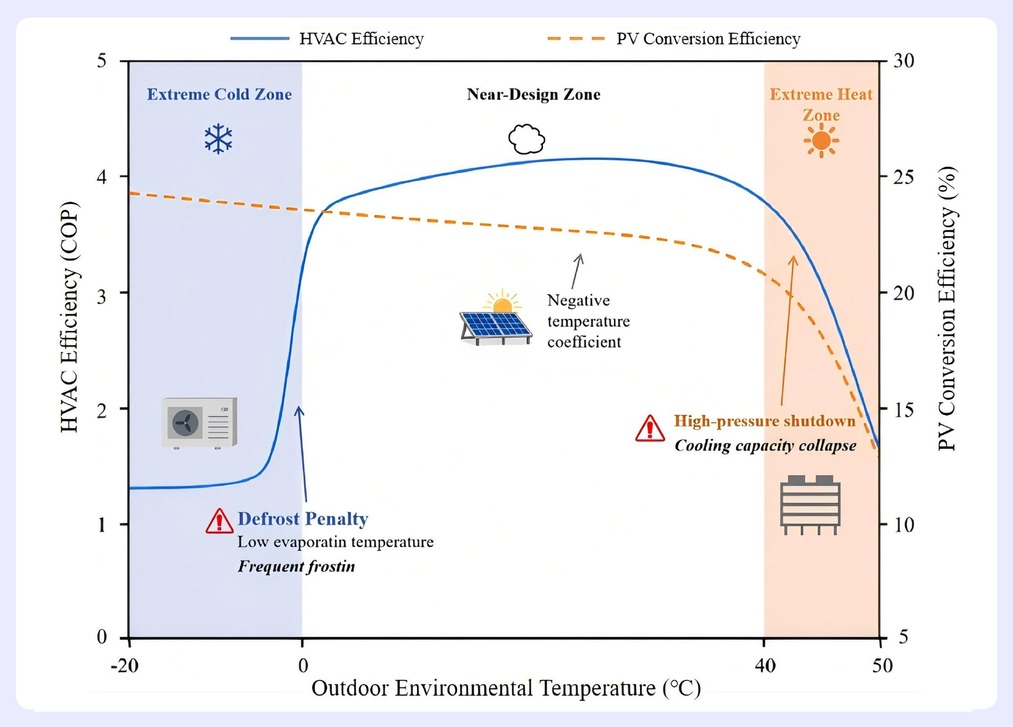
Schematic diagram of the mechanism of supply-side influence.
-
Figure 8.
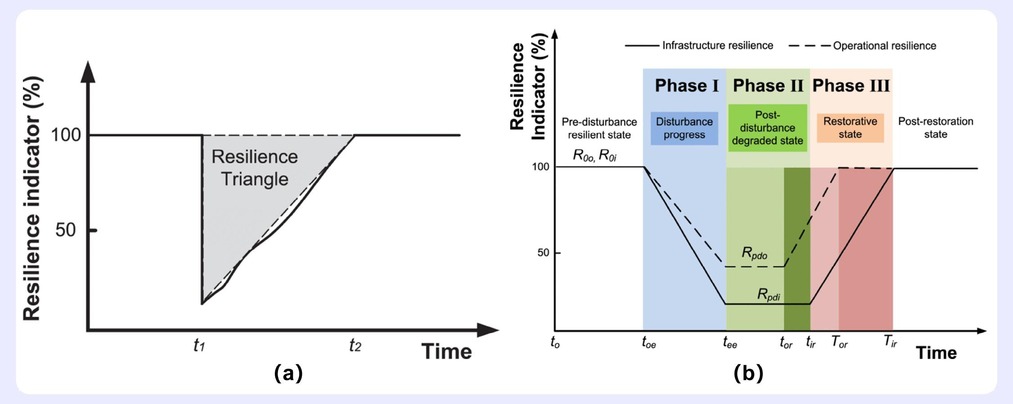
Resilience curves: (A) resilience triangle model;92 (B) resilience trapezoid model.93
-
Figure 9.
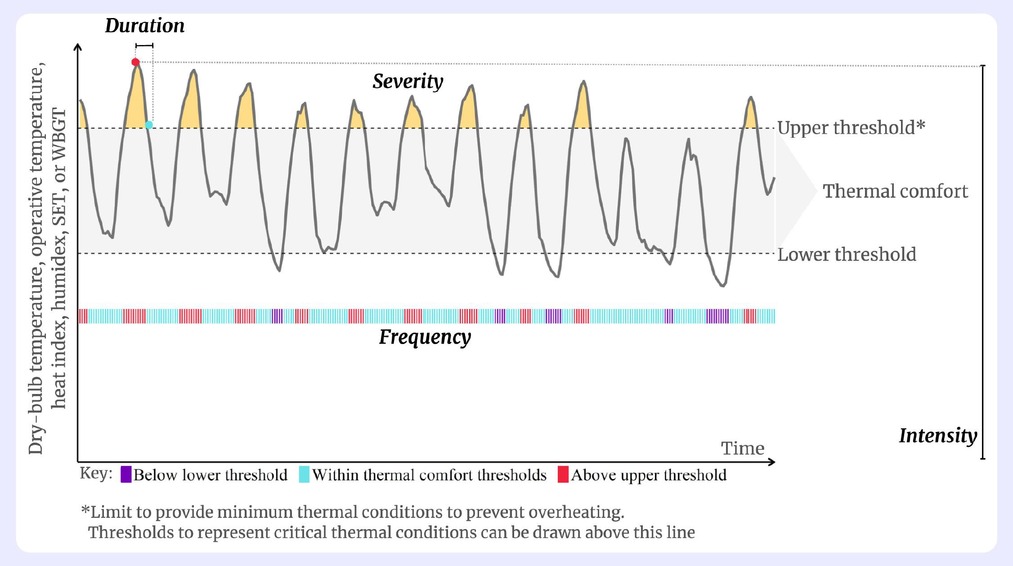
Core evaluation metrics of the indoor thermal environment.78
-
Figure 10.
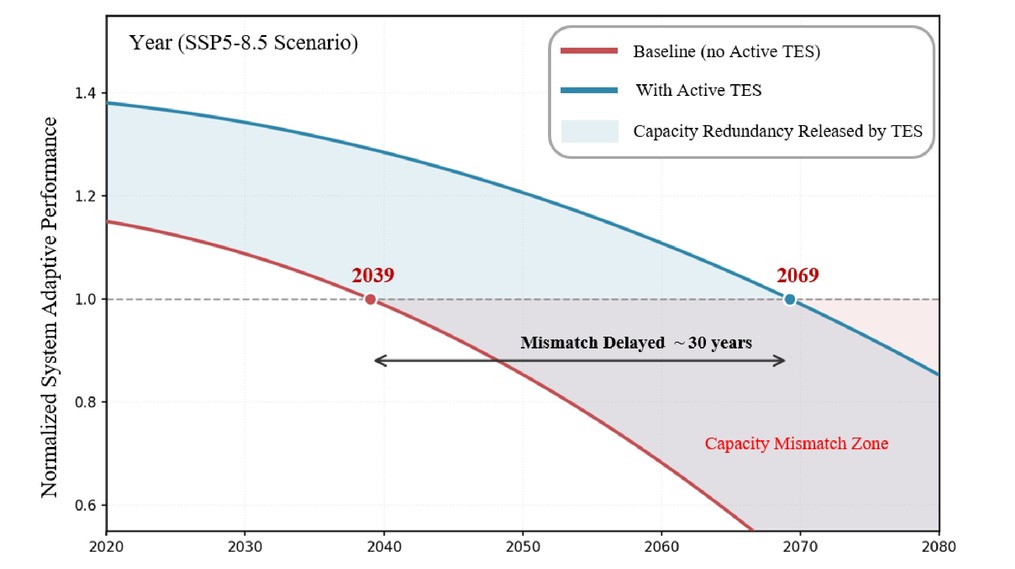
Long-term climate adaptability of active thermal energy storage.135