
Optimal cover designs for outdoor units of air conditioners: A pathway to alleviate the hidden energy burden in Asian megacities
-
GRAPHICAL ABSTRACT
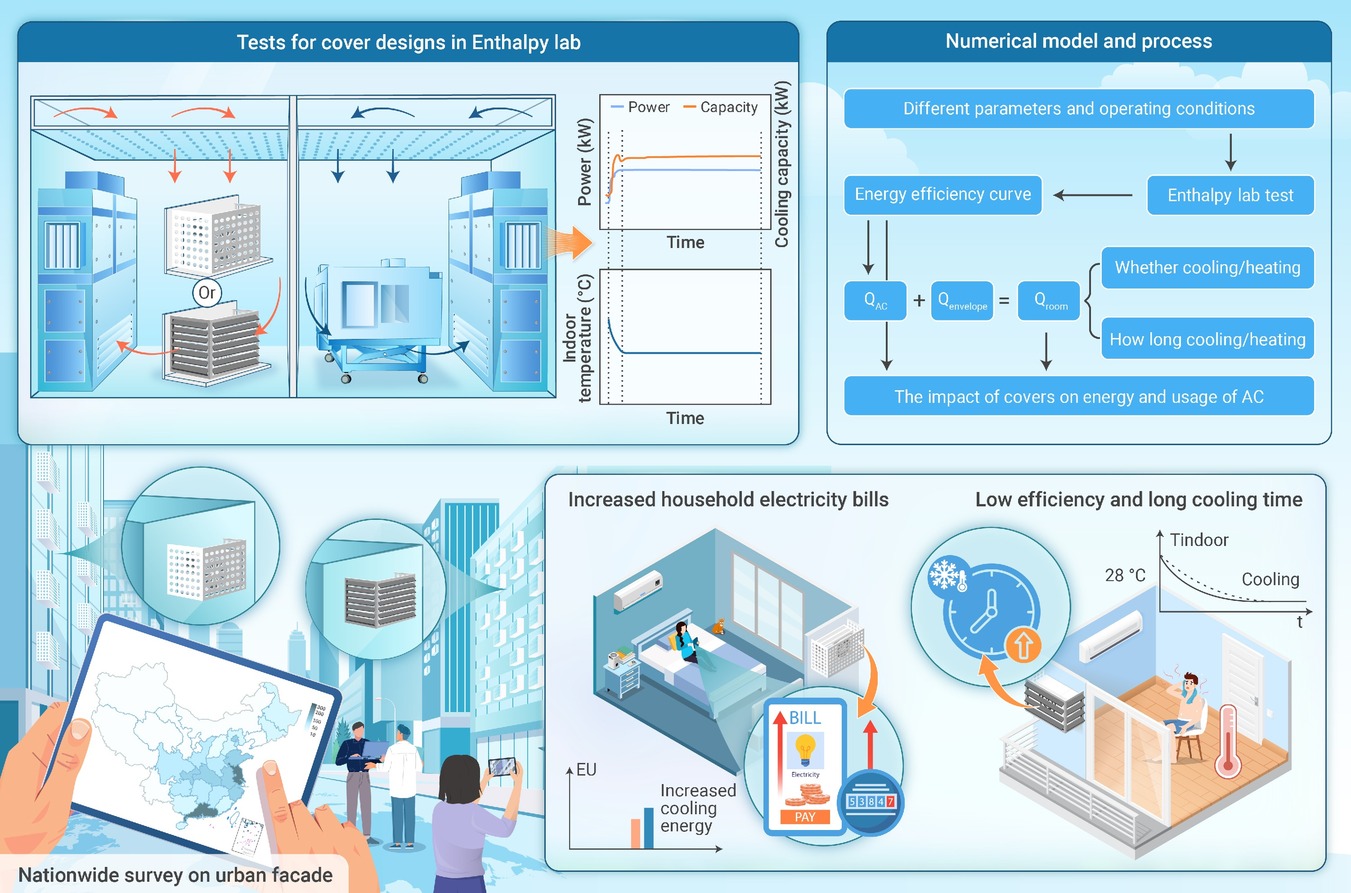
 DownLoad:
Full size image
DownLoad:
Full size image
-
PUBLIC SUMMARY
-
Aesthetic AC façade covers can cut cooling efficiency by up to 34% and raise cooling energy use significantly.
Fully enclosed covers increase building cooling demand by 11.4 kWh/m2 on average, peaking over 26 kWh/m2.
AC operation time is greatly extended by covers, especially during extreme heat events.
Optimized louver (60°/80°) and orifice (30%/40%) designs nearly eliminate energy penalties.
Integrating optimized cover designs into façade standards can balance urban aesthetics and energy sustainability.
-
-
ABSTRACT
Aesthetic façade covers are widely installed across Asian megacities to conceal outdoor air conditioner (AC) units, yet their energy consequences remain poorly quantified amidst rising cooling demands. This study investigates the unsustainable energy burden imposed by these covers and proposes optimized designs to mitigate it. A comprehensive approach combining laboratory experiments, thermodynamic modeling, and building energy simulations was employed to systematically evaluate the impacts of two prevalent cover types across major Asian climate zones. The core of the methodology involved the development and parametric testing of optimized cover designs through adjustments to louver angles and orifice-plate porosities. Fully enclosed covers severely degraded AC performance, reducing cooling efficiency by up to 34% and increasing building cooling energy use by an average of 11.4 kWh/m2, with peaks exceeding 26 kWh/m2 in hotter regions. Cooling operation times were significantly extended, notably during extreme heat events. The results demonstrate that optimized covers can virtually eliminate this energy penalty. Louver covers with 60°/80° angles and orifice-plate covers with 30%/40% porosity limited the average increase in cooling energy consumption to a marginal 0.8 kWh/m2 reduction and 1.3 kWh/m2 increase, respectively, compared to uncovered units. The findings reveal that unregulated cover use poses a substantial threat to energy security in Asia. Therefore, it is imperative that these optimized structural parameters are integrated into building facade standards and policies, offering a viable pathway to reconcile urban aesthetics with sustainable cooling. -

-
REFERENCES
[1] Chen K., Lin H., Shyr O. F., et al. (2023). What are the differences in urban citizens’ preferences for the colour of condominium building facades. Human. Social Sci. Commun. 10:833. DOI:10.1057/s41599-023-02372-9 [2] Kong G. and Fan H. (2020). Enhanced Facade Parsing for Street-Level Images Using Convolutional Neural Networks. IEEE TGRS PP:1-13. DOI:10.1109/TGRS.2020.3035878 [3] Xiang C. and Matusiak B. S. (2022). Façade Integrated Photovoltaics design for high-rise buildings with balconies, balancing daylight, aesthetic and energy productivity performance. J. Build. Eng. 57:104950. DOI:10.1016/j.jobe.2022.104950 [4] Xue X., Tian Z., Yang Y., et al. (2025). Sustaining the local color of a global city. Nat. Cities 2:400−412. DOI:10.1038/s44284-025-00225-x [5] Zhang Z., Hui H. and Song Y. (2025). Mitigating the vicious cycle between urban heatwaves and building energy systems in Guangdong–Hong Kong–Macao Greater Bay Area. Innov. Energy 2:100080. DOI:10.59717/j.xinn-energy.2025.100080 [6] Ornam K., Wonorahardjo S. and Triyadi S. (2024). Several façade types for mitigating urban heat island intensity. Build. Environ. 248:111031. DOI:10.1016/j.buildenv.2023.111031 [7] Pineda-Zumaran J. and Alpaca-Chavez M. (2024). Revisiting façade design and its contribution to the urban experience in the 21st century. J. Urban Design 29:735−752. DOI:10.1080/13574809.2024.2348553 [8] Yi Y. K. (2019). Building facade multi-objective optimization for daylight and aesthetical perception. Build. Environ. 156:178−190. DOI:10.1016/j.buildenv.2019.04.002 [9] Davis L., Gertler P., Jarvis S., et al. (2021). Air conditioning and global inequality. Global Environ. Change 69:102299. DOI:10.1016/j.gloenvcha.2021.102299 [10] Pavanello F., De Cian E., Davide M., et al. (2021). Air-conditioning and the adaptation cooling deficit in emerging economies. Nat. Commun. 12:6460. DOI:10.1038/s41467-021-26592-2 [11] Wang W., Deng Y., Wu J., et al. (2024). The hidden costs of concealing outdoor air conditioning units. Nat. Cities 1:722−724. DOI:10.1038/s44284-024-00148-z [12] Davis L. W. and Gertler P. J. (2015). Contribution of air conditioning adoption to future energy use under global warming. PNAS 112:5962−5967. DOI:10.1073/pnas.1423558112 [13] Isaac M. and van Vuuren D. P. (2009). Modeling global residential sector energy demand for heating and air conditioning in the context of climate change. Energy Policy 37:507−521. DOI:10.1016/j.enpol.2008.09.051 [14] Levesque A., Pietzcker R. C., Baumstark L., et al. (2018). How much energy will buildings consume in 2100. A global perspective within a scenario framework. Energy 148:514−527. DOI:10.1016/j.energy.2018.01.139 [15] Biardeau L. T., Davis L. W., Gertler P., et al. (2020). Heat exposure and global air conditioning. Nat. Sustain. 3:25−28. DOI:10.1038/s41893-019-0441-9 [16] IEA. (2018). The Future of Cooling. Prepirnt at https://www.iea.org/reports/the-future-of-cooling [17] IEA. (2021). Air conditioning units in operation by region, 2000-2020. Preprint at https://www.iea.org/data-and-statistics/charts/air-conditioning-units-in-operation-by-region-2000-2020 [18] Afram A. and Janabi-Sharifi F. (2014). Review of modeling methods for HVAC systems. Appl. Therm. Eng. 67:507−519. DOI:10.1016/j.applthermaleng.2014.03.055 [19] Sadeghianjahromi A. and Wang C.-C. (2021). Heat transfer enhancement in fin-and-tube heat exchangers – A review on different mechanisms. Renew. Sustain. Energy Rev. 137:110470. DOI:10.1016/j.rser.2020.110470 [20] Yuan Y., Zhang N., Tao W., et al. (2014). Fatty acids as phase change materials: A review. Renew. Sustain. Energy Rev. 29:482−498. DOI:10.1016/j.rser.2013.08.107 [21] Staffell I., Pfenninger S. and Johnson N. (2023). A global model of hourly space heating and cooling demand at multiple spatial scales. Nat. Energy 8:1328−1344. DOI:10.1038/s41560-023-01341-5 [22] Deroubaix A., Labuhn I., Camredon M., et al. (2021). Large uncertainties in trends of energy demand for heating and cooling under climate change. Nat. Commun. 12:5197. DOI:10.1038/s41467-021-25504-8 [23] Falchetta G., Cian E. D., Pavanello F., et al. (2024). Inequalities in global residential cooling energy use to 2050. Nat. Commun. 15:7874. DOI:10.1038/s41467-024-52028-8 [24] Pandey B., Brelsford C. and Seto K. C. (2025). Rising infrastructure inequalities accompany urbanization and economic development. Nat. Commun. 16:1193. DOI:10.1038/s41467-025-56539-w [25] Wu J., Wang L., Hong T., et al. (2024). Revealing and optimizing the design of cover installation for outdoor units of air conditioners through CFD simulations and thermodynamic modeling. J. Build. Eng. 87:109014. DOI:10.1016/j.jobe.2024.109014 [26] Nada S. A. and Said M. A. (2017). Performance and energy consumptions of split type air conditioning units for different arrangements of outdoor units in confined building shafts. Appl. Therm. Eng. 123:874−890. DOI:10.1016/j.applthermaleng.2017.05.104 [27] Chow T. T., Lin Z. and Yang X. Y. (2002). Placement of condensing units of split-type air-conditioners at low-rise residences. Appl. Therm. Eng. 22:1431−1444. DOI:10.1016/S1359-4311(02)00068-6 [28] Xue H., Xu B., Wu J., et al. (2007). Prediction of temperature rise near condensing units in the confined space of a high-rise building. Build. Environ. 42:2480−2487. DOI:10.1016/j.buildenv.2006.06.011 [29] Kwag B. C., Kim G. T. and Im D. (2023). Evaluation of the impact of installation environment for a condensing unit of a split-type air conditioner in a plant room of Korean apartment dwellings. Int. J. Refrig. 156:207−218. DOI:10.1016/j.ijrefrig.2023.10.002 [30] Bruelisauer M., Meggers F., Saber E., et al. (2014). Stuck in a stack—Temperature measurements of the microclimate around split type condensing units in a high rise building in Singapore. Energy Build. 71:28−37. DOI:10.1016/j.enbuild.2013.11.056 [31] Meyer D., Schoetter R. and van Reeuwijk M. (2024). Energy and environmental impacts of air-to-air heat pumps in a mid-latitude city. Nat. Commun. 15:5474. DOI:10.1038/s41467-024-49836-3 [32] He P., Liu P., Qiu Y., et al. (2022). The weather affects air conditioner purchases to fill the energy efficiency gap. Nat. Commun. 13:5772. DOI:10.1038/s41467-022-33531-2 [33] Mubiinzi G., Senyonga L., Kaawaase T. K., et al. (2024). Income and price elasticities of household electricity demand: A comparative systematic review of aggregated and disaggregated data studies. Energy Rep. 12:4449−4465. DOI:10.1016/j.egyr.2024.10.021 [34] Wang S. R., Mo J. L., Yang J., et al. (2025). Scenario-based projections of electricity prices in China's carbon-neutral transition. iscience 28. 112958,DOI:10.1016/j.isci.2025.112958 [35] Liu X. M., Zhu T. S., Cai W. G., et al. (2025). Carbon emission efficiency of urban residential buildings in China: a study based on a three-stage DEA model. Eng. Const. Arch. Manag.:1–23. DOI:10.1108/ECAM-09-2024-1234 [36] Li R., Hu Y., Wang X., et al. (2024). Estimating the impacts of a new power system on electricity prices under dual carbon targets. J. Clean. Product. 438:140583. DOI:10.1016/j.jclepro.2024.140583 [37] Zhang W. and Li H. (2025). A study of the effect of motor structural components on harmonic noise. Sci. Rep. 15:7670. DOI:10.1038/s41598-025-91861-9 [38] Wang F., Harindintwali J. D., Yuan Z., et al. (2021). Technologies and perspectives for achieving carbon neutrality. The Innovation 2:100180. DOI:10.1016/j.xinn.2021.100180 [39] Yin Z., Zhou B., Duan M., et al. (2023). Climate extremes become increasingly fierce in China. The Innovation 4:100406. DOI:10.1016/j.xinn.2023.100406 [40] Cohen J., Moeltner K., Reichl J., et al. (2018). Effect of global warming on willingness to pay for uninterrupted electricity supply in European nations. Nat. Energy 3:37−45. DOI:10.1038/s41560-017-0045-4 [41] Salvo A. (2018). Electrical appliances moderate households’ water demand response to heat. Nat. Commun. 9:5408. DOI:10.1038/s41467-018-07833-3 [42] Woods J., James N., Kozubal E., et al. (2022). Humidity’s impact on greenhouse gas emissions from air conditioning. Joule 6:726−741. DOI:10.1016/j.joule.2022.02.013 [43] Poredoš P., Shan H. and Wang R. (2022). Dehumidification with solid hygroscopic sorbents for low-carbon air conditioning. Joule 6:1390−1393. DOI:10.1016/j.joule.2022.06.020 [44] Ahmed F., Ramana A. S. and Jayakumar K. (2025). Experimental study on adiabatic pre-cooling systems for air cooled condensers in hot and humid climates. Sci. Rep. 15:4933. DOI:10.1038/s41598-024-82863-0 -
ABOUT THIS ARTICLE
Cite this article:
Wu J., Wei H., Su F., et al. (2026). Optimal cover designs for outdoor units of air conditioners: A pathway to alleviate the hidden energy burden in Asian megacities. The Innovation Energy 3:100136. https://doi.org/10.59717/j.xinn-energy.2026.100136
Welcome!
To request copyright permission to republish or share portions of our works, please visit Copyright Clearance Center's (CCC) Marketplace website at marketplace.copyright.com.
Article Metrics
Relative Articles
Cited by
Export File
Citation
Wu J., Wei H., Su F., et al. (2026). Optimal cover designs for outdoor units of air conditioners: A pathway to alleviate the hidden energy burden in Asian megacities. The Innovation Energy 3:100136. https://doi.org/10.59717/j.xinn-energy.2026.100136

Format
Content
-
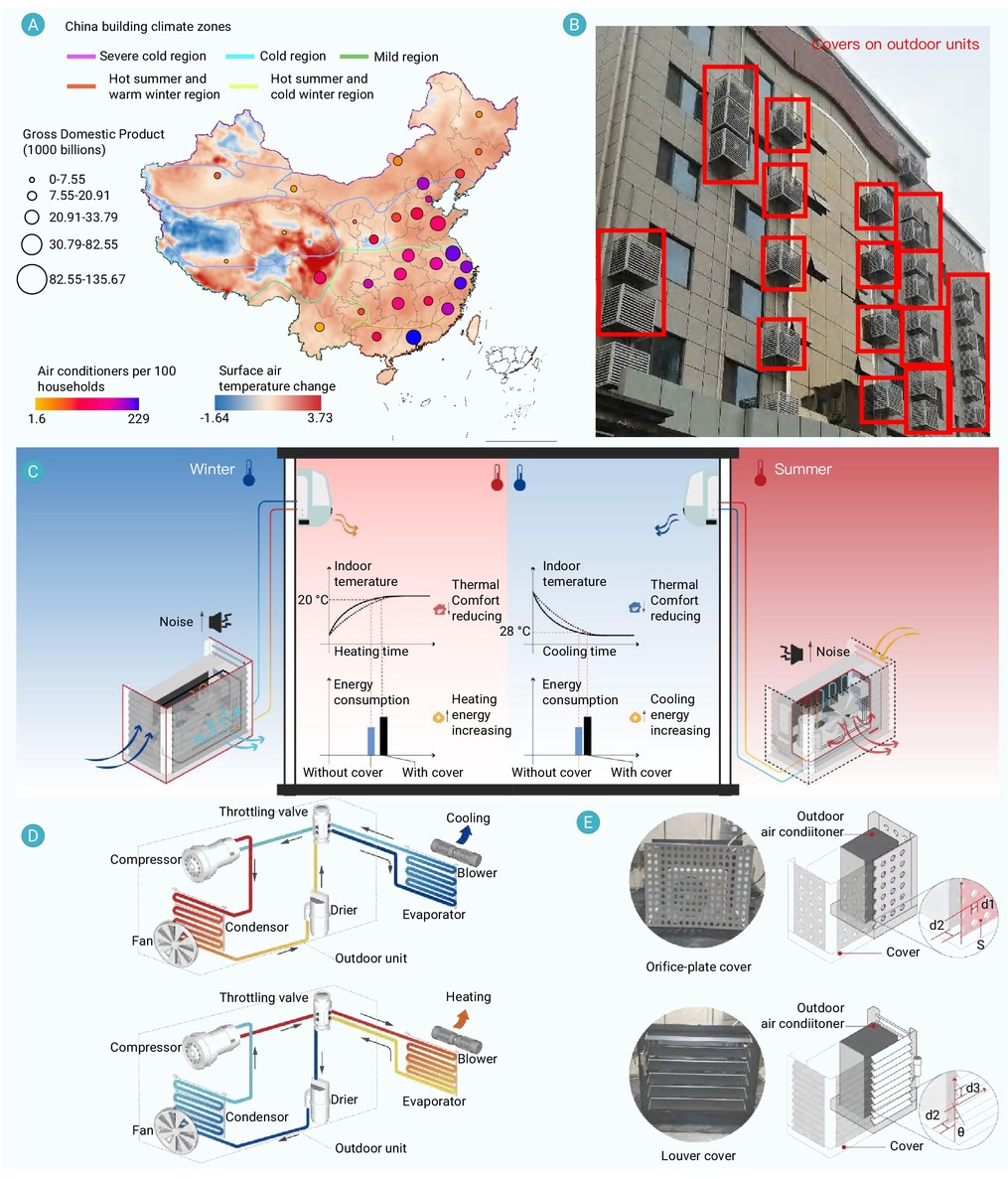
Figure 1.
Impacts and key structural parameters of AC Outdoor Unit Covers
-
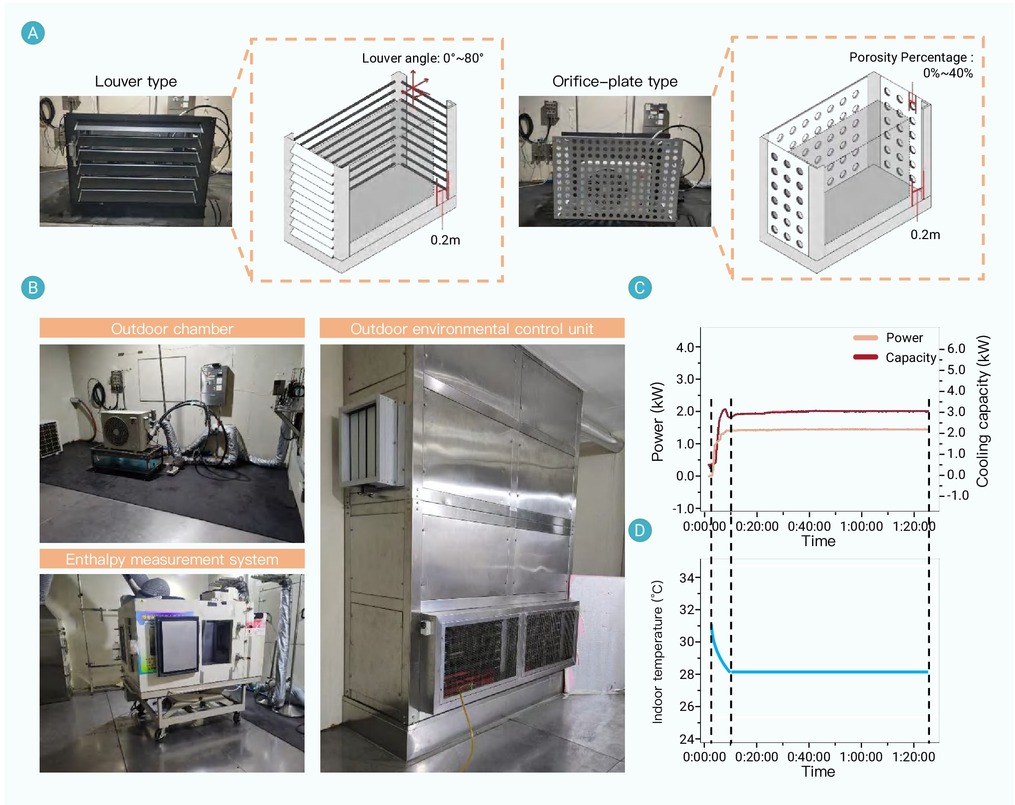
Figure 2.
Laboratory and thermodynamic modeling
-
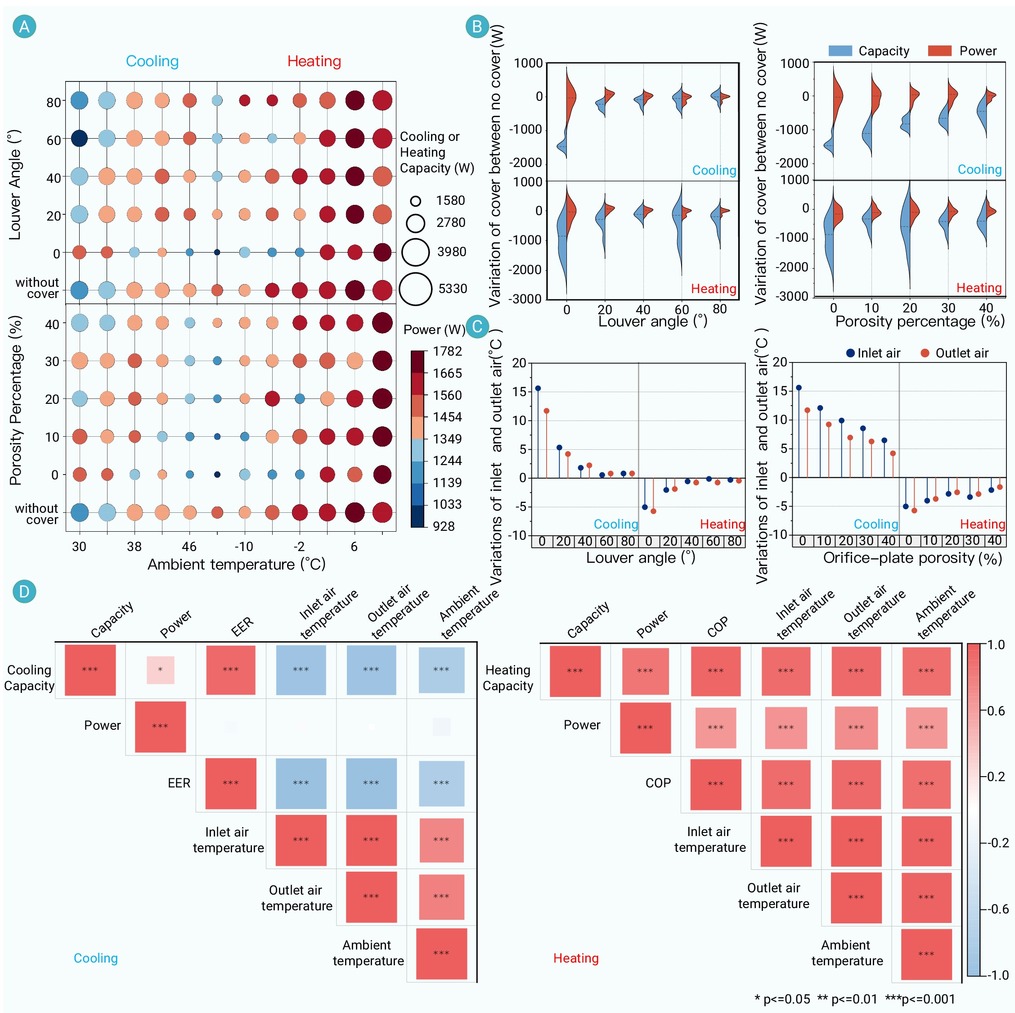
Figure 3.
Impact of covers on energy performance
-
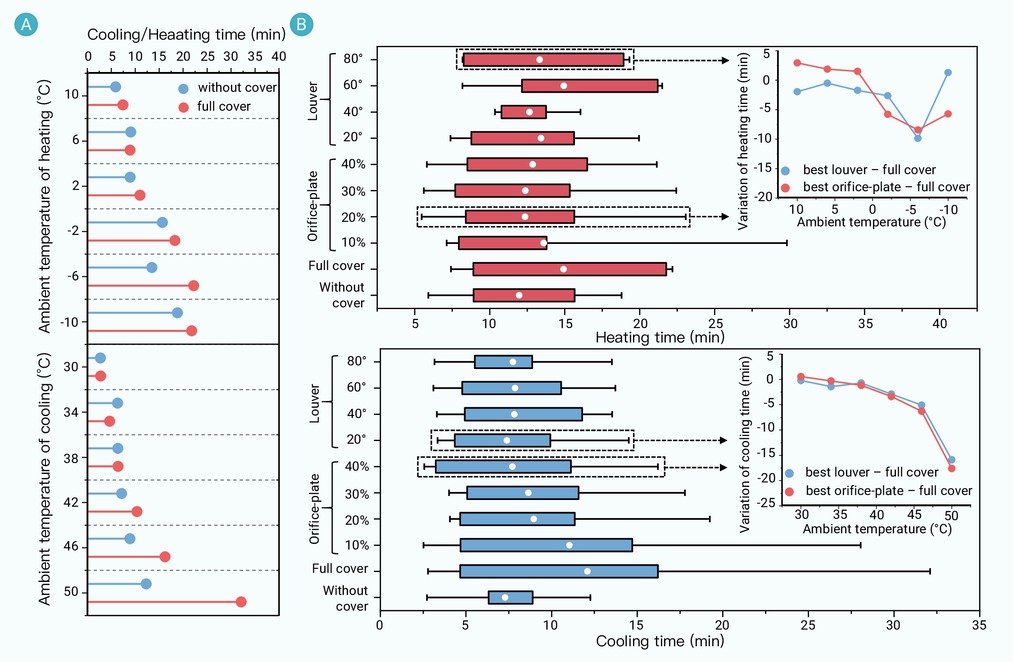
Figure 4.
Cover effect on AC cooling and heating times
-
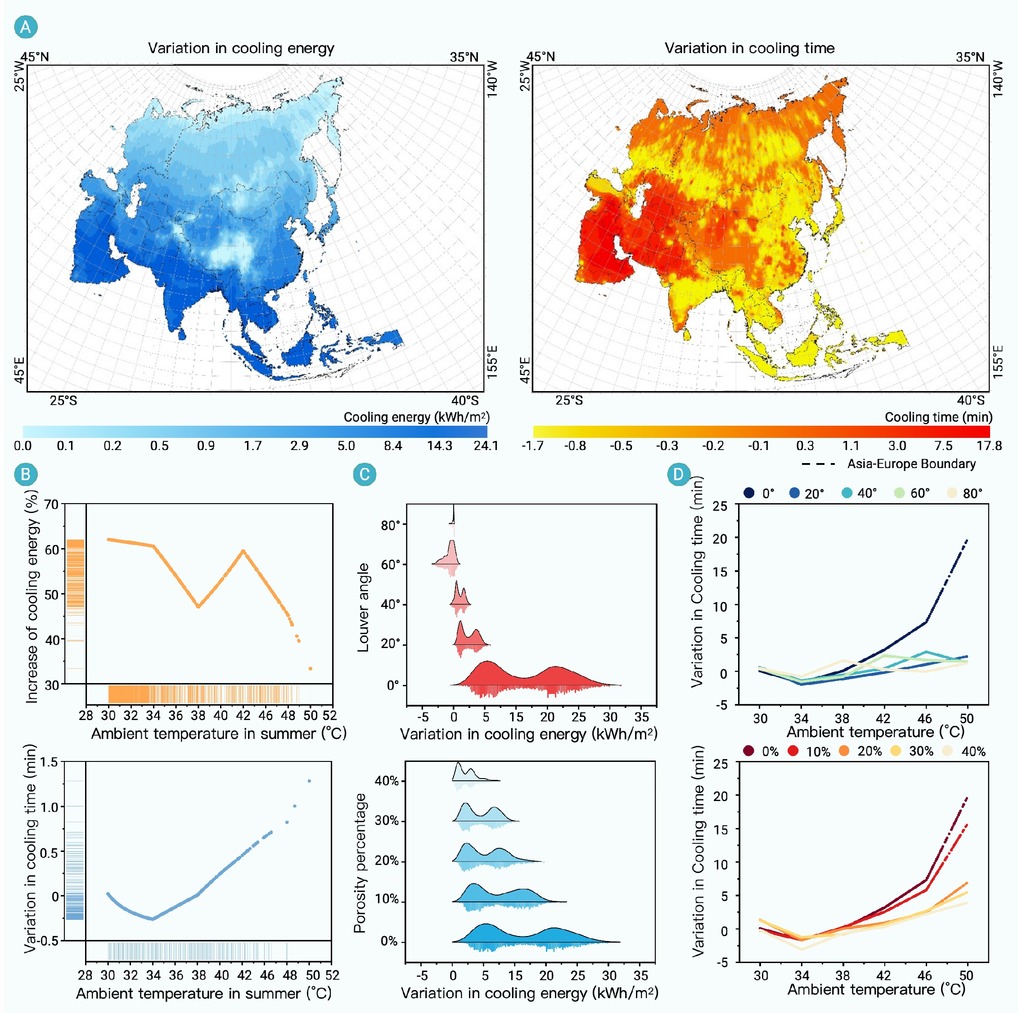
Figure 5.
Impact on building in Asia
-
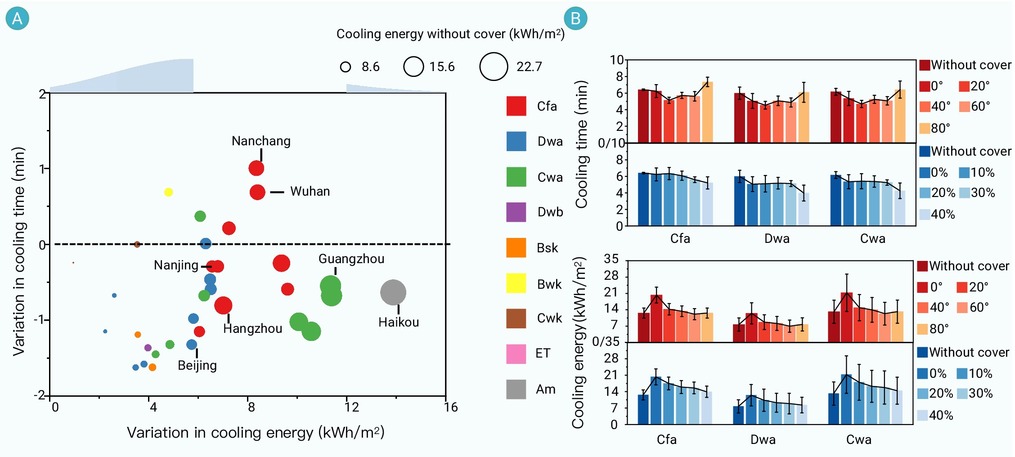
Figure 6.
Impact on building in different climate zones of China
-
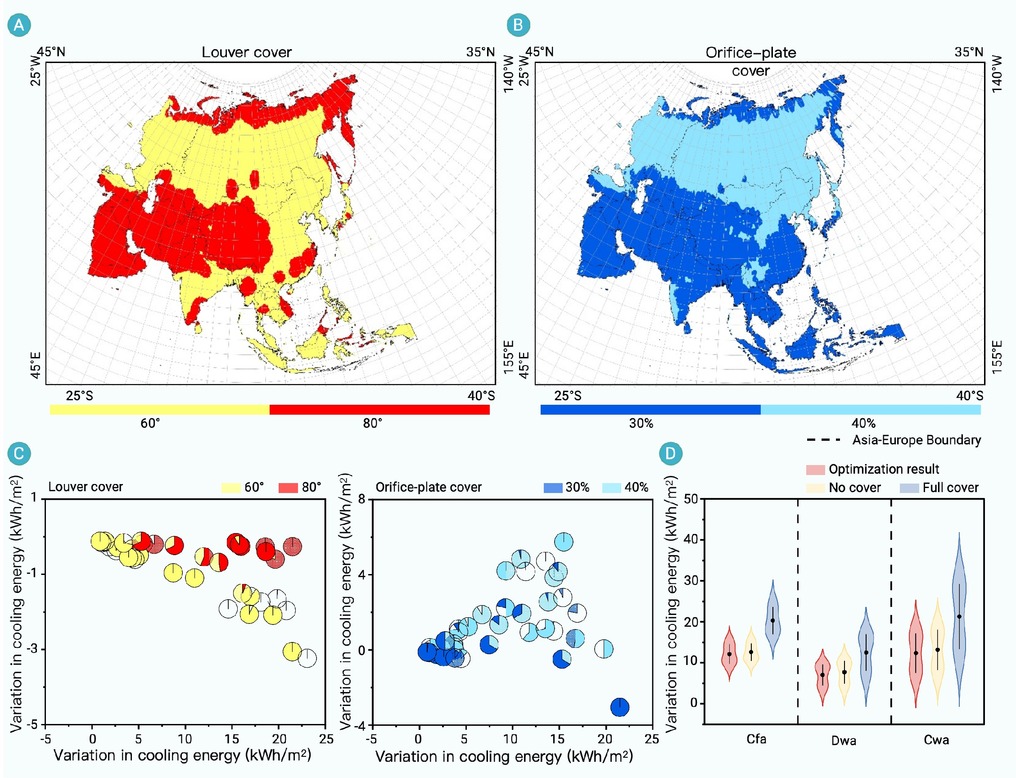
Figure 7.
Optimal design of cover in Asia
