
Nature or nurture: Revealing intrinsic privacy in the electricity consumption data
-
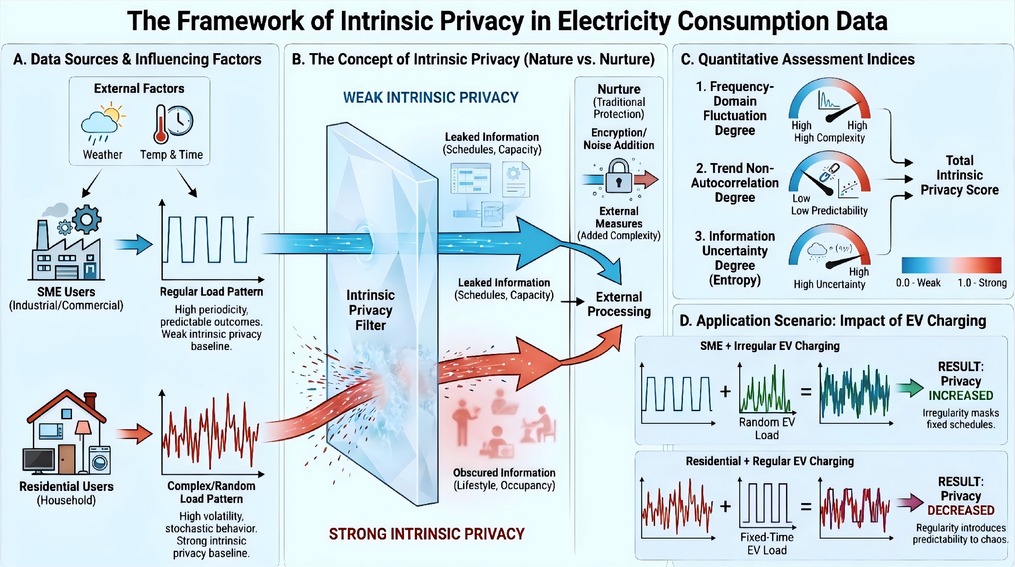
GRAPHICAL ABSTRACT
 DownLoad:
Full size image
DownLoad:
Full size image
-
PUBLIC SUMMARY
-
Intrinsic privacy is defined as the innate capacity of raw electricity consumption data to conceal user behavior.
Intrinsic privacy is quantified using indices for frequency fluctuation, non-autocorrelation, and information uncertainty.
Residential load data shows higher intrinsic privacy than Small and Medium Enterprise (SME) data due to greater volatility.
Intrinsic privacy helps users design personalized protection strategies, such as optimized smart charging for EVs.
-
-
ABSTRACT
Electricity consumption data collected by smart meters, while valuable for grid management, raises privacy concerns regarding user behavior. A concept, intrinsic privacy, is introduced in this study to identify the privacy characteristics that are tightly coupled with the user's electricity usage patterns. Intrinsic privacy represents the innate capacity of electricity consumption data to obscure or avoid disclosing information that the user does not wish to make public. A methodology including three key indices is developed to assess and quantify intrinsic privacy and is validated with data from two user groups: small and medium-sized enterprise and residential users. Examining electric vehicle charging as a representative scenario, we analyze how charging behaviors influence intrinsic privacy. The results show that intrinsic privacy provides electricity users with deeper insights into their privacy strengths and needs, facilitating the development of precise and personalized privacy protection strategies, such as optimized smart charging for electric vehicles. -

-
REFERENCES
[1] Butt O.M., Zulqarnain M. and Butt T.M. (2021). Recent advancement in smart grid technology: Future prospects in the electrical power network. Ain Shams Eng. J. 12:687−695. DOI:10.1016/j.asej.2020.05.004 [2] Kataray T., Dhananjay U., Balamurugan S., et al. (2023). Integration of smart grid with renewable energy sources: Opportunities and challenges–A comprehensive review. Sustain. Energy Technol. Assess. 58:103363. DOI:10.1016/j.seta.2023.103363 [3] Khalid M. (2024). Smart grids and renewable energy systems: Perspectives and grid integration challenges. Energy Strategy Rev. 51:101299. DOI:10.1016/j.esr.2024.101299 [4] Gholian A., Mohsenian-Rad H. and Hua Y. (2015). Optimal industrial load control in smart grid. IEEE Trans. Smart Grid 7:2305−2316. DOI:10.1109/TSG.2015.2490429 [5] Wang Z., Li M., Li L., et al. (2023). A non-intrusive method of industrial load disaggregation based on load operating states and improved grey wolf algorithm. Appl. Energy 351:121934. DOI:10.1016/j.apenergy.2023.121934 [6] Lu N., Xie Y., Huang Z., et al. (2008). Direct load control for ancillary services. IEEE Power Energy Soc. Gen. Meet.:1–5. DOI:10.1109/PES.2008.4596786. [7] Proedrou E. (2021). A comprehensive review of residential electricity load profile models. IEEE Access 9:12114−12133. DOI:10.1109/ACCESS.2021.3051459 [8] Wang H., Qi L., Yan L., et al. (2020). Load photo: A novel analysis method for load data. IEEE Trans. Smart Grid 12:1394−1404. DOI:10.1109/TSG.2020.3031923 [9] Elahe M.F., Jin M. and Zeng P. (2021). Review of load data analytics using deep learning in smart grids: Open load datasets, methodologies, and application challenges. Int. J. Energy Res. 45:14274−14305. DOI:10.1002/er.6746 [10] Mehdipour Pirbazari A., Farmanbar M., Chakravorty A., et al. (2020). Short-term load forecasting using smart meter data: A generalization analysis. Processes 8:484. DOI:10.3390/pr8040484 [11] Wang Y., Chen Q., Hong T., et al. (2018). Review of smart meter data analytics: Applications, methodologies, and challenges. IEEE Trans. Smart Grid 10:3125−3148. DOI:10.1109/TSG.2018.2818167 [12] Chowdhury P.K.R., Ninsawat S. and Nitivattananon V. (2020). Electricity consumption patterns within cities: application of a data-driven settlement characterization method. Int. J. Digit. Earth 13:1425−1446. DOI:10.1080/17538947.2020.1774426 [13] Rahman A., Srikumar V. and Smith A.D. (2018). Predicting electricity consumption for commercial and residential buildings using deep recurrent neural networks. Appl. Energy 212:372−385. DOI:10.1016/j.apenergy.2017.12.051 [14] Guo Z., Zhou K., Zhang C., et al. (2018). Residential electricity consumption behavior: Influencing factors, related theories and intervention strategies. Renew. Sustain. Energy Rev. 81:399−412. DOI:10.1016/j.rser.2017.07.046 [15] Abreu J.M., Pereira F.C. and Ferrão P. (2012). Using pattern recognition to identify habitual behavior in residential electricity consumption. Energy Build. 49:479−487. DOI:10.1016/j.enbuild.2012.02.044 [16] Hernández L., Baladrón C., Aguiar J.M., et al. (2012). Classification and clustering of electricity demand patterns in industrial parks. Energies 5:5215−5228. DOI:10.3390/en5125215 [17] Yu H., Jia H., Zhang Z., et al. (2023). Privacy-preserving demand response of aggregated residential load. Appl. Energy 339:121018. DOI:10.1016/j.apenergy.2023.121018 [18] McLaughlin S., McDaniel P. and Aiello W. (2011). Protecting consumer privacy from electric load monitoring. ACM Conf. Comput. Commun. Secur.:87–98. DOI:10.1145/2046707.2046719. [19] Lisovich M. and Wicker S. (2008). Privacy concerns in upcoming residential and commercial demand-response systems. IEEE Power Syst. Conf. Expo.:1–10. DOI:10.1109/PSCE.2008.4836041. [20] Palacios-Garcia E.J., Carpent X., Bos J.W., et al. (2022). Efficient privacy-preserving aggregation for demand side management of residential loads. Appl. Energy 328:120112. DOI:10.1016/j.apenergy.2022.120112 [21] Yussof S., Rusli M.E., Yusoff Y., et al. (2018). Privacy protection issues in the advanced metering infrastructure. Proc. 6th Int. Conf. Inf. Technol. Multimed.:11–14. DOI:10.1109/ICIMU.2018.8692797. [22] Armoogum S. and Bassoo V. (2019). 8 - Privacy of energy consumption data of a household in a smart grid. Smart Power Distrib. Syst.:163–177. DOI:10.1016/B978-0-12-812154-2.00008-0. [23] Cheng L., Liu F. and Yao D. (2017). Enterprise data breach: causes, challenges, prevention, and future directions. Wiley Interdiscip. Rev. Data Min. Knowl. Discov. 7:e1211. DOI:10.1002/widm.1211 [24] Kalogridis G., Cepeda R., Denic S.Z., et al. (2011). Elecprivacy: Evaluating the privacy protection of electricity management algorithms. IEEE Trans. Smart Grid 2:750−758. DOI:10.1109/TSG.2011.2160876 [25] Dayarathna M., Wen Y. and Fan R. (2015). Data center energy consumption modeling: A survey. IEEE Commun. Surv. Tutor. 18:732−794. DOI:10.1109/COMST.2015.2481183 [26] Chen W., Zhou K., Yang S., et al. (2017). Data quality of electricity consumption data in a smart grid environment. Renew. Sustain. Energy Rev. 75:98−105. DOI:10.1016/j.rser.2016.10.054 [27] Miah M.D., Foysal M.A., Koike M., et al. (2011). Domestic energy-use pattern by the households: A comparison between rural and semi-urban areas of Noakhali in Bangladesh. Energy Policy 39:3757−3765. DOI:10.1016/j.enpol.2011.04.003 [28] Mansouri I., Newborough M. and Probert D. (1996). Energy consumption in UK households: Impact of domestic electrical appliances. Appl. Energy 54:211−285. DOI:10.1016/0306-2619(95)00034-Q [29] Sanguesa J.A., Torres-Sanz V., Garrido P., et al. (2021). A review on electric vehicles: Technologies and challenges. Smart Cities 4:372−404. DOI:10.3390/smartcities4010022 [30] Kumar R.R. and Alok K. (2020). Adoption of electric vehicle: A literature review and prospects for sustainability. J. Clean. Prod. 253:119911. DOI:10.1016/j.jclepro.2019.119911 [31] Liu W., Placke T. and Chau K.T. (2022). Overview of batteries and battery management for electric vehicles. Energy Rep. 8:4058−4084. DOI:10.1016/j.egyr.2022.03.016 [32] Deng J., Bae C., Denlinger A., et al. (2020). Electric vehicles batteries: requirements and challenges. Joule 4:511−515. DOI:10.1016/j.joule.2020.01.013 [33] Dixon J. and Bell K. (2020). Electric vehicles: Battery capacity, charger power, access to charging and the impacts on distribution networks. eTransportation 4:100059. DOI:10.1016/j.etran.2020.100059 [34] Unterweger A., Knirsch F., Engel D., et al. (2022). An analysis of privacy preservation in electric vehicle charging. Energy Inform. 5:3. DOI:10.1186/s42162-022-00185-9 [35] Saxena N., Grijalva S., Chukwuka V., et al. (2017). Network security and privacy challenges in smart vehicle-to-grid. IEEE Wirel. Commun. 24:88−98. DOI:10.1109/MWC.2017.1600318 [36] Song Z. and Li Z. (2024). A review of smart grid security and privacy protection technologies. Int. Conf. Energy Electr. Power Eng.:954–961. DOI:10.1109/CEEPE62022.2024.10586302. [37] Mohsenian-Rad A.-H. and Leon-Garcia A. (2010). Optimal residential load control with price prediction in real-time electricity pricing environments. IEEE Trans. Smart Grid 1:120−133. DOI:10.1109/TSG.2010.2055903 [38] Zhao A., Mi L., Xue X., et al. (2022). Heating load prediction of residential district using hybrid model based on CNN. Energy Build. 266:112122. DOI:10.1016/j.enbuild.2022.112122 [39] Fan J., Upadhye S. and Worster A. (2006). Understanding receiver operating characteristic (ROC) curves. Can. J. Emerg. Med. 8:19−20. DOI:10.1017/S1481803500013336 -
ABOUT THIS ARTICLE
Cite this article:
Li Z., Song Z., Han X., et al. (2026). Nature or nurture: Revealing intrinsic privacy in the electricity consumption data. The Innovation Energy 3:100142. https://doi.org/10.59717/j.xinn-energy.2026.100142
Welcome!
To request copyright permission to republish or share portions of our works, please visit Copyright Clearance Center's (CCC) Marketplace website at marketplace.copyright.com.
Article Metrics
Relative Articles
Cited by
Export File
Citation
Li Z., Song Z., Han X., et al. (2026). Nature or nurture: Revealing intrinsic privacy in the electricity consumption data. The Innovation Energy 3:100142. https://doi.org/10.59717/j.xinn-energy.2026.100142

Format
Content
-
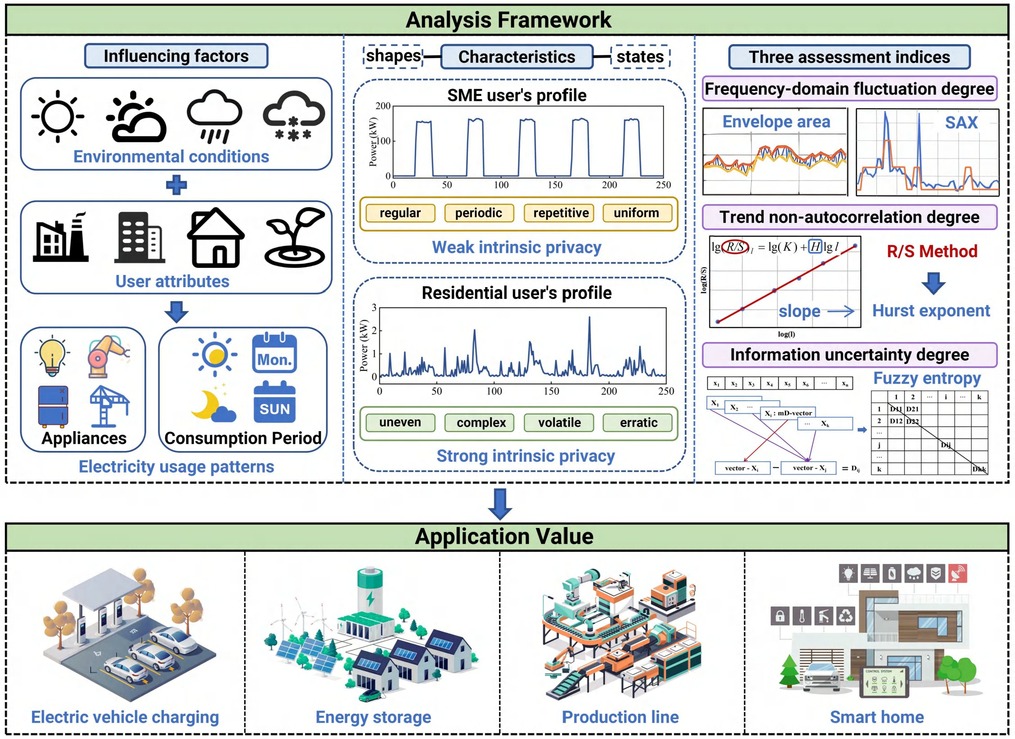
Figure 1.
Analysis framework and application value of intrinsic privacy
-
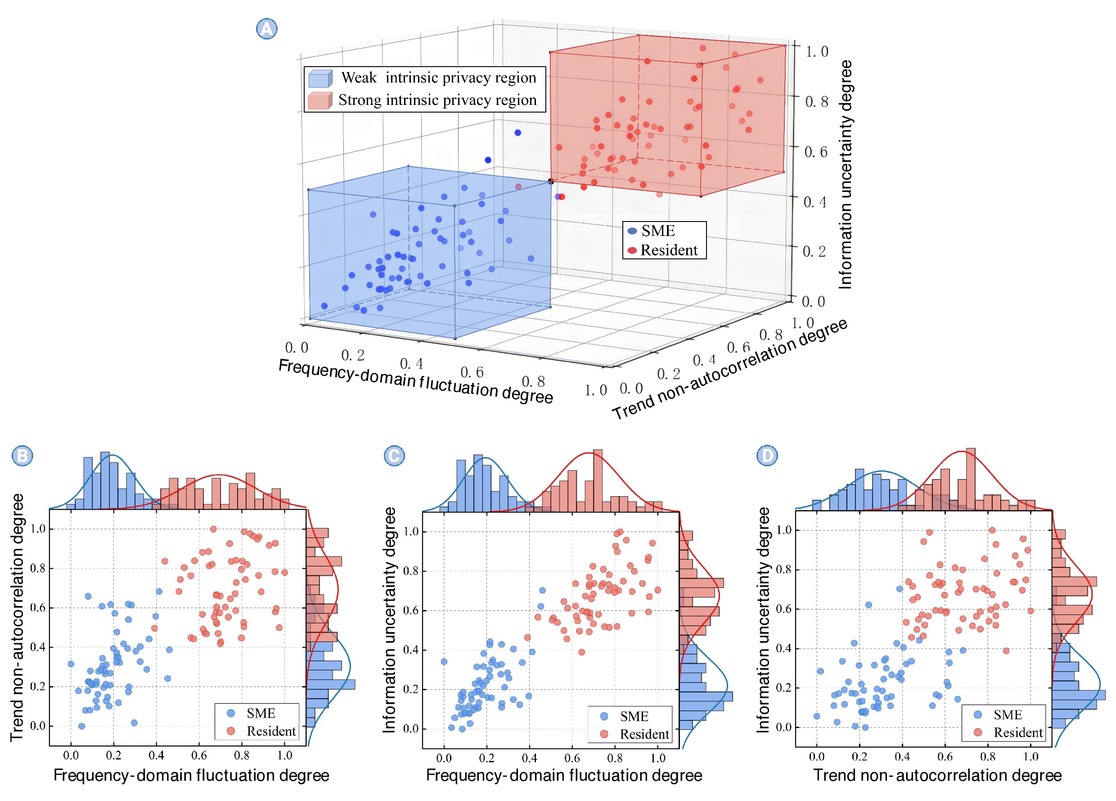
Figure 2.
The distribution of two typical users' intrinsic privacy levels
-
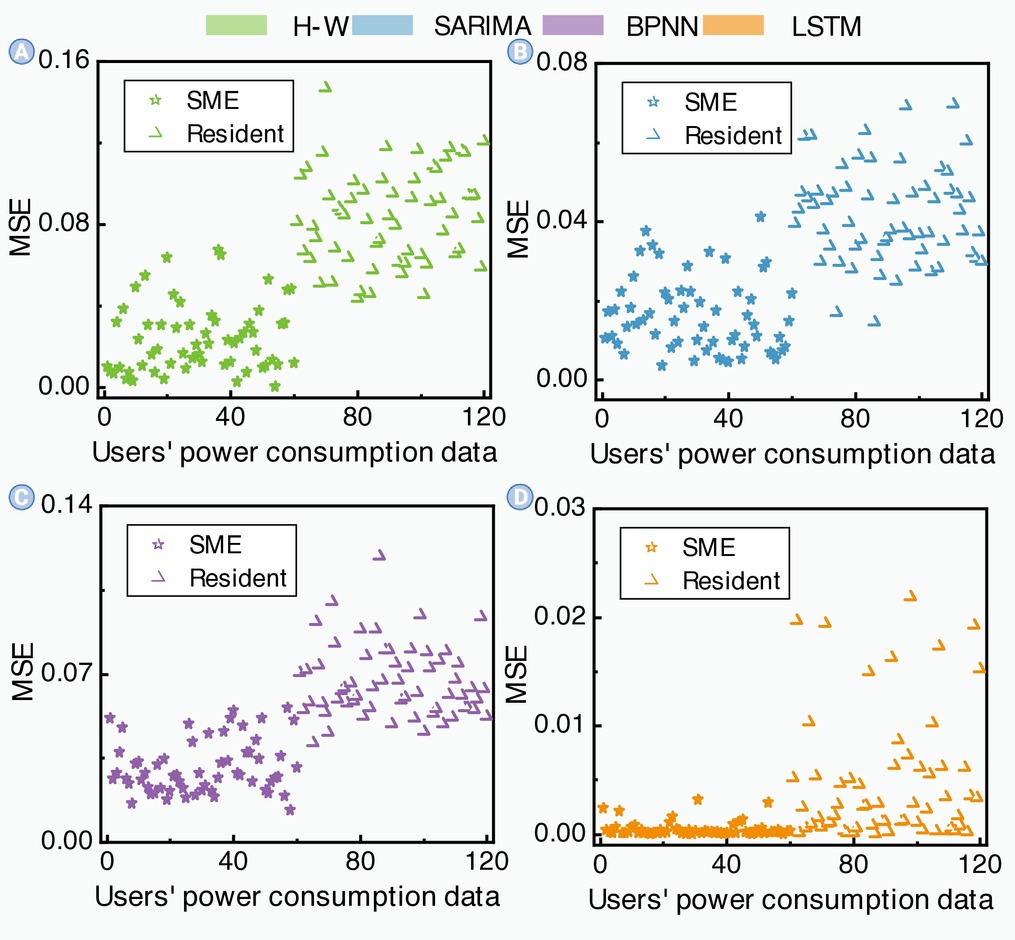
Figure 3.
Load prediction accuracies for all users under four classic prediction methods
-
Figure 4.
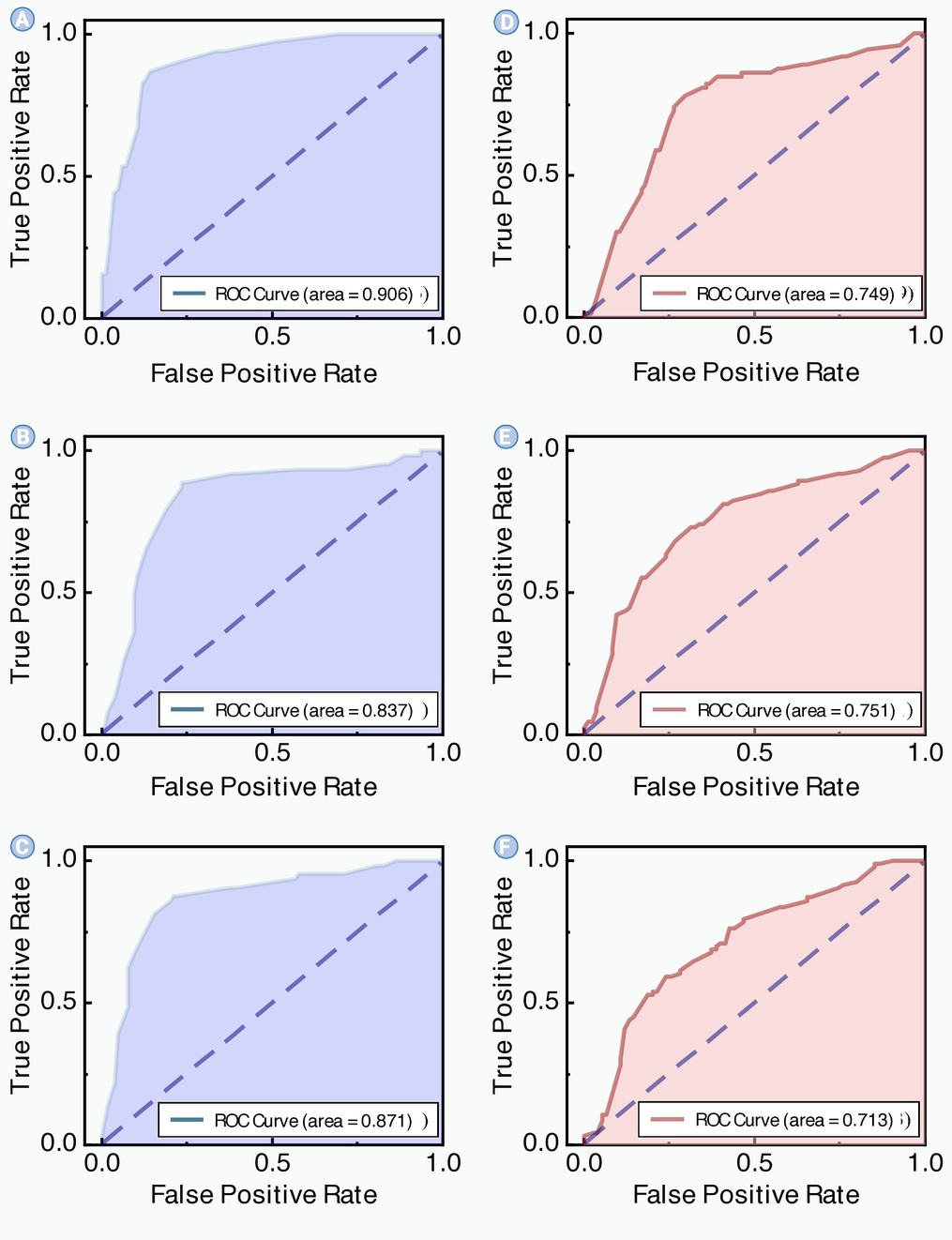
ROC curves of load decomposition
-
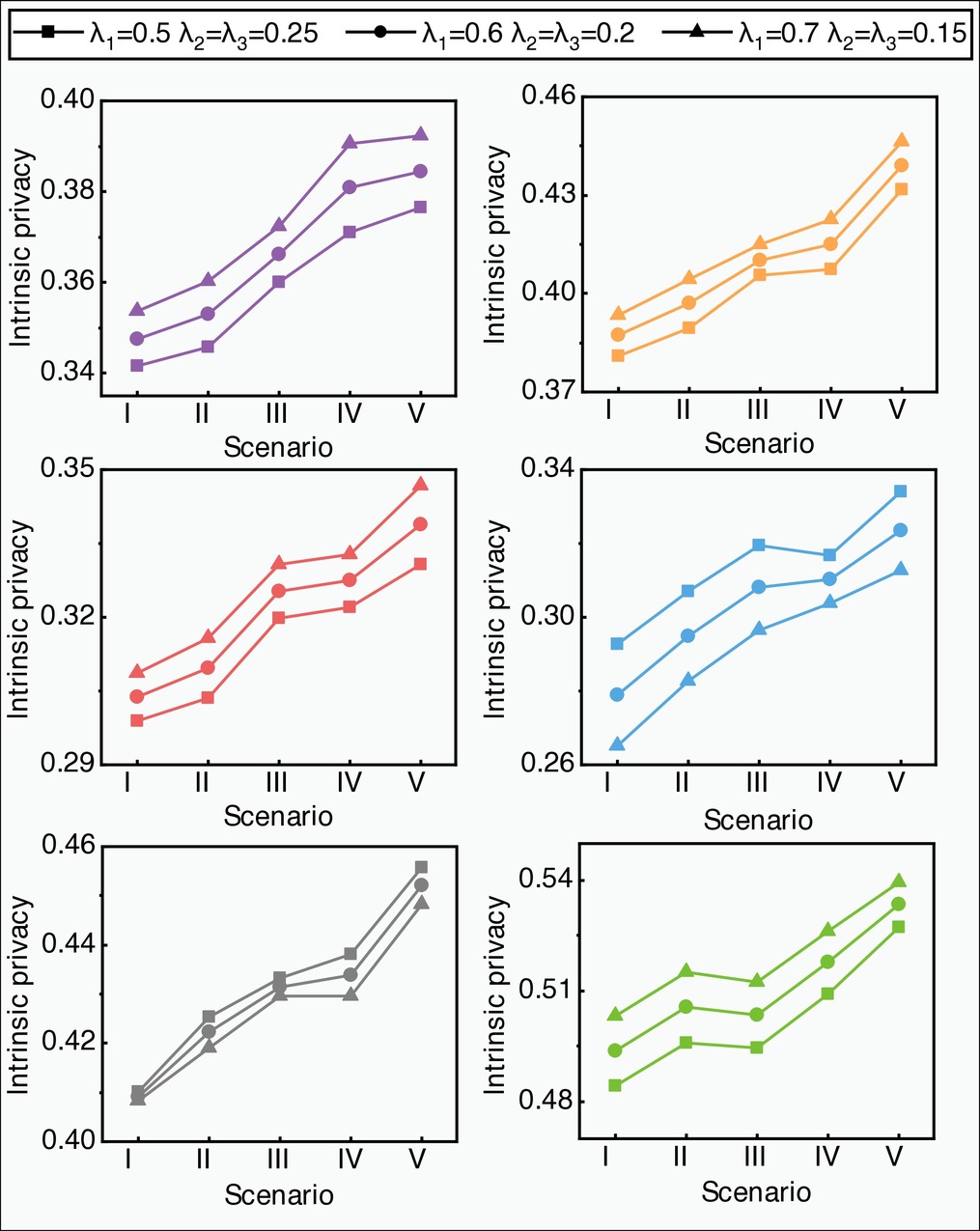
Figure 5.
Changes in the intrinsic privacy of SME users under different EV charging scenarios
-
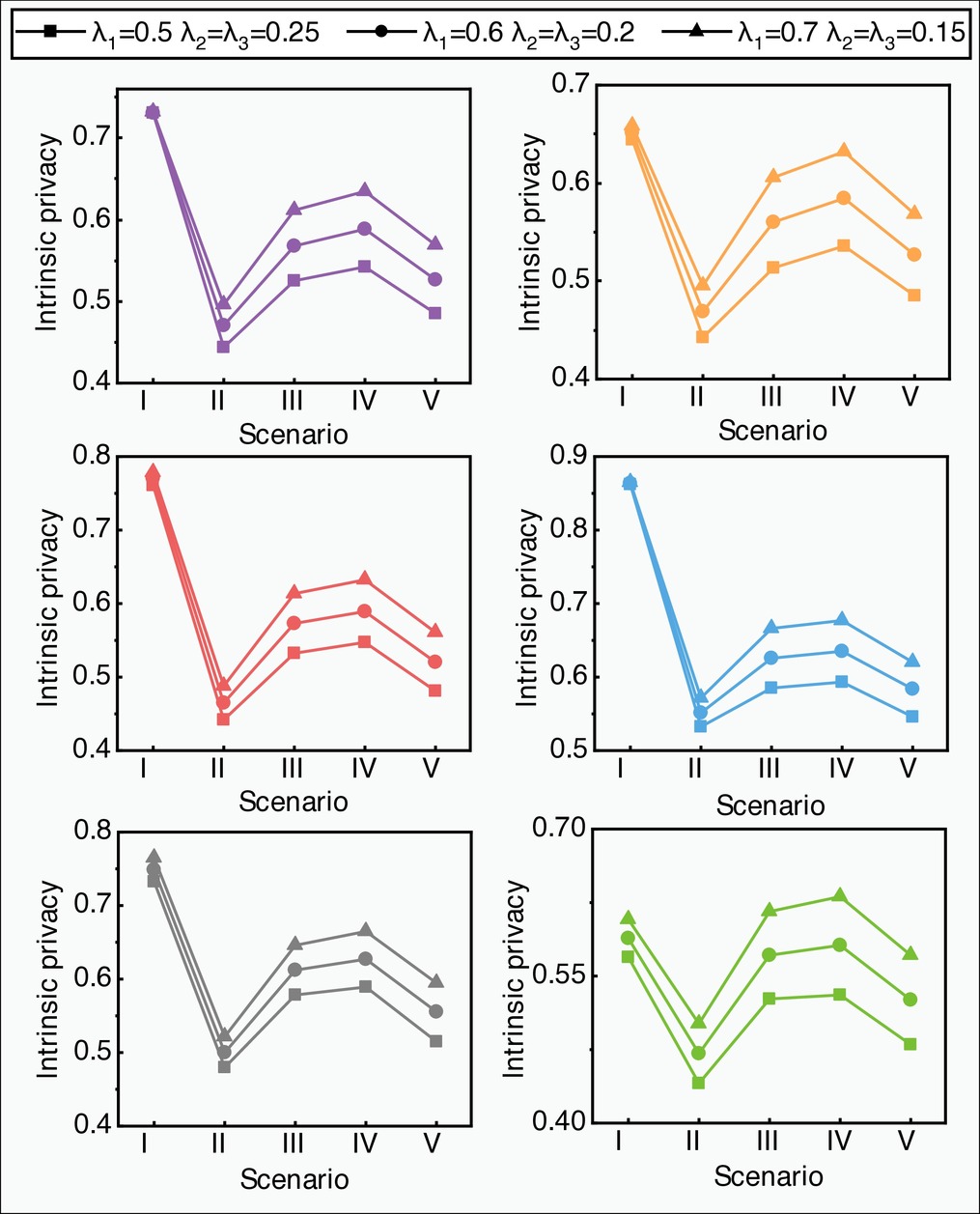
Figure 6.
Changes in the intrinsic privacy of residential user loads in different EV charging scenarios
