
Response of methanogenesis to the local environment along a 2.0-km deep Quaternary Saline Lacustrine Source Rocks
-
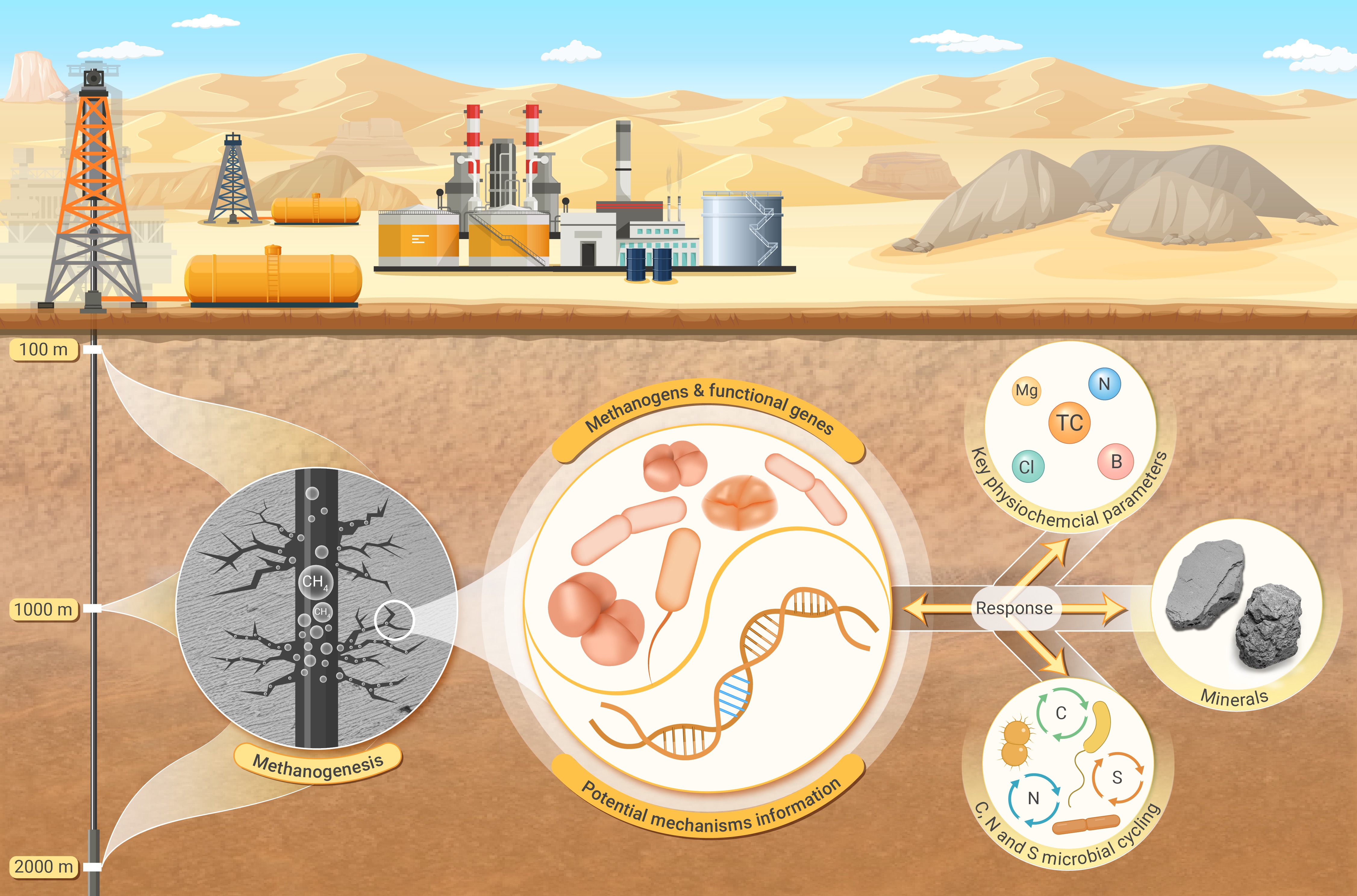
GRAPHICAL ABSTRACT
 DownLoad:
Full size image
DownLoad:
Full size image
-
PUBLIC SUMMARY
-
The dominant methanogens were Methanosarcina and Methanohalophilus.
Methanogens abundance matched that of methane metabolism genes abundance.
The only detected pathway was acetoclastic methanogenesis.
Lithology might serve as an indicator of methanogenic potential.
Methanogenesis was auxiliary impacted by microbial C, N and S cycling.
-
-
ABSTRACT
Biogenic gas in deep subsurface has gained significant attention as a clean and efficient energy source. Due to the challenges associated with sample extraction, knowledge regarding the methanogenesis mechanism in deep biogenic gas fields remains limited. Herein, metagenomic sequencing was employed to investigate the microbial communities, functional genes, metabolic pathways, and their potential determinants in rock samples collected from depths of 100,1000 , and 2000 meters within Quaternary biogenic gas fields in the Qaidam Basin. The analysis revealed substantial variation in the methanogenesis-associated microbiome across different depths. Key physicochemical parameters influencing microbial community composition and the relative abundance of methanogenesis-related functional genes included total carbon, carbon-to-nitrogen ratio, chlorine, boron, magnesium, and mineral composition. The dominant methanogens identified were Methanosarcina and Methanohalophilus, with their relative abundance correlating with the distribution of methane metabolism genes. Notably, only genes associated with acetate utilization methanogenic metabolic pathway were detected. Interestingly, significant increases in dolomite concentration at1000 m and calcite at 2000 m were linked to variations in the abundance of methanogenesis-related functional genes, suggesting that lithological characteristics may serve as an indicator of methanogenic potential. Additionally, the study identified connections between carbon, nitrogen, and sulfur microbial cycling pathways and the abundance of methanogenesis-related functional genes, highlighting the auxiliary role of microbial-mediated carbon, nitrogen, and sulfur cycling in methanogenesis. These findings provide direct evidence of methanogenesis processes and their determinants, offering valuable insights into Quaternary biogenic gas production. -

-
REFERENCES
[1] Wang H., Chen L., Qu Z. G., et al. (2020). Modeling of multi-scale transport phenomena in shale gas production - A critical review. Appl. Energy 262:114575. DOI:10.1016/j.apenergy.2020.114575 [2] Yang Y., Wang L. M., Fang Y. B., et al. (2017). Integrated value of shale gas development: A comparative analysis in the United States and China. Renew. Sust. Energ. Rev. 76:1465−1478. DOI:10.1016/j.rser.2016.11.174 [3] Singh K. P. (2014). Biogeophysical signatures of microbial natural gas accumulation. Current Science 107:1880−1884. [4] Castro-Alvarez F., Marsters P., Barido D. P. D., et al. (2018). Sustainability lessons from shale development in the United States for Mexico and other emerging unconventional oil and gas developers. Renew. Sust. Energ. Rev. 82:1320−1332. DOI:10.1016/j.rser.2017.08.082 [5] Zou C. N., Yang Z., Pan S. Q., et al. (2016). Shale gas formation and occurrence in China: An overview of the current status and future potential. Acta Geol. Sin-Engl. 90:1249−1283. DOI:10.1111/1755-6724.12769 [6] Guo T. L. (2016). Key geological issues and main controls on accumulation and enrichment of Chinese shale gas. Pet. Explor. Dev. 43:349−359. DOI:10.1016/s1876-3804(16)30042-8 [7] Zou C. N., Dong D. Z., Wang Y. M., et al. (2015). Shale gas in China: Characteristics, challenges and prospects (I). Pet. Explor. Dev. 42:753−767. DOI:10.1016/s1876-3804(15)30072-0 [8] Amend J. P. and Teske A. (2005). Expanding frontiers in deep subsurface microbiology. Palaeogeogr. Palaeoclimatol. Palaeoecol. 219:131−155. DOI:10.1016/j.palaeo.2004.10.018 [9] Brazelton W. J., Nelson B. and Schrenk M. O. (2012). Metagenomic evidence for H-2 oxidation and H-2 production by serpentinite-hosted subsurface microbial communities. Front. Microbiol. 3:268. DOI:10.3389/fmicb.2011.00268 [10] Wang Y. L., Xia Y., Dong H. L., et al. (2005). 16S rDNA analysis of bacterial community in Donghai terrestrial deep subsurface: Microbiology research of the Chinese Continent Scientific Drilling. Acta Petrol. Sin. 21:533−539. DOI:10.3321/j.issn:1000-0569.2005.02.028 [11] Zhang G. X., Dong H. L., Xu Z. Q., et al. (2005). Microbial diversity in ultra-high-pressure rocks and fluids from the Chinese Continental Scientific Drilling Project in China. Appl. Environ. Microbiol. 71:3213−3227. DOI:10.1128/aem.71.6.3213-3227.2005 [12] Daly R. A., Borton M. A., Wilkins M. J., et al. (2016). Microbial metabolisms in a 2.5-km-deep ecosystem created by hydraulic fracturing in shales. Nat. Microbiol. 1:16146. DOI:10.1038/nmicrobiol.2016.146. [13] Nyyssonen M., Hultman J., Ahonen L., et al. (2014). Taxonomically and functionally diverse microbial communities in deep crystalline rocks of the Fennoscandian shield. ISME J. 8:126−138. DOI:10.1038/ismej.2013.125 [14] Zhang X. B., Song C. P., Qi Y. L., et al. (2005). Methanogenic pathway of the Quaternary biogenic gases in the Qaidam basin, China. Geochem. J. 39:411−416. DOI:10.2343/geochemj.39.411 [15] Chen Q. L., Zhao F., Su Q., et al. (2016). Quaternary evaporites of biogenic methane gas in the eastern Qaidam Basin, China. Carbonates Evaporites 31:213−218. DOI:10.1007/s13146-016-0288-3 [16] Lu R. K. (2000). Mineral total analysis of soil and colloids. Lu R. K. (ed). Analysis method of soil agricultural chemistry (China Agricultural Science and Technology Press), pp: 44-57. [17] Martin M. (2011). Cutadapt removes adapter sequences from high-throughput sequencing reads. EMBnet. J. 17:10−12. DOI:10.14806/ej.17.1.200 [18] Peng Y., Leung H. C. M., Yiu S. M., et al. (2012). IDBA-UD: A de novo assembler for single-cell and metagenomic sequencing data with highly uneven depth. Bioinformatics 28:1420−1428. DOI:10.1093/bioinformatics/bts174 [19] Zhu W. H., Lomsadze A. and Borodovsky M. (2010). Ab initio gene identification in metagenomic sequences. Nucleic Acids Res. 38:e132. DOI:10.1093/nar/gkq275 [20] Fu L. M., Niu B. F., Zhu Z. W., et al. (2012). CD-HIT: Accelerated for clustering the next-generation sequencing data. Bioinformatics 28:3150−3152. DOI:10.1093/bioinformatics/bts565 [21] Buchfink B., Xie C. and Huson D. H. (2015). Fast and sensitive protein alignment using DIAMOND. Nat. Methods 12:59−60. DOI:10.1038/nmeth.3176 [22] Kanehisa M., Sato Y., Kawashima M., et al. (2016). KEGG as a reference resource for gene and protein annotation. Nucleic Acids Res. 44:D457−D462. DOI:10.1093/nar/gkv1070 [23] Oren A. (2014). Taxonomy of halophilic Archaea: current status and future challenges. Extremophiles 18:825−834. DOI:10.1007/s00792-014-0654-9 [24] Bharathi M. and Chellapandi P. (2017). Phylogenomic proximity and metabolic discrepancy of Methanosarcina mazei Go1 across methanosarcinal genomes. Biosystems 155:20−28. DOI:10.1016/j.biosystems.2017.03.002 [25] Sowers K. R., Baron S. F. and Ferry J. G. (1984). Methanosarcina acetivorans sp. nov., an Acetotrophic Methane-Producing Bacterium Isolated from Marine Sediments. Appl. Environ. Microbiol. 47:971−978. DOI:10.1111/j.1574-6968.1992.tb04987.x [26] Jetten M. S. M., Stams A. J. M. and Zehnder A. J. B. (1991). Methanogenesis from acetate: a comparison of the acetate metabolism in Methanothrix soehngenii and Methanosarcina spp. FEMS Microbiol. Rev. 88:181−197. [27] R. Prathiviraj D., Berchmans S. and Paulchamy C. (2019). Analysis of modularity in proteome-wide protein interaction networks of Methanothermobacter thermautotrophicus strain ΔH and metal-loving bacteria. J. Proteins Proteomics 10:179−190. DOI:10.1007/s42485-019-00019-5 [28] Borton M. A., Daly R. A., O'Banion B., et al. (2018). Comparative genomics and physiology of the genus Methanohalophilus, a prevalent methanogen in hydraulically fractured shale. Environ. Microbiol. 20:4596−4611. DOI:10.1111/1462-2920.14467 [29] Guan Y., Ngugi D. K., Vinu M., et al. (2019). Comparative genomics of the genus methanohalophilus, including a newly isolated strain from kebrit deep in the red sea. Front. Microbiol. 10:839. DOI:10.3389/fmicb.2019.00839 [30] Graham D. E., Graupner M., Xu H. M., et al. (2001). Identification of coenzyme M biosynthetic 2-phosphosulfolactate phosphatase - A member of a new class of Mg2+-dependent acid phosphatases. Eur. J. Biochem. 268:5176−5188. DOI:10.1046/j.0014-2956.2001.02451.x [31] DiDonato M., Krishna S. S., Schwarzenbacher R., et al. (2006). Crystal structure of 2-phosphosulfolactate phosphatase (ComB) from Clostridium acetobutylicum at 2.6 angstrom resolution reveals a new fold with a novel active site. Proteins 65:771-776. DOI:10.1002/prot.20978. [32] Drevland R. M., Jia Y. H., Palmer D. R. J., et al. (2008). Methanogen Homoaconitase Catalyzes Both Hydrolyase Reactions in Coenzyme B Biosynthesis. J. Biol. Chem. 283:28888−28896. DOI:10.1074/jbc.M802159200 [33] Bardavid R. E., Mana L. and Oren A. (2007). Haloplanus natans gen. nov., sp. nov., an extremely halophilic, gas-vacuolate archaeon isolated from Dead Sea–Red Sea water mixtures in experimental outdoor ponds. Int. J. Syst. Evol. Microbiol. 57:780−783. DOI:10.1099/ijs.0.64648-0 [34] Bonch-Osmolovskaya E. A., Miroshnichenko M. L., Kostrikina N. A., et al. (1990). Thermoproteus uzoniensis sp. nov., a new extremely thermophilic archaebacterium from Kamchatka continental hot springs. Arch. Microbiol. 154:556−559. DOI:10.1007/BF00248836 [35] Bonifacie M., Calmels D., Eiler J. M., et al. (2017). Calibration of the dolomite clumped isotope thermometer from 25 to 350 degrees C, and implications for a universal calibration for all (Ca, Mg, Fe) CO3 carbonates. Geochim. Cosmochim. Acta 200:255−279. DOI:10.1016/j.gca.2016.11.028 [36] Varadyova Z., Baran M., Zawadzki W., et al. (2003). Effect of dolomite, magnesium oxide (MgO) and chalk (CaCO3) on in vitro fermentation of amorphous and crystalline cellulose and meadow hay using inoculum from sheep. Berl. Munch. Tierarztl. Wochenschr. 116:50−54. DOI:10.1080/0307945031000121176 [37] Korkmaz F., Sonmez G. D., Celik P. A., et al. (2018). Toxicity and mutagenicity assessment of a boron mine drainage water. Water Environ. J. 32:250−258. DOI:10.1111/wej.12321 [38] Li G. L., Zhou C. H., Fiore S., et al. (2019). Interactions between microorganisms and clay minerals: New insights and broader applications. Appl. Clay Sci. 177:91−113. DOI:10.1016/j.clay.2019.04.025 [39] Ji L. M., Zhang T. W., Milliken K. L., et al. (2012). Experimental investigation of main controls to methane adsorption in clay-rich rocks. Appl. Geochem. 27:2533−2545. DOI:10.1016/j.apgeochem.2012.08.027 [40] Hein J. R., Normark W. R., McIntyre B. R., et al. (2006). Methanogenic calcite, C-13-depleted bivalve shells, and gas hydrate from a mud volcano offshore southern California. Geology 34:109−112. DOI:10.1130/g22098.1 [41] Rani S., Padmanabhan E. and Prusty B. K. (2019). Review of gas adsorption in shales for enhanced methane recovery and CO2 storage. J. Pet. Sci. Eng. 175:634−643. DOI:10.1016/j.petrol.2018.12.081 [42] Kato S. and Watanabe K. (2010). Ecological and Evolutionary Interactions in Syntrophic Methanogenic Consortia. Microbes Environ. 25:145−151. DOI:10.1264/jsme2.ME10122 [43] Eichorst S. A., Varanasi P., Stavila V., et al. (2013). Community dynamics of cellulose-adapted thermophilic bacterial consortia. Environ. Microbiol. 15:2573−2587. DOI:10.1111/1462-2920.12159 [44] Lai Q. L. and Shao Z. Z. (2008). Pseudomonas xiamenensis sp nov. , a denitrifying bacterium isolated from activated sludge. Int. J. Syst. Evol. Microbiol. Microbiology 58:1911−1915. DOI:10.1099/ijs.0.65459-0 [45] Ni R. J., Xu C. M., Shi X. Y., et al. (2022). Acetoclastic methanogenesis pathway stability despite the high microbial taxonomic variability in the transition from acidogenesis to methanogenesis during food waste anaerobic digestion. J. Cleaner Prod. 372:133758. DOI:10.1016/j.jclepro.2022.133758 [46] Lim J. W., Ge T. S. and Tong Y. W. (2018). Monitoring of microbial communities in anaerobic digestion sludge for biogas optimisation. Waste Manage. 71:334−341. DOI:10.1016/j.wasman.2017.10.007 [47] Bahram M., Hildebrand F., Forslund S. K., et al. (2018). Structure and function of the global topsoil microbiome. Nature 560:233−+. DOI:10.1038/s41586-018-0386-6 [48] Burgin A. J. and Hamilton S. K. (2007). Have we overemphasized the role of denitrification in aquatic ecosystems. A review of nitrate removal pathways. Front. Ecol. Environ. 5:89−96. DOI:10.1890/1540-9295(2007)5[89:Hwotro]2.0.Co;2 [49] Gao P. K., Tian H. M., Li G. Q., et al. (2015). Microbial diversity and abundance in the Xinjiang Luliang long-term water-flooding petroleum reservoir. Microbiologyopen 4:332−342. DOI:10.1002/mbo3.241 [50] Wong B. T. and Lee D. J. (2011). Sulfide enhances methanogenesis in nitrate-containing methanogenic cultures. Bioresour. Technol. 102:2427−2432. DOI:10.1016/j.biortech.2010.10.121 [51] Kuypers M. M. M., Marchant H. K. and Kartal B. (2018). The microbial nitrogen-cycling network. Nat. Rev. Microbiol. 16:263−276. DOI:10.1038/nrmicro.2018.9 -
ABOUT THIS ARTICLE
Cite this article:
Ni R, Yang S., Tan Y., et al. (2025). Response of methanogenesis to the local environment along a 2.0-km deep Quaternary Saline Lacustrine Source Rocks. The Innovation Geoscience 3:100125. https://doi.org/10.59717/j.xinn-geo.2024.100125
Welcome!
To request copyright permission to republish or share portions of our works, please visit Copyright Clearance Center's (CCC) Marketplace website at marketplace.copyright.com.
Article Metrics
Relative Articles
Cited by
Export File
Citation
Ni R, Yang S., Tan Y., et al. (2025). Response of methanogenesis to the local environment along a 2.0-km deep Quaternary Saline Lacustrine Source Rocks. The Innovation Geoscience 3:100125. https://doi.org/10.59717/j.xinn-geo.2024.100125

Format
Content

-
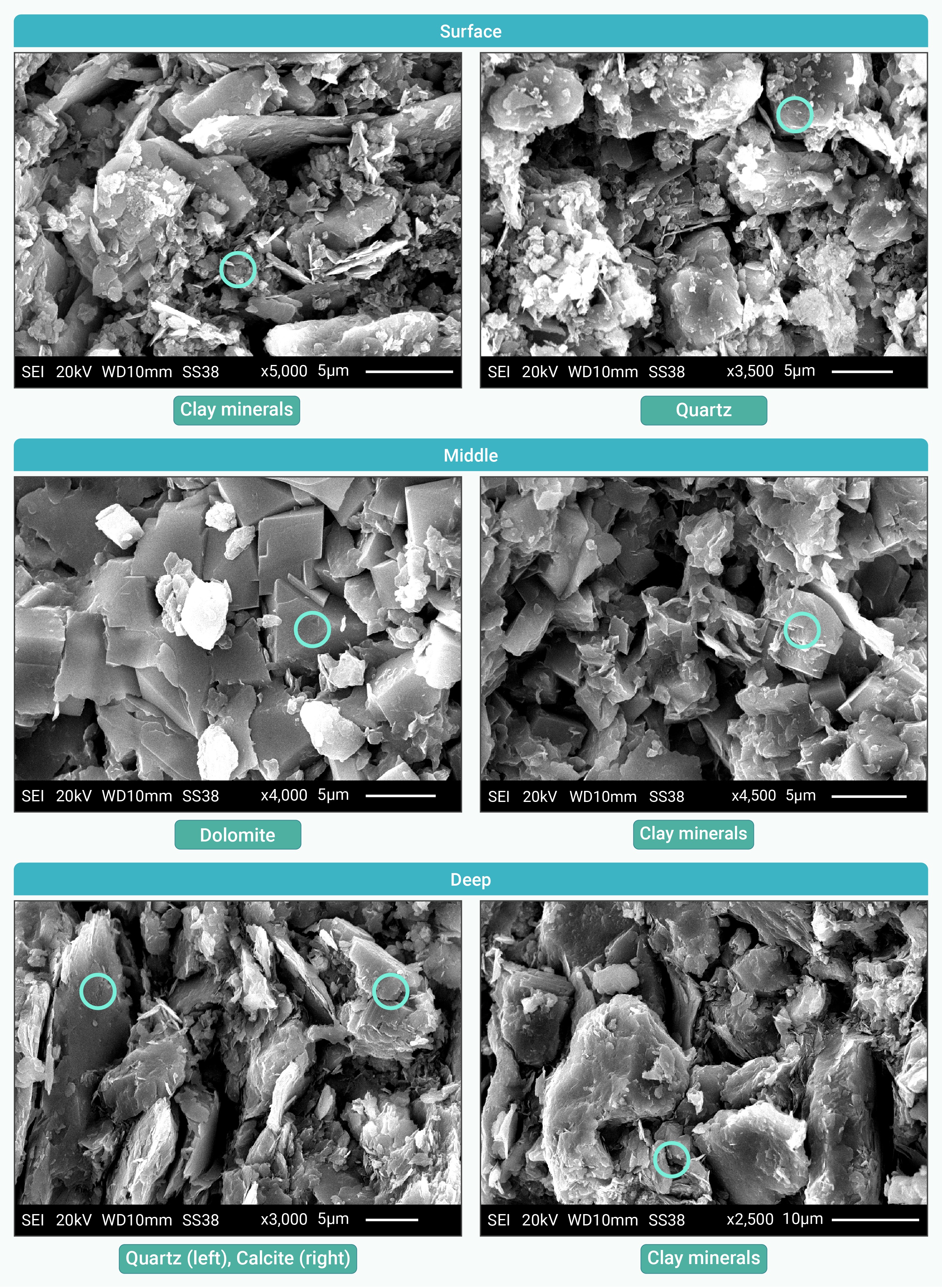
Figure 1.
Scanning electron microscopy images of the minerals with the highest proportion at three depths
-
Figure 2.
Physiochemical parameters (A), mineral content (B), and clay mineral content (C) profiles across depths
-
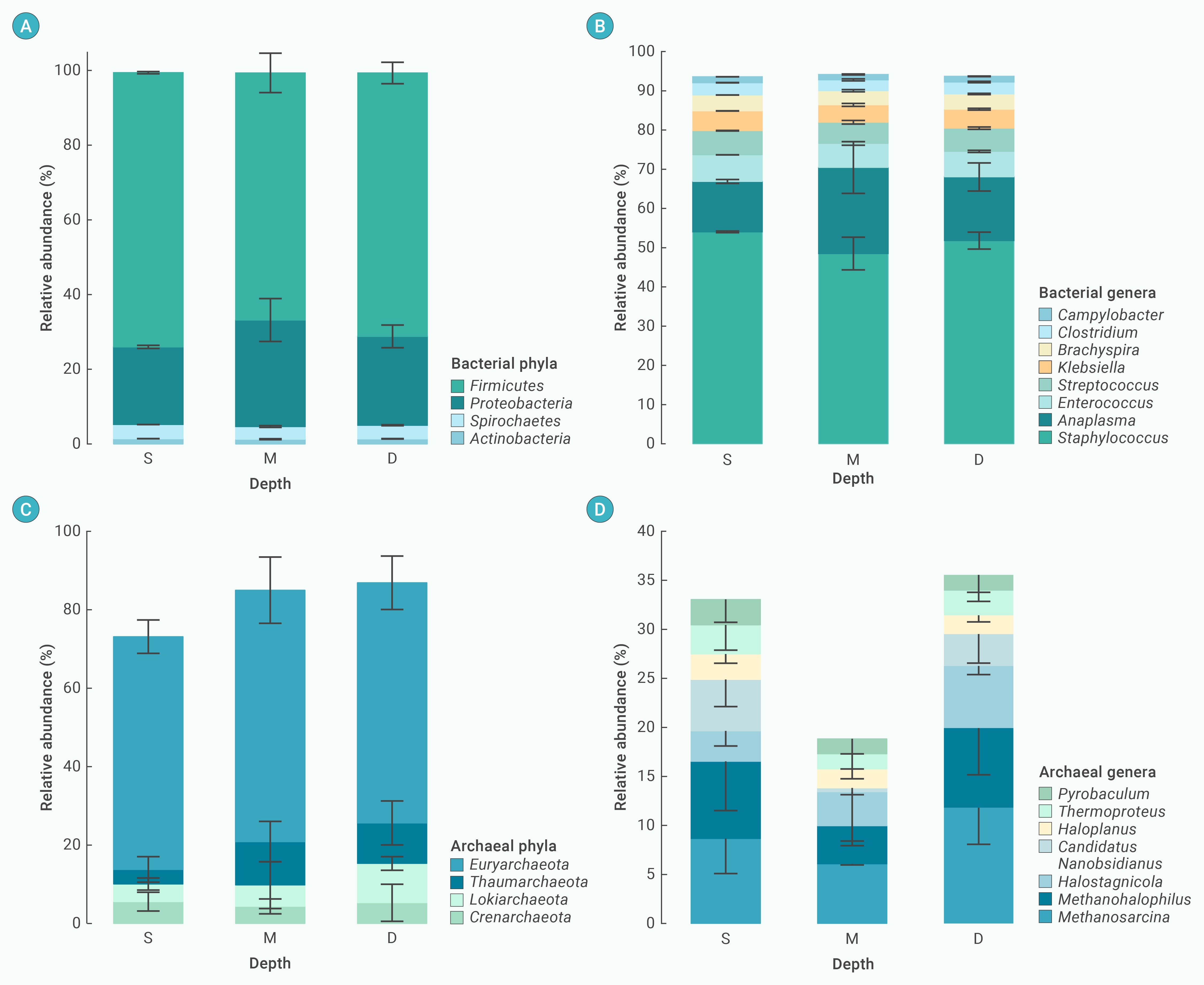
Figure 3.
Relative abundance of top four bacterial phyla (mean ± standard error)
-
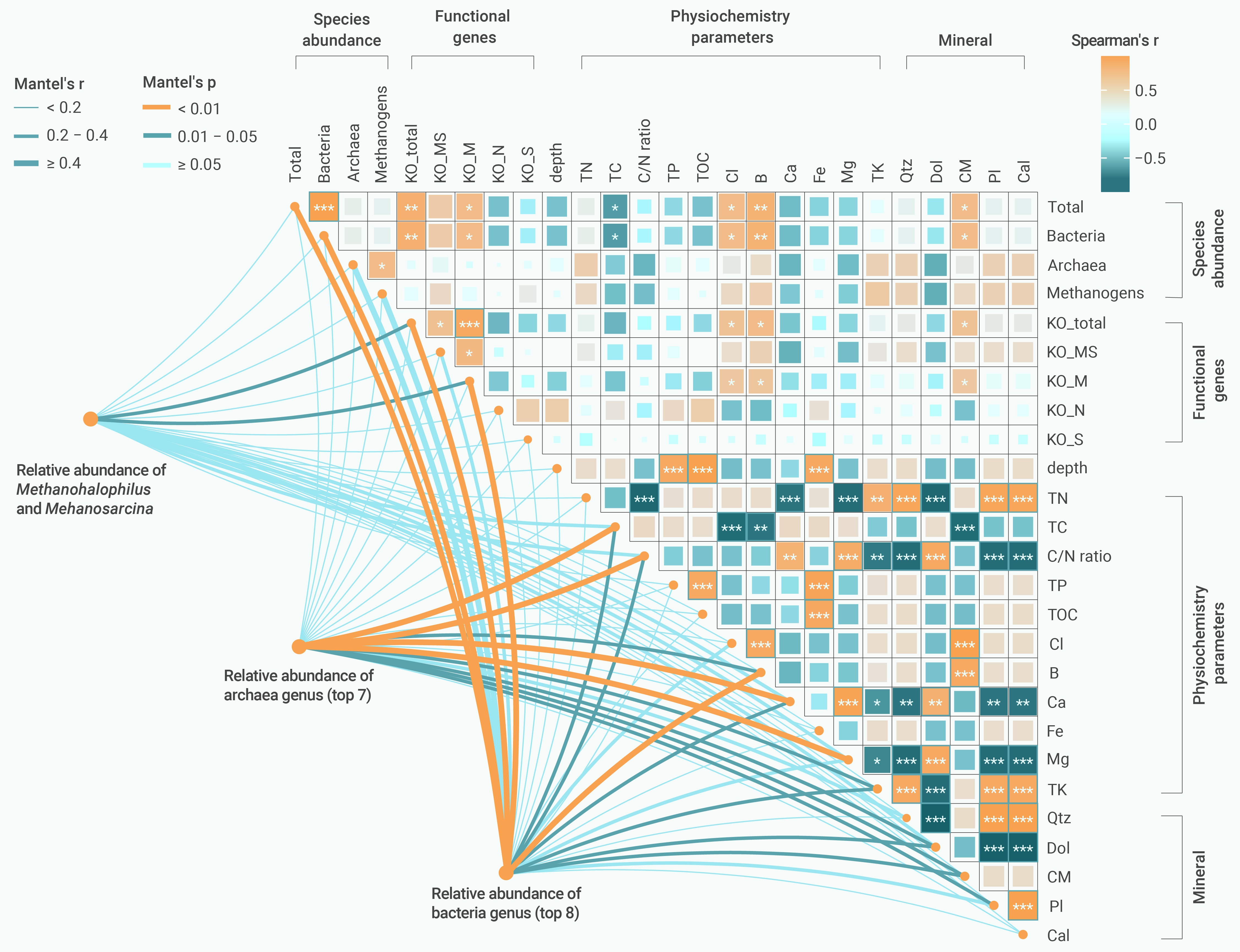
Figure 4.
Correlation between microbial community composition, species abundance, functional genes abundance, the concentration of physiochemical parameters, and mineral
-
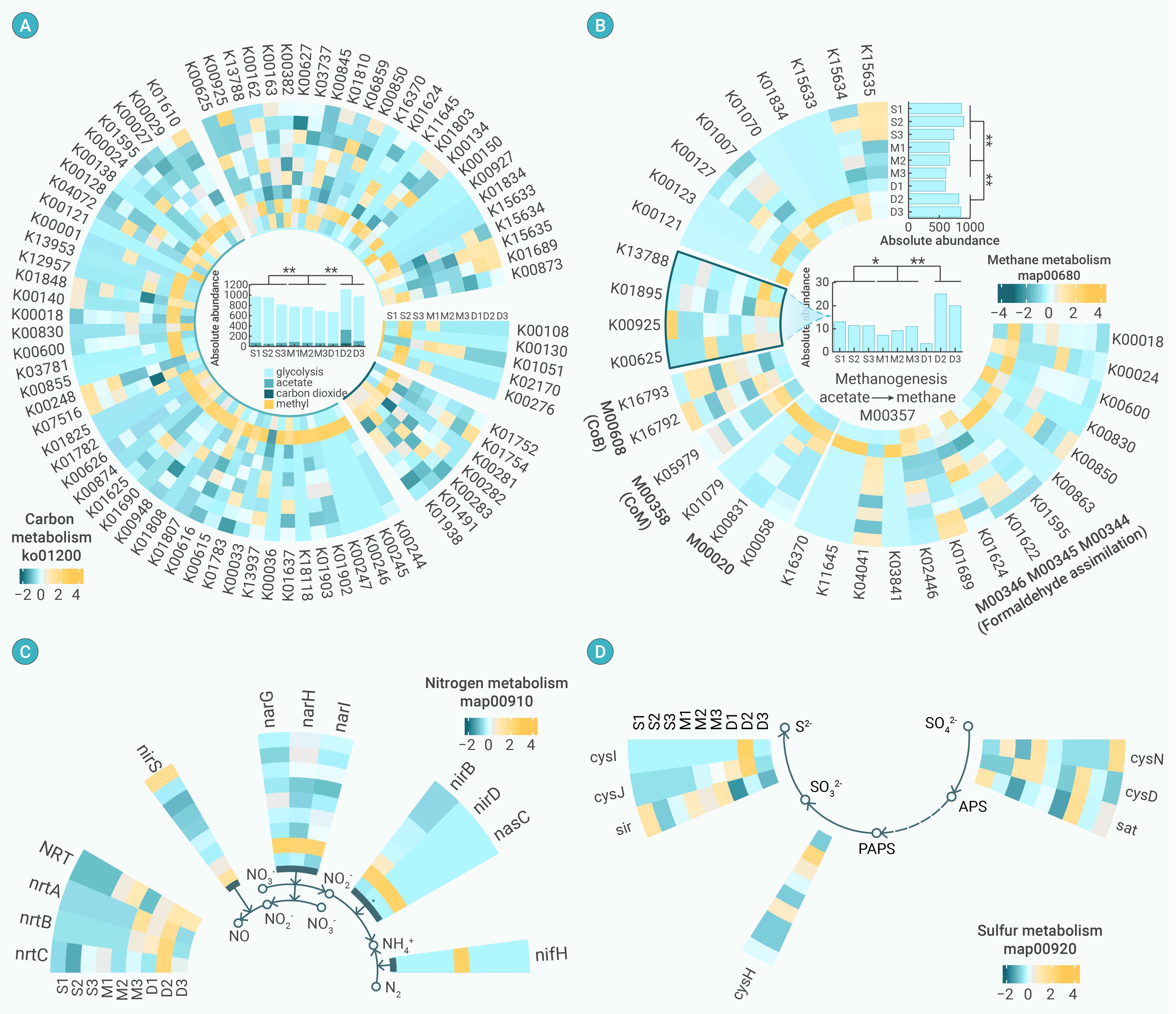
Figure 6.
Heatmaps showing the gene abundances for methanogenic substrate metabolism (A), methane metabolism (B), nitrogen metabolism (C), and sulfur metabolism (D)
-
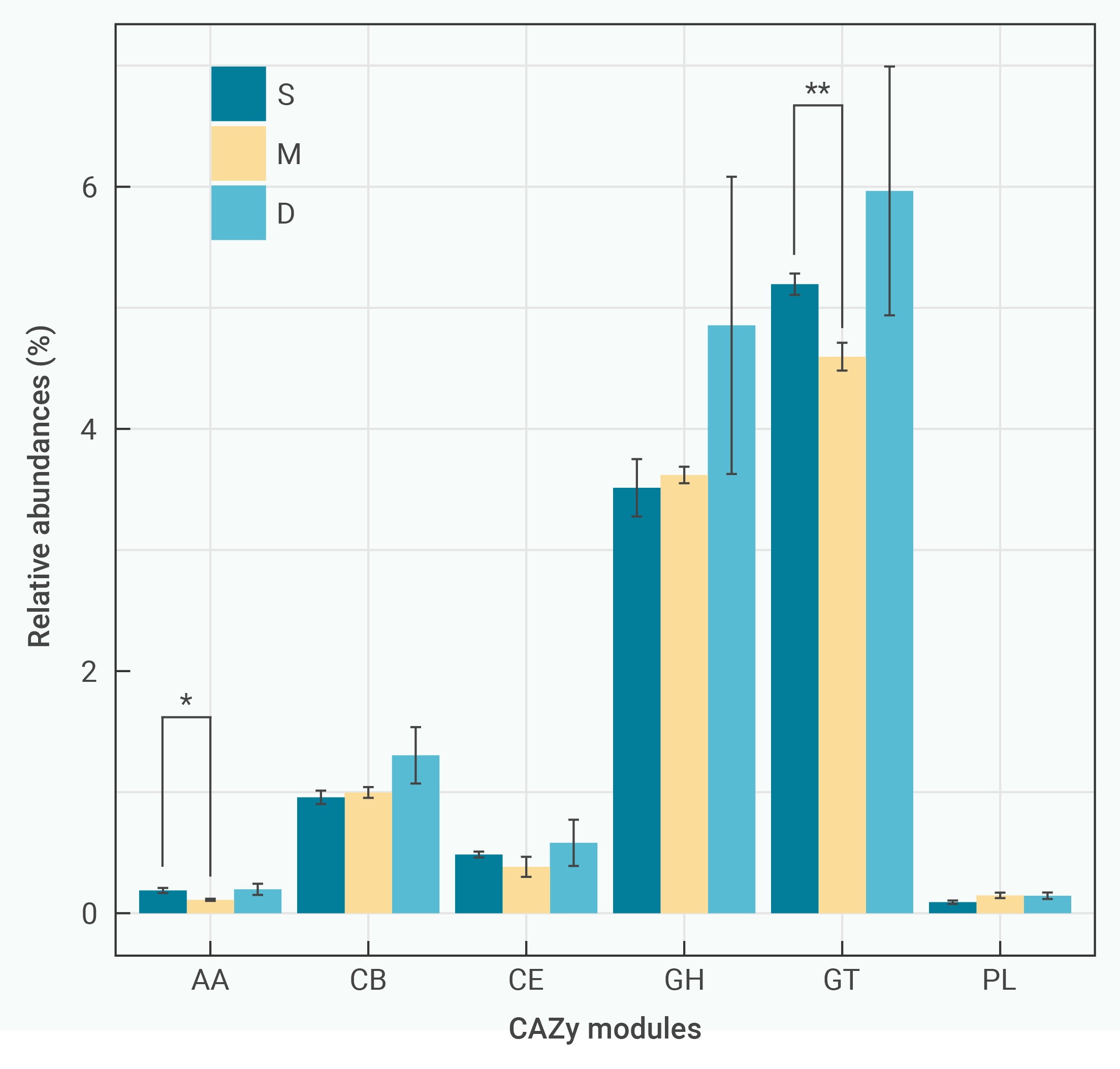
Figure 5.
Relative abundance of CAZy modules, including auxiliary activities (AA), carbohydrate binding (CB), carbohydrate esterases (CE), glycoside hydrolases (GH), glycosyl transferases (GT), and polysaccharide lyases (PL)
-
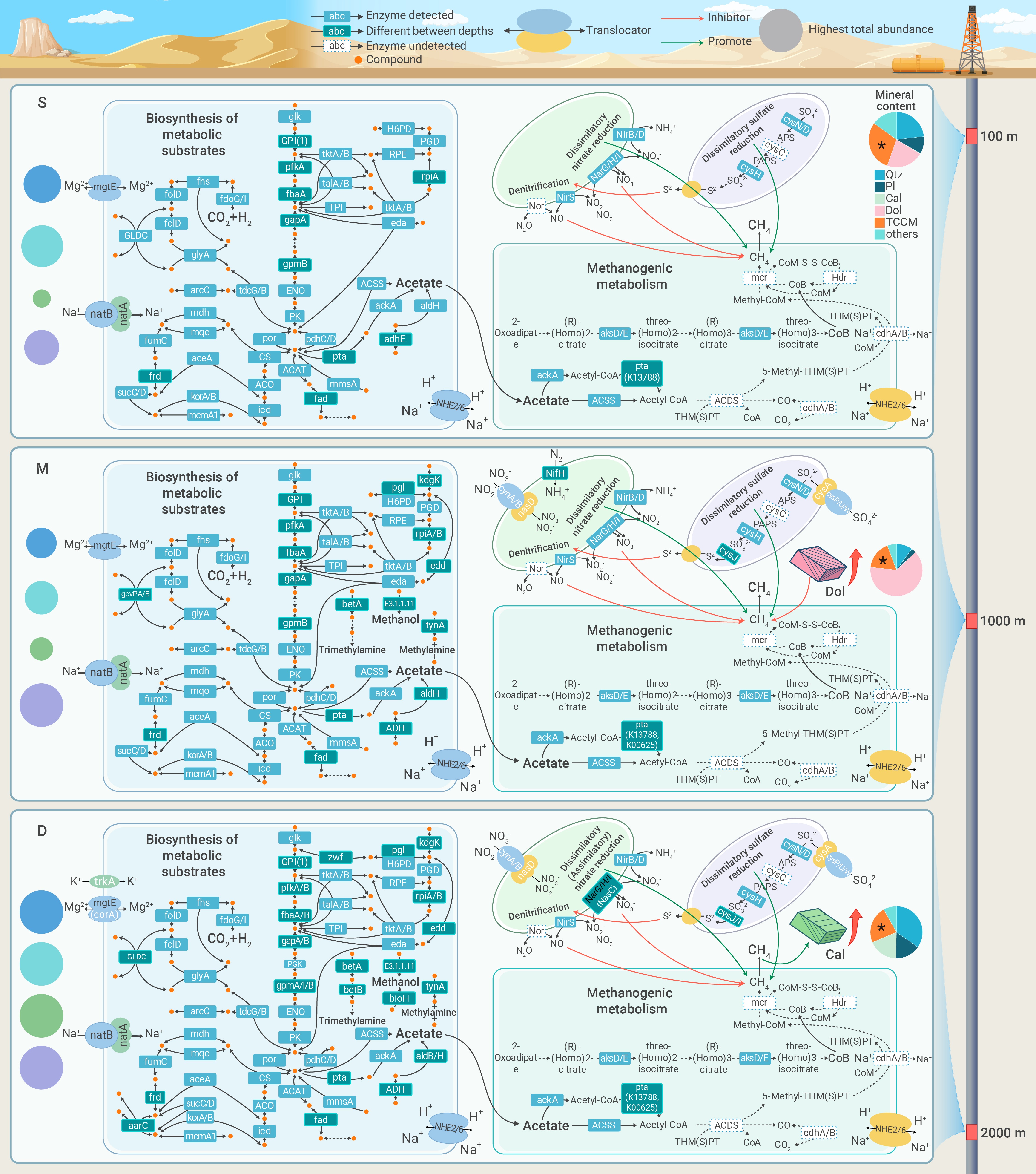
Figure 7.
Methanogenesis-related metabolic pathways and potential determinants across depths.
