
Global pattern and drivers of soil soluble organic nitrogen
-
GRAPHICAL ABSTRACT
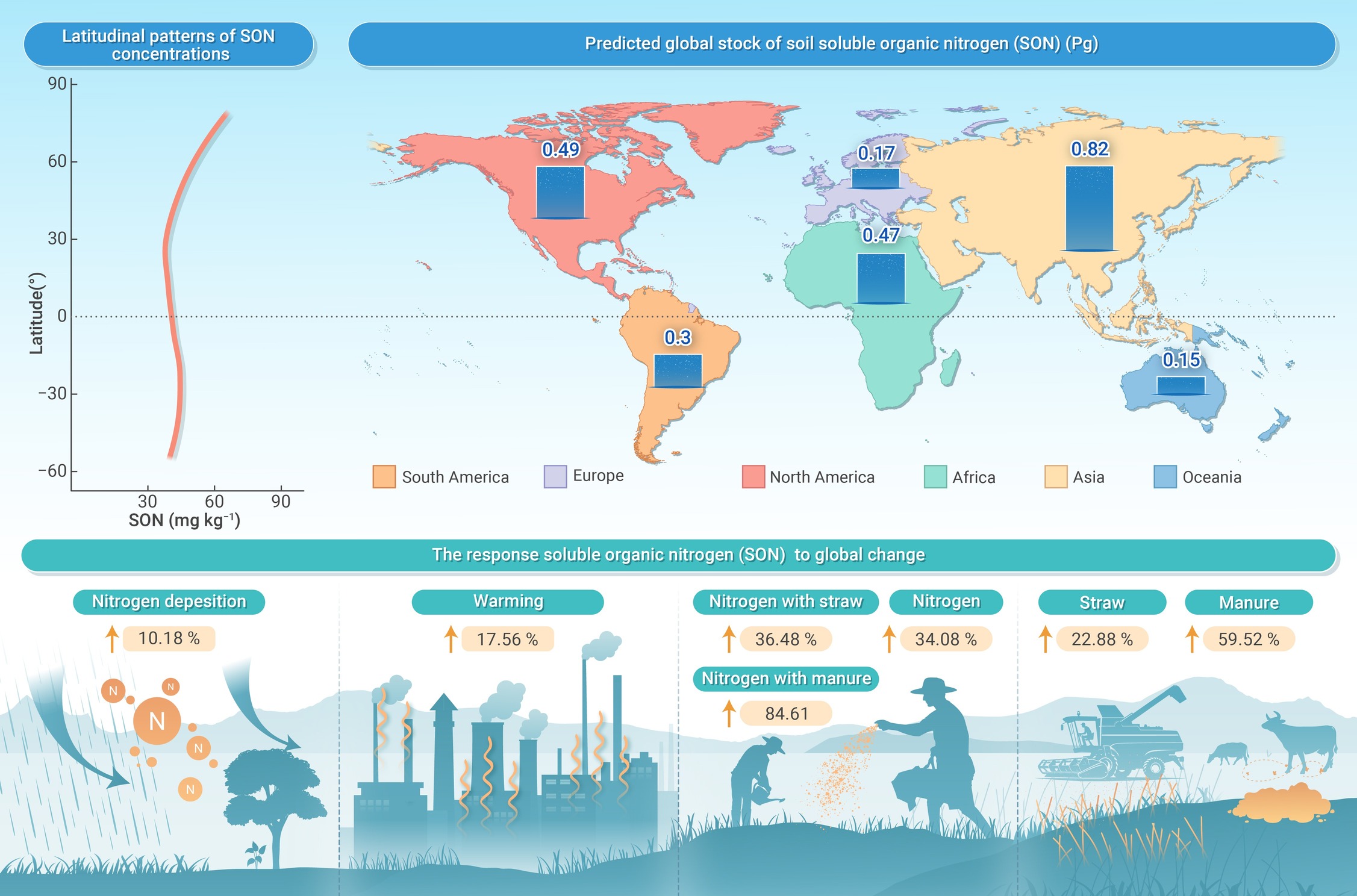
 DownLoad:
Full size image
DownLoad:
Full size image
-
PUBLIC SUMMARY
-
Soil soluble organic nitrogen (SON) is a key but poorly mapped nitrogen pool globally.
We compiled 5,782 topsoil samples and used machine learning to map SON worldwide.
Elevation, parent material, and precipitation emerged as the dominant SON drivers.
Global SON stock in top 30 cm soils is estimated at 2.4 (Pg N).
Most global changes, except drought, biochar, and no-tillage, increased SON levels.
-
-
ABSTRACT
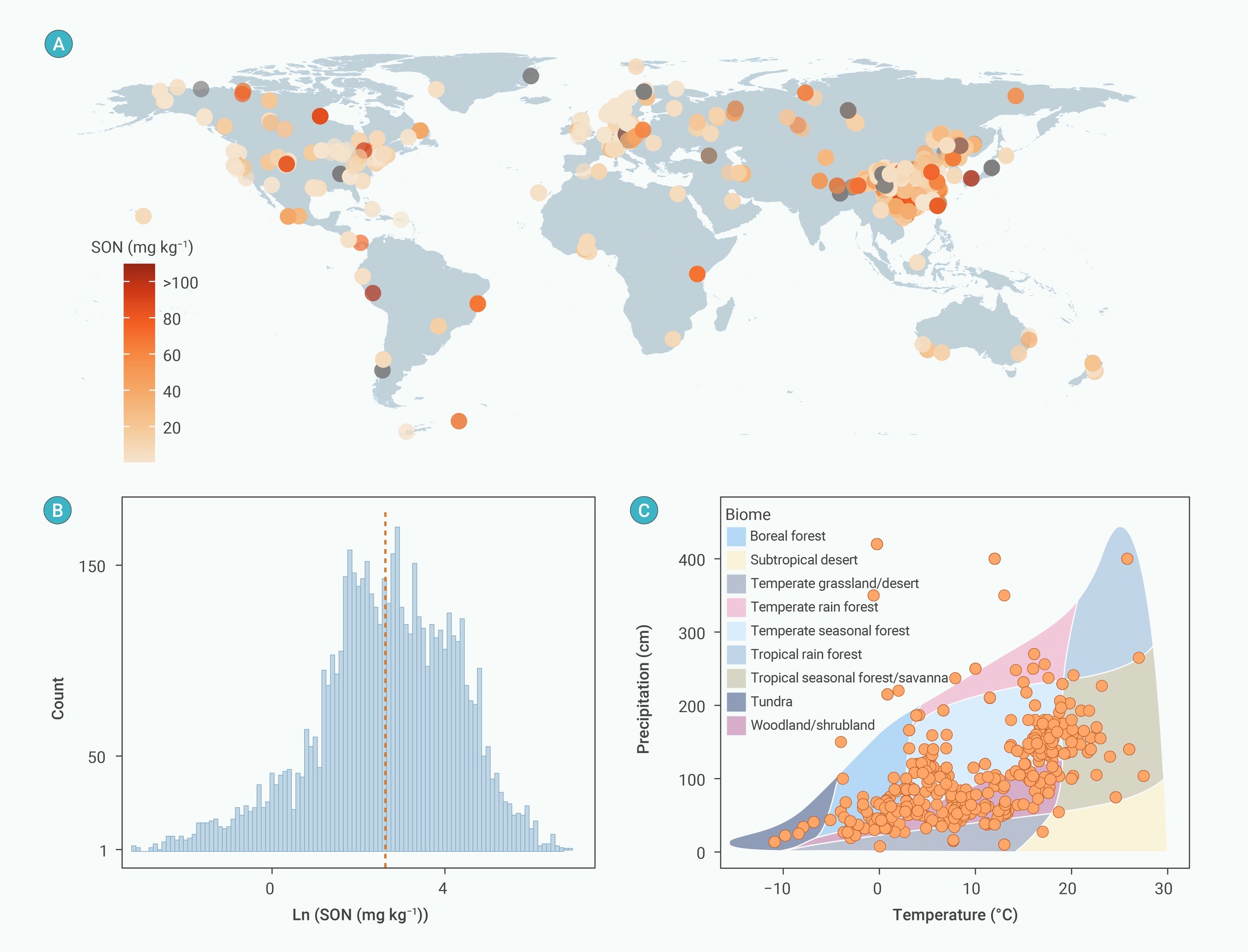
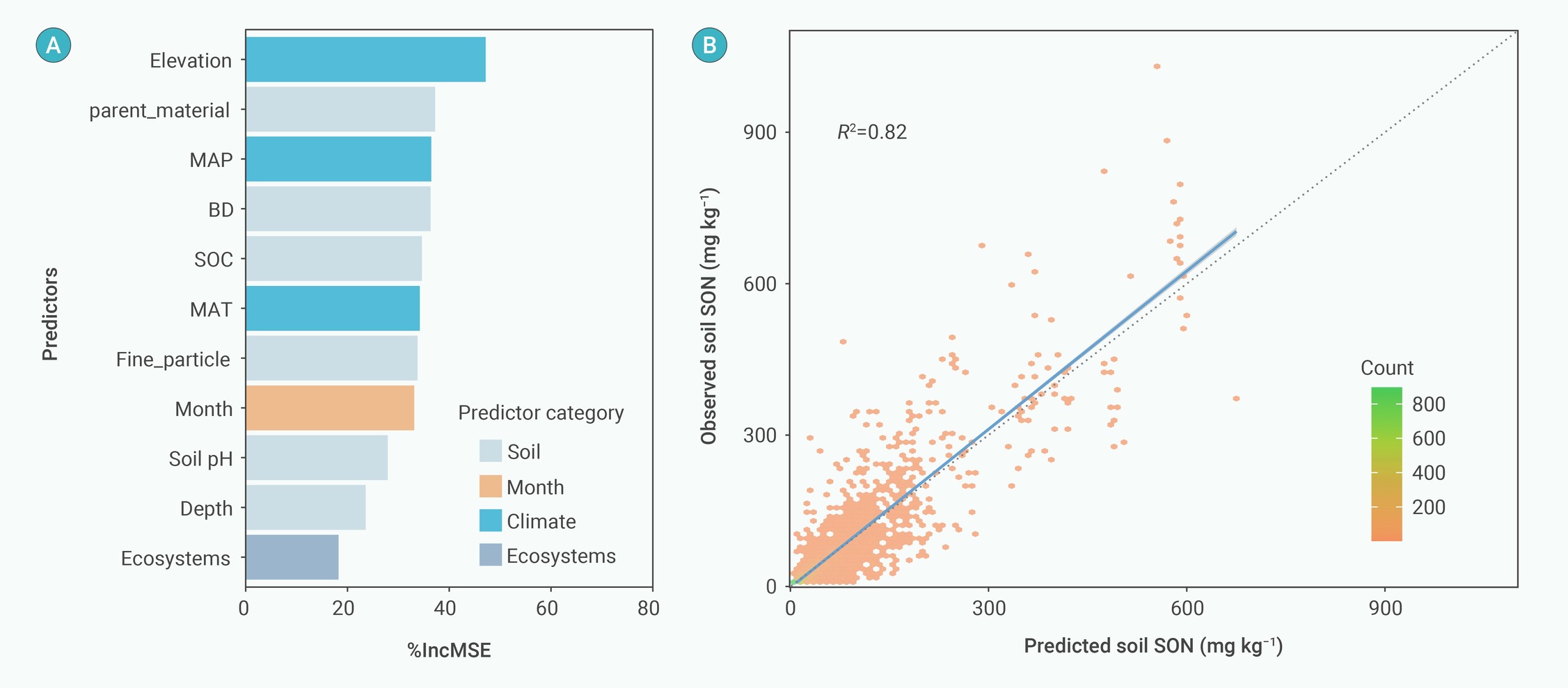
Soil soluble organic nitrogen (SON) is a central component of the terrestrial nitrogen cycle, acting as both a precursor to inorganic nitrogen via mineralization and a product of microbial assimilation of inorganic forms. Due to its high solubility and mobility, SON also represents a critical pathway for nitrogen loss and is a key contributor to nitrogen pollution and eutrophication in downstream aquatic ecosystems. Despite its ecological significance, the global distribution and environmental drivers of SON remain poorly understood, largely due to a lack of spatially explicit data. To address this gap, we compiled a comprehensive global SON dataset comprising 5,782 topsoil samples (0-30 cm depth) from 379 published studies, including detailed information on geographic location, climate, and soil properties. Overall, the global SON concentrations ranged from 0.04 to1034 mg kg-1, with an average concentration of 41.36 mg kg-1. The random forest model could explain 82% of the variations in SON concentrations. Elevation, parent material, and mean annual precipitation emerged as the most influential predictors. Machine learning was used to quantify environmental contributions to SON and predict its global stock, estimated at 2.4 Pg N. The resulting global SON map revealed a distinct latitudinal gradient, with SON concentrations increasing toward higher latitudes. In addition, meta-analysis showed that except for reduced precipitation, biochar, and no-tillage, other global changes increased global SON to varying degrees (-4.45% – 70.71%). This study provides the first global map of SON distribution and identifies key biophysical and environmental controls of SON dynamics. -

-
REFERENCES
[1] Mooshammer M., Wanek W., Hämmerle I., et al. (2014). Adjustment of microbial nitrogen use efficiency to carbon: Nitrogen imbalances regulates soil nitrogen cycling. Nat. Commun. 5:3694. DOI:10.1038/ncomms4694 [2] Cai A., Tang S., Waqas M. A., Wang B., et al. (2023). Magnitude, direction, and drivers of rhizosphere effect on soil nitrogen and phosphorus in global agroecosystem. Int. Soil Water. Conse. 11:482−493. DOI:10.1016/j.iswcr.2022.07.004 [3] Hong S., Ding J., Kan F., et al. (2023). Asymmetry of carbon sequestrations by plant and soil after forestation regulated by soil nitrogen. Nat. Commun. 14:3196. DOI:10.1038/s41467-023-38911-w [4] Ros G. H., Hoffland E., Van Kessel C., et al. (2009). Extractable and dissolved soil organic nitrogen–A quantitative assessment. Soil Biology and Biochemistry 41:1029−1039. DOI:10.1016/j.soilbio.2009.01.011 [5] Burton J., Chen C., Xu Z., et al. (2005). Soluble organic nitrogen pools in forest soils of subtropical Australia. Plant Soil. 277:285−297. DOI:10.1007/s11104-005-7530-4 [6] Qaswar M., Ahmed W., Jing H., et al. (2019). Soil carbon (C), nitrogen (N) and phosphorus (P) stoichiometry drives phosphorus lability in paddy soil under long-term fertilization: A fractionation and path analysis study. PloS one 14:e0218195. DOI:10.1371/journal.pone.0218195 [7] Liu Y., Evans S. E., Friesen M. L., et al. (2022). Root exudates shift how N mineralization and N fixation contribute to the plant-available N supply in low fertility soils. Soil Biol. Biochem. 165:108541. DOI:10.1016/j.soilbio.2021.108541 [8] Kalbitz K., Solinger S., Park J. H., et al. (2000). Controls on the dynamics of dissolved organic matter in soils: A review. Soil Sci. 165:277−304. DOI:10.1097/00010694-200004000-00001 [9] Neff J. C., Chapin III F. S. & Vitousek P. M. (2003). Breaks in the cycle: Dissolved organic nitrogen in terrestrial ecosystems. Front Ecol. Environ. 1:205−211. DOI:10.1890/1540-9295(2003)001[0205:BITCDO]2.0.CO;2 [10] Franklin H. M., Carroll A. R., Chen C., et al. (2020). Plant source and soil interact to determine characteristics of dissolved organic matter leached into waterways from riparian leaf litter. Sci. Total Environ. 703:134530. DOI:10.1016/j.scitotenv.2019.134530 [11] Van Breemen N. (2002). Natural organic tendency. Nature 415:381−382. DOI:10.1038/415381a [12] Koranda M. and Michelsen A. (2021). Mosses reduce soil nitrogen availability in a subarctic birch forest via effects on soil thermal regime and sequestration of deposited nitrogen. J. Ecol. 109:1424−1438. DOI:10.1111/1365-2745.13567 [13] Berman T. and Bronk D. A. (2003). Dissolved organic nitrogen: A dynamic participant in aquatic ecosystems. Aquat. Microb. Ecol. 31:279−305. DOI:10.3354/ame031279 [14] Sipler R. E. and Bronk D. A. (2015). Dynamics of dissolved organic nitrogen. Dennis A. Hansell and Craig A. Carlson (eds). Biogeochemistry of marine dissolved organic matter (Elsevier), pp:127-232. DOI:10.1016/B978-0-12-405940-5.00004-2 [15] Schimel J. P. and Bennett J. (2004). Nitrogen mineralization: Challenges of a changing paradigm. Ecology 85:591−602. DOI:10.1890/03-8002 [16] Warren C. R. (2013). Organic N molecules in the soil solution: What is known, what is unknown and the path forwards. Plant Soil. 375:1−19. DOI:10.1007/s11104-013-1939-y [17] Yang Y. Y., Tfaily M. M., Wilmoth J. L., et al. (2022). Molecular characterization of dissolved organic nitrogen and phosphorus in agricultural runoff and surface waters. Water Res. 219:118533. DOI:10.1016/j.watres.2022.118533 [18] Hu A., Choi M., Tanentzap A. J., et al. (2022). Ecological networks of dissolved organic matter and microorganisms under global change. Nat. Commun. 13:3600. DOI:10.1038/s41467-022-31251-1 [19] Zhou W. J., Sha L. Q., Schaefer D. A.,et al. (2015). Direct effects of litter decomposition on soil dissolved organic carbon and nitrogen in a tropical rainforest. Soil Biol. Biochem. 81:255−258. DOI:10.1016/j.soilbio.2014.11.019 [20] Du Z., Hu A., Wang Q., et al. (2022). Molecular composition and biotoxicity effects of dissolved organic matters in sludge-based carbon: Effects of pyrolysis temperature. J. Hazard Mater. 424:127346. DOI:10.1016/j.jhazmat.2021.127346 [21] Zsolnay Á. (2003). Dissolved organic matter: Artefacts, definitions, and functions. Geoderma 113:187−209. DOI:10.1016/s0016-7061(02)00361-0 [22] Jiang L., Wang S., Pang Z., et al. (2021). Abiotic and biotic controls of soil dissolved organic nitrogen along a precipitation gradient on the Tibetan plateau. Plant Soil. 459:65−78. DOI:10.1007/s11104-020-04613-1 [23] Shedayi A. A., Xu M., Naseer I., et al. (2016). Altitudinal gradients of soil and vegetation carbon and nitrogen in a high altitude nature reserve of Karakoram ranges. Springerplus 5: DOI:10.1186/s40064-016-1935-9 [24] Rani S. (2021). Clay mineralogy: soil carbon stabilization and organic matter interaction. Soil Carbon Stabilization to Mitigate Climate Change, pp:83-123. DOI:10.1007/978-981-33-6765-4_3 [25] Allen M., Antwi-Agyei P., Aragon-Durand F., et al. (2019). Technical Summary: Global warming of 1.5 C. An IPCC Special Report on the impacts of global warming of 1.5 C above pre-industrial levels and related global greenhouse gas emission pathways, in the context of strengthening the global response to the threat of climate change, sustainable development, and efforts to eradicate poverty. https://www.ipcc.ch/site/assets/uploads/sites/2/2018/12/SR15_TS_High_Res.pdf [26] Moreno-García P., Montaño-Centellas F., Liu Y., et al. (2024). Long-term nitrogen deposition reduces the diversity of nitrogen-fixing plants. Sci. Adv. 10:eadp7953. DOI:10.1126/sciadv.adp7953 [27] Li M., Wang J., Guo D., et al. (2019). Effect of land management practices on the concentration of dissolved organic matter in soil: A meta-analysis. Geoderma 344:74−81. DOI:10.1016/j.geoderma.2019.03.004 [28] Zhou R., Liu Y., Dungait J. A., et al. (2023). Microbial necromass in cropland soils: A global meta-analysis of management effects. Glob. Chang. Biol. 29:1998−2014. DOI:10.1111/gcb.16613 [29] Zuccarini P., Sardans J., Asensio L., et al. (2023). Altered activities of extracellular soil enzymes by the interacting global environmental changes. Glob. Chang. Biol. 29:2067−2091. DOI:10.1111/gcb.16604 [30] Dai Z., Yu M., Chen H., et al. (2020). Elevated temperature shifts soil N cycling from microbial immobilization to enhanced mineralization, nitrification and denitrification across global terrestrial ecosystems. Glob. Chang. Biol. 26:5267−5276. DOI:10.1111/gcb.15211 [31] Ren T., Smreczak B., Ukalska-Jaruga A., et al. (2025). Asymmetric responses of soil dissolved organic carbon and dissolved organic nitrogen to warming: A meta-analysis. Catena 252:108871. DOI:10.1016/j.catena.2025.108871 [32] Han, Y., Qu, C., Hu, X., et al. (2022). Warming and humidification mediated changes of DOM composition in an Alfisol. Sci. Total. Environ. 805:150198. DOI:10.1016/j.scitotenv.2021.150198 [33] Filep T. and Rékási M. (2011). Factors controlling dissolved organic carbon (DOC), dissolved organic nitrogen (DON) and DOC/DON ratio in arable soils based on a dataset from Hungary. Geoderma 162:312−318. DOI:10.1016/j.geoderma.2011.03.002 [34] Treseder K. K. (2008). Nitrogen additions and microbial biomass: A meta-analysis of ecosystem studies. Ecol. Lett. 11:1111−1120. DOI:10.1111/j.1461-0248.2008.01230.x [35] Hartmann M. and Six J. (2023). Soil structure and microbiome functions in agroecosystems. Nat. Rev. Earth. Env. 4:4−18. DOI:10.1038/s43017-022-00366-w [36] Ren T., Ukalska-Jaruga A., Smreczak B., et al. (2024). Dissolved organic carbon in cropland soils: A global meta-analysis of management effects. Agr. Ecosyst. Environa. 371:109080. DOI:10.1016/j.agee.2024.109080 [37] Abagandura G. O., Mahal N. K., Butail N. P., et al. (2023). Soil labile carbon and nitrogen fractions after eleven years of manure and mineral fertilizer applications. Arch. Agron. Soil Sci. 69:875−890. DOI:10.1080/03650340.2022.2043549 [38] Cai A., Xu H., Duan Y., et al. (2021). Changes in mineral-associated carbon and nitrogen by long-term fertilization and sequestration potential with various cropping across China dry croplands. Soil Till. Res. 205: DOI:10.1016/j.still.2020.104725 [39] Jones D. and Willett V. (2006). Experimental evaluation of methods to quantify dissolved organic nitrogen (DON) and dissolved organic carbon (DOC) in soil. Soil Biol. Biochem. 38:991−999. DOI:10.1016/j.soilbio.2005.08.012 [40] Guo Z., Wang Y., Wan Z., et al. (2020). Soil dissolved organic carbon in terrestrial ecosystems: Global budget, spatial distribution and controls. Global Ecol. Biogeogr. 29:2159−2175. DOI:10.1111/geb.13186 [41] Li T., Wang R., Cai J., et al. (2021). Enhanced carbon acquisition and use efficiency alleviate microbial carbon relative to nitrogen limitation under soil acidification. Ecol. Process. 10:32. DOI:10.1186/s13717-021-00309-1 [42] Farzadfar S., Knight J. D. and Congreves K. A. (2021). Soil organic nitrogen: an overlooked but potentially significant contribution to crop nutrition. Plant Soil. 462:7−23. DOI:10.1007/s11104-021-04860-w [43] Trettin C. C., Kolka R. K., Marsh A. S., et al. (2020). Wetland and hydric soils. In Forest and rangeland soils of the united states under changing conditions: A comprehensive science synthesis, pp:99-126. DOI:10.1007/978-3-030-45216-2. [44] Barber L. B., Leenheer J. A., Noyes T. I., et al. (2001). Nature and transformation of dissolved organic matter in treatment wetlands. Environ. Sci. Technol. 35:4805−4816. DOI:10.1021/es010518i [45] Li, H., Mollier, A., Ziadi, N., et al. (2017). The long-term effects of tillage practice and phosphorus fertilization on the distribution and morphology of corn root. Plant Soil. 412:97−114. DOI:10.1007/s11104-016-2925-y [46] Rosenqvist L., Kleja D. B. and Johansson M.-B. (2010). Concentrations and fluxes of dissolved organic carbon and nitrogen in a Picea abies chronosequence on former arable land in Sweden. Forest Ecol. Manag. 259:275−285. DOI:10.1016/j.foreco.2009.10.013 [47] Boddy E., Roberts P., Hill P. W., et al. (2008). Turnover of low molecular weight dissolved organic C (DOC) and microbial C exhibit different temperature sensitivities in Arctic tundra soils. Soil Biol. Biochem. 40:1557−1566. DOI:10.1016/j.soilbio.2008.01.030 [48] Koranda, M. and Michelsen, A. (2024). Microbial nitrogen transformations in tundra soil depend on interactive effects of seasonality and plant functional types. Biogeochemistry 167:1391−1408. DOI:10.1007/s10533-024-01176-6 [49] Nottingham A. T., Baath E., Reischke S., et al. (2019). Adaptation of soil microbial growth to temperature: Using a tropical elevation gradient to predict future changes. Glob Chang Biol. 25:827−838. DOI:10.1111/gcb.14502 [50] Zhang Y., Yuan C., Hu D., et al. (2024). Elevation Shapes Soil Microbial Diversity and Carbon Cycling in Platycladus orientalis Plantations. Forests 15:979. DOI:10.3390/f15060979 [51] Wilson M. (2004). Weathering of the primary rock-forming minerals: Processes, products and rates. Clay Miner. 39:233−266. DOI:10.1180/0009855043930133 [52] Heckman, K., Hicks Pries, C. E., Lawrence, C. R., et al. (2022). Beyond bulk: Density fractions explain heterogeneity in global soil carbon abundance and persistence. Glob Chang Biol. 28:1178−1196. DOI:10.1111/gcb.16023 [53] Qi Y., Xie Q., Wang J. J., et al. (2022). Deciphering dissolved organic matter by Fourier transform ion cyclotron resonance mass spectrometry (FT-ICR MS): From bulk to fractions and individuals. Carbon Res. 1:3. DOI:10.1007/s44246-022-00002-8 [54] Kothawala D. N. and Moore T. R. (2009). Adsorption of dissolved nitrogen by forest mineral soils. Can. J. Forest Res. 39:2381−2390. DOI:10.1139/x09-147 [55] Zhou H., Zhao Y., Yang H., et al. (2018). Transformation of organic nitrogen fractions with different molecular weights during different organic wastes composting. Bioresource Technol. 262:221−228. DOI:10.1016/j.biortech.2018.04.088 [56] Carvalho M. L., Maciel V. F., Bordonal R. D. O., et al. (2023). Stabilization of organic matter in soils: drivers, mechanisms, and analytical tools – A literature review. Rev. Bras. Cienc. Solo. 47:e0230130. DOI:10.36783/18069657rbcs20220130 [57] Roth V. N., Lange M., Simon C., et al. (2019). Persistence of dissolved organic matter explained by molecular changes during its passage through soil. Nat. Geosci. 12:755−761. DOI:10.1038/s41561-019-0417-4 [58] Findlay S. E., and Parr T. B. (2017). Dissolved organic matter. In Methods in stream ecology, pp:21-36. DOI:10.1016/B978-0-12-813047-6.00002-4. [59] Neff J. C. and Hooper D. U. (2002). Vegetation and climate controls on potential CO2, DOC and DON production in northern latitude soils. Global Change Biol. 8:872−884. DOI:10.1046/j.1365-2486.2002.00517.x [60] Batjes N. H. (2014). Total carbon and nitrogen in the soils of the world. Eur. J. Soil Sci. 65:10−21. DOI:10.1111/ejss.12114_2 [61] Davidson E. A. (1994). Climate change and soil microbial processes: secondary effects are hypothesised from better known interacting primary effects. In Soil responses to climate change, pp:155-168. DOI:10.1007/978-3-642-79218-2_10 [62] Almaraz M., Wang C. and Wong M. Y. (2025). Deep soil contributions to global nitrogen budgets. Nat. Commun. 16:966. DOI:10.1038/s41467-025-56132-1 [63] Velthof G. L., Lesschen J. P., Webb J., et al. (2014). The impact of the Nitrates Directive on nitrogen emissions from agriculture in the EU-27 during 2000-2008. Sci. Total. Environ. 468:1225−1233. DOI:10.1016/j.scitotenv.2013.04.058 -
ABOUT THIS ARTICLE
Cite this article:
Ren T., Miao T., Li X., et al. (2025). Global pattern and drivers of soil soluble organic nitrogen. The Innovation Geoscience 3:100151. https://doi.org/10.59717/j.xinn-geo.2025.100151
Welcome!
To request copyright permission to republish or share portions of our works, please visit Copyright Clearance Center's (CCC) Marketplace website at marketplace.copyright.com.
Article Metrics
Relative Articles
Cited by
Export File
Citation
Ren T., Miao T., Li X., et al. (2025). Global pattern and drivers of soil soluble organic nitrogen. The Innovation Geoscience 3:100151. https://doi.org/10.59717/j.xinn-geo.2025.100151

Format
Content
-
Figure 1.
Global distribution of soluble organic nitrogen (SON) concentrations in soils according to our site-level dataset
-
Figure 2.
Results of the random forest model predicting soil soluble organic nitrogen (SON) concentrations
-
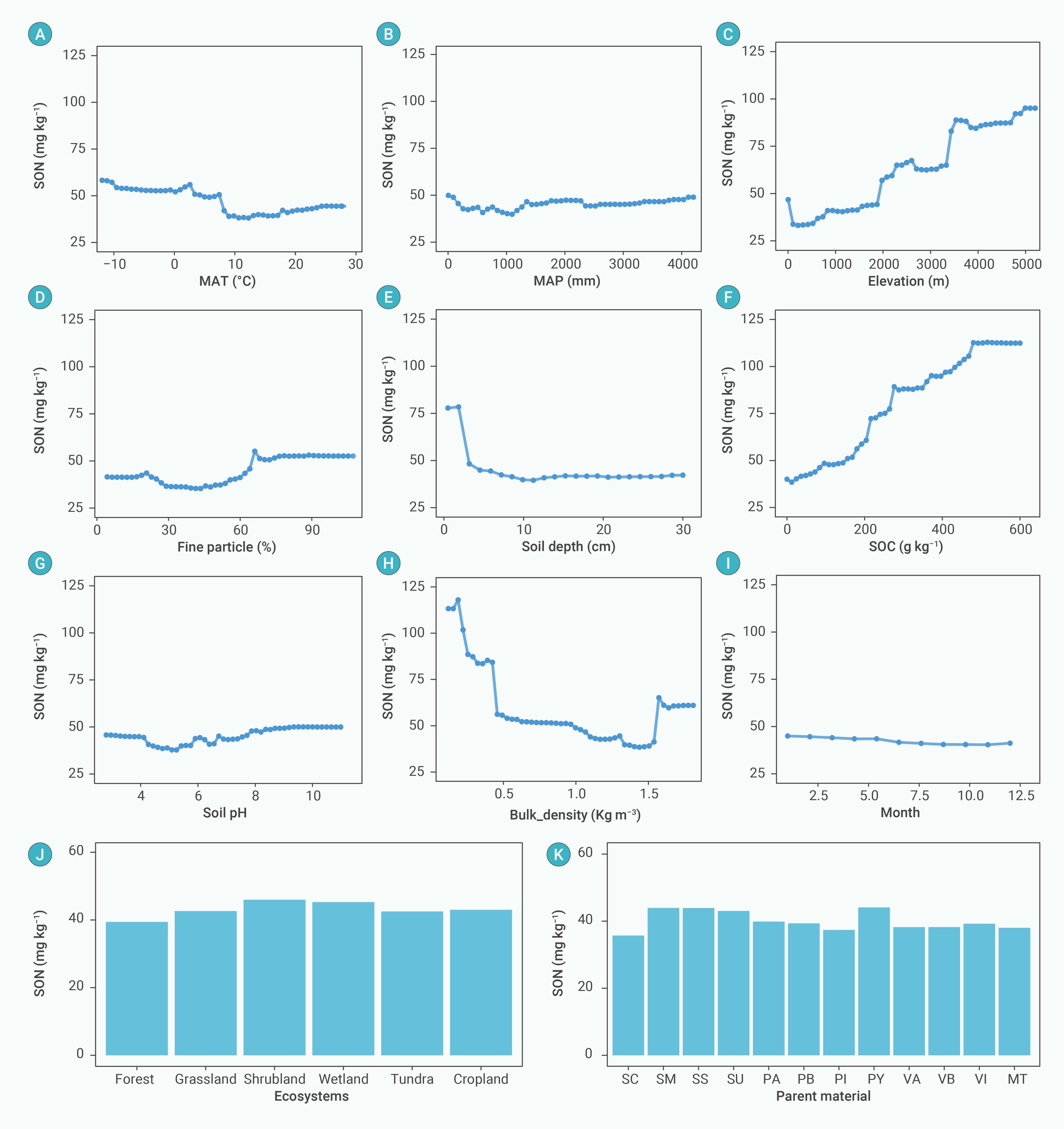
Figure 3.
Partial dependence of predictors from random forest algorithm
-
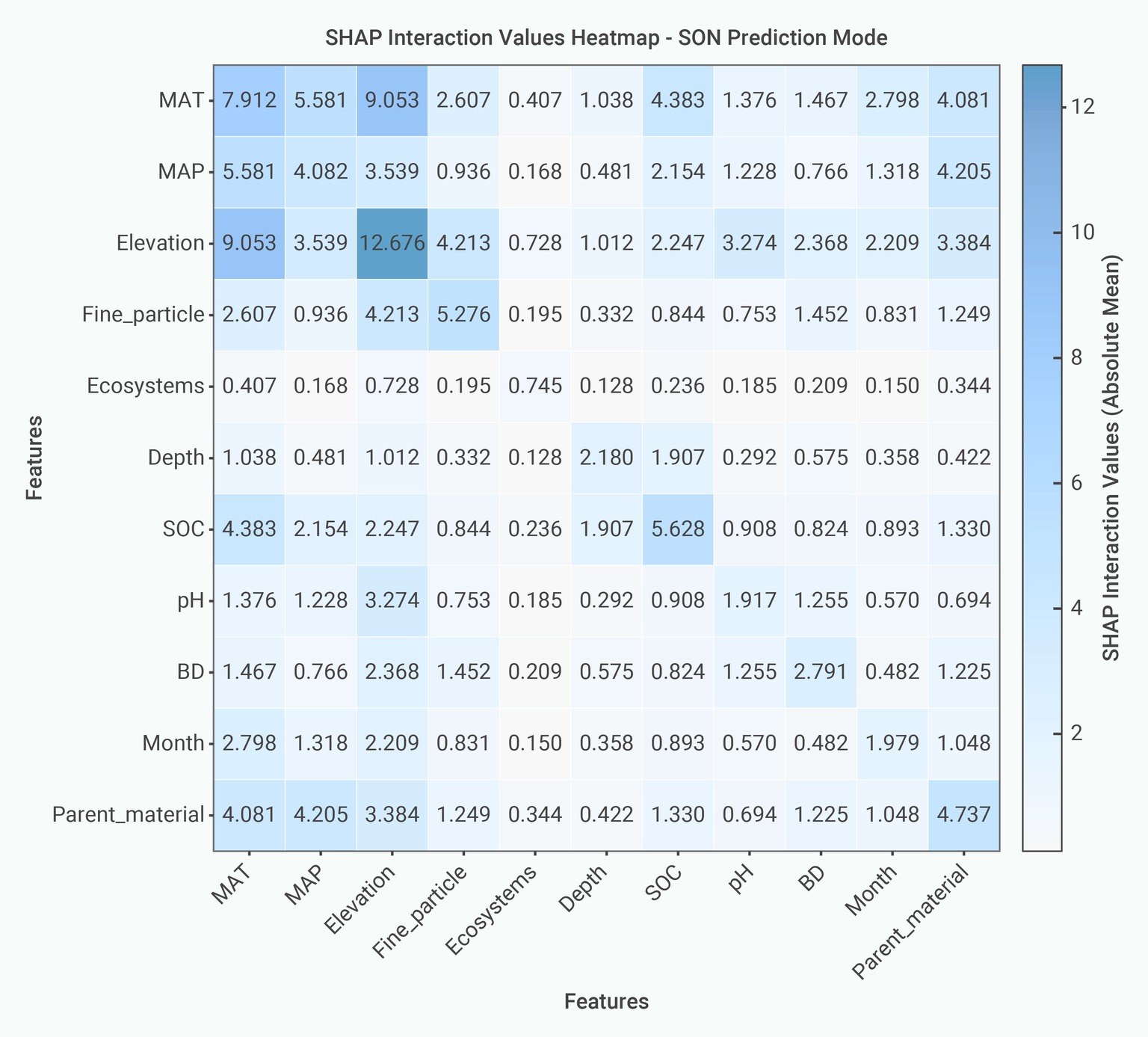
Figure 4.
SHAP interaction analysis revealing key feature interactions driving soil soluble organic nitrogen (SON) concentration
-
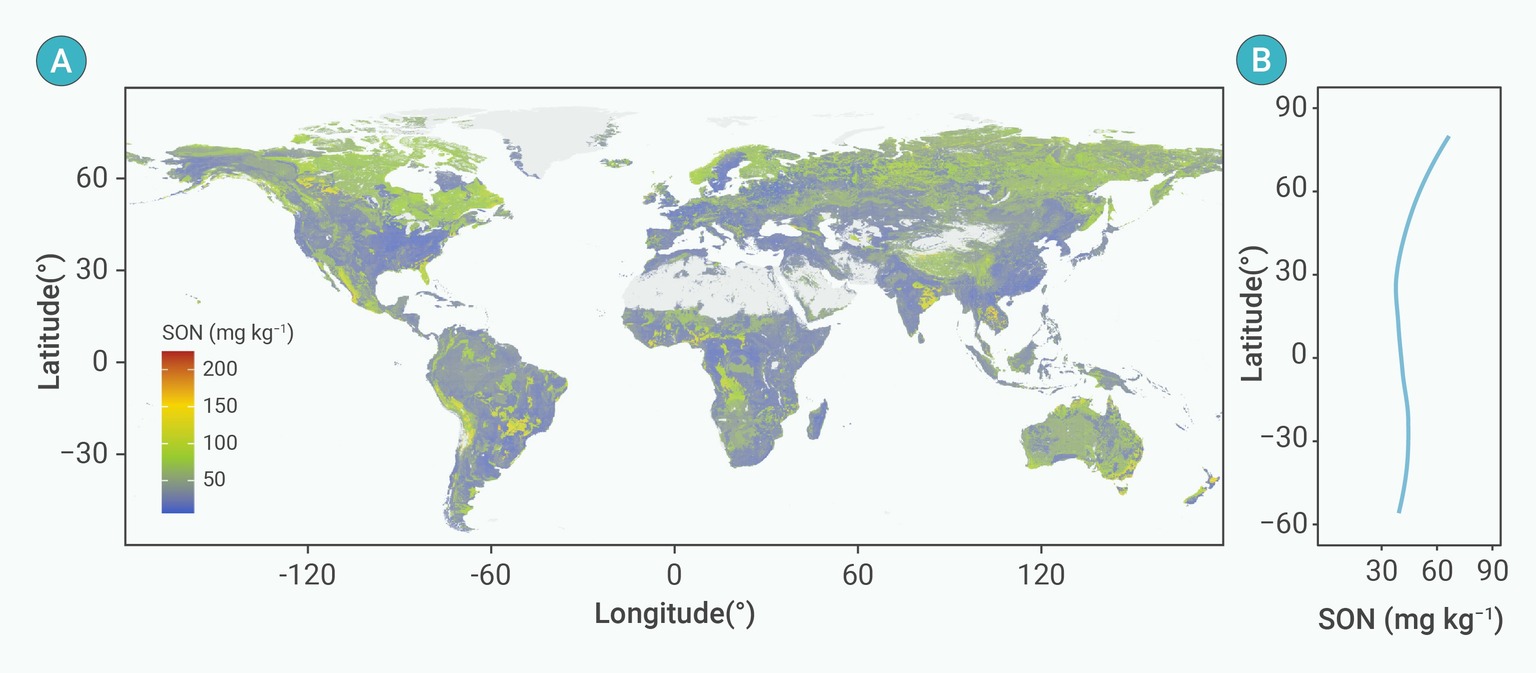
Figure 5.
Prediction of soil soluble organic nitrogen (SON) concentrations in global ecosystems
-
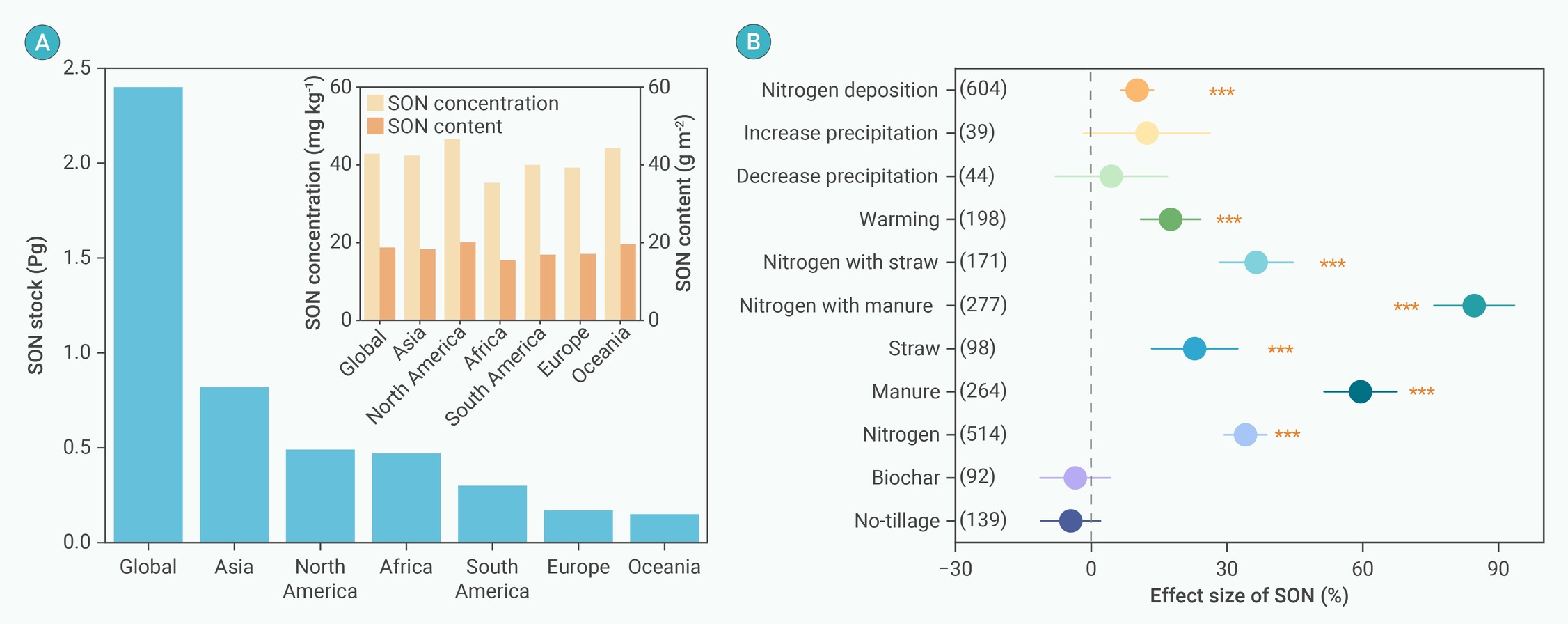
Figure 6.
Analysis of the predicted global distribution map of soil soluble organic nitrogen (SON) (A) and the response to global change (B)
-
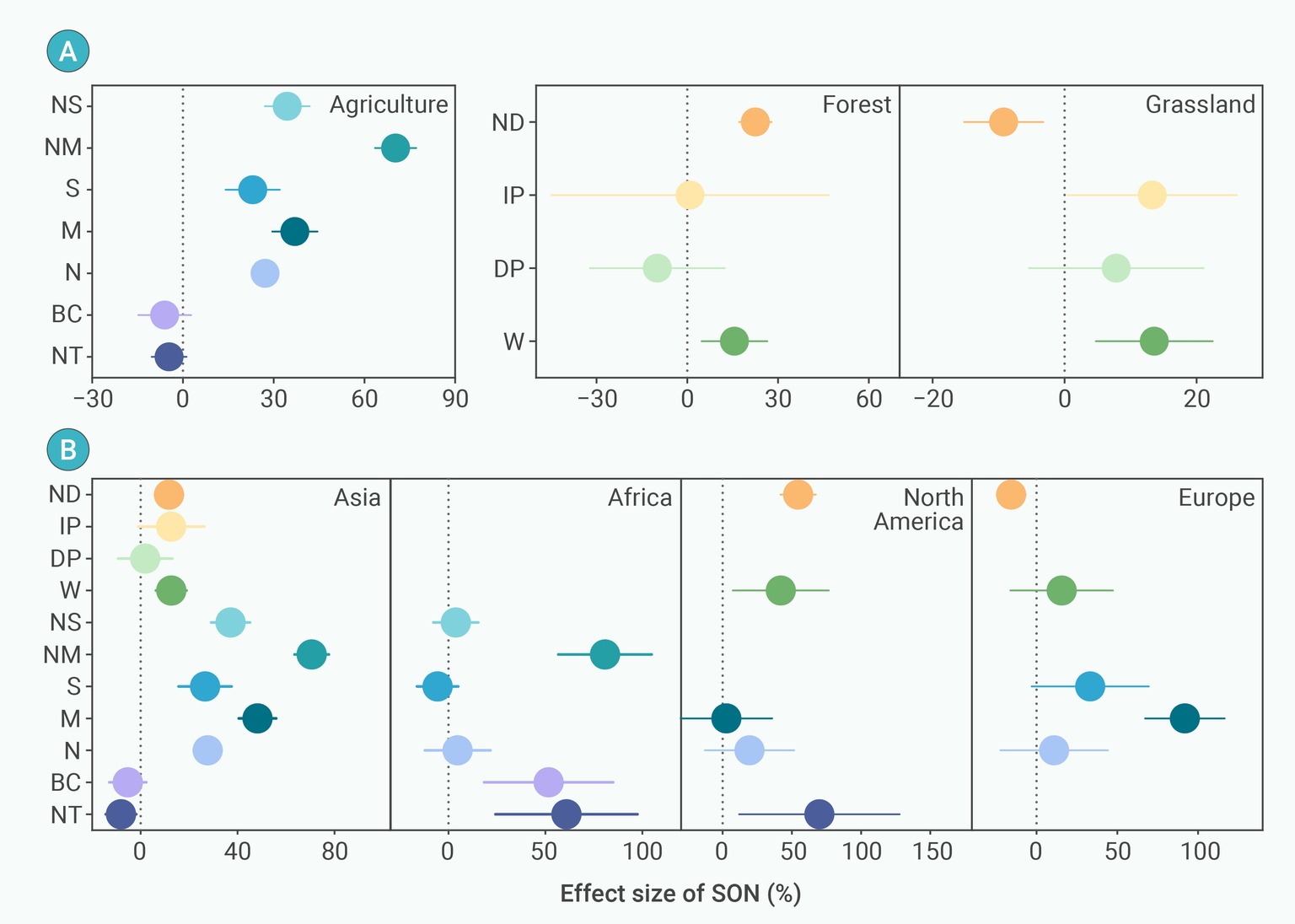
Figure 7.
Response of soil soluble organic nitrogen (SON) to global change among different ecosystems (A) and continents (B)
