
Atmospheric occurrence and socioeconomic drivers of cyclic volatile methyl siloxanes across China
-
GRAPHICAL ABSTRACT
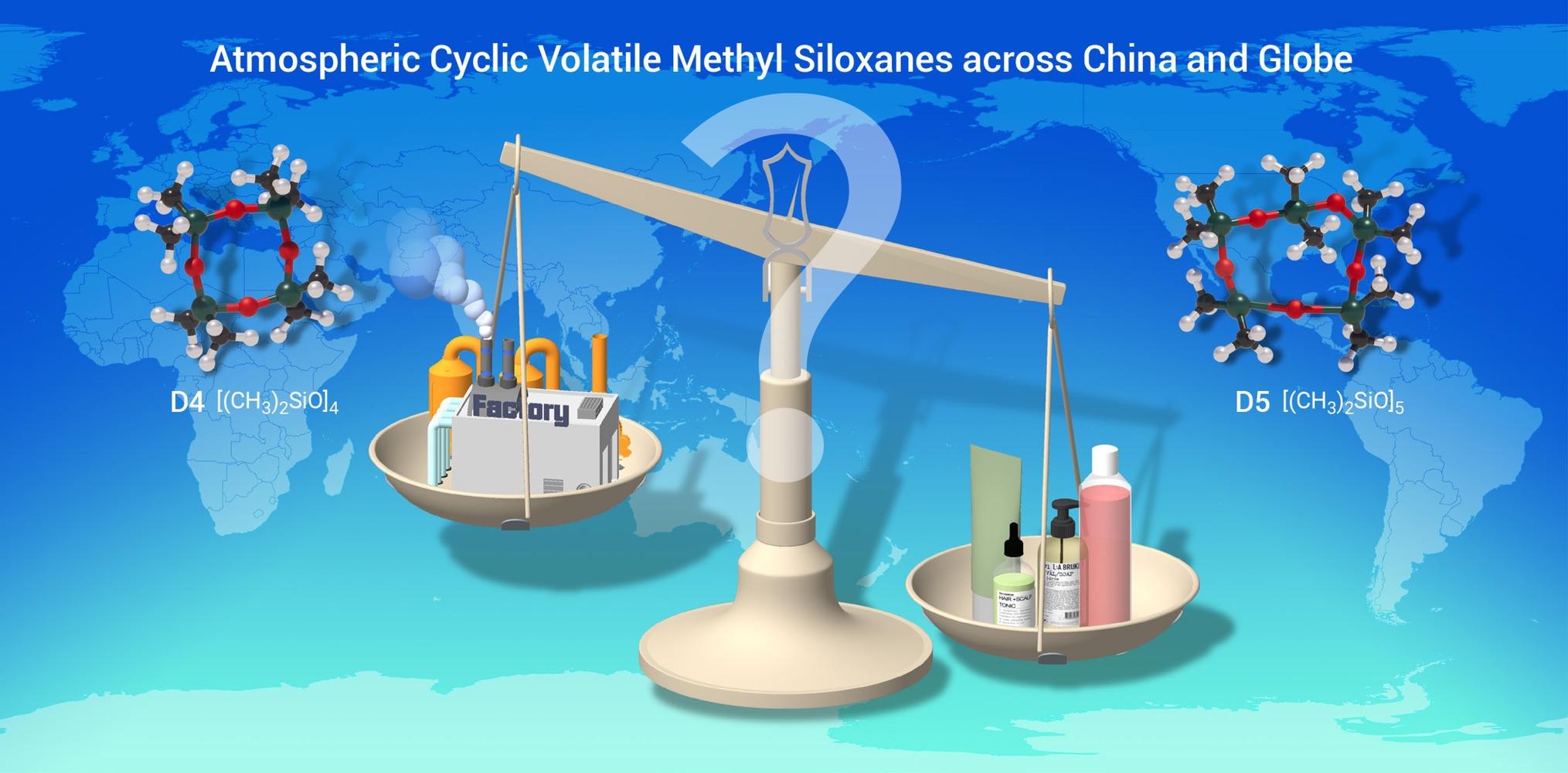
 DownLoad:
Full size image
DownLoad:
Full size image
-
PUBLIC SUMMARY
-
China is a global hotspot for atmospheric D4, a chemical primarily from industrial silicone production.
D4 pollution stems mainly from industry, while D5 is linked to the use of personal care products.
Higher personal income, not just population, better predicts D5 levels from consumer product use.
To cut global D4 pollution, efforts must focus on industrial sources in major producing countries.
-
-
ABSTRACT
Cyclic volatile methyl siloxanes (cVMS) are high-production volume chemicals, and their release into the atmosphere has raised increasing concerns regarding potential adverse effects on human health and the environment. China dominates global cVMS production, particularly octamethylcyclotetrasiloxane (D4) and decamethylcyclopentasiloxane (D5); but their atmospheric occurrence and socio-economic drivers are largely unknown. Here, we report initial findings from mobile and in situ measurements of atmospheric D4 and D5 across China using the Vocus proton-transfer-reaction time-of-flight mass spectrometer. We observed high concentrations of D4 (up to 139 pptv) and D5 (up to 176 pptv), induced by strong chemical factory emissions. The ambient mixing ratios of both chemicals increased from north to south and west to east, and D4 was one order of magnitude higher than D5. Moreover, we found that residential income better explained the domestic and global heterogeneity of cVMS compared to population density. These findings pave the way for exploring large-scale emission inventories and environmental impacts of atmospheric cVMS, highlighting China’s substantial contribution to global atmospheric D4 levels primarily from industrial production and underscoring the need to consider regional economic factors in global D5 emission models. -

-
REFERENCES
[1] Mackay D., Cowan-Ellsberry C. E., Powell D. E., et al. (2015). Decamethylcyclopentasiloxane (D5) environmental sources, fate, transport, and routes of exposure. Environ. Toxicol. Chem. 34:2689−2702. DOI:10.1002/etc.2941 [2] Noll W. (1968). CHAPTER 1 - General Discussion. In Chemistry and Technology of Silicones, (Academic Press), pp:1-23. DOI: 10.1016/B978-0-12-520750-8.50024-5. [3] Balducci C., Perilli M., Romagnoli P., et al. (2012). New developments on emerging organic pollutants in the atmosphere. Environ. Sci. Pollut. Res. Int. 19:1875−1884. DOI:10.1007/s11356-012-0815-2 [4] Krechmer J. E., Day D. A. and Jimenez J. L. (2020). Always lost but never forgotten: Gas-phase wall losses are important in all teflon environmental chambers. Environ. Sci. Technol. 54:12890−12897. DOI:10.1021/acs.est.0c03381 [5] European Commission (2018). Commission regulation (EU) 2018/35 of 10 January 2018 amending Annex XVII to regulation (EC) No 1907/2006 of the European parliament and of the council concerning the registration, evaluation, authorisation and restriction of chemicals (REACH) as regards octamethylcyclotetrasiloxane (‘D4’) and decamethylcyclopentasiloxane (‘D5’). Official Journal of the European Union. [6] Navea J. G., Young M. A., Xu S., et al. (2011). The atmospheric lifetimes and concentrations of cyclic methylsiloxanes octamethylcyclotetrasiloxane (D4) and decamethylcyclopentasiloxane (D5) and the influence of heterogeneous uptake. Atmos. Environ. 45:3181−3191. DOI:10.1016/j.atmosenv.2011.02.038 [7] Molinier B., Arata C., Katz E. F., et al. (2022). Volatile methyl siloxanes and other organosilicon compounds in residential air. Environ. Sci. Technol. 56:15427−15436. DOI:10.1021/acs.est.2c05438 [8] Genualdi S., Harner T., Cheng Y., et al. (2011). Global distribution of linear and cyclic volatile methyl siloxanes in air. Environ. Sci. Technol. 45:3349−3354. DOI:10.1021/es200301j [9] McLachlan M. S., Kierkegaard A., Hansen K. M., et al. (2010). Concentrations and fate of decamethylcyclopentasiloxane (D5) in the atmosphere. Environ. Sci. Technol. 44:5365−5370. DOI:10.1021/es100411w [10] Yucuis R. A., Stanier C. O. and Hornbuckle K. C. (2013). Cyclic siloxanes in air, including identification of high levels in Chicago and distinct diurnal variation. Chemosphere 92:905−910. DOI:10.1016/j.chemosphere.2013.02.051 [11] Buser A. M., Kierkegaard A., Bogdal C., et al. (2013). Concentrations in ambient air and emissions of cyclic volatile methylsiloxanes in Zurich, Switzerland. Environ. Sci. Technol. 47:7045−7051. DOI:10.1021/es3046586 [12] Horii Y., Ohtsuka N., Minomo K., et al. (2021). Distribution characteristics of methylsiloxanes in atmospheric environment of Saitama, Japan: Diurnal and seasonal variations and emission source apportionment. Sci. Total Environ. 754:142399. DOI:10.1016/j.scitotenv.2020.142399 [13] Warner N. A., Nikiforov V., Krogseth I. S., et al. (2020). Reducing sampling artifacts in active air sampling methodology for remote monitoring and atmospheric fate assessment of cyclic volatile methylsiloxanes. Chemosphere 255:126967. DOI:10.1016/j.chemosphere.2020.126967 [14] Okan F., Odabasi M., Yaman B., et al. (2021). Development of a new passive sampling method for the measurement of atmospheric linear and vyclic volatile methyl siloxanes. Environ. Sci. Technol. 55:4522−4531. DOI:10.1021/acs.est.1c00227 [15] Gkatzelis G. I., Coggon M. M., McDonald B. C., et al. (2021). Identifying volatile chemical product tracer compounds in U. S. Cities. Environ. Sci. Technol. 55:188−199. DOI:10.1021/acs.est.0c05467 [16] Coggon M. M., Gkatzelis G. I., McDonald B. C., et al. (2021). Volatile chemical product emissions enhance ozone and modulate urban chemistry. Proc. Natl. Acad. Sci. U S A 118. DOI:10.1073/pnas.2026653118. [17] Coggon M. M., McDonald B. C., Vlasenko A., et al. (2018). Diurnal variability and emission pattern of Decamethylcyclopentasiloxane (D(5)) from the application of personal care products in two North American cities. Environ. Sci. Technol. 52:5610−5618. DOI:10.1021/acs.est.8b00506 [18] McDonald B. C., de Gouw J. A., Gilman J. B., et al. (2018). Volatile chemical products emerging as largest petrochemical source of urban organic emissions. 359:760-764. DOI:10.1126/science.aaq0524. [19] Guo J., Zhou Y., Zhang B., et al. (2019). Distribution and evaluation of the fate of cyclic volatile methyl siloxanes in the largest lake of southwest China. Sci. Total Environ. 657:87−95. DOI:10.1016/j.scitotenv.2018.11.454 [20] Liu N., Shi Y., Li W., et al. (2014). Concentrations and distribution of synthetic musks and siloxanes in sewage sludge of wastewater treatment plants in China. Sci. Total Environ. 476-477:65-72. DOI:10.1016/j.scitotenv.2013.12.124. [21] Hong W. J., Jia H., Liu C., et al. (2014). Distribution, source, fate and bioaccumulation of methyl siloxanes in marine environment. Environ. Pollut. 191:175−181. DOI:10.1016/j.envpol.2014.04.033 [22] Xu L., Shi Y. and Cai Y. (2013). Occurrence and fate of volatile siloxanes in a municipal Wastewater Treatment Plant of Beijing, China. Water Res. 47:715−724. DOI:10.1016/j.watres.2012.10.046 [23] Lu Y., Yuan T., Yun S. H., et al. (2010). Occurrence of cyclic and linear siloxanes in indoor dust from China, and implications for human exposures. Environ. Sci. Technol. 44:6081−6087. DOI:10.1021/es101368n [24] Jia H., Zhang Z., Wang C., et al. (2015). Trophic transfer of methyl siloxanes in the marine food web from coastal area of Northern China. Environ. Sci. Technol. 49:2833−2840. DOI:10.1021/es505445e [25] Xu L., Xu S., Zhang Q., et al. (2019). Chlorinated-methylsiloxanes in Shengli oilfield: Their generation in oil-production wastewater treatment plant and presence in the surrounding soils. Environ. Sci. Technol. 53:3558−3567. DOI:10.1021/acs.est.8b06993 [26] Zhi L., Xu L., Qu Y., et al. (2018). Identification and elimination of fluorinated methylsiloxanes in environmental matrices near a manufacturing plant in Eastern China. Environ. Sci. Technol. 52:12235−12243. DOI:10.1021/acs.est.8b02508 [27] He X., Yuan B., Wu C., et al. (2022). Volatile organic compounds in wintertime North China Plain: Insights from measurements of proton transfer reaction time-of-flight mass spectrometer (PTR-ToF-MS). J. Environ. Sci. 114:98−114. DOI:10.1016/j.jes.2021.08.010 [28] Jiang Y., Guo J., Zhou Y., et al. (2022). Occurrence and behavior of methylsiloxanes in urban environment in four cities of China. Int. J. Environ. Res. Public Health 19:13869. DOI:10.3390/ijerph192113869 [29] Wang X. M., Lee S. C., Sheng G. Y., et al. (2001). Cyclic organosilicon compounds in ambient air in Guangzhou, Macau and Nanhai, Pearl River Delta. Appl. Geochem. 16:1447−1454. DOI:10.1016/S0883-2927(01)00044-0 [30] Lu Y., Yuan T., Wang W., et al. (2011). Concentrations and assessment of exposure to siloxanes and synthetic musks in personal care products from China. Environ. Pollut. 159:3522−3528. DOI:10.1016/j.envpol.2011.08.015 [31] Chang Y., Gao Y., Lu Y., et al. (2021). Discovery of a potent source of gaseous amines in urban china. Environ. Sci. Tech. Let. 8:725−731. DOI:10.1021/acs.estlett.1c00229 [32] Kuang Y., Chang Y., Cheng K., et al. (2022). Evidence of a large bias in rooftop measurements of atmospheric ammonia. ACS Earth Space Chem. 6:160−164. DOI:10.1021/acsearthspacechem.1c00331 [33] Chang Y., Huang R.-J., Cheng K., et al. (2022). Highly time-resolved and nontargeted characterization of volatile organic compound emissions from face masks. Environ. Sci. Techn. Let. 9:1007−1013. DOI:10.1021/acs.estlett.2c00524 [34] Chang Y., Wang H., Gao Y., et al. (2022). Nonagricultural emissions dominate urban atmospheric amines as revealed by mobile measurements. Geophys. Res. Lett. 49:e2021GL097640. DOI:10.1029/2021GL097640 [35] Xu S., Warner N., Bohlin-Nizzetto P., et al. (2019). Long-range transport potential and atmospheric persistence of cyclic volatile methylsiloxanes based on global measurements. Chemosphere 228:460−468. DOI:10.1016/j.chemosphere.2019.04.130 [36] Gkatzelis G. I., Coggon M. M., McDonald B. C., et al. (2021). Observations confirm that volatile chemical products are a major source of petrochemical emissions in US cities. Environ. Sci. Technol. 55:4332−4343. DOI:10.1021/acs.est.0c05471 [37] Verma. R., Perrier. S., Michoud. V., et al. (2023). Glaciers in the tropical Andes could be gone within this century. EGU General Assembly 2023. Copernicus Meetings. [38] Wania F., Warner N. A., McLachlan M. S., et al. (2023). Seasonal and latitudinal variability in the atmospheric concentrations of cyclic volatile methyl siloxanes in the Northern Hemisphere. Environ. Sci-Pro. Imp. 25:496−506. DOI:10.1039/D2EM00467D [39] Ahrens L., Harner T. and Shoeib M. (2014). Temporal variations of cyclic and linear volatile methylsiloxanes in the atmosphere using passive samplers and high-volume air samplers. Environ. Sci. Technol. 48:9374−9381. DOI:10.1021/es502081j [40] Kaj L., Andersson J., Palm Cousins A., et al. (2005). Results from the Swedish National Screening Programme 2004. Subreport 4: Siloxanes. B-rapport. IVL Svenska Miljöinstitutet. https://www.lansstyrelsen.se/download/18.68fbc90d193243b379e47d6e/1732525771008/Results%20from%20the%20Swedish%20National%20Screening%20Programme%202004.pdf. [41] Kaj L., Bester D. B., Pálmason A. P., et al. (2005). Siloxanes in the Nordic Environment. TemaNord. DOI: 10.6027/TN2005-593. [42] Krogseth I. S., Zhang X., Lei Y. D., et al. (2013). Calibration and application of a passive air sampler (XAD-PAS) for volatile methyl siloxanes. Environ. Sci. Technol. 47:4463−4470. DOI:10.1021/es400427h [43] Li Q., Lan Y., Liu Z., et al. (2020). Cyclic volatile methylsiloxanes (cVMSs) in the air of the wastewater treatment plants in Dalian, China-Levels, emissions, and trends. Chemosphere 256:127064. DOI:10.1016/j.chemosphere.2020.127064 -
ABOUT THIS ARTICLE
Cite this article:
Chang Y., Cheng L., Yang Y., et al. (2026). Atmospheric occurrence and socioeconomic drivers of cyclic volatile methyl siloxanes across China. The Innovation Geoscience 4:100155. https://doi.org/10.59717/j.xinn-geo.2025.100155
Welcome!
To request copyright permission to republish or share portions of our works, please visit Copyright Clearance Center's (CCC) Marketplace website at marketplace.copyright.com.
Article Metrics
Relative Articles
Cited by
Export File
Citation
Chang Y., Cheng L., Yang Y., et al. (2026). Atmospheric occurrence and socioeconomic drivers of cyclic volatile methyl siloxanes across China. The Innovation Geoscience 4:100155. https://doi.org/10.59717/j.xinn-geo.2025.100155

Format
Content
-
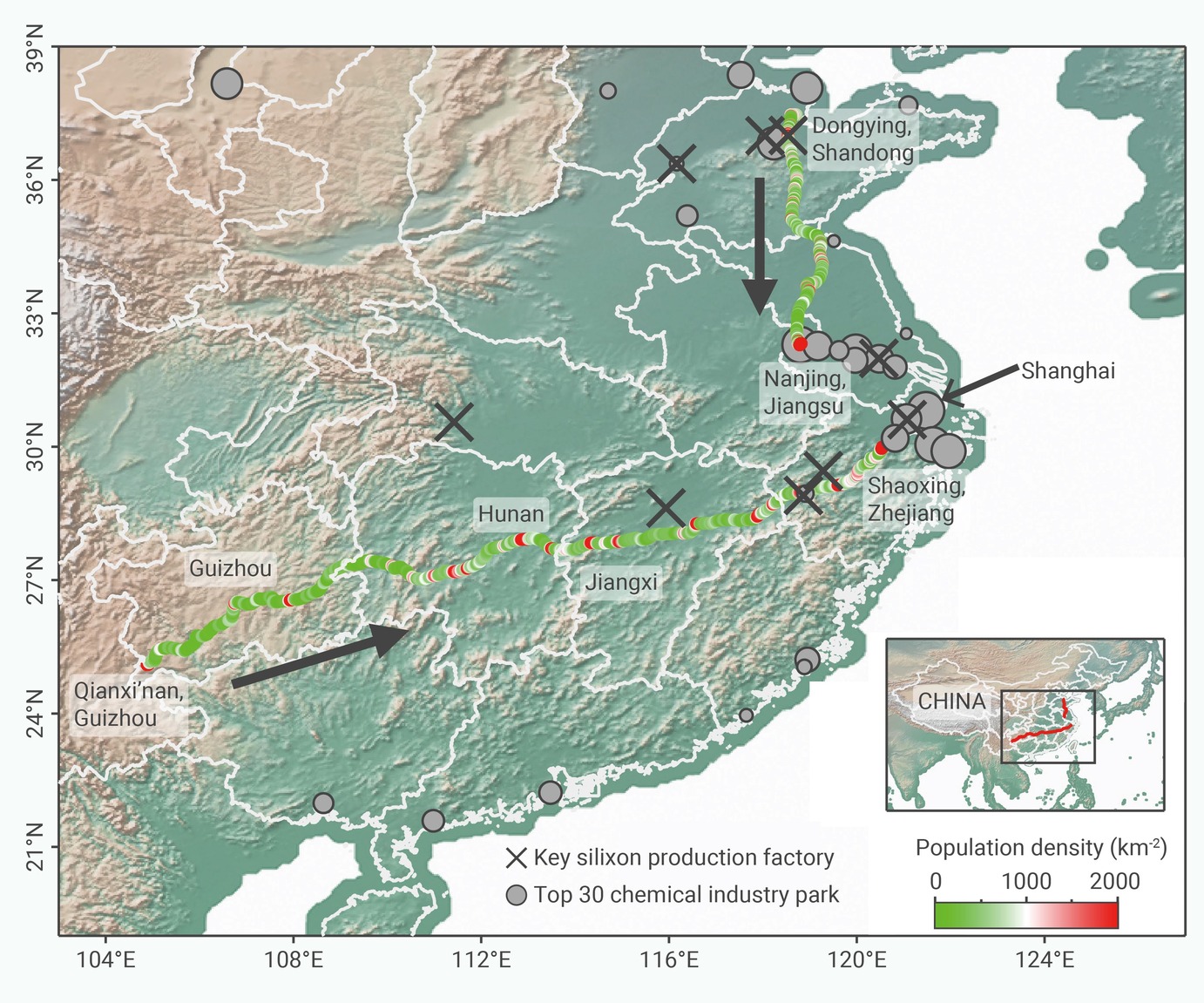
Figure 1.
Locations of mobile and in-situ measurements.
-
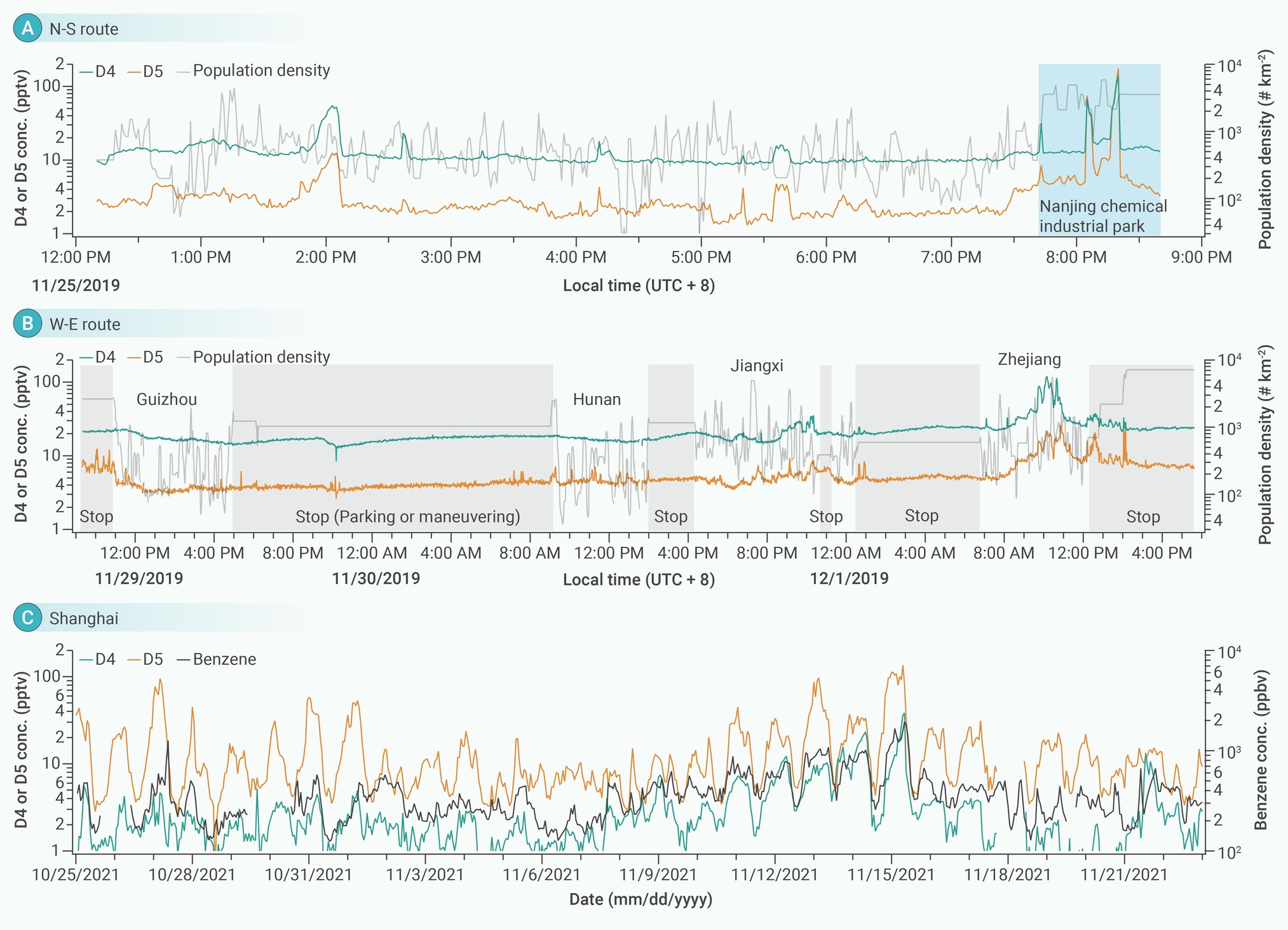
Figure 2.
Time series of atmospheric D4 and D5 and associated parameters
-
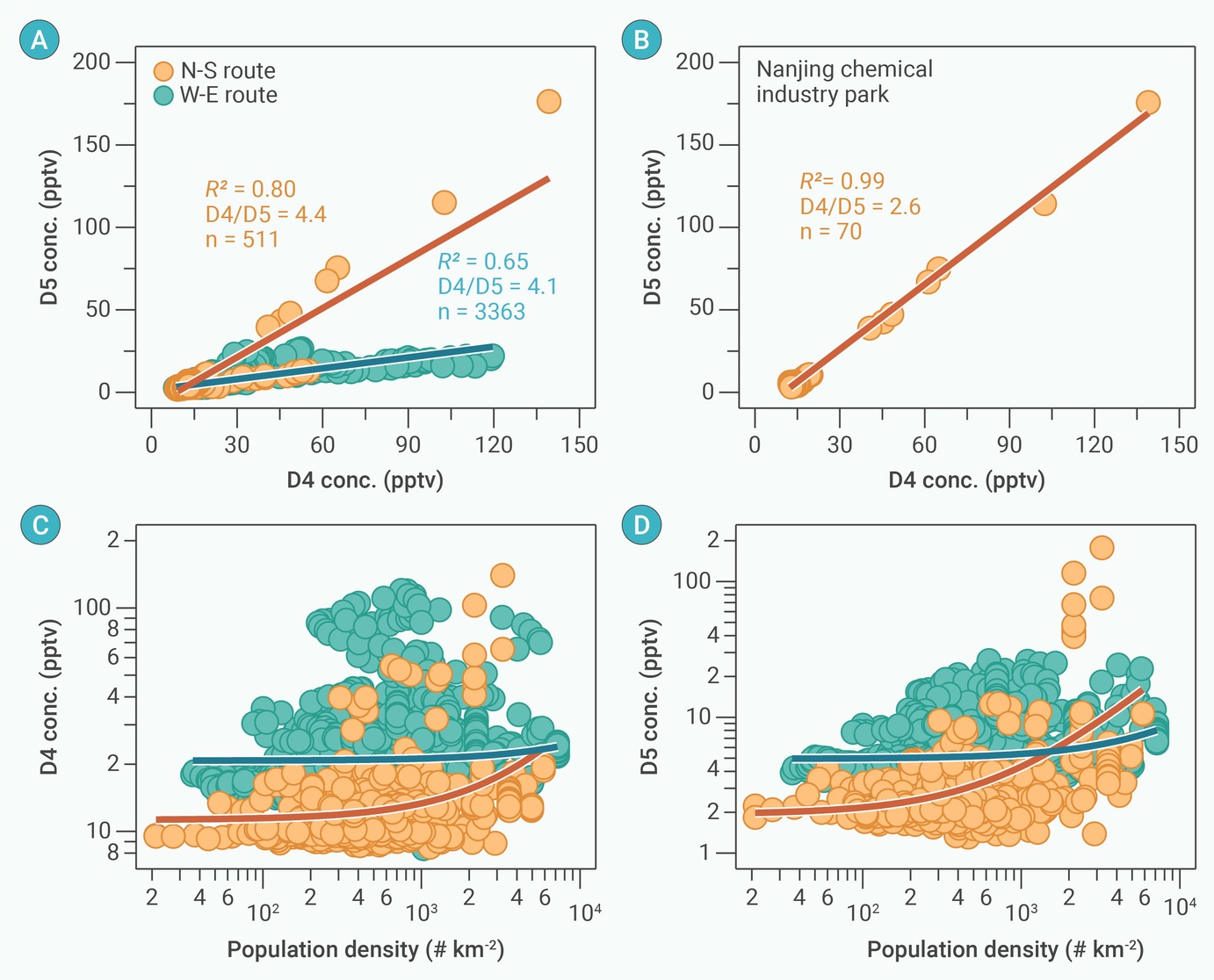
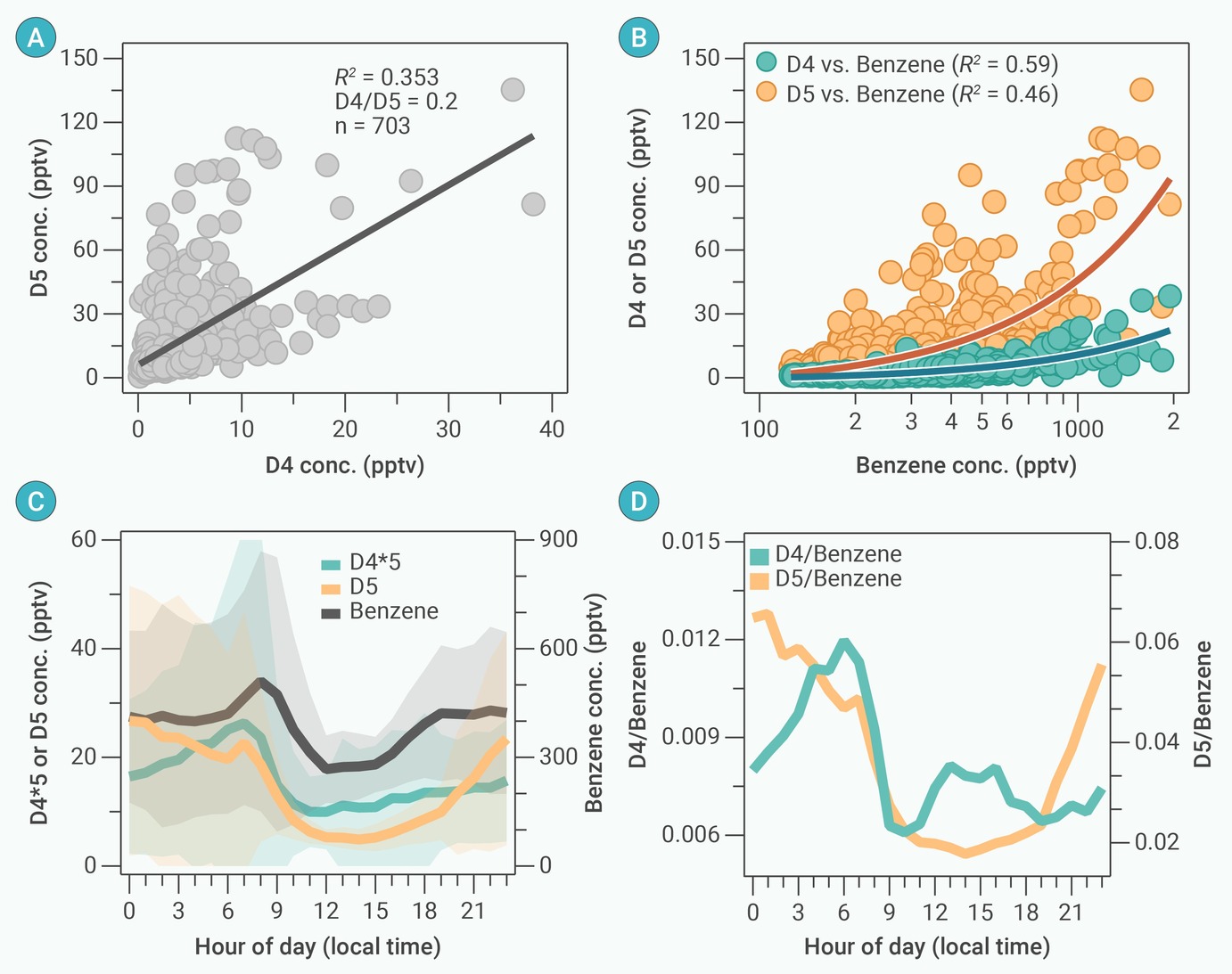
Figure 3.
The correlation between atmospheric D4 and D5
-
Figure 4.
Observations in downtown Shanghai
-
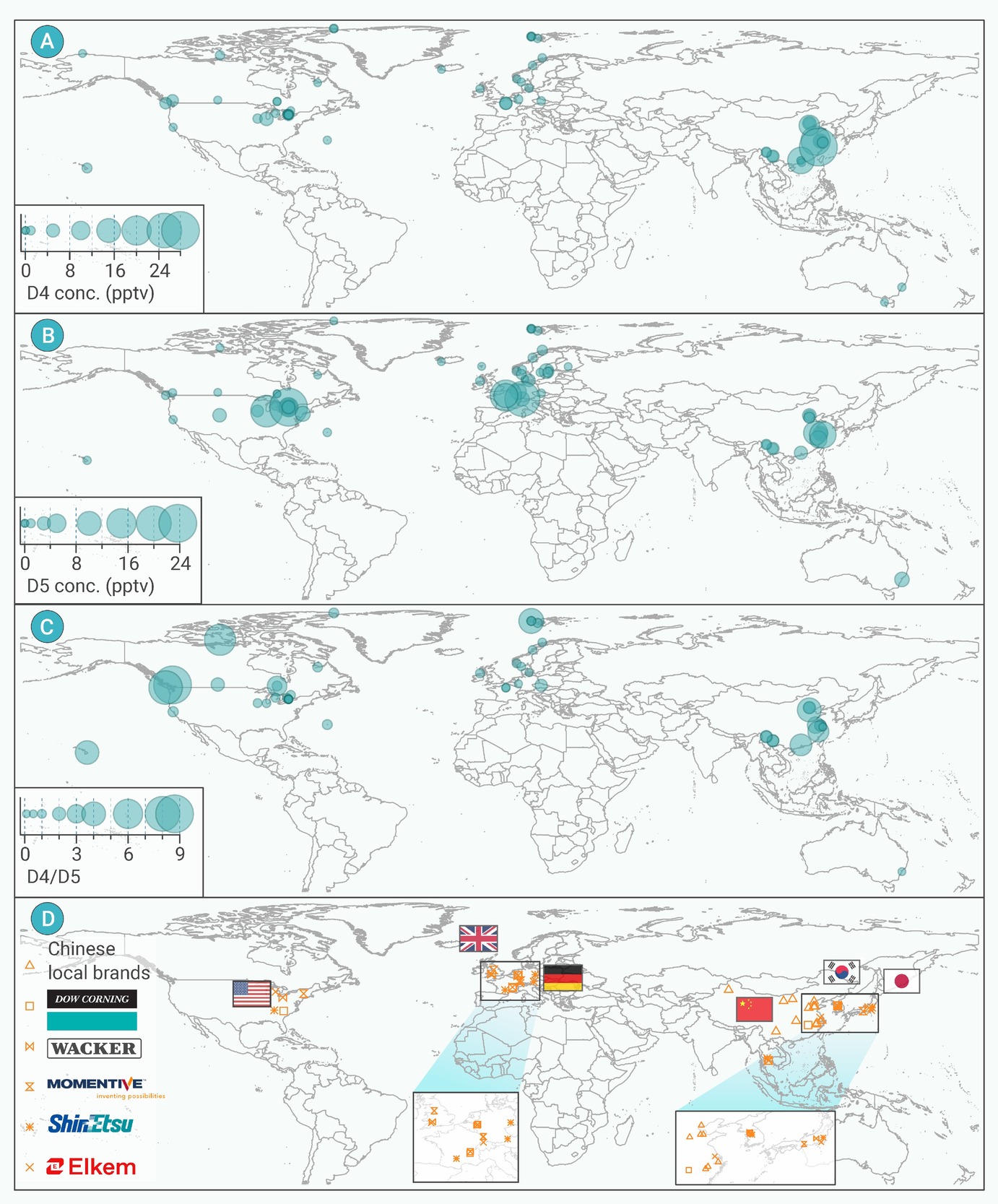
Figure 5.
Global distribution of D4 and D5 in the Atmosphere
-
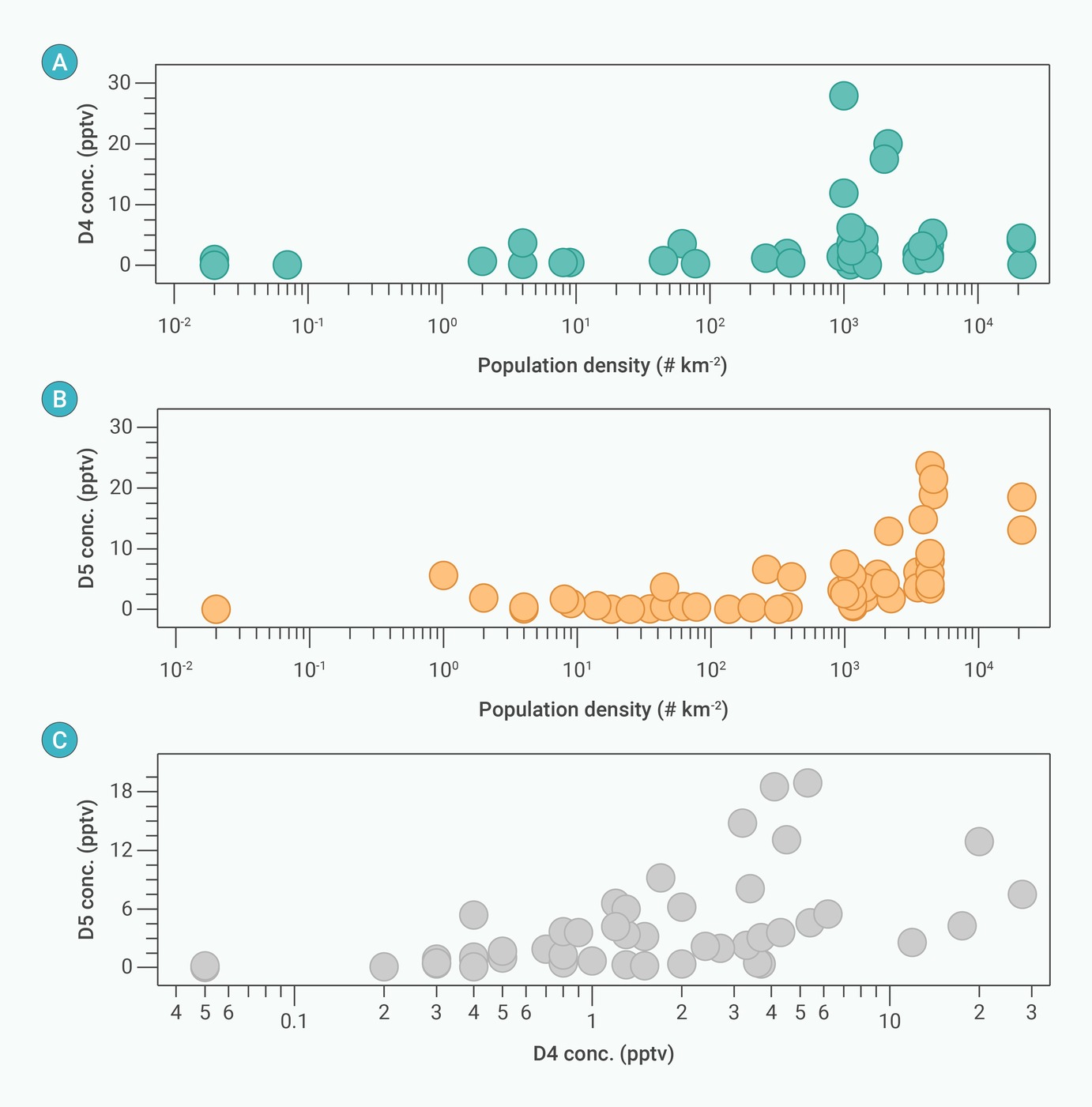
Figure 6.
Relationships between global atmospheric D4/D5 concentrations, population density, and inter-compound correlations
-
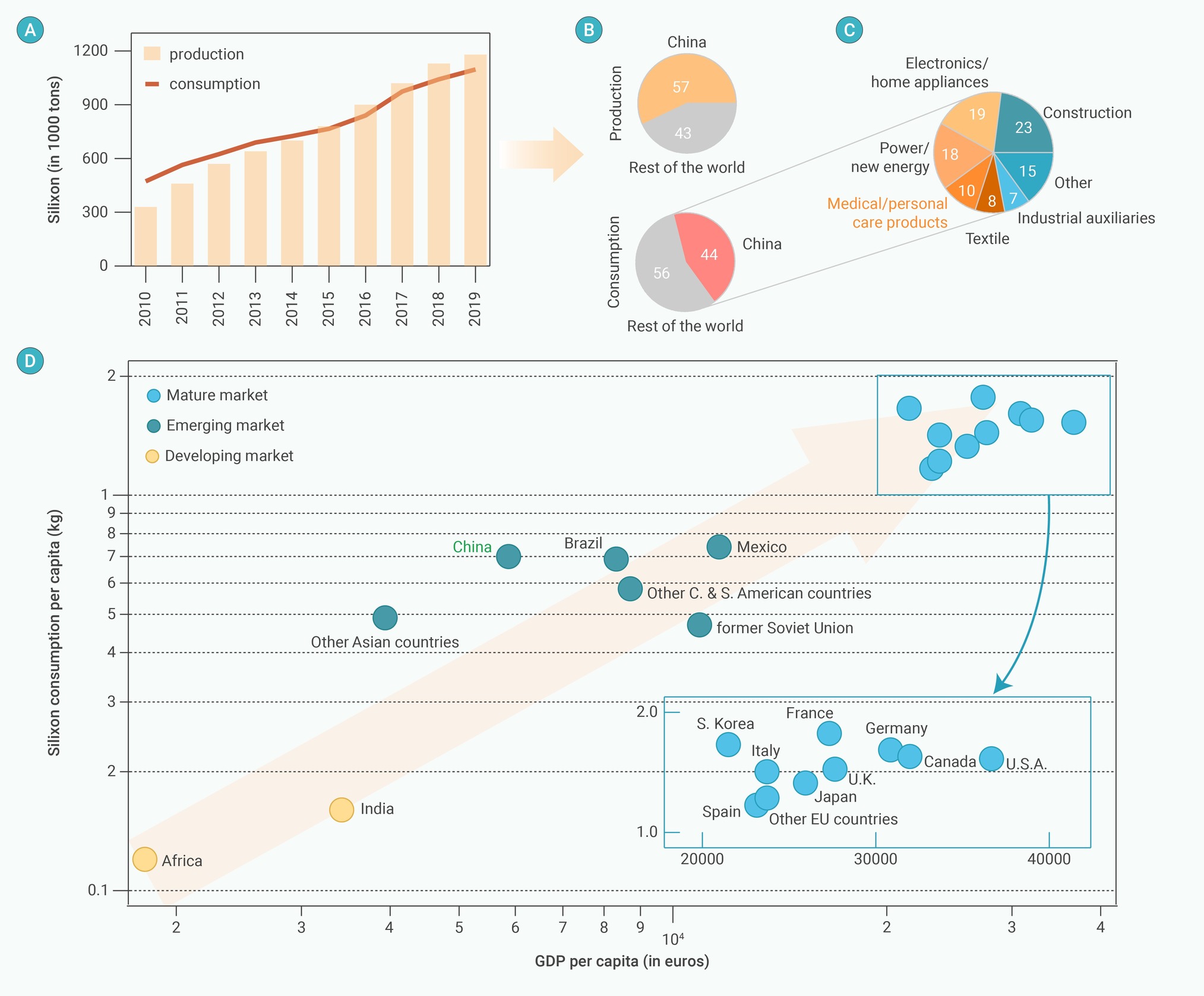
Figure 7.
Silicone Development Trends
