
A comprehensive survey of AI-based retrosynthesis planning: Datasets, models, and tools
-
GRAPHICAL ABSTRACT
 DownLoad:
Full size image
DownLoad:
Full size image
-
PUBLIC SUMMARY
-
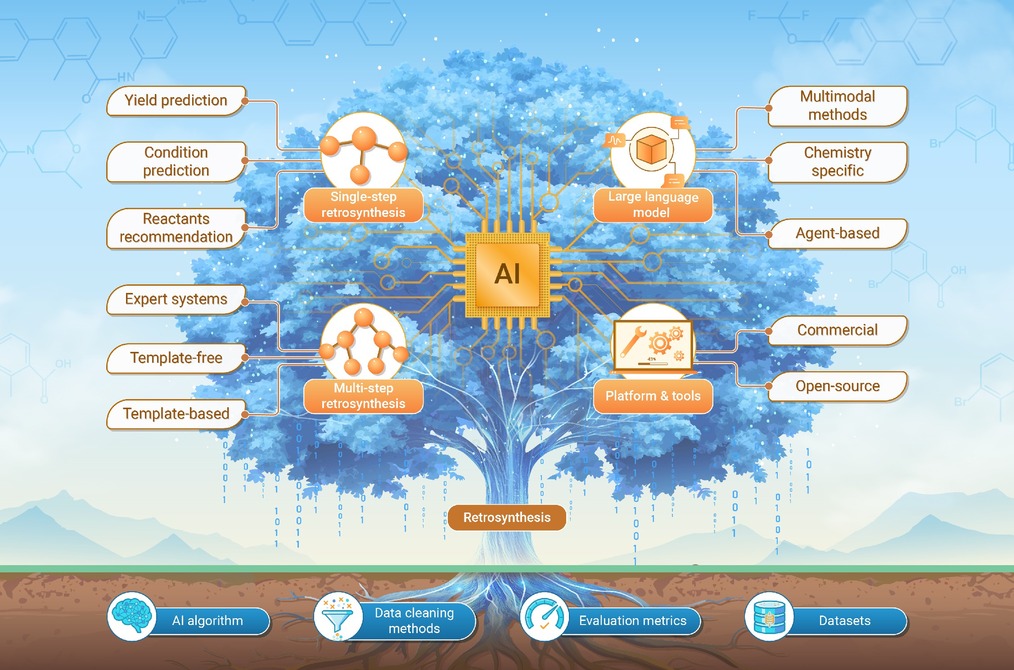
Retrosynthetic planning breaks complex molecules into simpler, purchasable starting materials.
Advances in AI, especially LLMs, are rapidly transforming retrosynthesis.
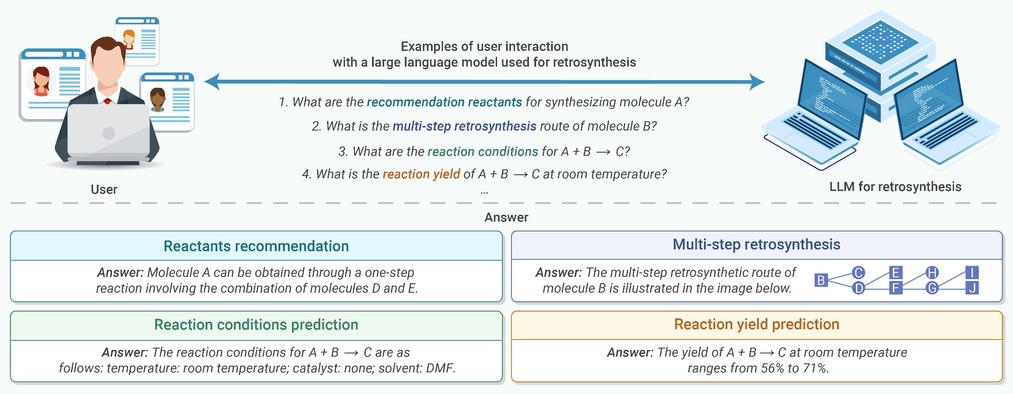
This review summarizes single-step tasks, including reactant, condition, and yield prediction.
It also outlines multi-step planning methods, along with the relevant datasets and platforms.
We highlight the growing role of LLMs in retrosynthesis and discuss key challenges and future directions.
-
-
ABSTRACT
Retrosynthetic planning has long been recognized as a central challenge in organic synthesis, and in recent years it has increasingly become a key domain for the integration of artificial intelligence (AI) methodologies. This review provides a systematic overview of recent advances across retrosynthesis planning, including models, datasets, evaluation metrics, and practical platforms and tools that have shaped the field. Beyond the classical single-step retrosynthesis prediction (reactants recommendation), the work particularly emphasizes on two emerging aspects: (i) the prediction of reaction conditions and yields, which is critical for bridging theoretical retrosynthesis with experimental feasibility, and (ii) the application of large language models (LLMs) to retrosynthetic prediction, a rapidly growing direction which emphasizes interactive problem solving and the breaking down of disciplinary boundaries. Moreover, the survey highlights both the current achievements and the persistent challenges of intelligent retrosynthesis. Finally, it outlines future opportunities that may drive the next wave of innovation in AI-assisted synthesis planning. -

-
REFERENCES
[1] Zhong Z., Song J., Feng Z., et al. (2024). Recent advances in deep learning for retrosynthesis. WIREs Comput. Mo.l Sci. 14:e1694. DOI:10.1002/wcms.1694 [2] Armstrong D., Joncev Z., Guo J., et al. (2025). Tango*: Constrained synthesis planning using chemically informed value functions. Digit. Discov. 4:2570−2578. DOI:10.1039/d5dd00130g [3] Corey E.J. and Wipke W.T. (1969). Computer-assisted design of complex organic syntheses: Pathways for molecular synthesis can be devised with a computer and equipment for graphical communication. Science 166:178−192. DOI:10.1126/science.166.3902.178 [4] Andronov M., Andronova N., Wand M., et al. (2025). Fast and scalable retrosynthetic planning with a transformer neural network and speculative beam search. arXiv preprint. DOI:10.48550/arXiv.2508.01459 [5] Jiang Y., Yu Y., Kong M., et al. (2023). Artificial intelligence for retrosynthesis prediction. Engineering 25:32−50. DOI:10.1016/j.eng.2022.04.021 [6] Liu G., Xue D., Xie S., et al. (2023). Retrosynthetic planning with dual value networks. International conference on machine learning. Proc. Mach. Learn. Res. 202:22266−22276. [7] Hassen A.K., Torren-Peraire P., Genheden S., et al. (2022). Mind the retrosynthesis gap: Bridging the divide between single-step and multi-step retrosynthesis prediction. arXiv preprint. DOI:10.48550/arXiv.2212.11809 [8] Zhang S., Li H., Chen L., et al. (2025). Reasoning-Driven retrosynthesis prediction with Large Language Models via reinforcement learning. arXiv preprint. DOI:10.48550/arXiv.2507.17448 [9] Lee A.A., Yang Q., Sresht V., et al. (2019). Molecular transformerunifies reaction prediction and retrosynthesis across pharma chemical space. Chem. Commun. (Camb) 55:12152−12155. DOI:10.1039/c9cc05122h [10] Zhao P.C., Wei X.X., Wang Q., et al. (2025). Single-step retrosynthesis prediction via multitask graph representation learning. Nat. Commun. 16:814. DOI:10.1038/s41467-025-56062-y [11] Zhao D., Tu S. and Xu L. (2024). Efficient retrosynthetic planning with MCTS exploration enhanced A(*) search. Commun. Chem. 7:52. DOI:10.1038/s42004-024-01133-2 [12] Bran A.M., Neukomm T.A., Armstrong D.P., et al. (2025). Chemical reasoning in LLMs unlocks steerable synthesis planning and reaction mechanism elucidation. arXiv preprint. DOI:10.48550/arXiv.2503.08537 [13] Chen L.Y. and Li Y.P. (2024). Machine learning-guided strategies for reaction conditions design and optimization. Beilstein J. Org. Chem. 20:2476−2492. DOI:10.3762/bjoc.20.212 [14] Zhong H., Liu Y., Sun H., et al. (2025). Towards global reaction feasibility and robustness prediction with high throughput data and bayesian deep learning. Nat. Commun. 16:4522. DOI:10.1038/s41467-025-59812-0 [15] Silver D., Schrittwieser J., Simonyan K., et al. (2017). Mastering the game of gowithout human knowledge. Nature 550:354−359. DOI:10.1038/nature24270 [16] Segler M.H.S., Preuss M. and Waller M.P. (2018). Planning chemical syntheses with deep neural networks and symbolic AI. Nature 555:604−610. DOI:10.1038/nature25978 [17] Coley C.W., Green W.H. and Jensen K.F. (2018). Machine Learning in computer-aidedsynthesis planning. Acc. Chem. Res. 51:1281−1289. DOI:10.1021/acs.accounts.8b00087 [18] Liu B., Ramsundar B., Kawthekar P., et al. (2017). Retrosynthetic reaction prediction using neural sequence-to-sequence models. ACS Cent. Sci. 3:1103−1113. DOI:10.1021/acscentsci.7b00303 [19] Yan C., Zhao P., Lu C., et al. (2022). RetroComposer: Composing templates for template-based retrosynthesis prediction. Biomolecules. 12:545. DOI:10.3390/biom12091325 [20] Coley C.W., Barzilay R., Jaakkola T.S., et al. (2017). Prediction of organic reaction outcomes using machine learning. ACS Cent. Sci. 3:434−443. DOI:10.1021/acscentsci.7b00064 [21] Dai H., Li C., Coley C., et al. (2019). Retrosynthesis prediction with conditional graph logic network. NeurIPS 32:354633. [22] Segler M.H.S. and Waller M.P. (2017). Neural-Symbolic machine learning for retrosynthesis and reaction prediction. Chemistry 23:5966−5971. DOI:10.1002/chem.201605499 [23] Baylon J.L., Cilfone N.A., Gulcher J.R., et al. (2019). Enhancing retrosynthetic reaction prediction with deep learning using multiscale reaction classification. J. Chem. Inf. Model. 59:673−688. DOI:10.1021/acs.jcim.8b00801 [24] Chen S. and Jung Y. (2021). Deep retrosynthetic reaction prediction using local reactivity and global attention. JACS. Au. 1:1612−1620. DOI:10.1021/jacsau.1c00246 [25] Seidl P., Renz P., Dyubankova N., et al. (2022). Improving few- and zero-shot reaction template prediction using modern hopfield networks. J. Chem. Inf. Model. 62:2111−2120. DOI:10.1021/acs.jcim.1c01065 [26] Segler M.H.S. and Waller M.P. (2017). Modelling chemical reasoning to predict and invent reactions. Chemistry 23:6118−6128. DOI:10.1002/chem.201604556 [27] Xuan-Vu N., Armstrong D.P., Jončev Z., et al. (2025). TempRe: Template generation for single and direct multi-step retrosynthesis. arXiv preprint. DOI:10.48550/arXiv.2507.21762 [28] Schwaller P., Laino T., Gaudin T., et al. (2019). Molecular transformer: A model for uncertainty-calibrated chemical reaction prediction. ACS Cent. Sci. 5:1572−1583. DOI:10.1021/acscentsci.9b00576 [29] Weininger D. (1988). SMILES, a chemical language and information system. 1. Introduction to methodology and encoding rules. J. Chem. Inf. Comput. Sci. 28:31–36. DOI:10.1021/ci00057a005 [30] Kalyan K.S., Rajasekharan A. and Sangeetha S. (2022). AMMU: A survey of transformer-based biomedical pretrained language models. J. Biomed. Inform. 126:103982. DOI:10.1016/j.jbi.2021.103982 [31] Vaswani A., Shazeer N., Parmar N., et al. (2017). Attention is all you need. NeurIPS. 30:103982. DOI:10.48550/arXiv.1706.03762 [32] Karpov P., Godin G. and Tetko I.V. (2019). A transformer model for retrosynthesis. ICANN. Springer. 11731:817−830. DOI:10.1007/978-3-030-30493-5_78 [33] Lowe D.M. (2012). Extraction of chemical structures and reactions from the literature. Apollo–Univ. Camb. Repos. 1:103. DOI:10.17863/CAM.16293 [34] Zheng S., Rao J., Zhang Z., et al. (2020). Predicting retrosynthetic reactions using self-corrected transformer neural networks. J. Chem. Inf. Model 60:47−55. DOI:10.1021/acs.jcim.9b00949 [35] Ucak U.V., Ashyrmamatov I., Ko J., et al. (2022). Retrosynthetic reaction pathway prediction through neural machine translation of atomic environments. Nat. Commun. 13:1186. DOI:10.1038/s41467-022-28857-w [36] Fang L., Li J., Zhao M., et al. (2023). Single-step retrosynthesis prediction by leveraging commonly preserved substructures. Nat. Commun. 14:2446. DOI:10.1038/s41467-023-37969-w [37] Wan Y., Hsieh C.-Y., Liao B., et al. (2022). Retroformer: Pushing the limits of end-to-end retrosynthesis transformer. Int. Conf. Mach. Learn. Proc. Mach. Learn. Res. 162:22475−22490. [38] Mao K., Xiao X., Xu T., et al. (2021). Molecular graph enhanced transformer for retrosynthesis prediction. Neurocomputing. 457:193−202. DOI:10.1016/j.neucom.2021.06.037 [39] Lin Z., Yin S., Shi L., et al. (2023). G2GT: Retrosynthesis prediction with graph-to-graph attention neural network and self-training. J. Chem. Inf. Model 63:1894−1905. DOI:10.1021/acs.jcim.2c01302 [40] Tu Z. and Coley C.W. (2022). Permutation invariant graph-to-sequence model for template-free retrosynthesis and reaction prediction. J. Chem. Inf. Model 62:3503−3513. DOI:10.1021/acs.jcim.2c00321 [41] Deng Y., Zhao X., Sun H., et al. (2025). RSGPT: A generative transformer model for retrosynthesis planning pre-trained on ten billion datapoints. Nat. Commun. 16:7012. DOI:10.1038/s41467-025-62308-6 [42] Joseph I., Bekeneva Y.A., Adakole O.S., et al. (2025). RetroSynthNet: A sequence-to-sequence modelforretrosynthesis. Int. Conf. Soft Comput. Meas. (SCM), IEEE. 2025:189−193. DOI:10.1109/SCM66446.2025.11060323 [43] Zhong W., Yang Z. and Chen C.Y. (2023). Retrosynthesis prediction using an end-to-end graph generative architecture for molecular graph editing. Nat. Commun. 14:3009. DOI:10.1038/s41467-023-38851-5 [44] Souza R., Miranda L.S.M. and Bornscheuer U.T. (2017). A retrosynthesisapproachfor biocatalysisin organicsynthesis. Chemistry. 23:12040−12063. DOI:10.1002/chem.201702235 [45] Wang X., Li Y., Qiu J., et al. (2021). Retroprime: A diverse, plausible and transformer-based method for single-step retrosynthesis predictions. Chem. Eng. J. 420:129845. DOI:10.1016/j.cej.2021.129845 [46] Shi C., Xu M., Guo H., et al. (2020). A graph to graphs framework for retrosynthesis prediction. Int. Conf. Mach. Learn. Proc. Mach. Learn. Res. 119:8818−8827. DOI:10.48550/arXiv.2003.12725 [47] Yan C., Ding Q., Zhao P., et al. (2020). Retroxpert: Decomposeretrosynthesis prediction like a chemist. Adv. Neural Inf. Process. Syst. 33:11248−11258. DOI:10.48550/arXiv.2011.02893 [48] Somnath V.R., Bunne C., Coley C., et al. (2021). Learning graph models for retrosynthesis prediction. Adv. Neural Inf. Process. Syst. 34:9405−9415. DOI:10.48550/arXiv.2006.07038 [49] Chen Z., Ayinde O.R., Fuchs J.R., et al. (2023). G(2)Retro as a two-step graph generative models for retrosynthesis prediction. Commun. Chem. 6:102. DOI:10.1038/s42004-023-00897-3 [50] Sacha M., Blaz M., Byrski P., et al. (2021). Molecule editgraphattentionnetwork: Modeling chemical reactions as sequences of graph edits. J. Chem. Inf. Model. 61:3273−3284. DOI:10.1021/acs.jcim.1c00537 [51] Ye Z., Yu L. and Ma F. (2025). Semi-template framework for retrosynthesis prediction using graph neural network. Pattern Recognit. 3:111825. DOI:10.1016/j.patcog.2025.111825 [52] Tadanki A.S., Rao H.S.P. and Priyakumar U.D. (2025). Dissecting errors in machine learning for retrosynthesis: A granular metric framework and a transformer-based model for more informative predictions. Digit. Discover. 4:831−845. DOI:10.1039/D4DD00263F [53] Coley C.W., Rogers L., Green W.H., et al. (2017). Computer-Assisted retrosynthesis based on molecular similarity. ACS Cent. Sci. 3:1237−1245. DOI:10.1021/acscentsci.7b00355 [54] Zhong Z., Song J., Feng Z., et al. (2022). Root-alignedsmiles: A tight representation for chemical reaction prediction. Chem. Sci. 13:9023−9034. DOI:10.1039/D2SC02763A [55] Lin K., Xu Y., Pei J., et al. (2020). Automatic retrosynthetic route planning using template-free models. Chem. Sci. 11:3355−3364. DOI:10.1039/c9sc03666k [56] Kim E., Lee D., Kwon Y., et al. (2021). Valid, plausible, and diverse retrosynthesis using tied two-way transformers with latent variables. J. Chem. Inf. Model. 61:123−133. DOI:10.1021/acs.jcim.0c01074 [57] Sun R., Dai H., Li L., et al. (2021). Towards understanding retrosynthesis by energy-based models. Adv. Neural Inf. Process. Syst. 34:10186−10194. [58] Yao L., Guo W., Wang Z., et al. (2024). Node-Aligned graph-to-graph: Elevating template-free deep learning approaches in single-step retrosynthesis. JACS. Au. 4:992−1003. DOI:10.1021/jacsau.3c00737 [59] Han Y., Xu X., Hsieh C.Y., et al. (2024). Retrosynthesis prediction with an iterative string editing model. Nat. Commun. 15:6404. DOI:10.1038/s41467-024-50617-1 [60] Wang Y., Pang C., Wang Y., et al. (2023). Retrosynthesis prediction with an interpretable deep-learning framework based on molecular assembly tasks. Nat. Commun. 14:6155. DOI:10.1038/s41467-023-41698-5 [61] Liu X., Ai C., Yang H., et al. (2024). RetroCapioner: Beyond attention in end-to-end retrosynthesis transformer via contrastively captioned learnable graph representation. Bioinformatics. 40:btae561. DOI:10.1093/bioinformatics/btae561 [62] Seo S.W., Song Y.Y., Yang J.Y., et al. (2021). GTA: Graph truncated attention for retrosynthesis. Proc. AAAI Conf. Artif. Intell. 35:531−539. DOI:10.1609/aaai.v35i1.16131 [63] Gao H., Struble T.J., Coley C.W., et al. (2018). Using machine learning to predict suitable conditions for organic reactions. ACS. Cent. Sci. 4:1465−1476. DOI:10.1021/acscentsci.8b00357 [64] LeCun Y., Bengio Y. and Hinton G. (2015). Deep learning. Nature 521:436−444. DOI:10.1038/nature14539 [65] Afonina V.A., Mazitov D.A., Nurmukhametova A., et al. (2021). Prediction of optimal conditions of hydrogenation reaction using the likelihood ranking approach. Int. J. Mol. Sci. 23. DOI:10.3390/ijms23010248 [66] Maser M.R., Cui A.Y., Ryou S., et al. (2021). Multilabel classification models for the prediction of cross-coupling reaction conditions. J. Chem. Inf. Model. 61:156−166. DOI:10.1021/acs.jcim.0c01234 [67] Wang Z., Lin K., Pei J., et al. (2025). Reacon: A template- and cluster-based framework for reaction condition prediction. Chem. Sci. 16:854−866. DOI:10.1039/d4sc05946h [68] Kwon Y., Lee D., Choi Y.S., et al. (2022). Uncertainty-Aware prediction of chemical reaction yields with graph neural networks. J. Cheminform. 14:2. DOI:10.1186/s13321-021-00579-z [69] Kingma D.P. and Welling M. (2013). Auto-encoding variational bayes. arXiv preprint. DOI:10.48550/arXiv.1312.6114 [70] Schwaller P., Petraglia R., Zullo V., et al. (2020). Predicting retrosynthetic pathways using transformer-based models and a hyper-graph exploration strategy. Chem. Sci. 11:3316−3325. DOI:10.1039/c9sc05704h [71] Walker E., Kammeraad J., Goetz J., et al. (2019). Learning to predict reaction conditions: Relationships between solvent, molecular structure, and catalyst. J. Chem. Inf. Model. 59:3645−3654. DOI:10.1021/acs.jcim.9b00313 [72] Wang X., Hsieh C.Y., Yin X., et al. (2023). Generic Interpretable reaction condition predictions with open reaction condition datasets and unsupervised learning of reaction center. Research (Wash. D.C.) 6:0231. DOI:10.34133/research.0231 [73] Lowe D. (2017). Chemical reactions from US patents (1976-Sep2016). DOI:10.6084/m9.figshare.5104873.v1 [74] Goodman J. (2009). Computer software review: Reaxys. J. Chem. Inf. Model. 49:2897–2898. DOI:10.1021/ci900437n [75] Strieth-Kalthoff F., Sandfort F., Segler M.H., et al. (2020). Machine learning the ropes: Principles, applications and directions in synthetic chemistry. Chem. Soc. Rev. 49:6154−6168. DOI:10.1039/C9CS00786E [76] Granda J.M., Donina L., Dragone V., et al. (2018). Controlling an organic synthesis robot with machine learning to search for new reactivity. Nature 559:377−381. DOI:10.1038/s41586-018-0307-8 [77] Saebi M., Nan B., Herr J.E., et al. (2023). On the use of real-world datasets for reaction yield prediction. Chem. Sci. 14:4997−5005. DOI:10.1039/d2sc06041h [78] Ahneman D.T., Estrada J.G., Lin S., et al. (2018). Predicting reaction performance in C–N cross-coupling using machine learning. Science 360:186−190. DOI:10.1126/science.aar5169 [79] Shi R., Yu G., Huo X., et al. (2024). Prediction of chemical reaction yields with large-scale multi-view pre-training. J. Chem. 16:22. DOI:10.1186/s13321-024-00815-2 [80] Sato A., Asahara R. and Miyao T. (2024). Chemical graph-based transformer models for yield prediction of high-throughput cross-coupling reaction datasets. ACS Omega 9:40907−40919. DOI:10.1021/acsomega.4c06113 [81] Voinarovska V., Kabeshov M., Dudenko D., et al. (2024). When yield prediction does not yield prediction: An overview of the current challenges. J. Chem. Inf. Model. 64:42−56. DOI:10.1021/acs.jcim.3c01524 [82] Bustillo L. and Rodrigues T. (2023). A focus on the use of real-world datasets for yield prediction. Chem. Sci. 14:4958−4960. DOI:10.1039/d3sc90069j [83] Trinh C., Meimaroglou D. and Hoppe S. (2021). Machine learning in chemical product engineering: The state of the art and a guide for newcomers. Processes. 9:1456. DOI:10.3390/pr9081456 [84] Yang B.H. and Buchwald S.L. (1999). Palladium-catalyzed amination of aryl halides and sulfonates. J. Organomet. Chem. 576:125−146. DOI:10.1016/S0022-328X(98)01054-7 [85] Miyaura N. and Suzuki A. (1995). Palladium-catalyzed cross-coupling reactions of organoboron compounds. Chem. Rev. 95:2457−2483. DOI:10.1021/cr00039a007 [86] Halevy A., Norvig P. and Pereira F. (2009). The unreasonable effectiveness of data. IEEE Intell. Syst. 24:8−12. DOI:10.1109/MIS.2009.36 [87] Genheden S. and Bjerrum E. (2022). PaRoutes: Towards a framework for benchmarking retrosynthesis route predictions. Digit. Discover. 1:527−539. DOI:10.1039/D2DD00015F [88] Westerlund A.M., Manohar Koki S., Kancharla S., et al. (2024). Do chemformers dream of organic matter. Evaluating a transformer model for multistep retrosynthesis. J. Chem. Inf. Model. 64:3021−3033. DOI:10.1021/acs.jcim.3c01685 [89] Perera D., Tucker J.W., Brahmbhatt S., et al. (2018). A platform for automated nanomole-scale reaction screening and micromole-scale synthesis in flow. Science 359:429−434. DOI:10.1126/science.aap9112 [90] King-Smith E., Berritt S., Bernier L., et al. (2024). Probing the chemical 'reactome' with high-throughput experimentation data. Nat. Chem. 16:633−643. DOI:10.1038/s41557-023-01393-w [91] Kreutter D. and Reymond J.L. (2023). Multistep retrosynthesis combining a disconnection aware triple transformer loop with a route penalty score guided tree search. Chem. Sci. 14:9959−9969. DOI:10.1039/d3sc01604h [92] Mo Y., Guan Y., Verma P., et al. (2020). Evaluating and clustering retrosynthesis pathways with learned strategy. Chem. Sci. 12:1469−1478. DOI:10.1039/d0sc05078d [93] Torren-Peraire P., Hassen A.K., Genheden S., et al. (2024). Models matter: The impact of single-step retrosynthesis on synthesis planning. Digit. Discover. 3:558−572. DOI:10.1039/D3DD00252G [94] Lee H., Ahn S., Seo S.W., et al. (2021). RETCL: A selection-based approach for retrosynthesis via contrastive learning. arXiv preprint. DOI:10.48550/arXiv.2105.00795 [95] Kishimoto A., Buesser B., Chen B., et al. (2019). Depth-first proof-number search with heuristic edge cost and application to chemical synthesis planning. Adv. Neural Inf. Process. Syst. 32:357. [96] Chen B., Li C., Dai H., et al. (2020). Retro*: Learning retrosynthetic planning with neural guided A* search. Proc. Mach. Learn. Res. 119:1608−1616. DOI:10.48550/arXiv.2006.15820 [97] You J., Liu B., Ying Z., et al. (2018). Graph convolutional policy network for goal-directed molecular graph generation. Adv. Neural Inf. Process. Syst. 31:125. DOI:10.48550/arXiv.1806.02473 [98] Roucairol M. and Cazenave T. (2024). Comparing search algorithms on the retrosynthesis problem. Mol. Inform. 43:e202300259. DOI:10.1002/minf.202300259 [99] Saigiridharan L., Hassen A.K., Lai H., et al. (2024). AiZynthFinder 4.0: Developments based on learnings from 3 years of industrial application. J. Cheminform. 16:57. DOI:10.1186/s13321-024-00860-x [100] Thakkar A., Kogej T., Reymond J.L., et al. (2020). Datasets and their influence on the development of computer assisted synthesis planning tools in the pharmaceutical domain. Chem. Sci. 11:154−168. DOI:10.1039/C9SC04944D [101] Russell S. and Norvig P. (2021). Artificial intelligence: A modern approach, 4th US ed. 7:123–133. [102] Roucairol M., Georgiou A., Cazenave T., et al. (2024). DrugSynthMC: An atom-based generation of drug-like molecules with monte carlo search. J. Cheminform. Inf. Model. 64:7097−7107. DOI:10.1021/acs.jcim.4c01451 [103] Xie S., Yan R., Han P., et al. (2022). Retrograph: Retrosynthetic planning with graph search. Proc. 28th ACM SIGKDD Conf. Knowl. Discov. Data Min. 22:2120–2129. DOI:10.1145/3534678.3539446 [104] Coley C.W., Rogers L., Green W.H., et al. (2018). SCScore: Synthetic complexity learned from a reaction corpus. J. Chem. Inf. Model. 58:252−261. DOI:10.1021/acs.jcim.7b00622 [105] Genheden S., Thakkar A., Chadimova V., et al. (2020). AiZynthFinder: A fast, robust and flexible open-source software for retrosynthetic planning. J. Chem. 12:70. DOI:10.1186/s13321-020-00472-1 [106] Irwin R., Dimitriadis S., He J., et al. (2022). Chemformer: A pre-trained transformer for computational chemistry. Mach. Learn. Sci. Technol. 3:015022. DOI:10.1088/2632-2153/ac3ffb [107] Dong J., Zhao M., Liu Y., et al. (2022). Deep learning in retrosynthesis planning: Datasets, models and tools. Brief Bioinform. 23:bbab391. DOI:10.1093/bib/bbab391 [108] Zeng K., Yang B., Zhao X., et al. (2024). Ualign: Pushing the limit of template-free retrosynthesis prediction with unsupervised SMILES alignment. J. Cheminform. 16:80. DOI:10.1186/s13321-024-00877-2 [109] Shee Y., Morgunov A., Li H., et al. (2025). DirectMultiStep: Direct route generation for multistep retrosynthesis. J. Chem. Inf. Model. 65:3903−3914. DOI:10.1021/acs.jcim.4c01982 [110] Hong S., Zhuo H.H., Jin K., et al. (2023). Retrosynthetic planning with experience-guided Monte Carlo tree search. Commun. Chem. 6:120. DOI:10.1038/s42004-023-00911-8 [111] Schreck J.S., Coley C.W. and Bishop K.J.M. (2019). Learning retrosynthetic planning through simulated experience. Cent. Sci. 5:970−981. DOI:10.1021/acscentsci.9b00055 [112] Grzybowski B.A., Szymkuć S., Gajewska E.P., et al. (2018). Chematica: A story of computer code that started to think like a chemist. Chem. 4:390−398. DOI:10.1016/j.chempr.2018.02.024 [113] Hastedt F., Bailey R.M., Hellgardt K., et al. (2024). Investigating the reliability and interpretability of machine learning frameworks for chemical retrosynthesis. Digit. Discover. 3:1194−1212. DOI:10.1039/D4DD00007B [114] Tu Z., Choure S.J., Fong M.H., et al. (2025). ASKCOS: An open source software suite for synthesis planning. arXiv preprint. DOI:10.48550/arXiv.2501.01835 [115] Zeng T., Jin Z., Zheng S., et al. (2024). Developing bioNavi for hybrid retrosynthesis planning. JACS. Au. 4:2492−2502. DOI:10.1021/jacsau.4c00228 [116] Ellis K., Wong L., Nye M., et al. (2023). DreamCoder: Growing generalizable, interpretable knowledge with wake-sleep bayesian program learning. Philos. Trans. A Math. Phys. Eng. Sci. 381:20220050. DOI:10.1098/rsta.2022.0050 [117] Grzybowski B.A., Badowski T., Molga K., et al. (2023). Network search algorithms and scoring functions for advanced‐level computerized synthesis planning. WIREs Comput. Mol. Sci. 13:e1630. DOI:10.1002/wcms.1630 [118] Fromer J.C. and Coley C.W. (2024). An algorithmic framework for synthetic cost-aware decision making in molecular design. Nat. Comput. Sci. 4:440−450. DOI:10.1038/s43588-024-00639-y [119] Zhang X., Lin H., Zhang M., et al. (2025). A data-driven group retrosynthesis planning model inspired by neurosymbolic programming. Nat. Commun. 16:192. DOI:10.1038/s41467-024-55374-9 [120] Schwaller P., Gaudin T., Lanyi D., et al. (2018). "Found in Translation": Predicting outcomes of complex organic chemistry reactions using neural sequence-to-sequence models. Chem. Sci. 9:6091−6098. DOI:10.1039/c8sc02339e [121] Schneider N., Lowe D.M., Sayle R.A., et al. (2015). Development of a novel fingerprint for chemical reactions and its application to large-scale reaction classification and similarity. J. Chem. Inf. Model. 55:39−53. DOI:10.1021/ci5006614 [122] Jin W., Coley C., Barzilay R., et al. (2017). Predicting organic reaction outcomes with weisfeiler-lehman network. Adv. Neural Inf. Process. Syst. 30:134. [123] Kearnes S.M., Maser M.R., Wleklinski M., et al. (2021). The open reaction database. J. Am. Chem. Soc. 143:18820−18826. DOI:10.1021/jacs.1c09820 [124] Kanehisa M., Sato Y., Furumichi M., et al. (2019). New approach for understanding genome variations in KEGG. Nucleic. Acids. Res. 47:D590−D595. DOI:10.1093/nar/gky962 [125] Duigou T., Lac M., Carbonell P., et al. (2019). RetroRules: A database of reaction rules for engineering biology. Nucleic. Acids. Res. 47:D1229−D1235. DOI:10.1093/nar/gky940 [126] Neumann A., Marrison L. and Klein R. (2023). Relevance of the trillion-sized chemical space "explore" as a source for drug discovery. ACS. Med. Chem. Lett. 14:466−472. DOI:10.1021/acsmedchemlett.3c00021 [127] Tingle B.I., Tang K.G., Castanon M., et al. (2023). ZINC-22 horizontal line a free multi-billion-scale database of tangible compounds for ligand discovery. J. Chem. Inf. Model. 63:1166−1176. DOI:10.1021/acs.jcim.2c01253 [128] Zdrazil B., Felix E., Hunter F., et al. (2024). The ChEMBL database in 2023: A drug discovery platform spanning multiple bioactivity data types and time periods. Nucleic. Acids. Res. 52:D1180−D1192. DOI:10.1093/nar/gkad1004 [129] Bran M.A., Cox S., Schilter O., et al. (2024). Augmenting large language models with chemistry tools. Nat. Mach. Intell. 6:525−535. DOI:10.1038/s42256-024-00832-8 [130] Ruan Y., Lu C., Xu N., et al. (2024). An automatic end-to-end chemical synthesis development platform powered by large language models. Nat. Commun. 15:10160. DOI:10.1038/s41467-024-54457-x [131] Zhang Y., Yu R., Zeng K., et al. (2024). Text-augmented multimodal llms for chemical reaction condition recommendation. arXiv preprint. DOI:10.48550/arXiv.2407.15141 [132] Yan B., Chen A. and Cho K. (2025). Inconsistency of llms in molecular representations. Digit. Discover. 11:234. DOI:10.1039/D5DD00176E [133] Li J. and Reid J.P. (2025). Connecting the complexity of stereoselective synthesis to the evolution of predictive tools. Chem. Sci. 16:3832−3851. DOI:10.1039/d4sc07461k [134] Zhang C., Lin Q., Zhu B., et al. (2024). SynAsk: Unleashing the power of large language models in organic synthesis. Chem. Sci. 16:43−56. DOI:10.1039/d4sc04757e [135] Yang Y., Shi R., Li Z., et al. (2025). BatGPT-Chem: A foundation large model for chemical engineering. Research (Wash D C). 8:0827. DOI:10.34133/research.0827 [136] Zhang Y., Han Y., Chen S., et al. (2025). Large language models to accelerate organic chemistry synthesis. Nat. Mach. Intell., 7:1010−1022. DOI:10.1038/s42256-025-01066-y [137] Kang C., Liu X. and Guo F. Retrointext: A multimodal large language model enhanced framework for retrosynthetic planning via in-context representation learning. Int. Conf. Learn. Represent.,13. [138] Liu G., Sun M., Matusik W., et al. (2024). Multimodal large language models for inverse molecular design with retrosynthetic planning. arXiv preprint. DOI:10.48550/arXiv.2410.04223 [139] Xiong J., Zhang W., Wang Y., et al. (2025). Bridging chemistry and artificial intelligence by a reaction description language. Nat. Mach. Intell. 7:782−793. DOI:10.1038/s42256-025-01032-8 [140] Tang X., Tran A., Tan J., et al. (2024). MolLM: A unified language model for integrating biomedical text with 2D and 3D molecular representations. Bioinformatics. 40:i357−i368. DOI:10.1093/bioinformatics/btae260 [141] Wang H., Guo J., Kong L., et al. (2025). LLM-Augmented chemical synthesis and design decision programs. arXiv preprint. DOI:10.48550/arXiv.2505.07027 [142] Toniato A., Unsleber J.P., Vaucher A.C., et al. (2023). Quantum chemical data generation as fill-in for reliability enhancement of machine-learning reaction and retrosynthesis planning. Digit. Discov. 2:663−673. DOI:10.1039/d3dd00006k [143] Vangala S.R., Krishnan S.R., Bung N., et al. (2024). Suitability of large language models for extraction of high-quality chemical reaction dataset from patent literature. J. Cheminform. 16:131. DOI:10.1186/s13321-024-00928-8 [144] Schwaller P., Hoover B., Reymond J.L., et al. (2021). Extraction of organic chemistry grammar from unsupervised learning of chemical reactions. Sci. Adv. 7:eabe4166. DOI:10.1126/sciadv.abe4166 [145] Coley C.W., Green W.H. and Jensen K.F. (2019). RDChiral: An RDKit wrapper for handling stereochemistry in retrosynthetic template extraction and application. J. Chem. Inf. Model. 59:2529−2537. DOI:10.1021/acs.jcim.9b00286 [146] Maloney M.P., Coley C.W., Genheden S., et al. (2023). Negative data in data sets for machine learning training. Org. Lett. 25:2945−2947. DOI:10.1021/acs.orglett.3c01282 [147] Chen L.Y. and Li Y.P. (2024). AutoTemplate: Enhancing chemical reaction datasets for machine learning applications in organic chemistry. J. Cheminform. 16:74. DOI:10.1186/s13321-024-00869-2 [148] Gao W. and Coley C.W. (2020). The synthesizability of molecules proposed by generative models. J. Chem. Inf. Model. 60:5714−5723. DOI:10.1021/acs.jcim.0c00174 [149] Sheshanarayana R. and You F. (2025). Rethinking retrosynthesis: Curriculum learning reshapes transformer-based small-molecule reaction prediction. J. Chem. Inf. Model. 65:11047−11063. DOI:10.1021/acs.jcim.5c01508 [150] Strieth-Kalthoff F., Sandfort F., Kuhnemund M., et al. (2022). Machine learning for chemical reactivity: The importance of failed experiments. Angew. Chem. Int. Ed. Engl. 61:e202204647. DOI:10.1002/anie.202204647 [151] Toniato A., Vaucher A.C., Laino T., et al. (2025). Negative chemical data boosts language models in reaction outcome prediction. Sci. Adv. 11:eadt5578. DOI:10.1126/sciadv.adt5578 [152] Chen L.Y. and Li Y.P. (2024). Enhancing chemical synthesis: A two-stage deep neural network for predicting feasible reaction conditions. J. Cheminform. 16:11. DOI:10.1186/s13321-024-00805-4 [153] Choe J., Kim H., Chok Y.T., et al. (2025). Retrosynthetic crosstalk between single-step reaction and multi-step planning. J. Cheminform. 17:130. DOI:10.1186/s13321-025-01088-z [154] Schwaller P., Vaucher A.C., Laino T., et al. (2021). Prediction of chemical reaction yields using deep learning. Mach. Learn. Sci. Technol. 2:015016. DOI:10.1088/2632-2153/abc81d [155] Mikolajczyk A., Zhdan U., Antoniotti S., et al. (2023). Retrosynthesis from transforms to predictive sustainable chemistry and nanotechnology: A brief tutorial review. Green Chem. 25:2971−2991. DOI:10.1039/D2GC04750K [156] Kisla M.M., Hassan M.A.K., Osman H.M., et al. (2023). Incorporation of protecting groups in organic chemistry: A mini-review. Curr. Org. Synth. 20:491−503. DOI:10.2174/1570179419666220820152723 -
ABOUT THIS ARTICLE
Cite this article:
Zhao P.-C., Zhou H.-Z., Wang Q., et al. (2026). A comprehensive survey of AI-based retrosynthesis planning: Datasets, models, and tools. The Innovation Informatics 2:100026. https://doi.org/10.59717/j.xinn-inform.2026.100026
Welcome!
To request copyright permission to republish or share portions of our works, please visit Copyright Clearance Center's (CCC) Marketplace website at marketplace.copyright.com.
Export File
Citation
Zhao P.-C., Zhou H.-Z., Wang Q., et al. (2026). A comprehensive survey of AI-based retrosynthesis planning: Datasets, models, and tools. The Innovation Informatics 2:100026. https://doi.org/10.59717/j.xinn-inform.2026.100026

Format
Content
-
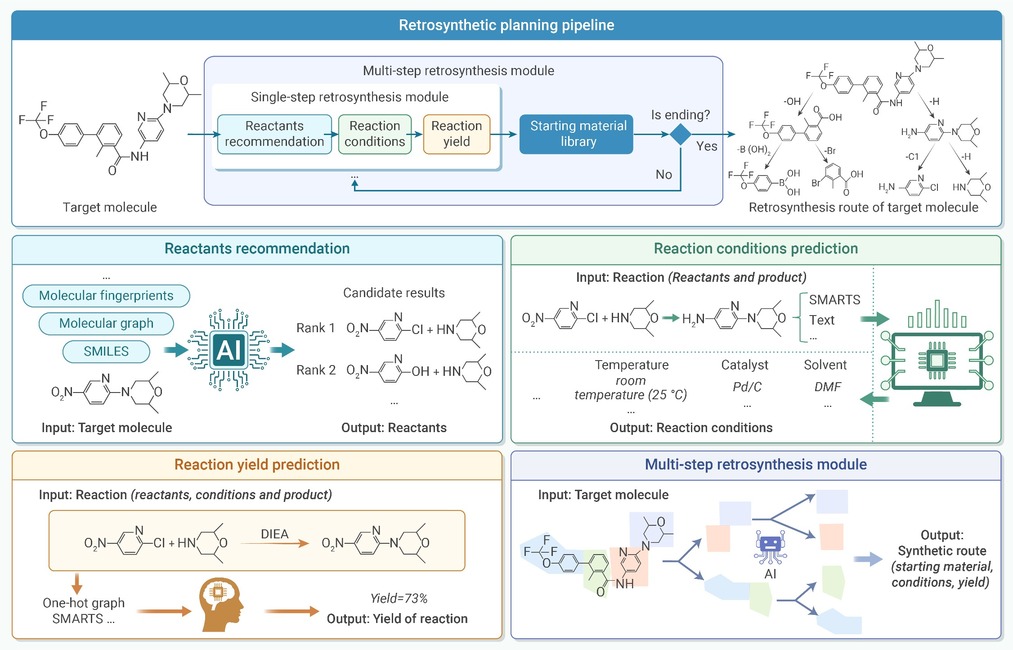
Figure 1.
Schematic diagram of the retrosynthesis pipeline
-
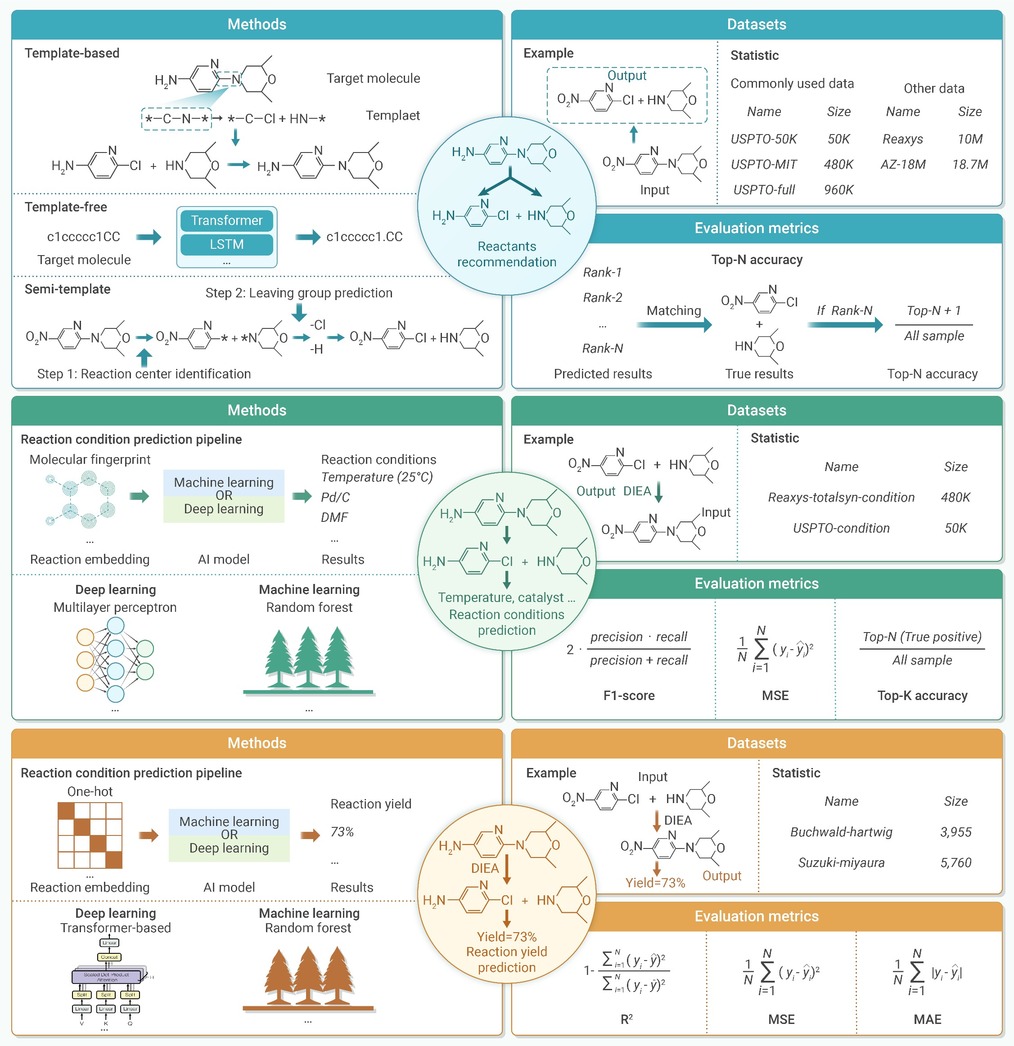
Figure 2.
Schematic illustration of the research content in the single-step retrosynthesis module
-
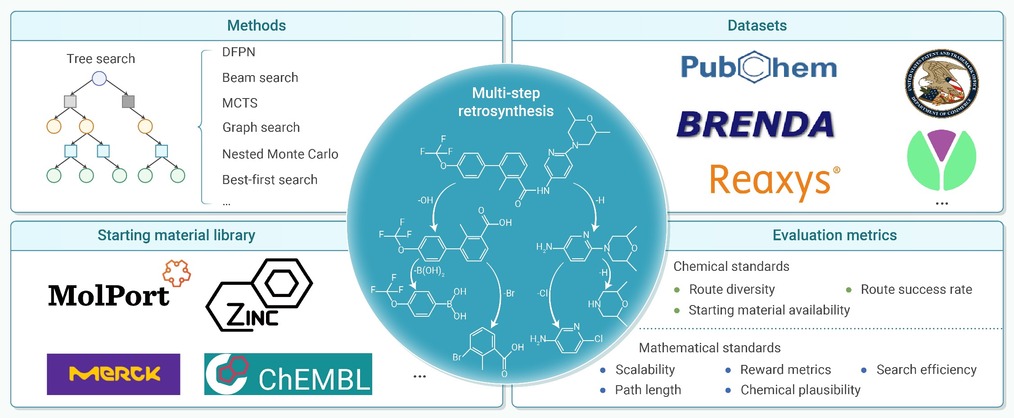
Figure 3.
Overview of the content in multi-step retrosynthesis
-
Figure 4.
Retrosynthesis assisted by large language models
