
Extracellular nanobodies for GPCR modulation mechanisms, engineering, and therapeutic possibilities
-
GRAPHICAL ABSTRACT
 DownLoad:
Full size image
DownLoad:
Full size image
-
PUBLIC SUMMARY
-
Nanobodies (single-domain antibodies) target G protein-coupled receptors (GPCRs),including orphan GPCRs.
Nanobodies act as antagonists, agonists, or allosteric modulators to control GPCR signaling.
Nanobodies improve precision and safety in treating diseases like cancer and neurological disorders.
Nanobody engineering and AI-based design enhance drug targeting and therapeutic efficacy.
-
-
ABSTRACT
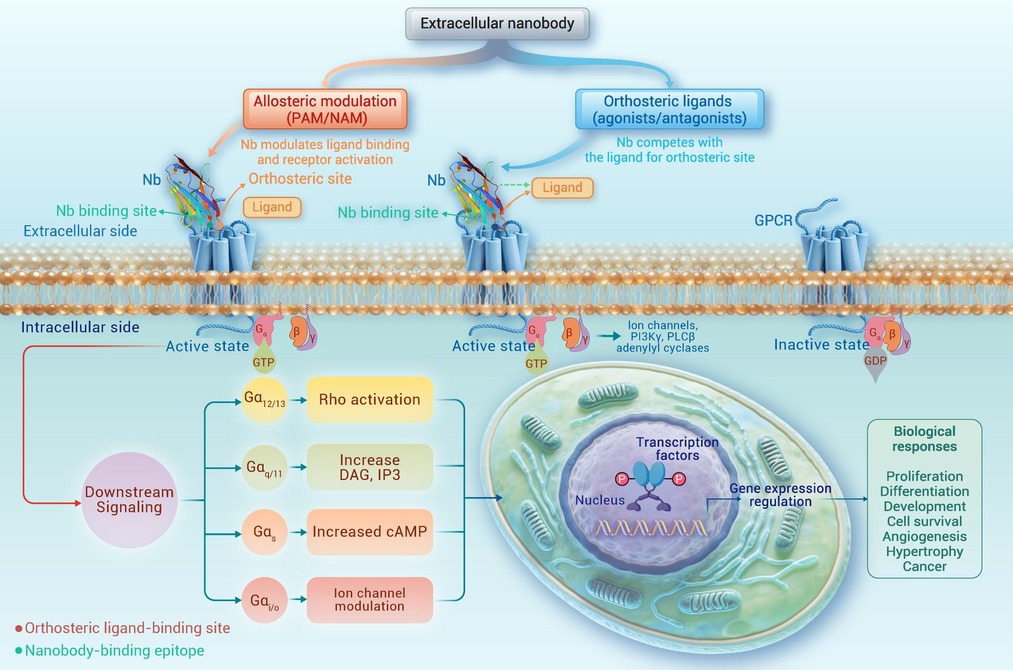
GPCRs act as the core of cell signaling and play crucial roles in the development and progression of major diseases, including cancer, neurological disorders, and metabolic diseases. Nanobodies are single-domain antibodies originally derived from camelids. They are small in size, easy to design, highly penetrable, with a high affinity, and have become an ideal tool for controlling GPCR signaling. Nanobodies can act as agonists, antagonists or positive/negative allosteric regulators by recognizing the extracellular loops (ECLs), ligand-binding sites, or allosteric sites of GPCRs, stabilizing specific conformations and inducing biased signaling, which can significantly improve the precision of regulation and the therapeutic window. In this article, we summarize the action of nanobodies in regulating GPCRs: extracellular and intracellular targeting, ligand site blockade, biasd signaling regulation, structure-directed functional modification, and antagonistic properties of novel target GPCRs, such as CXCR4/CXCR7, APJ, and MC4R. We evaluate their potential applications and advantages in viral GPCRs, peptide-like receptors, and angiotensin receptors, among others. We also discuss the cutting-edge applications of nanobodies in orphan GPCR targeting, heterodimer modulation, transmembrane transport (e.g., crossing the blood-brain barrier), and their potentials in difficult-to-formulate GPCRs. In the future, along with AI-based structure prediction and high-throughput screening platforms, nanobodies will be able to evolve intelligently from function definition to precise construction. Especially in the context of bispecific and multivalent constructs as well as nano-delivery systems, nanobodies will be the engine of GPCR regulation strategies to provide safer, more specific, and efficient treatments for refractory neurological, metabolic, and tumor diseases. -

-
REFERENCES
[1] Tao Y. X. (2020). Molecular chaperones and G protein-coupled receptor maturation and pharmacology. Mol. Cell Endocrinol. 511:110862. DOI:10.1016/j.mce.2020.110862 [2] Chaudhary P. K. and Kim S. (2021). An insight into GPCR and G-Proteins as cancer drivers. Cells 10:3288. DOI:10.3390/cells10123288 [3] Patwardhan A., Cheng N. and Trejo J. (2021). Post-translational modifications of g protein-coupled receptors control cellular signaling dynamics in space and time. Pharmacol. Rev. 73:120−151. DOI:10.1124/pharmrev.120.000082 [4] Toth A. D., Turu G. and Hunyady L. (2024). Functional consequences of spatial, temporal and ligand bias of G protein-coupled receptors. Nat. Rev. Nephrol. 20:722−741. DOI:10.1038/s41581-024-00869-3 [5] Beck H., Härter M., Haß B., et al. (2022). Small molecules and their impact in drug discovery: A perspective on the occasion of the 125th anniversary of the Bayer Chemical Research Laboratory. Drug Discov. Today 27:1560−1574. DOI:10.1016/j.drudis.2022.02.015 [6] Laeremans T., Sands Z. A., Claes P., et al. (2022). Accelerating gpcr drug discovery with conformation-stabilizing vhhs. Front. Mol. Biosci. 9:863099. DOI:10.3389/fmolb.2022.863099 [7] De Groof T. W. M., Bobkov V., Heukers R., et al. (2019). Nanobodies: New avenues for imaging, stabilizing and modulating GPCRs. Mol. Cell Endocrinol. 484:15−24. DOI:10.1016/j.mce.2019.01.021 [8] Zhang M., Chen T., Lu X., et al. (2024). G protein-coupled receptors (GPCRs): Advances in structures, mechanisms, and drug discovery. Signal Transduct. Target Ther. 9:88. DOI:10.1038/s41392-024-01803-6 [9] Sachdev S., Creemer B. A., Gardella T. J., et al. (2024). Highly biased agonism for GPCR ligands via nanobody tethering. Nat. Commun. 15:4687. DOI:10.1038/s41467-024-49068-5 [10] Heukers R., De Groof T. W. M. and Smit M. J. (2019). Nanobodies detecting and modulating GPCRs outside in and inside out. Curr. Opin. Cell. Biol. 57:115−122. DOI:10.1016/j.ceb.2019.01.003 [11] Alexander E. and Leong K. W. (2024). Discovery of nanobodies: A comprehensive review of their applications and potential over the past five years. J. Nanobiotechnol. 22:661. DOI:10.1186/s12951-024-02900-y [12] Cheng L., Xia F., Li Z., et al. (2023). Structure, function and drug discovery of GPCR signaling. Mol. Biomed. 4:46. DOI:10.1186/s43556-023-00156-w [13] Raynaud P., Gauthier C., Jugnarain V., et al. (2022). Intracellular VHHs to monitor and modulate GPCR signaling. Front. Endocrinol. (Lausanne). 13:1048601. DOI:10.3389/fendo.2022.1048601 [14] Shen S., Zhao C., Wu C., et al. (2023). Allosteric modulation of G protein-coupled receptor signaling. Front. Endocrinol. (Lausanne). 14:1137604. DOI:10.3389/fendo.2023.1137604 [15] Van Hout A., Klarenbeek A., Bobkov V., et al. (2018). CXCR4-targeting nanobodies differentially inhibit CXCR4 function and HIV entry. Biochem. Pharmacol. 158:402−412. DOI:10.1016/j.bcp.2018.10.015 [16] Santana D. S., Silva M. J. A., de Marin A. B. R., et al. (2023). The influence between c-c chemokine receptor 5 genetic polymorphisms and the type-1 human immunodeficiency virus: A 20-year review. AIDS Res. Hum. Retroviruses 39:13−32. DOI:10.1089/AID.2022.0111 [17] Jahnichen S., Blanchetot C., Maussang D., et al. (2010). CXCR4 nanobodies (VHH-based single variable domains) potently inhibit chemotaxis and HIV-1 replication and mobilize stem cells. Proc. Natl. Acad. Sci. USA 107:20565−20570. DOI:10.1073/pnas.1012865107 [18] de Wit R. H., Heukers R., Brink H. J., et al. (2017). CXCR4-Specific nanobodies as potential therapeutics for whim syndrome. J. Pharmacol. Exp. Ther. 363:35−44. DOI:10.1124/jpet.117.242735 [19] Bobkov V., Zarca A. M., Van Hout A., et al. (2018). Nanobody-Fc constructs targeting chemokine receptor CXCR4 potently inhibit signaling and CXCR4-mediated HIV-entry and induce antibody effector functions. Biochem. Pharmacol. 158:413−424. DOI:10.1016/j.bcp.2018.10.014 [20] Soave M., Heukers R., Kellam B., et al. (2020). Monitoring allosteric interactions with cxcr4 using nanobit conjugated nanobodies. Cell Chem. Biol. 27:1250-1261 e1255. DOI:10.1016/j.chembiol.2020.06.006 [21] Maussang D., Mujic-Delic A., Descamps F. J., et al. (2013). Llama-derived single variable domains (nanobodies) directed against chemokine receptor CXCR7 reduce head and neck cancer cell growth in vivo. J. Biol. Chem. 288:29562−29572. DOI:10.1074/jbc.M113.498436 [22] Schlimgen R. R., Peterson F. C., Heukers R., et al. (2024). Structural basis for selectivity and antagonism in extracellular GPCR-nanobodies. Nat. Commun. 15:4611. DOI:10.1038/s41467-024-49000-x [23] Korbecki J., Kupnicka P., Chlubek M., et al. (2022). CXCR2 receptor: Regulation of expression, signal transduction, and involvement in cancer. Int. J. Mol. Sci. 23. DOI:10.3390/ijms23042168 [24] Xie Y., Kuang W., Wang D., et al. (2023). Expanding role of CXCR2 and therapeutic potential of CXCR2 antagonists in inflammatory diseases and cancers. Eur. J. Med. Chem. 250:115175. DOI:10.1016/j.ejmech.2023.115175 [25] Bradley M. E., Dombrecht B., Manini J., et al. (2015). Potent and efficacious inhibition of CXCR2 signaling by biparatopic nanobodies combining two distinct modes of action. Mol. Pharmacol. 87:251−262. DOI:10.1124/mol.114.094821 [26] Salom D., Wu A., Liu C. C., et al. (2024). The impact of nanobodies on g protein–coupled receptor structural biology and their potential as therapeutic agents. Mol. Pharmacol. 106:155−163. DOI:10.1124/molpharm.124.000974 [27] Paul P. and Ray Banerjee E. (2020). Eco-compatible single format nanobioantibody. Ray Banerjee, E. (ed). Nanomaterials and Biomedicine (Springer), pp:113-125. DOI:10.1007/978-981-15-5274-8_7 [28] Qin H.-r., Cao Z., Lu F.-z., et al. (2024). Monovalent, bivalent and biparatopic nanobodies targeting S1 protein of porcine epidemic diarrhea virus efficiently neutralized the virus infectivity. BMC Vet. Res. 20:336. DOI:10.1186/s12917-024-04151-3 [29] Sanjanwala D. and Patravale V. (2023). Aptamers and nanobodies as alternatives to antibodies for ligand-targeted drug delivery in cancer. Drug Discov. Today 28:103550. DOI:10.1016/j.drudis.2023.103550 [30] Hey A., Baumann A., Kronenberg S., et al. (2021). Nonclinical development of biologics: integrating safety, pharmacokinetics, and pharmacodynamics to create smarter and more flexible nonclinical safety programs optimizing animal use. Int. J. Toxicol. 40:270−284. DOI:10.1177/1091581821994288 [31] Jawa V., Maamary J., Swanson M., et al. (2022). Implementing a clinical immunogenicity strategy using preclinical risk assessment outputs. J. Pharm. Sci. 111:960−969. DOI:10.1016/j.xphs.2022.01.032 [32] Jia B., Gu X., Shen S., et al. (2024). Engineered nanobodies elicit durable and robust bi‐therapeutic efficacy toward virus and tumors. Adv. Funct. Mater. 34:2407787. DOI:10.1002/adfm.202407787 [33] Heukers R., Fan T. S., de Wit R. H., et al. (2018). The constitutive activity of the virally encoded chemokine receptor US28 accelerates glioblastoma growth. Oncogene 37:4110−4121. DOI:10.1038/s41388-018-0255-7 [34] Berg C. and Rosenkilde M. M. (2023). Therapeutic targeting of HCMV-encoded chemokine receptor US28: Progress and challenges. Front. Immunol. 14:1135280. DOI:10.3389/fimmu.2023.1135280 [35] De Groof T. W. M., Mashayekhi V., Fan T. S., et al. (2019). Nanobody-targeted photodynamic therapy selectively kills viral gpcr-expressing glioblastoma cells. Mol. Pharm. 16:3145−3156. DOI:10.1021/acs.molpharmaceut.9b00360 [36] De Groof T. W. M., Elder E. G., Lim E. Y., et al. (2021). Targeting the latent human cytomegalovirus reservoir for T-cell-mediated killing with virus-specific nanobodies. Nat. Commun. 12:4436. DOI:10.1038/s41467-021-24608-5 [37] Peyrassol X., Laeremans T., Gouwy M., et al. (2016). Development by genetic immunization of monovalent antibodies (nanobodies) behaving as antagonists of the human chemr23 receptor. J. Immunol. 196:2893−2901. DOI:10.4049/jimmunol.1500888 [38] Imaizumi T., Otsubo S., Komai M., et al. (2020). The design, synthesis and evaluation of 2-aminobenzoxazole analogues as potent and orally efficacious ChemR23 inhibitors. Bioorg. Med. Chem. 28:115622. DOI:10.1016/j.bmc.2020.115622 [39] Skiba M. A., Canavan C., Nemeth G. R., et al. (2025). Epitope-directed selection of GPCR nanobody ligands with evolvable function. Proc. Natl. Acad. Sci. USA 122:e2423931122. DOI:10.1073/pnas.2423931122 [40] McMahon C., Staus D. P., Wingler L. M., et al. (2020). Synthetic nanobodies as angiotensin receptor blockers. Proc. Natl. Acad. Sci. USA 117:20284−20291. DOI:10.1073/pnas.2009029117 [41] Singh K. D., Jara Z. P., Harford T., et al. (2021). Novel allosteric ligands of the angiotensin receptor AT1R as autoantibody blockers. Proc. Nat. Aca. Sci. USA 118:e2019126118. DOI:10.1073/pnas.2019126118 [42] Bocancia-Mateescu L.-A., Stan D., Mirica A.-C., et al. (2023). Nanobodies as diagnostic and therapeutic tools for cardiovascular diseases (CVDs). Pharmaceuticals. 16:863. DOI:10.3390/ph16060863 [43] Zouein F. A., Altara R., Massoud G. P., et al. (2021). The angiotensin II Type 1 (AT1) receptor and cardiac hypertrophy: Did we have it wrong all along. J. Cardiovasc. Pharm. 77:531−535. DOI:10.1097/FJC.0000000000000999 [44] Zouein F. A., LaMarca B. B. and Booz G. W. (2023). Protective role of the AT1 receptor in the heart: A biosensor of stress. Dhalla, N.S., Bhullar, S.K., Shah, A.K. (eds). In The Renin Angiotensin System in Cardiovascular Disease (Springer), pp:349-362. DOI:10.1007/978-3-031-14952-8_21 [45] Singh K. D. and Karnik S. S. (2024). Implications of β-Arrestin biased signaling by angiotensin II type 1 receptor for cardiovascular drug discovery and therapeutics. Cell. Signal. 124:111410. DOI:10.1016/j.cellsig.2024.111410 [46] Yu J., Kumar A., Zhang X., et al. (2024). Structural basis of μ-opioid receptor targeting by a nanobody antagonist. Nat. Commun. 15:8687. DOI:10.1038/s41467-024-52947-6 [47] Hong C., Byrne N. J., Zamlynny B., et al. (2021). Structures of active-state orexin receptor 2 rationalize peptide and small-molecule agonist recognition and receptor activation. Nat. Commun. 12:815. DOI:10.1038/s41467-021-21087-6 [48] Ma Y., Ding Y., Song X., et al. (2020). Structure-guided discovery of a single-domain antibody agonist against human apelin receptor. Sci. Adv. 6:eaax7379. DOI:10.1126/sciadv.aax7379 [49] Harford-Wright E., Andre-Gregoire G., Jacobs K. A., et al. (2017). Pharmacological targeting of apelin impairs glioblastoma growth. Brain 140:2939−2954. DOI:10.1093/brain/awx253 [50] Zhou N., Fang J., Acheampong E., et al. (2003). Binding of ALX40-4C to APJ, a CNS-based receptor, inhibits its utilization as a co-receptor by HIV-1. Virology 312:196−203. DOI:10.1016/s0042-6822(03)00185-5 [51] Kuba K., Sato T., Imai Y., et al. (2019). Apelin and Elabela/Toddler; double ligands for APJ/Apelin receptor in heart development, physiology, and pathology. Peptides 111:62−70. DOI:10.1016/j.peptides.2018.04.011 [52] Scholler P., Nevoltris D., de Bundel D., et al. (2017). Allosteric nanobodies uncover a role of hippocampal mGlu2 receptor homodimers in contextual fear consolidation. Nat. Commun. 8:1967. DOI:10.1038/s41467-017-01489-1 [53] Peyrassol X., Laeremans T., Lahura V., et al. (2018). Development by genetic immunization of monovalent antibodies against human vasoactive intestinal peptide receptor 1 (VPAC1), new innovative, and versatile tools to study VPAC1 Receptor function. Front. Endocrinol. (Lausanne). 9:153. DOI:10.3389/fendo.2018.00153 [54] Toyoda Y., Zhu A., Kong F., et al. (2023). Structural basis of alpha(1A)-adrenergic receptor activation and recognition by an extracellular nanobody. Nat. Commun. 14:3655. DOI:10.1038/s41467-023-39310-x [55] Yeo G. S. H., Chao D. H. M., Siegert A. M., et al. (2021). The melanocortin pathway and energy homeostasis: From discovery to obesity therapy. Mol. Metab. 48:101206. DOI:10.1016/j.molmet.2021.101206 [56] Collet T. H., Dubern B., Mokrosinski J., et al. (2017). Evaluation of a melanocortin-4 receptor (MC4R) agonist (Setmelanotide) in MC4R deficiency. Mol. Metab. 6:1321−1329. DOI:10.1016/j.molmet.2017.06.015 [57] Fontaine T., Busch A., Laeremans T., et al. (2024). Structure elucidation of a human melanocortin-4 receptor specific orthosteric nanobody agonist. Nat. Commun. 15:7029. DOI:10.1038/s41467-024-50827-7 [58] Molinoff P. B., Shadiack A. M., Earle D., et al. (2003). PT-141: A melanocortin agonist for the treatment of sexual dysfunction. Ann. N. Y. Acad. Sci. 994:96−102. DOI:10.1111/j.1749-6632.2003.tb03167.x [59] Kertmen H., Celikoglu E., Ozturk O. C., et al. (2018). Comparative effects of methylprednisolone and tetracosactide (ACTH(1-24)) on ischemia/reperfusion injury of the rabbit spinal cord. Arch. Med. Sci. 14:1459−1470. DOI:10.5114/aoms.2017.65650 [60] Liu D., Zhang H. G., Zhao Z. A., et al. (2015). Melanocortin MC4 receptor agonists alleviate brain damage in abdominal compartment syndrome in the rat. Neuropeptides 49:55−61. DOI:10.1016/j.npep.2014.12.003 [61] Lansdell M. I., Hepworth D., Calabrese A., et al. (2010). Discovery of a selective small-molecule melanocortin-4 receptor agonist with efficacy in a pilot study of sexual dysfunction in humans. J. Med. Chem. 53:3183−3197. DOI:10.1021/jm9017866 [62] Huang H. and Tao Y. X. (2014). A small molecule agonist THIQ as a novel pharmacoperone for intracellularly retained melanocortin-4 receptor mutants. Int. J. Biol. Sci. 10:817−824. DOI:10.7150/ijbs.9625 [63] Sebhat I. K., Martin W. J., Ye Z., et al. (2002). Design and pharmacology of N-[(3R)-1,2,3,4-tetrahydroisoquinolinium- 3-ylcarbonyl]-(1R)-1-(4-chlorobenzyl)- 2-[4-cyclohexyl-4-(1H-1,2,4-triazol- 1-ylmethyl)piperidin-1-yl]-2-oxoethylamine (1), a potent, selective, melanocortin subtype-4 receptor agonist. J. Med. Chem. 45:4589−4593. DOI:10.1021/jm025539h [64] Keifi Bajestani A., Alavi M. S., Etemad L., et al. (2024). Role of orphan G-protein coupled receptors in tissue ischemia: A comprehensive review. Eur. J. Pharmacol. 978:176762. DOI:10.1016/j.ejphar.2024.176762 [65] Jobe A. and Vijayan R. (2024). Orphan G protein-coupled receptors: the ongoing search for a home. Front. Pharmacol. 15:1349097. DOI:10.3389/fphar.2024.1349097 [66] Manglik A., Kobilka B. K. and Steyaert J. (2017). Nanobodies to study G protein-coupled receptor structure and function. Annu. Rev. Pharmacol. Toxicol. 57:19−37. DOI:10.1146/annurev-pharmtox-010716-104710 [67] Peterson S. M., Hutchings C. J., Hu C. F., et al. (2023). Discovery and design of G protein-coupled receptor targeting antibodies. Expert. Opin. Drug Discov. 18:417−428. DOI:10.1080/17460441.2023.2193389 [68] Glassman P. M., Walsh L. R., Villa C. H., et al. (2020). Molecularly engineered nanobodies for tunable pharmacokinetics and drug delivery. Bioconjug. Chem. 31:1144−1155. DOI:10.1021/acs.bioconjchem.0c00003 [69] Zhang Y., Yu W., Zhang L., et al. (2024). Application of engineered antibodies (scFvs and nanobodies) targeting pathological protein aggregates in Alzheimer's disease. Expert Opin. Investig. Drugs 33:1047−1062. DOI:10.1080/13543784.2024.2396911 [70] Bolinger A. A., Frazier A., La J. H., et al. (2023). Orphan G protein-coupled receptor gpr37 as an emerging therapeutic target. ACS Chem. Neurosci. 14:3318−3334. DOI:10.1021/acschemneuro.3c00479 [71] Brice N. L., Schiffer H. H., Monenschein H., et al. (2021). Development of CVN424: A selective and novel gpr6 inverse agonist effective in models of Parkinson Disease. J. Pharmacol. Exp. Ther. 377:407−416. DOI:10.1124/jpet.120.000438 [72] Murtaza B., Asghar F. and Patoli D. (2022). GPR75: An exciting new target in metabolic syndrome and related disorders. Biochimie. 195:19−26. DOI:10.1016/j.biochi.2022.01.005 [73] Begemann M., Waszak S. M., Robinson G. W., et al. (2020). Germline GPR161 mutations predispose to pediatric medulloblastoma. J. Clin. Oncol. 38:43−50. DOI:10.1200/JCO.19.00577 [74] Zhao M., Wang Z., Yang M., et al. (2021). The roles of orphan G protein-coupled receptors in autoimmune diseases. Clin. Rev. Allergy. Immunol. 60:220−243. DOI:10.1007/s12016-020-08829-y [75] Katugampola S. and Davenport A. (2003). Emerging roles for orphan G-protein-coupled receptors in the cardiovascular system. Trends Pharmacol. Sci. 24:30−35. DOI:10.1016/s0165-6147(02)00007-x [76] Marucci G., Dal Ben D., Lambertucci C., et al. (2019). GPR17 receptor modulators and their therapeutic implications: Review of recent patents. Expert Opin. Ther. Pat. 29:85−95. DOI:10.1080/13543776.2019.1568990 [77] Iida K., Abdelhamid Ahmed A. H., Nagatsuma A. K., et al. (2021). Identification and therapeutic targeting of GPR20, selectively expressed in gastrointestinal stromal tumors, with ds-6157a, a first-in-class antibody-drug conjugate. Cancer Discov. 11:1508−1523. DOI:10.1158/2159-8290.CD-20-1434 [78] Khan M. Z. and He L. (2017). Neuro-psychopharmacological perspective of orphan receptors of rhodopsin (class A) family of G protein-coupled receptors. Psychopharmacology (Berl.) 234:1181−1207. DOI:10.1007/s00213-017-4586-9 [79] Wang H., Du D., Huang J., et al. (2022). GPR27 regulates hepatocellular carcinoma progression via MAPK/ERK pathway. Cancer Manag. Res. 14:1165−1177. DOI:10.2147/CMAR.S335749 [80] Pan J. and Gao Y. (2023). Prognostic significance and immune characteristics of GPR27 in gastric cancer. Aging (Albany NY) 15:9144−9166. DOI:10.18632/aging.205023 [81] Thompson M. D., Percy M. E., Cole D. E. C., et al. (2024). G protein-coupled receptor (GPCR) gene variants and human genetic disease. Crit. Rev. Clin. Lab. Sci. 61:317−346. DOI:10.1080/10408363.2023.2286606 [82] Doboszewska U., Maret W. and Wlaz P. (2024). GPR39: An orphan receptor begging for ligands. Drug Discov. Today 29:103861. DOI:10.1016/j.drudis.2023.103861 [83] Cui J., Ding Y., Chen S., et al. (2016). Disruption of Gpr45 causes reduced hypothalamic POMC expression and obesity. J. Clin. Invest. 126:3192−3206. DOI:10.1172/JCI85676 [84] Ali S., Wang P., Murphy R. E., et al. (2024). Orphan GPR52 as an emerging neurotherapeutic target. Drug Discov. Today 29:103922. DOI:10.1016/j.drudis.2024.103922 [85] Lees J. A., Dias J. M., Rajamohan F., et al. (2023). An inverse agonist of orphan receptor GPR61 acts by a G protein-competitive allosteric mechanism. Nat. Commun. 14:5938. DOI:10.1038/s41467-023-41646-3 [86] Lu Y., Xie Y., Li M., et al. (2023). A novel ADGRG2 truncating variant associated with X-linked obstructive azoospermia in a large Chinese pedigree. J. Assist. Reprod. Genet. 40:1747−1754. DOI:10.1007/s10815-023-02839-3 [87] Hossain S., Gilani A., Pascale J., et al. (2023). Gpr75-deficient mice are protected from high-fat diet-induced obesity. Obesity (Silver Spring). 31:1024−1037. DOI:10.1002/oby.23692 [88] Wang S. W., Zhang Q., Lu D., et al. (2023). GPR84 regulates pulmonary inflammation by modulating neutrophil functions. Acta Pharmacol. Sin. 44:1665−1675. DOI:10.1038/s41401-023-01080-z [89] Zhang Q., Chen L. H., Yang H., et al. (2022). GPR84 signaling promotes intestinal mucosal inflammation via enhancing NLRP3 inflammasome activation in macrophages. Acta Pharmacol. Sin. 43:2042−2054. DOI:10.1038/s41401-021-00825-y [90] Sakai A., Yasui T., Watanave M., et al. (2022). Development of novel potent ligands for GPR85, an orphan G protein-coupled receptor expressed in the brain. Genes Cells 27:345−355. DOI:10.1111/gtc.12931 [91] Abboud D., Abboud C., Inoue A., et al. (2024). Basal interaction of the orphan receptor GPR101 with arrestins leads to constitutive internalization. Biochem. Pharmacol. 220:116013. DOI:10.1016/j.bcp.2023.116013 [92] Bobeck E. N., Gomes I., Pena D., et al. (2017). The BigLEN-GPR171 peptide receptor system within the basolateral amygdala regulates anxiety-like behavior and contextual fear conditioning. Neuropsychopharmacology 42:2527−2536. DOI:10.1038/npp.2017.79 [93] Zhang R. and Chen J. (2023). Research progress on the role of orphan receptor GPR139 in neuropsychiatric behaviours. Eur. J. Pharmacol/ 960:176150. DOI:10.1016/j.ejphar.2023.176150 [94] Sawabe A., Okazaki S., Nakamura A., et al. (2024). The orphan G protein-coupled receptor 141 expressed in myeloid cells functions as an inflammation suppressor. J. Leukoc. Biol. 115:935−945. DOI:10.1093/jleuko/qiae009 [95] Nishimura Y., Martin C. L., Vazquez-Lopez A., et al. (2007). Genome-wide expression profiling of lymphoblastoid cell lines distinguishes different forms of autism and reveals shared pathways. Hum. Mol. Genet. 16:1682−1698. DOI:10.1093/hmg/ddm116 [96] Abbas A., Jun P., Yuan J. Y., et al. (2022). Downregulation of GPR160 inhibits the progression of glioma through suppressing epithelial to mesenchymal transition (EMT) biomarkers. Basic Clin. Pharmacol. Toxicol. 131:241−250. DOI:10.1111/bcpt.13769 [97] De Smet V., Gurbuz E., Eysackers N., et al. (2024). Orphan receptor GPR176 in hepatic stellate cells exerts a profibrotic role in chronic liver disease. JHEP Rep. 6:101036. DOI:10.1016/j.jhepr.2024.101036 [98] Tang J., Peng W., Ji J., et al. (2023). GPR176 promotes cancer progression by interacting with g protein gnas to restrain cell mitophagy in colorectal cancer. Adv. Sci. (Weinh). 10:e2205627. DOI:10.1002/advs.202205627 [99] Torphy R. J., Sun Y., Lin R., et al. (2022). GPR182 limits antitumor immunity via chemokine scavenging in mouse melanoma models. Nat. Commun. 13:97. DOI:10.1038/s41467-021-27658-x [100] Misselwitz B., Wyss A., Raselli T., et al. (2021). The oxysterol receptor GPR183 in inflammatory bowel diseases. Br. J. Pharmacol. 178:3140−3156. DOI:10.1111/bph.15311 [101] Tural S., Kara N., Alayli G., et al. (2013). Association between osteoporosis and polymorphisms of the bone Gla protein, estrogen receptor 1, collagen 1-A1 and calcitonin receptor genes in Turkish postmenopausal women. Gene 515:167−172. DOI:10.1016/j.gene.2012.10.041 [102] Pavon-Romero G. F., Serrano-Perez N. H., Garcia-Sanchez L., et al. (2021). Neuroimmune pathophysiology in asthma. Front. Cell Dev. Biol. 9:663535. DOI:10.3389/fcell.2021.663535 [103] Gong B., Zhang H., Huang L., et al. (2019). Mutant RAMP2 causes primary open-angle glaucoma via the CRLR-cAMP axis. Genet. Med. 21:2345−2354. DOI:10.1038/s41436-019-0507-0 [104] Sun J., Qiu L., Zhang H., et al. (2023). CRHR1 antagonist alleviates LPS-induced depression-like behaviour in mice. BMC Psychiatry 23:17. DOI:10.1186/s12888-023-04519-z [105] De la Cruz-Cano E. (2017). Association between FKBP5 and CRHR1 genes with suicidal behavior: A systematic review. Behav. Brain Res. 317:46−61. DOI:10.1016/j.bbr.2016.09.032 [106] Gilliam-Vigh H., Jorsal T., Nielsen S. W., et al. (2023). Expression of secretin and its receptor along the intestinal tract in type 2 diabetes patients and healthy controls. J. Clin. Endocrinol. Metab. 108:e1597−e1602. DOI:10.1210/clinem/dgad372 [107] Ordaz-Ramos A., Rosales-Gallegos V. H., Melendez-Zajgla J., et al. (2021). The role of LGR4 (GPR48) in normal and cancer processes. Int. J. Mol. Sci. 22:4690. DOI:10.3390/ijms22094690 [108] Zheng H., Liu J., Cheng Q., et al. (2024). Targeted activation of ferroptosis in colorectal cancer via LGR4 targeting overcomes acquired drug resistance. Nat. Cancer 5:572−589. DOI:10.1038/s43018-023-00715-8 [109] Xu L., Lin W., Wen L., et al. (2019). Lgr5 in cancer biology: Functional identification of Lgr5 in cancer progression and potential opportunities for novel therapy. Stem Cell Res. Ther. 10:219. DOI:10.1186/s13287-019-1288-8 [110] Fumagalli A., Oost K. C., Kester L., et al. (2020). Plasticity of Lgr5-negative cancer cells drives metastasis in colorectal cancer. Cell Stem Cell 26:569-578 e567. DOI:10.1016/j.stem.2020.02.008. [111] Novikoff A. and Muller T. D. (2023). The molecular pharmacology of glucagon agonists in diabetes and obesity. Peptides 165:171003. DOI:10.1016/j.peptides.2023.171003 [112] Bailey C. J., Flatt P. R. and Conlon J. M. (2023). An update on peptide-based therapies for type 2 diabetes and obesity. Peptides 161:170939. DOI:10.1016/j.peptides.2023.170939 [113] Palsson T. G., Gilliam-Vigh H., Jensen B. A. H., et al. (2024). Targeting the GLP-2 receptor in the management of obesity. Peptides 177:171210. DOI:10.1016/j.peptides.2024.171210 [114] Towler D. A. (2024). Parathyroid hormone-PTH1R signaling in cardiovascular disease and homeostasis. Trends Endocrinol. Metab. 35:648−660. DOI:10.1016/j.tem.2024.02.005 [115] Martin T. J. (2021). PTH1R actions on bone using the cAMP/protein kinase a pathway. Front. Endocrinol. (Lausanne) 12:833221. DOI:10.3389/fendo.2021.833221 [116] Fu Y., Liu S., Rodrigues R. M., et al. (2022). Activation of VIPR1 suppresses hepatocellular carcinoma progression by regulating arginine and pyrimidine metabolism. Int. J. Biol. Sci. 18:4341−4356. DOI:10.7150/ijbs.71134 [117] Yukawa T., Oshitani N., Yamagami H., et al. (2007). Differential expression of vasoactive intestinal peptide receptor 1 expression in inflammatory bowel disease. Int. J. Mol. Med. 20:161−167. DOI:10.3892/ijmm.20.2.161 [118] Zhao F., Li Q., Chen W., et al. (2022). Dysfunction of VIPR2 leads to myopia in humans and mice. J. Med. Genet. 59:88−100. DOI:10.1136/jmedgenet-2020-107220 [119] Xia J., Gao H., Tang J., et al. (2024). A novel diagnostic model based on lncRNA PTPRE expression, neutrophil count and red blood cell distribution width for diagnosis of seronegative rheumatoid arthritis. Clin. Exp. Med. 24:86. DOI:10.1007/s10238-024-01343-x [120] Ganesh R. A., Venkataraman K. and Sirdeshmukh R. (2020). GPR56: An adhesion GPCR involved in brain development, neurological disorders and cancer. Brain Res. 1747:147055. DOI:10.1016/j.brainres.2020.147055 [121] Nam H. J., Kim Y. J., Kang J. H., et al. (2022). GPR110 promotes progression and metastasis of triple-negative breast cancer. Cell Death Discov. 8:271. DOI:10.1038/s41420-022-01053-x [122] Ma B., Zhu J., Su J., et al. (2020). The role of GPR110 in lung cancer progression. Ann. Transl. Med. 8:745. DOI:10.21037/atm-20-3146 [123] Hidaka S., Mouri Y., Akiyama M., et al. (2022). GPR110, a receptor for synaptamide, expressed in osteoclasts negatively regulates osteoclastogenesis. PLEFA. 182:102457. DOI:10.1016/j.plefa.2022.102457 [124] Bayin N. S., Frenster J. D., Kane J. R., et al. (2016). GPR133 (ADGRD1), an adhesion G-protein-coupled receptor, is necessary for glioblastoma growth. Oncogenesis 5:e263. DOI:10.1038/oncsis.2016.63 [125] Chen X., Yuan Y., Chen Y., et al. (2022). Biased activation mechanism induced by gpcr heterodimerization: Observations from muOR/deltaOR dimers. J. Chem. Inf. Model. 62:5581−5600. DOI:10.1021/acs.jcim.2c00962 [126] Li Y., Wang X., Lu L., et al. (2021). Identification of novel GPCR partners of the central melanocortin signaling. Mol. Metab. 53:101317. DOI:10.1016/j.molmet.2021.101317 [127] Maggio R., Fasciani I., Carli M., et al. (2021). Integration and spatial organization of signaling by G protein-coupled receptor homo- and heterodimers. Biomolecules. 11:1828. DOI:10.3390/biom11121828 [128] Liu L., Fan Z., Rovira X., et al. (2021). Allosteric ligands control the activation of a class C GPCR heterodimer by acting at the transmembrane interface. Elife 10:e70188. DOI:10.7554/eLife.70188 [129] Ma J., Mo Y., Tang M., et al. (2021). Bispecific antibodies: From research to clinical application. Front. Immunol. 12:626616. DOI:10.3389/fimmu.2021.626616 [130] Bakshi A. K., Haider T., Tiwari R., et al. (2022). Critical parameters for design and development of multivalent nanoconstructs: recent trends. Drug Deliv. Transl. Res. 12:2335−2358. DOI:10.1007/s13346-021-01103-4 [131] Wang M., Wang X., Jiang B., et al. (2022). Identification of MRAP protein family as broad-spectrum GPCR modulators. Clin. Transl. Med. 12:e1091. DOI:10.1002/ctm2.1091 [132] Nicoli A., Dunkel A., Giorgino T., et al. (2022). Classification model for the second extracellular loop of class A GPCRs. J. Chem. Inf. Model. 62:511−522. DOI:10.1021/acs.jcim.1c01056 [133] Zhang L., Mobbs J. I., May L. T., et al. (2023). The impact of cryo-EM on determining allosteric modulator-bound structures of G protein-coupled receptors. Curr. Opin. Struct. Biol. 79:102560. DOI:10.1016/j.sbi.2023.102560 [134] Zhang S., Fan Z. and Liu J. (2024). Generation and characterization of nanobodies targeting GPCR. Biophys. Rep. 10:22−30. DOI:10.52601/bpr.2023.230026 [135] Moore M. N., Person K. L., Robleto V. L., et al. (2025). Designing allosteric modulators to change GPCR G protein subtype selectivity. Nature 648:229−238. DOI:10.1038/s41586-025-09643-2 [136] Cheloha R. W., Fischer F. A., Woodham A. W., et al. (2020). Improved GPCR ligands from nanobody tethering. Nat. Commun. 11:2087. DOI:10.1038/s41467-020-15884-8 [137] Ullman J. C., Arguello A., Getz J. A., et al. (2020). Brain delivery and activity of a lysosomal enzyme using a blood-brain barrier transport vehicle in mice. Sci. Transl. Med. 12:eaay1163. DOI:10.1126/scitranslmed.aay1163 [138] Kariolis M. S., Wells R. C., Getz J. A., et al. (2020). Brain delivery of therapeutic proteins using an Fc fragment blood-brain barrier transport vehicle in mice and monkeys. Sci. Transl. Med. 12:eaay1359. DOI:10.1126/scitranslmed.aay1359 [139] Wouters Y., Jaspers T., De Strooper B., et al. (2020). Identification and in vivo characterization of a brain-penetrating nanobody. Fluids. Barriers CNS. 17:62. DOI:10.1186/s12987-020-00226-z [140] Wang J., Kang G., Yuan H., et al. (2021). Research progress and applications of multivalent, multispecific and modified nanobodies for disease treatment. Front. Immunol. 12:838082. DOI:10.3389/fimmu.2021.838082 [141] Kang J. J., Ohoka A. and Sarkar C. A. (2023). Designing multivalent and multispecific biologics. Annu. Rev. Chem. Biomol. Eng. 15:293−314. DOI:10.1146/annurev-chembioeng-100722-112440 [142] Bathula N. V., Bommadevara H. and Hayes J. M. (2021). Nanobodies: The future of antibody-based immune therapeutics. Cancer Biother. Radiopharm. 36:109−122. DOI:10.1089/cbr.2020.3941 [143] Anbuhl S. M., Dervillez X., Neubacher S., et al. (2024). Multivalent CXCR4-targeting nanobody formats differently affect affinity, receptor clustering, and antagonism. Biochem. Pharmacol. 227:116457. DOI:10.1016/j.bcp.2024.116457 [144] Slosky L. M., Caron M. G. and Barak L. S. (2021). Biased allosteric modulators: New frontiers in gpcr drug discovery. Trends Pharmacol. Sci. 42:283−299. DOI:10.1016/j.tips.2020.12.005 [145] Sachdev S., Creemer B. A., Gardella T. J., et al. (2024). Nanobody tethering enables highly biased agonism for gpcr ligands. J. Pharmacol. Exp. Ther. 389:545. DOI:10.1124/jpet.545.923410 [146] Kalogriopoulos N. A., Tei R., Yan Y., et al. (2025). Synthetic GPCRs for programmable sensing and control of cell behaviour. Nature 637:230−239. DOI:10.1038/s41586-024-08282-3 [147] Reddy D. J., Guntuku G. and Palla M. S. (2024). Advancements in nanobody generation: Integrating conventional, in silico, and machine learning approaches. Biotechnol. Bioeng. 121:3375−3388. DOI:10.1002/bit.28816 [148] Valdes-Tresanco M. S., Valdes-Tresanco M. E., Jimenez-Gutierrez D. E., et al. (2023). Structural modeling of nanobodies: A benchmark of state-of-the-art artificial intelligence programs. Molecules. 28. DOI:10.3390/molecules28103991 [149] Ozden B., Kryshtafovych A. and Karaca E. (2023). The impact of AI-based modeling on the accuracy of protein assembly prediction: Insights from CASP15. Proteins 91:1636−1657. DOI:10.1002/prot.26598 [150] Arras P., Yoo H. B., Pekar L., et al. (2023). AI/ML combined with next-generation sequencing of VHH immune repertoires enables the rapid identification of de novo humanized and sequence-optimized single domain antibodies: A prospective case study. Front. Mol. Biosci. 10:1249247. DOI:10.3389/fmolb.2023.1249247 [151] Liang T., Sun Z. Y., Hines M. G., et al. (2024). AI-based IsAb2.0 for antibody design. Brief Bioinform. 25. DOI:10.1093/bib/bbae445 [152] Nabla Bio B. S. (2025). De novo design of hundreds of functional GPCR-targeting antibodies enabled by scaling test-time compute. bioRxiv. DOI:10.1101/2025.05.28.656709 [153] Jeong J., Park J., Young Mo G., et al. (2024). Structural basis for the recognition of GPRC5D by talquetamab, a bispecific antibody for multiple myeloma. J. Mol. Biol. 436:168748. DOI:10.1016/j.jmb.2024.168748 [154] Lin X., Jiang S., Wu Y., et al. (2023). The activation mechanism and antibody binding mode for orphan GPR20. Cell Discov. 9:23. DOI:10.1038/s41421-023-00520-8 -
ABOUT THIS ARTICLE
Cite this article:
Xiao Y., Liu Z., Xie J., et al. (2026). Extracellular nanobodies for GPCR modulation mechanisms, engineering, and therapeutic possibilities. The Innovation Life 4:100176. https://doi.org/10.59717/j.xinn-life.2026.100176
Welcome!
To request copyright permission to republish or share portions of our works, please visit Copyright Clearance Center's (CCC) Marketplace website at marketplace.copyright.com.
Export File
Citation
Xiao Y., Liu Z., Xie J., et al. (2026). Extracellular nanobodies for GPCR modulation mechanisms, engineering, and therapeutic possibilities. The Innovation Life 4:100176. https://doi.org/10.59717/j.xinn-life.2026.100176

Format
Content
-
Figure 1.
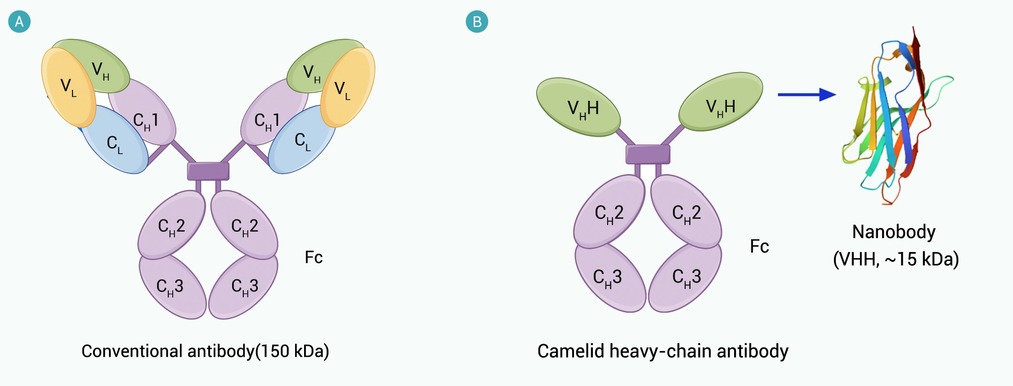
Schematic representation of conventional antibodies and camel heavy-chain antibodies’ variable domain (VHH)/nanobody (Nb)
-
Figure 2.
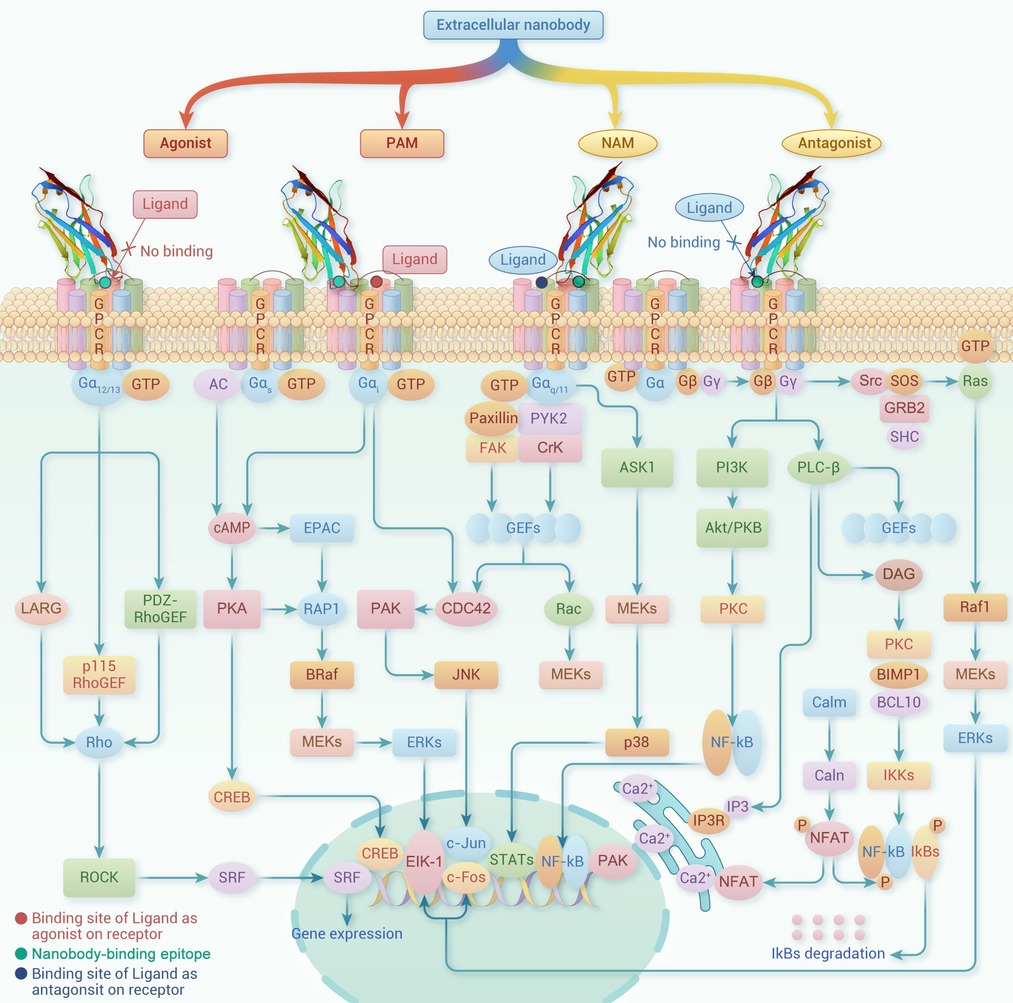
Modulation of GPCR signaling by extracellular nanobodies
-
Figure 3.
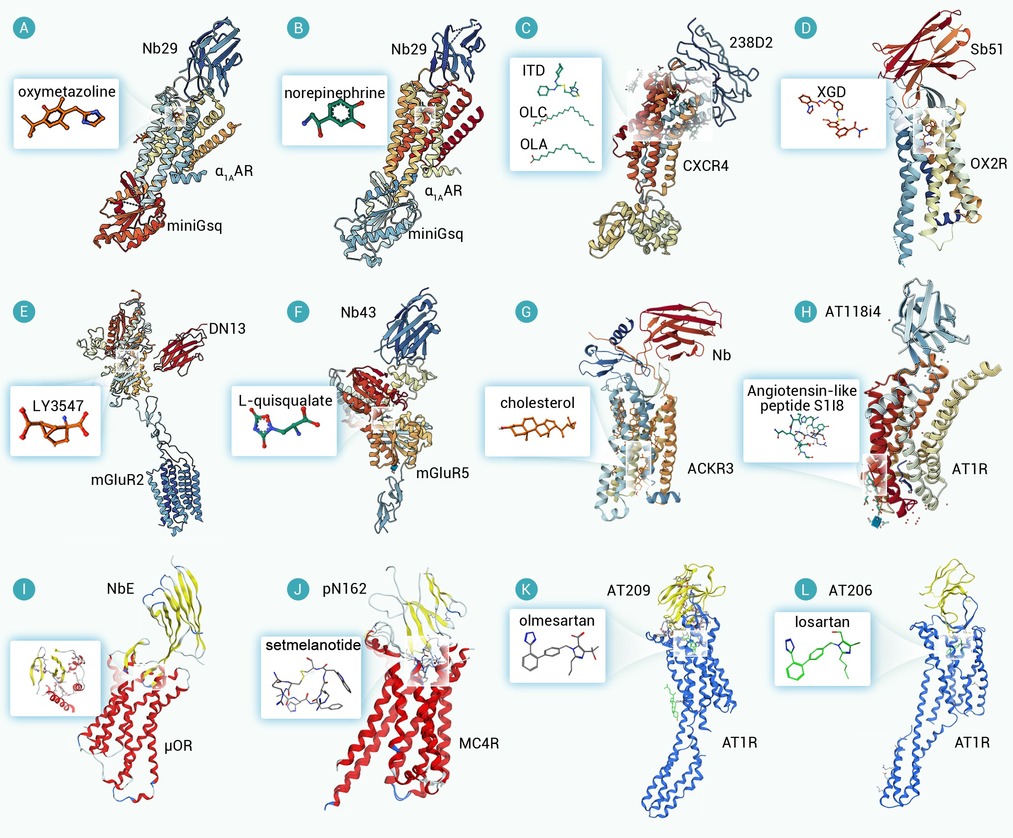
Schematic representation of GPCRs in a complex with VHH and various ligands
-
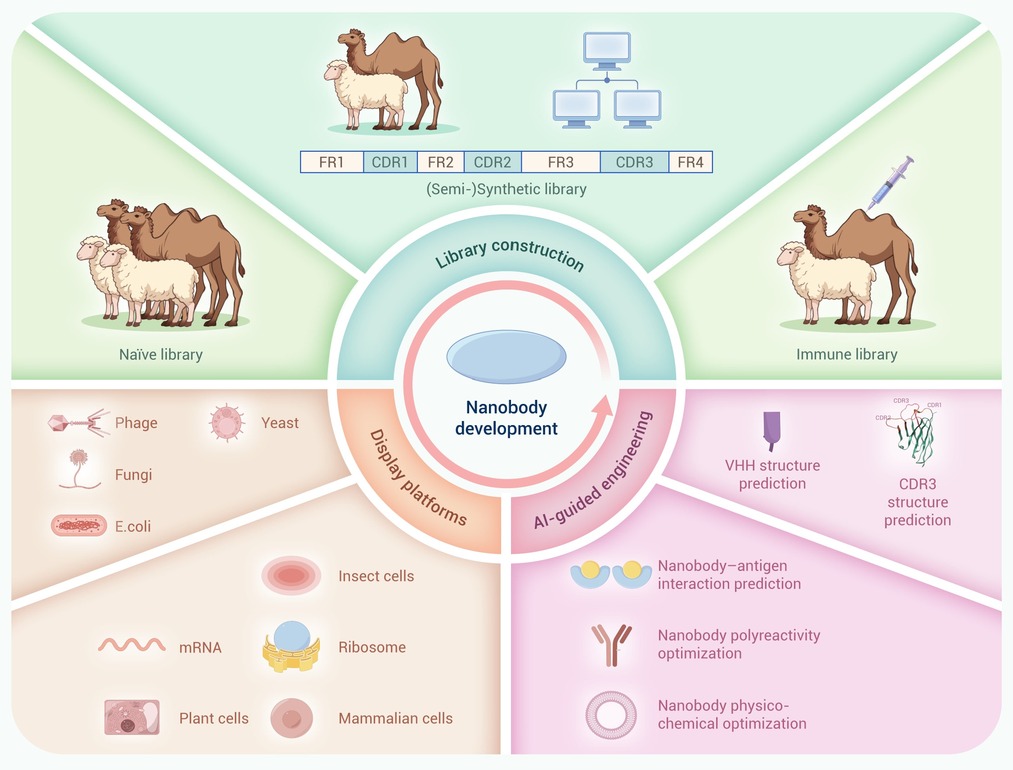
Figure 5.
Schematic overview of the process for nanobody (Nb) production and optimization
-
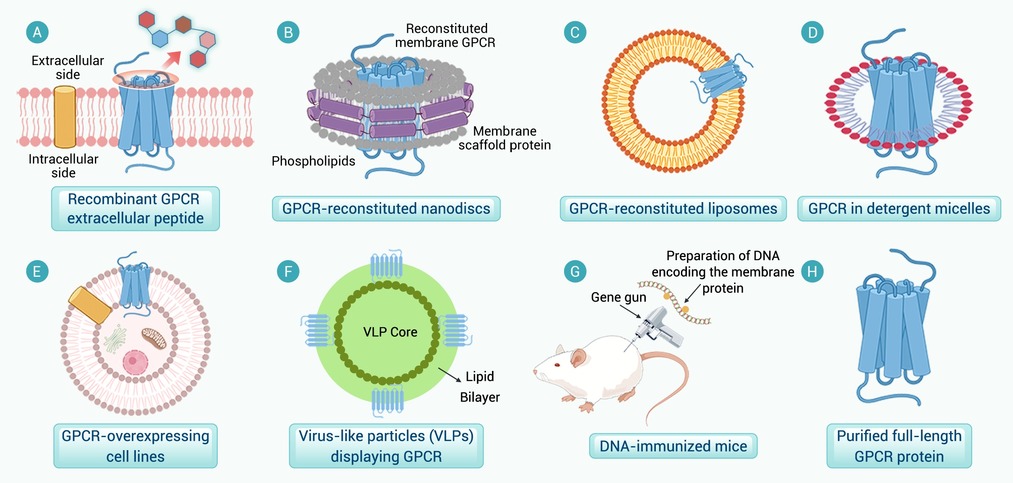
Figure 4.
Schematic overview of GPCR expression strategies
