
Global food security: Opportunities with cutting-edge technologies for ecological and healthy animal breeding
-
GRAPHICAL ABSTRACT
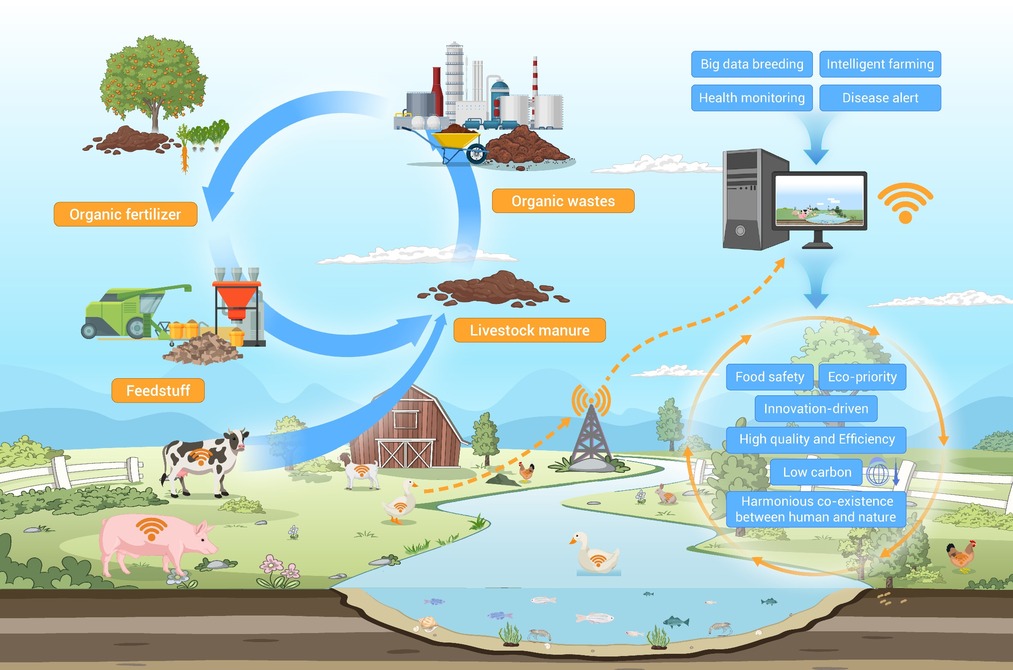
 DownLoad:
Full size image
DownLoad:
Full size image
-
ABSTRACT
Food safety has been the concern of the global society, as an important link in the food supply chain, livestock and poultry breeding has a significant impact on it. With global population growth and dietary shifts, food demand is posing challenges in resource use, environmental impact, and disease risks for conventional livestock production. It is necessary to establish and promote the concept of ecological and healthy breeding, and ensure food safety from the perspective of the whole industry chain of livestock and poultry. Therefore, this review focuses on the whole industry chain of livestock and poultry for the first time to elucidate the new technologies of ecological and healthy livestock breeding from six aspects, including new breeding technology, efficient utilization and substitution of nutrition, resource utilization of breeding waste, animal welfare, intelligent diagnosis and future food. While vertical integration enhances efficiency, rigid segmentation creates sustainability disconnects, as upstream innovations often overlook mid/downstream impacts, leaving systemic challenges unaddressed. Therefore, the integration of these technologies fosters multidisciplinary collaboration across them. Future efforts should focus on optimizing these systems, expanding biobanks for alternative proteins, and strengthening global cooperation to balance human health and ecological resilience. -

-
REFERENCES
[1] Cheng L., Zhang X., Wang C., et al. (2024). Whole-chain intensification of pig and chicken farming could lower emissions with economic and food production benefits. Nat. Food 5:939−950. DOI:10.1038/s43016-024-01067-x [2] Xing J., Song J., Liu C., et al. (2022). Integrated crop-livestock-bioenergy system brings co-benefits and trade-offs in mitigating the environmental impacts of Chinese agriculture. Nat. Food 3:1052−1064. DOI:10.1038/s43016-022-00649-x [3] Liu F., Xin L., Tang H., et al. (2023). Regionalized life-cycle monetization can support the transition to sustainable rural food waste management in China. Nat. Food 4:797−809. DOI:10.1038/s43016-023-00842-6 [4] Long W., Zhu X., Weikard H. P., et al. (2025). Rebound effects may undermine the benefits of upcycling food waste and food processing by-products as animal feed in China. Nat. Food 6:881−891. DOI:10.1038/s43016-025-01219-7 [5] Georges M., Charlier C. and Hayes B. (2019). Harnessing genomic information for livestock improvement. Nat. Rev. Genet. 20:135−156. DOI:10.1038/s41576-018-0082-2 [6] Pryce J. E. and Haile-Mariam M. (2020). Symposium review: Genomic selection for reducing environmental impact and adapting to climate change. J. Dairy Sci. 103:5366−5375. DOI:10.3168/jds.2019-17732 [7] López-Buesa P., Burgos C., Galve A., et al. (2014). Joint analysis of additive, dominant and first-order epistatic effects of four genes (IGF2, MC4R, PRKAG3 and LEPR) with known effects on fat content and fat distribution in pigs. Anim. Genet. 45:133−137. DOI:10.1111/age.12091 [8] Fujii J., Otsu K., Zorzato F., et al. (1991). Identification of a mutation in porcine ryanodine receptor associated with malignant hyperthermia. Science 253:448−451. DOI:10.1126/science.1862346 [9] Yang A. Q., Chen B., Ran M. L., et al. (2020). The application of genomic selection in pig cross breeding. Yi Chuan 42:145−152. DOI:10.16288/j.yczz.19-253 [10] Wu P.-x., Zhou J., Wang K., et al. (2021). Identifying SNPs associated with birth weight and days to 100 kg traits in Yorkshire pigs based on genotyping-by-sequencing. J. Integr. Agric. 20:2483−2490. DOI:10.1016/S2095-3119(20)63474-8 [11] Cao S., Han J., Wu J., et al. (2014). Specific gene-regulation networks during the pre-implantation development of the pig embryo as revealed by deep sequencing. BMC Genomics 15:4. DOI:10.1186/1471-2164-15-4 [12] Tusell L., Gilbert H., Riquet J., et al. (2016). Pedigree and genomic evaluation of pigs using a terminal-cross model. Genet. Sel. Evol. 48:32. DOI:10.1186/s12711-016-0211-3 [13] Tang Z., Yin L., Yin D., et al. (2023). Development and application of an efficient genomic mating method to maximize the production performances of three-way crossbred pigs. Brief. Bioinform. 24:bbac587. DOI:10.1093/bib/bbac587 [14] Wang Y., Bi D., Qin G., et al. (2020). Cytosine base editor (hA3A-BE3-NG)-mediated multiple gene editing for pyramid breeding in pigs. Front. Genet. 11:592623. DOI:10.3389/fgene.2020.592623 [15] Wang L., Jia Z., Xu K., et al. (2024). When will dual-purpose pigs fly. The Innovation 5:100702. DOI:10.1016/j.xinn.2024.100702 [16] Pan J.-s., Lin Z.-s., Wen J.-c., et al. (2021). Application of the modified cytosine base-editing in the cultured cells of bama minipig. Biotechnol. Lett. 43:1699−1714. DOI:10.1007/s10529-021-03159-1 [17] Van Eenennaam A. L. (2025). Current and future uses of genetic improvement technologies in livestock breeding programs. Anim. Front. 15:80−90. DOI:10.1093/af/vfae042 [18] Abd El-Hack M. E., Abdelnour S. A., Swelum A. A., et al. (2018). The application of gene marker-assisted selection and proteomics for the best meat quality criteria and body measurements in Qinchuan cattle breed. Mol. Biol. Rep. 45:1445−1456. DOI:10.1007/s11033-018-4211-y [19] Dong W., Yang J., Zhang Y., et al. (2021). Integrative analysis of genome-wide DNA methylation and gene expression profiles reveals important epigenetic genes related to milk production traits in dairy cattle. J. Anim. Breed Genet. 138:562−573. DOI:10.1111/jbg.12530 [20] Wiggans G. R., Cole J. B., Hubbard S. M., et al. (2017). Genomic selection in dairy cattle: The USDA experience. Annu. Rev. Anim. Biosci. 5:309−327. DOI:10.1146/annurev-animal-021815-111422 [21] de Haas Y., Windig J. J., Calus M. P. L., et al. (2011). Genetic parameters for predicted methane production and potential for reducing enteric emissions through genomic selection. J. Dairy Sci. 94:6122−6134. DOI:10.3168/jds.2011-4439 [22] Karaman E., Lund M. S. and Su G. (2020). Multi-trait single-step genomic prediction accounting for heterogeneous (co)variances over the genome. Heredity (Edinb) 124:274−287. DOI:10.1038/s41437-019-0273-4 [23] Raymond B., Wientjes Y. C. J., Bouwman A. C., et al. (2020). A deterministic equation to predict the accuracy of multi-population genomic prediction with multiple genomic relationship matrices. Genet. Sel. Evol. 52:21. DOI:10.1186/s12711-020-00540-y [24] Bengtsson C., Stalhammar H., Thomasen J. R., et al. (2022). Mating allocations in Nordic Red Dairy Cattle using genomic information. J. Dairy Sci. 105:1281−1297. DOI:10.3168/jds.2021-20849 [25] Clark S. A., Kinghorn B. P., Hickey J. M., et al. (2013). The effect of genomic information on optimal contribution selection in livestock breeding programs. Genet. Sel. Evol. 45:44. DOI:10.1186/1297-9686-45-44 [26] Aliloo H., Pryce J. E., Gonzalez-Recio O., et al. (2017). Including nonadditive genetic effects in mating programs to maximize dairy farm profitability. J. Dairy Sci. 100:1203−1222. DOI:10.3168/jds.2016-11261 [27] Wiggans G. R. and Carrillo J. A. (2022). Genomic selection in United States dairy cattle. Front. Genet. 13:994466. DOI:10.3389/fgene.2022.994466 [28] Gao Y., Wu H., Wang Y., et al. (2017). Single Cas9 nickase induced generation of NRAMP1 knockin cattle with reduced off-target effects. Genome Biol. 18:13. DOI:10.1186/s13059-016-1144-4 [29] Shanthalingam S., Tibary A., Beever J. E., et al. (2016). Precise gene editing paves the way for derivation of Mannheimia haemolytica leukotoxin-resistant cattle. Proc. Natl. Acad. Sci. USA 113:13186−13190. DOI:10.1073/pnas.1613428113 [30] Yu S., Luo J., Song Z., et al. (2011). Highly efficient modification of beta-lactoglobulin (BLG) gene via zinc-finger nucleases in cattle. Cell Res. 21:1638−1640. DOI:10.1038/cr.2011.153 [31] Carlson D. F., Lancto C. A., Zang B., et al. (2016). Production of hornless dairy cattle from genome-edited cell lines. Nat. Biotechnol. 34:479−481. DOI:10.1038/nbt.3560 [32] Wong G. K. S., Liu B., Wang J., et al. (2004). A genetic variation map for chicken with 2.8 million single-nucleotide polymorphisms. Nature 432:717-722. DOI:10.1038/nature03156. [33] Shapiro M. D., Kronenberg Z., Li C., et al. (2013). Genomic diversity and evolution of the head crest in the rock pigeon. Science 339:1063−1067. DOI:10.1126/science.1230422 [34] Huang Y. H., Li Y. R., Burt D. W., et al. (2013). The duck genome and transcriptome provide insight into an avian influenza virus reservoir species. Nat. Genet. 45:776−783. DOI:10.1038/ng.2657 [35] Lu L. Z., Chen Y., Wang Z., et al. (2015). The goose genome sequence leads to insights into the evolution of waterfowl and susceptibility to fatty liver. Genome Biol. 16:89. DOI:10.1186/s13059-015-0652-y [36] Bai H., Sun Y., Liu N., et al. (2018). Genome-wide detection of CNVs associated with beak deformity in chickens using high-density 600K SNP arrays. Anim. Genet. 49:226−236. DOI:10.1111/age.12652 [37] Yan Y., Wu G., Liu A., et al. (2018). Genomic prediction in a nuclear population of layers using single-step models. Poult. Sci. 97:397−402. DOI:10.3382/ps/pex320 [38] Emamgholi Begli H., Vaez Torshizi R., Masoudi A. A., et al. (2018). Genomic dissection and prediction of feed intake and residual feed intake traits using a longitudinal model in F2 chickens. Animal 12:1792−1798. DOI:10.1017/S1751731117003354 [39] Wolc A., Drobik-Czwarno W., Fulton J. E., et al. (2018). Genomic prediction of avian influenza infection outcome in layer chickens. Genet. Sel. Evol. 50:21. DOI:10.1186/s12711-018-0393-y [40] Wang Z., Qu L., Yao J., et al. (2013). An EAV-HP Insertion in 5 ' flanking region of slco1b3 causes blue eggshell in the chicken. PLoS Genet. 9. e1003183. DOI:10.1371/journal.pgen.1003183. [41] Zhao R., Zuo Q., Yuan X., et al. (2021). Production of viable chicken by allogeneic transplantation of primordial germ cells induced from somatic cells. Nat. Commun. 12:2989. DOI:10.1038/s41467-021-23242-5 [42] Idoko-Akoh A., Goldhill D. H., Sheppard C. M., et al. (2023). Creating resistance to avian influenza infection through genome editing of the ANP32 gene family. Nat. Commun. 14:6136. DOI:10.1038/s41467-023-41476-3 [43] Huang Z., Xu Z., Bai H., et al. (2023). Evolutionary analysis of a complete chicken genome. Proc. Natl. Acad. Sci. USA 120:e2216641120. DOI:10.1073/pnas.2216641120 [44] Zhang D.-Y., Zhang X.-X., Li F.-D., et al. (2022). Whole-genome resequencing reveals molecular imprints of anthropogenic and natural selection in wild and domesticated sheep. Zool. Res. 43:695−705. DOI:10.24272/j.issn.2095-8137.2022.124 [45] Jawasreh K. I., Alamareen A. H., Obeidat M. D., et al. (2019). Growth performance and meat characteristics of the first awassi–rambouillet callipyge backcross. Animals 9:517. DOI:10.3390/ani9080517 [46] Kalds P., Luo Q., Sun K., et al. (2021). Trends towards revealing the genetic architecture of sheep tail patterning: Promising genes and investigatory pathways. Anim. Genet. 52:799−812. DOI:10.1111/age.13133 [47] Zheng Z., Wang X., Li M., et al. (2020). The origin of domestication genes in goats. Sci. Adv. 6:eaaz5216. DOI:10.1126/sciadv.aaz5216 [48] Prieur V., Clarke S. M., Brito L. F., et al. (2017). Estimation of linkage disequilibrium and effective population size in New Zealand sheep using three different methods to create genetic maps. BMC Genet. 18:68. DOI:10.1186/s12863-017-0534-2 [49] Buisson D., Lagriffoul G., Baloche G., et al. (2014). Genomic breeding schemes in French Lacaune and Manech dairy sheep: Design and expected genetic gain. 10th World Congress of Genetics Applied to Livestock Production (WCGALP). American Society of Animal Science. https://hal.inrae.fr/hal-02743686v1 [50] Brito L. F., Clarke S. M., McEwan J. C., et al. (2017). Prediction of genomic breeding values for growth, carcass and meat quality traits in a multi-breed sheep population using a HD SNP chip. BMC Genet. 18:1−17. DOI:10.1186/s12863-017-0476-8 [51] Bolormaa S., Gore K., Van Der Werf J., et al. (2015). Design of a low‐density SNP chip for the main Australian sheep breeds and its effect on imputation and genomic prediction accuracy. Anim. Genet. 46:544−556. DOI:10.1111/age.12340 [52] Proudfoot C., Carlson D. F., Huddart R., et al. (2015). Genome edited sheep and cattle. Transgenic Res. 24:147−153. DOI:10.1007/s11248-014-9832-x [53] Allais-Bonnet A., Richard C., André M., et al. (2025). CRISPR/Cas9-editing of PRNP in Alpine goats. Vet. Res. 56:11. DOI:10.1186/s13567-024-01444-1 [54] Li X., He S.-G., Li W.-R., et al. (2022). Genomic analyses of wild argali, domestic sheep, and their hybrids provide insights into chromosome evolution, phenotypic variation, and germplasm innovation. Genome Res. 32:1669−1684. DOI:10.1101/gr.276769.122 [55] Nakhle F. and Harfouche A. L. (2021). Ready, Steady, Go AI: A practical tutorial on fundamentals of artificial intelligence and its applications in phenomics image analysis. Patterns 2:100323. DOI:10.1016/j.patter.2021.100323 [56] Klingström T., Zonabend König E. and Zwane A. A. (2025). Beyond the hype: Using AI, big data, wearable devices, and the internet of things for high-throughput livestock phenotyping. Brief. Funct. Genomics 24:elae032. DOI:10.1093/bfgp/elae032 [57] Džermeikaitė K., Šidlauskaitė M., Antanaitis R., et al. (2025). Enhancing genomic selection in dairy cattle through artificial intelligence: Integrating advanced phenotyping and predictive models to advance health, climate resilience, and sustainability. Dairy 6:50. DOI:10.3390/dairy6050050 [58] Antognoli V., Presutti L., Bovo M., et al. (2025). Computer vision in dairy farm management: A literature review of current applications and future perspectives. Animals 15:2508. DOI:10.3390/ani15172508 [59] Grohmann C. J. and Decker J. E. (2024). From reactive to proactive: impact of artificial intelligence on management and selection of livestock. Anim. Front. 14:64−67. DOI:10.1093/af/vfae029 [60] ÁVila S. L. C. d., Oliveira C. O. d., Rodrigues T. A., et al. (2020). Replacement of corn and soybean meal with corn gluten meal on rooster’s diet. Turk. J. Vet Anim. Sci. 44:798−804. DOI:10.3906/vet-1907-63 [61] Martins C. F., Ribeiro D. M., Costa M., et al. (2021). Using microalgae as a sustainable feed resource to enhance quality and nutritional value of pork and poultry meat. Foods 10:2933. DOI:10.3390/foods10122933 [62] Ahmad A., Sultan A., Naz S., et al. (2024). Growth performance, nutrients digestibility, intestinal microbiota and histology altered in broilers fed maize- or sorghum-based diets. Vet. Q. 44:1−8. DOI:10.1080/01652176.2024.2373295 [63] Sun H., Kang X., Tan H., et al. (2023). Progress in fermented unconventional feed application in monogastric animal production in China. Fermentation 9:947. DOI:10.3390/fermentation9110947 [64] Filgueira T., Freitas E., Filho I. Q., et al. (2014). Corn replacement by broken rice in meat-type quail diets. Braz. J. Poult. Sci. 16:345−350. DOI:10.1590/1516-635X1604345-350 [65] Liu L., Wang Z., Wei B., et al. (2024). Replacement of corn with different levels of wheat impacted the growth performance, intestinal development, and cecal microbiota of broilers. Animals 14:1536. DOI:10.3390/ani14111536 [66] Ncobela C. N., Kanengoni A. T., Hlatini V. A., et al. (2017). A review of the utility of potato by-products as a feed resource for smallholder pig production. Anim. Feed Sci. Technol. 227:107−117. DOI:10.1016/j.anifeedsci.2017.02.008 [67] F. Apata D. and O. Babalola T. (2012). The use of cassava, sweet potato and cocoyam, and their by-products by non–ruminants. Int J Food Sci Nutr 2:54−62. DOI:10.5923/j.food.20120204.02 [68] Sureshkumar S., Balamuralikrishnan B. and Kim I. H. (2022). Supplemental impact of cassava (Manihot esculenta Crantz) hard pellet and residue pellet-based diet as a replacement for corn on the growth performance, total tract digestibility and blood profiles in pigs. J. Anim. Physiol. An. N. 106:792−801. DOI:10.1111/jpn.13618 [69] Li Y., Liu Y., Li F., et al. (2018). Effects of dietary ramie powder at various levels on carcass traits and meat quality in finishing pigs. Meat Sci. 143:52−59. DOI:10.1016/j.meatsci.2018.04.019 [70] Liu Y., Li Y., Peng Y., et al. (2019). Dietary mulberry leaf powder affects growth performance, carcass traits and meat quality in finishing pigs. J. Anim. Physiol. Anim. Nutr. 103:1934−1945. DOI:10.1111/jpn.13203 [71] Long C., Zhou X., Wang Q., et al. (2016). Dietary supplementation of Lonicera macranthoides leaf powder improves amino acid profiles in serum and longissimus thoracis muscle of growing-finishing pigs. Anim. Nutr. 2:271−275. DOI:10.1016/j.aninu.2016.08.006 [72] Li H., Duan Y., Yin F., et al. (2022). Dietary addition of fermented sorghum distiller's dried grains with soluble improves carcass traits and meat quality in growing-finishing pigs. Trop. Anim. Health. Prod. 54:97. DOI:10.1007/s11250-022-03089-8 [73] Li Z., Zhu Q., Azad M. A. K., et al. (2021). The impacts of dietary fermented mao-tai lees on growth performance, plasma metabolites, and intestinal microbiota and metabolites of weaned piglets. Front. Microbiol. 12:778555. DOI:10.3389/fmicb.2021.778555 [74] Li H., Li H., Xie P., et al. (2019). Dietary supplementation with fermented Mao-tai lees beneficially affects gut microbiota structure and function in pigs. AMB Express 9:26. DOI:10.1186/s13568-019-0747-z [75] Cheng H., Liu X., Xiao Q., et al. (2022). Rapeseed meal and its application in pig diet: A review. Agriculture 12:849. DOI:10.3390/agriculture12060849 [76] Gu X., Li Z., Wang J., et al. (2021). Fermented cottonseed meal as a partial replacement for soybean meal could improve the growth performance, immunity and antioxidant properties, and nutrient digestibility by altering the gut microbiota profile of weaned piglets. Front. Microbiol. 12:734389. DOI:10.3389/fmicb.2021.734389 [77] Jang J. C., Kim K. H., Kim D. H., et al. (2020). Effects of increasing levels of palm kernel meal containing β-mannanase to growing-finishing pig diets on growth performance, nutrient digestibility, and pork quality. Livest. Sci. 238:104041. DOI:10.1016/j.livsci.2020.104041 [78] Lannuzel C., Smith A., Mary A. L., et al. (2022). Improving fiber utilization from rapeseed and sunflower seed meals to substitute soybean meal in pig and chicken diets: A review. Anim. Feed Sci. Technol. 285:115213. DOI:10.1016/j.anifeedsci.2022.115213 [79] Kim S. W., Less J. F., Wang L., et al. (2019). Meeting global feed protein demand: Challenge, opportunity, and strategy. Annu. Rev. Anim. Biosci. 7:221−243. DOI:10.1146/annurev-animal-030117-014838 [80] Martins C. F., Pestana Assuncao J., Ribeiro Santos D. M., et al. (2021). Effect of dietary inclusion of Spirulina on production performance, nutrient digestibility and meat quality traits in post-weaning piglets. J. Anim. Physiol. Anim. Nutr 105:247−259. DOI:10.1111/jpn.13470 [81] Ma S., Liang X., Chen P., et al. (2022). A new single-cell protein from Clostridium autoethanogenum as a functional protein for largemouth bass (Micropterus salmoides). Anim. Nutr. 10:99−110. DOI:10.1016/j.aninu.2022.04.005 [82] Hosseindoust A., Ha S. H., Mun J. Y., et al. (2024). A metanalysis to evaluate the effects of substrate sources on the nutritional performance of black soldier fly larvae: Implications for sustainable poultry feed. Poult. Sci. 103:103299. DOI:10.1016/j.psj.2023.103299 [83] Sun H., Jiang Z., Chen Z., et al. (2024). Effects of fermented unconventional protein feed on pig production in China. Front. Vet. Sci. 11:1446233. DOI:10.3389/fvets.2024.1446233 [84] Khoshnevisan B., He L., Xu M., et al. (2022). From renewable energy to sustainable protein sources: Advancement, challenges, and future roadmaps. Renew. Sustain. Energy Rev. 157. DOI:10.1016/j.rser.2021.112041 [85] Huang Y., Wang H., Zhu Y., et al. (2022). THP9 enhances seed protein content and nitrogen-use efficiency in maize. Nature 612:292−300. DOI:10.1038/s41586-022-05441-2 [86] Parrini S., Aquilani C., Pugliese C., et al. (2023). Soybean replacement by alternative protein sources in pig nutrition and its effect on meat quality. Animals 13. DOI:10.3390/ani13030494. [87] Li Y., Li F., Chen S., et al. (2016). Protein-restricted diets regulates lipid and energy metabolism in skeletal muscle of growing pigs. J. Agric. Food Chem. 64:9412−9420. DOI:10.1021/acs.jafc.6b03959 [88] Li Y., Li F., Duan Y., et al. (2017). The protein and energy metabolic response of skeletal muscle to the low-protein diets in growing pigs. J. Agric. Food Chem. 65:8544−8551. DOI:10.1021/acs.jafc.7b02461 [89] Li Y., Li F., Wu L., et al. (2016). Effects of dietary protein restriction on muscle fiber characteristics and mTORC1 pathway in the skeletal muscle of growing-finishing pigs. J. Anim. Sci. Biotechnol. 7:47. DOI:10.1186/s40104-016-0106-8 [90] Li Y. H., Wei H. K., Li F. N., et al. (2016). Regulation in free amino acid profile and protein synthesis pathway of growing pig skeletal muscles by low-protein diets for different time periods. J. Anim. Sci. 94:5192−5205. DOI:10.2527/jas2016-0917 [91] Wang Y., Zhou J., Wang G., et al. (2018). Advances in low-protein diets for swine. J. Anim. Sci. Biotechnol. 9:60. DOI:10.1186/s40104-018-0276-7 [92] de Almeida A. M., Latorre M. A. and Alvarez-Rodriguez J. (2024). Productive, physiological, and environmental implications of reducing crude protein content in swine diets: A review. Animals 14:3081. DOI:10.3390/ani14213081 [93] Rocha G. C., Duarte M. E. and Kim S. W. (2022). Advances, implications, and limitations of low-crude-protein diets in pig production. Animals 12:3478. DOI:10.3390/ani12243478 [94] Wu S. B., Swick R. A., Noblet J., et al. (2019). Net energy prediction and energy efficiency of feed for broiler chickens. Poult. Sci. 98:1222−1234. DOI:10.3382/ps/pey442 [95] Wu Y., Zhao J. F., Xu C. C., et al. (2020). Progress towards pig nutrition in the last 27 years. J. Sci. Food Agric. 100:5102−5110. DOI:10.1002/jsfa.9095 [96] Zhang G. J., Yi X. W., Chu L. C., et al. (2011). Effects of dietary net energy density and standardized ileal digestible lysine: Net energy ratio on the performance and carcass characteristic of growing-finishing pigs fed low crude protein supplemented with crystalline amino acids diets. Agr. Sci. China 10:602−610. DOI:10.1016/S1671-2927(11)60042-4 [97] Nyachoti C. M., Omogbenigun F. O., Rademacher M., et al. (2006). Performance responses and indicators of gastrointestinal health in early-weaned pigs fed low-protein amino acid-supplemented diets. J. Anim. Sci. 84:125−134. DOI:10.2527/2006.841125x [98] Li J. W., Wang X. P., Wang C. Y., et al. (2013). Effects of dietary electrolyte balance on growth performance, nitrogen metabolism and some blood biochemical parameters of growing rabbits. Asian-Australas. J. Anim. Sci. 26:1726−1731. DOI:10.5713/ajas.2013.13241 [99] Wang L., Long K., Yin Y., et al. (2025). Transition in global ecological agriculture: Functional products, intelligent processes, and bridging research and market gaps. The Innovation 6:101036. DOI:10.1016/j.xinn.2025.101036 [100] Kidd M. T., Maynard C. W. and Mullenix G. J. (2021). Progress of amino acid nutrition for diet protein reduction in poultry. J. Anim. Sci. Biotechnol. 12. DOI:10.1186/s40104-021-00568-0. [101] Wu G. and Li P. (2022). The “ideal protein” concept is not ideal in animal nutrition. Exp. Biol. Med. 247:1191−1201. DOI:10.1177/15353702221082658 [102] Sefer M., Petronijevic R. B., Trbovic D., et al. (2021). Amino acids in animal feed: Significance and determination techniques. IOP Conf. Ser.: Earth Environ. Sci 854:012082. DOI:10.1088/1755-1315/854/1/012082 [103] Duan Y. H., Zeng L. M., Li F. N., et al. (2016). Effects of dietary branched-chain amino acid ratio on growth performance and serum amino acid pool of growing pigs. J. Anim. Sci. 94:129−134. DOI:10.2527/jas2015-9527 [104] Zhang L., Li F., Guo Q., et al. (2022). Balanced branched-chain amino acids modulate meat quality via adjusting muscle fiber type conversion and intramuscular fat deposition in finishing pigs. J. Sci. Food Agric. 102:3796−3807. DOI:10.1002/jsfa.11728 [105] Zheng C., Wan M., Guo Q., et al. (2025). Glutamate increases the lean percentage and intramuscular fat content and alters gut microbiota in Shaziling pigs. Anim. Nutr. 20:110−119. DOI:10.1016/j.aninu.2024.07.010 [106] Tan B., Yin Y., Liu Z., et al. (2009). Dietary L-arginine supplementation increases muscle gain and reduces body fat mass in growing-finishing pigs. Amino Acids 37:169−175. DOI:10.1007/s00726-008-0148-0 [107] Wealleans A. L., Bierinckx K. and di Benedetto M. (2021). Fats and oils in pig nutrition: Factors affecting digestion and utilization. Anim. Feed Sci. Technol. 277:114950. DOI:10.1016/j.anifeedsci.2021.114950 [108] Shin T. K., Yi Y. J., Kim J. C., et al. (2017). Reducing the dietary omega-6 to omega-3 polyunsaturated fatty acid ratio attenuated inflammatory indices and sustained epithelial tight junction integrity in weaner pigs housed in a poor sanitation condition. Anim. Feed Sci. Technol. 234:312−320. DOI:10.1016/j.anifeedsci.2017.04.022 [109] Li F., Duan Y., Li Y., et al. (2015). Effects of dietary n-6:n-3 PUFA ratio on fatty acid composition, free amino acid profile and gene expression of transporters in finishing pigs. Br. J. Nutr. 113:739−748. DOI:10.1017/S0007114514004346 [110] Duan Y., Li F., Li L., et al. (2014). n-6:n-3 PUFA ratio is involved in regulating lipid metabolism and inflammation in pigs. Br. J. Nutr. 111:445−451. DOI:10.1017/S0007114513002584 [111] Sun H. Y., Yun H. M., Kim I. H., et al. (2020). Effects of dietary n-6/n-3 polyunsaturated fatty acids ratio on growth performance, apparent digestibility, blood lipid profiles, fecal microbiota, and meat quality in finishing pigs. Can. J. Anim. Sci. 100:272−281. DOI:10.1139/cjas-2019-0072 [112] Attia Y. A., Al-Harthi M. A., Al-Sagan A. A., et al. (2022). Dietary supplementation with different ω-6 to ω-3 fatty acid ratios affects the sustainability of performance, egg quality, fatty acid profile, immunity and egg health indices of laying hens. Agriculture 12:1712. DOI:10.3390/agriculture12101712 [113] Wan D., Wu Q., Ni H., et al. (2019). Treatments for iron deficiency (id): Prospective organic iron fortification. Curr. Pharm. Des. 25:325−332. DOI:10.2174/1381612825666190319111437 [114] Dong Z., Zhang D., Wu X., et al. (2022). Ferrous bisglycinate supplementation modulates intestinal antioxidant capacity via the ampk/foxo pathway and reconstitutes gut microbiota and bile acid profiles in pigs. J. Agric. Food Chem. 70:4942−4951. DOI:10.1021/acs.jafc.2c00138 [115] Abd El-Hack M. E., null n., Alagawany M., et al. (2017). Organic or inorganic zinc in poultry nutrition: A review. World's Poult. Sci. J. 73:904−915. DOI:10.1017/S0043933917000769 [116] Rayman M. P. (2012). Selenium and human health. Lancet 379:1256−1268. DOI:10.1016/s0140-6736(11)61452-9 [117] Zhao L., Sun L. H., Huang J. Q., et al. (2017). A novel organic selenium compound exerts unique regulation of selenium speciation, selenogenome, and selenoproteins in broiler chicks. J. Nutr. 147:789−797. DOI:10.3945/jn.116.247338 [118] Zhao L., Chu X. H., Liu S., et al. (2022). Selenium-enriched cardamine violifolia increases selenium and decreases cholesterol concentrations in liver and pectoral muscle of broilers. J. Nutr. 152:2072−2079. DOI:10.1093/jn/nxac141 [119] Hu R., He Z., Liu M., et al. (2020). Dietary protocatechuic acid ameliorates inflammation and up-regulates intestinal tight junction proteins by modulating gut microbiota in LPS-challenged piglets. J. Anim. Sci. Biotechnol. 11:92. DOI:10.1186/s40104-020-00492-9 [120] Hu R., Wu S., Li B., et al. (2022). Dietary ferulic acid and vanillic acid on inflammation, gut barrier function and growth performance in lipopolysaccharide-challenged piglets. Anim. Nutr. 8:144−152. DOI:10.1016/j.aninu.2021.06.009 [121] Liu X. Z., Ju Y., Bao N., et al. (2021). Effects of polyphenol-rich Aronia melanocarpa pomace feeding on growth performance, biochemical profile, and meat quality in pigs at weaned and finishing stages. Livest. Sci. 252:104674. DOI:10.1016/j.livsci.2021.104674 [122] Zhao Y., Huang Y., Gao K., et al. (2022). Maternal resveratrol regulates the growth performance, antioxidant capacity, and intestinal health of suckling piglets through intestinal microorganisms at high summer temperatures. Front. Nutr. 9:971496. DOI:10.3389/fnut.2022.971496 [123] Hu R., Tan J., Li Z., et al. (2022). Effect of dietary resveratrol on placental function and reproductive performance of late pregnancy sows. Front. Nutr. 9:1001031. DOI:10.3389/fnut.2022.1001031 [124] Araujo L. R. S., Watanabe P. H., Fernandes D. R., et al. (2021). Dietary ethanol extract of mango increases antioxidant activity of pork. Animal 15:100099. DOI:10.1016/j.animal.2020.100099 [125] Zhang H. Z., Chen D. W., He J., et al. (2019). Long-term dietary resveratrol supplementation decreased serum lipids levels, improved intramuscular fat content, and changed the expression of several lipid metabolism-related miRNAs and genes in growing-finishing pigs. J. Anim. Sci. 97:1745−1756. DOI:10.1093/jas/skz057 [126] Wang L., Zhang Y., Xu J., et al. (2023). Listening to enteric bacteria from the perspective of antibiotic alternatives in animal husbandry. Innov. Life 1:100022. DOI:10.59717/j.xinn-life.2023.100022 [127] Shang L., Zhou J., Tu J., et al. (2022). Evaluation of effectiveness and safety of microcin C7 in weaned piglets. Animals 12:3267. DOI:10.3390/ani12233267 [128] Feng J., Wang L., Xie Y., et al. (2020). Effects of antimicrobial peptide cathelicidin-BF on diarrhea controlling, immune responses, intestinal inflammation and intestinal barrier function in piglets with postweaning diarrhea. Int. Immunopharmacol. 85:106658. DOI:10.1016/j.intimp.2020.106658 [129] Hu W., Yang Y., Li Z., et al. (2020). Antibacterial, cytotoxicity and mechanism of the antimicrobial peptide KR-32 in weaning piglets. Int. J. Pept. Res. Ther. 26:943−953. DOI:10.1007/s10989-019-09898-0 [130] Choi S. C., Ingale S. L., Kim J. S., et al. (2013). Effects of dietary supplementation with an antimicrobial peptide-P5 on growth performance, nutrient retention, excreta and intestinal microflora and intestinal morphology of broilers. Anim. Feed Sci. Technol. 185:78−84. DOI:10.1016/j.anifeedsci.2013.07.005 [131] Yoon J. H., Ingale S. L., Kim J. S., et al. (2012). Effects of dietary supplementation of antimicrobial peptide-A3 on growth performance, nutrient digestibility, intestinal and fecal microflora and intestinal morphology in weanling pigs. Anim. Feed Sci. Technol. 177:98−107. DOI:10.1016/j.anifeedsci.2012.06.009 [132] Yoon J. H., Ingale S. L., Kim J. S., et al. (2014). Effects of dietary supplementation of synthetic antimicrobial peptide-A3 and P5 on growth performance, apparent total tract digestibility of nutrients, fecal and intestinal microflora and intestinal morphology in weanling pigs. Livest. Sci. 159:53−60. DOI:10.1016/j.livsci.2013.10.025 [133] Yoon J. H., Ingale S. L., Kim J. S., et al. (2013). Effects of dietary supplementation with antimicrobial peptide-P5 on growth performance, apparent total tract digestibility, faecal and intestinal microflora and intestinal morphology of weanling pigs. J. Sci. Food Agric. 93:587−592. DOI:10.1002/jsfa.5840 [134] Huang B., Huang C., Lyu Z., et al. (2018). Available energy and amino acid digestibility of defatted rice bran fed to growing pigs. J. Anim. Sci. 96:3138−3150. DOI:10.1093/jas/sky191 [135] Wang M., Wan D., Xie X., et al. (2024). Crop-livestock integration: Implications for food security, resource efficiency and greenhouse gas mitigation. Innov. Life 2:100103. DOI:10.59717/j.xinn-life.2024.100103 [136] Herrero M. and Thornton P. K. (2013). Livestock and global change: emerging issues for sustainable food syst ems. Proc. Natl. Acad. Sci. USA 110:20878−20881. DOI:10.1073/pnas.1321844111 [137] Bai Z. H., Ma L., Jin S. Q., et al. (2016). Nitrogen, phosphorus, and potassium flows through the manure management chain in China. Environ. Sci. Technol. 50:13409−13418. DOI:10.1021/acs.est.6b03348 [138] Dangal S. R. S., Tian H., Zhang B., et al. (2017). Methane emission from global livestock sector during 1890-2014: Magnit ude, trends and spatiotemporal patterns. Glob. Chang. Biol. 23:4147−4161. DOI:10.1111/gcb.13709 [139] Wei S., Bai Z. H., Chadwick D., et al. (2018). Greenhouse gas and ammonia emissions and mitigation options from livestock production in peri-urban agriculture: Beijing-A case study. J. Clean. Prod. 178:515−525. DOI:10.1016/j.jclepro.2017.12.257 [140] Bai Z., Li X., Lu J., et al. (2017). Livestock housing and manure storage need to be improved in China. Environ. Sci. Technol. 51:8212−8214. DOI:10.1021/acs.est.7b02672 [141] Regan J. T., Marton S., Barrantes O., et al. (2017). Does the recoupling of dairy and crop production via cooperation between farms generate environmental benefits. A case-study approach in Europe. Eur. J. Agron. 82:342−356. DOI:10.1016/j.eja.2016.08.005 [142] Wang Y., Li X., Yang J., et al. (2018). Mitigating greenhouse gas and ammonia emissions from beef cattle feedlot production: A system meta-analysis. Environ. Sci. Technol. 52:11232−11242. DOI:10.1021/acs.est.8b02475 [143] Parajuli R., Dalgaard T. and Birkved M. (2018). Can farmers mitigate environmental impacts through combined production of food, fuel and feed? A consequential life cycle assessment of integrated mixed crop-livestock system with a green biorefinery. Sci. Total Environ. 619-620:127-143. DOI:10.1016/j.scitotenv.2017.11.082 [144] Du H. L., Cui J. X., Xu Y. A., et al. (2022). Nitrogen footprint of a recycling system integrated with cropland and livestock in the north china plain. Plants 11:842. DOI:10.3390/plants11070842 [145] Nicholson F. A., Humphries S., Anthony S. G., et al. (2012). A software tool for estimating the capacity of agricultural land in England and Wales for recycling organic materials (ALOWANCE). Soil Use Manage. 28:307−317. DOI:10.1111/j.1475-2743.2012.00410.x [146] Liu X., Duan L., Mo J., et al. (2011). Nitrogen deposition and its ecological impact in China: An overview. Environ. Pollut. 159:2251−2264. DOI:10.1016/j.envpol.2010.08.002 [147] Xu W., Luo X. S., Pan Y. P., et al. (2015). Quantifying atmospheric nitrogen deposition through a nationwide monitoring network across China. Atmos. Chem. Phys. 15:12345−12360. DOI:10.5194/acp-15-12345-2015 [148] Xu W., Liu L., Cheng M., et al. (2018). Spatial-temporal patterns of inorganic nitrogen air concentrations and deposition in eastern China. Atmos. Chem. Phys. 18:10931−10954. DOI:10.5194/acp-18-10931-2018 [149] Pan Y., Tian S., Zhao Y., et al. (2018). Identifying ammonia hotspots in China using a national observation network. Environ. Sci. Technol. 52:3926−3934. DOI:10.1021/acs.est.7b05235 [150] Puchalski M. A., Rogers C. M., Baumgardner R., et al. (2015). A statistical comparison of active and passive ammonia measurements collected at Clean Air Status and Trends Network (CASTNET) sites. Environ. Sci.: Process. Impacts 17:358−369. DOI:10.1039/c4em00531g [151] Yin F., Dong H., Zhang W., et al. (2022). Antibiotic removal potential for low greenhouse gas emission process of anaerobic digestion (AD) producing volatile fatty acids (VFAs). Bioresour. Technol. 360:127540. DOI:10.1016/j.biortech.2022.127540 [152] Yin F., Dong H., Zhang W., et al. (2018). Antibiotic degradation and microbial community structures during acidification and methanogenesis of swine manure containing chlortetracycline or oxytetracycline. Bioresour. Technol. 250:247−255. DOI:10.1016/j.biortech.2017.11.015 [153] Wang Y., Sutton N. B., Zheng Y., et al. (2023). Seasonal variation in antibiotic resistance genes and bacterial phenotypes in swine wastewater during three-chamber anaerobic pond treatment. Environ. Res. 216:114495. 114495. DOI:10.1016/j.envres.2022.114495. [154] Wu X., Wei Y., Zheng J., et al. (2011). The behavior of tetracyclines and their degradation products during swine manure composting. Bioresour. Technol. 102:5924−5931. DOI:10.1016/j.biortech.2011.03.007 [155] Kleerebezem R., Joosse B., Rozendal R., et al. (2015). Anaerobic digestion without biogas. Rev. Environ. Sci. Biotechnol. 14:787−801. DOI:10.1007/s11157-015-9374-6 [156] Bressanin J. M., Sampaio I. L. d. M., Geraldo V. C., et al. (2022). Techno-economic and environmental assessment of polylactic acid production integrated with the sugarcane value chain. Sustain. Prod. Consum. 34:244−256. DOI:10.1016/j.spc.2022.09.009 [157] Wu Q., Bao X., Guo W., et al. (2019). Medium chain carboxylic acids production from waste biomass: Current advances and perspectives. Biotechnol. Adv. 37:599−615. DOI:10.1016/j.biotechadv.2019.03.003 [158] López-Garzón C. S., van der Wielen L. A. M. and Straathof A. J. J. (2017). Strong anion exchange recovery of aqueous dicarboxylates: Extraction and sorption equilibrium comparison. Sep. Purif. Technol. 175:9−18. DOI:10.1016/j.seppur.2016.11.018 [159] Steinbusch K. J. J., Hamelers H. V. M., Plugge C. M., et al. (2011). Biological formation of caproate and caprylate from acetate: Fuel and chemical production from low grade biomass. Energy Environ. Sci. 4:216−224. DOI:10.1039/c0ee00282h [160] Yin Q., Wen Q., Tan L., et al. (2024). Combining chain elongation and oleogel extraction for the production and recovery of caproate from beef cattle manure wastewater. Resour., Conserv. Recycl. 202:107405. DOI:10.1016/j.resconrec.2023.107405 [161] Zhang W., Wang S., Yin F., et al. (2022). Medium-chain carboxylates production from co-fermentation of swine manure and corn stalk silage via lactic acid: Without external electron donors. Chem. Eng. J. 439:135751. DOI:10.1016/j.cej.2022.135751 [162] Xu J., Hao J., Guzman J. J. L., et al. (2018). Temperature-phased conversion of acid whey waste into medium-chain carboxylic acids via lactic acid: No external e-donor. Joule 2:280−295. DOI:10.1016/j.joule.2017.11.008 [163] Tan D., Wang Y., Tong Y., et al. (2021). Grand challenges for industrializing polyhydroxyalkanoates (PHAs). Trends Biotechnol. 39:953−963. DOI:10.1016/j.tibtech.2020.11.010 [164] Choi J. and Lee S. Y. (1999). Factors affecting the economics of polyhydroxyalkanoate production by bacterial fermentation. Appl. Microbiol. Biotechnol. 51:13−21. DOI:10.1007/s002530051357 [165] Zheng Y., Chen J.-C., Ma Y.-M., et al. (2020). Engineering biosynthesis of polyhydroxyalkanoates (PHA) for diversity and cost reduction. Metab. Eng. 58:82−93. DOI:10.1016/j.ymben.2019.07.004 [166] Guho N. M., Pokhrel D., Abbasi M., et al. (2020). Pilot-scale production of poly-3-hydroxybutyrate-co-3-hydroxyvalerate from fermented dairy manure: Process performance, polymer characterization, and scale-up implications. Bioresour. Technol. Rep. 12:100588. DOI:10.1016/j.biteb.2020.100588 [167] Nguyenhuynh T., Yoon L. W., Chow Y. H., et al. (2021). An insight into enrichment strategies for mixed culture in polyhydroxyalkanoate production: Feedstocks, operating conditions and inherent challenges. Chem. Eng. J. 420:130488. DOI:10.1016/j.cej.2021.130488 [168] Coats E. R., Watson B. S. and Brinkman C. K. (2016). Polyhydroxyalkanoate synthesis by mixed microbial consortia cultured o n fermented dairy manure: Effect of aeration on process rates/yields a nd the associated microbial ecology. Water Res. 106:26−40. DOI:10.1016/j.watres.2016.09.039 [169] Moita R. and Lemos P. C. (2012). Biopolymers production from mixed cultures and pyrolysis by-products. J. Biotechnol. 157:578−583. DOI:10.1016/j.jbiotec.2011.09.021 [170] Acedos M. G., Moreno-Cid J., Verdú F., et al. (2022). Exploring the potential of slaughterhouse waste valorization: Development and scale-up of a new bioprocess for medium-chain length polyhydroxyalkanoates production. Chemosphere 287:132401. DOI:10.1016/j.chemosphere.2021.132401 [171] Titz M., Kettl K.-H., Shahzad K., et al. (2012). Process optimization for efficient biomediated PHA production from animal-based waste streams. Clean Technol. Environ. Policy 14:495−503. DOI:10.1007/s10098-012-0464-7 [172] Wu M., Gong X., Liu X., et al. (2023). Comprehensive techno-environmental evaluation of a pilot-scale PHA production from food waste in china. Environ. Sci. Technol. 57:1467−1478. DOI:10.1021/acs.est.2c05976 [173] Raksasat R., Lim J. W., Kiatkittipong W., et al. (2020). A review of organic waste enrichment for inducing palatability of black soldier fly larvae: Wastes to valuable resources. Environ. Pollut. 267:115488. DOI:10.1016/j.envpol.2020.115488 [174] Gligorescu A., Toft S., Hauggaard-Nielsen H., et al. (2018). Development, metabolism and nutrient composition of black soldier fly larvae (Hermetia illucens; Diptera: Stratiomyidae) in relation to temperature and diet. J. Insects Food Feed 4:123−133. DOI:10.3920/jiff2017.0080 [175] Zheng S., Li R., Huang Y., et al. (2025). Gut microbiome of black soldier fly larvae for efficient use and purification of organic waste: An environmentally friendly development concept. Innov. Life 3:100134. DOI:10.59717/j.xinn-life.2025.100134 [176] Duan Y., Awasthi S. K., Liu T., et al. (2019). Evaluation of integrated biochar with bacterial consortium on gaseous emissions mitigation and nutrients sequestration during pig manure composting. Bioresour. Technol. 291:121880. DOI:10.1016/j.biortech.2019.121880 [177] Norgren R., Jonsson A. and Bjorkqvist O. (2023). Original article: Fermented pulp and paper bio-sludge as feed for black soldier fly larvae. Biomass Convers. Biorefin. 13:5625−5632. DOI:10.1007/s13399-021-01564-0 [178] Chia S. Y., Tanga C. M., Osuga I. M., et al. (2021). Black soldier fly larval meal in feed enhances growth performance, carcass yield and meat quality of finishing pigs. J. Insects Food Feed 7:433−447. DOI:10.3920/jiff2020.0072 [179] Purkayastha D. and Sarkar S. (2022). Sustainable waste management using black soldier fly larva: A review. Int. J. Environ. Sci. Technol. 19:12701−12726. DOI:10.1007/s13762-021-03524-7 [180] Miranda C. D., Cammack J. A. and Tomberlin J. K. (2020). Mass production of the black soldier fly, Hermetia illucens (L.), (Diptera: Stratiomyidae) reared on three manure types. Animals 10:1243. DOI:10.3390/ani10071243 [181] Pimentel A. C., Montali A., Bruno D., et al. (2017). Metabolic adjustment of the larval fat body in Hermetia illucens to dietary conditions. J. Asia-Pac. Entomol. 20:1307−1313. DOI:10.1016/j.aspen.2017.09.017 [182] Surendra K. C., Tomberlin J. K., van Huis A., et al. (2020). Rethinking organic wastes bioconversion: Evaluating the potential of the black soldier fly (Hermetia illucens (L.)) (Diptera: Stratiomyidae) (BSF). Waste Manag. 117:58−80. DOI:10.1016/j.wasman.2020.07.050 [183] Wang F., Harindintwali J. D., Yuan Z., et al. (2021). Technologies and perspectives for achieving carbon neutrality. The Innovation 2:100180. DOI:10.1016/j.xinn.2021.100180 [184] Tang Y., Liu X., Zhu S., et al. (2025). New insights into the enteric methane production based on the archaeal genome atlas of ruminant gastrointestinal tract. J. Adv. Res. 74:13−24. DOI:10.1016/j.jare.2024.09.016 [185] Wang W., Wei Z., Li Z., et al. (2024). Integrating genome- and transcriptome-wide association studies to uncover the host-microbiome interactions in bovine rumen methanogenesis. iMeta 3:e234. DOI:10.1002/imt2.234 [186] Wang Y., Li X. R., Yang J. F., et al. (2018). Mitigating greenhouse gas and ammonia emissions from beef cattle feedlot production: A system meta-analysis. Environ. Sci. Technol. 52:11232−11242. DOI:10.1021/acs.est.8b02475 [187] Wang Y., Dong H. M., Zhu Z. P., et al. (2017). Mitigating greenhouse gas and ammonia emissions from swine manure management: A system analysis. Environ. Sci. Technol. 51:4503−4511. DOI:10.1021/acs.est.6b06430 [188] Intergovernmental Panel on Climate Change (2006). Guidelines for national greenhouse gas inventories agriculture, forestry, and other landuse. National Greenhouse Gas Inventories Programme Geneva. https://www.ipcc.ch/report/2006-ipcc [189] Shin S.-R., Im S., Mostafa A., et al. (2019). Effects of pig slurry acidification on methane emissions during storage and subsequent biogas production. Water Res. 152:234−240. DOI:10.1016/j.watres.2019.01.005 [190] Prado J., Chieppe J., Raymundo A., et al. (2020). Bio-acidification and enhanced crusting as an alternative to sulphuric acid addition to slurry to mitigate ammonia and greenhouse gases emissions during short term storage. J. Clean. Prod. 263:121443. DOI:10.1016/j.jclepro.2020.121443 [191] Wang J., Liu Q., Hou Y., et al. (2018). International trade of animal feed: its relationships with livestock density and N and P balances at country level. Nutr. Cycl. Agroecosyst. 110:197−211. DOI:10.1007/s10705-017-9885-3 [192] Piccardo M. T., Geretto M., Pulliero A., et al. (2022). Odor emissions: A public health concern for health risk perception. Environ. Res. 204:112121. DOI:10.1016/j.envres.2021.112121 [193] Jongbloed A. W. (2008). Environmental pollution control in pigs by using nutrition tools. Rev. Bras. Zootec. 37:215−229. DOI:10.1590/S1516-35982008001300026 [194] Bjerg B., Zhang G. and Kai P. (2008). CFD investigation of a partly pit ventilation system as method to reduce ammonia emission from pig production units. A.S.A.B.E. 8:57−62. DOI:10.13031/2013.25479 [195] Fang C., Yin H., Han L., et al. (2021). Effects of semi-permeable membrane covering coupled with intermittent aeration on gas emissions during aerobic composting from the solid fraction of dairy manure at industrial scale. Waste Manag. 131:1−9. DOI:10.1016/j.wasman.2021.05.030 [196] Sun X., Ma S., Han L., et al. (2018). The effect of a semi-permeable membrane-covered composting system on greenhouse gas and ammonia emissions in the Tibetan Plateau. J. Clean. Prod. 204:778−787. DOI:10.1016/j.jclepro.2018.09.061 [197] Wang Y., Dong H., Zhu Z., et al. (2017). Mitigating greenhouse gas and ammonia emissions from swine manure management: A system analysis. Environ. Sci. Technol. 51:4503−4511. DOI:10.1021/acs.est.6b06430 [198] Melse R. W. and Ogink N. W. M. (2005). Air scrubbing techniques for ammonia and odor reduction at livestock operations: Review of on-farm research in the Netherlands. Trans. A.S.A.E. 48:2303−2313. DOI:10.13031/2013.20094 [199] Agnelli S. and Capua I. (2022). Pandemic or panzootic—A reflection on terminology for SARS-CoV-2 infection. Emerg. Infect. Dis. 28:2552. DOI:10.3201/eid2812.220819 [200] Pomar C. and Remus A. (2019). Precision pig feeding: A breakthrough toward sustainability. Anim. Front. 9:52−59. DOI:10.1093/af/vfz006 [201] van de Weerd H. A. and Day J. E. L. (2009). A review of environmental enrichment for pigs housed in intensive housing systems. Appl. Anim. Behav. Sci. 116:1−20. DOI:10.1016/j.applanim.2008.08.001 [202] Hill J. D., McGlone J. J., Fullwood S. D., et al. (1998). Environmental enrichment influences on pig behavior, performance and meat quality. Appl. Anim. Behav. Sci. 57:51−68. DOI:10.1016/S0168-1591(97)00116-0 [203] Misra S., Bokkers E. A. M., Upton J., et al. (2021). Effect of environmental enrichment and group size on the water use and waste in grower-finisher pigs. Sci. Rep. 11:16380. DOI:10.1038/s41598-021-95880-0 [204] Baxter M., Bailie C. L. and O’Connell N. E. (2019). Play behaviour, fear responses and activity levels in commercial broiler chickens provided with preferred environmental enrichments. Animal 13:171−179. DOI:10.1017/S1751731118001118 [205] Li Y., Wang C., Huang S., et al. (2021). Space allowance determination by considering its coeffect with toy pro vision on production performance, behavior and physiology for grouped growing pigs. Livest. Sci. 243:104389. DOI:10.1016/j.livsci.2020.104389 [206] Beattie V. E., O’Connell N. E. and Moss B. W. (2000). Influence of environmental enrichment on the behaviour, performance and meat quality of domestic pigs. Livest. Prod. Sci. 65:71−79. DOI:10.1016/s0301-6226(99)00179-7 [207] Van de Weerd H. A., Docking C. M., Day J. E. L., et al. (2005). The development of harmful social behaviour in pigs with intact tails and different enrichment backgrounds in two housing systems. Anim. Sci. 80:289−298. DOI:10.1079/ASC40450289 [208] Chou J.-Y., D’Eath R. B., Sandercock D. A., et al. (2020). Enrichment use in finishing pigs and its relationship with damaging behaviours: Comparing three wood species and a rubber floor toy. Appl. Anim. Behav. Sci. 224:104944. DOI:10.1016/j.applanim.2020.104944 [209] Giuliotti L., Benvenuti M. N., Giannarelli A., et al. (2019). Effect of different environment enrichments on behaviour and social in teractions in growing pigs. Animals 9:101. DOI:10.3390/ani9030101 [210] Hwang H.-S., Lee J.-K., Eom T.-K., et al. (2021). Effect of toys on behaviour and body weight of weaned pigs after mixing. Czech J. Anim. Sci. 66:323−330. DOI:10.17221/22/2021-cjas [211] Miranda C. O., Lima M. L. P., Vercesi Filho A. E., et al. (2023). Benefits of tactile stimulation and environmental enrichment for the welfare of crossbred dairy calves. J. Appl. Anim. Res. 51:130−136. DOI:10.1080/09712119.2022.2162531 [212] Ujita A., Ribeiro Vicentini R., Pereira Lima M. L., et al. (2020). Improvements in the behaviour of Gir dairy cows after training with brushing. J. Appl. Anim. Res. 48:184−191. DOI:10.1080/09712119.2020.1754217 [213] Peeters E. and Geers R. (2006). Influence of provision of toys during transport and lairage on stress responses and meat quality of pigs. Anim. Sci. 82:591−595. DOI:10.1079/ASC200686 [214] Ko H. L., López-Vergé S., Chong Q., et al. (2021). Short communication: Preweaning socialization and environmental enrichment affect short-term performance after regrouping in commercially reared pigs. Animal 15:100115. DOI:10.1016/j.animal.2020.100115 [215] Kochewad S. A., Gaur G. K., Maurya V. P., et al. (2022). Effect of milking environment enrichment through music on production performance and behaviour in cattle. Trop. Anim. Health Prod. 54:219. DOI:10.1007/s11250-022-03217-4 [216] Xu B., Wang W., Falzon G., et al. (2020). Automated cattle counting using Mask R-CNN in quadcopter vision system. Comput. Electron. Agric. 171:105300. DOI:10.1016/j.compag.2020.105300 [217] Cao L., Xiao Z., Liao X., et al. (2021). Automated chicken counting in surveillance camera environments based o n the point supervision algorithm: LC-DenseFCN. Agriculture 11:493. DOI:10.3390/agriculture11060493 [218] Xue Y., Shen Y., Ma D., et al. (2025). High-precision counting method of moving sheep flock based on YOLOV8n-MEB+ByteTrack-CD and diversion channel. Comput. Electron. Agric. 237:18. DOI:10.1016/j.compag.2025.110677 [219] Kim J., Suh Y., Lee J., et al. (2022). EmbeddedPigCount: Pig counting with video object detection and tracking on an embedded board. Sensors 22:2689. DOI:10.3390/s22072689 [220] Liu C., Su J., Wang L., et al. (2022). LA-DeepLab V3+: A novel counting network for pigs. Agriculture 12:284. DOI:10.3390/agriculture12020284 [221] Lee G., Ogata K., Kawasue K., et al. (2022). Identifying-and-counting based monitoring scheme for pigs by integrating BLE tags and WBLCX antennas. Comput. Electron. Agric. 198:107070. DOI:10.1016/j.compag.2022.107070 [222] Tan Z., Xiao D., Liu J., et al. (2025). Cascade vision-based weight estimation algorithm for monitoring fattening pig weight. Comput. Electron. Agric. 236:110384. DOI:10.1016/j.compag.2025.110384 [223] He H., Qiao Y., Li X., et al. (2021). Automatic weight measurement of pigs based on 3D images and regression network. Comput. Electron. Agric. 187:106299. DOI:10.1016/j.compag.2021.106299 [224] Shahinfar S., Al-Mamun H. A., Park B., et al. (2020). Prediction of marbling score and carcass traits in Korean Hanwoo beef cattle using machine learning methods and synthetic minority oversampling technique. Meat Sci. 161:107997. DOI:10.1016/j.meatsci.2019.107997 [225] Zhao X., Zhang Z., Wang C., et al. (2025). BSRNet: A novel neural network for broiler chicken sound signal recognition used in health monitoring. Comput. Electron. Agric. 239:111116. DOI:10.1016/j.compag.2025.111116 [226] Liao J., Li H., Feng A., et al. (2023). Domestic pig sound classification based on TransformerCNN. Appl. Intell. 53:4907−4923. DOI:10.1007/s10489-022-03581-6 [227] Jian Z., Xuan L., Wanghong L., et al. (2020). DNN-HMM based acoustic model for continuous pig cough sound recognition. Int. J. Agric. Biol. Eng. 13:186−193. DOI:10.25165/j.ijabe.20201303.4530 [228] Jung D.-H., Kim N. Y., Moon S. H., et al. (2021). Deep learning-based cattle vocal classification model and real-time livestock monitoring system with noise filtering. Animals 11:357. DOI:10.3390/ani11020357 [229] Cuan K., Zhang T., Huang J., et al. (2020). Detection of avian influenza-infected chickens based on a chicken sound convolutional neural network. Comput. Electron. Agric. 178:105688. DOI:10.1016/j.compag.2020.105688 [230] Yin Y., Tu D., Shen W., et al. (2021). Recognition of sick pig cough sounds based on convolutional neural network in field situations. Inf. Process. Agric. 8:369−379. DOI:10.1016/j.inpa.2020.11.001 [231] Neethirajan S. and Kemp B. (2021). Digital phenotyping in livestock farming. Animals 11:2009. DOI:10.3390/ani11072009 [232] Yang Q., Chen M., Xiao D., et al. (2024). Long-term video activity monitoring and anomaly alerting of group-housed pigs. Comput. Electron. Agric. 224:18. DOI:10.1016/j.compag.2024.109205 [233] Zhu Y., Johnston L. J., Reese M. H., et al. (2021). Effects of cooled floor pads combined with chilled drinking water on behavior and performance of lactating sows under heat stress. J. Anim. Sci. 99:skab066. DOI:10.1093/jas/skab066 [234] Parois S. P., Cabezon F. A., Schinckel A. P., et al. (2018). Effect of floor cooling on behavior and heart rate of late lactation sows under acute heat stress. Front. Vet. Sci. 5:223. DOI:10.3389/fvets.2018.00223 [235] Sartor K., Barbosa A. H., Santos J. V., et al. (2021). Skin temperature of piglets as a biosensor for controlling the heating system in creeps with low power consumption. Biosyst. Eng. 210:104−114. DOI:10.1016/j.biosystemseng.2021.08.006 [236] Gautam K. R., Rong L., Zhang G., et al. (2020). Temperature distribution in a finisher pig building with hybrid ventilation. Biosyst. Eng. 200:123−137. DOI:10.1016/j.biosystemseng.2020.09.006 [237] Saha C. K., Zhang G., Kai P., et al. (2010). Effects of a partial pit ventilation system on indoor air quality and ammonia emission from a fattening pig room. Biosyst. Eng. 105:279−287. DOI:10.1016/j.biosystemseng.2009.11.006 [238] Rong L. (2020). Effect of partial pit exhaust ventilation system on ammonia removal ratio and mass transfer coefficients from different emission sources in pig houses. Energy Built Environ. 1:343−350. DOI:10.1016/j.enbenv.2020.04.006 [239] Costantini M., Bacenetti J., Coppola G., et al. (2020). Improvement of human health and environmental costs in the European Union by air scrubbers in intensive pig farming. J. Clean. Prod. 275:124007. DOI:10.1016/j.jclepro.2020.124007 [240] Wei Y., Zheng W., Tong Q., et al. (2022). Effects of blue-green LED lights with two perceived illuminance (human and poultry) on immune performance and skeletal development of layer chickens. Poult. Sci. 101:101855. DOI:10.1016/j.psj.2022.101855 [241] Soliman F. N. K. and El-Sabrout K. (2020). Light wavelengths/colors: Future prospects for broiler behavior and production. J. Vet. Behav. 36:34−39. DOI:10.1016/j.jveb.2019.10.014 [242] Gauthier R., Largouet C., Bussieres D., et al. (2022). Precision feeding of lactating sows: Implementation and evaluation of a decision support system in farm conditions. J. Anim. Sci. 100:skac222. DOI:10.1093/jas/skac222 [243] Gaillard C., Gauthier R. and Dourmad J.-Y. (2021). Integrating mechanistic models with AI for precision feeding of sows. J. Anim. Sci. 99:42−42. DOI:10.1093/jas/skab235.073 [244] Gaillard C., Brossard L. and Dourmad J.-Y. (2020). Improvement of feed and nutrient efficiency in pig production through precision feeding. Anim. Feed Sci. Technol. 268:114611. DOI:10.1016/j.anifeedsci.2020.114611 [245] Pomar C., Andretta I. and Remus A. (2021). Feeding strategies to reduce nutrient losses and improve the sustainability of growing pigs. Front. Vet. Sci. 8:742220. DOI:10.3389/fvets.2021.742220 [246] Pomar C. and Remus A. (2022). The impact of feed formulation and feeding methods on pig and poultry production on the environment. J. Anim. Sci. 100:124−124. DOI:10.1093/jas/skac247.237 [247] Gaillard C., Durand M., Largouet C., et al. (2021). Effects of the environment and animal behavior on nutrient requirements for gestating sows: Future improvements in precision feeding. Anim. Feed Sci. Technol. 279:115034. DOI:10.1016/j.anifeedsci.2021.115034 [248] Gaillard C. and Dourmad J.-Y. (2022). Application of a precision feeding strategy for gestating sows. Anim. Feed Sci. Technol. 287:115280. DOI:10.1016/j.anifeedsci.2022.115280 [249] Piccioli-Cappelli F., Calegari F., Calamari L., et al. (2019). Application of a NIR device for precision feeding in dairy farms: Effect on metabolic conditions and milk production. Ital. J. Anim. Sci. 18:754−765. DOI:10.1080/1828051x.2019.1570829 [250] Tylutki T. P., Fox D. G., Durbal V. M., et al. (2008). Cornell net carbohydrate and protein system: A model for precision feeding of dairy cattle. Anim. Feed Sci. Technol. 143:174−202. DOI:10.1016/j.anifeedsci.2007.05.010 [251] Moss A. F., Chrystal P. V., Cadogan D. J., et al. (2021). Precision feeding and precision nutrition: A paradigm shift in broiler feed formulation. Anim. Biosci. 34:354−362. DOI:10.5713/ab.21.0034 [252] Ren G., Lin T., Ying Y., et al. (2020). Agricultural robotics research applicable to poultry production: A review. Comput. Electron. Agric. 169:105216. DOI:10.1016/j.compag.2020.105216 [253] Pavkin D. Y., Shilin D. V., Nikitin E. A., et al. (2021). Designing and simulating the control process of a feed pusher robot us ed on a dairy farm. Appl. Sci. 11:10665. DOI:10.3390/app112210665 [254] John A. J., Clark C. E. F., Freeman M. J., et al. (2016). Review: Milking robot utilization, a successful precision livestock farming evolution. Animal 10:1484−1492. DOI:10.1017/S1751731116000495 [255] Zhang Y., Sun W., Yang J., et al. (2022). An approach for autonomous feeding robot path planning in poultry smart farm. Animals 12:3089. DOI:10.3390/ani12223089 [256] Manteuffel C., Dirksen N. and Hartwig T. (2021). From extra to actor: Facilitating automated conditioning in animal-robot interaction. Comput. Electron. Agric. 191:106496. DOI:10.1016/j.compag.2021.106496 [257] Zahed Benisi N., Aminian M. and Javadi B. (2020). Blockchain-based decentralized storage networks: A survey. J. Netw. Comput. Appl. 162:102656. DOI:10.1016/j.jnca.2020.102656 [258] Neethirajan S. and Kemp B. (2021). Digital livestock farming. Sens. Bio-sensing Res. 32:100408. DOI:10.1016/j.sbsr.2021.100408 [259] Johnson M., Jain R., Brennan-Tonetta P., et al. (2021). Impact of big data and artificial intelligence on industry: Developing a workforce roadmap for a data driven economy. Glob. J. Flex. Syst. Manag. 22:197−217. DOI:10.1007/s40171-021-00272-y [260] Astill J., Dara R. A., Fraser E. D. G., et al. (2020). Smart poultry management: Smart sensors, big data, and the internet of things. Comput. Electron. Agric. 170:105291. DOI:10.1016/j.compag.2020.105291 [261] Dong L., Wei F., Xu K., et al. (2016). Adaptive multi-compositionality for recursive neural network models. IEEE/ACM Trans. Audio Speech Lang. Process. 24:422−431. DOI:10.1109/taslp.2015.2509257 [262] Benuwa B. B., Zhan Y. Z., Ghansah B., et al. (2016). A review of deep machine learning. Int. J. Eng. Res. Afr. 24:124−136. DOI:10.4028/www.scientific.net/jera.24.124 [263] Ellis J. L., Jacobs M., Dijkstra J., et al. (2020). Review: Synergy between mechanistic modelling and data-driven models for modern animal production systems in the era of big data. Animal 14:s223−s237. DOI:10.1017/S1751731120000312 [264] Azzaro G., Caccamo M., Ferguson J. D., et al. (2011). Objective estimation of body condition score by modeling cow body shape from digital images. J. Dairy Sci. 94:2126−2137. DOI:10.3168/jds.2010-3467 [265] Zhuang X. and Zhang T. (2019). Detection of sick broilers by digital image processing and deep learning. Biosyst. Eng. 179:106−116. DOI:10.1016/j.biosystemseng.2019.01.003 [266] Zhuang X., Bi M., Guo J., et al. (2018). Development of an early warning algorithm to detect sick broilers. Comput. Electron. Agric. 144:102−113. DOI:10.1016/j.compag.2017.11.032 [267] Zheng H., Fang C., Zhang T., et al. (2022). Shank length and circumference measurement algorithm of breeder chickens based on extraction of regional key points. Comput. Electron. Agric. 197:106989. DOI:10.1016/j.compag.2022.106989 [268] Blömke L., Volkmann N. and Kemper N. (2020). Evaluation of an automated assessment system for ear and tail lesions as animal welfare indicators in pigs at slaughter. Meat Sci. 159:107934. DOI:10.1016/j.meatsci.2019.107934 [269] Cortivo P. D., Dias E., Jardim Barcellos J. O., et al. (2016). Use of thermographic images to detect external parasite load in cattle. Comput. Electron. Agric. 127:413−417. DOI:10.1016/j.compag.2016.07.002 [270] Mengyuan C., Yongsheng S., Qian L., et al. (2025). Deep learning-based model to classify mastitis in Holstein dairy cows. Biosyst. Eng. 252:92−104. DOI:10.1016/j.biosystemseng.2025.02.013 [271] Zhang X., Kang X., Feng N., et al. (2020). Automatic recognition of dairy cow mastitis from thermal images by a deep learning detector. Comput. Electron. Agric. 178:105754. DOI:10.1016/j.compag.2020.105754 [272] Feighelstein M., Mishael A., Malka T., et al. (2024). AI-based prediction and detection of early-onset of digital dermatitis in dairy cows using infrared thermography. Sci. Rep. 14:29849. DOI:10.1038/s41598-024-80902-4 [273] Griffiths B. E., Barden M., Anagnostopoulos A., et al. (2024). A prospective cohort study examining the association of claw anatomy and sole temperature with the development of claw horn disruption lesions in dairy cattle. J. Dairy Sci. 107:2483−2498. DOI:10.3168/jds.2023-23965 [274] Nasiri A., Yoder J., Zhao Y., et al. (2022). Pose estimation-based lameness recognition in broiler using CNN-LSTM network. Comput. Electron. Agric. 197:106931. DOI:10.1016/j.compag.2022.106931 [275] Chen C., Zhu W., Liu D., et al. (2019). Detection of aggressive behaviours in pigs using a RealSence depth sensor. Comput. Electron. Agric. 166:105003. DOI:10.1016/j.compag.2019.105003 [276] Chang A. Z., Fogarty E. S., Moraes L. E., et al. (2022). Detection of rumination in cattle using an accelerometer ear-tag: A comparison of analytical methods and individual animal and generic models. Comput. Electron. Agric. 192:106595. DOI:10.1016/j.compag.2021.106595 [277] Yang X., Zhao Y., Street G. M., et al. (2021). Classification of broiler behaviours using triaxial accelerometer and machine learning. Animal 15:100269. DOI:10.1016/j.animal.2021.100269 [278] Nasirahmadi A., Gonzalez J., Sturm B., et al. (2020). Pecking activity detection in group-housed turkeys using acoustic data and a deep learning technique. Biosyst. Eng. 194:40−48. DOI:10.1016/j.biosystemseng.2020.03.015 [279] Deniz N. N., Chelotti J. O., Galli J. R., et al. (2017). Embedded system for real-time monitoring of foraging behavior of grazing cattle using acoustic signals. Comput. Electron. Agric. 138:167−174. DOI:10.1016/j.compag.2017.04.024 [280] Sheng H., Zhang S., Zuo L., et al. (2020). Construction of sheep forage intake estimation models based on sound analysis. Biosyst. Eng. 192:144−158. DOI:10.1016/j.biosystemseng.2020.01.024 [281] Huang J., Wang W. and Zhang T. (2019). Method for detecting avian influenza disease of chickens based on sound analysis. Biosyst. Eng. 180:16−24. DOI:10.1016/j.biosystemseng.2019.01.015 [282] Zhao R., Luo J., Ke T., et al. (2024). Ultra-tough, highly stable and self-adhesive goatskin-based intelligent multi-functional organogel e-skin as temperature, humidity, strain, and bioelectric four-mode sensors for health monitoring. Chem. Eng. J. 485:149816. DOI:10.1016/j.cej.2024.149816 [283] Yu Y., Shen Y., Liu Y., et al. (2023). Knowledge mapping and trends in research on remote sensing change detection using CiteSpace analysis. Earth Sci. Inform. 16:787−801. DOI:10.1007/s12145-022-00914-4 [284] Chung H., Li J., Kim Y., et al. (2020). Using implantable biosensors and wearable scanners to monitor dairy cattle's core body temperature in real-time. Comput. Electron. Agric. 174:105453. DOI:10.1016/j.compag.2020.105453 [285] Stukelj M., Hajdinjak M. and Pusnik I. (2022). Stress-free measurement of body temperature of pigs by using thermal imaging-Useful fact or wishful thinking. Comput. Electron. Agric. 193:106656. DOI:10.1016/j.compag.2021.106656 [286] Sun R., Wang Q., Yu C., et al. (2025). A multimodal detection method for caged diseased hens integrating behavioral and thermal features via instance segmentation. Comput. Electron. Agric. 239:110926. DOI:10.1016/j.compag.2025.110926 [287] Kim N. Y., Kim S. J., Oh M., et al. (2021). Changes in facial surface temperature of laying hens under different thermal conditions. Anim. Biosci. 34:1235−1242. DOI:10.5713/ab.20.0647 [288] Wang M., Li X., Larsen M. L. V., et al. (2023). A computer vision-based approach for respiration rate monitoring of group housed pigs. Comput. Electron. Agric. 210:107899. DOI:10.1016/j.compag.2023.107899 [289] Jorquera-Chavez M., Fuentes S., Dunshea F. R., et al. (2021). Using imagery and computer vision as remote monitoring methods for early detection of respiratory disease in pigs. Comput. Electron. Agric. 187:106283. DOI:10.1016/j.compag.2021.106283 [290] Vidal M., Assunção A. S., Mesquita-Bastos J., et al. (2026). Optical technologies for multiparametric heart failure management beyond the hospital. Talanta 297:128640. DOI:10.1016/j.talanta.2025.128640 [291] Ding J., Shen M., Liu L., et al. (2020). Automatic recognition of diarrhea in weaned piglets based on machine vision. J. Nanjing Agric. Univ. 43:968−978. DOI:10.7685/jnau.201908003 [292] Wang J., Shen M., Liu L., et al. (2019). Recognition and classification of broiler droppings based on deep convolutional neural network. J. Sens. 2019:3823515. DOI:10.1155/2019/3823515 [293] Borgonovo F., Ferrante V., Grilli G., et al. (2020). A data-driven prediction method for an early warning of coccidiosis in intensive livestock systems: A preliminary study. Animals 10:747. DOI:10.3390/ani10040747 [294] Grilli G., Borgonovo F., Tullo E., et al. (2018). A pilot study to detect coccidiosis in poultry farms at early stage from air analysis. Biosyst. Eng. 173:64−70. DOI:10.1016/j.biosystemseng.2018.02.004 [295] Ribbens S., Dewulf J., Koenen F., et al. (2004). Transmission of classical swine fever. A review. Vet. Q. 26:146−155. DOI:10.1080/01652176.2004.9695177 [296] Tadesse B., Molla W., Mengsitu A., et al. (2019). Transmission dynamics of foot and mouth disease in selected outbreak areas of northwest Ethiopia. Epidemiol. Infect. 147:e189. DOI:10.1017/s0950268819000803 [297] Han B. and Jiang D. (2025). Coexistence and extinction for a stochastic sheep brucellosis model motivated by Black–Karasinski process. J. Math. Phys. 66:012701. DOI:10.1063/5.0200093 [298] Wang L., Wang K., Jiang D., et al. (2018). Nontrivial periodic solution for a stochastic brucellosis model with application to Xinjiang, China. Physica A Stat. Mech. Appl. 510:522−537. DOI:10.1016/j.physa.2018.06.061 [299] Barongo M. B., Bishop R. P., Fevre E. M., et al. (2016). A mathematical model that simulates control options for African Swine Fever Virus (ASFV). PLoS One 11:e0158658. DOI:10.1371/journal.pone.0158658 [300] Fay R., Gamelon M., Baubet E., et al. (2025). The time of infection matters: Seasonal interplay between host and pathogen drives epidemic dynamics. Oikos 2025:e10750. DOI:10.1111/oik.10750 [301] Yang J. Y., Xu R. and Sun H. Q. (2021). Dynamics of a seasonal brucellosis disease model with nonlocal transmission and spatial diffusion. Commun. Nonlinear Sci. Numer. Simul. 94:105551. DOI:10.1016/j.cnsns.2020.105551 [302] Huang D., Li R. D., Qiu J., et al. (2018). Geographical environment factors and risk mapping of human cystic Echinococcosis in Western China. Int. J. Environ. Res. Public Health 15:1729. DOI:10.3390/ijerph15081729 [303] Wu X. X., Yin J., Li C. L., et al. (2021). Natural and human environment interactively drive spread pattern of COVID-19: A city-level modeling study in China. Sci. Total Environ. 756:143343. DOI:10.1016/j.scitotenv.2020.143343 [304] Fischer C., Frühauf A., Inchauste L., et al. (2025). The spatiotemporal ecology of Oropouche virus across Latin America: A multidisciplinary, laboratory-based, modelling study. Lancet Infect. Dis. 25:1020−1032. DOI:10.1016/s1473-3099(25)00110-0 [305] Asmare K., Sibhat B., Abera M., et al. (2016). Systematic review and meta-analysis of metacestodes prevalence in small ruminants in Ethiopia. Prev. Vet. Med. 129:99−107. DOI:10.1016/j.prevetmed.2016.05.006 [306] Wang F. J., Liu X., Bergquist R., et al. (2021). Bayesian maximum entropy-based prediction of the spatiotemporal risk of schistosomiasis in Anhui Province, China. BMC Infect. Dis. 21:1171. DOI:10.1186/s12879-021-06854-6 [307] Huang B., Wu B. and Barry M. (2010). Geographically and temporally weighted regression for modeling spatio-temporal variation in house prices. Int. J. Geogr. Inf. Sci. 24:383−401. DOI:10.1080/13658810802672469 [308] Xu J. F., Lv S., Wang Q. Y., et al. (2015). Schistosomiasis japonica: Modelling as a tool to explore transmission patterns. Acta Trop. 141:213−222. DOI:10.1016/j.actatropica.2014.06.014 [309] Salim M. F., Satoto T. B. T. and Danardono (2025). Predicting spatio-temporal dynamics of dengue using INLA (integrated nested laplace approximation) in Yogyakarta, Indonesia. BMC Public Health 25:1321. DOI:10.1186/s12889-025-22545-2 [310] Zhuang Y. R., Liu Y., Li Q. F., et al. (2025). An intelligence framework for the early warning of avian influenza in Chinese laying farms. Poult. Sci. 104:105822. DOI:10.1016/j.psj.2025.105822 [311] Ben Jebara K., Caceres P., Berlingieri F., et al. (2012). Ten years' work on the World Organisation for Animal Health (OIE) Worldwide Animal Disease Notification System. Prev. Vet. Med. 107:149−159. DOI:10.1016/j.prevetmed.2012.08.008 [312] U.S. Department of Agriculture (2017). United States National Animal Health Surveillance System: 2017 Surveillance Activity Report. https://www.aphis.usda.gov/sites.default/ files/nahss-annual-report.pdf [313] Cuan K. X., Zhang T. M., Li Z. Y., et al. (2022). Automatic Newcastle disease detection using sound technology and deep learning method. Comput. Electron. Agric. 194:106740. 106740. DOI:10.1016/j.compag.2022.106740 [314] Pujara J., Miao H., Getoor L., et al. (2013). Knowledge graph identification. The semantic web –ISWC 2013. ISWC 2013. Lecture notes in computer science (Springer), pp:542-557. DOI: 10.1007/978-3-642-41335-3_34 [315] Schriml L. M., Arze C., Nadendla S., et al. (2011). Disease ontology: A backbone for disease semantic integration. Nucleic Acids Res. 40:D940−D946. DOI:10.1093/nar/gkr972 [316] Kuhn M., Letunic I., Jensen L. J., et al. (2016). The SIDER database of drugs and side effects. Nucleic Acids Res. 44:D1075−D1079. DOI:10.1093/nar/gkv1075 [317] Ashburner M., Ball C. A., Blake J. A., et al. (2000). Gene ontology: Tool for the unification of biology. The gene ontology consortium. Nat. Genet. 25:25−29. DOI:10.1038/75556 [318] Prakash N., Chen, R., and Cynthia, B. (2001). UMLS concept indexing for production databases: A feasibility study. J. Am. Med. Inform. Assoc. 8:80−91. DOI:10.1136/jamia.2001.0080080 [319] Mohan V. (2015). Liver disease prediction using SVM and naive bayes algorithms. Int. J. Sci. Eng. Technol. Res. 4:816-820. https://api.semanticscholar.org/CorpusID:212440071 [320] Baati K., Hamdani T. M. and Alimi A. M. (2013). Diagnosis of lymphatic diseases using a naïve bayes style possibilistic classifier. 2013 IEEE International Conference on Systems, Man, and Cybernetics. DOI: 10.1109/SMC.2013.772 [321] Wang J. X., Zheng Y. J., Ma J., et al. (2023). Information bottleneck-based interpretable multitask network for breast cancer classification and segmentation. Med. Image Anal. 83:102687. DOI:10.1016/j.media.2022.102687 [322] Yang G., Li Q., Zhao C., et al. (2025). TGFN-SD: A text-guided multimodal fusion network for swine disease diagnosis. Artif. Intell. Agric. 15:266−279. DOI:10.1016/j.aiia.2025.03.002 [323] Wang H., Shen W., Zhang Y., et al. (2023). Diagnosis of dairy cow diseases by knowledge-driven deep learning based on the text reports of illness state. Comput. Electron. Agric. 205:107564. DOI:10.1016/j.compag.2022.107564 [324] Wang X., Cai H., Xuan J., et al. (2025). Bundled measures for China’s food system transformation reveal social and environmental co-benefits. Nat. Food 6:72−84. DOI:10.1038/s43016-024-01100-z [325] Guo M., Lv X., Wang D., et al. (2025). Innovative integration of computer vision, IoT, and digital twin in food quality and safety assessment. Trends Food Sci. Technol. 163:105176. DOI:10.1016/j.tifs.2025.105176 [326] Li F., Zhang L., Liu Z., et al. (2023). Multi-frequency representation enhancement with privilege information for video super-resolution. 2023 IEEE/CVF International Conference on Computer Vision. DOI: 10.1109/ICCV51070.2023.01177 [327] Nusai C., Chankeaw W. and Sangkaew B. (2015). Dairy cow-vet: A mobile expert system for disease diagnosis of dairy cow. 2015 IEEE/SICE International Symposium on System Integration. DOI: 10.1109/SII.2015.7405063 [328] Ali S. N., Shuvo S. B., Al-Manzo M. I. S., et al. (2023). An end-to-end deep learning framework for real-time denoising of heart sounds for cardiac disease detection in unseen noise. IEEE Access 11:87887−87901. DOI:10.1109/ACCESS.2023.3292551 [329] Jerlström J., Berg C., Karlsson A. H., et al. (2022). A formal model for assessing the economic impact of animal welfare improvements at bovine and porcine slaughter. Anim. Welf. 31:361−371. DOI:10.7120/09627286.31.4.004 [330] Ng E. T., Singh S., Yap W. S., et al. (2023). Cultured meat-a patentometric analysis. Crit. Rev. Food Sci. Nutr. 63:2738−2748. DOI:10.1080/10408398.2021.1980760 [331] Lee J., Dutta S. D., Patil T. V., et al. (2025). Physical stimuli-responsive 3D printable hydrogels for scalable manufacturing of bioengineered meat analogs. Trends Food Sci. Technol. 156:104867. DOI:10.1016/j.tifs.2025.104867 [332] Jairath G., Mal G., Gopinath D., et al. (2021). A holistic approach to access the viability of cultured meat: A review. Trends Food Sci. Technol. 110:700−710. DOI:10.1016/j.tifs.2021.02.024 [333] Tavan M., Smith N. W., McNabb W. C., et al. (2025). Reassessing the sustainability promise of cultured meat: A critical review with new data perspectives. Crit. Rev. Food. Sci. Nutr. 65:7201−7209. DOI:10.1080/10408398.2025.2461262 [334] Li M., Wang D. D., Fang J. H., et al. (2022). An efficient and economical way to obtain porcine muscle stem cells for cultured meat production. Food Res. Int. 162. 112206. DOI:10.1016/j.foodres.2022.112206 [335] Fang J. H., Li M., Zhang G. Q., et al. (2022). Vitamin C enhances the ex vivo proliferation of porcine muscle stem cells for cultured meat production. Food Funct. 13:5089−5101 DOI:10.1039/d1fo04340d [336] Zheng Y. Y., Chen Y., Zhu H. Z., et al. (2022). Production of cultured meat by culturing porcine smooth muscle cells in vitro with food grade peanut wire-drawing protein scaffold. Food Res. Int. 159. 111561. DOI:10.1016/j.foodres.2022.111561 [337] Liu Y., Wang R., Ding S., et al. (2022). Engineered meatballs via scalable skeletal muscle cell expansion and modular micro-tissue assembly using porous gelatin micro-carriers. Biomaterials 287:121615. DOI:10.1016/j.biomaterials.2022.121615 [338] Yin Z., Liu F., Zhang Z., et al. (2025). Application of synthetic biology in the cultured meat production. Trends Food Sci. Technol. 165:105363. DOI:10.1016/j.tifs.2025.105363 [339] Jung D. Y., Lee H. J., Choi S., et al. (2025). Strategies to improve in vitro muscle differentiation for meat-like properties of cultured meat. Trends Food Sci. Technol. 165:105346. DOI:10.1016/j.tifs.2025.105346 [340] Guan X., Sun W., Ma Z., et al. (2025). From lab to industry: Technologies and challenges for scaling up bioprocesses in cell-based food production. Trends Food Sci. Technol. 161:105040. DOI:10.1016/j.tifs.2025.105040 [341] Post M. J., Levenberg S., Kaplan D. L., et al. (2020). Scientific, sustainability and regulatory challenges of cultured meat. Nat. Food 1:403−415. DOI:10.1038/s43016-020-0112-z [342] Ben-Arye T., Shandalov Y., Ben-Shaul S., et al. (2020). Textured soy protein scaffolds enable the generation of three-dimensional bovine skeletal muscle tissue for cell-based meat. Nat. Food 1:210−220. DOI:10.1038/s43016-020-0046-5 [343] Powell D. J., Li D., Smith B., et al. (2025). Cultivated meat microbiological safety considerations and practices. Compr. Rev. Food Sci. Food Saf. 24:e70077. DOI:10.1111/1541-4337.70077 [344] Xie Y., Cai L., Ding S., et al. (2025). An overview of recent progress in cultured meat: Focusing on technology, quality properties, safety, industrialization, and public acceptance. J. Nutr. 155:745−755. DOI:10.1016/j.tjnut.2025.01.010 [345] Sui X. N., Zhang T. Y. and Jiang L. Z. (2021). Soy protein: Molecular structure revisited and recent advances in processing technologies. Annu. Rev. Food Sci. Technol. 12:119−147. DOI:10.1146/annurev-food-062220-104405 [346] Zhao Y., Zhao X., Sun P., et al. (2023). Effects of adding other protein products on textural properties of soy protein concentrate-based meat analogs. J. Texture Stud. 54:410−419. DOI:10.1111/jtxs.12721 [347] Kuijpers S. A., Garina E. D., Gobes M. I., et al. (2025). Impact of pH-shifting on multiscale structural anisotropy of high-moisture extrudates of soy proteins. Food Hydrocoll. 168:111456. DOI:10.1016/j.foodhyd.2025.111456 [348] Dou W., Zhang X., Zhao Y., et al. (2022). High moisture extrusion cooking on soy proteins: Importance influence of gums on promoting the fiber formation. Food Res. Int. 156:111189. DOI:10.1016/j.foodres.2022.111189 [349] Zhang K., Li D., Chiu I., et al. (2025). Mechanistic insights into curdlan-induced fibrous structure formation in soybean protein and wheat gluten extrudates via dead-stop operation and rheological characterization. Food Hydrocoll. 162:110998. DOI:10.1016/j.foodhyd.2024.110998 [350] Choi H. W., Hahn J., Kim H.-S., et al. (2025). Thermorheological properties and structural characteristics of soy and pumpkin seed protein blends for high-moisture meat analogs. Food Chem. 464:141768. DOI:10.1016/j.foodchem.2024.141768 [351] Othmeni I., Blecker C. and Karoui R. (2025). Comprehensive review of emerging analytical methods for pea protein structure analysis: Advances and implications for food science over the last five years. Food Chem. 478:143745. DOI:10.1016/j.foodchem.2025.143745 [352] Singh R., Guerrero M., Garcia Y. R., et al. (2025). Modulating texturized pea protein characteristics through extrusion process parameters for application in hybrid and vegan burger patties. Eur. Food Res. Technol. 251:925−941. DOI:10.1007/s00217-025-04667-4 [353] Zhang J. C., Liu L., Jiang Y. R., et al. (2020). A new insight into the high-moisture extrusion process of peanut protein: From the aspect of the orders and amount of energy input. J. Food Eng. 264. 109668. DOI:10.1016/j.jfoodeng.2019.07.015 [354] Schreuders F. K. G., Dekkers B. L., Bodnar I., et al. (2019). Comparing structuring potential of pea and soy protein with gluten for meat analogue preparation. J. Food Eng. 261:32−39. DOI:10.1016/j.jfoodeng.2019.04.022 [355] Luise L., Torres Gomez A. M., Maria A., et al. (2025). Valorizing press cakes as ingredients in textured vegetable proteins: processing, structure, and texture. J. Food Sci. 90:e70471. DOI:10.1111/1750-3841.70471 [356] Brishti F. H., Chay S. Y., Muhammad K., et al. (2021). Texturized mung bean protein as a sustainable food source: Effects of extrusion on its physical, textural and protein quality. Innov. Food Sci. Emerg. Technol. 67. 102591. DOI:10.1016/j.ifset.2020.102591 [357] Pori P., Nisov A. and Nordlund E. (2022). Enzymatic modification of oat protein concentrate with trans- and protein-glutaminase for increased fibrous structure formation during high-moisture extrusion processing. LWT-Food Sci. Technol. 156:113035. DOI:10.1016/j.lwt.2021.113035 [358] Choi H. W., Hahn J., Kim H. S., et al. (2025). Microstructural and textural characteristics of blend gels and high-moisture meat analogs of soy protein isolate and faba bean protein concentrate. Food Chem. 467:142184. DOI:10.1016/j.foodchem.2024.142184 [359] See X. Y., Chiang J. H., Law L. M., et al. (2025). High moisture extrusion of plant proteins: advances, challenges, and opportunities. Crit. Rev. Food Sci. Nutr. 65:143−164. DOI:10.1080/10408398.2023.2268736 [360] Cho S. Y. and Ryu G. H. (2022). Effects of oyster mushroom addition on quality characteristics of full fat soy-based analog burger patty by extrusion process. J. Food Process Eng. 46:e14128. DOI:10.1111/jfpe.14128 [361] Caporgno M. P., Bocker L., Mussner C., et al. (2020). Extruded meat analogues based on yellow, heterotrophically cultivated Auxenochlorella protothecoides microalgae. Innov. Food Sci. Emerg. Technol. 59:102275. DOI:10.1016/j.ifset.2020.102319 [362] Rubio N. R., Xiang N. and Kaplan D. L. (2020). Plant-based and cell-based approaches to meat production. Nat. Commun. 11:6276. DOI:10.1038/s41467-020-20061-y [363] Zhang J. C., Liu L., Liu H. Z., et al. (2019). Changes in conformation and quality of vegetable protein during texturization process by extrusion. Crit. Rev. Food Sci. Nutr. 59:3267−3280. DOI:10.1080/10408398.2018.1487383 [364] Guyony V., Fayolle F. and Jury V. (2022). High moisture extrusion of vegetable proteins for making fibrous meat analogs: A review. Food Rev. Int. 39:4262−4287. DOI:10.1080/87559129.2021.2023816 [365] Zhang J. C., Chen Q. L., Kaplan D. L., et al. (2022). High-moisture extruded protein fiber formation toward plant-based meat substitutes applications: Science, technology, and prospect. Trends Food Sci. Technol. 128:202−216. DOI:10.1016/j.tifs.2022.08.008 [366] Mosibo O. K., Ferrentino G., Alam M. R., et al. (2022). Extrusion cooking of protein-based products: Potentials and challenges. Crit. Rev. Food Sci. Nutr. 62:2526−2547. DOI:10.1080/10408398.2020.1854674 [367] Zhang J. C., Liu L., Jiang Y. R., et al. (2019). Converting peanut protein biomass waste into "Double Green" meat substitutes using a high-moisture extrusion process: A multiscale method to explore a process for forming a meat-like fibrous structure. J. Agric. Food Chem. 67:10713−10725. DOI:10.1021/acs.jafc.9b02711 [368] Xia S., Song J., Ma C., et al. (2025). Binding and distribution regularity of water molecules in high-moisture textured Antarctic krill (Euphausia superba) meat. Food Chem. 462:141028. DOI:10.1016/j.foodchem.2024.141028 [369] Wen Y., Chao C., Che Q. T., et al. (2023). Development of plant-based meat analogs using 3D printing: Status and opportunities. Trends Food Sci. Technol. 132:76−92. DOI:10.1016/j.tifs.2022.12.010 [370] Zhao Y., Zhang M., Bhandari B., et al. (2025). Development of special nutritional balanced food 3D printing products based on the mixing of animals/plants materials: Research progress, applications, and trends. Crit. Rev. Food Sci. Nutr. 65:6985−7009. DOI:10.1080/10408398.2025.2457420 [371] Dick A., Bhandari B. and Prakash S. (2019). 3D printing of meat. Meat Sci. 153:35−44. DOI:10.1016/j.meatsci.2019.03.005 [372] Zhang L., Hu Y., Badar I. H., et al. (2021). Prospects of artificial meat: Opportunities and challenges around consumer acceptance. Trends Food Sci. Technol. 116:434−444. DOI:10.1016/j.tifs.2021.07.010 [373] Ren Y. Q., Huang L., Zhang Y. X., et al. (2022). Application of emulsion gels as fat substitutes in meat products. Foods 11:1950. DOI:10.3390/foods11131950 [374] Wen J. Y., Zhang Y., Jin H. N., et al. (2020). Deciphering the structural network that confers stability to high internal phase pickering emulsions by cross-linked soy protein microgels and their in vitro digestion profiles. J. Agric. Food Chem. 68:9796−9803. DOI:10.1021/acs.jafc.0c03586 [375] Khanashyam A. C., Mundanat A. S., Sajith Babu K., et al. (2025). Emerging alternative food protein sources: Production process, quality parameters, and safety point of view. Crit. Rev. Biotechnol. 45:1−22. DOI:10.1080/07388551.2024.2341902 [376] Banach J. L., van der Berg J. P., Kleter G., et al. (2023). Alternative proteins for meat and dairy replacers: Food safety and future trends. Crit. Rev. Food Sci. Nutr. 63:11063−11080. DOI:10.1080/10408398.2022.2089625 [377] Zhou P., Gao C., Song W., et al. (2024). Engineering status of protein for improving microbial cell factories. Biotechnol. Adv. 70:108282. DOI:10.1016/j.biotechadv.2023.108282 -
ABOUT THIS ARTICLE
Cite this article:
Li F., Duan Y., Fu Y., et al. (2026). Global food security: Opportunities with cutting-edge technologies for ecological and healthy animal breeding. The Innovation Life 4:100226. https://doi.org/10.59717/j.xinn-life.2026.100226
Welcome!
To request copyright permission to republish or share portions of our works, please visit Copyright Clearance Center's (CCC) Marketplace website at marketplace.copyright.com.

Export File
Citation
Li F., Duan Y., Fu Y., et al. (2026). Global food security: Opportunities with cutting-edge technologies for ecological and healthy animal breeding. The Innovation Life 4:100226. https://doi.org/10.59717/j.xinn-life.2026.100226

Format
Content
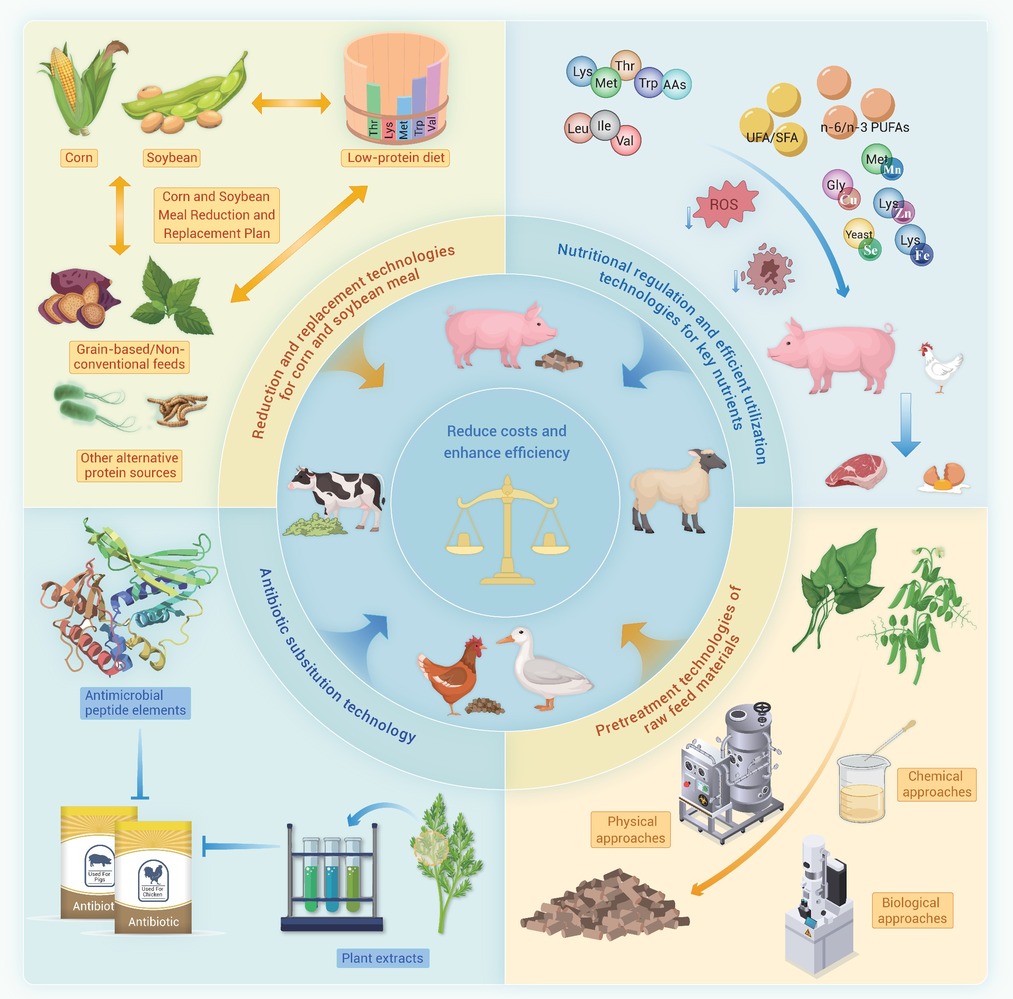
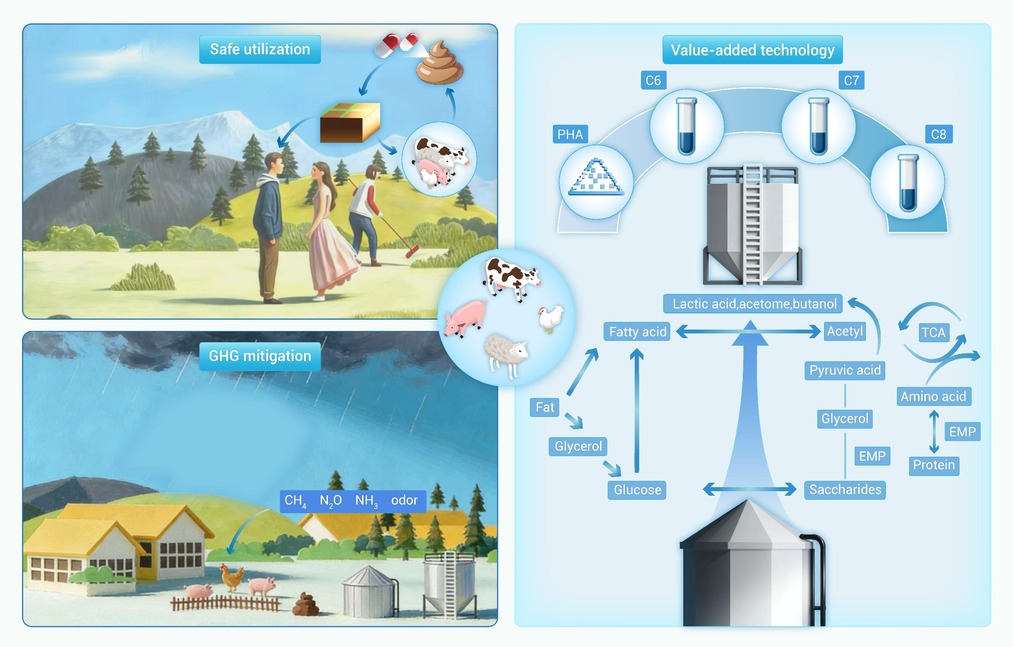
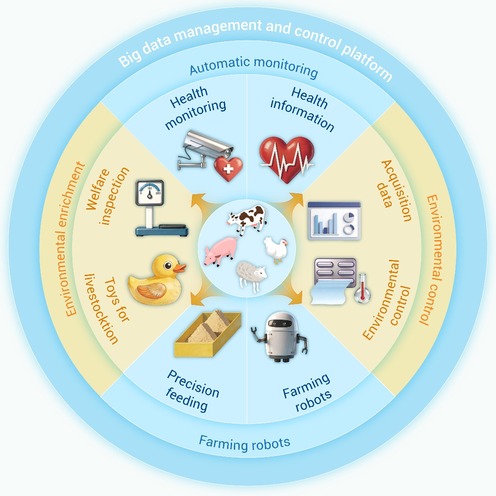
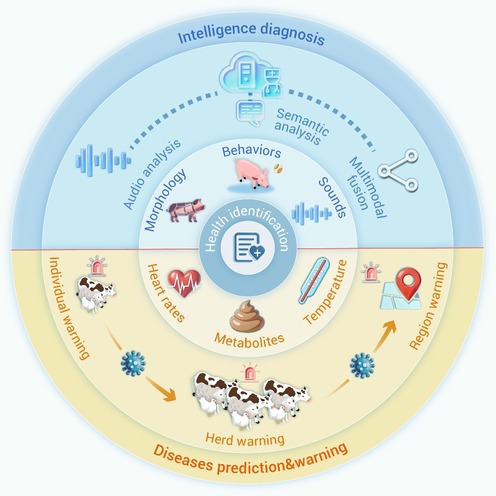
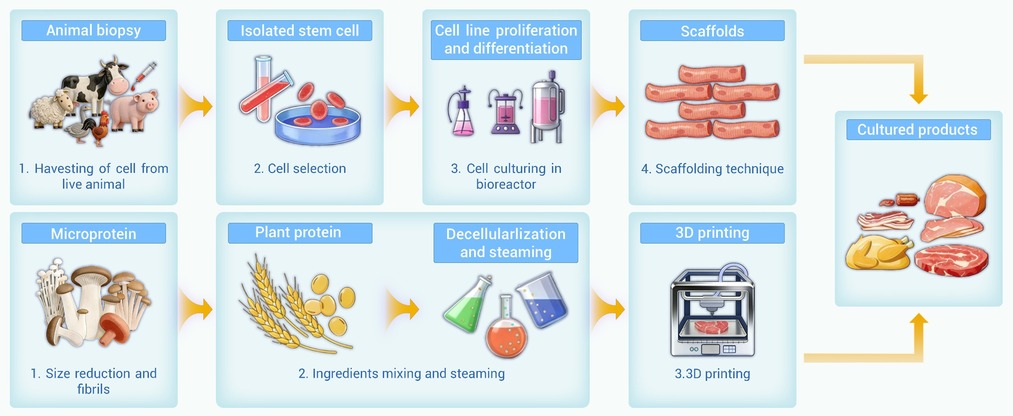
-
Figure 1.
Knowledge (big data) driven genome design and breeding for sustainable livestock and poultry production
-
Figure 2.
Efficient utilization of nutrients technologies in improving animal production and saving feed resources.
-
Figure 3.
Main value-added pathways and GHG mitigation for livestock and poultry manure.
-
Figure 4.
Smart farming technologies for livestock and poultry industry.
-
Figure 5.
Overview of livestock and poultry disease intelligent diagnosis technologies.
-
Figure 6.
General schemes for production of artificial meat including cell-cultured meat, plant-based meat and fungi-based meat.
