
Magnetic nanoparticle-mediated hyperthermia: From heating mechanisms to cancer theranostics
-
GRAPHICAL ABSTRACT

 DownLoad:
Full size image
DownLoad:
Full size image
-
PUBLIC SUMMARY
-
Heating mechanisms of magnetic nanoparticles under an alternating magnetic field are introduced.
Approaches to boost the specific absorption rate of magnetic nanoparticles are summarized.
Biological effects of magnetic hyperthermia on hierarchical structures in vivo are discussed.
Synergistic treatment and diagnosis via magnetic hyperthermia in biomedical applications are presented.
-
-
ABSTRACT
Magnetic nanoparticle-mediated hyperthermia (MHT) is a promising tumor theranostic technology due to its noninvasive nature and ability to penetrate deep tissues without greatly damaging normal tissues. To advance the clinical translation and application of MHT, we present a comprehensive overview of topics related to MHT, including the basic physical heating principles, magnetic nanoparticle design, biological effects and theranostic applications. First, the fundamental physical principles through which magnetic nanoparticles mediate hyperthermia are reviewed in detail. Subsequently, strategies to increase the magnetothermal effect and biological effects of MHT are highlighted. Then, MHT and multitechnology integration applications in precision diagnosis and treatment are introduced. Finally, the key challenges and outlooks of MHT for clinical purposes are discussed. -

-
REFERENCES
[1] Gavilan, H., Avugadda, S. K., Fernandez-Cabada, T., et al. (2021). Magnetic nanoparticles and clusters for magnetic hyperthermia: optimizing their heat performance and developing combinatorial therapies to tackle cancer. Chem. Soc. Rev. 50: 11614−11667. DOI: 10.1039/d1cs00427a. [2] Liu, X., Zhang, Y., Wang, Y., et al. (2020). Comprehensive understanding of magnetic hyperthermia for improving antitumor therapeutic efficacy. Theranostics. 10: 3793−3815. DOI: 10.7150/thno.40805. [3] Etemadi, H., Plieger, P. G. (2020). Magnetic fluid hyperthermia based on magnetic nanoparticles: Physical characteristics, historical perspective, clinical trials, technological challenges, and recent advances. Adv. Ther. 3: 2000061. DOI: 10.1002/adtp.202000061. [4] Chang, M., Hou, Z., Wang, M., et al. (2021). Recent advances in hyperthermia therapy-based synergistic immunotherapy. Adv. Mater. 33: 2004788. DOI: 10.1002/adma.202004788. [5] Gilchrist, R. K., Medal, R., Shorey, W. D., et al. (1957). Selective inductive heating of lymph nodes. Ann. Surg. 146: 596−606. DOI: 10.1097/00000658-195710000-00007. [6] Jordan, A., Scholz, R., Maier-Hauff, K., et al. (2001). Presentation of a new magnetic field therapy system for the treatment of human solid tumors with magnetic fluid hyperthermia. J. Magn. Magn. Mater. 225: 118−126. DOI: 10.1016/s0304-8853(00)01239-7. [7] Johannsen, M., Gneveckow, U., Eckelt, L., et al. (2005). Clinical hyperthermia of prostate cancer using magnetic nanoparticles: presentation of a new interstitial technique. Int. J. Hyperthermia. 21: 637−647. DOI: 10.1080/02656730500158360. [8] Mahmoudi, K., Bouras, A., Bozec, D., et al. (2018). Magnetic hyperthermia therapy for the treatment of glioblastoma: a review of the therapy's history, efficacy and application in humans. Int. J. Hyperthermia. 34: 1316−1328. DOI: 10.1080/02656736.2018.1430867. [9] Grauer, O., Jaber, M., Hess, K., et al. (2019). Combined intracavitary thermotherapy with iron oxide nanoparticles and radiotherapy as local treatment modality in recurrent glioblastoma patients. J. Neurooncol. 141: 83−94. DOI: 10.1007/s11060-018-03005-x. [10] Johannsen, M., Gneveckow, U., Thiesen, B., et al. (2007). Thermotherapy of prostate cancer using magnetic nanoparticles: feasibility, imaging, and three-dimensional temperature distribution. Eur. Urol. 52: 1653−1661. DOI: 10.1016/j.eururo.2006.11.023. [11] Matsumine, A., Takegami, K., Asanuma, K., et al. (2011). A novel hyperthermia treatment for bone metastases using magnetic materials. Int. J. Clin. Oncol. 16: 101−108. DOI: 10.1007/s10147-011-0217-3. [12] Gawne, P. J., Ferreira, M., Papaluca, M., et al. (2023). New opportunities and old challenges in the clinical translation of nanotheranostics. Nat. Rev. Mater. 8 :783-798. DOI: 10.1038/s41578-023-00581-x. [13] Bourquin, J., Milosevic, A., Hauser, D., et al. (2018). Biodistribution, clearance, and long-term fate of clinically relevant nanomaterials. Adv. Mater. 30: 1704307. DOI: 10.1002/adma.201704307. [14] Farzin, A., Etesami, S. A., Quint, J., et al. (2020). Magnetic nanoparticles in cancer therapy and diagnosis. Adv. Healthc. Mater. 9: 1901058. DOI: 10.1002/adhm.201901058. [15] Gavilán, H., Rizzo, G. M. R., Silvestri, N., et al. (2023). Scale-up approach for the preparation of magnetic ferrite nanocubes and other shapes with benchmark performance for magnetic hyperthermia applications. Nat. Protoc. 18: 783−809. DOI: 10.1038/s41596-022-00779-3. [16] Bertuit, E., Benassai, E., Meriguet, G., et al. (2022). Structure-property-function relationships of iron oxide multicore nanoflowers in magnetic hyperthermia and photothermia. ACS Nano 16: 271−284. DOI: 10.1021/acsnano.1c06212. [17] de la Encarnacion, C., Jimenez de Aberasturi, D., Liz-Marzan, L. M. (2022). Multifunctional plasmonic-magnetic nanoparticles for bioimaging and hyperthermia. Adv. Drug Deliv. Rev. 189: 114484. DOI: 10.1016/j.addr.2022.114484. [18] Chen, H., Li, Y., Wang, Y., et al. (2022). An engineered bacteria-hybrid microrobot with the magnetothermal bioswitch for remotely collective perception and imaging-guided cancer treatment. ACS Nano 16: 6118−6133. DOI: 10.1021/acsnano.1c11601. [19] Pan, J., Hu, P., Guo, Y., et al. (2020). Combined magnetic hyperthermia and immune therapy for primary and metastatic tumor treatments. ACS Nano 14: 1033−1044. DOI: 10.1021/acsnano.9b08550. [20] Balakrishnan, P. B., Silvestri, N., Fernandez-Cabada, T., et al. (2020). Exploiting unique alignment of cobalt ferrite nanoparticles, mild hyperthermia, and controlled intrinsic cobalt toxicity for cancer therapy. Adv. Mater. 32: 2003712. DOI: 10.1002/adma.202003712. [21] Gao, M., Feng, K., Zhang, X., et al. (2023). Nanoassembly with self-regulated magnetic thermal therapy and controlled immuno-modulating agent release for improved immune response. J. Control. Release. 357: 40−51. DOI: 10.1016/j.jconrel.2023.03.035. [22] Sebesta, C., Torres Hinojosa, D., Wang, B., et al. (2022). Subsecond multichannel magnetic control of select neural circuits in freely moving flies. Nat. Mater. 21: 951−958. DOI: 10.1038/s41563-022-01281-7. [23] Rosenfeld, D., Senko, A. W., Moon, J., et al. (2020). Transgene-free remote magnetothermal regulation of adrenal hormones. Sci. Adv. 6: eaaz3734. DOI: 10.1126/sciadv.aaz3734. [24] Pan, J., Xu, Y., Wu, Q., et al. (2021). Mild magnetic hyperthermia-activated innate immunity for liver cancer therapy. J. Am. Chem. Soc. 143: 8116−8128. DOI: 10.1021/jacs.1c02537. [25] Healy, S., Bakuzis, A. F., Goodwill, P. W., et al. (2022). Clinical magnetic hyperthermia requires integrated magnetic particle imaging. Wiley Interdiscip. Rev. Nanomed. Nanobiotechnol. 14: 1779. DOI: 10.1002/wnan.1779. [26] Song, G., Kenney, M., Chen, Y. S., et al. (2020). Carbon-coated FeCo nanoparticles as sensitive magnetic-particle-imaging tracers with photothermal and magnetothermal properties. Nat. Biomed. Eng. 4: 325−334. DOI: 10.1038/s41551-019-0506-0. [27] Ma, X., Liang, X., Li, Y., et al. (2023). Modular-designed engineered bacteria for precision tumor immunotherapy via spatiotemporal manipulation by magnetic field. Nat. Commun. 14: 1606. DOI: 10.1038/s41467-023-37225-1. [28] Zhu, Y., Li, Q., Wang, C., et al. (2023). Rational design of biomaterials to potentiate cancer thermal therapy. Chem. Rev. 123: 7326−7378. DOI: 10.1021/acs.chemrev.2c00822. [29] Soares, P. I. P., Romão, J., Matos, R., et al. (2021). Design and engineering of magneto-responsive devices for cancer theranostics: Nano to macro perspective. Prog. Mater. Sci. 116: 100742. DOI: 10.1016/j.pmatsci.2020.100742. [30] Fan, H., Guo, Z. (2023). Tumor microenvironment-responsive manganese-based nanomaterials for cancer treatment. Coord. Chem. Rev. 480: 215027. DOI: 10.1016/j.ccr.2023.215027. [31] Li, J., Luo, Y., Pu, K. (2021). Electromagnetic nanomedicines for combinational cancer immunotherapy. Angew. Chem. Int. Ed. 60: 12682−12705. DOI: 10.1002/anie.202008386. [32] Chiu-Lam, A., Rinaldi, C. (2016). Nanoscale thermal phenomena in the vicinity of magnetic nanoparticles in alternating magnetic fields. Adv. Funct. Mater. 26: 3933−3941. DOI: 10.1002/adfm.201505256. [33] Jeong, U., Teng, X., Wang, Y., et al. (2007). Superparamagnetic colloids: Controlled synthesis and niche applications. Adv. Mater. 19: 33−60. DOI: 10.1002/adma.200600674. [34] Goudu, S. R., Kim, H., Hu, X., et al. (2021). Mattertronics for programmable manipulation and multiplex storage of pseudo-diamagnetic holes and label-free cells. Nat. Commun. 12: 3024. DOI: 10.1038/s41467-021-23251-4. [35] Dong, L., Xu, Y. J., Sui, C., et al. (2022). Highly hydrated paramagnetic amorphous calcium carbonate nanoclusters as an MRI contrast agent. Nat. Commun. 13: 5088. DOI: 10.1038/s41467-022-32615-3. [36] Xu, Y., Ray, A., Shao, Y. T., et al. (2022). Coexisting ferromagnetic-antiferromagnetic state in twisted bilayer CrI3. Nat. Nanotechnol. 17: 143−147. DOI: 10.1038/s41565-021-01014-y. [37] Chen, X., Shi, S., Shi, G., et al. (2021). Observation of the antiferromagnetic spin Hall effect. Nat. Mater. 20: 800−804. DOI: 10.1038/s41563-021-00946-z. [38] Périgo, E. A., Hemery, G., Sandre, O., et al. (2015). Fundamentals and advances in magnetic hyperthermia. Appl. Phys. Rev. 2: 041302. DOI: 10.1063/1.4935688. [39] Yang, N., Gong, F., Cheng, L., et al. (2021). Biodegradable magnesium alloy with eddy thermal effect for effective and accurate magnetic hyperthermia ablation of tumors. Natl. Sci. Rev. 8: nwaa122. DOI: 10.1093/nsr/nwaa122. [40] Yang, X., Yang, N., Zhang, L., et al. (2022). Eddy current thermal effect based on magnesium microrods for combined tumor therapy. Chem. Eng. J. 446: 137038. DOI: 10.1016/j.cej.2022.137038. [41] Luo, Z., Hrabec, A., Dao, T. P., et al. (2020). Current-driven magnetic domain-wall logic. Nature. 579: 214−218. DOI: 10.1038/s41586-020-2061-y. [42] Han, L., Maccari, F., Souza Filho, I. R., et al. (2022). A mechanically strong and ductile soft magnet with extremely low coercivity. Nature. 608: 310−316. DOI: 10.1038/s41586-022-04935-3. [43] Choi, J., Lane, C., Zhu, J. X., et al. (2023). Asymmetric magnetic proximity interactions in MoSe(2)/CrBr(3) van der Waals heterostructures. Nat. Mater. 22: 305−310. DOI: 10.1038/s41563-022-01424-w. [44] Deatsch, A. E., Evans, B. A. (2014). Heating efficiency in magnetic nanoparticle hyperthermia. J. Magn. Magn. Mater. 354: 163−172. DOI: 10.1016/j.jmmm.2013.11.006. [45] Shasha, C., Krishnan, K. M. (2021). Nonequilibrium dynamics of magnetic nanoparticles with applications in biomedicine. Adv. Mater. 33: 1904131. DOI: 10.1002/adma.201904131. [46] Lin, F. C., Zink, J. I. (2020). Probing the local nanoscale heating mechanism of a magnetic core in mesoporous silica drug-delivery nanoparticles using fluorescence depolarization. J. Am. Chem. Soc. 142: 5212−5220. DOI: 10.1021/jacs.9b13082. [47] Das, P., Colombo, M., Prosperi, D. (2019). Recent advances in magnetic fluid hyperthermia for cancer therapy. Colloids Surf. B. 174: 42−55. DOI: 10.1016/j.colsurfb.2018.10.051. [48] Shaterabadi, Z., Nabiyouni, G., Soleymani, M. (2018). Physics responsible for heating efficiency and self-controlled temperature rise of magnetic nanoparticles in magnetic hyperthermia therapy. Prog. Biophys. Mol. Biol. 133: 9−19. DOI: 10.1016/j.pbiomolbio.2017.10.001. [49] Cardoso, V. F., Francesko, A., Ribeiro, C., et al. (2018). Advances in Magnetic Nanoparticles for Biomedical Applications. Adv. Healthc. Mater. 7: 1700845. DOI: 10.1002/adhm.201700845. [50] Mamiya, H., Fukumoto, H., Cuya Huaman, J. L., et al. (2020). Estimation of magnetic anisotropy of individual magnetite nanoparticles for magnetic hyperthermia. ACS Nano 14: 8421−8432. DOI: 10.1021/acsnano.0c02521. [51] Mohapatra, J., Zeng, F., Elkins, K., et al. (2018). Size-dependent magnetic and inductive heating properties of Fe(3)O(4) nanoparticles: scaling laws across the superparamagnetic size. Phys. Chem. Chem. Phys. 20: 12879−12887. DOI: 10.1039/c7cp08631h. [52] Tong, S., Quinto, C. A., Zhang, L., et al. (2017). Size-Dependent Heating of Magnetic Iron Oxide Nanoparticles. ACS Nano. 11: 6808−6816. DOI: 10.1021/acsnano.7b01762. [53] Dadfar, S. M., Camozzi, D., Darguzyte, M., et al. (2020). Size-isolation of superparamagnetic iron oxide nanoparticles improves MRI, MPI and hyperthermia performance. J. Nanobiotechnology. 18: 22. DOI: 10.1186/s12951-020-0580-1. [54] Muro-Cruces, J., Roca, A. G., Lopez-Ortega, A., et al. (2019). Precise size control of the growth of Fe3O4 nanocubes over a wide size range using a rationally designed one-pot synthesis. ACS Nano 13: 7716−7728. DOI: 10.1021/acsnano.9b01281. [55] Zhang, Y., Wang, X., Chu, C., et al. (2020). Genetically engineered magnetic nanocages for cancer magneto-catalytic theranostics. Nat. Commun. 11: 5421. DOI: 10.1038/s41467-020-19061-9. [56] Zhang, L., Zhang, Q., Hinojosa, D. T., et al. (2022). Multifunctional magnetic nanoclusters can induce immunogenic cell death and suppress tumor recurrence and metastasis. ACS Nano 16: 18538−18554. DOI: 10.1021/acsnano.2c06776. [57] Liu, X., Zheng, J., Sun, W., et al. (2019). Ferrimagnetic vortex nanoring-mediated mild magnetic hyperthermia imparts potent immunological effect for treating cancer metastasis. ACS Nano 13: 8811−8825. DOI: 10.1021/acsnano.9b01979. [58] Chen, Z., Peng, Y., Li, Y., et al. (2021). Aptamer-dendrimer functionalized magnetic nano-octahedrons: Theranostic drug/gene delivery platform for near-infrared/magnetic resonance imaging-guided magnetochemotherapy. ACS Nano 15: 16683−16696. DOI: 10.1021/acsnano.1c06667. [59] Albarqi, H. A., Wong, L. H., Schumann, C., et al. (2019). Biocompatible nanoclusters with high heating efficiency for systemically delivered magnetic hyperthermia. ACS Nano 13: 6383−6395. DOI: 10.1021/acsnano.8b06542. [60] Liu, H., Sun, R., Wang, L., et al. (2022). Biocompatible iron oxide nanoring-labeled mesenchymal stem cells: An innovative magnetothermal approach for cell tracking and targeted stroke therapy. ACS Nano 16: 18806−18821. DOI: 10.1021/acsnano.2c07581. [61] Jang, J. T., Lee, J., Seon, J., et al. (2018). Giant Magnetic Heat Induction of Magnesium-Doped gamma-Fe2O3 Superparamagnetic Nanoparticles for Completely Killing Tumors. Adv. Mater. 30: 1704362. DOI: 10.1002/adma.201704362. [62] Noh, S.-h., Moon, S. H., Shin, T.-H., et al. (2017). Recent advances of magneto-thermal capabilities of nanoparticles: From design principles to biomedical applications. Nano Today. 13: 61−76. DOI: 10.1016/j.nantod.2017.02.006. [63] Wang, M., Chen, Q., Xu, D., et al. (2022). Self-cycling redox nanoplatform in synergy with mild magnetothermal and autophagy inhibition for efficient cancer therapy. Nano Today. 43: 101374. DOI: 10.1016/j.nantod.2022.101374. [64] Duan, M., Zhu, X., Fan, L., et al. (2022). Phase-Transitional Bismuth-Based Metals enable Rapid Embolotherapy, Hyperthermia, and Biomedical Imaging. Adv. Mater. 34: 2205002. DOI: 10.1002/adma.202205002. [65] Wu, H., Liu, L., Ma, M., et al. (2023). Modulation of blood-brain tumor barrier for delivery of magnetic hyperthermia to brain cancer. J. Control. Release. 355: 248−258. DOI: 10.1016/j.jconrel.2023.01.072. [66] Yu, X., Yang, T., Liu, R., et al. (2022). Simultaneous enhancement of magnetothermal and photothermal responses by Zn, Co Co-doped ferrite nanoparticles. Small 18: 2205037. DOI: 10.1002/smll.202205037. [67] Silvestri, N., Gavilan, H., Guardia, P., et al. (2021). Di- and tri-component spinel ferrite nanocubes: synthesis and their comparative characterization for theranostic applications. Nanoscale. 13: 13665−13680. DOI: 10.1039/d1nr01044a. [68] Laha, S. S., Thorat, N. D., Singh, G., et al. (2022). Rare-Earth doped iron oxide nanostructures for cancer theranostics: Magnetic hyperthermia and magnetic resonance imaging. Small 18: 2104855. DOI: 10.1002/smll.202104855. [69] Jiang, K., Zhang, Q., Hinojosa, D. T., et al. (2021). Controlled oxidation and surface modification increase heating capacity of magnetic iron oxide nanoparticles. Appl. Phys. Rev. 8: 031407. DOI: 10.1063/5.0042478. [70] Dhas, N., Kudarha, R., Pandey, A., et al. (2021). Stimuli responsive and receptor targeted iron oxide based nanoplatforms for multimodal therapy and imaging of cancer: Conjugation chemistry and alternative therapeutic strategies. J. Control. Release. 333: 188−245. DOI: 10.1016/j.jconrel.2021.03.021. [71] Bordet, A., Landis, R. F., Lee, Y., et al. (2019). Water-dispersible and biocompatible iron carbide nanoparticles with high specific absorption rate. ACS Nano 13: 2870−2878. DOI: 10.1021/acsnano.8b05671. [72] Chen, W., Cheng, C. A., and Zink, J. I. (2019). Spatial, temporal, and dose control of drug delivery using noninvasive magnetic stimulation. ACS Nano 13: 1292−1308. DOI: 10.1021/acsnano.8b06655. [73] Abdollah, M. R. A., Carter, T. J., Jones, C., et al. (2018). Fucoidan prolongs the circulation time of dextran-coated iron oxide nanoparticles. ACS Nano 12: 1156−1169. DOI: 10.1021/acsnano.7b06734. [74] Hu, A., Pu, Y., Xu, N., et al. (2023). Controlled intracellular aggregation of magnetic particles improves permeation and retention for magnetic hyperthermia promotion and immune activation. Theranostics. 13: 1454−1469. DOI: 10.7150/thno.80821. [75] Li, H., Feng, Y., Luo, Q., et al. (2023). Stimuli-activatable nanomedicine meets cancer theranostics. Theranostics. 13: 5386−5417. DOI: 10.7150/thno.87854. [76] Karimi, M., Ghasemi, A., Sahandi Zangabad, P., et al. (2016). Smart micro/nanoparticles in stimulus-responsive drug/gene delivery systems. Chem. Soc. Rev. 45: 1457−501. DOI: 10.1039/c5cs00798d. [77] Mai, B. T., Fernandes, S., Balakrishnan, P. B., et al. (2018). Nanosystems based on magnetic nanoparticles and thermo- or pH-responsive polymers: An update and future perspectives. Acc. Chem. Res. 51: 999−1013. DOI: 10.1021/acs.accounts.7b00549. [78] Huang, L., Lu, Y., Guo, S., et al. (2022). A strategy of limited‐space controlled aggregation for generic enhancement of drug loading capability. Adv. Funct. Mater. 33: 2209278. DOI: 10.1002/adfm.202209278. [79] Hao, L., Li, J., Wang, P., et al. (2021). Spatiotemporal magnetocaloric microenvironment for guiding the fate of biodegradable polymer implants. Adv. Funct. Mater. 31: 2009661. DOI: 10.1002/adfm.202009661. [80] Song, Y., Li, D., Lu, Y., et al. (2020). Ferrimagnetic mPEG-b-PHEP copolymer micelles loaded with iron oxide nanocubes and emodin for enhanced magnetic hyperthermia-chemotherapy. Natl. Sci. Rev. 7: 723−736. DOI: 10.1093/nsr/nwz201. [81] Wu, J., Ning, P., Gao, R., et al. (2020). Programmable ROS-mediated cancer therapy via magneto-inductions. Adv. Sci. 7: 1902933. DOI: 10.1002/advs.201902933. [82] Zhao, S., Yu, X., Qian, Y., et al. (2020). Multifunctional magnetic iron oxide nanoparticles: an advanced platform for cancer theranostics. Theranostics. 10: 6278−6309. DOI: 10.7150/thno.42564. [83] Dadfar, S. M., Roemhild, K., Drude, N. I., et al. (2019). Iron oxide nanoparticles: Diagnostic, therapeutic and theranostic applications. Adv. Drug Deliv. Rev. 138: 302−325. DOI: 10.1016/j.addr.2019.01.005. [84] Ding, B., Zheng, P., Ma, P., et al. (2020). Manganese oxide nanomaterials: Synthesis, properties, and theranostic applications. Adv. Mater. 32: 1905823. DOI: 10.1002/adma.201905823. [85] Zhao, N., Yan, L., Xue, J., et al. (2021). Degradable one-dimensional dextran-iron oxide nanohybrids for MRI-guided synergistic gene/photothermal/magnetolytic therapy. Nano Today. 38: 101118. DOI: 10.1016/j.nantod.2021.101118. [86] Choi, J., Kim, D. I., Kim, J. Y., et al. (2023). Magnetically enhanced intracellular uptake of superparamagnetic iron oxide nanoparticles for antitumor therapy. ACS Nano 17: 15857−15870. DOI: 10.1021/acsnano.3c03780. [87] Niculaes, D., Lak, A., Anyfantis, G. C., et al. (2017). Asymmetric assembling of iron oxide nanocubes for improving magnetic hyperthermia performance. ACS Nano 11: 12121−12133. DOI: 10.1021/acsnano.7b05182. [88] Yang, F., Skripka, A., Tabatabaei, M. S., et al. (2019). Multifunctional self-assembled supernanoparticles for deep-tissue bimodal imaging and amplified dual-mode heating treatment. ACS Nano 13: 408−420. DOI: 10.1021/acsnano.8b06563. [89] Pham, T. A., Schreiber, A., Schiller, S. M., et al. (2017). Toroidal protein adaptor assembles ferrimagnetic nanoparticle fibers with constructive magnetic coupling. Adv. Funct. Mater. 27: 1604532. DOI: 10.1002/adfm.201604532. [90] Yang, M. D., Ho, C. H., Ruta, S., et al. (2018). Magnetic interaction of multifunctional core-shell nanoparticles for highly effective theranostics. Adv. Mater. 30: 1802444. DOI: 10.1002/adma.201802444. [91] Kang, T., Cha, G. D., Park, O. K., et al. (2023). Penetrative and sustained drug delivery using injectable hydrogel nanocomposites for postsurgical brain tumor treatment. ACS Nano 17: 5435−5447. DOI: 10.1021/acsnano.2c10094. [92] Hayashi, K., Sakamoto, W., Yogo, T. (2016). Smart ferrofluid with quick gel transformation in tumors for MRI-guided local magnetic thermochemotherapy. Adv. Funct. Mater. 26: 1708−1718. DOI: 10.1002/adfm.201504215. [93] Li, H., Sun, J., Zhu, H., et al. (2020). Recent advances in development of dendritic polymer‐based nanomedicines for cancer diagnosis. WIREs Nanomedicine and Nanobiotechnology. 13: 1670. DOI: 10.1002/wnan.1670. [94] Gong, J., Hu, J., Yan, X., et al. (2023). Injectable hydrogels including magnetic nanosheets for multidisciplinary treatment of hepatocellular carcinoma via magnetic hyperthermia. Small 12: 2300733. DOI: 10.1002/smll.202300733. [95] Yuan, P., Yang, T., Liu, T., et al. (2020). Nanocomposite hydrogel with NIR/magnet/enzyme multiple responsiveness to accurately manipulate local drugs for on-demand tumor therapy. Biomaterials. 262: 120357. DOI: 10.1016/j.biomaterials.2020.120357. [96] Yu, X., Gao, S., Wu, D., et al. (2022). Bone tumor suppression in rabbits by hyperthermia below the clinical safety limit using aligned magnetic bone cement. Small. 18: 2104626. DOI: 10.1002/smll.202104626. [97] Biedrzycka, A., Skwarek, E., Hanna, U. M. (2021). Hydroxyapatite with magnetic core: Synthesis methods, properties, adsorption and medical applications. Adv. Colloid Interface Sci. 291: 102401. DOI: 10.1016/j.cis.2021.102401. [98] Lu, Y.-J., Chuang, E.-Y., Cheng, Y.-H., et al. (2019). Thermosensitive magnetic liposomes for alternating magnetic field-inducible drug delivery in dual targeted brain tumor chemotherapy. Chem. Eng. J. 373: 720−733. DOI: 10.1016/j.cej.2019.05.055. [99] Ximendes, E., Marin, R., Shen, Y., et al. (2021). Infrared-emitting multimodal nanostructures for controlled in vivo magnetic hyperthermia. Adv. Mater. 33: 2100077. DOI: 10.1002/adma.202100077. [100] De Pasquale, D., Pucci, C., Desii, A., et al. (2023). A novel patient-personalized nanovector based on homotypic recognition and magnetic hyperthermia for an efficient treatment of glioblastoma multiforme. Adv. Healthc. Mater. 12: 2203120. DOI: 10.1002/adhm.202203120. [101] Amiri, M., Salavati-Niasari, M., Akbari, A. (2019). Magnetic nanocarriers: Evolution of spinel ferrites for medical applications. Adv. Colloid Interface Sci. 265: 29−44. DOI: 10.1016/j.cis.2019.01.003. [102] Moon, J., Christiansen, M. G., Rao, S., et al. (2020). Magnetothermal multiplexing for selective remote control of cell signaling. Adv. Funct. Mater. 30: 2000577. DOI: 10.1002/adfm.202000577. [103] Son, S., Kim, J., Kim, J., et al. (2022). Cancer therapeutics based on diverse energy sources. Chem. Soc. Rev. 51: 8201−8215. DOI: 10.1039/d2cs00102k. [104] Liu, L., Deng, H., Tang, X., et al. (2021). Specific electromagnetic radiation in the wireless signal range increases wakefulness in mice. Proc. Natl. Acad. Sci. U. S. A. 118: 2105838118. DOI: 10.1073/pnas.2105838118. [105] Erdal, M. E., Yilmaz, S. G., Gurgul, S., et al. (2018). miRNA expression profile is altered differentially in the rat brain compared to blood after experimental exposure to 50 Hz and 1 mT electromagnetic field. Prog. Biophys. Mol. Biol. 132: 35−42. DOI: 10.1016/j.pbiomolbio.2017.08.001. [106] Chen, R., Romero, G., Christiansen, M. G., et al. (2015). Wireless magnetothermal deep brain stimulation. Science. 347: 1477−1480. DOI: 10.1126/science.1261821. [107] Xia, X., Yin, Z., Yang, Y., et al. (2022). In situ upregulating heat shock protein 70 via gastric nano-heaters for the interference of helicobacter pylori infection. ACS Nano 16: 14043−14054. DOI: 10.1021/acsnano.2c03911. [108] Ying, W., Zhang, Y., Gao, W., et al. (2020). Hollow magnetic nanocatalysts drive starvation-chemodynamic-hyperthermia synergistic therapy for tumor. ACS Nano 14: 9662−9674. DOI: 10.1021/acsnano.0c00910. [109] Wang, L., Hu, P., Jiang, H., et al. (2022). Mild hyperthermia-mediated osteogenesis and angiogenesis play a critical role in magnetothermal composite-induced bone regeneration. Nano Today. 43: 101401. DOI: 10.1016/j.nantod.2022.101401. [110] Shen, J., Rees, T. W., Zhou, Z., et al. (2020). A mitochondria-targeting magnetothermogenic nanozyme for magnet-induced synergistic cancer therapy. Biomaterials. 251: 120079. DOI: 10.1016/j.biomaterials.2020.120079. [111] Massner, C., Sigmund, F., Pettinger, S., et al. (2018). Genetically controlled lysosomal entrapment of superparamagnetic ferritin for multimodal and multiscale imaging and actuation with low tissue attenuation. Adv. Funct. Mater. 28: 1706793. DOI: 10.1002/adfm.201706793. [112] Shah, B. P., Pasquale, N., De, G., et al. (2014). Core–shell nanoparticle-based peptide therapeutics and combined hyperthermia for enhanced cancer cell apoptosis. ACS Nano 8: 9379−9387. DOI: 10.1021/nn503431x. [113] Jiang, H., Fu, H., Guo, Y., et al. (2022). Evoking tumor associated macrophages by mitochondria-targeted magnetothermal immunogenic cell death for cancer immunotherapy. Biomaterials. 289: 121799. DOI: 10.1016/j.biomaterials.2022.121799. [114] Wang, X., Law, J., Luo, M., et al. (2020). Magnetic measurement and stimulation of cellular and intracellular structures. ACS Nano 14: 3805−3821. DOI: 10.1021/acsnano.0c00959. [115] Kilinc, D., Dennis, C. L., Lee, G. U. (2016). Bio-nano-magnetic materials for localized mechanochemical Stimulation of cell growth and death. Adv. Mater. 28: 5672−5680. DOI: 10.1002/adma.201504845. [116] Gu, Y., Pinol, R., Moreno-Loshuertos, R., et al. (2023). Local temperature increments and induced cell death in intracellular magnetic hyperthermia. ACS Nano 17: 6822−6832. DOI: 10.1021/acsnano.3c00388. [117] Cabrera, D., Coene, A., Leliaert, J., et al. (2018). Dynamical magnetic response of iron oxide nanoparticles inside live cells. ACS Nano 12: 2741−2752. DOI: 10.1021/acsnano.7b08995. [118] Andreu, I., Natividad, E., Solozabal, L., et al. (2015). Nano-objects for addressing the control of nanoparticle arrangement and performance in magnetic hyperthermia. ACS Nano 9: 1408−1419. DOI: 10.1021/nn505781f. [119] Ma, X., Wang, L., Wang, P., et al. (2022). An electromagnetically actuated magneto-nanozyme mediated synergistic therapy for destruction and eradication of biofilm. Chem. Eng. J. 431: 133971. DOI: 10.1016/j.cej.2021.133971. [120] Wang, S., Vong, L. B., Heger, Z., et al. (2023). PtNi nano trilobal-based nanostructure with magnetocaloric oscillation and catalytic effects for pyroptosis-triggered tumor immunotherapy. Nano Today. 49: 101769. DOI: 10.1016/j.nantod.2023.101769. [121] Soukup, D., Moise, S., Cespedes, E., et al. (2015). In situ measurement of magnetization relaxation of internalized nanoparticles in live cells. ACS Nano. 9: 231−240. DOI: 10.1021/nn503888j. [122] Ramos-Docampo, M. A., Fernandez-Medina, M., Taipaleenmaki, E., et al. (2019). Microswimmers with heat delivery capacity for 3D cell spheroid penetration. ACS Nano 13: 12192−12205. DOI: 10.1021/acsnano.9b06869. [123] Nowak-Jary, J., Machnicka, B. (2022). Pharmacokinetics of magnetic iron oxide nanoparticles for medical applications. J. Nanobiotechnology. 20: 305. DOI: 10.1186/s12951-022-01510-w. [124] Senthilkumar, N., Sharma, P. K., Sood, N., et al. (2021). Designing magnetic nanoparticles for in vivo applications and understanding their fate inside human body. Coord. Chem. Rev. 445: 214082. DOI: 10.1016/j.ccr.2021.214082. [125] Zhang, T., Li, G., Miao, Y., et al. (2021). Magnetothermal regulation of in vivo protein corona formation on magnetic nanoparticles for improved cancer nanotherapy. Biomaterials. 276: 121021. DOI: 10.1016/j.biomaterials.2021.121021. [126] Carter, T. J., Agliardi, G., Lin, F. Y., et al. (2021). Potential of magnetic hyperthermia to stimulate localized immune activation. Small 17: 2005241. DOI: 10.1002/smll.202005241. [127] Soetaert, F., Korangath, P., Serantes, D., et al. (2020). Cancer therapy with iron oxide nanoparticles: Agents of thermal and immune therapies. Adv. Drug Deliv. Rev. 163: 65−83. DOI: 10.1016/j.addr.2020.06.025. [128] Chen, Y., and Zhao, Y. (2023). Harnessing whole tumor cells for tumor immunotherapy. The Innovation Materials 1: 100018. DOI: 10.59717/j.xinn-mater.2023.100018. [129] Rao, S., Chen, R., LaRocca, A. A., et al. (2019). Remotely controlled chemomagnetic modulation of targeted neural circuits. Nat. Nanotechnol. 14: 967−973. DOI: 10.1038/s41565-019-0521-z. [130] Zhuang, H., Wei, F., Jiang, L., et al. (2020). Assessment of spinal tumor treatment using implanted 3D-printed vertebral bodies with robotic stereotactic radiotherapy. The Innovation 1: 100040. DOI: 10.1016/j.xinn.2020.100040. [131] Wang, Y., Zou, L., Qiang, Z., et al. (2020). Enhancing targeted cancer treatment by combining hyperthermia and radiotherapy using Mn-Zn ferrite magnetic nanoparticles. ACS Biomater. Sci. Eng. 6: 3550−3562. DOI: 10.1021/acsbiomaterials.0c00287. [132] Wang, C., Zhao, N., Huang, Y., et al. (2020). Coordination of injectable self-healing hydrogel with Mn-Zn ferrite@mesoporous silica nanospheres for tumor MR imaging and efficient synergistic magnetothermal-chemo-chemodynamic therapy. Chem. Eng. J. 401: 126100. DOI: 10.1016/j.cej.2020.126100. [133] Dong, S., Chen, Y., Yu, L., et al. (2019). Magnetic hyperthermia–synergistic H2O2 self‐sufficient catalytic suppression of osteosarcoma with enhanced bone‐regeneration bioactivity by 3D‐printing composite scaffolds. Adv. Funct. Mater. 30: 1907071. DOI: 10.1002/adfm.201907071. [134] Liu, X., Yan, B., Li, Y., et al. (2020). Graphene oxide-grafted magnetic nanorings mediated magnetothermodynamic therapy favoring reactive oxygen species-related immune response for enhanced antitumor efficacy. ACS Nano 14: 1936−1950. DOI: 10.1021/acsnano.9b08320. [135] Wu, H., Liu, L., Song, L., et al. (2019). Enhanced tumor synergistic therapy by injectable magnetic hydrogel mediated generation of hyperthermia and highly toxic reactive oxygen species. ACS Nano 13: 14013−14023. DOI: 10.1021/acsnano.9b06134. [136] Duan, X., Chan, C., Lin, W. (2019). Nanoparticle-mediated immunogenic cell death enables and potentiates cancer immunotherapy. Angew. Chem. Int. Ed. 58: 670−680. DOI: 10.1002/anie.201804882. [137] Yang, Z., Gao, D., Zhao, J., et al. (2023). Thermal immuno-nanomedicine in cancer. Nat. Rev. Clin. Oncol. 20: 116−134. DOI: 10.1038/s41571-022-00717-y. [138] Yalamandala, B. N., Huynh, T. M. H., Chiang, M. R., et al. (2022). Programmed Catalytic Therapy and Antigen Capture‐Mediated Dendritic Cells Harnessing Cancer Immunotherapies by In Situ‐Forming Adhesive Nanoreservoirs. Adv. Funct. Mater. 33: 2210644. DOI: 10.1002/adfm.202210644. [139] Jiang, H., Guo, Y., Yu, Z., et al. (2022). Nanocatalytic bacteria disintegration reverses immunosuppression of colorectal cancer. Natl. Sci. Rev. 9: nwac169. DOI: 10.1093/nsr/nwac169. [140] Sharma, S. K., Shrivastava, N., Rossi, F., et al. (2019). Nanoparticles-based magnetic and photo induced hyperthermia for cancer treatment. Nano Today. 29: 100795. DOI: 10.1016/j.nantod.2019.100795. [141] Dai, H., Shen, Q., Shao, J., et al. (2021). Small molecular NIR-II fluorophores for cancer phototheranostics. The Innovation 2: 100082. DOI: 10.1016/j.xinn.2021.100082. [142] Cazares-Cortes, E., Cabana, S., Boitard, C., et al. (2019). Recent insights in magnetic hyperthermia: From the "hot-spot" effect for local delivery to combined magneto-photo-thermia using magneto-plasmonic hybrids. Adv. Drug Deliv. Rev. 138: 233−246. DOI: 10.1016/j.addr.2018.10.016. [143] Espinosa, A., Kolosnjaj-Tabi, J., Abou-Hassan, A., et al. (2018). Magnetic (hyper)thermia or photothermia. Progressive comparison of iron oxide and gold nanoparticles heating in water, in cells, and in vivo. Adv. Funct. Mater. 28: 1803660. DOI: 10.1002/adfm.201803660. [144] Espinosa, A., Reguera, J., Curcio, A., et al. (2020). Janus magnetic-plasmonic nanoparticles for magnetically guided and thermally activated cancer therapy. Small 16: 1904960. DOI: 10.1002/smll.201904960. [145] Wang, Z., Zhang, F., Shao, D., et al. (2019). Janus nanobullets combine photodynamic therapy and magnetic hyperthermia to potentiate synergetic anti-metastatic immunotherapy. Adv. Sci. 6: 1901690. DOI: 10.1002/advs.201901690. [146] Curcio, A., Silva, A. K. A., Cabana, S., et al. (2019). Iron oxide nanoflowers @ CuS hybrids for cancer tri-therapy: Interplay of photothermal therapy, magnetic hyperthermia and photodynamic therapy. Theranostics. 9: 1288−1302. DOI: 10.7150/thno.30238. [147] Sasikala, A. R. K., Kaliannagounder, V. K., Alluri, N. R., et al. (2022). Development of self-powered multifunctional piezomagnetic nanoparticles for non-invasive post-surgical osteosarcoma theranogeneration. Nano Energy. 96: 107134. DOI: 10.1016/j.nanoen.2022.107134. [148] Zhang, Y., Xu, Y., Sun, D., et al. (2020). Hollow magnetic nanosystem-boosting synergistic effect between magnetic hyperthermia and sonodynamic therapy via modulating reactive oxygen species and heat shock proteins. Chem. Eng. J. 390: 124521. DOI: 10.1016/j.cej.2020.124521. [149] Moros, M., Idiago-Lopez, J., Asin, L., et al. (2019). Triggering antitumoural drug release and gene expression by magnetic hyperthermia. Adv. Drug Deliv. Rev. 138: 326−343. DOI: 10.1016/j.addr.2018.10.004. [150] Wang, Z., Chang, Z., Lu, M., et al. (2018). Shape-controlled magnetic mesoporous silica nanoparticles for magnetically-mediated suicide gene therapy of hepatocellular carcinoma. Biomaterials. 154: 147−157. DOI: 10.1016/j.biomaterials.2017.10.047. [151] Song, T., Yang, G., Zhang, H., et al. (2023). Enhanced ferroptosis therapy with a “nano-destructor” by disrupting intracellular redox and iron homeostasis. Nano Today. 51: 101896. DOI: 10.1016/j.nantod.2023.101896. [152] Huang, L., Feng, J., Zhu, J., et al. (2023). A strategy of fenton reaction cycloacceleration for high-performance ferroptosis therapy initiated by tumor microenvironment remodeling. Adv. Healthc. Mater. 12: 2203362. DOI: 10.1002/adhm.202203362. [153] Huang, L., Zhu, J., Xiong, W., et al. (2023). Tumor-generated reactive oxygen species storm for high-performance ferroptosis therapy. ACS Nano 17: 11492−11506. DOI: 10.1021/acsnano.3c01369. [154] Chen, X., Wang, H., Shi, J., et al. (2023). An injectable and active hydrogel induces mutually enhanced mild magnetic hyperthermia and ferroptosis. Biomaterials. 298: 122139. DOI: 10.1016/j.biomaterials.2023.122139. [155] Lu, Y., Liang, Z., Feng, J., et al. (2022). Facile synthesis of weakly ferromagnetic organogadolinium macrochelates‐based T1‐weighted magnetic resonance imaging contrast agents. Adv. Sci. 10: 2205109. DOI: 10.1002/advs.202205109. [156] Jeon, M., Halbert, M. V., Stephen, Z. R., et al. (2021). Iron oxide nanoparticles as T(1) contrast agents for magnetic resonance imaging: Fundamentals, challenges, applications, and prospectives. Adv. Mater. 33: 1906539. DOI: 10.1002/adma.201906539. [157] Tay, Z. W., Chandrasekharan, P., Chiu-Lam, A., et al. (2018). Magnetic particle imaging-guided heating in vivo using gradient fields for arbitrary localization of magnetic hyperthermia therapy. ACS Nano 12: 3699−3713. DOI: 10.1021/acsnano.8b00893. [158] Chandrasekharan, P., Tay, Z. W., Hensley, D., et al. (2020). Using magnetic particle imaging systems to localize and guide magnetic hyperthermia treatment: tracers, hardware, and future medical applications. Theranostics. 10: 2965−2981. DOI: 10.7150/thno.40858. [159] Wang, W., Fan, X., Qiu, J., et al. (2019). Extracorporeal magnetic thermotherapy materials for self-controlled temperature through phase transition. Chem. Eng. J. 358: 1279−1286. DOI: 10.1016/j.cej.2018.10.118. [160] Xu, L., Luo, Y., Du, Q., et al. (2023). Magnetic response combined with bioactive ion therapy: A RONS-scavenging theranostic nanoplatform for thrombolysis and renal ischemia-reperfusion injury. ACS Nano 17: 5695−5712. DOI: 10.1021/acsnano.2c12091. [161] Greeson, E. M., Madsen, C. S., Makela, A. V., et al. (2022). Magnetothermal control of temperature-sensitive repressors in superparamagnetic iron nanoparticle-coated bacillus subtilis. ACS Nano 16: 16699−16712. DOI: 10.1021/acsnano.2c06239. -
ABOUT THIS ARTICLE
Cite this article:
Bai S., Hou S., Chen T., et al., (2024). Magnetic nanoparticle-mediated hyperthermia: From heating mechanisms to cancer theranostics. The Innovation Materials 2(1): 100051. https://doi.org/10.59717/j.xinn-mater.2024.100051
Welcome!
To request copyright permission to republish or share portions of our works, please visit Copyright Clearance Center's (CCC) Marketplace website at marketplace.copyright.com.
Export File
Citation
Bai S., Hou S., Chen T., et al., (2024). Magnetic nanoparticle-mediated hyperthermia: From heating mechanisms to cancer theranostics. The Innovation Materials 2(1): 100051. https://doi.org/10.59717/j.xinn-mater.2024.100051

Format
Content


-
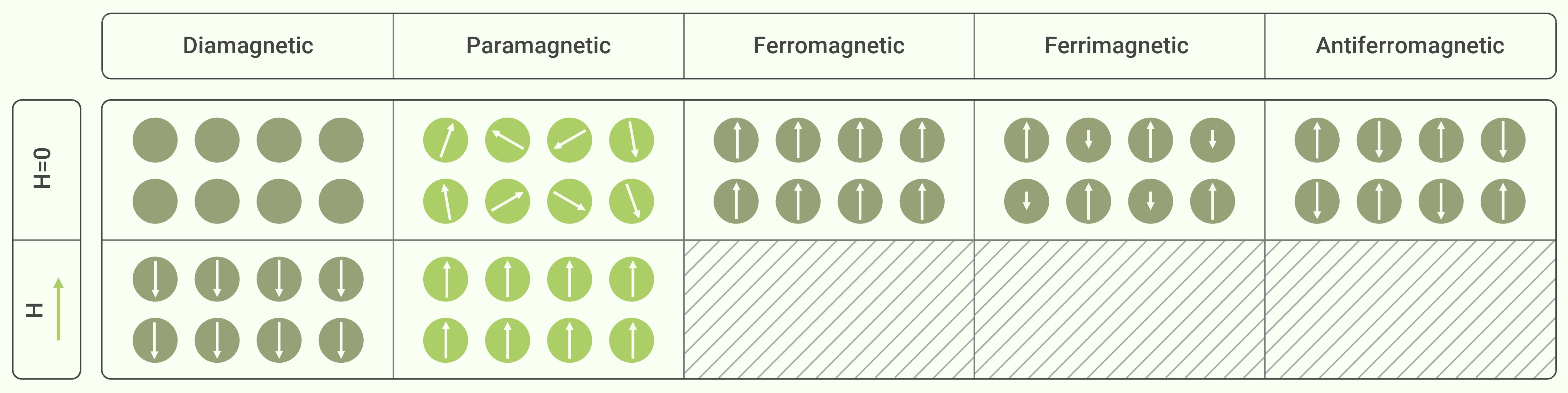
Figure 1.
Schematic of the magnetic dipole arrangements of five different magnetic materials in the absence and presence of an external magnetic field (H).
-
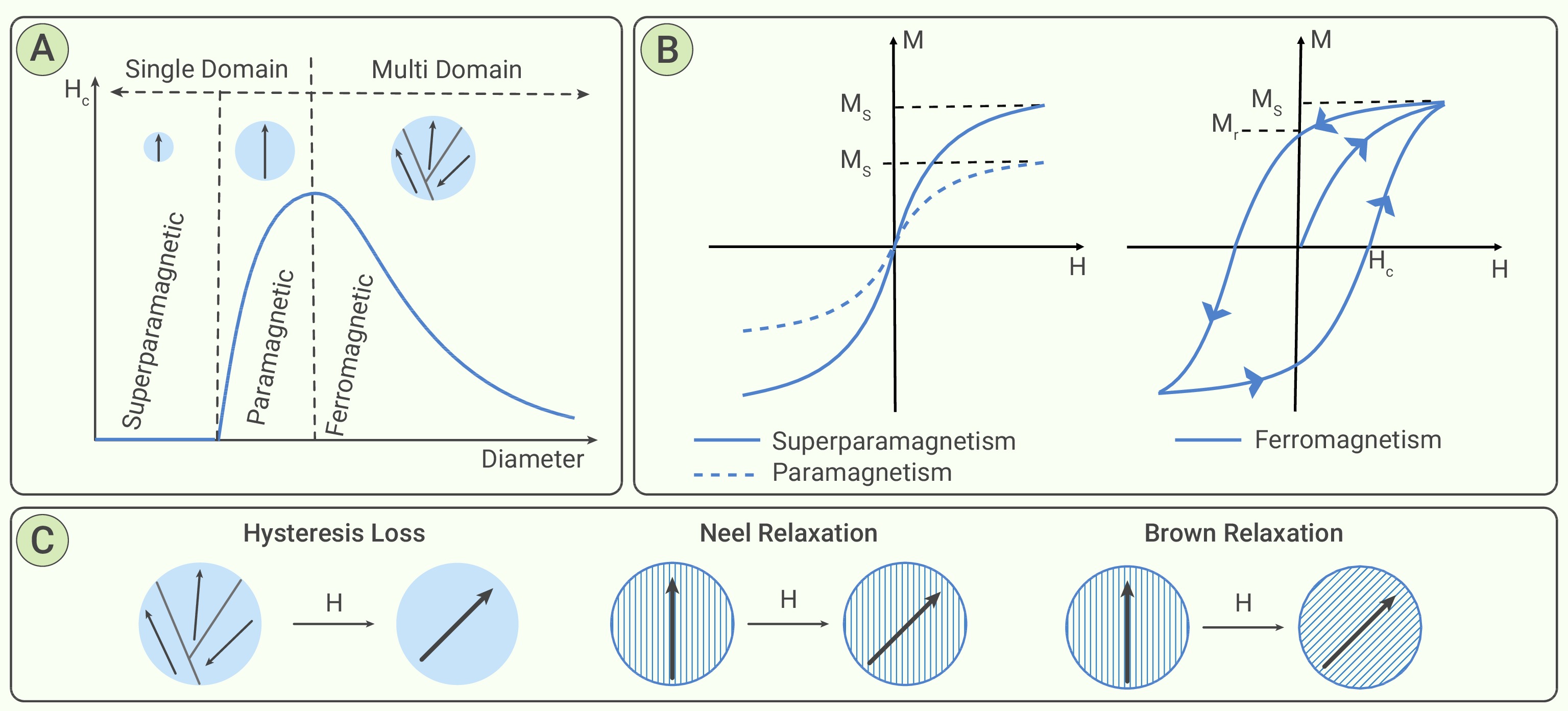
Figure 2.
Schematic illustrations of the physical properties of magnetic materials
-
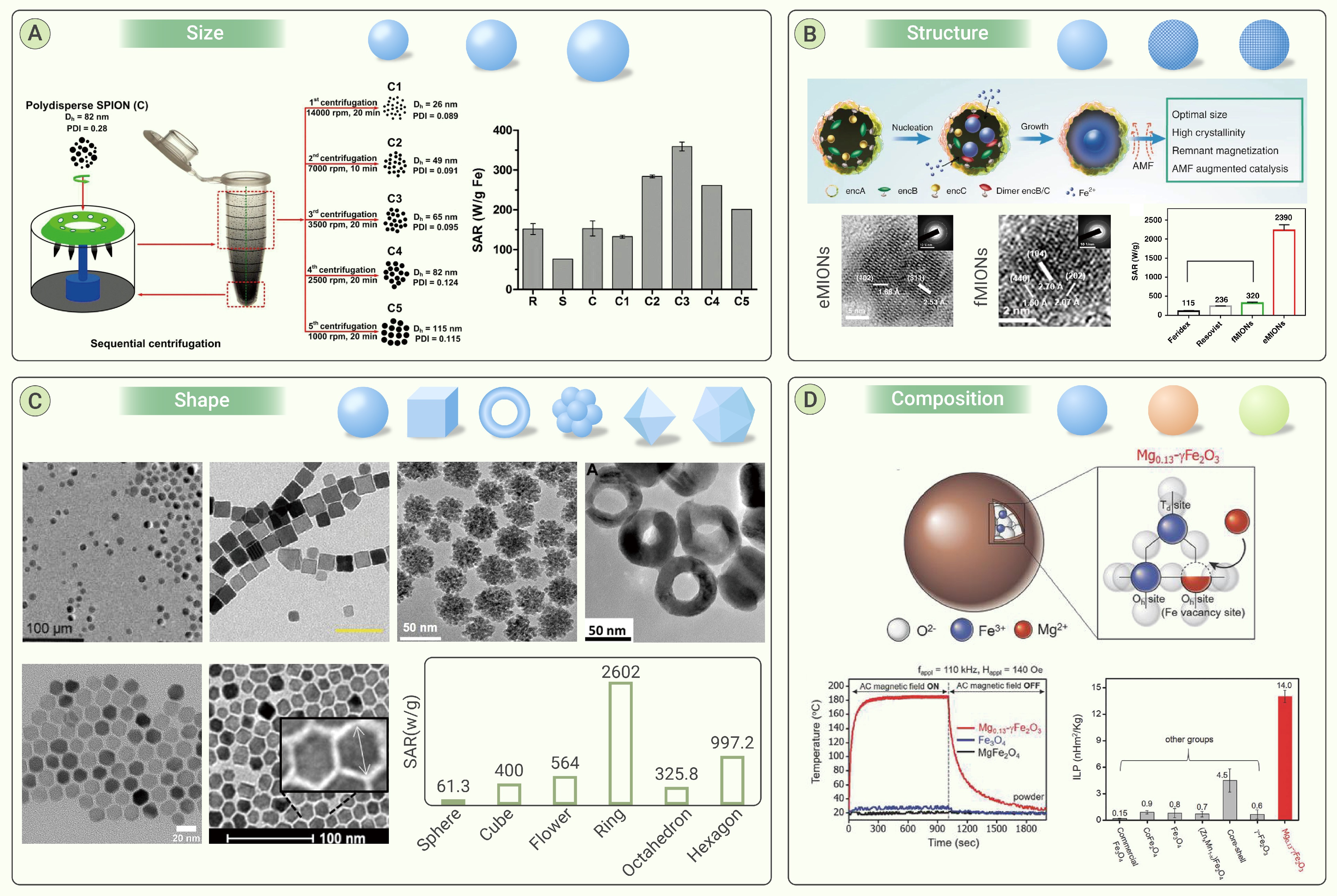
Figure 3.
Parameters of MNPs for optimizing SAR
-
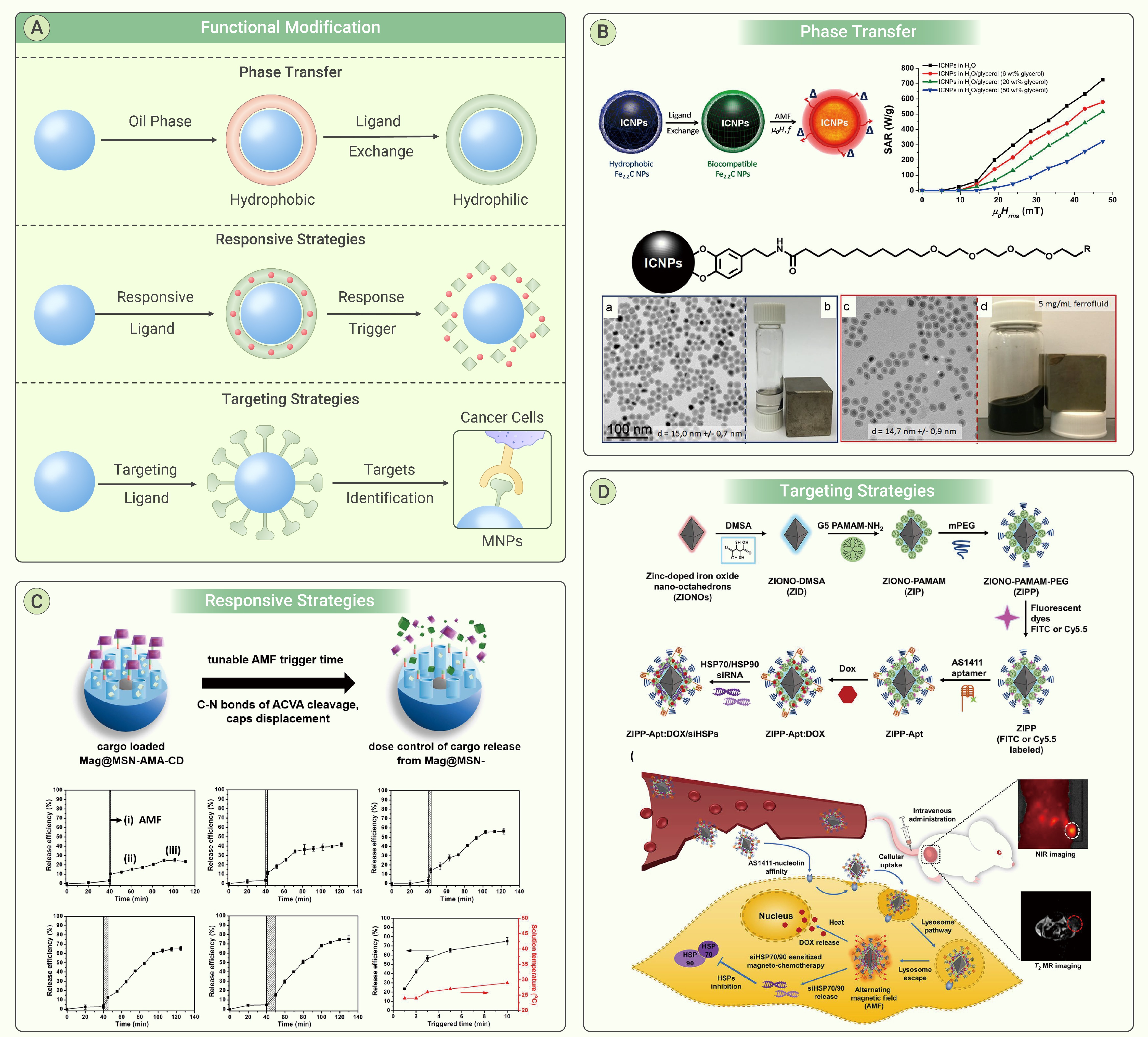
Figure 4.
Multifunctional surface modification
-
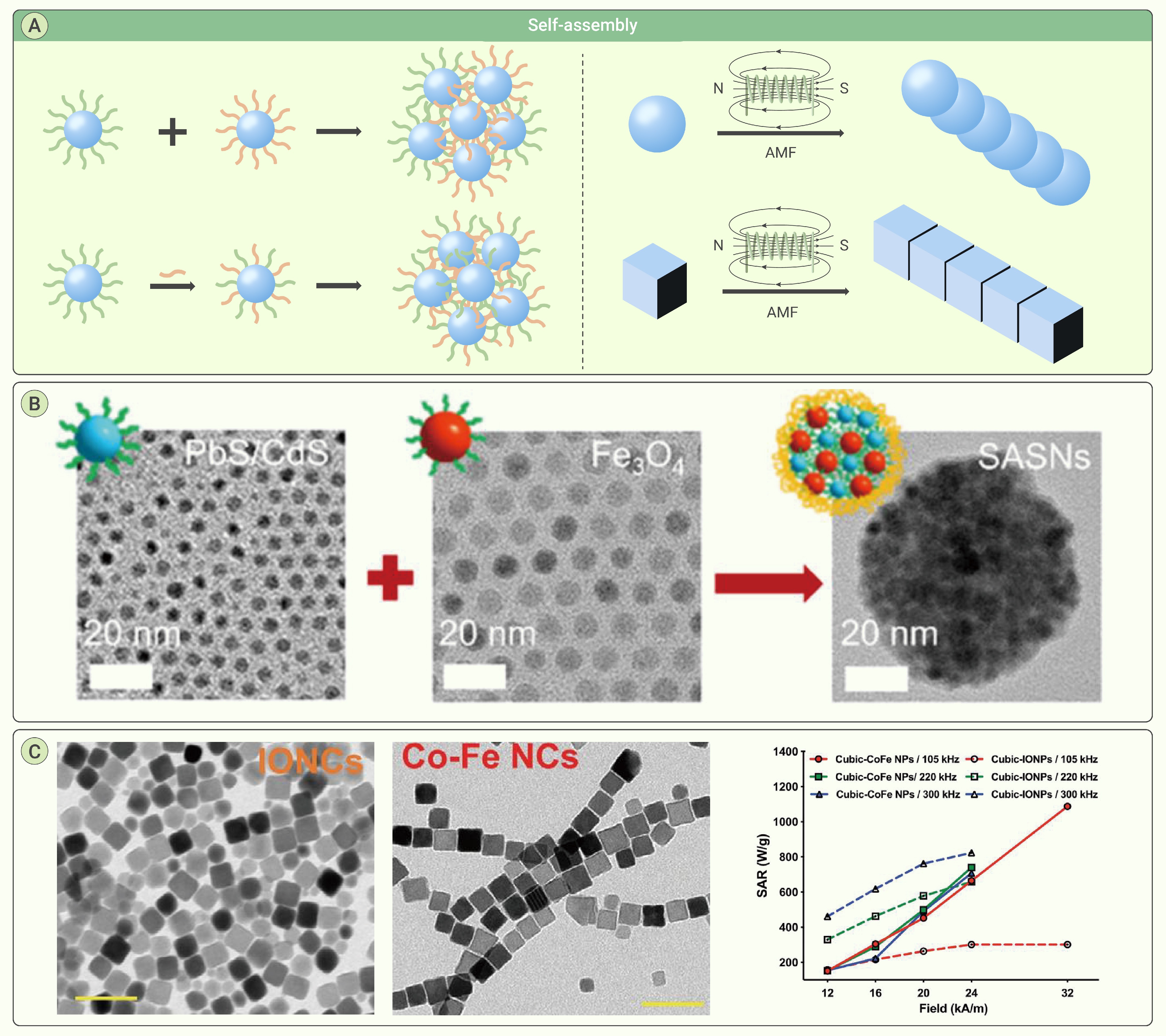
Figure 5.
Self-assembled magnetic nanoparticles
-
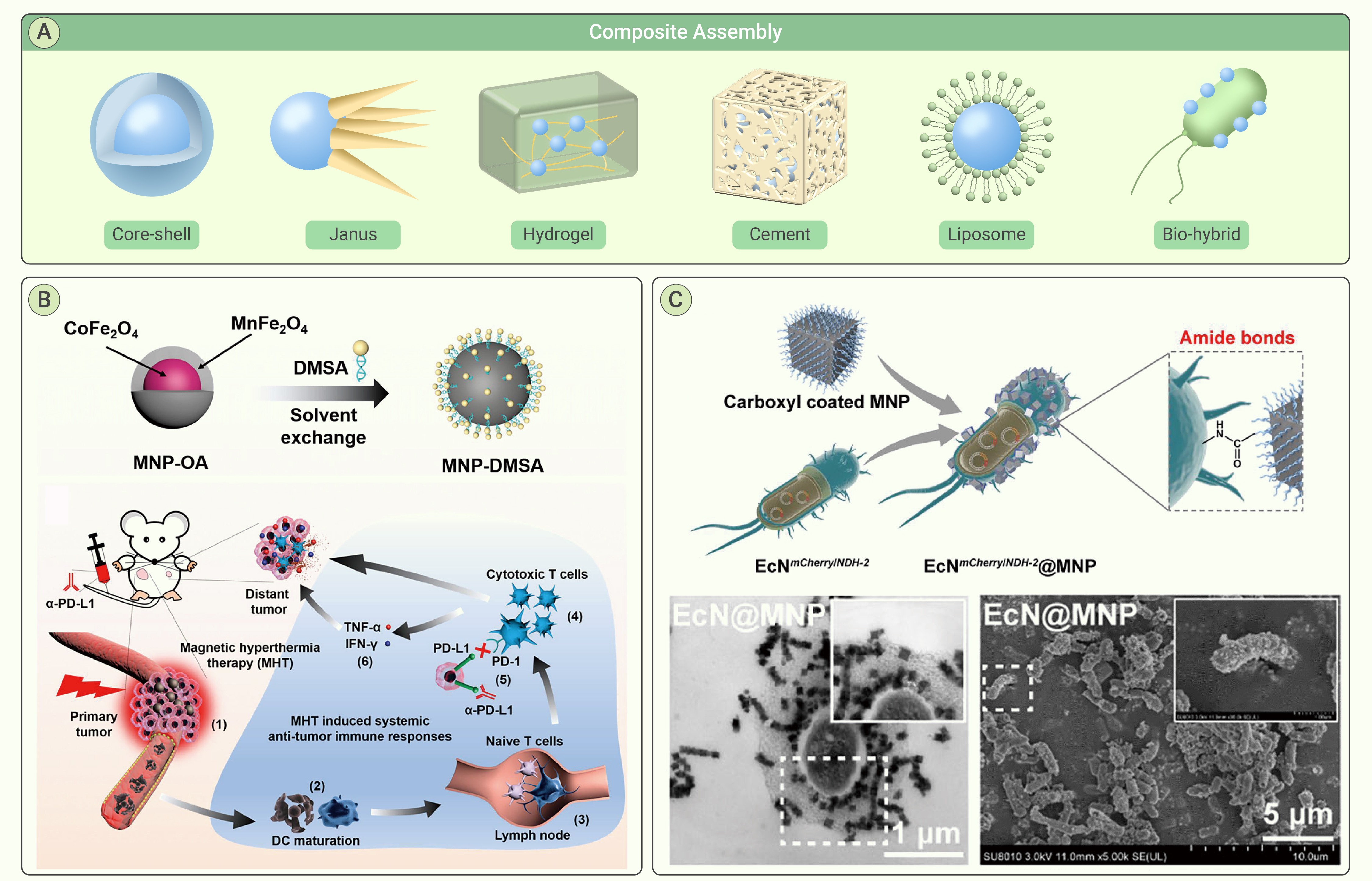
Figure 6.
Smart assembly of magnetic composites
-
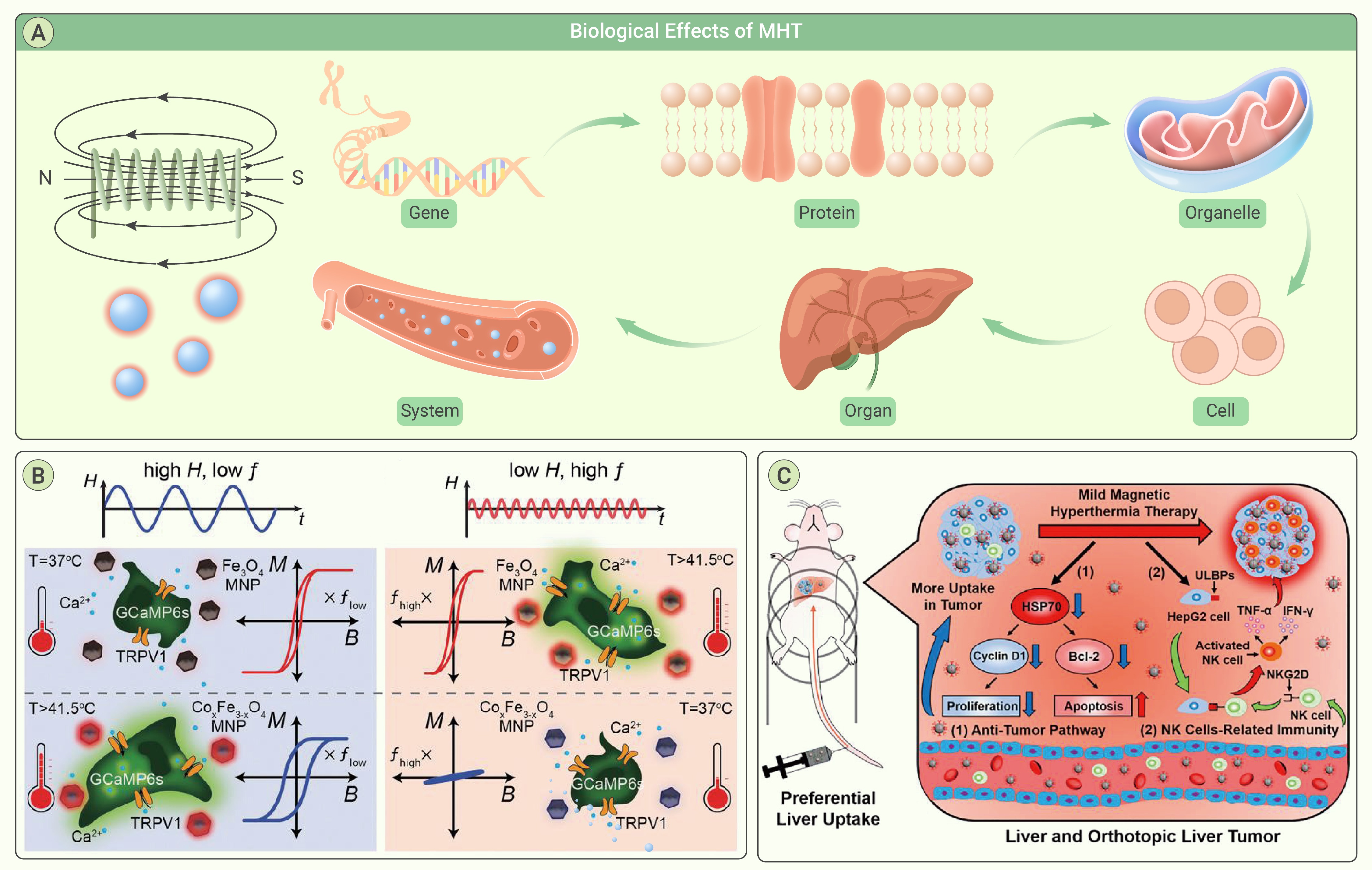
Figure 7.
Biological effects of magnetic material-mediated magnetic hyperthermia
-
Figure 8.
Synergistic theranostics based on MHT
-
Figure 9.
Imaging-guided MHT
