
Probiotic-based biohybrid with gastrointestinal stress resistance and ROS-scavenging capacity to treat inflammatory bowel disease
-
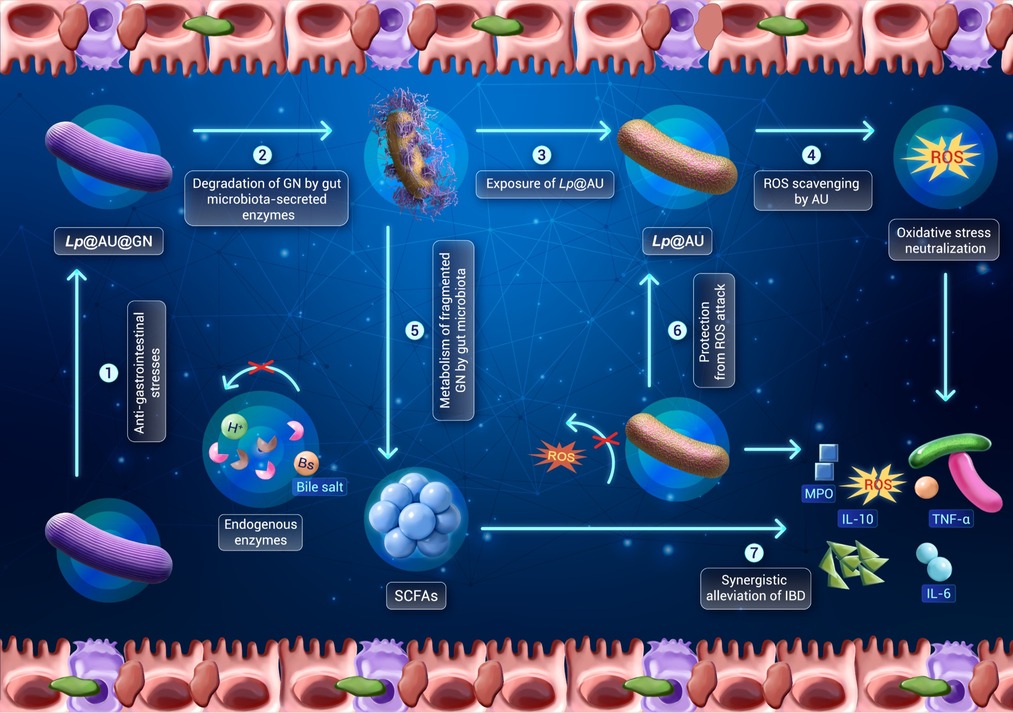
GRAPHICAL ABSTRACT
 DownLoad:
Full size image
DownLoad:
Full size image
-
PUBLIC SUMMARY
-
Lp@AU@GN was bio-orthogonally fabricated.
β-glucan (GN) shielded Lp from digestive insults and was metabolized into short-chain fatty acids (SCFAs).
Au24Cu1/Au24Cd1 mixture (AU) scavenged reactive oxygen species (ROS) to enhance Lp viability.
Oral administration of Lp@AU@GN effectively alleviated inflammatory bowel disease (IBD).
-
-
ABSTRACT
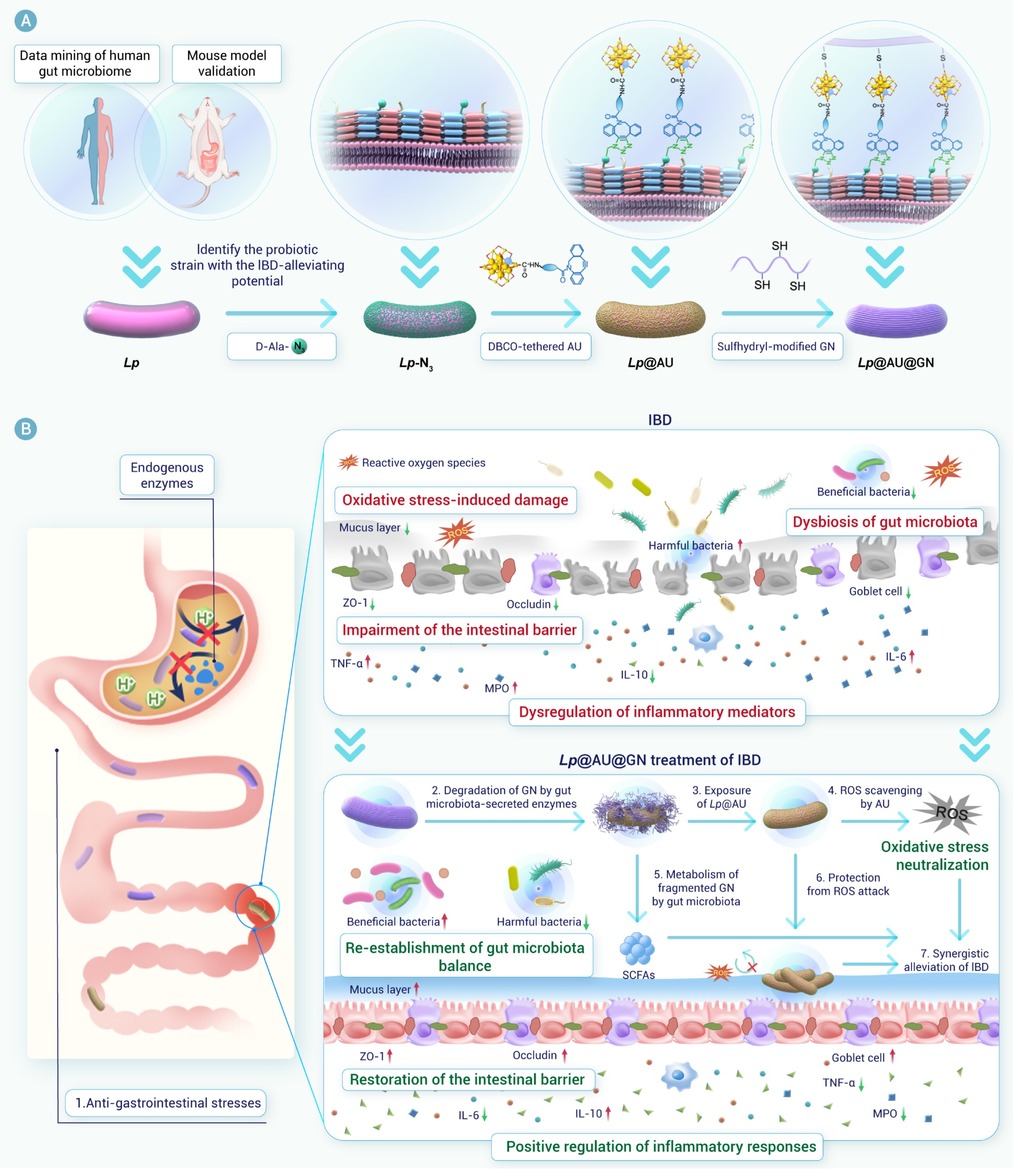
Oral probiotic-based therapy has emerged as a promising solution with multifaceted benefits for inflammatory bowel disease (IBD) treatment. However, their widespread and clinical utility is severely limited by the poor viability of probiotics under harsh gastrointestinal conditions and elevated oxidative stress in the inflamed intestine. To address these challenges, a probiotic-based biohybrid (Lp@AU@GN) was bio-orthogonally fabricated by covalently anchoring the gold nanocluster-based artificial enzyme (AU) to the probiotic Lactobacillus plantarum (Lp), a strain screened out with the IBD-alleviating potential, followed by covalent encapsulation with the prebiotic β-glucan (GN). Upon oral administration to mice with ulcerative colitis, GN performed as a shield to physically protect Lp from gastrointestinal stress insults. After reaching the intestine, GN was metabolized by the gut microbiota, facilitating the exposure of Lp@AU and the concurrent production of short-chain fatty acids (SCFAs). The incorporated AU with superoxide dismutase- and catalase-like activities efficiently scavenged excessive reactive oxygen species in situ, neutralizing oxidative stress and simultaneously enhancing Lp survival to synergize with SCFAs to advance the therapeutic process. Consequently, therapeutic benefits of reduced inflammation, restored intestinal barrier, and rebalanced gut microbiota were achieved. Furthermore, the therapeutic utility was extended to Crohn's disease, establishing the broad-spectrum effectiveness of Lp@AU@GN for addressing both major forms of IBD. Beyond IBD, our developed modular engineering strategy holds the great potential to be adapted to fabricate diverse biohybrids for other gastrointestinal or metabolic disorders’ treatments by tuning the probiotic strain, antioxidant moiety, or prebiotic polymer. -

-
REFERENCES
[1] Wang W., Wu L., Wu X., et al. (2021). Combined analysis of serum SAP and PRSS2 for the differential diagnosis of CD and UC. Clin. Chim. Acta 514:8−14. DOI:10.1016/j.cca.2020.12.014 [2] Kaplan G. G. and Ng S. C. (2017). Understanding and preventing the global increase of inflammatory bowel disease. Gastroenterology 152:313−321.e31. DOI:10.1053/j.gastro.2016.10.020 [3] Loftus E. V. Jr. (2004). Clinical epidemiology of inflammatory bowel disease: Incidence, prevalence, and environmental influences. Gastroenterology 126:1504−1517. DOI:10.1053/j.gastro.2004.01.063 [4] Sienkiewicz M., Szymańska P. and Fichna J. (2021). Supplementation of bovine colostrum in inflammatory bowel disease: Benefits and contraindications. Adv. Nutr. 12:533−545. DOI:10.1093/advances/nmaa120 [5] Li F., Zhao, R., Ding W., et al. (2025). Chemical exchange saturation transfer MRI-trackable peptide hydrogel for drug release monitoring and targeted therapy in inflammatory bowel disease. Cell Biomaterials 1:100098. DOI:10.1016/j.celbio.2025.100098 [6] Kappelman M. D., Rifas-Shiman, S. L., Porter C. Q., et al. (2008). Direct health care costs of Crohn's disease and ulcerative colitis in US children and adults. Gastroenterology 135:1907−1913. DOI:10.1053/j.gastro.2008.09.012 [7] Cai Z., Wang S. and Li J. (2021). Treatment of Inflammatory Bowel Disease: A Comprehensive Review. Front. Med. (Lausanne) 8:765474. DOI:10.3389/fmed.2021.765474 [8] D'Amico F., Peyrin-Biroulet L. and Danese S. (2022). Ustekinumab in Crohn's disease: New data for positioning in treatment algorithm. J. Crohns Colitis 16:ii30−ii41. DOI:10.1093/ecco-jcc/jjac011 [9] Wehkamp J., Götz M. and Herrlinger K. (2016). Inflammatory bowel disease: Crohn’s disease and ulcerative colitis. Dtsch. Arztebl. Int. 113:72. DOI:10.3238/arztebl.2016.0072 [10] Bourgonje A.R., Feelisch M. and Faber K.N. (2020). Oxidative stress and redox-modulating therapeutics in inflammatory bowel disease. Trends Mol. Med. 26:1034−1046. DOI:10.1016/j.molmed.2020.06.006 [11] Ramos G.P. and Papadakis K.A. (2019). Mechanisms of disease: Inflammatory bowel diseases, Mayo Clin. Proc. pp:155-165. DOI:10.1016/j.mayocp.2018.09.013 [12] Glassner K.L., Abraham B.P. and Quigley E.M. (2020). The microbiome and inflammatory bowel disease. J. Allergy. Clin. Immun. 145:16−27. DOI:10.1016/j.jaci.2019.11.003 [13] Vemuri R., Gundamaraju R. and Eri R. (2017). Role of lactic acid probiotic bacteria in IBD. Curr. Pharm. Des. 23:2352−2355. DOI:10.2174/1381612823666170207100025 [14] Shen F., Wang Q., Ullah S., et al. (2024). Ligilactobacillus acidipiscis YJ5 modulates the gut microbiota and produces beneficial metabolites to relieve constipation by enhancing the mucosal barrier. Food Funct. 15:310−325. DOI:10.1039/d3fo03259k [15] Rawal S. and Ali S. A. (2023). Probiotics and postbiotics play a role in maintaining dermal health. Food Funct. 14:3966−3981. DOI:10.1039/d3fo00152k [16] La Fata G., Weber P. and Mohajeri M. H. (2018). Probiotics and the Gut Immune System: Indirect regulation. Probiotics Antimicrob. 10:11−21. DOI:10.1007/s12602-017-9322-6 [17] Hill C., Guarner F., Reid G., et al. (2014). Expert consensus document. The international scientific association for probiotics and prebiotics consensus statement on the scope and appropriate use of the term probiotic. Nat. Rev. Gastroenterol. Hepatol. 11:506−514. DOI:10.1038/nrgastro.2014.66 [18] Moon J. E., Heo W., Lee S. H., et al. (2020). Trehalose protects the probiotic yeast saccharomyces boulardii against oxidative stress-induced cell death. J. Microbiol. Biotechnol. 30:54−61. DOI:10.4014/jmb.1906.06041 [19] Liu J., Wang Y., Heelan W. J. et al. (2022). Mucoadhesive probiotic backpacks with ROS nanoscavengers enhance the bacteriotherapy for inflammatory bowel diseases. Sci. Adv. 8:eabp8798. DOI:10.1126/sciadv.abp8798 [20] Zhu Y., Ma R., Thakur K., et al. (2025). Layer-by-layer nanoencapsulation strategies for enhanced oral delivery and function of Lactobacillus plantarum B2. Food Hydrocolloids 160:110865. DOI:10.1016/j.foodhyd.2024.110865 [21] Circu M. L. and Aw T. Y. (2010). Reactive oxygen species, cellular redox systems, and apoptosis. Free Radic. Biol. Med. 48:749−762. DOI:10.1016/j.freeradbiomed.2009.12.022 [22] Centurion F., Basit A. W., Liu J., et al. (2021). Nanoencapsulation for probiotic delivery. ACS Nano 15:18653−18660. DOI:10.1021/acsnano.1c09951 [23] Gani A., Shah A. and Ahmad M. (2018). β-d-glucan as an enteric delivery vehicle for probiotics. Int. J. Biol. Macromol. 106:864−869. DOI:10.1016/j.ijbiomac.2017.08.093 [24] Feng P., Cao Z. and Wang X. (2020). On-demand bacterial reactivation by restraining within a triggerable nanocoating. Adv. Mater. 32:e2002406. DOI:10.1002/adma.202002406 [25] Singh R.P. and Bhardwaj A. (2023). β-glucans: A potential source for maintaining gut microbiota and the immune system. Front. Nutr. 10:1143682. DOI:10.3389/fnut.2023.1143682 [26] Xie A., Ji H., Liu Z., et al. (2023). Modified prebiotic-based "shield" armed probiotics with enhanced resistance of gastrointestinal stresses and prolonged intestinal retention for synergistic alleviation of colitis. ACS Nano 17:14775−14791. DOI:10.1021/acsnano.3c02914 [27] Ji H., Wan Y., Li S., et al. (2025). Remolding probiotics for effective treatment of type 2 diabetes via oral administration. Biomaterials 315:122970. DOI:10.1016/j.biomaterials.2024.122970 [28] Ji H., Yan X., Zhang L., et al. (2025). Prebiotics empower probiotics with gastrointestinal stress resistance for colon-targeted release to synergistically alleviate colitis. J. Control. Release 380:297−316. DOI:10.1016/j.jconrel.2025.01.059 [29] Chen X., Zhang Y., Chen T., et al. (2025). Implement enhanced artificial “enteroendocrine L cells” via oral administration for effective treatment of type 2 diabetes. Cell Biomaterials 1:100024. DOI:10.1016/j.celbio.2025.100024 [30] Xie A., Gao M. and Du H. (2024). Next-generation probiotics delivery: Innovations and applications of single-cell encapsulation. Curr. Opin. Food Sci. 61:101234. DOI:10.1016/j.cofs.2024.101234 [31] Li C., Wang Z., Xiao H., et al. (2024). Intestinal delivery of probiotics: Mterials, strategies, and applications. Adv. Mater. 36:2310174. DOI:10.1002/adma.202310174 [32] Gong N., Han X., Xue L., et al (2023). In situ PEGylation of CAR T cells alleviates cytokine release syndrome and neurotoxicity. Nat. Mater. 22:1571-1580. DOI:10.1038/s41563-023-01646-6. [33] Yi W., Xiao, P., Liu X., et al. (2022). Recent advances in developing active targeting and multi-functional drug delivery systems via bioorthogonal chemistry. Signal Transduct. Target. Ther. 7:386. DOI:10.1038/s41392-022-01250-1 [34] Jin Z., Zhang Y., Hu H., et al. (2025). Closed-loop theranostic microgels for immune microenvironment modulation and microbiota remodeling in ulcerative colitis. Biomaterials 314:122834. DOI:10.1016/j.biomaterials.2024.122834 [35] Estelrich J. and Busquets M. A. (2021). Prussian blue: Ananozyme with versatile catalytic properties. Int. J. Mol. Sci. 22:5993. DOI:10.3390/ijms22115993 [36] Zhou C., Zhang L., Xu Z., et al. (2023). Self‐propelled ultrasmall AuNPs‐tannic acid hybrid nanozyme with ROS‐scavenging and anti‐inflammatory activity for drug‐iduced liver injury alleviation. Small 19:2206408. DOI:10.1002/smll.202206408 [37] Wang X., Jiao M., Tian F., et al. (2023). A biomimetic nanoplatform with improved inflammatory targeting behavior for ROS scavenging‐based treatment of ulcerative colitis. Adv. Healthc. Mater. 12:2301450. DOI:10.1002/adhm.202301450 [38] Ji H., Hu J., Zuo S., et al. (2022). In vitro gastrointestinal digestion and fermentation models and their applications in food carbohydrates. Crit. Rev. Food Sci. Nutr. 62:5349−5371. DOI:10.1080/10408398.2021.1884841 [39] Zhang B., Liu M. and Liu G. (2021). Oral absorption mechanism of the polysaccharides from Gastrodia elata Blume base on fluorescence labeling. Food Res. Int. 144:110342. DOI:10.1016/j.foodres.2021.110342 [40] Zhang D., Zhou X., Liu L. et al. (2021). Glucomannan from aloe vera gel promotes intestinal stem cell-mediated epithelial regeneration via the wnt/β-catenin pathway. J. Agric. Food Chem. 69:10581−10591. DOI:10.1021/acs.jafc.1c03814 [41] Zhang L., Miao C., Wang Z., et al. (2024). Preparation and characterisation of baicalin magnesium and its protective effect in ulcerative colitis via gut microbiota-bile acid axis modulation. Phytomedicine 126:155416. DOI:10.1016/j.phymed.2024.155416 [42] Clemens D. L., Duryee M. J., Hall J. H., et al. (2020). Relevance of the antioxidant properties of methotrexate and doxycycline to their treatment of cardiovascular disease. Pharmacol. Ther. 205:107413. DOI:10.1016/j.pharmthera.2019.107413 [43] Qi X., Li Y., Xiang Y. et al. (2025). Hyperthermia-enhanced immunoregulation hydrogel for oxygenation and ROS neutralization in diabetic foot ulcers. Cell Biomaterials 1:100020. DOI:10.1016/j.celbio.2025.100020 [44] Min D. K., Kim Y. E., Kim M. K., et al. (2023). Orally administrated inflamed colon-targeted nanotherapeutics for inflammatory bowel disease treatment by oxidative stress level modulation in colitis. ACS Nano 17:24404−24416. DOI:10.1021/acsnano.3c11089 [45] Porter N. T., Luis A. S. and Martens E. C. (2018). Bacteroides thetaiotaomicron. Trends Microbiol. 26:966−967. DOI:10.1016/j.tim.2018.08.005 [46] Huang B. D., Groseclose T. M. and Wilson C. J. (2022). Transcriptional programming in a Bacteroides consortium. Nat. Commun. 13:3901. DOI:10.1038/s41467-022-31614-8 [47] Hodgkinson K., El Abbar F., Dobranowski P., et al. (2023). Butyrate’s role in human health and the current progress towards its clinical application to treat gastrointestinal disease. Clin. Nutr. 42:61−75. DOI:10.1016/j.clnu.2022.10.024 [48] Wang X., Cai Z., Wang Q., et al. (2024). Bacteroides methylmalonyl-CoA mutase produces propionate that promotes intestinal goblet cell differentiation and homeostasis. Cell Host Microbe 32:63-78. e67. DOI:10.1016/j.chom.2023.11.005. [49] Zhang Y., Guo C., Li Y., et al. (2022). Alginate Oligosaccharides Ameliorate DSS-Induced Colitis through Modulation of AMPK/NF-κB Pathway and Intestinal Microbiota. Nutrients 14:14142864. DOI:10.3390/nu14142864 [50] Zhang X., Zhang F., Li Y. et al. (2024). Blockade of PI3K/AKT signaling pathway by Astragaloside IV attenuates ulcerative colitis via improving the intestinal epithelial barrier. J. Transl. Med. 22:406. DOI:10.1186/s12967-024-05168-w [51] Li T., Li Y., Chen J., et al. (2024). Hyperibone J exerts antidepressant effects by targeting ADK to inhibit microglial P2X7R/TLR4-mediated neuroinflammation. J. Adv. Res. 72:571−589. DOI:10.1016/j.jare.2024.07.015 [52] Xu J., Liu M. and Yu P. (2019). Effect of recombinant Trichinella spiralis cysteine proteinase inhibitor on TNBS-induced experimental inflammatory bowel disease in mice. Int. Immunopharmacol. 66:28−40. DOI:10.1016/j.intimp.2018.10.043 [53] Sui Y., Jiang R., Niimi M., et al. (2024). Gut bacteria exacerbates TNBS-induced colitis and kidney injury through oxidative stress. Redox Biol. 72:103140. DOI:10.1016/j.redox.2024.103140 [54] Cecco De., Franceschelli S., Panella V., et al. (2024). Biological response of treatment with Saffron Petal extract on cytokine-induced oxidative stress and inflammation in the Caco-2/Human leukemia monocytic co-culture model. Antioxidants (Basel) 13:13101257. DOI:10.3390/antiox13101257 [55] García Mansilla M.J., Rodríguez Sojo M. J., Lista A. R. et al. (2025). Microbial-derived antioxidants in intestinal inflammation: A systematic review of their therapeutic potential. Antioxidants (Basel) 14:14030321. DOI:10.3390/antiox14030321 [56] Zeng Z., Huang Z., Yue W., et al. (2023). Lactobacillus plantarum modulate gut microbiota and intestinal immunity in cyclophosphamide-treated mice model. Biomed. Pharmacother. 169:115812. DOI:10.1016/j.biopha.2023.115812 [57] Yu P., Ke C. and Guo J. (2020). Lactobacillus plantarum L15 alleviates colitis by inhibiting LPS-mediated NF-κB activation and ameliorates DSS-induced gut microbiota dysbiosis. Front. Immunol. 11:575173. DOI:10.3389/fimmu.2020.575173 [58] Le B. and Yang S.H. (2018). Efficacy of Lactobacillus plantarum in prevention of inflammatory bowel disease. Toxicol. Rep. 5:314−317. DOI:10.1016/j.toxrep.2018.02.007 -
ABOUT THIS ARTICLE
Cite this article:
Chen X., Ji H., Zhao D., et al. (2026). Probiotic-based biohybrid with gastrointestinal stress resistance and ROS-scavenging capacity to treat inflammatory bowel disease. The Innovation Materials 4:100203. https://doi.org/10.59717/j.xinn-mater.2026.100203
Welcome!
To request copyright permission to republish or share portions of our works, please visit Copyright Clearance Center's (CCC) Marketplace website at marketplace.copyright.com.
Export File
Citation
Chen X., Ji H., Zhao D., et al. (2026). Probiotic-based biohybrid with gastrointestinal stress resistance and ROS-scavenging capacity to treat inflammatory bowel disease. The Innovation Materials 4:100203. https://doi.org/10.59717/j.xinn-mater.2026.100203

Format
Content
-
Figure 1.
Schematic of Lp@AU@GN for synergistic IBD therapy
-
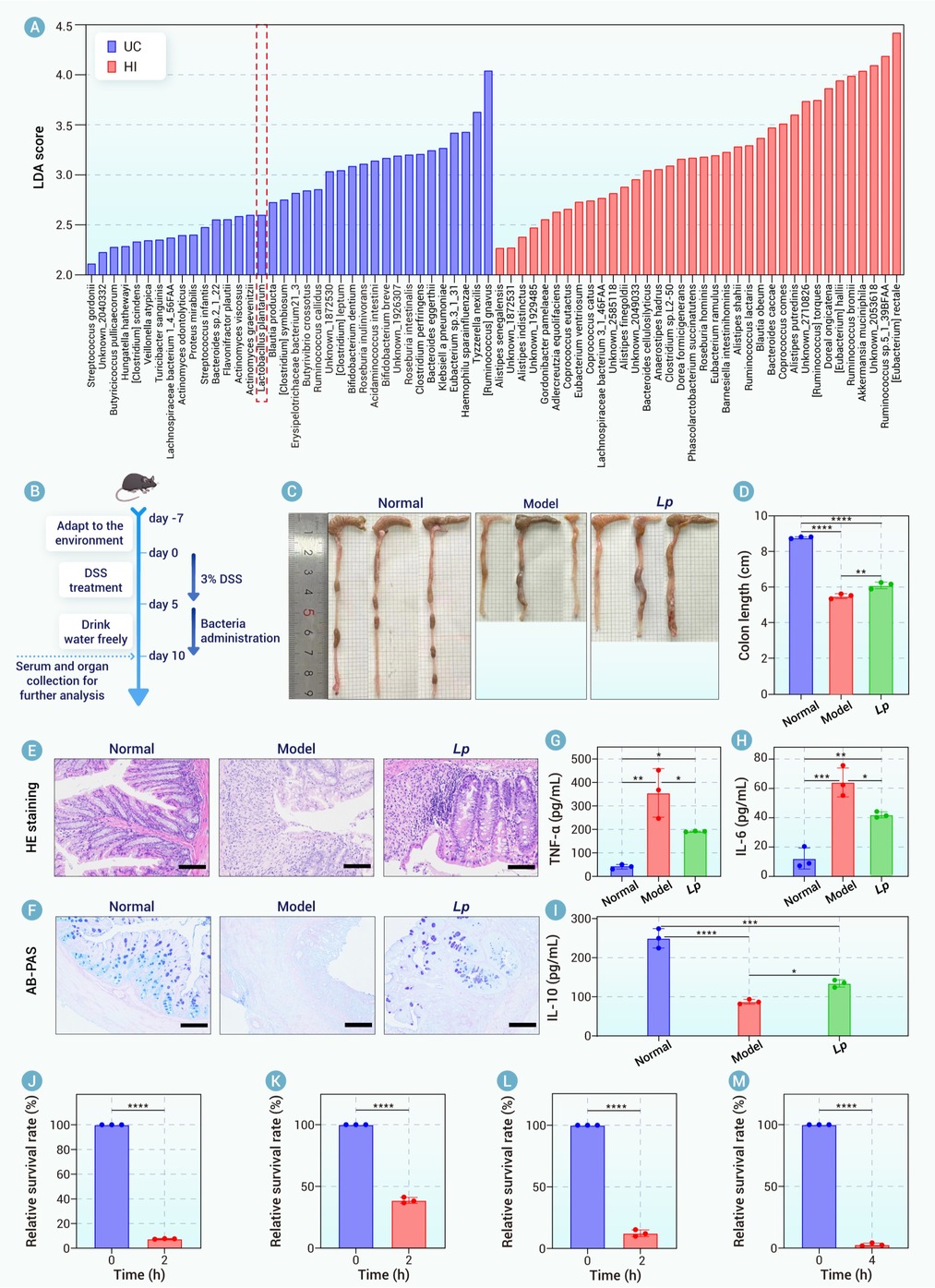
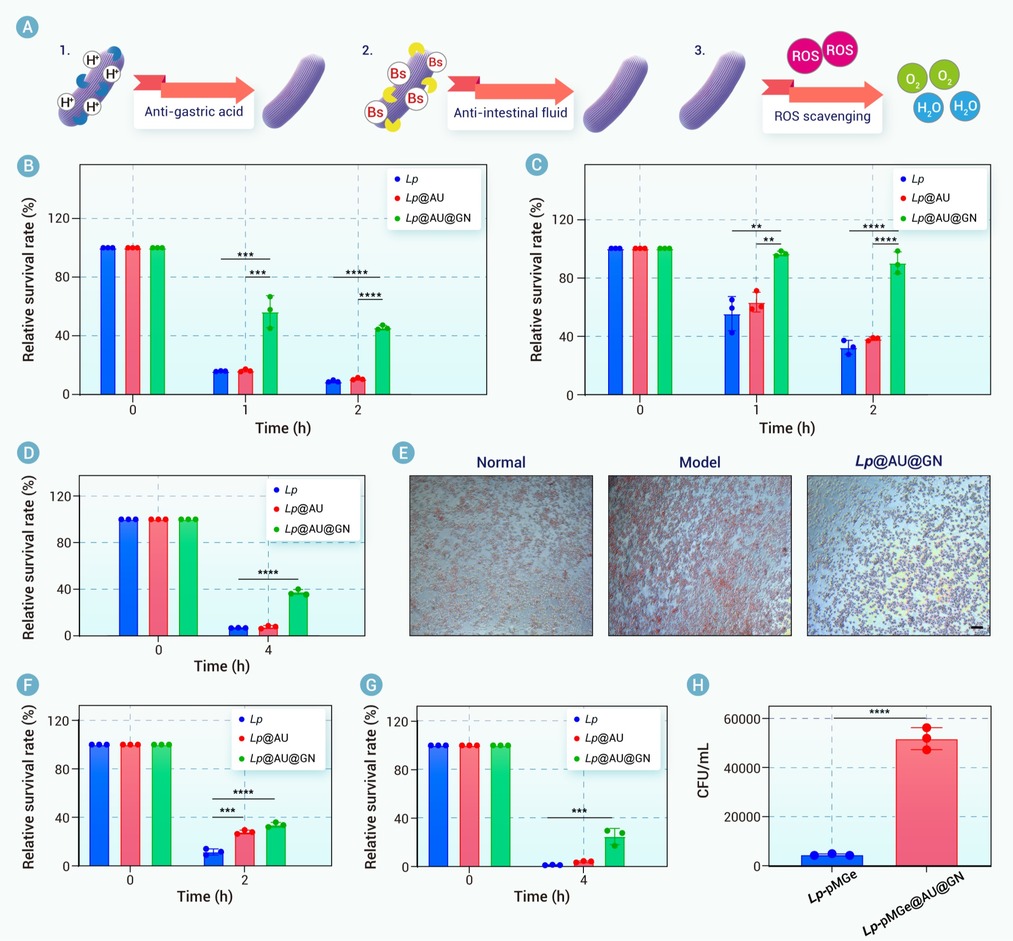
Figure 2.
Lp demonstrated therapeutic potentials in IBD and its limitations as an oral therapeutic
-
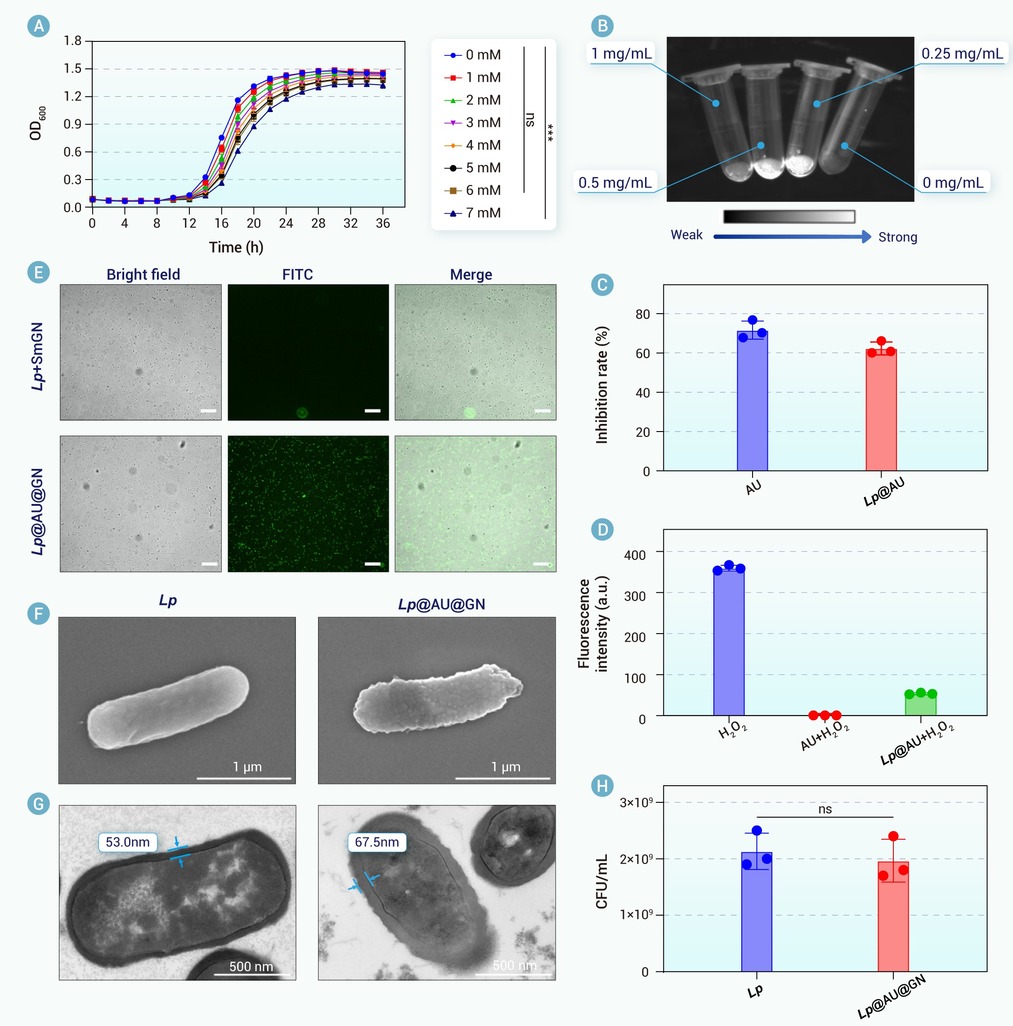
Figure 3.
Characterization of Lp@AU@GN
-
Figure 4.
Evaluation of Lp@AU@GN’s resistance against diverse stresses
-
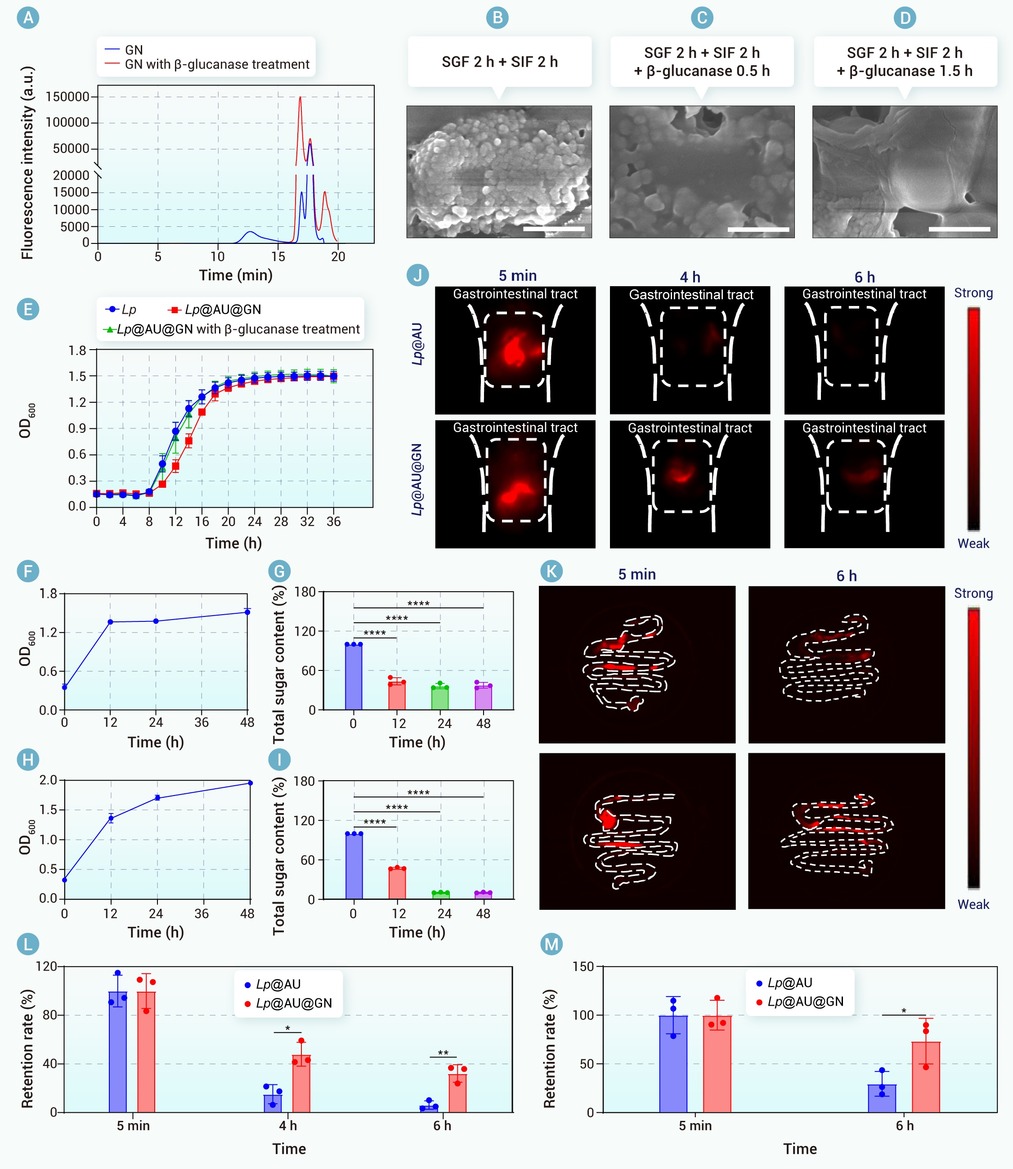
Figure 5.
Evaluation of intestinal delivery of Lp by Lp@AU@GN
-
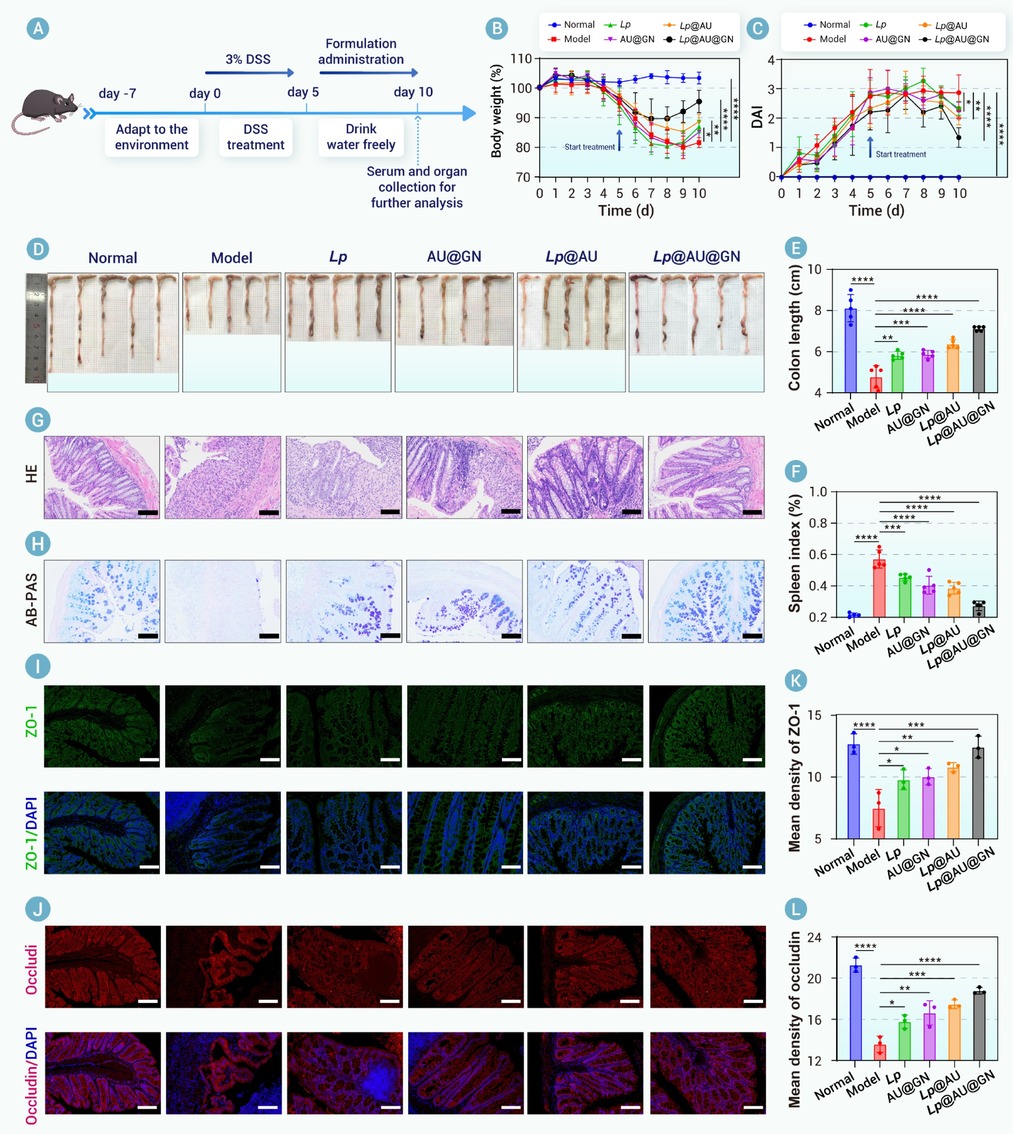
Figure 6.
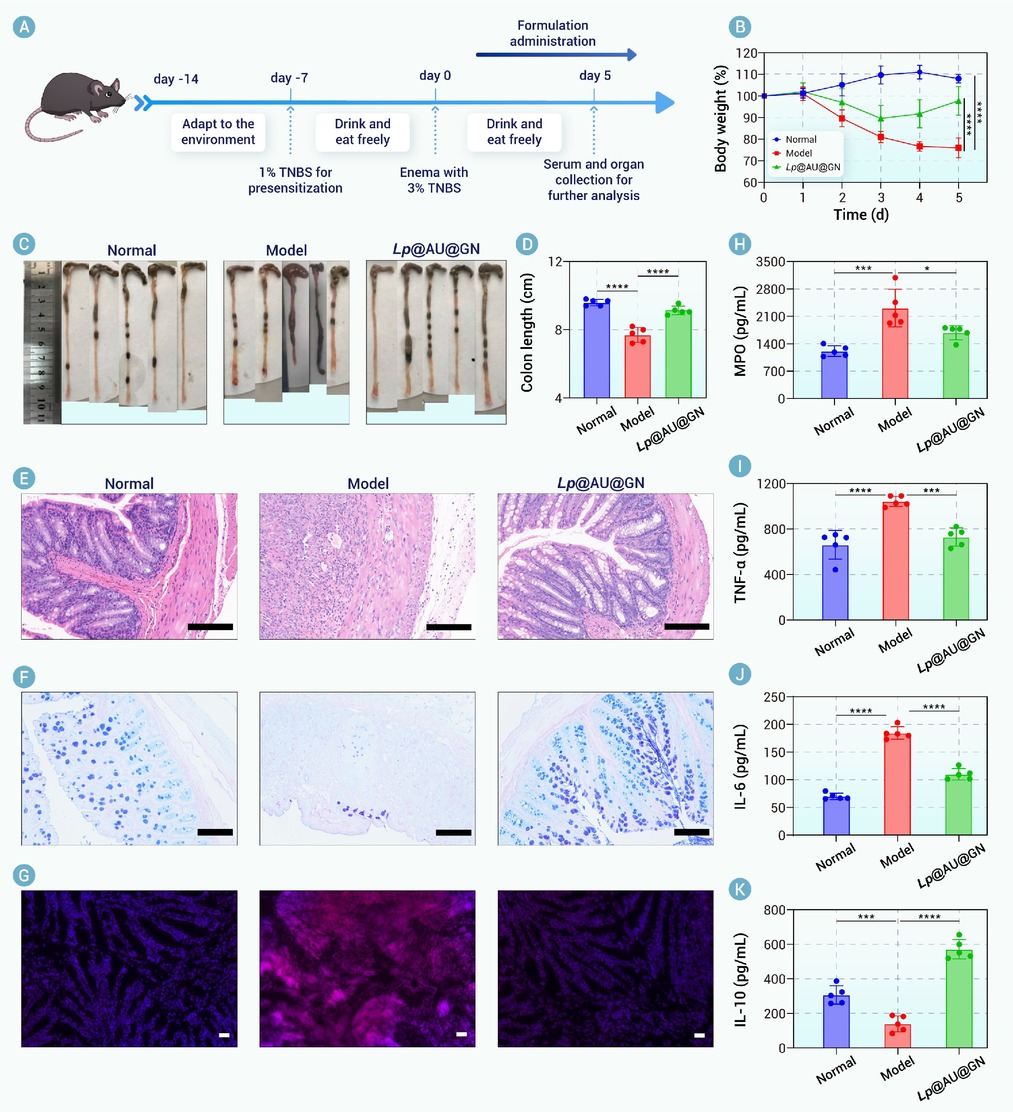
Therapeutic benefits of Lp@AU@GN in UC mice
-
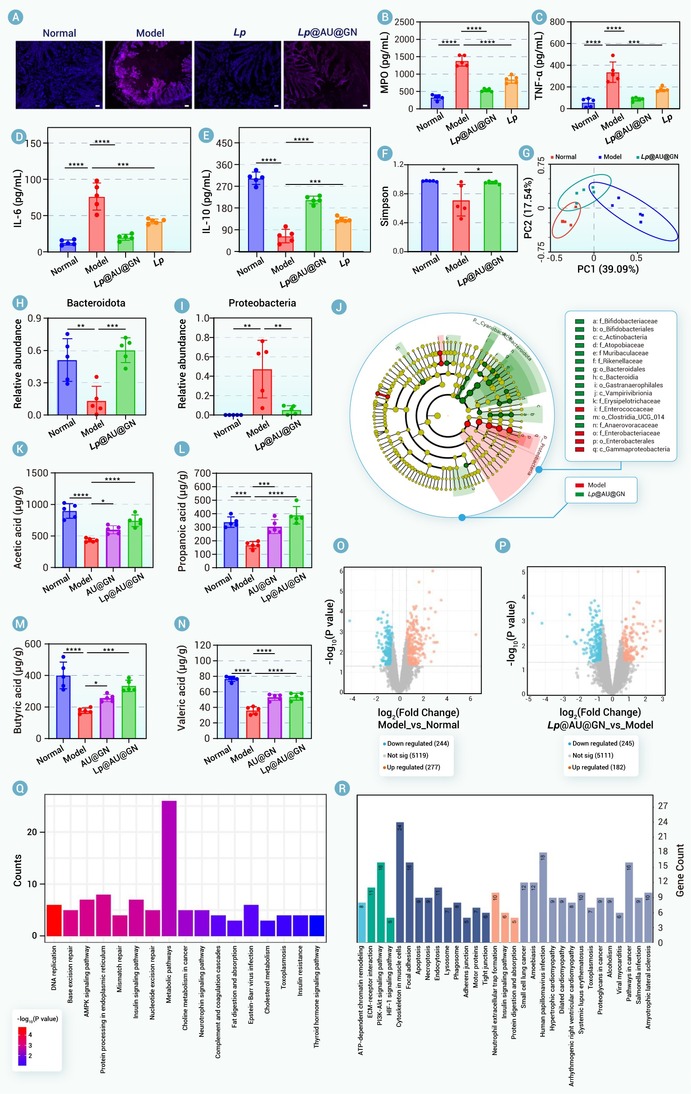
Figure 7.
Mechanism of Lp@AU@GN in treating UC
-
Figure 8.
Efficacy of Lp@AU@GN in TNBS-induced CD model
