
Converging neural-centric and mechano-regulation in organoid modeling for system biology and medicine
-
GRAPHICAL ABSTRACT
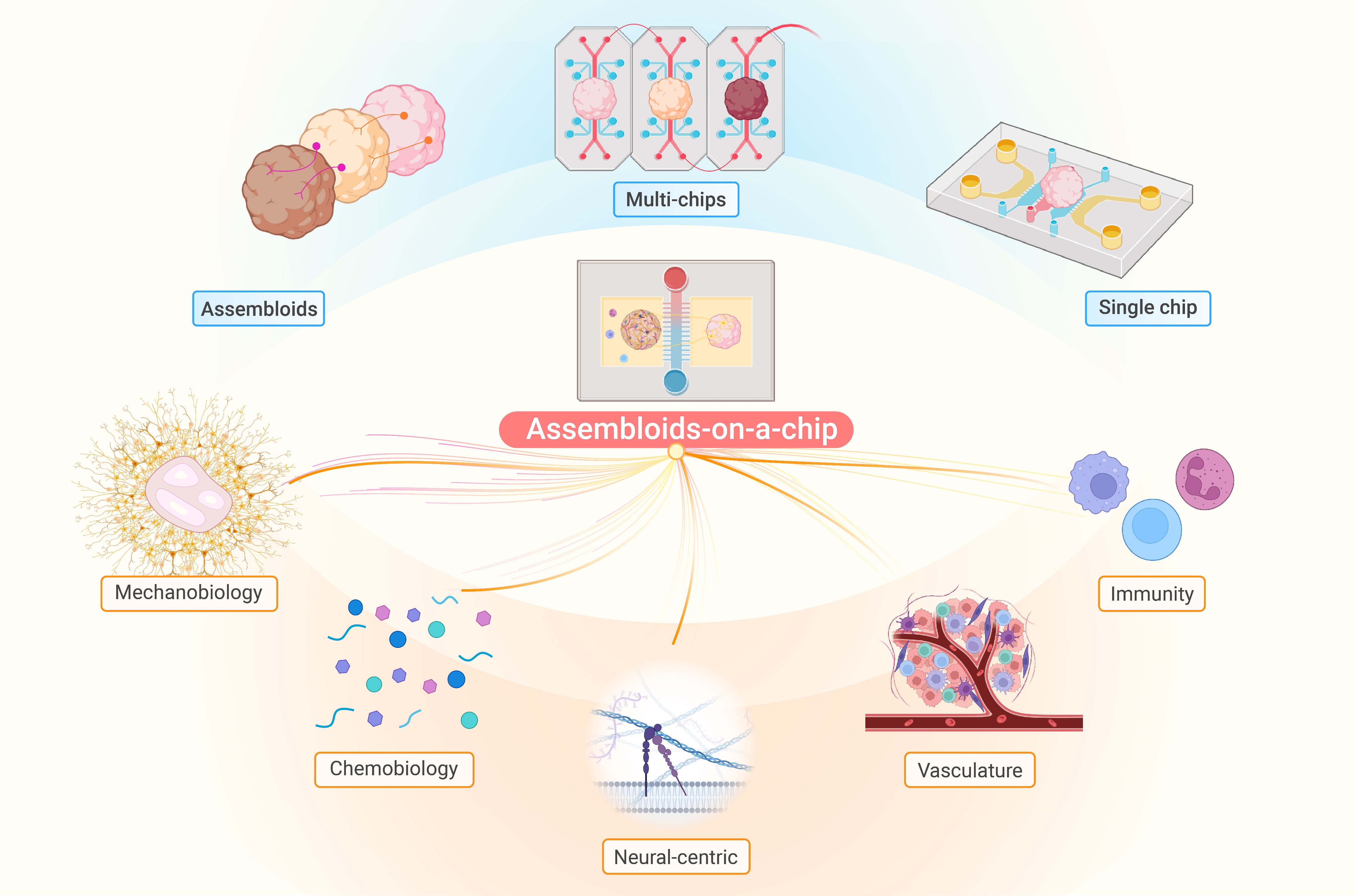
 DownLoad:
Full size image
DownLoad:
Full size image
-
PUBLIC SUMMARY
-
Using organoids derivatives for modeling complex biological systems and improving precision medicine.
By integrating the neuroregulatory and mechanobiological factors can simulate multi-organ interactions.
Organoids and their derivatives represent a significant biomimetic, robust in-vitro models.
-
-
ABSTRACT
The understanding of complex biological systems and the development of effective precision medicine strategies necessitate controllable and tractable experimental models. The human body is composed of systemic and systematic interactions at multiple levels such as occurs between cells, tissues, and organs. Hence, how to recapitulate the system complexity of the human body has become an inevitable problem. This review emphasizes the need to understand complex interactions between organs by exploring the potential use of organoids and their derivatives. We focus on the nervous system and its pivotal roles in the regulation of peripheral organs, and meanwhile, highlight the importance of often overlooked mechanobiological factors. The nervous system controls many neuromodulation processes and is capable of transmitting biological information through electrophysiology. In addition, mechano-regulation operates at the cellular and microenvironment levels, functioning through system-level regulation. It can influence neural tissue or collaborate with nerves to direct skin and visceral tissue responses and their immunity. To achieve in situ probing and manipulation of such processes, we recommend the use of organoid assembloids that directly fusion individual organoids to create interactive structures of neural-centric complexes and mechano-regulation conditions, or organoids-on-a-chip that relies on microfluidic chips as tailorable bioreactors to form multi-organ associations and simulate and incorporate mechanobiological and neurological regulations. Based on mechano-regulatory influence at the cellular and microenvironment levels, we may develop more systematic, biomimetic, and robust in-vitro models. These models not only approach genuine physiology and pathology in humans without sacrificing real-time observation capabilities but present minimal ethical concerns and offer substantial potential for industrial scalability. -

-
REFERENCES
[1] Rossi, G., Manfrin, A., and Lutolf, M.P. (2018). Progress and potential in organoid research. Nat Rev Genet 19: 671−687. DOI: 10.1038/s41576-018-0051-9. [2] Zhang, W., Li, J., Zhou, J., et al. (2022). Translational organoid technology - the convergence of chemical, mechanical, and computational biology. Trends Biotechnol 40: 1121−1135. DOI: 10.1016/j.tibtech.2022.03.003. [3] Qian, X., Song, H., and Ming, G.L. (2019). Brain organoids: Advances, applications and challenges. Development 146 . DOI: 10.1242/dev.166074. [4] Zheng, H., Feng, Y., Tang, J., et al. (2022). Interfacing brain organoids with precision medicine and machine learning. Cell Rep Phys Sci 3 . DOI: 10.1016/j.xcrp.2022.100974. [5] Barkauskas, C.E., Chung, M.I., Fioret, B., et al. (2017). Lung organoids: Current uses and future promise. Development 144: 986−997. DOI: 10.1242/dev.140103. [6] Nishinakamura, R. (2019). Human kidney organoids: Progress and remaining challenges. Nat Rev Nephrol 15: 613−624. DOI: 10.1038/s41581-019-0176-x. [7] Holloway, E.M., Capeling, M.M., and Spence, J.R. (2019). Biologically inspired approaches to enhance human organoid complexity. Development 146: dev166173. DOI: 10.1242/dev.166173. [8] Logan, S., Arzua, T., Yan, Y., et al. (2020). Dynamic characterization of structural, molecular, and electrophysiological phenotypes of human-induced pluripotent stem cell-derived cerebral organoids, and comparison with fetal and adult gene profiles. Cells 9: 1301. DOI: 10.3390/cells9051301. [9] Karzbrun, E., Kshirsagar, A., Cohen, S.R., et al. (2018). Human brain organoids on a chip reveal the physics of folding. Nat Phys 14: 515−522. DOI: 10.1038/s41567-018-0046-7. [10] Forbes, T.A., Howden, S.E., Lawlor, K., et al. (2018). Patient-iPSC-derived kidney organoids show functional validation of a ciliopathic renal phenotype and reveal underlying pathogenetic mechanisms. Am J Hum Genet 102: 816−831. DOI: 10.1016/j.ajhg.2018.03.014. [11] Di Lullo, E., and Kriegstein, A.R. (2017). The use of brain organoids to investigate neural development and disease. Nat Rev Neurosci 18: 573−584. DOI: 10.1038/nrn.2017.107. [12] Broutier, L., Mastrogiovanni, G., Verstegen, M.M., et al. (2017). Human primary liver cancer-derived organoid cultures for disease modeling and drug screening. Nat Med 23: 1424−1435. DOI: 10.1038/nm.4438. [13] Watanabe, K., Kamiya, D., Nishiyama, A., et al. (2005). Directed differentiation of telencephalic precursors from embryonic stem cells. Nat Neurosci 8: 288−296. DOI: 10.1038/nn1402. [14] Eiraku, M., Watanabe, K., Matsuo-Takasaki, M., et al. (2008). Self-organized formation of polarized cortical tissues from ESCs and its active manipulation by extrinsic signals. Cell Stem Cell 3: 519−532. DOI: 10.1016/j.stem.2008.09.002. [15] Kadoshima, T., Sakaguchi, H., Nakano, T., et al. (2013). Self-organization of axial polarity, inside-out layer pattern, and species-specific progenitor dynamics in human ES cell-derived neocortex. PNAS 110: 20284−20289. DOI: 10.1073/pnas.1315710110. [16] Lancaster, M.A., Renner, M., Martin, C.A., et al. (2013). Cerebral organoids model human brain development and microcephaly. Nature 501: 373−379. DOI: 10.1038/nature12517. [17] Lancaster, M.A., Corsini, N.S., Wolfinger, S., et al. (2017). Guided self-organization and cortical plate formation in human brain organoids. Nat Biotechnol 35: 659−666. DOI: 10.1038/nbt.3906. [18] Quadrato, G., Nguyen, T., Macosko, E.Z., et al. (2017). Cell diversity and network dynamics in photosensitive human brain organoids. Nature 545: 48−53. DOI: 10.1038/nature22047. [19] Qian, X., Nguyen, H.N., Song, M.M., et al. (2016). Brain-region-specific organoids using mini-bioreactors for modeling zikv exposure. Cell 165: 1238−1254. DOI: 10.1016/j.cell.2016.04.032. [20] Marton, R.M., Miura, Y., Sloan, S.A., et al. (2019). Differentiation and maturation of oligodendrocytes in human three-dimensional neural cultures. Nat Neurosci 22: 484−491. DOI: 10.1038/s41593-018-0316-9. [21] Pasca, A.M., Sloan, S.A., Clarke, L.E., et al. (2015). Functional cortical neurons and astrocytes from human pluripotent stem cells in 3D culture. Nat Methods 12: 671−678. DOI: 10.1038/nmeth.3415. [22] Qian, X., Su, Y., Adam, C.D., et al. (2020). Sliced human cortical organoids for modeling distinct cortical layer formation. Cell Stem Cell 26 :766-781 e769. DOI: 10.1016/j.stem.2020.02.002. [23] Sloan, S.A., Andersen, J., Pasca, A.M., et al. (2018). Generation and assembly of human brain region-specific three-dimensional cultures. Nat Protoc 13: 2062−2085. DOI: 10.1038/s41596-018-0032-7. [24] Qian, X., Jacob, F., Song, M.M., et al. (2018). Generation of human brain region-specific organoids using a miniaturized spinning bioreactor. Nat Protoc 13: 565−580. DOI: 10.1038/nprot.2017.152. [25] Lopez-Tobon, A., Villa, C.E., Cheroni, C., et al. (2019). Human cortical organoids expose a differential function of GSK3 on cortical neurogenesis. Stem Cell Rep 13: 847−861. DOI: 10.1016/j.stemcr.2019.09.005. [26] Andrews, M.G., Subramanian, L., Salma, J., et al. (2022). How mechanisms of stem cell polarity shape the human cerebral cortex. Nat Rev Neurosci 23: 711−724. DOI: 10.1038/s41583-022-00631-3. [27] Mansour, A.A., Schafer, S.T., and Gage, F.H. (2021). Cellular complexity in brain organoids: Current progress and unsolved issues. Semin. Cell Dev Biol 111: 32−39. DOI: 10.1016/j.semcdb.2020.05.013. [28] Andrews, M.G., Subramanian, L., and Kriegstein, A.R. (2020). mTOR signaling regulates the morphology and migration of outer radial glia in developing human cortex. Elife 9: e58737. DOI: 10.7554/eLife.58737. [29] Bhaduri, A., Andrews, M.G., Mancia Leon, W., et al. (2020). Cell stress in cortical organoids impairs molecular subtype specification. Nature 578: 142−148. DOI: 10.1038/s41586-020-1962-0. [30] Giandomenico, S.L., Mierau, S.B., Gibbons, G.M., et al. (2019). Cerebral organoids at the air-liquid interface generate diverse nerve tracts with functional output. Nat Neurosci 22: 669−679. DOI: 10.1038/s41593-019-0350-2. [31] Trujillo, C.A., Gao, R., Negraes, P.D., et al. (2019). Complex oscillatory waves emerging from cortical organoids model early human brain network development. Cell Stem Cell 25 :558-569 e557. DOI: 10.1016/j.stem.2019.08.002. [32] Zafeiriou, M.P., Bao, G., Hudson, J., et al. (2020). Developmental GABA polarity switch and neuronal plasticity in bioengineered neuronal organoids. Nat Commun 11: 3791. DOI: 10.1038/s41467-020-17521-w. [33] Miura, Y., Li, M.Y., Birey, F., et al. (2020). Generation of human striatal organoids and cortico-striatal assembloids from human pluripotent stem cells. Nat Biotechnol 38: 1421−1430. DOI: 10.1038/s41587-020-00763-w. [34] Samarasinghe, R.A., Miranda, O.A., Buth, J.E., et al. (2021). Identification of neural oscillations and epileptiform changes in human brain organoids. Nat Neurosci 24: 1488−1500. DOI: 10.1038/s41593-021-00906-5. [35] Benito-Kwiecinski, S., Giandomenico, S.L., Sutcliffe, M., et al. (2021). An early cell shape transition drives evolutionary expansion of the human forebrain. Cell 184 :2084-2102 e2019. DOI: 10.1016/j.cell.2021.02.050. [36] Zhao, J., Fu, Y., Yamazaki, Y., et al. (2020). APOE4 exacerbates synapse loss and neurodegeneration in Alzheimer's disease patient iPSC-derived cerebral organoids. Nat Commun 11: 5540. DOI: 10.1038/s41467-020-19264-0. [37] Ghatak, S., Dolatabadi, N., Trudler, D., et al. (2019). Mechanisms of hyperexcitability in Alzheimer's disease hiPSC-derived neurons and cerebral organoids vs isogenic controls. Elife 8: e50333. DOI: 10.7554/eLife.50333. [38] Eichmuller, O.L., Corsini, N.S., Vertesy, A., et al. (2022). Amplification of human interneuron progenitors promotes brain tumors and neurological defects. Science 375: eabf5546. DOI: 10.1126/science.abf5546. [39] Lee, J.H., Shin, H., Shaker, M.R., et al. (2022). Production of human spinal-cord organoids recapitulating neural-tube morphogenesis. Nat Biomed Eng 6: 435−448. DOI: 10.1038/s41551-022-00868-4. [40] Cala, G., Sina, B., De Coppi, P., et al. (2023). Primary human organoids models: Current progress and key milestones. Front Bioeng Biotechnol 11: 1058970. DOI: 10.3389/fbioe.2023.1058970. [41] Corro, C., Novellasdemunt, L., and Li, V.S.W. (2020). A brief history of organoids. Am J Physiol Cell Physiol 319: C151−C165. DOI: 10.1152/ajpcell.00120.2020. [42] Lee, J., van der Valk, W.H., Serdy, S.A., et al. (2022). Generation and characterization of hair-bearing skin organoids from human pluripotent stem cells. Nat Protoc 17: 1266−1305. DOI: 10.1038/s41596-022-00681-y. [43] Kim, H., Kamm, R.D., Vunjak-Novakovic, G., et al. (2022). Progress in multicellular human cardiac organoids for clinical applications. Cell Stem Cell 29: 503−514. DOI: 10.1016/j.stem.2022.03.012. [44] Lawlor, K.T., Vanslambrouck, J.M., Higgins, J.W., et al. (2021). Cellular extrusion bioprinting improves kidney organoid reproducibility and conformation. Nat Mater 20: 260−271. DOI: 10.1038/s41563-020-00853-9. [45] Suthiwanich, K., and Hagiwara, M. (2023). Localization of multiple hydrogels with MultiCUBE platform spatially guides 3D tissue morphogenesis in vitro. Adv Mater Technol 8: 2201660. DOI: 10.1002/admt.202201660. [46] Liu, H., Hu, L., Zhang, D., et al. (2023). Stem cell niches functionalized strategies for organ regeneration and manufacturing. The Innovation Medicine 1 : 100037. DOI: 10.59717/j.xinn-med.2023.100037. [47] Gattazzo, F., Urciuolo, A., and Bonaldo, P. (2014). Extracellular matrix: A dynamic microenvironment for stem cell niche. Biochim Biophys Acta 1840: 2506−2519. DOI: 10.1016/j.bbagen.2014.01.010. [48] Hofer, M., and Lutolf, M.P. (2021). Engineering organoids. Nat Rev Mater 6: 402−420. DOI: 10.1038/s41578-021-00279-y. [49] Vining, K.H., and Mooney, D.J. (2017). Mechanical forces direct stem cell behaviour in development and regeneration. Nat Rev Mol Cell Biol 18: 728−742. DOI: 10.1038/nrm.2017.108. [50] Takasato, M., Er, P.X., Chiu, H.S., et al. (2015). Kidney organoids from human iPS cells contain multiple lineages and model human nephrogenesis. Nature 526: 564−568. DOI: 10.1038/nature15695. [51] Quail, D.F., and Joyce, J.A. (2013). Microenvironmental regulation of tumor progression and metastasis. Nat Med 19: 1423−1437. DOI: 10.1038/nm.3394. [52] Cho, A.N., Jin, Y., An, Y., et al. (2021). Microfluidic device with brain extracellular matrix promotes structural and functional maturation of human brain organoids. Nat Commun 12: 4730. DOI: 10.1038/s41467-021-24775-5. [53] Murrow, L.M., Weber, R.J., and Gartner, Z.J. (2017). Dissecting the stem cell niche with organoid models: An engineering-based approach. Development 144: 998−1007. DOI: 10.1242/dev.140905. [54] Pickl, M., and Ries, C.H. (2009). Comparison of 3D and 2D tumor models reveals enhanced HER2 activation in 3D associated with an increased response to trastuzumab. Oncogene 28: 461−468. DOI: 10.1038/onc.2008.394. [55] Abe, Y., Tada, A., Isoyama, J., et al. (2018). Improved phosphoproteomic analysis for phosphosignaling and active-kinome profiling in Matrigel-embedded spheroids and patient-derived organoids. Sci Rep 8: 11401. DOI: 10.1038/s41598-018-29837-1. [56] Heo, J.H., Kang, D., Seo, S.J., et al. (2022). Engineering the extracellular matrix for organoid culture. Int J Stem Cells 15: 60−69. DOI: 10.15283/ijsc21190. [57] Gan, Z., Qin, X., Liu, H., et al. (2023). Recent advances in defined hydrogels in organoid research. Bioact Mater 28: 386−401. DOI: 10.1016/j.bioactmat.2023.06.004. [58] Barros, C.S., Franco, S.J., and Muller, U. (2011). Extracellular matrix: Functions in the nervous system. Cold Spring Harb. Perspect Biol 3: a005108. DOI: 10.1101/cshperspect.a005108. [59] Long, K.R., and Huttner, W.B. (2019). How the extracellular matrix shapes neural development. Royal Society Open Biology 9: 180216. DOI: 10.1098/rsob.180216. [60] Chan, Z.C., Oentaryo, M.J., and Lee, C.W. (2020). MMP-mediated modulation of ECM environment during axonal growth and NMJ development. Neurosci Lett 724: 134822. DOI: 10.1016/j.neulet.2020.134822. [61] Md Fadilah, N.I., Mohd Abdul Kader Jailani, M.S., Badrul Hisham, M.A.I., et al. (2022). Cell secretomes for wound healing and tissue regeneration: Next generation acellular based tissue engineered products. J Tissue Eng 13 :20417314221114273. DOI: 10.1177/20417314221114273. [62] Melrose, J., Hayes, A.J., and Bix, G. (2021). The CNS/PNS extracellular matrix provides instructive guidance cues to neural cells and neuroregulatory proteins in neural development and repair. Int J Mol Sci 22: 5583. DOI: 10.3390/ijms22115583. [63] Isaacman-Beck, J., Schneider, V., Franzini-Armstrong, C., et al. (2015). The lh3 glycosyltransferase directs target-selective peripheral nerve regeneration. Neuron 88: 691−703. DOI: 10.1016/j.neuron.2015.10.004. [64] Soles, A., Selimovic, A., Sbrocco, K., et al. (2023). Extracellular matrix regulation in physiology and in brain disease. Int J Mol Sci 24: 7049. DOI: 10.3390/ijms24087049. [65] Danysz, W., and Parsons, C.G. (2012). Alzheimer's disease, beta-amyloid, glutamate, NMDA receptors and memantine--searching for the connections. Br J Pharmacol 167 :324-352. DOI: 10.1111/j.1476-5381.2012.02057.x. [66] Sun, Y., Xu, S., Jiang, M., et al. (2021). Role of the extracellular matrix in alzheimer's disease. Front Aging Neurosci 13: 707466. DOI: 10.3389/fnagi.2021.707466. [67] Lukonin, I., Serra, D., Challet Meylan, L., et al. (2020). Phenotypic landscape of intestinal organoid regeneration. Nature 586: 275−280. DOI: 10.1038/s41586-020-2776-9. [68] Takebe, T., and Wells, J.M. (2019). Organoids by design. Science 364: 956−959. DOI: 10.1126/science.aaw7567. [69] Lee, J., Rabbani, C.C., Gao, H., et al. (2020). Hair-bearing human skin generated entirely from pluripotent stem cells. Nature 582: 399−404. DOI: 10.1038/s41586-020-2352-3. [70] Miller, A.J., Dye, B.R., Ferrer-Torres, D., et al. (2019). Generation of lung organoids from human pluripotent stem cells in vitro. Nat Protoc 14: 518−540. DOI: 10.1038/s41596-018-0104-8. [71] Lee, K.K., McCauley, H.A., Broda, T.R., et al. (2018). Human stomach-on-a-chip with luminal flow and peristaltic-like motility. Lab Chip 18: 3079−3085. DOI: 10.1039/c8lc00910d. [72] Yu, F., Hunziker, W., and Choudhury, D. (2019). Engineering microfluidic organoid-on-a-chip platforms. Micromachines-Basel 10: 165. DOI: 10.3390/mi10030165. [73] Wang, Y., Wang, L., Zhu, Y., et al. (2018). Human brain organoid-on-a-chip to model prenatal nicotine exposure. Lab Chip 18: 851−860. DOI: 10.1039/c7lc01084b. [74] Willie, C.K., and Smith, K.J. (2011). Fuelling the exercising brain: A regulatory quagmire for lactate metabolism. J Physiol 589 : 779-780. DOI: 10.1113/jphysiol.2010.204776. [75] Li, J., Hou, B., Tumova, S., et al. (2014). Piezo1 integration of vascular architecture with physiological force. Nature 515: 279−282. DOI: 10.1038/nature13701. [76] Ranade, S.S., Qiu, Z., Woo, S.-H., et al. (2014). Piezo1, a mechanically activated ion channel, is required for vascular development in mice. PNAS 111: 10347−10352. DOI: 10.1073/pnas.1409233111. [77] Ranade, S.S., Syeda, R., and Patapoutian, A. (2015). Mechanically activated ion channels. Neuron 87: 1162−1179. DOI: 10.1016/j.neuron.2015.08.032. [78] Ranga, A., Girgin, M., Meinhardt, A., et al. (2016). Neural tube morphogenesis in synthetic 3D microenvironments. PNAS 113: E6831−E6839. DOI: 10.1073/pnas.1603529113. [79] Wijesekara, P., Yadav, P., Perkins, L.A., et al. (2022). Engineering rotating apical-out airway organoid for assessing respiratory cilia motility. iScience 25: 104730. DOI: 10.1016/j.isci.2022.104730. [80] Kim, S., Min, S., Choi, Y.S., et al. (2022). Tissue extracellular matrix hydrogels as alternatives to Matrigel for culturing gastrointestinal organoids. Nat Commun 13: 1692. DOI: 10.1038/s41467-022-29279-4. [81] Giobbe, G.G., Bonfante, F., Jones, B.C., et al. (2021). SARS-CoV-2 infection and replication in human gastric organoids. Nat Commun 12: 6610. DOI: 10.1038/s41467-021-26762-2. [82] Hughes, A.J., Miyazaki, H., Coyle, M.C., et al. (2018). Engineered tissue folding by mechanical compaction of the mesenchyme. Dev Cell 44 :165-178 e166. DOI: 10.1016/j.devcel.2017.12.004. [83] Sachs, N., Tsukamoto, Y., Kujala, P., et al. (2017). Intestinal epithelial organoids fuse to form self-organizing tubes in floating collagen gels. Development 144: 1107−1112. DOI: 10.1242/dev.143933. [84] Brusatin, G., Panciera, T., Gandin, A., et al. (2018). Biomaterials and engineered microenvironments to control YAP/TAZ-dependent cell behaviour. Nat Mater 17: 1063−1075. DOI: 10.1038/s41563-018-0180-8. [85] Aragona, M., Panciera, T., Manfrin, A., et al. (2013). A mechanical checkpoint controls multicellular growth through YAP/TAZ regulation by actin-processing factors. Cell 154: 1047−1059. DOI: 10.1016/j.cell.2013.07.042. [86] Dupont, S., Morsut, L., Aragona, M., et al. (2011). Role of YAP/TAZ in mechanotransduction. Nature 474: 179−183. DOI: 10.1038/nature10137. [87] Panciera, T., Azzolin, L., Cordenonsi, M., et al. (2017). Mechanobiology of YAP and TAZ in physiology and disease. Nat Rev Mol Cell Biol 18: 758−770. DOI: 10.1038/nrm.2017.87. [88] Zhao, X., Hu, J., Li, Y., et al. (2021). Volumetric compression develops noise-driven single-cell heterogeneity. PNAS 118: e2110550118. DOI: 10.1073/pnas.2110550118. [89] Li, Y., Chen, M., Hu, J., et al. (2021). Volumetric compression induces intracellular crowding to control intestinal organoid growth via Wnt/β-catenin signaling. Cell Stem Cell 28 :63-78. e67. DOI: 10.1016/j.stem.2020.09.012. [90] Cassel de Camps, C., Aslani, S., Stylianesis, N., et al. (2022). Hydrogel mechanics influence the growth and development of embedded brain organoids. ACS Appl Bio Mater 5: 214−224. DOI: 10.1021/acsabm.1c01047. [91] Chrisnandy, A., Blondel, D., Rezakhani, S., et al. (2022). Synthetic dynamic hydrogels promote degradation-independent in vitro organogenesis. Nat Mater 21: 479−487. DOI: 10.1038/s41563-021-01136-7. [92] Blache, U., Ford, E.M., Ha, B., et al. (2022). Engineered hydrogels for mechanobiology. Nat Rev Methods Primers 2: 98. DOI: 10.1038/s43586-022-00179-7. [93] Davidson, M.D., Burdick, J.A., and Wells, R.G. (2020). Engineered biomaterial platforms to study fibrosis. Adv Healthc Mater 9: e1901682. DOI: 10.1002/adhm.201901682. [94] Batan, D., Peters, D.K., Schroeder, M.E., et al. (2022). Hydrogel cultures reveal transient receptor potential vanilloid 4 regulation of myofibroblast activation and proliferation in valvular interstitial cells. FASEB J 36: e22306. DOI: 10.1096/fj.202101863R. [95] Sadeghi, A.H., Shin, S.R., Deddens, J.C., et al. (2017). Engineered 3D cardiac fibrotic tissue to study fibrotic remodeling. Adv Healthc Mater 6: 1601434. DOI: 10.1002/adhm.201601434. [96] Zhang, Y., Li, D., Liu, Y., et al. (2024). 3D-bioprinted anisotropic bicellular living hydrogels boost osteochondral regeneration via reconstruction of cartilage-bone interface. The Innovation 5: 100542. DOI: 10.1016/j.xinn.2023.100542. [97] Ronaldson-Bouchard, K., Ma, S.P., Yeager, K., et al. (2018). Advanced maturation of human cardiac tissue grown from pluripotent stem cells. Nature 556: 239−243. DOI: 10.1038/s41586-018-0016-3. [98] Gjorevski, N., and Nelson, C.M. (2011). Integrated morphodynamic signalling of the mammary gland. Nat. Rev. Mol. Cell Biol. 12: 581−593. DOI: 10.1038/nrm3168. [99] Tang, X., Wang, Z., Khutsishvili, D., et al. (2023). Volumetric compression by heterogeneous scaffold embedding promotes cerebral organoid maturation and does not impede growth. Cell Syst 14 : 872-882. e873. DOI: 10.1016/j.cels.2023.09.004. [100] Maude, S.L., Laetsch, T.W., Buechner, J., et al. (2018). Tisagenlecleucel in children and young adults with B-cell lymphoblastic leukemia. N Engl J Med 378: 439−448. DOI: 10.1056/NEJMoa1709866. [101] Neelapu, S.S., Tummala, S., Kebriaei, P., et al. (2018). Chimeric antigen receptor T-cell therapy - assessment and management of toxicities. Nat Rev Clin Oncol 15: 47−62. DOI: 10.1038/nrclinonc.2017.148. [102] Schuster, S.J., Bishop, M.R., Tam, C.S., et al. (2019). Tisagenlecleucel in adult relapsed or refractory diffuse large B-cell lymphoma. N Engl J Med 380: 45−56. DOI: 10.1056/NEJMoa1804980. [103] Blache, U., Popp, G., Dunkel, A., et al. (2022). Potential solutions for manufacture of CAR T cells in cancer immunotherapy. Nat Commun 13: 5225. DOI: 10.1038/s41467-022-32866-0. [104] Finck, A.V., Blanchard, T., Roselle, C.P., et al. (2022). Engineered cellular immunotherapies in cancer and beyond. Nat Med 28: 678−689. DOI: 10.1038/s41591-022-01765-8. [105] Hu, Q., Li, H., Archibong, E., et al. (2021). Inhibition of post-surgery tumour recurrence via a hydrogel releasing CAR-T cells and anti-PDL1-conjugated platelets. Nat Biomed Eng 5: 1038−1047. DOI: 10.1038/s41551-021-00712-1. [106] Chakraborty, S., Sampath, D., Yu Lin, M.O., et al. (2021). Agrin-Matrix Metalloproteinase-12 axis confers a mechanically competent microenvironment in skin wound healing. Nat Commun 12: 6349. DOI: 10.1038/s41467-021-26717-7. [107] Wang, Z., Tang, X., Khutsishvili, D., et al. (2024). Protocol to encapsulate cerebral organoids with alginate hydrogel shell to induce volumetric compression. STAR Protoc 5: 102952. DOI: 10.1016/j.xpro.2024.102952. [108] Ma, S., Mukherjee, N., Mikhailova, E., et al. (2017). Gel microrods for 3D tissue printing. Adv Biosyst 1: e1700075. DOI: 10.1002/adbi.201700075. [109] Zhao, H., Cheng, Y., Li, J., et al. (2022). Droplet-engineered organoids recapitulate parental tissue transcriptome with inter-organoid homogeneity and inter-tumor cell heterogeneity. Fundamental Research. DOI: 10.1016/j.fmre.2022.05.018. [110] Zhang, W., Li, D., Jiang, S., et al. (2021). Microfluidic droplets as structural templates for Matrigel to enable 1-week large organoid modeling. Chem Eng Sci 238: 116632. DOI: 10.1016/j.ces.2021.116632. [111] Barnes, J.M., Przybyla, L., and Weaver, V.M. (2017). Tissue mechanics regulate brain development, homeostasis and disease. J Cell Sci 130: 71−82. DOI: 10.1242/jcs.191742. [112] Swift, J., Ivanovska, I.L., Buxboim, A., et al. (2013). Nuclear lamin-A scales with tissue stiffness and enhances matrix-directed differentiation. Science 341: 1240104. DOI: 10.1126/science.1240104. [113] Tang, J., Zheng, H., Feng, Y., et al. (2023). Attachment culture of cortical organoids at the microwell air-liquid interface. STAR Protoc 4: 102502. DOI: 10.1016/j.xpro.2023.102502. [114] Ritzau-Reid, K.I., Callens, S.J.P., Xie, R., et al. (2023). Microfibrous scaffolds guide stem cell lumenogenesis and brain organoid engineering. Adv Mater 35: e2300305. DOI: 10.1002/adma.202300305. [115] Wang, P., Jin, L., Zhang, M., et al. (2023). Blood–brain barrier injury and neuroinflammation induced by SARS-CoV-2 in a lung–brain microphysiological system. Nat Biomed Eng 1-16. DOI: 10.1038/s41551-023-01054-w. [116] Park, H.J., and Friston, K. (2013). Structural and functional brain networks: from connections to cognition. Science 342: 1238411. DOI: 10.1126/science.1238411. [117] Chen, W.G., Schloesser, D., Arensdorf, A.M., et al. (2021). The emerging science of interoception: Sensing, integrating, interpreting, and regulating signals within the self. Trends Neurosci 44: 3−16. DOI: 10.1016/j.tins.2020.10.007. [118] Matsubara, Y., Kiyohara, H., Teratani, T., et al. (2022). Organ and brain crosstalk: The liver-brain axis in gastrointestinal, liver, and pancreatic diseases. Neuropharmacology 205: 108915. DOI: 10.1016/j.neuropharm.2021.108915. [119] Sathyanesan, A., Zhou, J., Scafidi, J., et al. (2019). Emerging connections between cerebellar development, behaviour and complex brain disorders. Nat Rev Neurosci 20: 298−313. DOI: 10.1038/s41583-019-0152-2. [120] Ruder, L., and Arber, S. (2019). Brainstem circuits controlling action diversification. Annu Rev Neurosci 42: 485−504. DOI: 10.1146/annurev-neuro-070918-050201. [121] Covington, N.V., and Duff, M.C. (2016). Expanding the language network: Direct contributions from the hippocampus. Trends Cogn Sci 20: 869−870. DOI: 10.1016/j.tics.2016.10.006. [122] Pang, J.C., Aquino, K.M., Oldehinkel, M., et al. (2023). Geometric constraints on human brain function. Nature 618: 566−574. DOI: 10.1038/s41586-023-06098-1. [123] Rahimi-Balaei, M., Bergen, H., Kong, J., et al. (2018). Neuronal migration during development of the cerebellum. Front Cell Neurosci 12: 484. DOI: 10.3389/fncel.2018.00484. [124] Stiles, J., and Jernigan, T.L. (2010). The basics of brain development. Neuropsychol Rev 20: 327−348. DOI: 10.1007/s11065-010-9148-4. [125] Eyles, D.W. (2021). How do established developmental risk-factors for schizophrenia change the way the brain develops. Transl Psychiatry 11: 158. DOI: 10.1038/s41398-021-01273-2. [126] Mellios, N., Feldman, D.A., Sheridan, S.D., et al. (2018). MeCP2-regulated miRNAs control early human neurogenesis through differential effects on ERK and AKT signaling. Mol Psychiatry 23: 1051−1065. DOI: 10.1038/mp.2017.86. [127] Yu, M., Sporns, O., and Saykin, A.J. (2021). The human connectome in Alzheimer disease—relationship to biomarkers and genetics. Nat Rev Neurol 17: 545−563. DOI: 10.1038/s41582-021-00529-1. [128] Lanctot, K.L., Amatniek, J., Ancoli-Israel, S., et al. (2017). Neuropsychiatric signs and symptoms of Alzheimer's disease: New treatment paradigms. Alzheimers Dement 3: 440−449. DOI: 10.1016/j.trci.2017.07.001. [129] Bhatia, V., and Tandon, R.K. (2005). Stress and the gastrointestinal tract. J Gastroenterol Hepatol 20: 332−339. DOI: 10.1111/j.1440-1746.2004.03508.x. [130] Mosialou, I., Shikhel, S., Liu, J.-M., et al. (2017). MC4R-dependent suppression of appetite by bone-derived lipocalin 2. Nature 543: 385−390. DOI: 10.1038/nature21697. [131] Zeng, W., Yang, F., Shen, W.L., et al. (2022). Interactions between central nervous system and peripheral metabolic organs. Sci China Life Sci 65: 1929−1958. DOI: 10.1007/s11427-021-2103-5. [132] Caron, A., Lee, S., Elmquist, J.K., et al. (2018). Leptin and brain-adipose crosstalks. Nat Rev Neurosci 19: 153−165. DOI: 10.1038/nrn.2018.7. [133] Wang, P., Loh, K.H., Wu, M., et al. (2020). A leptin-BDNF pathway regulating sympathetic innervation of adipose tissue. Nature 583: 839−844. DOI: 10.1038/s41586-020-2527-y. [134] Jiang, H., Ding, X., Cao, Y., et al. (2017). Dense intra-adipose sympathetic arborizations are essential for cold-induced beiging of mouse white adipose tissue. Cell Metab 26 :686-692 e683. DOI: 10.1016/j.cmet.2017.08.016. [135] Gershon, M.D. (1999). The enteric nervous system: a second brain. Hosp Pract 34 :31-32, 35-38, 41-42 passim. DOI: 10.3810/hp.1999.07.153. [136] Morais, L.H., Schreiber, H.L.t., and Mazmanian, S.K. (2021). The gut microbiota-brain axis in behaviour and brain disorders. Nat Rev Microbiol 19: 241−255. DOI: 10.1038/s41579-020-00460-0. [137] Ho, A.H., Wong, S., and Lui, R. (2022). Nutrition and the gut-liver-brain axis. Current Hepatology Reports 21: 99−110. DOI: 10.1039/c7fo01528c. [138] Décarie-Spain, L., Hayes, A.M.R., Lauer, L.T., et al. (2024). The gut-brain axis and cognitive control: A role for the vagus nerve. Semin. Cell Dev Biol 156: 201−209. DOI: 10.1016/j.semcdb.2023.02.004. [139] Bravo, J.A., Forsythe, P., Chew, M.V., et al. (2011). Ingestion of Lactobacillus strain regulates emotional behavior and central GABA receptor expression in a mouse via the vagus nerve. PNAS 108: 16050−16055. DOI: 10.1073/pnas.1102999108. [140] Mayer, E.A., Nance, K., and Chen, S. (2022). The gut-brain axis. Annu Rev Med 73: 439−453. DOI: 10.1146/annurev-med-042320-014032. [141] Jacobson, A., Yang, D., Vella, M., et al. (2021). The intestinal neuro-immune axis: Crosstalk between neurons, immune cells, and microbes. Mucosal immunol 14: 555−565. DOI: 10.1038/s41385-020-00368-1. [142] Takiishi, T., Fenero, C.I.M., and Câmara, N.O.S. (2017). Intestinal barrier and gut microbiota: Shaping our immune responses throughout life. Tissue barriers 5: e1373208. DOI: 10.1080/21688370.2017.1373208. [143] Agirman, G., Yu, K.B., and Hsiao, E.Y. (2021). Signaling inflammation across the gut-brain axis. Science 374: 1087−1092. DOI: 10.1126/science.abi6087. [144] Huh, J.R., and Veiga-Fernandes, H. (2020). Neuroimmune circuits in inter-organ communication. Nat Rev Immunol 20: 217−228. DOI: 10.1038/s41577-019-0247-z. [145] Jiang, N.M., Cowan, M., Moonah, S.N., et al. (2018). The impact of systemic inflammation on neurodevelopment. Trends Mol Med 24: 794−804. DOI: 10.1016/j.molmed.2018.06.008. [146] Giovannoni, F., and Quintana, F.J. (2020). The role of astrocytes in cns inflammation. Trends Immunol 41: 805−819. DOI: 10.1016/j.it.2020.07.007. [147] Zhao, J., Bi, W., Xiao, S., et al. (2019). Neuroinflammation induced by lipopolysaccharide causes cognitive impairment in mice. Sci Rep 9: 5790. DOI: 10.1038/s41598-019-42286-8. [148] Chen, W., Mehlkop, O., Scharn, A., et al. (2023). Nutrient-sensing AgRP neurons relay control of liver autophagy during energy deprivation. Cell Metab 35 :786-806 e713. DOI: 10.1016/j.cmet.2023.03.019. [149] Teratani, T., Mikami, Y., Nakamoto, N., et al. (2020). The liver-brain-gut neural arc maintains the T(reg) cell niche in the gut. Nature 585: 591−596. DOI: 10.1038/s41586-020-2425-3. [150] Silverman, M.N., and Sternberg, E.M. (2012). Glucocorticoid regulation of inflammation and its functional correlates: From HPA axis to glucocorticoid receptor dysfunction. Ann N Y Acad Sci 1261: 55−63. DOI: 10.1111/j.1749-6632.2012.06633.x. [151] Russell, G., and Lightman, S. (2019). The human stress response. Nat Rev Endocrinol 15: 525−534. DOI: 10.1038/s41574-019-0228-0. [152] Kurahashi, M., Kito, Y., Hara, M., et al. (2020). Norepinephrine has dual effects on human colonic contractions through distinct subtypes of alpha 1 adrenoceptors. Cell Mol Gastroenter 10 :658-671. e651. DOI: 10.1016/j.jcmgh.2020.04.015. [153] McEwen, B.S., and Wingfield, J.C. (2003). The concept of allostasis in biology and biomedicine. Horm Behav 43: 2−15. DOI: 10.1016/s0018-506x(02)00024-7. [154] Bercik, P., Denou, E., Collins, J., et al. (2011). The intestinal microbiota affect central levels of brain-derived neurotropic factor and behavior in mice. Gastroenterology 141 : 599-609. e6093. DOI: 10.1053/j.gastro.2011.04.052. [155] Sudo, N., Chida, Y., Aiba, Y., et al. (2004). Postnatal microbial colonization programs the hypothalamic-pituitary-adrenal system for stress response in mice. J Physiol 558 : 263-275. DOI: 10.1113/jphysiol.2004.063388. [156] Jasarevic, E., Howard, C.D., Morrison, K., et al. (2018). The maternal vaginal microbiome partially mediates the effects of prenatal stress on offspring gut and hypothalamus. Nat Neurosci 21: 1061−1071. DOI: 10.1038/s41593-018-0182-5. [157] Foster, J.A., Rinaman, L., and Cryan, J.F. (2017). Stress & the gut-brain axis: Regulation by the microbiome. Neurobiol Stress 7: 124−136. DOI: 10.1016/j.ynstr.2017.03.001. [158] Isermann, P., and Lammerding, J. (2013). Nuclear mechanics and mechanotransduction in health and disease. Curr Biol 23: R1113−1121. DOI: 10.1016/j.cub.2013.11.009. [159] Jaalouk, D.E., and Lammerding, J. (2009). Mechanotransduction gone awry. Nat Rev Mol Cell Biol 10: 63−73. DOI: 10.1038/nrm2597. [160] Maurer, M., and Lammerding, J. (2019). The driving force: Nuclear mechanotransduction in cellular function, fate, and disease. Annu Rev Biomed Eng 21: 443−468. DOI: 10.1146/annurev-bioeng-060418-052139. [161] Saiding, Q., Ma, J., Ke, C., et al. (2022). From “organs on a chip” to “patient on a chip”. The Innovation 3 : 100282. DOI: 10.1016/j.xinn.2022.100282. [162] White, M.D., Bissiere, S., Alvarez, Y.D., et al. (2016). Mouse embryo compaction. Curr Top Dev Biol 120: 235−258. DOI: 10.1016/bs.ctdb.2016.04.005. [163] Lim, H.Y.G., and Plachta, N. (2021). Cytoskeletal control of early mammalian development. Nat Rev Mol Cell Biol 22: 548−562. DOI: 10.1038/s41580-021-00363-9. [164] Firmin, J., and Maître, J.-L. (2021). Morphogenesis of the human preimplantation embryo: bringing mechanics to the clinics. Semin Cell Dev Biol 120: 22−31. DOI: 10.1016/j.semcdb.2021.07.005. [165] Kung, C., Martinac, B., and Sukharev, S. (2010). Mechanosensitive channels in microbes. Annu Rev Microbiol 64: 313−329. DOI: 10.1146/annurev.micro.112408.134106. [166] Kechagia, J.Z., Ivaska, J., and Roca-Cusachs, P. (2019). Integrins as biomechanical sensors of the microenvironment. Nat Rev Mol Cell Biol 20: 457−473. DOI: 10.1038/s41580-019-0134-2. [167] Dennis, J.W., Laferté, S., Waghorne, C., et al. (1987). β1-6 branching of Asn-linked oligosaccharides is directly associated with metastasis. Science 236: 582−585. DOI: 10.1126/science.2953071. [168] DuFort, C.C., Paszek, M.J., and Weaver, V.M. (2011). Balancing forces: Architectural control of mechanotransduction. Nat Rev Mol Cell Biol 12: 308−319. DOI: 10.1038/nrm3112. [169] Pathak, M.M., Nourse, J.L., Tran, T., et al. (2014). Stretch-activated ion channel Piezo1 directs lineage choice in human neural stem cells. PNAS 111: 16148−16153. DOI: 10.1073/pnas.1409802111. [170] Palmquist, K.H., Tiemann, S.F., Ezzeddine, F.L., et al. (2022). Reciprocal cell-ECM dynamics generate supracellular fluidity underlying spontaneous follicle patterning. Cell 185 :1960-1973 e1911. DOI: 10.1016/j.cell.2022.04.023. [171] Valet, M., Siggia, E.D., and Brivanlou, A.H. (2022). Mechanical regulation of early vertebrate embryogenesis. Nat Rev Mol Cell Biol 23: 169−184. DOI: 10.1038/s41580-021-00424-z. [172] Zhao, B., Li, L., Lu, Q., et al. (2011). Angiomotin is a novel Hippo pathway component that inhibits YAP oncoprotein. Genes Dev 25: 51−63. DOI: 10.1101/gad.2000111. [173] Wada, K., Itoga, K., Okano, T., et al. (2011). Hippo pathway regulation by cell morphology and stress fibers. Development 138: 3907−3914. DOI: 10.1242/dev.070987. [174] Booth-Gauthier, E.A., Alcoser, T.A., Yang, G., et al. (2012). Force-induced changes in subnuclear movement and rheology. Biophys J 103: 2423−2431. DOI: 10.1016/j.bpj.2012.10.039. [175] Poh, Y.C., Shevtsov, S.P., Chowdhury, F., et al. (2012). Dynamic force-induced direct dissociation of protein complexes in a nuclear body in living cells. Nat Commun 3: 866. DOI: 10.1038/ncomms1873. [176] Wang, H., Sun, Z., Wang, Y., et al. (2016). miR-33-5p, a novel mechano-sensitive microRNA promotes osteoblast differentiation by targeting Hmga2. Sci Rep 6: 23170. DOI: 10.1038/srep23170. [177] Moro, A., Driscoll, T.P., Boraas, L.C., et al. (2019). MicroRNA-dependent regulation of biomechanical genes establishes tissue stiffness homeostasis. Nat Cell Biol 21: 348−358. DOI: 10.1038/s41556-019-0272-y. [178] Yuan, Y., Zhang, L., Tong, X., et al. (2017). Mechanical stress regulates bone metabolism through micrornas. J Cell Physiol 232: 1239−1245. DOI: 10.1002/jcp.25688. [179] Stadnik, P.S., Gilbert, S.J., Tarn, J., et al. (2021). Regulation of microRNA-221, -222, -21 and -27 in articular cartilage subjected to abnormal compressive forces. J Physiol 599: 143−155. DOI: 10.1113/JP279810. [180] Teuscher, A.C., Statzer, C., Goyala, A., et al. (2024). Longevity interventions modulate mechanotransduction and extracellular matrix homeostasis in C. elegans. Nat Commun 15: 276. DOI: 10.1038/s41467-023-44409-2. [181] Mammoto, T., and Ingber, D.E. (2010). Mechanical control of tissue and organ development. Development 137: 1407−1420. DOI: 10.1242/dev.024166. [182] Engler, A.J., Sen, S., Sweeney, H.L., et al. (2006). Matrix elasticity directs stem cell lineage specification. Cell 126: 677−689. DOI: 10.1016/j.cell.2006.06.044. [183] Sonbol, H.S. (2018). Extracellular matrix remodeling in human disease. J Microsc Ultrastruct 6: 123−128. DOI: 10.4103/JMAU.JMAU_4_18. [184] Heydemann, A., and McNally, E.M. (2007). Consequences of disrupting the dystrophin-sarcoglycan complex in cardiac and skeletal myopathy. Trends Cardiovasc Med 17: 55−59. DOI: 10.1016/j.tcm.2006.12.002. [185] Kumar, A., Khandelwal, N., Malya, R., et al. (2004). Loss of dystrophin causes aberrant mechanotransduction in skeletal muscle fibers. FASEB J 18: 102−113. DOI: 10.1096/fj.03-0453com. [186] Tan, J.C., Kalapesi, F.B., and Coroneo, M.T. (2006). Mechanosensitivity and the eye: Cells coping with the pressure. Br J Ophthalmol. 90: 383−388. DOI: 10.1136/bjo.2005.079905. [187] Johnstone, M.A. (2004). The aqueous outflow system as a mechanical pump: Evidence from examination of tissue and aqueous movement in human and non-human primates. J Glaucoma 13: 421−438. DOI: 10.1097/01.ijg.0000131757.63542.24. [188] Butcher, D.T., Alliston, T., and Weaver, V.M. (2009). A tense situation: Forcing tumour progression. Nat Rev Cancer 9: 108−122. DOI: 10.1038/nrc2544. [189] Paszek, M.J., Zahir, N., Johnson, K.R., et al. (2005). Tensional homeostasis and the malignant phenotype. Cancer Cell 8: 241−254. DOI: 10.1016/j.ccr.2005.08.010. [190] Hinz, B. (2012). Mechanical aspects of lung fibrosis: A spotlight on the myofibroblast. Proc Am Thorac Soc 9: 137−147. DOI: 10.1513/pats.201202-017AW. [191] Jung, I.Y., Noguera-Ortega, E., Bartoszek, R., et al. (2023). Tissue-resident memory CAR T cells with stem-like characteristics display enhanced efficacy against solid and liquid tumors. Cell Rep Med 4: 101053. DOI: 10.1016/j.xcrm.2023.101053. [192] Chiu, J.J., and Chien, S. (2011). Effects of disturbed flow on vascular endothelium: Pathophysiological basis and clinical perspectives. Physiol Rev 91: 327−387. DOI: 10.1152/physrev.00047.2009. [193] Di, X., Gao, X., Peng, L., et al. (2023). Cellular mechanotransduction in health and diseases: From molecular mechanism to therapeutic targets. Signal Transduct Target Ther 8: 282. DOI: 10.1038/s41392-023-01501-9. [194] Brandon-Warner, E., Benbow, J.H., Swet, J.H., et al. (2018). Adeno-associated virus serotype 2 vector-mediated reintroduction of microRNA-19b attenuates hepatic fibrosis. Hum Gene Ther 29: 674−686. DOI: 10.1089/hum.2017.035. [195] Lammerding, J., Kamm, R.D., and Lee, R.T. (2004). Mechanotransduction in cardiac myocytes. Ann N Y Acad Sci 1015: 53−70. DOI: 10.1196/annals.1302.005. [196] Park, J.S., Chu, J.S., Cheng, C., et al. (2004). Differential effects of equiaxial and uniaxial strain on mesenchymal stem cells. Biotechnol Bioeng 88: 359−368. DOI: 10.1002/bit.20250. [197] Wang, K., Chen, Y., Ahn, S., et al. (2020). GD2-specific CAR T cells encapsulated in an injectable hydrogel control retinoblastoma and preserve vision. Nat Cancer 1: 990−997. DOI: 10.1038/s43018-020-00119-y. [198] Torisawa, Y.S., Spina, C.S., Mammoto, T., et al. (2014). Bone marrow-on-a-chip replicates hematopoietic niche physiology in vitro. Nat Methods 11: 663−669. DOI: 10.1038/nmeth.2938. [199] Huh, D., Matthews, B.D., Mammoto, A., et al. (2010). Reconstituting organ-level lung functions on a chip. Science 328: 1662−1668. DOI: 10.1126/science.1188302. [200] Si, L., Bai, H., Rodas, M., et al. (2021). A human-airway-on-a-chip for the rapid identification of candidate antiviral therapeutics and prophylactics. Nat Biomed Eng 5: 815−829. DOI: 10.1038/s41551-021-00718-9. [201] Gjorevski, N., Nikolaev, M., Brown, T.E., et al. (2022). Tissue geometry drives deterministic organoid patterning. Science 375: eaaw9021. DOI: 10.1126/science.aaw9021. [202] Kim, S., Chung, M., Ahn, J., et al. (2016). Interstitial flow regulates the angiogenic response and phenotype of endothelial cells in a 3D culture model. Lab Chip 16: 4189−4199. DOI: 10.1039/c6lc00910g. [203] Haase, K., Piatti, F., Marcano, M., et al. (2022). Physiologic flow-conditioning limits vascular dysfunction in engineered human capillaries. Biomaterials 280: 121248. DOI: 10.1016/j.biomaterials.2021.121248. [204] Homan, K.A., Gupta, N., Kroll, K.T., et al. (2019). Flow-enhanced vascularization and maturation of kidney organoids in vitro. Nat Methods 16: 255−262. DOI: 10.1038/s41592-019-0325-y. [205] Wang, Y., Wang, L., Guo, Y., et al. (2018). Engineering stem cell-derived 3D brain organoids in a perfusable organ-on-a-chip system. RSC Adv 8: 1677−1685. DOI: 10.1039/c7ra11714k. [206] Haase, K., and Kamm, R.D. (2017). Advances in on-chip vascularization. Regen Med 12: 285−302. DOI: 10.2217/rme-2016-0152. [207] Rouwkema, J., and Khademhosseini, A. (2016). Vascularization and Angiogenesis in tissue engineering: Beyond creating static networks. Trends Biotechnol 34: 733−745. DOI: 10.1016/j.tibtech.2016.03.002. [208] Saorin, G., Caligiuri, I., and Rizzolio, F. (2023). Microfluidic organoids-on-a-chip: The future of human models. Semin Cell Dev Biol 144: 41−54. DOI: 10.1016/j.semcdb.2022.10.001. [209] Leung, C.M., De Haan, P., Ronaldson-Bouchard, K., et al. (2022). A guide to the organ-on-a-chip. Nat Rev Methods Primers 2: 33. DOI: 10.1038/s43586-022-00118-6. [210] Park, S.E., Georgescu, A., and Huh, D. (2019). Organoids-on-a-chip. Science 364: 960−965. DOI: 10.1126/science.aaw7894. [211] Skardal, A., Murphy, S.V., Devarasetty, M., et al. (2017). Multi-tissue interactions in an integrated three-tissue organ-on-a-chip platform. Sci Rep 7: 8837. DOI: 10.1038/s41598-017-08879-x. [212] Trapecar, M., Wogram, E., Svoboda, D., et al. (2021). Human physiomimetic model integrating microphysiological systems of the gut, liver, and brain for studies of neurodegenerative diseases. Sci Adv 7: eabd1707. DOI: 10.1126/sciadv.abd1707. [213] Ramme, A.P., Koenig, L., Hasenberg, T., et al. (2019). Autologous induced pluripotent stem cell-derived four-organ-chip. Future Sci OA 5: FSO413. DOI: 10.2144/fsoa-2019-0065. [214] Maschmeyer, I., Lorenz, A.K., Schimek, K., et al. (2015). A four-organ-chip for interconnected long-term co-culture of human intestine, liver, skin and kidney equivalents. Lab Chip 15: 2688−2699. DOI: 10.1039/c5lc00392j. [215] Kim, H.J., Li, H., Collins, J.J., et al. (2016). Contributions of microbiome and mechanical deformation to intestinal bacterial overgrowth and inflammation in a human gut-on-a-chip. PNAS 113: E7−15. DOI: 10.1073/pnas.1522193112. [216] Ong, L.J.Y., Ching, T., Chong, L.H., et al. (2019). Self-aligning Tetris-Like (TILE) modular microfluidic platform for mimicking multi-organ interactions. Lab Chip 19: 2178−2191. DOI: 10.1039/c9lc00160c. [217] Maisonneuve, B., Libralesso, L., Miny, L., et al. (2022). Deposition chamber technology as building blocks for a standardized brain-on-chip framework. Microsyst Nanoeng 8: 86. DOI: 10.1038/s41378-022-00406-x. [218] Hu, Z., Cao, Y., Galan, E.A., et al. (2022). Vascularized tumor spheroid-on-a-chip model verifies synergistic vasoprotective and chemotherapeutic effects. ACS Biomater Sci Eng 8: 1215−1225. DOI: 10.1021/acsbiomaterials.1c01099. [219] Winkelman, M.A., Kim, D.Y., Kakarla, S., et al. (2022). Interstitial flow enhances the formation, connectivity, and function of 3D brain microvascular networks generated within a microfluidic device. Lab Chip 22: 170−192. DOI: 10.1039/d1lc00605c. [220] Sances, S., Ho, R., Vatine, G., et al. (2018). Human iPSC-derived endothelial cells and microengineered organ-chip enhance neuronal development. Stem Cell Rep 10: 1222−1236. DOI: 10.1016/j.stemcr.2018.02.012. [221] Ronaldson-Bouchard, K., Teles, D., Yeager, K., et al. (2022). A multi-organ chip with matured tissue niches linked by vascular flow. Nat Biomed Eng 6: 351−371. DOI: 10.1038/s41551-022-00882-6. [222] Kim, H.J., Huh, D., Hamilton, G., et al. (2012). Human gut-on-a-chip inhabited by microbial flora that experiences intestinal peristalsis-like motions and flow. Lab Chip 12: 2165−2174. DOI: 10.1039/c2lc40074j. [223] Aguilera-Castrejon, A., Oldak, B., Shani, T., et al. (2021). Ex utero mouse embryogenesis from pre-gastrulation to late organogenesis. Nature 593: 119−124. DOI: 10.1038/s41586-021-03416-3. [224] Tarazi, S., Aguilera-Castrejon, A., Joubran, C., et al. (2022). Post-gastrulation synthetic embryos generated ex utero from mouse naive ESCs. Cell 185 :3290-3306 e3225. DOI: 10.1016/j.cell.2022.07.028. [225] Beghin, A., Grenci, G., Sahni, G., et al. (2022). Automated high-speed 3D imaging of organoid cultures with multi-scale phenotypic quantification. Nat Methods 19: 881−892. DOI: 10.1038/s41592-022-01508-0. [226] Dekkers, J.F., Alieva, M., Cleven, A., et al. (2023). Uncovering the mode of action of engineered T cells in patient cancer organoids. Nat Biotechnol 41: 60−69. DOI: 10.1038/s41587-022-01397-w. [227] Chen, Z., Ma, N., Sun, X., et al. (2021). Automated evaluation of tumor spheroid behavior in 3D culture using deep learning-based recognition. Biomaterials 272: 120770. DOI: 10.1016/j.biomaterials.2021.120770. [228] Zhang, Y.S., Aleman, J., Shin, S.R., et al. (2017). Multisensor-integrated organs-on-chips platform for automated and continual in situ monitoring of organoid behaviors. PNAS 114: E2293−E2302. DOI: 10.1073/pnas.1612906114. [229] Santbergen, M.J., van Der Zande, M., Bouwmeester, H., et al. (2019). Online and in situ analysis of organs-on-a-chip. TrAC Trend Anal Chem 115: 138−146. DOI: 10.1016/j.trac.2019.04.006. [230] Lee, S.R., Hyung, S., Bang, S., et al. (2019). Modeling neural circuit, blood-brain barrier, and myelination on a microfluidic 96 well plate. Biofabrication 11: 035013. DOI: 10.1088/1758-5090/ab1402. [231] Hiratsuka, K., Miyoshi, T., Kroll, K.T., et al. (2022). Organoid-on-a-chip model of human ARPKD reveals mechanosensing pathomechanisms for drug discovery. Sci Adv 8: eabq0866. DOI: 10.1126/sciadv.abq0866. [232] Cakir, B., Xiang, Y., Tanaka, Y., et al. (2019). Engineering of human brain organoids with a functional vascular-like system. Nat Methods 16: 1169−1175. DOI: 10.1038/s41592-019-0586-5. [233] Krieger, T.G., Tirier, S.M., Park, J., et al. (2020). Modeling glioblastoma invasion using human brain organoids and single-cell transcriptomics. Neuro Oncol 22: 1138−1149. DOI: 10.1093/neuonc/noaa091. [234] Zhang, W., Jiang, J., Xu, Z., et al. (2023). Microglia-containing human brain organoids for the study of brain development and pathology. Mol Psychiatry 28: 96−107. DOI: 10.1038/s41380-022-01892-1. [235] Xiang, Y., Tanaka, Y., Cakir, B., et al. (2019). hESC-Derived thalamic organoids form reciprocal projections when fused with cortical organoids. Cell Stem Cell 24 :487-497 e487. DOI: 10.1016/j.stem.2018.12.015. [236] Bagley, J.A., Reumann, D., Bian, S., et al. (2017). Fused cerebral organoids model interactions between brain regions. Nat Methods 14: 743−751. DOI: 10.1038/nmeth.4304. [237] Birey, F., Andersen, J., Makinson, C.D., et al. (2017). Assembly of functionally integrated human forebrain spheroids. Nature 545: 54−59. DOI: 10.1038/nature22330. [238] Faustino Martins, J.M., Fischer, C., Urzi, A., et al. (2020). Self-organizing 3D human trunk neuromuscular organoids. Cell Stem Cell 26 : 172-186 e176. DOI: 10.1016/j.stem.2019.12.007. [239] Andersen, J., Revah, O., Miura, Y., et al. (2020). Generation of functional human 3D cortico-motor assembloids. Cell 183 : 1913-1929 e1926. DOI: 10.1016/j.cell.2020.11.017. [240] Sluch, V.M., Chamling, X., Liu, M.M., et al. (2017). Enhanced stem cell differentiation and immunopurification of genome engineered human retinal ganglion cells. Stem Cells Transl Med 6: 1972−1986. DOI: 10.1002/sctm.17-0059. [241] Worsdorfer, P., Rockel, A., Alt, Y., et al. (2020). Generation of vascularized neural organoids by co-culturing with mesodermal progenitor cells. STAR Protoc 1: 100041. DOI: 10.1016/j.xpro.2020.100041. [242] Koike, H., Iwasawa, K., Ouchi, R., et al. (2019). Modelling human hepato-biliary-pancreatic organogenesis from the foregut-midgut boundary. Nature 574: 112−116. DOI: 10.1038/s41586-019-1598-0. [243] Ng, W.H., Johnston, E.K., Tan, J.J., et al. (2022). Recapitulating human cardio-pulmonary co-development using simultaneous multilineage differentiation of pluripotent stem cells. Elife 11: e67872. DOI: 10.7554/eLife.67872. [244] Liu, H., Zhang, X., Liu, J., et al. (2023). Vascularization of engineered organoids. BMEMat 1 :e12031. DOI: 10.1002/bmm2.12031. [245] Habibey, R., Rojo Arias, J.E., Striebel, J., et al. (2022). Microfluidics for neuronal cell and circuit engineering. Chem Rev 122: 14842−14880. DOI: 10.1021/acs.chemrev.2c00212. [246] Jang, J.M., Lee, J., Kim, H., et al. (2016). One-photon and two-photon stimulation of neurons in a microfluidic culture system. Lab Chip 16: 1684−1690. DOI: 10.1039/c6lc00065g. [247] Workman, M.J., Mahe, M.M., Trisno, S., et al. (2017). Engineered human pluripotent-stem-cell-derived intestinal tissues with a functional enteric nervous system. Nat Med 23: 49−59. DOI: 10.1038/nm.4233. [248] Jiang, S., Zhao, H., Zhang, W., et al. (2020). An automated organoid platform with inter-organoid homogeneity and inter-patient heterogeneity. Cell Rep Med 1: 100161. DOI: 10.1016/j.xcrm.2020.100161. -
ABOUT THIS ARTICLE
Cite this article:
Tang J., Wang Z., Khutsishvili D., et al., (2024). Converging neural-centric and mechano-regulation in organoid modeling for system biology and medicine. The Innovation Medicine 2(3): 100076. https://doi.org/10.59717/j.xinn-med.2024.100076
Welcome!
To request copyright permission to republish or share portions of our works, please visit Copyright Clearance Center's (CCC) Marketplace website at marketplace.copyright.com.
Export File
Citation
Tang J., Wang Z., Khutsishvili D., et al., (2024). Converging neural-centric and mechano-regulation in organoid modeling for system biology and medicine. The Innovation Medicine 2(3): 100076. https://doi.org/10.59717/j.xinn-med.2024.100076

Format
Content

-
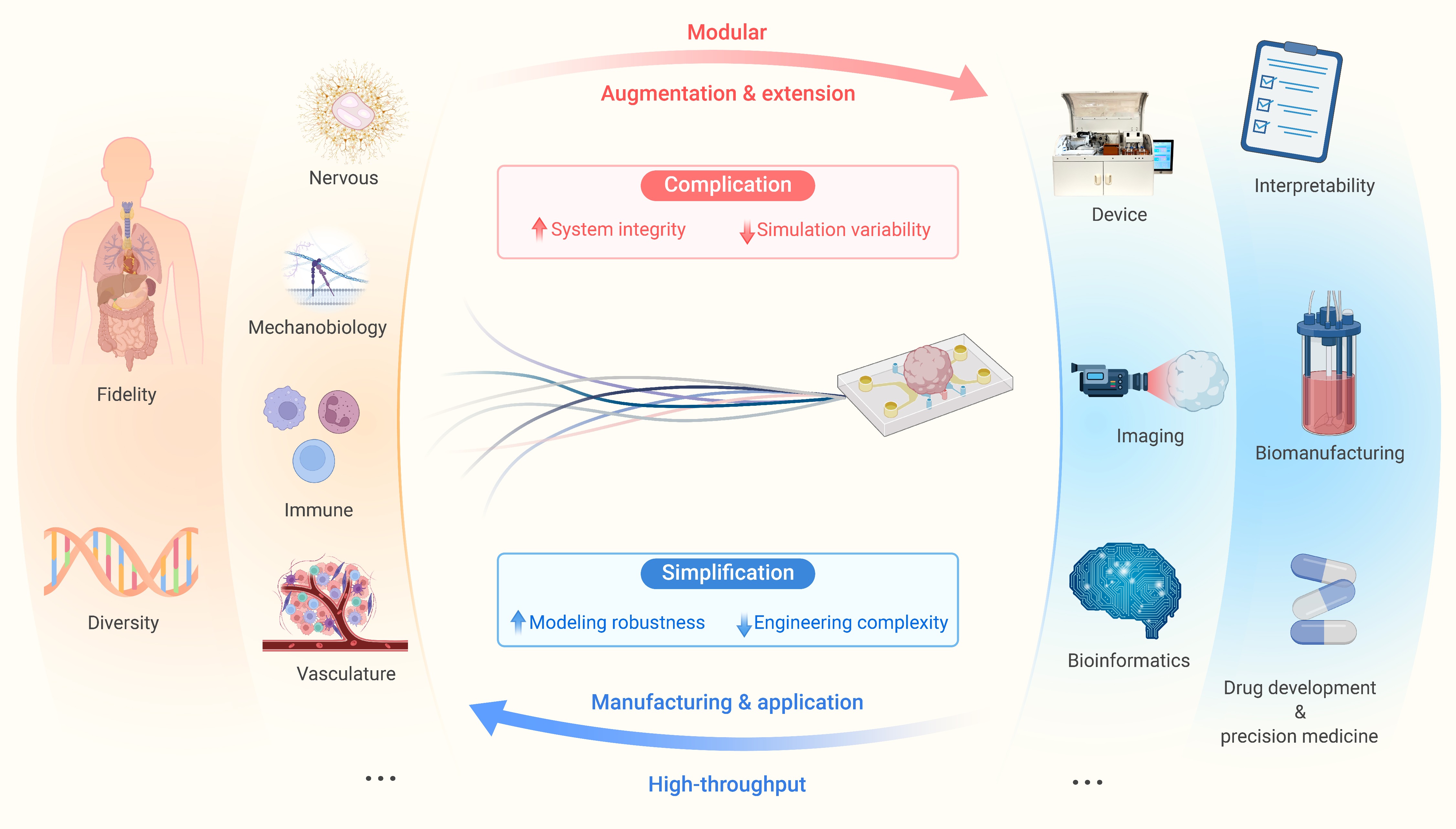
Figure 1.
Complication of Biology and Simplification of Engineering
-
Figure 2.
Mapping of human system and organoid
-
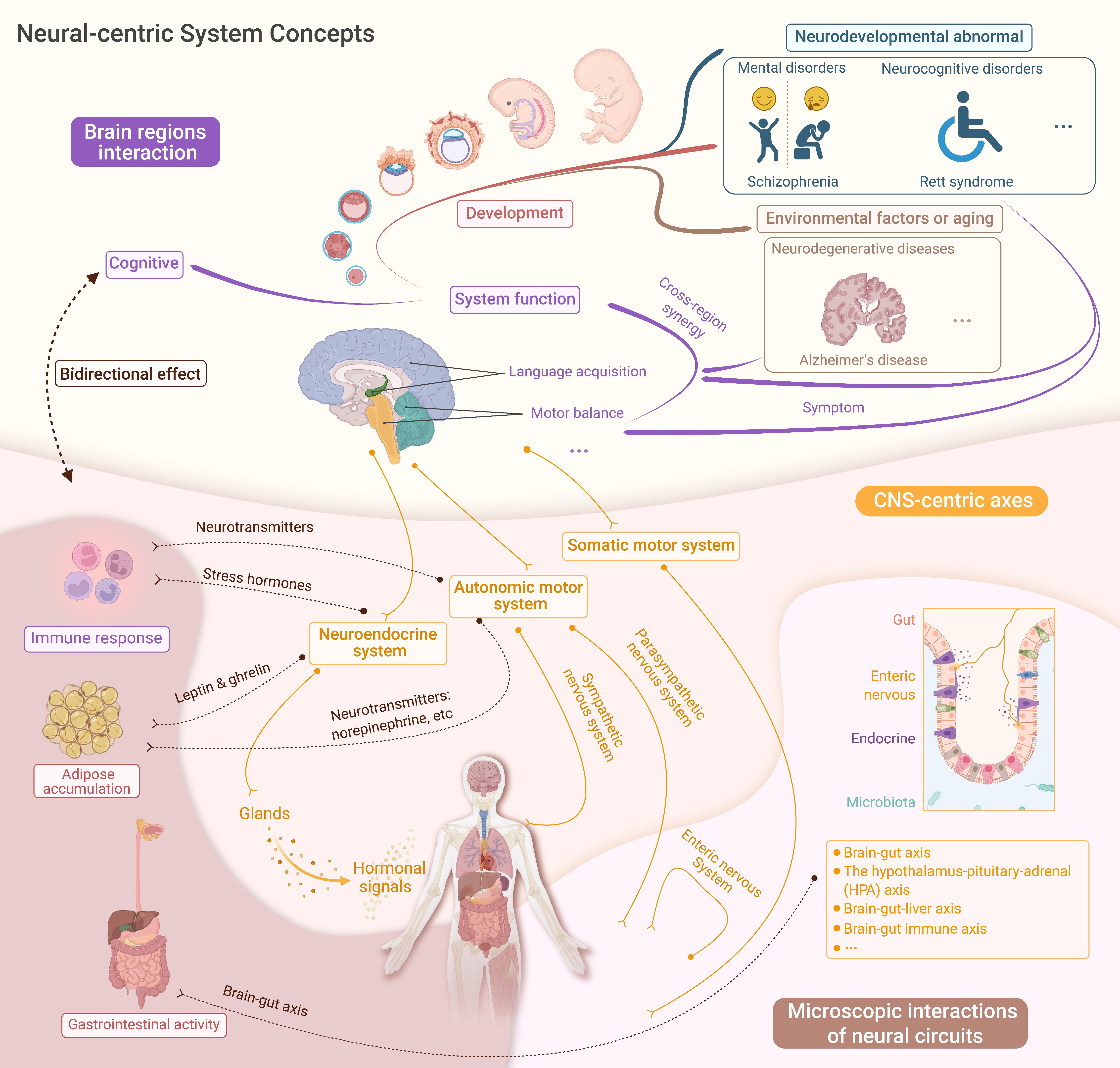
Figure 3.
Neural-centric system concepts
-
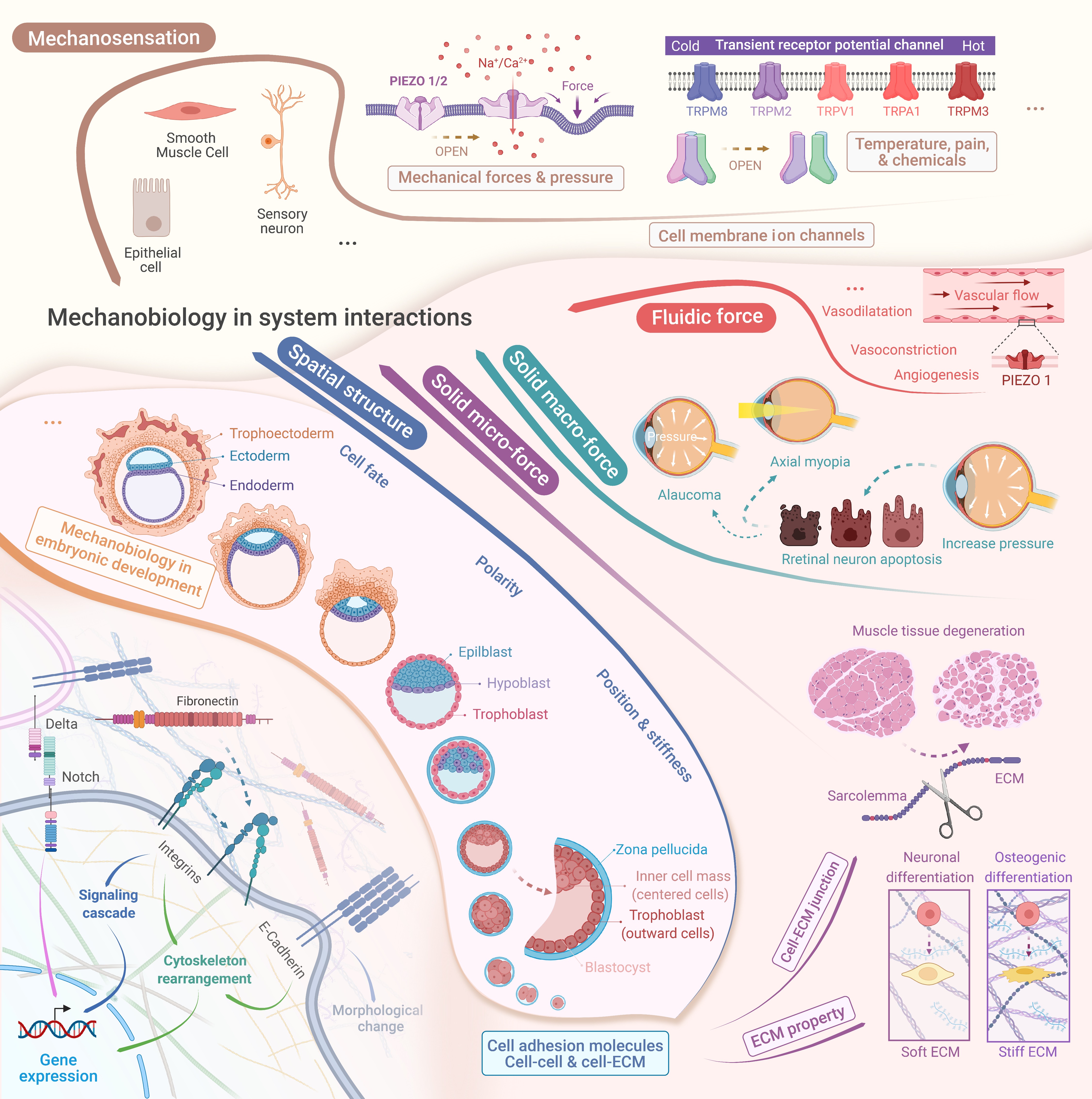
Figure 4.
Mechanobiology in system interactions
-
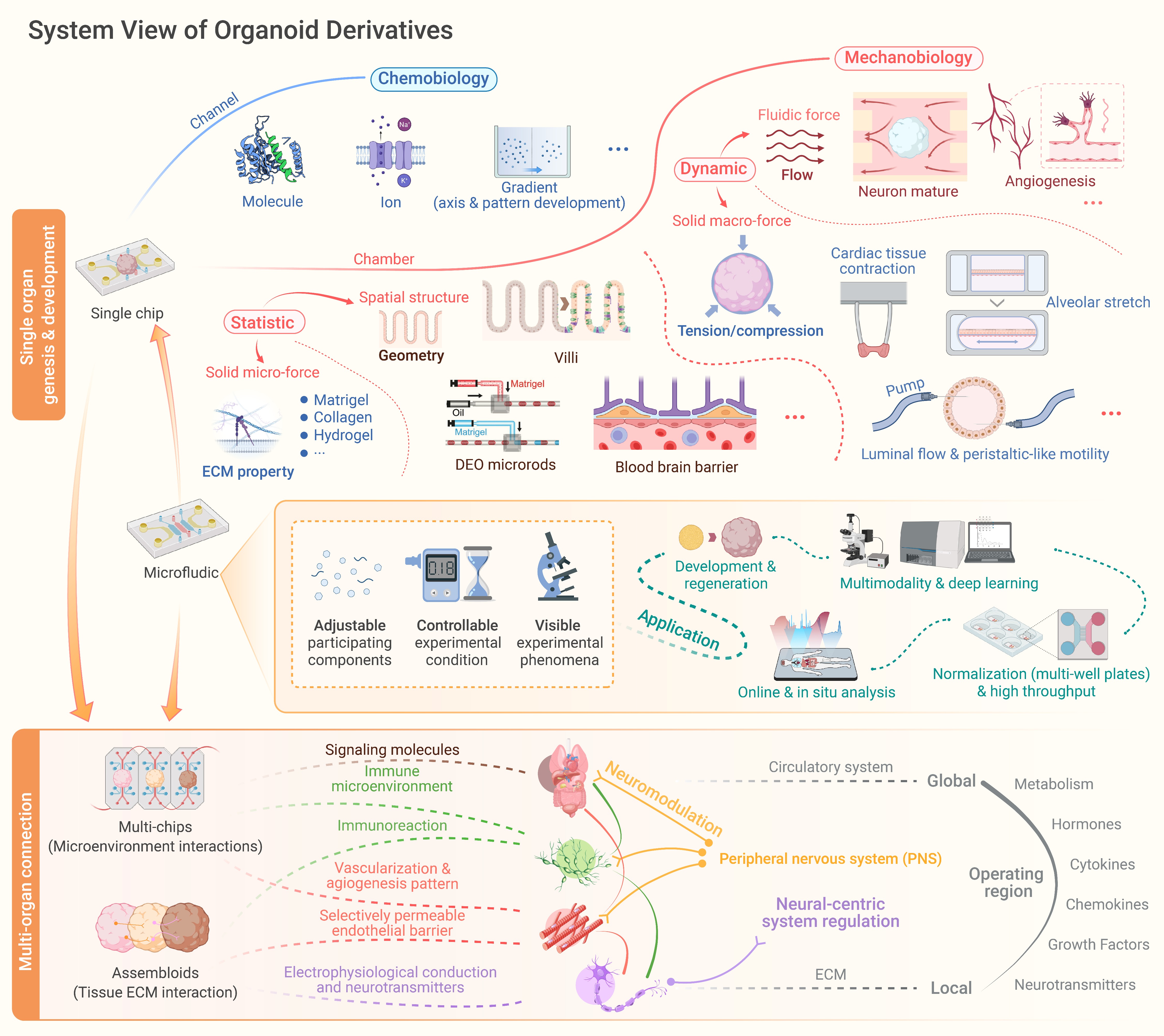
Figure 5.
System view of organoid derivatives
