
CircRNA-based therapeutics: Current opinions and clinical potential
-
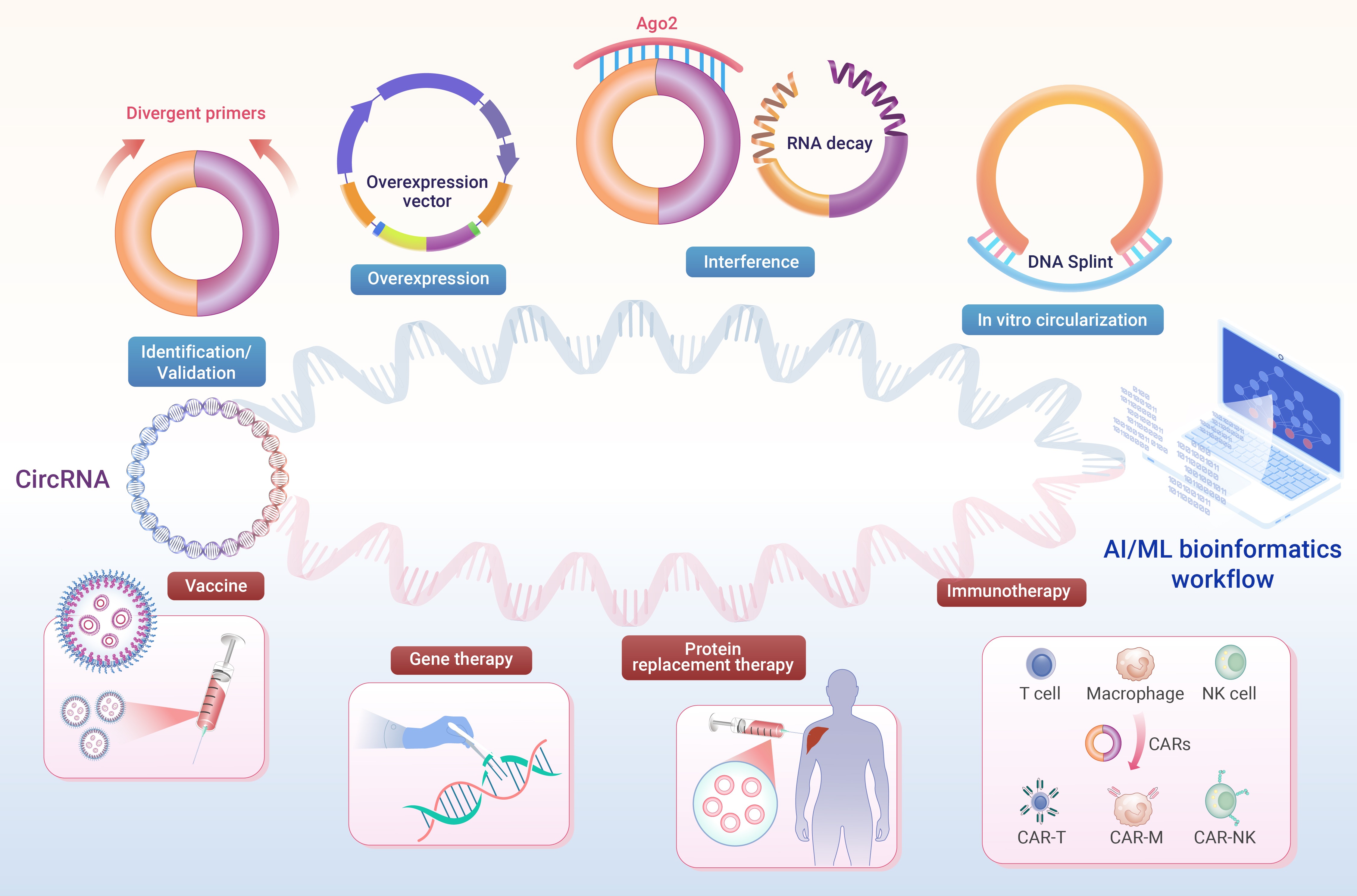
GRAPHICAL ABSTRACT
 DownLoad:
Full size image
DownLoad:
Full size image
-
PUBLIC SUMMARY
-
Circular RNAs (circRNAs) are critical regulators implicated in multiple pathological conditions.
CircRNAs manipulation and delivery options provide circRNAs research and applications opportunities.
CircRNA-based therapeutic strategies have been emerging.
-
-
ABSTRACT
Circular RNAs (circRNAs) are single-stranded, covalently closed RNA molecules that perform diverse roles in various cellular processes and have been implicated in many pathological conditions. Owing to their intrinsic stability and low immunogenicity, circRNAs have garnered significant interest for their therapeutic potential in multiple diseases, with advancements in efficient in vitro production methods and optimized delivery systems. In this review, we provide a comprehensive overview of current knowledge on circRNA biogenesis and functions, and summarize recent advances in various technologies for circRNA research, including their profiling, validation, and biosynthesis. We also discuss key delivery strategies and therapeutic applications, highlighting the promising prospects and current challenges for the clinical development of circRNA-based therapeutics. Research to date has shown that circRNAs are not merely splicing errors and that circRNA-based therapeutic platforms may have superior application prospects from bench to bedside. -

-
REFERENCES
[1] Sanger, H.L., Klotz, G., Riesner, D., et al. (1976). Viroids are single-stranded covalently closed circular RNA molecules existing as highly base-paired rod-like structures. Proc. Natl. Acad. Sci. U. S. A. 73: 3852−3856. DOI: 10.1073/pnas.73.11.3852. [2] Hsu, M.T., and Coca-Prados, M. (1979). Electron microscopic evidence for the circular form of RNA in the cytoplasm of eukaryotic cells. Nature 280: 339−340. DOI: 10.1038/280339a0. [3] Qu, L., Yi, Z., Shen, Y., et al. (2022). Circular RNA vaccines against SARS-CoV-2 and emerging variants. Cell 185: 1728−1744.e1716. DOI: 10.1016/j.cell.2022.03.044. [4] Kos, A., Dijkema, R., Arnberg, A.C., et al. (1986). The hepatitis delta (delta) virus possesses a circular RNA. Nature 323: 558−560. DOI: 10.1038/323558a0. [5] Nigro, J.M., Cho, K.R., Fearon, E.R., et al. (1991). Scrambled exons. Cell 64: 607−613. DOI: 10.1016/0092-8674(91)90244-s. [6] Cocquerelle, C., Daubersies, P., Majérus, M.A., et al. (1992). Splicing with inverted order of exons occurs proximal to large introns. Embo. J. 1: 1095−1098. DOI: 10.1002/j.1460-2075.1992.tb05148.x. [7] Cocquerelle, C., Mascrez, B., Hétuin, D., et al. (1993). Mis-splicing yields circular RNA molecules. Faseb. J. 7: 155−160. DOI: 10.1096/fasebj.7.1.7678559. [8] Dubin, R.A., Kazmi, M.A., and Ostrer, H. (1995). Inverted repeats are necessary for circularization of the mouse testis Sry transcript. Gene. 16: 245−248. DOI: 10.1016/0378-1119(95)00639-7. [9] Capel, B., Swain, A., Nicolis, S., et al. (1993). Circular transcripts of the testis-determining gene Sry in adult mouse testis. Cell 73: 1019−1030. DOI: 10.1016/0092-8674(93)90279-y. [10] Chen, C.Y., and Sarnow, P. (1995). Initiation of protein synthesis by the eukaryotic translational apparatus on circular RNAs. Science 268: 415−417. DOI: 10.1126/science.7536344. [11] Perriman, R., and Ares, M., Jr. (1998). Circular mRNA can direct translation of extremely long repeating-sequence proteins in vivo. RNA 4: 1047−1054. DOI: 10.1017/s135583829898061x. [12] Koh, W., Pan, W., Gawad, C., et al. (2014). Noninvasive in vivo monitoring of tissue-specific global gene expression in humans. Proc. Natl. Acad. Sci. U. S. A. 111: 7361−7366. DOI: 10.1073/pnas.1405528111. [13] Salzman, J., Gawad, C., Wang, P.L., et al. (2012). Circular RNAs are the predominant transcript isoform from hundreds of human genes in diverse cell types. PLoS One 7: e30733. DOI: 10.1371/journal.pone.0030733. [14] Zhong, J., Cui, Y., Guo, J., et al. (2014). Resolving chromosome-centric human proteome with translating mRNA analysis: a strategic demonstration. J. Proteome. Res. 13: 50−59. DOI: 10.1021/pr4007409. [15] Ghosal, S., Das, S., Sen, R., et al. (2013). Circ2Traits: A comprehensive database for circular RNA potentially associated with disease and traits. Front. Genet. 4: 283. DOI: 10.3389/fgene.2013.00283. [16] Santer, L., Bär, C., and Thum, T. (2019). Circular RNAs: A novel class of functional RNA molecules with a therapeutic perspective. Mol. Ther. 27: 1350−1363. DOI: 10.1016/j.ymthe.2019.07.001. [17] Jeck, W.R., Sorrentino, J.A., Wang, K., et al. (2013). Circular RNAs are abundant, conserved, and associated with ALU repeats. RNA 19: 141−157. DOI: 10.1261/rna.035667.112. [18] Suzuki, H., Zuo, Y., Wang, J., et al. (2006). Characterization of RNase R-digested cellular RNA source that consists of lariat and circular RNAs from pre-mRNA splicing. Nucleic Acids Res. 34: e63. DOI: 10.1093/nar/gkl151. [19] Pamudurti, N.R., Bartok, O., Jens, M., et al. (2017). Translation of circRNAs. Mol. Cell 66: 9−21.e27. DOI: 10.1016/j.molcel.2017.02.021. [20] Memczak, S., Jens, M., Elefsinioti, A., et al. (2013). Circular RNAs are a large class of animal RNAs with regulatory potency. Nature 495: 333−338. DOI: 10.1038/nature11928. [21] Hansen, T.B., Jensen, T.I., Clausen, B.H., et al. (2013). Natural RNA circles function as efficient microRNA sponges. Nature 495: 384−388. DOI: 10.1038/nature11993. [22] Suzuki, H., and Tsukahara, T. (2014). A view of pre-mRNA splicing from RNase R resistant RNAs. Int. J. Mol. Sci. 15: 9331−9342. DOI: 10.3390/ijms15069331. [23] Szabo, L., Morey, R., Palpant, N.J., et al. (2015). Statistically based splicing detection reveals neural enrichment and tissue-specific induction of circular RNA during human fetal development. Genome. Biol. 16: 126. DOI: 10.1186/s13059-015-0690-5. [24] Xia, W., Chen, W., Ni, C., et al. (2023). Chemotherapy-induced exosomal circBACH1 promotes breast cancer resistance and stemness via miR-217/G3BP2 signaling pathway. Breast Cancer Res. 25: 85. DOI: 10.1186/s13058-023-01672-x. [25] Qu, S., Song, W., Yang, X., et al. (2015). Microarray expression profile of circular RNAs in human pancreatic ductal adenocarcinoma. Genom. Data 5: 385−387. DOI: 10.1016/j.gdata.2015.07.017. [26] Chen, R., Wang, S.K., Belk, J.A., et al. (2023). Engineering circular RNA for enhanced protein production. Nat. Biotechnol. 41: 262−272. DOI: 10.1038/s41587-022-01393-0. [27] Liu, C.X., Guo, S.K., Nan, F., et al. (2022). RNA circles with minimized immunogenicity as potent PKR inhibitors. Mol. Cell 82: 420−434.e426. DOI: 10.1016/j.molcel.2021.11.019. [28] Sun, M., and Yang, Y. (2023). Biological functions and applications of circRNA-next generation of RNA-based therapy. J. Mol. Cell Biol. DOI: 10.1093/jmcb/mjad031. [29] Liu, X., Wang, X., Li, J., et al. (2020). Identification of mecciRNAs and their roles in the mitochondrial entry of proteins. Sci. China Life Sci. 63: 1429−1449. DOI: 10.1007/s11427-020-1631-9. [30] Li, H., Peng, K., Yang, K., et al. (2022). Circular RNA cancer vaccines drive immunity in hard-to-treat malignancies. Theranostics 12: 6422−6436. DOI: 10.7150/thno.77350. [31] Chen, L., and Shan, G. (2021). CircRNA in cancer: fundamental mechanism and clinical potential. Cancer Lett. 505: 49−57. DOI: 10.1016/j.canlet.2021.02.004. [32] Zhang, Y., Zhang, X.O., Chen, T., et al. (2013). Circular intronic long noncoding RNAs. Mol. Cell 51: 792−806. DOI: 10.1016/j.molcel.2013.08.017. [33] Li, Z., Huang, C., Bao, C., et al. (2015). Exon-intron circular RNAs regulate transcription in the nucleus. Nat. Struct. Mol. Biol. 22: 256−264. DOI: 10.1038/nsmb.2959. [34] Starke, S., Jost, I., Rossbach, O., et al. (2015). Exon circularization requires canonical splice signals. Cell Rep. 10: 103−111. DOI: 10.1016/j.celrep.2014.12.002. [35] Chen, L.L. (2020). The expanding regulatory mechanisms and cellular functions of circular RNAs. Nat. Rev. Mol. Cell Biol. 21: 475−490. DOI: 10.1038/s41580-020-0243-y. [36] Chen, L.L. (2016). The biogenesis and emerging roles of circular RNAs. Nat. Rev. Mol. Cell Biol. 17: 205−211. DOI: 10.1038/nrm.2015.32. [37] Yao, X., and Zhang, Q. (2022). Function and clinical significance of circular RNAs in thyroid cancer. Front. Mol. Biosci. 9: 925389. DOI: 10.3389/fmolb.2022.925389. [38] Zhang, X.O., Wang, H.B., Zhang, Y., et al. (2014). Complementary sequence-mediated exon circularization. Cell 159: 134−147. DOI: 10.1016/j.cell.2014.09.001. [39] Kramer, M.C., Liang, D., Tatomer, D.C., et al. (2015). Combinatorial control of Drosophila circular RNA expression by intronic repeats, hnRNPs, and SR proteins. Genes Dev. 29: 2168−2182. DOI: 10.1101/gad.270421.115. [40] Li, X., Liu, C.X., Xue, W., et al. (2017). Coordinated circRNA biogenesis and function with NF90/NF110 in viral infection. Mol. Cell 67: 214−227.e217. DOI: 10.1016/j.molcel.2017.05.023. [41] Tan, K.E., Ng, W.L., Ea, C.K., et al. (2023). Detection of cytoplasmic and nuclear circular RNA via RT-qPCR. Bio. Protoc. 13: e4798. DOI: 10.21769/BioProtoc.4798. [42] Chen, L., Huang, C., and Shan, G. (2022). Circular RNAs in physiology and non-immunological diseases. Trends Biochem. Sci. 47: 250−264. DOI: 10.1016/j.tibs.2021.11.004. [43] Huang, C., Liang, D., Tatomer, D.C., et al. (2018). A length-dependent evolutionarily conserved pathway controls nuclear export of circular RNAs. Genes Dev. 32: 639−644. DOI: 10.1101/gad.314856.118. [44] Chen, L., Wang, Y., Lin, J., et al. (2022). Exportin 4 depletion leads to nuclear accumulation of a subset of circular RNAs. Nat. Commun. 13: 5769. DOI: 10.1038/s41467-022-33356-z. [45] Jiao, J., and Zhang, Z. (2023). Nuclear circRNA: Impairing genome stability via circR loops. Clin. Transl. Discov. 3 :e229. DOI: 10.1002/ctd2.229. [46] An, M., Zheng, H., Huang, J., et al. (2022). Aberrant nuclear export of circNCOR1 underlies SMAD7-mediated lymph node metastasis of bladder cancer. Cancer Res. 82: 2239−2253. DOI: 10.1158/0008-5472.Can-21-4349. [47] Liu, C.X., and Chen, L.L. (2022). Circular RNAs: Characterization, cellular roles, and applications. Cell 185: 2016−2034. DOI: 10.1016/j.cell.2022.04.021. [48] Liang, Y., Cen, J., Huang, Y., et al. (2022). CircNTNG1 inhibits renal cell carcinoma progression via HOXA5-mediated epigenetic silencing of slug. Mol. Cancer 21: 224. DOI: 10.1186/s12943-022-01694-7. [49] Yao, X., Liu, H., Wang, Z., et al. (2023). Circular RNA EIF3I promotes papillary thyroid cancer progression by interacting with AUF1 to increase Cyclin D1 production. Oncogene 42: 3206−3218. DOI: 10.1038/s41388-023-02830-3. [50] Brar, G.A., Yassour, M., Friedman, N., et al. (2012). High-resolution view of the yeast meiotic program revealed by ribosome profiling. Science 335: 552−557. DOI: 10.1126/science.1215110. [51] Chen, C.K., Cheng, R., Demeter, J., et al. (2021). Structured elements drive extensive circular RNA translation. Mol. Cell 81: 4300−4318.e4313. DOI: 10.1016/j.molcel.2021.07.042. [52] Benoit Bouvrette, L.P., Cody, N.A.L., Bergalet, J., et al. (2018). CeFra-seq reveals broad asymmetric mRNA and noncoding RNA distribution profiles in Drosophila and human cells. RNA 24: 98−113. DOI: 10.1261/rna.063172.117. [53] Fazal, F.M., Han, S., Parker, K.R., et al. (2019). Atlas of subcellular RNA localization revealed by APEX-Seq. Cell 178: 473−490.e426. DOI: 10.1016/j.cell.2019.05.027. [54] Lin, Y.C., Wang, Y.C., Lee, Y.C., et al. (2022). CircVIS: A platform for circRNA visual presentation. BMC Genomics 22: 921. DOI: 10.1186/s12864-022-08650-1. [55] Ning, L., Cui, T., Zheng, B., et al. (2021). MNDR v3.0: Mammal ncRNA-disease repository with increased coverage and annotation. Nucleic Acids Res. 49 :D160-d164. DOI: 10.1093/nar/gkaa707. [56] Zhang, T., Tan, P., Wang, L., et al. (2017). RNALocate: A resource for RNA subcellular localizations. Nucleic Acids Res. 45: D135−d138. DOI: 10.1093/nar/gkw728. [57] Asim, M.N., Ibrahim, M.A., Imran Malik, M., et al. (2022). Circ-LocNet: A computational framework for circular RNA sub-cellular localization prediction. Int. J. Mol. Sci. 23 . DOI: 10.3390/ijms23158221. [58] Garg, A., Singhal, N., Kumar, R., et al. (2020). mRNALoc: A novel machine-learning based in-silico tool to predict mRNA subcellular localization. Nucleic Acids Res. 48: W239−w243. DOI: 10.1093/nar/gkaa385. [59] Yuan, G.H., Wang, Y., Wang, G.Z., et al. (2023). RNAlight: A machine learning model to identify nucleotide features determining RNA subcellular localization. Brief. Bioinform. 24 . DOI: 10.1093/bib/bbac509. [60] Huang, A., Zheng, H., Wu, Z., et al. (2020). Circular RNA-protein interactions: Functions, mechanisms, and identification. Theranostics 10: 3503−3517. DOI: 10.7150/thno.42174. [61] Fan, C., Qu, H., Xiong, F., et al. (2021). CircARHGAP12 promotes nasopharyngeal carcinoma migration and invasion via ezrin-mediated cytoskeletal remodeling. Cancer Lett. 496: 41−56. DOI: 10.1016/j.canlet.2020.09.006. [62] Wu, N., Yuan, Z., Du, K.Y., et al. (2019). Translation of yes-associated protein (YAP) was antagonized by its circular RNA via suppressing the assembly of the translation initiation machinery. Cell Death Differ. 26: 2758−2773. DOI: 10.1038/s41418-019-0337-2. [63] Yang, Y., Fan, X., Mao, M., et al. (2017). Extensive translation of circular RNAs driven by N(6)-methyladenosine. Cell Res. 27: 626−641. DOI: 10.1038/cr.2017.31. [64] Rybak-Wolf, A., Stottmeister, C., Glažar, P., et al. (2015). Circular RNAs in the mammalian brain are highly abundant, conserved, and dynamically expressed. Mol. Cell 58: 870−885. DOI: 10.1016/j.molcel.2015.03.027. [65] Xiao, M.S., and Wilusz, J.E. (2019). An improved method for circular RNA purification using RNase R that efficiently removes linear RNAs containing G-quadruplexes or structured 3' ends. Nucleic Acids Res. 47: 8755−8769. DOI: 10.1093/nar/gkz576. [66] Pandey, P.R., Rout, P.K., Das, A., et al. (2019). RPAD (RNase R treatment, polyadenylation, and poly(A)+ RNA depletion) method to isolate highly pure circular RNA. Methods 155: 41−48. DOI: 10.1016/j.ymeth.2018.10.022. [67] Gao, Y., Wang, J., Zheng, Y., et al. (2016). Comprehensive identification of internal structure and alternative splicing events in circular RNAs. Nat. Commun. 7: 12060. DOI: 10.1038/ncomms12060. [68] Zhang, X.O., Dong, R., Zhang, Y., et al. (2016). Diverse alternative back-splicing and alternative splicing landscape of circular RNAs. Genome Res. 26: 1277−1287. DOI: 10.1101/gr.202895.115. [69] Jakobi, T., Uvarovskii, A., and Dieterich, C. (2019). Circtools-a one-stop software solution for circular RNA research. Bioinformatics 35: 2326−2328. DOI: 10.1093/bioinformatics/bty948. [70] Rhoads, A., and Au, K.F. (2015). PacBio sequencing and its applications. Genom. Proteom. Bioinform. 13: 278−289. DOI: 10.1016/j.gpb.2015.08.002. [71] Lu, H., Giordano, F., and Ning, Z. (2016). Oxford nanopore minION sequencing and genome assembly. Genom. Proteom. Bioinform. 14: 265−279. DOI: 10.1016/j.gpb.2016.05.004. [72] Xin, R., Gao, Y., Gao, Y., et al. (2021). isoCirc catalogs full-length circular RNA isoforms in human transcriptomes. Nat. Commun. 12: 266. DOI: 10.1038/s41467-020-20459-8. [73] Hou, L., Zhang, J., and Zhao, F. (2023). Full-length circular RNA profiling by nanopore sequencing with CIRI-long. Nat. Protoc. 18: 1795−1813. DOI: 10.1038/s41596-023-00815-w. [74] Liu, Z., Tao, C., Li, S., et al. (2021). circFL-seq reveals full-length circular RNAs with rolling circular reverse transcription and nanopore sequencing. Elife 10 . DOI: 10.7554/eLife.69457. [75] Zhong, Y., Yang, Y., Wang, X., et al. (2024). Systematic identification and characterization of exon-intron circRNAs. Genome Res. 34: 376−393. DOI: 10.1101/gr.278590.123. [76] Hoffmann, S., Otto, C., Doose, G., et al. (2014). A multi-split mapping algorithm for circular RNA, splicing, trans-splicing and fusion detection. Genome Biol. 15: R34. DOI: 10.1186/gb-2014-15-2-r34. [77] Gao, Y., Wang, J., and Zhao, F. (2015). CIRI: An efficient and unbiased algorithm for de novo circular RNA identification. Genome Biol. 16: 4. DOI: 10.1186/s13059-014-0571-3. [78] D'Ambra, E., and Morlando, M. (2021). Study of circular RNA expression by nonradioactive northern blot procedure. Methods Mol. Biol. 2348: 371−383. DOI: 10.1007/978-1-0716-1581-2_23. [79] Li, S., Teng, S., Xu, J., et al. (2019). Microarray is an efficient tool for circRNA profiling. Brief. Bioinform. 20: 1420−1433. DOI: 10.1093/bib/bby006. [80] Dahl, M., Daugaard, I., Andersen, M.S., et al. (2018). Enzyme-free digital counting of endogenous circular RNA molecules in B-cell malignancies. Lab. Invest. 98: 1657−1669. DOI: 10.1038/s41374-018-0108-6. [81] Cao, Y., Lu, X., Lin, H., et al. (2023). CoLAMP: CRISPR-based one-pot loop-mediated isothermal amplification enables at-home diagnosis of SARS-CoV-2 RNA with nearly eliminated contamination utilizing amplicons depletion strategy. Biosens. Bioelectron. 236: 115402. DOI: 10.1016/j.bios.2023.115402. [82] Ge, L., Li, B., Xu, H., et al. (2019). Backfilling rolling cycle amplification with enzyme-DNA conjugates on antibody for portable electrochemical immunoassay with glucometer readout. Biosens. Bioelectron. 132: 210−216. DOI: 10.1016/j.bios.2019.02.051. [83] Mi, Z., Zhongqiang, C., Caiyun, J., et al. (2022). Circular RNA detection methods: A minireview. Talanta 238: 123066. DOI: 10.1016/j.talanta.2021.123066. [84] Feldstein, P.A., Levy, L., Randles, J.W., et al. (1997). Synthesis and two-dimensional electrophoretic analysis of mixed populations of circular and linear RNAs. Nucleic Acids Res. 25: 4850−4854. DOI: 10.1093/nar/25.23.4850. [85] Szabo, L., and Salzman, J. (2016). Detecting circular RNAs: Bioinformatic and experimental challenges. Nat. Rev. Genet. 17: 679−692. DOI: 10.1038/nrg.2016.114. [86] Verduci, L., Tarcitano, E., Strano, S., et al. (2021). CircRNAs: Role in human diseases and potential use as biomarkers. Cell Death Dis. 12: 468. DOI: 10.1038/s41419-021-03743-3. [87] Wu, M., Peng, D., and Zhong, X. (2021). Exploration of circular RNA interactomes by RNA pull-down method. Methods Mol. Biol. 2372: 203−208. DOI: 10.1007/978-1-0716-1697-0_18. [88] Jiang, Y., Yang, M., Wang, S., et al. (2020). Emerging role of deep learning-based artificial intelligence in tumor pathology. Cancer Commun. (Lond) 40: 154−166. DOI: 10.1002/cac2.12012. [89] Liu, Q., Yu, J., Cai, Y., et al. (2022). SAAED: Embedding and deep learning enhance accurate prediction of association between circRNA and disease. Front. Genet. 13: 832244. DOI: 10.3389/fgene.2022.832244. [90] Bamunu Mudiyanselage, T., Lei, X., Senanayake, N., et al. (2022). Predicting circRNA disease associations using novel node classification and link prediction models on graph convolutional networks. Methods 198: 32−44. DOI: 10.1016/j.ymeth.2021.10.008. [91] Zhang, H.Y., Wang, L., You, Z.H., et al. (2022). iGRLCDA: Identifying circRNA-disease association based on graph representation learning. Brief. Bioinform. 23 . DOI: 10.1093/bib/bbac083. [92] Deepthi, K., and Jereesh, A.S. (2020). An ensemble approach for CircRNA-disease association prediction based on autoencoder and deep neural network. Gene 762: 145040. DOI: 10.1016/j.gene.2020.145040. [93] Ai, N., Liang, Y., Yuan, H., et al. (2023). GDCL-NcDA: Identifying non-coding RNA-disease associations via contrastive learning between deep graph learning and deep matrix factorization. BMC Genomics 24: 424. DOI: 10.1186/s12864-023-09501-3. [94] Li, Y., Hu, X.G., Wang, L., et al. (2022). MNMDCDA: Prediction of circRNA-disease associations by learning mixed neighborhood information from multiple distances. Brief. Bioinform. 23 . DOI: 10.1093/bib/bbac479. [95] Wang, L., Wong, L., Li, Z., et al. (2022). A machine learning framework based on multi-source feature fusion for circRNA-disease association prediction. Brief. Bioinform. 23 . DOI: 10.1093/bib/bbac388. [96] Li, G., Luo, J., Wang, D., et al. (2020). Potential circRNA-disease association prediction using DeepWalk and network consistency projection. J. Biomed. Inform. 112: 103624. DOI: 10.1016/j.jbi.2020.103624. [97] Deepthi, K., and Jereesh, A.S. (2021). Inferring potential circRNA-disease associations via deep autoencoder-based classification. Mol. Diagn. Ther. 25: 87−97. DOI: 10.1007/s40291-020-00499-y. [98] Li, G., Lin, Y., Luo, J., et al. (2022). GGAECDA: Predicting circRNA-disease associations using graph autoencoder based on graph representation learning. Comput. Biol. Chem. 99: 107722. DOI: 10.1016/j.compbiolchem.2022.107722. [99] Wang, H., Han, J., Li, H., et al. (2023). CDA-SKAG: Predicting circRNA-disease associations using similarity kernel fusion and an attention-enhancing graph autoencoder. Math. Biosci. Eng. 20: 7957−7980. DOI: 10.3934/mbe.2023345. [100] Yuan, L., Zhao, J., Shen, Z., et al. (2023). iCircDA-NEAE: Accelerated attribute network embedding and dynamic convolutional autoencoder for circRNA-disease associations prediction. PLoS Comput. Biol. 19: e1011344. DOI: 10.1371/journal.pcbi.1011344. [101] Li, G., Wang, D., Zhang, Y., et al. (2022). Using graph attention network and graph convolutional network to explore human circRNA-disease associations based on multi-Source data. Front. Genet. 13: 829937. DOI: 10.3389/fgene.2022.829937. [102] Wang, L., You, Z.H., Huang, Y.A., et al. (2020). An efficient approach based on multi-sources information to predict circRNA-disease associations using deep convolutional neural network. Bioinformatics 36: 4038−4046. DOI: 10.1093/bioinformatics/btz825. [103] Wang, L., You, Z.H., Li, J.Q., et al. (2021). IMS-CDA: Prediction of circRNA-disease associations from the integration of multisource similarity information with deep stacked autoencoder model. IEEE Trans. Cybern. 51: 5522−5531. DOI: 10.1109/tcyb.2020.3022852. [104] Wang, L., Yan, X., You, Z.H., et al. (2021). SGANRDA: Semi-supervised generative adversarial networks for predicting circRNA-disease associations. Brief. Bioinform. 22 . DOI: 10.1093/bib/bbab028. [105] Wang, L., You, Z.H., Li, Y.M., et al. (2020). GCNCDA: A new method for predicting circRNA-disease associations based on graph convolutional network algorithm. PLoS Comput. Biol. 16: e1007568. DOI: 10.1371/journal.pcbi.1007568. [106] Ma, Z., Kuang, Z., and Deng, L. (2021). CRPGCN: Predicting circRNA-disease associations using graph convolutional network based on heterogeneous network. BMC Bioinformatics 22: 551. DOI: 10.1186/s12859-021-04467-z. [107] Tang, Y., Zhang, J., He, D., et al. (2021). GANDA: A deep generative adversarial network conditionally generates intratumoral nanoparticles distribution pixels-to-pixels. J. Control. Release 336: 336−343. DOI: 10.1016/j.jconrel.2021.06.039. [108] Xiao, Q., Fu, Y., Yang, Y., et al. (2021). NSL2CD: identifying potential circRNA-disease associations based on network embedding and subspace learning. Brief. Bioinform. 22 . DOI: 10.1093/bib/bbab177. [109] Bian, C., Lei, X.J., and Wu, F.X. (2021). GATCDA: Predicting circRNA-disease associations based on graph attention network. Cancers (Basel). 13 . DOI: 10.3390/cancers13112595. [110] Lan, W., Dong, Y., Chen, Q., et al. (2022). KGANCDA: Predicting circRNA-disease associations based on knowledge graph attention network. Brief. Bioinform. 23 . DOI: 10.1093/bib/bbab494. [111] Deng, L., Liu, D., Li, Y., et al. (2022). MSPCD: Predicting circRNA-disease associations via integrating multi-source data and hierarchical neural network. BMC Bioinformatics 23: 427. DOI: 10.1186/s12859-022-04976-5. [112] Xie, G., Chen, H., Sun, Y., et al. (2021). Predicting circRNA-disease associations based on deep matrix factorization with multi-source fusion. Interdiscip. Sci. 13: 582−594. DOI: 10.1007/s12539-021-00455-2. [113] Lan, W., Dong, Y., Chen, Q., et al. (2022). IGNSCDA: Predicting circRNA-disease associations based on improved graph convolutional network and negative sampling. IEEE/ACM Trans. Comput. Biol. Bioinform. 19: 3530−3538. DOI: 10.1109/tcbb.2021.3111607. [114] Peng, L., Yang, C., Huang, L., et al. (2022). RNMFLP: Predicting circRNA-disease associations based on robust nonnegative matrix factorization and label propagation. Brief. Bioinform. 23 . DOI: 10.1093/bib/bbac155. [115] Ding, Y., Chen, B., Lei, X., et al. (2020). Predicting novel circRNA-disease associations based on random walk and logistic regression model. Comput. Biol. Chem. 87: 107287. DOI: 10.1016/j.compbiolchem.2020.107287. [116] Liu, W., Tang, T., Lu, X., et al. (2023). MPCLCDA: Predicting circRNA-disease associations by using automatically selected meta-path and contrastive learning. Brief. Bioinform. 24 . DOI: 10.1093/bib/bbad227. [117] Shen, S., Liu, J., Zhou, C., et al. (2022). XGBCDA: A multiple heterogeneous networks-based method for predicting circRNA-disease associations. BMC Med. Genomics 13: 196. DOI: 10.1186/s12920-021-01054-2. [118] Peng, L., Yang, C., Chen, Y., et al. (2023). Predicting circRNA-disease associations via feature convolution learning with heterogeneous graph attention network. IEEE J. Biomed. Health Inform. 27: 3072−3082. DOI: 10.1109/jbhi.2023.3260863. [119] Li, G., Yue, Y., Liang, C., et al. (2019). NCPCDA: Network consistency projection for circRNA-disease association prediction. RSC Adv. 9: 33222−33228. DOI: 10.1039/c9ra06133a. [120] Wang, L., You, Z.H., Huang, D.S., et al. (2023). MGRCDA: Metagraph recommendation method for predicting circRNA-disease association. IEEE Trans. Cybern. 53: 67−75. DOI: 10.1109/tcyb.2021.3090756. [121] Lu, C., Zeng, M., Wu, F.X., et al. (2021). Improving circRNA-disease association prediction by sequence and ontology representations with convolutional and recurrent neural networks. Bioinformatics 36: 5656−5664. DOI: 10.1093/bioinformatics/btaa1077. [122] Fu, Y., Yang, R., Zhang, L., et al. (2023). HGECDA: A heterogeneous graph embedding model for circRNA-disease association prediction. IEEE J. Biomed. Health Inform. 27: 5177−5186. DOI: 10.1109/jbhi.2023.3299042. [123] Wu, Q., Deng, Z., Pan, X., et al. (2022). MDGF-MCEC: A multi-view dual attention embedding model with cooperative ensemble learning for CircRNA-disease association prediction. Brief. Bioinform. 23 . DOI: 10.1093/bib/bbac289. [124] Lei, X., Fang, Z., and Guo, L. (2019). Predicting circRNA-disease associations based on improved collaboration filtering recommendation system with multiple data. Front. Genet. 10: 897. DOI: 10.3389/fgene.2019.00897. [125] Lei, X., and Fang, Z. (2019). GBDTCDA: Predicting circRNA-disease associations based on gradient boosting decision tree with multiple biological data fusion. Int. J. Biol. Sci. 15: 2911−2924. DOI: 10.7150/ijbs.33806. [126] Deng, L., Zhang, W., Shi, Y., et al. (2019). Fusion of multiple heterogeneous networks for predicting circRNA-disease associations. Sci. Rep. 9: 9605. DOI: 10.1038/s41598-019-45954-x. [127] Niu, M., Zou, Q., and Wang, C. (2022). GMNN2CD: Identification of circRNA-disease associations based on variational inference and graph Markov neural networks. Bioinformatics 38: 2246−2253. DOI: 10.1093/bioinformatics/btac079. [128] Chen, Y., Wang, Y., Ding, Y., et al. (2022). RGCNCDA: Relational graph convolutional network improves circRNA-disease association prediction by incorporating microRNAs. Comput. Biol. Med. 143: 105322. DOI: 10.1016/j.compbiomed.2022.105322. [129] Liu, Z.H., Ji, C.M., Ni, J.C., et al. (2023). Convolution neural networks using deep matrix factorization for predicting circRNA-disease association. IEEE/ACM Trans. Comput. Biol. Bioinform. 20: 277−284. DOI: 10.1109/tcbb.2021.3138339. [130] Fan, C., Lei, X., and Pan, Y. (2020). Prioritizing circRNA-disease associations with convolutional neural network based on multiple similarity feature fusion. Front. Genet. 11: 540751. DOI: 10.3389/fgene.2020.540751. [131] Yin, W., Wang, S., Qiao, S., et al. (2023). DETHACDA: A dual-view edge and topology hybrid attention model for circRNA-disease associations prediction. IEEE J. Biomed. Health Inform. Pp . DOI: 10.1109/jbhi.2023.3284851. [132] Wang, L., Wong, L., You, Z.H., et al. (2022). NSECDA: Natural semantic enhancement for circRNA-disease association prediction. IEEE J. Biomed. Health Inform. 26: 5075−5084. DOI: 10.1109/jbhi.2022.3199462. [133] Xiao, Q., Luo, J., and Dai, J. (2019). Computational prediction of human disease-associated circRNAs based on manifold regularization learning framework. IEEE J. Biomed. Health Inform. 23: 2661−2669. DOI: 10.1109/jbhi.2019.2891779. [134] Zeng, X., Zhong, Y., Lin, W., et al. (2020). Predicting disease-associated circular RNAs using deep forests combined with positive-unlabeled learning methods. Brief. Bioinform. 21: 1425−1436. DOI: 10.1093/bib/bbz080. [135] Zhou, Z., Zhang, J., Zheng, X., et al. (2024). CIRI-deep enables single-cell and spatial transcriptomic analysis of circular RNAs with deep Learning. Adv. Sci. (Weinh) 11 :e2308115. DOI: 10.1002/advs.202308115. [136] Wang, Y., Liu, X., Shen, Y., et al. (2023). Collaborative deep learning improves disease-related circRNA prediction based on multi-source functional information. Brief. Bioinform. 24 . DOI: 10.1093/bib/bbad069. [137] Fire, A., Xu, S., Montgomery, M.K., et al. (1998). Potent and specific genetic interference by double-stranded RNA in Caenorhabditis elegans. Nature 391: 806−811. DOI: 10.1038/35888. [138] He, A.T., Liu, J., Li, F., et al. (2021). Targeting circular RNAs as a therapeutic approach: current strategies and challenges. Signal. Transduct. Target. Ther. 6: 185. DOI: 10.1038/s41392-021-00569-5. [139] Williford, J.M., Wu, J., Ren, Y., et al. (2014). Recent advances in nanoparticle-mediated siRNA delivery. Annu. Rev. Biomed. Eng. 16: 347−370. DOI: 10.1146/annurev-bioeng-071813-105119. [140] Zamore, P.D., Tuschl, T., Sharp, P.A., et al. (2000). RNAi: Double-stranded RNA directs the ATP-dependent cleavage of mRNA at 21 to 23 nucleotide intervals. Cell 101: 25−33. DOI: 10.1016/s0092-8674(00)80620-0. [141] Ohno, S., Itano, K., Harada, Y., et al. (2016). Development of novel small hairpin RNAs that do not require processing by dicer or AGO2. Mol. Ther. 24: 1278−1289. DOI: 10.1038/mt.2016.81. [142] Lambeth, L.S., and Smith, C.A. (2013). Short hairpin RNA-mediated gene silencing. Methods Mol. Biol. 942: 205−232. DOI: 10.1007/978-1-62703-119-6_12. [143] Egli, M., and Manoharan, M. (2023). Chemistry, structure and function of approved oligonucleotide therapeutics. Nucleic Acids Res. 51: 2529−2573. DOI: 10.1093/nar/gkad067. [144] Løvendorf, M.B., Holm, A., Petri, A., et al. (2023). Knockdown of circular RNAs using LNA-modified antisense oligonucleotides. Nucleic Acid Ther. 33: 45−57. DOI: 10.1089/nat.2022.0040. [145] Mecozzi, N., Nenci, A., Vera, O., et al. (2022). Genetic tools for the stable overexpression of circular RNAs. RNA Biol. 19: 353−363. DOI: 10.1080/15476286.2022.2043041. [146] Chu, J., Robert, F., and Pelletier, J. (2021). Trans-spliced mRNA products produced from circRNA expression vectors. RNA 27: 676−682. DOI: 10.1261/rna.078261.120. [147] Meganck, R.M., Borchardt, E.K., Castellanos Rivera, R.M., et al. (2018). Tissue-dependent expression and translation of circular RNAs with recombinant AAV vectors in vivo. Mol. Ther. Nucleic. Acids 13: 89−98. DOI: 10.1016/j.omtn.2018.08.008. [148] Anzalone, A.V., Koblan, L.W., and Liu, D.R. (2020). Genome editing with CRISPR-Cas nucleases, base editors, transposases and prime editors. Nat. Biotechnol. 38: 824−844. DOI: 10.1038/s41587-020-0561-9. [149] Chen, C., Ji, W., and Niu, Y. (2021). Primate organoids and gene-editing technologies toward next-generation biomedical research. Trends Biotechnol. 39: 1332−1342. DOI: 10.1016/j.tibtech.2021.03.010. [150] Joung, J., Konermann, S., Gootenberg, J.S., et al. (2017). Genome-scale CRISPR-Cas9 knockout and transcriptional activation screening. Nat. Protoc. 12: 828−863. DOI: 10.1038/nprot.2017.016. [151] Zhang, Y., Xue, W., Li, X., et al. (2016). The biogenesis of nascent circular RNAs. Cell Rep. 15: 611−624. DOI: 10.1016/j.celrep.2016.03.058. [152] Zheng, Q., Bao, C., Guo, W., et al. (2016). Circular RNA profiling reveals an abundant circHIPK3 that regulates cell growth by sponging multiple miRNAs. Nat. Commun. 7: 11215. DOI: 10.1038/ncomms11215. [153] Abudayyeh, O.O., Gootenberg, J.S., Essletzbichler, P., et al. (2017). RNA targeting with CRISPR-Cas13. Nature 550: 280−284. DOI: 10.1038/nature24049. [154] Zhang, Y., Nguyen, T.M., Zhang, X.O., et al. (2021). Optimized RNA-targeting CRISPR/Cas13d technology outperforms shRNA in identifying functional circRNAs. Genome Biol. 22: 41. DOI: 10.1186/s13059-021-02263-9. [155] Li, S., Li, X., Xue, W., et al. (2021). Screening for functional circular RNAs using the CRISPR-Cas13 system. Nat. Methods 18: 51−59. DOI: 10.1038/s41592-020-01011-4. [156] Huang, T.P., Newby, G.A., and Liu, D.R. (2021). Precision genome editing using cytosine and adenine base editors in mammalian cells. Nat. Protoc. 16: 1089−1128. DOI: 10.1038/s41596-020-00450-9. [157] Gao, X., Ma, X.K., Li, X., et al. (2022). Knockout of circRNAs by base editing back-splice sites of circularized exons. Genome Biol. 23: 16. DOI: 10.1186/s13059-021-02563-0. [158] Ma, X.K., Gao, X., Cao, M., et al. (2024). Base-editor-mediated circRNA knockout by targeting predominantly back-splice sites. Methods Mol. Biol. 2765: 193−208. DOI: 10.1007/978-1-0716-3678-7_11. [159] Nelson, J.W., Randolph, P.B., Shen, S.P., et al. (2022). Engineered pegRNAs improve prime editing efficiency. Nat. Biotechnol. 40: 402−410. DOI: 10.1038/s41587-021-01039-7. [160] Anzalone, A.V., Randolph, P.B., Davis, J.R., et al. (2019). Search-and-replace genome editing without double-strand breaks or donor DNA. Nature 576: 149−157. DOI: 10.1038/s41586-019-1711-4. [161] Abudayyeh, O.O., Gootenberg, J.S., Franklin, B., et al. (2019). A cytosine deaminase for programmable single-base RNA editing. Science 365: 382−386. DOI: 10.1126/science.aax7063. [162] Qu, L., Yi, Z., Zhu, S., et al. (2019). Programmable RNA editing by recruiting endogenous ADAR using engineered RNAs. Nat. Biotechnol. 37: 1059−1069. DOI: 10.1038/s41587-019-0178-z. [163] Nakamoto, K., and Abe, H. (2021). Chemical synthesis of circular RNAs with phosphoramidate linkages for rolling-circle translation. Curr. Protoc. 1: e43. DOI: 10.1002/cpz1.43. [164] Miller, E.S., Kutter, E., Mosig, G., et al. (2003). Bacteriophage T4 genome. Microbiol Mol. Biol. Rev. 67: 86−156. DOI: 10.1128/mmbr.67.1.86-156.2003. [165] Abe, N., Kodama, A., and Abe, H. (2018). Preparation of circular RNA in vitro. Methods Mol. Biol. 1724: 181−192. DOI: 10.1007/978-1-4939-7562-4_15. [166] Hieronymus, R., and Müller, S. (2019). Engineering of hairpin ribozyme variants for RNA recombination and splicing. Ann. N. Y. Acad. Sci. 1447: 135−143. DOI: 10.1111/nyas.14052. [167] Lee, K.H., Kim, S., Song, J., et al. (2023). Efficient circular RNA engineering by end-to-end self-targeting and splicing reaction using Tetrahymena group I intron ribozyme. Mol. Ther. Nucl. Acids 33: 587−598. DOI: 10.1016/j.omtn.2023.07.034. [168] Chen, H., Cheng, K., Liu, X., et al. (2020). Preferential production of RNA rings by T4 RNA ligase 2 without any splint through rational design of precursor strand. Nucleic Acids Res. 48: e54. DOI: 10.1093/nar/gkaa181. [169] Edelmann, F.T., Niedner, A., and Niessing, D. (2014). Production of pure and functional RNA for in vitro reconstitution experiments. Methods 65: 333−341. DOI: 10.1016/j.ymeth.2013.08.034. [170] Kameda, S., Ohno, H., and Saito, H. (2023). Synthetic circular RNA switches and circuits that control protein expression in mammalian cells. Nucleic Acids Res. 51: e24. DOI: 10.1093/nar/gkac1252. [171] Wang, Z., Ma, K., Cheng, Y., et al. (2019). Synthetic circular multi-miR sponge simultaneously inhibits miR-21 and miR-93 in esophageal carcinoma. Lab. Invest. 99: 1442−1453. DOI: 10.1038/s41374-019-0273-2. [172] Katrekar, D., Yen, J., Xiang, Y., et al. (2022). Efficient in vitro and in vivo RNA editing via recruitment of endogenous ADARs using circular guide RNAs. Nat. Biotechnol. 40: 938−945. DOI: 10.1038/s41587-021-01171-4. [173] Lavenniah, A., Luu, T.D.A., Li, Y.P., et al. (2020). Engineered circular RNA sponges act as miRNA inhibitors to attenuate pressure overload-induced cardiac hypertrophy. Mol. Ther. 28: 1506−1517. DOI: 10.1016/j.ymthe.2020.04.006. [174] Blake, T.R., Haabeth, O.A.W., Sallets, A., et al. (2023). Lysine-derived charge-altering releasable transporters: targeted delivery of mRNA and siRNA to the lungs. Bioconjug. Chem. DOI: 10.1021/acs.bioconjchem.3c00019. [175] Lee, Y., Jeong, M., Park, J., et al. (2023). Immunogenicity of lipid nanoparticles and its impact on the efficacy of mRNA vaccines and therapeutics. Exp. Mol. Med. 55: 2085−2096. DOI: 10.1038/s12276-023-01086-x. [176] Baden, L.R., El Sahly, H.M., Essink, B., et al. (2021). Efficacy and safety of the mRNA-1273 SARS-CoV-2 vaccine. N. Engl. J. Med. 384: 403−416. DOI: 10.1056/NEJMoa2035389. [177] Nitika, Wei, J., and Hui, A.M. (2022). The delivery of mRNA vaccines for therapeutics. Life (Basel) 12 . DOI: 10.3390/life12081254. [178] Skowronski, D.M., and De Serres, G. (2021). Safety and efficacy of the BNT162b2 mRNA covid-19 vaccine. N. Engl. J. Med. 384: 1576−1577. DOI: 10.1056/NEJMc2036242. [179] Rhym, L.H., and Anderson, D.G. (2022). Nanoscale delivery platforms for RNA therapeutics: Challenges and the current state of the art. Med. 3: 167−187. DOI: 10.1016/j.medj.2022.02.001. [180] Eygeris, Y., Gupta, M., Kim, J., et al. (2022). Chemistry of lipid nanoparticles for RNA delivery. Acc. Chem. Res. 55: 2−12. DOI: 10.1021/acs.accounts.1c00544. [181] Wesselhoeft, R.A., Kowalski, P.S., Parker-Hale, F.C., et al. (2019). RNA circularization diminishes immunogenicity and can extend translation duration in vivo. Mol. Cell 74: 508−520.e504. DOI: 10.1016/j.molcel.2019.02.015. [182] Zhang, Y., Sun, C., Wang, C., et al. (2021). Lipids and lipid derivatives for RNA delivery. Chem. Rev. 121: 12181−12277. DOI: 10.1021/acs.chemrev.1c00244. [183] Hald Albertsen, C., Kulkarni, J.A., Witzigmann, D., et al. (2022). The role of lipid components in lipid nanoparticles for vaccines and gene therapy. Adv. Drug Deliv. Rev. 188: 114416. DOI: 10.1016/j.addr.2022.114416. [184] Kiaie, S.H., Majidi Zolbanin, N., Ahmadi, A., et al. (2022). Recent advances in mRNA-LNP therapeutics: Immunological and pharmacological aspects. J. Nanobiotechnol. 20: 276. DOI: 10.1186/s12951-022-01478-7. [185] Isaac, R., Reis, F.C.G., Ying, W., et al. (2021). Exosomes as mediators of intercellular crosstalk in metabolism. Cell Metab. 33: 1744−1762. DOI: 10.1016/j.cmet.2021.08.006. [186] Moon, B., and Chang, S. (2022). Exosome as a delivery vehicle for cancer therapy. Cells 11 . DOI: 10.3390/cells11030316. [187] Yang, L., Han, B., Zhang, Z., et al. (2020). Extracellular vesicle-mediated delivery of circular RNA SCMH1 promotes functional recovery in rodent and nonhuman primate ischemic stroke models. Circulation 142: 556−574. DOI: 10.1161/circulationaha.120.045765. [188] Kalluri, R., and LeBleu, V.S. (2020). The biology, function, and biomedical applications of exosomes. Science 367 . DOI: 10.1126/science.aau6977. [189] Setten, R.L., Rossi, J.J., and Han, S.P. (2019). The current state and future directions of RNAi-based therapeutics. Nat. Rev. Drug Discov. 18: 421−446. DOI: 10.1038/s41573-019-0017-4. [190] Fuenmayor, J., Gòdia, F., and Cervera, L. (2017). Production of virus-like particles for vaccines. N. Biotechnol. 39: 174−180. DOI: 10.1016/j.nbt.2017.07.010. [191] Hoffmann, M.A.G., Yang, Z., Huey-Tubman, K.E., et al. (2023). ESCRT recruitment to SARS-CoV-2 spike induces virus-like particles that improve mRNA vaccines. Cell 186: 2380−2391.e2389. DOI: 10.1016/j.cell.2023.04.024. [192] Chung, Y.H., Cai, H., and Steinmetz, N.F. (2020). Viral nanoparticles for drug delivery, imaging, immunotherapy, and theranostic applications. Adv. Drug Deliv. Rev. 156: 214−235. DOI: 10.1016/j.addr.2020.06.024. [193] Suffian, I., and Al-Jamal, K.T. (2022). Bioengineering of virus-like particles as dynamic nanocarriers for in vivo delivery and targeting to solid tumours. Adv. Drug Deliv. Rev. 180: 114030. DOI: 10.1016/j.addr.2021.114030. [194] Chroboczek, J., Szurgot, I., and Szolajska, E. (2014). Virus-like particles as vaccine. Acta. Biochim. Pol. 61: 531−539. DOI. [195] Nooraei, S., Bahrulolum, H., Hoseini, Z.S., et al. (2021). Virus-like particles: Preparation, immunogenicity and their roles as nanovaccines and drug nanocarriers. J. Nanobiotechnol. 19: 59. DOI: 10.1186/s12951-021-00806-7. [196] Shinde, V., Bhikha, S., Hoosain, Z., et al. (2021). Efficacy of NVX-CoV2373 covid-19 vaccine against the B.1.351 variant. N. Engl. J. Med. 384 :1899-1909. DOI: 10.1056/NEJMoa2103055. [197] Tregoning, J.S. (2020). First human efficacy study of a plant-derived influenza vaccine. Lancet 396: 1464−1465. DOI: 10.1016/s0140-6736(20)32010-9. [198] O'Donnell, K., and Marzi, A. (2020). The Ebola virus glycoprotein and its immune responses across multiple vaccine platforms. Expert Rev. Vaccines 19: 267−277. DOI: 10.1080/14760584.2020.1738225. [199] Ikwuagwu, B., and Tullman-Ercek, D. (2022). Virus-like particles for drug delivery: a review of methods and applications. Curr. Opin. Biotechnol. 78: 102785. DOI: 10.1016/j.copbio.2022.102785. [200] Hartzell, E.J., Lieser, R.M., Sullivan, M.O., et al. (2020). Modular hepatitis B virus-like particle platform for biosensing and drug delivery. ACS Nano. 14: 12642−12651. DOI: 10.1021/acsnano.9b08756. [201] Ledsgaard, L., Ljungars, A., Rimbault, C., et al. (2022). Advances in antibody phage display technology. Drug Discov. Today 27: 2151−2169. DOI: 10.1016/j.drudis.2022.05.002. [202] Park, B.R., Bommireddy, R., Chung, D.H., et al. (2023). Hemagglutinin virus-like particles incorporated with membrane-bound cytokine adjuvants provide protection against homologous and heterologous influenza virus challenge in aged mice. Immun. Ageing 20: 20. DOI: 10.1186/s12979-023-00344-w. [203] Lee, S.C., Ernst, E., Berube, B., et al. (2020). Arabidopsis retrotransposon virus-like particles and their regulation by epigenetically activated small RNA. Genome Res. 30: 576−588. DOI: 10.1101/gr.259044.119. [204] Aljabali, A.A.A., Alzoubi, L., Hamzat, Y., et al. (2021). A potential MRI agent and an anticancer drug encapsulated within CPMV virus-Like particles. Comb. Chem. High Throughput Screen. 24: 1557−1571. DOI: 10.2174/1386207323666200914110012. [205] Hu, Y., Lu, B., Deng, Z., et al. (2023). Virus-like particle-based delivery of Cas9/guide RNA ribonucleoprotein efficiently edits the brachyury gene and inhibits chordoma growth in vivo. Discov. Oncol. 14: 70. DOI: 10.1007/s12672-023-00680-9. [206] Unti, M.J., and Jaffrey, S.R. (2024). Highly efficient cellular expression of circular mRNA enables prolonged protein expression. Cell Chem. Biol. 31: 163−176.e165. DOI: 10.1016/j.chembiol.2023.09.015. [207] Yang, L., Lin, Y., Wang, C., et al. (2023). circSnd1 promotes atherosclerosis progression through the miR-485-3p/Olr1 signaling pathway. Heliyon 9: e17366. DOI: 10.1016/j.heliyon.2023.e17366. [208] Sun, L.F., Ma, Y., Ji, Y.Y., et al. (2021). Circular Rims2 deficiency causes retinal degeneration. Adv. Biol. (Weinh) 5: e2100906. DOI: 10.1002/adbi.202100906. [209] Bartel, M.A., Weinstein, J.R., and Schaffer, D.V. (2012). Directed evolution of novel adeno-associated viruses for therapeutic gene delivery. Gene Ther. 19: 694−700. DOI: 10.1038/gt.2012.20. [210] Kristensen, L.S., Jakobsen, T., Hager, H., et al. (2022). The emerging roles of circRNAs in cancer and oncology. Nat. Rev. Clin. Oncol. 19: 188−206. DOI: 10.1038/s41571-021-00585-y. [211] Beilerli, A., Gareev, I., Beylerli, O., et al. (2022). Circular RNAs as biomarkers and therapeutic targets in cancer. Semin. Cancer Biol. 83: 242−252. DOI: 10.1016/j.semcancer.2020.12.026. [212] Yang, X., Li, J., Wu, Y., et al. (2019). Aberrant dysregulated circular RNAs in the peripheral blood mononuclear cells of patients with rheumatoid arthritis revealed by RNA sequencing: novel diagnostic markers for RA. Scand. J. Clin. Lab. Invest. 79: 551−559. DOI: 10.1080/00365513.2019.1674004. [213] Wen, J., Liu, J., Zhang, P., et al. (2020). RNA-seq reveals the circular RNA and miRNA expression profile of peripheral blood mononuclear cells in patients with rheumatoid arthritis. Biosci. Rep. 40 . DOI: 10.1042/bsr20193160. [214] Li, L.J., Zhu, Z.W., Zhao, W., et al. (2018). Circular RNA expression profile and potential function of hsa_circ_0045272 in systemic lupus erythematosus. Immunology 155: 137−149. DOI: 10.1111/imm.12940. [215] Köhnke, M.C. (2019). Invasion dynamics in an intraguild predation system with predator-induced defense. Bull. Math. Biol. 81: 3754−3777. DOI: 10.1007/s11538-019-00655-4. [216] Miao, Q., Zhong, Z., Jiang, Z., et al. (2019). RNA-seq of circular RNAs identified circPTPN22 as a potential new activity indicator in systemic lupus erythematosus. Lupus 28: 520−528. DOI: 10.1177/0961203319830493. [217] Brown, J.R., and Chinnaiyan, A.M. (2020). The potential of circular RNAs as cancer biomarkers. Cancer Epidemiol. Biomarkers Prev. 29: 2541−2555. DOI: 10.1158/1055-9965.Epi-20-0796. [218] Zou, Y., Zheng, S., Deng, X., et al. (2020). Diagnostic and prognostic value of circular RNA CDR1as/ciRS-7 for solid tumours: A systematic review and meta-analysis. J. Cell Mol. Med. 24: 9507−9517. DOI: 10.1111/jcmm.15619. [219] Weng, W., Wei, Q., Toden, S., et al. (2017). Circular RNA ciRS-7-A promising prognostic biomarker and a potential therapeutic target in colorectal cancer. Clin. Cancer Res. 23: 3918−3928. DOI: 10.1158/1078-0432.Ccr-16-2541. [220] Sang, M., Meng, L., Sang, Y., et al. (2018). Circular RNA ciRS-7 accelerates ESCC progression through acting as a miR-876-5p sponge to enhance MAGE-A family expression. Cancer Lett. 426: 37−46. DOI: 10.1016/j.canlet.2018.03.049. [221] Zhang, P.F., Pei, X., Li, K.S., et al. (2019). Circular RNA circFGFR1 promotes progression and anti-PD-1 resistance by sponging miR-381-3p in non-small cell lung cancer cells. Mol. Cancer 18: 179. DOI: 10.1186/s12943-019-1111-2. [222] Zhang, J., Liu, H., Hou, L., et al. (2017). Circular RNA_LARP4 inhibits cell proliferation and invasion of gastric cancer by sponging miR-424-5p and regulating LATS1 expression. Mol. Cancer 16: 151. DOI: 10.1186/s12943-017-0719-3. [223] Wang, J., Li, T., and Wang, B. (2021). Circ-UBAP2 functions as sponges of miR-1205 and miR-382 to promote glioma progression by modulating STC1 expression. Cancer Med. 10: 1815−1828. DOI: 10.1002/cam4.3759. [224] Ju, H.Q., Zhao, Q., Wang, F., et al. (2019). A circRNA signature predicts postoperative recurrence in stage II/III colon cancer. EMBO Mol. Med. 11: e10168. DOI: 10.15252/emmm.201810168. [225] Dahl, M., Husby, S., Eskelund, C.W., et al. (2022). Expression patterns and prognostic potential of circular RNAs in mantle cell lymphoma: A study of younger patients from the MCL2 and MCL3 clinical trials. Leukemia 36: 177−188. DOI: 10.1038/s41375-021-01311-4. [226] Seephetdee, C., Bhukhai, K., Buasri, N., et al. (2022). A circular mRNA vaccine prototype producing VFLIP-X spike confers a broad neutralization of SARS-CoV-2 variants by mouse sera. Antiviral Res. 204: 105370. DOI: 10.1016/j.antiviral.2022.105370. [227] Meganck, R.M., Liu, J., Hale, A.E., et al. (2021). Engineering highly efficient backsplicing and translation of synthetic circRNAs. Mol. Ther. Nucleic Acids 23: 821−834. DOI: 10.1016/j.omtn.2021.01.003. [228] Yang, J., Zhu, J., Sun, J., et al. (2022). Intratumoral delivered novel circular mRNA encoding cytokines for immune modulation and cancer therapy. Mol. Ther. Nucleic Acids 30: 184−197. DOI: 10.1016/j.omtn.2022.09.010. [229] Zeng, C., Zhang, C., Walker, P.G., et al. (2022). Formulation and delivery technologies for mRNA vaccines. Curr. Top. Microbiol. Immunol. 440: 71−110. DOI: 10.1007/82_2020_217. [230] Li, M., Wang, Y., Wu, P., et al. (2023). Application prospect of circular RNA-based neoantigen vaccine in tumor immunotherapy. Cancer Lett. 563: 216190. DOI: 10.1016/j.canlet.2023.216190. [231] Vavilis, T., Stamoula, E., Ainatzoglou, A., et al. (2023). mRNA in the context of protein replacement therapy. Pharmaceutics 15 . DOI: 10.3390/pharmaceutics15010166. [232] Magadum, A., Kaur, K., and Zangi, L. (2019). mRNA-based protein replacement therapy for the Heart. Mol. Ther. 27: 785−793. DOI: 10.1016/j.ymthe.2018.11.018. [233] Miliotou, A.N., Pappas, I.S., Spyroulias, G., et al. (2021). Development of a novel PTD-mediated IVT-mRNA delivery platform for potential protein replacement therapy of metabolic/genetic disorders. Mol. Ther. Nucleic Acids 26: 694−710. DOI: 10.1016/j.omtn.2021.09.008. [234] Wesselhoeft, R.A., Kowalski, P.S., and Anderson, D.G. (2018). Engineering circular RNA for potent and stable translation in eukaryotic cells. Nat. Commun. 9: 2629. DOI: 10.1038/s41467-018-05096-6. [235] Qiu, M., Tang, Y., Chen, J., et al. (2022). Lung-selective mRNA delivery of synthetic lipid nanoparticles for the treatment of pulmonary lymphangioleiomyomatosis. Proc. Natl. Acad. Sci. U. S. A. 119 . DOI: 10.1073/pnas.2116271119. [236] Kim, J., Jozic, A., Lin, Y., et al. (2022). Engineering lipid nanoparticles for enhanced Intracellular delivery of mRNA through Inhalation. ACS Nano. 16: 14792−14806. DOI: 10.1021/acsnano.2c05647. [237] Hiam-Galvez, K.J., Allen, B.M., and Spitzer, M.H. (2021). Systemic immunity in cancer. Nat. Rev. Cancer 21: 345−359. DOI: 10.1038/s41568-021-00347-z. [238] Riley, R.S., June, C.H., Langer, R., et al. (2019). Delivery technologies for cancer immunotherapy. Nat. Rev. Drug Discov. 18: 175−196. DOI: 10.1038/s41573-018-0006-z. [239] Guan, L., Hao, Q., Shi, F., et al. (2023). Regulation of the tumor immune microenvironment by cancer-derived circular RNAs. Cell Death Dis. 14: 132. DOI: 10.1038/s41419-023-05647-w. [240] Foy, S.P., Jacoby, K., Bota, D.A., et al. (2023). Non-viral precision T cell receptor replacement for personalized cell therapy. Nature 615: 687−696. DOI: 10.1038/s41586-022-05531-1. [241] Huang, D., Zhu, X., Ye, S., et al. (2024). Tumour circular RNAs elicit anti-tumour immunity by encoding cryptic peptides. Nature 625: 593−602. DOI: 10.1038/s41586-023-06834-7. [242] Kennedy, L.B., and Salama, A.K.S. (2020). A review of cancer immunotherapy toxicity. CA: Cancer J. Clin. 70: 86−104. DOI: 10.3322/caac.21596. [243] Mosallaei, M., Simonian, M., Ehtesham, N., et al. (2020). Genetically engineered mesenchymal stem cells: Targeted delivery of immunomodulatory agents for tumor eradication. Cancer Gene Ther. 27: 854−868. DOI: 10.1038/s41417-020-0179-6. [244] Dumontet, C., Reichert, J.M., Senter, P.D., et al. (2023). Antibody-drug conjugates come of age in oncology. Nat. Rev. Drug Discov. 22: 641−661. DOI: 10.1038/s41573-023-00709-2. [245] Wang, C., Pan, C., Yong, H., et al. (2023). Emerging non-viral vectors for gene delivery. J. Nanobiotechnol. 21: 272. DOI: 10.1186/s12951-023-02044-5. [246] Alamillo, J.M., López, C.M., Martínez Rivas, F.J., et al. (2023). Clustered regularly interspaced short palindromic repeats/CRISPR-associated protein and hairy roots: A perfect match for gene functional analysis and crop improvement. Curr. Opin. Biotechnol. 79: 102876. DOI: 10.1016/j.copbio.2022.102876. [247] Bhat, A.A., Nisar, S., Mukherjee, S., et al. (2022). Integration of CRISPR/Cas9 with artificial intelligence for improved cancer therapeutics. J. Transl. Med. 20: 534. DOI: 10.1186/s12967-022-03765-1. [248] Marian, A.J. (2020). Clinical interpretation and management of genetic Variants. JACC Basic Transl. Sci. 5: 1029−1042. DOI: 10.1016/j.jacbts.2020.05.013. [249] Landrum, M.J., Chitipiralla, S., Brown, G.R., et al. (2020). ClinVar: Improvements to accessing data. Nucleic Acids Res. 48: D835−d844. DOI: 10.1093/nar/gkz972. [250] Coelho, M.A., Cooper, S., Strauss, M.E., et al. (2023). Base editing screens map mutations affecting interferon-γ signaling in cancer. Cancer Cell 41: 288−303.e286. DOI: 10.1016/j.ccell.2022.12.009. [251] Booth, B.J., Nourreddine, S., Katrekar, D., et al. (2023). RNA editing: Expanding the potential of RNA therapeutics. Mol. Ther. 31: 1533−1549. DOI: 10.1016/j.ymthe.2023.01.005. [252] Liu, L., Li, W., Li, J., et al. (2023). Circular guide RNA for improved stability and CRISPR-Cas9 editing efficiency in vitro and in bacteria. ACS Synth. Biol. 12: 350−359. DOI: 10.1021/acssynbio.2c00381. [253] Briner, A.E., Donohoue, P.D., Gomaa, A.A., et al. (2014). Guide RNA functional modules direct Cas9 activity and orthogonality. Mol. Cell 56: 333−339. DOI: 10.1016/j.molcel.2014.09.019. [254] Bao, X.R., Pan, Y., Lee, C.M., et al. (2021). Tools for experimental and computational analyses of off-target editing by programmable nucleases. Nat. Protoc. 16: 10−26. DOI: 10.1038/s41596-020-00431-y. [255] Yi, Z., Qu, L., Tang, H., et al. (2022). Engineered circular ADAR-recruiting RNAs increase the efficiency and fidelity of RNA editing in vitro and in vivo. Nat. Biotechnol. 40: 946−955. DOI: 10.1038/s41587-021-01180-3. [256] Reautschnig, P., Wahn, N., Wettengel, J., et al. (2022). CLUSTER guide RNAs enable precise and efficient RNA editing with endogenous ADAR enzymes in vivo. Nat. Biotechnol. 40: 759−768. DOI: 10.1038/s41587-021-01105-0. [257] Tao, J., Bauer, D.E., and Chiarle, R. (2023). Assessing and advancing the safety of CRISPR-Cas tools: From DNA to RNA editing. Nat. Commun. 14: 212. DOI: 10.1038/s41467-023-35886-6. [258] Kweon, J., Yoon, J.K., Jang, A.H., et al. (2021). Engineered prime editors with PAM flexibility. Mol. Ther. 29: 2001−2007. DOI: 10.1016/j.ymthe.2021.02.022. [259] Habib, O., Habib, G., Hwang, G.H., et al. (2022). Comprehensive analysis of prime editing outcomes in human embryonic stem cells. Nucleic Acids Res. 50: 1187−1197. DOI: 10.1093/nar/gkab1295. [260] Benamozig, O., Baudrier, L., and Billon, P. (2021). A detection method for the capture of genomic signatures: From disease diagnosis to genome editing. Methods Enzymol. 661: 251−282. DOI: 10.1016/bs.mie.2021.08.012. [261] Schene, I.F., Joore, I.P., Oka, R., et al. (2020). Prime editing for functional repair in patient-derived disease models. Nat. Commun. 11: 5352. DOI: 10.1038/s41467-020-19136-7. [262] Petri, K., Zhang, W., Ma, J., et al. (2022). CRISPR prime editing with ribonucleoprotein complexes in zebrafish and primary human cells. Nat. Biotechnol. 40: 189−193. DOI: 10.1038/s41587-021-00901-y. [263] Bosch, J.A., Birchak, G., and Perrimon, N. (2021). Precise genome engineering in Drosophila using prime editing. Proc. Natl. Acad. Sci. U. S. A. 118 . DOI: 10.1073/pnas.2021996118. [264] Tong, Y., Jørgensen, T.S., Whitford, C.M., et al. (2021). A versatile genetic engineering toolkit for E. coli based on CRISPR-prime editing. Nat. Commun. 12: 5206. DOI: 10.1038/s41467-021-25541-3. [265] Lin, Q., Zong, Y., Xue, C., et al. (2020). Prime genome editing in rice and wheat. Nat. Biotechnol. 38: 582−585. DOI: 10.1038/s41587-020-0455-x. [266] Wang, S.W., Gao, C., Zheng, Y.M., et al. (2022). Current applications and future perspective of CRISPR/Cas9 gene editing in cancer. Mol. Cancer 21: 57. DOI: 10.1186/s12943-022-01518-8. [267] Crudele, J.M., and Chamberlain, J.S. (2018). Cas9 immunity creates challenges for CRISPR gene editing therapies. Nat. Commun. 9: 3497. DOI: 10.1038/s41467-018-05843-9. [268] Yan, L., and Chen, Y.G. (2020). Circular RNAs in immune response and viral infection. Trends Biochem. Sci. 45: 1022−1034. DOI: 10.1016/j.tibs.2020.08.006. [269] Charlesworth, C.T., Deshpande, P.S., Dever, D.P., et al. (2019). Identification of preexisting adaptive immunity to Cas9 proteins in humans. Nat. Med. 25: 249−254. DOI: 10.1038/s41591-018-0326-x. [270] Yin, H., Song, C.Q., Dorkin, J.R., et al. (2016). Therapeutic genome editing by combined viral and non-viral delivery of CRISPR system components in vivo. Nat. Biotechnol. 34: 328−333. DOI: 10.1038/nbt.3471. [271] Wilton, T., Bujaki, E., Klapsa, D., et al. (2021). Rapid increase of SARS-CoV-2 variant B.1.1.7 detected in sewage samples from England between october 2020 and january 2021. mSystems 6 :e0035321. DOI: 10.1128/mSystems.00353-21. [272] Wang, X., Liu, S., Sun, Y., et al. (2023). Preparation of selective organ-targeting (SORT) lipid nanoparticles (LNPs) using multiple technical methods for tissue-specific mRNA delivery. Nat. Protoc. 18: 265−291. DOI: 10.1038/s41596-022-00755-x. [273] Hou, X., Zaks, T., Langer, R., et al. (2021). Lipid nanoparticles for mRNA delivery. Nat. Rev. Mater. 6: 1078−1094. DOI: 10.1038/s41578-021-00358-0. [274] Golubovic, A., Tsai, S., and Li, B. (2023). Bioinspired lipid nanocarriers for RNA delivery. ACS Bio. Med. Chem. Au. 3: 114−136. DOI: 10.1021/acsbiomedchemau.2c00073. [275] Xu, C., Zhang, L., Wang, W., et al. (2023). Improving the circularization efficiency, stability and translatability of circular RNA by circDesign. bioRxiv. Bioeng. DOI: 10.1101/2023.07.09.548293. -
ABOUT THIS ARTICLE
Cite this article:
Liu H., Yao X., Zhou Y., et al., (2024). CircRNA-based therapeutics: Current opinions and clinical potential. The Innovation Medicine 2(3): 100081. https://doi.org/10.59717/j.xinn-med.2024.100081
Welcome!
To request copyright permission to republish or share portions of our works, please visit Copyright Clearance Center's (CCC) Marketplace website at marketplace.copyright.com.
Figures(3)
Supplementary Information
-
download_supplementary
Table-S1
Article Metrics
Relative Articles
Cited by
Export File
Citation
Liu H., Yao X., Zhou Y., et al., (2024). CircRNA-based therapeutics: Current opinions and clinical potential. The Innovation Medicine 2(3): 100081. https://doi.org/10.59717/j.xinn-med.2024.100081

Format
Content
-
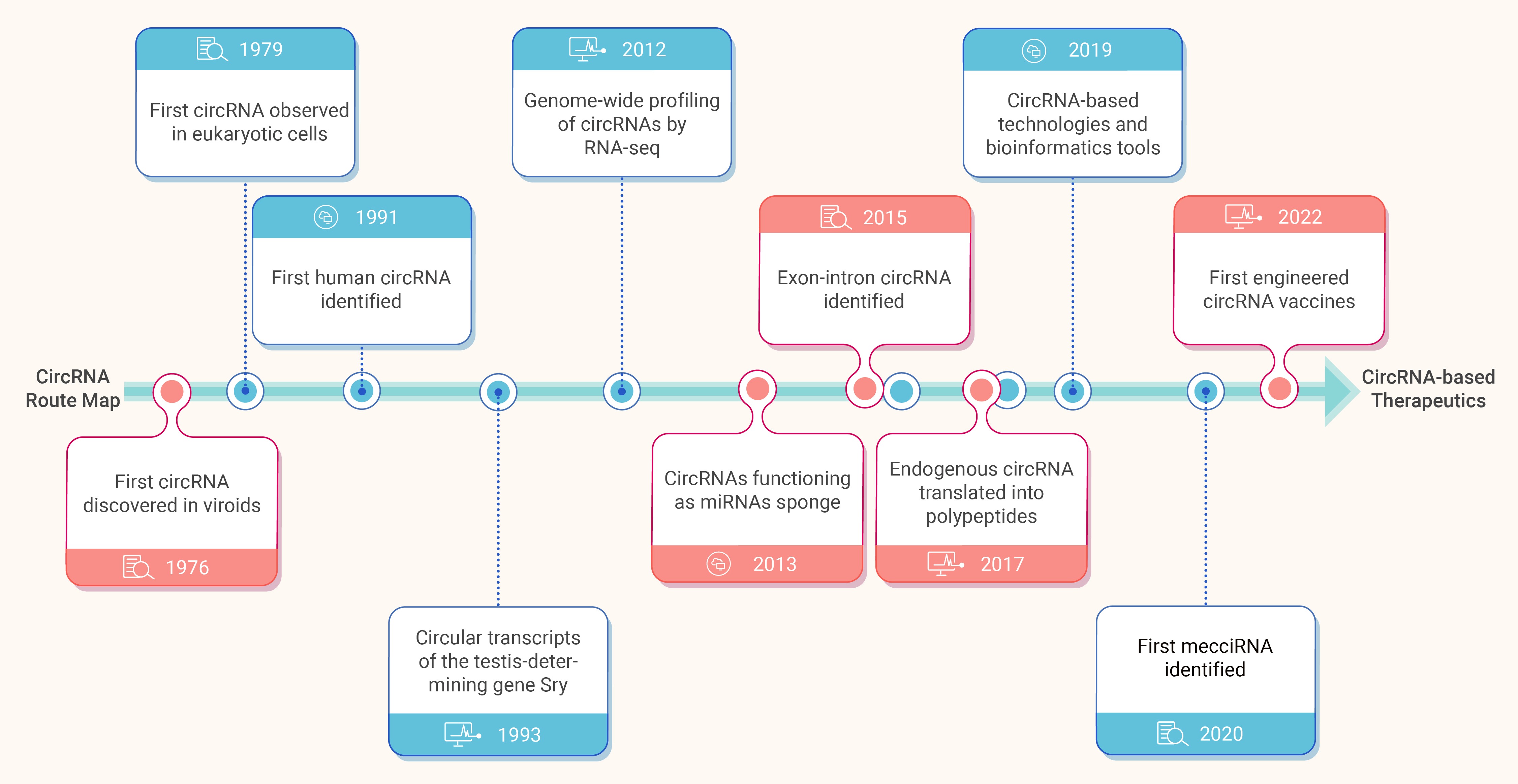
Figure 1.
Route map of circRNAs. The development of circRNA discoveries is illustrated
-
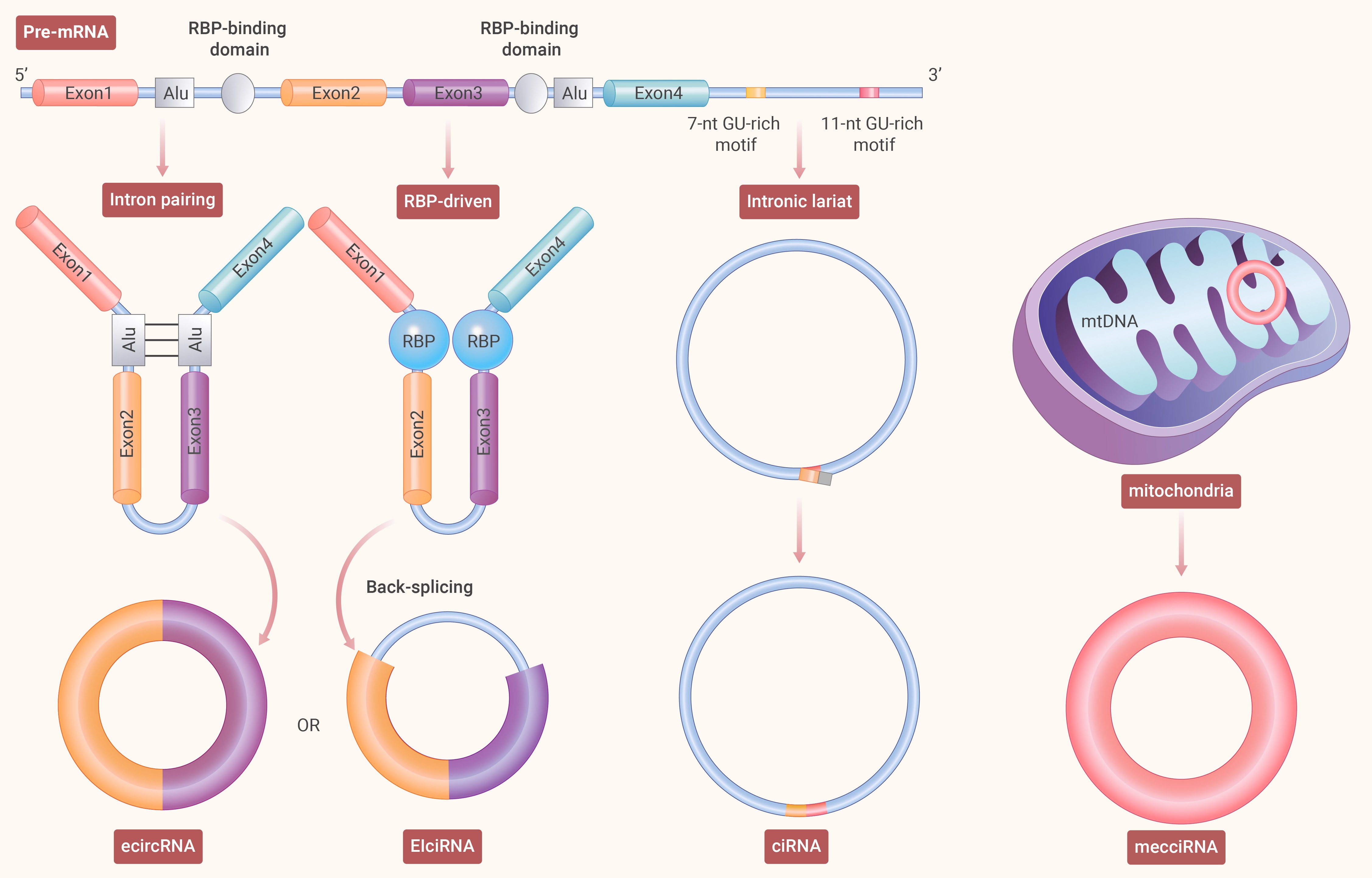
Figure 2.
The classification and biogenesis of circRNAs
-
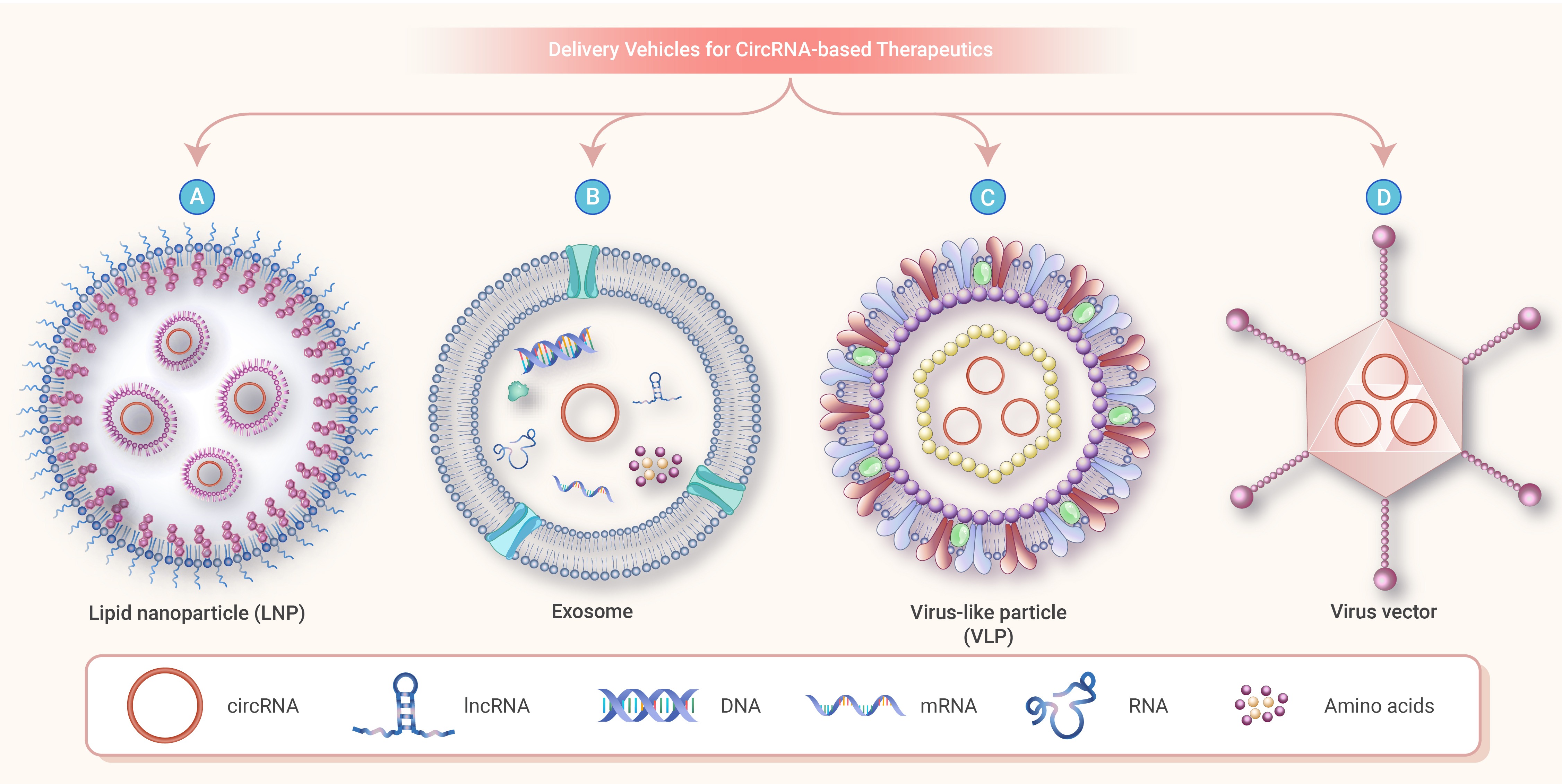
Figure 3.
Various delivery vehicles for circRNA-based therapeutics
