
Genetic-informed alternative RNA splicing serves an essential role in carcinogenesis and prognosis of non-small-cell lung cancer
-
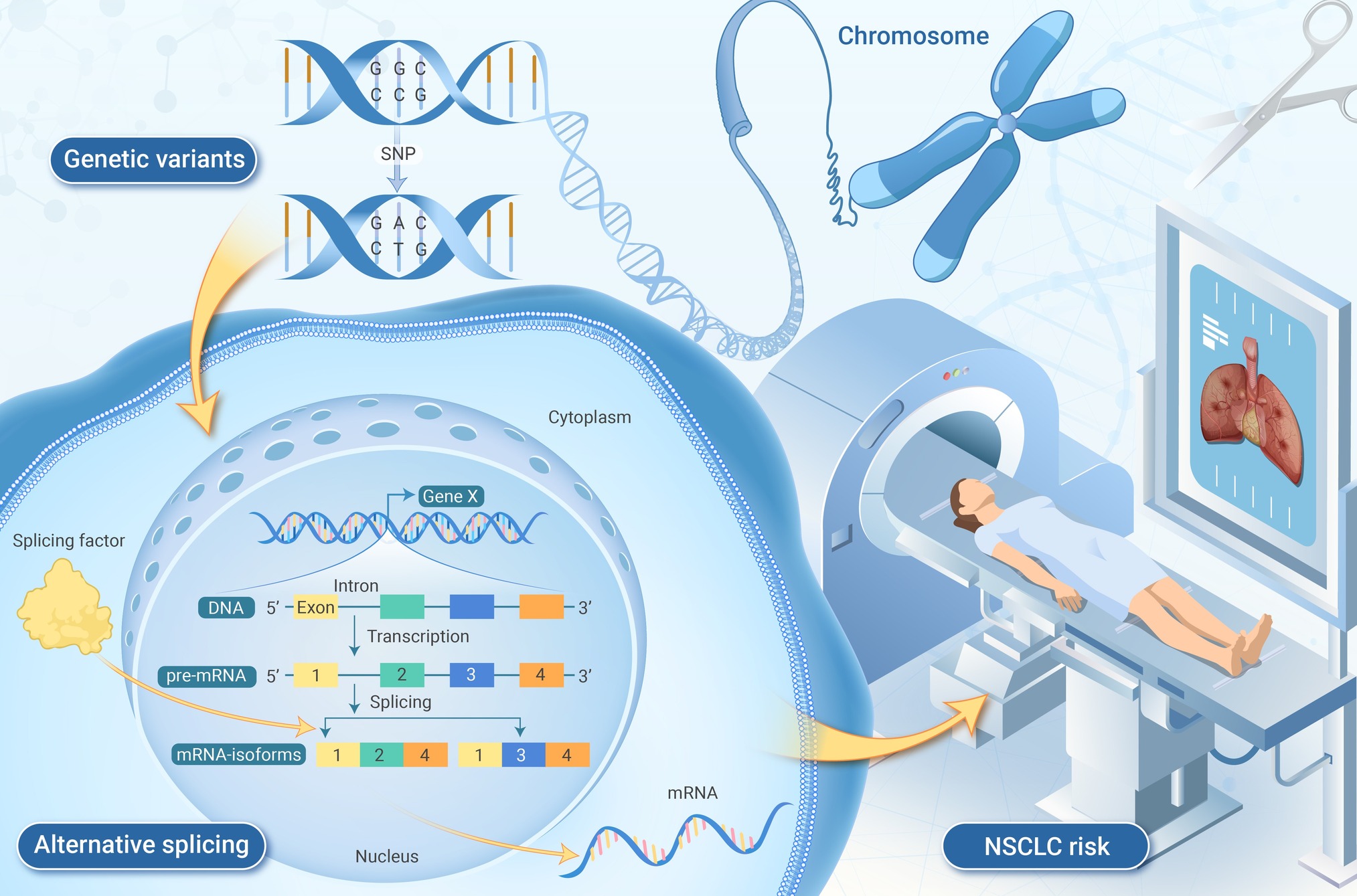
GRAPHICAL ABSTRACT
 DownLoad:
Full size image
DownLoad:
Full size image
-
PUBLIC SUMMARY
-
Lung cancer is the most commonly diagnosed malignancy both in China and globally.
RNA splicing plays a substantial role in influencing cancer heritability.
Genetic-based splicing dysregulation significantly contributes to the carcinogenesis and prognosis of lung cancer.
-
-
ABSTRACT
Dysregulated RNA splicing is a post-transcriptional molecular feature that significantly influences tumor progression and prognosis. However, the role of alternative splicing in the development of non-small cell lung cancer (NSCLC) within the Chinese population remains poorly understood. In this study, we investigated the genetic regulation of splicing in 245 tumor and 297 normal lung tissue samples from Chinese NSCLC patients. By integrating splicing data with a meta-analyzed genome-wide association study (GWAS) for NSCLC in East Asians (7,035 cases and 185,413 controls), we identified 14 novel NSCLC-associated splicing events (FDR < 0.05) through a splicing transcriptome-wide association study (spTWAS). Additionally, we validated the involvement of the splicing gene FARP1 and the EIF3 family, both of which have been associated with NSCLC risk. By combining the results of differential splicing analysis and spTWAS, followed by colocalization analysis and putative splicing factor predictions, we highlighted the critical roles of splicing events in TP63 (1st exon skipping) and TPM1 (6th exons mutually exclusive) in NSCLC, bridging the missing biology between SNP-NSCLC association. Furthermore, we underscored several splicing events in genes including ILK, which were also associated with NSCLC prognosis. In conclusion, this study elucidated the genetic architecture of splicing in lung tissues and revealed the significant contribution of splicing dysregulation to the carcinogenesis and prognosis of NSCLC. -

-
REFERENCES
[1] Sung H., Ferlay J., Siegel R. L., et al. (2021). Global Cancer Statistics 2020: GLOBOCAN estimates of incidence and mortality worldwide for 36 cancers in 185 countries. CA. Cancer J. Clin. 71:209−249. DOI:10.3322/caac.21660 [2] Han B., Zheng R., Zeng H., et al. (2024). Cancer incidence and mortality in China, 2022. J. Natl. Cancer Cent. 4:47−53. DOI:10.1016/j.jncc.2024.01.006 [3] Huang W., Zhai G., Dong H., et al. (2023). Geographical and sexual disparities of lung cancer mortality trends in China: A population-based study. Innov. Med. 1:100032. DOI:10.59717/j.xinn-med.2023.100032 [4] Duma N., Santana-Davila R. and Molina J. R. (2019). Non-small cell lung cancer: Epidemiology, screening, diagnosis, and treatment. Mayo Clin. Proc. 94:1623−1640. DOI:10.1016/j.mayocp.2019.01.013 [5] Benusiglio P. R., Fallet V., Sanchis-Borja M., et al. (2021). Lung cancer is also a hereditary disease. Eur. Respir. Rev. 30:210045. DOI:10.1183/16000617.0045-2021 [6] Du X., Yang B., An Q., et al. (2021). Acquired resistance to third-generation EGFR-TKIs and emerging next-generation EGFR inhibitors. The Innovation 2:100103. DOI:10.1016/j.xinn.2021.100103 [7] Shi X., Young S., Cai K., et al. (2022). Cancer susceptibility genes: update and systematic perspectives. The Innovation 3:100277. DOI:10.1016/j.xinn.2022.100277 [8] Bosse Y. and Amos C. I. (2018). A decade of GWAS results in lung cancer. Cancer Epidemiol. Biomarkers Prev. 27:363−379. DOI:10.1158/1055-9965.EPI-16-0794 [9] Long E., Patel H., Byun J., et al. (2022). Functional studies of lung cancer GWAS beyond association. Hum. Mol. Genet. 31:R22−R36. DOI:10.1093/hmg/ddac140 [10] Martinez-Ruiz C., Black J. R. M., Puttick C., et al. (2023). Genomic-transcriptomic evolution in lung cancer and metastasis. Nature 616:543−552. DOI:10.1038/s41586-023-05706-4 [11] Group P. T. C., Calabrese C., Davidson N. R., et al. (2020). Genomic basis for RNA alterations in cancer. Nature 578:129−136. DOI:10.1038/s41586-020-1970-0 [12] Hao K., Bosse Y., Nickle D. C., et al. (2012). Lung eQTLs to help reveal the molecular underpinnings of asthma. PLoS Genet. 8:e1003029. DOI:10.1371/journal.pgen.1003029 [13] McKay J. D., Hung R. J., Han Y., et al. (2017). Large-scale association analysis identifies new lung cancer susceptibility loci and heterogeneity in genetic susceptibility across histological subtypes. Nat. Genet. 49:1126−1132. DOI:10.1038/ng.3892 [14] Yao D. W., O'Connor L. J., Price A. L., et al. (2020). Quantifying genetic effects on disease mediated by assayed gene expression levels. Nat. Genet. 52:626−633. DOI:10.1038/s41588-020-0625-2 [15] Li Y. I., van de Geijn B., Raj A., et al. (2016). RNA splicing is a primary link between genetic variation and disease. Science 352:600−604. DOI:10.1126/science.aad9417 [16] Wan L. D., Yu W. Y., Shen E. H., et al. (2019). SRSF6-regulated alternative splicing that promotes tumour progression offers a therapy target for colorectal cancer. Gut 68:118−129. DOI:10.1136/gutjnl-2017-314983 [17] Tian J. B., Chen C., Rao M. L., et al. (2022). Aberrant RNA splicing is a primary link between genetic variation and pancreatic cancer risk. Cancer Res. 82:2084−2096. DOI:10.1158/0008-5472.Can-21-4367 [18] Li B., Cai Y. M., Chen C., et al. (2023). Genetic variants that impact alternative polyadenylation in cancer represent candidate causal risk loci. Cancer Res. 83:3650−3666. DOI:10.1158/0008-5472.Can-23-0251 [19] Wang E. T., Sandberg R., Luo S., et al. (2008). Alternative isoform regulation in human tissue transcriptomes. Nature 456:470−476. DOI:10.1038/nature07509 [20] de Figueiredo-Pontes L. L., Wong D. W., Tin V. P., et al. (2014). Identification and characterization of ALK kinase splicing isoforms in non-small-cell lung cancer. J. Thorac. Oncol. 9:248−253. DOI:10.1097/JTO.0000000000000050 [21] Zhang S., Mao M., Lv Y., et al. (2022). A widespread length-dependent splicing dysregulation in cancer. Sci. Adv. 8:eabn9232. DOI:10.1126/sciadv.abn9232 [22] Bradley R. K. and Anczukow O. (2023). RNA splicing dysregulation and the hallmarks of cancer. Nat. Rev. Cancer 23:135−155. DOI:10.1038/s41568-022-00541-7 [23] Raj T., Li Y. I., Wong G., et al. (2018). Integrative transcriptome analyses of the aging brain implicate altered splicing in Alzheimer's disease susceptibility. Nat. Genet. 50:1584−1592. DOI:10.1038/s41588-018-0238-1 [24] Zhang M., Chen C., Lu Z. Q., et al. (2023). Genetic control of alternative splicing and its distinct role in colorectal cancer mechanisms. Gastroenterology 165:1151−1167. DOI:10.1053/j.gastro.2023.07.019 [25] Jin M., Liu B., Chen C., et al. (2023). Genome-wide splicing quantitative expression locus analysis identifies causal risk variants for non-small cell lung cancer. Cancer Res. 83:1742−1756. DOI:10.1158/0008-5472.CAN-22-3184 [26] Gusev A., Lawrenson K., Lin X., et al. (2019). A transcriptome-wide association study of high-grade serous epithelial ovarian cancer identifies new susceptibility genes and splice variants. Nat. Genet. 51:815−823. DOI:10.1038/s41588-019-0395-x [27] Wang Y., Ding Y., Liu S., et al. (2023). Integrative splicing-quantitative-trait-locus analysis reveals risk loci for non-small-cell lung cancer. Am. J. Hum. Genet. 110:1574−1589. DOI:10.1016/j.ajhg.2023.07.008 [28] Lonsdale J., Thomas J., Salvatore M., et al. (2013). The Genotype-Tissue Expression (GTEx) project. Nat. Genet. 45:580−585. DOI:10.1038/ng.2653 [29] Gamazon E. R., Wheeler H. E., Shah K. P., et al. (2015). A gene-based association method for mapping traits using reference transcriptome data. Nat. Genet. 47:1091−1098. DOI:10.1038/ng.3367 [30] Wainberg M., Sinnott-Armstrong N., Mancuso N., et al. (2019). Opportunities and challenges for transcriptome-wide association studies. Nat. Genet. 51:592−599. DOI:10.1038/s41588-019-0385-z [31] Wang F. R., Yang X. J., Ren Z. Y., et al. (2023). Alternative splicing in mouse brains affected by psychological stress is enriched in the signaling, neural transmission and blood-brain barrier pathways. Mol. Psychiatry 28:4707-4718. DOI:10.1038/s41380-023-02103-1 [32] Van der Auwera G. A., Carneiro M. O., Hartl C., et al. (2013). From FastQ data to high confidence variant calls: The Genome Analysis Toolkit best practices pipeline. Curr. Protoc. Bioinformatics 43:11.10.1-11.10.33. DOI:10.1002/0471250953.bi1110s43 [33] Browning B. L., Tian X. W., Zhou Y., et al. (2021). Fast two-stage phasing of large-scale sequence data. Am. J. Hum. Genet. 108:1880−1890. DOI:10.1016/j.ajhg.2021.08.005 [34] Browning B. L., Zhou Y. and Browning S. R. (2018). A one-penny imputed genome from next-generation reference panels. Am. J. Hum. Genet. 103:338−348. DOI:10.1016/j.ajhg.2018.07.015 [35] Javed N., Farjoun Y., Fennell T. J., et al. (2020). Detecting sample swaps in diverse NGS data types using linkage disequilibrium. Nat. Commun. 11:3697. DOI:10.1038/s41467-020-17453-5. [36] Deng Z. L., Münch P. C., Mreches R., et al. (2022). Rapid and accurate identification of ribosomal RNA sequences via deep learning. Nucleic Acids Res. 50:e60. DOI:10.1093/nar/gkac112. [37] Dobin A., Davis C. A., Schlesinger F., et al. (2013). STAR: Ultrafast universal RNA-seq aligner. Bioinformatics 29:15−21. DOI:10.1093/bioinformatics/bts635 [38] Tarasov A., Vilella A. J., Cuppen E., et al. (2015). Sambamba: Fast processing of NGS alignment formats. Bioinformatics 31:2032−2034. DOI:10.1093/bioinformatics/btv098 [39] Li Y. I., Knowles D. A., Humphrey J., et al. (2018). Annotation-free quantification of RNA splicing using LeafCutter. Nat. Genet. 50:151−158. DOI:10.1038/s41588-017-0004-9 [40] Robinson M. D., McCarthy D. J. and Smyth G. K. (2010). edgeR: A Bioconductor package for differential expression analysis of digital gene expression data. Bioinformatics 26:139−140. DOI:10.1093/bioinformatics/btp616 [41] Shabalin A. A. (2012). Matrix eQTL: Ultra fast eQTL analysis via large matrix operations. Bioinformatics 28:1353−1358. DOI:10.1093/bioinformatics/bts163 [42] Stegle O., Parts L., Piipari M., et al. (2012). Using probabilistic estimation of expression residuals (PEER) to obtain increased power and interpretability of gene expression analyses. Nat. Protoc. 7:500−507. DOI:10.1038/nprot.2011.457 [43] Cingolani P., Platts A., Wang le L., et al. (2012). A program for annotating and predicting the effects of single nucleotide polymorphisms, SnpEff: SNPs in the genome of Drosophila melanogaster strain w1118; iso-2; iso-3. Fly (Austin) 6:80−92. DOI:10.4161/fly.19695 [44] Sakaue S., Kanai M., Tanigawa Y., et al. (2021). A cross-population atlas of genetic associations for 220 human phenotypes. Nat. Genet. 53:1415−1424. DOI:10.1038/s41588-021-00931-x [45] Yang J., Lee S. H., Goddard M. E., et al. (2011). GCTA: A tool for genome-wide complex trait analysis. Am. J. Hum. Genet. 88:76−82. DOI:10.1016/j.ajhg.2010.11.011 [46] Genomes Project C., Auton A., Brooks L. D., et al. (2015). A global reference for human genetic variation. Nature 526:68−74. DOI:10.1038/nature15393 [47] Giambartolomei C., Vukcevic D., Schadt E. E., et al. (2014). Bayesian test for colocalisation between pairs of genetic association studies using summary statistics. PLoS Genet. 10:e1004383. DOI:10.1371/journal.pgen.1004383 [48] Gusev A., Ko A., Shi H., et al. (2016). Integrative approaches for large-scale transcriptome-wide association studies. Nat. Genet. 48:245−252. DOI:10.1038/ng.3506 [49] Seiler M., Peng S. Y., Agrawal A. A., et al. (2018). Somatic mutational landscape of splicing factor genes and their functional consequences across 33 cancer types. Cell Rep. 23:282−296.e4. DOI:10.1016/j.celrep.2018.01.088 [50] Gu Z., Gu L., Eils R., et al. (2014). Circlize Implements and enhances circular visualization in R. Bioinformatics 30:2811−2812. DOI:10.1093/bioinformatics/btu393 [51] Szklarczyk D., Gable A. L., Lyon D., et al. (2019). STRING v11: Protein-protein association networks with increased coverage, supporting functional discovery in genome-wide experimental datasets. Nucleic Acids Res. 47:D607−D613. DOI:10.1093/nar/gky1131 [52] Colaprico A., Silva T. C., Olsen C., et al. (2016). TCGAbiolinks: An R/Bioconductor package for integrative analysis of TCGA data. Nucleic Acids Res. 44:e71. DOI:10.1093/nar/gkv1507 [53] Zhang Y., Yao X., Zhou H., et al. (2022). OncoSplicing: An updated database for clinically relevant alternative splicing in 33 human cancers. Nucleic Acids Res. 50:D1340−D1347. DOI:10.1093/nar/gkab851 [54] Chen B., Khodadoust M. S., Liu C. L., et al. (2018). Profiling tumor infiltrating immune cells with CIBERSORT. Methods Mol. Biol. 1711:243−259. DOI:10.1007/978-1-4939-7493-1_12 [55] Maeser D., Gruener R. F. and Huang R. S. (2021). oncoPredict: An R package for predicting in vivo or cancer patient drug response and biomarkers from cell line screening data. Brief. Bioinform. 22:bbab260. DOI:10.1093/bib/bbab260 [56] Walker R. L., Ramaswami G., Hartl C., et al. (2020). Genetic control of expression and splicing in developing human brain informs disease mechanisms (vol 179, 750.e1, 2019). Cell 181:745-745. DOI:10.1016/j.cell.2020.04.016 [57] Zhang Z., Gao Q., Ren X., et al. (2023). Characterization of intratumor microbiome in cancer immunotherapy. The Innovation 4:100482. DOI:10.1016/j.xinn.2023.100482 [58] Qi T., Wu Y., Fang H. L., et al. (2022). Genetic control of RNA splicing and its distinct role in complex trait variation. Nat. Genet. 54:1355−1363. DOI:10.1038/s41588-022-01154-4 [59] Kahles A., Lehmann K. V., Toussaint N. C., et al. (2018). Comprehensive analysis of alternative splicing across tumors from 8,705 patients. Cancer Cell 34:211−224.e6. DOI:10.1016/j.ccell.2018.07.001 [60] Strober B. J., Elorbany R., Rhodes K., et al. (2019). Dynamic genetic regulation of gene expression during cellular differentiation. Science 364:1287−1290. DOI:10.1126/science.aaw0040 [61] Kim E. K. and Choi E. J. (2010). Pathological roles of MAPK signaling pathways in human diseases. Biochim. Biophys. Acta 1802:396−405. DOI:10.1016/j.bbadis.2009.12.009 [62] Roskoski R., Jr. (2019). Targeting ERK1/2 protein-serine/threonine kinases in human cancers. Pharmacol. Res. 142:151−168. DOI:10.1016/j.phrs.2019.01.039 [63] Martinez N. M., Pan Q., Cole B. S., et al. (2012). Alternative splicing networks regulated by signaling in human T cells. RNA 18:1029−1040. DOI:10.1261/rna.032243.112 [64] O'Connor B. P., Danhorn T., De Arras L., et al. (2015). Regulation of toll-like receptor signaling by the SF3a mRNA splicing complex. PLoS Genet. 11:e1004932. DOI:10.1371/journal.pgen.1004932 [65] Schaub A. and Glasmacher E. (2017). Splicing in immune cells-mechanistic insights and emerging topics. Int. Immunol. 29:173−181. DOI:10.1093/intimm/dxx026 [66] Kong Y., Yu J., Ge S., et al. (2023). Novel insight into RNA modifications in tumor immunity: Promising targets to prevent tumor immune escape. The Innovation 4:100452. DOI:10.1016/j.xinn.2023.100452 [67] Matter N., Herrlich P. and Konig H. (2002). Signal-dependent regulation of splicing via phosphorylation of Sam68. Nature 420:691−695. DOI:10.1038/nature01153 [68] Weg-Remers S., Ponta H., Herrlich P., et al. (2001). Regulation of alternative pre-mRNA splicing by the ERK MAP-kinase pathway. EMBO J. 20:4194−4203. DOI:10.1093/emboj/20.15.4194 [69] Hassn Mesrati M., Syafruddin S. E., Mohtar M. A., et al. (2021). CD44: A multifunctional mediator of cancer progression. Biomolecules 11:1850. DOI:10.3390/biom11121850 [70] Ishimoto T., Nagano O., Yae T., et al. (2011). CD44 variant regulates redox status in cancer cells by stabilizing the xCT subunit of system xc(-) and thereby promotes tumor growth. Cancer Cell 19:387−400. DOI:10.1016/j.ccr.2011.01.038 [71] Ni J., Cheung B. B., Beretov J., et al. (2020). CD44 variant 6 is associated with prostate cancer growth and chemo-/radiotherapy response. Exp. Cell Res. 388:111850. DOI:10.1016/j.yexcr.2020.111850 [72] Zhao P., Damerow M. S., Stern P., et al. (2013). CD44 promotes Kras-dependent lung adenocarcinoma. Oncogene 32:5186−5190. DOI:10.1038/onc.2012.542 [73] Mills A. A., Zheng B. H., Wang X. J., et al. (1999). p63 is a p53 homologue required for limb and epidermal morphogenesis. Nature 398:708−713. DOI. DOI:10.1038/19531 [74] Yi M., Tan Y. X., Wang L., et al. (2021). TP63 links chromatin remodeling and enhancer reprogramming to epidermal differentiation and squamous cell carcinoma development (vol 77, pg 4325, 2020). Cell. Mol. Life Sci. 78:7915. DOI:10.1007/s00018-021-03982-9 [75] Taylor W., Deschamps S., Reboutier D., et al. (2022). The splicing factor PTBP1 represses γ isoform production in squamous cell carcinoma. Cancer Res. Commun. 2:1669−1683. DOI:10.1158/2767-9764.Crc-22-0350 [76] Beyer U., Moll-Rocek J., Moll U. M., et al. (2011). Endogenous retrovirus drives hitherto unknown proapoptotic p63 isoforms in the male germ line of humans and great apes. Proc. Natl. Acad. Sci. U. S. A. 108:3624−3629. DOI:10.1073/pnas.1016201108 [77] Gooding C. and Smith C. W. J. (2008). Tropomyosin exons as models for alternative splicing. Adv. Exp. Med. Biol. 644:27−42. DOI:10.1007/978-0-387-85766-4_3 [78] Okumura M., Kondo S., Ogata M., et al. (2005). Candidates for tumor-specific alternative splicing. Biochem. Biophys. Res. Commun. 334:23−29. DOI:10.1016/j.bbrc.2005.06.057 [79] Gardina P. J., Clark T. A., Shimada B., et al. (2006). Alternative splicing and differential gene expression in colon cancer detected by a whole genome exon array. BMC Genomics 7:325. DOI:10.1186/1471-2164-7-325 [80] Thorsen K., Sorensen K. D., Brems-Eskildsen A. S., et al. (2008). Alternative splicing in colon, bladder, and prostate cancer identified by exon array analysis. Mol. Cell Proteomics 7:1214−1224. DOI:10.1074/mcp.M700590-MCP200 [81] Ding J. Y., Li C. Q., Cheng Y. W., et al. (2021). Alterations of RNA splicing patterns in esophagus squamous cell carcinoma. Cell Biosci. 11:36. DOI:10.1186/s13578-021-00546-z [82] Langer W., Sohler F., Leder G., et al. (2010). Exon array analysis using re-defined probe sets results in reliable identification of alternatively spliced genes in non-small cell lung cancer. BMC Genomics 11:676. DOI:10.1186/1471-2164-11-676 [83] Cooke M., Kreider-Letterman G., Baker M. J., et al. (2021). FARP1, ARHGEF39, and TIAM2 are essential receptor tyrosine kinase effectors for Rac1-dependent cell motility in human lung adenocarcinoma. Cell Rep. 37:109905. DOI:10.1016/j.celrep.2021.109905. [84] Yin Y. T., Long J. L., Sun Y. Q., et al. (2018). The function and clinical significance of eIF3 in cancer. Gene 673:130−133. DOI:10.1016/j.gene.2018.06.034 [85] Gomes-Duarte A., Lacerda R., Menezes J., et al. (2018). eIF3: A factor for human health and disease. RNA Biol. 15:26−34. DOI:10.1080/15476286.2017.1391437 [86] Bhat M., Robichaud N., Hulea L., et al. (2015). Targeting the translation machinery in cancer. Nat. Rev. Drug Discovery 14:261−278. DOI:10.1038/nrd4505 [87] Rothe M., Ko Y., Albers P., et al. (2000). Eukaryotic initiation factor 3 p110 mRNA is overexpressed in testicular seminomas. Am. J. Pathol. 157:1597−1604. DOI:10.1016/S0002-9440(10)64797-9 [88] Song N., Wang Y., Gu X. D., et al. (2013). Effect of siRNA-mediated knockdown of gene on survival of colon cancer cells. Journal of Zhejiang University-Science B 14:451−459. DOI:10.1631/jzus.B1200230 [89] Lee A. S. Y., Kranzusch P. J., Doudna J. A., et al. (2016). eIF3d is an mRNA cap-binding protein that is required for specialized translation initiation. Nature 536:96−99. DOI:10.1038/nature18954 [90] Zhao M., Gao Y., Wang L., et al. (2013). Overexpression of integrin-linked kinase promotes lung cancer cell migration and invasion via NF-kappaB-mediated upregulation of matrix metalloproteinase-9. Int. J. Med. Sci. 10:995−1002. DOI:10.7150/ijms.5963 [91] Jia Z. Y. (2015). Role of integrin-linked kinase in drug resistance of lung cancer. Oncotargets and Therapy 8:1561−1565. DOI:10.2147/Ott.S81447 [92] Tseng P. C., Chen C. L., Shan Y. S., et al. (2014). An increase in integrin-linked kinase non-canonically confers NF-kappaB-mediated growth advantages to gastric cancer cells by activating ERK1/2. Cell Commun. Signal. 12:69. DOI:10.1186/s12964-014-0069-3 [93] Liang C. H., Chiu S. Y., Hsu I. L., et al. (2013). alpha-Catulin drives metastasis by activating ILK and driving an alphavbeta3 integrin signaling axis. Cancer Res. 73:428−438. DOI:10.1158/0008-5472.CAN-12-2095 [94] Chu P. C., Yang M. C., Kulp S. K., et al. (2016). Regulation of oncogenic KRAS signaling via a novel KRAS-integrin-linked kinase-hnRNPA1 regulatory loop in human pancreatic cancer cells. Oncogene 35:3897−3908. DOI:10.1038/onc.2015.458 [95] Nikou S., Arbi M., Dimitrakopoulos F. D., et al. (2020). Integrin-linked kinase (ILK) regulates KRAS, IPP complex and Ras suppressor-1 (RSU1) promoting lung adenocarcinoma progression and poor survival. J. Mol. Histol. 51:385−400. DOI:10.1007/s10735-020-09888-3 [96] Watahiki A., Waki K., Hayatsu N., et al. (2004). Libraries enriched for alternatively spliced exons reveal splicing patterns in melanocytes and melanomas. Nat. Methods 1:233−239. DOI:10.1038/nmeth719 -
ABOUT THIS ARTICLE
Cite this article:
Zhou H., Wu M., Wu K., et al. (2025). Genetic-informed alternative RNA splicing serves an essential role in carcinogenesis and prognosis of non-small-cell lung cancer. The Innovation Medicine 3:100111. https://doi.org/10.59717/j.xinn-med.2025.100111
Welcome!
To request copyright permission to republish or share portions of our works, please visit Copyright Clearance Center's (CCC) Marketplace website at marketplace.copyright.com.
Supplementary Information
-
download_supplementary
Table S1-S5
Article Metrics
Relative Articles
Cited by
Export File
Citation
Zhou H., Wu M., Wu K., et al. (2025). Genetic-informed alternative RNA splicing serves an essential role in carcinogenesis and prognosis of non-small-cell lung cancer. The Innovation Medicine 3:100111. https://doi.org/10.59717/j.xinn-med.2025.100111

Format
Content

-
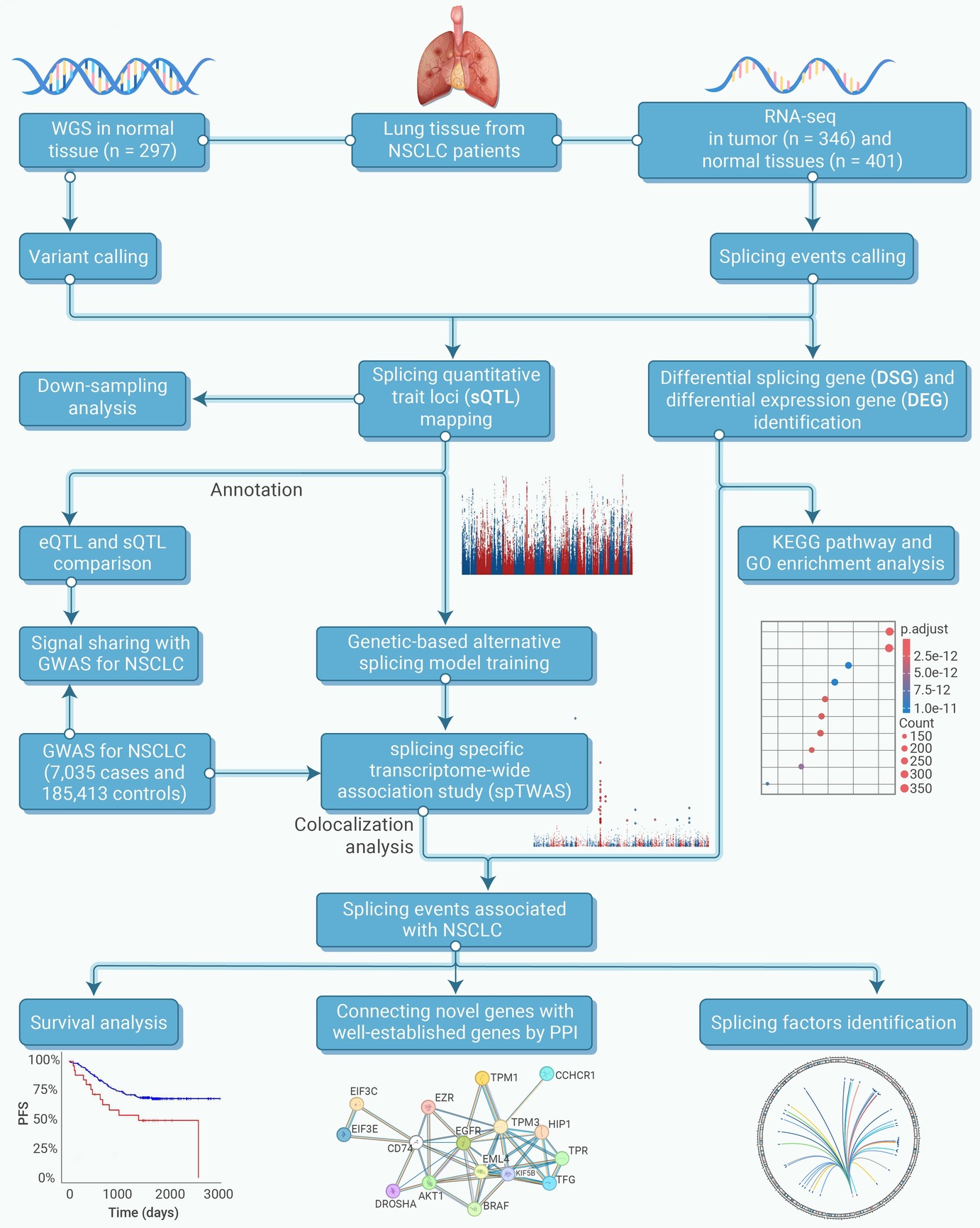
Figure 1.
Study overview
-
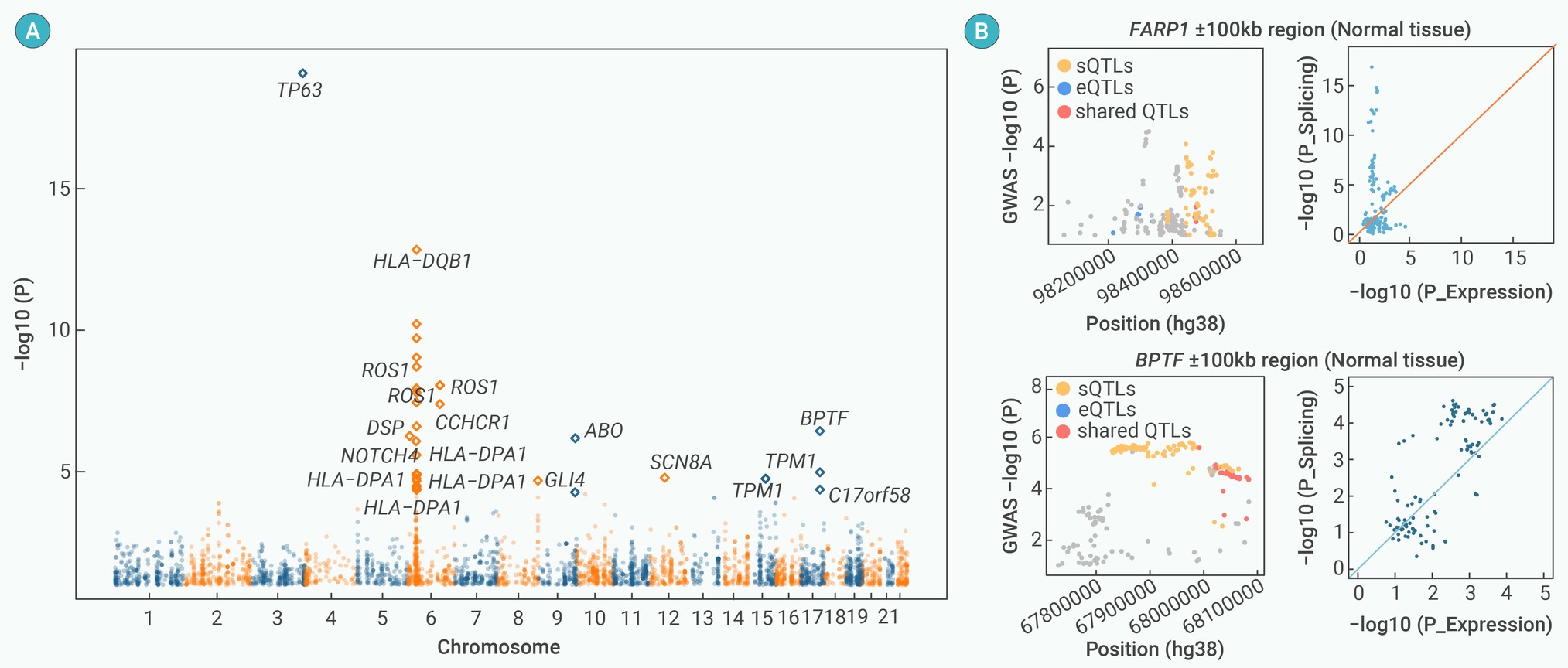
Figure 2.
The splicing-based transcriptome-wide association study (spTWAS)
-
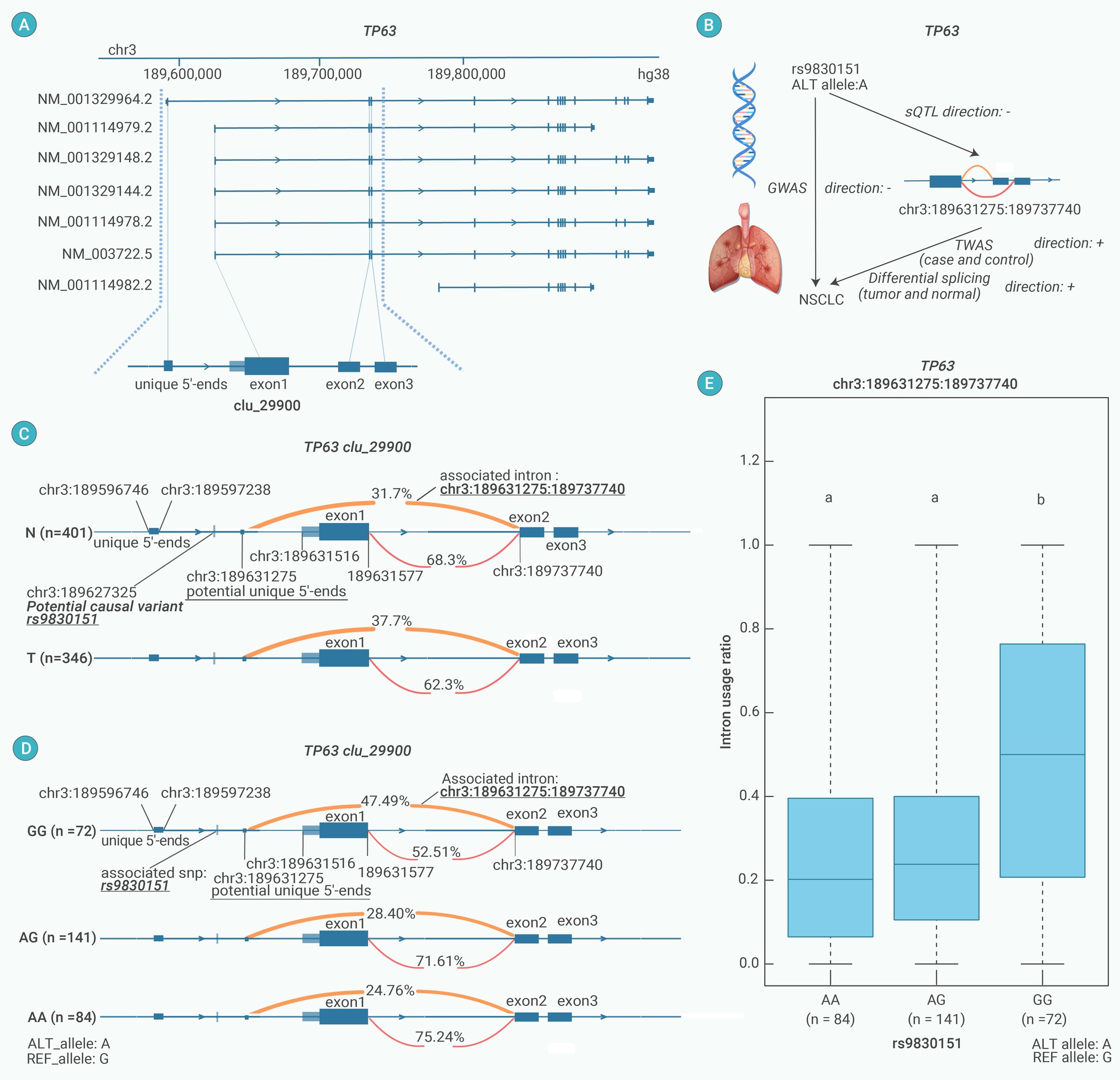
Figure 3.
Alternative splicing of TP63 is associated with the risk of NSCLC
-
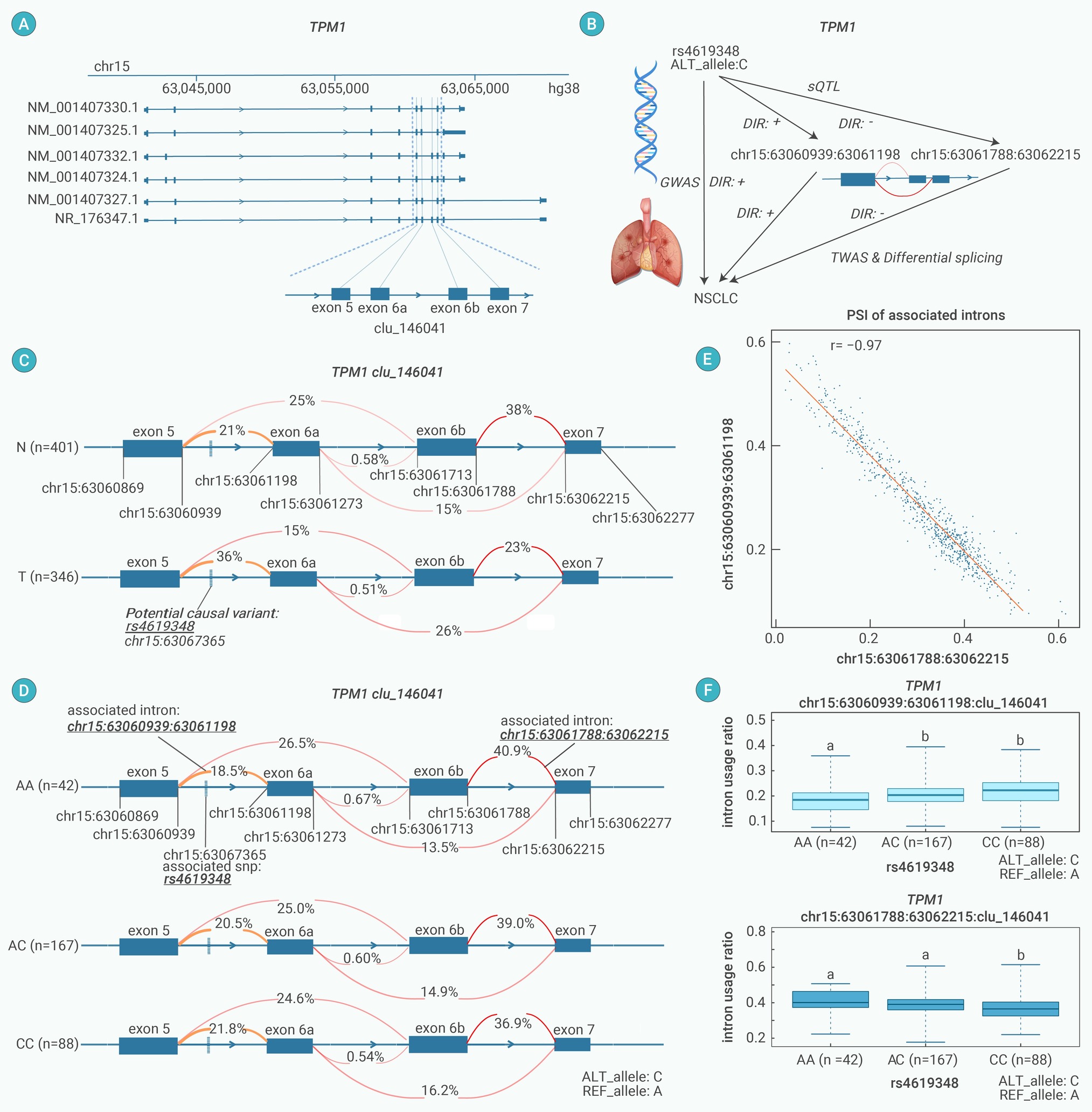
Figure 4.
Alternative splicing of TPM1 was associated with the risk of NSCLC
-
Figure 5.
Potential upstream regulators and mechanisms for the alternative splicing events
-
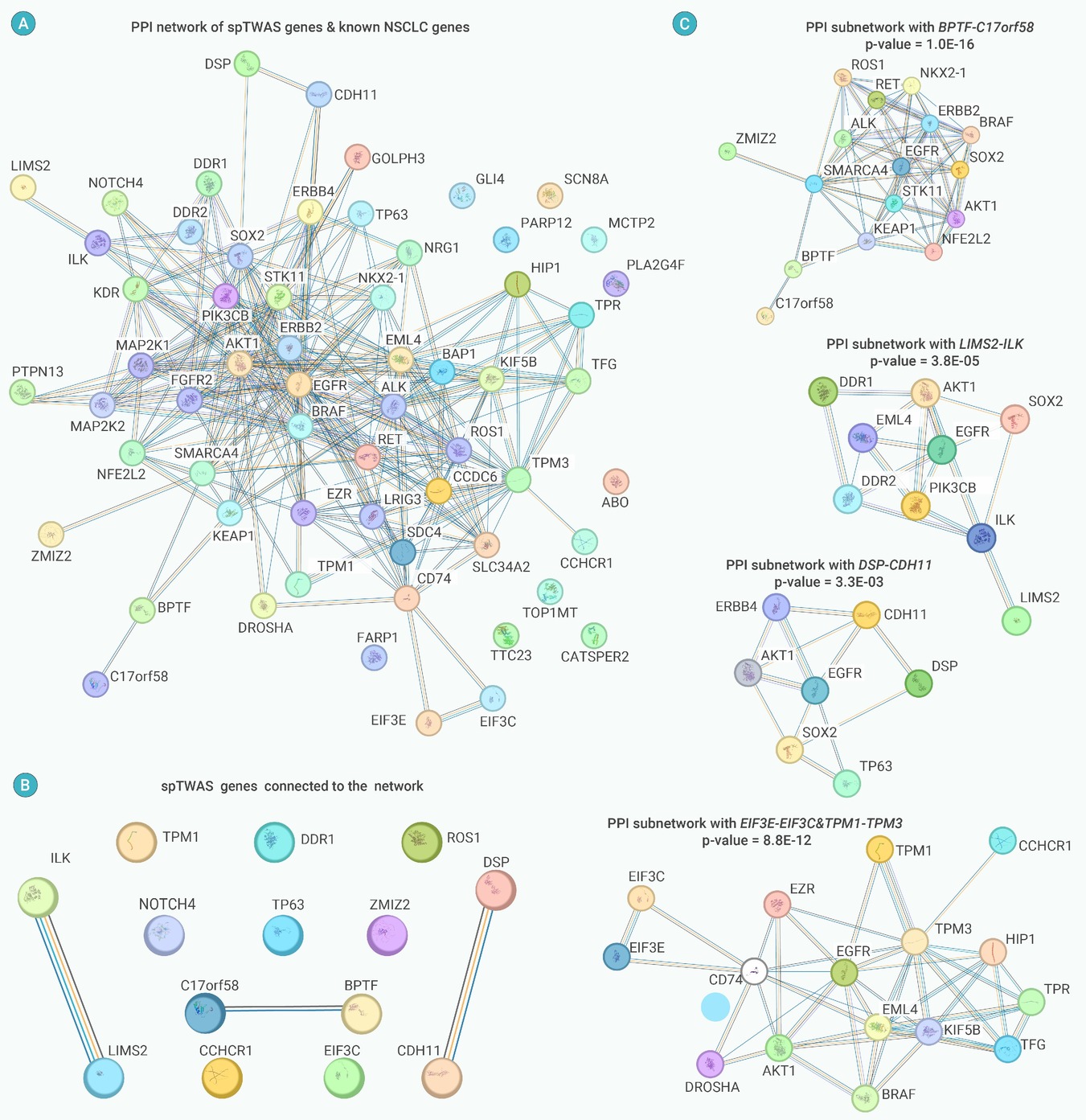
Figure 6.
The protein-protein interaction (PPI) network analysis connects novel NSCLC-associated genes identified by spTWAS with documented cancer genes
-
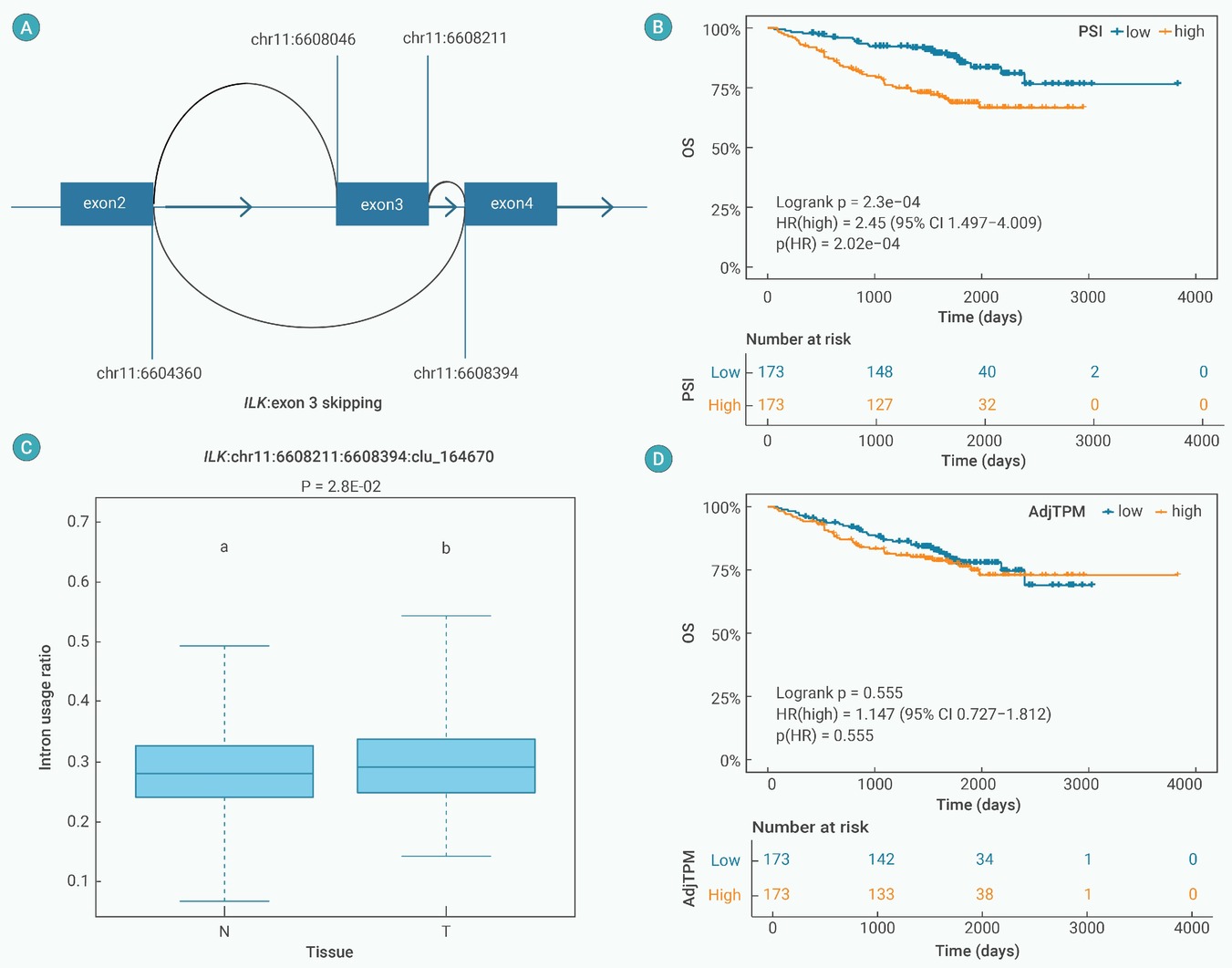
Figure 7.
Alternative splicing of ILK was a predictor for the prognosis of NSCLC
